
C:\RUNAIDANRUN.exe
First published in GRIND III, pages 136–138.
A short excerpt from the book
If you open a map of Romania and put your finger right in the middle, chances are you'll land somewhere between Brașov and Sibiu – on Făgăraș, the centre of the country. Officially established, more recently, if you go by the studies of specialists at Babeș-Bolyai University. 45 degrees 50 minutes north latitude and 24 degrees 59 minutes east longitude. About 30 kilometres from the village of Dealu Frumos, until then considered the belly button of Romania. I'm very sorry for the fair folk of the hill, but mathematics and computers took no account of the geographical stories they'd inherited from their great-grandparents. I wonder if they suffered.
Somehow, each of us has a personal centre of the country. I'd even go as far as to say that we all have a centre of the world, one that pays no heed to the science of university professors, only to the powerful gravity exerted on our whole existence. It differs from person to person: the place of birth and childhood, the city of our student years, the street where our first real love blossomed. As many people, as many centres.
Mine is in Voila, funnily enough very close to the geographical one. A village on the DN1, a stone's throw from Făgăraș and the left bank of the Olt. For 18 years, Voila was the needle on the scales that told me what I was and how I lived. Sometimes it showed me the truth: that I was a boy born in a village in 1990, living just like every other kid on the lane. Other times it tipped towards a parallel reality, shaped by the upbringing my parents gave me and by my family's living conditions – almost identical to those in Romanian cities in the '90s. Although I consider myself a person with rural roots, my childhood and adolescence were a clash between the unchanging spirit of the village and an urban accelerator driven by technology and pop culture.
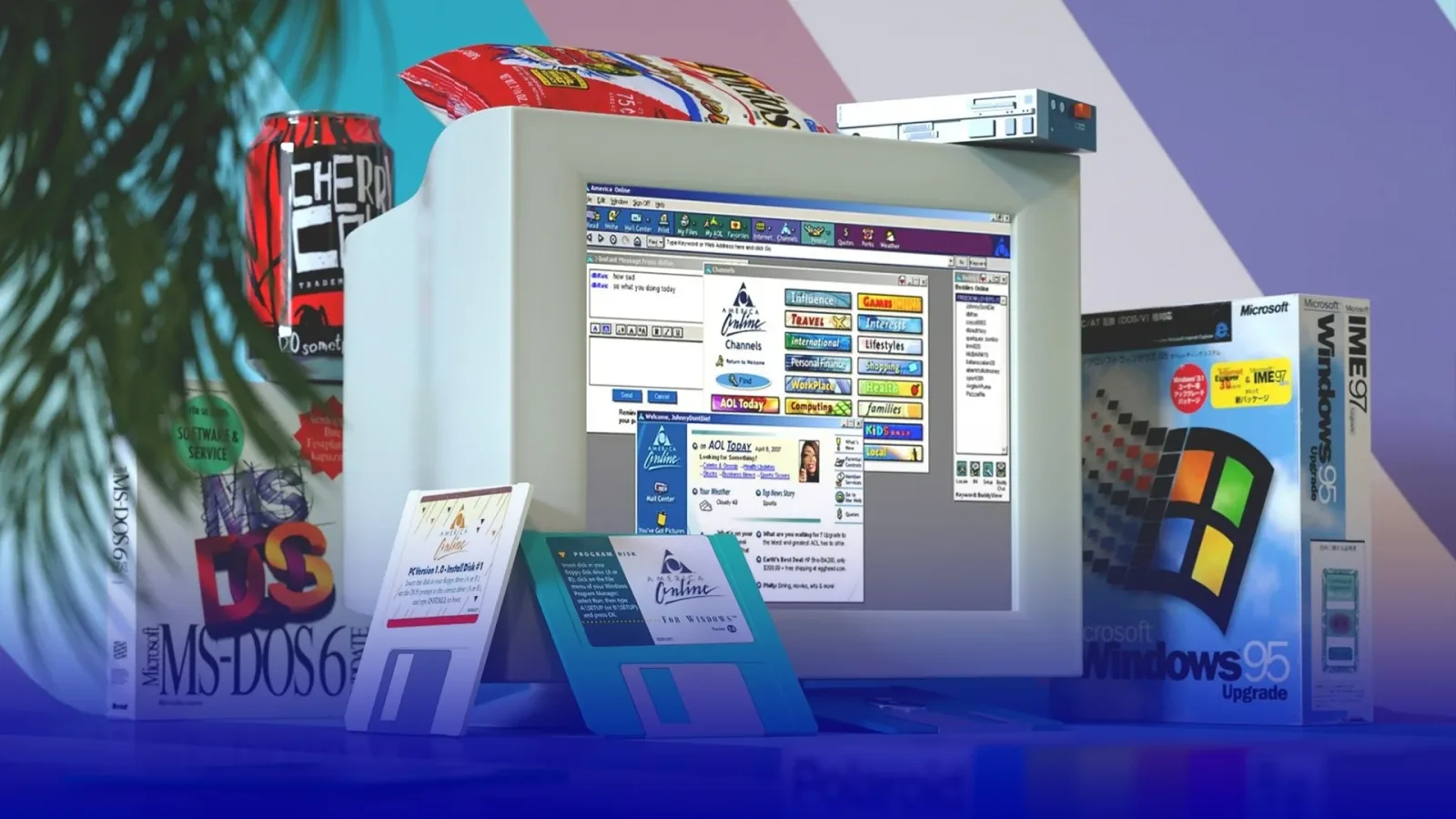
A great deal has been written and said about the latchkey generation from before 1989. But what about those born and raised right after the Revolution, with a 3.5-inch floppy in the drive, with texts sent from a Nokia 3310, with eyes rinsed in Sailor Moon and Dragon Ball Z, with pockets full of Pokémon stickers and chats on mIRC and Yahoo Messenger, with bones broken on BMXes and Pegas bikes while listening to Linkin Park or Vița de Vie, with fingers sprained from FIFA, dressed in knock-off Abibas (sic) tracksuits and Rambo (sic) jeans – what about us?
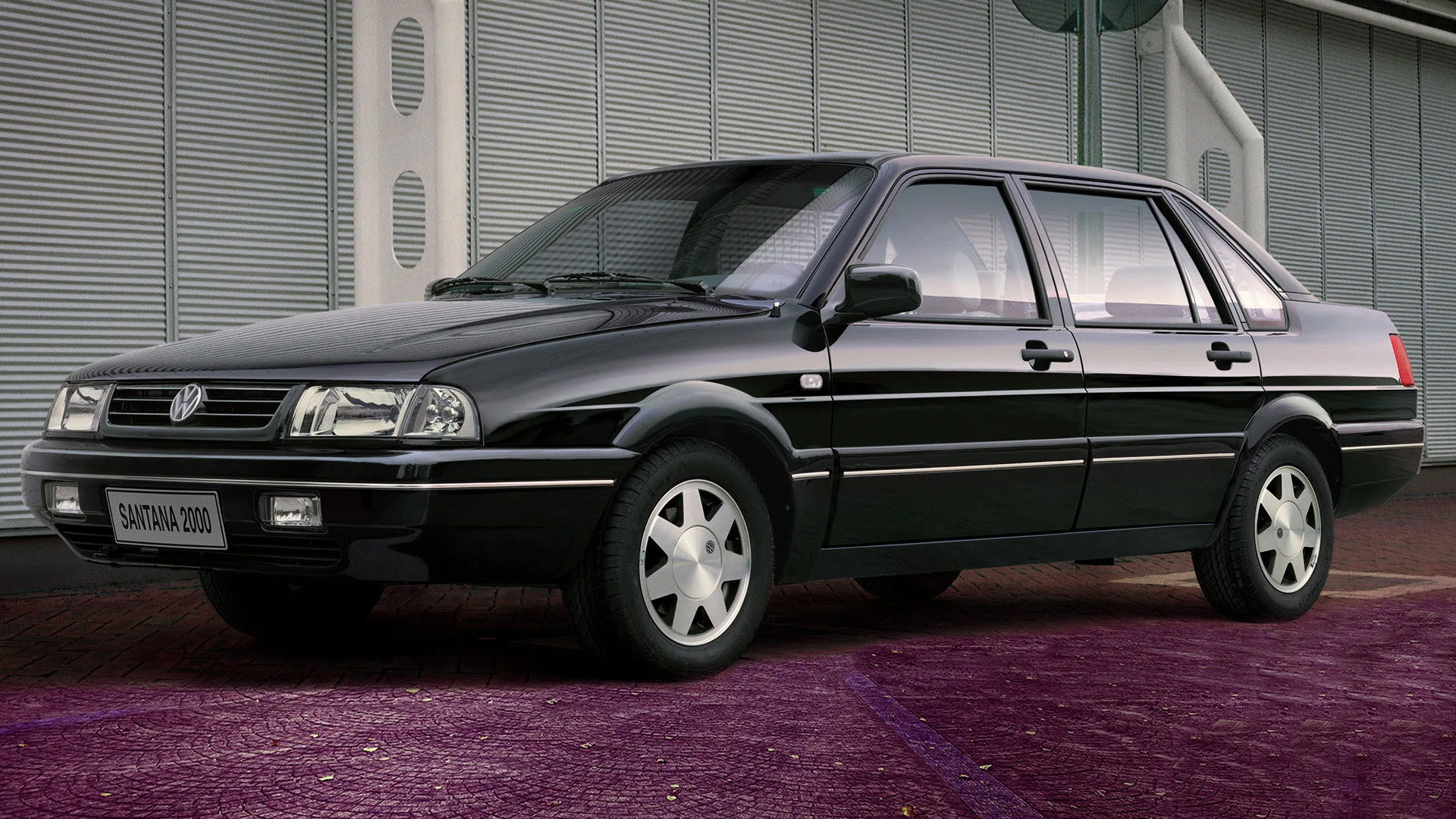
Between 1990 and 2010, a “rogue wave” of Romanian girls and boys rose out of the most violent storm of change. Volkswagen Santana A socio-cultural hurricane driven by technology and media from the West, which was starting to seep into every aspect of post-December childhood and adolescence. At the same time, the Eastern European peculiarities of the years before tightly crossed their legs and refused to be touched. Looking back from the trapeze of time, I realise they have held out to this day.
This book sets out to explore 20 years of change from an alternative, subjective perspective: mine, raised between village and city, between the dust of the lane and the satellite dish, between the computer and football played against a wall, between old books and the new internet. A history that today has turned into a nostalgia bordering on obsession. Unsurprisingly, the story begins on the back seat of a Volkswagen Santana, on the way to the only centre I knew back then.
Captain Ciucas(A:),
I think we were coming back from a picnic. Mum and Dad were caught up in a grown-up conversation while I admired the hills from the back seat. Hills have always fascinated me. Even now I pick out a faraway spot on their ridge and imagine how peaceful it would be to be there.
Only on this car journey, a thought was eating away at me, and Mum knew it. Clau, as I've called her since I started talking, has the gift of female intuition multiplied by maternal instinct and then raised to the power of 10. The upshot is that she can read my mind, and I've never managed to lie to her, from childhood right through to adult life.
– You know the Florea brothers have loads of games and a good, modern computer. Why don't you go and borrow some?
The Florea brothers. Two mysterious figures I couldn't put a face to – only a concept, an idea, a story. The word going round among us, the gang of 7-to-10-year-olds, was that the Florea brothers had hundreds of games on CDs and a computer that could “run” anything. I knew full well that my friend and neighbour Ionuț was blessed with a computer like that too, except it was the family's, and we only got at the games once the serious business was done. But the Florea brothers had their own computer and – most importantly – they were older than us and played as much as they pleased.
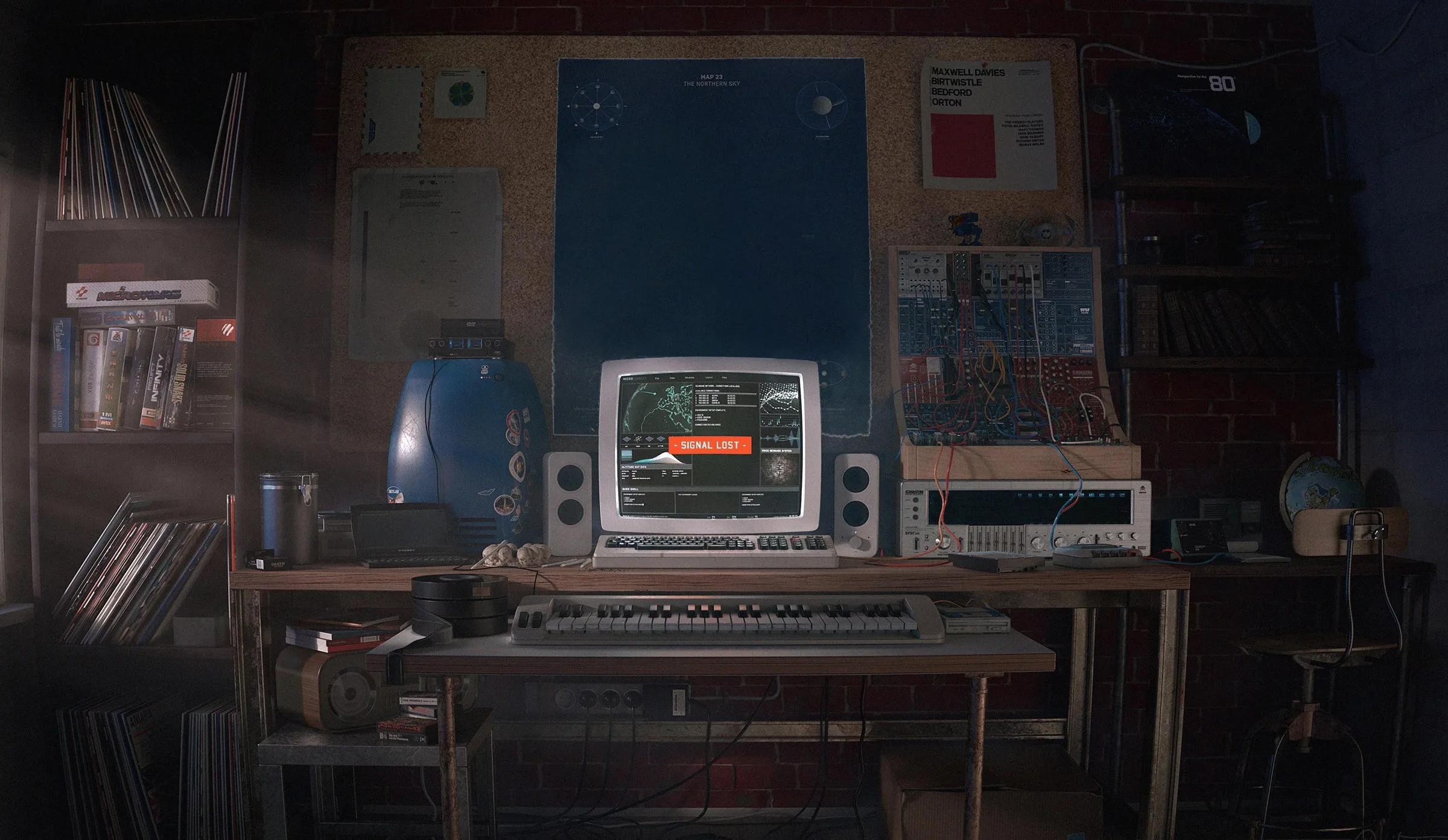
I had mine too. An IBM PC 350 at 133 MHz with 16 MB of RAM and a hard disk totalling 400 megabytes, packed with DOS games installed by the previous owner. The home computer was already outdated in lots of ways, but that wasn't what bothered me. The thing was this: I was sick of Wolfenstein 3D, DOOM and Quake. I knew every map in Warcraft II. Commander Keen was an extension of my personality. Supaplex held no more secrets. I wanted something new, a game that would leave me gawping and prove that the only thing separating reality from a fantasy world was the glass of the monitor.
I was determined to go to the Florea brothers and ask to borrow a few games. It was 1999, and at great financial strain my parents had managed to buy me a CD-ROM drive and a sound card. Until then I'd been stuck with floppies and monotone beeps, but that was about to change. Bucolic Green Hills Wallpaper Cerbul Ciucas.jpg I could get hold of games on CD and was about to experience the next level in graphics and sound. So what if I didn't have a 3D accelerator? The games would run, just a little worse. I could live with that. In theory, I had it all sorted. In practice, I had no idea how to get myself noticed by two teenage boys from my village who didn't know I existed – a snot-nosed 9-year-old.
There was one advantage, though: Mum was a teacher at the school in Voila, which meant she knew a pile of other kids in the village. And among those kids, at least one had to be mates with the Florea brothers. I started to spot a gap, an opportunity. The plan was made, and after Clau began asking around in the school corridors, I had my way in: a kid called Rareș.
We knew each other by sight, and had even played a few football matches against a wall near my house – a wall where the “goal” scratched out with a piece of crumbly brick is still visible, more than two decades later. So I invited Rareș round, we took turns on the magnificent Magic Carpet, and then I dropped the bomb: I needed an in with the occult circle around Radu and Dan, because I'd found out the two brothers' names.
Thrown by the question, Rareș – who later became one of my best childhood friends – looked like a deer caught in the headlights. I've never seen him so panicked, before or since. Thinking about the spot he was in, I understand why he reacted that way. We were barely turning 10, the pair of us sitting with our cheeks irradiated by the Bullfrog logo on the CRT monitor, while Rareș told me that to get into Dan's good books we'd have to pay a toll: a bottle of Ciucaș beer – and it had to be cold.
Blimey. We had to buy beer. On the sly, because we didn't want our parents finding out we were going somewhere that alcohol was drunk. Now, to be honest, buying beer and cigarettes in Voila as a minor was the easiest thing in the world. Nobody questions a kid sent to buy booze and tobacco in a village – it's a quest everyone in the countryside gets handed. You go to the grocer's and pick up four beers, a pack of Winchester and a loaf of bread, if there's still room in your bag.
Rareș wasn't scared of the act of buying, but of the fact that I now knew his secret and could, at any moment, blab around the village that he was buying Ciucaș for older lads instead of spending his money on Turbo gum – and all because Rareș wanted to play on the computer. Which was exactly what I wanted too.
Lucky for us, it wasn't Prohibition, and I'd never had anything to do with foundry work. The next step was to get hold of some money and an empty bottle. I don't know how it was elsewhere, but at our shop you couldn't get a beer unless you handed over a bottle in exchange. Otherwise you had to promise to return one, and we tried to steer clear of that sort of commitment. To be continued...