
Disciples I & II
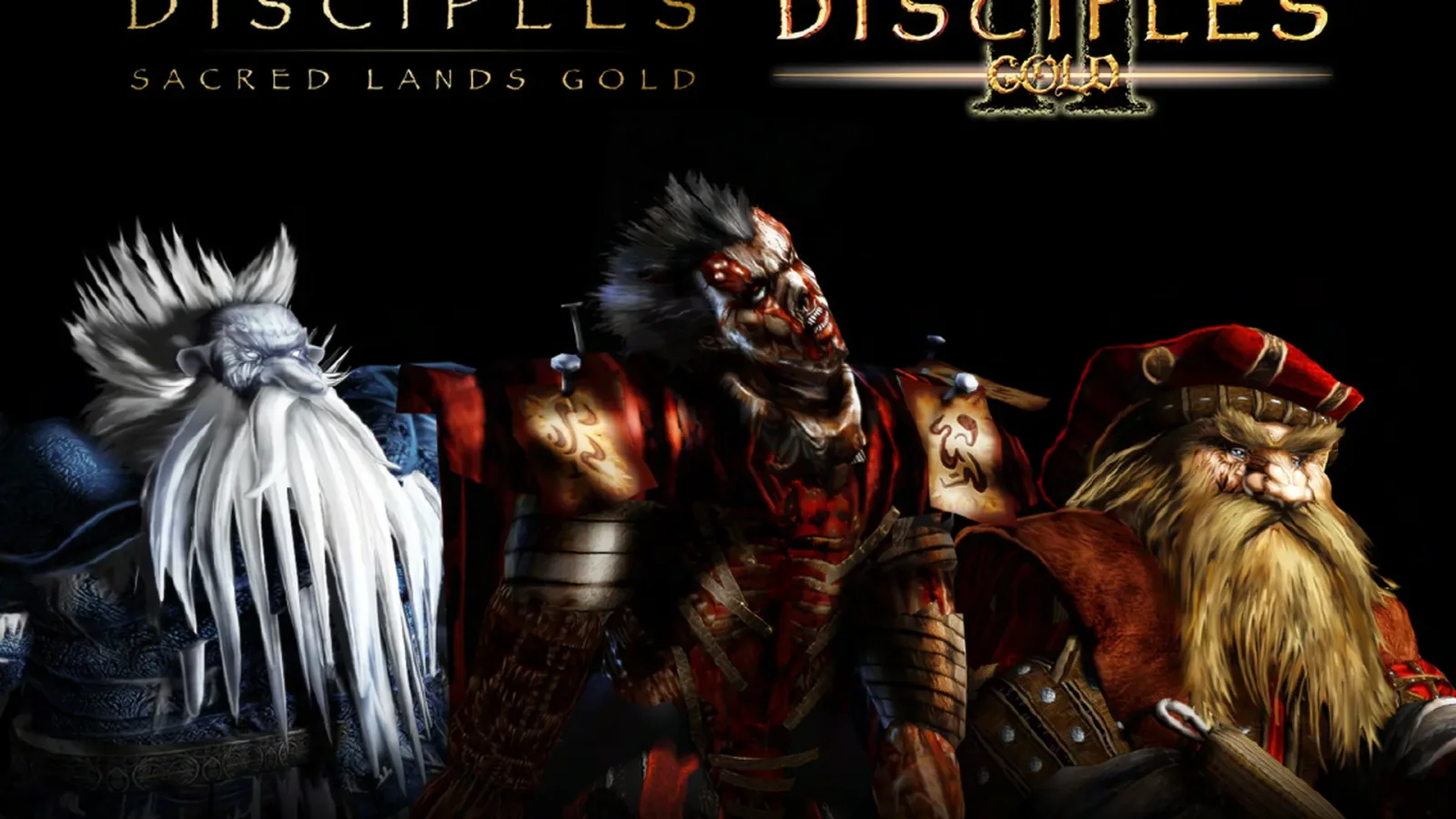
First published in GRIND IV, pages 204–207.

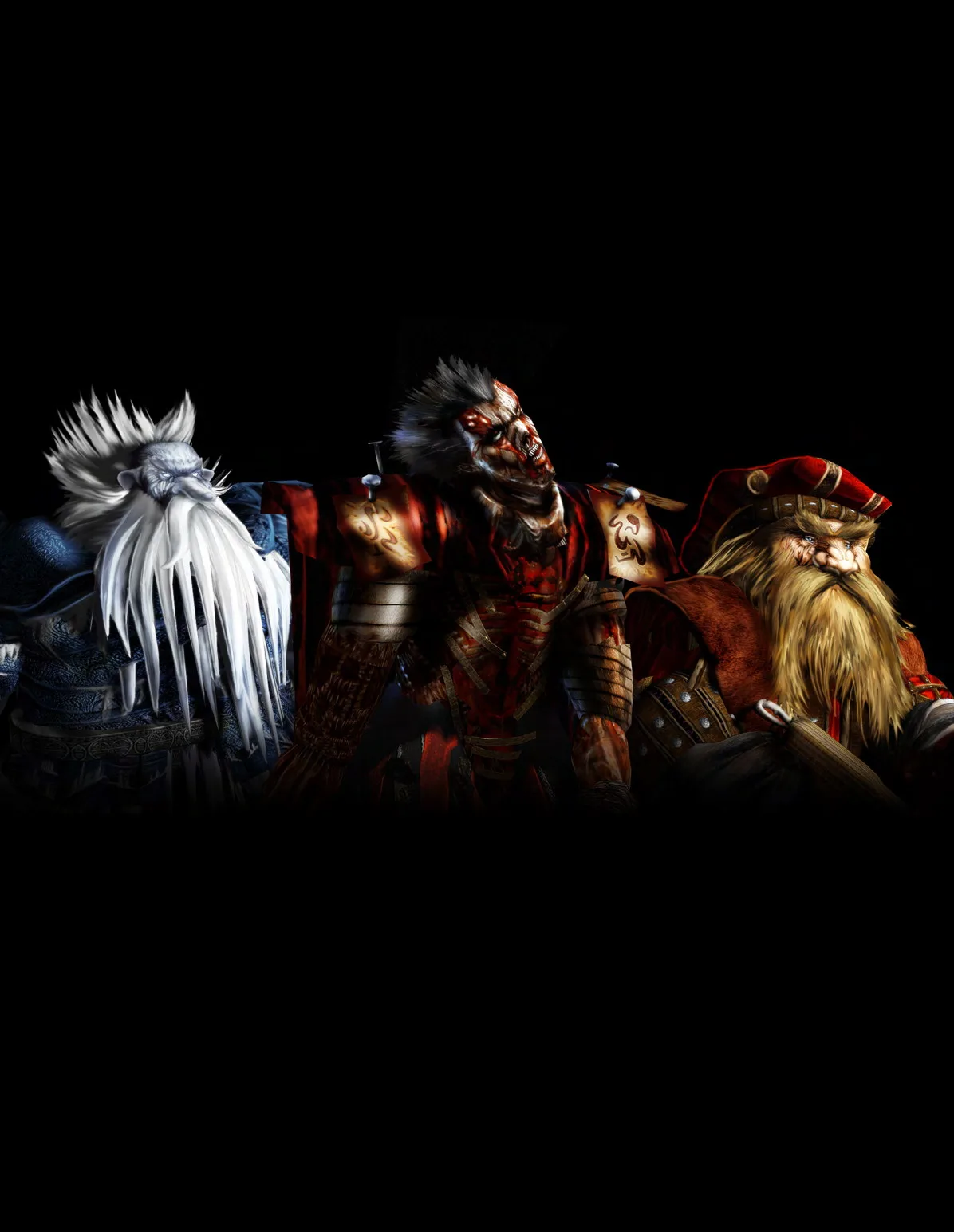
"Disciples is like a four-quadrant symmetry" I was in primary school at the time — it was Disciples: Sacred Lands, with large, broad factions, perfectly balanced, when I first acquired it from Strategy First. Conceived in a universe and each having advantages and disadvantages my profile magazine of distinct with fantastic, medieval tinges over the other. The races are - The Gaming, which also had the game and sometimes sombre, the game has four Empire: a kind of medieval kingdom with, included on CD. Back then I had a Pentium I (r), the version before the arrival of the Pentium II, my first computer as it happens. Since not all the new games would run for me, I got lucky that the full game in LEVEL magazine at the time was exactly what I needed. It's Disciples Sacred Lands Gold.
Turn-based strategy games are a niche category of strategy titles, in my opinion, dominated even back then by real-time strategy games, but this niche is also well represented by the Heroes of Might and Magic series, especially the fantasy TBS category. But the fantasy TBS game that captured my attention and wizards, knights and archers, The Legions of the Damned: a demonic race whose origins lie in the depths of hell, with units of its own, The Mountain Clans: or the gnomes, short of stature and with weaker initiative but extremely formidable in battle, living on the peaks and in the catacombs of the mountains, and The Undead Hordes: the necromancer race, with skeletons, vampires and ghosts, whose more advanced units are immune to Death-based spells.
Each race has a protective god, and at the start, once we've chosen our faction, we can select our Lord, be it Warrior, Mage or GuildMaster. The resources at our disposal over the course of the game are Gold and four types of Mana, specific to each race. With gold we can create units and leaders and buy items, and with mana we can learn and cast spells. Whether we play the campaign with one of the races or take on single skirmish maps, the story can be quite rich, the game plunging us fully into the Disciples universe.
The combat side is relatively simple: each party has a maximum of six slots in which we can place units. Bigger units (dragons, trolls or gargoyles, say) take up two slots. Melee units have higher initiative and protect the units behind them, be they healers, mages, archers, or built around fear or paralyse.
I count myself lucky that I got to start with the first game in the series, because in high school I had the chance to fiddle with the sequel as well, Disciples II: Rise of the Elves, a game which, on top of the classic campaigns, adds another faction, the fifth, that of the elves (The Elven Alliance), who until then had been a neutral race. I say "lucky" because if I had played Disciples II first, I might not have liked the first one as much.
So we have five factions and campaigns in the second game, added to an even more elaborate universe, but respecting the recipe and the general look of the first game. Disciples also has a map editor, very well put together, which made me spend a fair amount of time with it too, to learn the units and their characteristics even better.
Later, Disciples III turned up as well, the series continuing… but by then the combat had changed from a static affair into one where you could move your units and heroes around during the fight. The graphics, though, were improved — impeccable, even.
This is the game I wanted to bring to your attention, mainly because of the first two releases in the series. As it happens, only the other day I finished the last map of the last Disciples II campaign, the one with the elves. Since years ago I had reached the end of the campaigns, with only one map or two left to finish, this review comes as a crowning of the game I started back then, a kind of closing of the circle. That is also the impression the game left on me: a very balanced title, symmetrical, I would say, a four-quadrant symmetry.
WHOSYOURDADY
Unarticolpezi.ro
Radio România Cultural is the only national FM radio station that produces exclusively cultural programmes. radioromaniacultural.ro
HOBBY
FROM HELL
The story is dark, and the artwork is exactly what it should be.
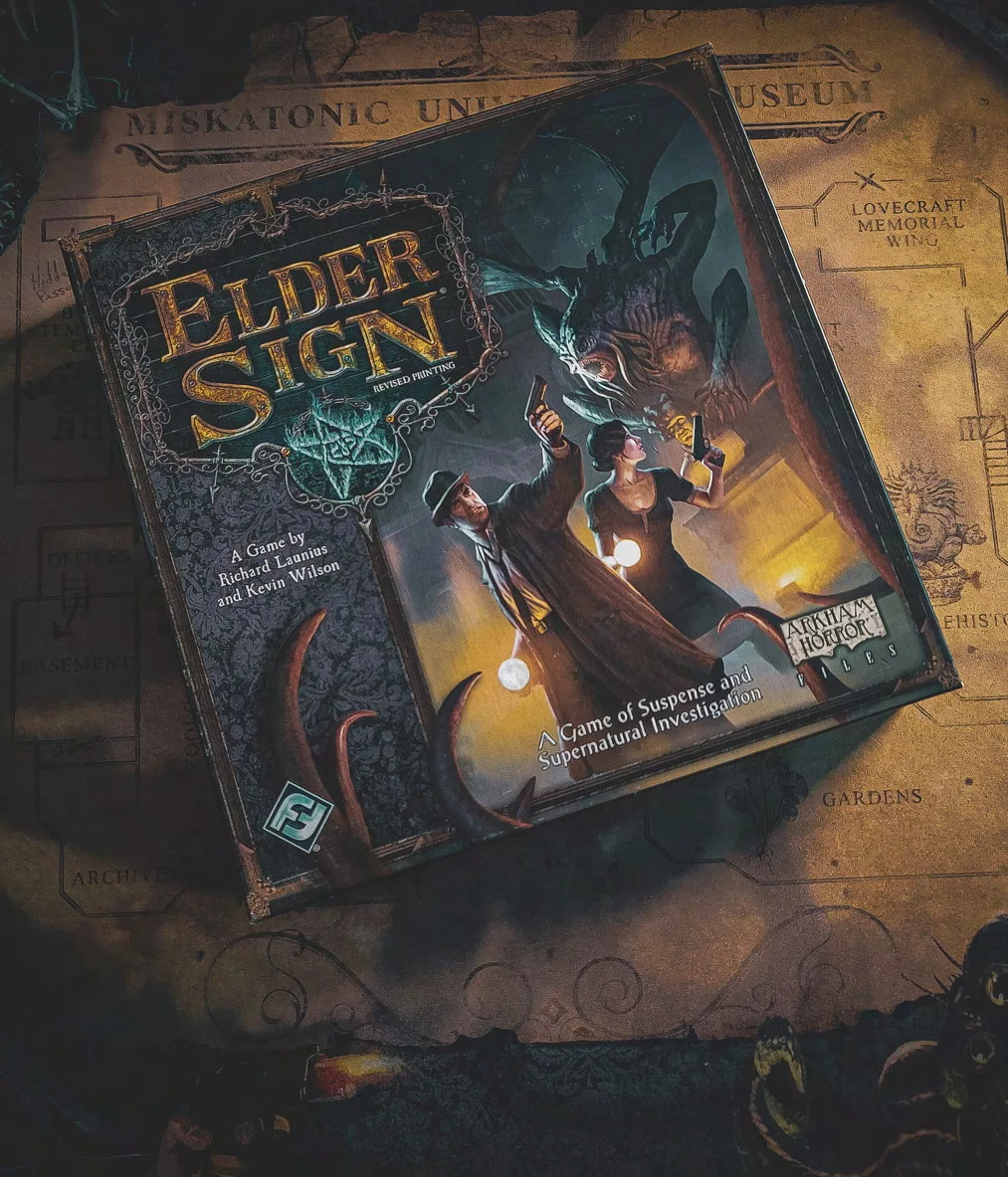
212 ELDER SIGN
Ph'nglui mglw'nafh Cthulhu R'lyeh wgah'nagl fhtagn...
ARTICLES
208 THE NINTH ART IN GRAPHIC NOVEL FORMAT | 212 ELDER SIGN - "ONE OF THE MOST