
Mexican Ninja - Review
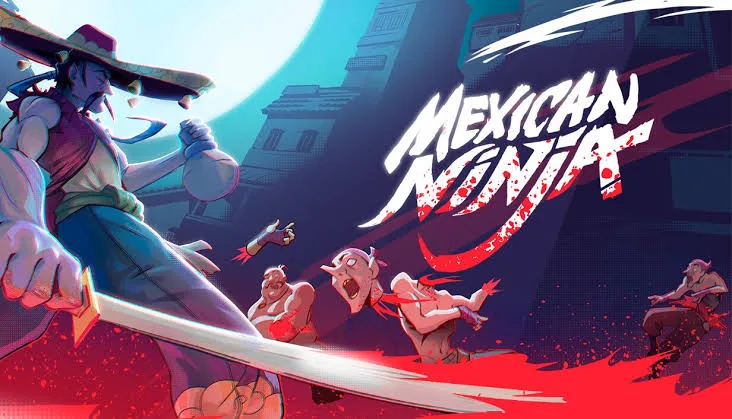
A Mexican ninja, a most amusing combination
At Bucharest Gaming Week 2025, Mexican Ninja had its own stand. Back then, the game was still in development and could be tried in a preview version. Curious to see how the future title from Romanian studios Madbricks and Amber Studio would present itself, I played it with a controller and enjoyed the available sequences and passages.
The game felt playful and lively, with an intriguing title that imaginatively united two cultures at opposite ends of the earth — Tokyo and Mexico City — in an adventure that started right here in Bucharest.
Let's see if the final version of the game manages to achieve what it sets out to do!
The First Strike
Mexican Ninja is a 2.5D arcade action/hack’n’slash.
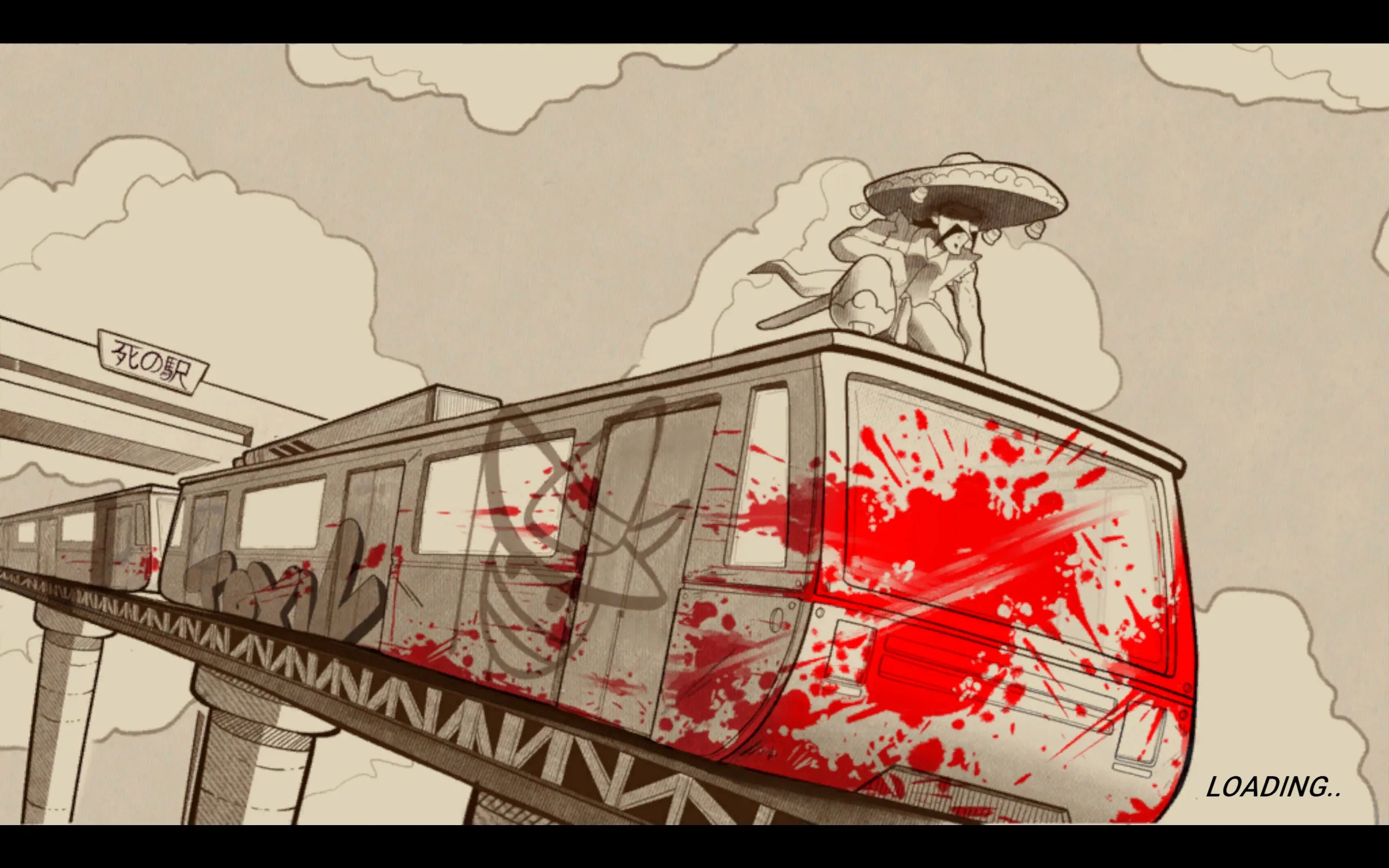
The game's plot, presented in the style of a newspaper comic, depicts a caricatured future in which technologically advanced Japan attacks Mexico, tacos stalls and all. Placed under an oppressive yoke, the local Mexicans have long awaited a saviour to drive out the tyranny of the invaders and restore their freedom.
This is where we, the players, come in, stepping into the shoes of a local who will adopt the skills of a ninja to complete their mission. All while wielding a katana and a sombrero, obviously.
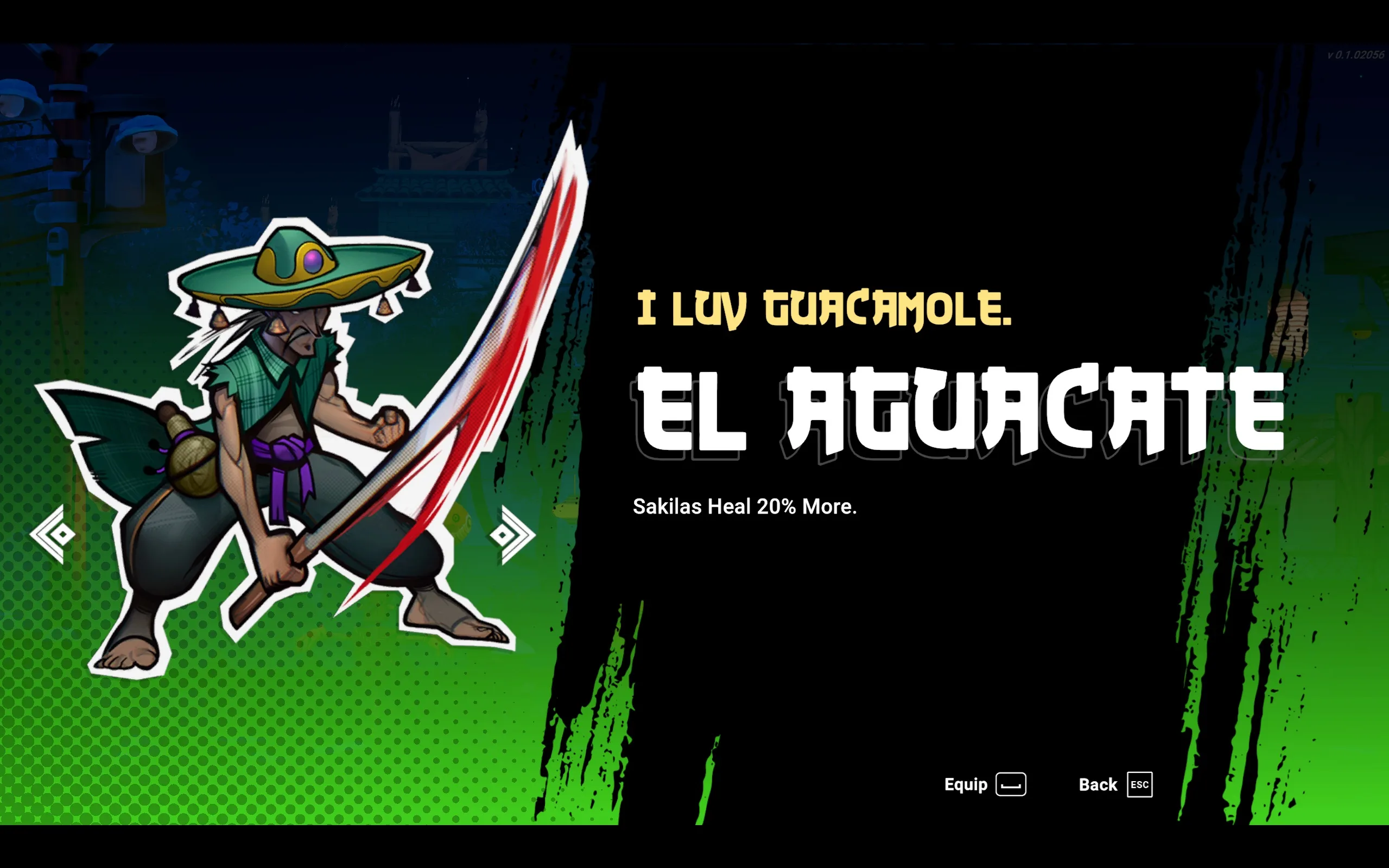
Throughout the game, the juxtaposition of the two antipodal cultures — Mexico and Japan — brings a unique charm that you can only truly savour by playing the game. For example, health potion bottles are called "sakila", a combination of sake and tequila. And, of course, there are other surprises of this kind.
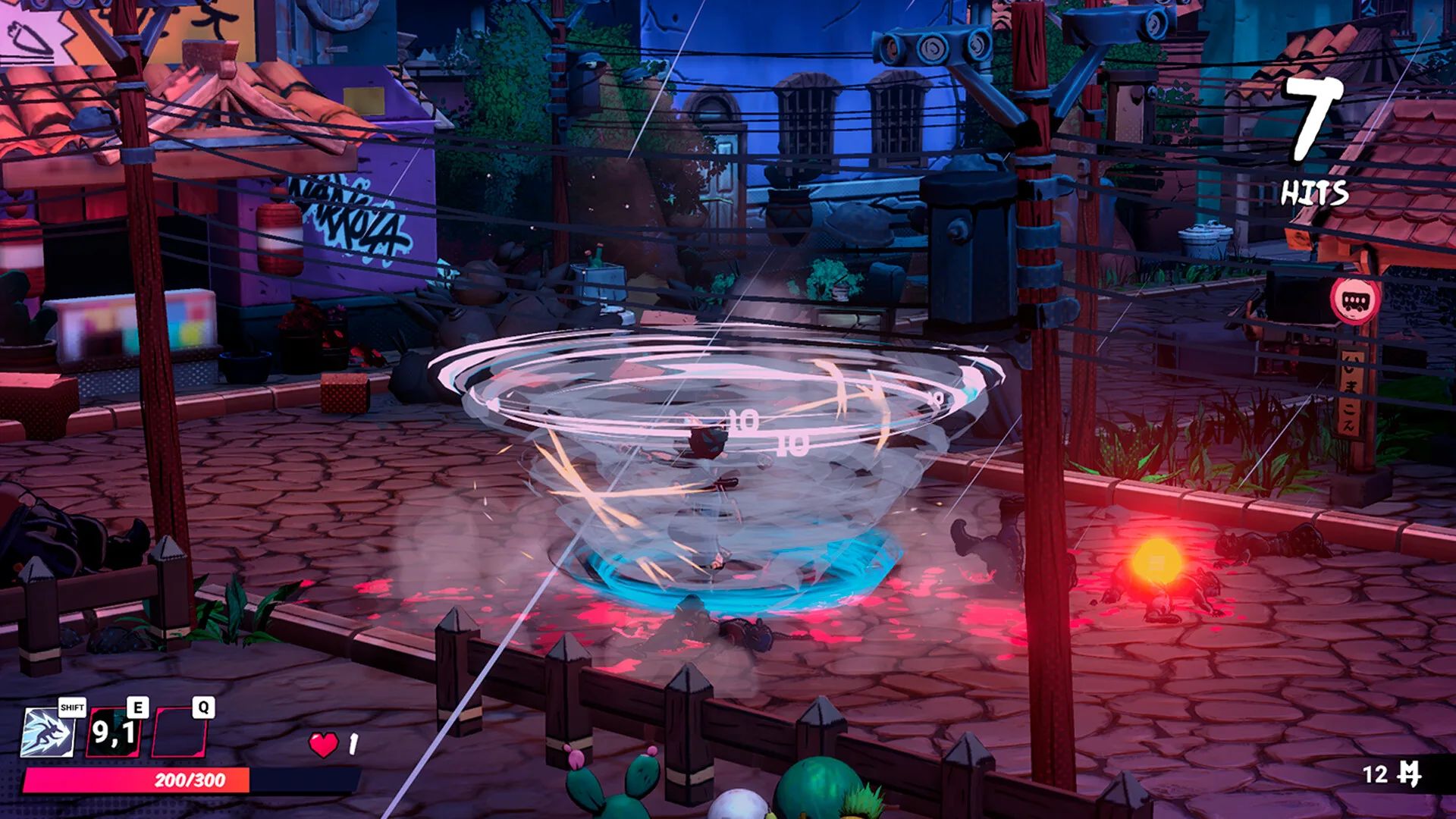
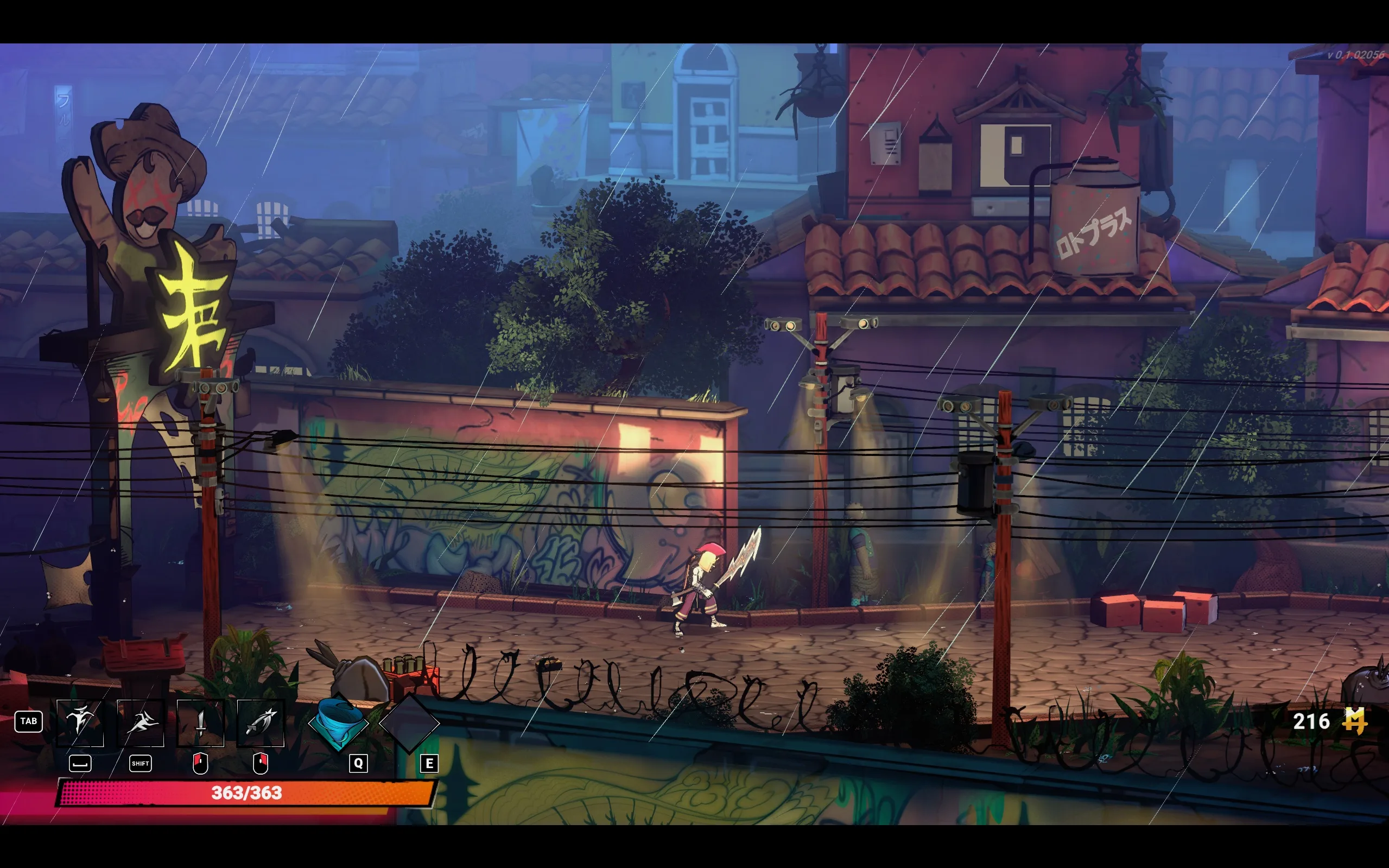
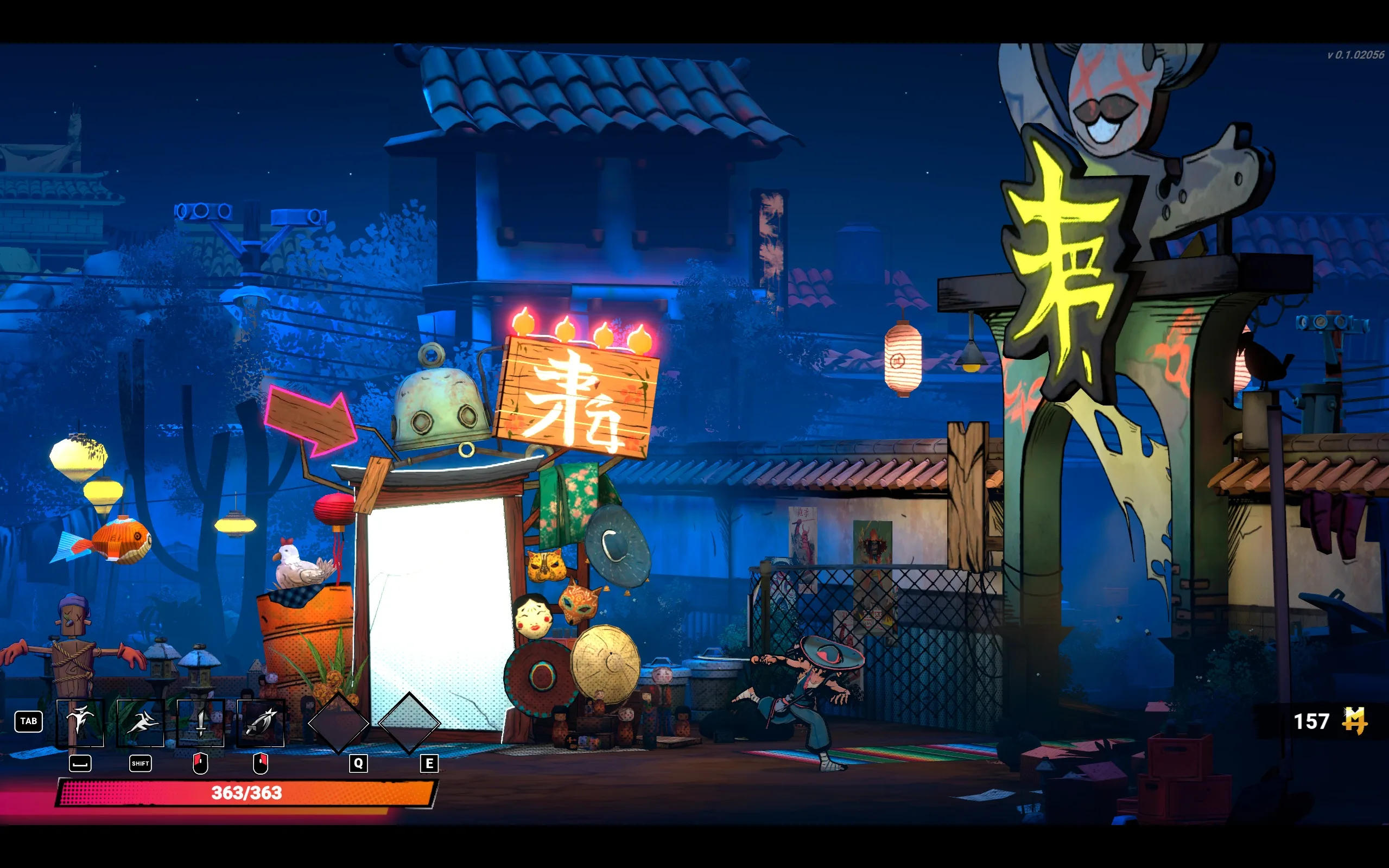
The campaign begins in the Mexican suburbs, where Japanese billboards are ubiquitous. Nevertheless, in the early levels, the strong influence of the locals is palpable, as they encourage or mock us from the sidelines, in Spanish. And I'm not just talking about active NPCs.
What I liked most about Mexican Ninja from the start was its charming tone. The humour strikes the perfect balance between not taking itself too seriously and keeping us focused on the mission and gameplay.
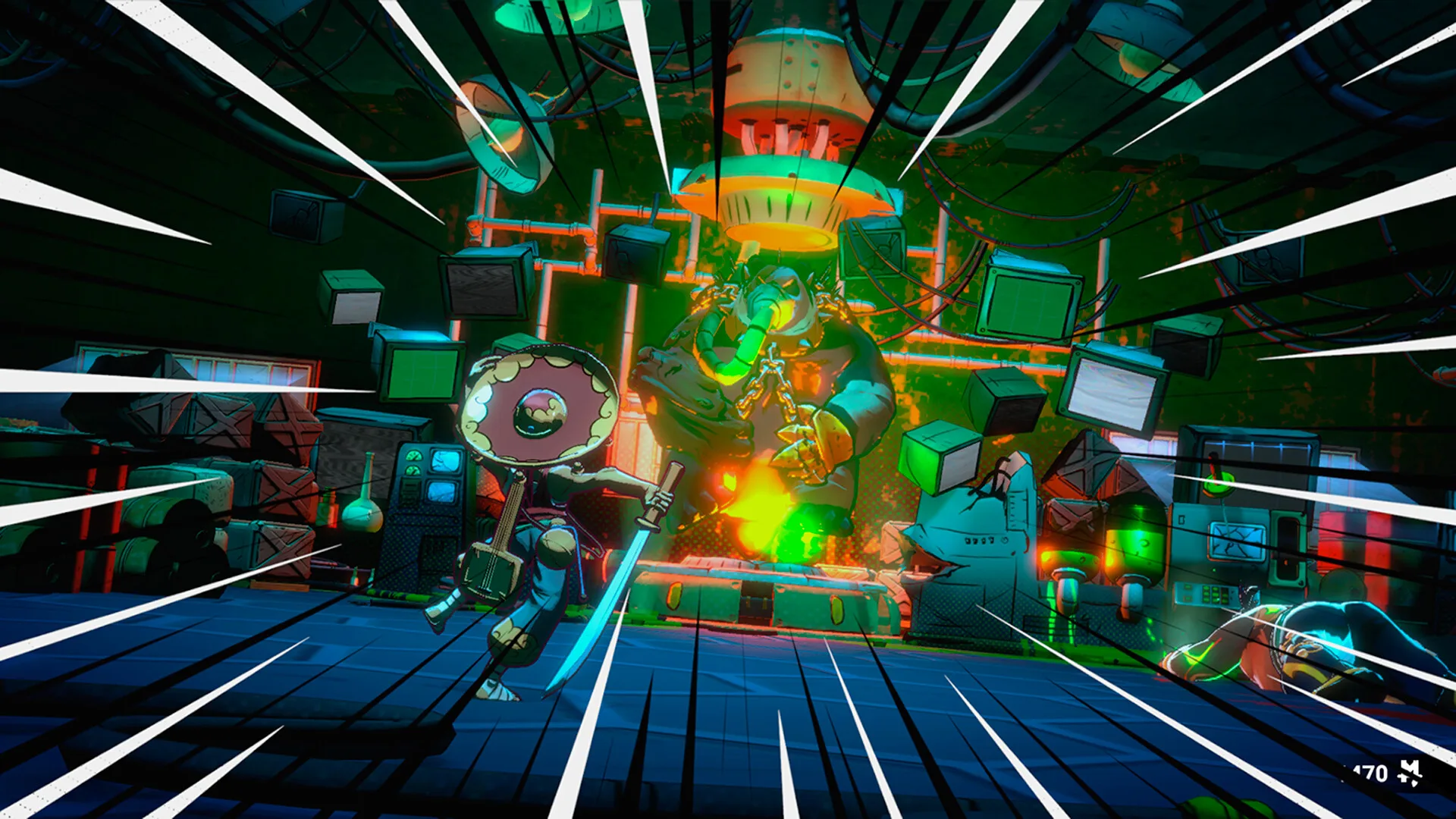
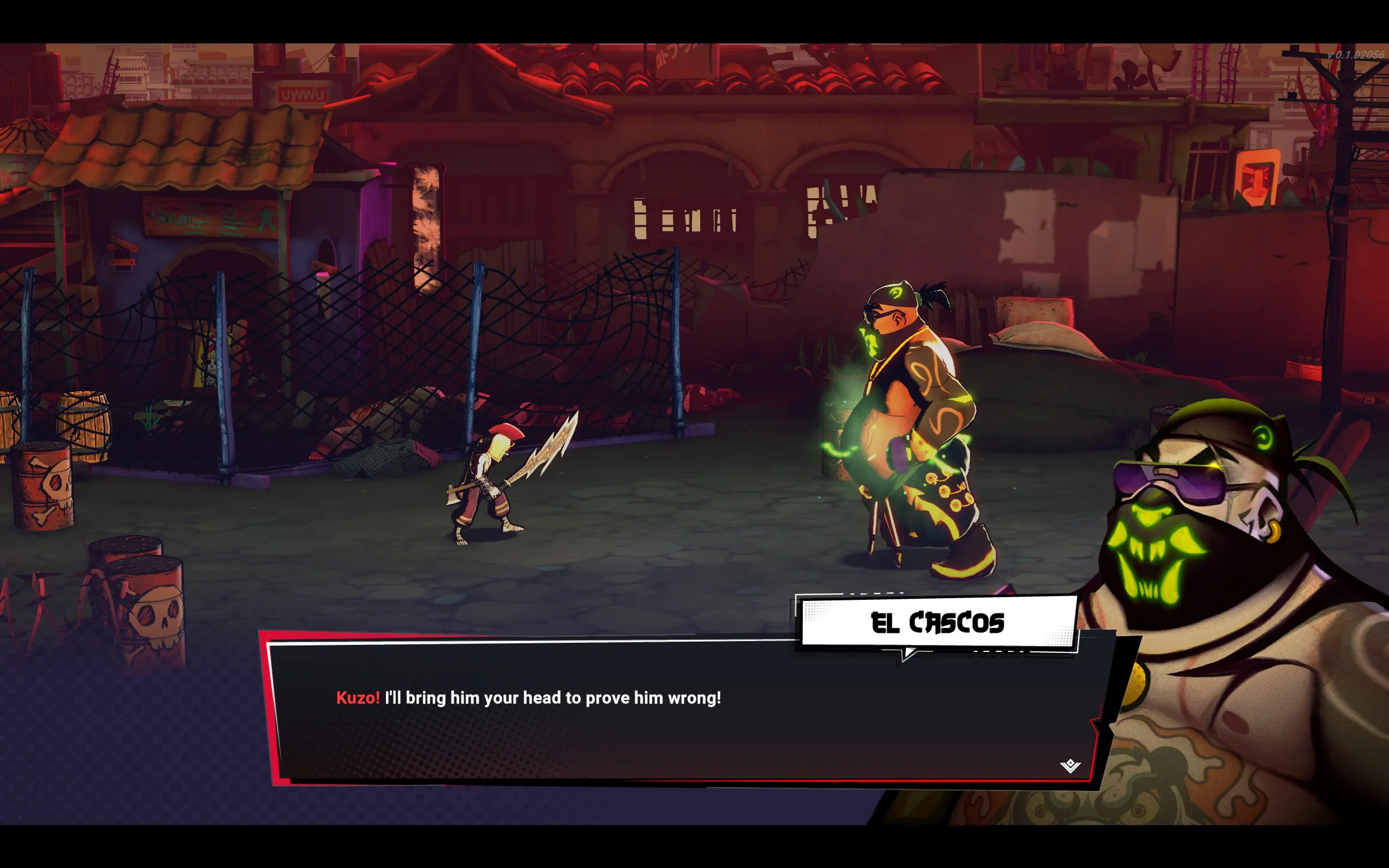
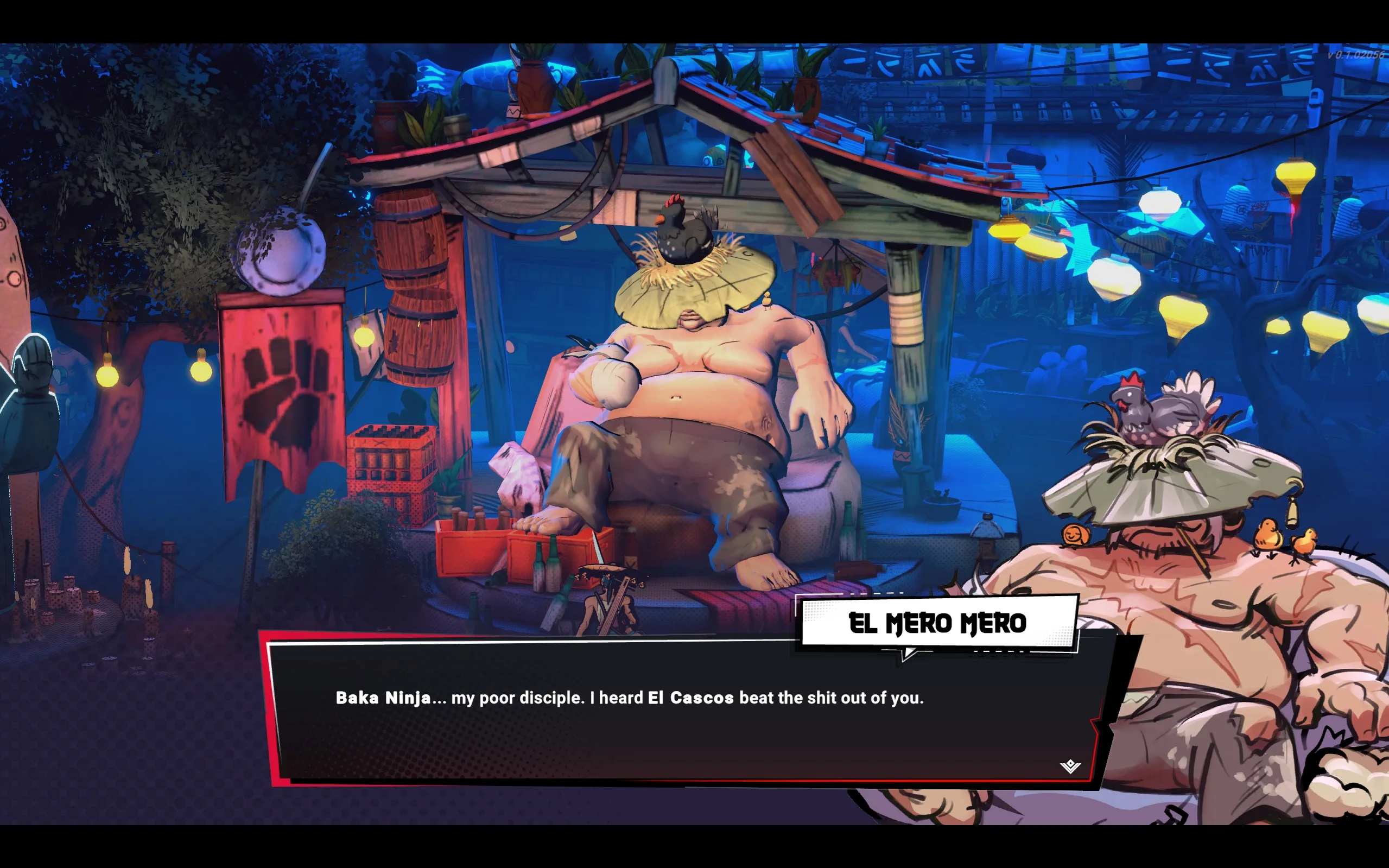
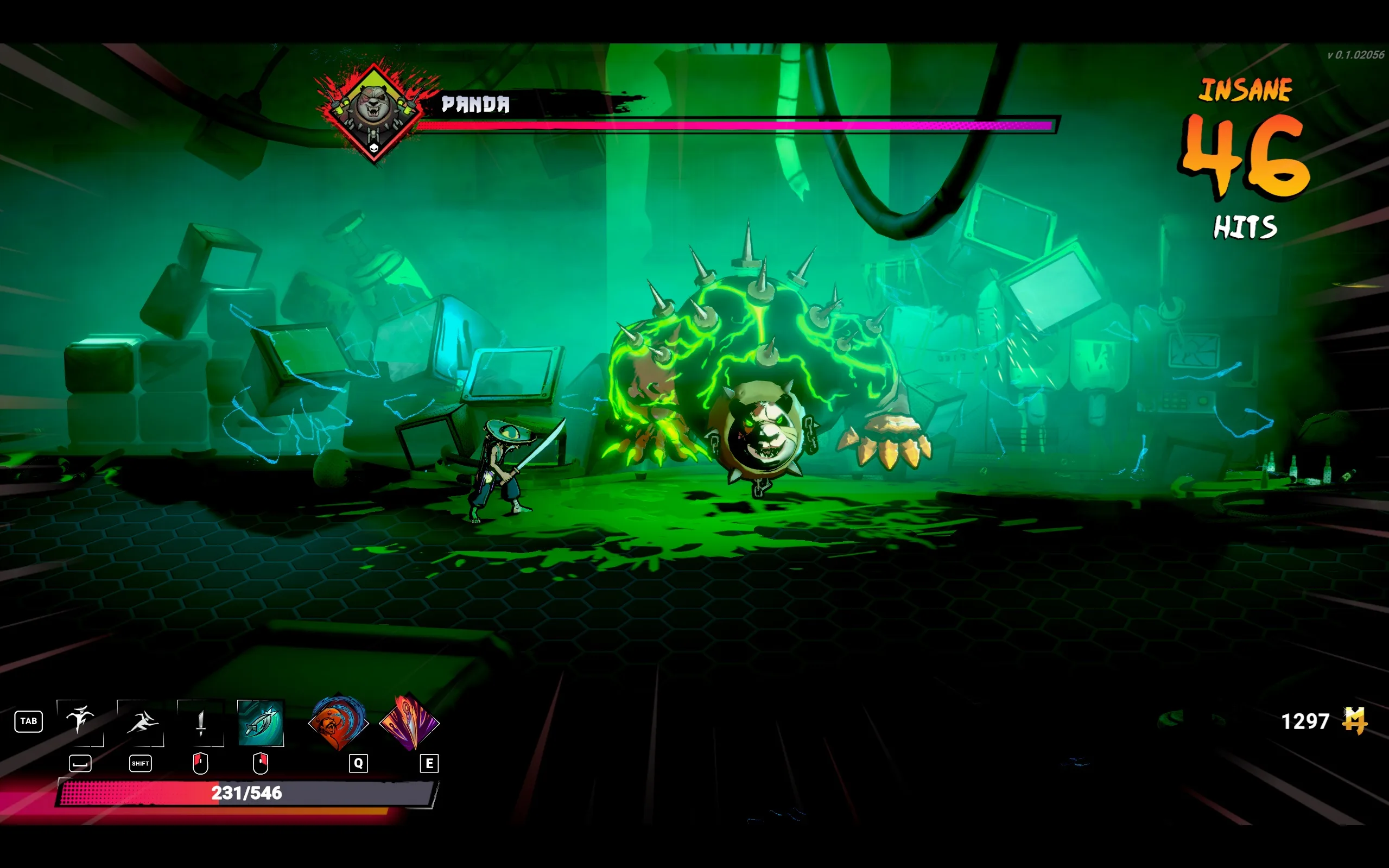
This situational and linguistic humour — with examples I can't all reproduce here, but which you can enjoy by playing — particularly delighted me through its audio-visual component. Enemies fall defeated, swearing and mumbling, inactive NPCs on the street cheer us on or admonish us, as the case may be, and the bosses are cleverly designed, maintaining the game's cartoonish atmosphere.
Grinding in Mexican Ninja
If Mexican Ninja’s humour pleasantly surprised me, like a pat on the shoulder, the campaign mode came with an unexpected surprise, almost like a sword blow: the game asks us to go through the adventure in a single iteration.
Basically, there are no checkpoints. We have only one life, with Load and Save options, but when enemies defeat us and we die in the game, we don't restart from the beginning of the map, level, or chapter, but from the beginning of the entire game (!).
A popular saying in the personal development sphere states that, most of the time, “you don’t start from scratch, you start from experience”.
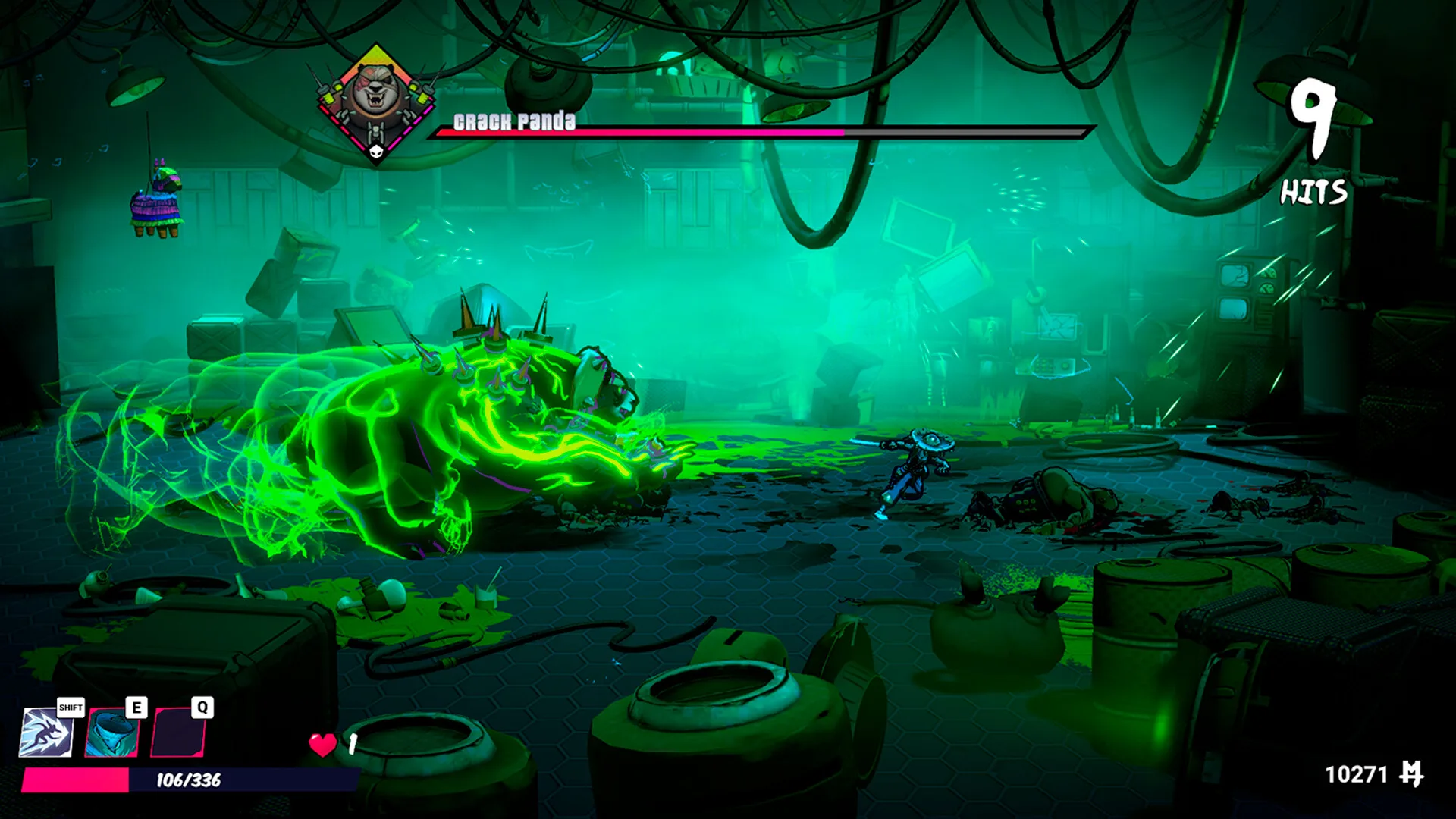
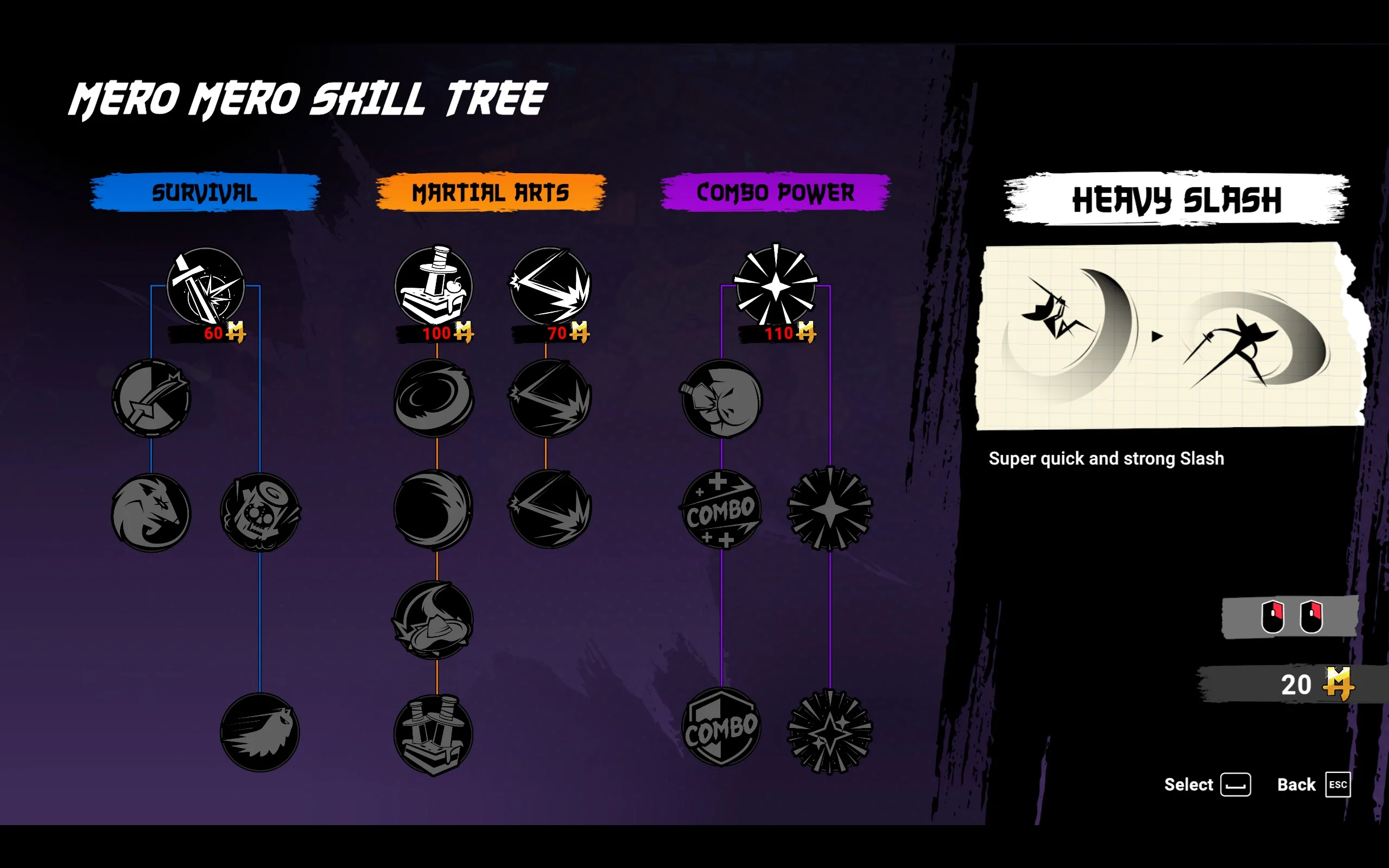
This idea is also implemented in the game. Although, with the death of the character, we lose accumulated progress, the money collected remains with us and can be used as currency for training, new moves, or passive abilities. These can be bought from the HQ, a familiar space in many games, from where we restart the adventure to achieve our final goal.
Back Home
In the HQ, we find several master-instructors from whom we can buy abilities using the money we’ve collected. We also have a mirror that acts as a wardrobe, where we can equip outfits unlocked along the way, each coming with its own perk.
From the start, I invested money in various abilities and combat schemes, but I effectively used less than half of them in combat zones with NPCs. Thus, I realised that, in my case, it would have been best to focus on HP — maximising health points — and, eventually, on increasing damage as a secondary ability.
A new skill configuration I'd invested in would have meant starting the campaign again with initial stats, but I didn't want to lose the points I'd invested up to that point. Of course, the choice also depends on each person's fighting style and strategy.
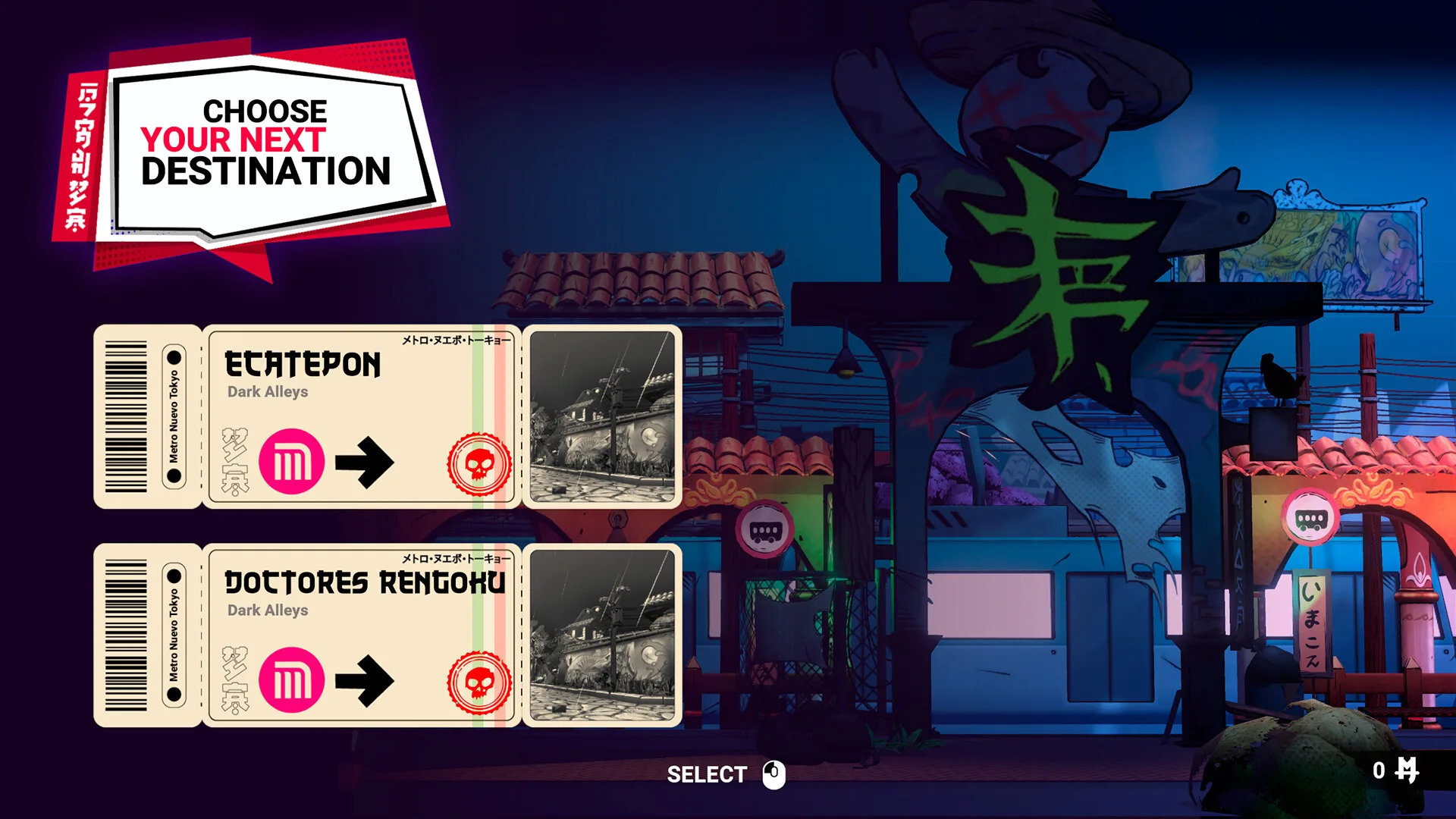
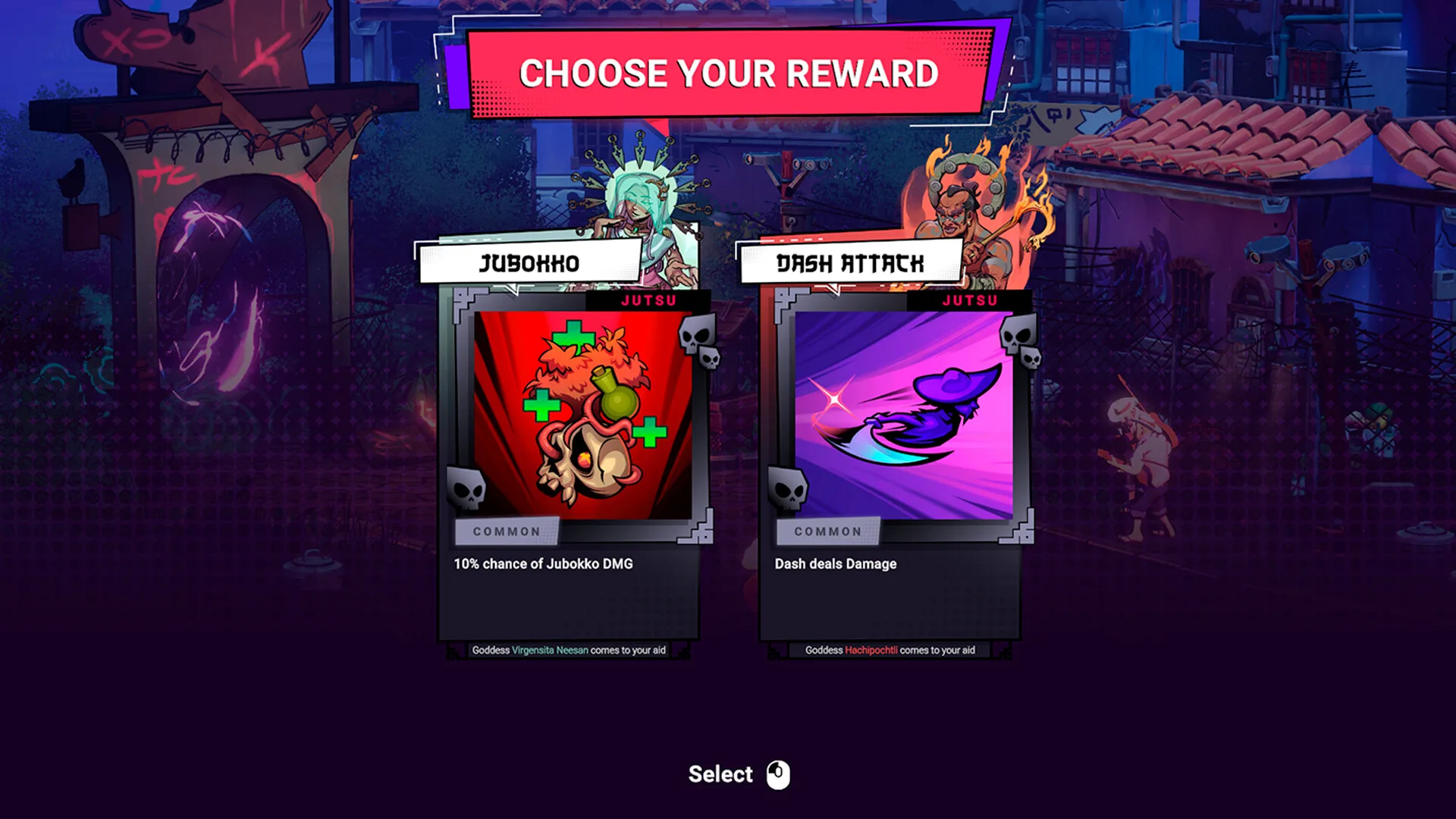
Even so, once we leave HQ and resume the fight, we encounter various wayside crosses, statues or temples dedicated to deities from the very beginning and throughout. Whether it's a maiden or a god of war, each deity offers us different abilities if we choose to be under their protection for a certain period.
I found this aspect beneficial. While in HQ we have permanent abilities, during the journey, from one area to another, we are made to choose temporary abilities, valid until we return to HQ.
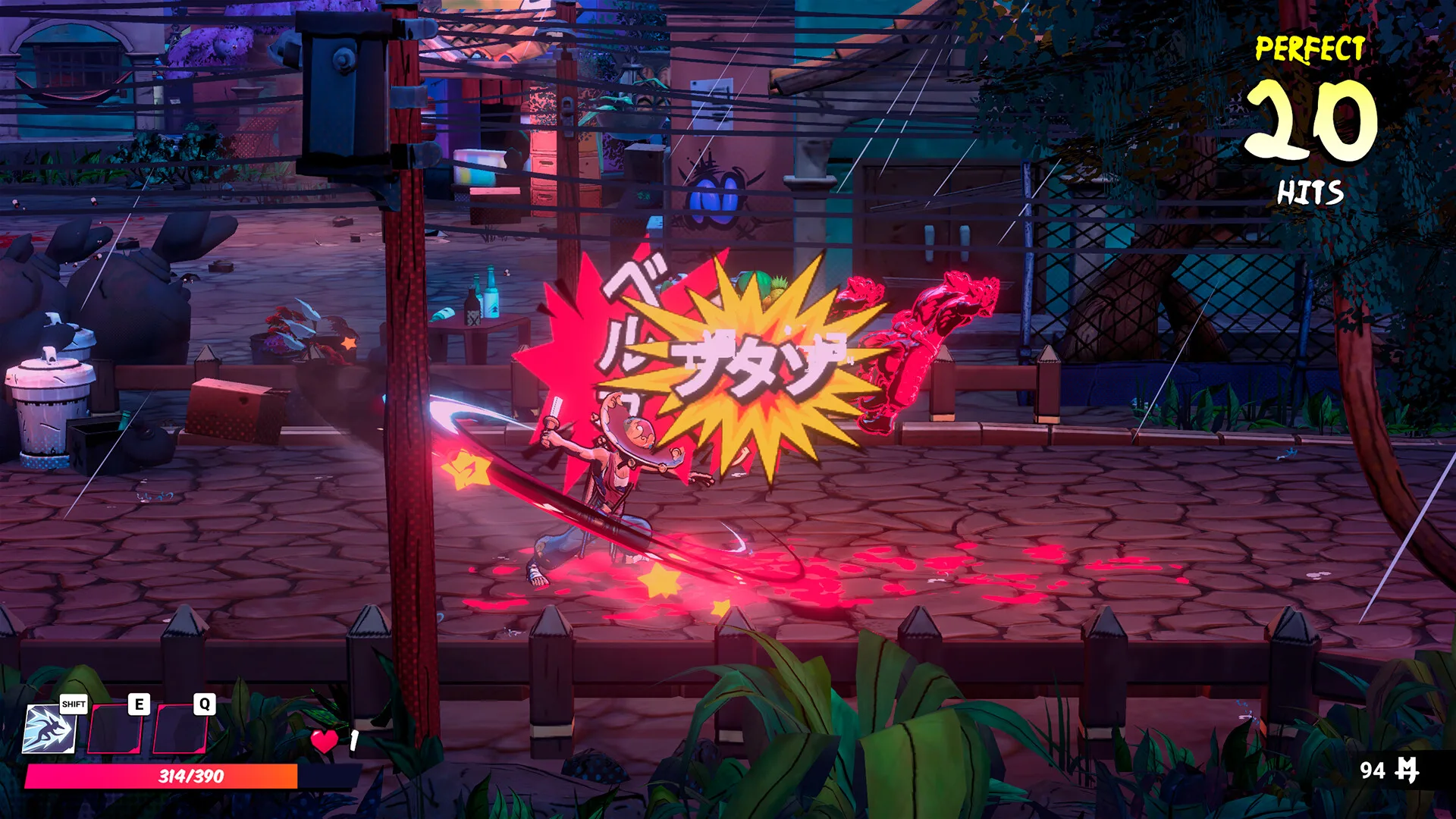
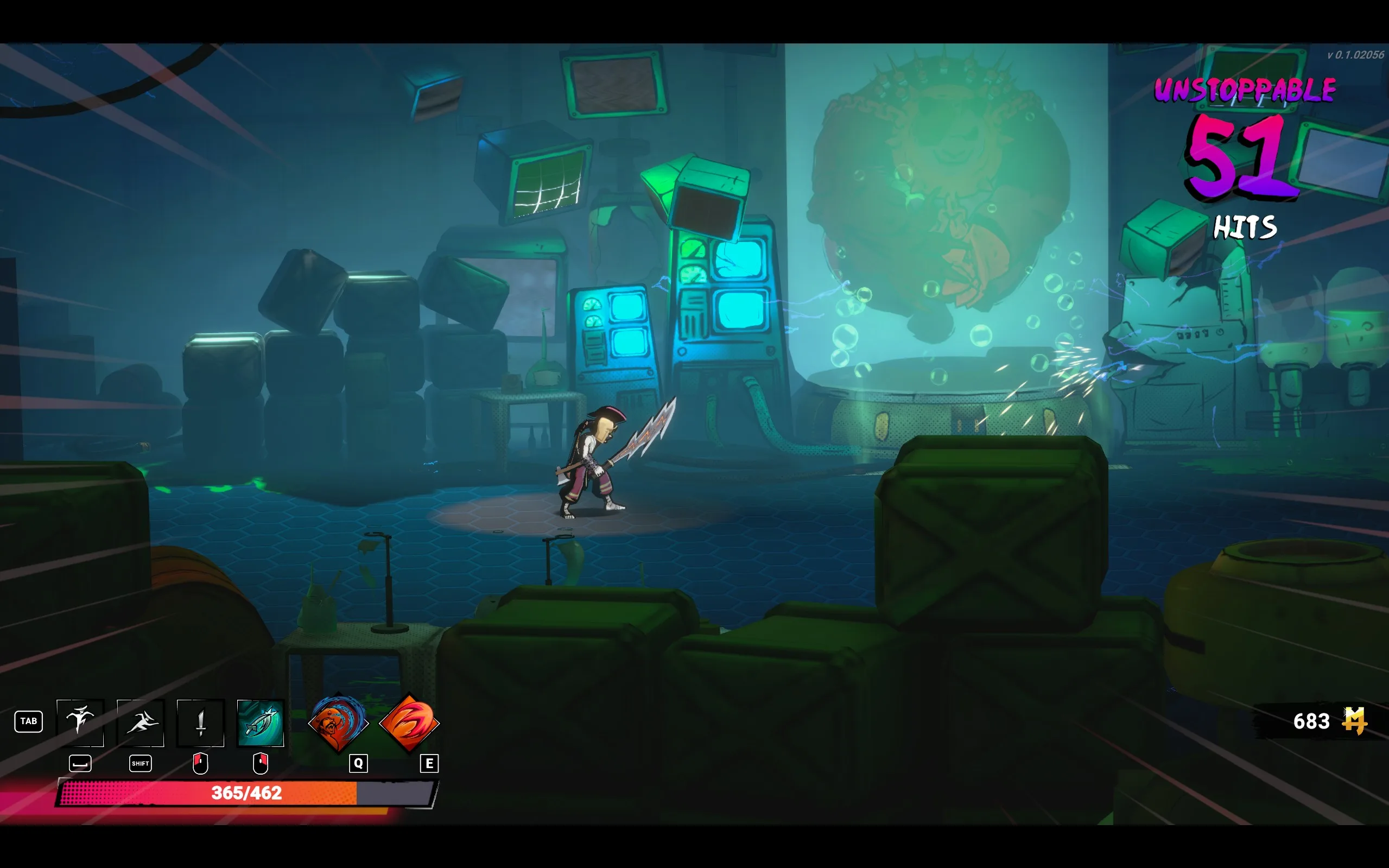
With this flexibility at hand, I was able to test different spells and skills, passive or active. Personally, I always preferred to maximise HP, then damage. Among the spells, my favourites were the tornado, the red wave of fury with which I hit enemies head-on, and sometimes the rain of knives or swords, also shown in the trailer at the end of the article.
Testing Times
The game was tested on PC and offers both keyboard and controller options. After getting used to the keyboard, my Mexican ninja's reflexes were slower when I tried playing with the controller.
I am convinced, however, that it was just a matter of practice and time. Those more experienced with a controller would, no doubt, find the adventure just as easy to complete.
The game menu also offers a "Report Bug" option. If we discover any errors, we are invited to report them to the developers. I would count this as a plus.
Increasingly Experienced Fighters
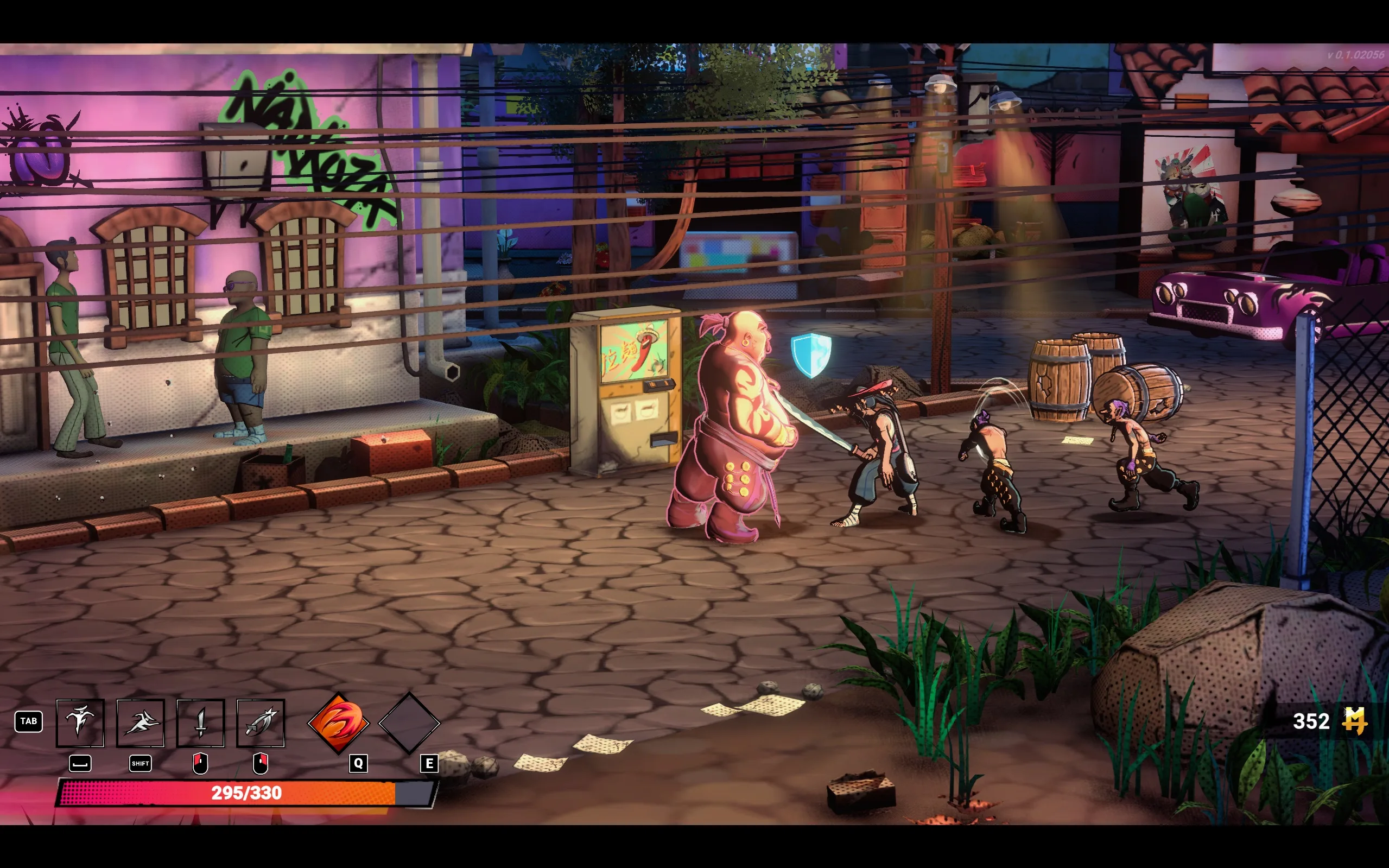
Once we get used to the game, our ninja's movements are no longer chaotic, and the dance of swords and the rush of enemies, which at first seem to move across the screen in a true Brownian motion, begin to make sense.
We start to know what abilities and combat moves to use and how to surprise our opponents, whether we attack them head-on or sneak up behind them. The bosses, credible yet amusing at the same time, teach us, like a strict teacher, not to give in to discouragement when, once defeated, we have to start over.
Thus, in confrontations with them, our jumps and blows become increasingly precise.
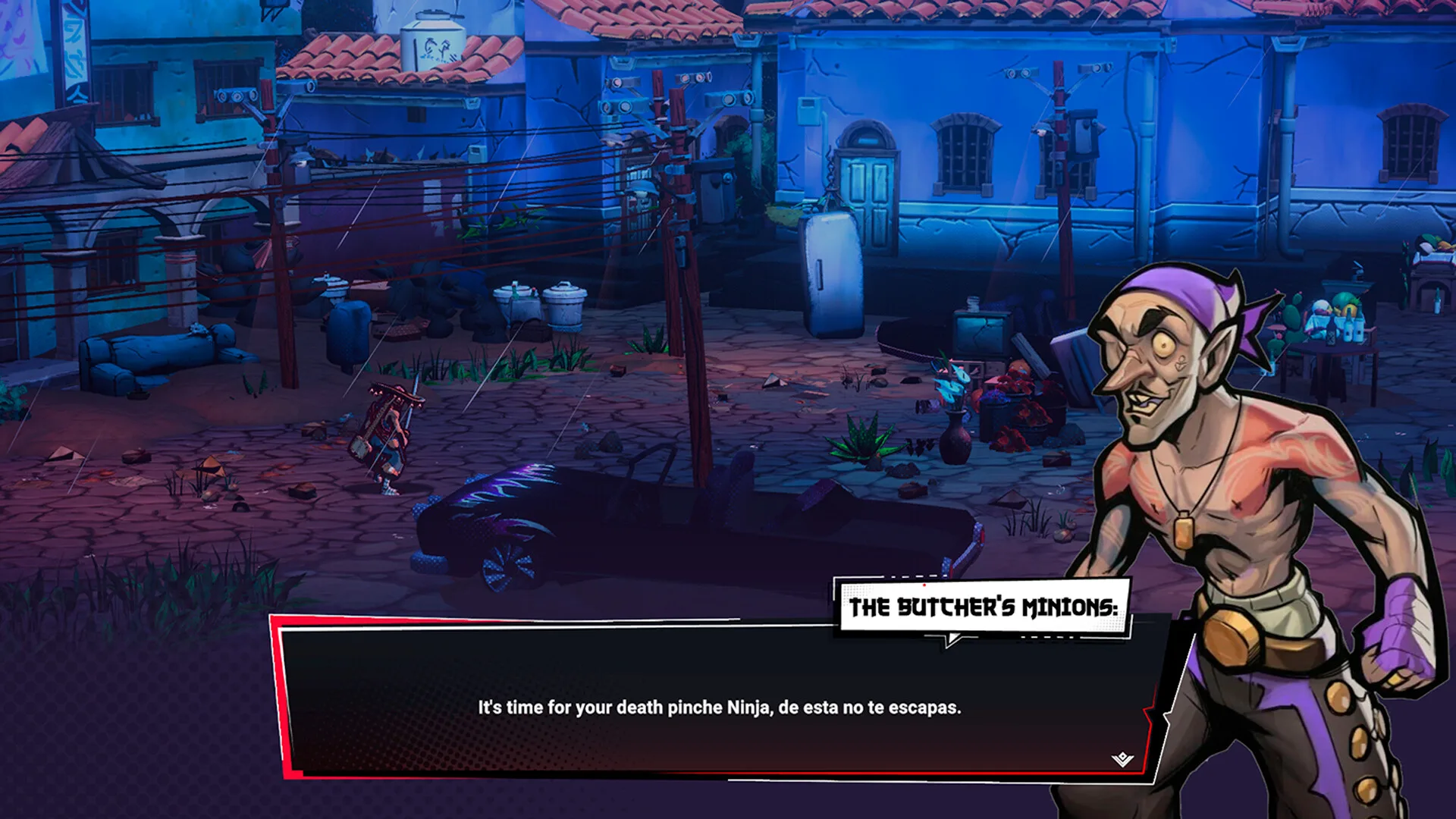
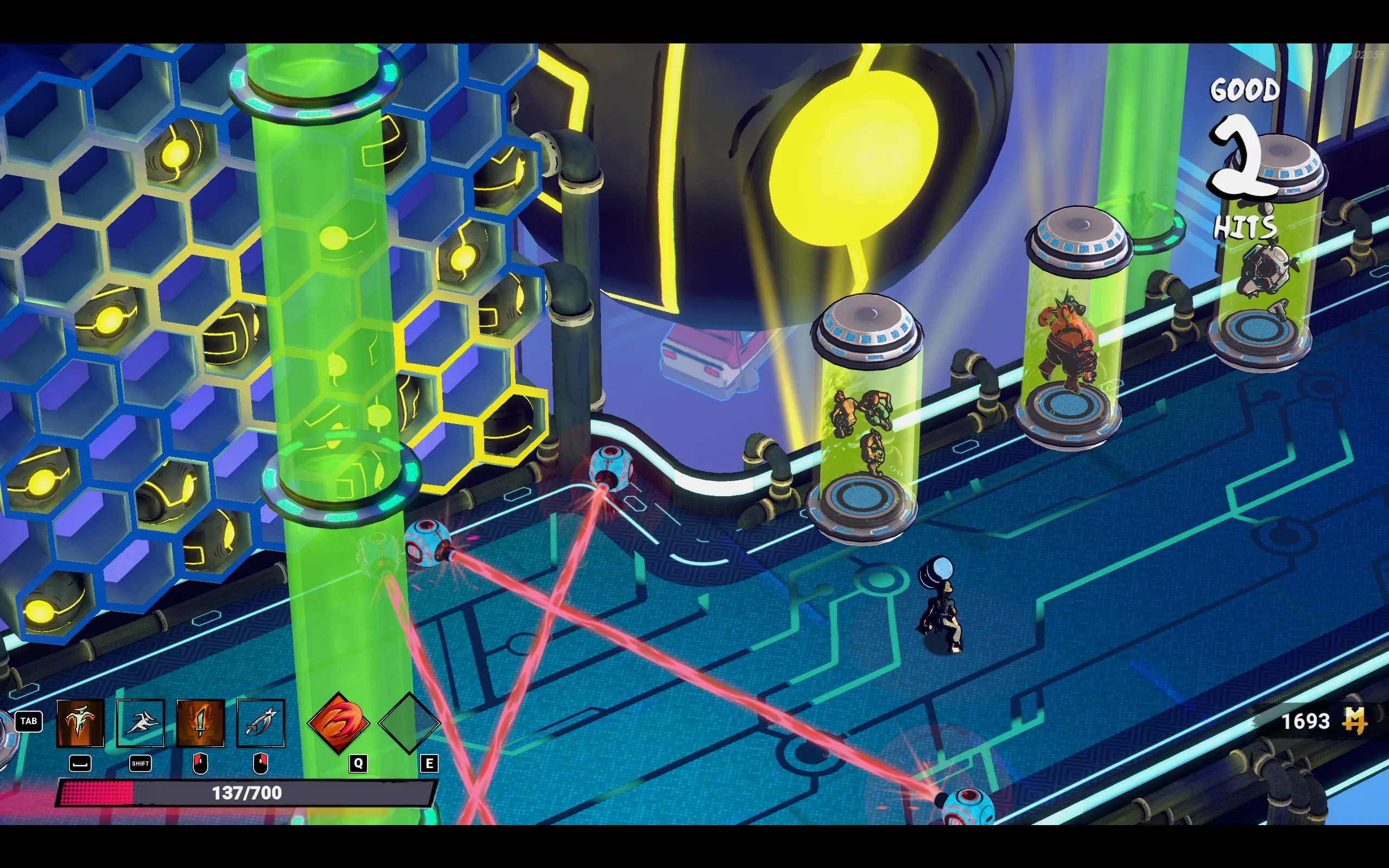
The zones, which I forgot to mention until now, become increasingly interesting and innovative as you progress, challenging our curiosity and reflexes.
Finally, I have to give it a score. Obviously, I can't compare Mexican Ninja with games whose campaigns stretch over tens of hours. Nevertheless, I think Mexican Ninja brilliantly achieves what it sets out to do from the very beginning: to offer the player an alert pace and, above all, to leave a wide smile on their face at the end of the play session.
If I had to describe Mexican Ninja in one word, also considering the unique juxtaposition of two great contemporary cultures — Mexican and Japanese — it would be "hilarious". And I mean that in the best sense of the word!
GRIND Verdict
Mexican Ninja is a visually pleasing, lively, playful, brave, fast-paced, and amusing game that delivers on its promises. It brings a smile to the player's face.
Its humorous, incisive, and galloping tone makes me compare it to a refreshing drink quickly gulped down on a scorching summer day. A note of encouragement for Romanian developers!

Plus
- The humour — the lively dialogues make us feel like we're in a comedy play;
- The graphics and the entire cartoonish look of the game;
- The fast pace of the gameplay.
Minus
- Although we have Load and Save options, if we die, we start the game from the beginning.
- The campaign doesn't seem long enough, although this aspect increases replayability.
0 votes
Scroll down here and stay on the page for at least 30 seconds to vote.
Pick a score from 0 to 10 (halves are allowed).