
Othercide
First published in GRIND Ediția Definitivă, pages 8–11.
I FOUGHT WITH EVERY BONE AND EVERY MUSCLE, ALL THAT I AM I LEAVE TO YOU, TAKE IT. MY BLOOD IS MY LEGACY, MAY IT SPILL INTO AN ARMY THAT WILL TEAR SUFFERING FROM ITS HOST.
My obsession with tactical turn-based games has deep roots – and every title that lands in my lap wraps itself a little tighter around my heart. Recently a new root burrowed deep into me: Othercide, a genuine piece of art with a Franco-Swedish pedigree, signed by indie studio Lightbulb Crew.
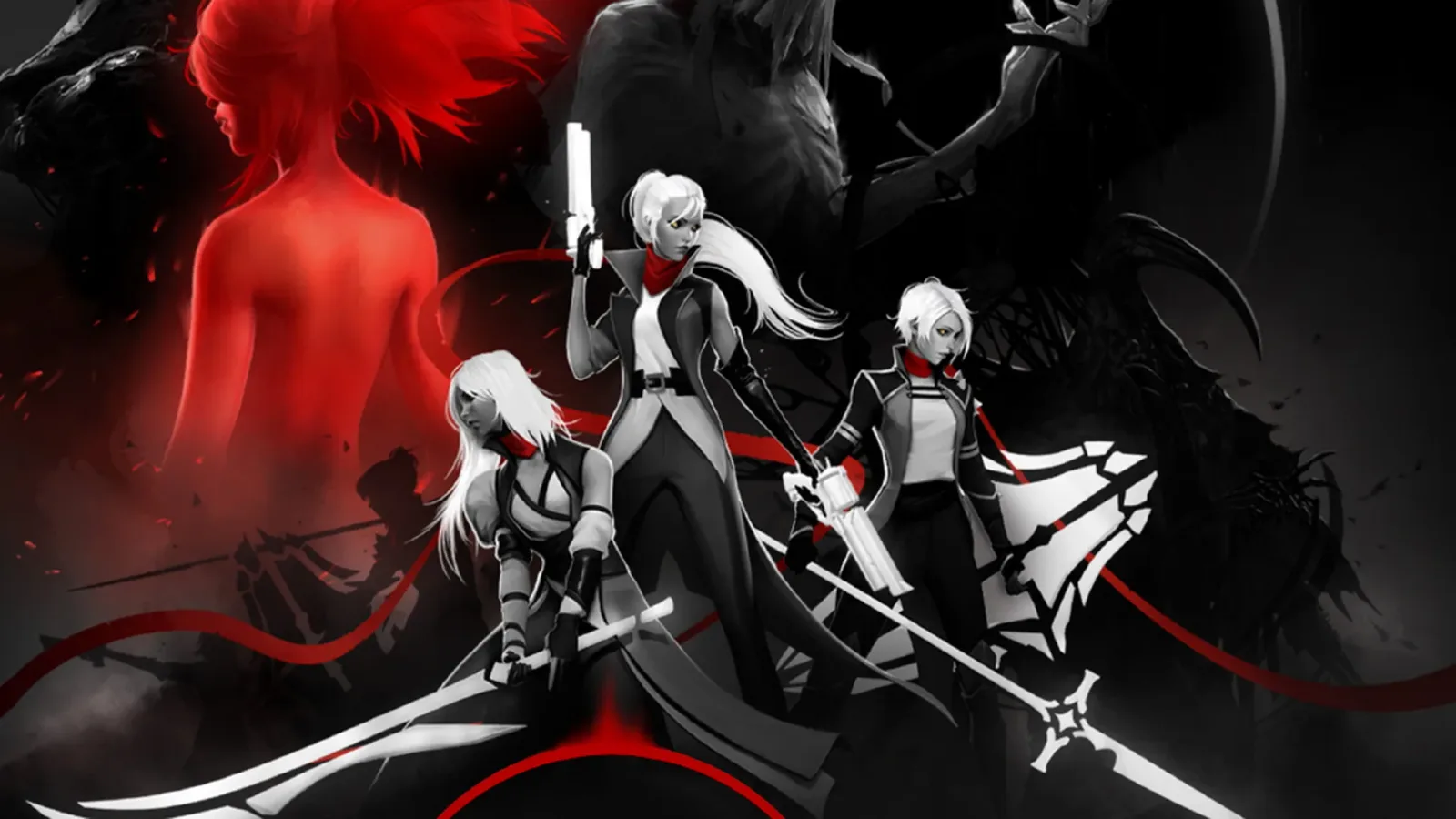
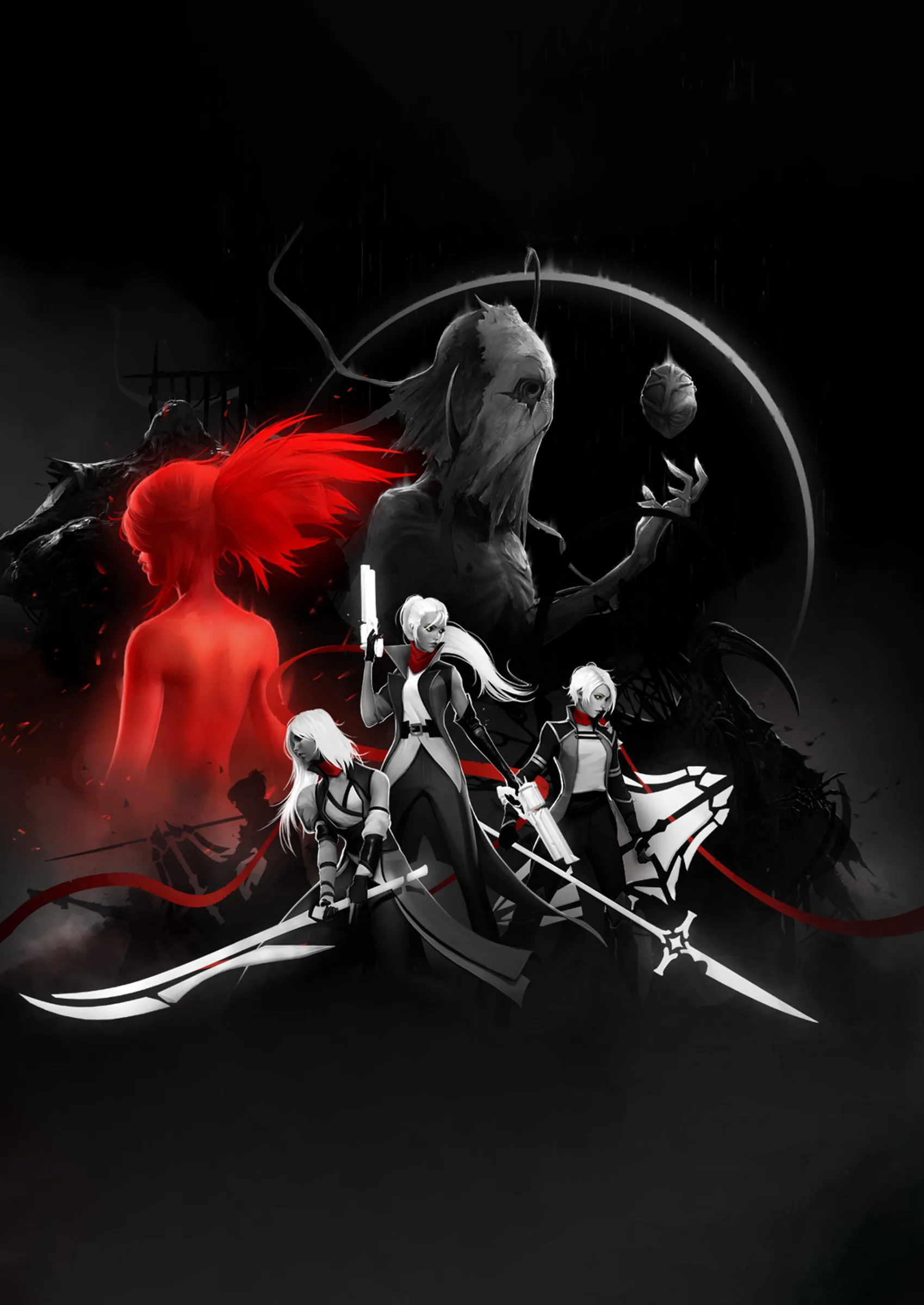
The player steps into the shoes of a nameless heroine battling dark monstrosities in a city not unlike 1897 Paris, only plague-ridden. The 'Chosen One' – as the heroine is called – does everything in her power to stop the 'Other' from tearing the 'Veil', the unseen barrier between 'Reality' and 'Unreality'. Shortly after the game begins she is defeated by a grotesque character called 'The Child', who lets himself be corrupted by the power of Suffering and fragments the entire world. An entity that grants supernatural powers, another Other called Memory, merges with the Chosen One's soul just before the Child's unleashed power finishes her off. And so she becomes the Mother: a last bastion in the fight to keep the Veil intact.
This is where the Time of Fragmentation begins: a temporary purgatory in which Reality and Unreality coexist in an anachronistic loop called Recollection. Trapped forever somewhere between 1897 and 1920, the Mother sends her Daughters – physically manifested memories of the Chosen One – into battle against the Child's forces, sealing as many of the ruptures in the Veil (called synapses) that he has torn open as she can.
There are classic tactical turn-based elements here, action points and the grid you spend them on included, but the battles keep hold of the game's temporal theme. More than that, the gameplay is defined by a simple, elegant mechanic – the timeline. Use up to half of a Daughter's action points on her turn and she moves 50 positions forward; exceed that threshold by even a single point and she enters BURST mode, shooting 100 positions ahead and leaving herself wide open to attacks from faster enemies.
So far the game seems quite simple… but plenty of abilities affect the order of characters on the timeline – or only activate themselves later, after a set number of positions.
On top of all that, some abilities don't consume action points at all, drawing instead on a percentage of a Daughter's health. These are powerful abilities, but they depend on specific trigger conditions: an enemy stopping inside the Daughter's range, say, or another Daughter coming under attack. Firing off a power without any certainty that the condition will actually trigger can help hasten an early defeat – which is precisely why careful planning and foresight are key.
Every synapse-sealing mission is synonymous with the death of at least one of the Daughters… because the game is merciless and won't let you get away with more than one or two mistakes before it punishes you severely. Health does not regenerate at the end of a mission; the only way to get it back is to sacrifice another Daughter of equal or higher level than the one being healed. Reviving a Daughter takes rare tokens.
As the Survivors level up, they grow stronger. But their actions on the battlefield can also feed into specific personality traits – if a Daughter kills a great many enemies without taking a single hit, she becomes arrogant, gaining a permanent attack bonus in exchange for a permanent penalty to experience points earned. By the same token, a Daughter who soaks up every enemy attack may become timid, picking up extra health in exchange for a steep rise in the action points needed to move around the battlefield.
Missions completed successfully, on the other hand, buy you a delay to the apocalyptic event, along with Memory fragments – little pieces of story about the Child's and the Mother's lives before the Time of Fragmentation. On top of that there's an essence called Vitae, the Mother's life-giving blood, which you can spend to germinate other Daughters or to slot Memory fragments (passive effects that improve the Daughters' abilities).
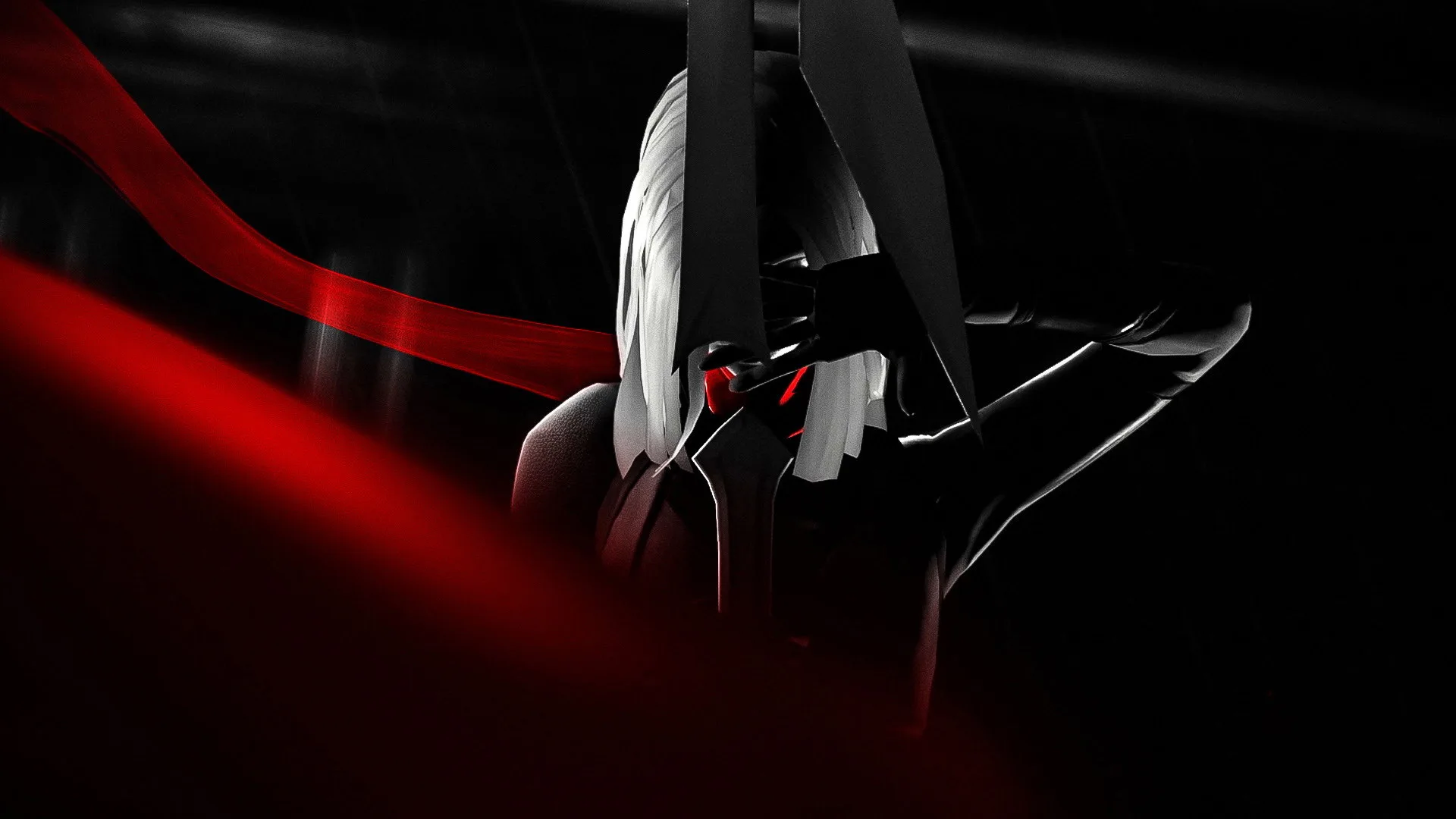
Dressed in conceptually striking graphics with gothic horror influences, Othercide's monochrome monotony is broken by the Mother's bright red blood, constantly spilled to slow Suffering down. A subtle way of saying that suffering is a constant of the human experience: suffering begets suffering, but the paradox is that self-sacrifice, the taking on of your own suffering, can heal another wounded soul. The whole game is, in fact, a poem packed with metaphors, exploring every facet of human suffering. My favourite metaphor is also the one I learned the most from: Memory asks the Child to surrender, one by one, all the memories that cause him pain, and this is the only way the Other's hold over him weakens.
Unfortunately, I now come to the game's imperfections: aside from text boxes that overlap each other oddly and don't even vanish during the short cutscenes that play for certain abilities, my main problem is with the way the story is exposed. Othercide borrows a gimmick from Supergiant Games' Transistor: story fragments doled out to you sparingly, in a random order. The reason this exposition technique doesn't fit the context is that Othercide, unlike Transistor, uses far too many terms of its own, and only a few of the memory fragments ever explain them. I spent a considerable number of hours playing without The moment you open Othercide, an angelic voice is cut off by electrifying riffs and drums heavy with foreboding. What plays is a true anthem of despair and suffering, howling up from the depths of the two French artists' souls. Soulswap has earned an eternal place in my playlist, and every time it rains outside and that track comes on, I'll remember the epic battles my Daughters fought in the City, every soul lost or gained, and the beauty of suffering in Othercide.
SOLITARIS FEAT. HOLOCENE – SOULSWAP
02:04 -03:00 having any idea what was going on in the cutscenes I was watching. Practically everything I've told you over the first few paragraphs about Othercide's story is information I dug up after far too many hours of GRIND. Technically, though, none of it counts as spoilers. The problem isn't necessarily that the story is structured like a big puzzle you have to complete by playing. It's more that the random system for handing out the essential pieces is what can ruin the experience. In other words, certain details can land in the player's lap far too late to have the impact they should.
As a die-hard fan of the tactical turn-based genre, I confidently and warmly recommend Othercide to anyone who loves action points, enemy forecasts and ability combos that pump dopamine into the brain of the tactical genius behind the keyboard. It's a truly beautiful game that will stay in my Memory (and my Soul) for a long time.
0 votes
Scroll down here and stay on the page for at least 30 seconds to vote.
Pick a score from 0 to 10 (halves are allowed).