
The Legend of Switch 2: Tears of the Kingdom – Review

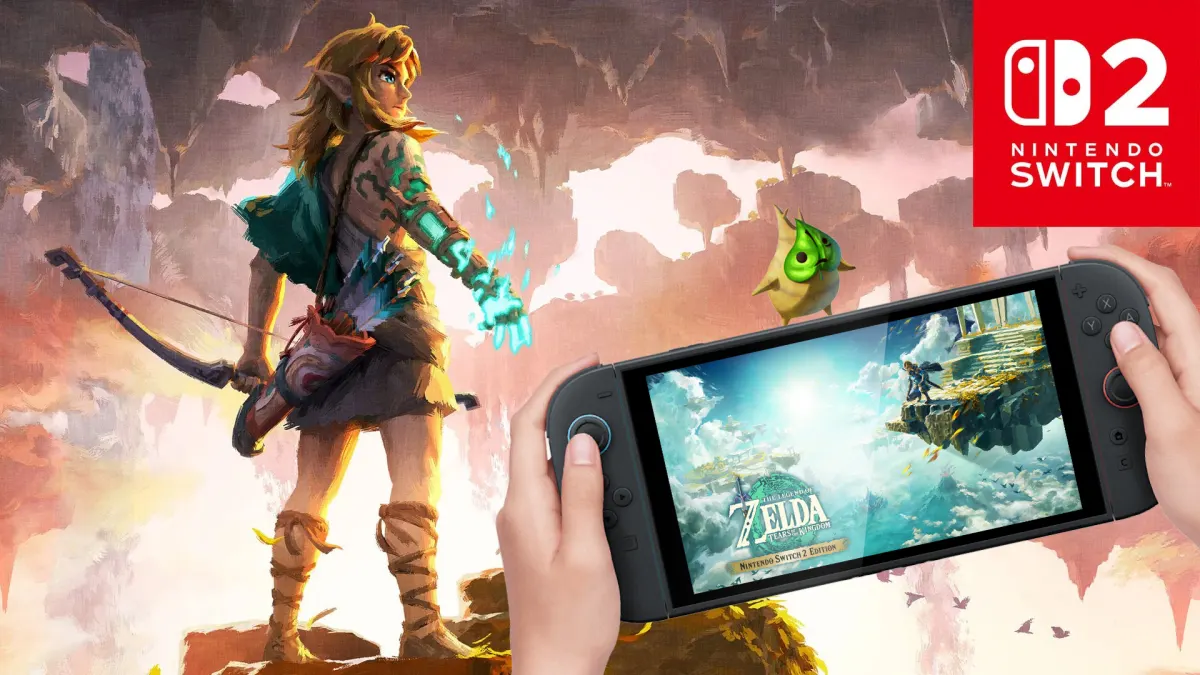
On Nintendo Switch 2, battles with the various forms of Ganon gain an extra layer of spectacle.
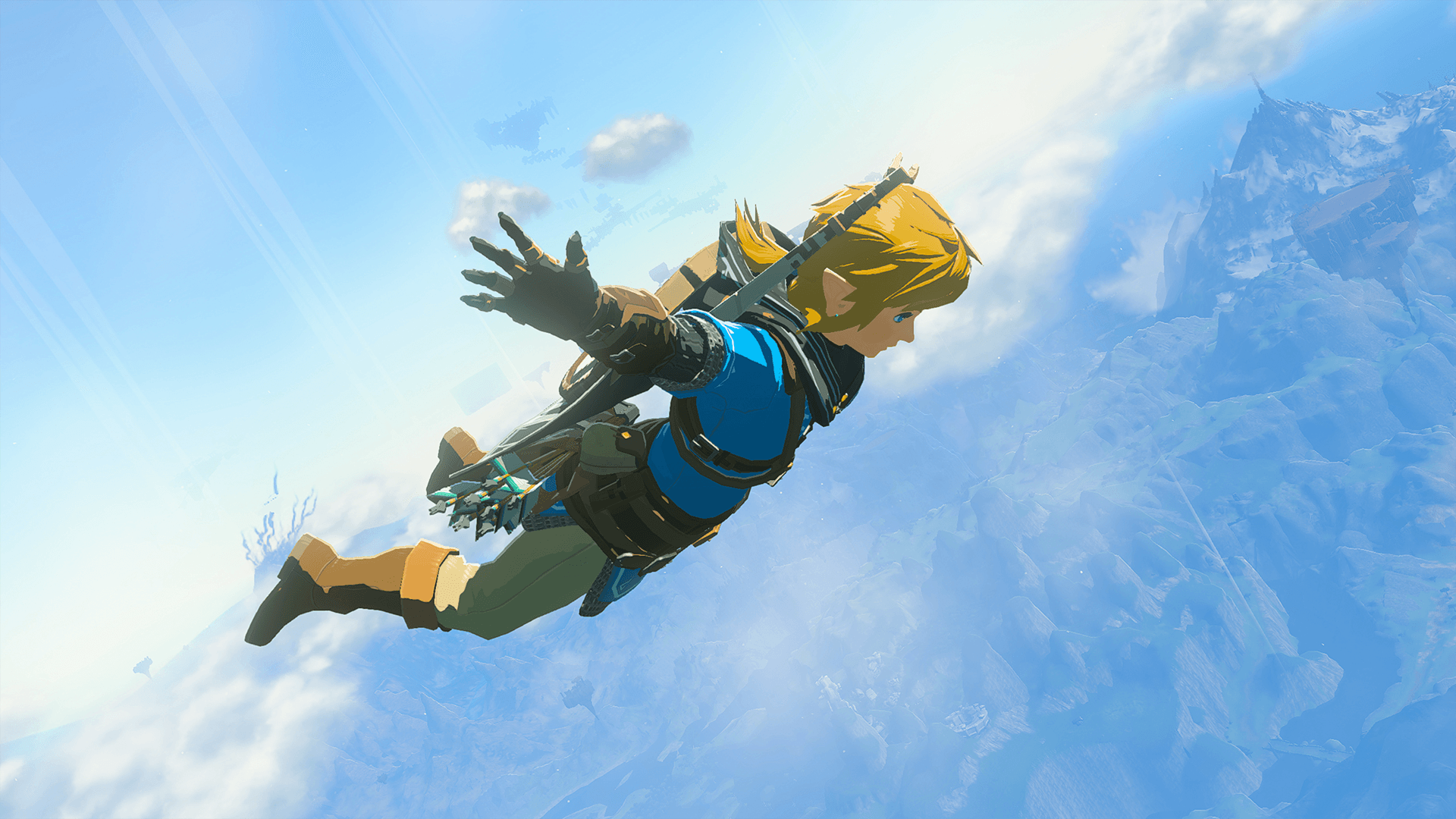
A GOTY limited by hardware
When The Legend of Zelda: Tears of the Kingdom launched in May 2023, the entire gaming community stopped to gaze in awe at the jewel produced by Nintendo. For several weeks, rarely was another game spoken of. Articles flowed on specialist sites, describing in lavish detail the possibilities existing in the vast world of the kingdom of Hyrule — now extended across three parallel planes. Content creators on YouTube masterfully demonstrated what could be built with the “Fuse” ability: some attached rockets to hot air balloons to accelerate navigation, while others built veritable tanks that decimated everything in their path. And even our colleague Adrian Dobrescu, otherwise uninterested in Nintendo and Zelda, was caught by the allure of possibilities limited only by one's own imagination.
However, we must be honest: it's a miracle that the game runs on the configuration of a 2017 Nintendo Switch. Optimisation certainly played its part in most regions… but loading times longer than a minute when Link visits shrines or teleports between regions, in tandem with low-resolution textures and stutters in densely populated areas, left their mark on the overall experience. Tears of the Kingdom is a much more ambitious project than the hardware it was launched on and deserves to be enjoyed on a platform powerful enough to highlight its grandeur.
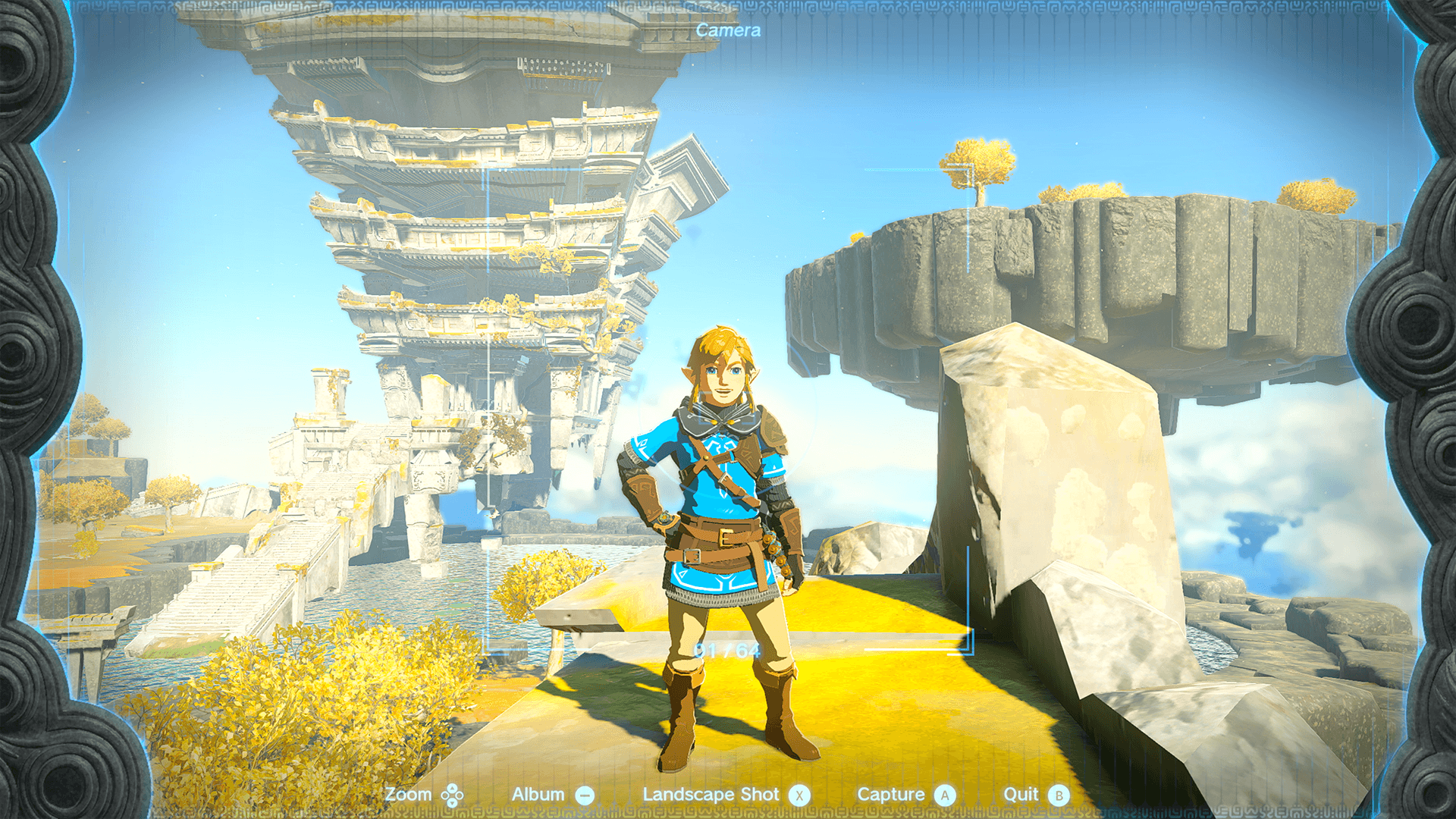
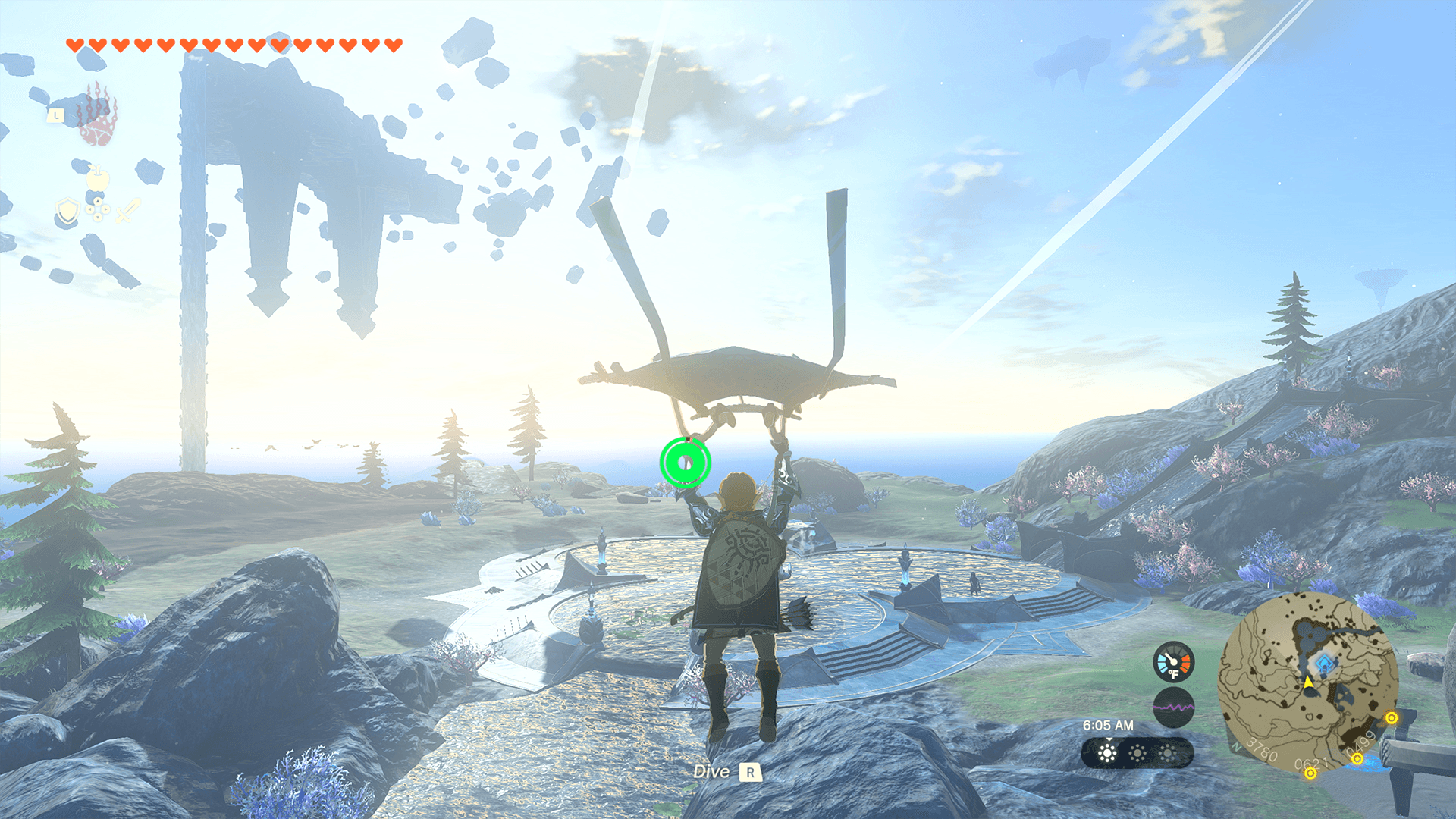
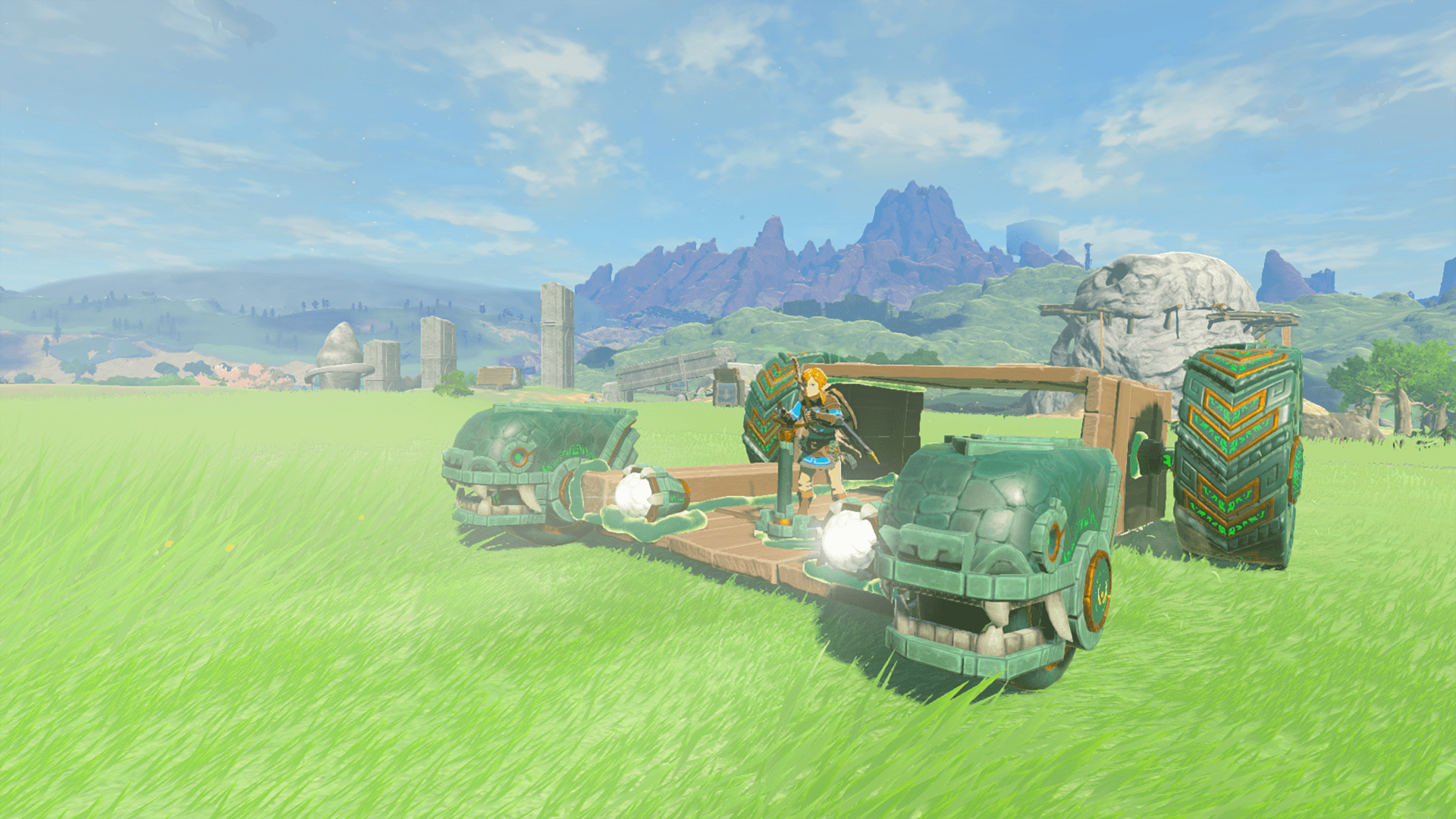
On Switch 2, Hyrule transforms
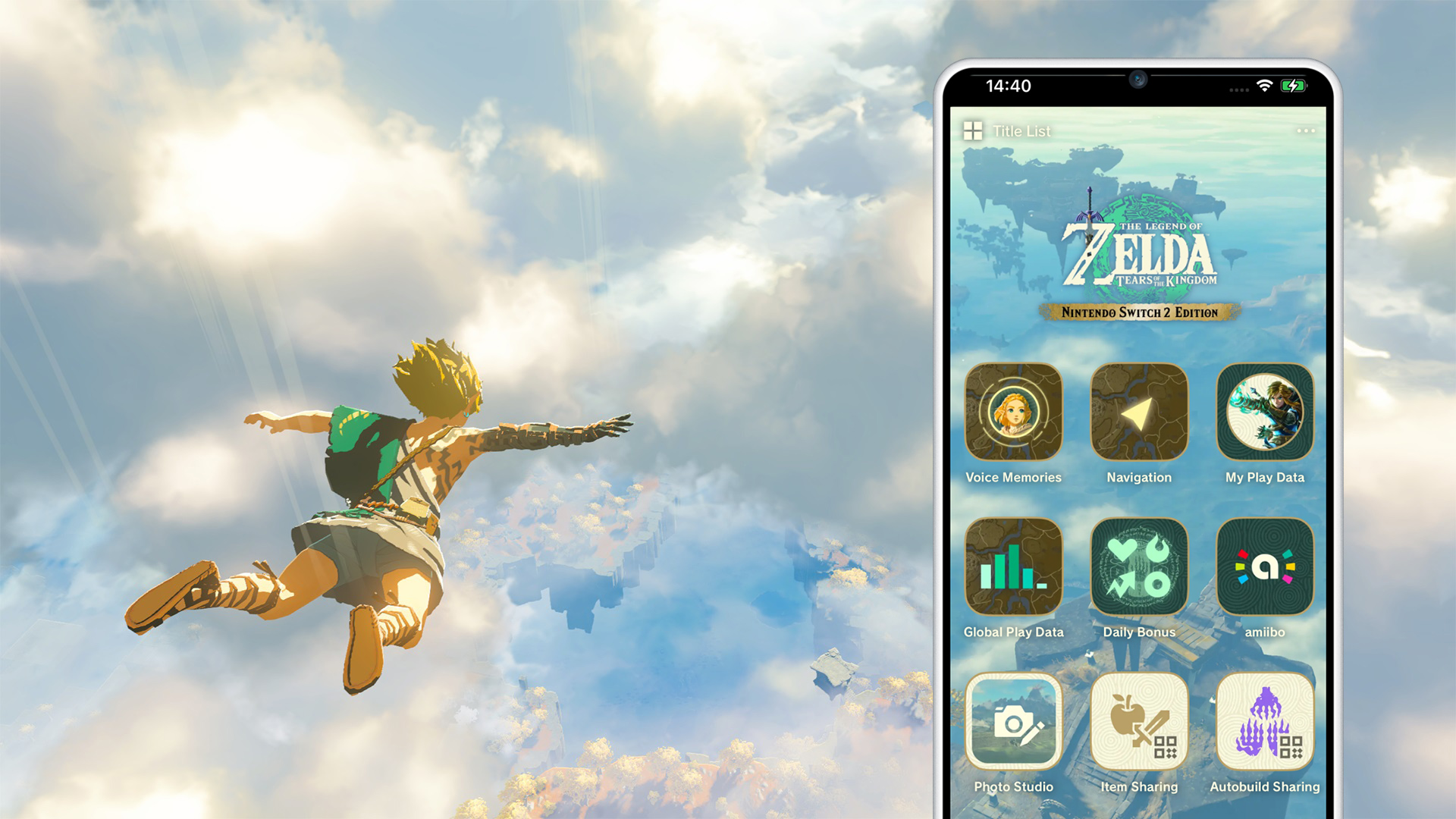
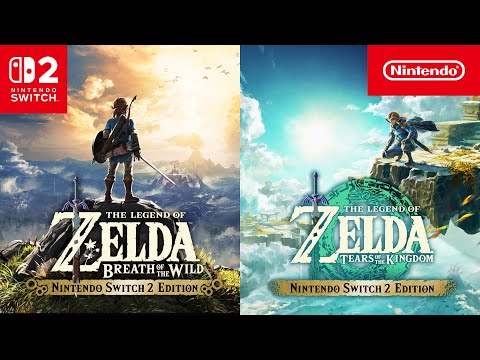
Fortunately, Nintendo Switch 2 offers appropriate optimisation from day one to maximise enjoyment and minimise frustrations. However, we need to clarify one aspect: this launch on the new console generation is neither a remaster nor a remake. It doesn't bring changes to the structure or formula of Tears of the Kingdom. We're talking about an improvement in resolution and frames per second (FPS), accompanied by HDR support. And if you're already familiar with the kingdom of Hyrule and want to discover what you left behind in your first confrontation with Ganondorf, Nintendo also offers a mobile phone app that becomes your personal assistant in finding all the secrets on the map.
Even without this €10 upgrade, which Nintendo Switch Online + Expansion Pack subscribers receive for free, the Switch 2 console natively accelerates loading times and eliminates obvious stutters in The Depths region. The original Switch sometimes needed a full minute to facilitate access to different sections of the game… and vertical teleportation via the Ascend ability was often slow. The Switch 2, thanks to RAM that can effectively store a good portion of the content (12 GB for a 16 GB game), often transforms the loading interface into a rudiment that might as well be eliminated.
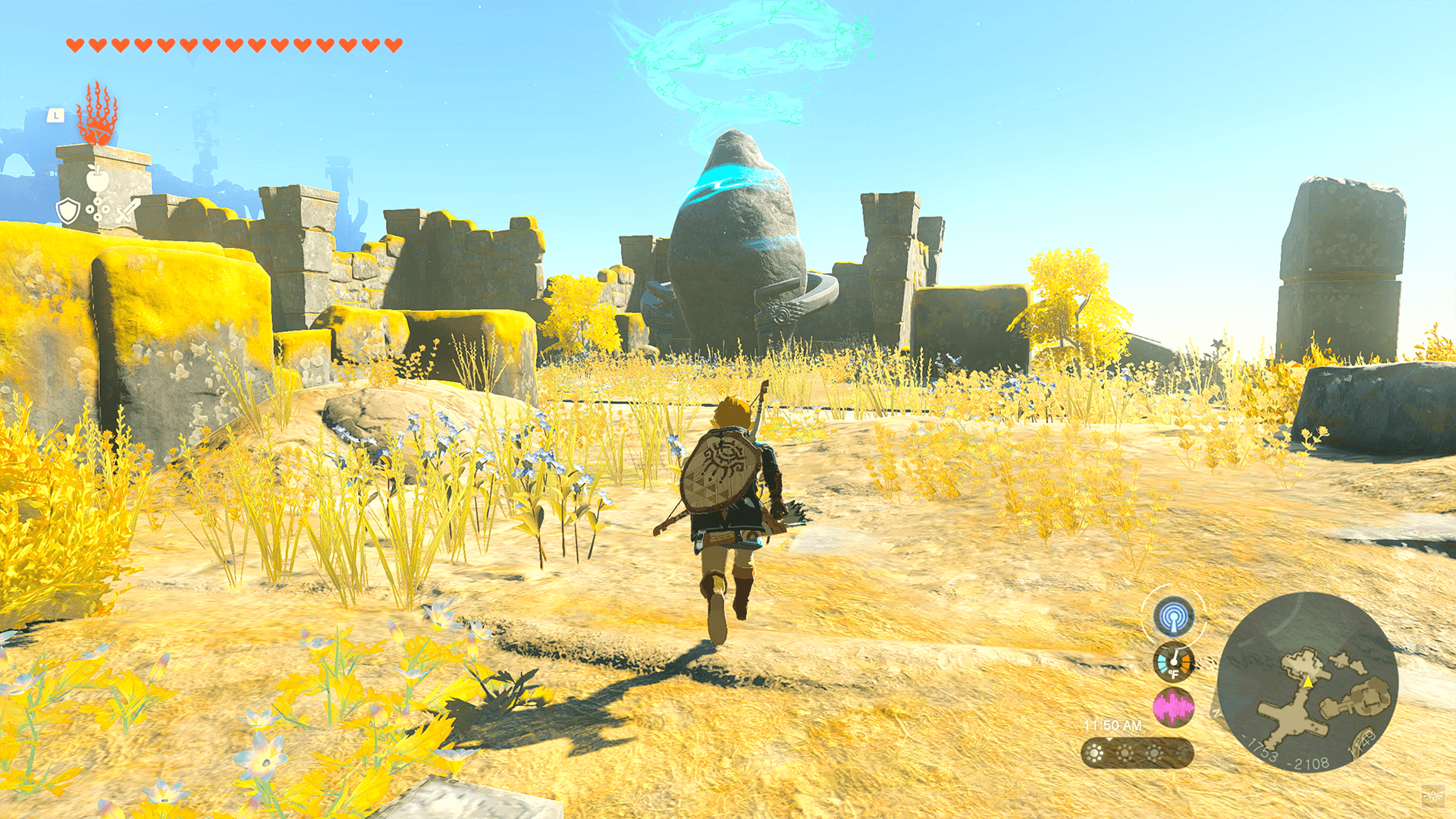
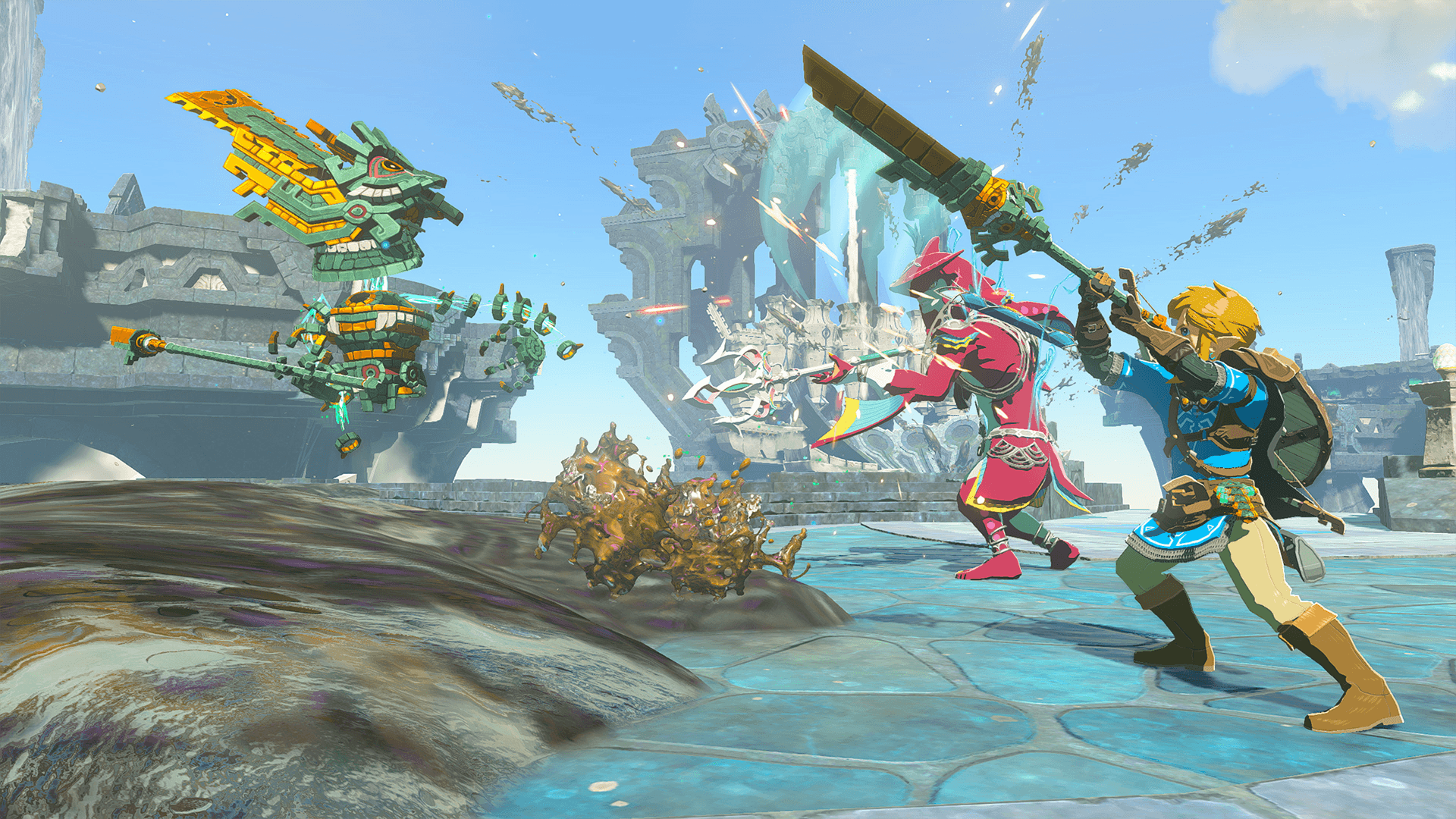
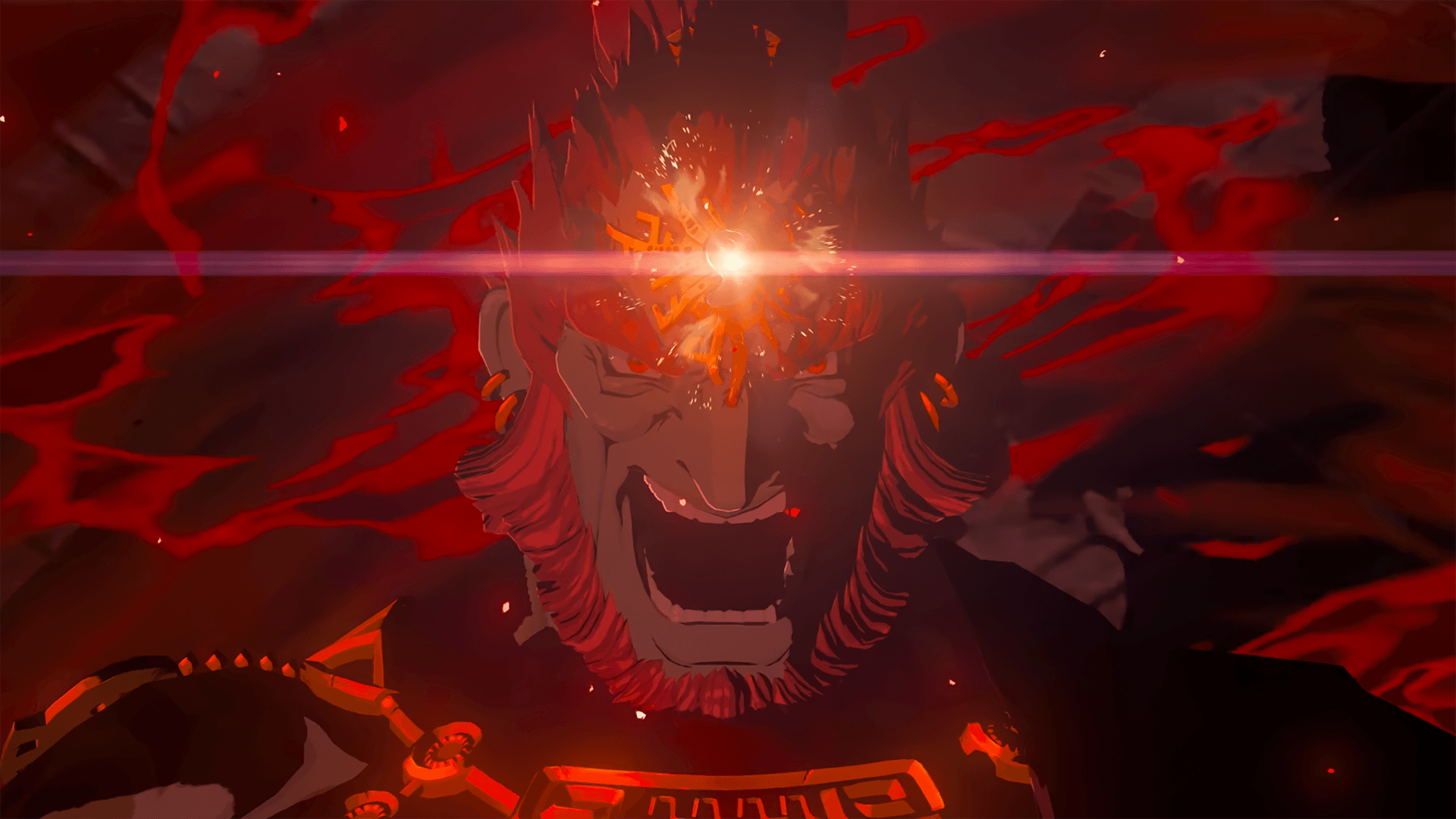
But the main reason I recommend the revised version is how the dark regions look on an HDR-supported monitor (in my case, the native screen of the Switch 2 system): everything becomes clearer throughout the “The Depths” region, while battles with the various forms of Ganon gain an extra layer of spectacle. We're talking about the kind of optimisation you clearly want for a new-generation console, to explore all the best that the original Switch has to offer.
For builders, there's also the possibility of using the Autobuild ability in tandem with the Nintendo Switch App: by scanning QR codes, the creations of incredibly creative players can be reproduced. And while I could argue that a good part of the charm of Tears of the Kingdom lies in the joy of building various contraptions using materials available on the map, sometimes discovering what others have achieved can enrich your imagination or radically change your gameplay experience.
Explorers haven't been neglected by the app developers either: now every hidden secret on the map benefits from a guide extremely similar to car navigation systems. Want to find all 1000 Korok seeds? This time, you don't have to turn over every rock on the map. Curious to learn more about each region in the game world? There are so-called “Zelda Notes” that tell you stories about events that happened in your current location. In principle, you won't discover anything revolutionary that overturns or complicates the existing story — but if the Hyrule universe obsesses you, then you'll savour the small details related to the history of ruins and activities carried out in different forests.
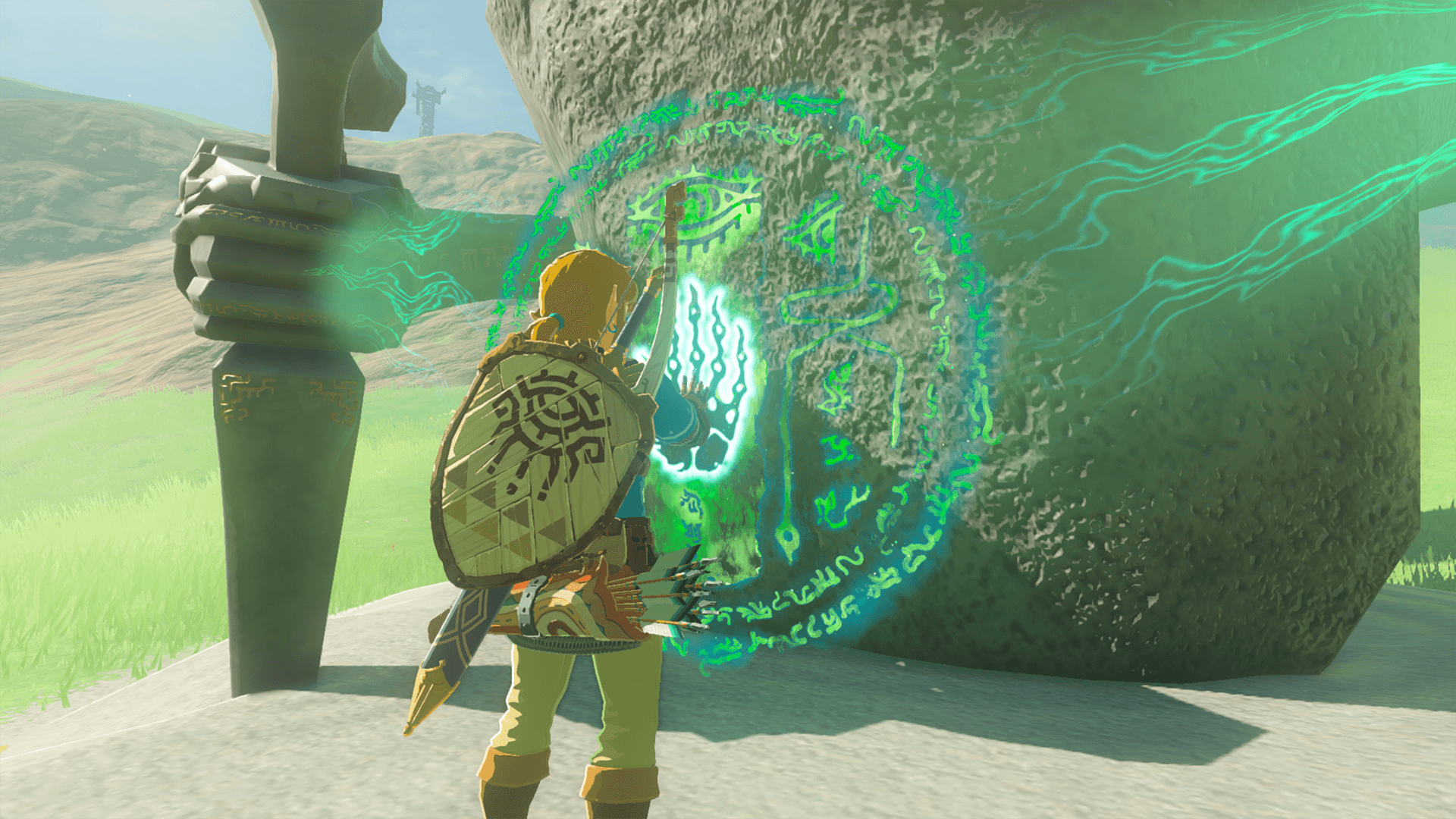
A new way to re-explore a masterpiece
Do you happen to be playing Tears of the Kingdom concurrently with a friend? Now you're offered the possibility to transfer various items (weapons, shields, arrows, cooked dishes, and ingredients). If you have a friend who's just starting out, you can help them overcome obstacles more easily. And if you're stingy, you can just send them the items that no longer fit in your inventory and that you would have otherwise thrown away.
The app also includes a daily reward system: an element that slightly spoils the joy of hunting and acquiring everything you own in your backpack, but offers an additional reason to open the game and explore the land of Hyrule. If you're the kind of adventurer who spent too much time in the “Stats” section of the GTA menu, then you'll find something similar in Zelda Notes. You can find out how long you've performed certain activities, how many lives you've taken, how many times you've been defeated, how many secrets you've discovered, and many other tidbits for nit-pickers. The Switch 2 operating system doesn't have an interface that gives you trophies and medals for various achievements… but the dedicated app for these additional functions in Tears of the Kingdom will make you feel unique in your own way, after which it will compare and classify your progress based on the behaviour of other players.
Overall, however, all these functions can be ignored to enjoy a classic and improved adventure where it matters. In my review in GRIND 3, I gave Tears of the Kingdom a solid 7 and called it my game of the year. I overlooked the shortcomings caused by the technical specifications of the Switch 1 console and was glad that such an immense and captivating experience could be achieved despite the existing limitations. Two years later, I find myself admiring the universe of the kingdom of Hyrule once again. I discover ways that fluidity allows me to approach battles differently. I find new horizons in what was previously too dark to be observable. I perform manoeuvres that would have previously overloaded the console's components (such as the famous jump from the clouds to the depths of the kingdom).
But, most importantly, I am reminded that true art has no age. Indeed: just as our parents bought the same music albums on vinyl, reel-to-reel tape, audio cassette, CD, and now use YouTube or Spotify, we find ourselves in a situation of rediscovering our favourite games on technically superior platforms. The important thing, however, is that everyone, regardless of budget, gets good games. The latest release, available on the most advanced system, will always be the most expensive. But I could argue that The Last of Us on PlayStation 3 is just as good as any remastering or remake attempt in recent years: it offers you the same story, with the same characters, and graphics good enough to help you get emotionally involved in the events. Analogously, the titles in The Legend of Zelda series on Nintendo Switch are excellent on the original platform and worthy of all praise. But if you already own the game and a Switch 2, it would be a shame not to take it to the next level.
Played on: Nintendo Switch 2
Release date: 05 June 2025
Developer: Nintendo EPD
Publisher: Nintendo, CD Media S.E.
0 votes
Scroll down here and stay on the page for at least 30 seconds to vote.
Pick a score from 0 to 10 (halves are allowed).