
Casebook 1899: The Leipzig Murders – Review

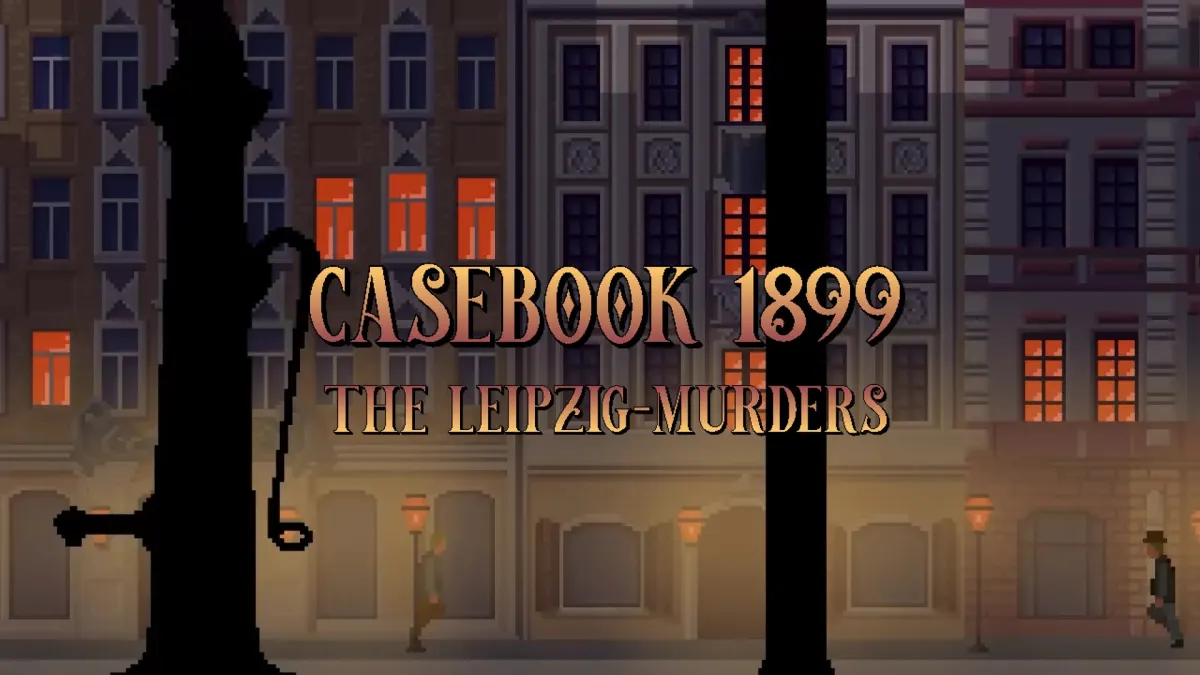
Let's take a stroll through 1899 Leipzig and uncover a digital mystery with a retro flavour.
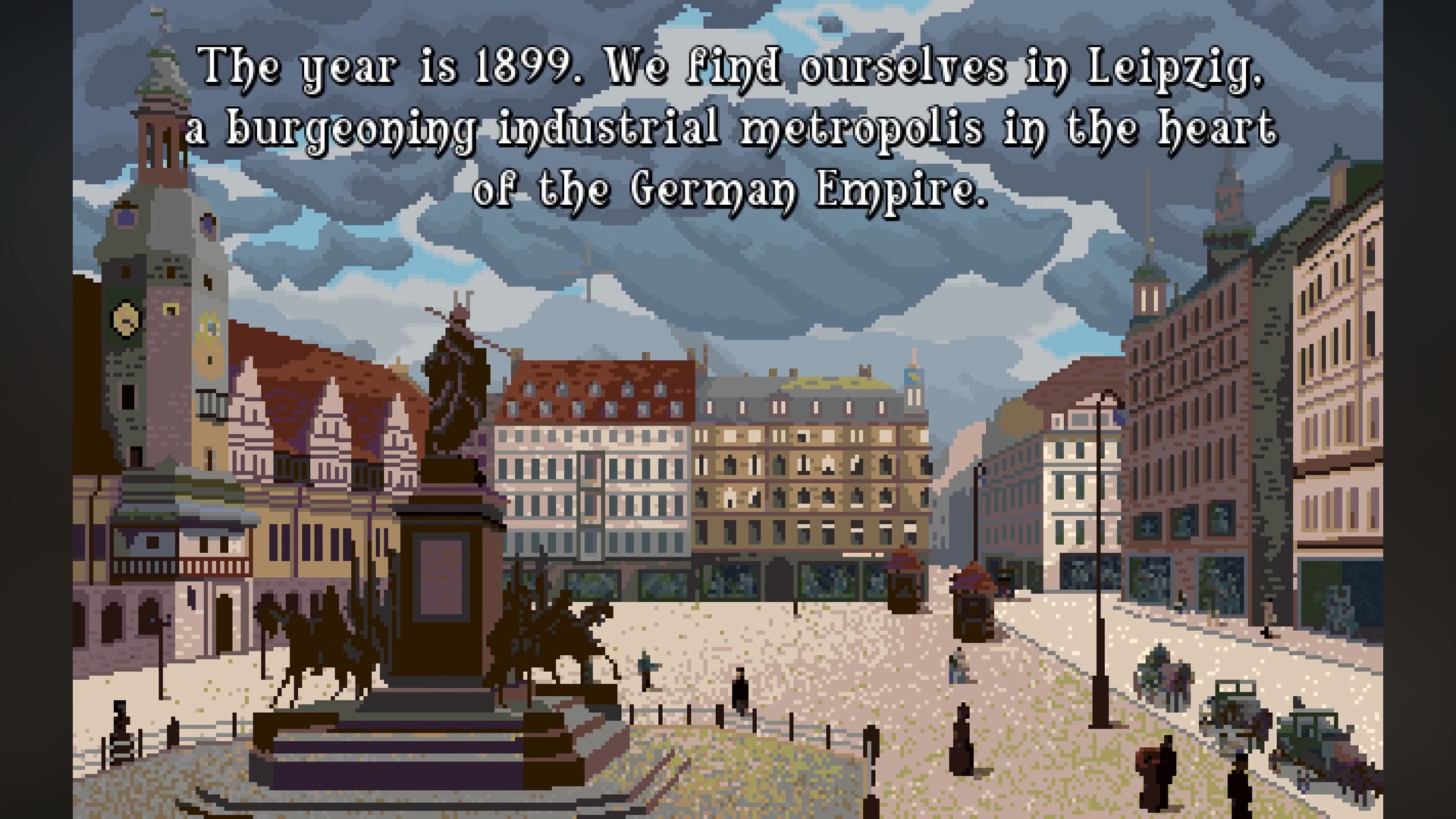
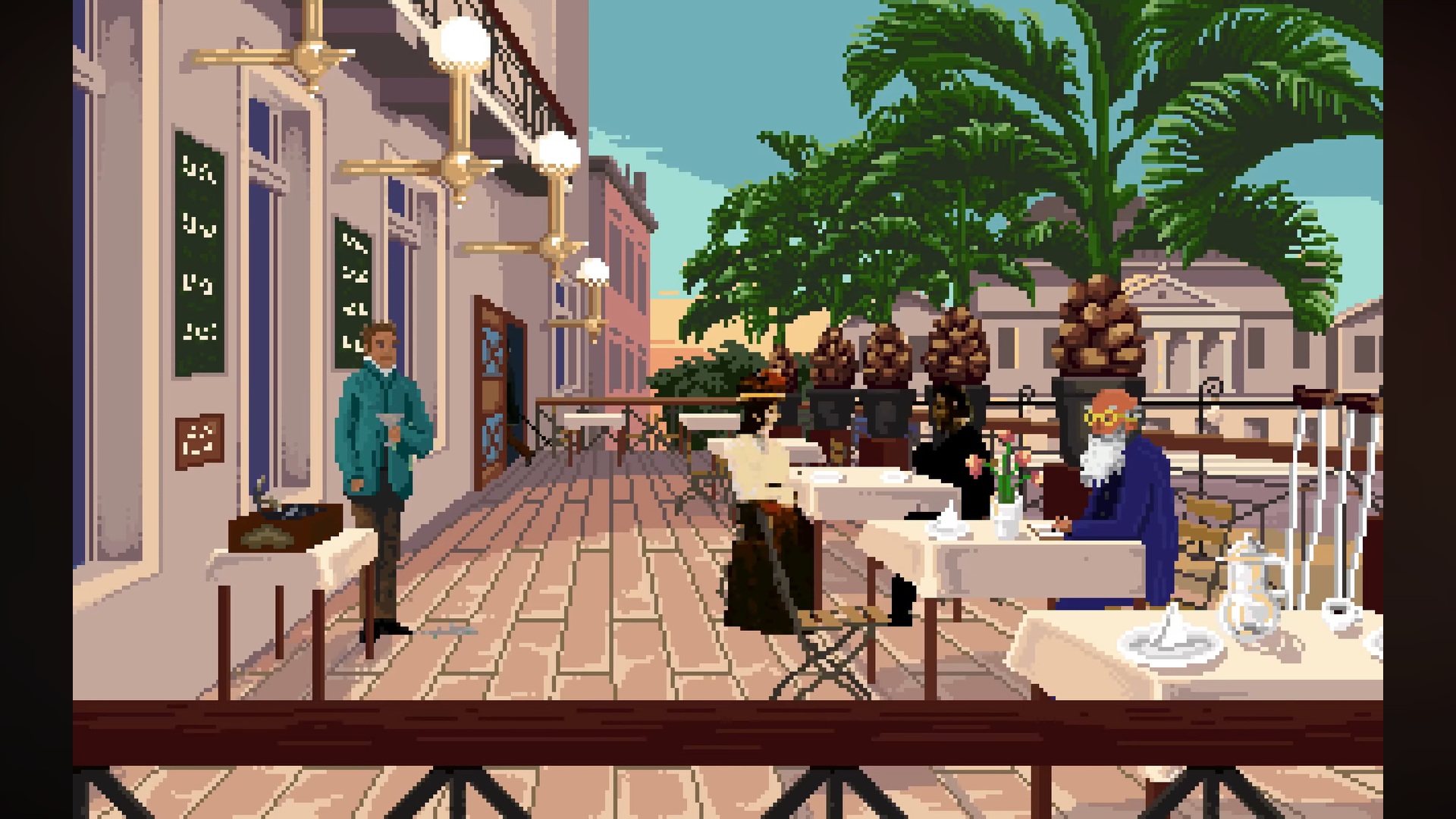
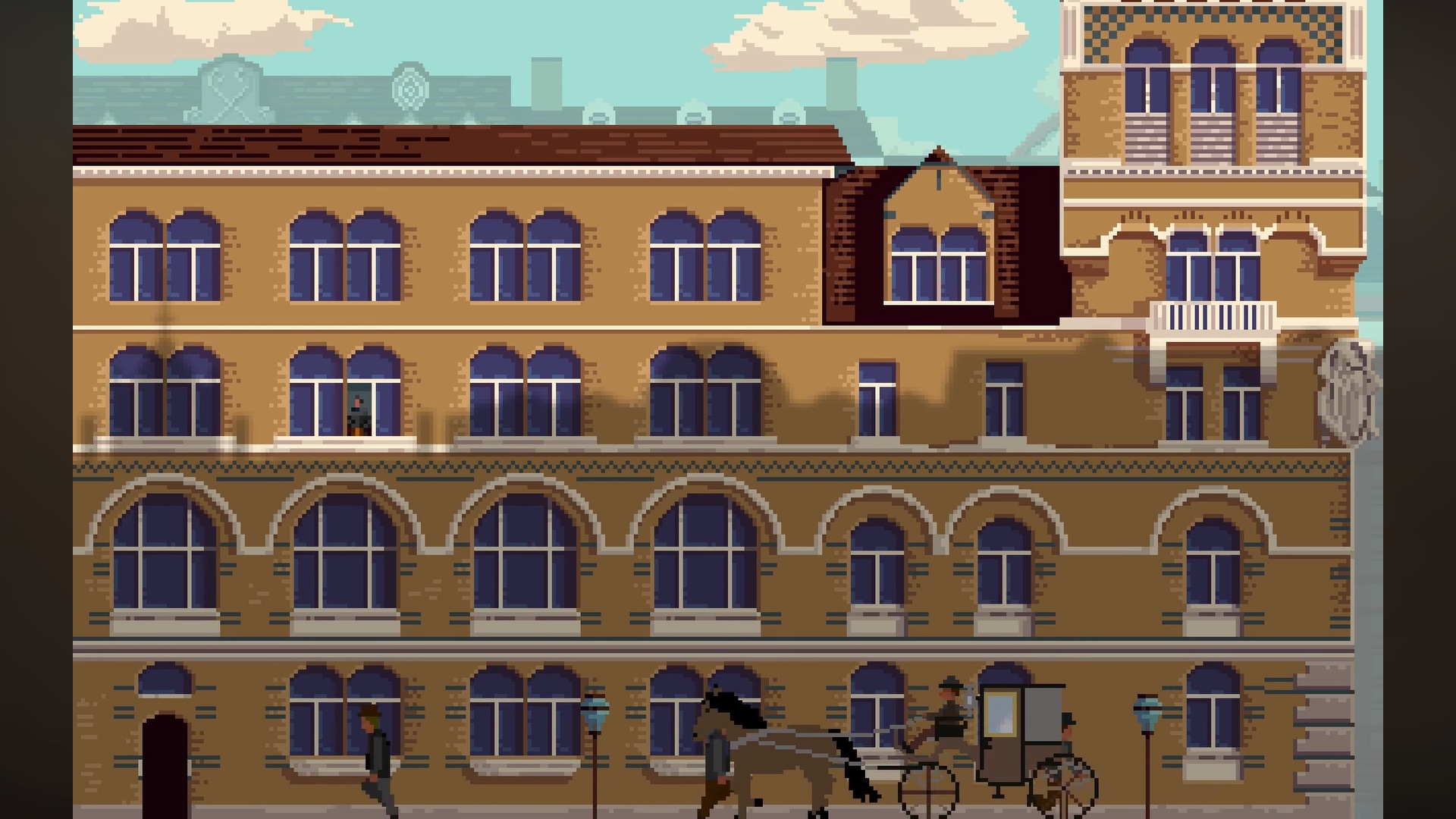
When you open Casebook 1899: The Leipzig Murders, you're not just stepping into a game, but into a historical reconstruction. Late 19th-century Leipzig is captured in all its atmosphere: cobbled streets, massive buildings with imposing facades, trams beginning to take shape in daily life, and a general air of social change. This is the period when Germany was transforming into an industrial power, and its cities pulsed with energy, but also with tensions. Against this backdrop, Detective Joseph Kreiser guides the player through a series of murder cases that challenge not only logic but also an understanding of a complex era.
Leipzig isn't chosen by chance. The city has a tradition of innovation and culture, and the game's developer, Gregor Müller, wanted to capture this effervescence through a combination of investigation and historical atmosphere. To create an authentic environment, old photographs, period postcards, and historical documents were used. The result is a setting that doesn't feel generic at all, but rather anchored in the urban reality of 1899.
The Detective and His Methods
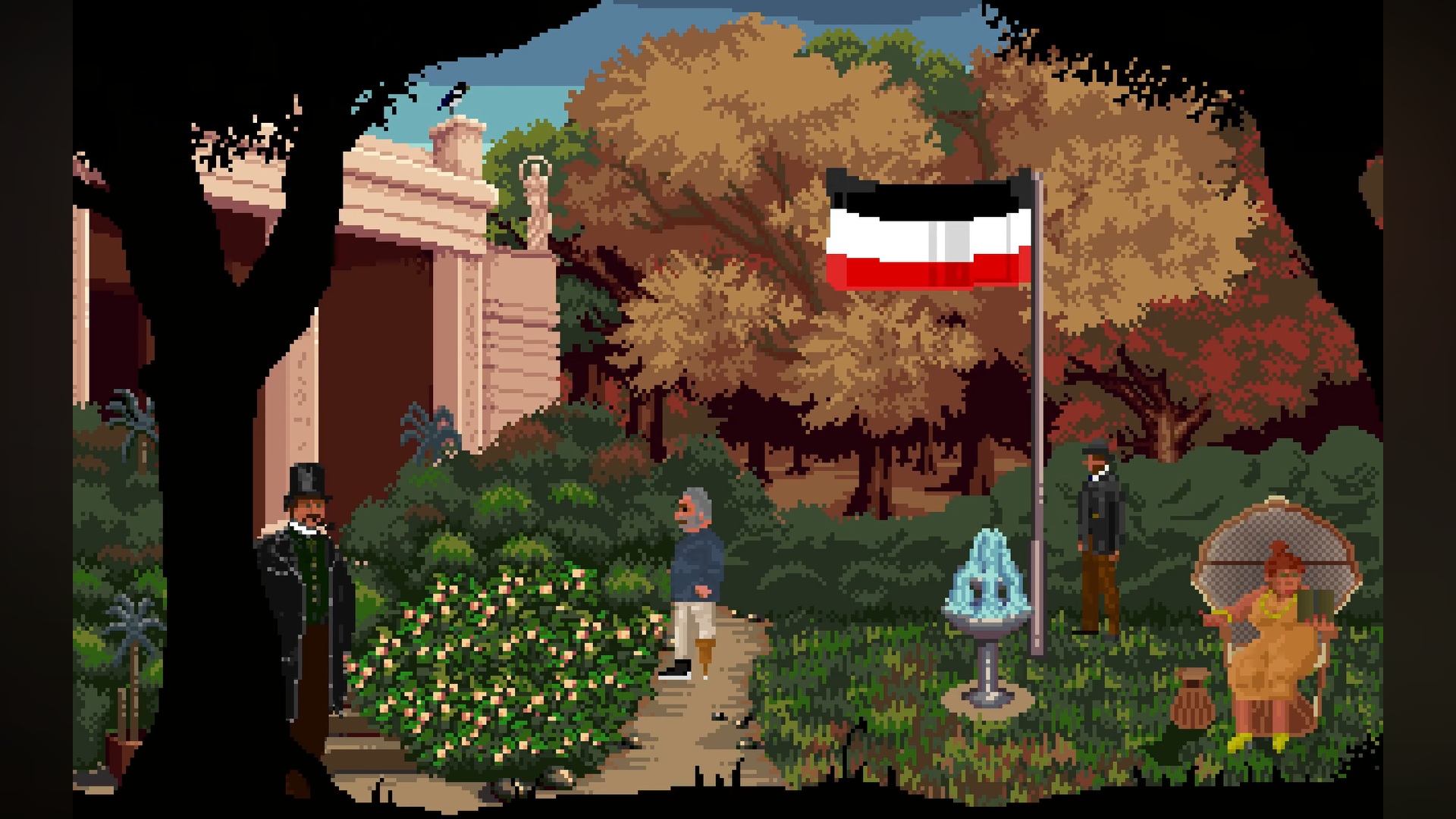
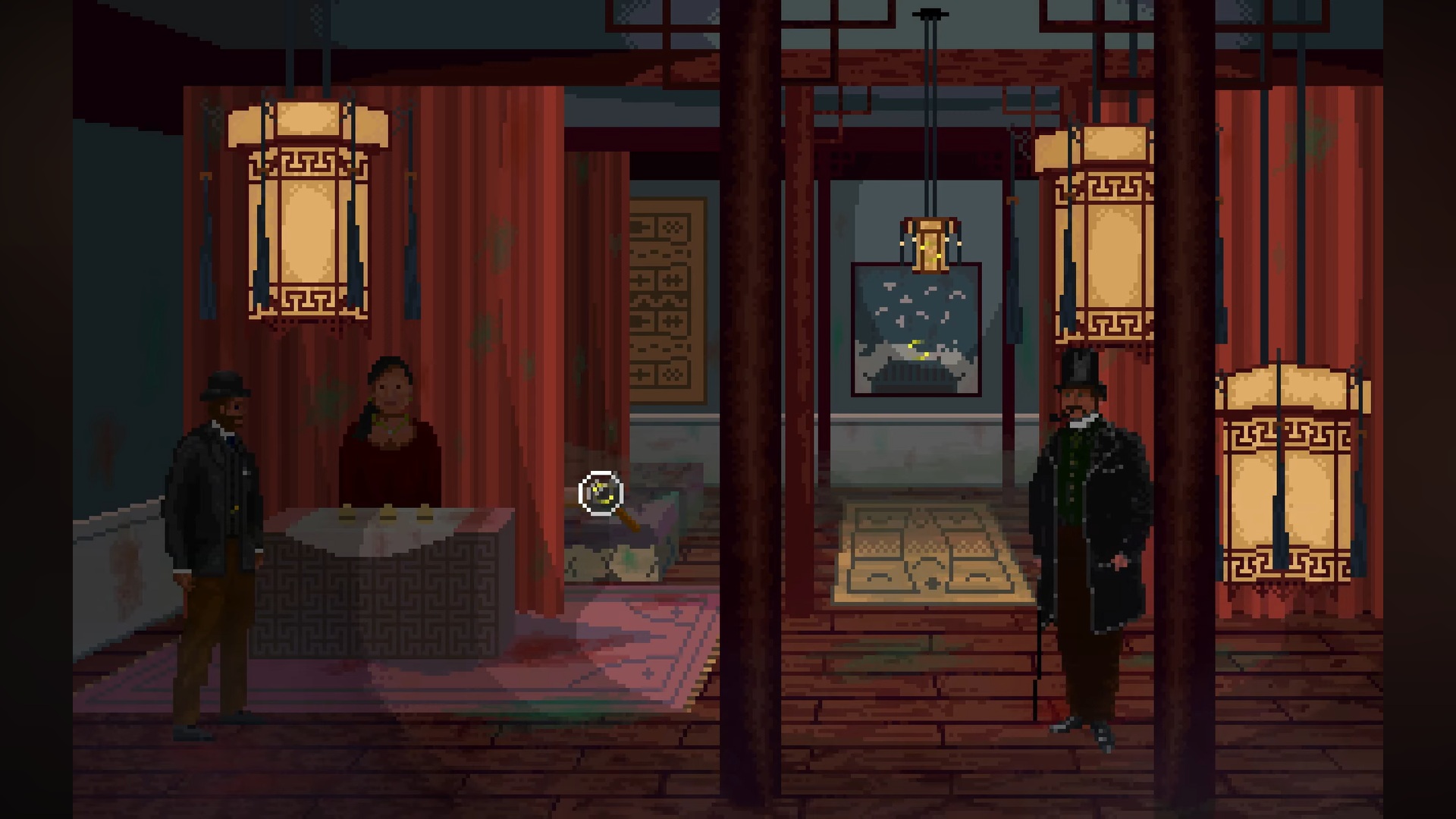
The main character, Joseph Kreiser, is the type of investigator who relies not on modern gadgets, but on shrewdness and attention to detail. The player's mission is to gather testimonies, observe seemingly trivial details, and patiently note down everything that could become a puzzle piece. The game introduces an investigation notebook and a deduction board where information must be correlated. It's a classic method of reconstructing a case, similar to how a real detective would have worked in 1900, when criminology was just beginning to take shape as a science.
This approach has a special charm. Instead of serving up answers on a platter, the game forces you to confront your own deductions. If you make wrong connections, the consequences are immediately apparent: you either accuse an innocent person or completely miss the culprit. In this way, the experience gains a dimension of authenticity.
Four Murders and Many Dilemmas
The game offers four distinct murder cases. Each file has its own atmosphere and its own suspicious characters, but all share the same historical setting. The first case is already available for free via a demo, so anyone can get a taste of the game's experience before purchasing it. The rest of the stories are available in the final version, officially released on 4 September 2025 on Steam.
In addition to the narrative element, there are also environmental and inventory puzzles. Sometimes you have to spot a hidden object in a room, other times combine two elements to get a new lead. These moments add dynamism and prevent the investigation from becoming just a succession of dialogues. However, the central part remains logical deduction: interviews with witnesses, confrontations with suspects, and interpretation of testimonies.
A Troubled Social Context
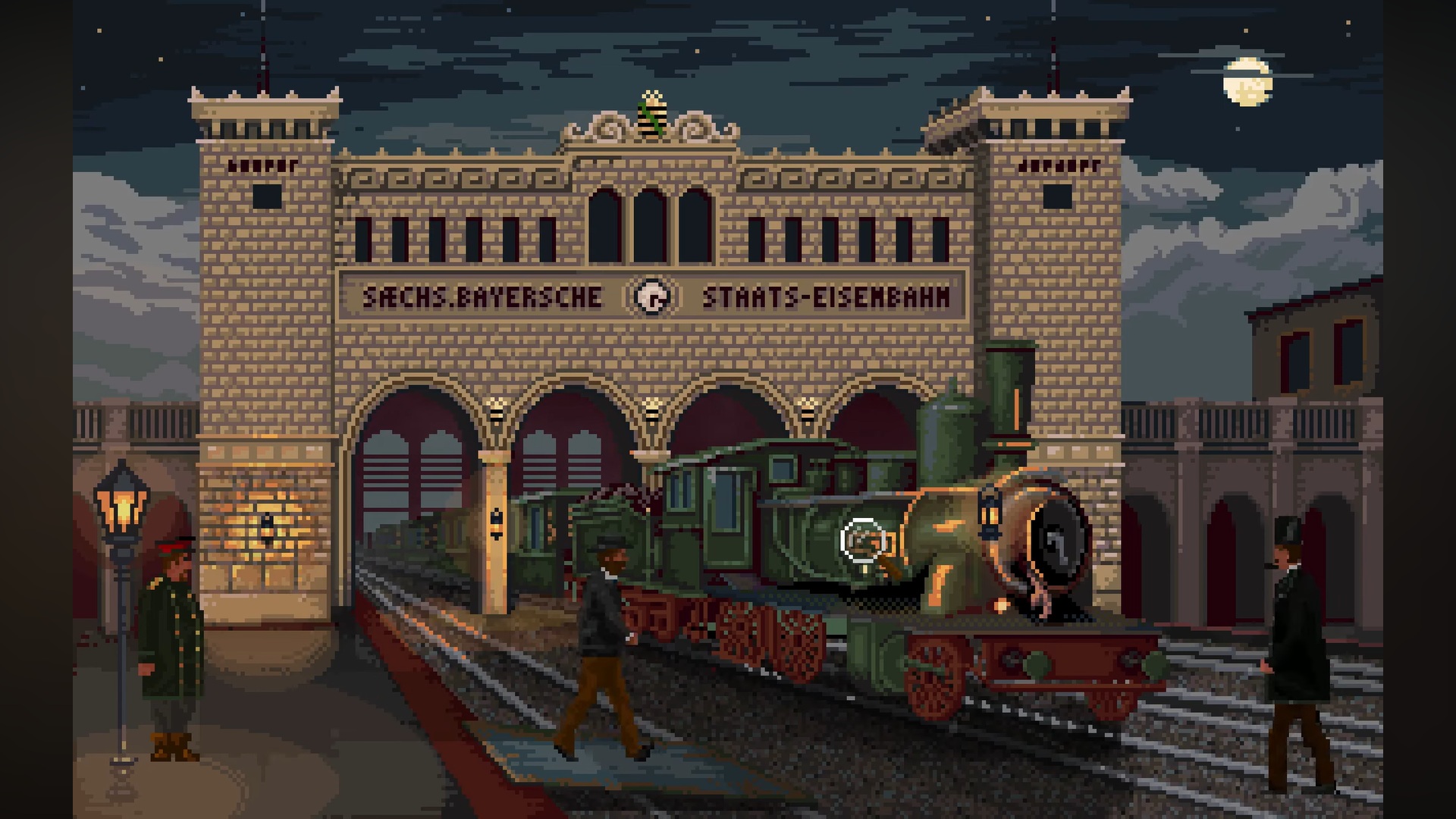
One of the interesting aspects of the game is the attention paid to the social context. Leipzig in 1899 is not just a backdrop. It is a city at a moment of transformation. Rapid industrialisation changed daily life, the working class began to claim its rights, and the role of women in society began to change. These social tensions are not introduced as mere scenery, but as elements that influence how crimes are perceived and how suspects are viewed.
Thus, the player doesn't just solve a crime, but enters a world where class differences, gender prejudices, and economic changes play an important role. It's a subtle invitation to reflect on how society influences justice, even in a video game.
The Birth of the Project
Casebook 1899 was born from a passion for history and detective stories. Its developer, Gregor Müller, launched a Kickstarter campaign in 2022 to raise the necessary funds. The idea quickly attracted support, especially due to the emphasis on historical authenticity. The community supported the project not only for its investigation mechanics but also for the way Leipzig comes to life in a period rarely explored by games.
What's New in the Game?
Although at first glance it seems like a classic point-and-click, Casebook 1899 stands out due to a few elements. Firstly, the deduction board forces the player to think more like a real detective than a consumer of clues. Secondly, the existence of multiple endings for each case raises the stakes. It's not enough to solve the puzzles; you have to pay attention to nuances and witness contradictions. Thirdly, the German atmosphere, complemented by German dialogue and subtitles available in German and English, adds authenticity and makes players feel like they are in a local story, not a generic production.
What Leipzig Looks Like for Today's Players
For those in Romania, the game's atmosphere can be surprisingly familiar. Many cities in the country had a similar feel at the beginning of the 20th century: monumental buildings, the first tram lines, cafes full of bourgeoisie, hurried workers, and a society caught between tradition and modernity. Thus, digital Leipzig doesn't seem like an exotic setting, but rather a mirror of our own cities back then, whether we think of Bucharest, Cluj, or Iași.
This parallel makes it even more attractive to Romanian players, who can see a piece of common European history in the story. After all, crimes, social inequalities, and the struggle for modernisation were not just German realities, but Romanian ones too.
Final Word
Casebook 1899: The Leipzig Murders is not just an investigation game. It's an excursion into the atmosphere of a European city at the turn of two centuries. Through its attention to detail, its emphasis on deduction, and its subtly presented social context, the game manages to bring a fascinating era to life. It's not a title that gives you the solutions directly, but one that challenges you to make mistakes, to reflect, and to learn from your own investigation.
If you love historical mysteries and are tempted by the idea of wandering through Leipzig in 1899 in search of a killer, then this game is worth trying. It's a project that shows that passion, historical research, and imagination can transform a simple game into a cultural experience.

Plus
- Authentic historical atmosphere and remarkable pixel art details
- Satisfying deduction system and decisions that matter
- German voices and dialogues bring characters to life
Minus
- Slow pace that sometimes makes you check the clock
- Potential confusion when culprits are unclear or information is incomplete
0 votes
Scroll down here and stay on the page for at least 30 seconds to vote.
Pick a score from 0 to 10 (halves are allowed).