
The Berlin Apartment – Review

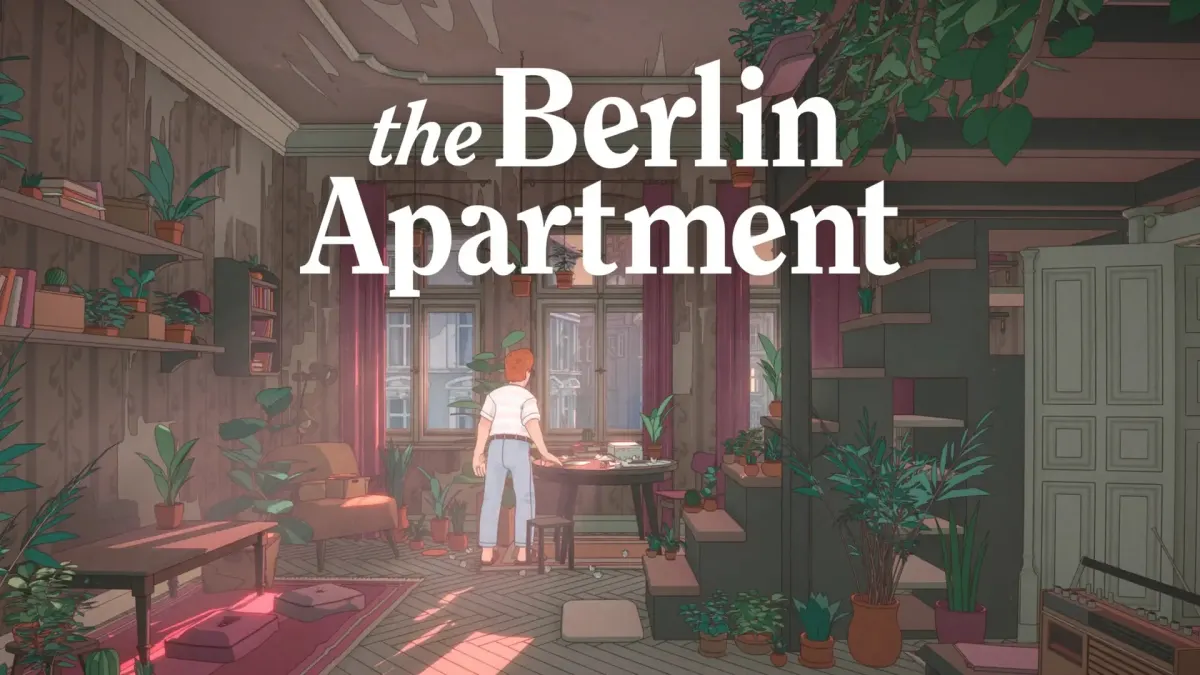
German history is told to us through a door that closes and opens again
In an environment dominated by games that treat history either as spectacle or as a backdrop for armed conflicts, The Berlin Apartment distinguishes itself through a radically different choice: that of reducing history to a human scale.
Developed by the German studio Blue Backpack, the game does not aim to recreate the great events of the 20th century through battles or political simulations, but through the quiet, fragile, and often anonymous lives of the people who lived within those walls. The result is a deeply contemplative narrative experience that uses a single Berlin apartment as a witness to a century of historical, ideological, and moral transformations.
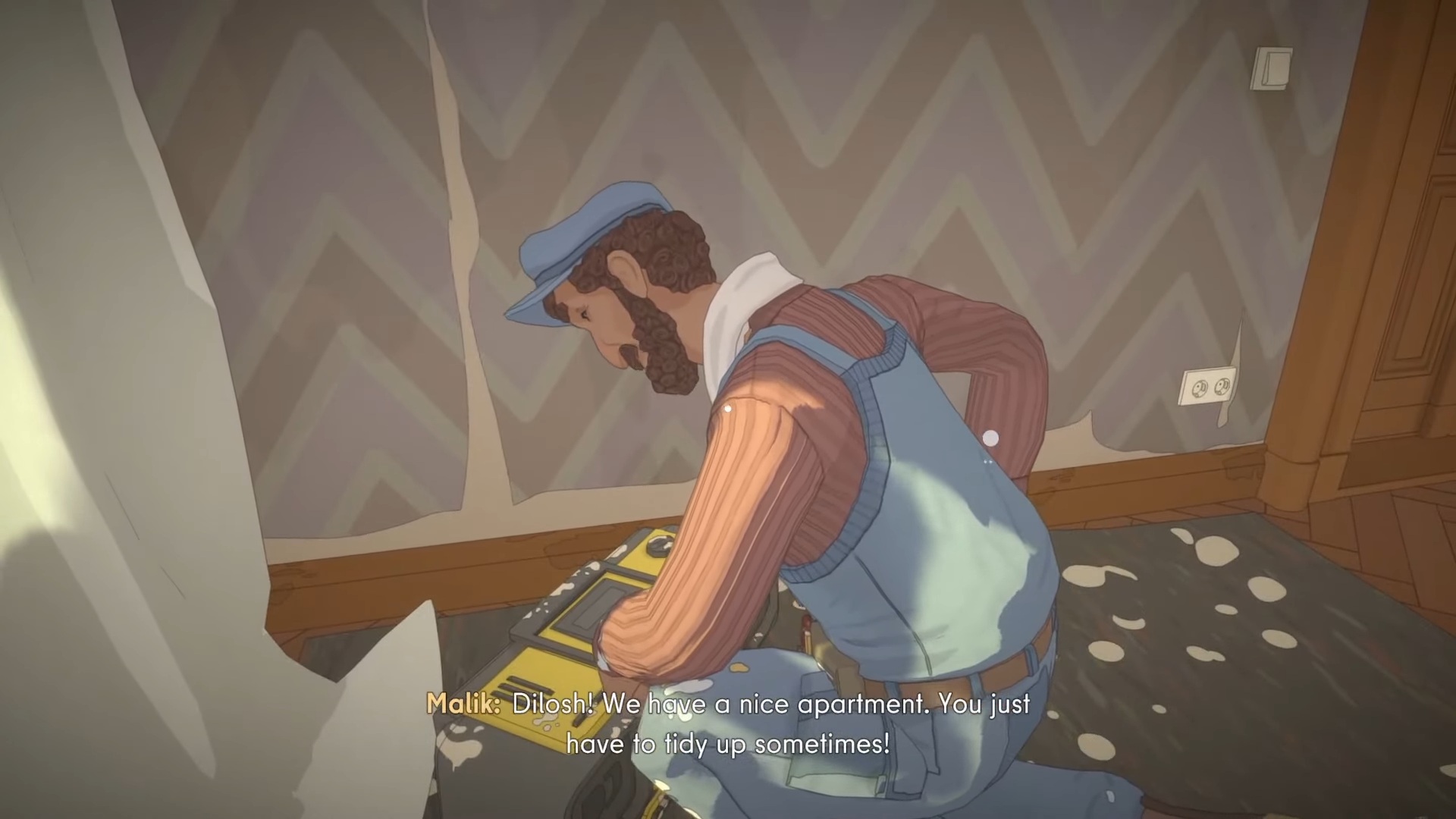
An apartment as a witness to history
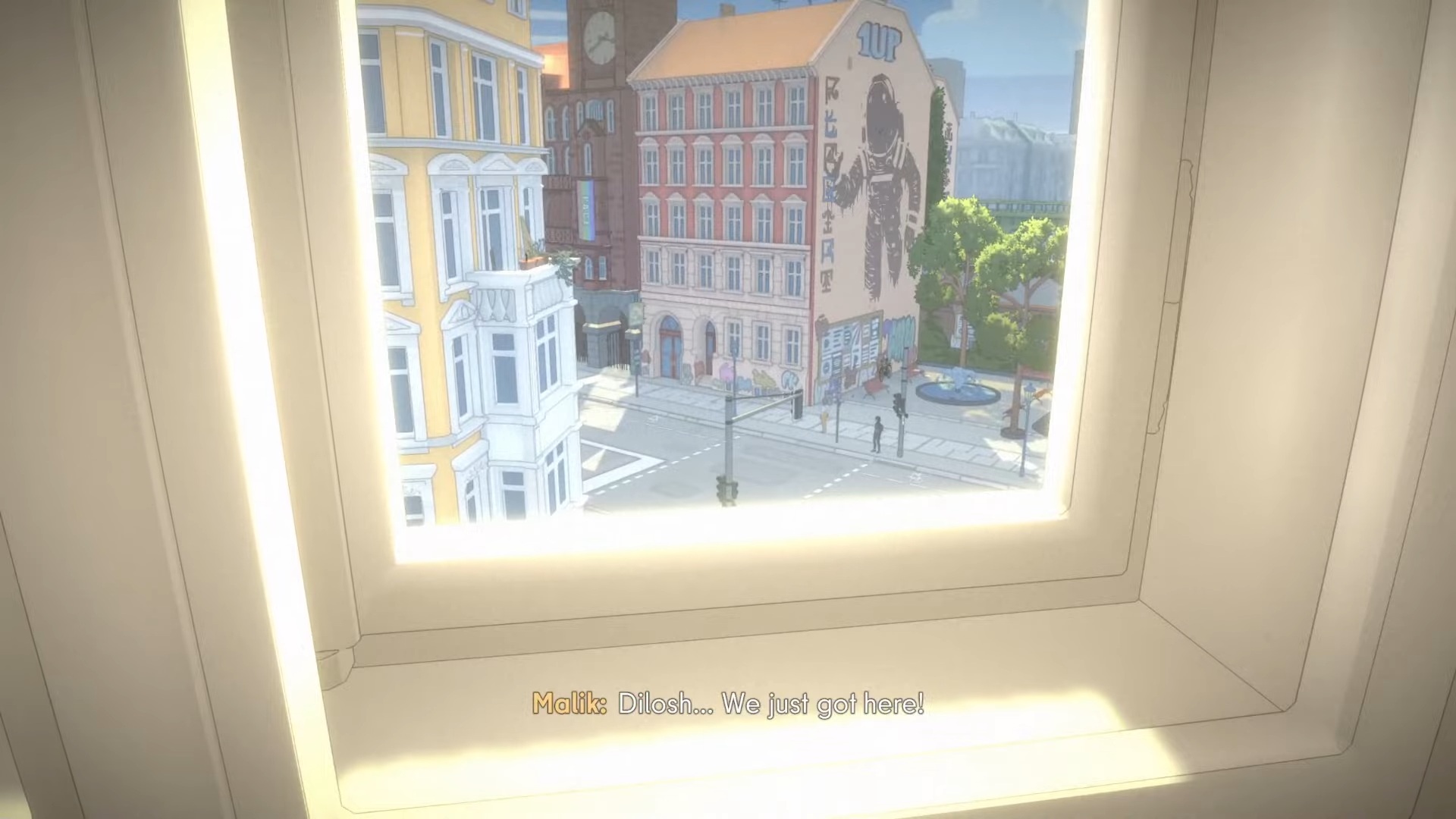
The game's premise is seemingly modest. In 2020, in the midst of the pandemic, Dilara and her father, Malik, are renovating an old apartment in Berlin. Their activity is mundane: cleaning, moving furniture, and discovering forgotten objects. But each object becomes a key to the past. Through a discreet narrative mechanism, the game transports us to different historical periods, each corresponding to a former tenant of the apartment.
This episodic structure transforms the space into a true emotional archive. The apartment is not just a place, but a repository of memory, a central concept in studies of history and urban identity. Berlin, a city fragmented, destroyed, and rebuilt multiple times, is often described as a “city without coherent memory.” The Berlin Apartment contradicts this idea, suggesting that memory does not disappear, but hides in objects, in walls, and in untold stories.
Berlin in the 1930s: fear slowly settling in
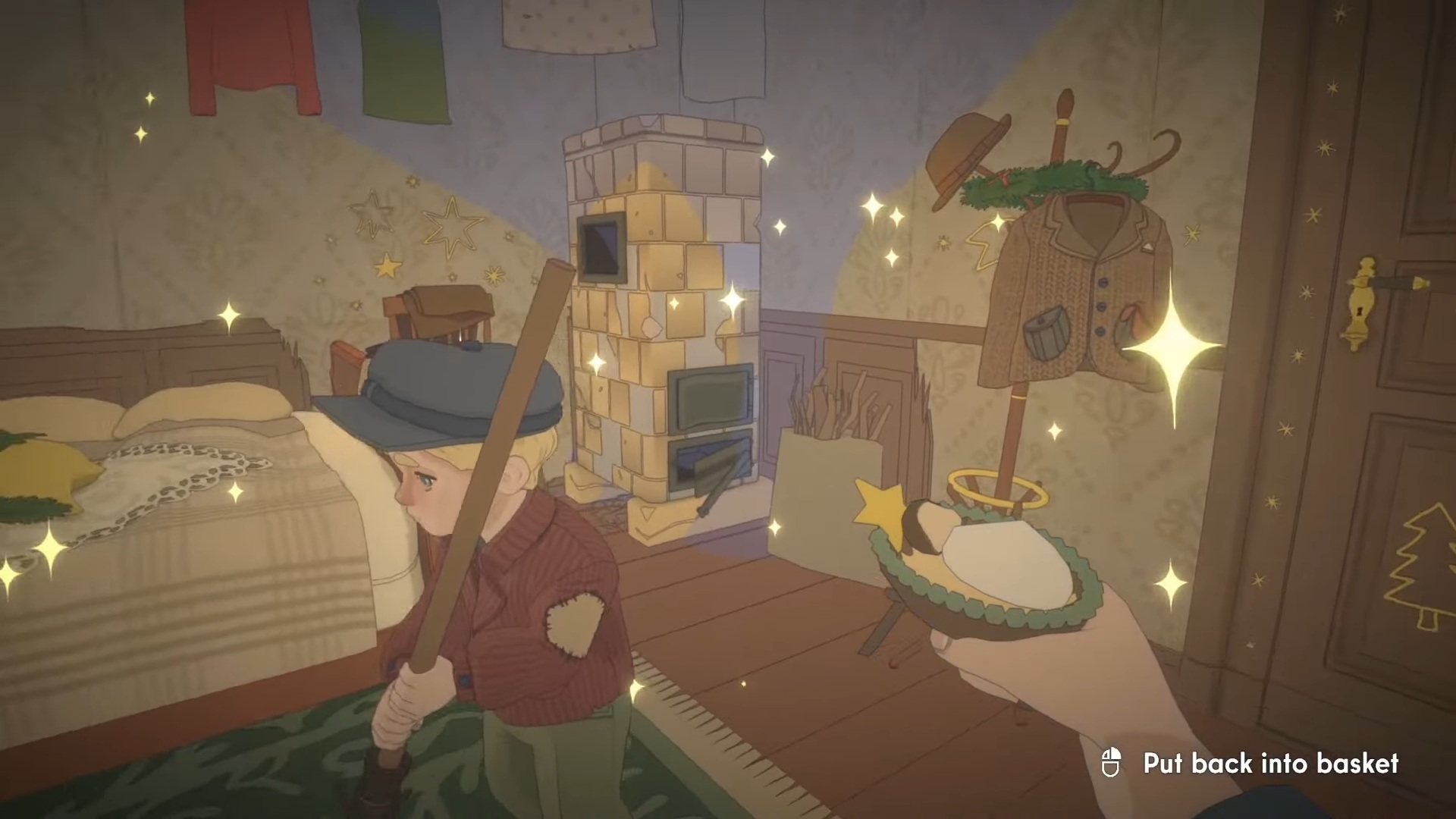
One of the game's most powerful episodes is set in Germany in the 1930s, during the rise of Nazism. The story does not focus on political leaders or major events known from textbooks, but on the life of an ordinary citizen caught in a system that becomes increasingly oppressive. The game captures the gradual transformation of fear very well: not as a sudden shock, but as a normalisation of danger.
Historically, this is one of the most accurate representations of the period. The Nazi regime did not impose itself overnight through total terror, but through a mixture of propaganda, social conformity, and the gradual elimination of the “other.” The Berlin Apartment reflects this process through small gestures: an avoided conversation, a hidden book, a door closed too quickly. The game succeeds in conveying the idea that grand history is made up of small, seemingly insignificant decisions, repeated daily.
Ruins and reconstruction: Berlin after 1945
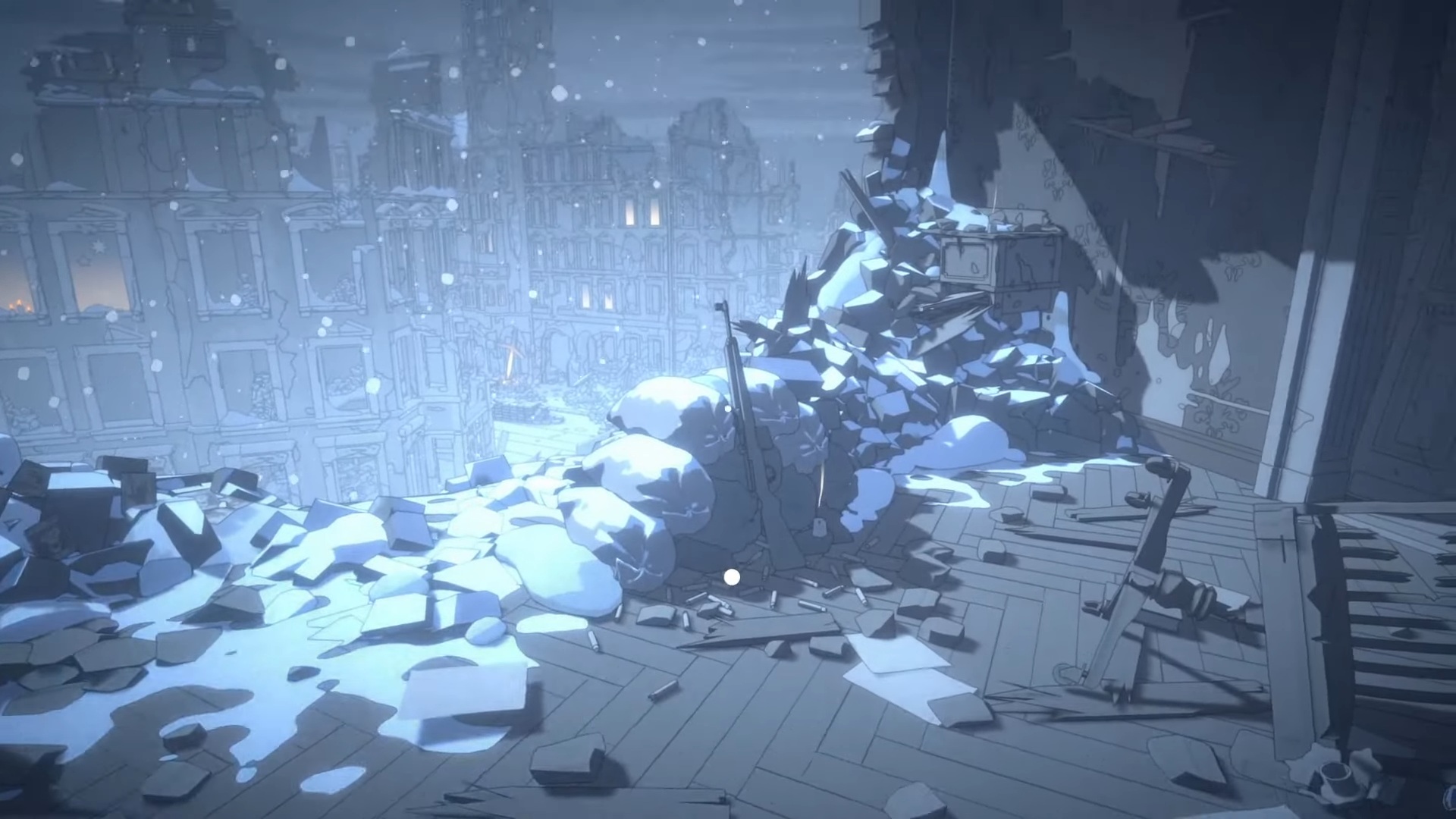
Another important chapter is dedicated to the post-war period. Berlin after 1945 was a city in ruins, both physically and morally. The game captures this reality not through spectacular images of destruction, but through absence: lack of resources, empty spaces, a sense of loss. Reconstruction is not presented as a triumph, but as a painful and slow process, marked by unresolved traumas.
This approach is in line with recent historical research, which emphasizes that the German “economic miracle” was preceded by years of poverty, collective guilt, and silence. The Berlin Apartment captures precisely this silence, using simple objects – a table, a bed, a photograph – to suggest lives trying to move on without completely forgetting.
Divided Berlin: life under the Wall
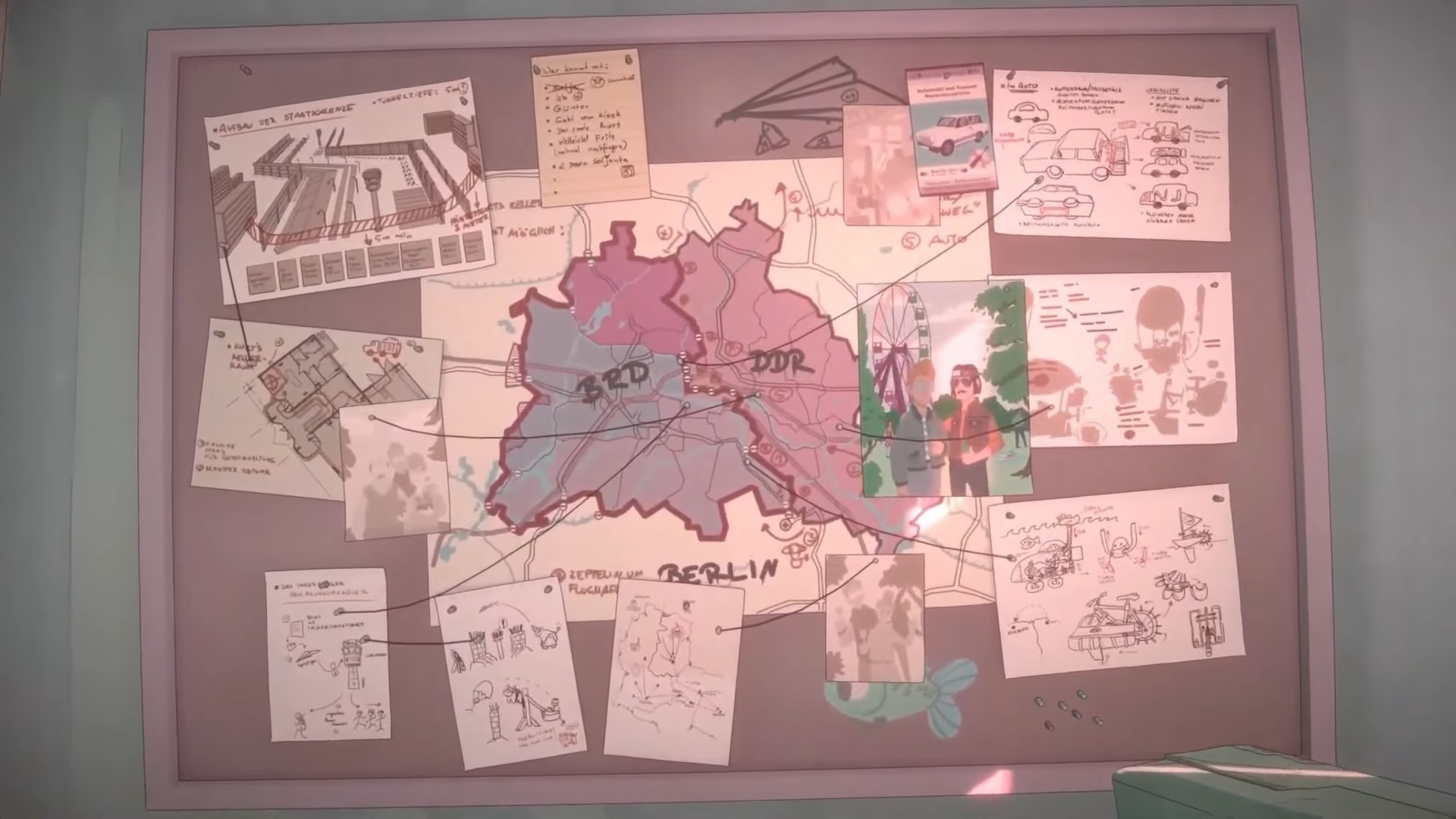
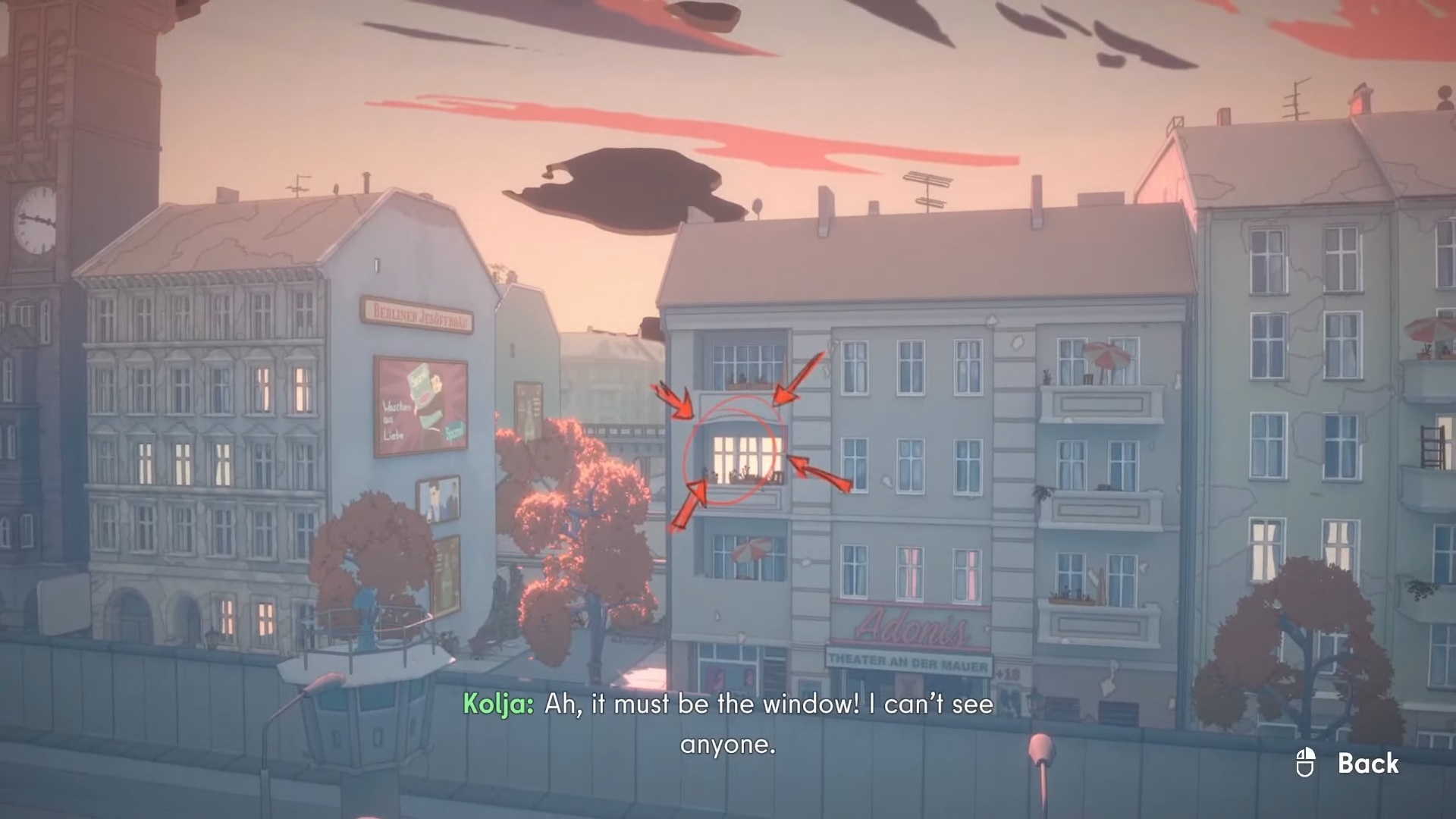
The period of the Cold War and the division of Berlin is treated with remarkable subtlety. The game avoids clichés related to espionage and direct ideological confrontations, focusing instead on the everyday effects of separation. The Berlin Wall does not appear as a grandiose symbol, but as a constant, oppressive presence that limits not only movement but also thought.
Historically speaking, this is one of the most difficult periods to represent, precisely because experiences differed radically from person to person. The Berlin Apartment chooses to tell a single story, but does so in a way that allows for empathy and reflection. Censorship, surveillance, and self-censorship are suggested through simple mechanics and restrained dialogues, without turning the game into an explicit political manifesto.
Present and memory: the pandemic as a connecting point
The fact that the main narrative thread takes place in 2020 is no coincidence. The pandemic is treated as a moment of forced pause, a time of introspection, which allows the characters, and the player, to look back. This choice creates an interesting parallel between past crises and present uncertainties, suggesting that history is not a closed chapter, but a continuous process.
From a cultural perspective, the game aligns with a broader trend of exploring transgenerational memory, especially in Germany, where the relationship with the past is still a sensitive subject. The Berlin Apartment does not offer simple answers and does not moralise excessively, but invites reflection.
Gameplay, pace, and target audience
From a gameplay perspective, the game is minimal. There are no classic challenges, complex puzzles, or decisions that radically change the course of the story. This simplicity is intentional. The Berlin Apartment is not a game about “winning,” but about understanding. The slow pace and limited interactions can be discouraging for players accustomed to traditional mechanics, but for those interested in narrative and history, these become strengths.
It's not a title for everyone, but for those interested in history, memory, and introspective storytelling, it represents a valuable and necessary experience. In an industry that often simplifies the past, The Berlin Apartment takes the risk of treating it with complexity and empathy, and this makes it truly remarkable.

Available on: PC (Steam), PlayStation 5, Xbox Series X|S
Played on: PC (Steam)
Release date: 17 November 2025
Developer: Blue Backpack (formerly btf)
Publisher: Blue Backpack, ByteRockers’ Games, PARCO Games
Plus
- Mature and respectful approach to German history
- The apartment becomes a powerful narrative space, charged with memory
- Well-written human stories with real emotional impact
- Sober visual style, consistent with the game's tone and themes.
Minus
- Slow pace, which may deter action-oriented players
- Minimal gameplay, closer to a contemplative experience than a game
0 votes
Scroll down here and stay on the page for at least 30 seconds to vote.
Pick a score from 0 to 10 (halves are allowed).