
Cult of Blood: The horror game created by Greece's Dusty Box – Interview

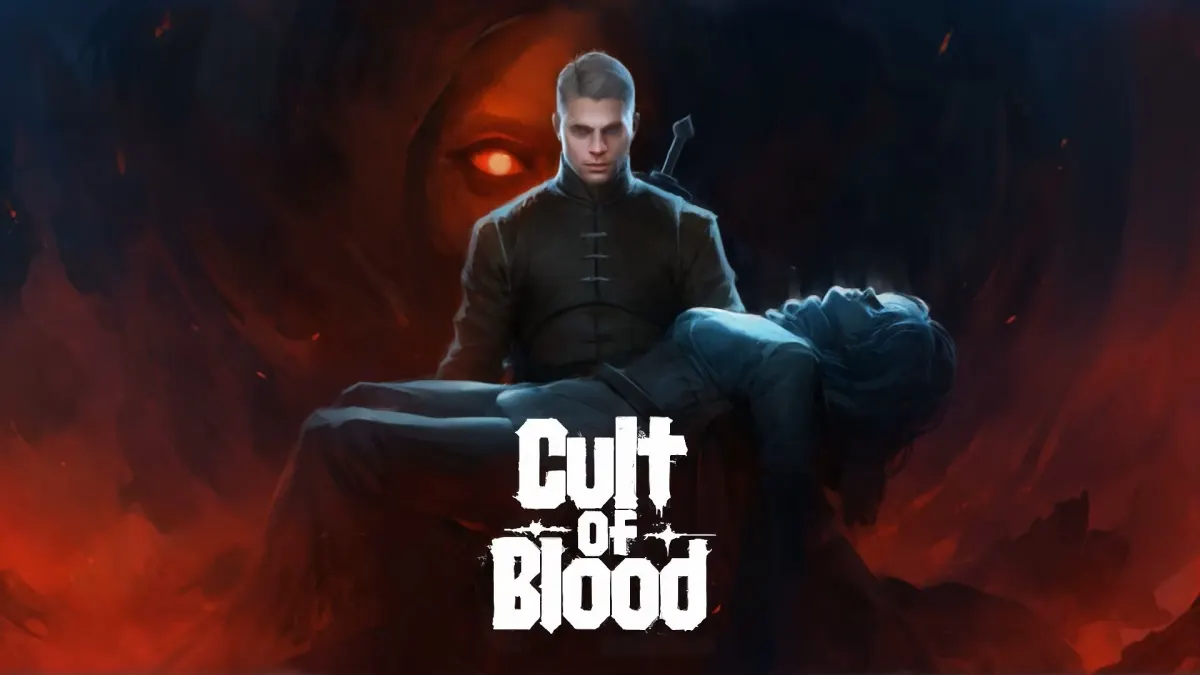
Could this be a return to the roots of classic horror?
In an industry dominated by immense open worlds and increasingly complex mechanics, there are small studios choosing to return to their roots, to the authentic feeling of fear and tension that only classic horror can offer. One such example is Dusty Box, a studio formed by just two developers, Angelos and Panos, who set out to revive the spirit of Resident Evil and Silent Hill games through their new project: Cult of Blood.
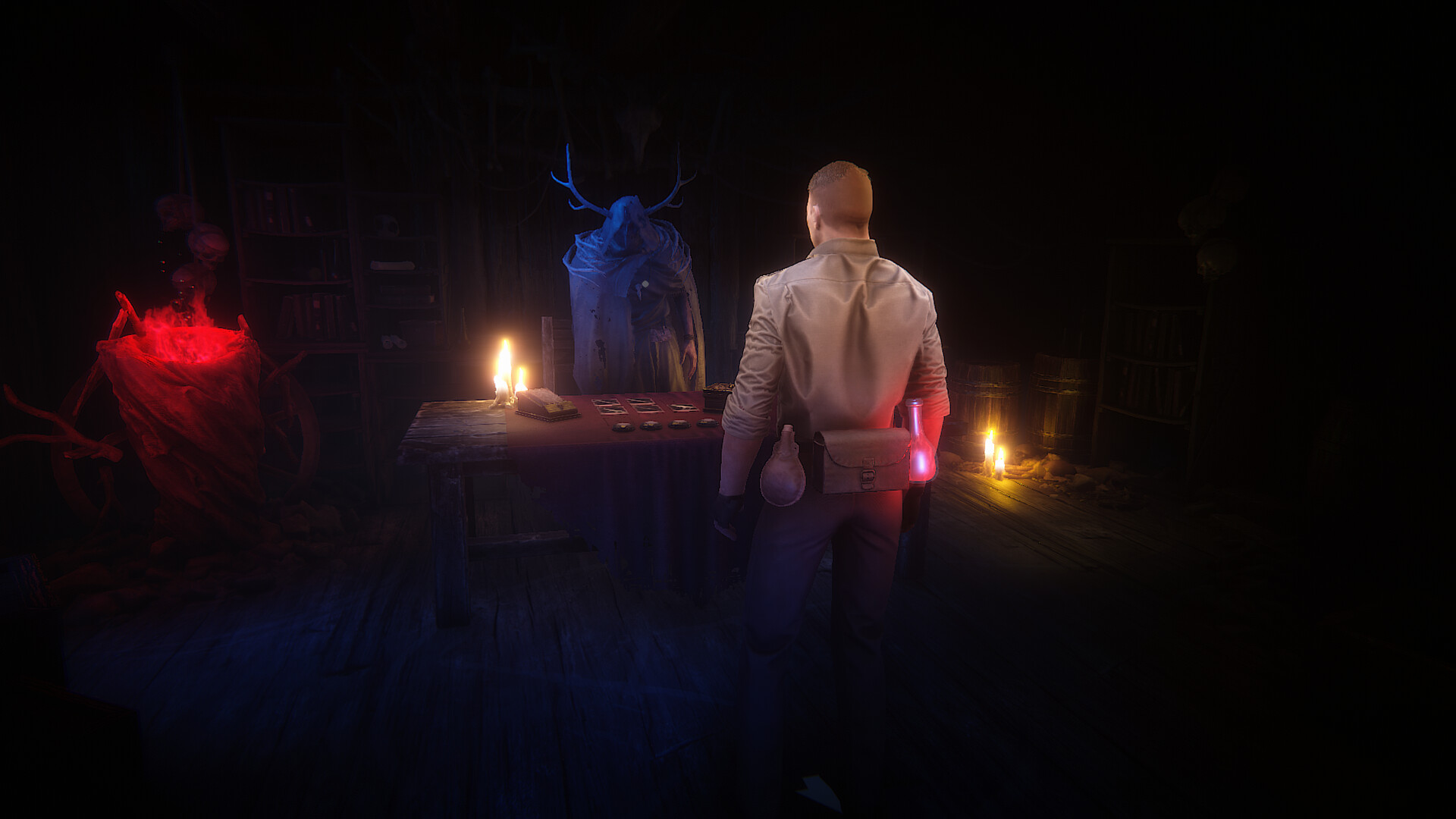
Inspired by a real story and reimagined in a supernatural way, the game promises a nightmarish atmosphere set in an isolated village, hidden from the world and controlled by a bloody cult. With gameplay based on fixed cameras, 'tank' controls, and strategic combat where every resource counts, Cult of Blood seems like a modern homage to the golden age of survival horror.
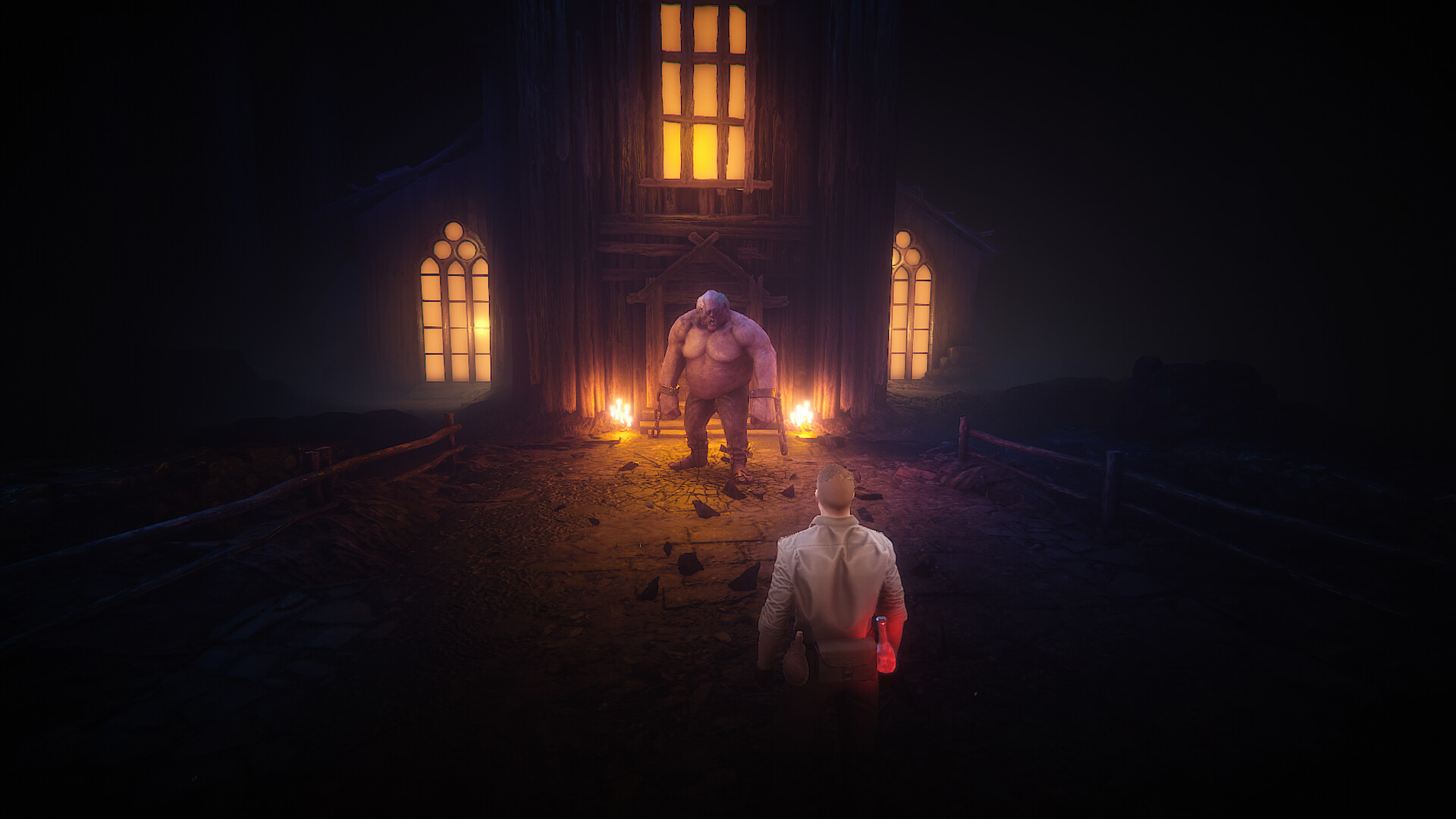
We spoke with Angelos and Panos about the inspiration behind the game, the technical challenges, and how they, as two people, managed to create a world full of mystery, horror, and dark magic. Here's what they told us:
About Dusty Box and the team behind Cult of Blood
Can you give us an introduction to yourselves and Dusty Box? Tell us a few things about the studio's history, team size, and any personal or community stories that influenced the development of Cult of Blood.
Hello, thank you for having us. We are Angelos and Panos, and together we form Dusty Box, the studio behind Cult of Blood. We are a two-person team working day and night to bring our childhood dreams and visions to life. We've always been passionate about classic survival horror games; we used to play Resident Evil and Silent Hill when we were kids. They scared us, but at the same time, they made us love that tense, thriller atmosphere. Such experiences inspired us to create Cult of Blood.
Origins and inspiration for the story
What inspired you to choose the game's setting, an isolated village in a dark forest, and its disturbing narrative based on a real story? Were there any legends, personal experiences, or films that sparked the idea?
Because we love franchises like Resident Evil and Silent Hill and have played many survival horror games, we wanted to recreate that sinister yet comfortable atmosphere those games have. We like scary stories, and one of them inspired us for the game's setting. The story it's based on is that of Magdalena Solis, also known as the "High Priestess of Blood." We reinterpreted it in a more mystical and magical form.
Environmental design
With fixed camera angles and 'tank' controls, reminiscent of classic survival horror games, how did you approach level design to maximise atmosphere and tension?
Level design focused on controlling sightlines and movement to induce fear: fixed frames, narrow corridors, door thresholds, and reveal points. 'Tank' controls enforce deliberate positioning and constant tension during confrontations and exploration. Spaces were first built to create 'cinematic' angles, then adjusted to maintain player orientation, but also vulnerability to off-screen sounds or unexpected appearances. This aligns perfectly with classic survival horror principles: fixed cameras and rigid controls that temper the pace of discovery, conceal dangers, and highlight key objects through directed composition.
Mechanics & gameplay dynamics
How do you integrate resource management (ammo, health) and weapon variety into the gameplay? What makes combat strategic, even with limited resources?
Combat relies on melee and ranged attack systems, with rare ammo and healing items that must be sought out. Enemies and bosses have distinct patterns and vulnerabilities, rewarding dodge timing more than aggressive attacking. Weapon variety brings tools with different risks, faster or heavier options, so dodging and target selection become as important as manual aiming, especially with 'tank' controls and fixed cameras.
Balancing combat & horror
Facing both human cultists and supernatural entities, how do you maintain the balance between constant tension and satisfying confrontations? What design decisions keep the player engaged without overwhelming them?
Tension is delivered in waves. Some enemies create tactical duels that teach you distance and timing, while others bring unpredictability through resistance and range. Together they form loops that increase fear but resolve through fair and learnable confrontations. Each battle is framed by fixed cameras and limited resources, so the pressure remains constant. However, patterns and sound cues provide anchor points that keep engagement high without generating frustration.
Story & replayability in Cult of Blood
Does the story branch based on player decisions or performance, especially in boss fights or exploration? Are there multiple endings?
The story is largely linear. There are no branching choices or multiple endings, but the game does have replayability. Players can find or unlock random cards and talismans that influence their playstyle and can be used through the merchant (once discovered). Each playthrough is randomised, forcing players to create different builds.
Technical challenges encountered
What were the biggest technical challenges in implementing fixed cameras, responsive 'tank' controls, and the interaction between lighting and atmosphere?
The most difficult problems came down to three pillars: camera volumes and transitions that wouldn't disorient the player, 'tank' controls that remained precise even after changing the angle, and lighting that conveyed fear without affecting performance.
Launch strategy & community involvement
We know the game is "Coming soon" and already has a demo available. Can you share an estimated release date? Do you plan early access or other public testing phases?
We are still in development, but the game is almost finished. We believe the launch will take place in the first quarter of 2026. There is already a demo available on Steam, but we have no plans for early access.
Demo feedback & player reactions
Now that the demo is available, what has player feedback revealed, both praise and criticism? Was there anything unexpected that made you adjust the design?
Players appreciated the classic survival horror atmosphere, fixed cameras, and the weight of combat. Many highlighted the melee, ranged, and dodge combat mechanics, as well as the graphics that amplify the atmosphere and pace. A frequent criticism was the lack of a toggle option for camera-oriented controls, which we are considering for adjustment.
Final impressions and ideas about Cult of Blood
Is there anything else you'd like to share about your creative philosophy, future plans, console ports, or ways the community can get involved?
In addition to Steam, the game will also be released on all current consoles: PS5, Xbox Series X/S, and Nintendo Switch 2. We also have a website with contact information and a Discord server for updates. Everyone is welcome to join.
Thank you very much for the opportunity to talk about the game and for the invitation!
So, therefore…
Cult of Blood is not just a horror game; it's a love letter to fans of the genre. With a dense atmosphere, a story inspired by real events, and gameplay that blends old and new in a surprisingly elegant way, Dusty Box's project demonstrates that passion and vision can successfully replace huge budgets. You can find the original interview HERE.
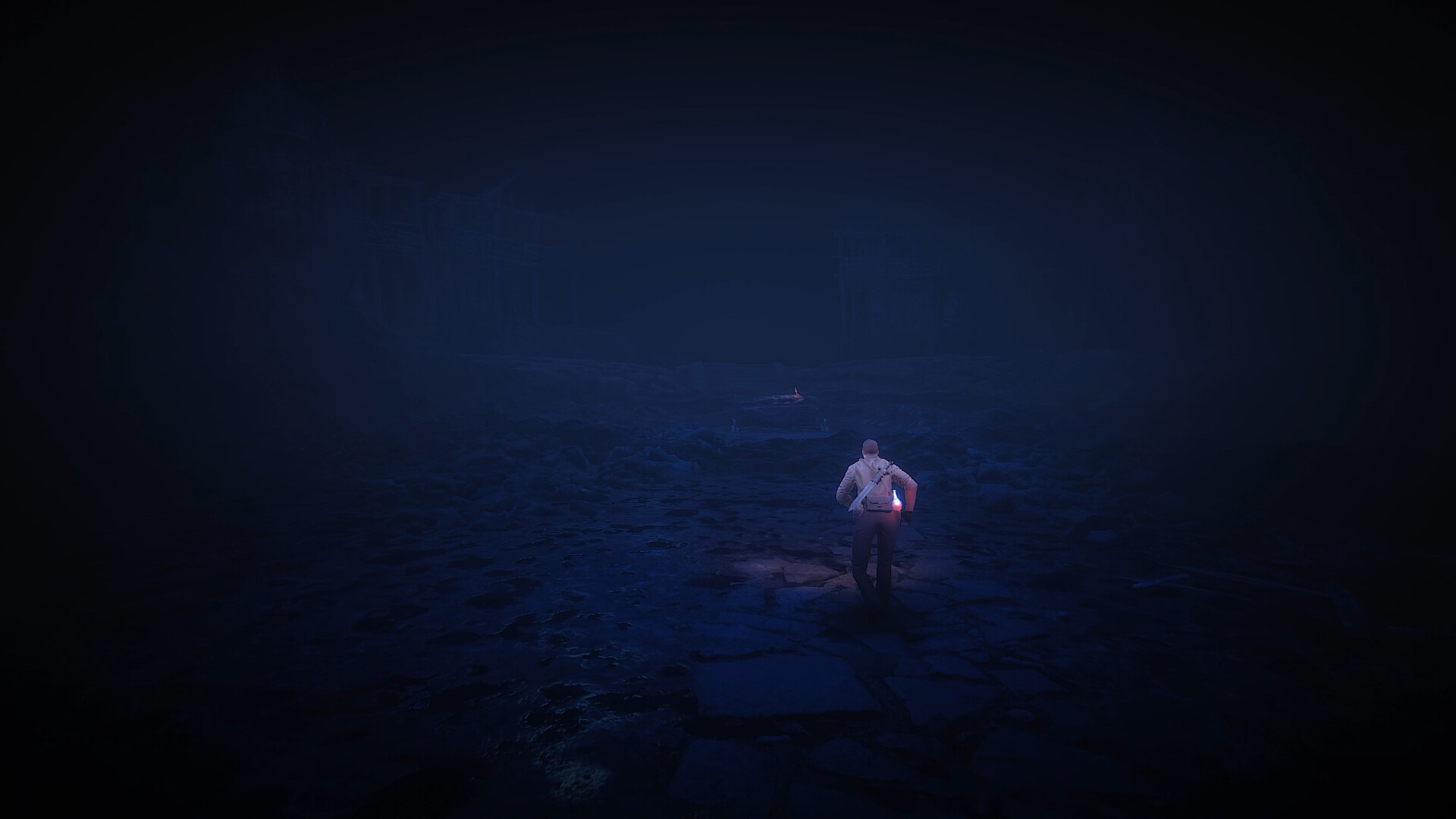
As we approach the planned launch for Q1 2026, survival horror fans have every reason to add the game to their wishlists. Until then, the demo available on Steam offers an excellent taste of what promises to be one of the most captivating indie horror experiences in recent years.
