
Donkey Kong Bananza – Review

It took me exactly a month to write this article…
If I’d had another month, I definitely would have made the most of it to find more bananas, unlock and upgrade all the abilities Donkey Kong has in his arsenal, and collect all the outfits available in each realm’s shop. But Leo, who gave me the pleasure of providing a download code for Bananza on launch day, pressured me to write sooner than I would have liked: and my article reflects the opinions accumulated over approximately 30 hours, distributed almost equally over the past month.
During this time, I spent quite a while thinking about a clever introduction for my review. Because everything on the surface has already been analysed by the specialist press, and Bananza is a game about depth and subtext. Plus, repeating ideas that have already become clichés doesn’t motivate me to write at all — on the contrary, it brings back a tumultuous accumulation of existential questions.
Donkey Kong Bananza, however, successfully manages to deactivate the critical and analytical part of your brain, immersing you in a colourful, visceral, and charming world. We’re talking about Donkey Kong’s first three-dimensional adventure in 26 years, which pays homage to both the original launched on arcade cabinets in 1981 and the frantic GameCube adventures that required the use of a percussion accessory called Bongos. But Bananza doesn’t just draw its lessons from the Donkey Kong universe; it elegantly incorporates all the best elements Super Mario Odyssey and Legend of Zelda: Tears of the Kingdom have to offer.
The result is neither a “shaorma cu de toate” from Socului, nor a grandma’s meatball soup. It doesn’t fit into the “comfort food” category, alarmingly often mentioned in GRIND magazine issue 5, but it’s not exotic enough to be compared to a portion of sushi. Bananza is more like an oriental salad where you find more and more ingredients as you get closer to the bottom of the bowl. Initially, you only have potatoes, olives, and onions. Later, you find chicken cooked in different ways, identify various spices, start to taste the oil and vinegar, sometimes wrinkle your nose when the mayonnaise layer hasn’t blended well enough with the other ingredients, and you’re glad there are bananas too!
How far are you willing to go for a banana?
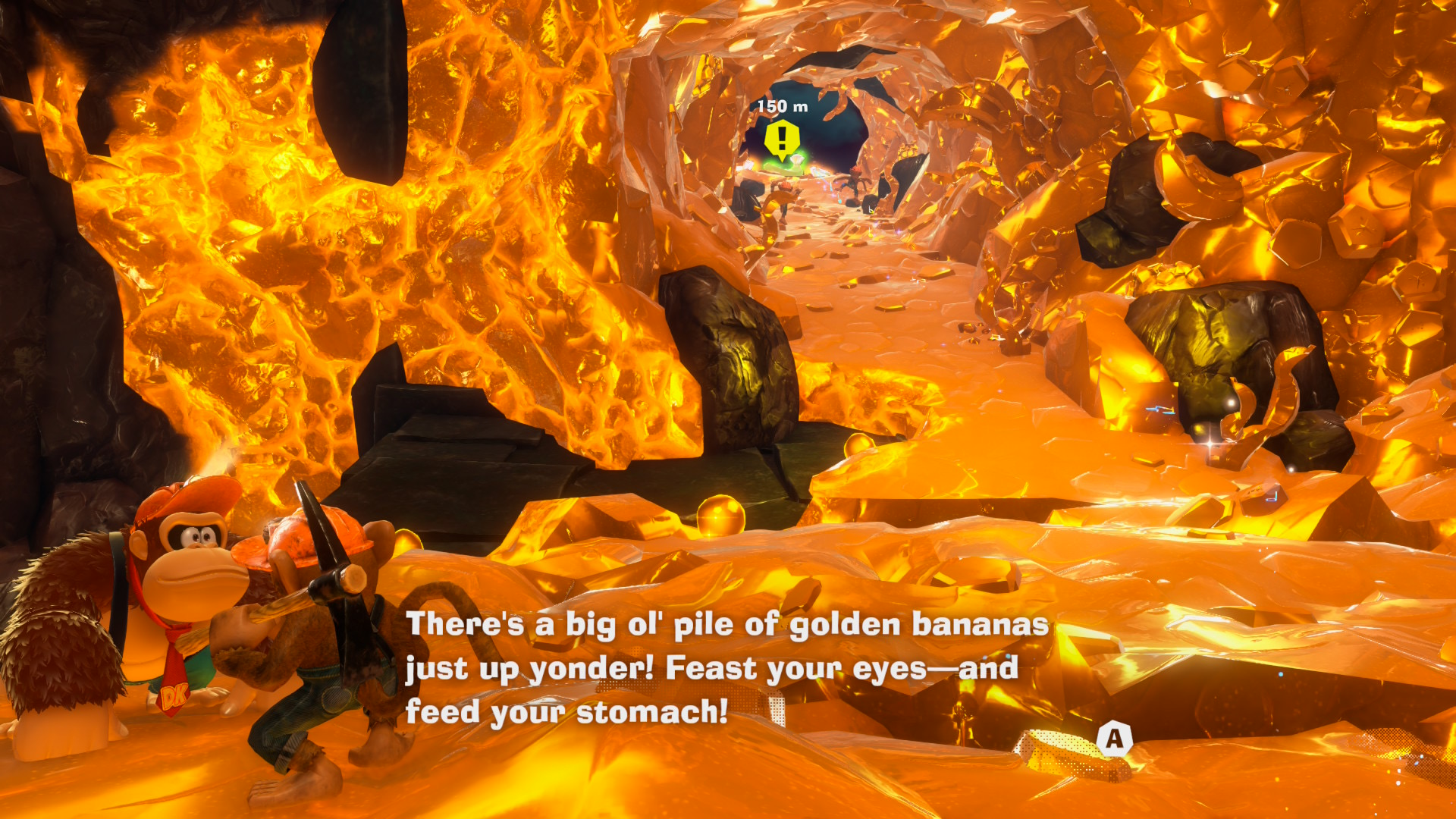
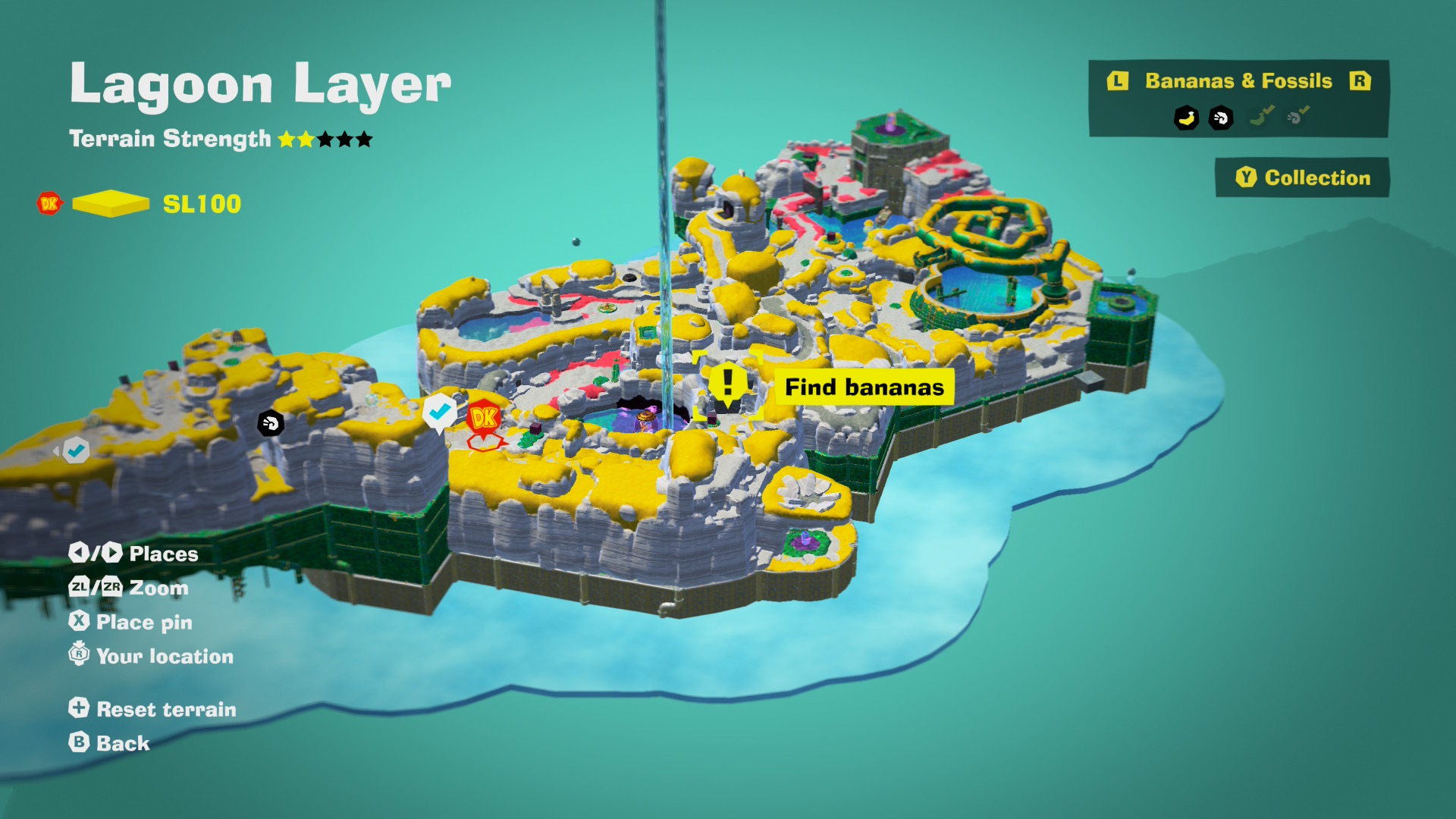
If you only follow the main objectives, Bananza can be finished in less than 20 hours: the fastest reported time so far is around 17 hours. But it would be a shame to rush through such a rich experience like a gorilla through Rwanda. Why not admire the kingdom of zebras, ostriches, elephants, and snakes? Why limit yourself to conversations with savannah leaders when you’re surrounded by miles of destructible terrain hiding true treasures? And why settle for gold nuggets when there are no less than 777 bananas to discover, scattered across, through, and deep within 17 levels?
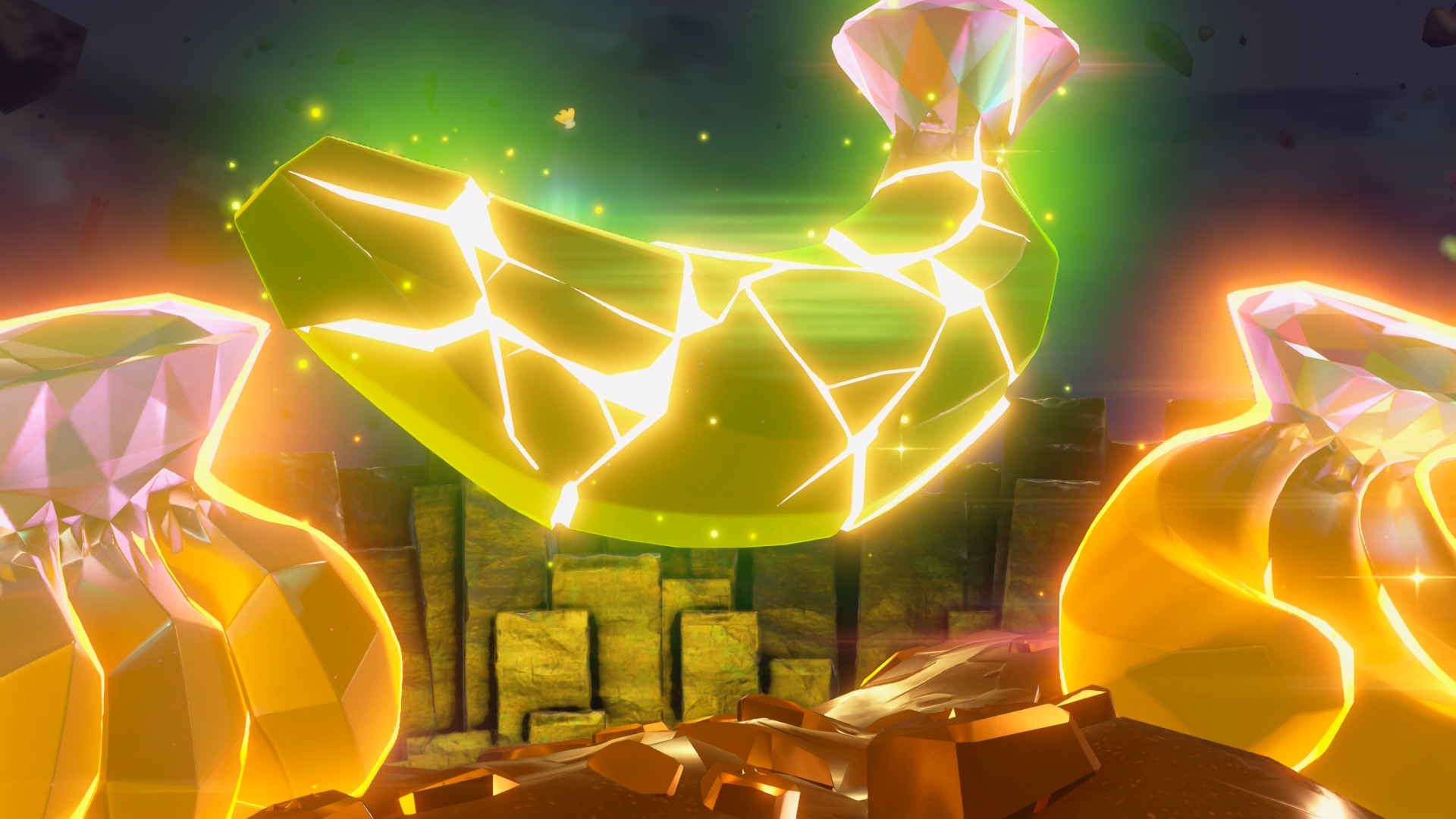
Bananas represent the most important resource in the game and the element that offers you the most generous amount of dopamine. End-of-level boss fights? A mere formality! Dialogues with important NPCs? A small dose of amusement between sessions of levelling the terrain. Collecting bananas to unlock all of DK’s abilities and evolutions? An art form that tests your reflexes, your daring to explore unmarked places on the map, and your cleverness in using all the manoeuvres the gorilla-protagonist can execute.
With great wisdom, around the same time that Donkey Kong 64 was making waves in Japan and in Western countries where parents could afford to buy you something other than Terminator 2/EndingMan and PCs running Norton Commander for Christmas, the musical group Valahia popularised the following lyrics: the banana doesn’t make you fat, the banana doesn’t make you thin, the Kongian banana prolongs the gameplay.
Unlike the stars in Mario Galaxy and the moons in Mario Odyssey, bananas aren’t a currency to facilitate progress to subsequent regions. Their role in Bananza is to improve DK’s abilities, through a skill tree seemingly ripped straight from Batman: Arkham City. If you’re diligent in your mission to find as many crystallised fruits as possible, you’ll be able to enjoy a hero who punches harder, survives more enemy attacks, and even executes spins, double jumps, and surfing manoeuvres on various surfaces.
As in many other games in Nintendo’s portfolio, the difficulty level is a concept you set yourself, depending on how you choose to approach the adventure. If you only pursue the main objective of reaching the end of the level, then you’ll have the easiest experience. But if you decide you want to find all the hidden secrets and aim to collect every little bonus that makes you stray from the yellow brick road leading to the Emerald City, then you’ll struggle more and lose more extra lives. The RPG elements also play an essential role in setting the difficulty level: if you invest fewer points in the health bar, your character will die more often and lose more gold nuggets. But a player seeking the ultimate challenge will try to complete the main story with an unchanged DK.
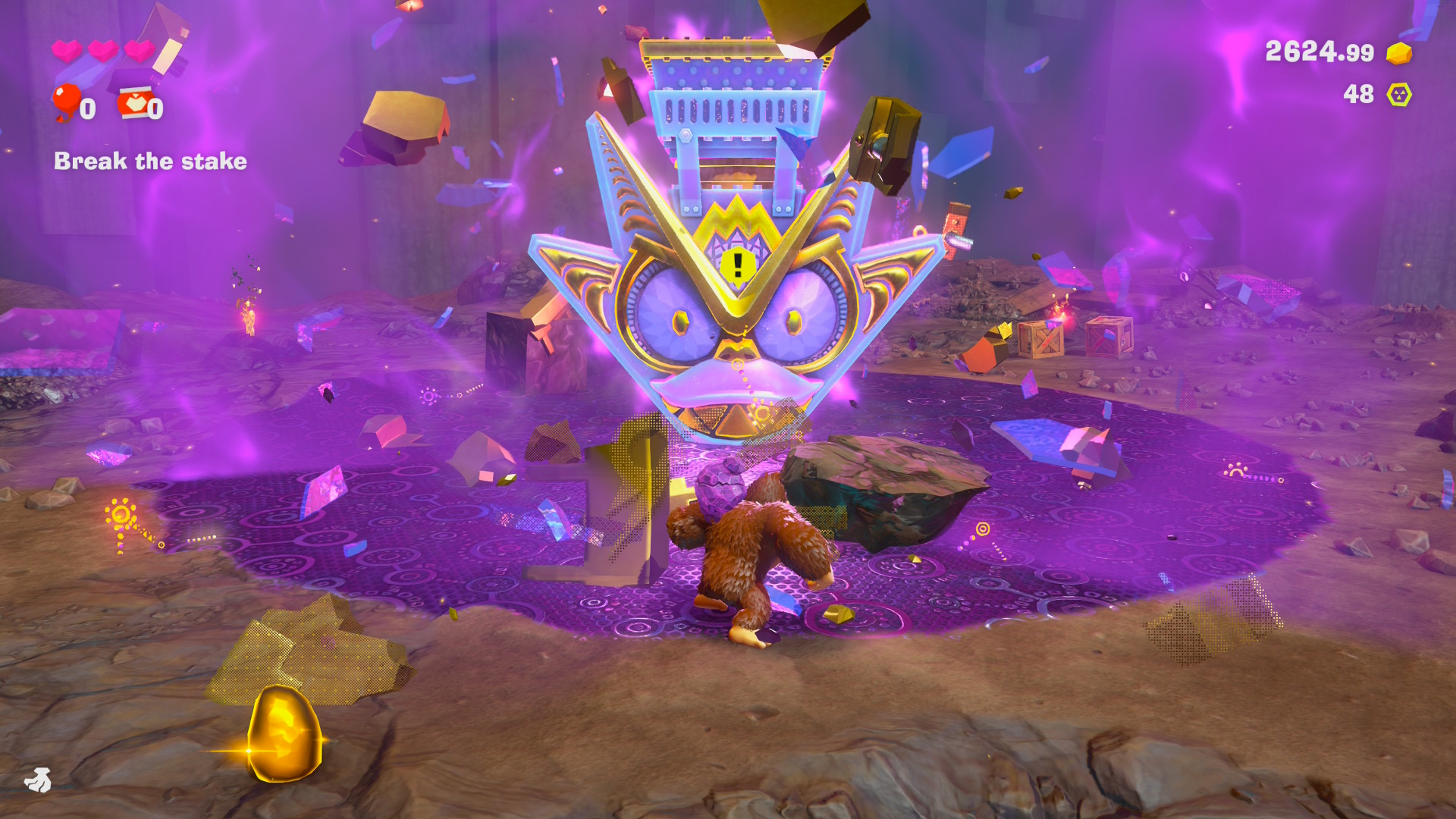
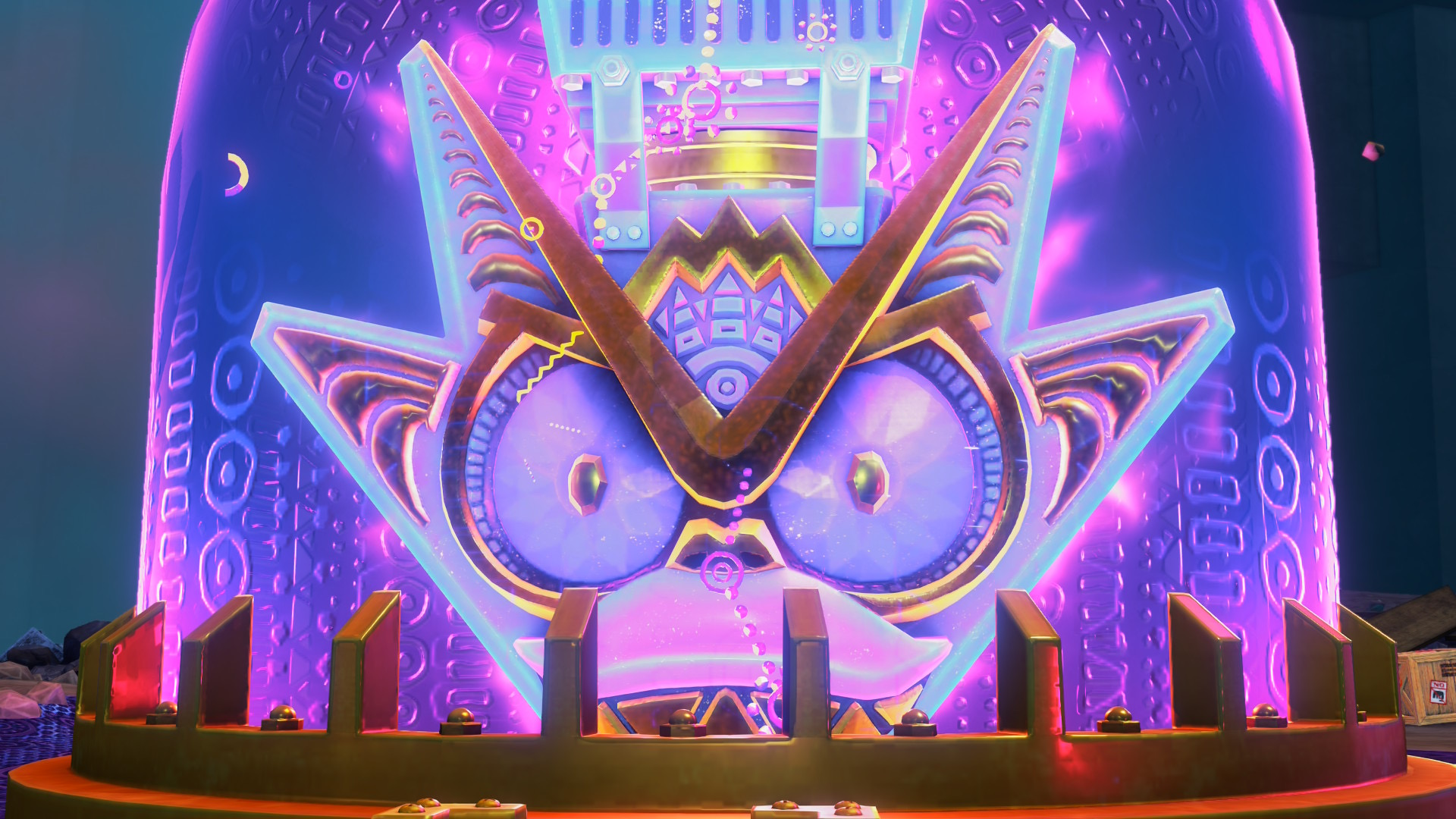
Fortunately, Donkey Kong Bananza is balanced well enough to encourage exploration. The programmers understood the limitations imposed by a completely destructible world and introduced a balloon system: if you happen to plunge at the speed of gravitational acceleration into one of the level’s marginal abysses, a red balloon will activate, bringing you safely back to where you fell. And if you destroy more than you should have, you can still reach the main objective: because the layer of material that can be shattered by DK’s furious fists is harmoniously accompanied by durable metal architecture.
The game belongs to a dying genre that found its peak somewhere between Banjo Kazooie and the Lego Star Wars series: a collector’s marathon that provides hundreds of hidden objects throughout levels and challenges you to discover as many of them as possible… then to share experiences with friends and compare your patience and intuition. It must be savoured as such, otherwise it will cause minor confusion regarding its apparent low difficulty.
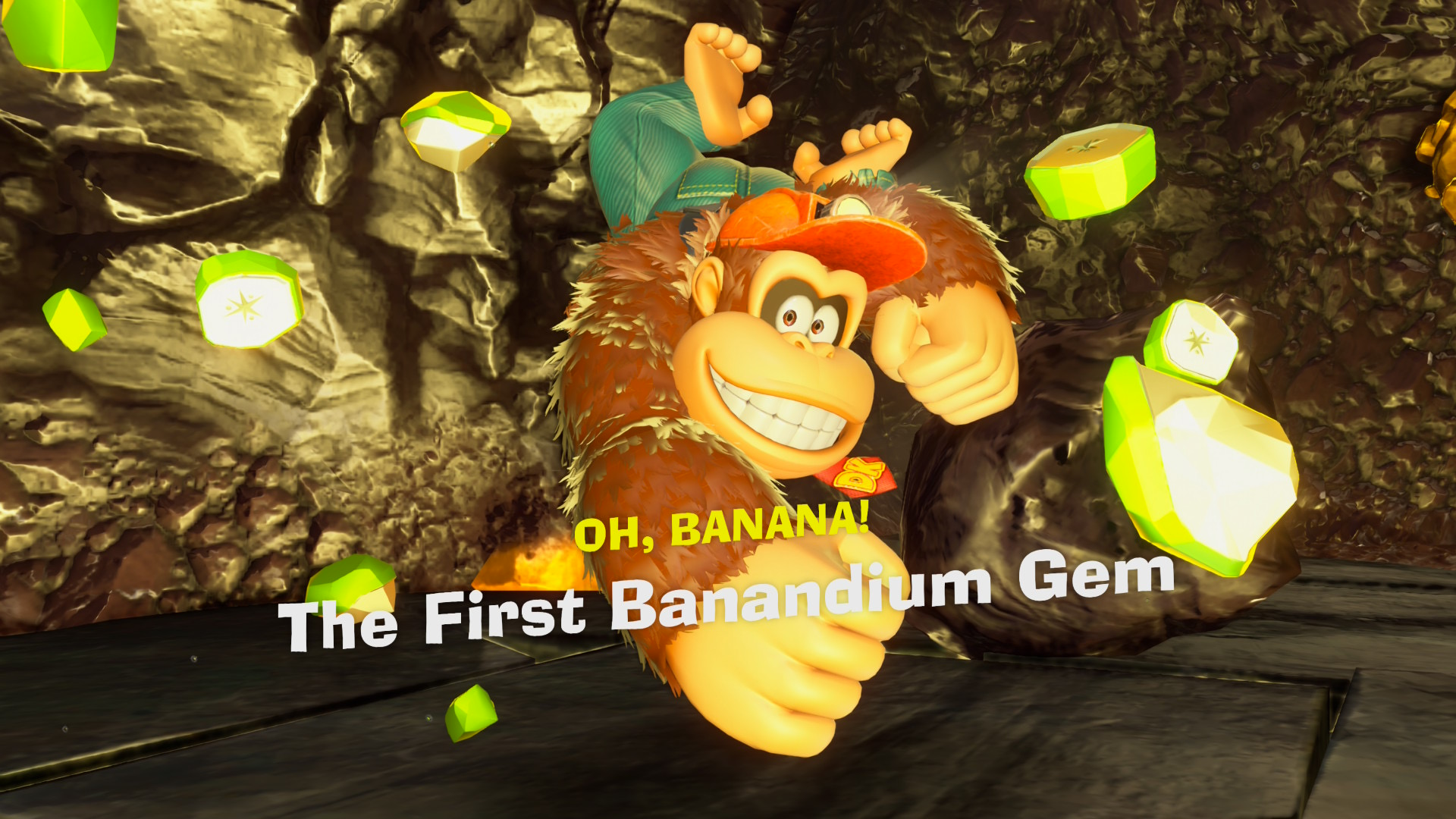
A Journey to the Centre of the Earth
The story in Bananza is very simple, but the way it’s told overflows with style and humour: Donkey Kong, a miner so zealous and skilled he would have caused havoc in University Square around 1990, wants to reach the surface. But just like in the popular myth by Dante Alighieri, to emerge into the light, you must first plunge into the shadows until you discover the abyss’s lower limit.
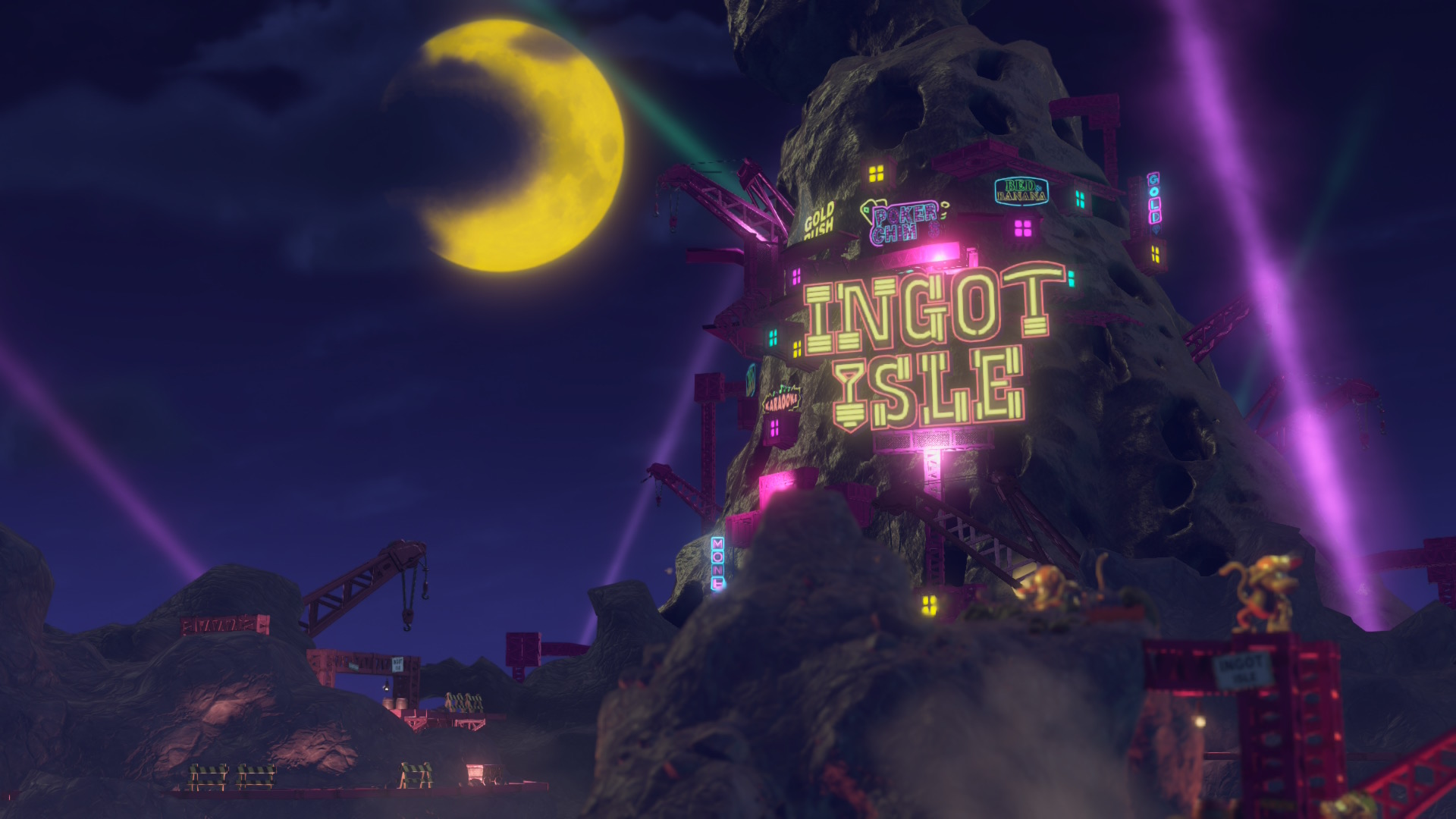
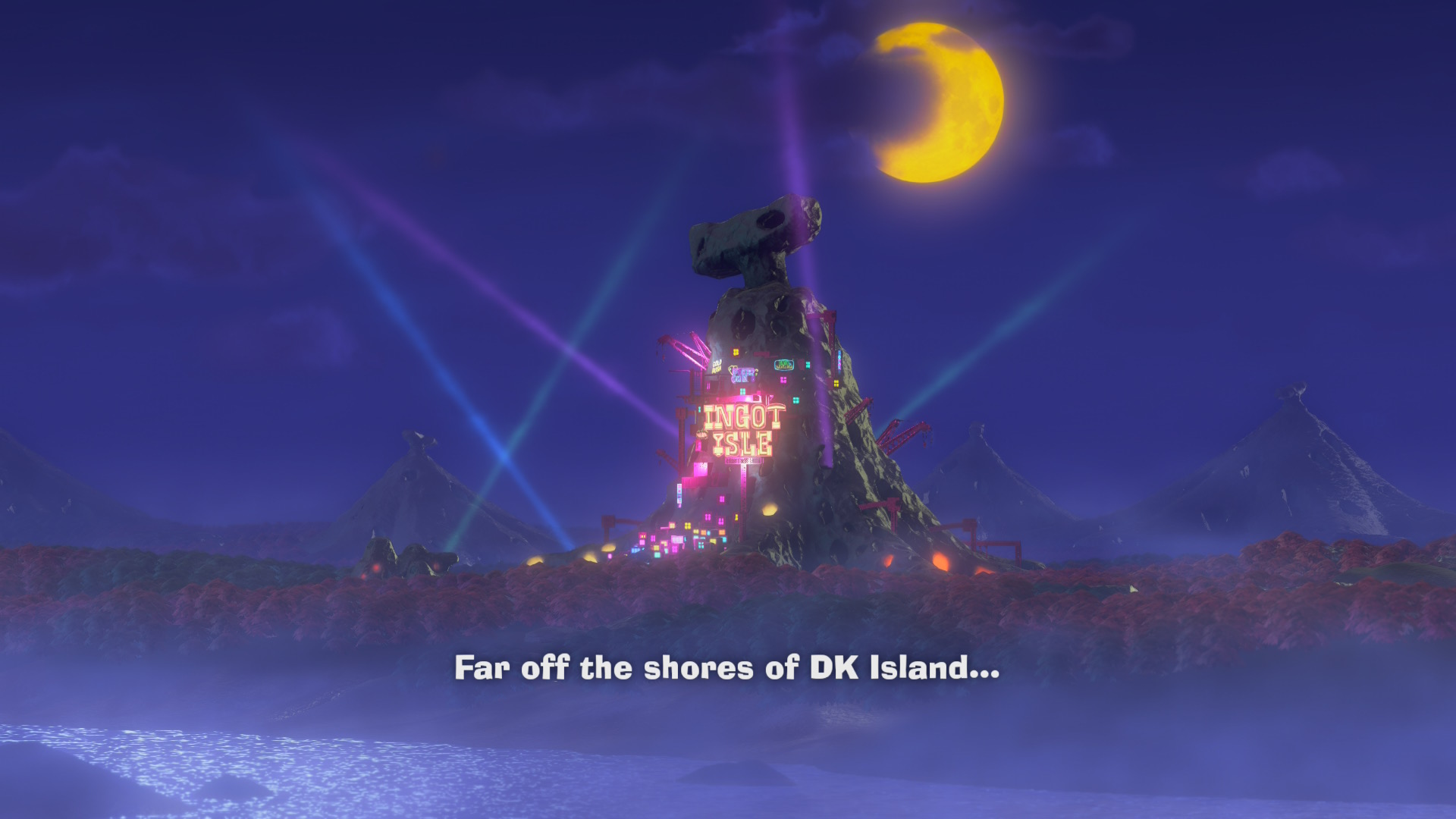
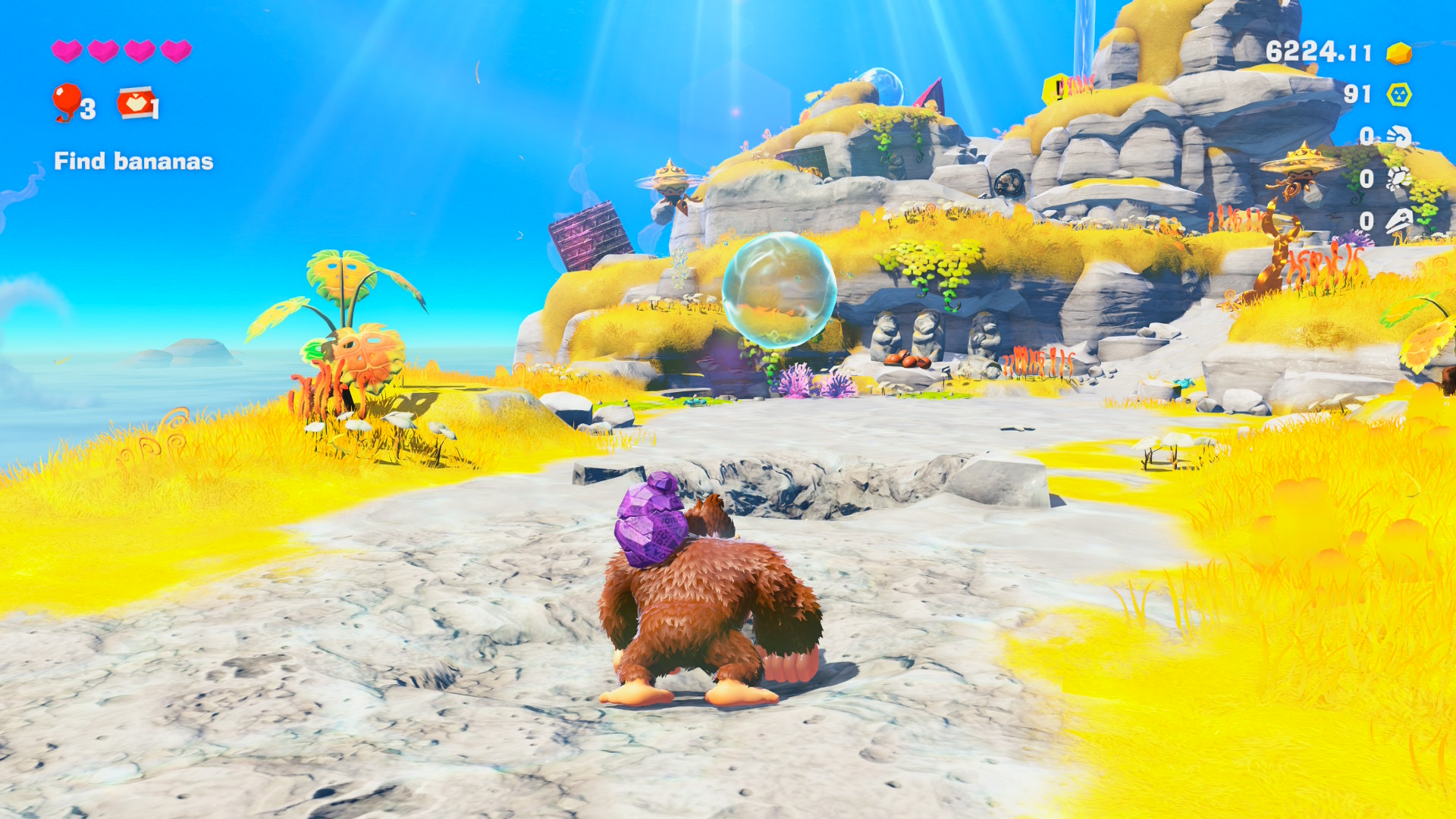
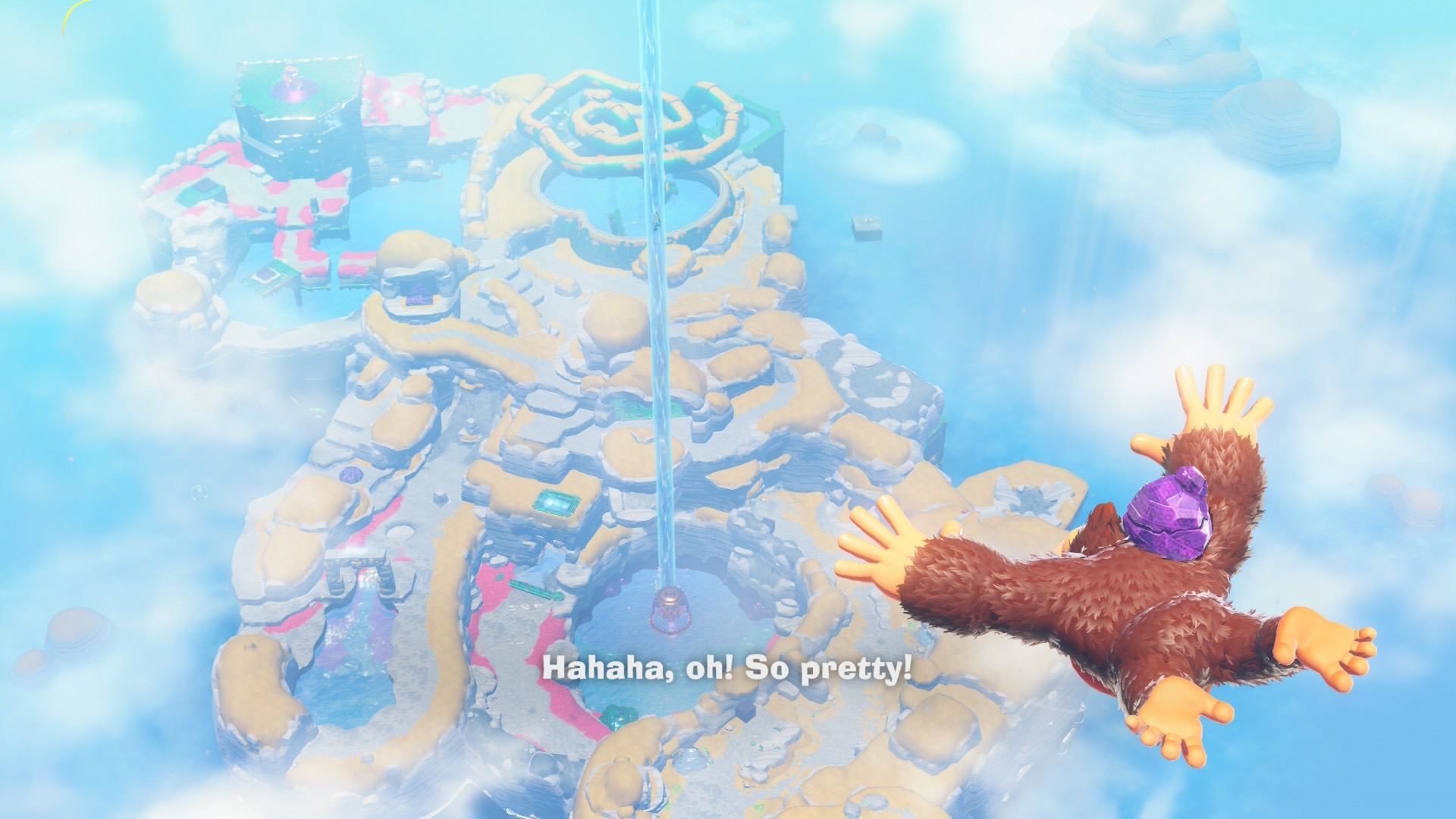
DK descends from the comfort of Ingot Island and becomes a bona fide hero, plunging layer by layer into exotic lagoons, green hills, sunny canyons, frozen plains, lush jungles, tropical beaches, terrifying storms, and all the other landscapes that give you the feeling of a gargantuan journey in a 3D platformer. The recipe isn’t changed much from Super Mario 64, which used the same clichés inherited from two-dimensional ancestors. But it works thanks to the gameplay mechanics that constantly encourage you to explore through destruction.
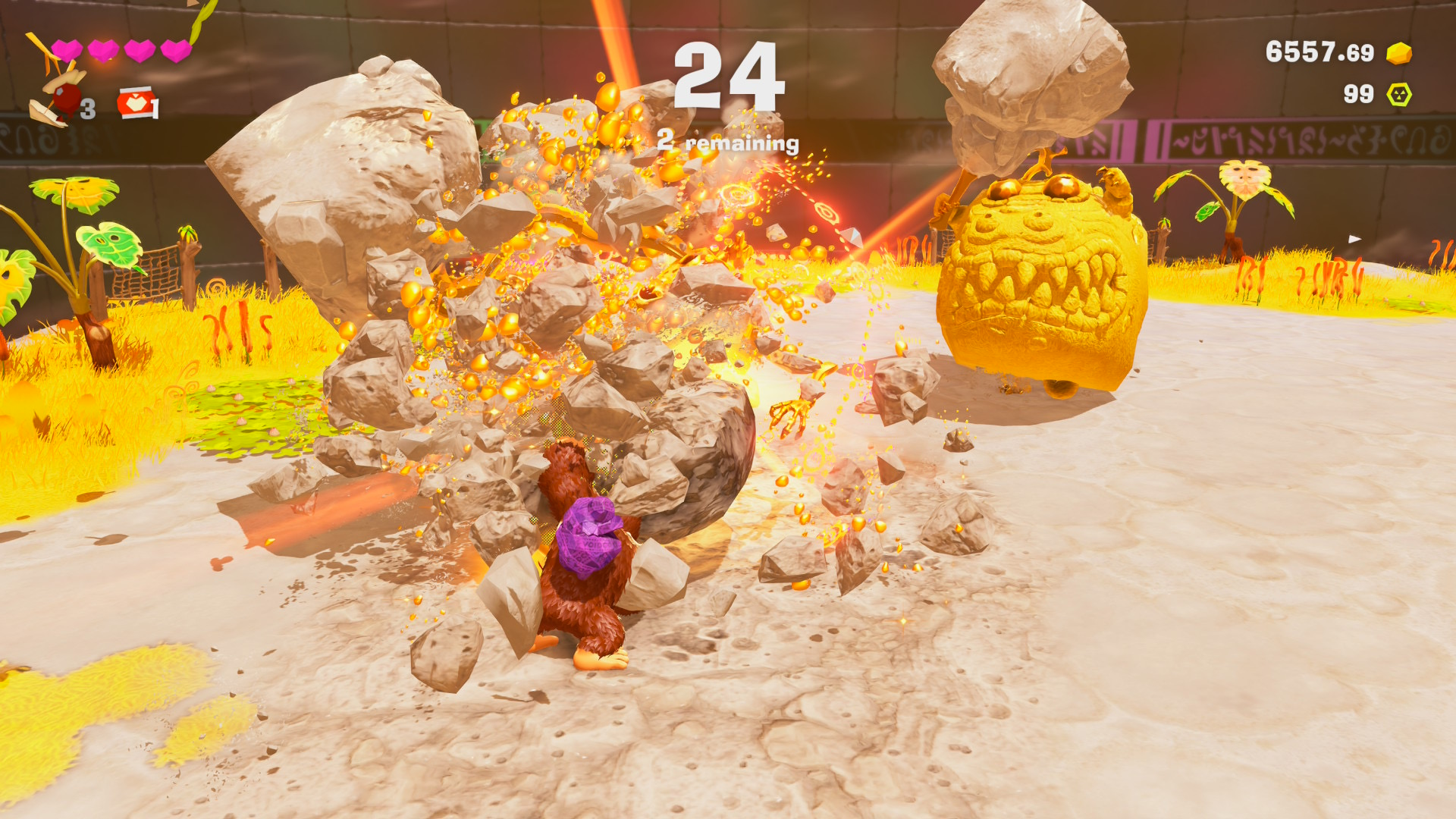
Here I want to emphasise the element that distinguishes Donkey Kong from Mario, Astro Bot, and Kirby: the way he explores the world and exploits the surrounding nature is unique and characteristic of the character. We’re not talking about an adventure where we could have just as easily replaced DK with the moustachioed plumber or the Sony robot without feeling major differences. Mario jumps to the highest point, Donkey Kong digs into the abyss, and Kirby swallows his enemies to take on their abilities. The aesthetic, philosophical, and functional differences are evident and distinctive. We’ll never see Mario tearing off a piece of rock to use as a projectile or to surf on it. At best, the moustachioed plumber will melt the ice under his feet or activate a crank to clear his path… but he won’t smash with his fists or throw boulders he carries above his head. And if Mario travels through green pipes, then DK propels himself via barrel cannons.
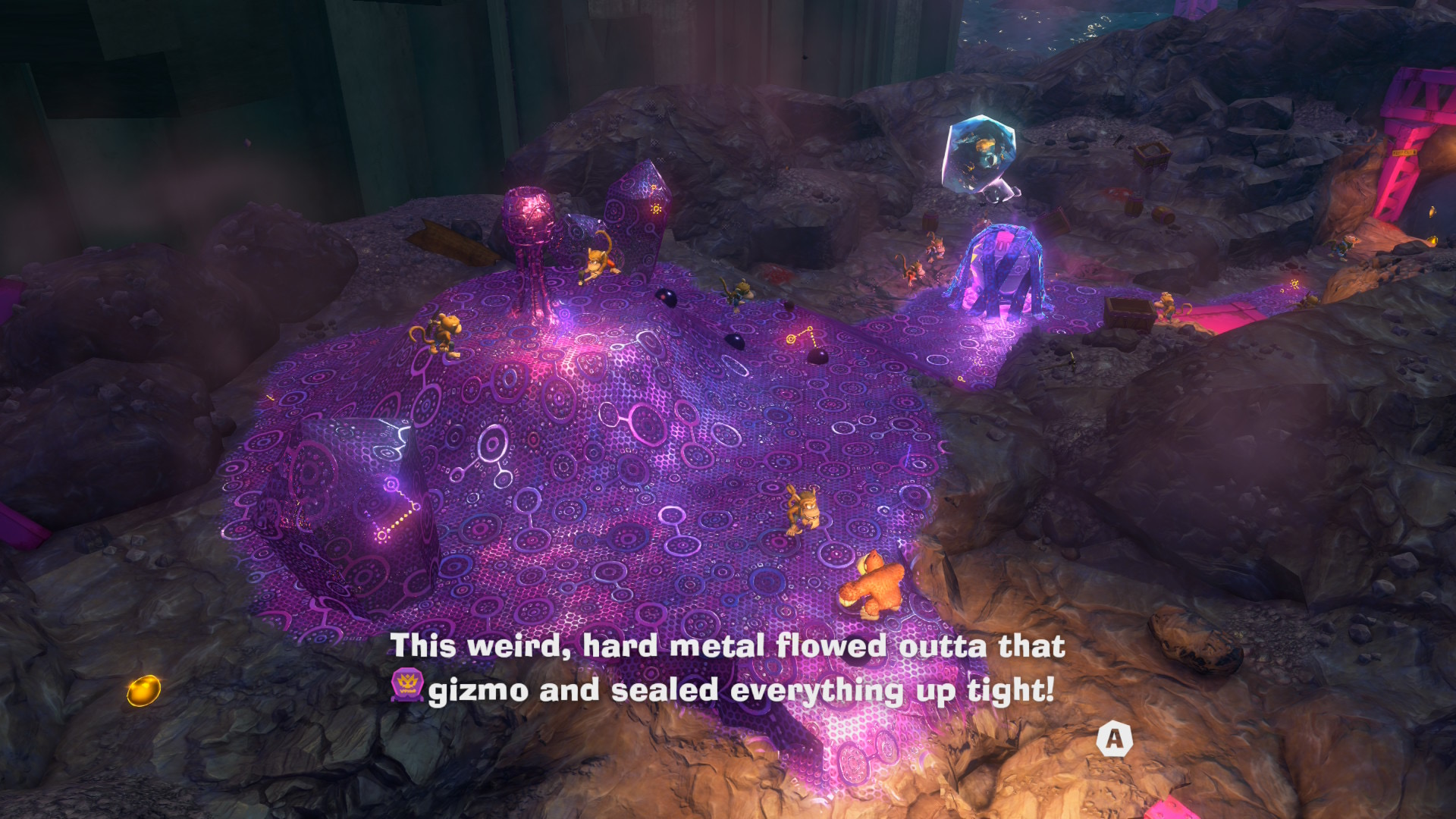
These differences are less evident in Donkey Kong 64, but fortunately, Nintendo used the 26 years to deepen the elements that individualise each character.
Obviously, the fact that a sunny lagoon is located under a coal mine doesn’t make much sense. Where does the bright sunlight come from? How can vegetation grow? And how can zebras survive in a land covered in ice? Many of the design elements effectively make no sense… but somehow, that’s the whole charm. In Odyssey, Mario travels in a balloon that carries him across various continents with completely different climate and vegetation conditions. But DK completes the adventure in the jungle where ostriches have built hotels, then plunges into a quasi-volcanic area beneath which he finds the perfect holiday spot — with sea, beach, and sun. The situation becomes so comical and ridiculous that you’ll find yourself wanting to see the next section to discover what else is hidden inside the planet where Donkey Kong lives.
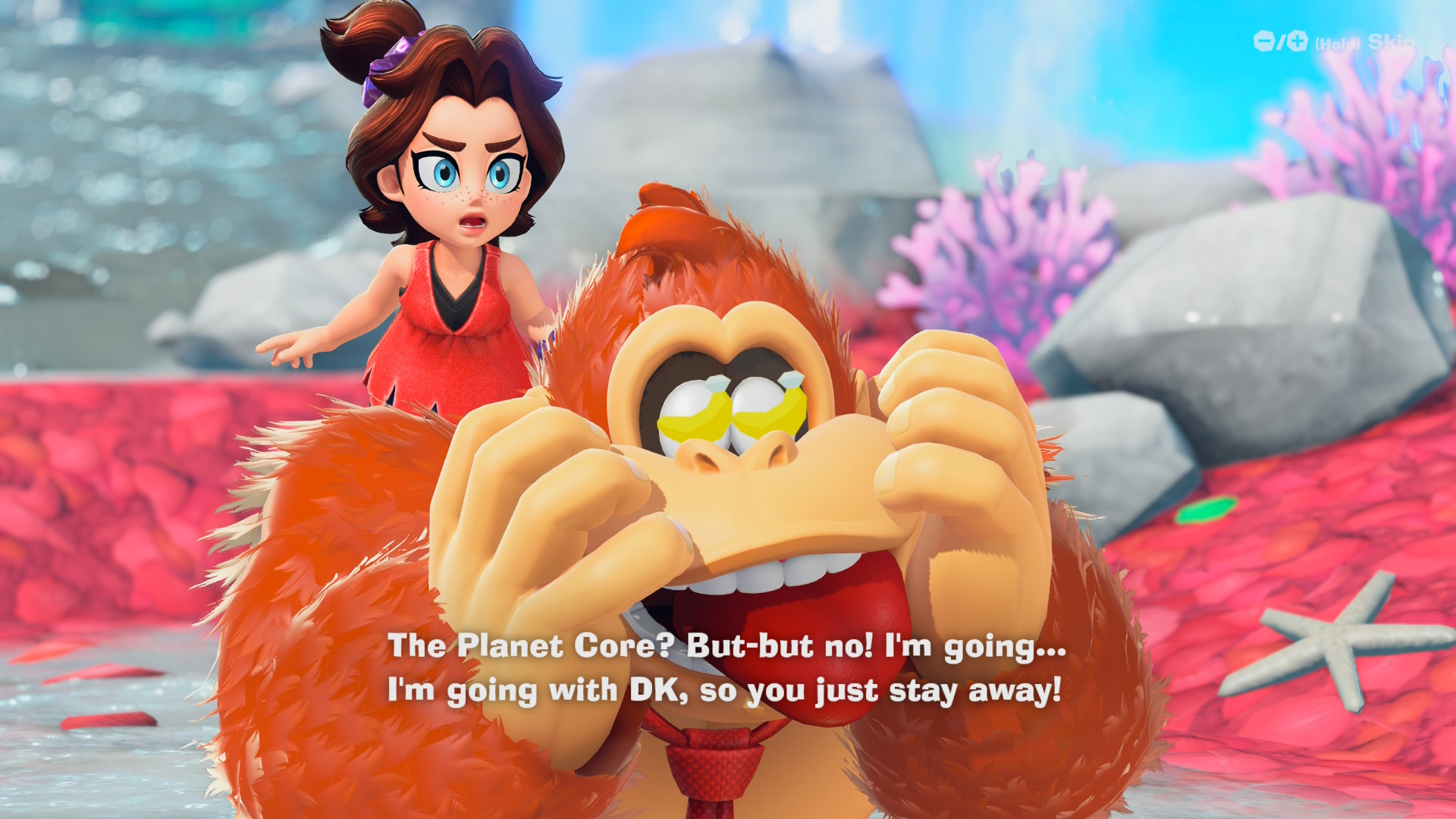
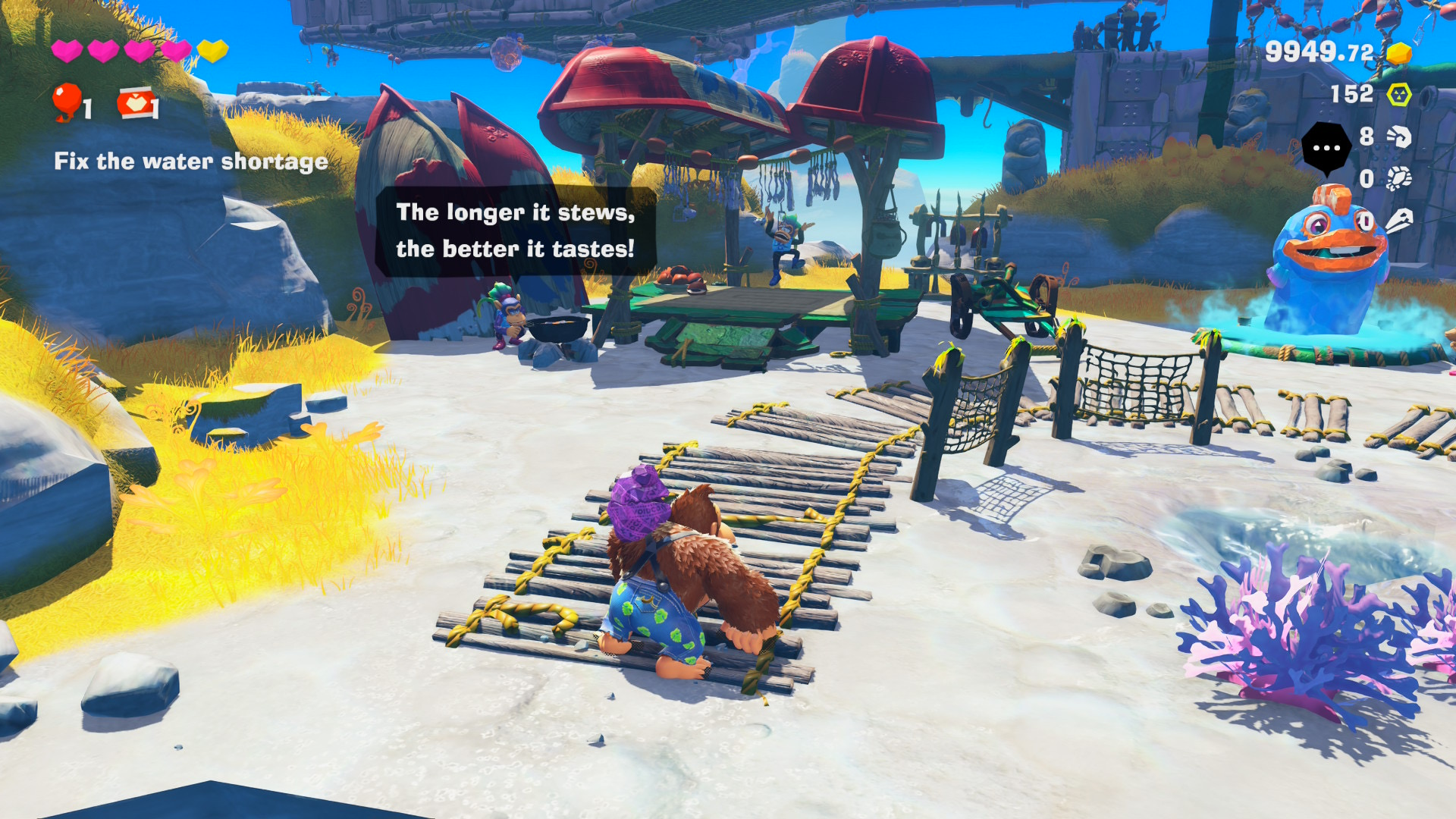
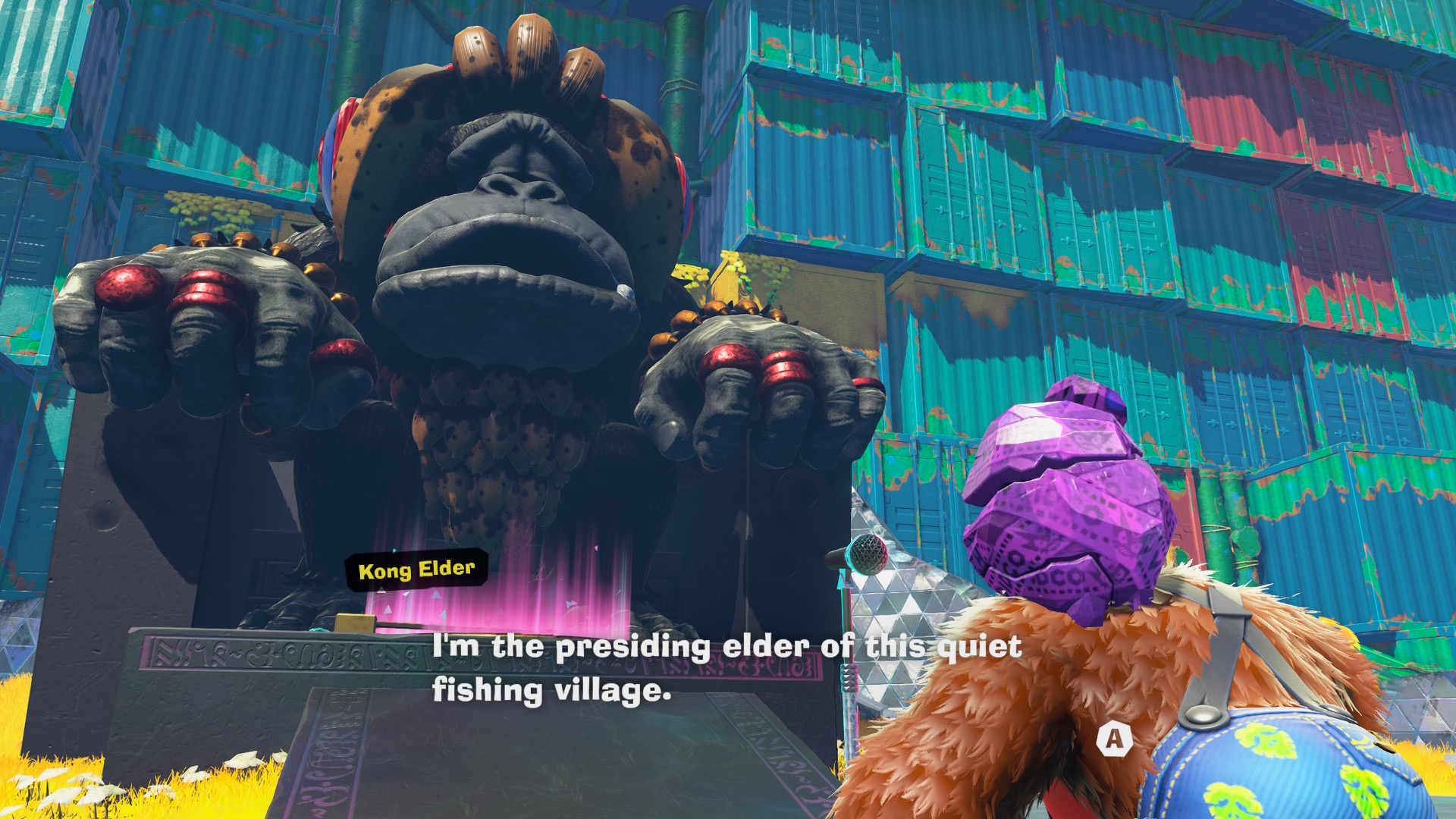
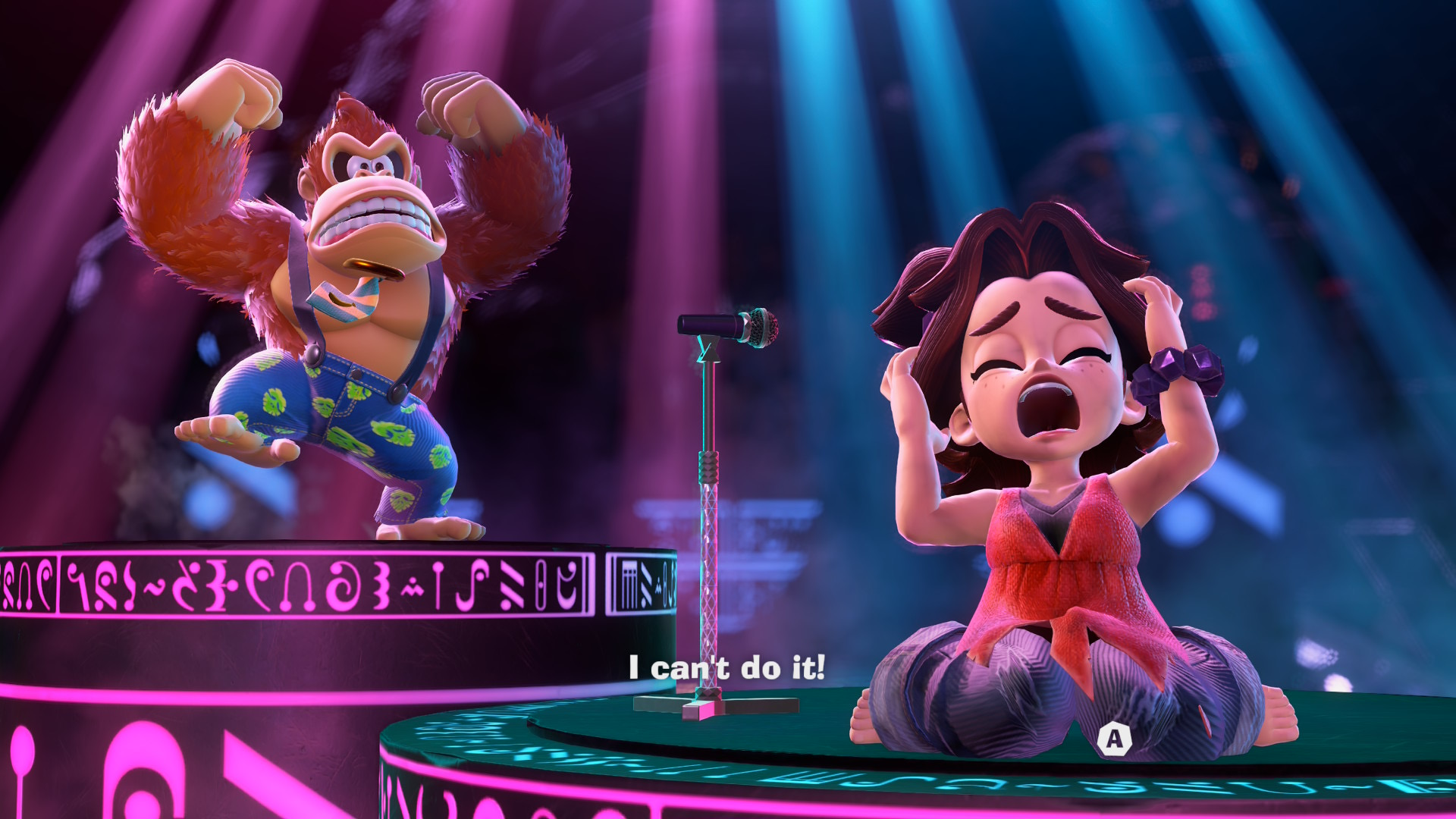
DK and Pauline, now without the kidnapping
In the original Donkey Kong, the giant gorilla kidnaps the damsel Pauline and takes her to the highest point of a construction site — and little Jump Man (later Mario) has to avoid obstacles to save his beloved in distress. In Bananza, however, a child with an extraordinary talent for singing asks DK for help to reach the planet’s surface. We’re no longer talking about dispossession of bodily autonomy, but about a collaboration based on mutual aid and consent.
Pauline is the only human element in the entire adventure and the only character who speaks an intelligible language. All other creatures communicate through interjections and onomatopoeia, which the game translates into text. An interesting choice that adds dynamism to the game: you don’t have to stop to listen to what each NPC has to say, and you don’t have to witness dramatic exchanges of dialogue. Your role is to destroy, explore, collect, and move towards the next objective.
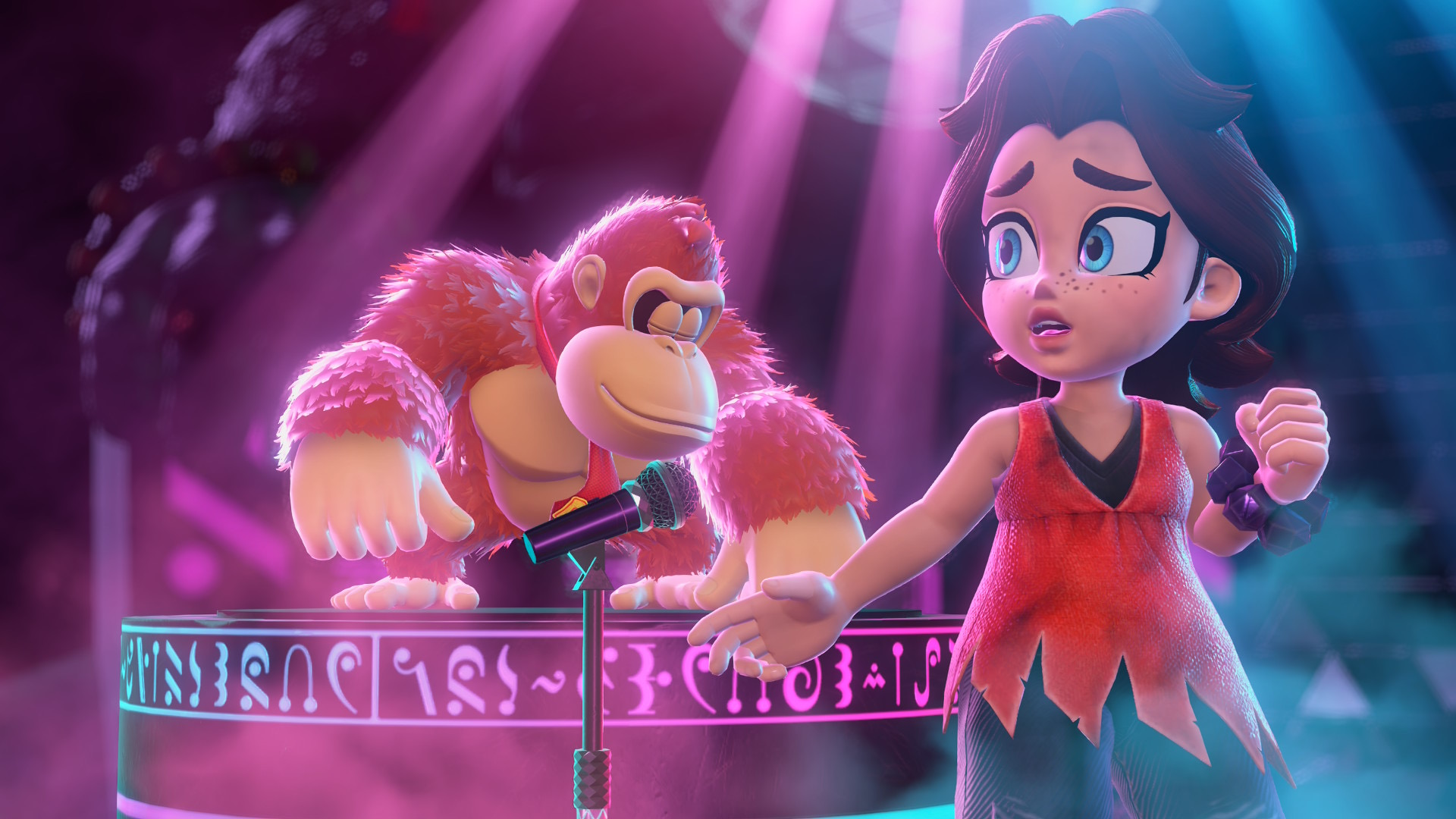
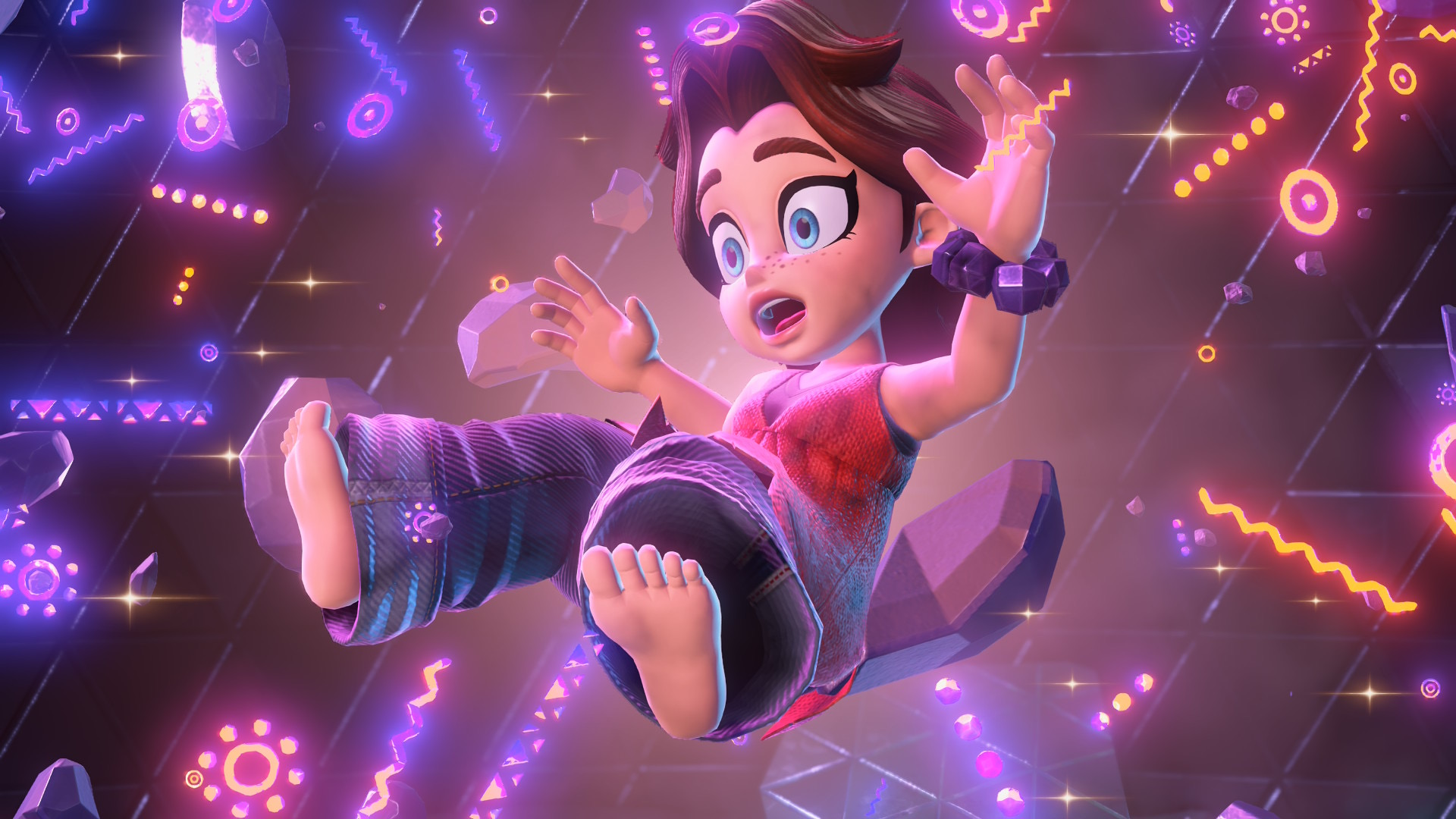
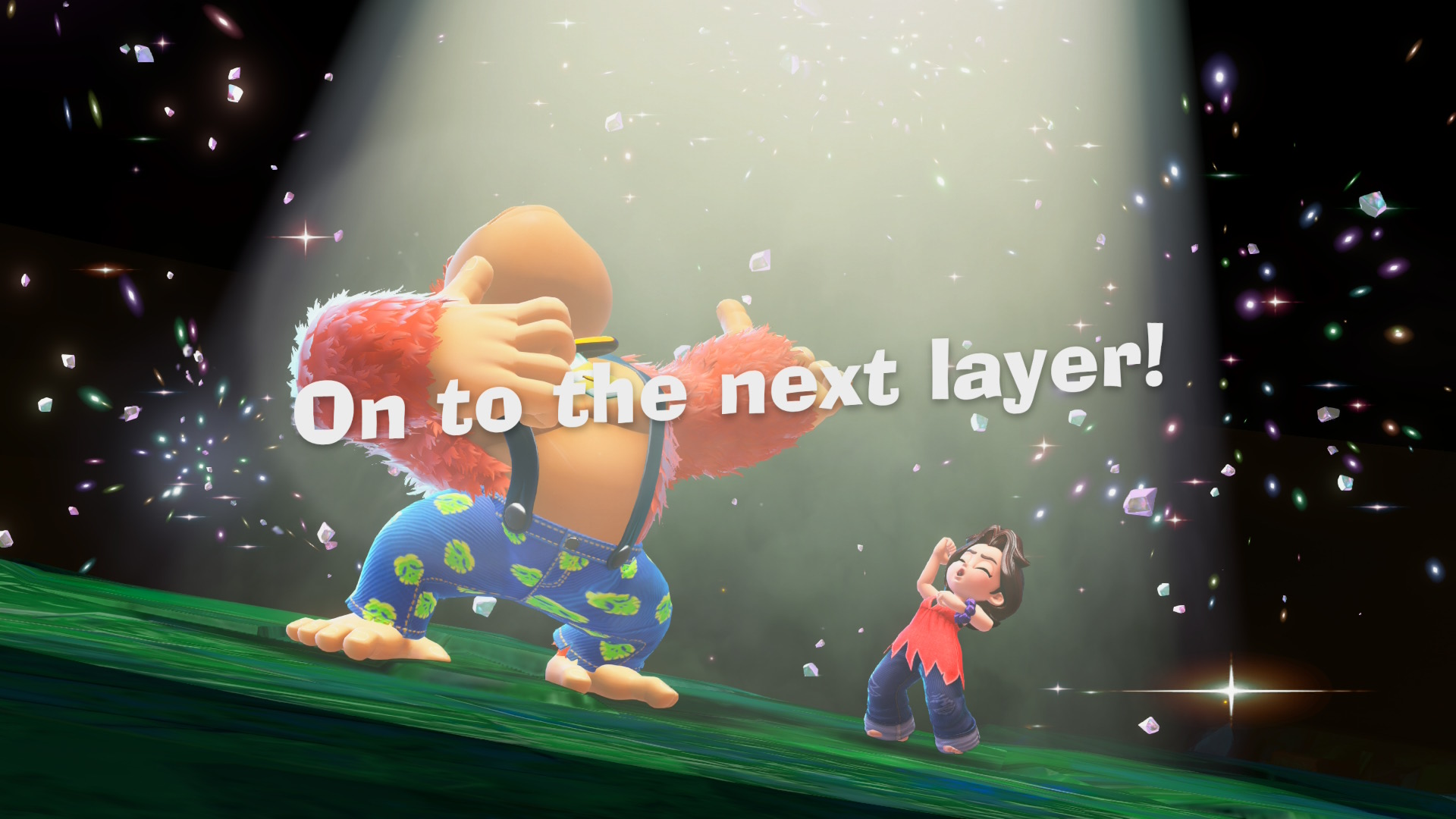
Throughout this journey, Pauline learns more about her own past and gains confidence in her singing abilities. She also proves useful in breaking seals that DK cannot smash with his fists and contributes with remarks and jokes that are often endearing. In fact, if I think about it, Pauline is a much more interesting character than Donkey Kong: she has a more well-defined evolution throughout the adventure, highlights more elements of mystery that are strategically revealed during the journey, and adds human feelings to the primal aggression of the hero-gorilla.
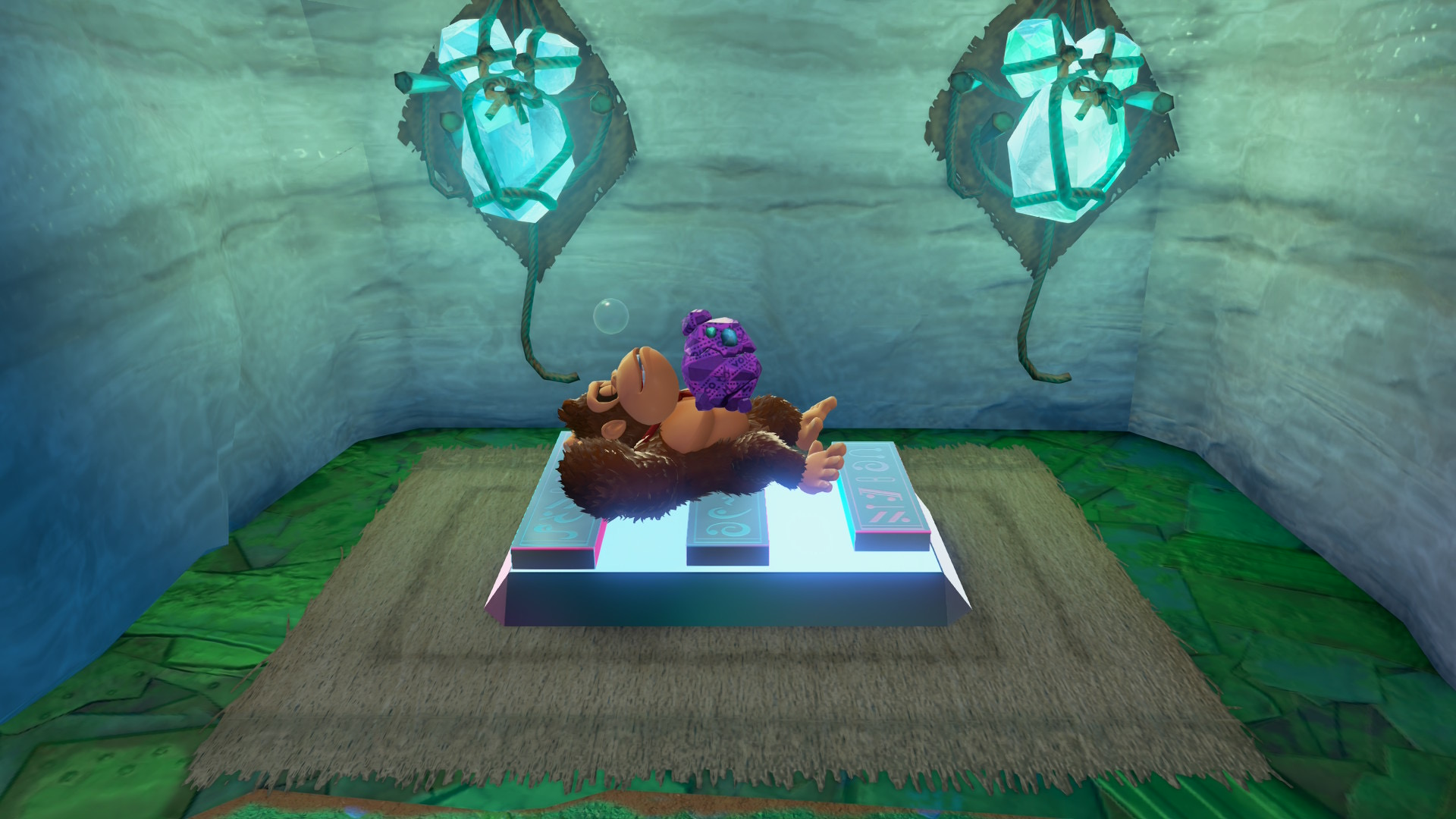
When you discover a rare resource on the map (bananas, treasures, fossils), Pauline will alert you. If you happen to get lost, Pauline’s singing will reveal the route to your objective. When DK is injured, Pauline will issue the warning and make sure to let you know if an apple (the health potion in Bananza) appears on the map. And at certain key moments, the young lady will reveal the context. But my favourite moments with Pauline are when DK goes to sleep in one of the hotels that restore health points: before wishing you “good night,” she’ll tell a joke, recount a past event, or make a remark about your current situation. Some of these moments will fill your heart with joy and help you forget that 90% of your adventure involves destruction and chaos.
But Pauline’s role becomes even more important in co-op mode, assuming you have another player who wants to join. I managed to convince my girlfriend to take control of the young lady, and the result was two diametrically opposed scenarios: in the first situation, we wreaked havoc on the map together. Because Pauline’s voice becomes a weapon in itself, with interjections and onomatopoeia that hit just as hard as DK’s fists… an interesting metaphor for the weapons in a woman’s arsenal.
In the second situation, however, my girlfriend used Pauline’s ability to copy materials from the map to build an ice bridge over a lava section. This collaboration saved me from solving a map puzzle that would have dispersed the lava, facilitating progress to the next region — a technique we’ll surely see soon with couples speedrunning Bananza. The same voice of Pauline can be used both to destroy and to build… again, a profound metaphor.
Nostalgia and Progress
No company in the video game industry has a tradition as well-preserved as Nintendo. The guys from Kyoto know exactly how to deliver a product that satisfies both the demands of veterans and the curiosities of the younger generation. And Bananza is no exception, taking everything good from Donkey Kong’s past and refining nostalgia to maximise the duration of smiles.
The various bonus levels, which offer you additional bananas to improve your abilities or to fuel your obsession with seeing the number 777 on screen, include references to previous games starring DK. There’s even a complete remake of the first level from Donkey Kong Country on SNES, with the caveat that you have all the abilities from Bananza (you can destroy scenery, tear pieces from the floor to throw at enemies, and even transform into another, stronger creature). I’ve read several comments online from series fans who dream of a complete remake for the Donkey Kong Country SNES trilogy… but using exactly the graphic style from Bananza’s two-dimensional moments.
Moreover, other characters from the Donkey Kong universe can be encountered during the adventure: the wise but slightly annoying old man Cranky Kong, the rhinoceros Rambi (one of the reliable companions from the SNES era), and also the charming Diddy Kong alongside his blonde girlfriend Dixie Kong – both protagonists from Donkey Kong Country 2. For those unfamiliar with the game series, the enumeration of names might seem a bit irritating. But the children of the 1990s will savour every appearance that reminds them of simpler times, when reflexes and reaction times made the difference between success and falling into an abyss.
For true nostalgics, there’s even an entire level called “Nostalgia Country” which recreates Donkey Kong’s first appearance on arcade cabinets in 1981. Such moments almost make me exclaim with disdain and annoyance that Sony and Microsoft have proven incapable of promoting their iconic characters… choosing to be “platforms” and intermediaries for other game studios before producing their own stories and protagonists that evolve over time.
Obviously, these scenes are nothing new for Nintendo: in Super Mario Odyssey (a title developed by the same team that gave us Bananza), numerous references to the moustachioed plumber’s 2D past can be identified. And if we go a bit further down the chain of nostalgic references, New Super Mario Bros Wii included a re-enactment of the classic level 1-1 from Super Mario Bros (1985). The only similar examples that come to mind are Uncharted 4 (which allowed you to play Crash Bandicoot on a virtual PlayStation), DOOM 2016 (where secret doors send you back to 1993 to slaughter pixelated demons), and a multitude of Sonic the Hedgehog games where there absolutely must be a level called Green Hill Zone that pays homage to the 1991 original.
The basic idea is that I appreciate moments when tradition is respected through scenes that force a brief encounter between past and present. They allow us to enjoy memories from times when games were simpler, or help us learn something new about the series we have before our eyes. But regardless of the situation, such contexts reveal how much video games have evolved as an art form.
The Blockbuster the Switch 2 Needed
The moment Nintendo announced the price of next-gen games, I immediately knew that the strategy would only work if the launches lived up to the quality standard set by the first Switch — which currently has a dozen titles in the top 100 best games on Metacritic. And if Mario Kart World is more of the experience you buy bundled with the new Switch 2 console, Bananza is the single-player adventure that should convince you to join the red team for another tumultuous 6-7 year journey.
Fortunately for Nintendo, Donkey Kong Bananza delivers on all fronts and is a good enough reason to buy a Switch 2. Just when I thought Sony had discovered the recipe for a solid 7/10 3D platformer with Astro Bot, the competition from the red camp introduced new ingredients that change the rules of aesthetics and taste. Viewed overall, Astro Bot seems to be a delayed response to Super Mario Odyssey. And Nintendo has already moved to the next level, with an almost entirely destructible environment and an adventure where you can choose your preferred approach to reach your destination. Because, although Bananza is a linear game with a fixed ending, it allows you to carve your own path to the objective. Even boss battles can be approached in multiple ways that put your imagination and creativity to work.
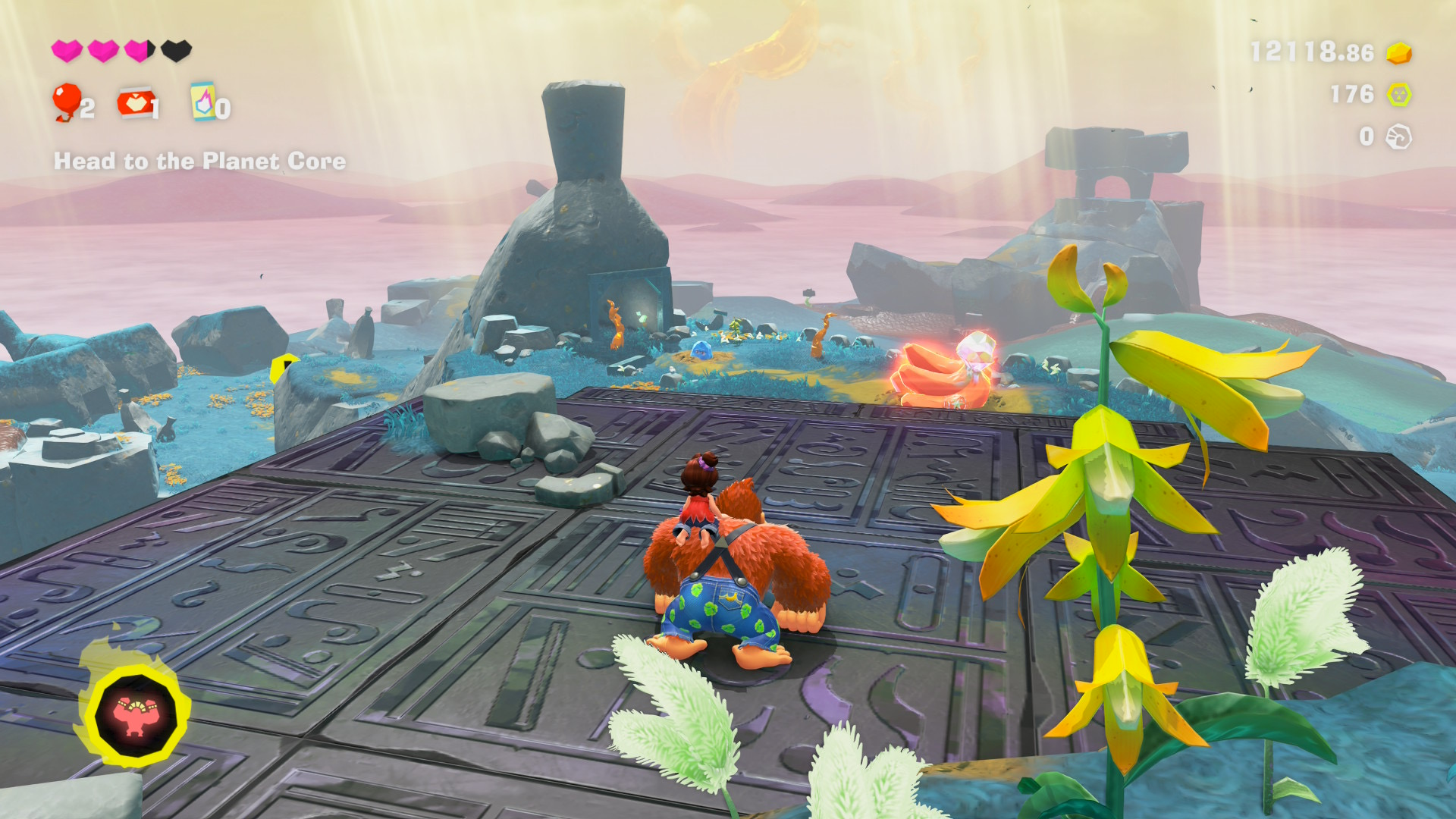
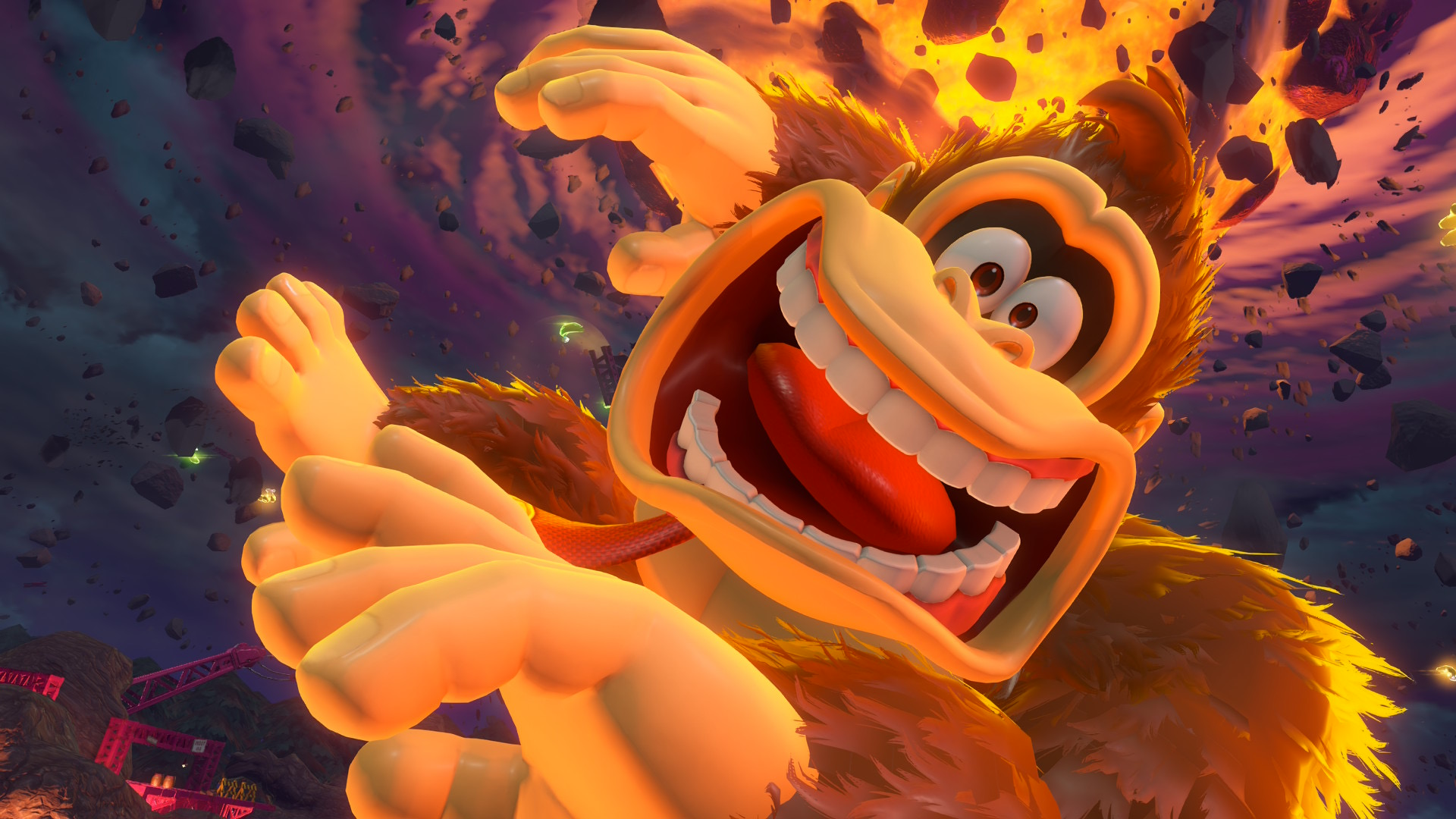
The reason I stated that Donkey Kong Bananza resembles Legend of Zelda: Tears of the Kingdom isn’t just about the scenes where you plunge from great heights into an abyss. Throughout the adventure, you’ll be confronted with numerous situations where you can choose how to solve challenges. A clear example is the one presented earlier with the lava section over which my girlfriend and I built a bridge, thus avoiding a mission that would surely have lasted 15 minutes or more. You can also craft weapons from environmental objects, which transform into projectiles or even surfboards for navigating water. And in moments when you want additional abilities, you have various animal transformations with special powers: the Super Saiyan gorilla destroys more efficiently, the zebra is fast and can cross surfaces that would otherwise break under DK’s weight, the ostrich can fly and glide for longer distances, the elephant can inhale various materials with its trunk, and the snake jumps to dizzying heights. Combining all these elements, you can carve your own path to the planet’s core.
Any self-respecting review must also include mentions of music and graphics. Well, both live up to expectations for a blockbuster produced by Nintendo. The melody accompanying the zebra transformation is among the most memorable and still occupies a special place in my mind when I’m washing dishes, the remixes for classic tracks from the Donkey Kong Country universe are tastefully done, and the symphonic and ambient motifs that accompany you in tense moments serve their purpose brilliantly. There’s a new genre of music called Nintendo Jazz, which numerous philharmonic orchestras around the world have come to perform. Well, I’m sure some tracks from Bananza will find their way into the repertoire of these musical groups.
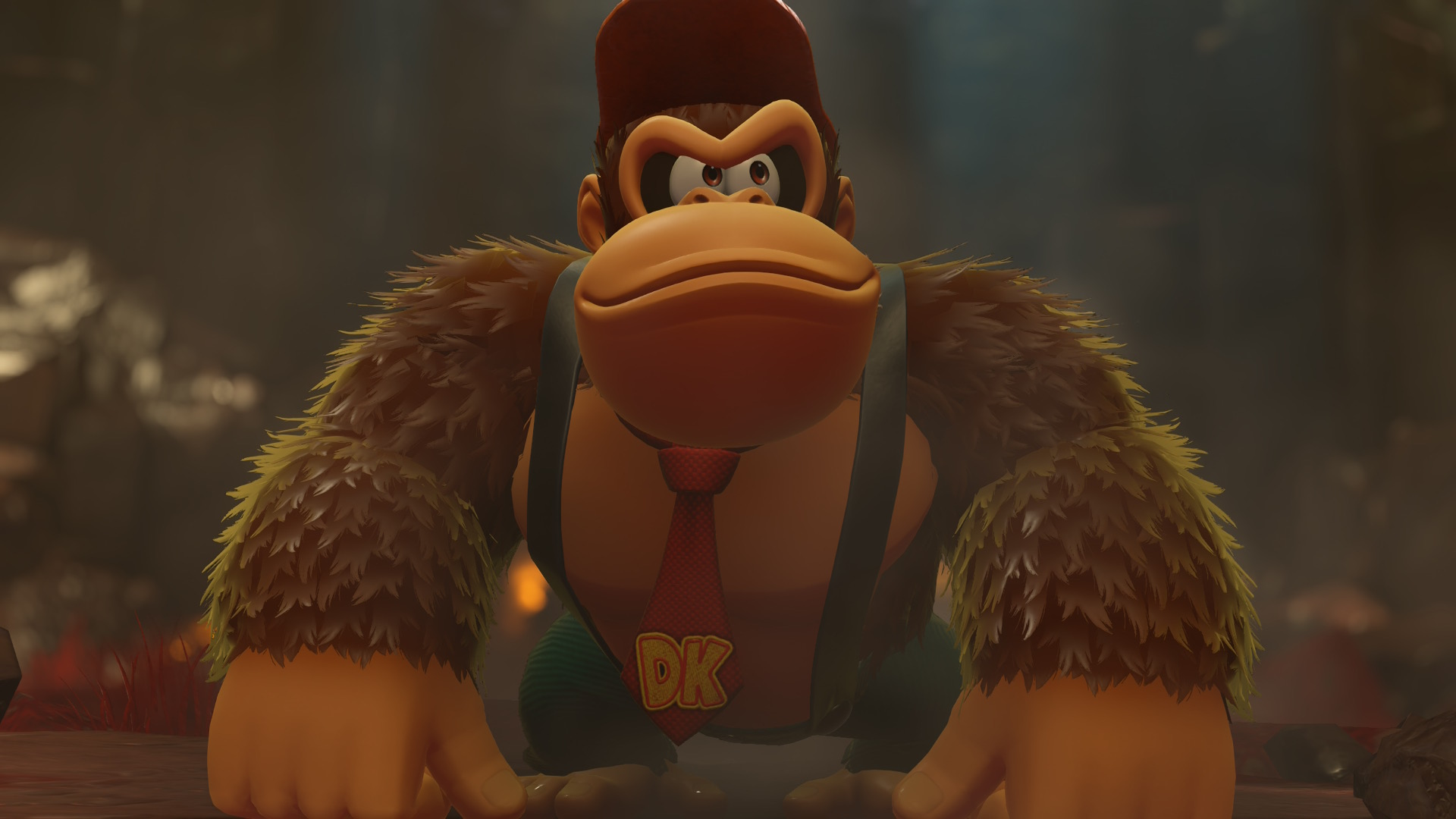
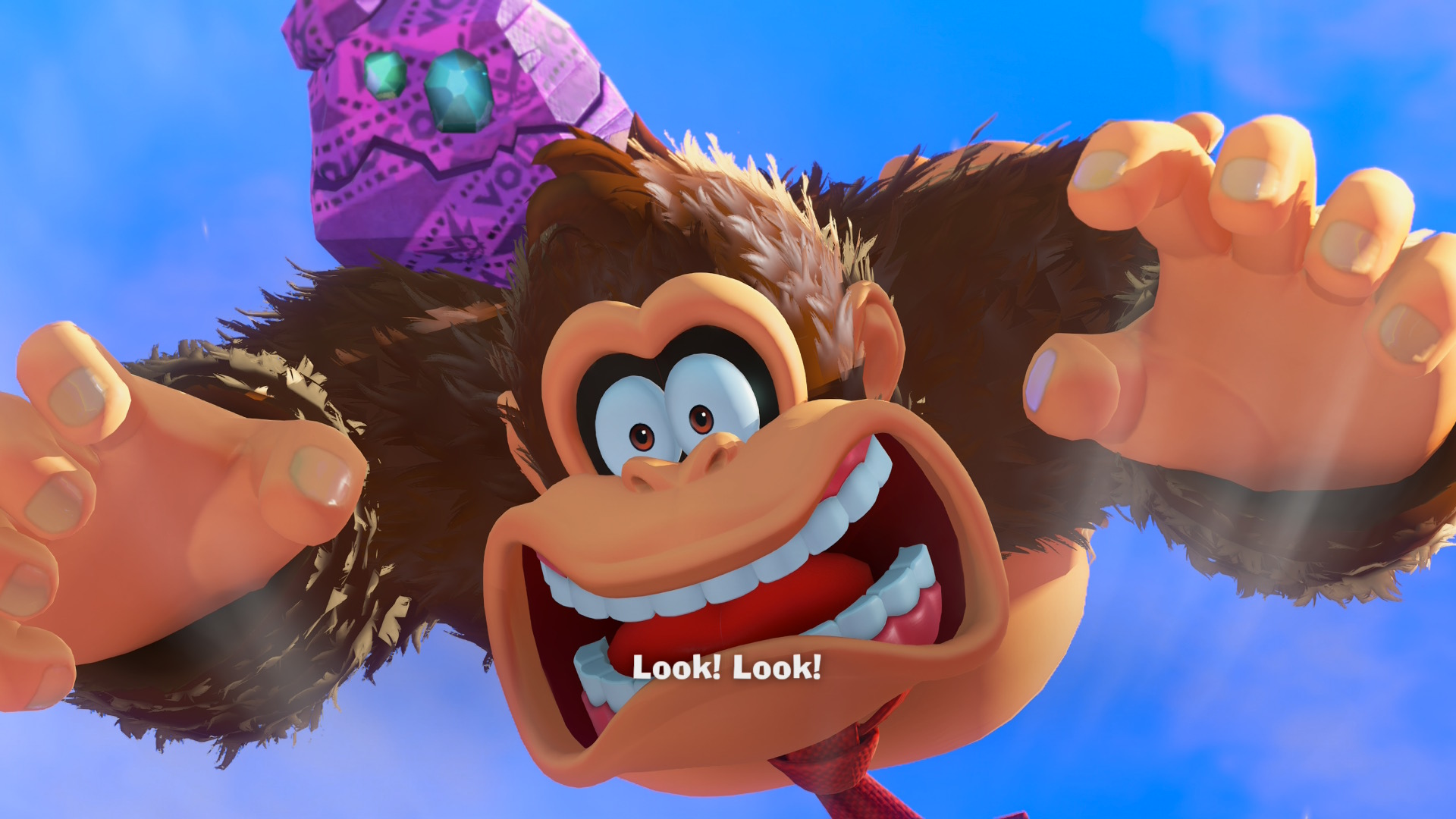
As for the graphics, I want to mention the tropical-hued feast of colours and the quality of the animations. Obviously, we’re not talking about a title that tries to imitate reality. Everything is stylised in a flashy, but charming way. I like Donkey Kong’s new expressive look (evidently inspired by his appearance in The Super Mario Bros. Movie) and I appreciate the style in which the child Pauline was depicted. At every step, I enjoyed the uniqueness of the surrounding world and appreciated the fact that I was getting exclusive content that only Nintendo could have produced, and which partially justifies my loyalty to the brand.
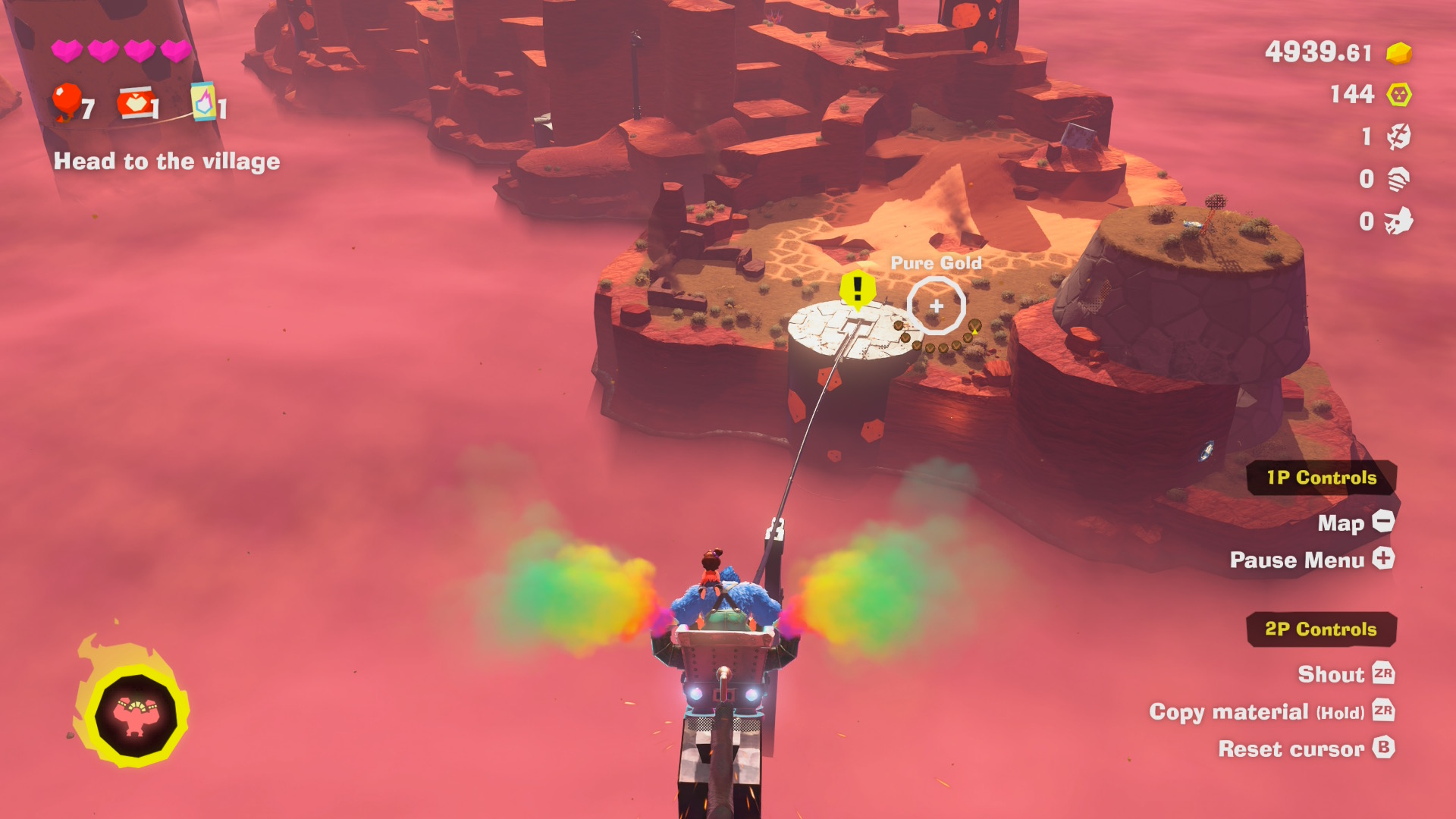
It was hard not to notice, however, that the first major impact launch on Switch 2 is also the game that brings the console’s hardware to its knees at certain moments. When the action on screen gets crowded, slowdowns caused by a massive drop in frames per second can be observed. It’s the kind of situation that would have been a scandal for Sony and Microsoft, but it’s more easily overlooked in the Nintendo camp. After all, the Kyoto company doesn’t focus on hardware and doesn’t make grandiose claims about the capabilities of the electronic device it launches every half-decade. Games are what matter most — and as long as they’re fun and align with the standard set by previous releases in the series, minor stutters are forgiven. Nevertheless, it was hard not to imagine that we’ll have another 7-8 years where games will prove to be more ambitious than the technical specifications of the system they run on.
Is Bananza the reason you should buy a Nintendo Switch 2 as soon as possible? Yes and no: for me, such an adventure is a source of joy. But for a Mario and Zelda fan, the first Switch is still good enough. This year we’ll also see new releases from the Pokémon and Metroid Prime series, and blockbusters like Final Fantasy VII Integrate will also appear on the platform. But I think the real reason Switch 2 sales will explode is when Mario makes his triumphant return in all three dimensions. Most likely, that moment will come around April next year: when the second part of The Super Mario Bros. Movie will be released in cinemas. Nintendo will certainly take advantage of the context to offer a game that lives up to expectations.
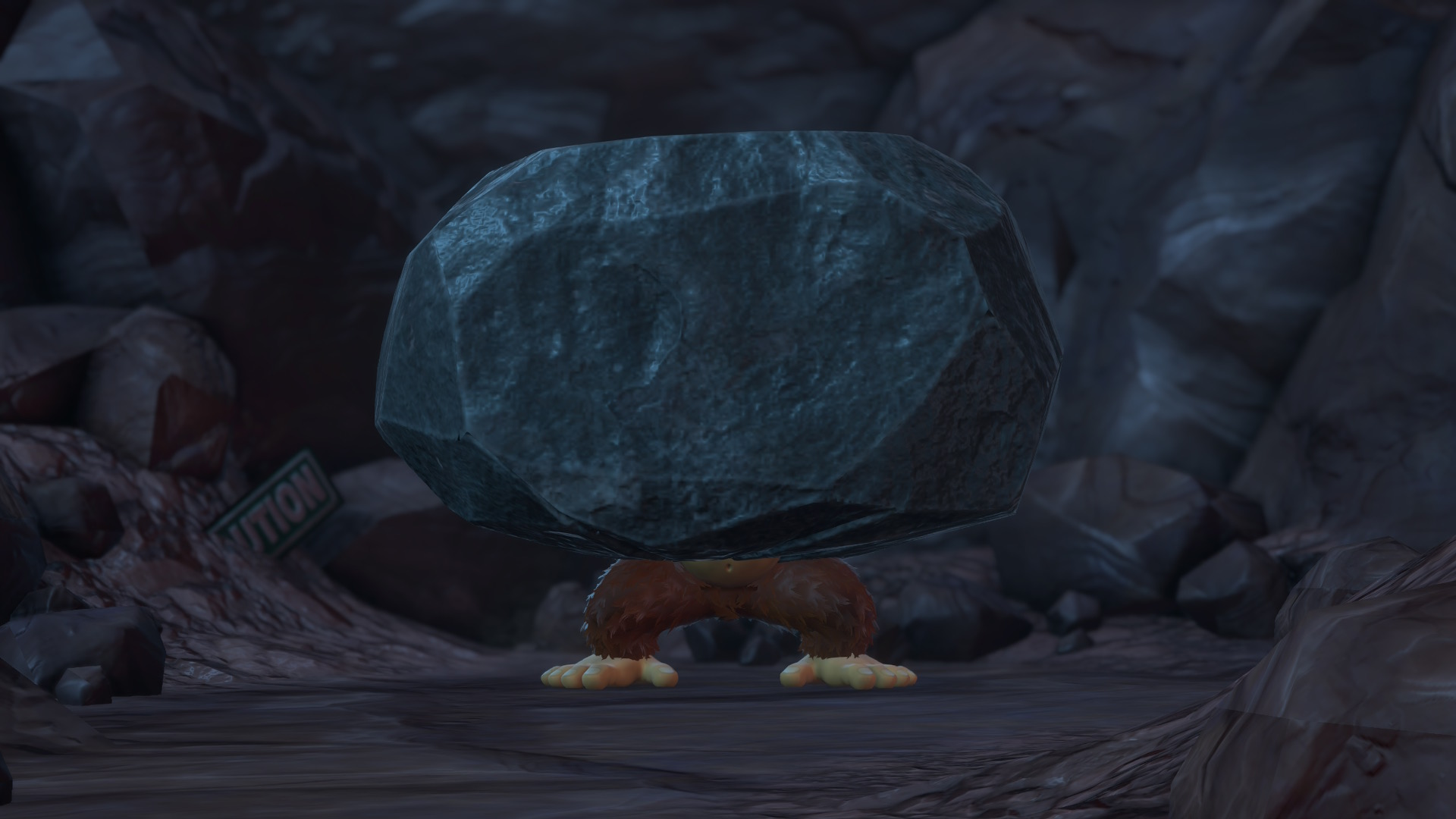
Until then, however, we must realise that Donkey Kong is not Mario… and Bananza, while one of the best 3D adventures of the decade, doesn’t quite reach the level of Odyssey. Although it has better graphics, more diverse gameplay, and challenges that test players’ creativity, it’s also much more frantic and noisy — which comes at the expense of extended play sessions. I’ve asked myself many times why I couldn’t finish Bananza faster. And while the main reason is that I tried to savour it at my leisure, part of the reality is also that DK’s bravado tires me out much faster than Mario’s jumps. Perhaps it’s a sign of aging, or perhaps we’re just talking about a bias resulting from increased emotional attachment to the moustachioed plumber. But despite these arguments, I can very well understand why Bananza has a score of 91 on Metacritic, while Odyssey is rated 97. It’s not just about graphics and design, but also about the abilities of each character: I can argue that Mario’s movements and transformations are more agreeable than DK’s outbursts of rage. Nevertheless, I enjoyed the challenge of finding bananas in Bananza more than trying to collect moons in Odyssey. Perhaps the RPG elements contributed to this, or perhaps digging is more fun than climbing.
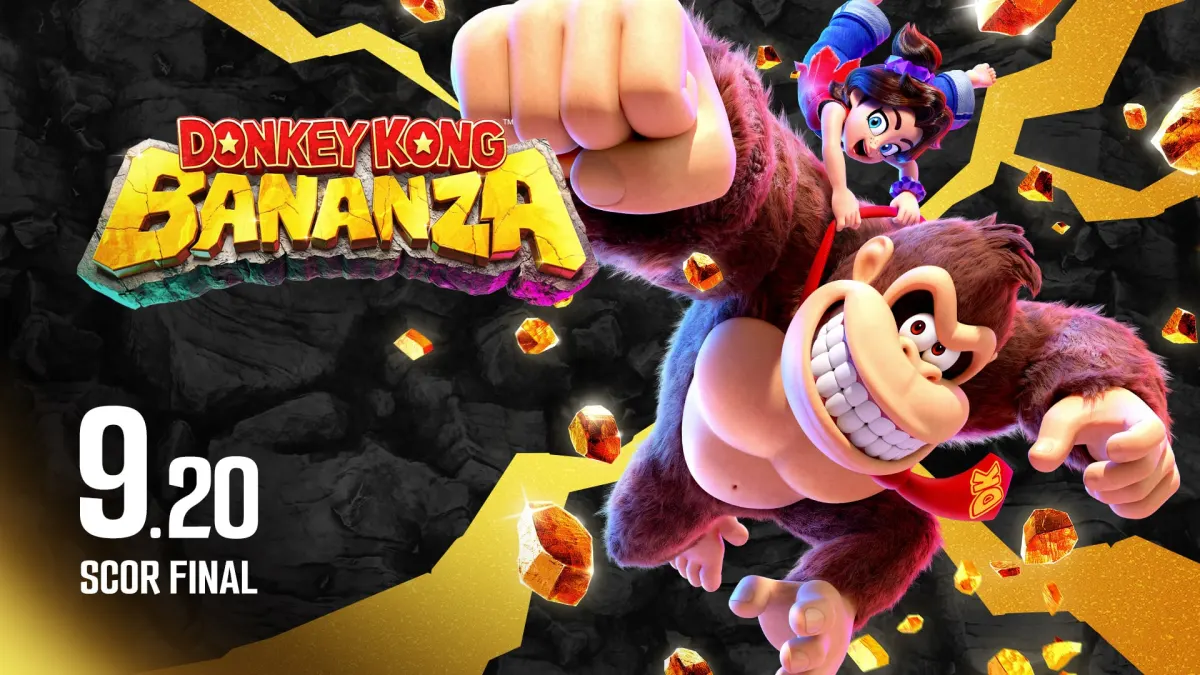
In any case, I’m giving Donkey Kong Bananza a well-deserved 9.2, with the caveat that it exceeded my expectations. When I first watched the trailers, I feared Nintendo would come out with a solid 7/10 game. But they extracted everything good from the DK universe, delivered nostalgia exactly when it was welcome, and refined the recipe for a successful 3D platformer by bringing “collectathon” elements back to the forefront. If there’s any game I recommend to any sceptic or critic of Nintendo’s strategy for Switch 2, it’s clearly Bananza. Give it 15 minutes and you’ll notice your wallet thinning by 1 cm: exactly the thickness of a stack of 30 100-lei banknotes. Oh, banana!
Thanks to CD Media S.E. for the review code!

Played on: Nintendo Switch 2
Release date: 17 July 2025
Developer: Nintendo EPD
Publisher: Nintendo, CD Media S.E.
0 votes
Scroll down here and stay on the page for at least 30 seconds to vote.
Pick a score from 0 to 10 (halves are allowed).