
Legacy of Kain: Defiance – Review

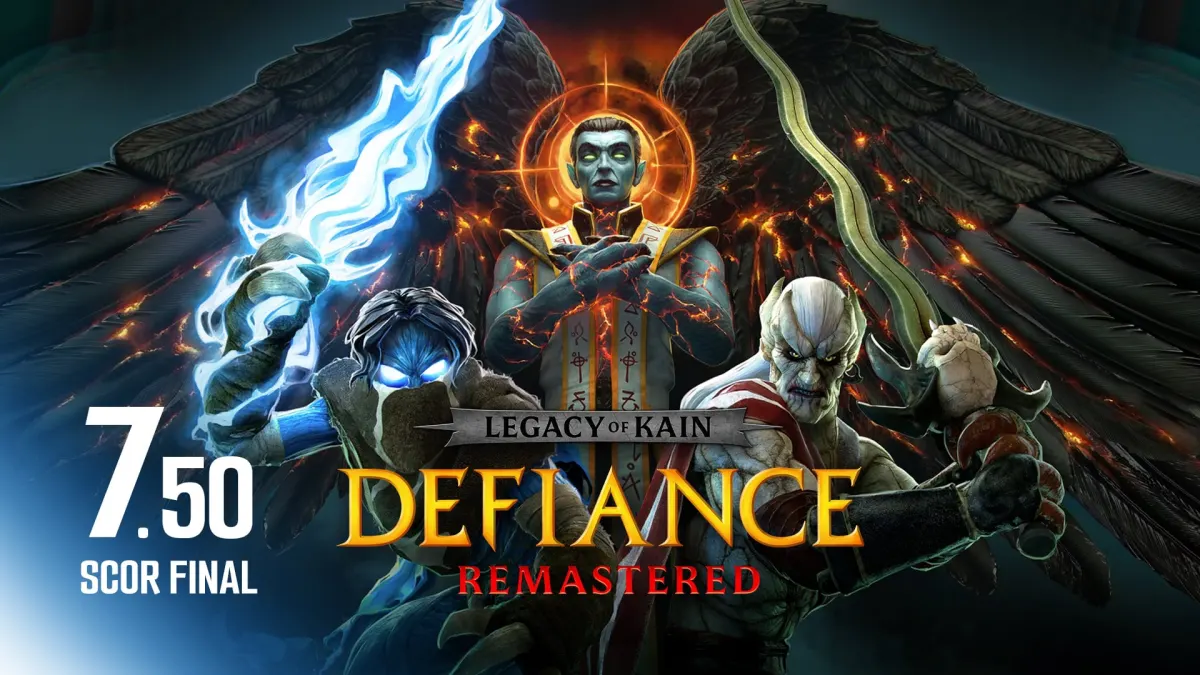
Vae Victis!
Back in the day, when a good chunk of the GRIND editorial team were hanging out at the LEVEL offices, writing reviews for Silent Hill 3, Black & White 2, or opinions on the GBA version of Max Payne for issue 77 of the magazine, yours truly was a young lad out in the world. Around 2005, I arrived in Italy and, being the gaming enthusiast I was, I walked into the first electronics store I found, where I laid eyes on one of the titles that would mark my adolescence: Legacy of Kain: Defiance!
With the little money I'd saved from my allowance, I managed to buy it, making it the first original game in my library. After a few days of agonising wait, I returned home to play it. To my surprise, Defiance wasn't what I'd imagined, but not because it didn't live up to expectations; rather, because I didn't understand a jot of what the characters were saying, the title being region-locked to Italian. Although I played a good portion of it by 'guessing', it remained a teenage title I longed to play again and, hopefully, understand.
I admit that, although I had the opportunity to play the first Legacy of Kain: Soul Reaver, the story was a bit too complex for a child's mind. All I understood at the time was that I was dealing with evil vampires, a vampire king who had a grudge against the protagonist, and a mysterious, edgy hero. In 2024, I rediscovered Raziel's story through adult eyes and greatly appreciated its narrative complexity and how it was constructed. Honestly, few creations today manage to reach the same level of quality and respect the player's intelligence as the Legacy of Kain franchise did. But let's get back to the matter at hand: Defiance.
Unfortunately, the legendary studio Aspyr did not return for this epic conclusion to the saga, and it shows. While not a bad title, the new remaster by PlayEveryWare doesn't live up to the standards set by Soul Reaver 1&2 Remastered, and the technical limitations of the systems for which Defiance was originally conceived are strongly felt in this noble attempt to modernise the final chapter of the two anti-heroes' story. As you've come to expect from us, we'll start with the story!
Fatum dominatur mundi
I don't think Denis Dyack and Ken McCulloch knew, in 1993, what impact their proposed project, then called The Pillars of Nosgoth, would have on gaming and on so many players. As proof, 30 years after the launch of the game that started the entire Legacy of Kain franchise, fans, journalists, and players still discuss it and consider it one of the best stories in the entire history of our favourite hobby. The fifth game in the series, Defiance, was conceived as the culmination of the bloody tyrant's and soul devourer's adventures, which is why all the questions raised in previous titles find an answer here. You're probably wondering if it's necessary to have played Kain and Raziel's other adventures to understand what's happening in this remaster. Not really. My recommendation is still to do so, because the narrative thread will be much easier to follow. And for those who don't want to "waste" a few hours on some incredible titles, the developer has included a small addendum in this version: a section where you can quietly read all the exploits of the two vampires. But let's be honest: how many of us still have time to read, and how many players from newer generations have the desire to do so?
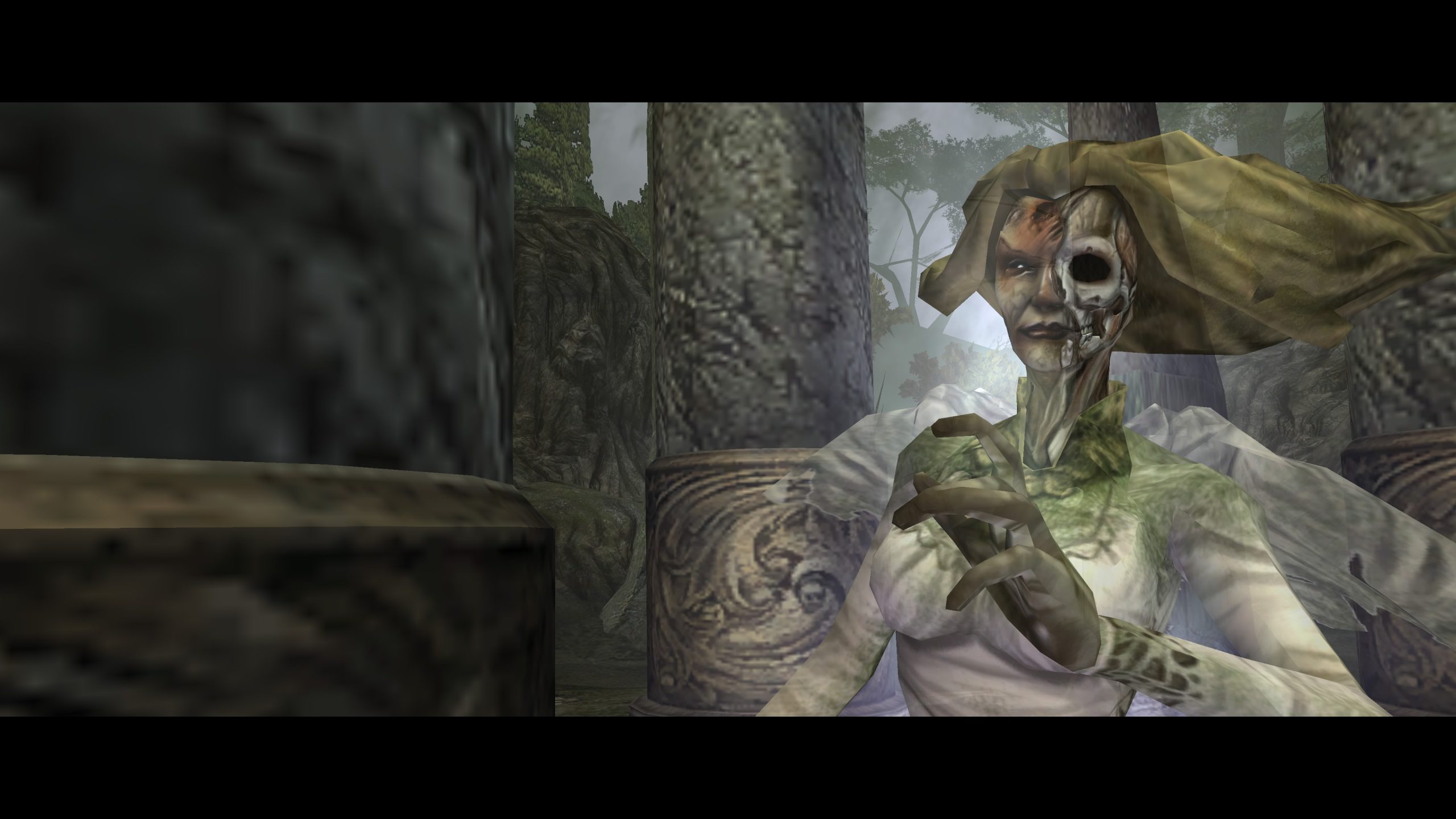
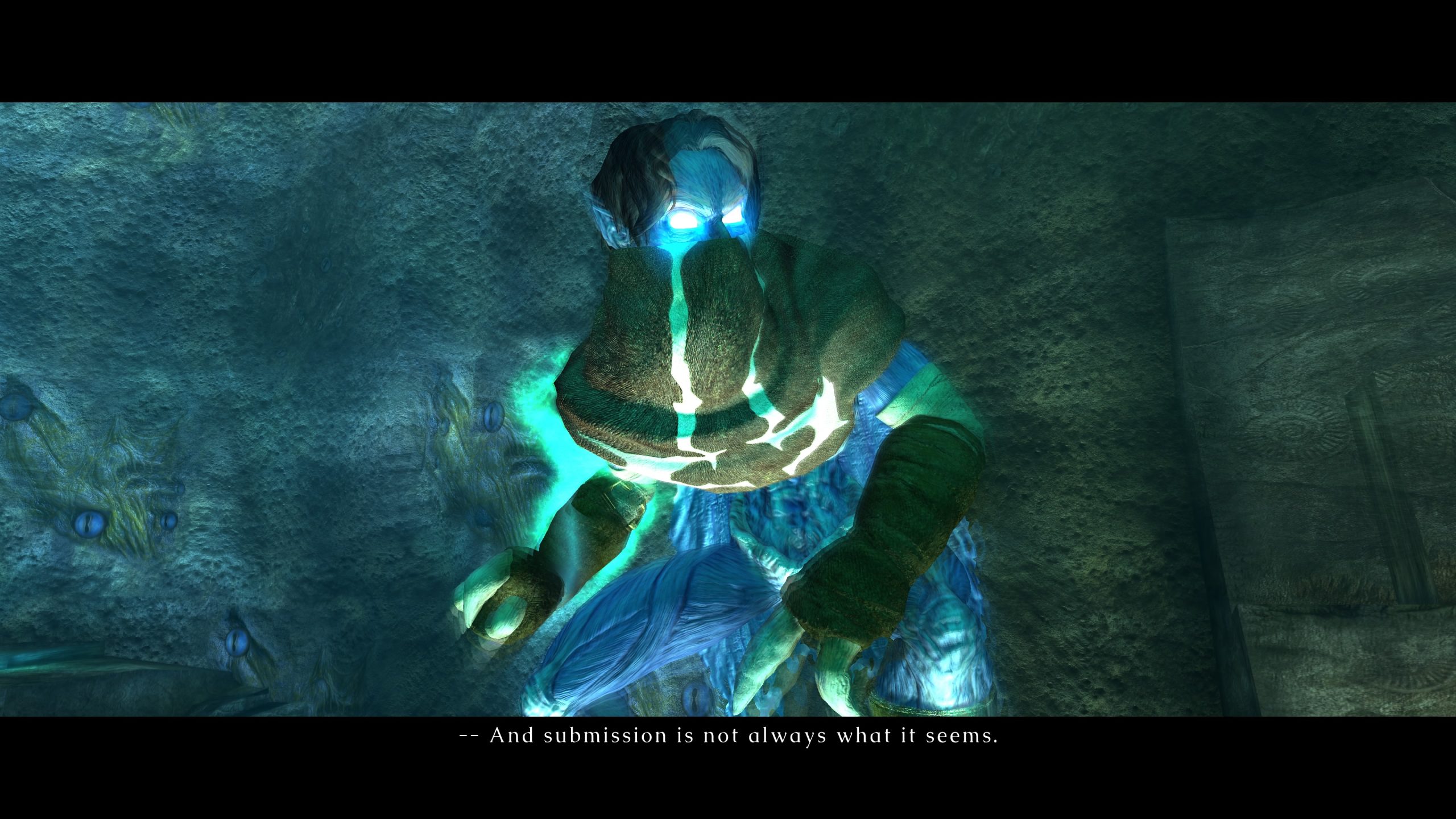
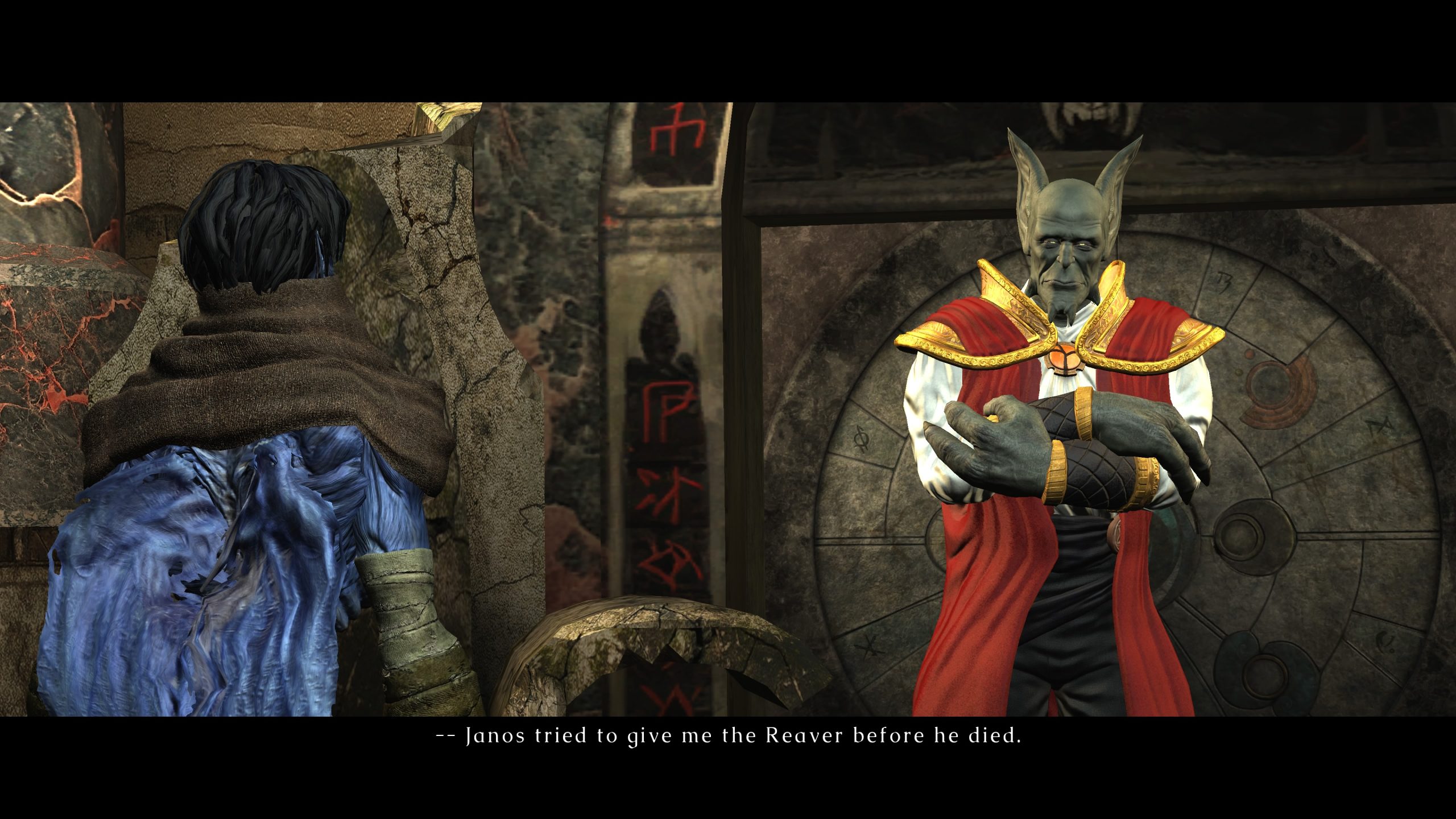
The story in Defiance begins immediately after Raziel's adventure in Soul Reaver 2, and our favourite soul devourer and Kain try with all their might to change their destiny. The big problem is that the two are fighting this epic battle 500 years apart. Yes, there's this time travel element, and no, it's not explained in a way everyone can understand. Amy Hennig expected, in 2003, that the player would either understand what was happening as they went along, or accept certain aspects without too many explanations. In terms of quality, the story remained as good in 2026 as it was in 2003, but this was to be expected from a remaster. The game addresses themes such as destiny, free will, and the purpose of existence, but it does so in a mature way that doesn't oversimplify. Raziel continues to try to defeat his destiny of being imprisoned in Kain's legendary sword, while his mortal enemy continues his insane crusade against fate in his mad attempt to restore balance to the world of Nosgoth.
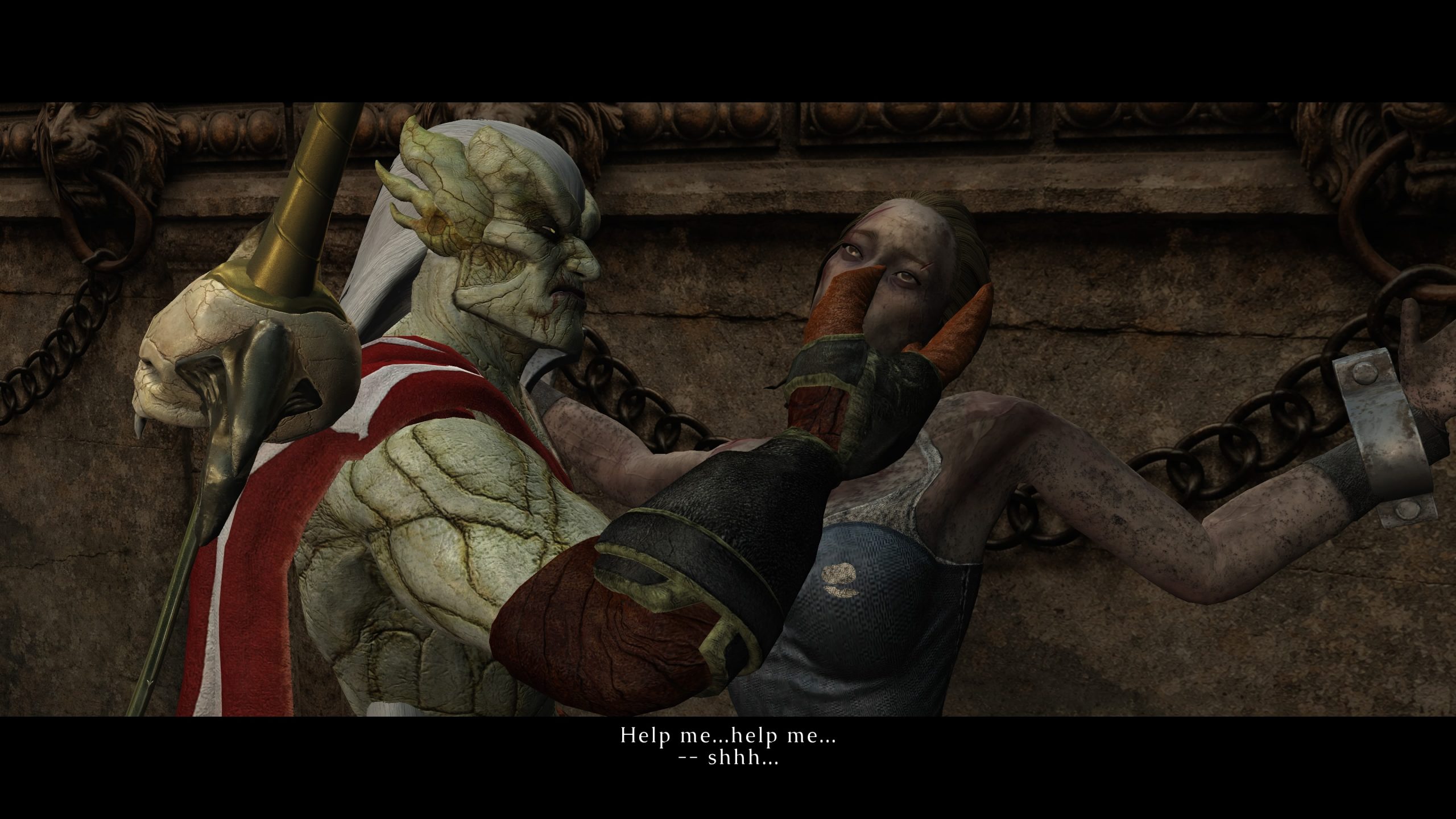
The story probably wouldn't have had the same impact without the talents of Simon Templeman (Kain), Michael Bell (Raziel), and Tony Jay (the Chthonic god), who elevated it to Shakespearean heights through the way they brought the characters to life. Every line is grandiose, and the protagonists seem to constantly outdo each other in pomposity. However, the moments of reflection and the narratives of the two anti-heroes reveal their complexity and the often conflicting feelings they harbour towards the treacherous game of fate. To the delight of fans and gaming archivists, the developer included the entire game's script in the remaster, which allowed us to better understand the characters, events, and the world of Nosgoth.
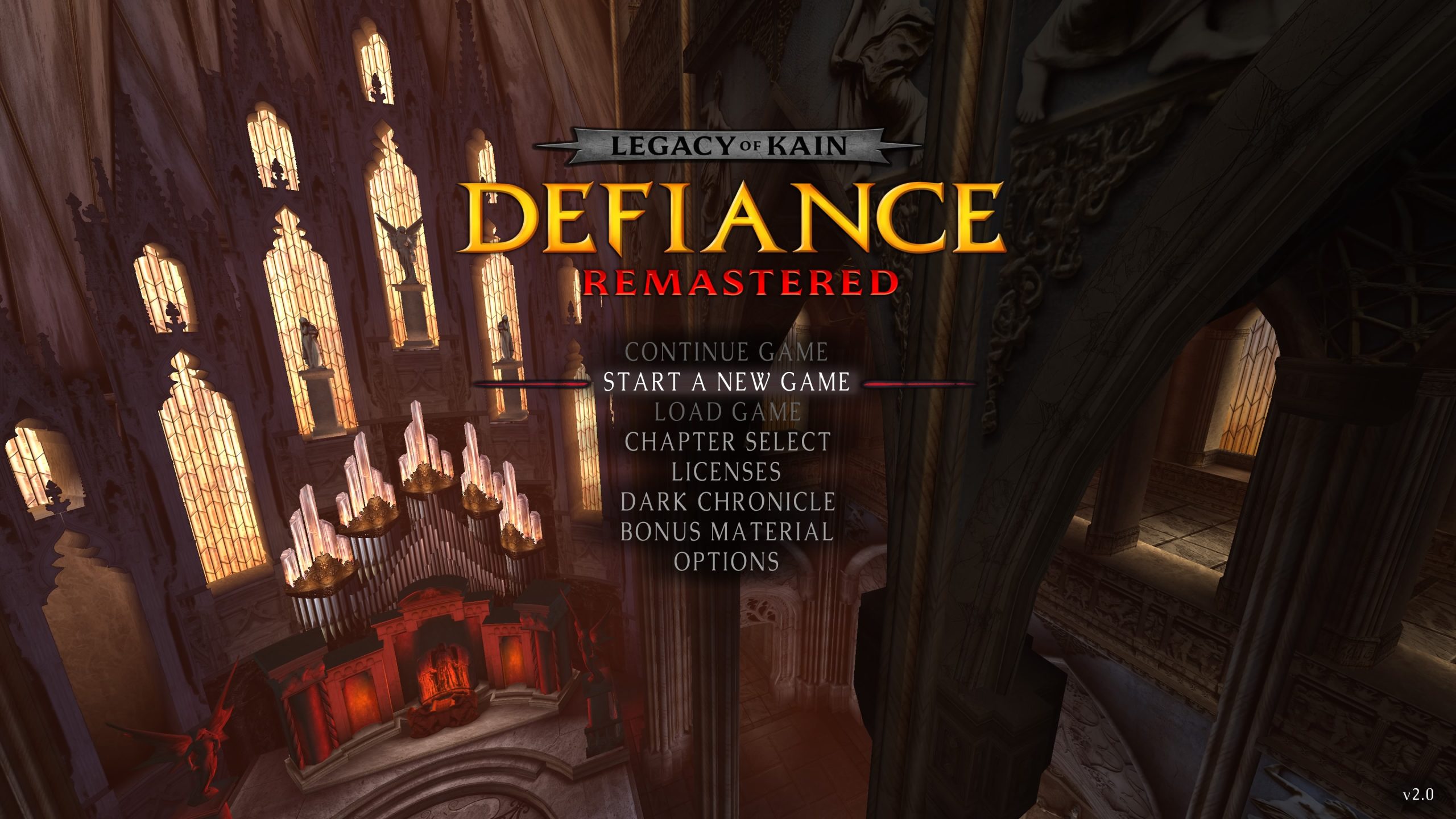
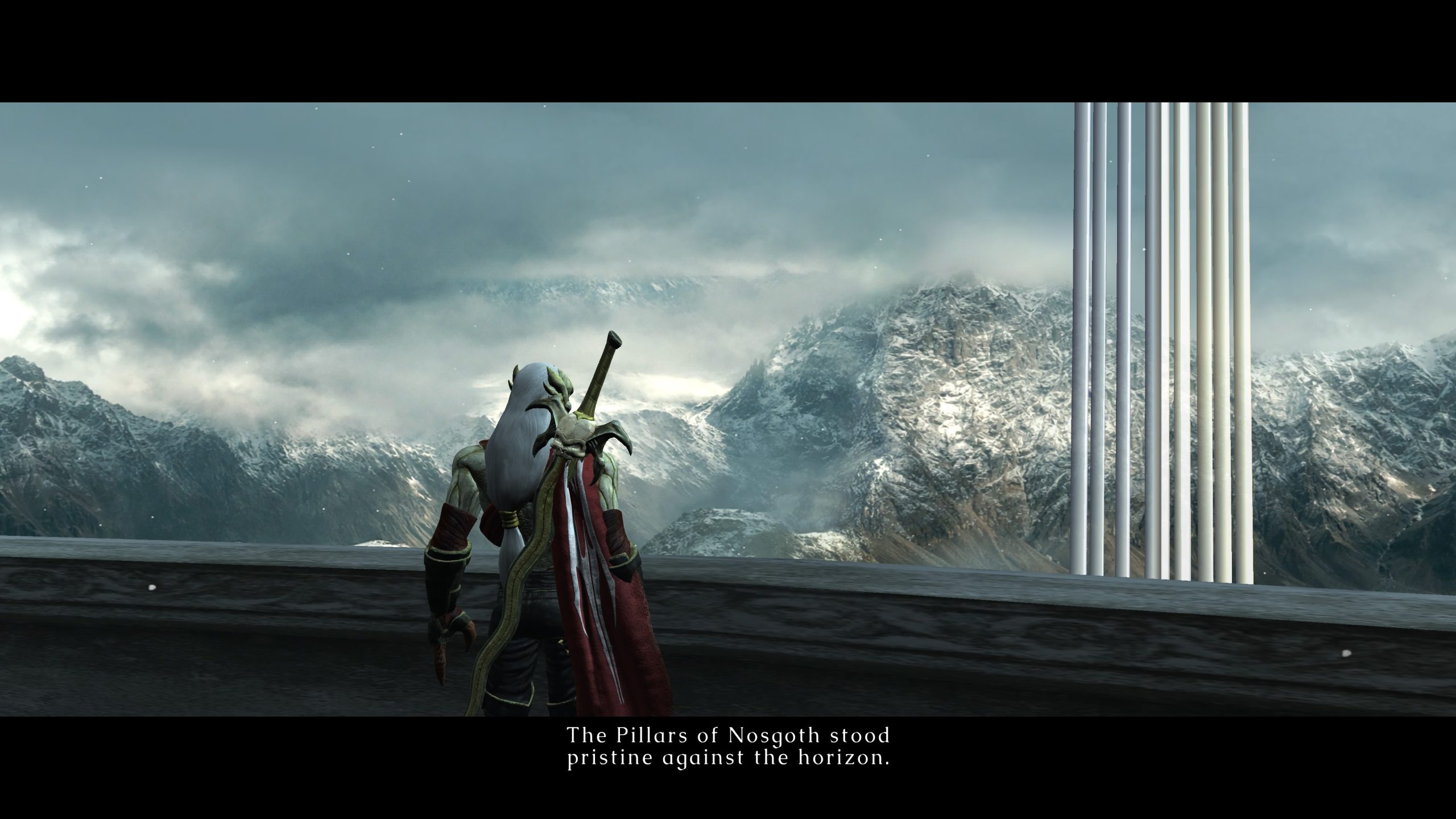
Access to the script wasn't the only new element in the remaster. The game came bundled with a gallery packed with concept art, sketches, and initial renders of characters and locations, as well as a digital museum allowing players to explore areas that were unfinished or completely cut from the original title. These levels are, of course, incomplete, and the developer included a brief explanation for each to clarify where the location was meant to appear in the game, what was supposed to happen there, and what enemies or puzzles would have awaited us. One example would be the return to the Pillars of Nosgoth after the apocalyptic event at the end of the game, to show the magnitude of the disaster and to facilitate a final interaction between Kain and Ariel.
Destiny is a game, is it not?
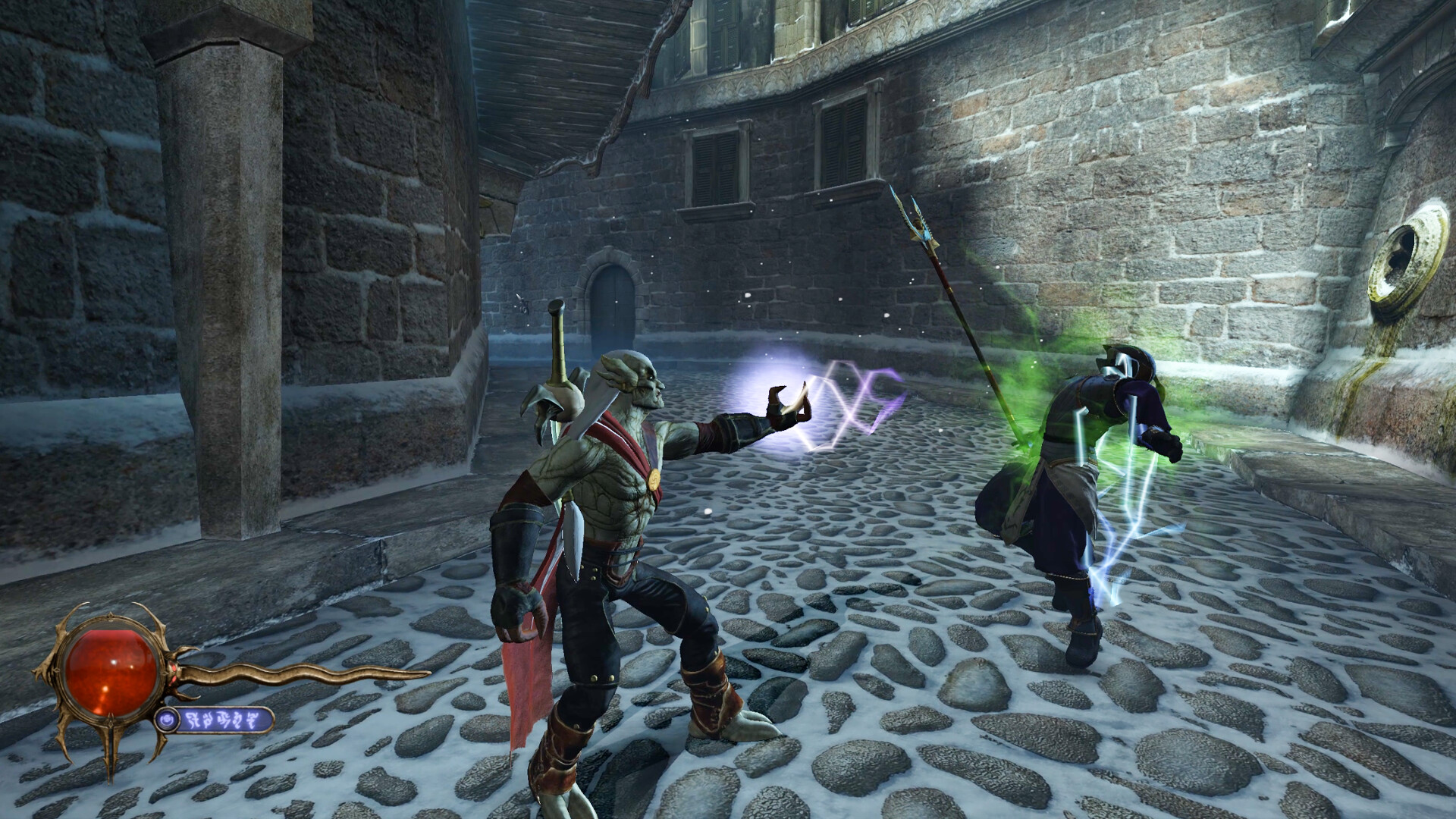
Since we've brought up levels, it's time to address the elephant in the room. The developer was changed for this remaster, so don't expect the same quality we got in Soul Reaver 1&2 Remastered. The 2024 title is one of the best examples of remasters and I consider it the standard by which any such project should be judged, and PlayEveryWare had the difficult mission of living up to that level. They tried their best and came up with a few elements designed to facilitate access for a modern player: a graphical upscale, a guidance system to point you in the right direction, and a free camera that can be repositioned anywhere we want. However, absolutely nothing was done about the repetitive combat system.
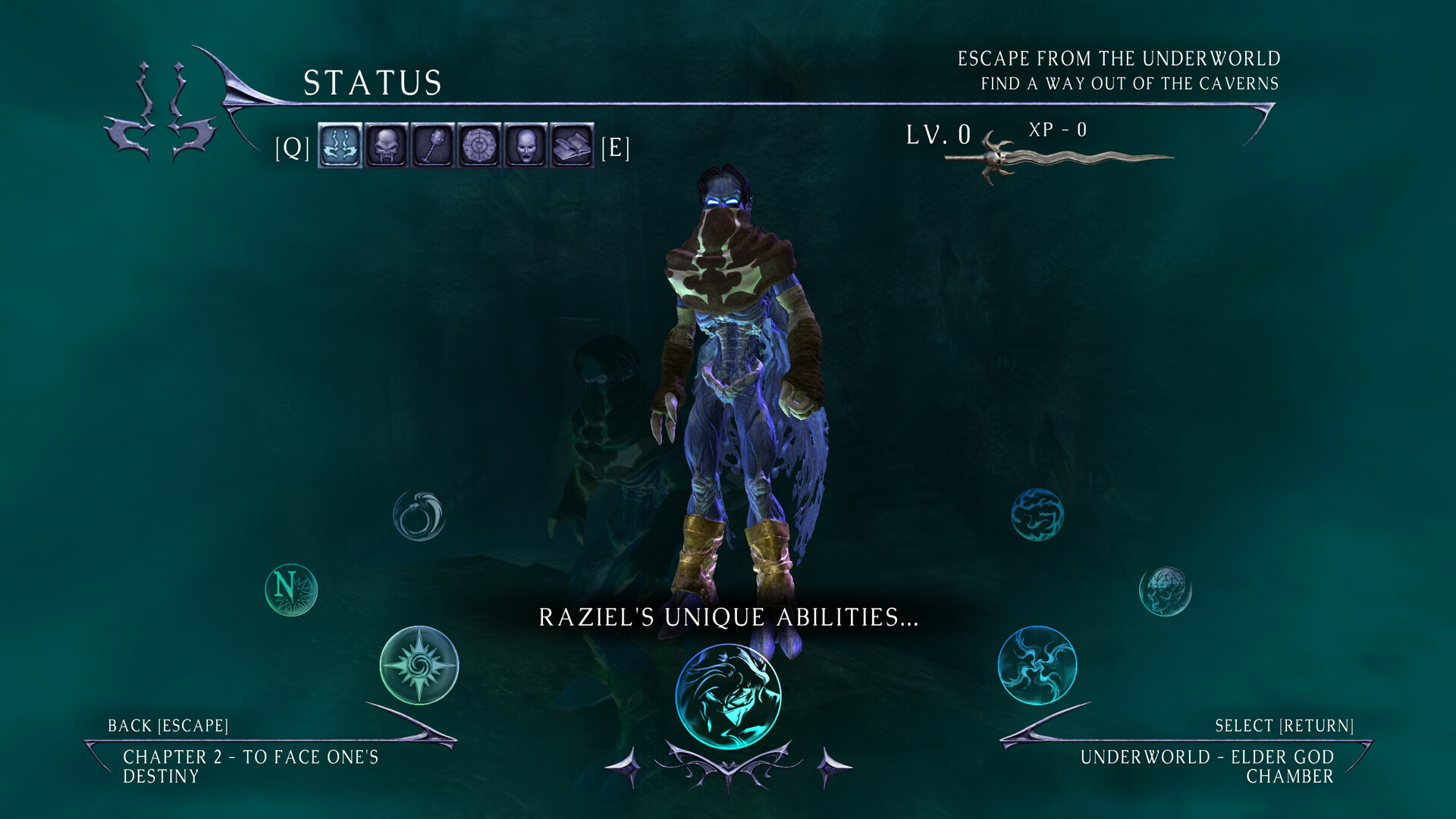
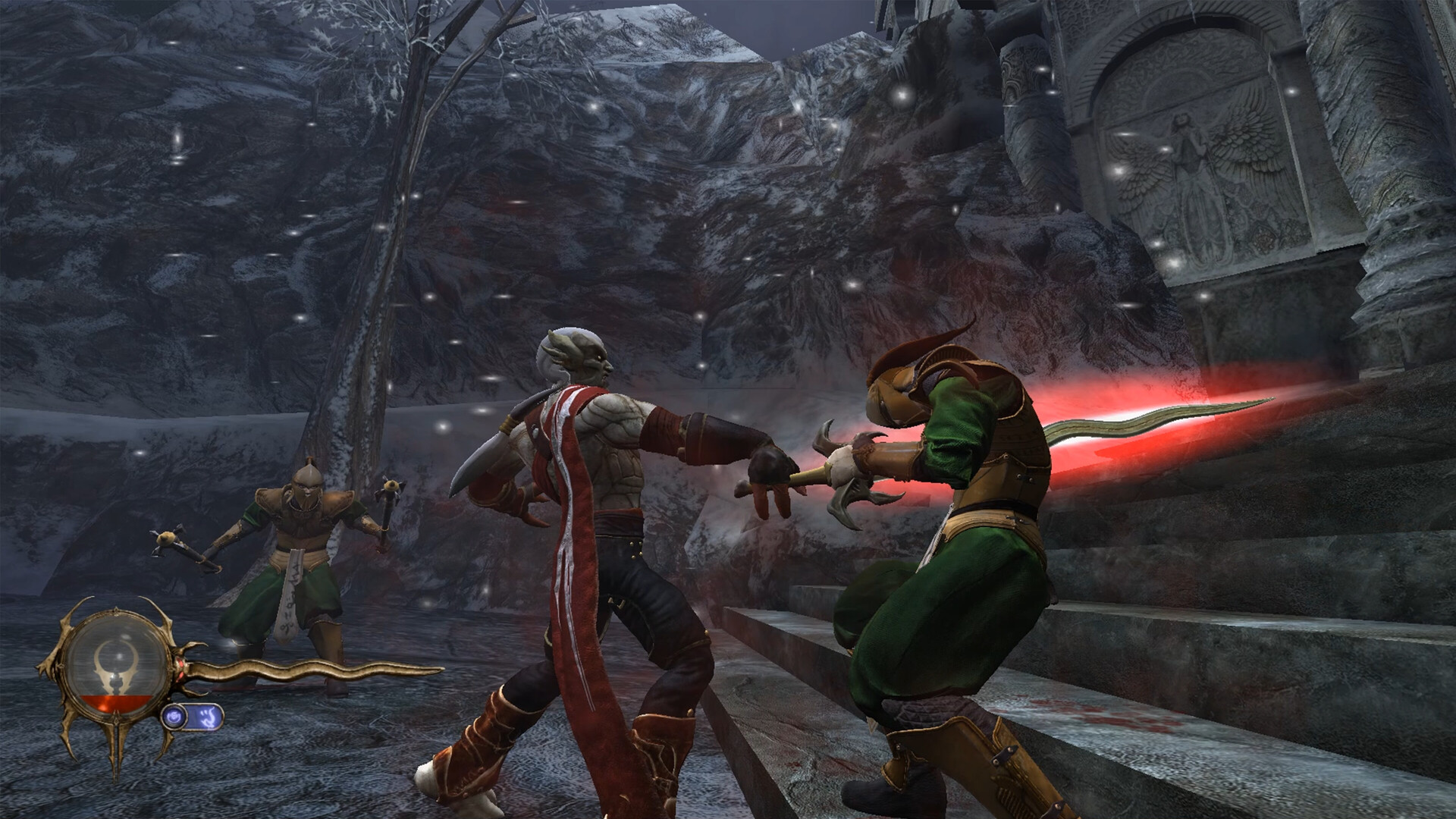
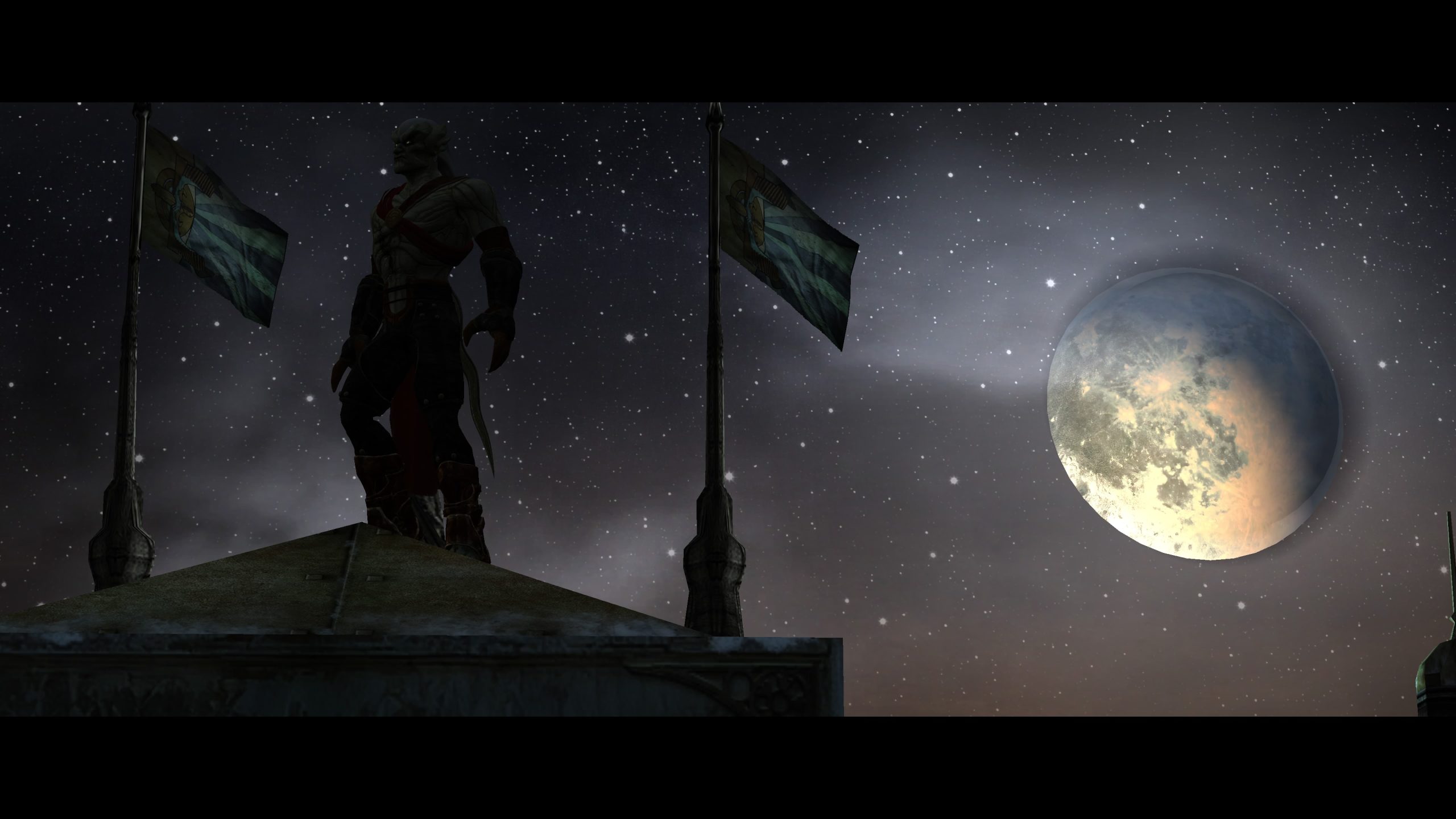
The new camera replaces the fixed-angle one used by the original project's developers, offering much greater precision both in traversing areas and in platforming puzzles. Moreover, it simplifies combat, as we can finally see exactly what's around us and who's attacking us, without worrying about taking a few hits from off-screen enemies. However, this modernisation comes with a massive loss: atmosphere. The fixed angles used by Crystal Dynamics in 2003 created that unique atmosphere and guided the player's gaze exactly where the developer wanted, facilitating environmental storytelling. For fans of the original game, there's an option to switch between the new and old cameras at any time.
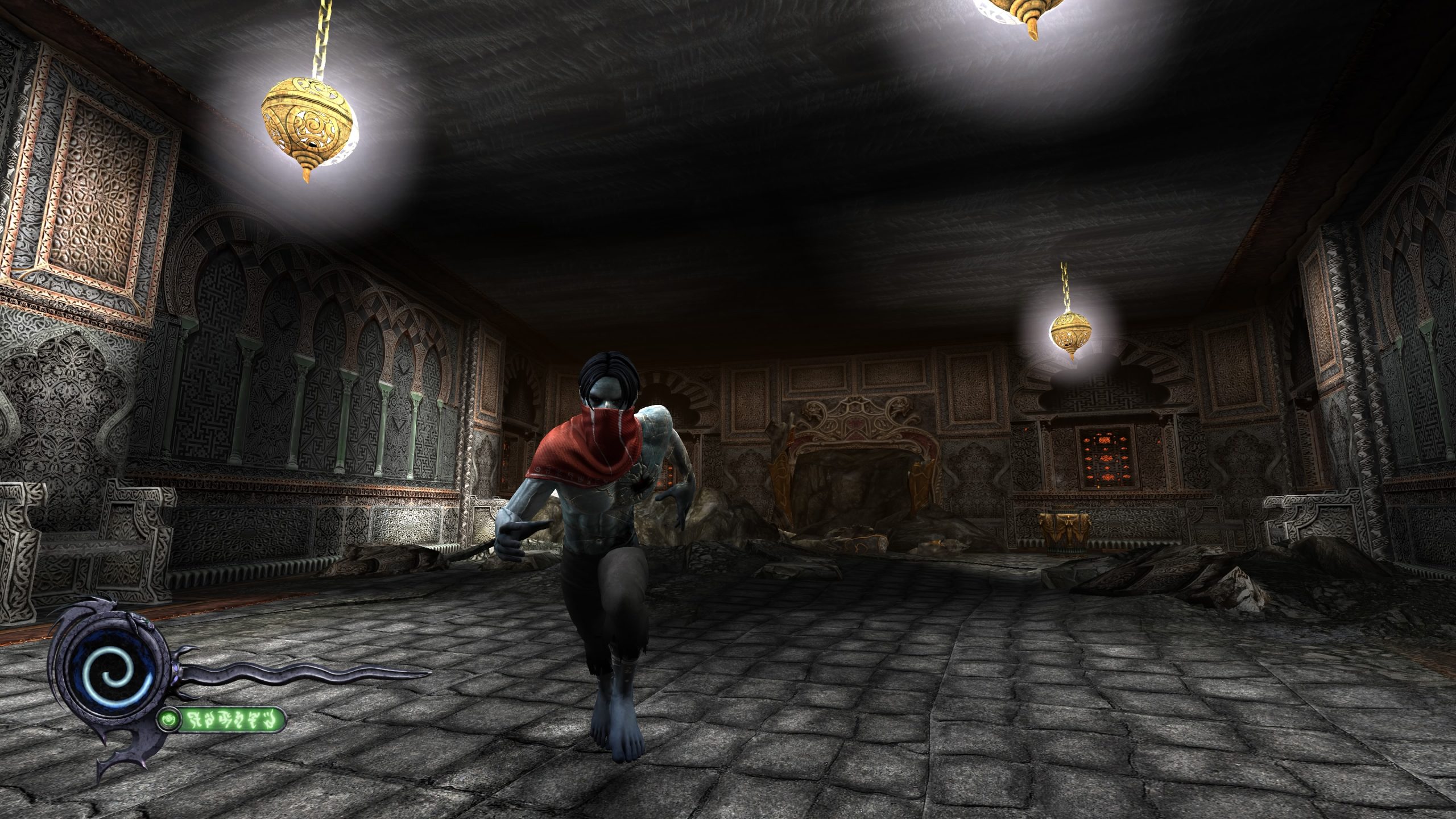
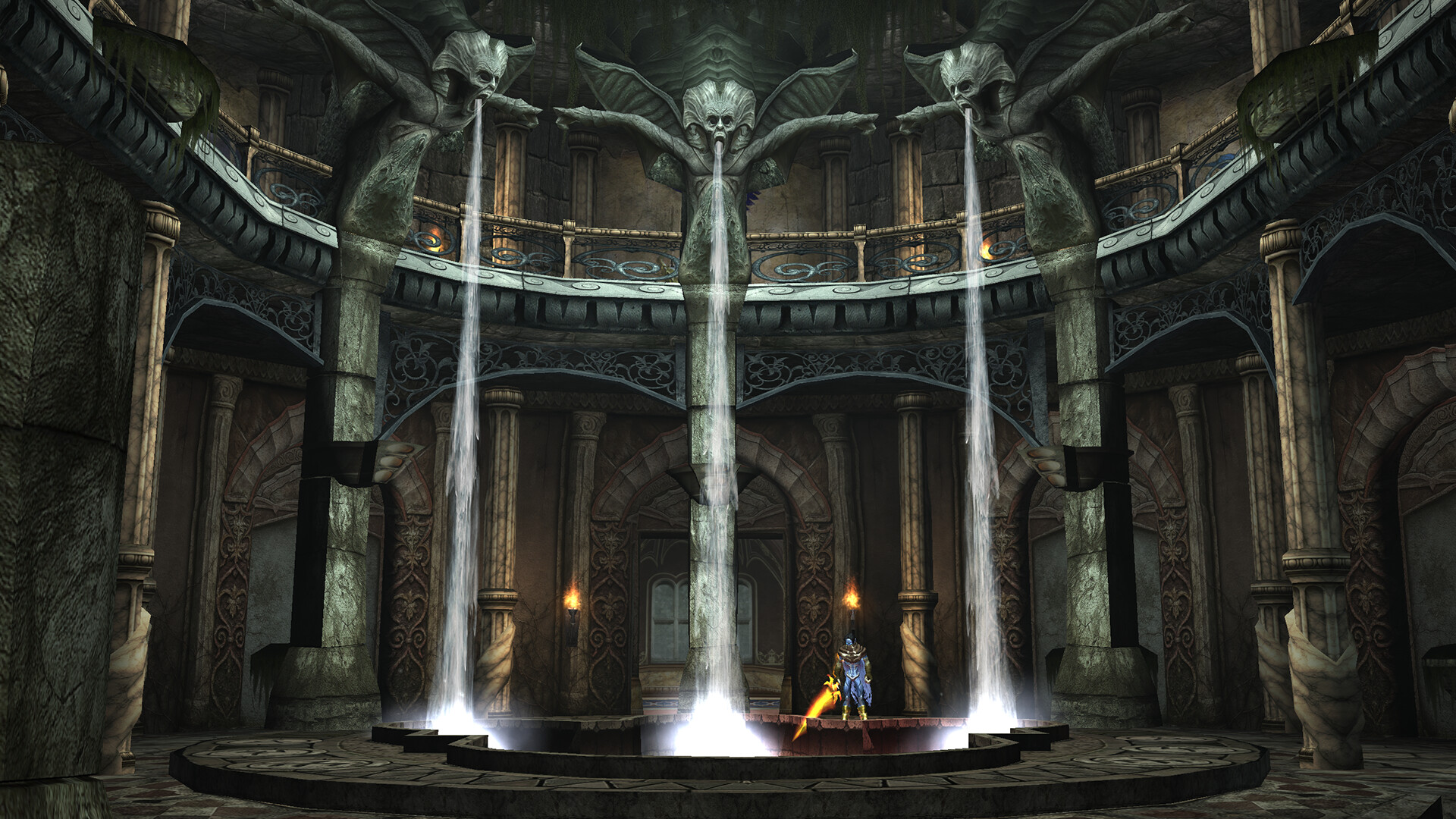
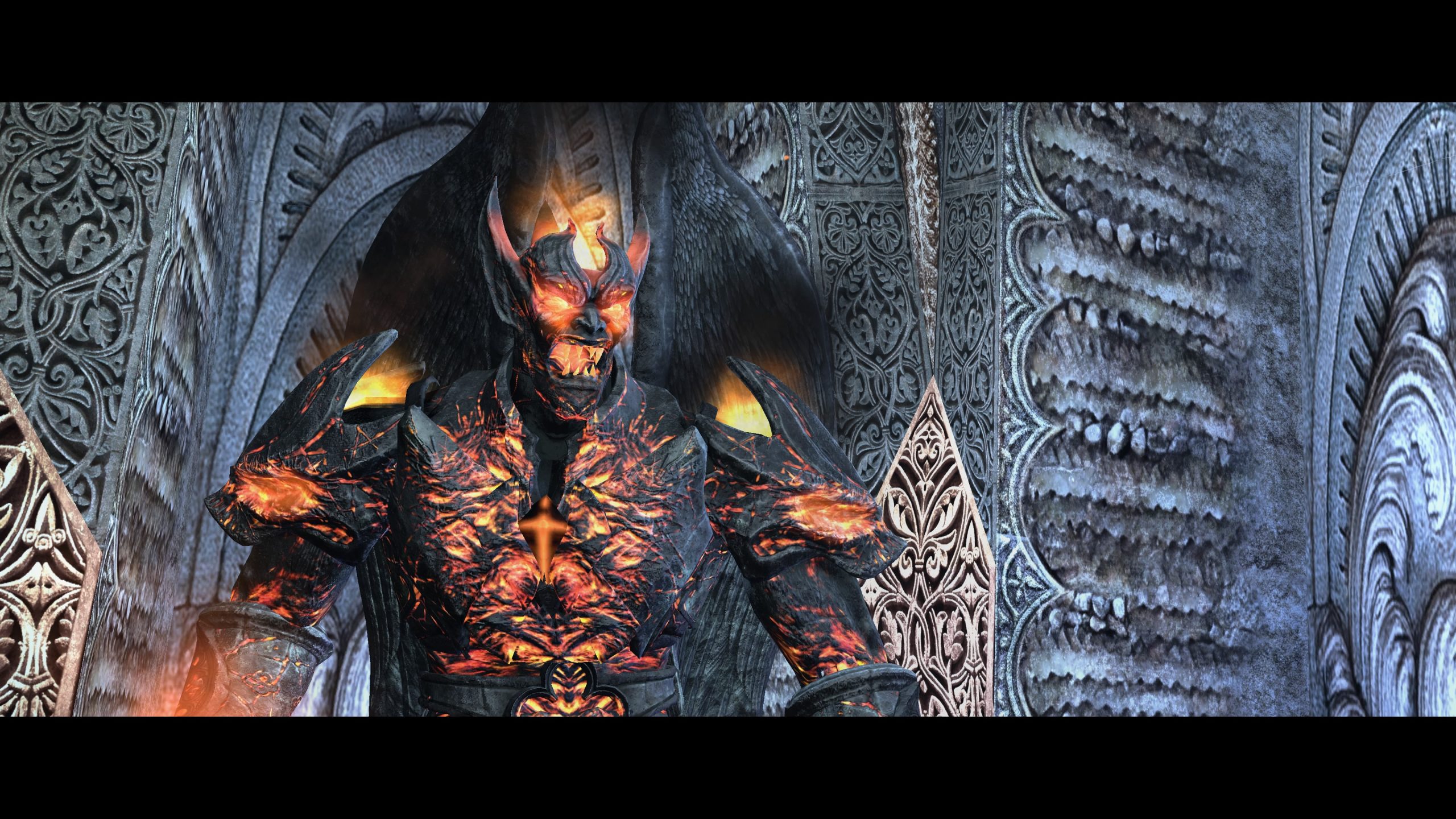
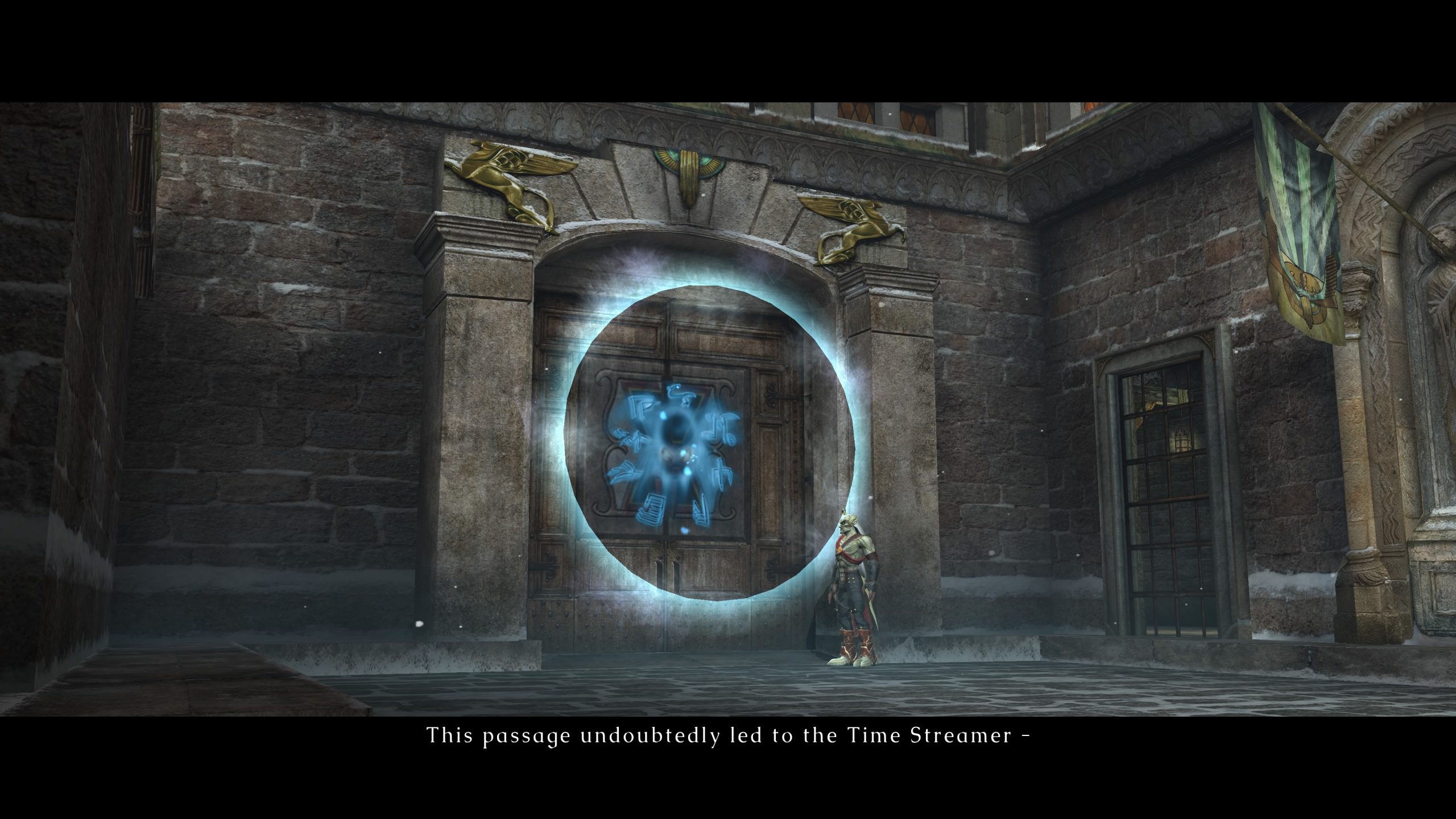
But even the old camera wouldn't mean anything without the gothic-infused graphic style that defined the series. While the new textures are beautiful, they fail to evoke the same feelings or convey the grandiosity of the vampires exterminated by Moebius's forces. There's something uncanny about seeing modern textures applied to the simple geometry and skeletons of the 2000s. Moreover, in certain situations, such as fighting an enemy that was missing from Soul Reaver 1&2, the new graphics can mislead the player, failing to indicate the path to follow. I remind you that the game remains, after all, a product of the era in which it was created, which is why it carries all the conventions of 2003, meaning it has no waypoints or compass to guide us.
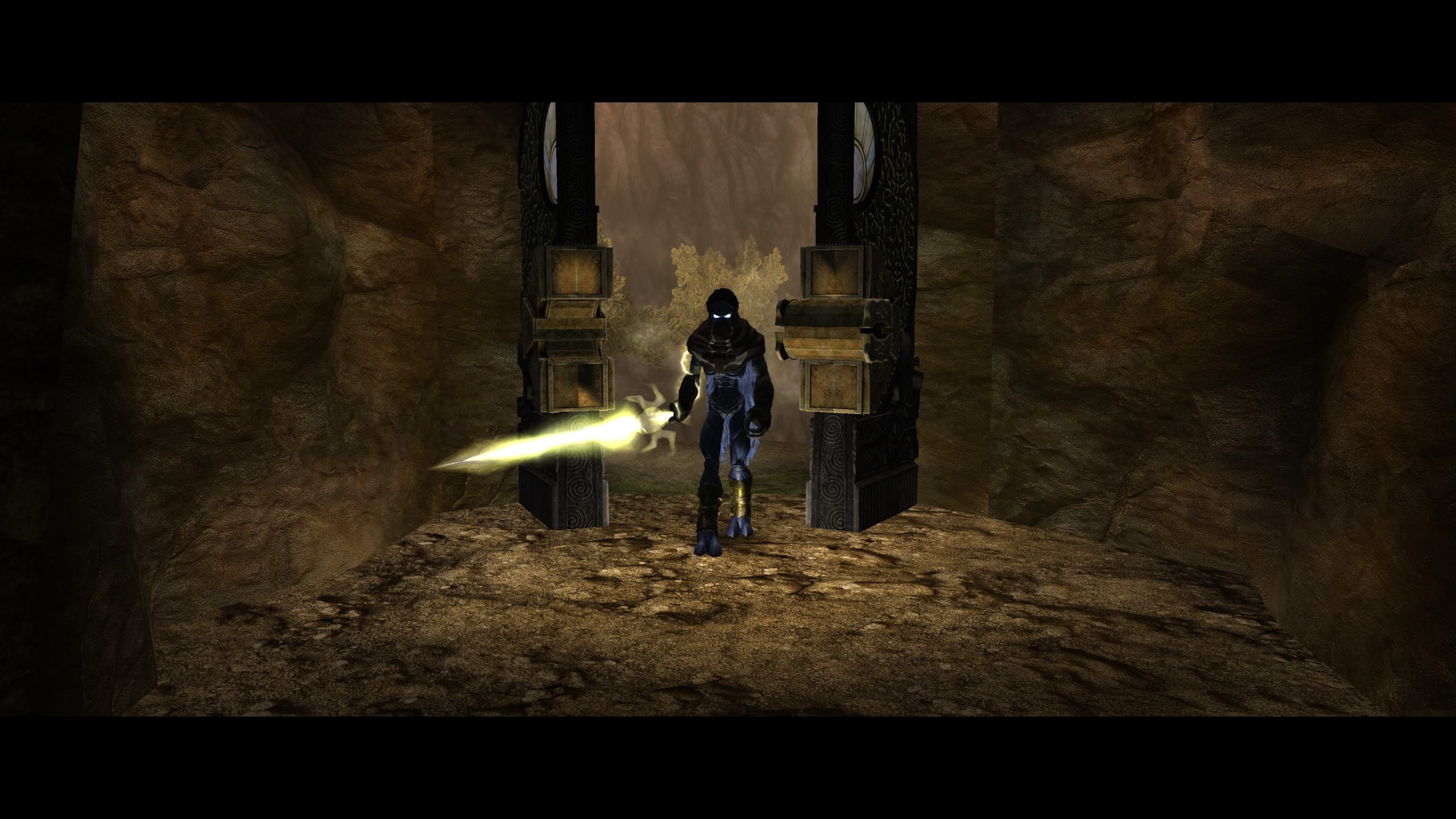
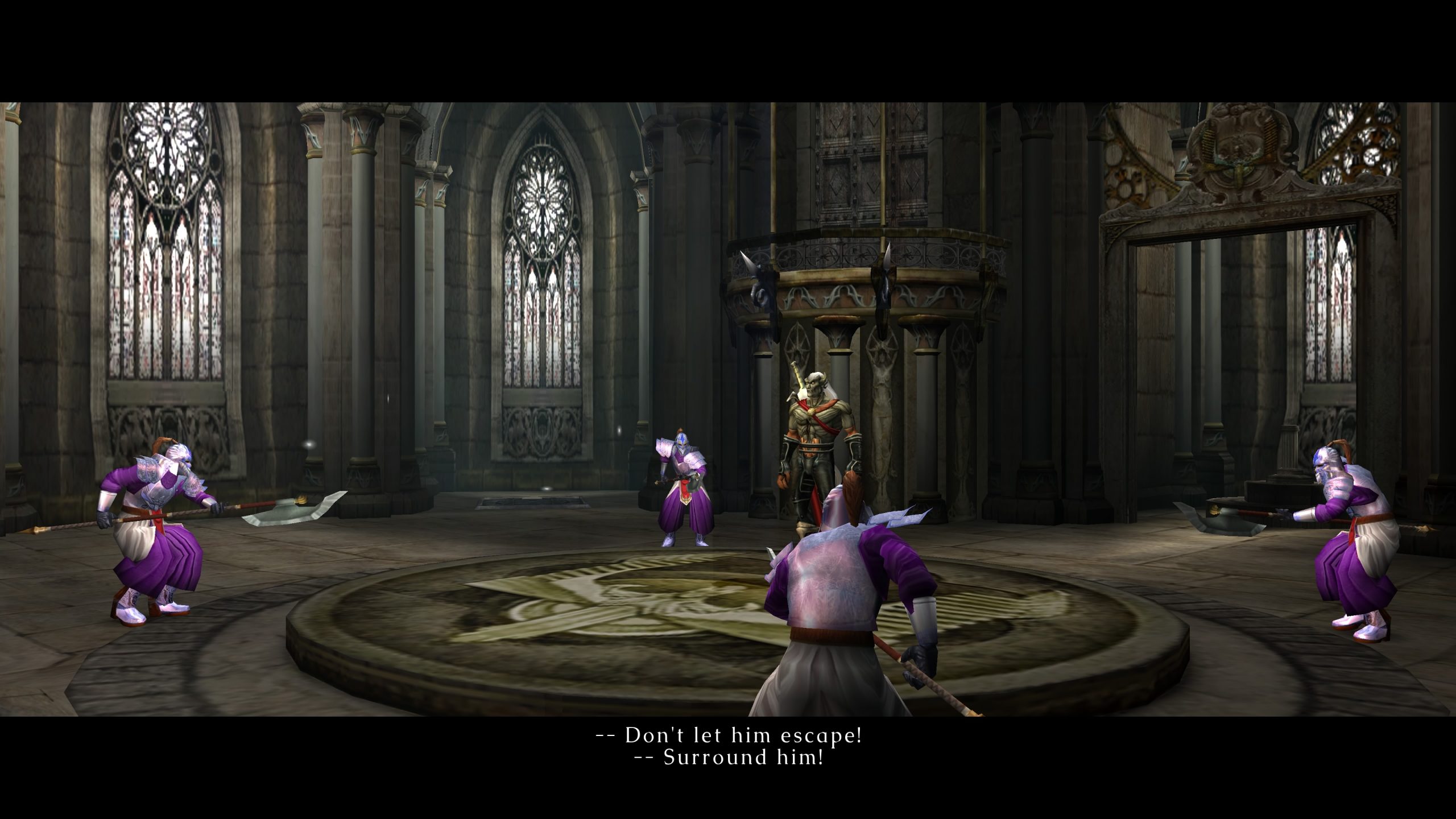
This zeitgeist is most felt in the combat. It's easy, and the protagonists have access to a few simple combos, which can be varied by using their telekinetic abilities. However, don't expect too much variety, as their move-set is identical. Whether you're playing as Kain or carving up enemies with the bluish devourer, both use the same moves and combos. The biggest frustration comes from combat progression: it can be improved, but there's no organic indicator to denote advancement, which is why you'll find yourself levelling up a few times throughout the game and unlocking a new combo through button-mashing, without feeling like you've earned it in any way.
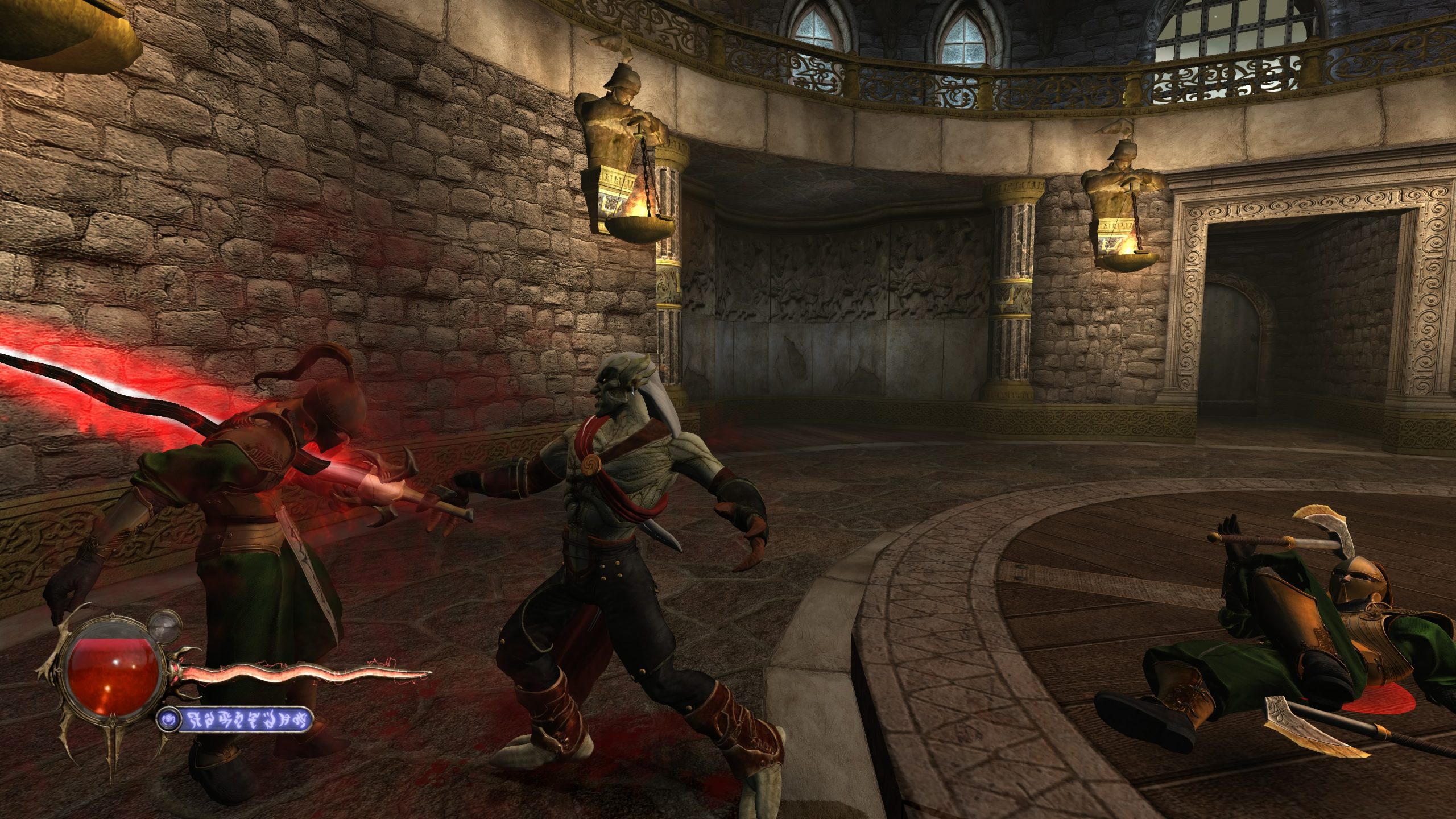
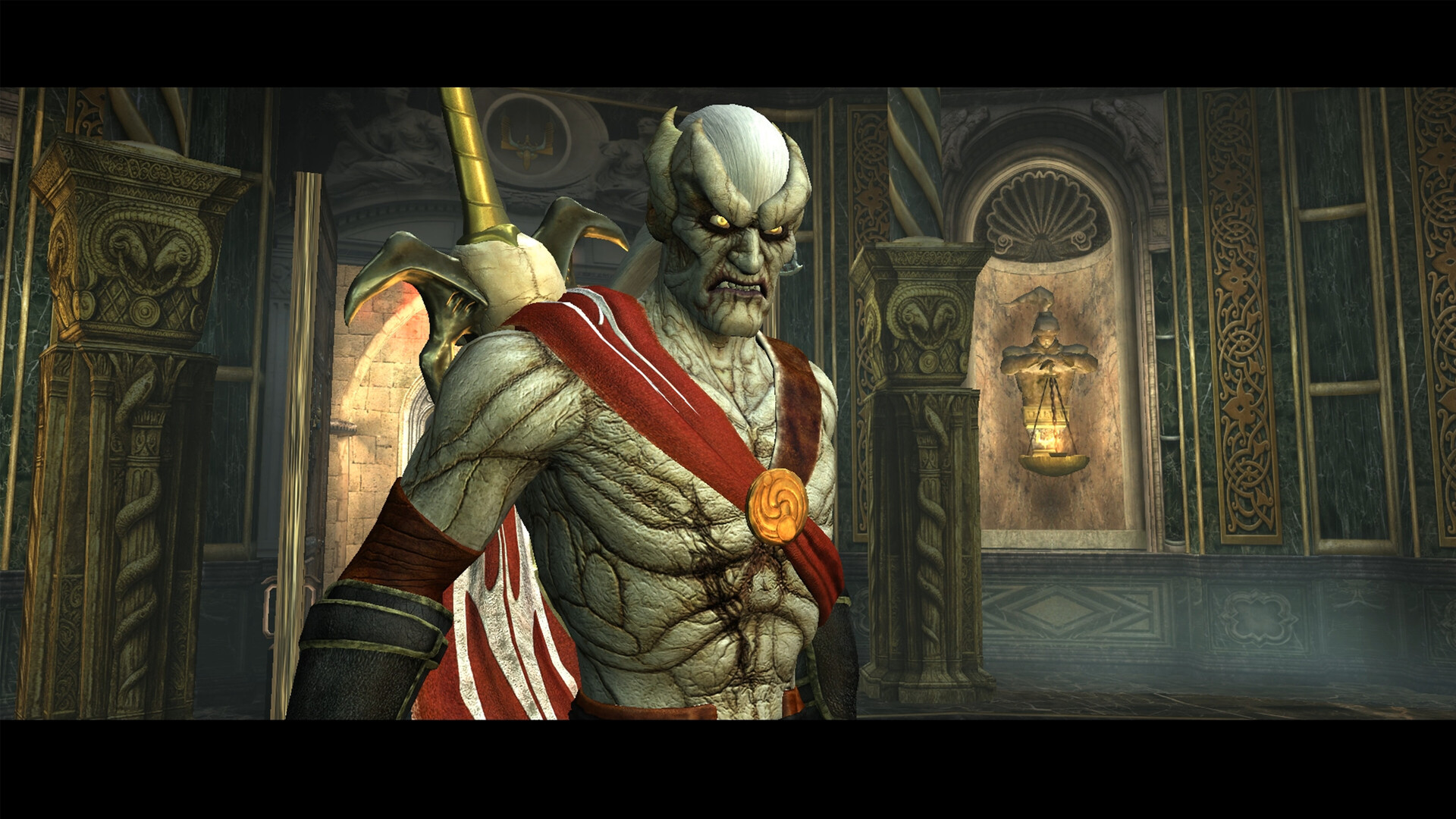
In terms of enemies, the variety isn't extraordinary, but this is easily understandable given the technical limitations of the consoles for which the title was created, PlayStation 2 and Xbox. The same goes for level design, which boils down to arenas with puzzles and long corridors connecting them. Unfortunately, this is where the game's 23-year age is most keenly felt, and the upscale doesn't help at all. The old textures had a dual role: an aesthetic one and a guiding one, using colours and light sources to constantly indicate to the player where to go to advance. The stylistic choices of the new textures remind me of the situation in Warcraft I & II Remastered, where certain decisions completely change the original intention and function of the graphical element, which is why, not infrequently, I preferred to play with the original textures. We have the option to switch between the two by pressing a simple button, and my advice for an authentic experience is to use the old textures with one of the protagonists' new skins, as these look incredible.
The big draw of Defiance Remastered will, of course, be the opportunity to experience The Dark Prophecy demo. This project was meant to be the continuation of the saga, but for economic reasons, it never went beyond the conceptual phase. The demo in question presents a small proof-of-concept for the next chapter of Kain's adventure. Although it's called a demo, I suggest you don't think of it like the ones that used to come bundled with LEVEL magazine, but rather as a simple concept demonstration, being so short that you'll finish it in ten minutes or less. Unfortunately, this unique experience comes exclusively with the Deluxe edition of the game, and I personally don't think it's worth paying 30 euros (or 8 euros for an upgrade) just to see this demo lost in the mists of time.
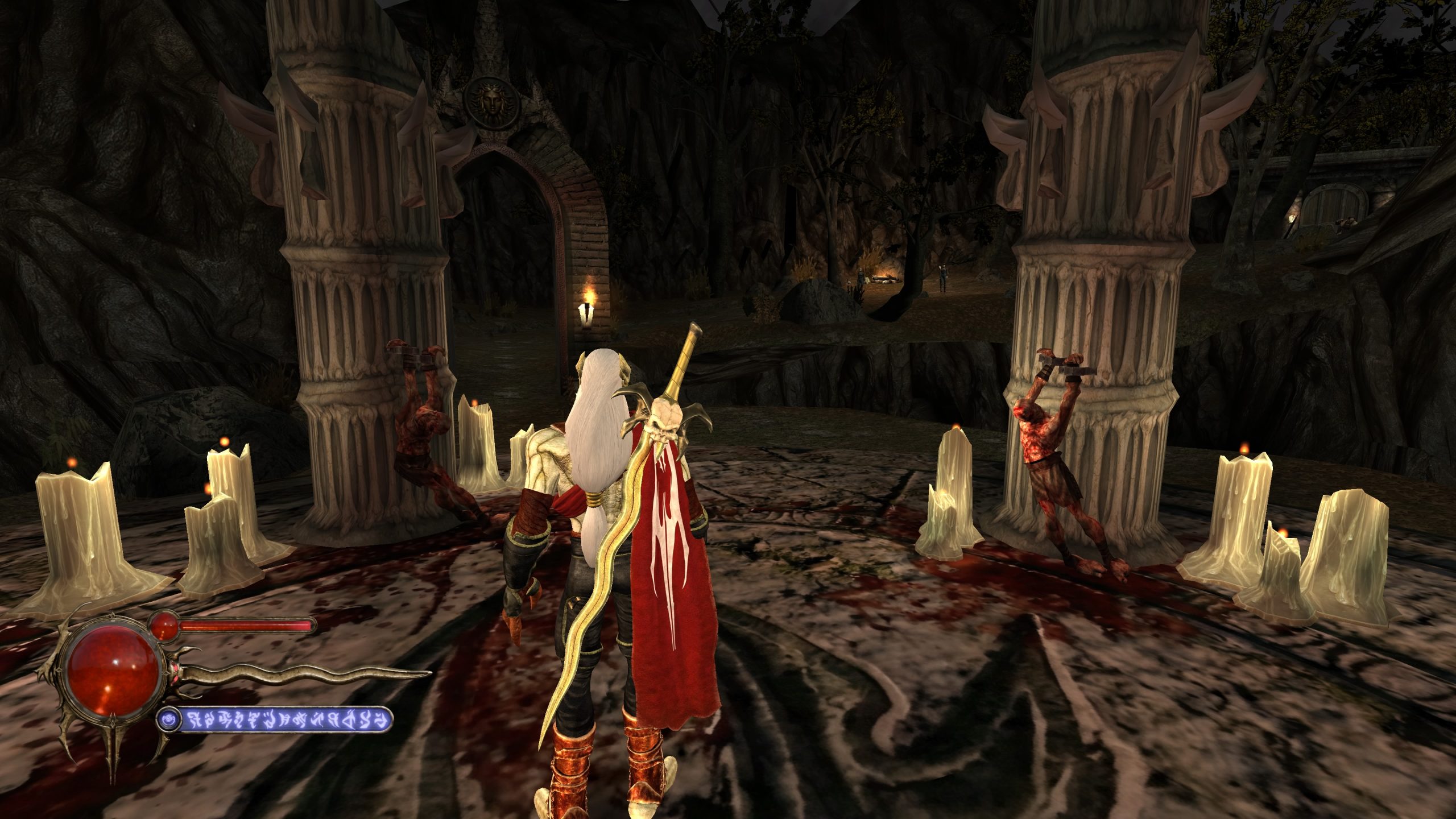
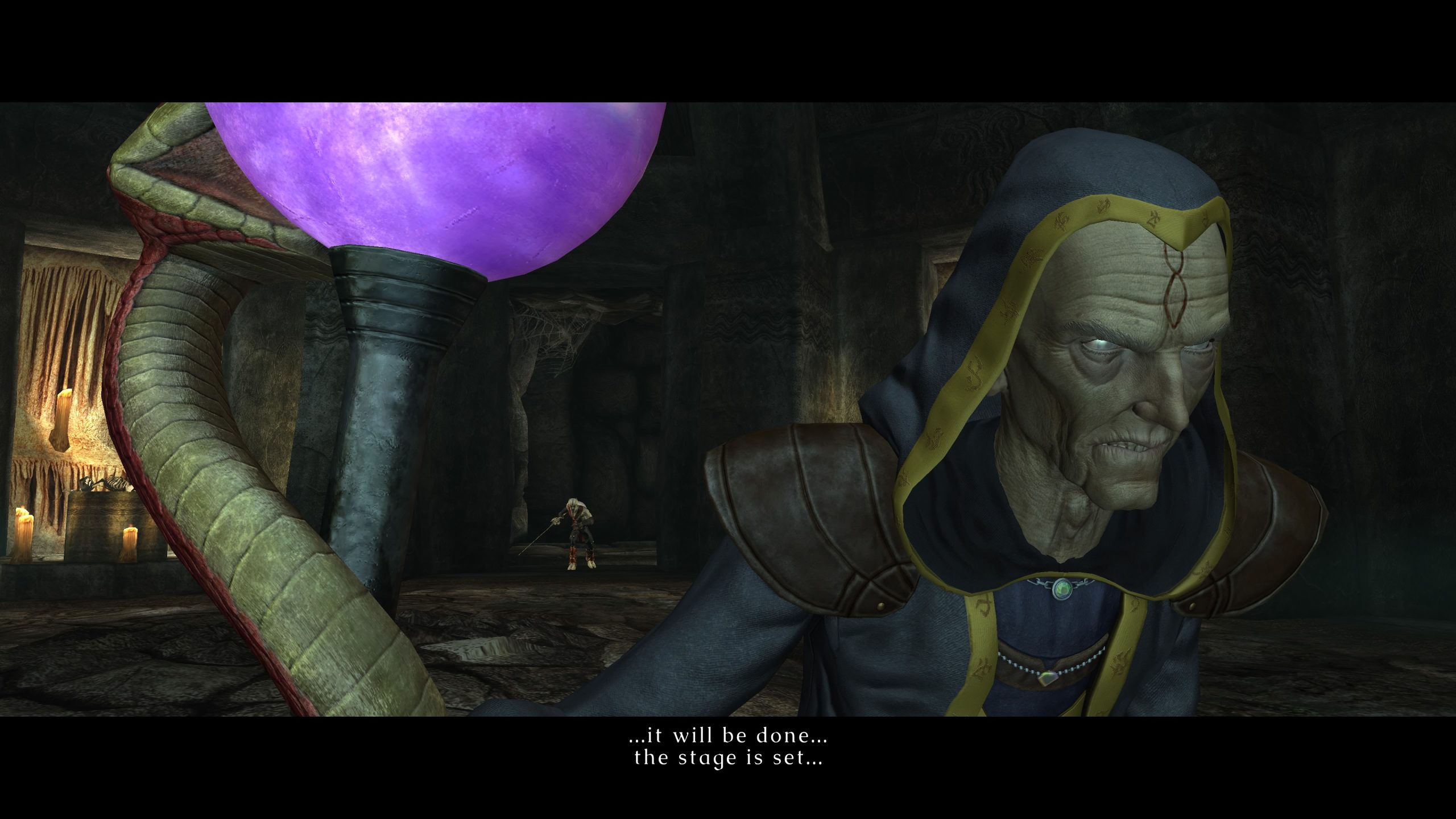
Is it worth it, after all? Yes and no. Legacy of Kain: Defiance remains a quintessential title for any gamer, and this remaster allows players to experience one of the best stories in the industry on modern consoles and PCs. However, the outdated combat system drags the game down, as do the new textures which seem to have lost the intention and essence of the originals.
Thanks to Sandbox Strategies for the review code and the opportunity to play Legacy of Kain: Defiance Remastered.

Available on: PlayStation 5, PlayStation 4, Xbox Series X/S, Xbox One, Nintendo Switch, Nintendo Switch 2, PC
Played on: PlayStation 5
Release date: 3 March 2026
Developer: Crystal Dynamics, PlayEveryWare
Publisher: Crystal Dynamics
Plus
- Extraordinary story
- Extra content
- The Dark Prophecy demo (concept)
Minus
- Simple combat system
- Simplistic long corridor design
- Uninspired modern textures
0 votes
Scroll down here and stay on the page for at least 30 seconds to vote.
Pick a score from 0 to 10 (halves are allowed).