
Metroid Prime 4: Beyond – Review

Reinventing the wheel?
I doubt there's a single player out there who hasn't heard of the Metroid franchise or its famous protagonist, Samus Aran. The original game, released in 1986, completely changed the industry and, alongside Castlevania, laid the foundations of the Metroidvania genre, later inspiring legendary titles such as Hollow Knight, Dead Cells and Prince of Persia: The Lost Crown. On top of that colossal achievement, Metroid was also one of the first games with a female protagonist, even if the '70s and '80s had already given us memorable heroines such as Sarah Connor (Terminator), Ripley (Alien) and Leia Organa (Star Wars).
The Prime series is slightly different from the franchise's classic games, ditching the 2D perspective in favour of a first-person one, and its newest instalment was announced back in 2017 at E3. Although the announcement was initially met with plenty of enthusiasm, it left a bitter taste for many fans, as Retro Studios, the developer of the Prime trilogy, was not involved in the project. After almost two years of silence and vague statements from the big N, a real “miracle” (or perhaps a sign of the industry's apocalypse) took place: Nintendo admitted that the game had been announced too early and didn't meet its quality standards, which is why development was restarted from scratch and moved from Bandai Namco Studios back to Retro Studios.
In total, eight years passed between the initial announcement and the release of the fourth Prime adventure for the famous Samus Aran, a period in which the game went through numerous changes of direction and artistic vision. The end result is a title that seems to be going through a veritable identity crisis, trying to be a classic Metroid Prime and something different at the same time, by tweaking the established formula and introducing modern elements such as an open-world-style hub area. Unfortunately, this compromise doesn't fully work: the game risks disappointing hardcore fans of the series while leaving new players, who expect something else from contemporary games, indifferent. As you've come to expect, we'll start with the story.
Destiny has chosen you… again!
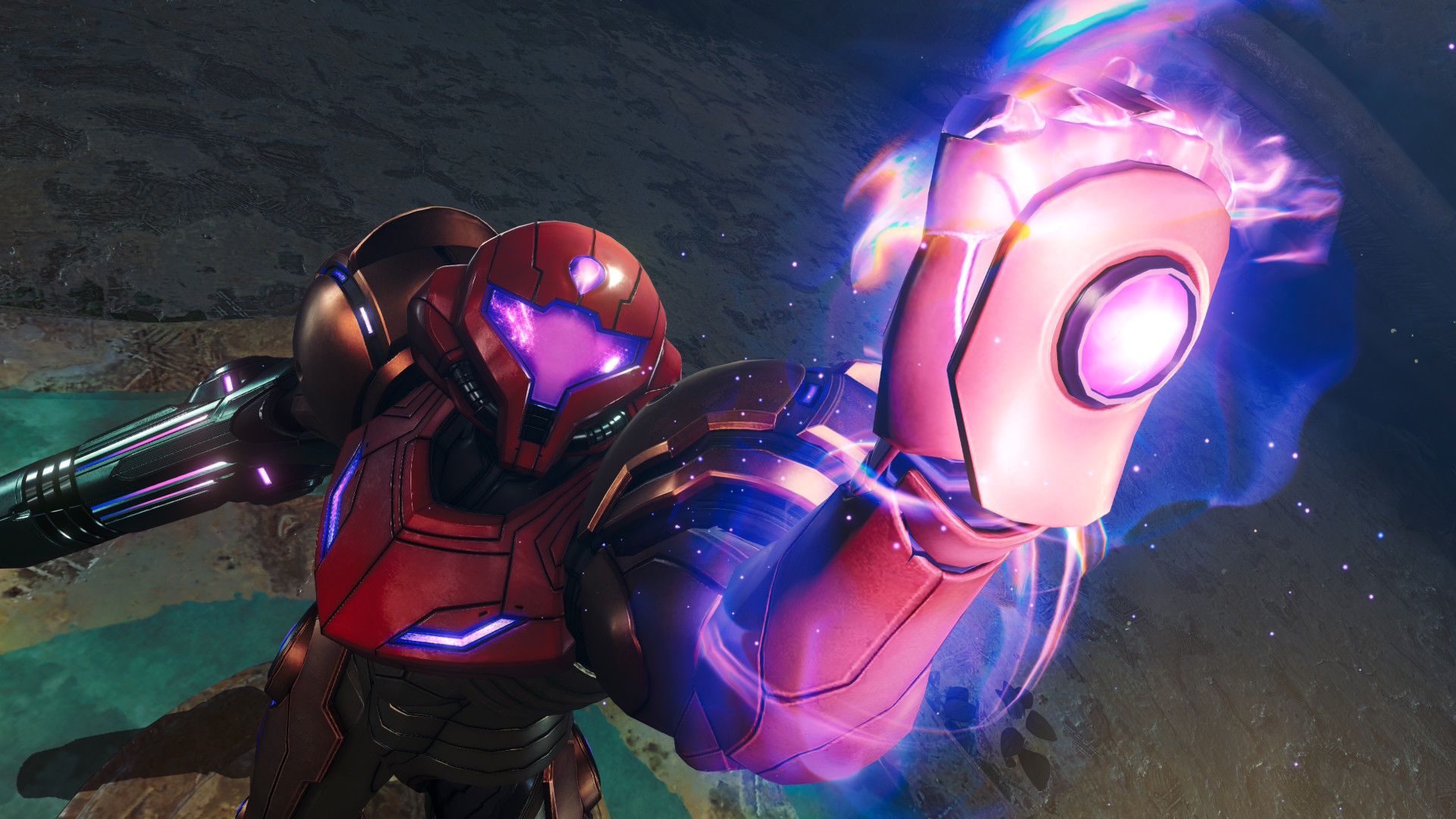
Stop me if you've heard this one before: Samus Aran is the hero destined to save a race of hyper-advanced aliens from a cosmic disaster that threatens their very existence. If that sounds familiar, it's because this is the fourth time the protagonist has been cast in the role. The recipe is well known to fans of the series and doesn't try to stray too far from the mould. Still, before we jump to conclusions, let's return to the present and untangle the narrative thread of the new adventure. Samus is called to a distant corner of the cosmos to help the Galactic Federation repel an attack by space pirates. During the confrontation, our heroine manages to wipe out the enemy forces, including an alien pirate fused with a Metroid. “Technically”, though, Samus loses the fight when an artefact of a hyper-advanced civilisation is accidentally activated during the skirmish. It teleports her to a distant planet in a forgotten corner of the galaxy, where she discovers, through recordings hundreds of years old, that her arrival was prophesied and that she is the chosen one destined to save the legacy of the mysterious Lamorni.
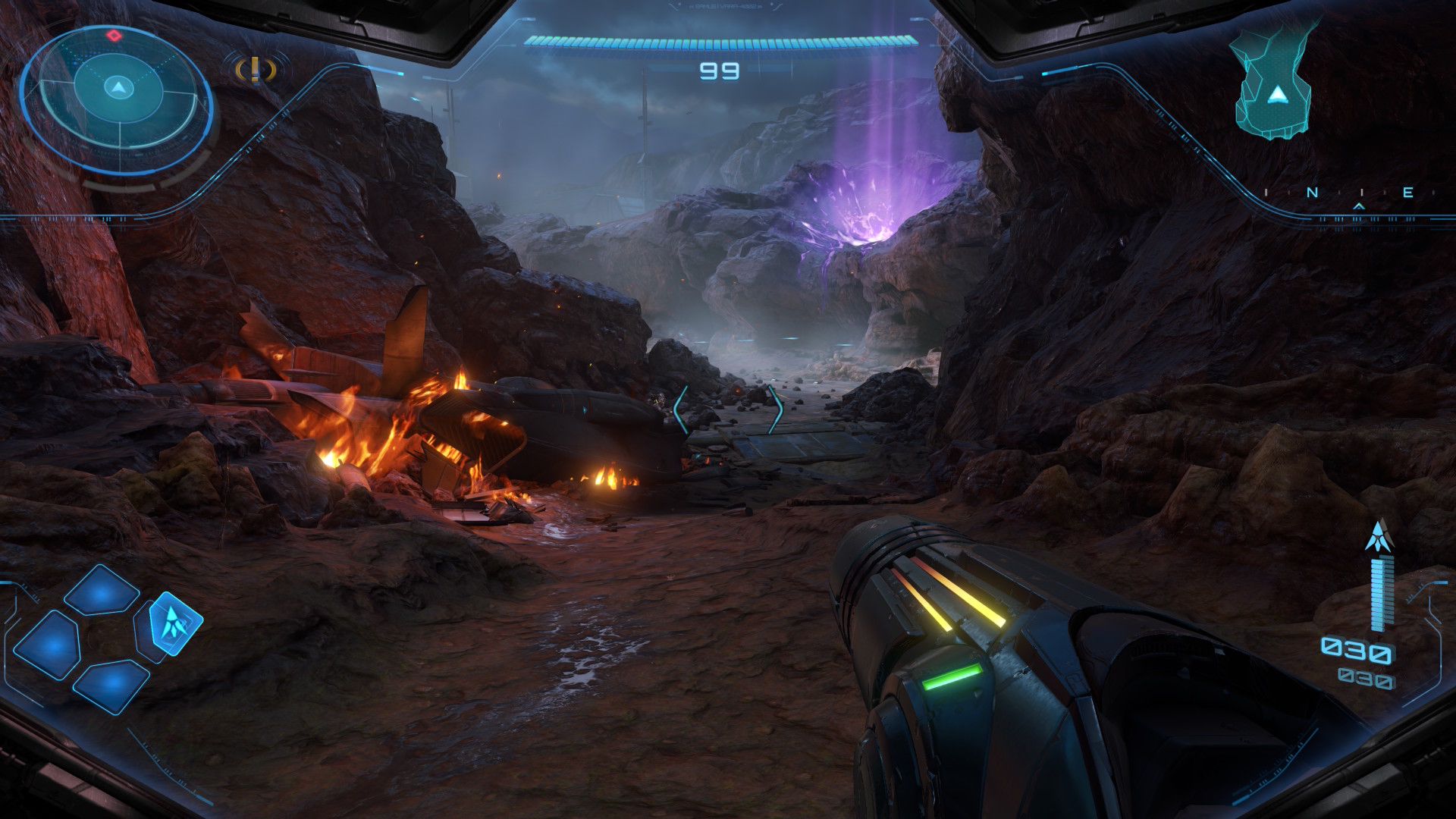
Shipwrecked on the planet Viewros, Samus finds that she has lost almost all the abilities she acquired in previous games. While exploring the tower she was teleported to, however, she discovers a psychic crystal that lets her gain the Lamorni's powers and understand their lost language. To leave the planet, she learns that she must find five keys needed to activate a portal at the top of the tower, thus setting off on yet another hunt for… macguffins.
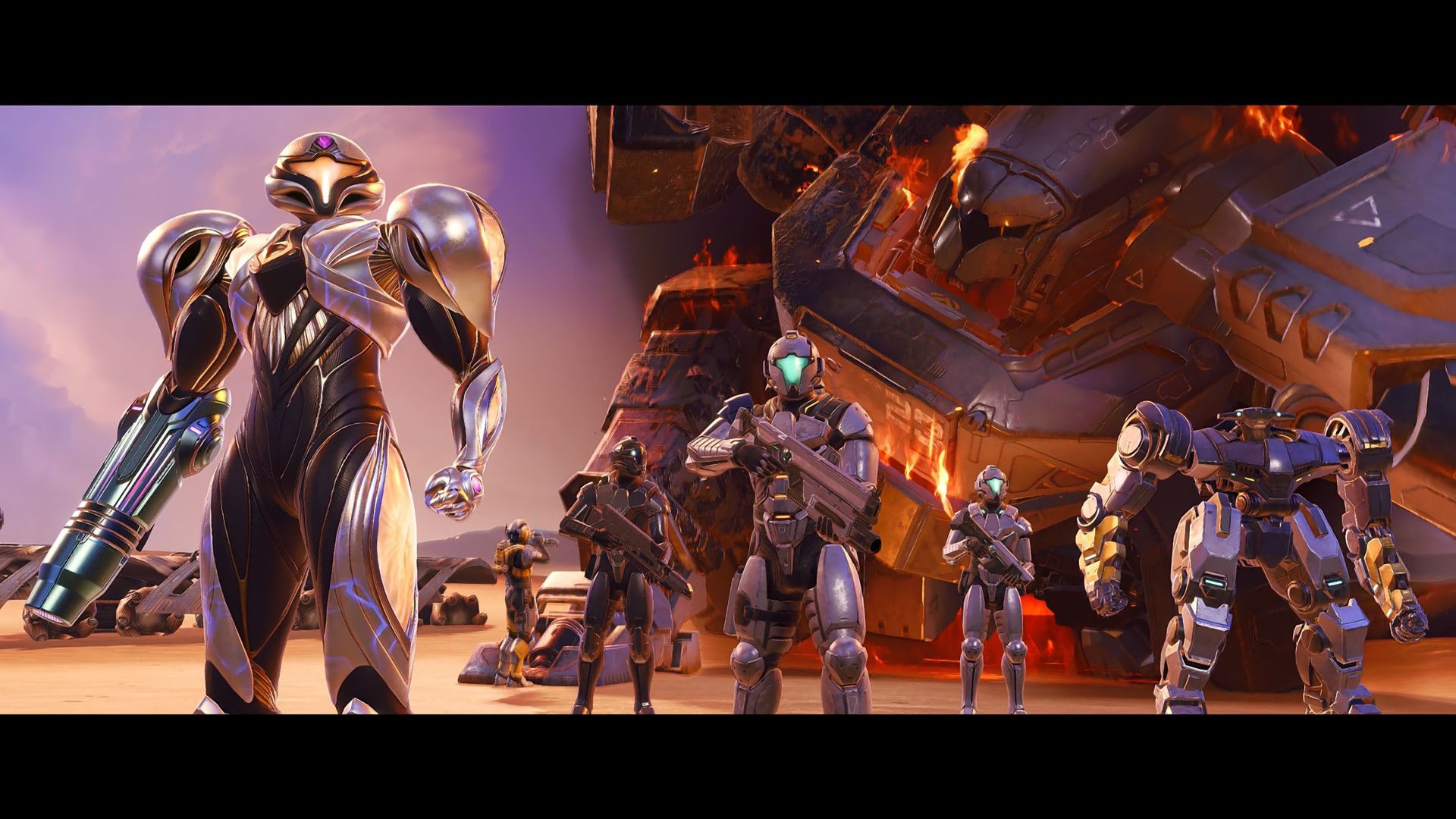
Unlike the other games in the series, this time Samus is not alone on her adventure: she is accompanied by several Galactic Federation soldiers who, unfortunately for them, were caught in the artefact's field of effect when it activated. The most vocal and present of these sidekicks is Myles MacKenzie, an engineer with two essential jobs: helping us unlock new Power Suit functions and giving us pointers about the current objective. Fortunately, MacKenzie doesn't have the annoying habit of handing us the solutions to puzzles before we've had a chance to solve them ourselves, nor does he constantly butt in to dictate our next steps, the way Atreus did in God of War: Ragnarök. Even so, the mere presence of characters meant to “keep Samus company” betrays a certain identity crisis in the newest title of the Metroid Prime franchise.
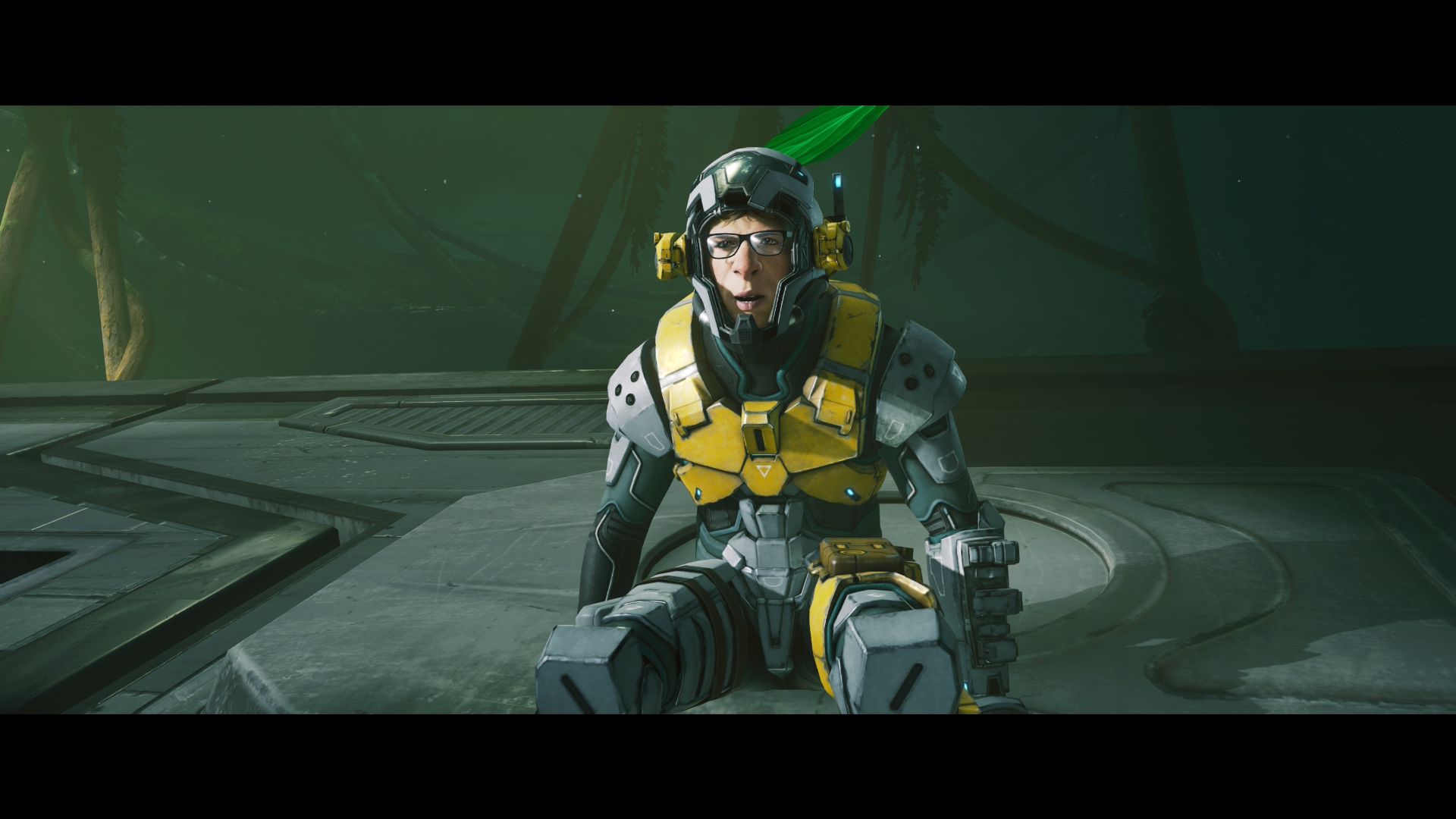
The story is undoubtedly an attempt to modernise the series, and the presence of these sidekicks suggests Retro Studios and Nintendo want to make the franchise more accessible to a modern audience. Unfortunately, the way this direction has been implemented, at least narratively, leaves a lot to be desired. The template chosen to refresh the series seems largely lifted from the Marvel movie playbook, and the new characters slot into extremely familiar archetypes from the cinematic universe of those famous comic books. The engineer is the comic relief, there to defuse the tension of certain situations; the sniper is the stoic figure who dispenses essential advice; and the soldier and the sergeant work as a “buddy cop” duo with diametrically opposed personalities. All of them are built on obvious clichés, and their interactions with the protagonist don't have the desired effect, because Samus doesn't have a single line of dialogue in the entire game.
Although Nintendo stressed in its marketing materials that you don't need to have played the previous titles to enjoy Metroid Prime 4: Beyond, that claim isn't entirely accurate. It is true that the adventure is a standalone one, set in a completely new world and centred on an ancient civilisation never before seen in the franchise. However, to fully appreciate the story and better understand the events on show, you'll want some basic knowledge of the Metroid universe, especially the space pirates and their leader (who, between us, was a minor antagonist in the previous games).
A trifle, we've riddled them!
You're probably thinking that if the story didn't impress me, Retro Studios' gameplay must have blown me away. The answer is: yes and no. The game suffers from the same identity crisis I mentioned earlier, and it shows not only in the narrative but in how the gameplay was designed. In an attempt to win over new fans and a younger audience, the developer and publisher have bolted on mechanics popular with modern players, such as an “open world” that, in reality, works more like an oversized hub.
I mentioned in the previous section that MacKenzie has a habit of giving us directions, which generally isn't a problem. Towards the end of the game, though, it becomes grating, because by then the player knows perfectly well what to do and where to go. The mechanic is useful early on, when the map is still shrouded in “fog of war” and Samus has to poke into every nook and cranny to uncover the wonders of the planet Viewros. Once an area has been fully explored, however, the system loses its value and ends up interrupting the game's rhythm rather than supporting it.
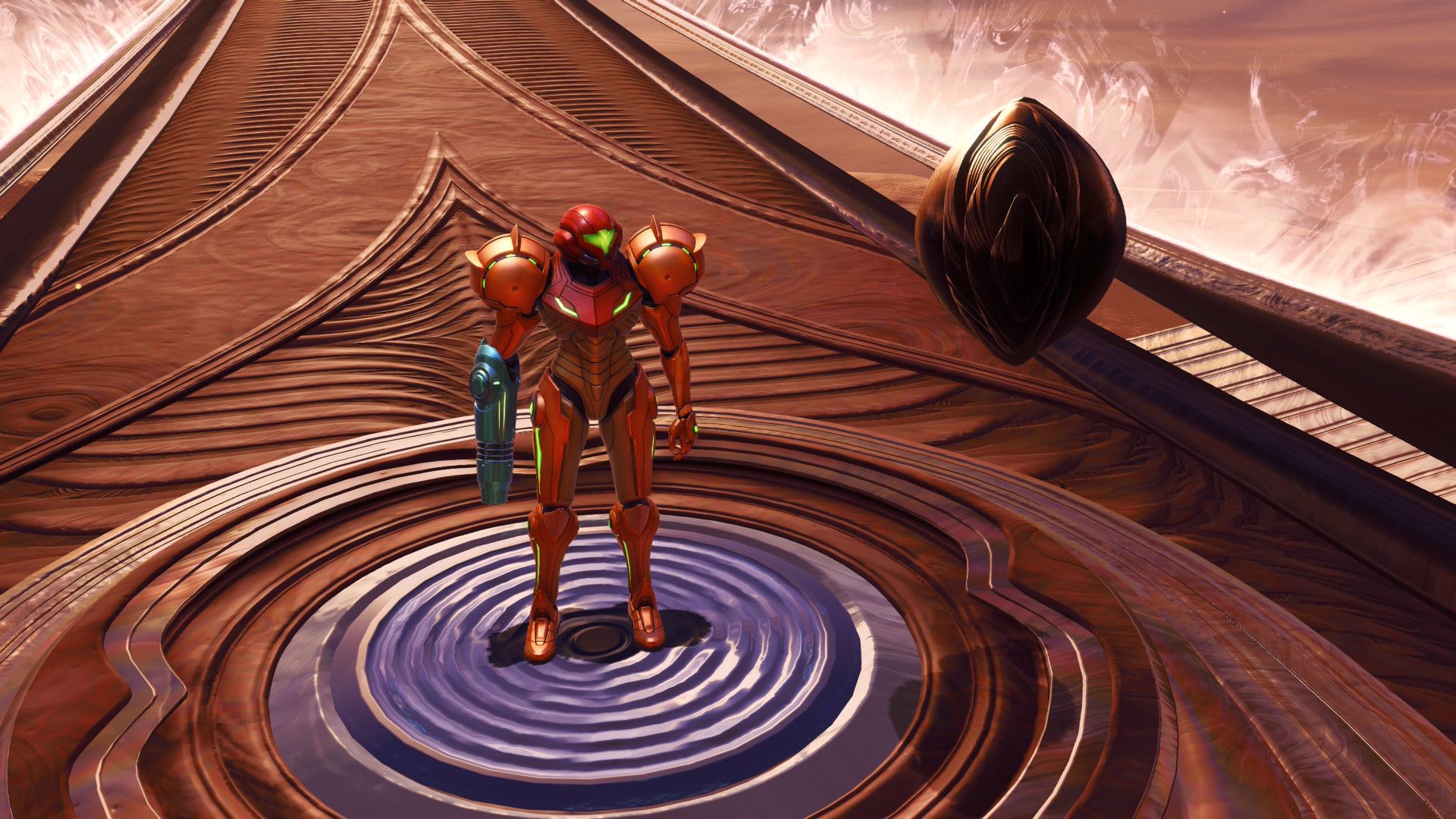
I'd love to tell you the hub of this planet is worth a visit, but that would be an outright lie. The area is vast, but empty. There aren't many interesting objectives to explore, and the desert's sand dunes are no more inviting than the wilderness of GreedFall. It doesn't help that, across the entire desert, we only get a handful of secondary temples, which work more like mini-challenges that hand out minor upgrades for the Arm Cannon. Overall, the whole hub feels designed to force you onto the series' new addition, the Vi-O-La motorcycle, rather than to reward genuine exploration.
This psionic motorcycle is an artefact of bygone ages and the Lamorn's main means of transport. Design and backstory aside, it doesn't offer much in terms of gameplay. The controls are clunky and it has just one attack, with a lock-on system and a fairly long cooldown. To make crossing the desert a little more interesting, the developers scattered crystals around the area, which must be smashed to collect so-called “green energy”. It's a sign that Retro Studios wants to keep us busy while we travel, but what starts out as an optional side objective becomes, towards the end, a frustrating necessity. The crystals are essential for unlocking certain upgrades and for reaching the final area of the game, which wouldn't be a problem in itself if the developers hadn't spaced them so annoyingly close together that you can never break a whole cluster with a single bike impact, or locked a trivial feature, like listening to music while you ride, behind a physical paywall. Yes, a simple radio can only be unlocked by buying the dedicated motorcycle amiibo, which is why I'd rather end this discussion here… Okay, that's not entirely fair: the radio also unlocks after your first playthrough, but I can't explain why they didn't give us this trivial feature from the start.
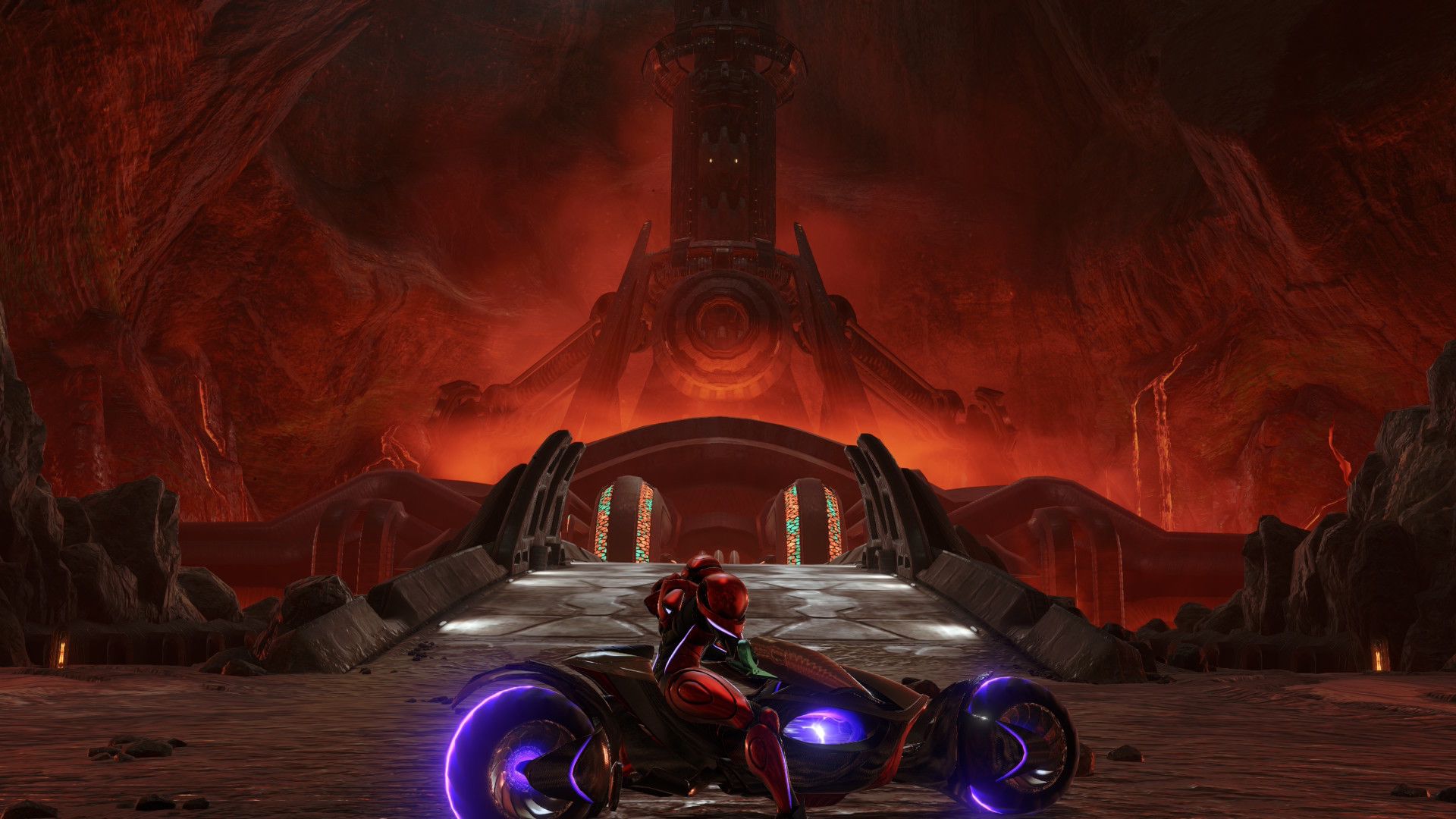
I know I've been quite harsh on the two big new additions in Prime 4: Beyond, but it isn't all as bleak as it might sound. The hub is merely a transit point, and the game's real attractions are the main levels, set in the four corners of the map. Each one is well built, with branching routes, clever shortcuts and hidden areas that demand attention, curiosity and abilities you'll only unlock later in the adventure.
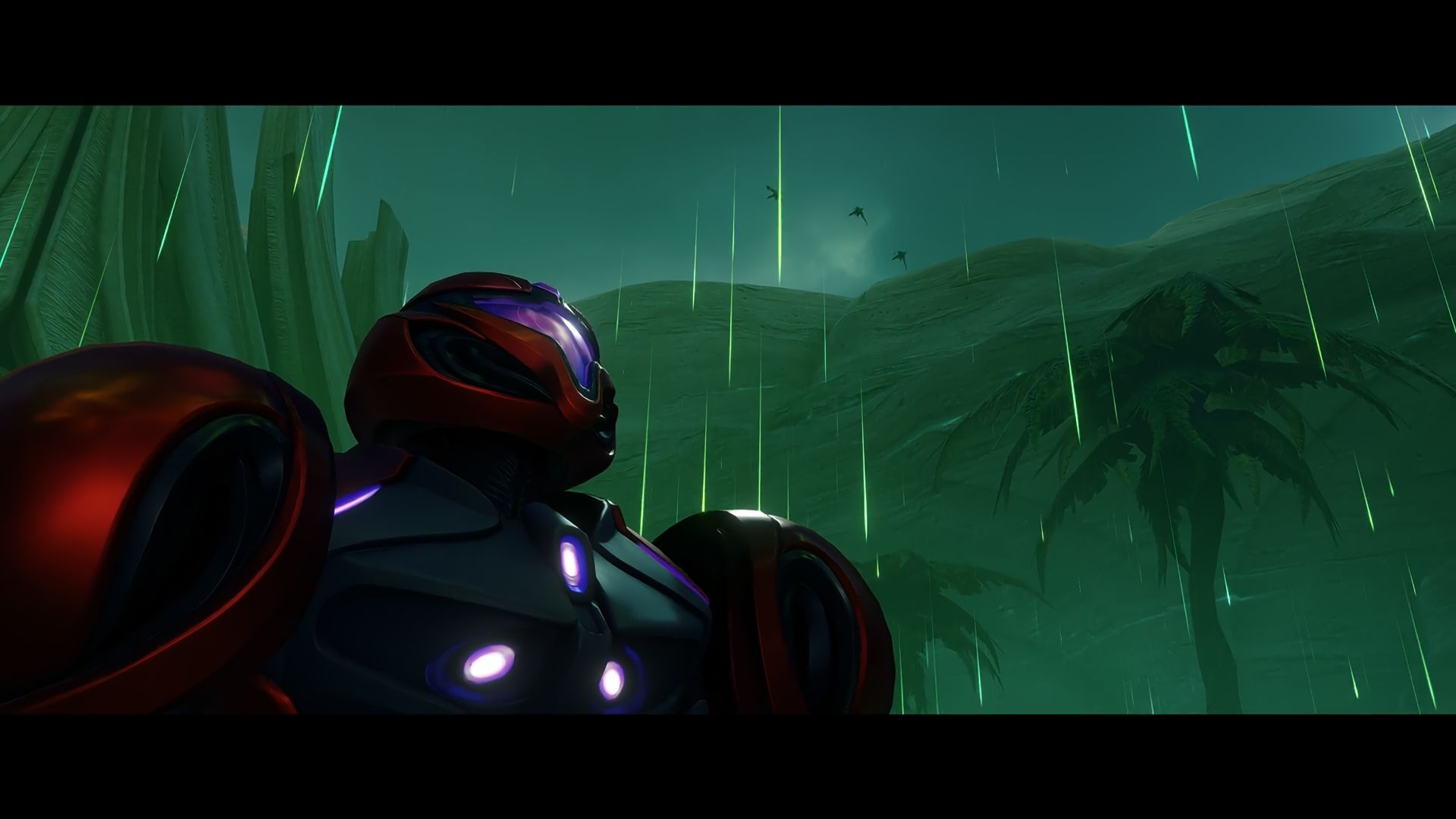
The first major area we explore, Fury Green, is a true aesthetic and technical masterpiece, and I was pleasantly surprised to find that a level this complex and easy on the eye can run on the relatively small screen of a console launched six months ago. In terms of structure and what the series leads you to expect, the areas follow the classic Metroid Prime template:
• Jungle – Fury Green
• Industrial zone – Volt Forge
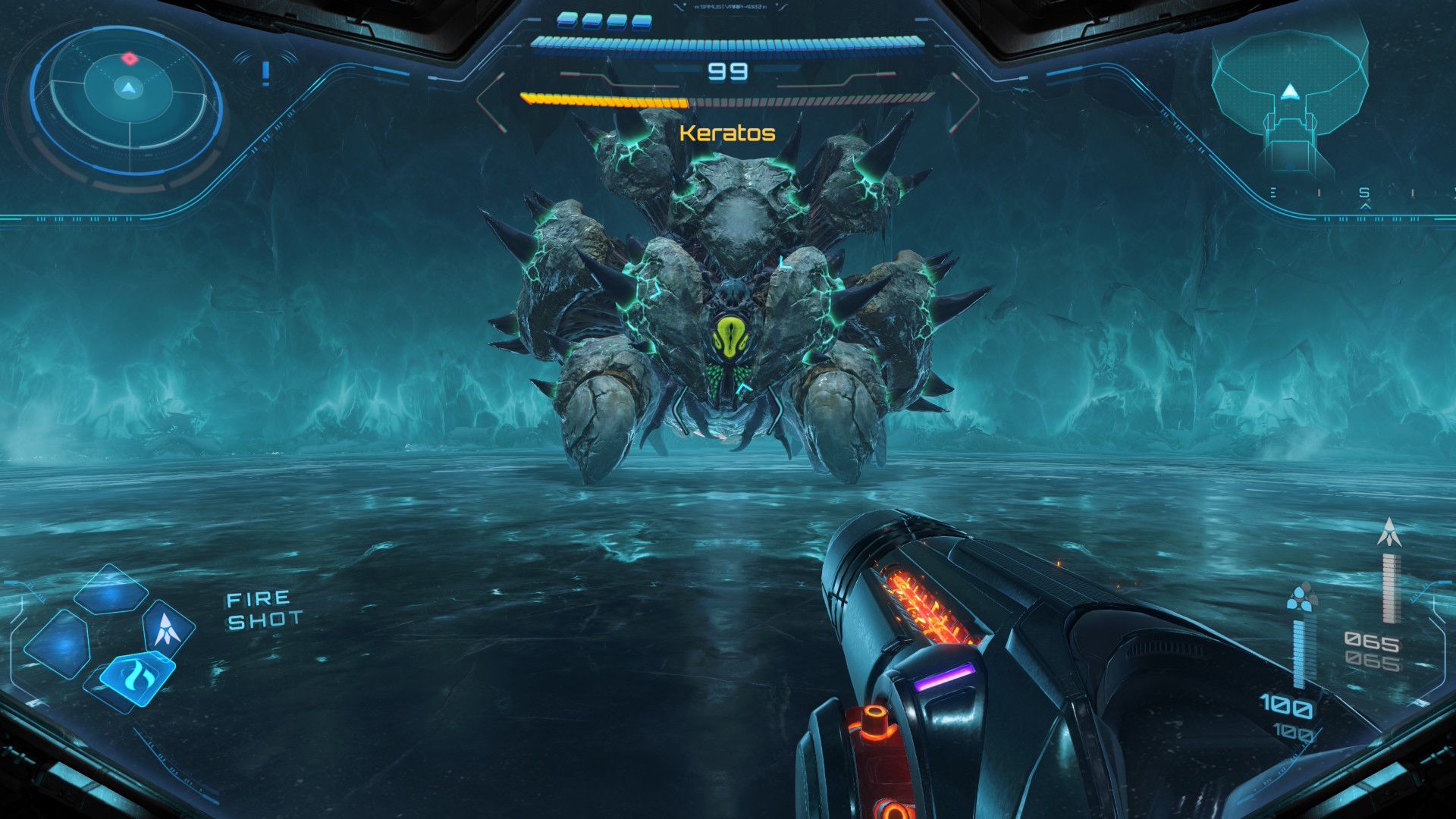
• Frozen tundra – Ice Belt
• Dark depths – Great Mines
• Volcano – Flare Pool
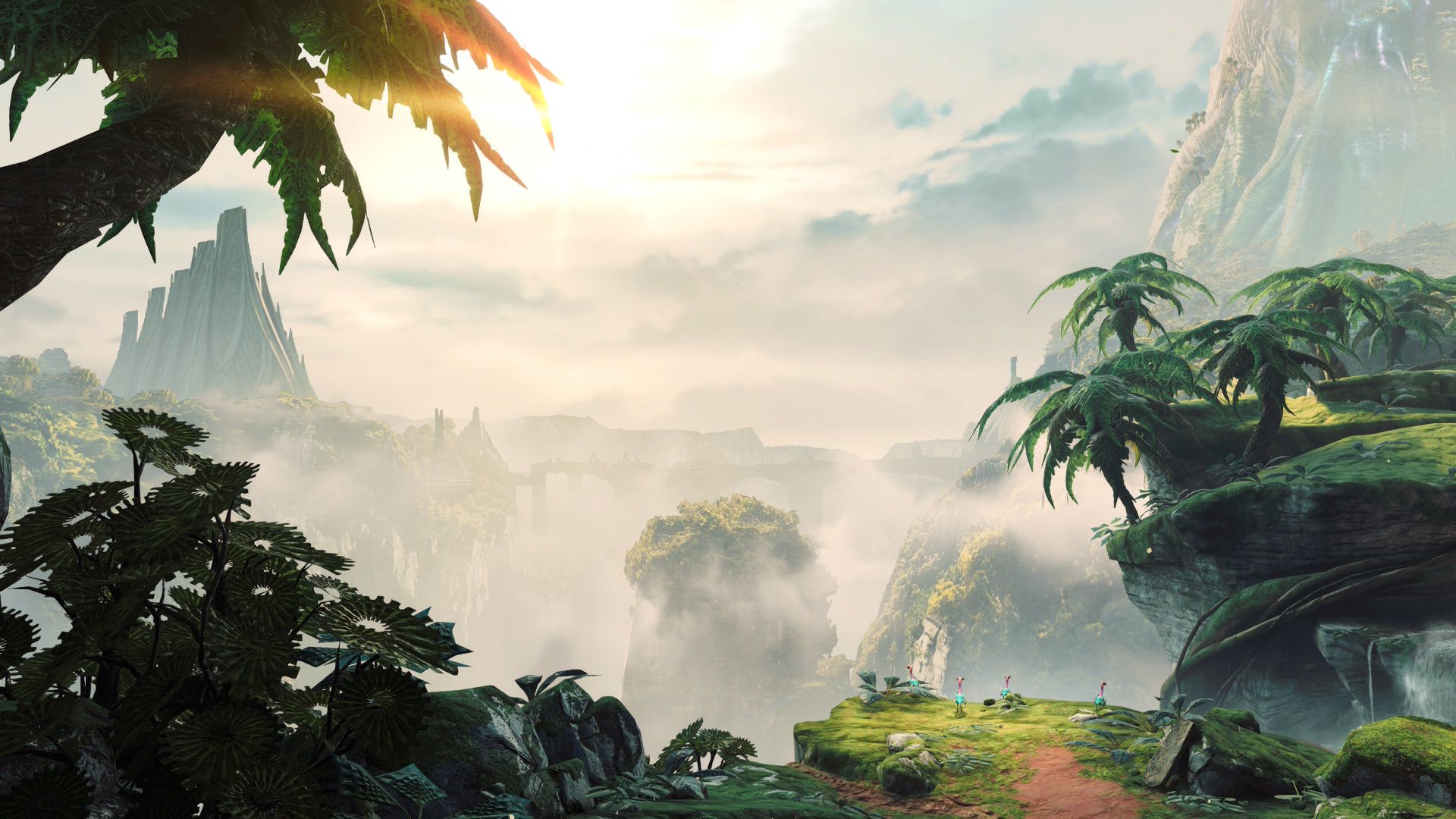
Sound familiar? Yes. Does it matter if you've visited places like these before? As long as the gameplay is fun, no. And here Retro Studios shows off its talent once more, because the Prime formula is applied with real mastery. The shooting is easy to understand but hard to master: the game encourages you to use the series' signature lock-on system, yet constantly challenges you to experiment with free aim to cope with the varied situations that crop up during fights.
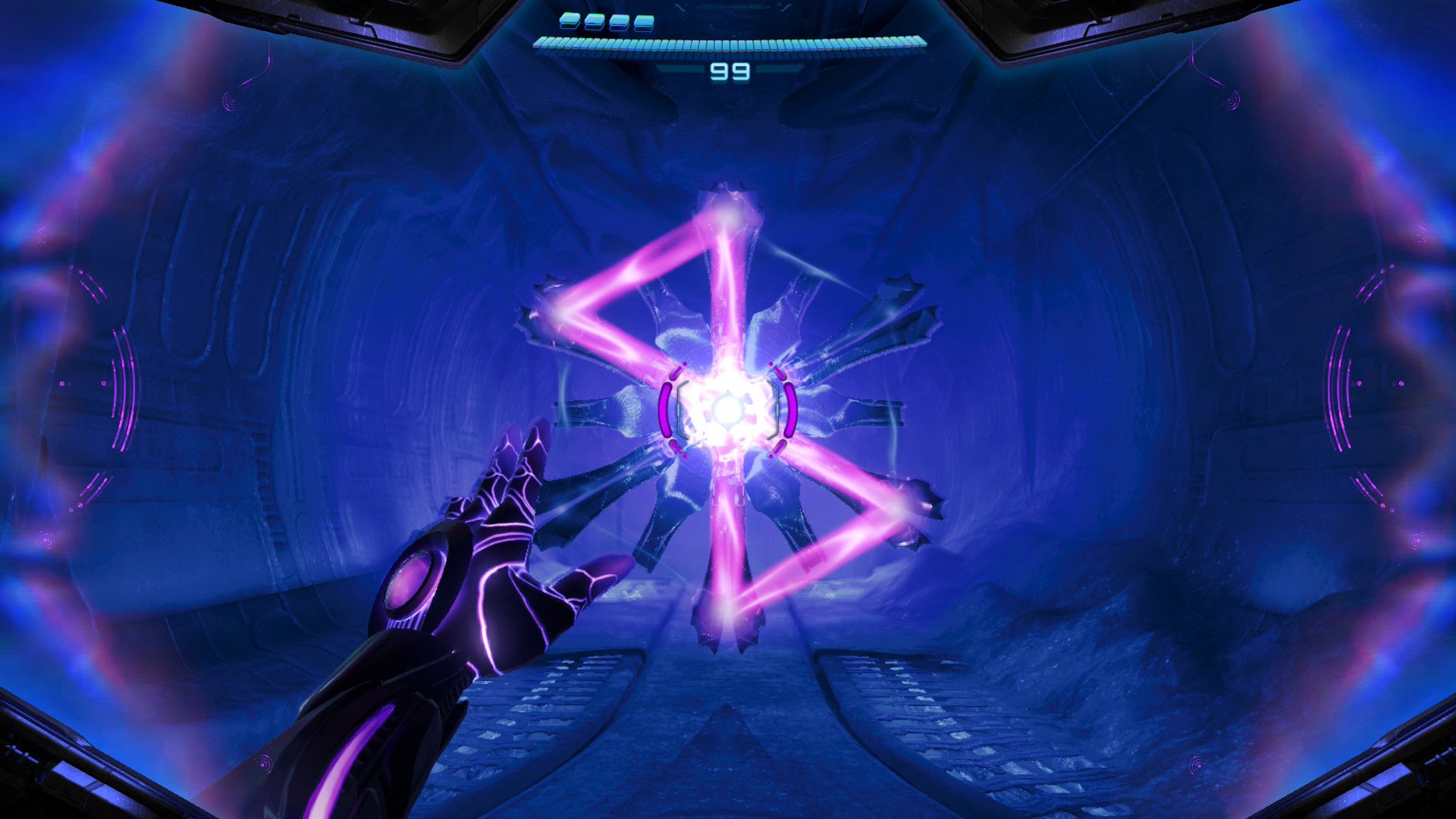
As in the other games in the series, Samus relies on her Arm Cannon, which can fire energy beams, missiles or special abilities, depending on the upgrades you've unlocked. Your maximum ammo capacity can be extended by collecting special resources hidden in every level, and the big surprise in Beyond is the psionic abilities, such as the power to steer the beam. As a result, many boss fights become proper puzzles, in which you have to work out the right solution and ability to take the enemy down. One example comes right at the start of the game, in the Fury Green jungle, where we face a carnivorous plant fused with a Metroid. After you hit it with missiles, the creature becomes invulnerable, and that can only be cancelled by quickly destroying three weak points. The solution? Use the beam-control ability and guide it to each vulnerable spot.
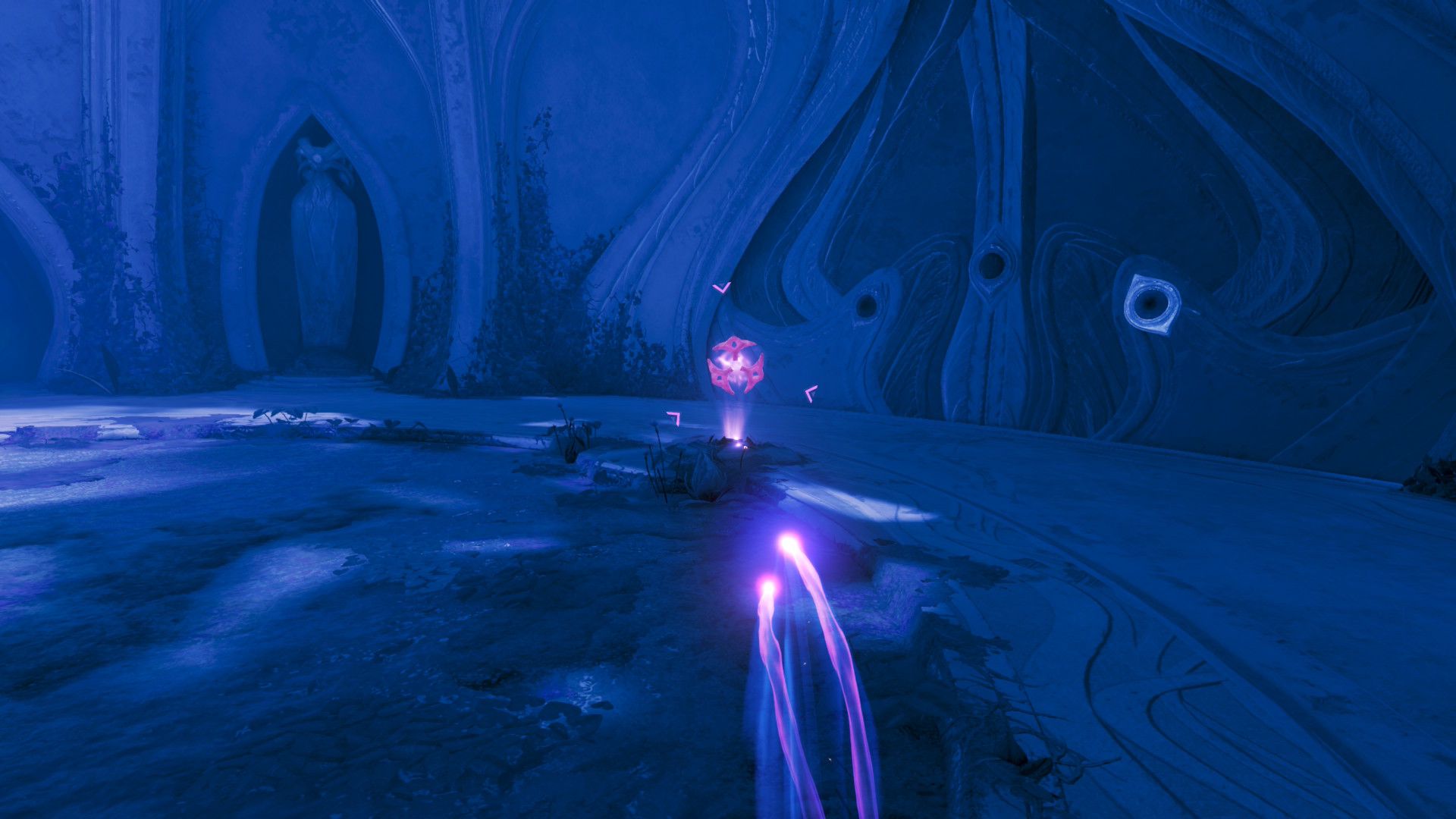
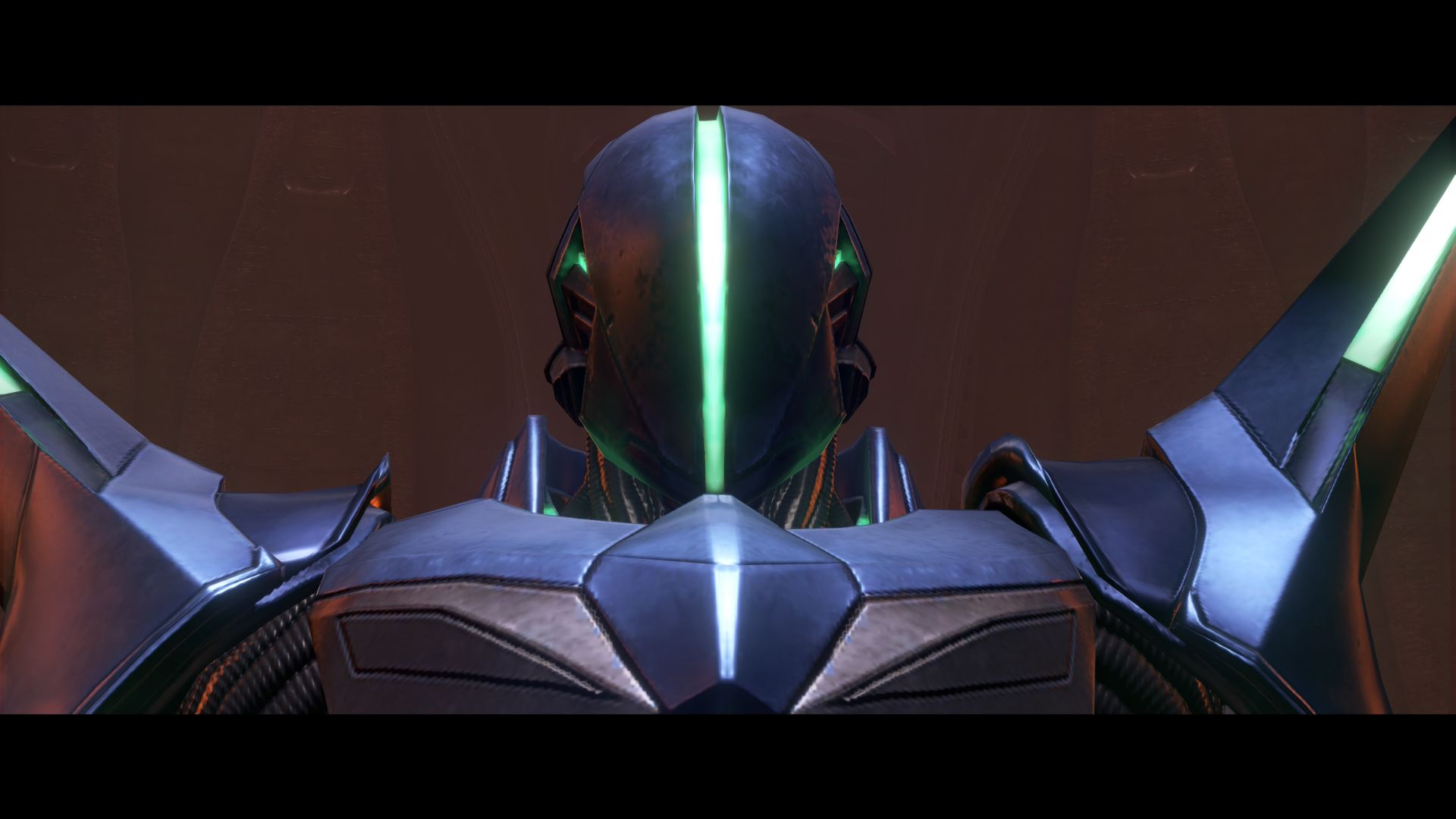
Most of the fights are fun and well thought out, with one notable exception: the final confrontation. It's a proper test of your knowledge, demanding every ability you've picked up over the course of the adventure and split into three distinct phases. Unfortunately, while the battle is mechanically complex and demanding, visually it leaves a lot to be desired. The final enemy looks surprisingly bland, which blunts the impact of a showdown that should have been memorable, especially given its narrative importance.
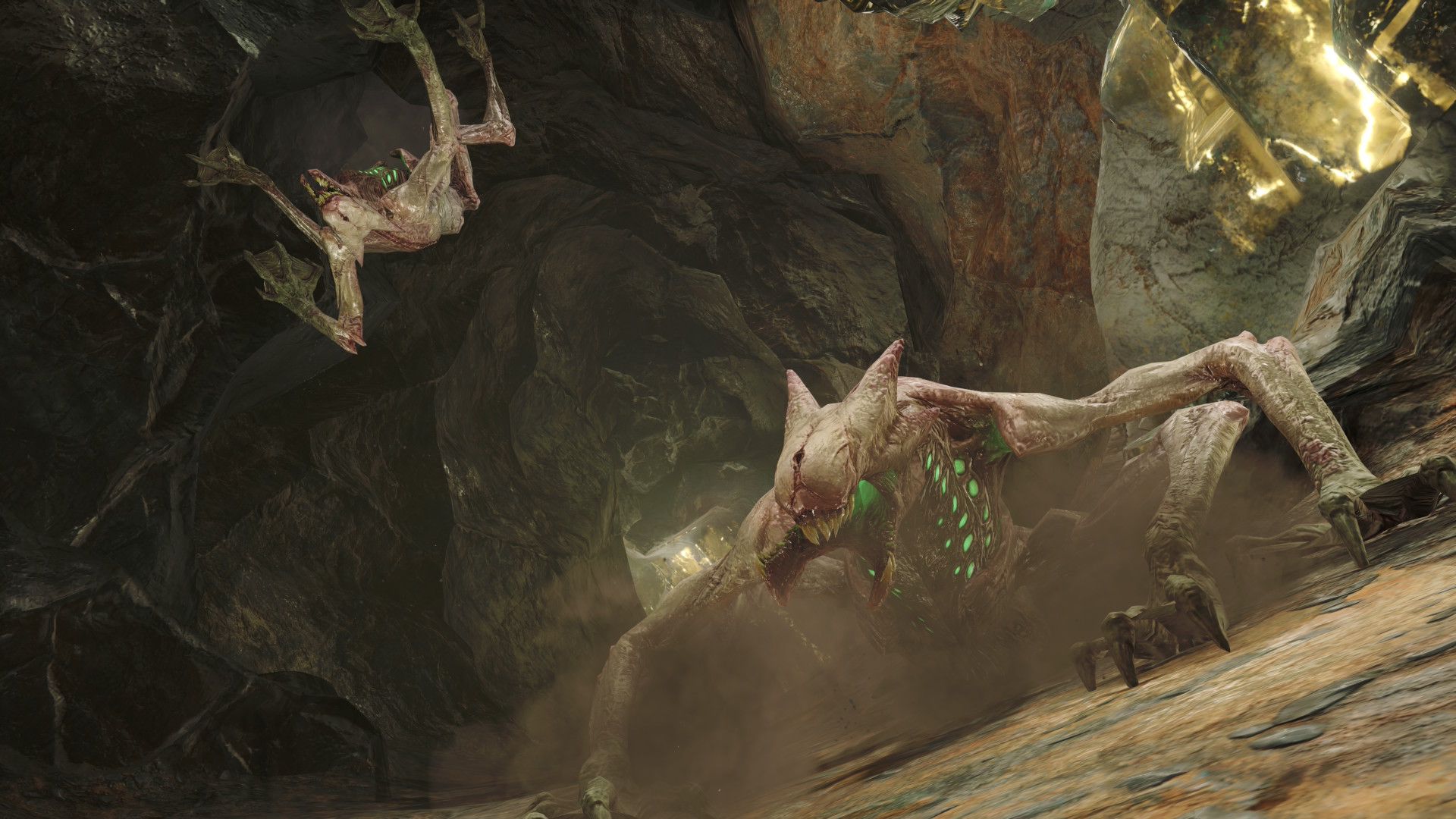
Since we're on the subject of enemy design, I have to admit this is where the game let me down. Retro Studios is full of enormously talented artists, which makes it all the more frustrating that the mysterious aliens look like bipedal axolotls, and a good share of the opponents are either variations on Goro's “special needs cousin” from Mortal Kombat or robots that look like rejected Cybermen concepts from Doctor Who. This lack of visual imagination sits awkwardly against the rich aesthetic identity the Metroid series has built up over the years.
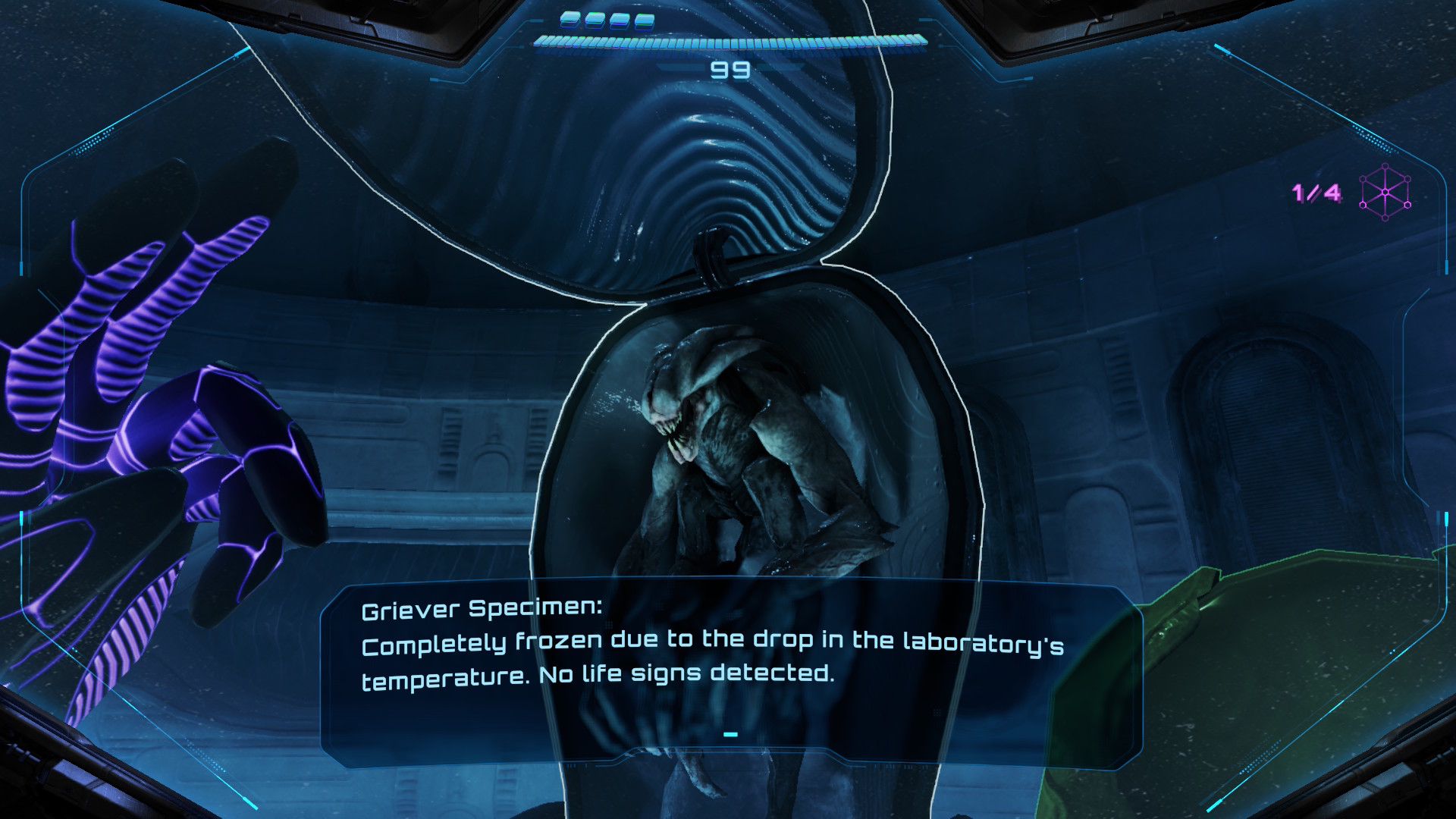
Before I wrap up the gameplay section, I have to address the “mother brain” in the room: the game's “true” ending. As you'd expect, unlocking it means completing every available activity, and the most gruelling of them is scanning every object. The suit's analysis mode works like the “detective vision” mechanic in the Arkham series: you focus on an object for a few seconds to get a full description. To see the so-called true ending, you'll be using it ad nauseam. The big problem is that the developers either didn't foresee, or deliberately chose, to make certain scans extremely easy to miss: some enemies appear in just one sequence in the whole game, and certain bosses need every phase of the fight scanned. As a result, most players won't see the full ending on their first playthrough, and are almost guaranteed to miss at least one essential item.
Wait, is this really on Switch?
Of everything I've written so far, what surprised me most is that Metroid Prime 4: Beyond runs on the Nintendo Switch 2. Yes, plenty of people have dismissed the new console as “the best Switch emulator” and the nicest place to play titles from the company's first modern handheld, but this game makes it clear the hardware has far more to give. The Switch 2 flexes its muscles without holding back, and the result is impressive. I mainly tested the game docked, where I got 4K at 60 fps, and in handheld mode the differences are minimal despite the drop to 1080p. For those after a bit of extra thrill, the console also offers a 120 fps Performance mode, which runs at 1080p when docked and makes the whole experience wonderfully fluid.
I've already aired my grievances about the motorbike's “radio”, but I have to admit the music itself is excellent. Kenji Yamamoto and Minako Hamano have done a remarkable job, and the soundtrack suits the atmosphere of each area perfectly. What's more, despite my criticisms of the supporting characters, the actors playing Samus's sidekicks do a very good job, bringing the Galactic Federation forces to life and giving convincing performances even when the script doesn't leave them much room to manoeuvre.
Metroid Prime 4: Beyond is superbly optimised for the Nintendo Switch 2, which is why I ran into no performance problems and noticed no hitches or stutters, even in the busiest areas. The game doesn't put undue strain on the console either, which shows both in the low fan noise and in the fact that it doesn't get as hot as it does during a short session of The Legend of Zelda: Tears of the Kingdom Nintendo Switch 2 Edition. And for the bravest among you, who need one more reason to give it a go, the entire adventure can be played with Nintendo's mouse-style control scheme, proving that a precise, enjoyable shooter can work brilliantly on consoles too.
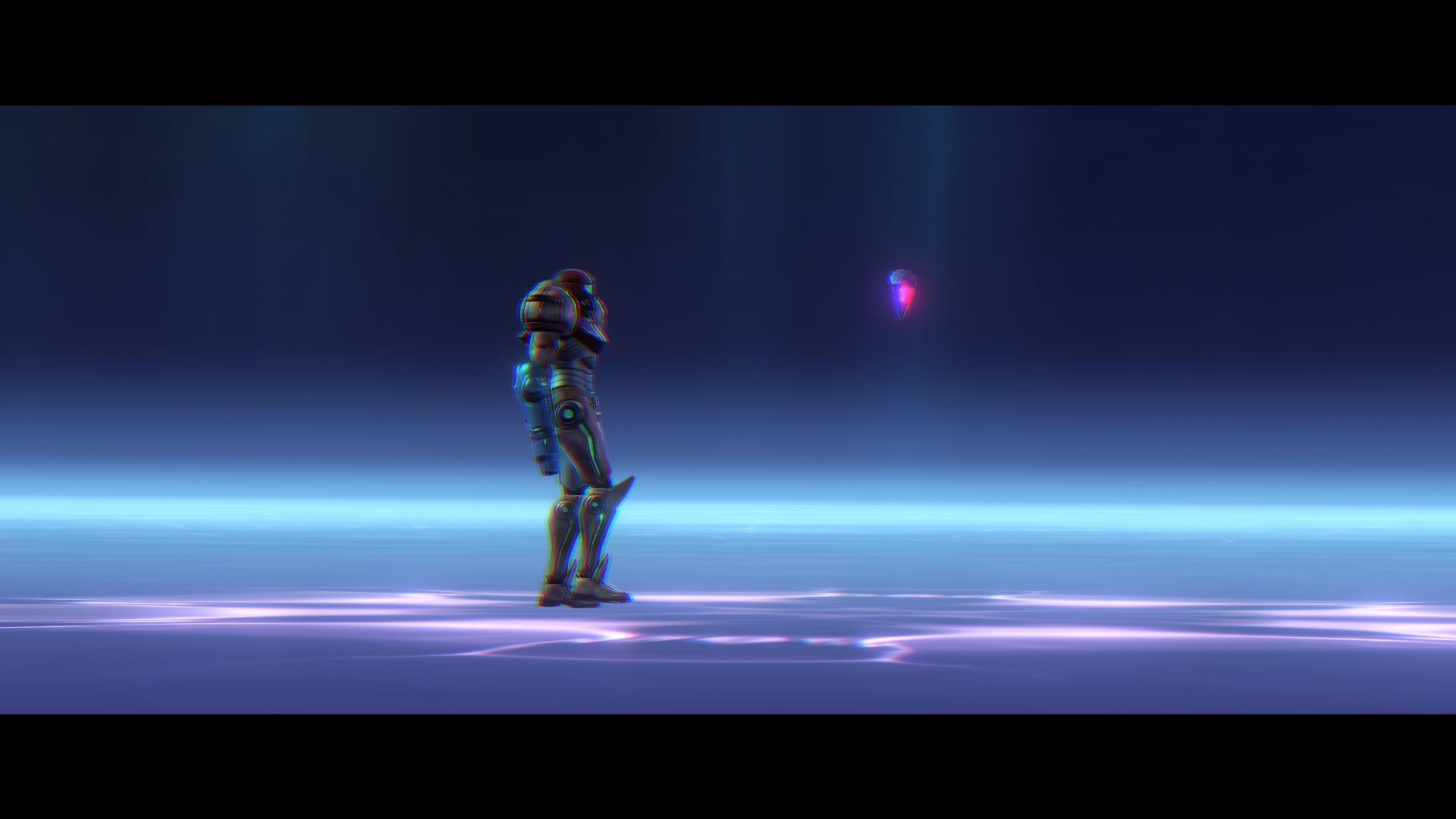
I don't want to give the impression that Metroid Prime 4: Beyond isn't worthy of the franchise's legacy and the name it bears, because it is. That said, the game suffers from an obvious identity crisis, and its attempt to modernise the series and win over new players risks disappointing a good chunk of the old guard, who had almost impossible expectations for Samus's latest adventure. Even so, whenever the game stops trying to be “something else” and concentrates on being a proper Prime, it excels and becomes properly memorable.
Thanks to CD Media S.E. for the review code and the opportunity to play Metroid Prime 4: Beyond.

Available on: Nintendo Switch / Switch 2
Played on: Nintendo Switch 2
Release date: 4 December 2025
Developer: Retro Studios
Publisher: Nintendo
Plus
- Visually and technically stunning main levels
- Shooting that is easy to learn but hard to master
- Incredible music and atmosphere
Minus
- The hub
- A rather weak story
0 votes
Scroll down here and stay on the page for at least 30 seconds to vote.
Pick a score from 0 to 10 (halves are allowed).