
Nioh 3 – Review

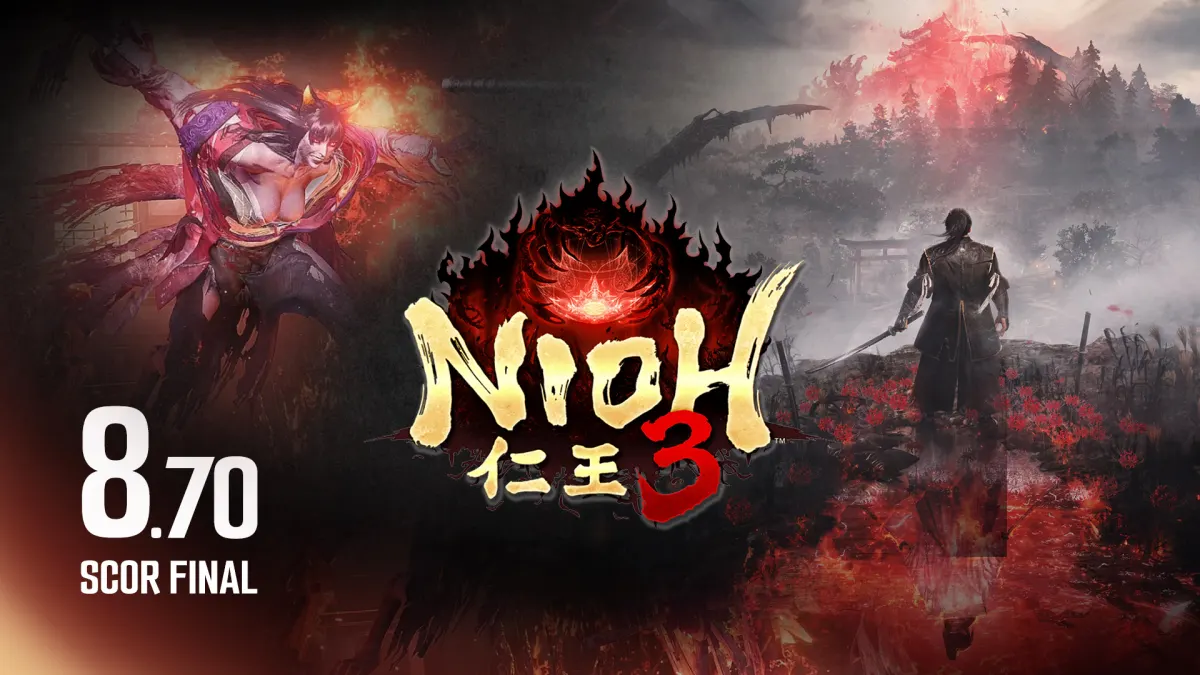
All alone, bing, bang
Among the yokai, bing, bang…
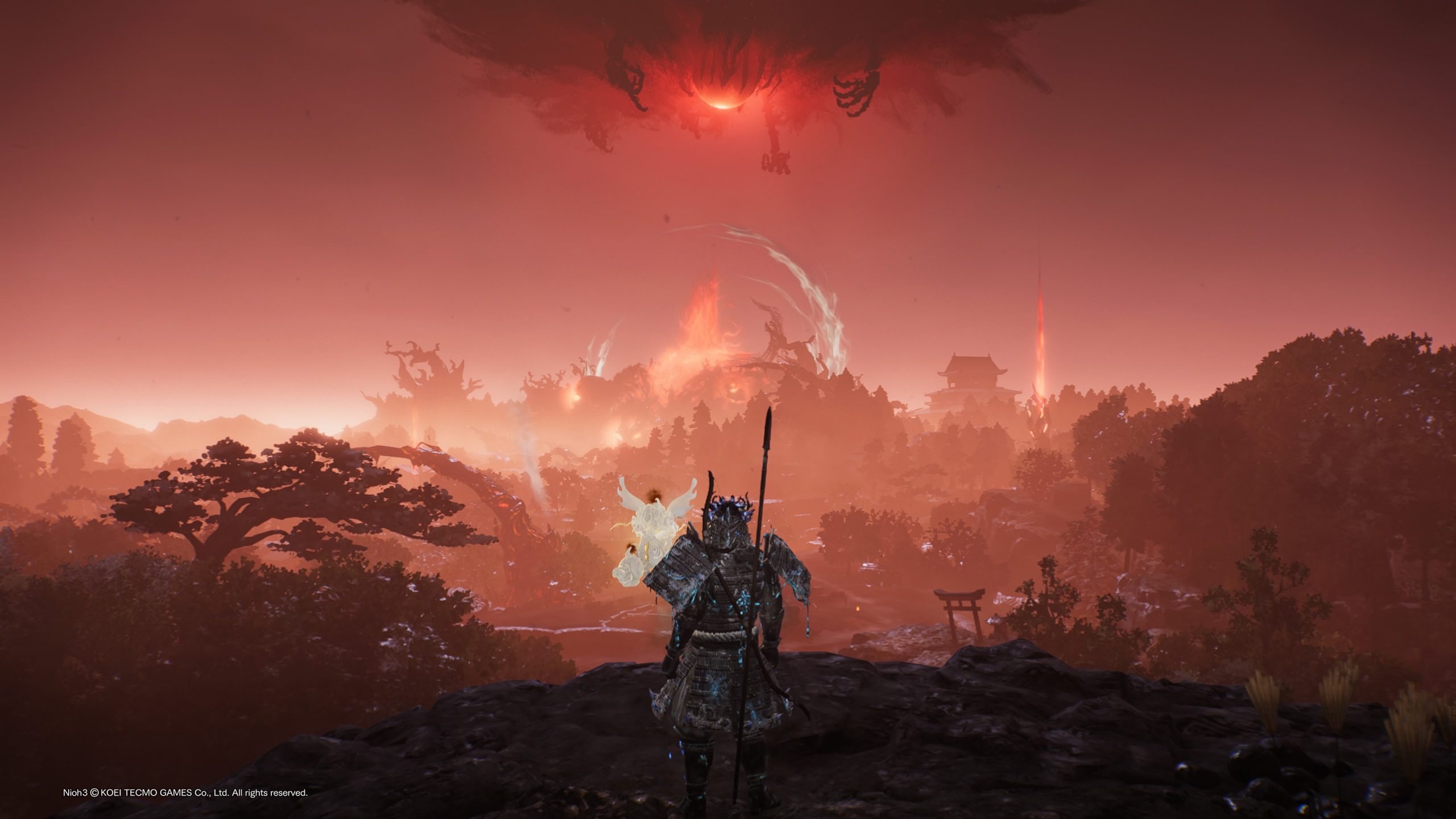
I look around, hoping I've landed in the right place. I spot a torii gate in the distance, an untamed forest nearby, and a path where a few gaki greedily feast on someone's earthly remains. I creep closer, trying to figure out where I am by the "feast's" attire, and, as expected, it's still not clear if I've returned to Edo or if I've been transported back to the distant past. I put an end to the demons' revelry, and after the slaughter, I discover what I was looking for in the victim's clothes: a document. After a brief analysis, I realise, to my disappointment, that I've landed in the wrong place again. Instead of Edo, I've been thrown into the Heian period, about 400 years earlier than intended.
I clean my kusarigama of the filthy blood it got stained with when it bit into those yōkai, and I pick a direction to head in, hoping to find the source of the corruption in this era. I've already destroyed this plague in two different periods, and each time I've been thrown back in time, against my will. Maybe this time I'll be lucky and finally return to where I belong…
I'll be honest: I'm a fan of Team Ninja's creations. Whether we're talking about the legendary Ninja Gaiden series or more recent titles like Wo Long: Fallen Dynasty, Stranger of Paradise: Final Fantasy Origin, or Rise of the Ronin, if it's an action game by them, there's a very high chance I've played it. Consequently, I don't think it surprises anyone that the review for the studio's latest title, Nioh 3, landed in my hands. I already had an idea of what to expect from last summer's demo, but the developers managed to exceed my expectations. If I've piqued your curiosity, let's start with the story!
In the Distant Past…
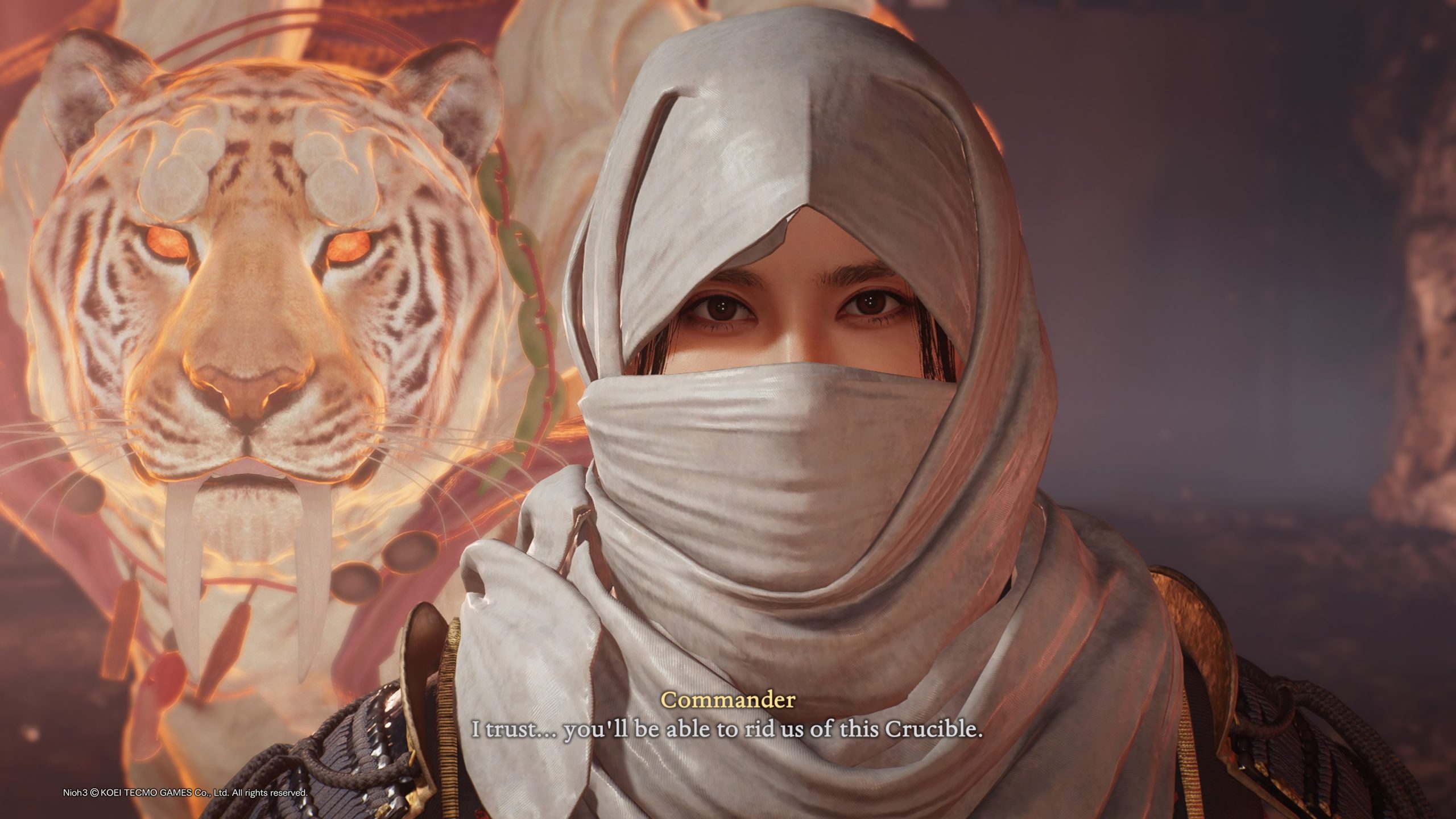
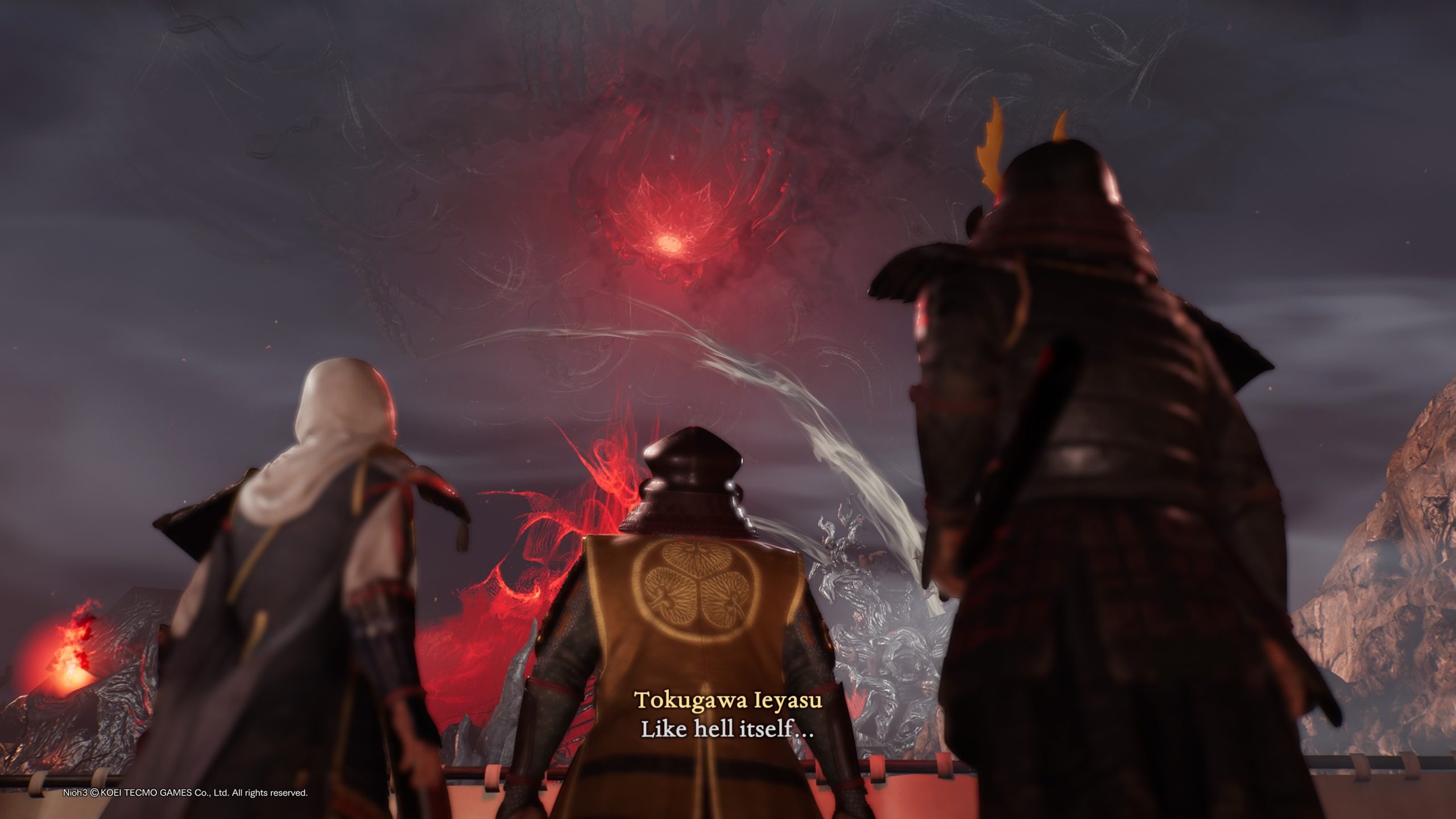
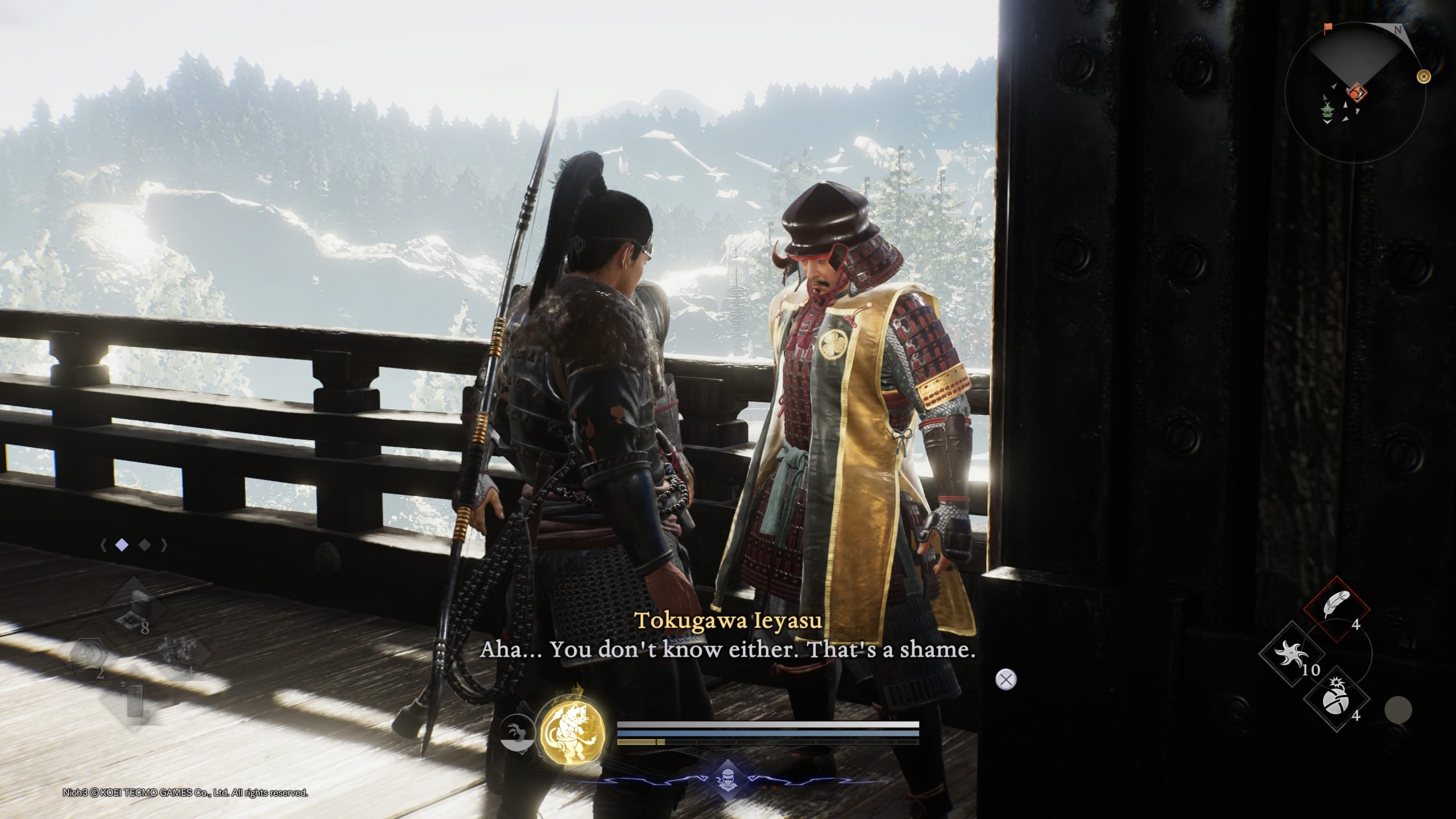
The narrative thread in Nioh 3 is familiar to fans of the series. This time, the protagonist is Tokugawa Takechiyo, the grandson of the famous shogun Tokugawa Ieyasu, who is preparing to take over Japan. However, his younger brother, Tokugawa Kunimatsu, consumed by ambition and envy for a role that wasn't his, plots a betrayal that would make even Alexandru Lăpușneanu envious. Overwhelmed by darkness and hatred, he summons a horde of yokai to besiege Edo Castle from inside and out, massacring his own family in his mad pursuit of power. The protagonist tries in vain to stop him, and at the last moment, just before his brother cuts off his head, a guardian spirit transports him back in time. Thus begins an epic adventure spanning several key periods in Japanese history, where Takechiyo must discover and eliminate the source of evil in each era, hoping to return to the present and prevent disaster.
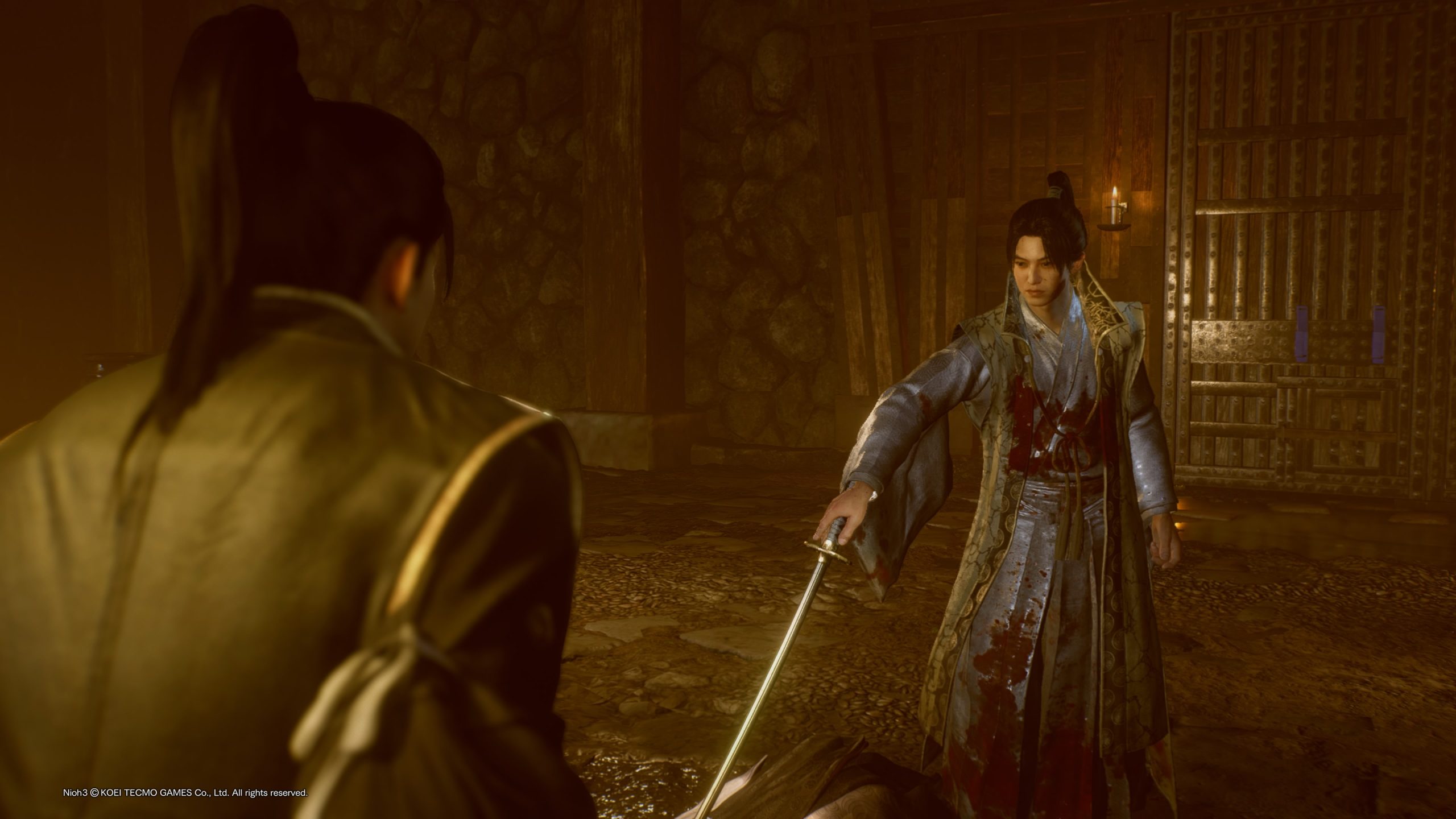
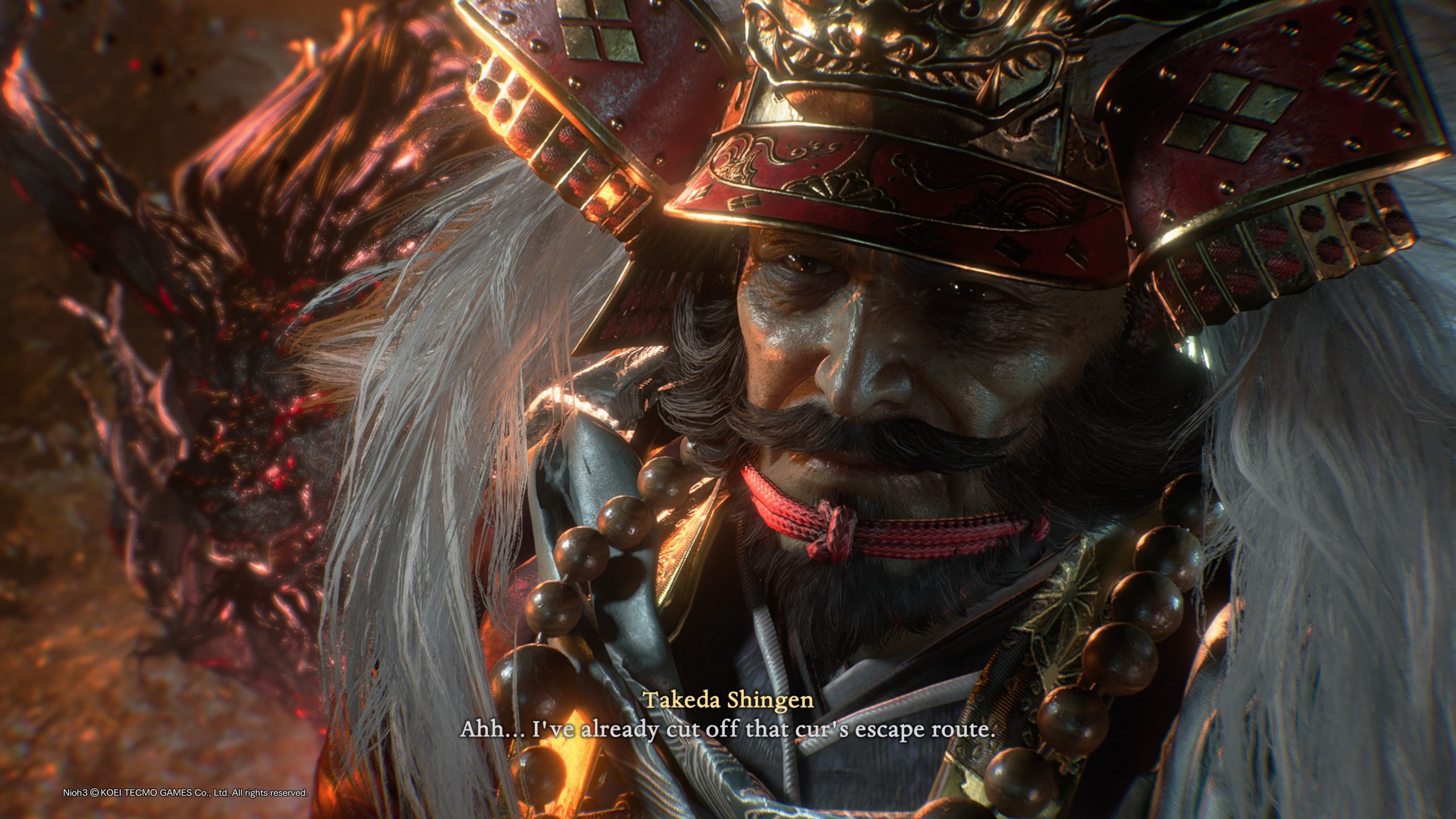
As expected, the third game in the series adheres to the customs established by previous titles and takes place in a fantastic reinterpretation of the history of the Land of the Rising Sun. However, unlike the 2020 title, Nioh 3 is a true continuation of the first game… or, at least, so it seems at first glance. The action in the present and the Bakumatsu period takes place chronologically after Nioh, but the events in the Sengoku and Heian eras precede the narrative thread of the first title, which is why the third game can largely be considered a pre-sequel. In most situations, the story remains a simple narrative excuse, used as a pretext to point us to the next enemy that needs a good clobbering.
Bushido
And, speaking of combat, it's just as intense as in the titles mentioned in the introduction. I say it with my hand on my heart: Nioh 3 represents the pinnacle of everything Team Ninja has learned over the past 19 years. I praised the team's ambitions in the Rise of the Ronin review, but I also mentioned that the developers didn't fully understand how to approach an open-world project at that time, which is why the game suffered in terms of "challenges." The situation was rectified in Ninja Gaiden 4, but that sequel was, in essence, a classic action game. Now, with this game, Team Ninja shows us that they've learned how to build a vast open world without sacrificing combat difficulty. The battles remain difficult, but fair, which is why I didn't encounter frustrating or, conversely, too easy confrontations.
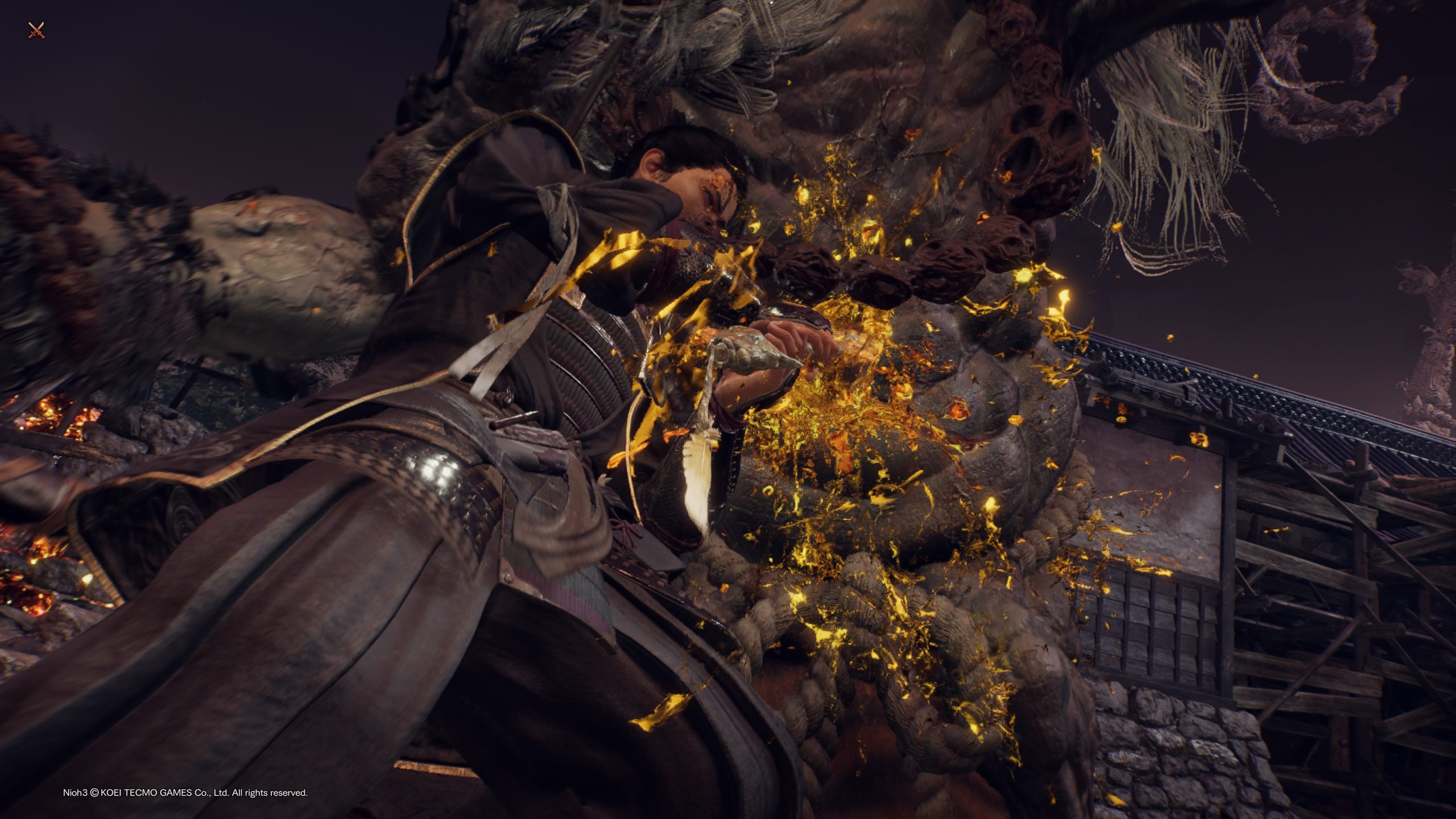
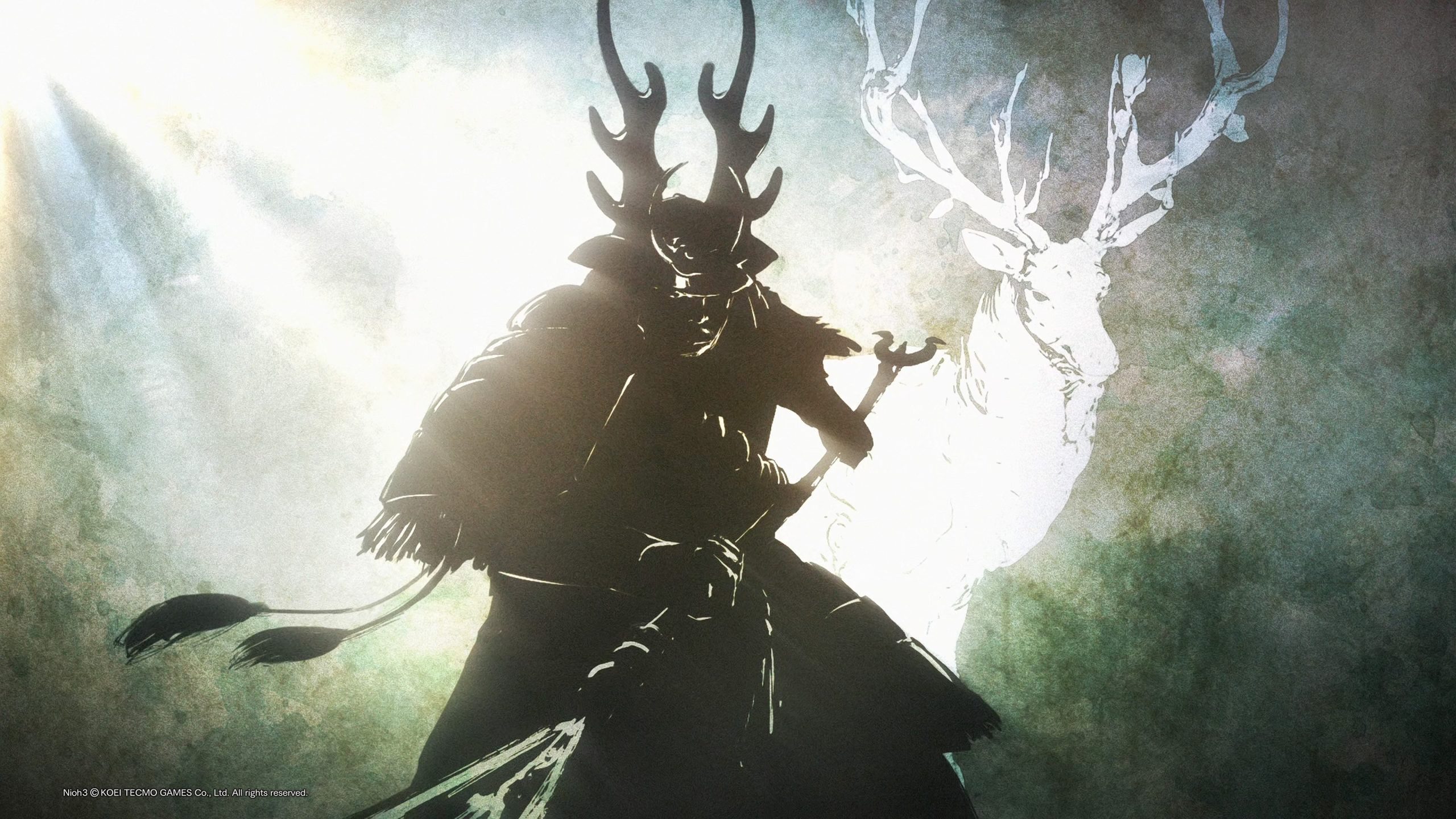
Broadly, battles remain familiar to anyone who has played a soulslike, with an emphasis on efficient management of the Ki bar (the stamina equivalent). Ki Pulse, the franchise's emblematic ability, returns and retains its role of rapid recovery and purification of corrupted areas, and the big novelty is the style system. This mechanic allows the player to change "class" on the fly. We're not talking about classes in the traditional sense, but about two distinct fighting styles: samurai and ninja. The samurai style is the most familiar to fans, relying on Ki Pulse and stance changes for maximum combat efficiency. Certain weapons, such as the switchglaive, change their form depending on the chosen stance: in low, it becomes a staff suitable for tight spaces, in mid it transforms into a spear ideal for ranged attacks, and in high it takes the shape of a lethal scythe, meant to mercilessly reap the destinies of enemies.
The ninja style is the game's true novelty and, unlike the samurai, it doesn't have access to the Ki recovery ability. The shinobi relies on hyper-mobility, quick dodges, an avalanche of blows, and, of course, back attacks. It's a fast-paced fighting style, and the mechanic that replaces Ki Pulse is called "mist." This generates a temporary clone meant to mislead the enemy and allow the player to quickly reposition behind the opponent. Of course, this "shadow class" also offers access to ninjutsu abilities, such as spitting fire or creating a cloud of poison, as well as the classic tools of legendary assassins: kunai, bombs, and shuriken. Although, in theory, the game encourages constant alternation between the two styles to deal with different types of enemies, in practice I almost never felt the need to abandon the ninja mode.
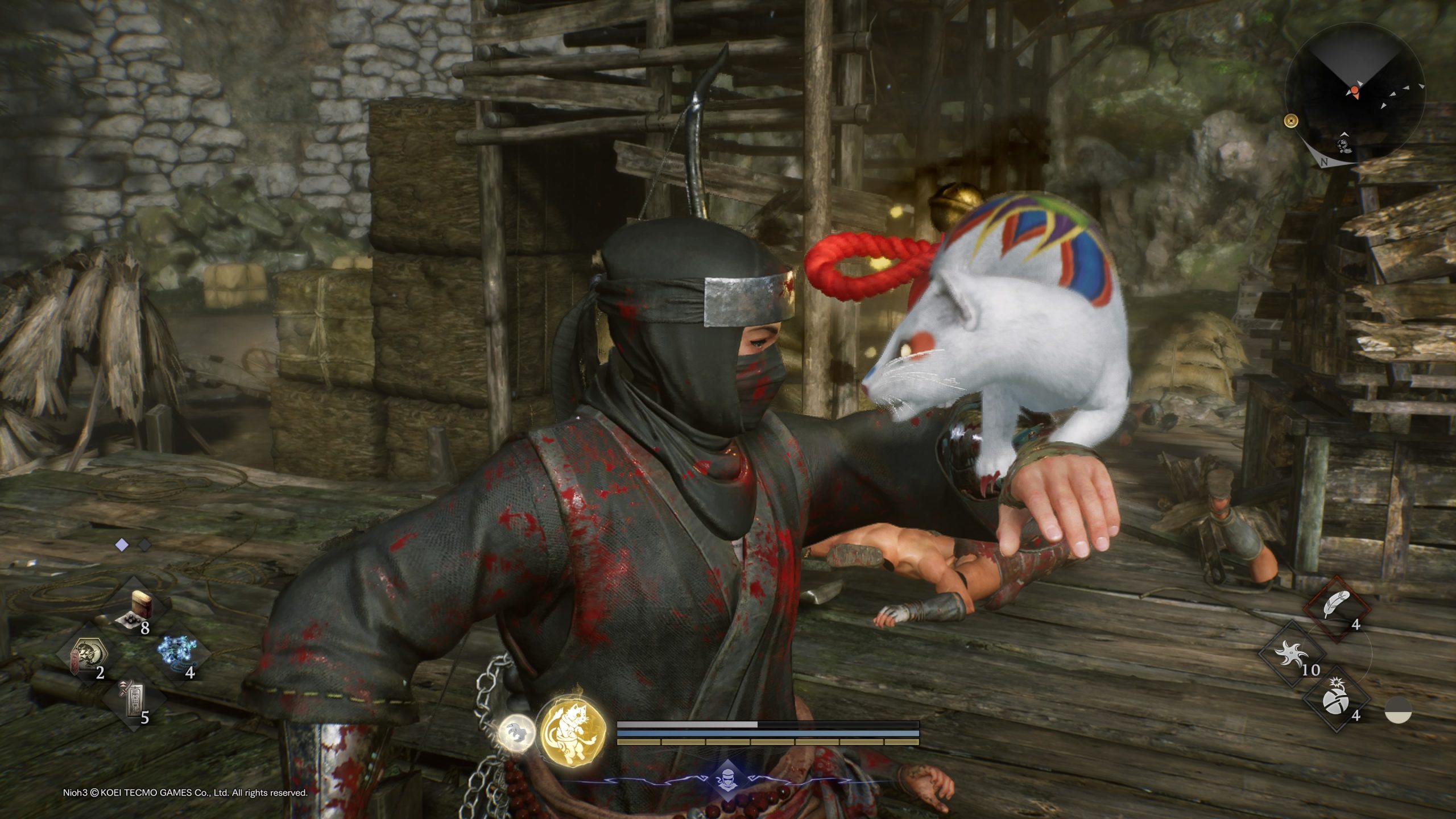
The classes are so complex that they allow for customisation of the fighting style down to the smallest details. Each weapon benefits from a generous skill tree, where we can invest points to unlock and refine different abilities. For example, the kusarigama (chain scythe) has several upgrades that can completely change a simple combo, consisting of two light and one "heavy" hit. Depending on the choices, the last attack can become Scorpion's famous "get over here" from Mortal Kombat, pulling enemies towards Takechiyo (although, for obvious copyright reasons, the hero won't shout the iconic line), or it can transform into an AOE attack, ideal for keeping groups of enemies at bay.
The decisive factor in choosing a fighting style ultimately depends on each player's taste. There are those who want to live the fantasy of being Miyamoto Musashi, transforming into a crimson whirlwind of violence, but also those who will do everything possible to embody Wolverine in his adventures through the Land of the Rising Sun, using claws to recreate his emblematic brutality. Unfortunately, not all weapons are available to both classes. To maintain a touch of authenticity, each style only has access to its associated "historical" arsenal: the samurai will face his enemies with a katana, odachi, or spear, while the shinobi will carve up his adversaries using tonfas, claws, or a kusarigama.
Ukiyo-e
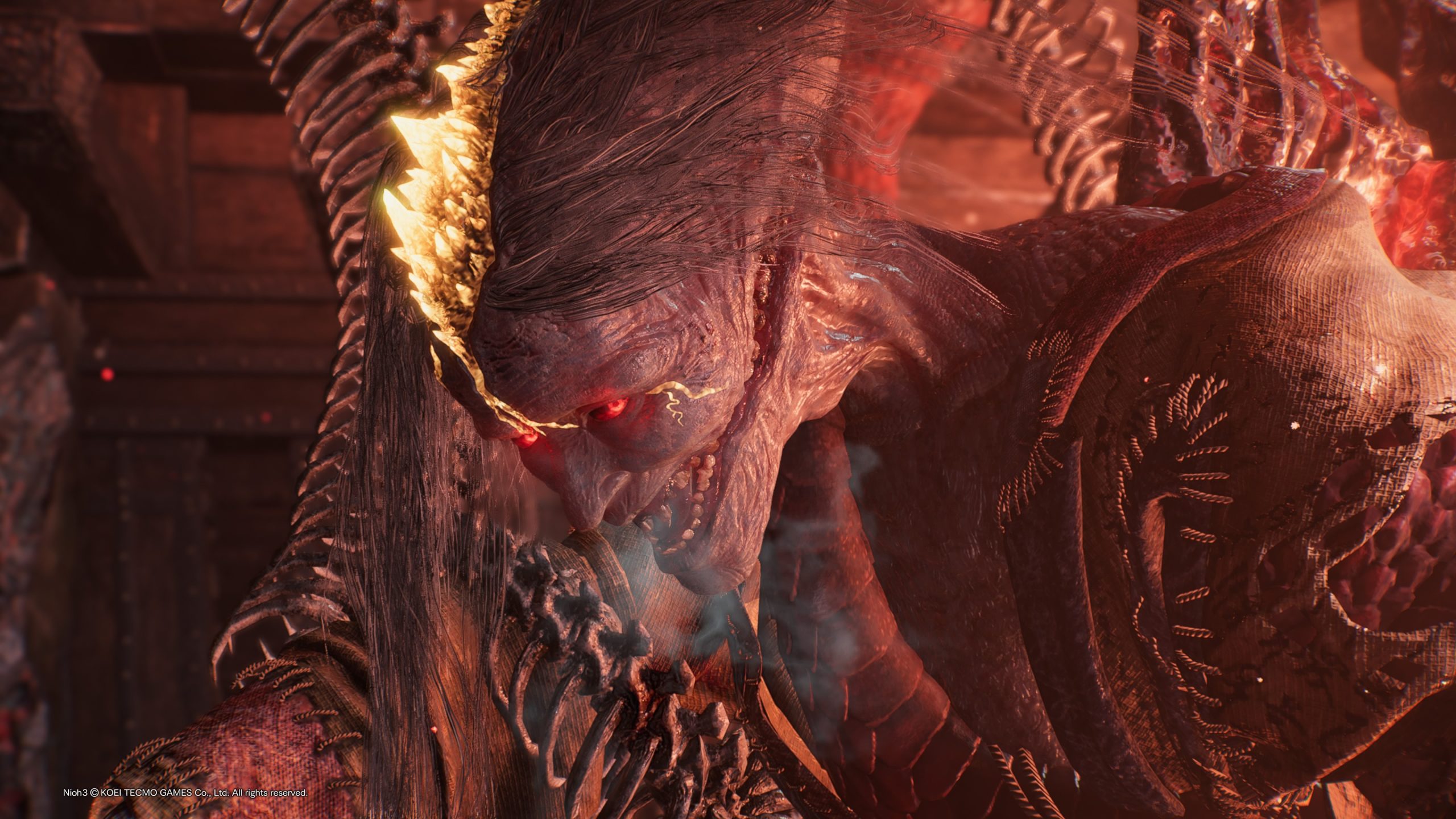
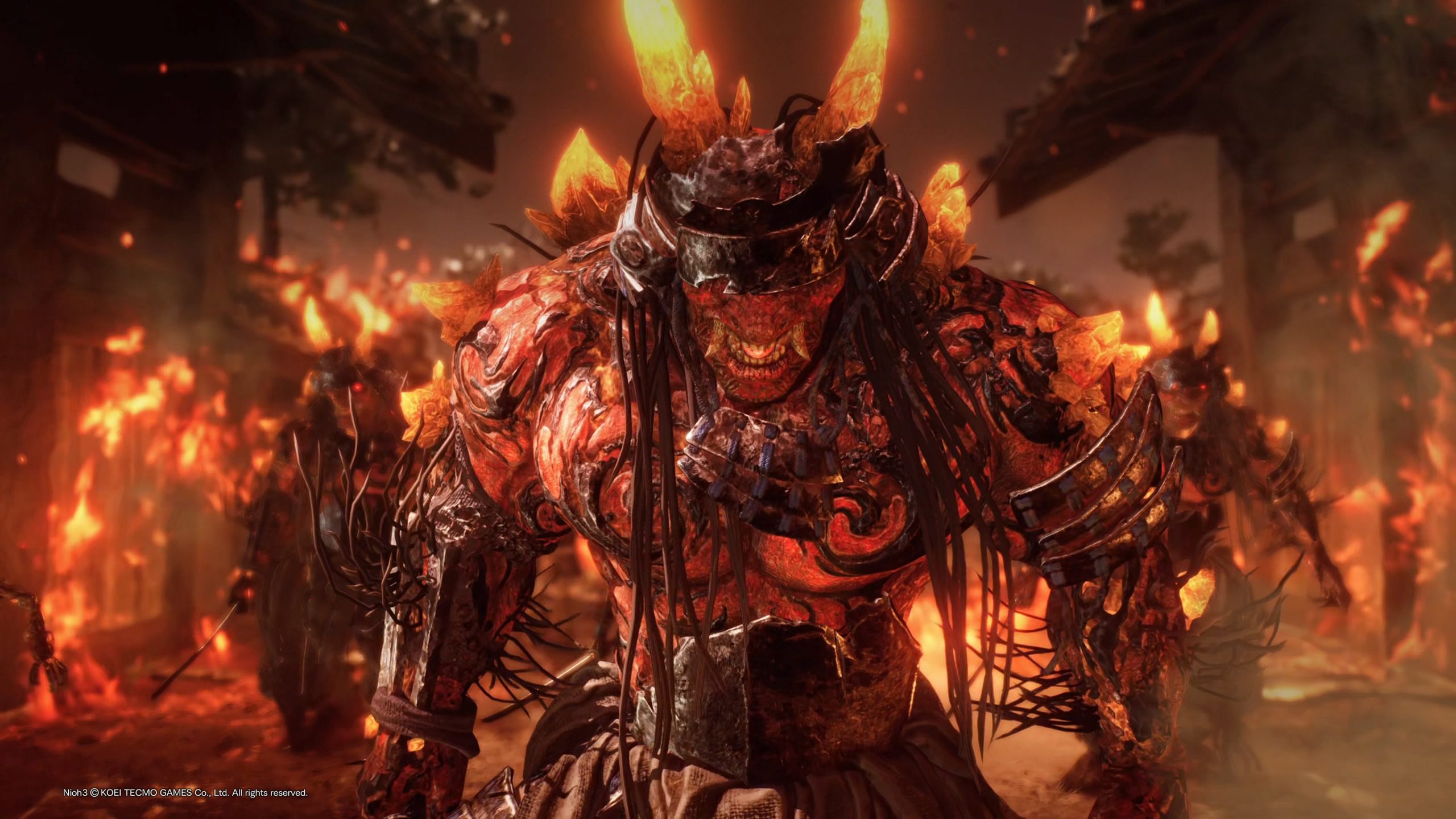
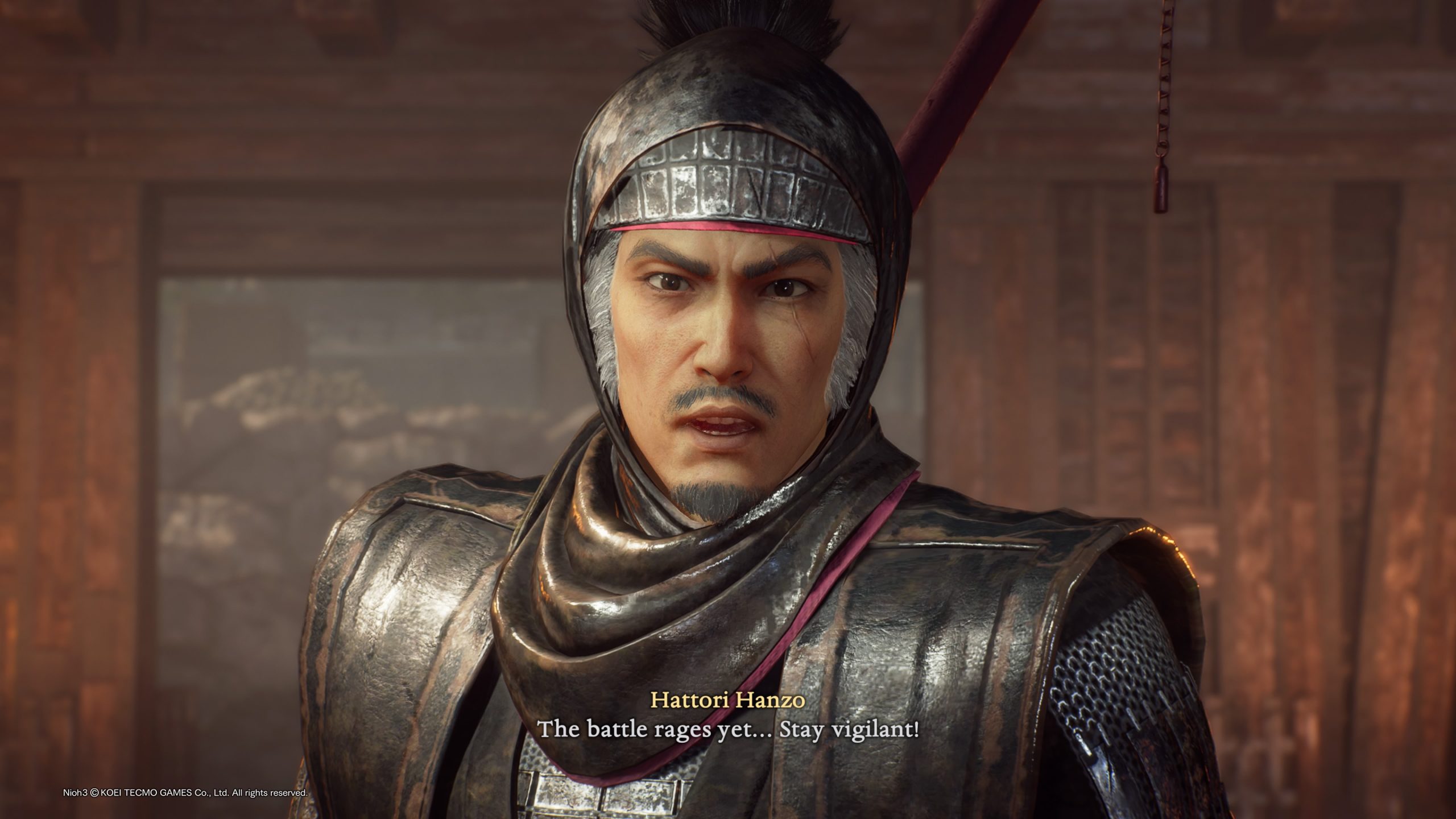
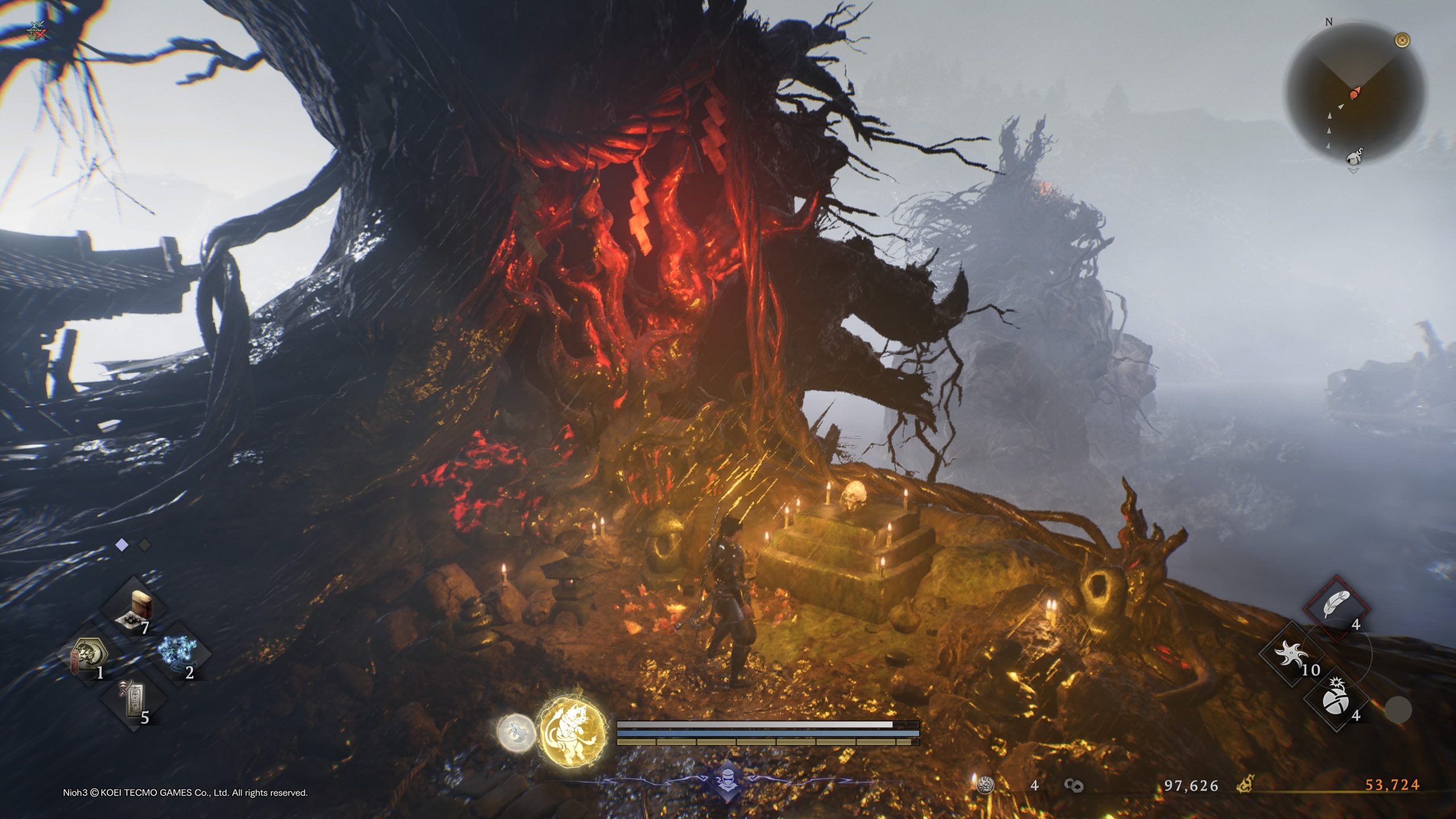
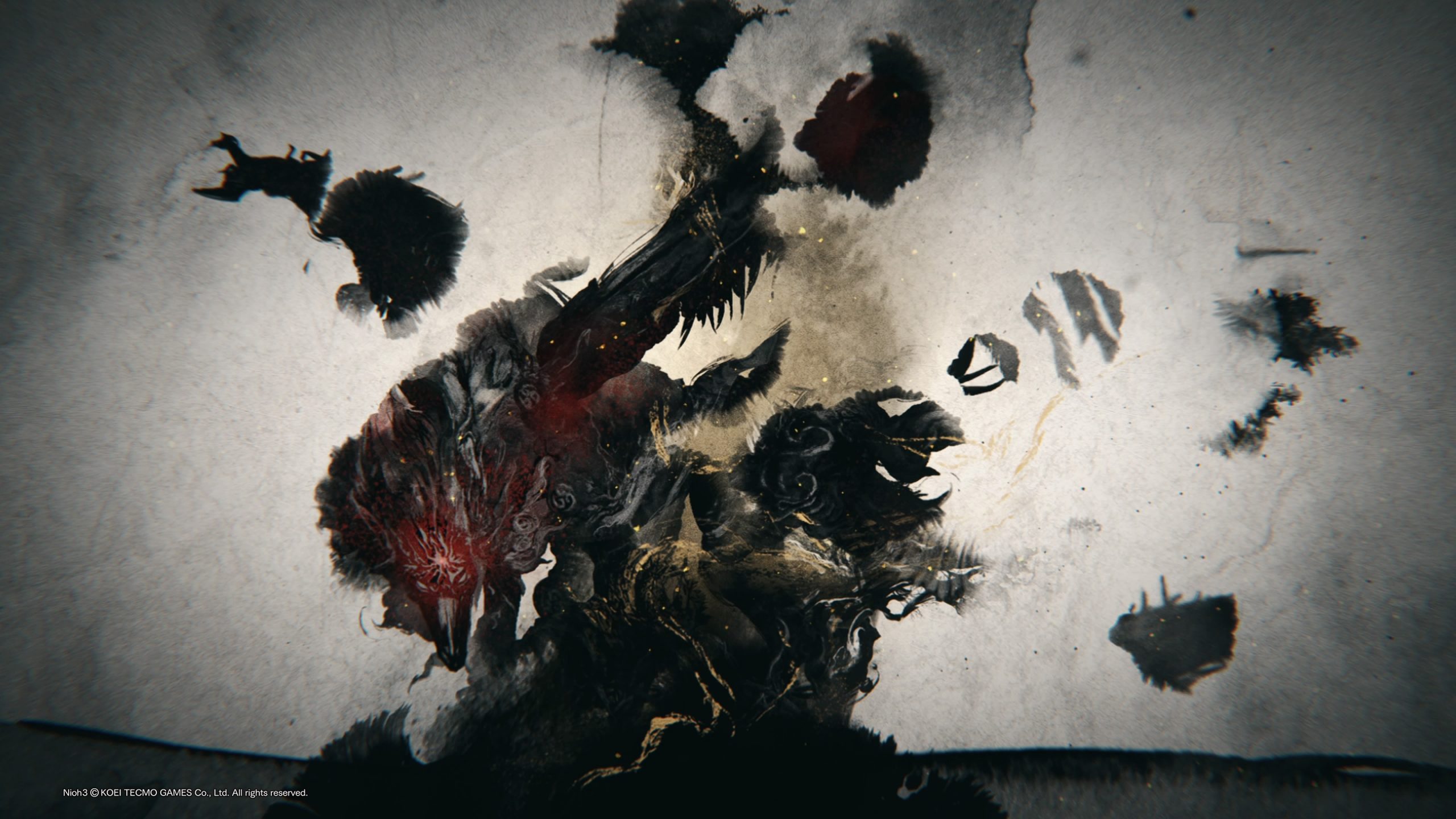
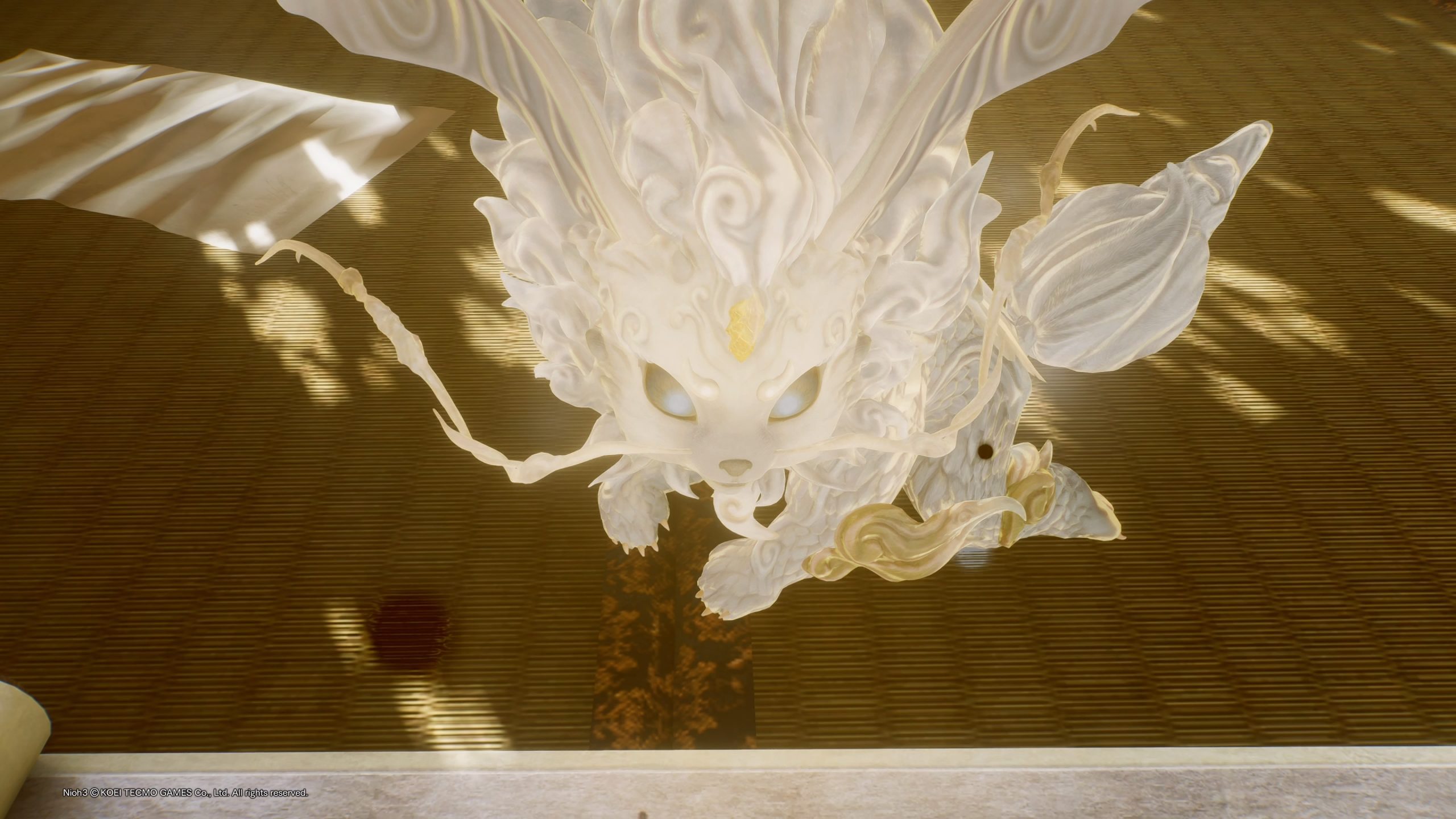
While the developer is an ace in terms of difficulty and challenge, they still have a bit of polishing to do in the visual department. The design of the protagonist and historical characters is aesthetically pleasing, and in the case of the guardian spirits, even memorable. Unfortunately, the same cannot be said for the enemies. It's true that each main boss is distinct and imposing, but these formidable opponents are quite rare. We don't lack confrontations, quite the opposite, but between important battles, we'll be carving up entire hordes of generic yokai. Gaki (deformed humans with oversized heads and stomachs) and Yoki (true behemoths) quickly become cannon fodder, and throughout the adventure, we'll see almost all the enemies from previous titles, along with a few new additions. The real problem arises at the chromatic level: almost all of them use the same colour palette – brown, ash grey, gold, black, and intense red. The "brilliant" decision to apply a similar palette to the surrounding environment, however, creates more frustration than the developers might have imagined. It often happened to me that I didn't notice an enemy's presence or lost sight of a beast, simply because it "camouflaged" too well into the scenery.
Here we come to another downside of the title: the look of the levels. Most players don't button-mash Nioh for visual spectacle, but for the complex combat system and intense action that define Team Ninja's established formula. Nevertheless, I can't help but be disappointed that, almost nine years after the launch of the first title in the franchise, visual progress is almost imperceptible.
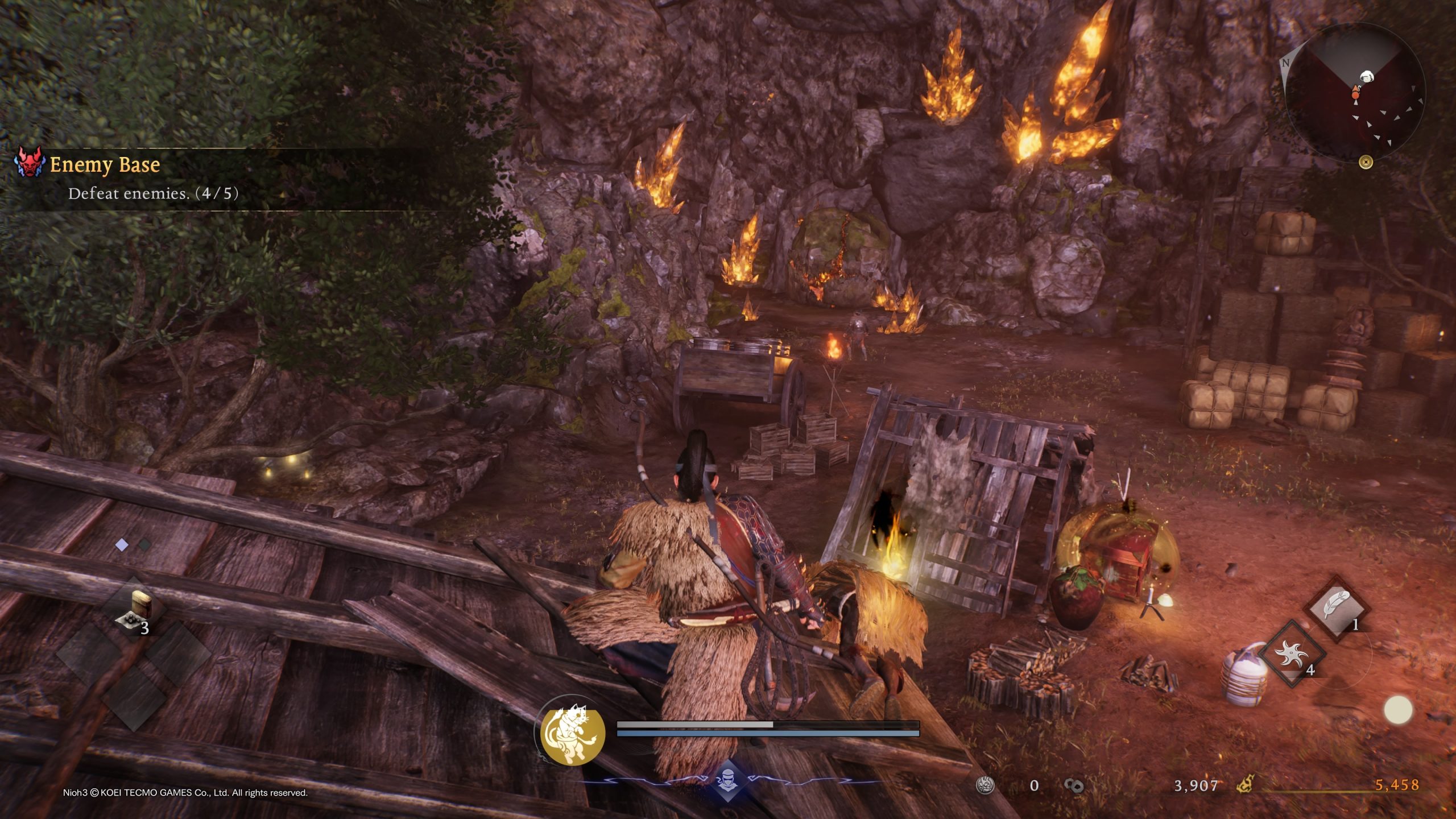
Regardless of whether you put a level from the trilogy's debut next to one from Nioh 3, there's a good chance many players won't notice the minor graphical differences between them. Textures, lighting, and environmental structure seem to have remained anchored in a familiar, but outdated aesthetic, and the lack of a clear visual leap drags down the "next-gen" feeling that such a game should have offered.
Even if, visually, the environment doesn't meet modern standards, I must admit that the world structure in Nioh 3 represents a clear improvement and proof that Team Ninja has finally understood how to approach the "open world" concept. The chosen solution is simple and elegant: reducing the map size. I rightly criticised the open world in Rise of the Ronin, which was a step back for the developer, both due to technical issues and the mount system, which left much to be desired. In the current title, these shortcomings seem to be a thing of the past. The mount has disappeared completely, and the game world is described by the developers as an "open-zone." The map is large enough to encourage exploration, but not exaggerated, allowing for quick traversal without unnecessary downtime.
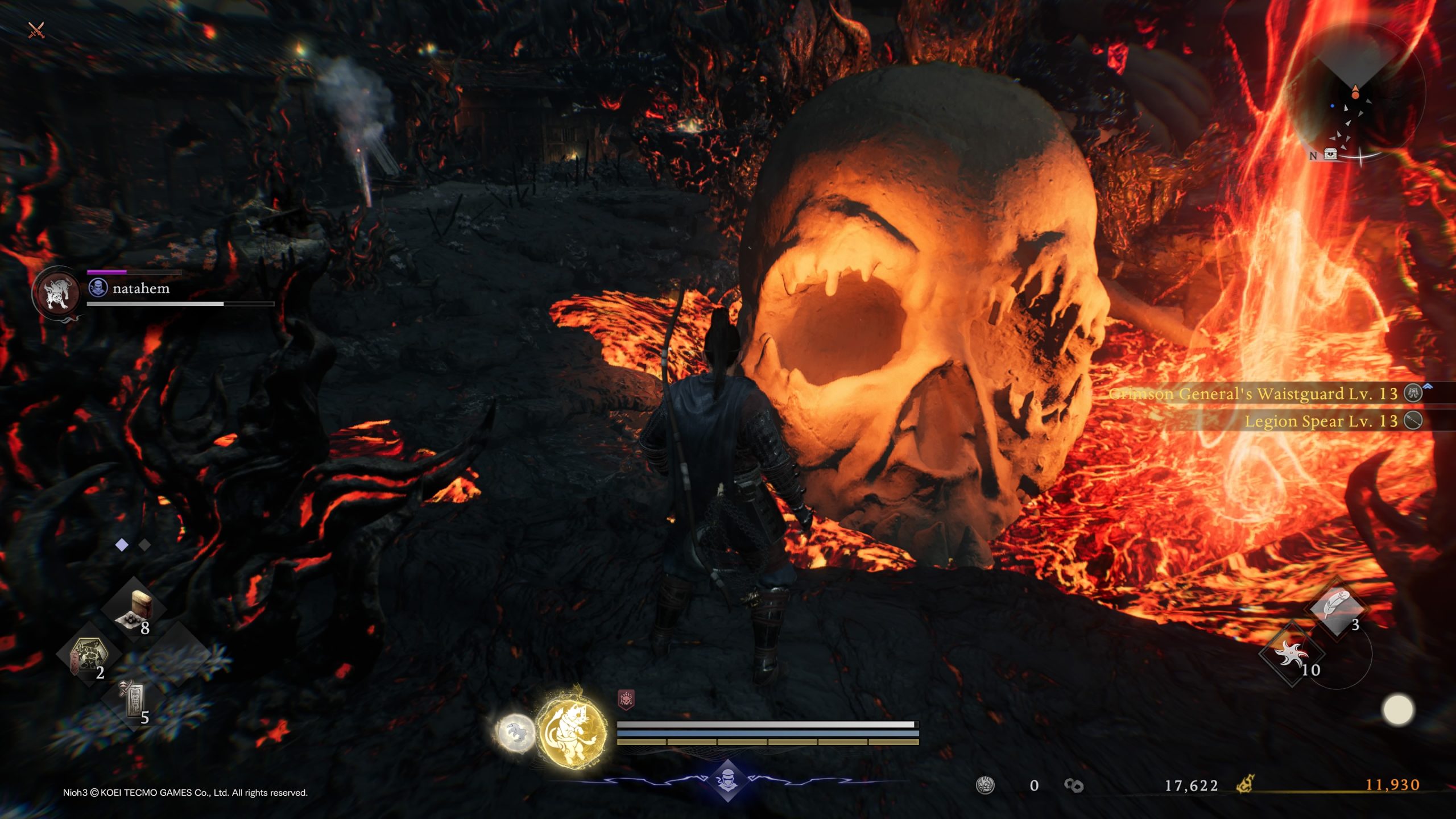
The first two Nioh games were often criticised for their linearity, but this one chooses to offer players much more freedom in terms of exploration. Although there is a "correct" path, which you are subtly encouraged to follow, the protagonist can visit almost any area they wish, in their preferred order. Curiosity is richly rewarded, whether through better equipment pieces, points for the two skill trees, or by discovering the franchise's famous Kodama (the small green humanoids, similar to the Koroks from The Legend of Zelda: Breath of the Wild and Tears of the Kingdom). These mascots are not just cute decorative elements, but offer extremely useful buffs that can make the difference between life and death, such as increased efficiency of healing items or higher chances of finding items that restore the protagonist's health.
You know the old saying, "a leopard can't change its spots"? Well, it's pretty much the same situation here, as some of the side missions are designed and implemented in the style of older titles in the series. These can be accessed from a special menu at the shrine, the equivalent of a bonfire in Dark Souls, and once activated, they transport us to a smaller version of a visited area. Unfortunately, these segments are constrained and completely linear, and the freedom of exploration present in the main missions almost entirely disappears.
Strength in Numbers
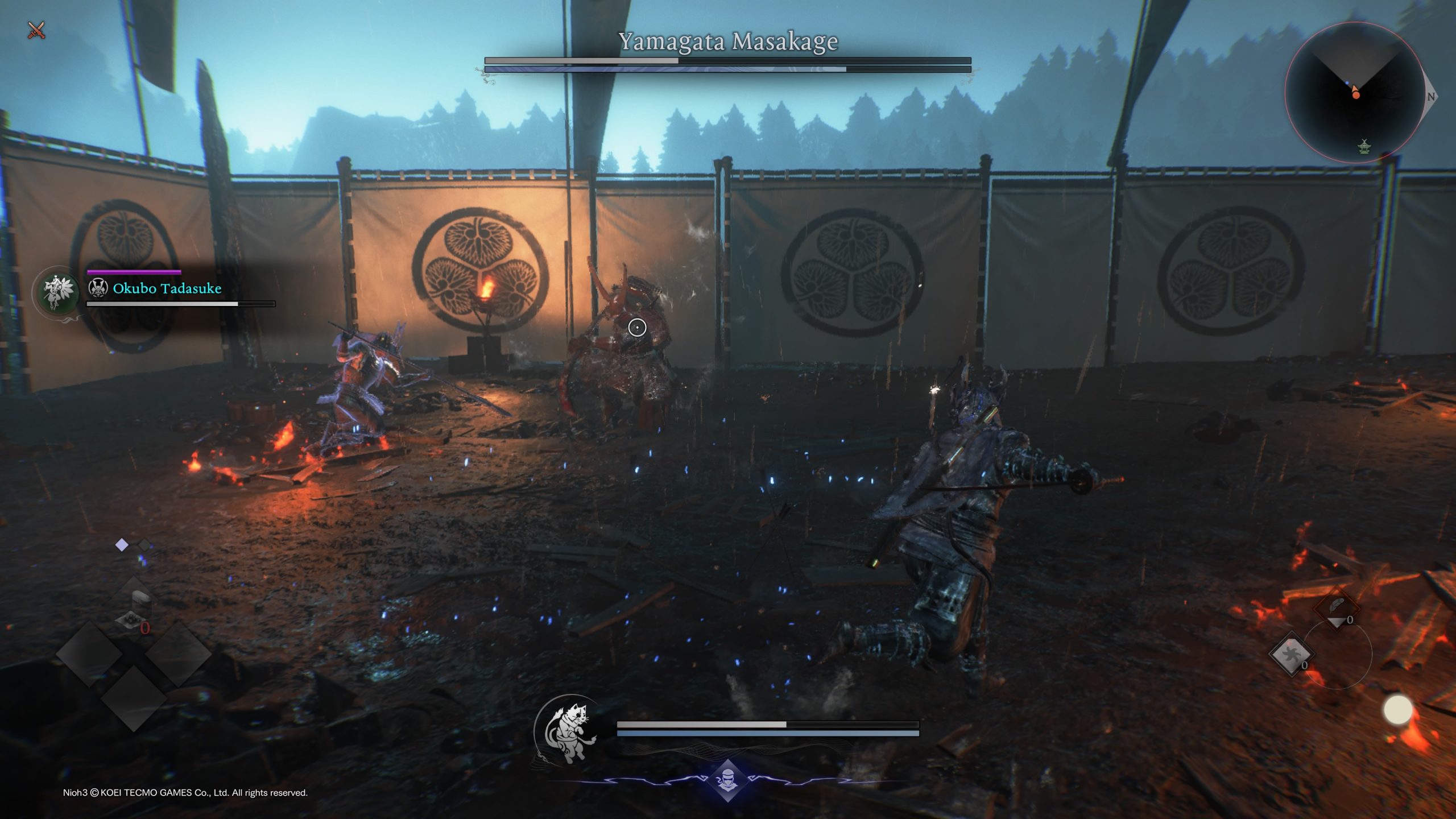
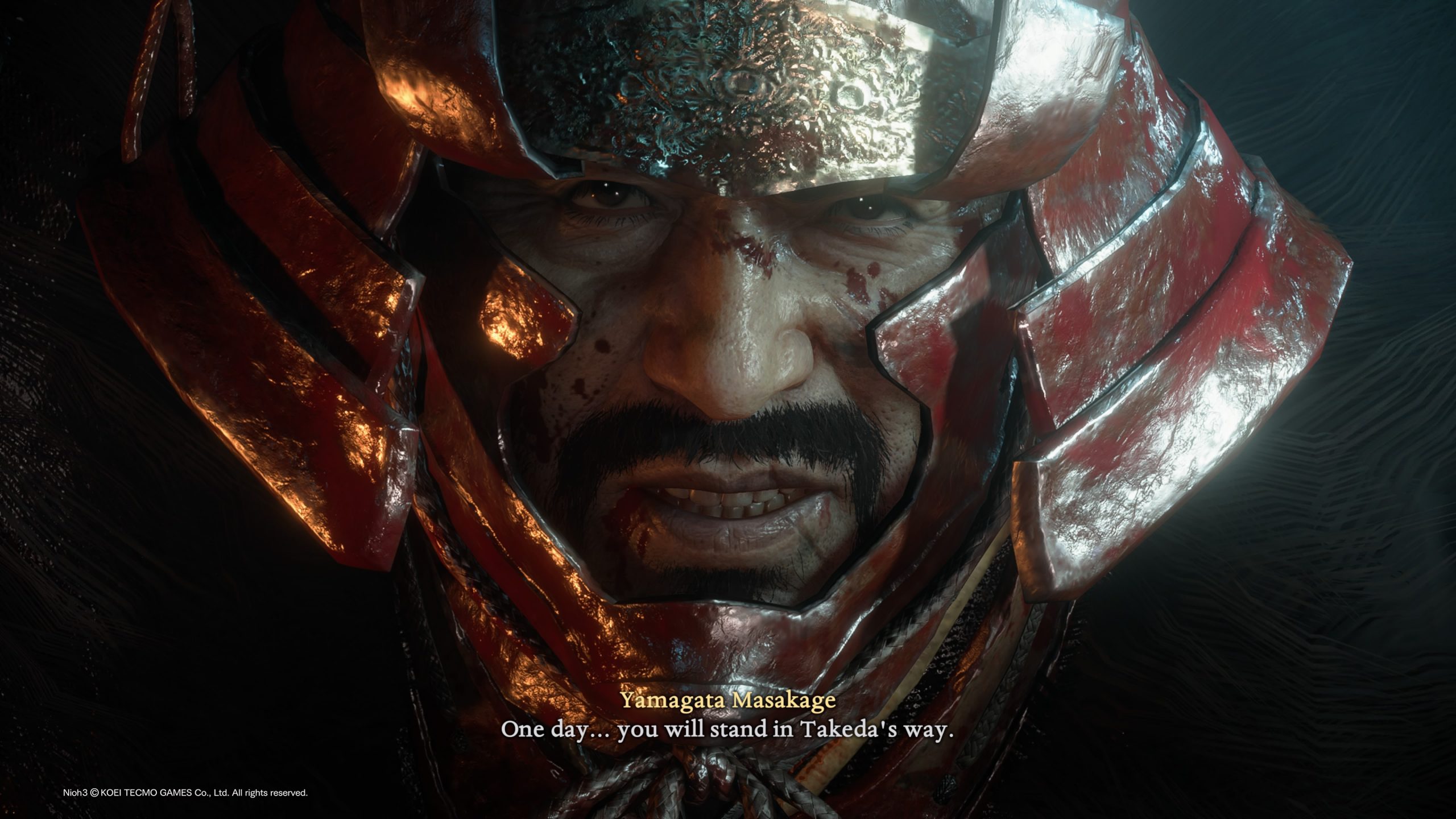
Although I mentioned earlier that the game is difficult but fair, this balance completely falls apart in co-op mode. This can be accessed through a special shrine function and allows you to summon other players for help in a mission or boss fight. Unfortunately, it's clear here that the imposing enemies were not designed for team confrontations. I helped Leo in two main missions, both extremely demanding when I first played them alone. The game's first boss, Yamagata Masakage, is a true "hard skill check," not at all friendly to beginners and designed to test your patience and attention. It took me four or five attempts to defeat him solo, but in co-op, it took us a single attempt and about a minute. The situation is similar with Jakotsu-baba, considered one of the difficult fights due to her large attack range: with three players, the "serpent mother" was defeated in less than 15 seconds.
Although playing Nioh 3 in co-op is incredibly fun, the developers have chosen to drastically limit this option. Co-operative mode is only available within missions, whether main or side, and cannot be used in the "open-zone." As a result, I wasn't able to join Leo to clear a village infested with strigoi that had made their den there.
Personally, I didn't encounter any optimisation or performance issues. The game ran consistently at 60 fps during gameplay and 30 fps in cinematic sequences. Even in graphically more demanding areas, the game showed no stuttering or hitches, unlike Rise of the Ronin, which sometimes had a tendency to drop performance. And in terms of sound and music, the title is flawless. The actors, both in the English and Japanese dubs, deliver solid performances that give weight to important scenes. The soundtrack, composed by Akihiro Manabe, the composer behind the previous game in the franchise, perfectly complements the atmosphere, alternating between tense moments and epic passages, without ever becoming intrusive.
Even if I was a bit harsh in places, I don't want you to be left with the impression that Nioh 3 is a weak or unpolished game. On the contrary, it is the current pinnacle of the Team Ninja formula and a clear evolution of everything that has defined the series so far. With a refined combat system, well-designed open zones, and a lot of variety, Nioh 3 becomes the developer's best game. It remains to be seen if the studio will have the courage to take this formula even further in future projects.
Thanks to Better Gaming Agency, Koei Tecmo Europe and Team Ninja for the review code and the opportunity to play Nioh 3 before release.

Available on: PlayStation 5, PC
Played on: PlayStation 5
Release date: 6 February 2026
Developer: Team Ninja
Publisher: Koei Tecmo
Plus
- New Samurai/Ninja combat system
- Music
- Excellent gameplay
- Open-zone exploration
Minus
- Limited co-op
- Linear side missions
- Enemy colour palette
0 votes
Scroll down here and stay on the page for at least 30 seconds to vote.
Pick a score from 0 to 10 (halves are allowed).