
Resonance: A Plague Tale Legacy – Review

The Minotaur's Tragedy
In 2019, a few months before the world went into lockdown, a small studio in Bordeaux made a strong impression on the games industry and reminded us that there are still interesting stories out there. The studio I'm talking about is, of course, Asobo, and the game in question was A Plague Tale: Innocence, a stealth game built around a human story, told in humanity's darkest period: the Middle Ages, in the midst of the Black Death.
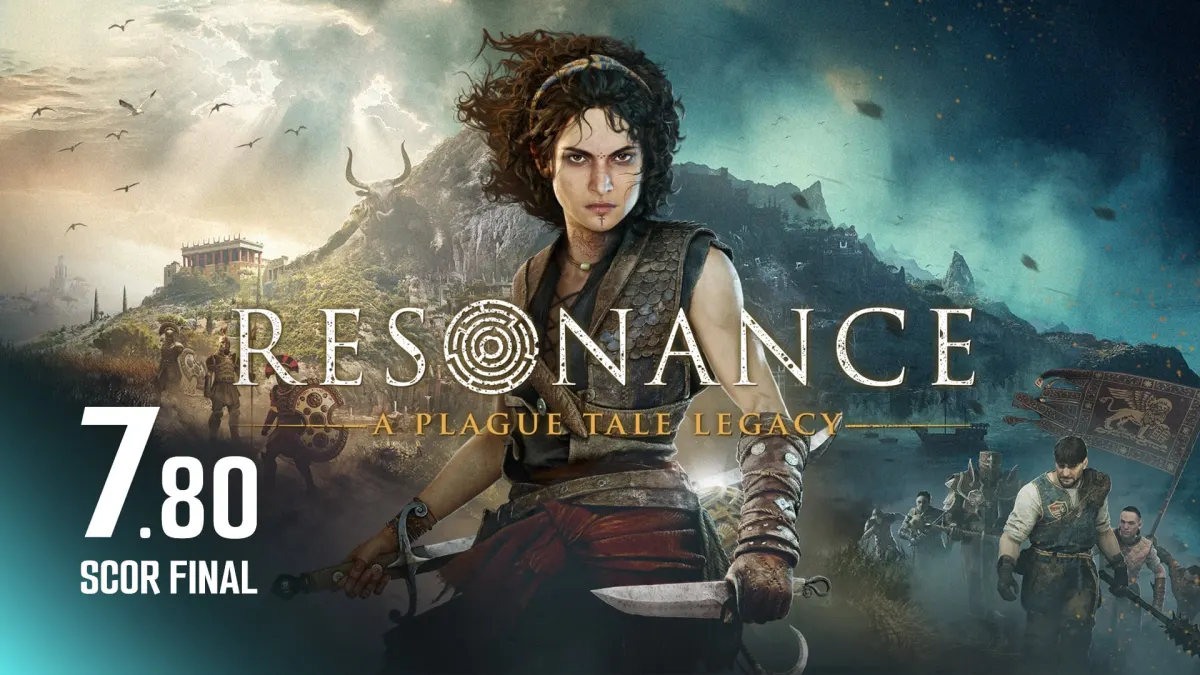
The story of the de Rune family stayed with thousands of players and came to be regarded as an extraordinary one, going beyond our preconceptions about the Middle Ages and showing just how ugly that period really was. Now, seven years after the first game's release, the developer returns with a third title and a new protagonist. Resonance: A Plague Tale Legacy is a spin-off with a prequel flavour, in which players step into the shoes of the beloved smuggler from Requiem to live through her youth, before she met the de Rune family.
Lost in the Labyrinth
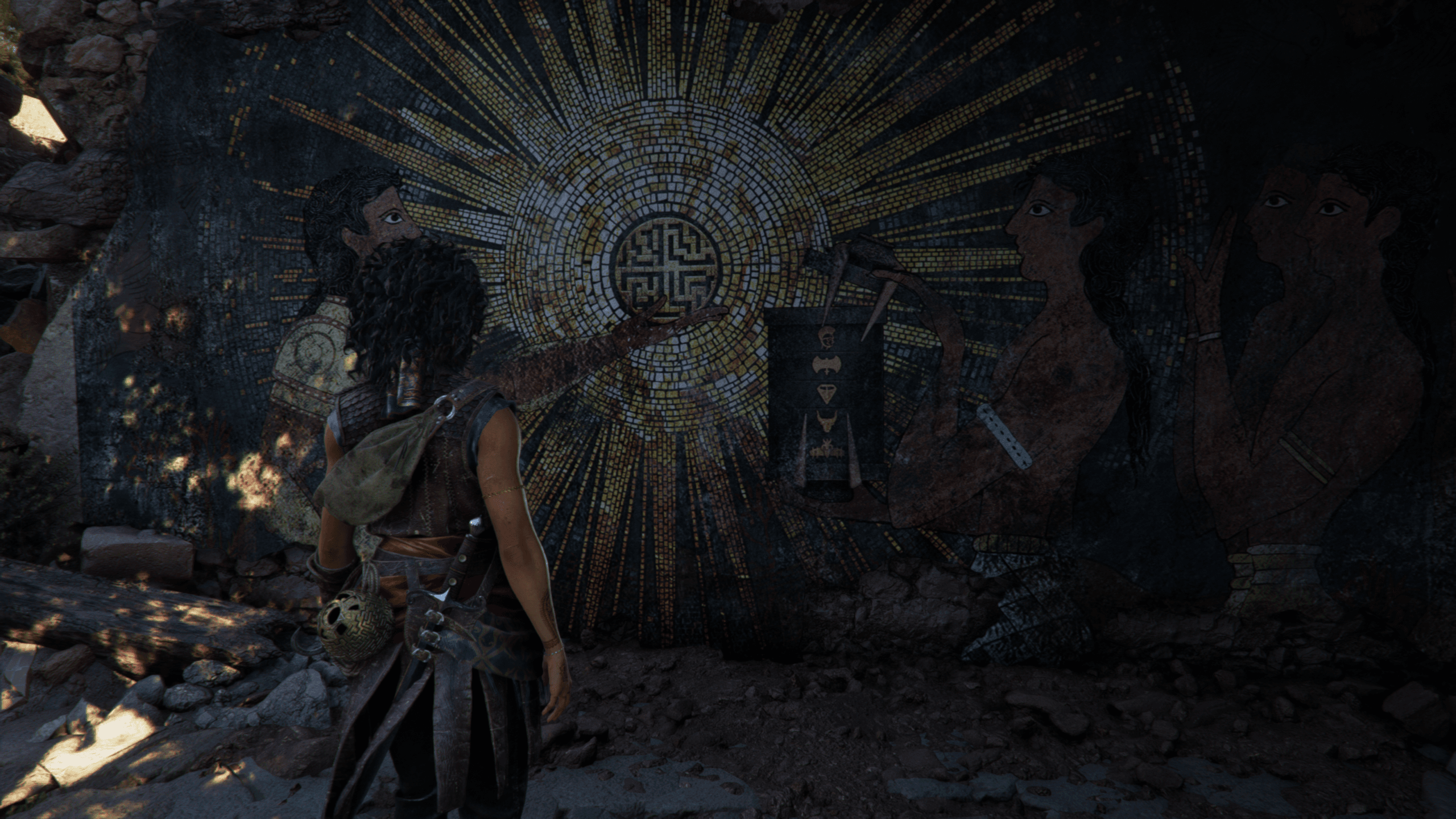
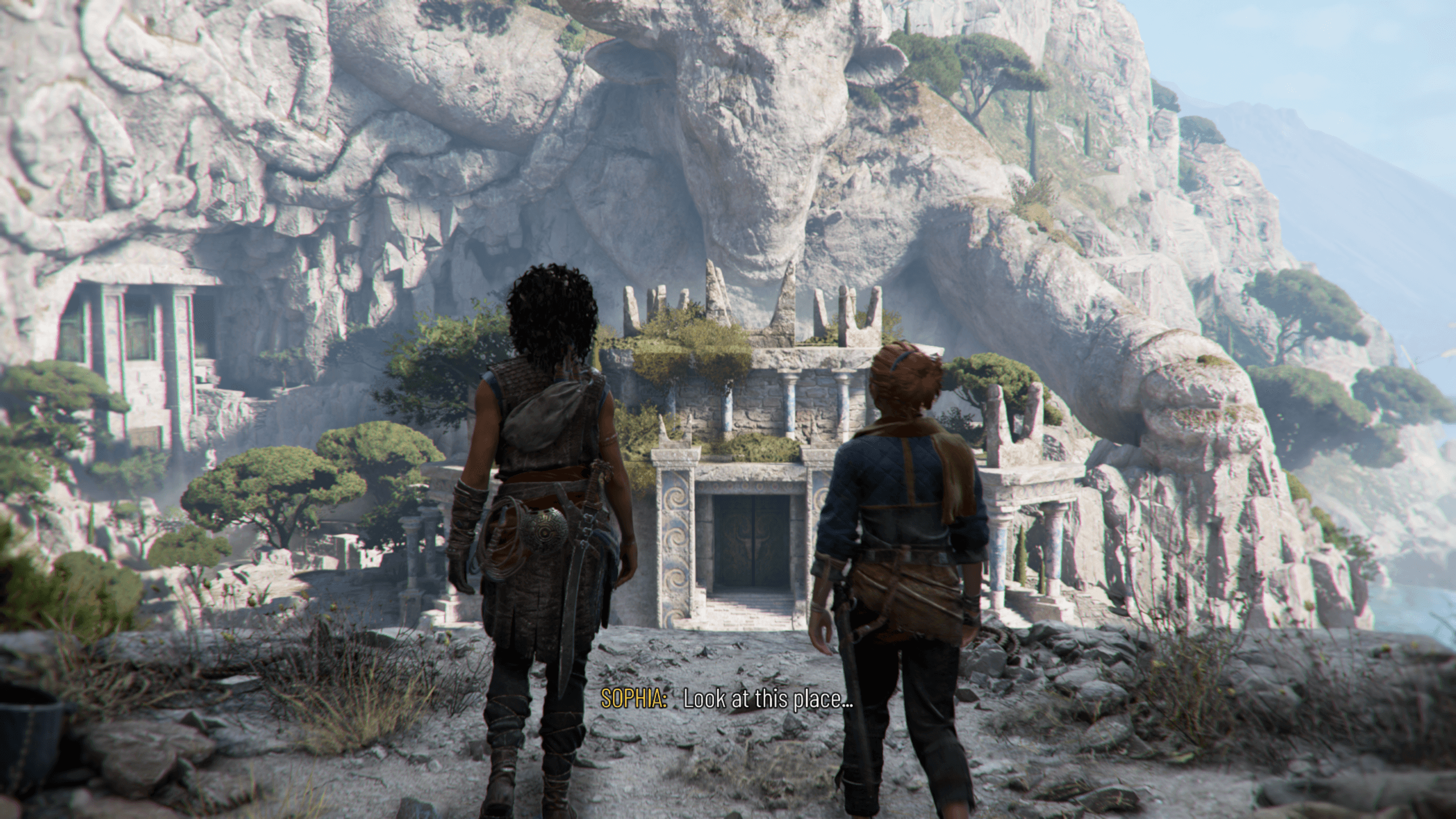
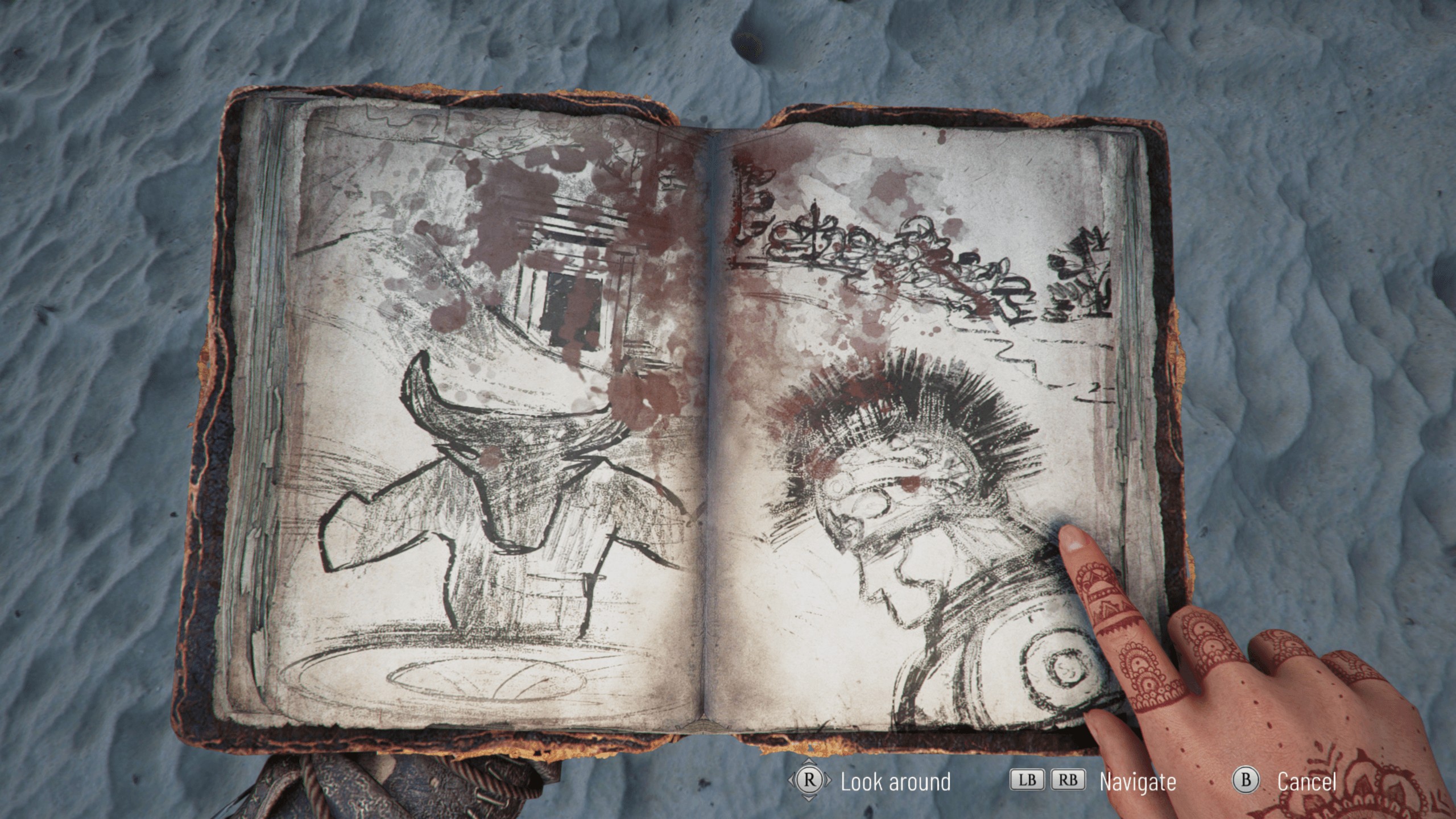
As I said above, the narrative thread of Resonance: A Plague Tale Legacy stars Sophia, the famous smuggler from A Plague Tale: Requiem, in her younger years, as she faces a mythological scourge to unravel the mysteries that haunted her childhood. Following her curiosity, she arrives on the famous island of the Minotaur, which is never directly said to be Crete, and there she experiences visions that let her relive the island's past through the eyes of the Greek hero Theseus.
From this point on, the story is told through two protagonists: Sophia, who explores the island in the present, and Theseus, who plunges into the depths of the labyrinth to face a familiar enemy.
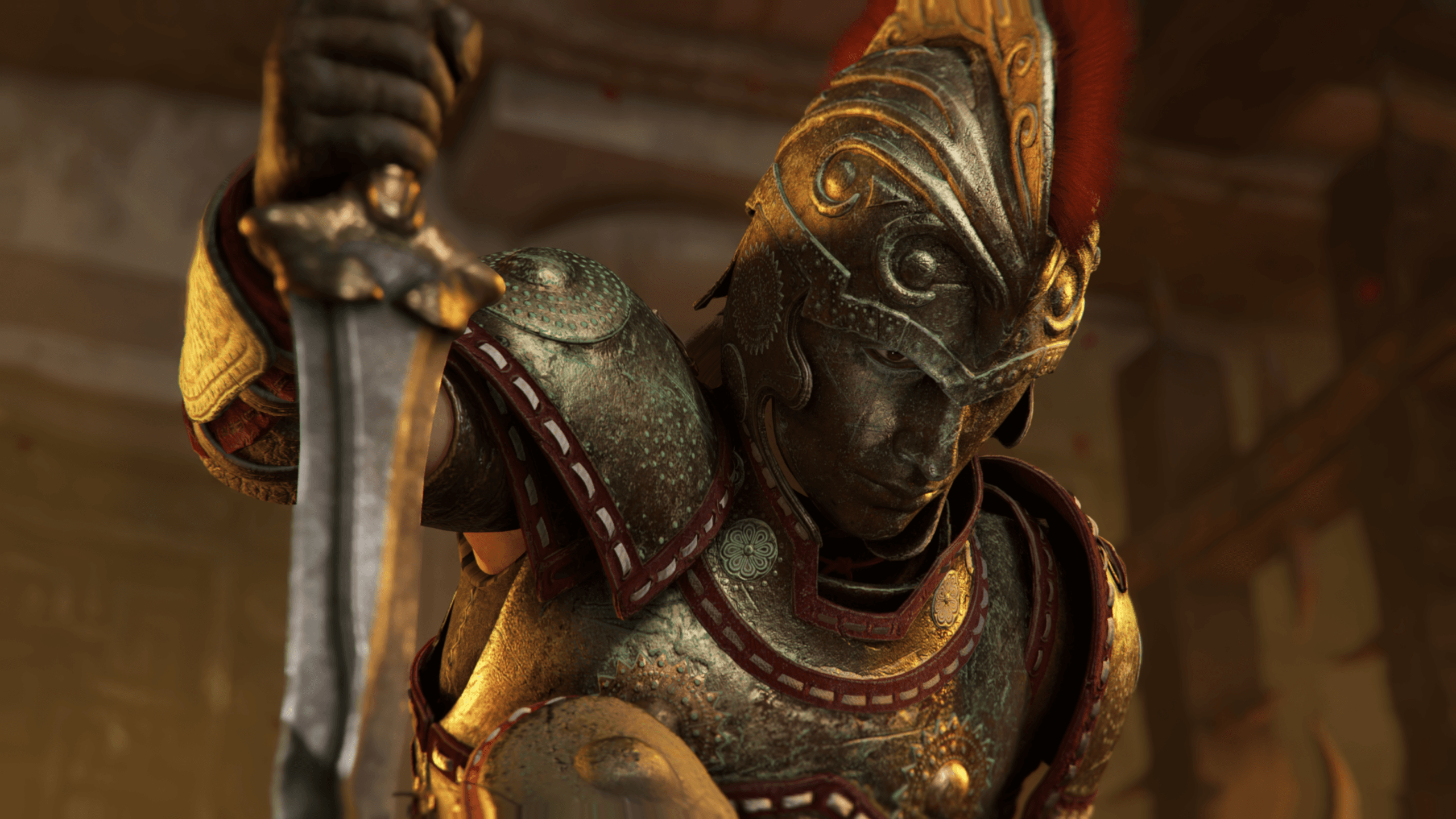
This inventive way of telling the story lets the developer give its imagination free rein and reinterpret the famous legends of Olympus in a fresh way, and I hope that in future it will use the same imagination to visit other well-known myths and legends. Returning strictly to the story, though, it doesn't match the earlier games, suffering from certain "modern" elements and a few girlboss-ing motifs. I'm not denying that there are complex female characters, or that gaming has real heroines, but the logic of some interactions in Resonance completely escapes me, because it simply makes no sense. The lack of any real relationship between the two de Runes is keenly felt here, and Sophia, though inexperienced, shows the same confidence and cockiness she has in Requiem.
On top of that, one of the main antagonists is written absolutely horribly: one-dimensional, with no development whatsoever over the course of the story. In a series where nothing is black and white, an enemy who is evil just for the sake of it worries me. The only sections that are written with any thought, and where you can see the spark of the earlier games, are the ones set in the past, where we step into ancient times and watch Theseus fight tooth and nail for the right to face the Minotaur. Only here do we see all the narrative elements the series has accustomed us to, but confining them to these sequences, which make up less than half the game, will be a heavy blow for fans of the series.
Wrath of the Gods
The earlier games focused exclusively on sneaking and solving puzzles, whereas Resonance: A Plague Tale Legacy puts the emphasis on action. Unlike Amicia, Sophia is a fighter and can take on armoured enemies without much trouble. But this is exactly where the game's first problems appear, because the developer doesn't seem to have enough experience in the chosen genre. As you'd expect, Asobo took inspiration from the genre's established titles and tried to emulate the combat system of Rocksteady Studios' famous Arkham franchise, along with the exploration elements of Uncharted or Tomb Raider, without fully understanding what sets those franchises apart from the rest of the action-adventure crowd.
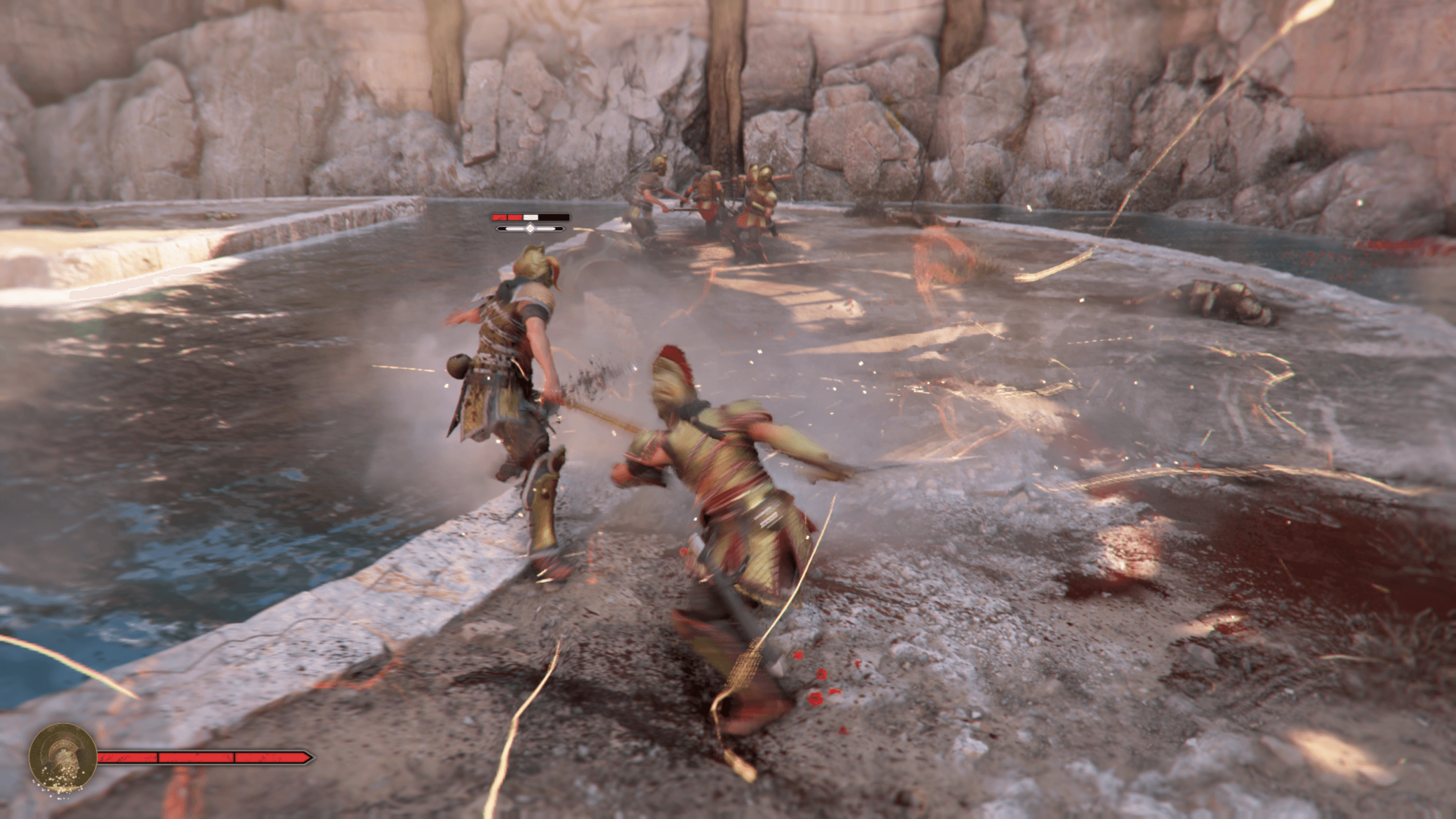
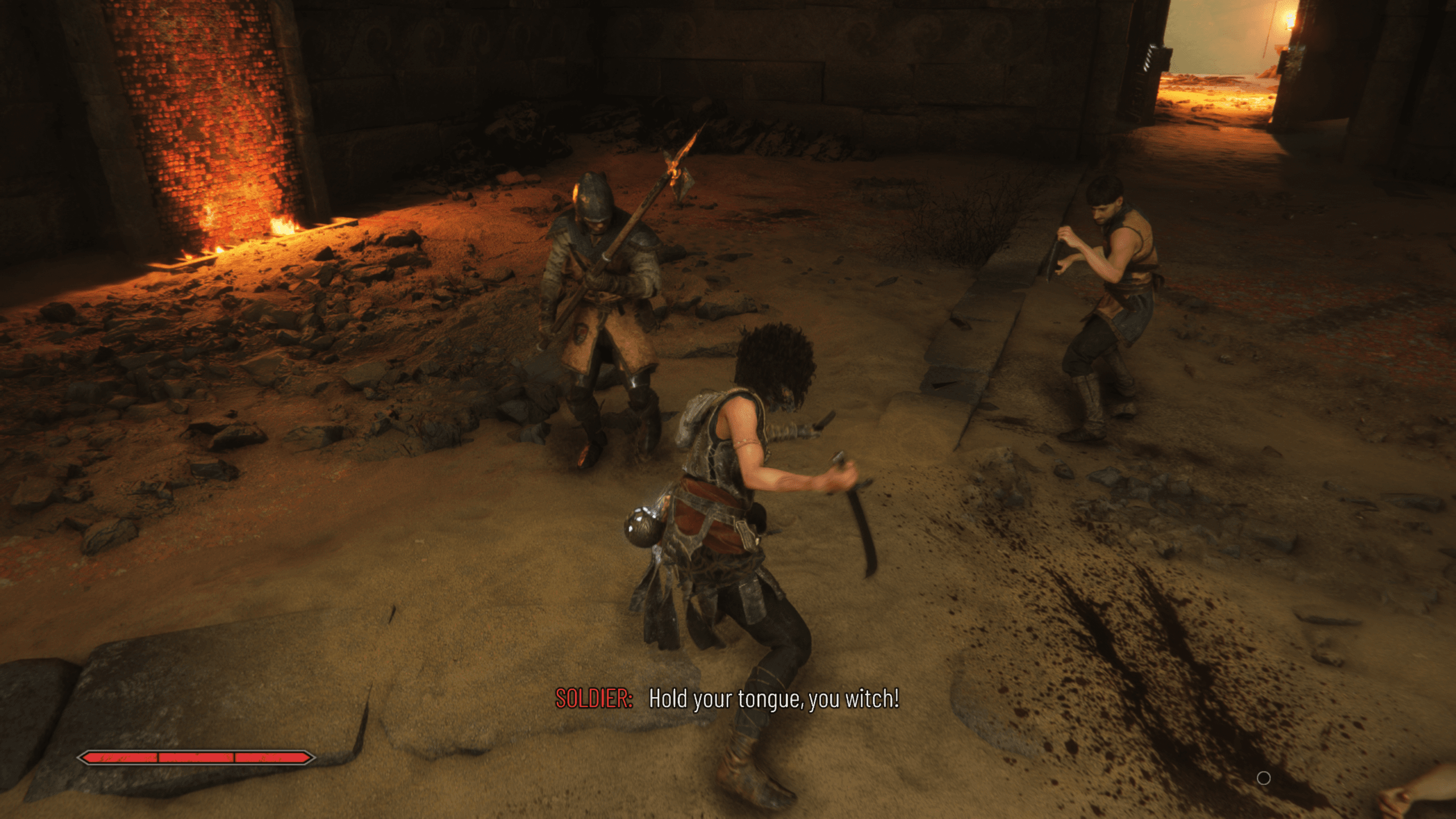
Combat revolves around parrying and punishing enemies once their stagger bar has filled. Unfortunately, the system is shallow. There is a single combo, to which we can add a kick to break enemy guards or a heavy attack to deal more damage. As a result, the player will fall very quickly into a monotonous rhythm of constant parrying and heavy attacks, which is the most effective way to pulverise enemies. Unlike Batman in the Arkham series, who used his abilities and gadgets to take down criminals, Sophia has neither Bruce's finesse nor his toolkit. She has access to a single tool, a grappling hook that she uses in the platforming sections and that can be used mid-fight to pull enemies closer. Unfortunately, the moments when it can be used to its full potential are rare.
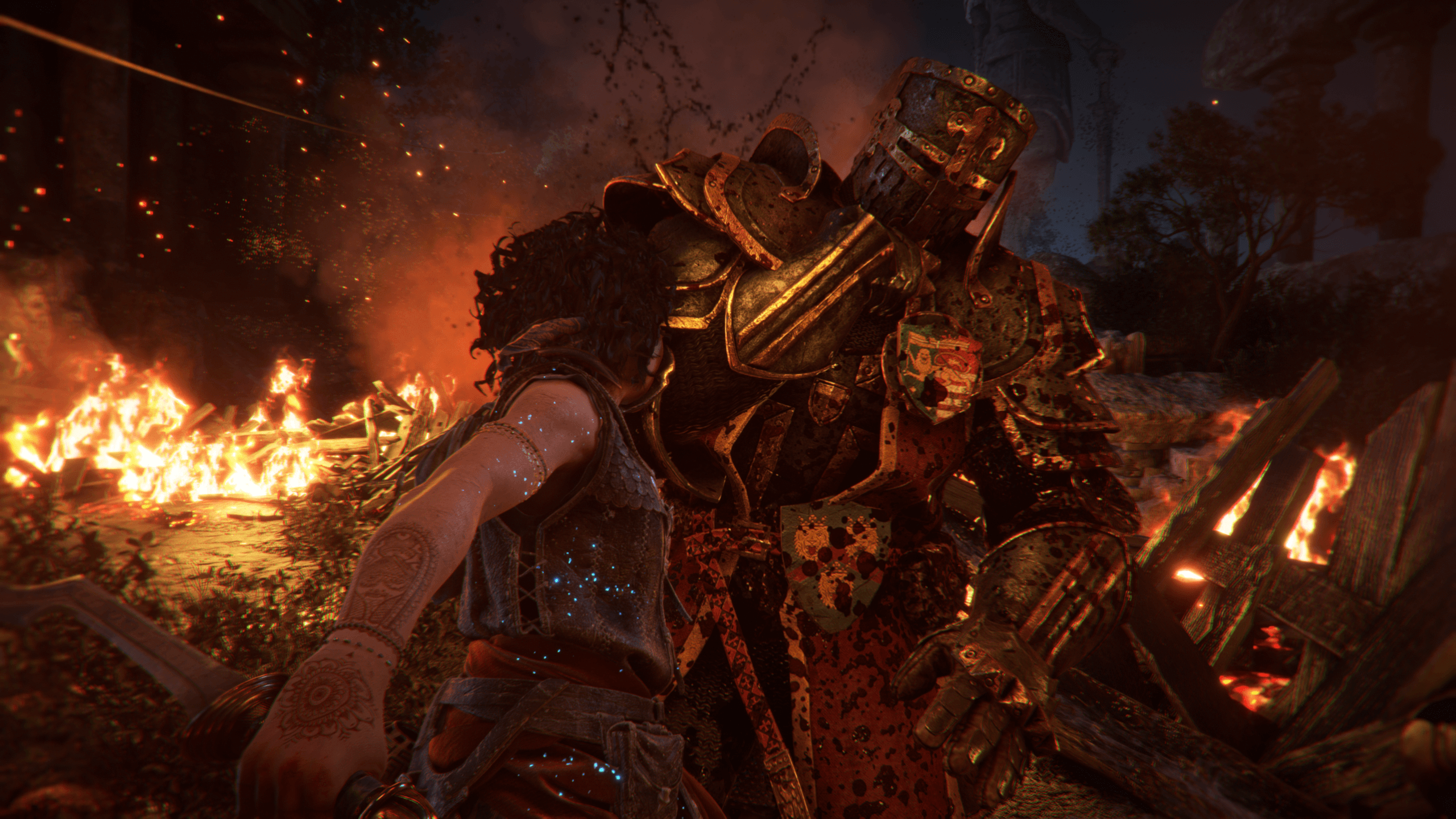
Besides Sophia, we can also play as Theseus at certain points in the game, and the mythological hero has access to a set of more powerful attacks. Even so, he has only one combo, which the player uses ad nauseam. Worse, Theseus doesn't even have access to Sophia's skill tree.
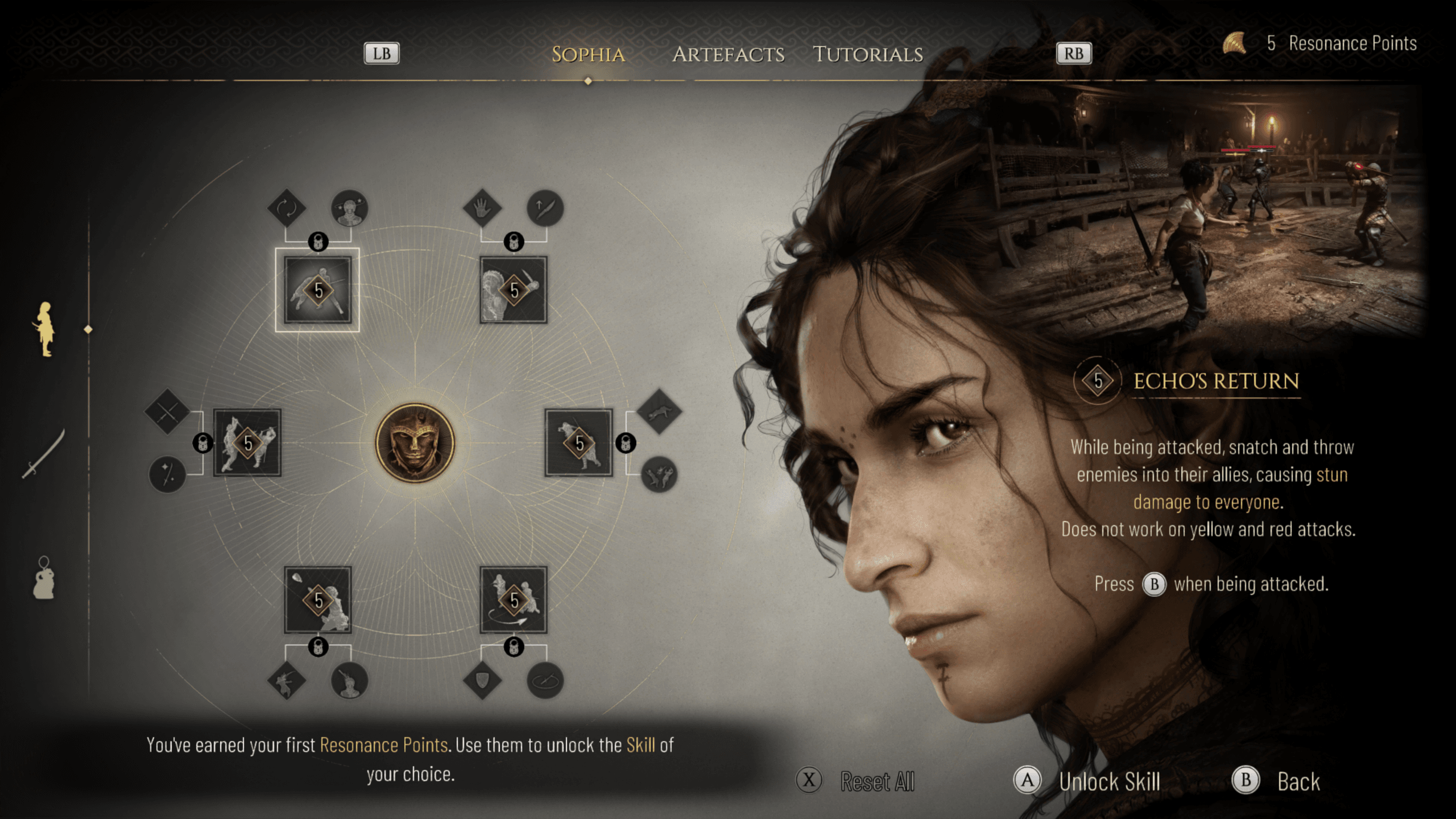
Yes, just like in the previous games, Resonance: A Plague Tale Legacy has a skill tree, but its abilities can only be unlocked for Sophia, never for Theseus. That's how I ended up, towards the end of the game, being forced to survive a deadly tournament as the mythological hero using nothing but dodges, parries and attacks, with none of Sophia's abilities, which she supposedly inherits from the famous Greek hero himself.
I mentioned above the grappling hook the present-day protagonist uses. You get it relatively early and use it fairly often in the exploration and platforming sections, but the animations there are rather stiff and have a nasty habit of breaking immersion. Exploration and platforming have almost completely replaced the sneaking of the earlier games, thanks to Sophia's warrior skills, but the developer has kept the light mechanic, which provides safe zones. You've probably worked out by now that the Macula, the famous supernatural disease Hugo suffered from, turns up in Resonance, but here it takes a different, more alien form that has kept its aversion to light. So there are lamps and torches that Sophia uses both as safe points where the Macula can't attack her and in areas where light can be turned into a weapon.
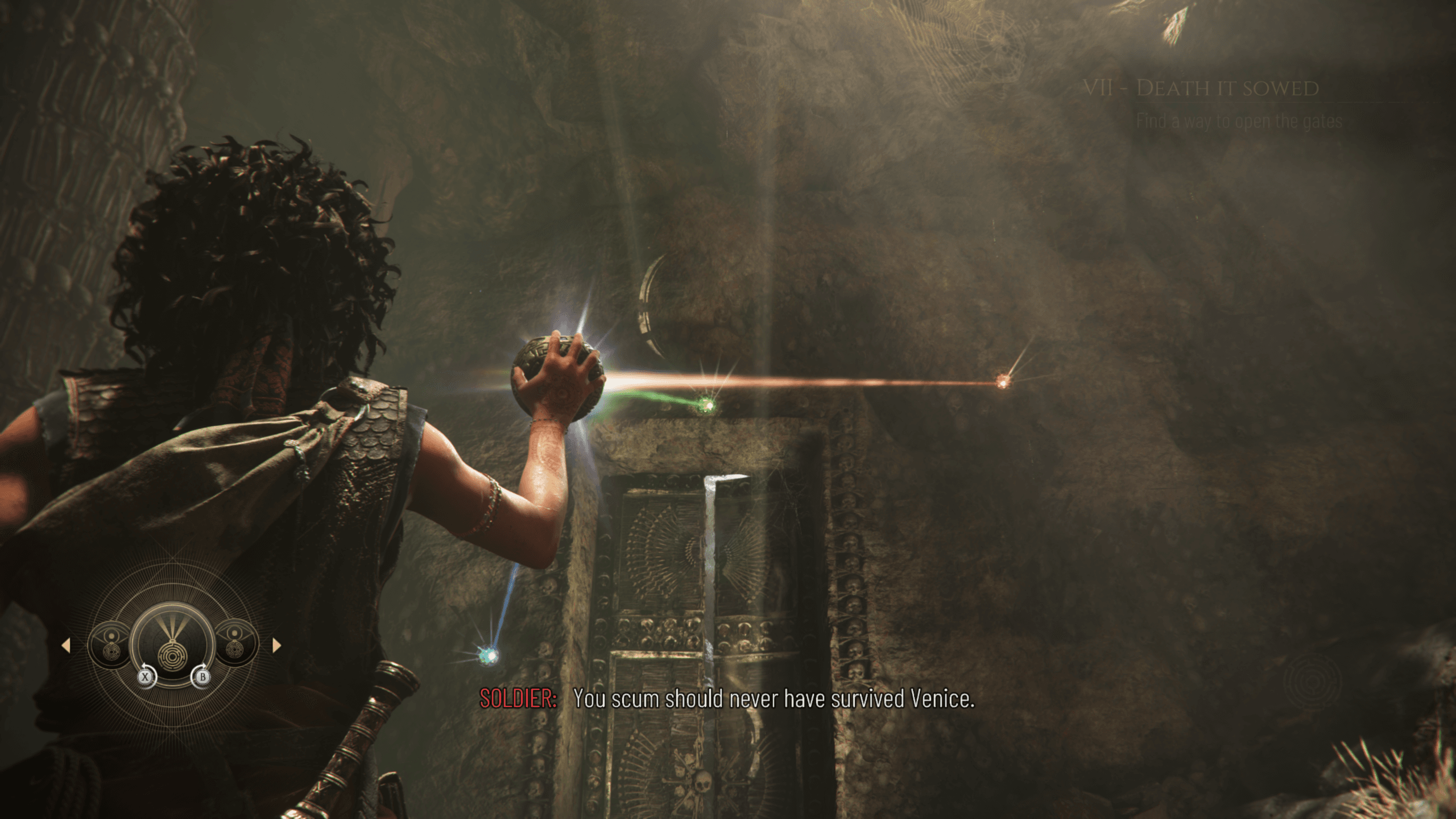
Unlike A Plague Tale: Innocence or Requiem, Resonance uses light in almost every aspect of the gameplay, from creating those spots where the protagonist can't be attacked to solving puzzles. This is where the game really shines, because the developers have gone out of their way to build complex puzzles that respect the player's intelligence, and whose solutions aren't either obvious at a glance or spelled out by a sidekick the second we run into an obstacle.
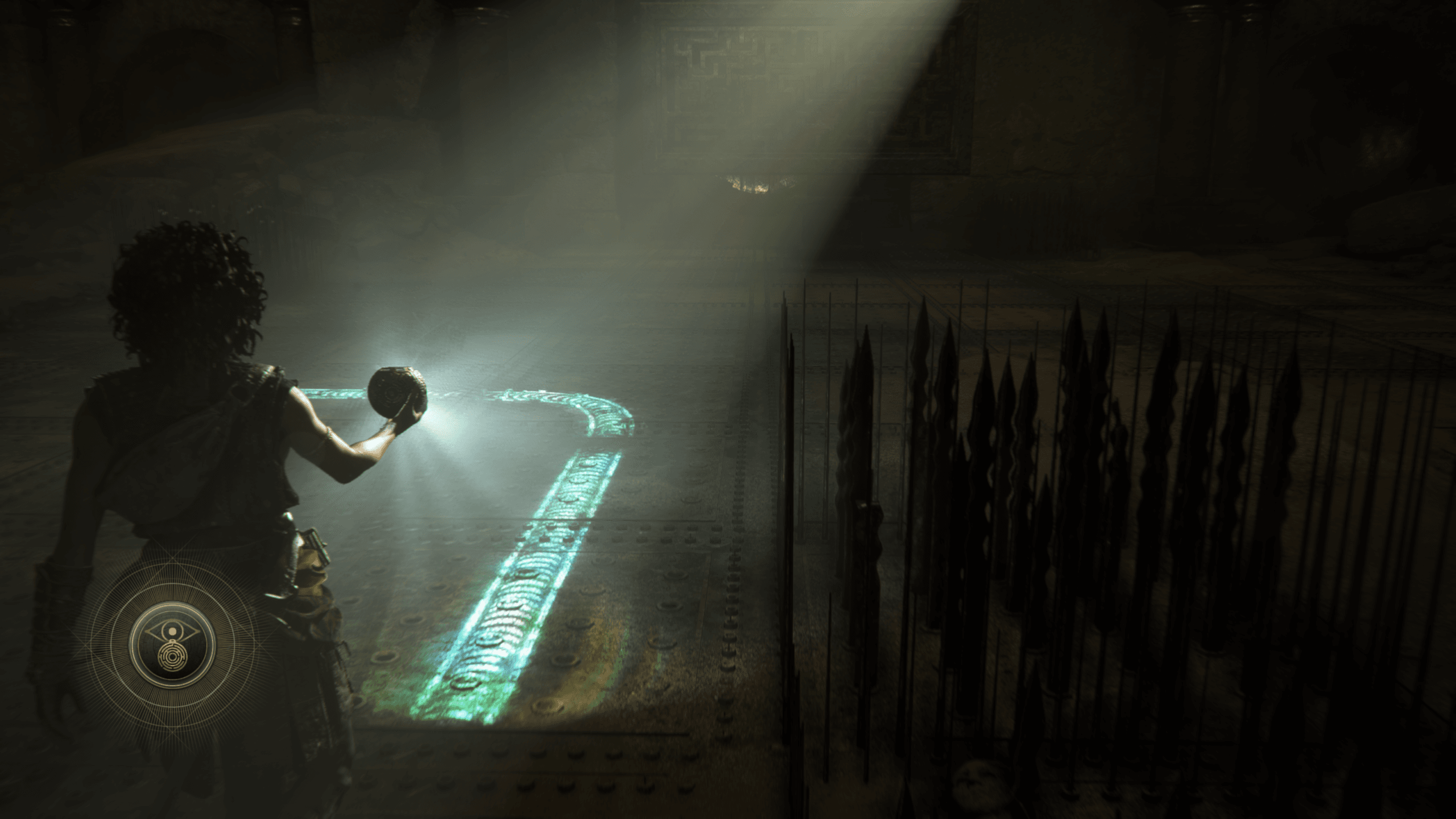
I'll be honest: there were moments when I sat for a good fifteen minutes working out a puzzle's solution, and the joy I felt when I finally cracked it is something I haven't experienced in a very long time. Over the course of her adventure, Sophia obtains a globe with lenses she can use to solve various puzzles. The first lens, for example, reflects light in a special way that reveals a paint used to mark the solutions to challenges or to show the safe route through a maze full of traps. Another lens splits light into three beams of different colours, which have to be used to illuminate coloured crystals. This type of puzzle is usually optional and is used to unlock new weapons, and you have to find the right spot to split the light from. Finally, the last lens serves as a weapon, for taking out certain special enemies that show up towards the end of the game.
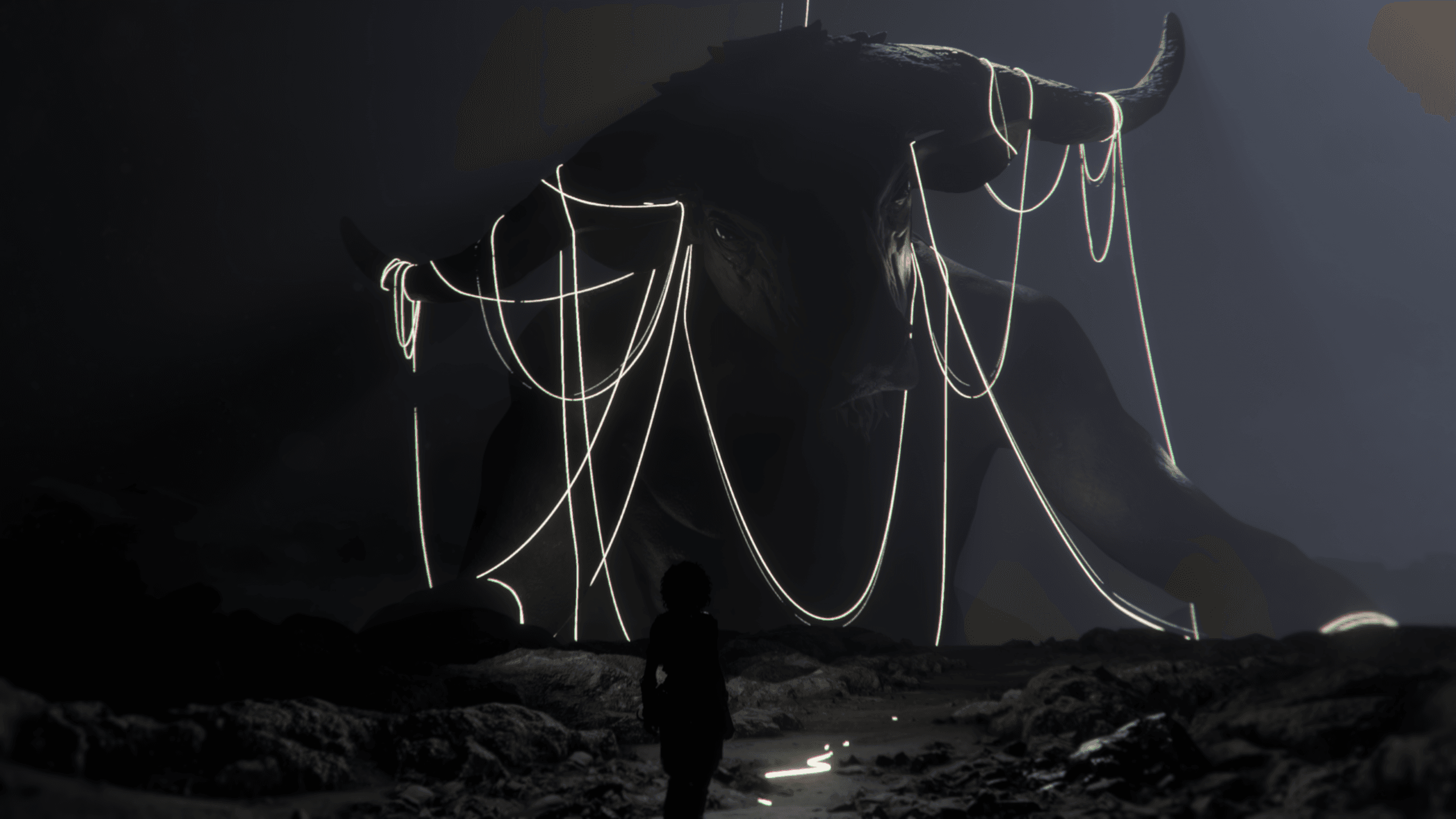
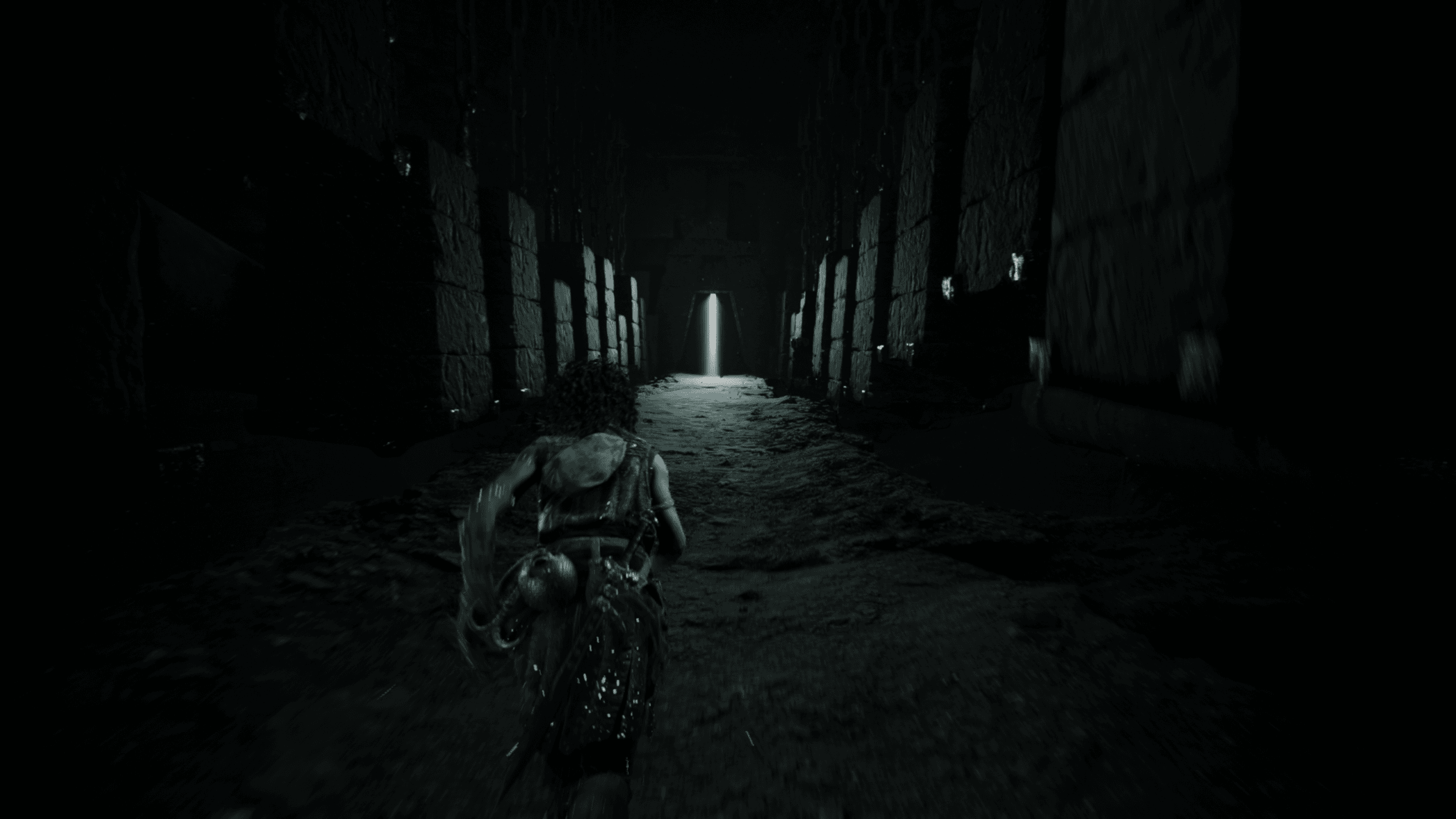
The famous stealth sections of the earlier games have been replaced by a rather ineffective kind of sneaking, which boils down to crossing larger areas without being caught by the fearsome "Minotaur", which can't approach lamps or areas lit by natural light. But this pseudo-stealth soon vanishes and is replaced by sequences in which we're literally hunted by this cursed creature. Thrilling at first, they lose their charm quickly, and the sequences end up as more of a headache than moments that keep you on the edge of your seat.
The Labours of Hercules
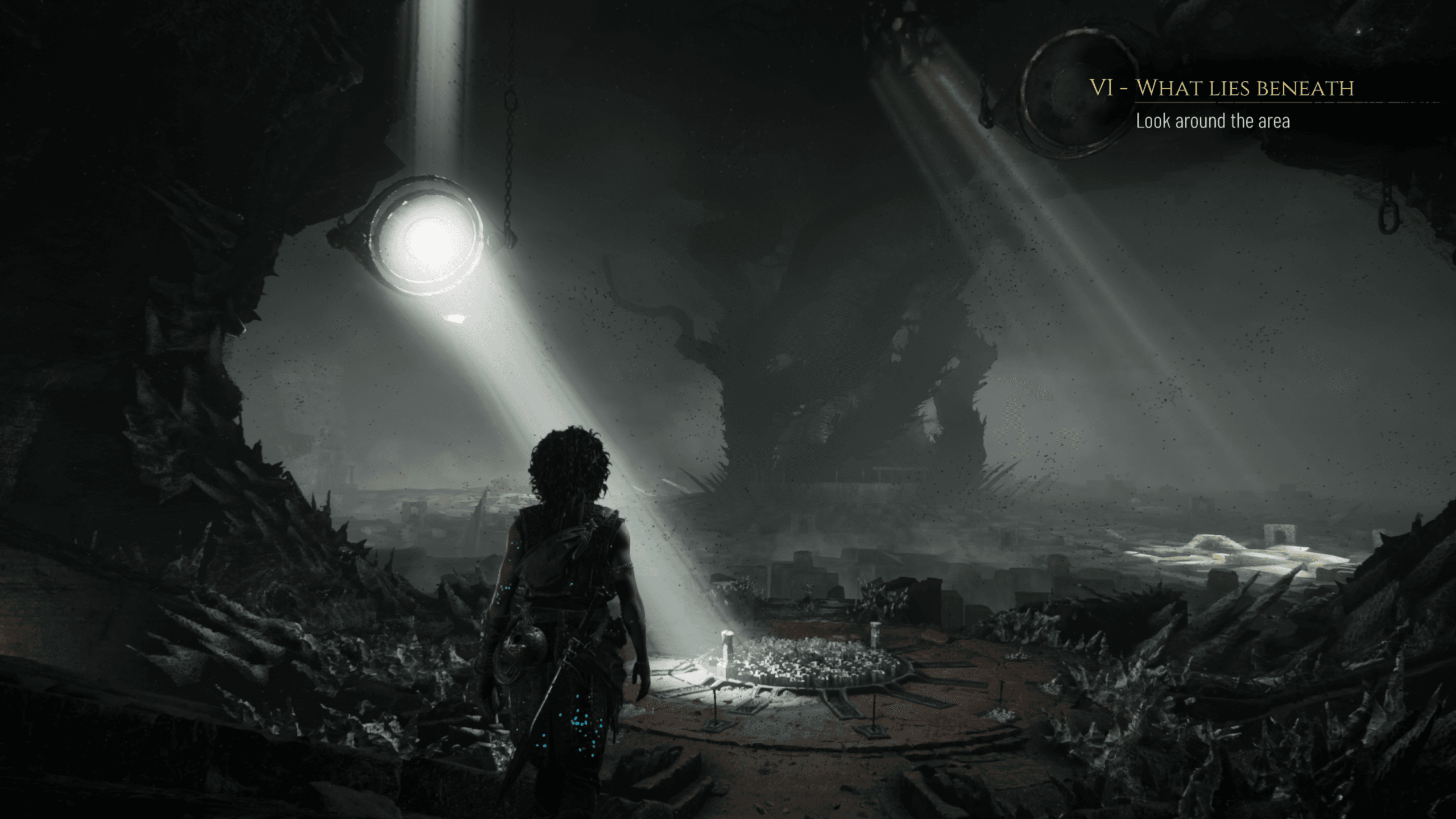
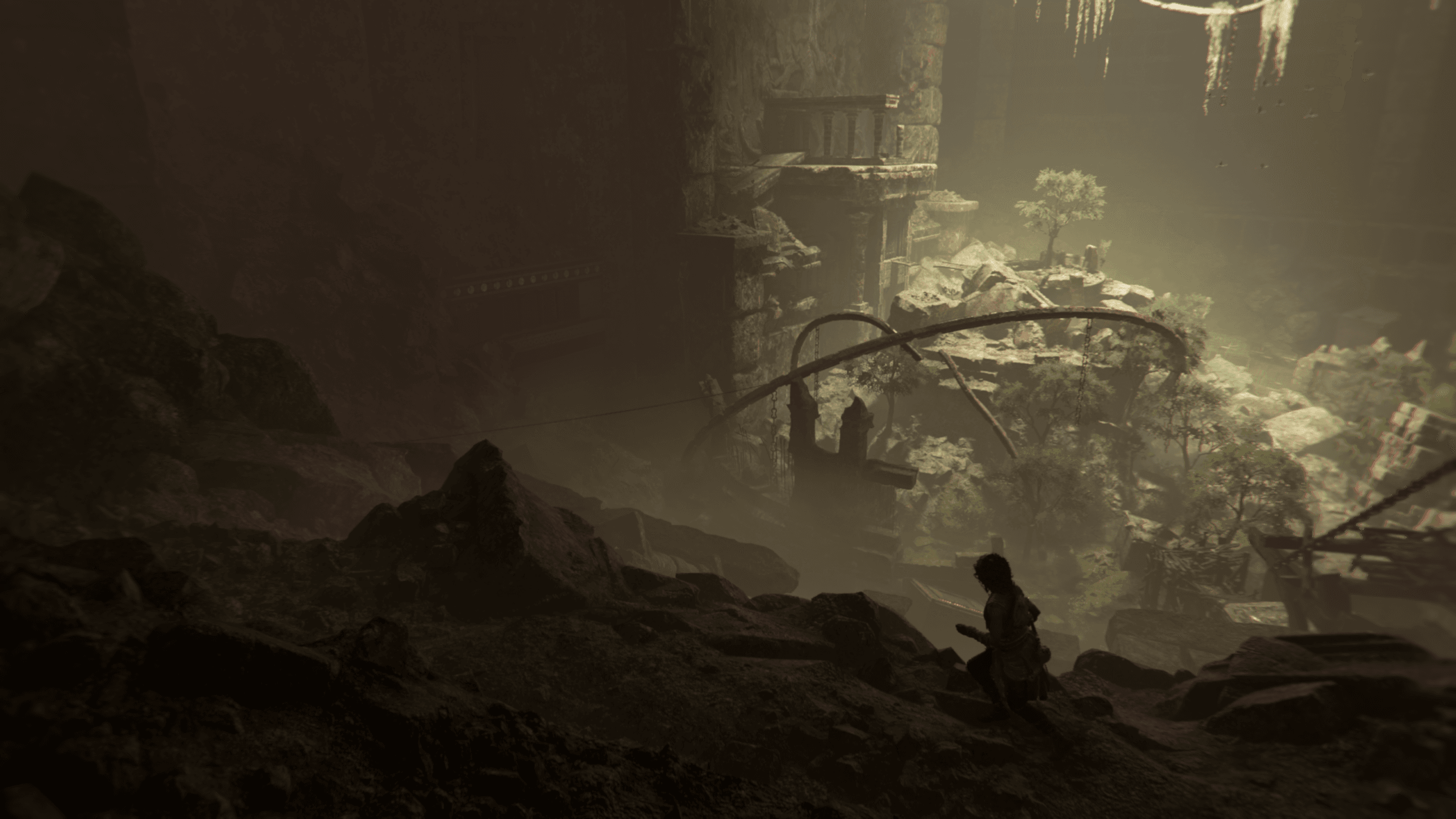
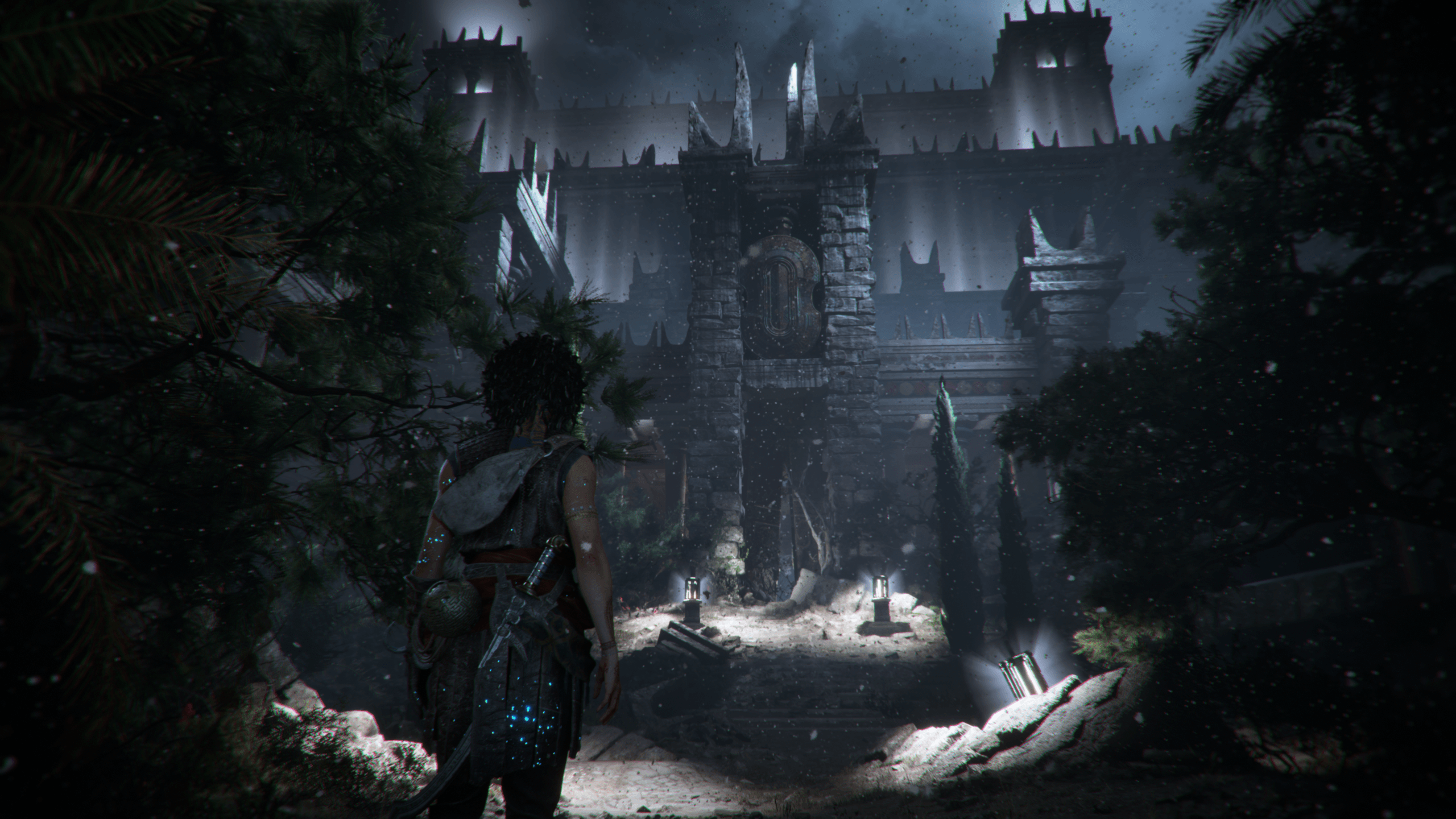
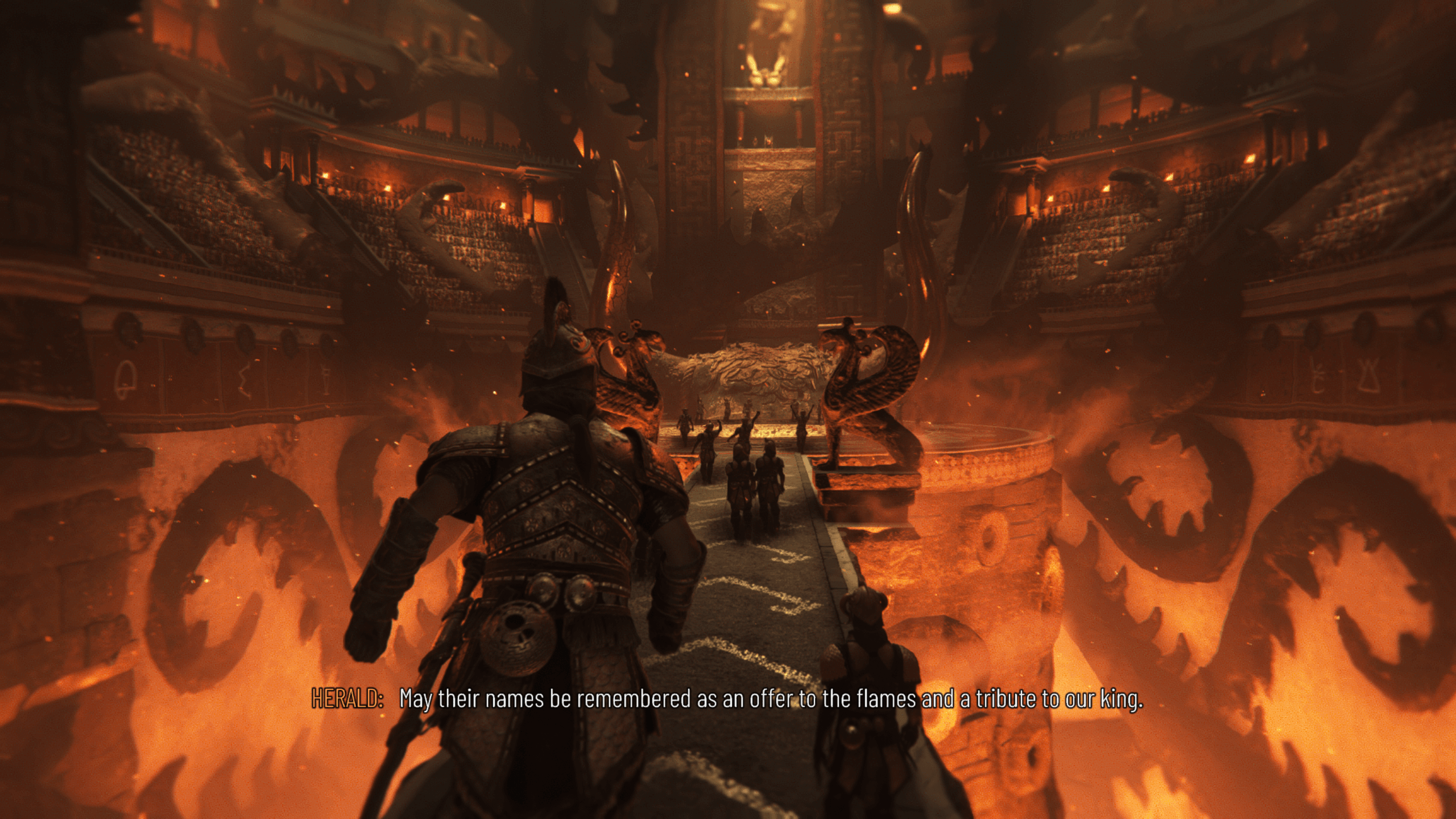
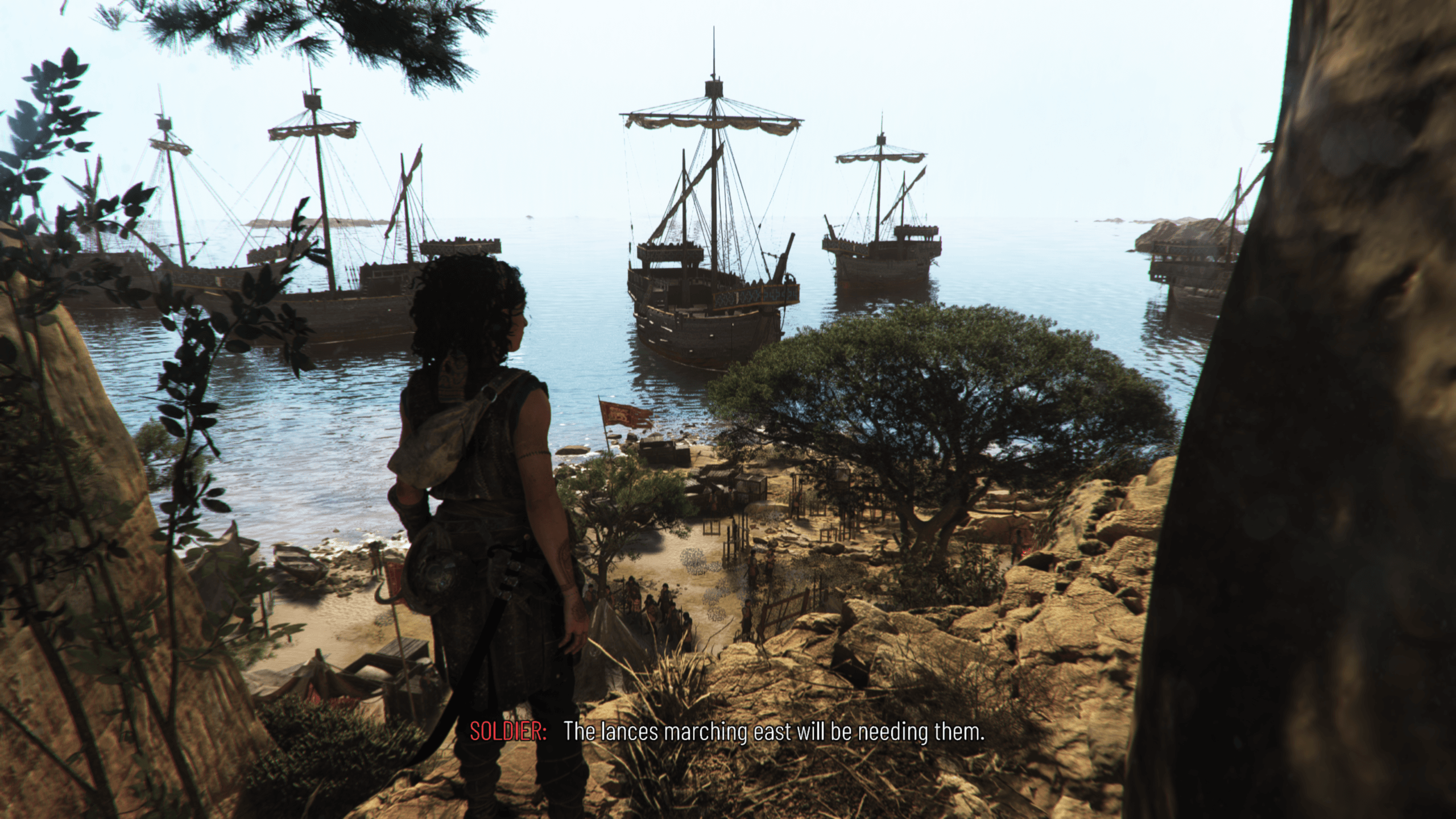
One of the most impressive things about the earlier games was their visual fidelity. The developer squeezed everything out of its engine to bring 14th-century France to life in Innocence and Requiem, and every level looked almost like a real place. The same can't be said of the current game. Yes, the island where the story unfolds is derelict, and there's no reason for its structures to look like anything other than ruins, but the game also has a sequence set in Venice during a carnival, and that location doesn't get the same attention to detail as the cities in Innocence and Requiem did.
Then there's the colour palette: the developer has opted for the same colours that dominated the seventh console generation, namely shades of brown, shades of yellow and a great deal of grey. I don't deny that these colours suit the island's ruins, but they show up in the sections set in the past too, where we play as Theseus. It's well known that the civilisations of ancient Greece were full of colour, and most buildings and statues were vibrant and bright, which makes the lack of it in Theseus' sections jarring. Asobo does show its mastery in the areas corrupted by the Macula, though, which feature organic structures and the same intense atmosphere as the rat sections of the first two games.
On the sound front, I've nothing to complain about, because the legendary Olivier Deriviere returns as composer, as he did on the previous games. This time the soundtrack draws heavily on Greek music, with mandolin and vocal choirs. The sound design is excellent too: every sword or dagger strike comes with a metallic clang, and every execution is followed by chilling sounds. Better still, the player can use certain sounds to work out where enemies are, which direction an attack is coming from, or even where the Minotaur is in a level.
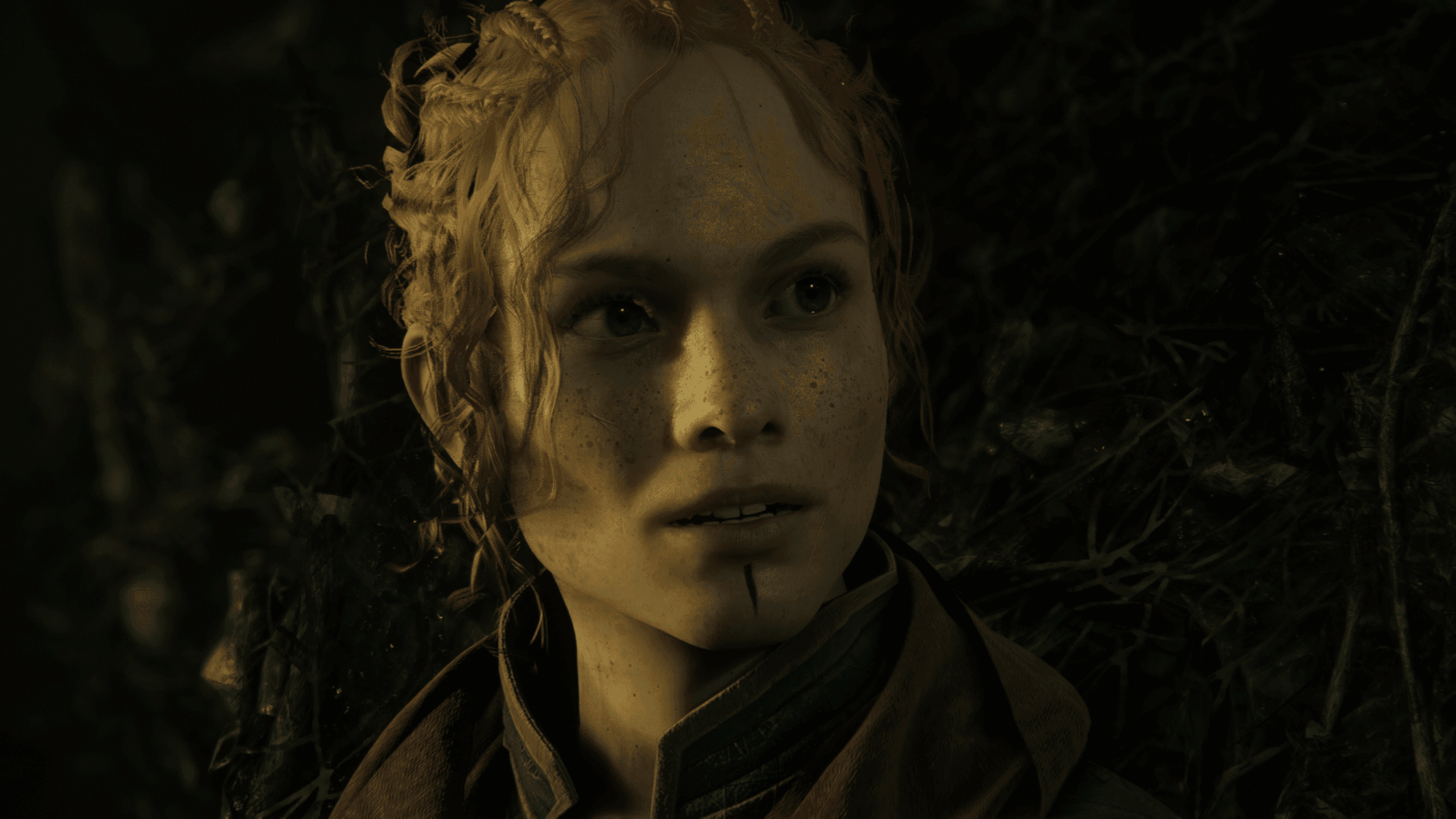
I have to congratulate Anna Demetriou, the actress who brings Sophia to life, both literally and figuratively. She reprises her role from Requiem, but this time she carries the story, and she manages to turn Sophia into a believable character with fears and hopes; every line reveals the emotional baggage of our favourite smuggler.
I've already grumbled a little about the engine Resonance runs on, Unreal Engine 5, but I have to warn you that the game isn't particularly well optimised on Xbox Series X. Despite fiddling with the options quite a lot, I still ran into sections where the game hitched, strange shadows appeared, and the frame rate dropped enough to be noticeable, even though I was playing in performance mode.
Summary
Resonance: A Plague Tale Legacy is a decent continuation of the franchise, showing us another side of its dark world, but it doesn't match the quality of the first two games, thanks to the radical genre shift. The atmosphere is as incredible as ever, yet the game never quite reaches its potential, held back by a simplistic combat system, an uninspired colour palette and optimisation problems caused by the engine it runs on.
Thanks to Focus Entertainment for the review code and the chance to play Resonance: A Plague Tale Legacy ahead of launch.

Available on: PlayStation 5, PC, Xbox Series X/S
Played on: Xbox Series X
Release date: 27 August 2026
Developer: Asobo Studio
Publisher: Focus Entertainment
Plus
- Atmosphere
- Puzzles
Minus
- Modern elements in the story
- Optimisation problems
- Simple combat system
0 votes
Scroll down here and stay on the page for at least 30 seconds to vote.
Pick a score from 0 to 10 (halves are allowed).