
The Japanese Make the Best Games
First published in GRIND Definitive Edition, pages 62–65.
PERSPECTIVE
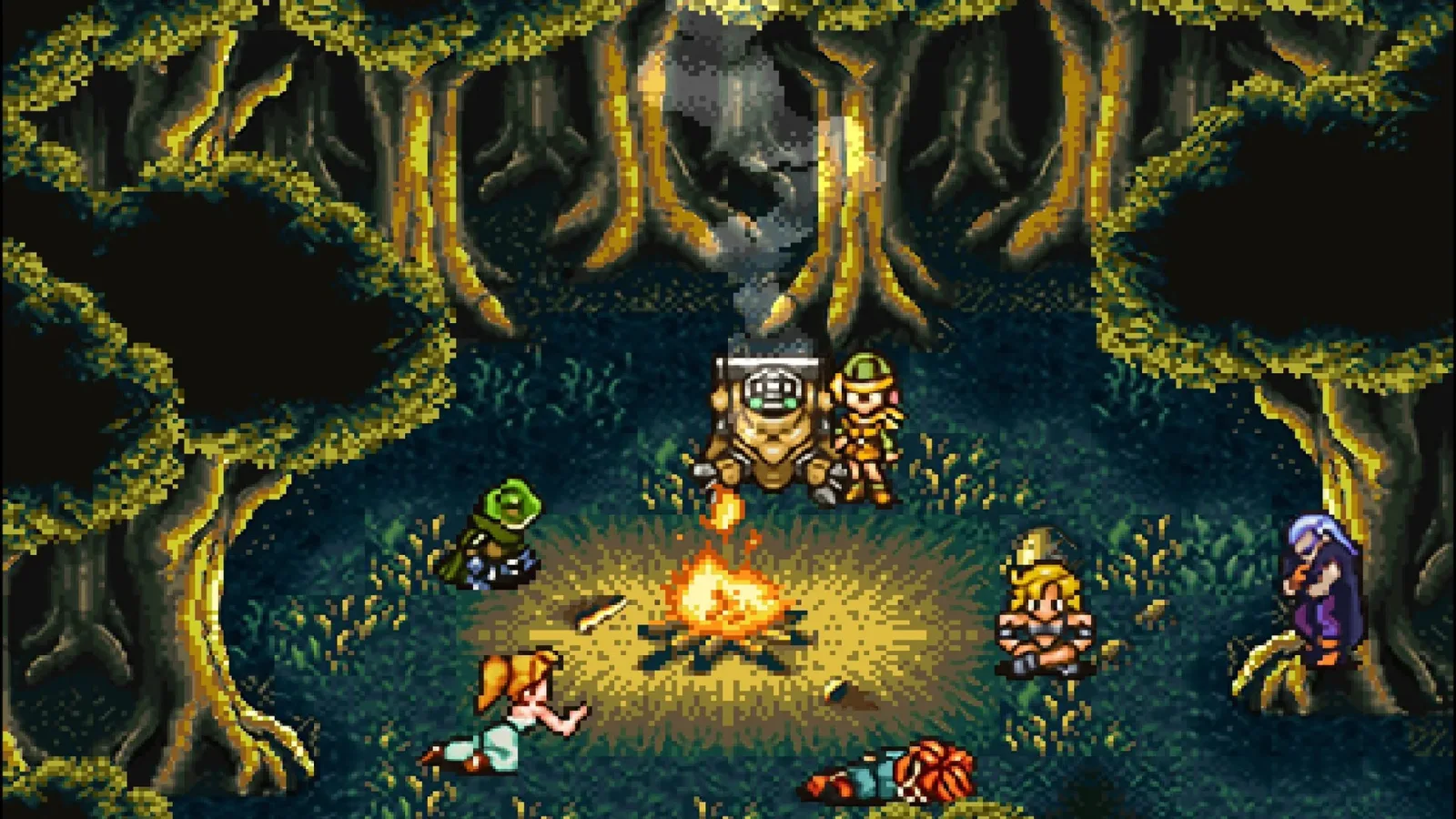
Keep half an eye on games industry news and it's hard not to ask yourself questions like “Why can't Xbox beat PlayStation, despite the massive acquisitions and investments it keeps making?”, “How is Nintendo still selling consoles when it offers technical specifications inferior to the competition's?” and “How come the big names in the arcade cabinet market are Taito (Space Invaders), Capcom (Street Fighter), Sega (Sega Racing, Virtua Cop), Konami (X-Men, Teenage Mutant Ninja Turtles) and Namco (Pac-Man, Galaga)?”.
The answer is simple: the Japanese make the best games.
It's a conclusion I reached over several years of watching Japanese studios show a consistency no one else can match when it comes to producing quality titles. While Activision, Ubisoft and Electronic Arts settled into the popular-
-isation of microtransactions and fragmented content that forces us to shell out for extra purchases, FromSoftware and Bandai Namco came at us with the brutal Dark Souls, Nintendo redefined the open-world genre with The Legend of Zelda: Breath of the Wild, and Gran Turismo kept raising the bar for racing simulators.
Did somebody say VR technology? While Oculus and Valve were scrapping over technical specs, Sony launched PlayStation VR – a far simpler, more affordable device, defined by ergonomics rather than incredible resolutions, but one that offers more fun games than anything Oculus has put out… alongside far more consistent releases.
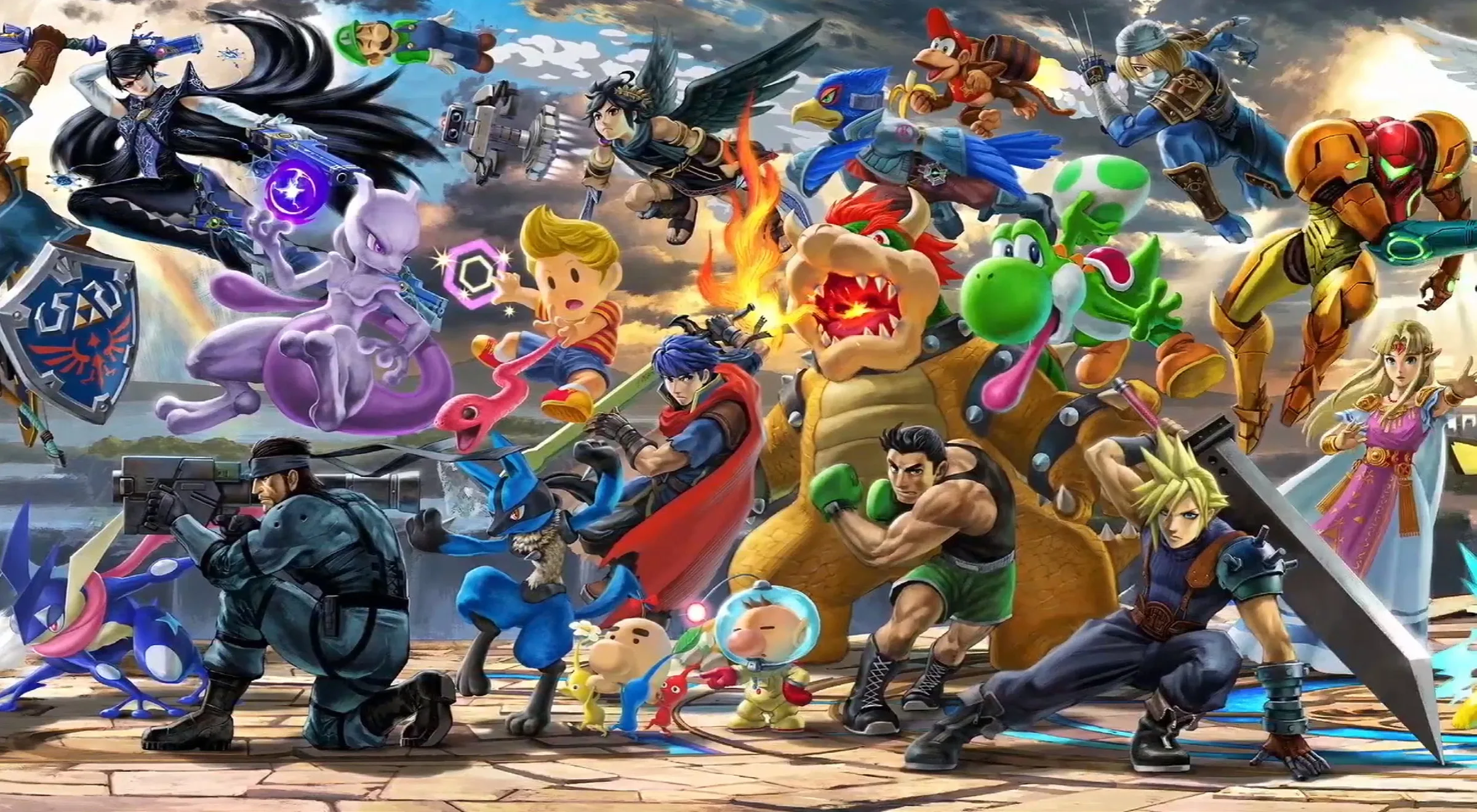
Want to talk about iconic characters who left their mark on the industry? Namco has Pac-Man, Nintendo has Mario, Sega has Sonic, Sony has Kratos. Now run the same exercise for Microsoft,
Ubisoft, Electronic Arts and Activision: who are the most representative characters for each studio, and when were they last involved in AAA titles? Take out the remaster and remake attempts (artefacts of the post-creative era) and you're left with nostalgia for a time when Western studios actually tried to compete with memorable characters.
Sure, there are exceptions here. Rockstar Games does a wonderful job with its protagonists in Grand Theft Auto and Red Dead Redemption. Likewise, CD Projekt Red turned Geralt into a symbol of Western RPGs. And the American studios working with Sony (Naughty Dog, Sucker Punch, Santa Monica Studio) have handed us masterpieces such as “Uncharted 2”, “The Last of Us”, “Ghost of Tsushima” and “God of War”.
But for every positive example, we have to look at the way Electronic Arts buries every trace of creativity in the studios it swallows up. Or mourn the decline of Blizzard, which has abandoned outright the standard of quality it was once known for. And then ask ourselves what Ubisoft has done with the Rayman and Prince of Persia series over the past few years.
I've come to the conclusion that Japanese studios have two characteristics that help them stay at the top: they're consistent in releasing quality games, and they reinvent their protagonists again and again. It's as though money and cultural shifts in the West have no effect on Japanese artists… as though they know that the best stories don't age and don't need to be told to please a single generation or to reinforce the convictions of one group sounding off at a given moment. And while Western programmers compete to change themselves to suit the will of vocal minorities, the Japanese carry on producing timeless art, to the highest standards.
Because Nintendo knows what an inter-generational game means – the kind of digital entertainment so good that parents want to pass it on to their children. And Sony knows what it means to follow its own course, being more interested in quality than in the pressure from groups pushing discrimination on the basis of a person's physical appearance.
Which is why, while Microsoft makes promotional videos making claims about social justice, Sony will put out better games and sell consoles. While Ubisoft talks to us about diversity and inclusion, Nintendo will show us all how to make a game for all ages. And while the focus falls on cutting-edge technology, a Japanese studio will hand us graphics and animations that look stunning on systems that are technically obsolete already.
This is why Atari couldn't compete with Nintendo and Sega, why John Romero has Pac-Man and Street Fighter 2 arcade cabinets in his study, and why the PlayStation 5 is more sought after than the Xbox Series X: the Japanese make the best games.
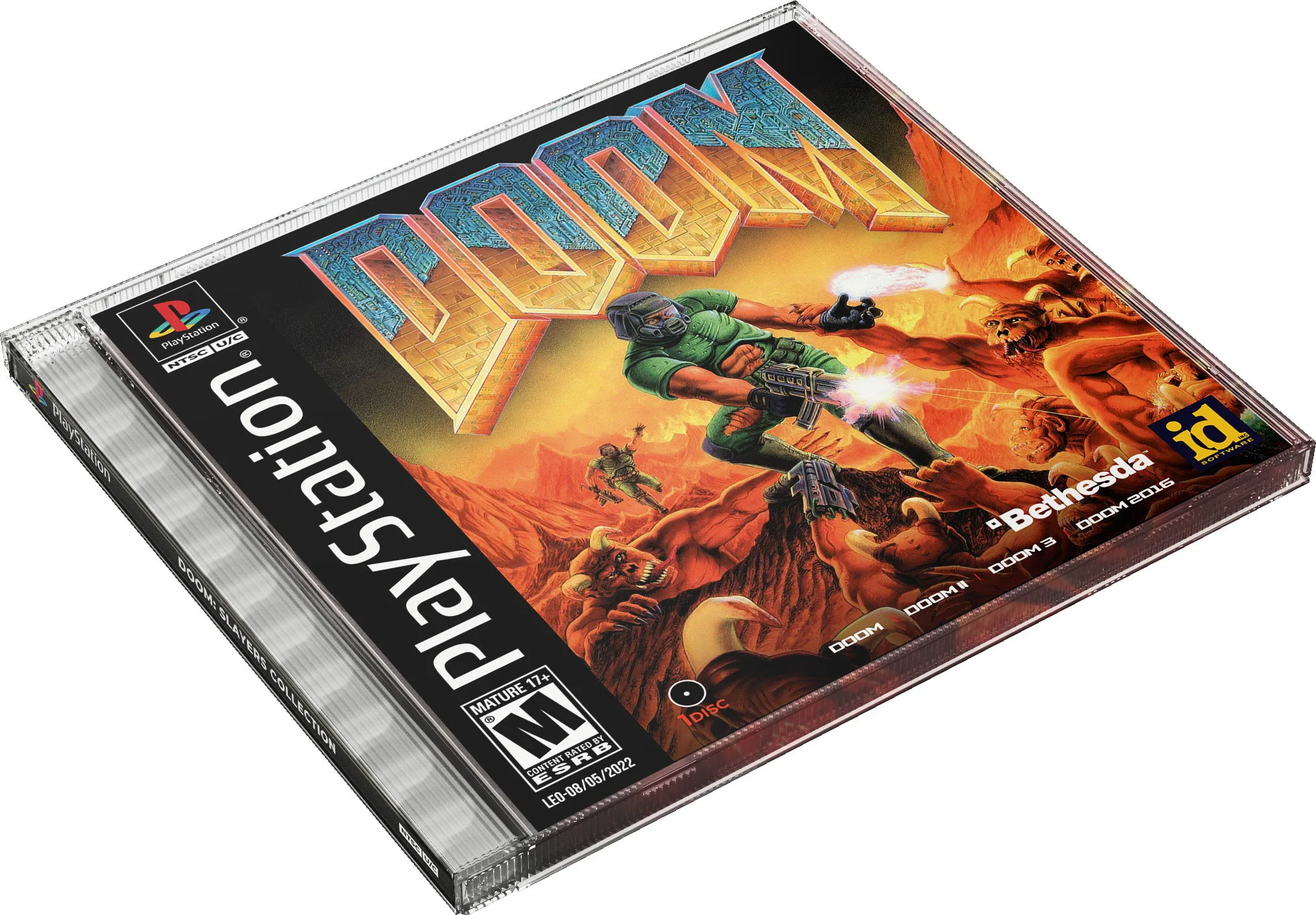
by Leo Lutia, If you want a retro cover for your PlayStation 4/5 game collection, message me on: @Leolutia.design Lutialeonard@gmail.com Leolutia#6927