
Is it nostalgia?
First published in GRIND Ediția Definitivă, pages 66–71.
PERSPECTIVE
NOSTALGIA?
...when we choose to play a title from earlier generations?
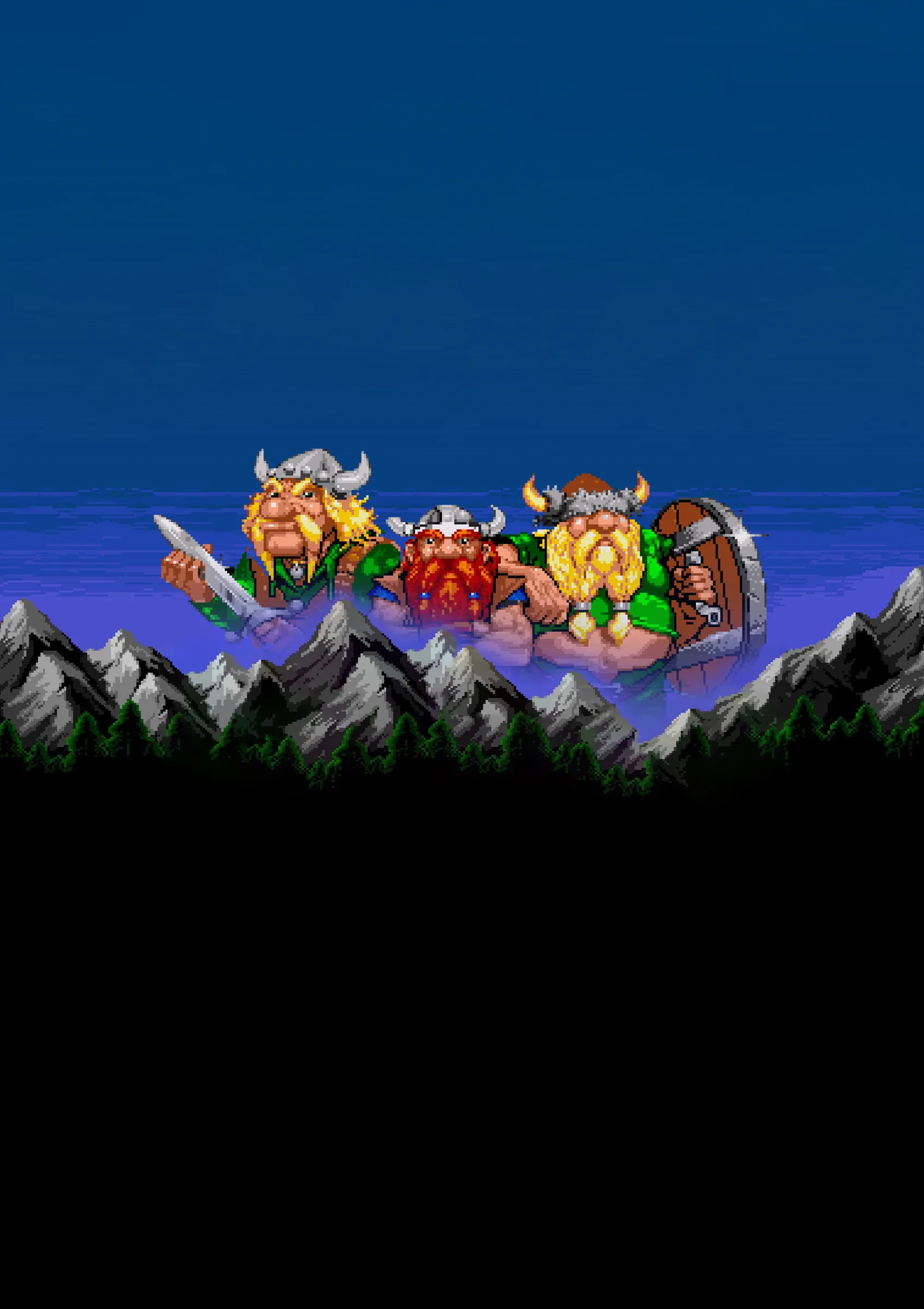
In my turn-of-the-millennium childhood, while I was running Wolfenstein 3D and The Cycles: International Grand Prix Racing on a respectable Pentium clocked at 66 MHz, I tended to read every games magazine I could get my hands on. Compared with the new releases shown off inside those colourful pages, I was always about 10 years behind: when I was reading up on the new 64-bit AMD processors and the new generation of GeForce 4 Ti graphics cards, I was still staring at the Windows 95 startup screen for 10 minutes… eagerly waiting for Brian Eno's ambient music to tell me I could have another go at finishing the prince's adventure of Persia. And when Warcraft III: Reign of Chaos was picking up unanimous praise from the specialist press, I was enjoying the space adventure of The Lost Vikings – imagining myself as a games historian exploring the early days of Blizzard Entertainment
(then still known as Silicon & Synapse).
Almost 20 years later, the situation has taken an unexpected turn: despite having the hardware needed to run the latest games, I often find myself working my way through titles from the 1985-2010 period.
Instead of getting excited about what's new in the industry, I pick my areas of interest carefully and wonder, among the other masterpieces on my list, where I could still fit the Horizon series or Cyberpunk 2077.
On the surface, someone might call me nostalgic. They'd probably say I'm wallowing in a relative comfort zone from which I can vehemently reject anything that steps outside the familiar mould. But have games really broken the mould in the last decade?
Where is the innovation?
Is there still innovation in an era when the only justification for launching a new console generation is light bouncing off surfaces (ray tracing), control schemes have become standardised across every platform, and the remastered version of Uncharted 4 is so close to the original that you have to stop and scrutinise every clump of vegetation through a magnifying glass to spot the improvements?
And given that the “remake” phenomenon is so popular across the whole industry, yet the contemporary product rarely rises to the level of the original, is there anything new left to discover? When almost every game Microsoft showed at the Xbox Showcase belongs to a well-defined genre and could be filed as a clone of something that already exists (Metroidvania, Fortnite-style battle royale, No Man’s
Sky), where do we find originality?
The most obvious answer points us towards the indie scene. Here, programmers and artists let their imaginations run wild as they make games that represent personal ambitions rather than promotional and sales plans aimed at the masses. In the indie world, budget limitations lead to creative decisions that compensate for the gaps. Here too, the people involved in a project are far more interested in making a quality title, and they often choose to sacrifice their private lives in order to breathe something of their own existence onto the interactive painting that gradually reveals itself on a digital canvas.
And commercial failure is treated as a risk you take on from the very start, because an independent production succeeding in a multi-billion-dollar industry is the black swan of the landscape itself.
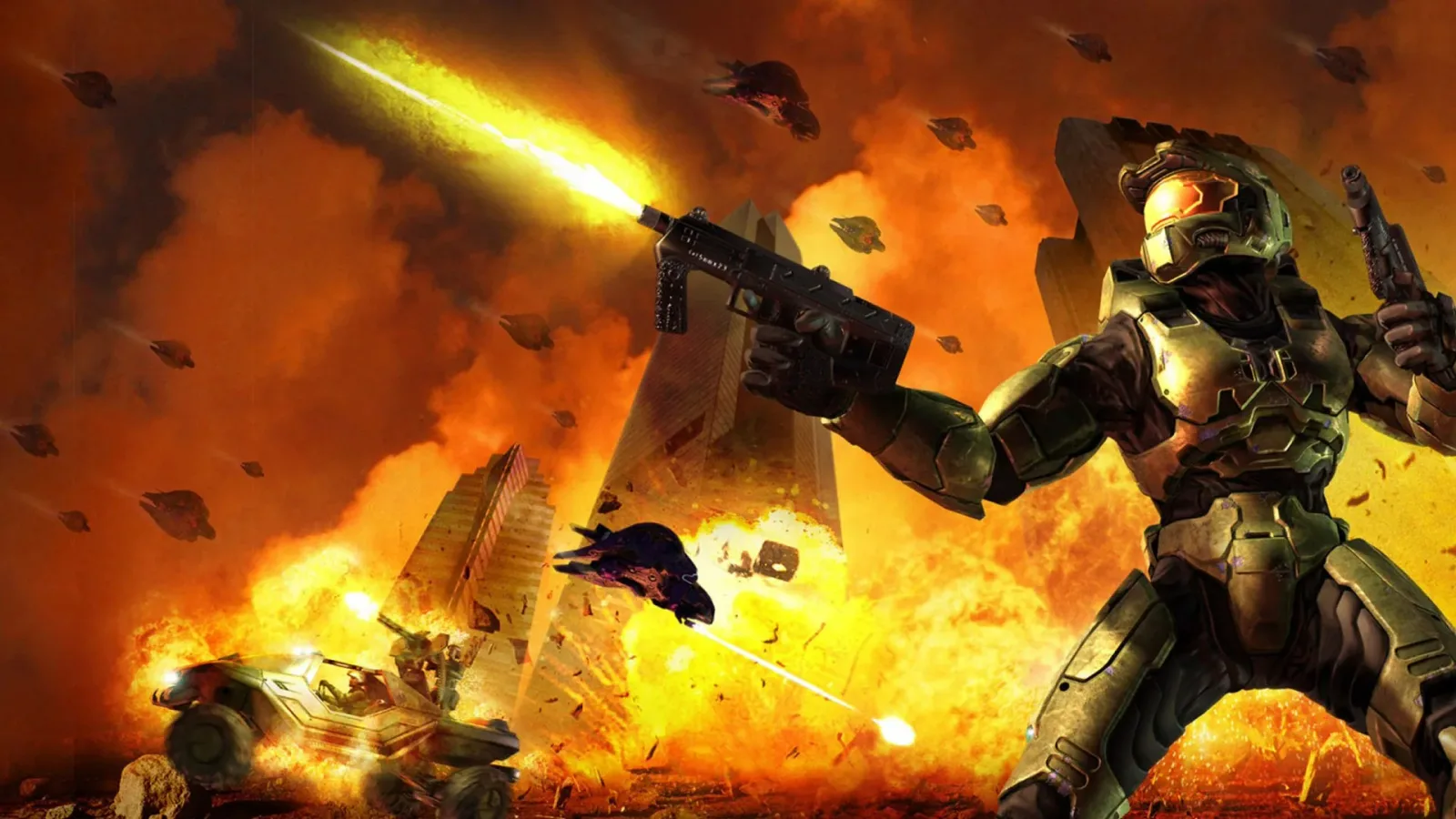
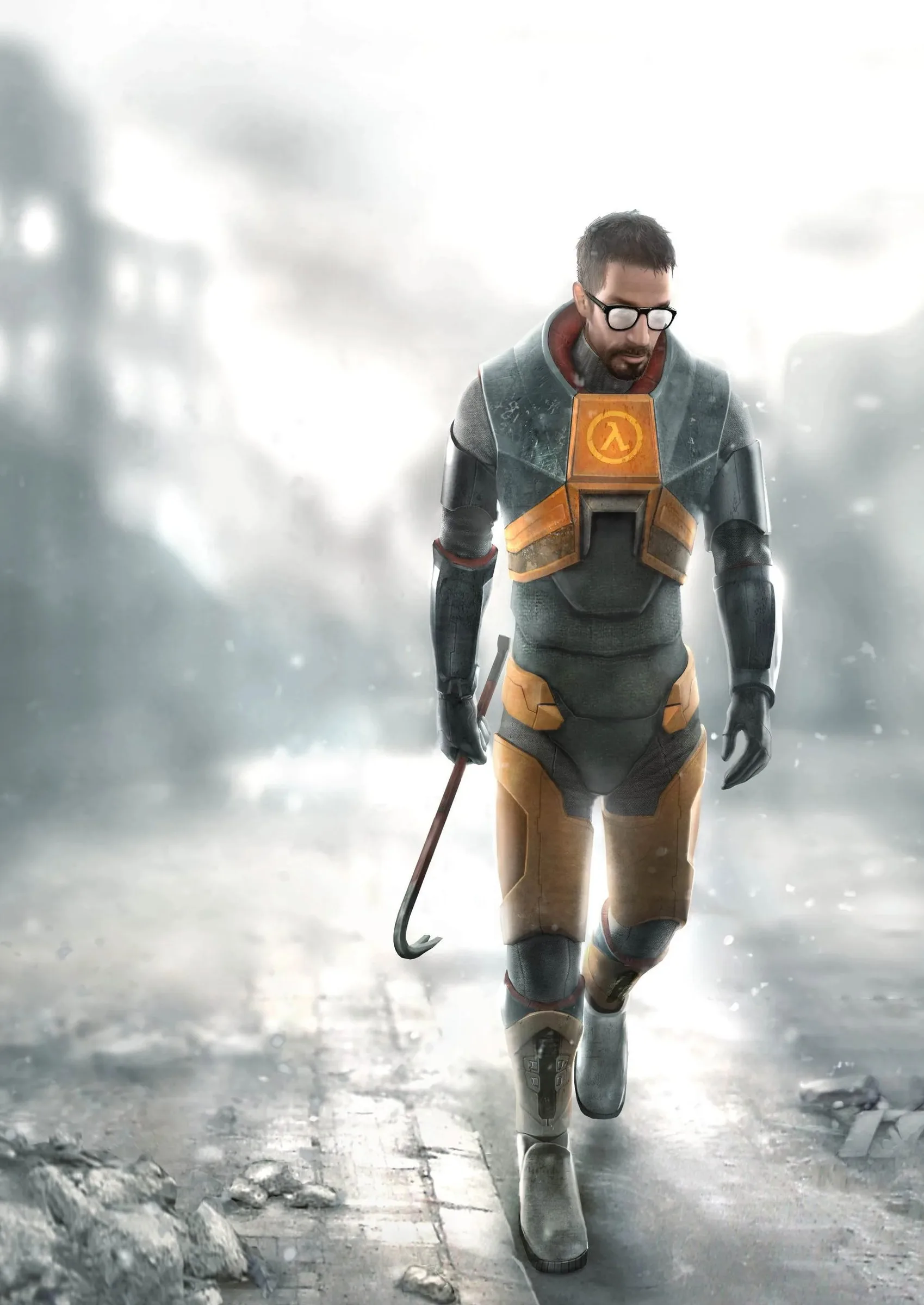
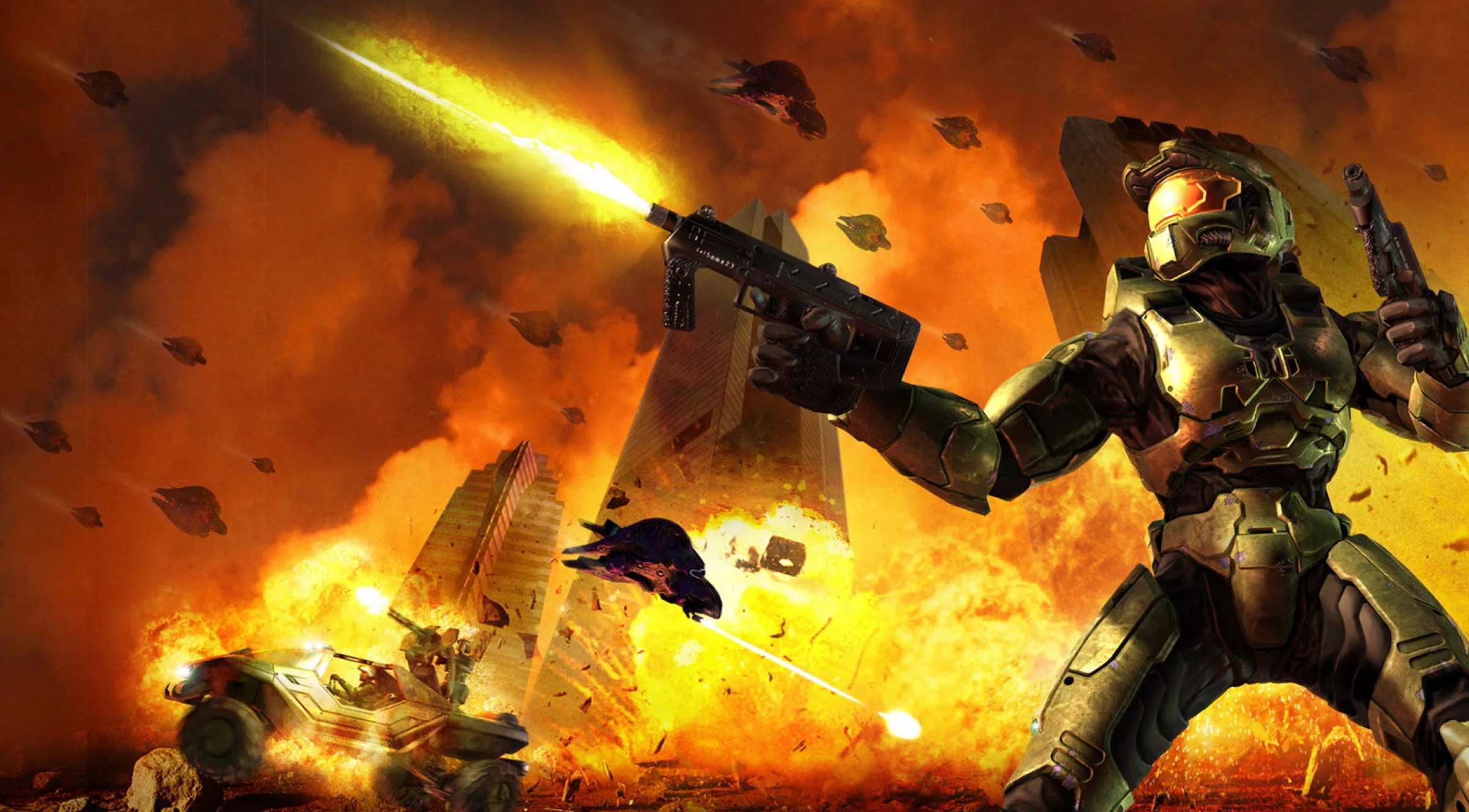
Still, there's another answer to the problem of originality: given that many of the best games have already been made and innovation tends more towards graphical improvements, it's often useful to look back in time to find something that time has forgotten, or that was too little appreciated when it first appeared. I know Metacritic isn't a benchmark of absolute objectivity, but I find it at least interesting that the top 10 includes only three games released after 2010: Super Mario Galaxy 2, Red Dead Redemption 2 and GTA 5. The list is full of curiosities that make you wonder what programmers knew in the early 2000s and have since forgotten: how is Baldur’s Gate II ranked above Skyrim? Why do Half-Life 2 and Halo 1 score better than Call of Duty: Modern Warfare 2? How is Tony Hawk’s Pro Skater 2 the highest-rated sports game and sitting second in the overall ranking?
First of all, we're talking about games that respect their job of being fun. Lacking the means to reproduce realism, they took liberties that let them defy certain of today's standards and conventions.
Secondly, we're talking about complete games, rich in extra content. Before Xbox Live and Steam made it possible to patch broken releases on the fly, studios had to ship the best possible quality in the final versions if they wanted to sell (especially on consoles, where releasing patches was far more difficult and would have meant replacing the original disc). Before those same digital distribution platforms offered the option of buying loot boxes, virtual currencies and season passes, every title boasted a richer spread of extra content for enthusiasts to unlock. For today's studios, every additional element (which would once have been a password, a hidden room or a reward for certain achievements) signals serious monetisation potential.
Which brings us to the third argument for why games from before 2010 are better: grind is sacred. The currency a player hands over in exchange for items, experience points and unlockable content is time. The more time you put into the game, the better you get. The better you get, the more secrets you find and the better equipped you are to take on extra challenges. And game developers were perfectly aware of this and made sure to hand out small bonuses for the keen ones. An alternative ending on the highest difficulty setting? The chance to play from another character's perspective?
Extra outfits for certain characters? Dialogue lines that nudge the course of events a little?
Important narrative elements hidden in a room you can only unlock under certain conditions? Weapons that let you get through levels faster?
Today, all of that has been turned into things you can buy with a bank account, without investing even an hour in the game's world.
Let's take another example worthy of the grind: to discover 100% of the con- Are games art?
Games are an art form that, past a certain point, no longer shows its age. It's not as if every console generation marks the equivalent of the leap from cave paintings to the Sistine Chapel. The evolution of graphics and game mechanics has brought us to a certain peak from which we can more easily appreciate what came before. Just as we can listen to a rock album released by Led Zeppelin, Soundgarden and Muse without feeling the need to slot the contents into distinct historical periods, we can enjoy Grim Fandango or Deus Ex without feeling the need to measure them against Syberia:
The World Before or Cyberpunk 2077.
A good rock album is a good rock album regardless of the year it came out, the technique used in the recording studios and the context in which the lyrics were written. By the same measure, a good RPG is ageless and shines on its own merits without making us dwell on what it lacks.
Is it nostalgia when we choose to play a title from earlier generations? Only if today's games reach the same level of quality, or exceed it. But since that isn't the case in tent of Diablo II: Lord of Destruction, a player needs almost 200 hours.
We're talking millions of clicks, dozens of failed attempts to conquer gloomy dungeons and plenty more hours spent hunting down the best artifact combinations. By comparison, the newly released Diablo Immortal lets players get the most powerful items without putting in any effort at all, through an investment of ‘just’ most situations, the answer is a vehement ‘no’. Some of the best games have already been released and deserve all our attention. If studios want to compete, they'll have to offer vastly superior quality. Otherwise they can carry on wallowing in microtransactions while a few tens of thousands of dollars. Perhaps the news about Immortal amuses you and leads you to believe players will have the good sense to mobilise and refuse to line Activision Blizzard's pockets. But you'd be sorely mistaken: Diablo Immortal took $24 million in just the first two weeks after launch and will most likely carry on being an enormous success. as we discover the wonders we overlooked in the past.
VLAD COSTEA
Rivalry reignites.......................
Donkey Kong has stolen all the Mini-Mario toys from the factory, and it falls to Mario to get them back! Run, jump and bounce back to recover them across more than 130 levels, in this puzzle-flavoured take on classic platform action.
The rivalry that first flared up on the Game Boy™ Advance system now returns on the Nintendo Switch™ system, with co-op play, entirely new worlds, updated music and graphics, and other new ways to play.
JNGRNDMD10 Use the code on the left for 10% off!
The promotion is valid until 16 February 2024
EXPLORE NEW WORLDS
.......................
Alongside familiar worlds such as Mario Toy Company, Donkey Kong Jungle and Mystic Forest, you can explore two new themed locations packed with new obstacles and challenges.
MERRY MINI-LAND SLIPPERY SUMMIT
Have as much fun as you can in this mini amusement park. Keep your cool as you solve the puzzles across this wonderful winter land. 16 February 2024
PRE-ORDER
Release date