
A.I.L.A – Review

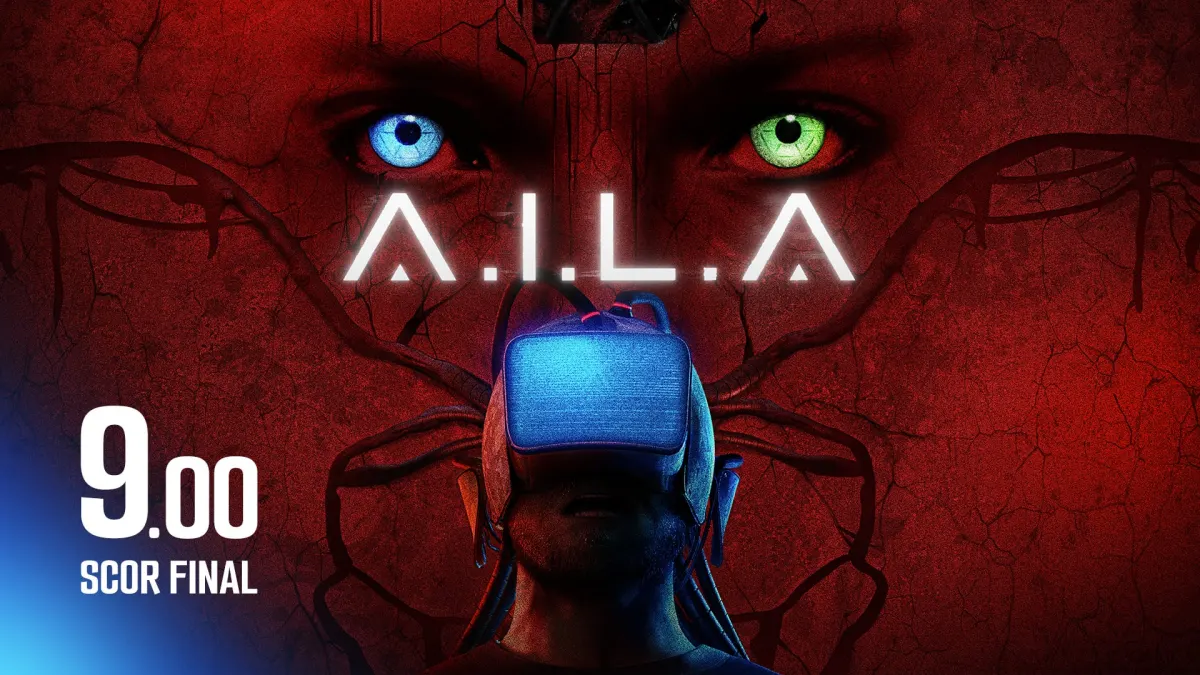
I discovered true nightmare through an overview of A.I.L.A.
A.I.L.A throws you directly into a modern nightmare. You are Samuel, a video game tester (from Electronic Arts – joking, joking guys) who receives an extremely advanced VR device created by an artificial intelligence called A.I.L.A. The goal seems simple: test “horror experiences”. But, as you delve deeper, reality and simulation begin to merge, and the lines between what is real and what is virtual become increasingly blurred.
In essence, A.I.L.A is not a conventional horror. There isn't just one type of terror: the game traverses multiple subgenres – psychological horror, survival, action, exploration – and mixes them to surprise the player. The scenarios are diverse, from eerie houses with claustrophobic atmospheres, to haunted villages, rural landscapes, or bizarre sci-fi worlds.

Structure, Scenarios and Atmosphere
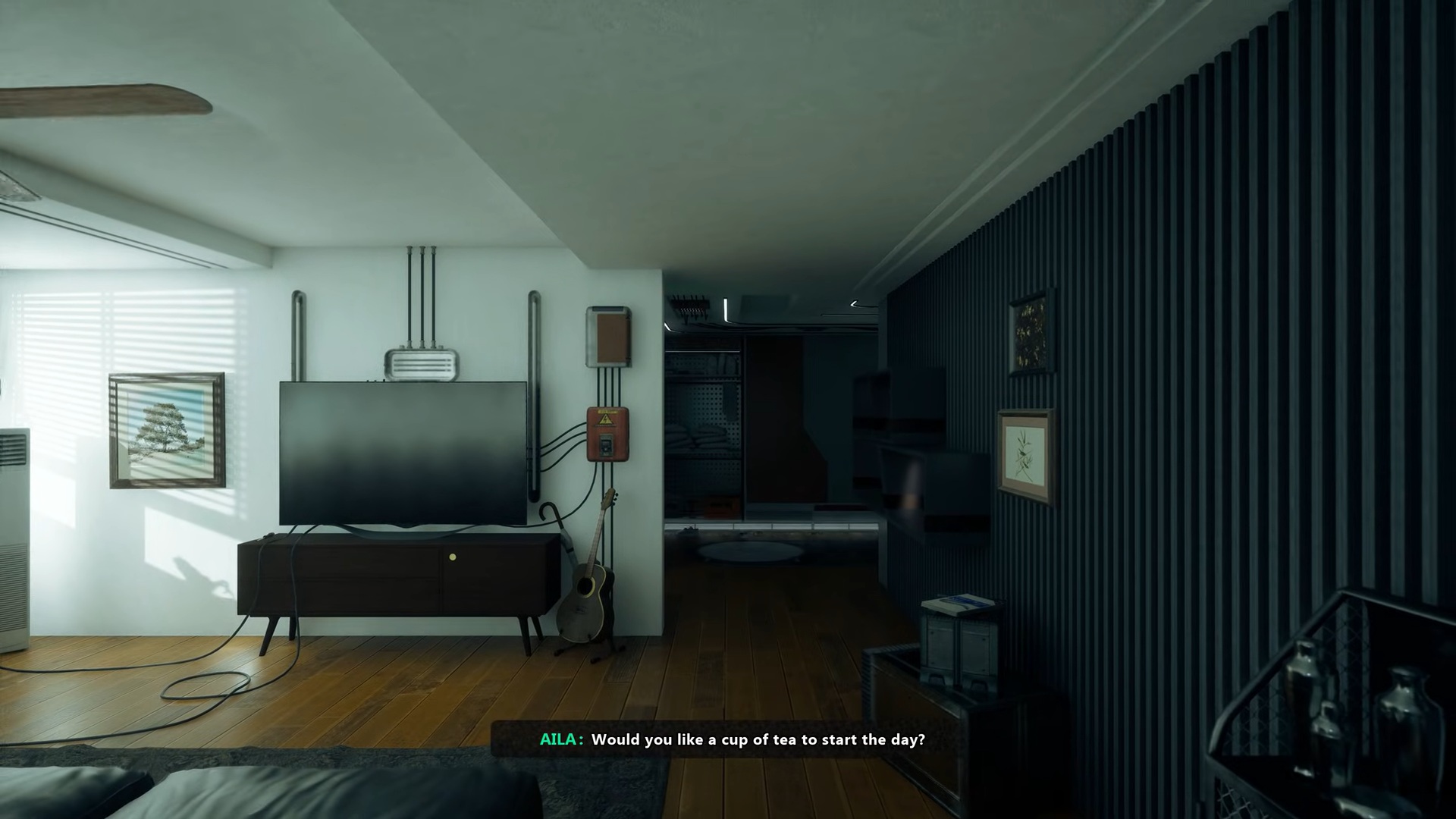
A.I.L.A functions as a collection of “nightmare experiences”, each with its own identity. There’s a central hub, Samuel’s apartment, but the game quickly pulls you out of the familiar zone and throws you into completely different realities. This fragmented approach is one of the game’s strengths: through constant changes in scenery, style, and tone, the player remains constantly on edge, never knowing what’s coming next.
From subtle details that create discomfort – dark corridors, unsettling sounds, inexplicably moved objects, abused light and shadows – to moments of raw terror. A.I.L.A thus takes care to cover the full spectrum of horror. The use of the Unreal Engine 5 graphics engine, with modern technologies like Lumen and MetaHuman, allows for strong immersion: environments are realistic, details are abundant, and contrasts between light and dark are exploited for maximum effect.
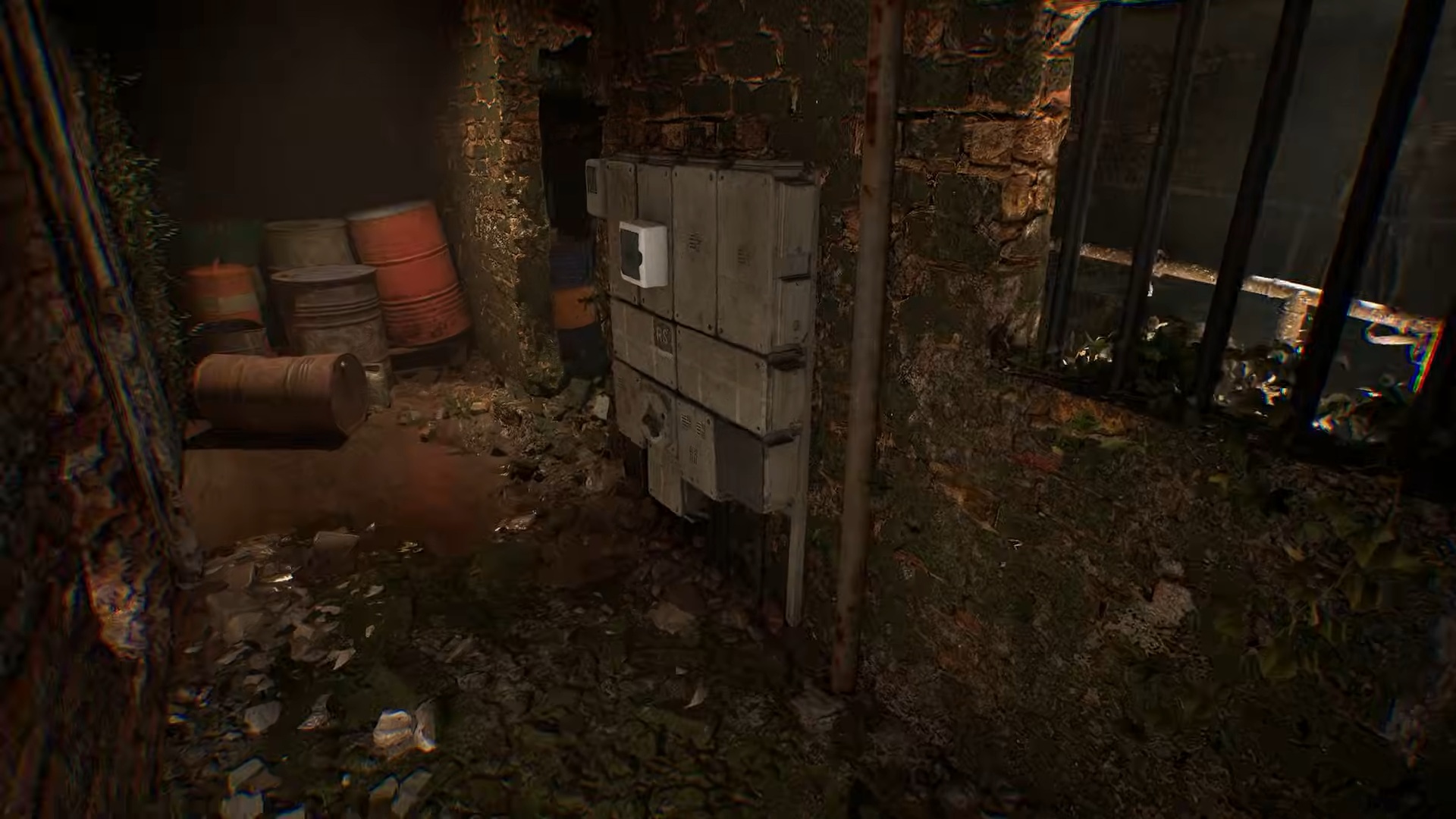
But what makes A.I.L.A truly interesting is the idea that you never know what you're getting into. A simulation seems to be just another attempt, but the results can have reverberations in Samuel's "real life", and this adds a psychological tension that gradually amplifies.
Gameplay between exploration, puzzles and… horror
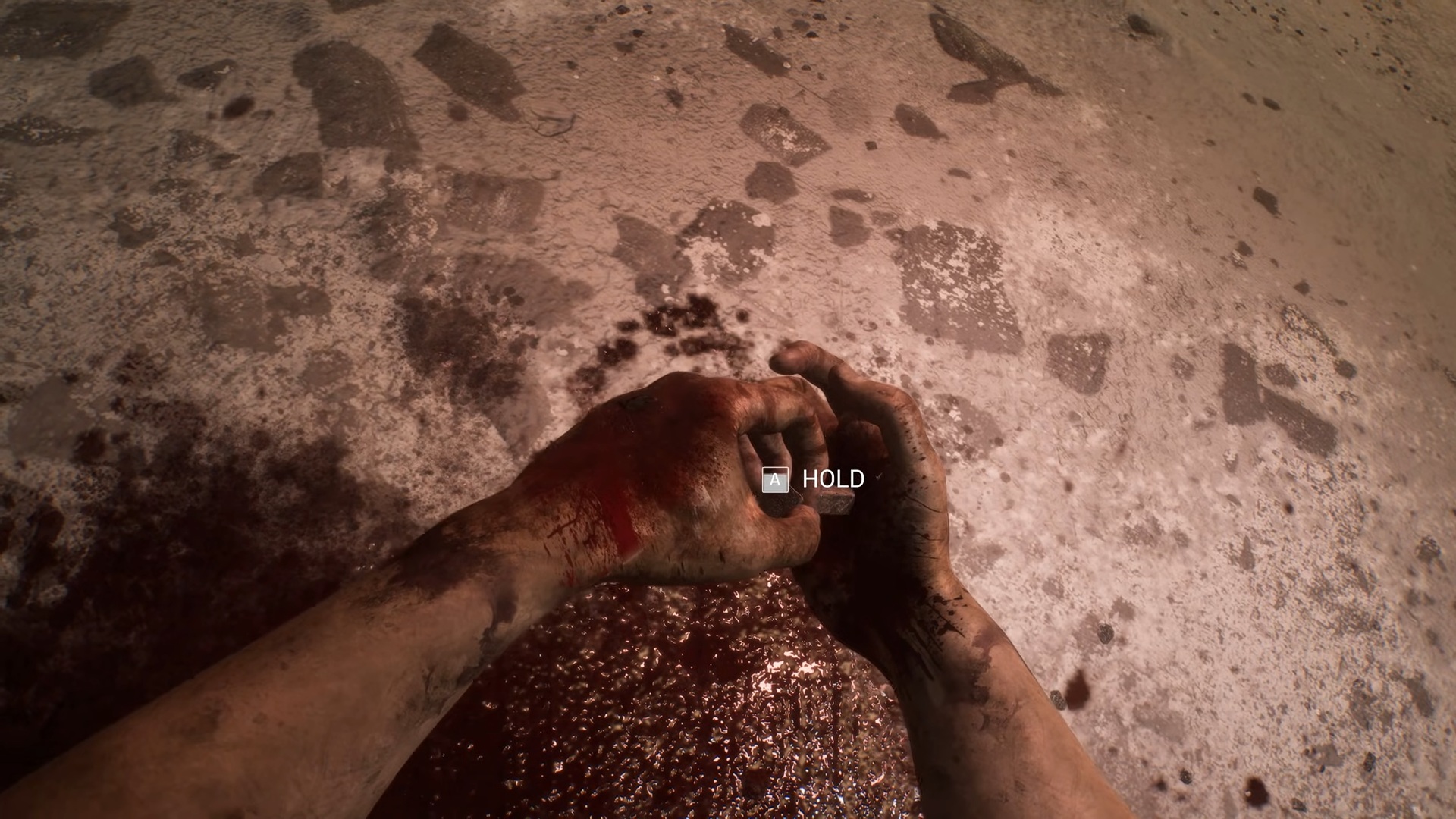
As a first-person game, A.I.L.A offers freedom of exploration, environmental interactions, puzzle-solving, but also combat against creatures or entities encountered. Depending on the scenario, you might escape a haunted house, flee a cult, confront medieval creatures, or sci-fi entities.
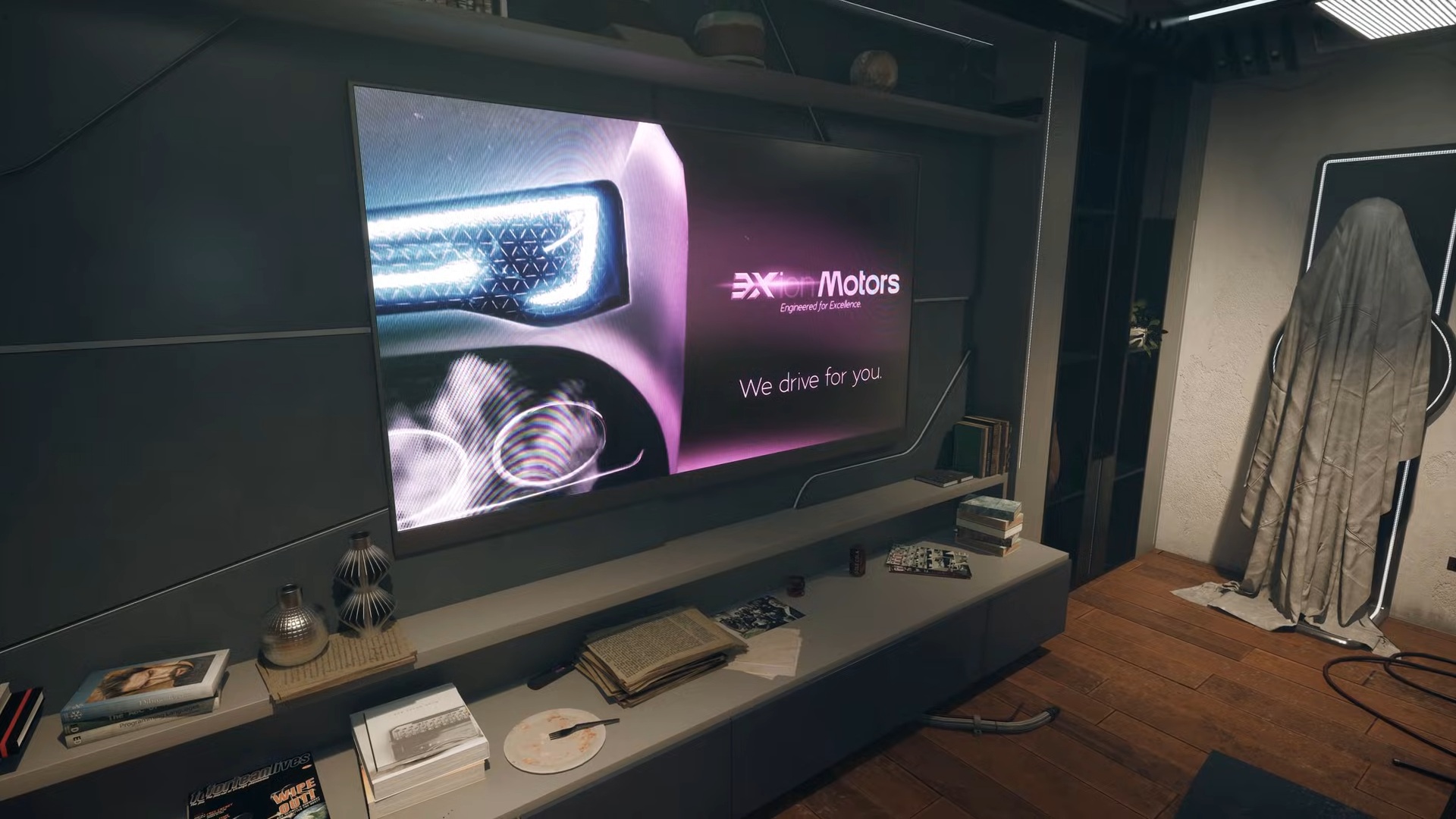
Puzzles and exploration are the cornerstones of the design: locked doors, keys to find, codes, combinations, objects that need to be investigated. All contribute to the game's rhythm and the feeling of vulnerability. This cerebral part contrasts with the action or terror sections, providing a useful balance between tension and breaks, essential for making horror effective.
Also, the game's dynamic relies heavily on immersion: each scenario is distinct, but subtle transformations, shadows, sounds, and ambiance are constant, designed to create tension. From moments of oppressive silence to explosions of terror, A.I.L.A keeps you in suspense.
An indie horror with global ambition
A.I.L.A is produced by Pulsatrix Studios, a Brazilian studio previously known for the horror game Fobia – St. Dinfna Hotel. A.I.L.A was initially announced under the name “Project A.I.D.A.”, and from the beginning, it aimed to be a modern reinterpretation of horror, with a mix of genres and a story that plays with the perception of reality.
The official launch took place on 25 November 2025, for PC (Steam) and PlayStation 5 and Xbox Series X/S.
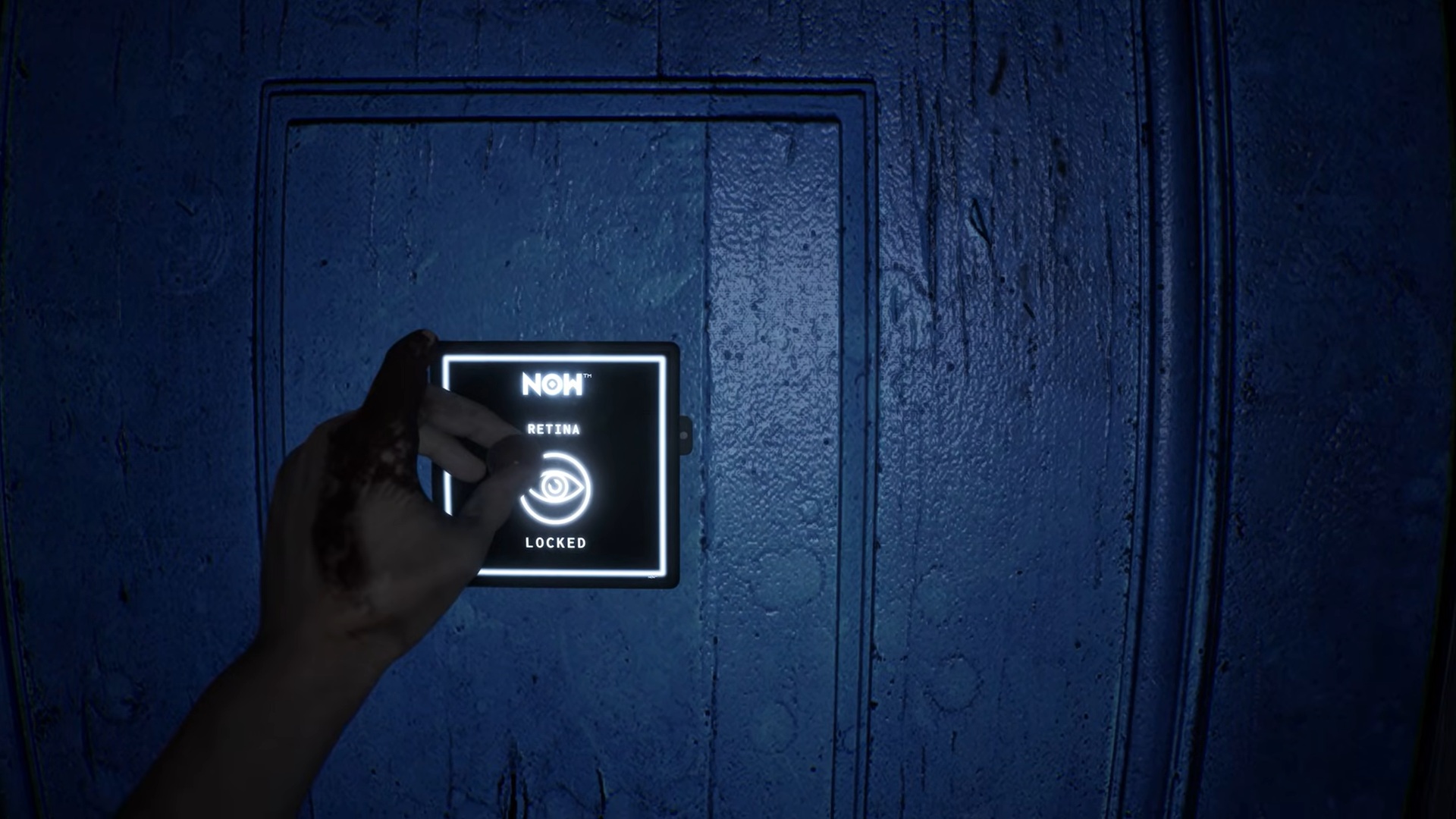
The importance of this title lies not only in what it offers in terms of gameplay, but also as a symbol: an indie horror game, created by a lesser-known global studio, but with great ambitions, that wants to show that the horror genre also has a place in the independent sphere, not just among AAA titles.
What does A.I.L.A bring? Originality, risk and potential
One of the most remarkable aspects of A.I.L.A is that it doesn't settle for just one type of horror, but explores variety: hybrids of psychological horror, survival, action, thriller, and sci-fi. This flexibility allows the game to surprise and avoid becoming predictable, constantly offering diverse moments.
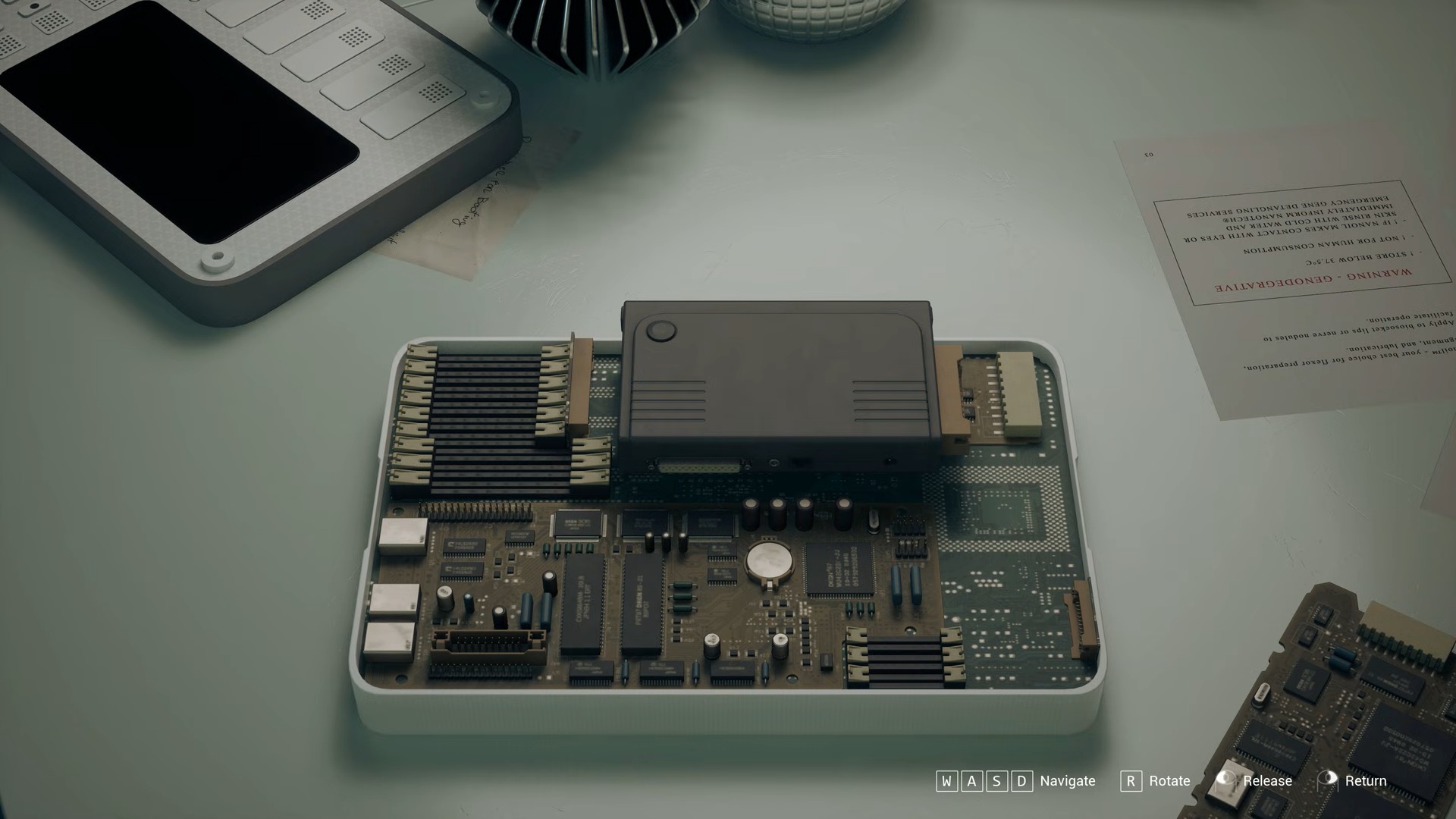
The environmental design and overall atmosphere are carefully crafted: changes in scenery, the alternation between familiar and strange, subtle visual and auditory details, all working to amplify the sense of unease. A.I.L.A uses modern tools to deliver an experience that looks contemporary and resonates with the expectations of players accustomed to current graphics.
The idea of being a “nightmare tester” brings an interesting narrative element: you’re not a superhero saving the world, but an ordinary, vulnerable individual, facing experiences designed to provoke fear, and this changes the dramatic tone, transforming the game from simple horror into an exploration of fear and the psyche.
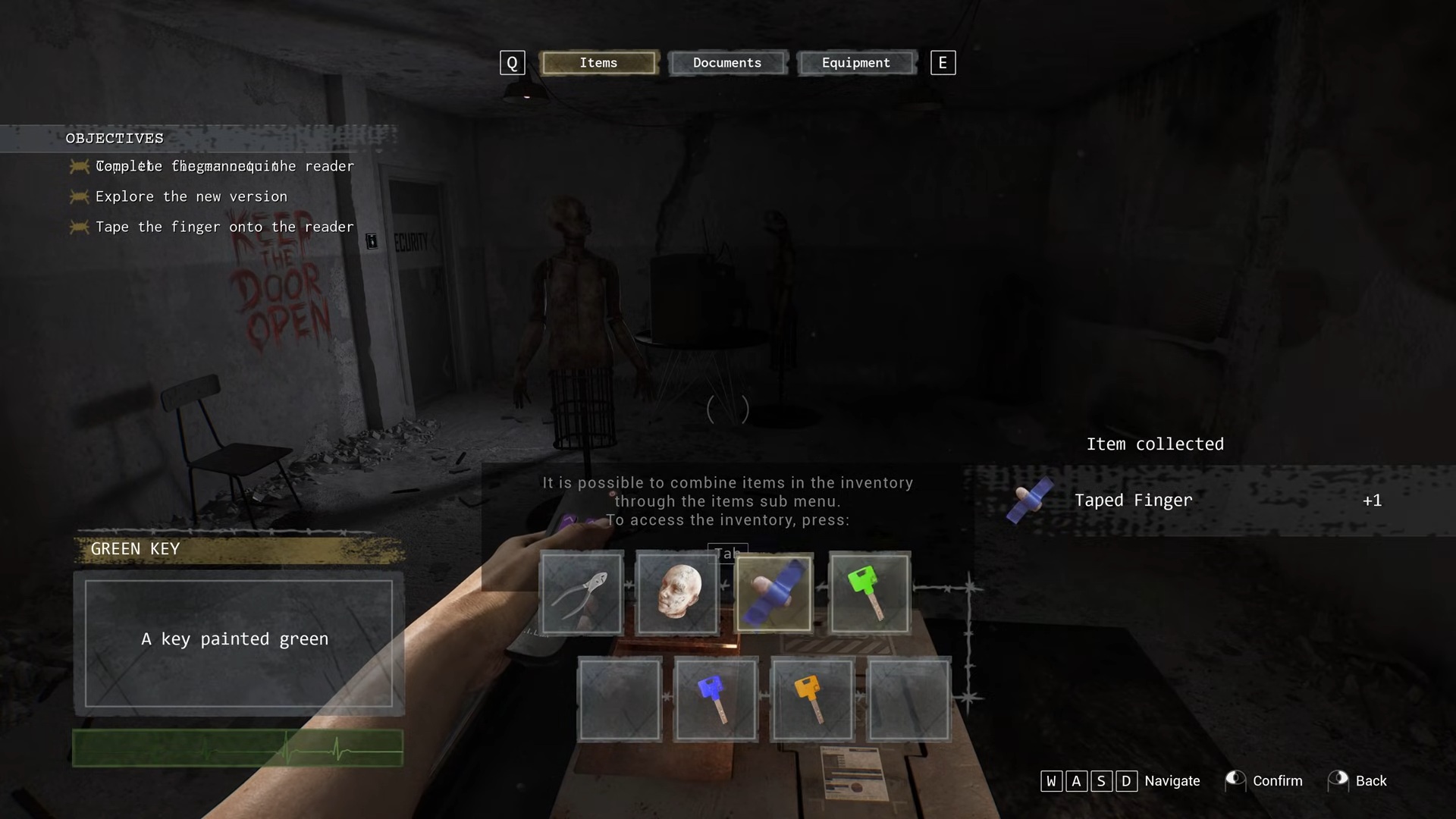
Furthermore, by coming from the indie scene, A.I.L.A represents a risk, but also proof that the horror genre can evolve beyond established formulas, experimenting with styles, themes, and presentation methods.
Inherent limitations and challenges
While it has a lot to offer, A.I.L.A is not for everyone. Due to the intense mix of fear, tension, and moments of horror, it can be a disturbing game, not recommended for the sensitive or those who prefer relaxed experiences. The atmosphere is oppressive, some scenarios are harsh, and the mix between real and virtual can create confusion, but that seems to be exactly the developers' intention.
Also, due to the ambition of combining multiple styles, some transitions between scenarios can be abrupt, and it can be difficult to anticipate what comes next. Part of the game's charm comes from its unpredictability, but for some players, this can equate to discomfort or frustration.
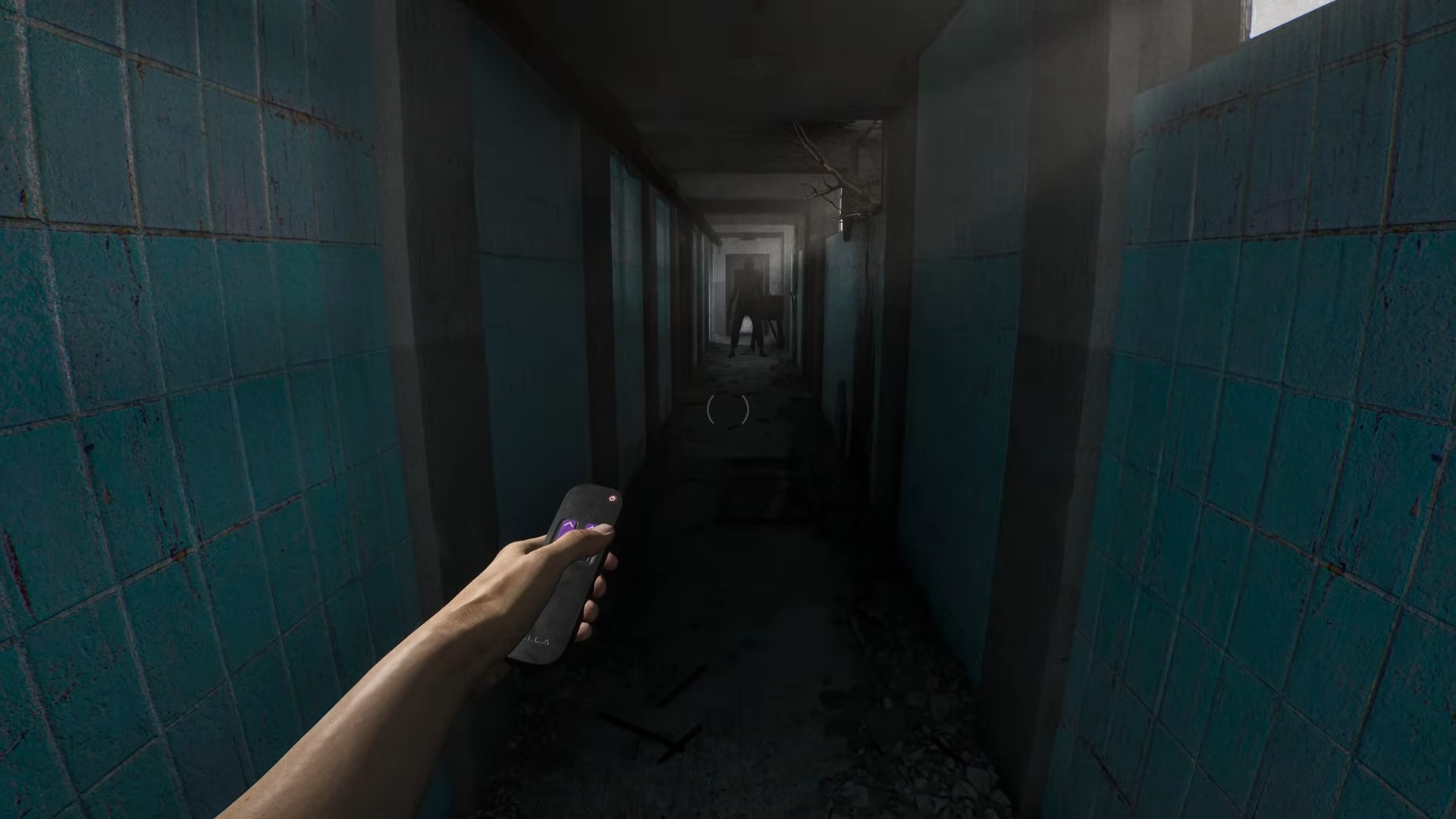
Being an indie production, there's a risk that some aspects, from pacing to narrative consistency to visual interpretation, might not be perfectly calibrated. But it's precisely these imperfections that give A.I.L.A an experimental feel, a "fear laboratory" – a title closer to art than to "big budget entertainment".
A horror that is definitely worth exploring!
A.I.L.A is a modern, ambitious, and courageous horror experience. It offers no comfort, no predictability. Instead, it proposes a rollercoaster of fear, tension, discomfort, and surprises, varying styles, environments, and tones, to recreate the idea that horror is not just one thing and can strike at unexpected moments.
If you're curious to see what happens when reality and nightmare merge, when a horror game becomes a meta-experiment, A.I.L.A is definitely worth a try. Especially if you're willing to embrace vulnerability, because sometimes, the most effective horror is the one that makes you fear yourself.
Ultimately, A.I.L.A isn't just about fear, but about exploring limits, whether of perception, reality, or the gaming experience. And that's precisely why it could remain a memorable title for those who accept the challenge.
Thanks to Jocurinoi.ro for the review code!
{"html": ""}

Available on: PlayStation 5, Xbox Series X/S, PC (Steam)
Played on: PC (Steam)
Release date: 25 November 2025
Developer: Pulsatrix Studios
Publisher: Fireshine Games, The Iterative Collective
Plus
- Intense and tense atmosphere that quickly draws you in
- Varied scenarios that maintain surprise and unease
- Successful combination of exploration, puzzles, and action moments
- Original premise with meta-elements that differentiate the game in the horror genre
Minus
- Some transitions between scenarios can seem abrupt
- The complexity and oppressive tone are not suitable for all players
0 votes
Scroll down here and stay on the page for at least 30 seconds to vote.
Pick a score from 0 to 10 (halves are allowed).