
Before Your Eyes – Review

When blinking becomes a gameplay mechanic, you might be in for a surprise.
Some games try to impress with sheer scale: vast worlds, complex systems and hundreds of hours of content. Others go the opposite way and choose to tell a small, personal story, but tell it in a manner you won't easily forget. Before Your Eyes clearly belongs to the second camp. It's a short but surprisingly profound narrative experience that asks you to do something seemingly trivial: blink. From that involuntary gesture, it builds one of the most original ideas in narrative design in recent years.
A story about what happens to us after death
The premise is simple, almost poetic. After death, your soul is guided by a mysterious being to a place where you must recount your life in order to move on. To do that, you relive the important moments of your existence: childhood, your relationship with your parents, friendships, school and your attempts to discover who you really are.
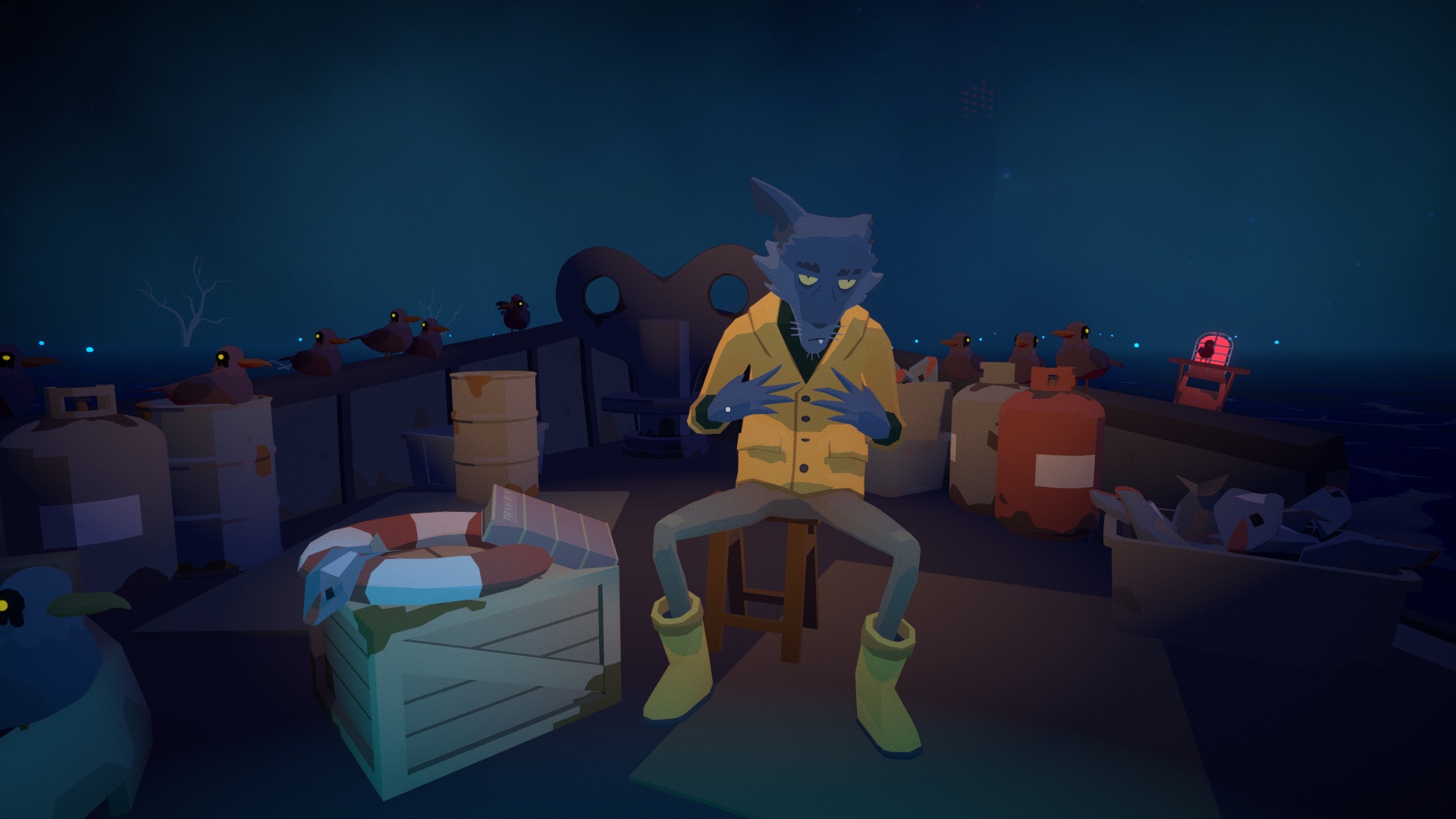
You step into the shoes of Benny, a talented child trying to steer a course between his own desires and the expectations of those around him. The scenes are built like living memories, each one a defining moment in the character's life.
There are no fights, inventories or complicated systems. Instead, there are conversations, quiet moments and small decisions that shape the story. It's an experience focused on emotion and introspection, and the game is in no hurry to hand you simple answers.
The most unexpected gameplay mechanic
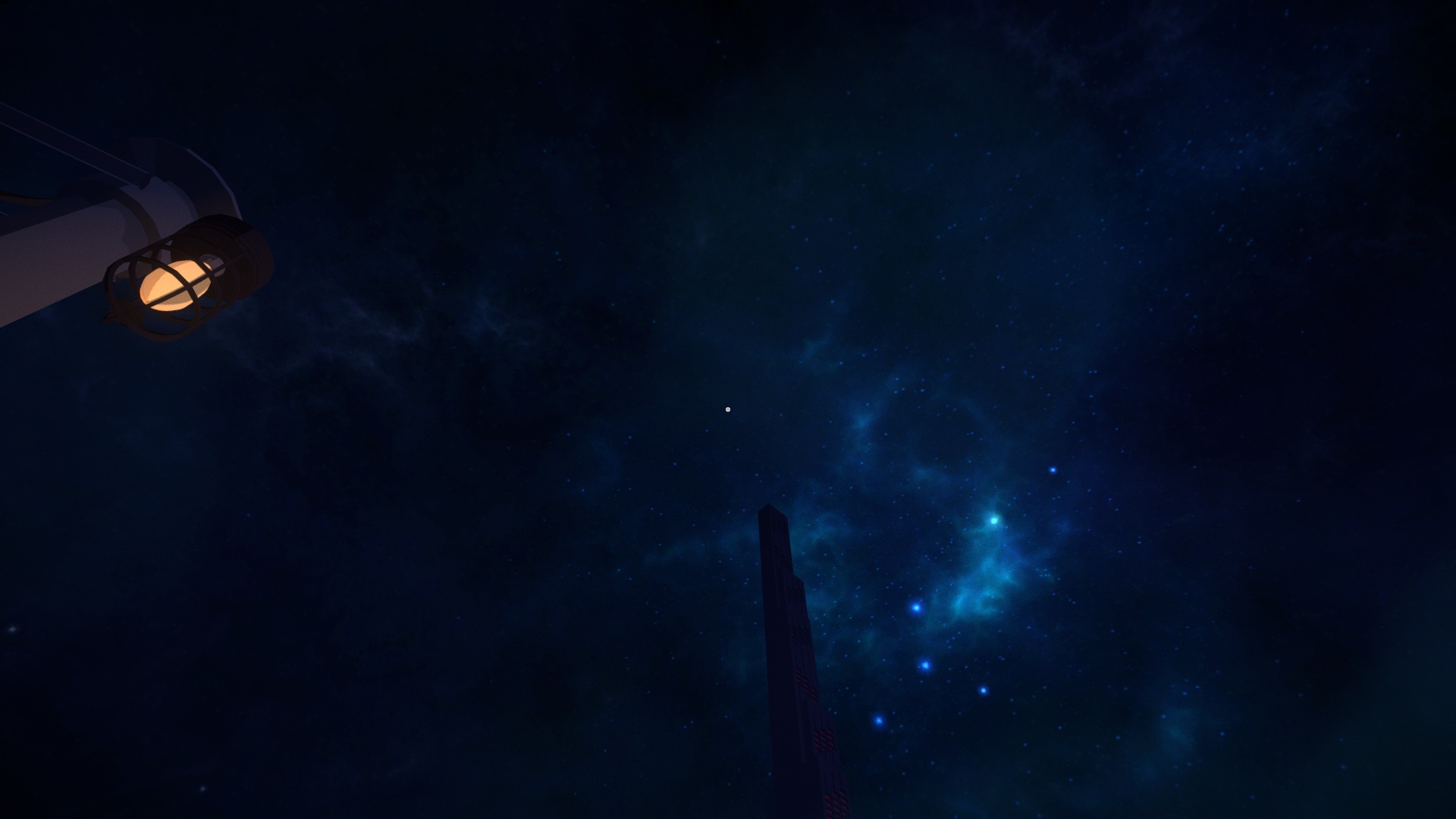
What makes Before Your Eyes truly special is the way you control time. The game uses your webcam to detect when you blink. The moment you close your eyes, the current scene jumps forward. Sometimes by a few seconds. Sometimes by years.
It's an incredibly simple idea, but an extremely effective one, because the urge to blink is impossible to resist for long. You can try to keep your eyes open to linger in an important moment, but inevitably you'll blink. And then the story moves on, whether you wanted it to or not.
The result is a very unusual feeling for a video game. Normally, the player controls the pace of the experience. Here, your own body decides when a scene ends. Some moments vanish far too quickly, and that subtle frustration becomes part of the game's message: life goes by whether you're ready or not.
Painted memories
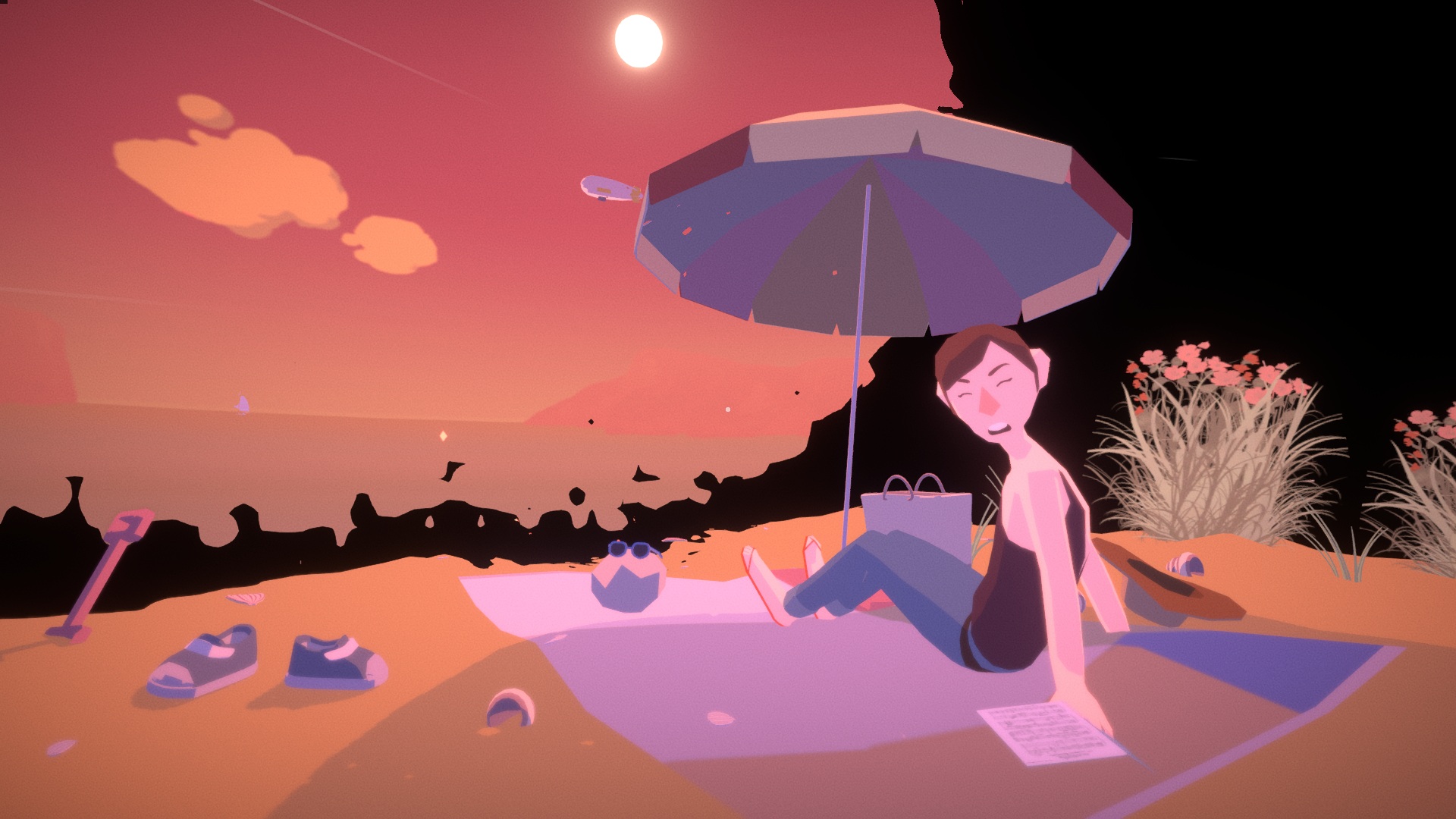
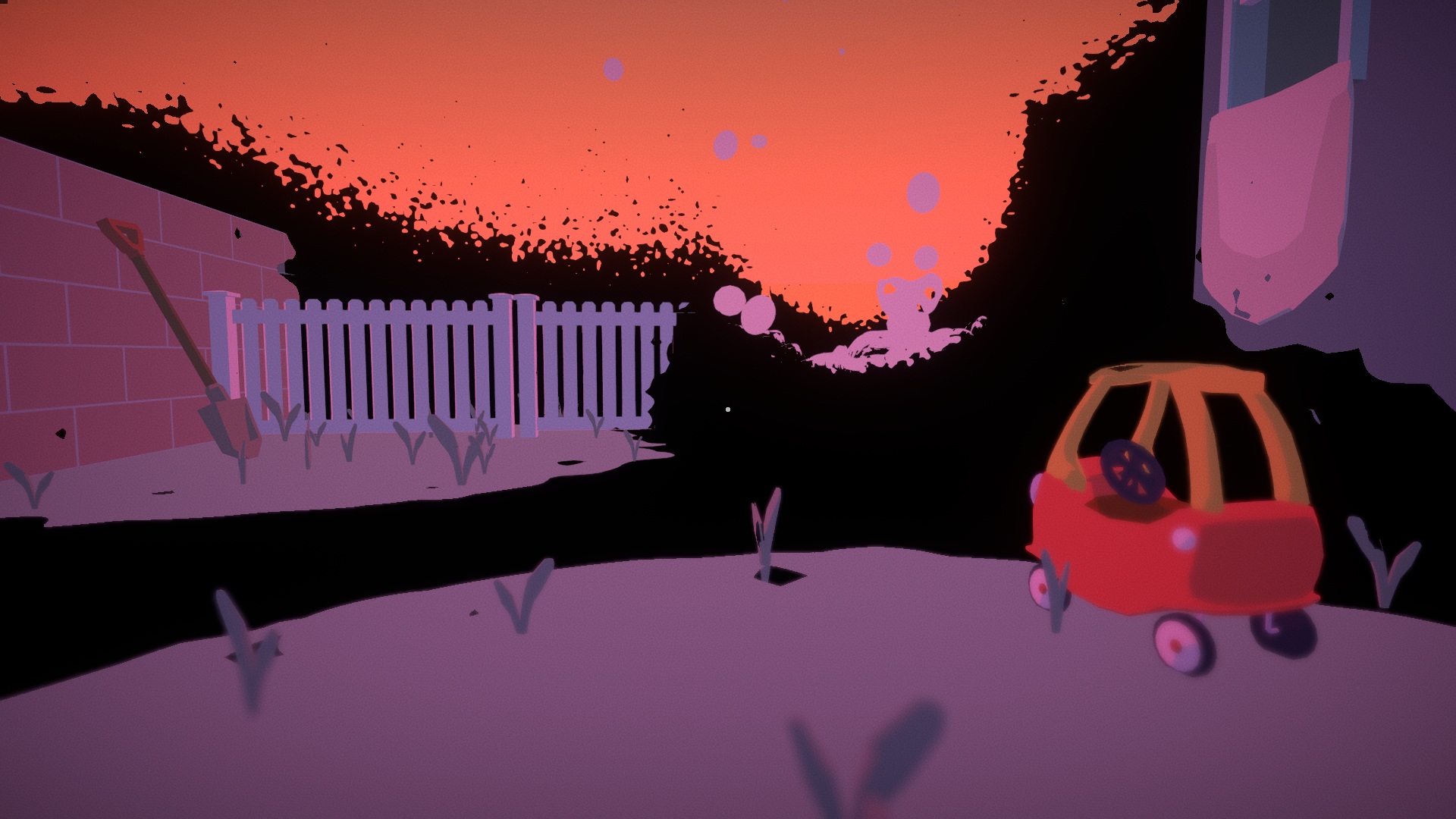
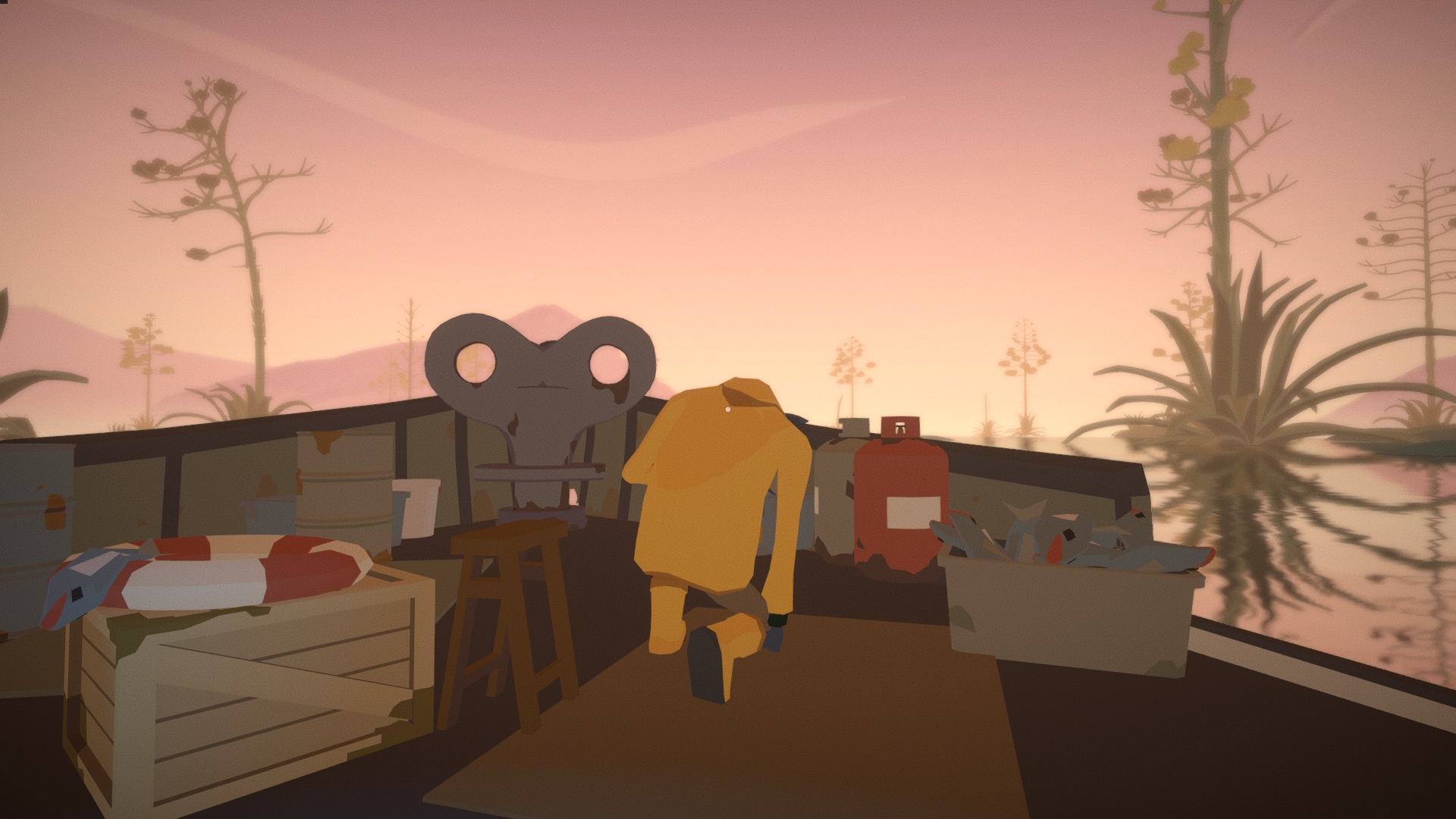
Visually, the game goes for a minimalist but highly expressive art direction. The characters are stylised, the environments are built from warm colours, and everything seems faintly filtered through the lens of memory.
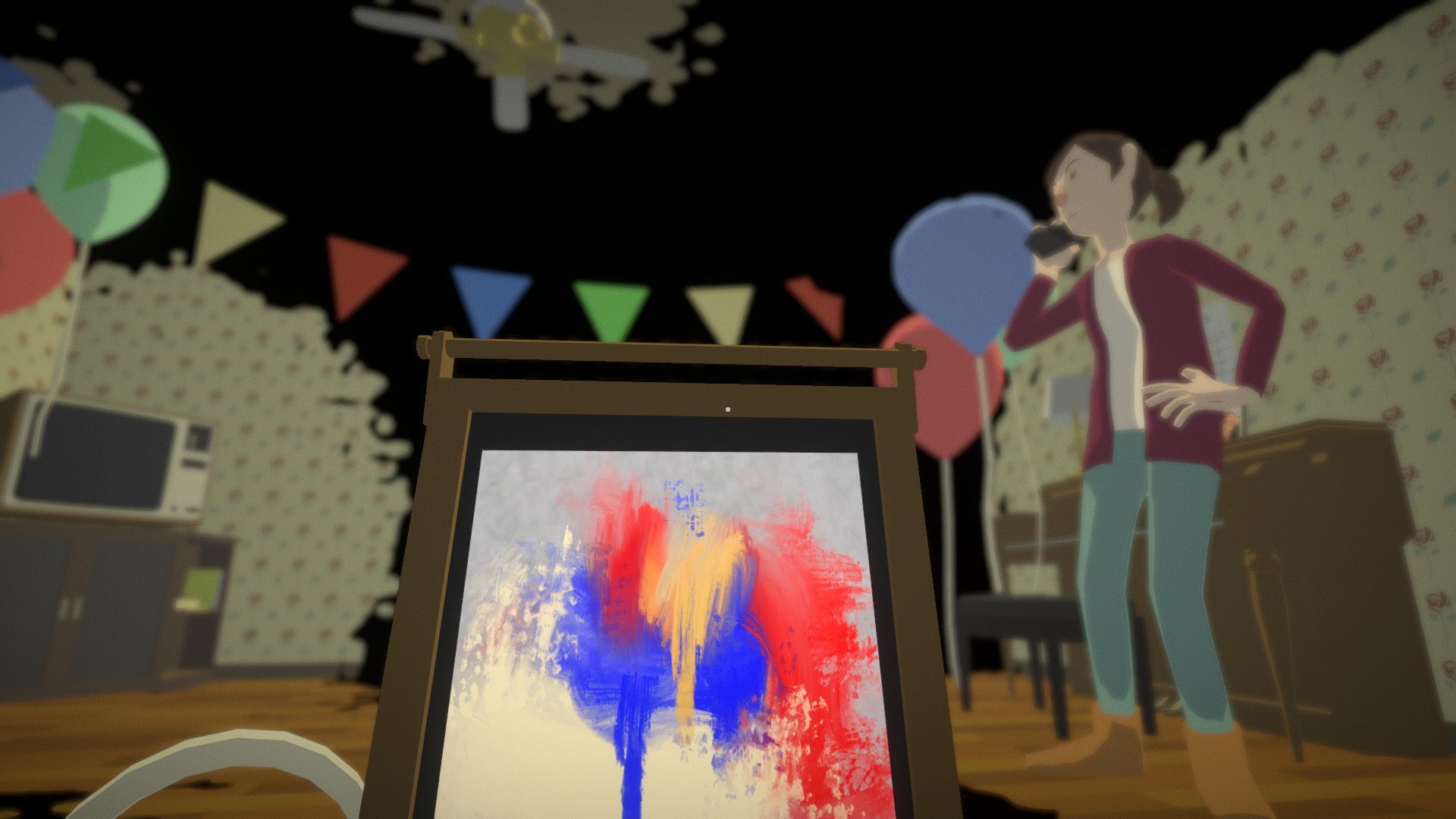
There's no photorealism, and it doesn't need any. Childhood bedrooms, classrooms and scenes from nature have a faintly nostalgic air, like memories that have begun to fade with time. This visual approach suits the game's theme perfectly. Everything feels familiar yet slightly distant, as if you were looking at your own life through an old photo album.
Emotion without melodrama
One of the game's greatest successes is its script. The story tackles surprisingly mature themes: the pressure to succeed, relationships with parents, anxiety about the future, and the need to prove you have a talent or a purpose.
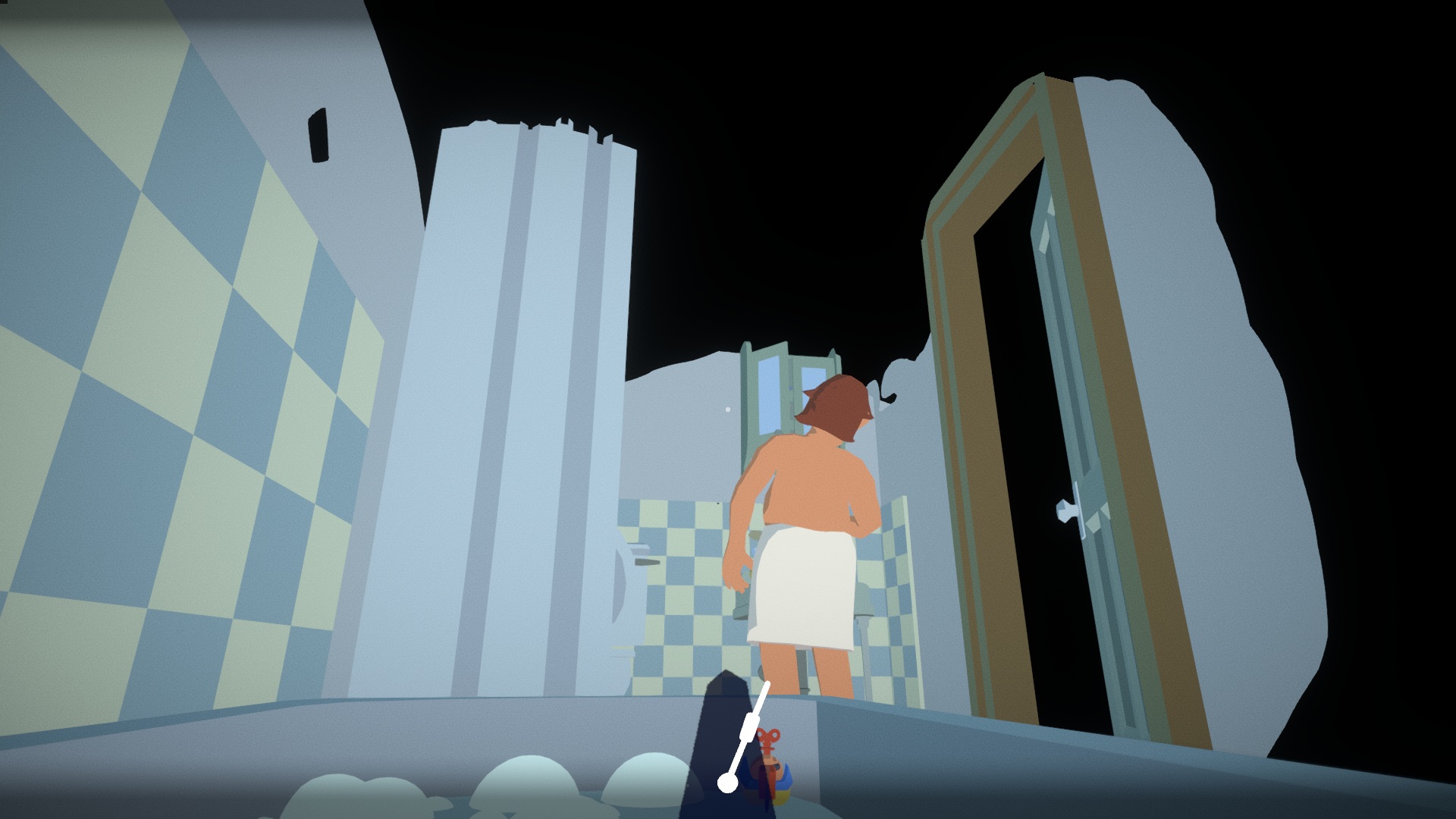
Family becomes the emotional centre of the whole experience. Benny's parents aren't painted as simply good or bad. They're imperfect people with their own hopes and frustrations, and that ambiguity makes many moments in the game feel very authentic.
The dialogue is natural and sometimes awkward in a realistic way. Many of the strongest scenes are the ones where the characters say very little, but the atmosphere says it all.
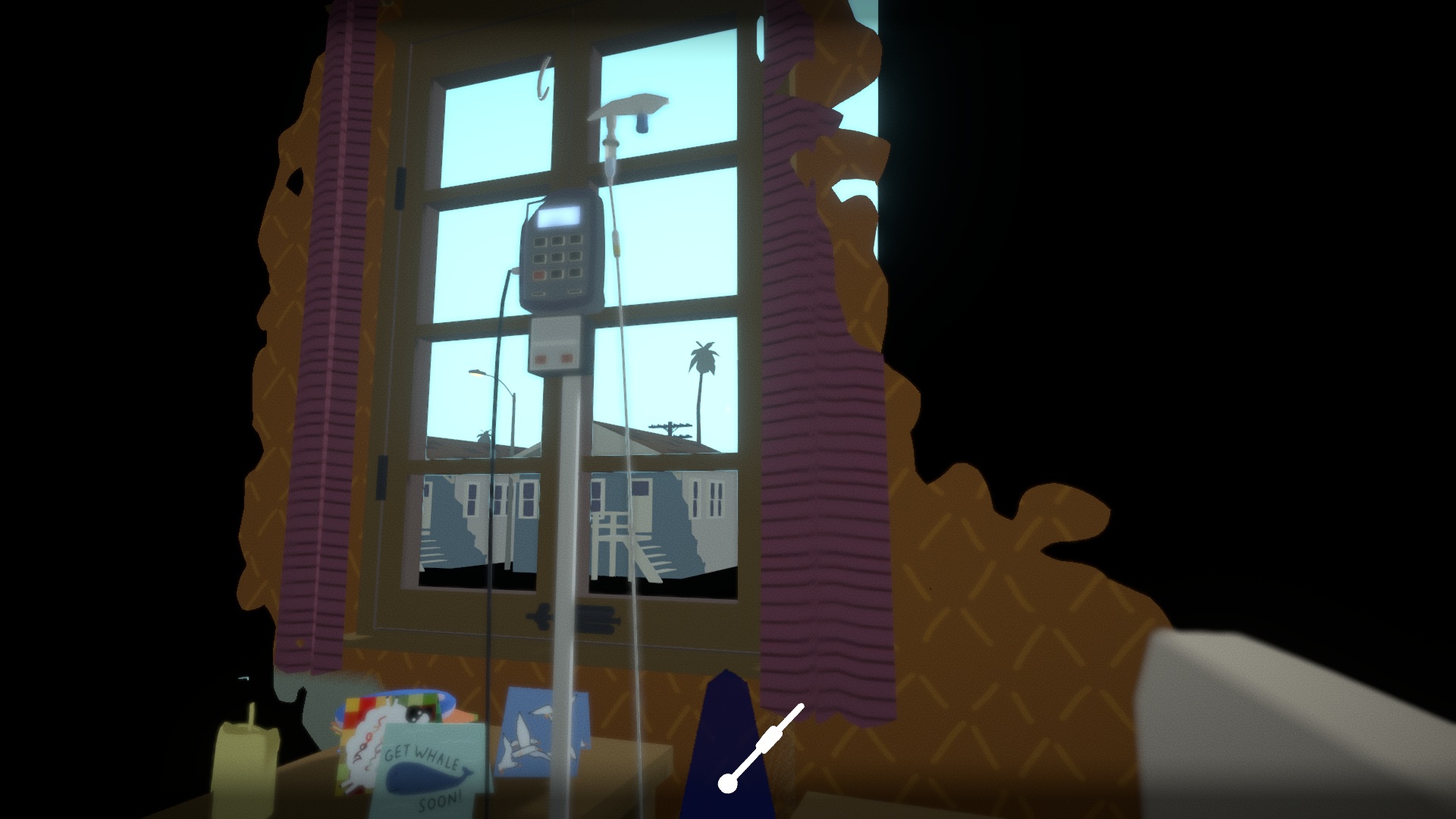
As the story advances, it becomes clear that this is more than a simple rummage through the past. The game also explores the nature of memory: what we choose to remember and what we'd rather hide.
The music is understated, but essential
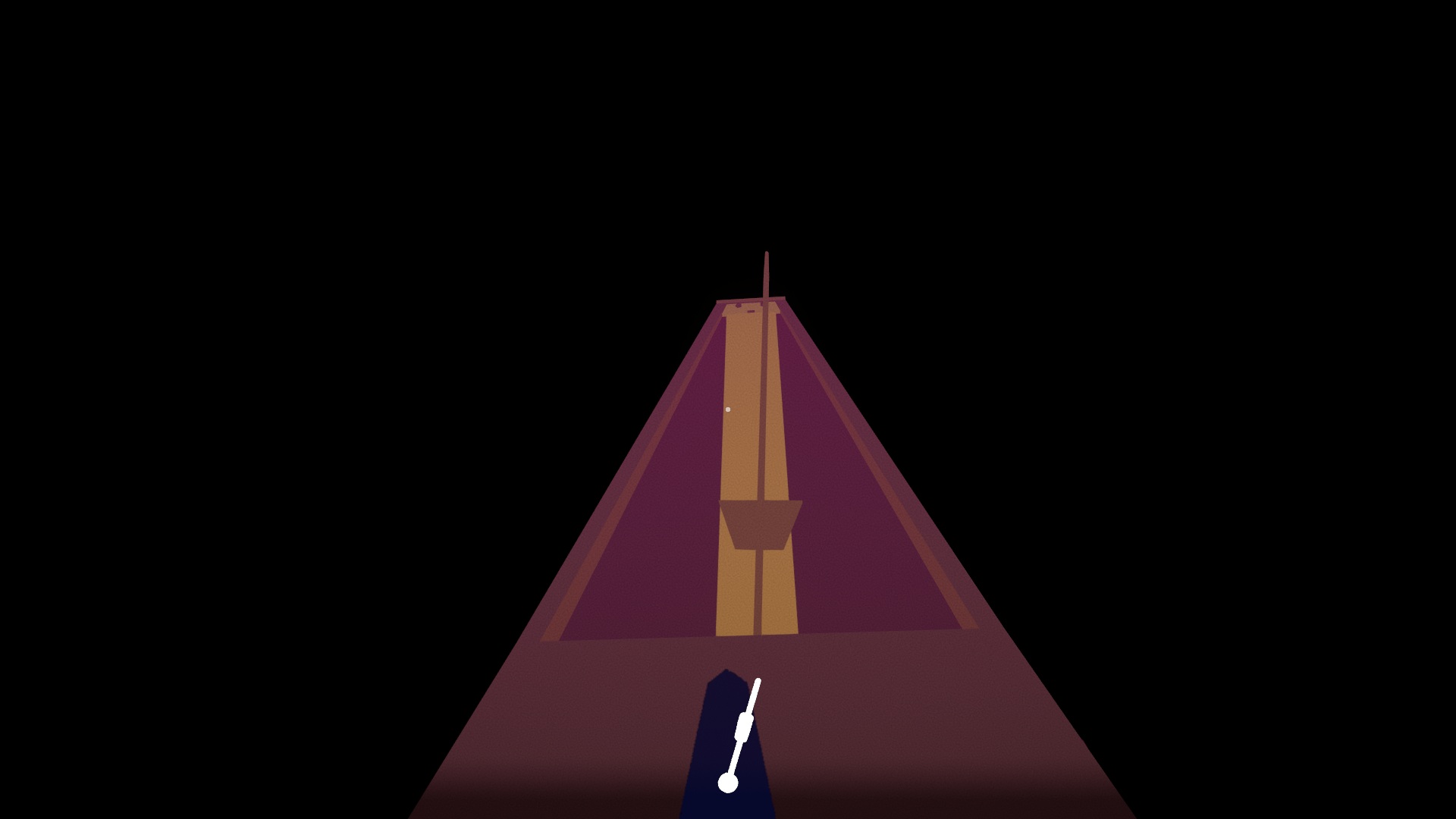
The soundtrack plays an important part in building the atmosphere. Piano dominates many of the compositions, and the pieces are minimalist and melancholic. The music doesn't try to force the emotion, but quietly supports it.
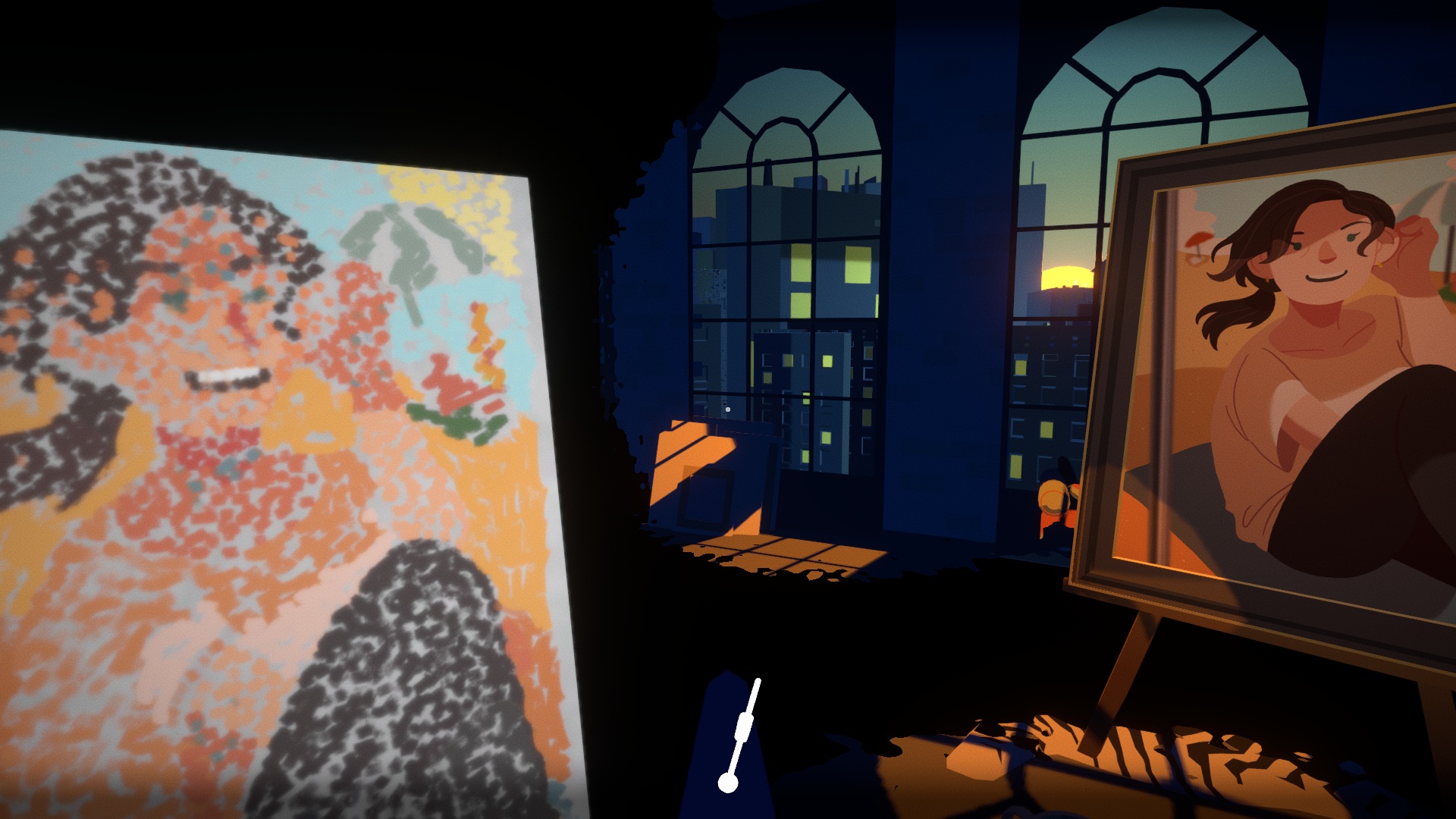
There are moments when the music and the blinking mechanic work together perfectly. You try to stay in an emotional scene, the piano swells, and you're literally fighting the urge to blink. And inevitably… you blink.
The scene vanishes and the game drops you into another moment of life. It's a small design trick that works remarkably well.
A short but memorable experience
The game is relatively short, at around two hours. In an industry where plenty of titles boast dozens or even hundreds of hours of gameplay, that might sound a bit thin.
Still, the pacing is spot on. There's no filler and no artificial mechanics designed to pad out the runtime. The story is told for exactly as long as it needs to be.
It's the kind of game you finish in a single evening, then sit in front of the screen for a few minutes, processing everything that just happened.
The small imperfections
The blinking mechanic is a brilliant idea, but how well it works depends heavily on your webcam and the lighting in your room. Occasionally the game can misread a blink or miss a movement altogether.
Fortunately, there's an alternative keyboard control option that lets you simulate blinking manually. Another downside is the limited replayability. Once you've finished the story and uncovered all the narrative revelations, there isn't much reason to jump straight back in.
Even so, the experience is so tightly focused that these issues barely dent its impact. This isn't a game for anyone after action or complex systems. It is, however, an honest, delicate and surprisingly moving narrative experience.
Once you've finished it, you'll probably go back to blinking without a second thought. But for a split second, you might realise just how quickly some moments slip by.

Available on: PC (Steam, Epic Games), Mac, iOS, Android, PS5 (PS VR2)
Played on: PC (Steam)
Release date: 8 April 2021
Developer: GoodbyeWorld Games
Publisher: Skybound Game
Plus
- A moving, mature story
- An original mechanic built around blinking
- A delicate, memorable soundtrack
- A simple but highly expressive art style
Minus
- Relatively short
0 votes
Scroll down here and stay on the page for at least 30 seconds to vote.
Pick a score from 0 to 10 (halves are allowed).