
Assassin’s Creed: Black Flag Resynced – Review

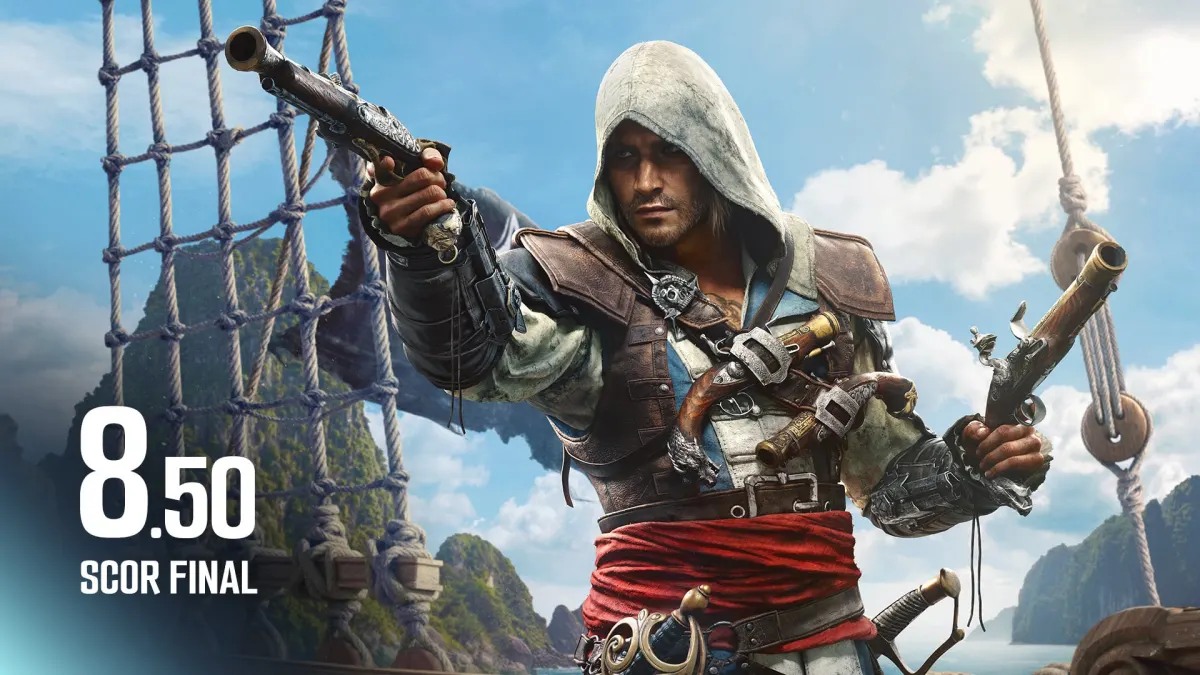
The Ship of Theseus
Not all games in the Assassin’s Creed series have remained in fans' memories like Black Flag. Launched during a strange period for the franchise, Edward Kenway's game managed to be simultaneously an assassin adventure, a pirate story, and one of the best open-world naval experiences in gaming at the time. It wasn't perfect, but it had something many games lack: identity.
So Assassin’s Creed Black Flag Resynced comes with quite a lot of pressure on its shoulders. Not just to look better, not just to move better, but not to ruin a game that many already considered almost complete. And here arises the first uncomfortable question: is this remake a necessary return to the Caribbean, or yet another sign that the gaming industry has resorted to rebuilding ships that were still afloat?
Yo-ho-ho and a bit of déjà vu
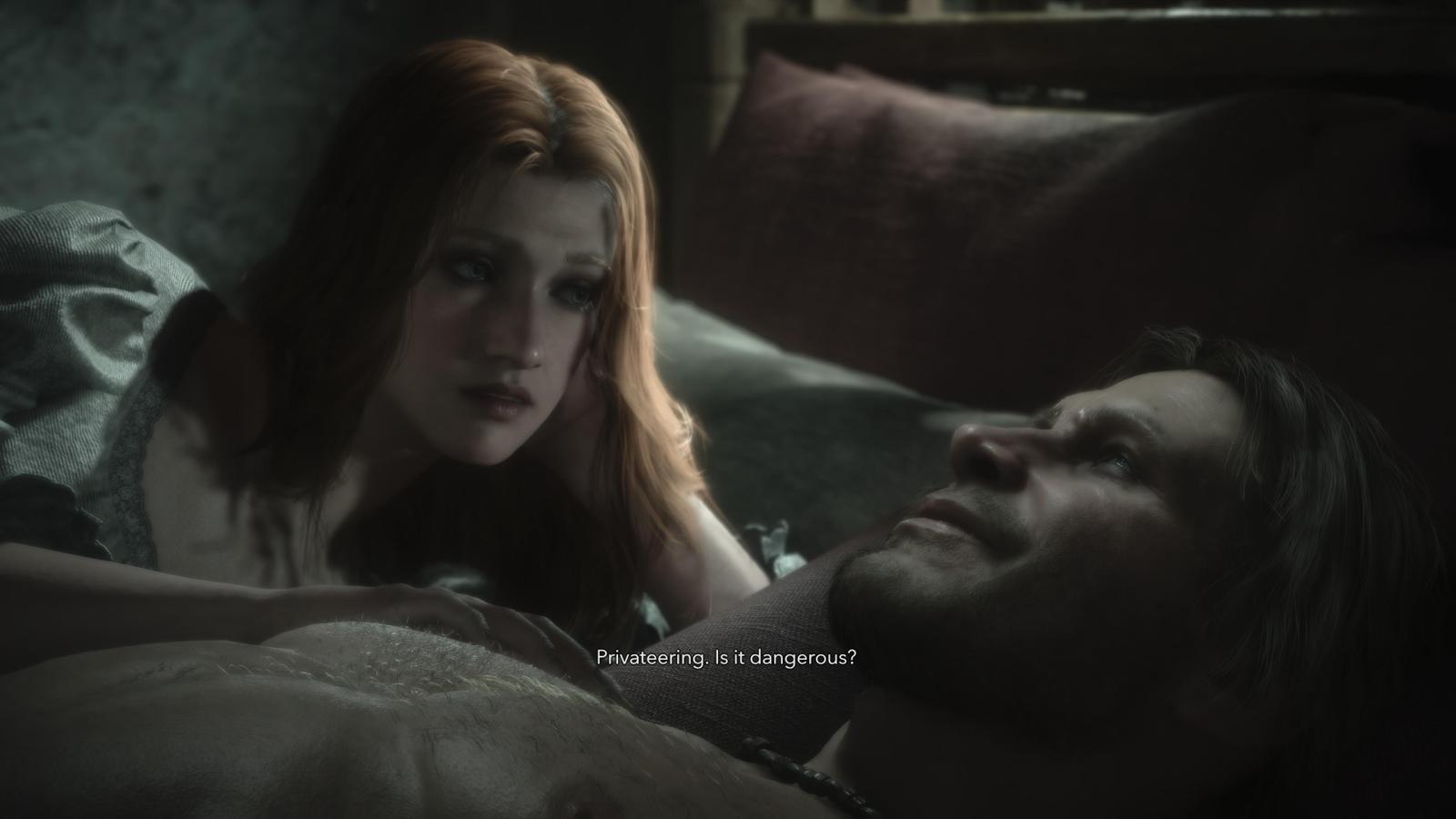
The strangest part about Assassin’s Creed Black Flag Resynced is that it's a reunion after 13 years. You return to the Caribbean, you see Edward Kenway again, you hear names like Blackbeard, Anne Bonny, or Calico Jack again, and you realise pretty quickly that Ubisoft didn't try to fix the story, because there wasn't much to fix. Black Flag already worked very well precisely because it wasn't the classic story of a noble assassin accepting his destiny, but rather of a rather selfish, rather violent, and rather lost man who almost accidentally finds himself in the middle of a conflict much larger than his own ambitions.
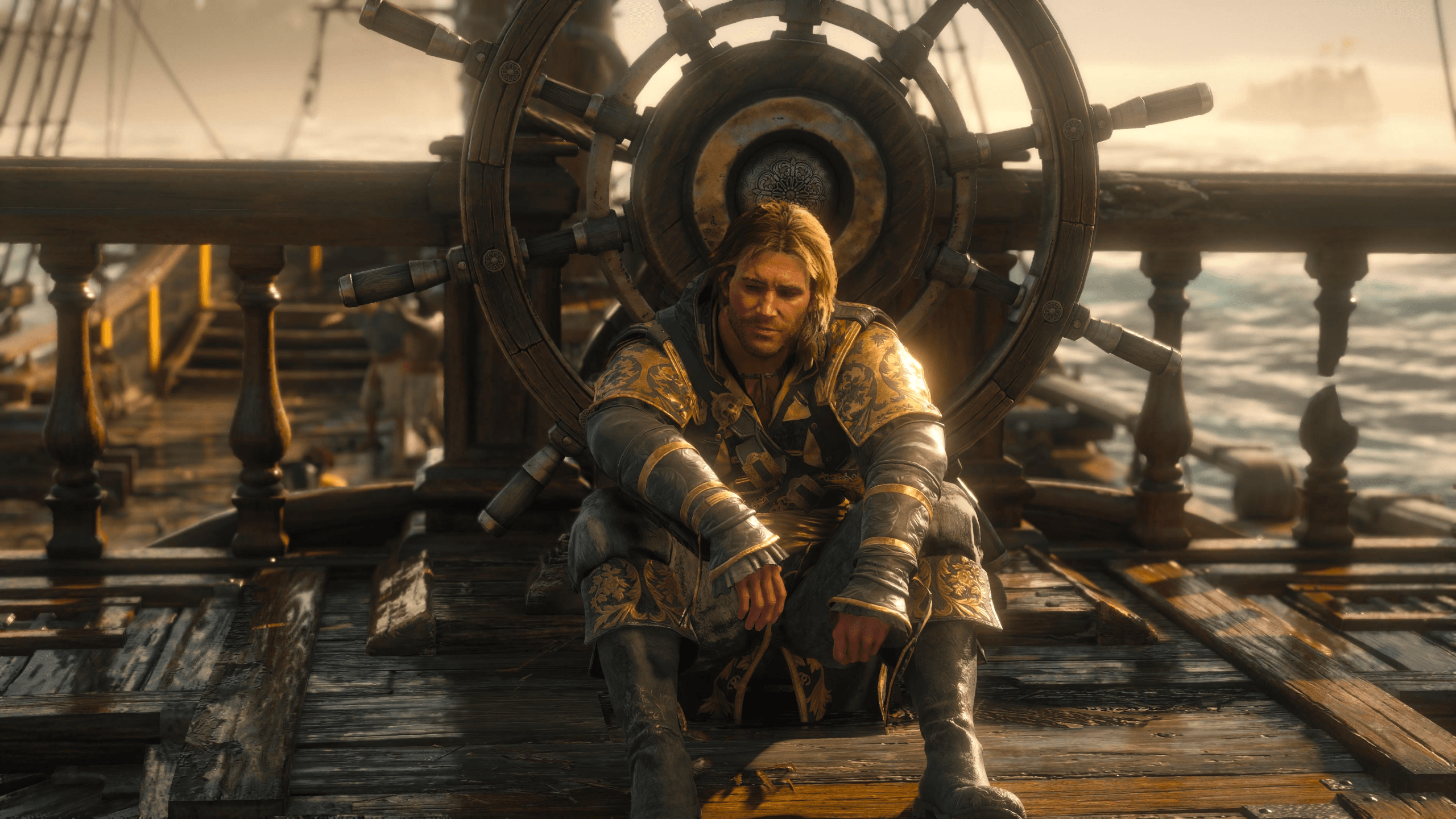
Edward Kenway remains one of the series' best protagonists because he doesn't start as a hero. In the early hours, he's closer to the idea of an opportunist than a saviour. He wants gold, he wants freedom, he wants fame, and he wants to prove he deserves more than life has offered him. That's exactly where his charm comes from. He's not pure, he's not admirable, and he's not the kind of character the game constantly tries to excuse. He's charismatic, impulsive, funny, cruel, but also, at times, more vulnerable than he'd like to admit.
What I always liked about Black Flag, and what Resynced preserves very well, is the fact that the pirate story has a rather strong sadness beneath it. On the surface, you have ships, raids, treasures, taverns, sea shanties, and that romantic idea of absolute freedom at sea. But the further you go, the clearer it becomes that this world cannot last. The Golden Age of Piracy is treated like a party that's already nearing its end, even if no one wants to admit it. All these people are chasing freedom, but very few know what to do once they get it.
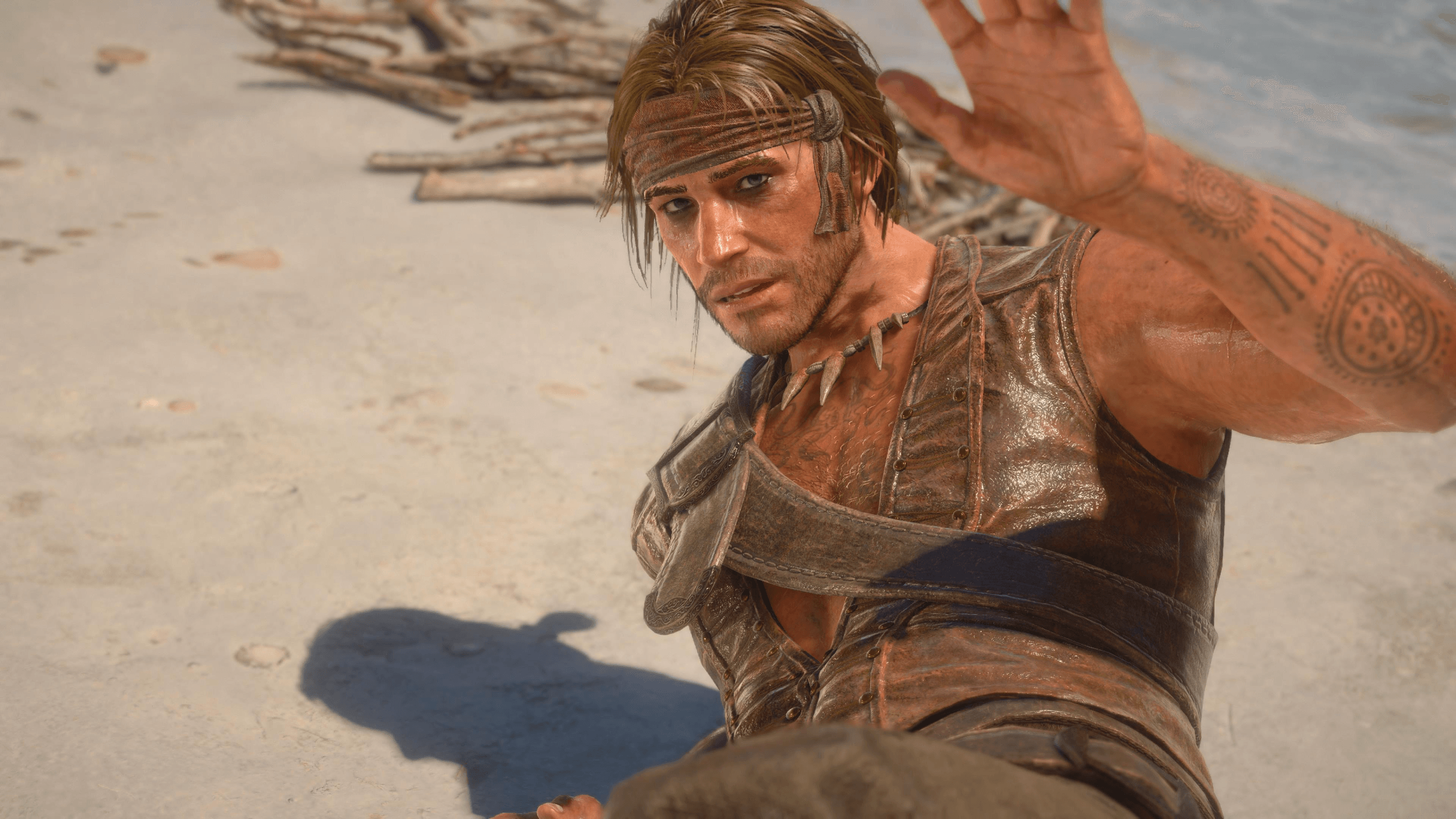
From this point of view, Resynced makes the right decision: it doesn't rewrite the story. It doesn't try to turn Edward into a modern protagonist for a modern audience, nor does it push the conflict between Assassins and Templars to the forefront more than necessary. The story remains about a man's journey who confuses freedom with a lack of responsibility and who slowly comes to understand that legacy doesn't just mean treasures or victories at sea.
Yes, the age of the original narrative structure can still be felt here and there. Some moments have that air of a 2013 open-world game, and certain conventions of the series are impossible to completely hide. But the emotional core still holds up well. Edward still has enough strength to carry the story, and the Caribbean still has that very rare combination of adventure, melancholy, and danger. Black Flag Resynced doesn't change this story, but it didn't need to; it wasn't necessary. It sets it free again, with a more modern look, with a familiar voice, and with the same question in the background: how much is freedom worth if all you do with it is chase the next treasure?
Memories of piracy but with more modern buttons
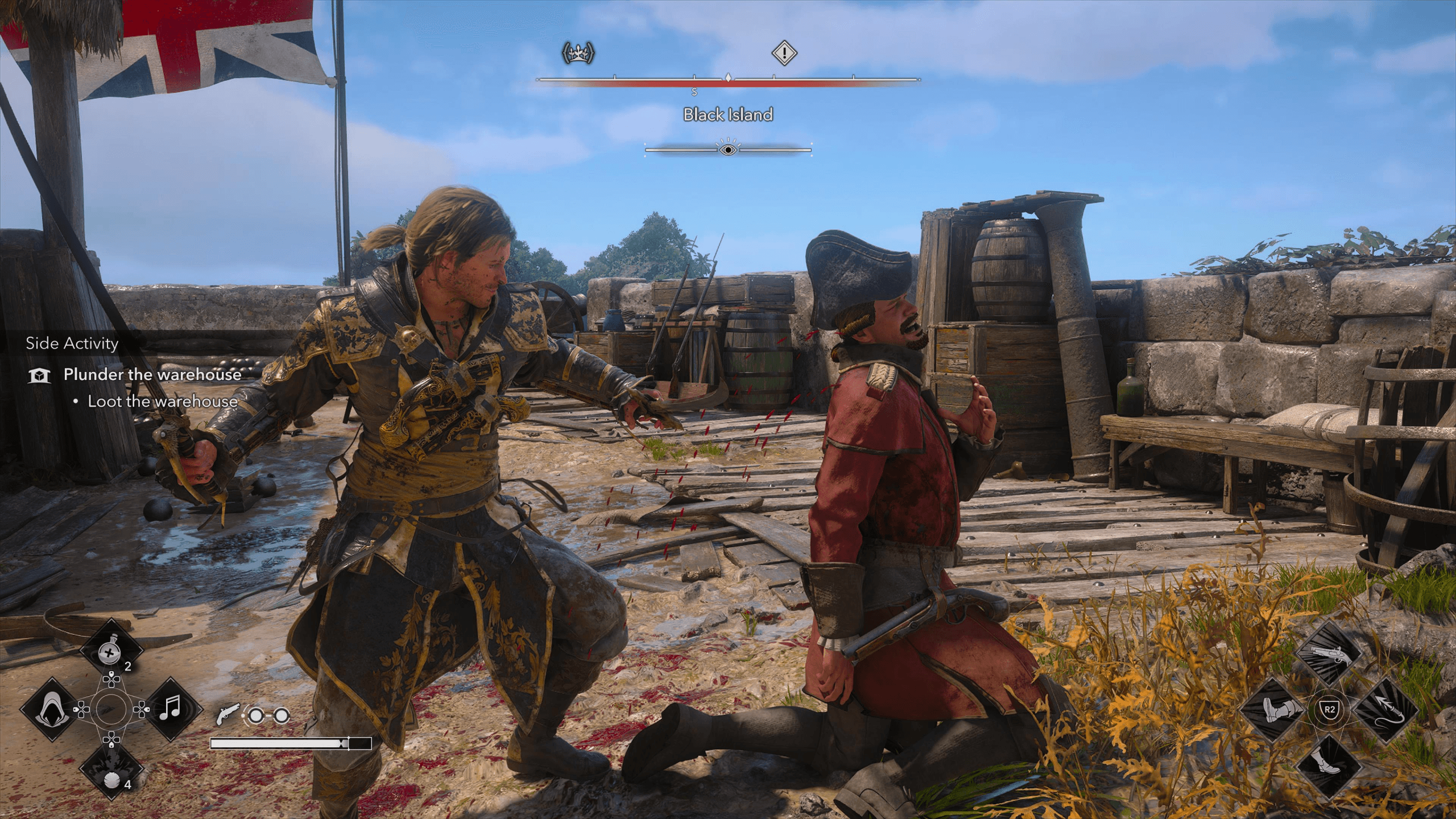
In terms of gameplay, Assassin’s Creed Black Flag Resynced does exactly what you'd expect from a well-intentioned remake: it doesn't transform the game into something else, but makes it more "playable" for a 2026 audience. Edward moves better, responds faster to commands, and the transition between running, parkour, stealth, and combat no longer always has that 2013 game feeling of wondering whether you want to climb a wall, jump into the void, or grab onto a completely irrelevant balcony.
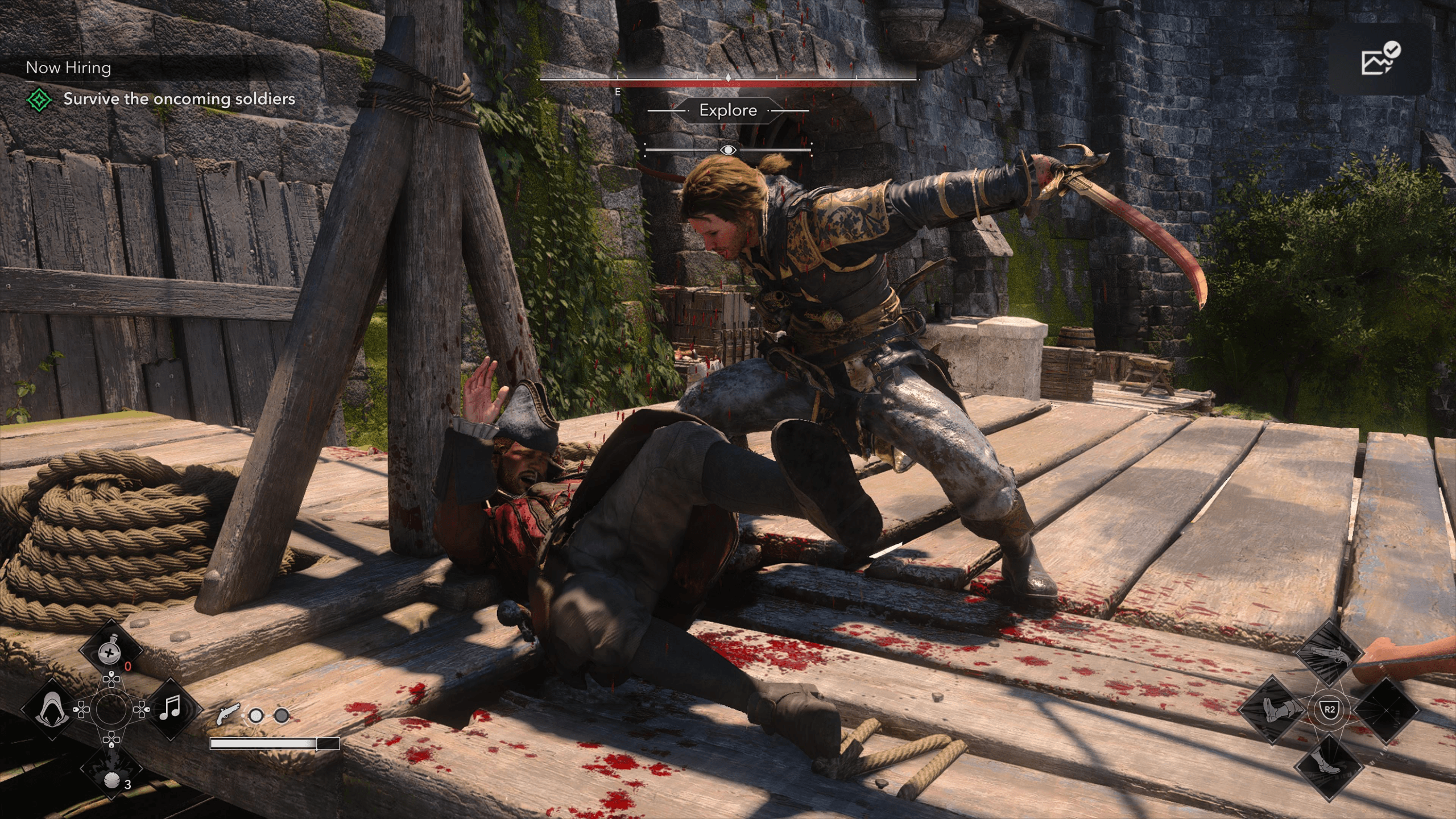
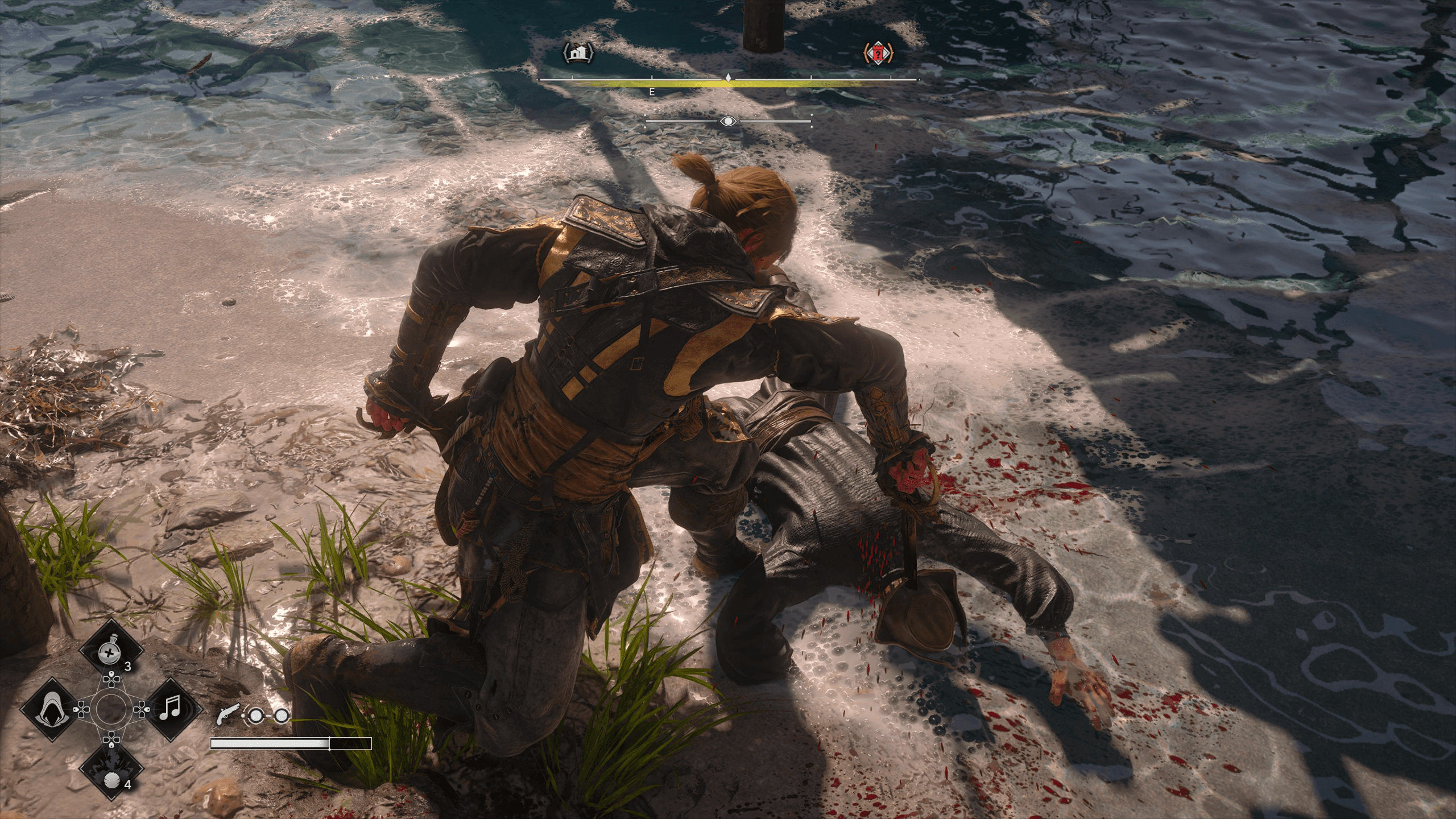
Combat is more active than in the original, which is a big plus. The old Black Flag looked spectacular, but many fights felt quite automatic, as if Edward won almost by himself if you pressed the right thing at the right time. A kind of Rock, Paper, Scissors. In Resynced, parries, more fluid attacks, and more aggressive takedowns give confrontations a better rhythm. It doesn't suddenly become a difficult game, it doesn't break you on something that rhymes with 'two', and it doesn't require soulslike reflexes, but it is more satisfying. You have more control, and the feedback is clearer.
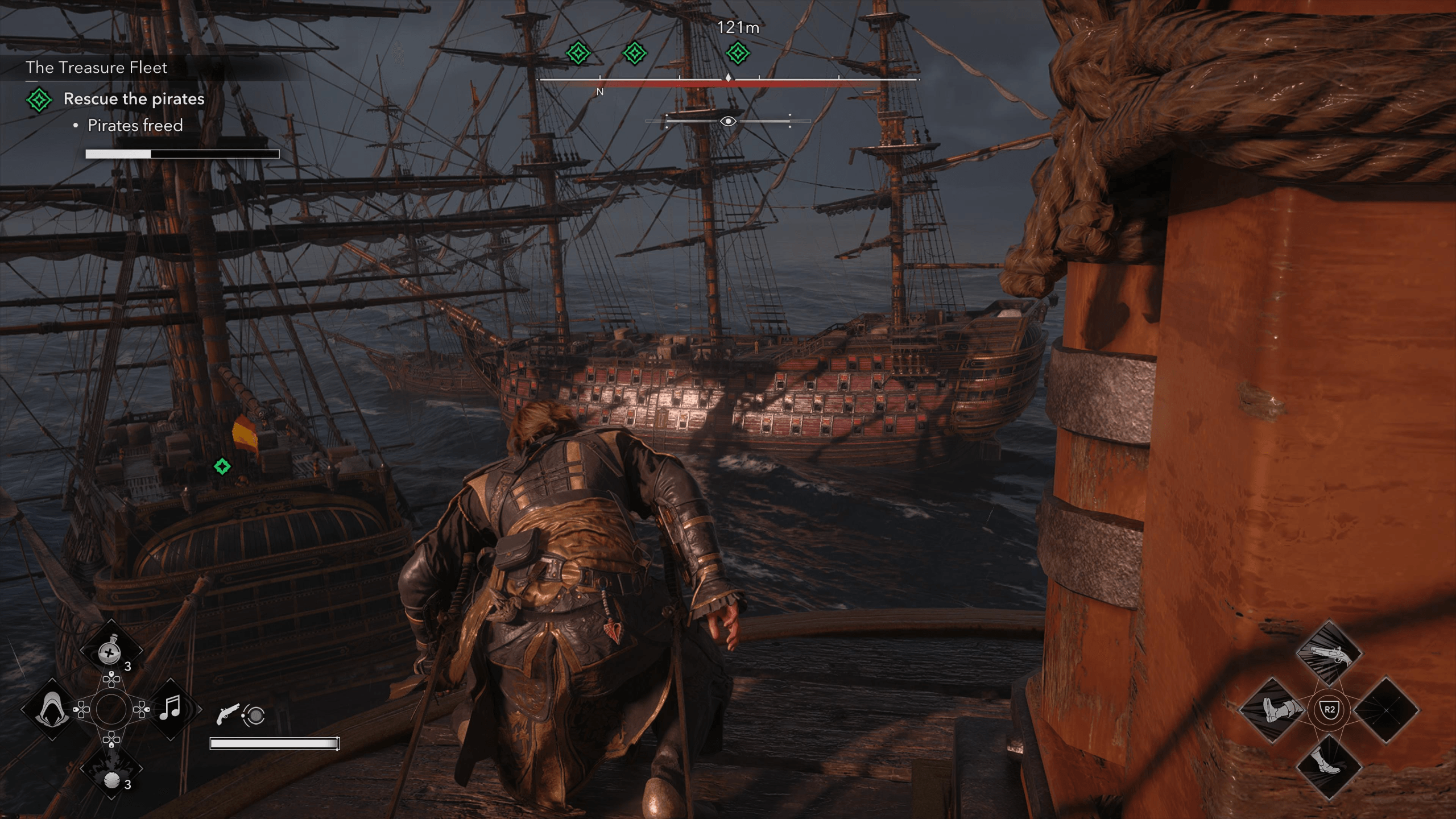
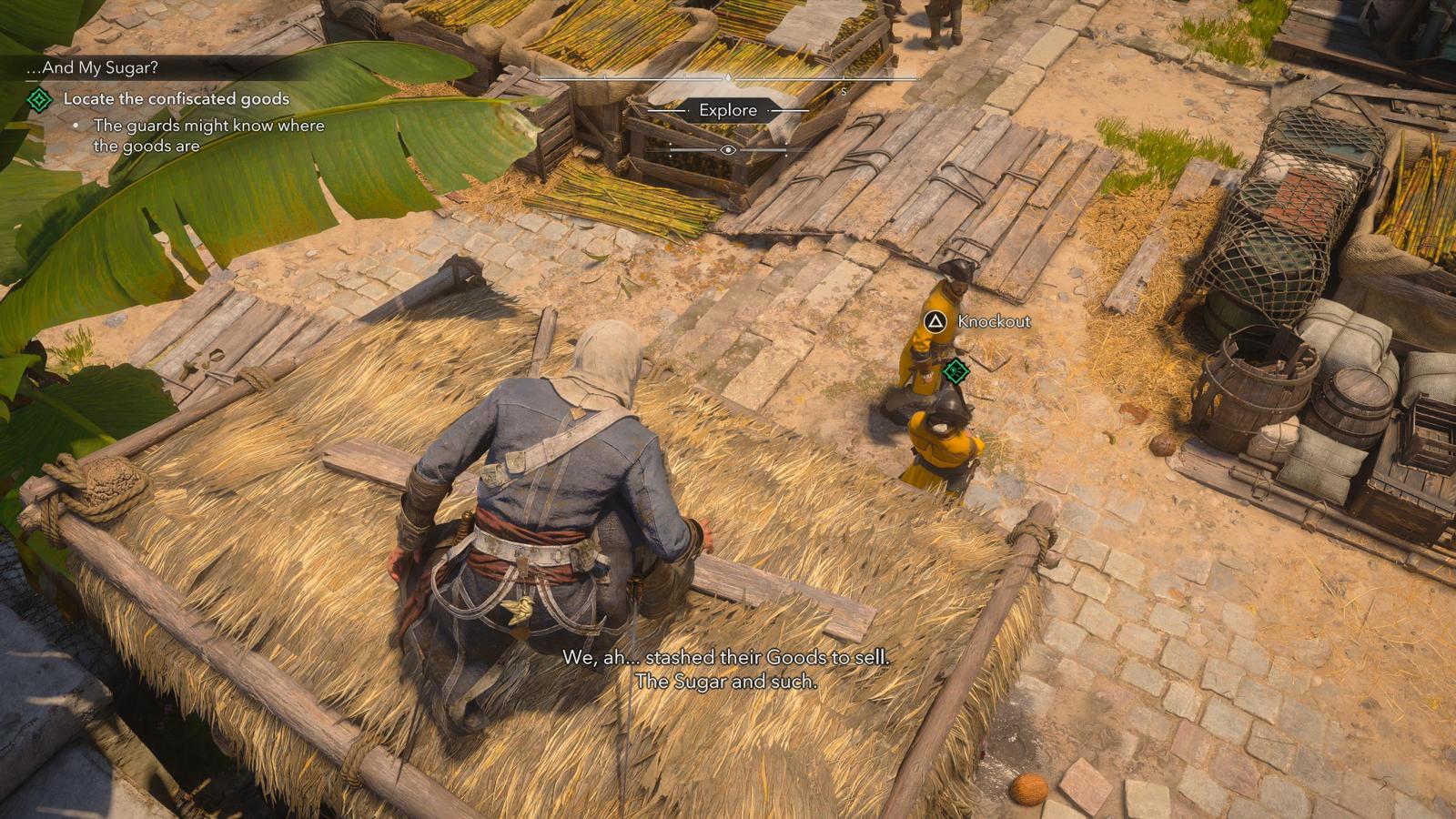
Stealth is probably the area that most needed small interventions. The fact that Edward can now crouch anywhere seems trivial, but it changes quite a lot how you enter forts, plantations, or camps. In the original, stealth worked, but it worked within its time's limitations. Here you have more freedom to use vegetation, corners, cover, and positioning, and tailing missions are a bit more forgiving. And thank goodness, because tailing in the old Black Flag was one of those ideas that seemed good on paper and then tested your patience more than a civil servant.
Parkour is also more active, without being reinvented. Manual jumps, side ejects, back ejects, and faster interruptions make cities more pleasant to traverse. Havana and Nassau feel more natural, and Edward seems less often possessed by the spirit of a magnet for wrong surfaces. There are still moments when the system reminds you that beneath all the modern layers still lies a game designed more than a decade ago, but the difference from the original is palpable.
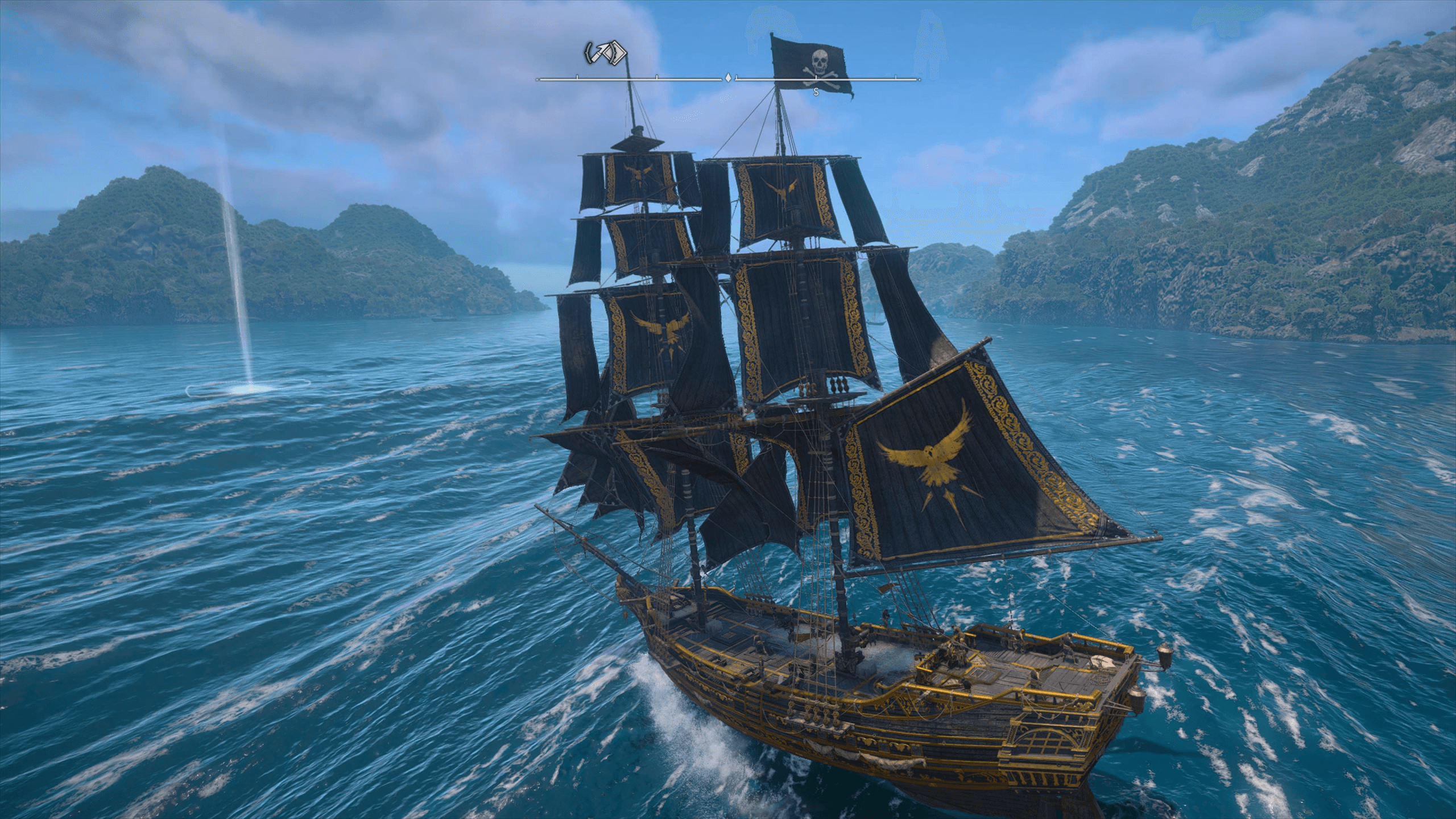
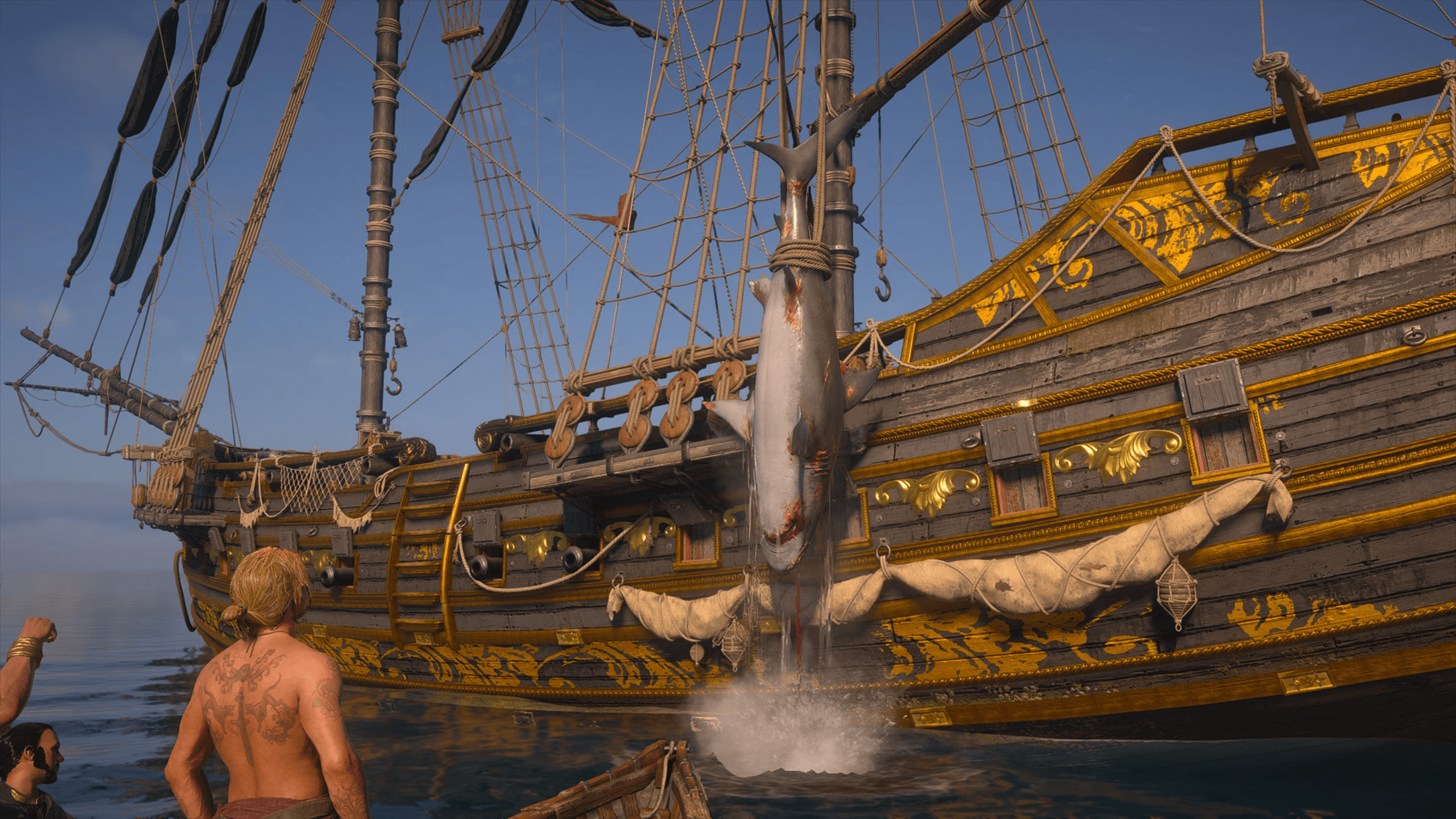
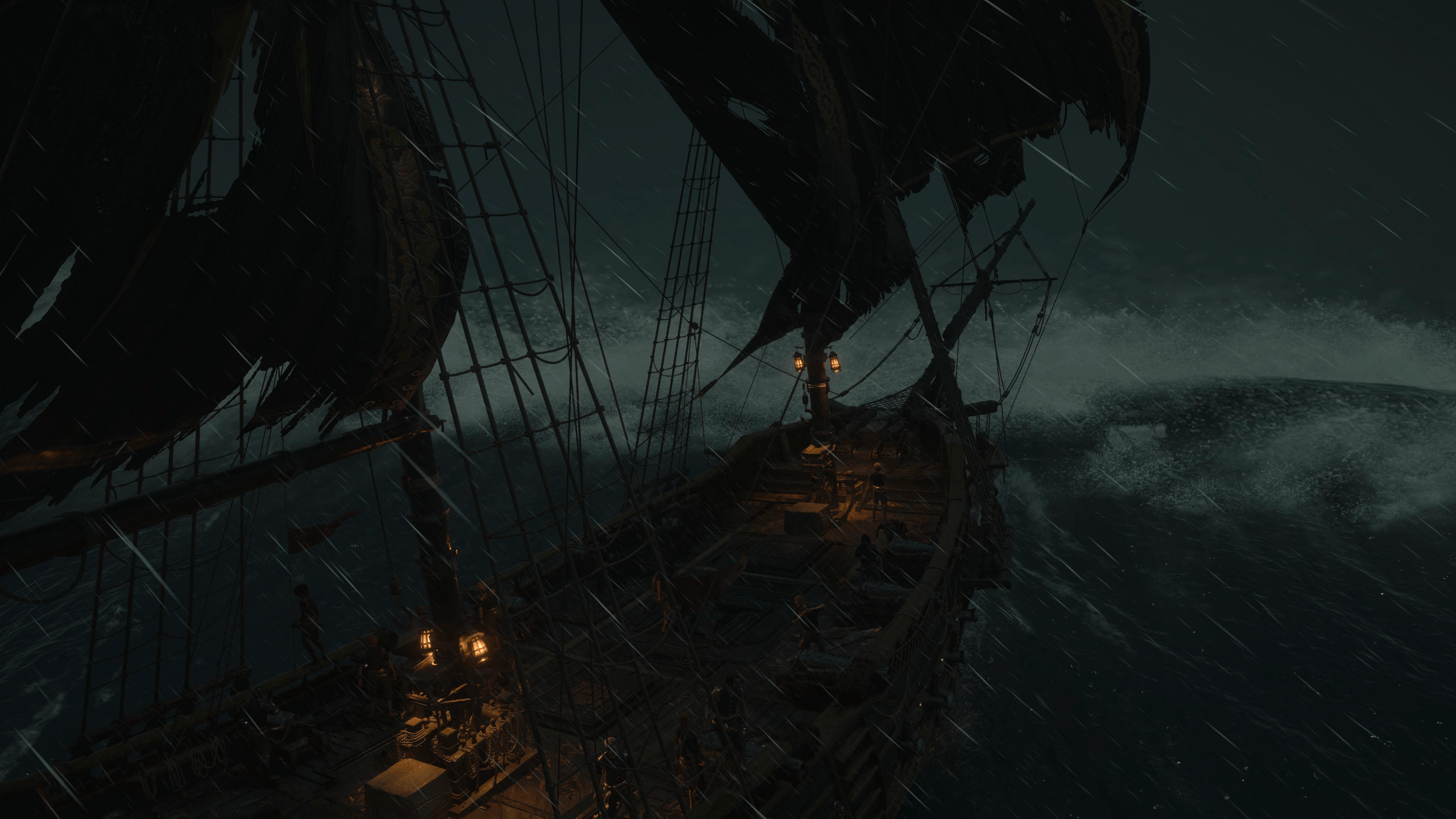
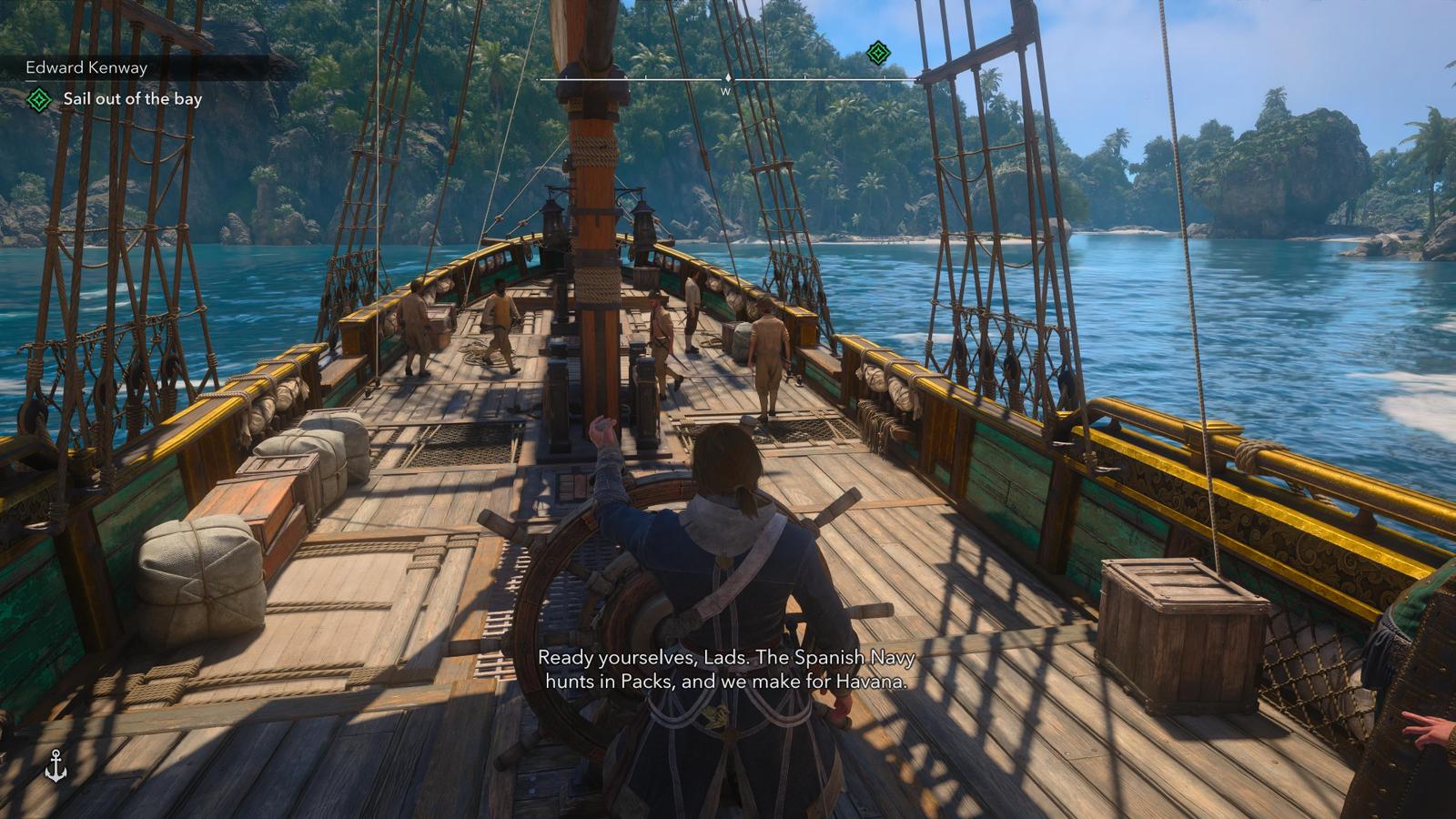
However, the real reason Black Flag remained so beloved is the Jackdaw, and here Resynced knows very well what it needs to protect. The naval aspect was never just a bonus, but the core of the game. Still, the best moments are when you're at sea, chasing a ship, entering a storm, hearing the crew sing, and completely forgetting you had a main mission to do. Naval battles are more spectacular, the ship has more development options, and exploration feels more fluid due to the more natural transitions between sea, islands, and cities.
Sand in the hood and water in the boots
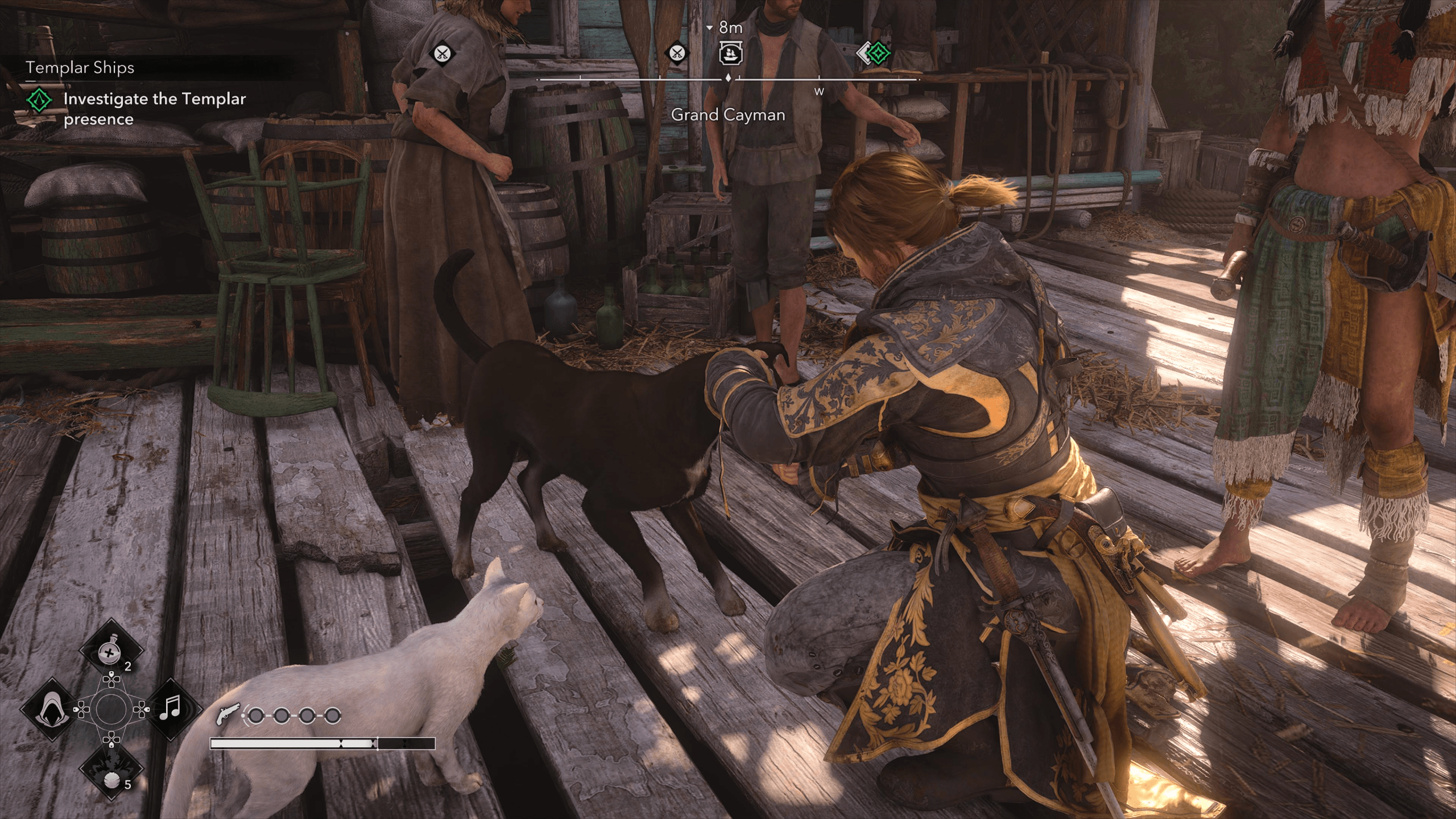
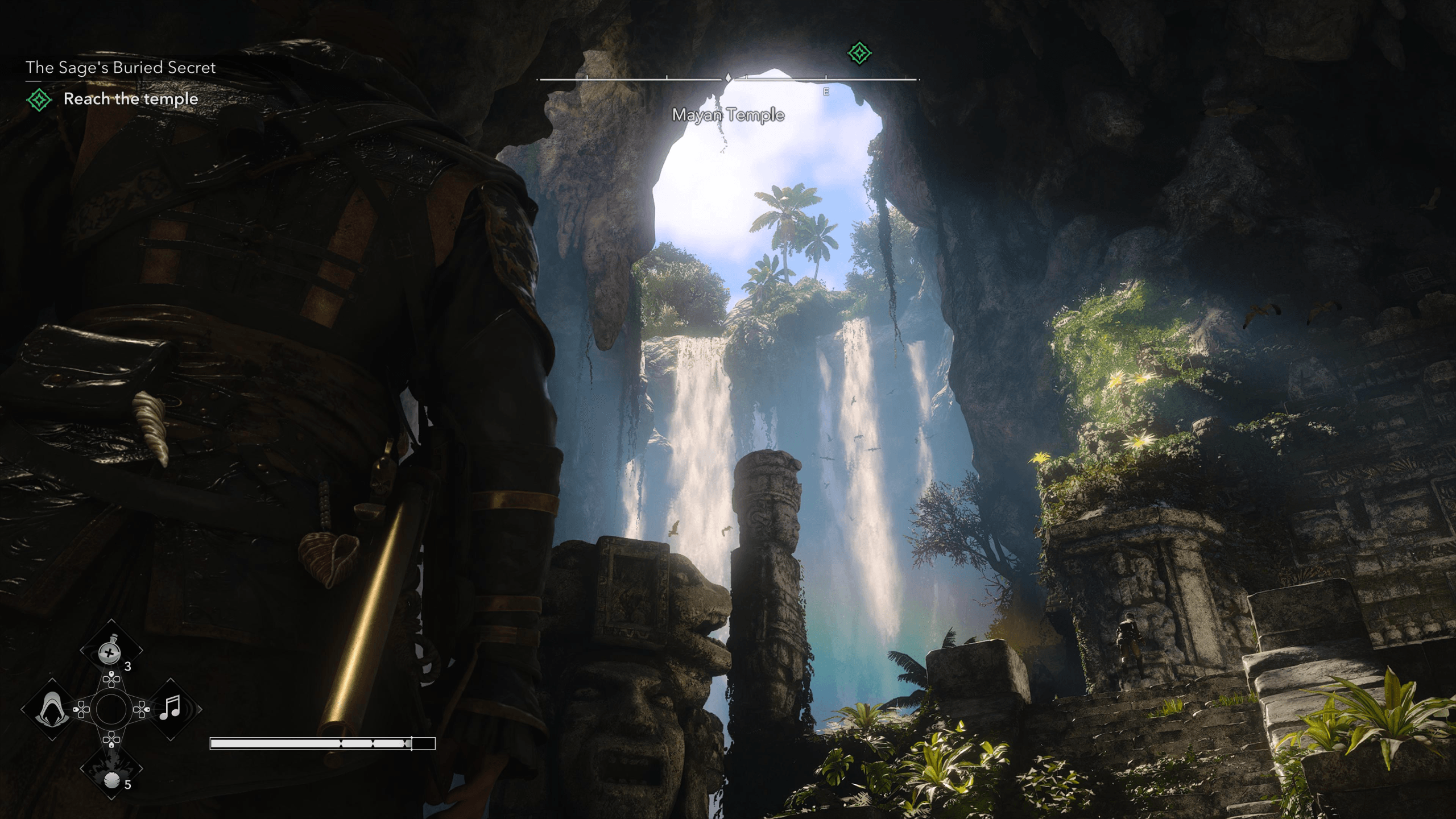
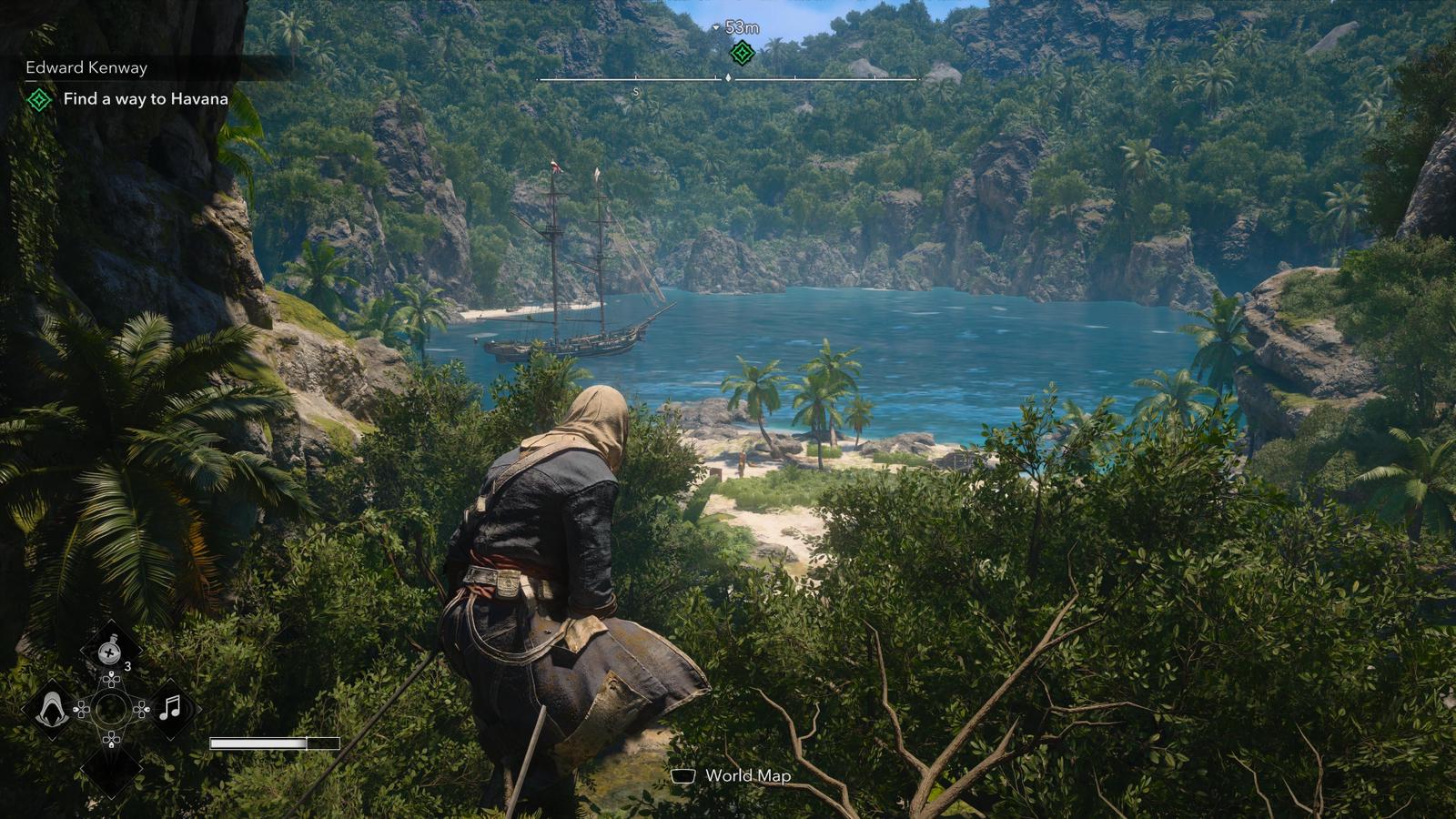
If there's an immediate reason why Assassin’s Creed Black Flag Resynced makes its way into 2026, it's the presentation. Not the story, not the mission structure, not the fact that Edward Kenway suddenly became a different man, but the way the Caribbean is once again laid out before you. The original already had an excellent artistic direction, but here everything is pushed towards that idealised image you probably kept in your mind: blue sea, dramatic skies, wet ships, dense jungles, colonial ports, and storms that turn a simple journey into a small spectacle.
On PlayStation 5 Pro, the game comes with the three "usual" graphics modes for the current generation: Fidelity at 30 FPS, Performance at 60 FPS, and Balanced at 40 FPS but for 120Hz screens. I'm not going to pretend that every player will analyse the differences with a magnifying glass. In reality, the choice depends on what you want from Black Flag. Fidelity gives you the richest image, Performance is the most comfortable for those who want fluidity, and Balanced seems to me the most interesting middle ground, because this game needs both beauty and quick reactions. You don't just want to admire the sea, you also want to be able to jump onto a deck decently when the fighting starts.
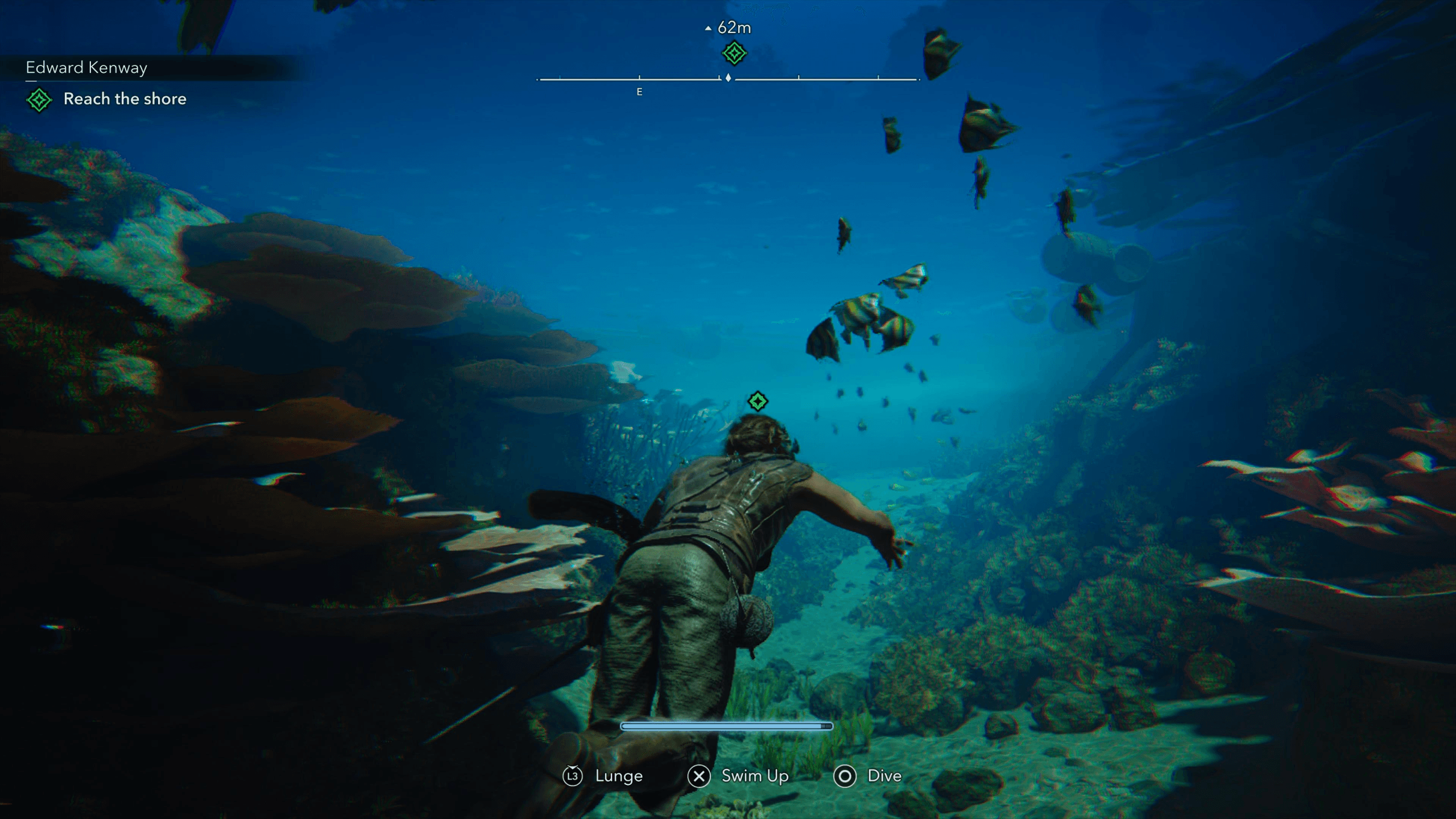
The water is, unsurprisingly, the star. It would have been shameful if it weren't, in a remake of a game where half its identity lies in the ocean. The waves, reflections, foam, storms, and the way light falls across a ship's deck do a lot for the atmosphere x10. There are moments when you emerge from a naval battle, the weather changes, the crew starts singing, and the game manages to sell exactly the fantasy it promises: that you're a real pirate who doesn't feel like rushing to the next mission, because often the journey is better than the destination.
That doesn't mean the illusion holds permanently. Beneath the new layer of paint, the old planks can still be seen. Some animations, some spaces, and certain parts of the world's structure still betray the fact that Black Flag wasn't conceived yesterday or in the last 5 years. The game looks good, sometimes very good, but it doesn't always have the visual coherence of a title built completely for the current generation. It's more of an old game brought up to date with enough care not to pull you out of the atmosphere too often.
The sound helps enormously here. Black Flag was always a game you remembered not just for how it looked, but also for how it sounded. The creaking wood, the cannons, the waves, the wind, the crew's shouts, and that constant noise of a living world do more than many graphical upgrades. On PlayStation 5 Pro, the audio spatiality helps quite a lot, especially in storms and naval battles, where everything seems to be happening around you, not just in front of the screen.
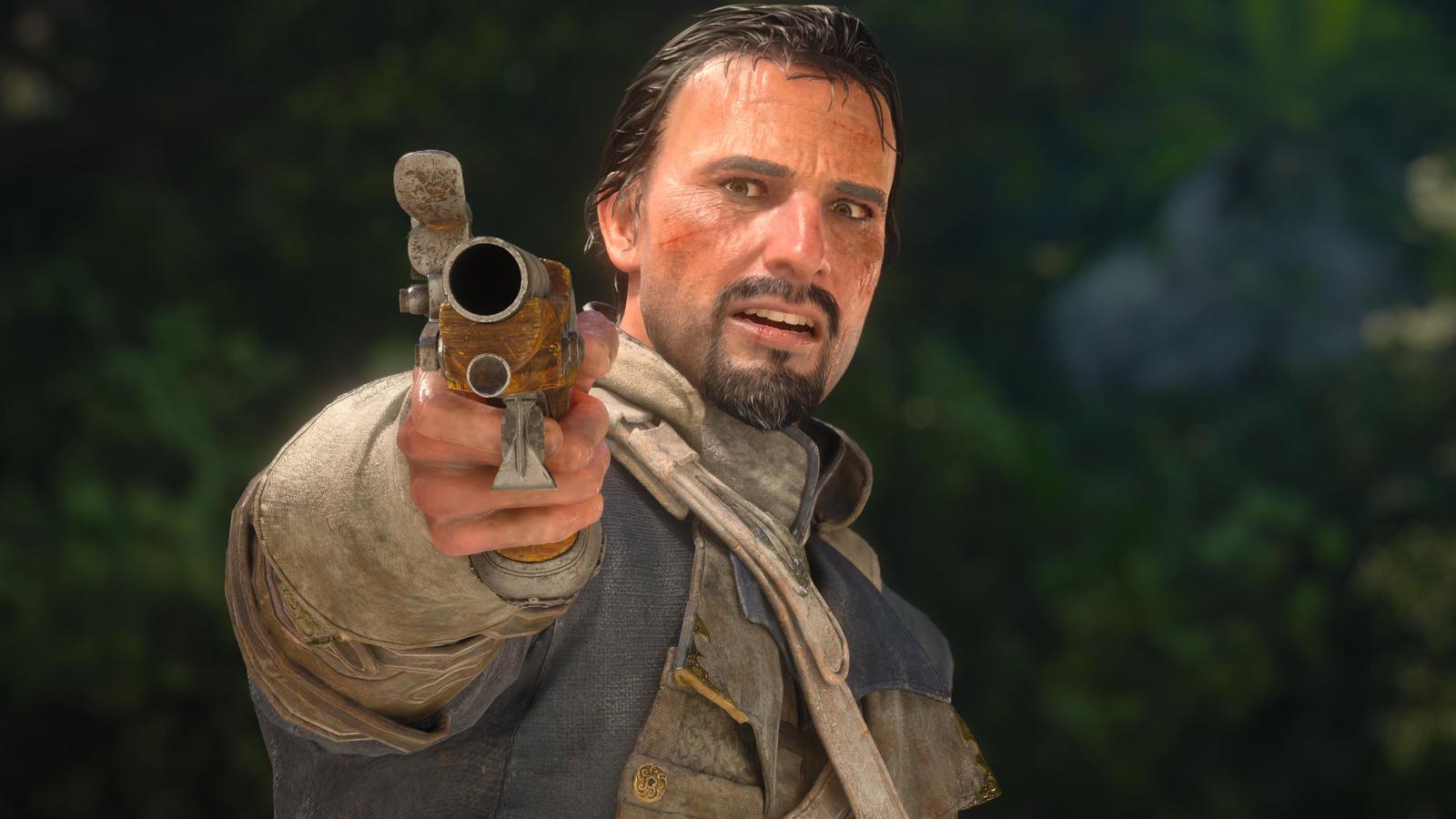
The return of Matt Ryan as Edward Kenway is probably the most important sound detail. You can change textures, you can redo the water, you can add reflections and graphic modes, but if Edward doesn't sound like Edward, the whole reunion falls apart. Fortunately, his voice retains exactly that mix of arrogance, humour, and "piratey" cunning that made the character so cool. It doesn't sound like an imitation or a recycling. It is, as they say in English, "the real deal". Just right.
And the sea shanties remain, obviously, the game's legal drug. You get on the Jackdaw intending to go somewhere and end up taking a detour, just to listen to the crew. The fact that Resynced keeps the old songs and adds new material matters, because nostalgia alone wouldn't have been enough. The audio isn't just polished, it's "enhanced".
Did the Ship of Theseus need repairs?
Here, in fact, begins my problem with Assassin’s Creed Black Flag Resynced. Not with the water, not with the ray-tracing, not with Edward's voice, and not with the Jackdaw, because all of these work. The problem only arises after the initial enthusiasm passes and you realise you're facing an almost perfect case of the "Ship of Theseus". If you replace the planks, mast, sails, ropes, and cannons with almost identical ones, and the ship sails in the same direction, with the same crew and the same destination, is it still the same ship? In this case, yes. Resynced is still Black Flag. The more interesting question is another: why did it need to be remade?
Because, beyond modernisations, Black Flag Resynced remains essentially the same game. It tells the same story, follows the same Edward, takes you through the same Caribbean, and sells you the same pirate fantasy. Only now it does so more beautifully, more fluidly, and with more systems layered over the original skeleton. For someone who has never played Black Flag, this is very good. They get the most accessible and best-looking version of the game. For those who played it in 2013, things are more complicated. Nostalgia hits where it should, but immediately after it comes that feeling that you've been here before, that you've done all this before, and that, no matter how beautiful the ship looks now, the route is largely the same.
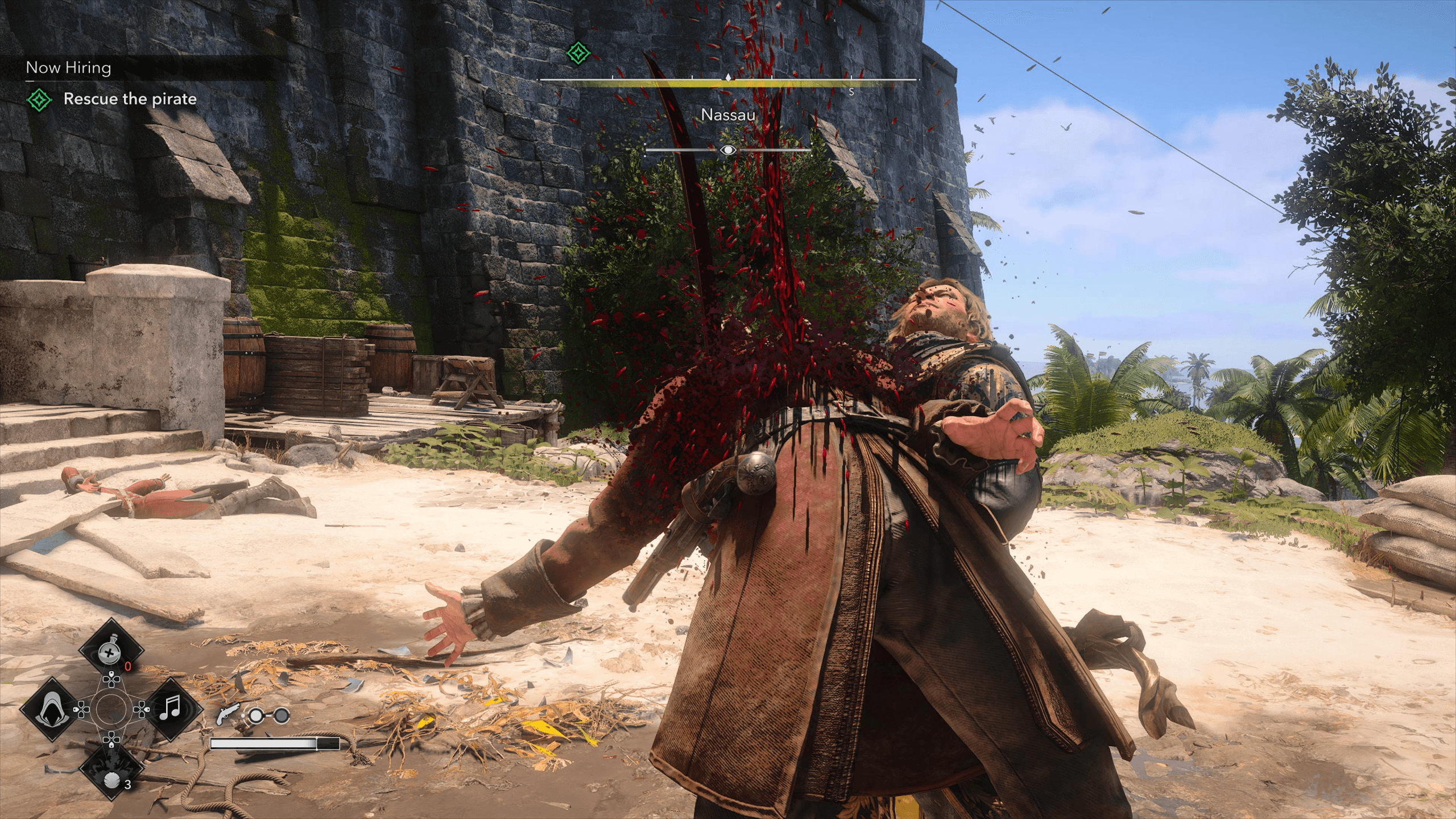
I'm not saying the old rigidities should have been preserved out of respect for "preservation". Some clearly needed to be thrown overboard. The parkour had its moments of possession, stealth was limited, combat was too automated, and tailing missions could bring out the worst in a person. The problem is that Resynced doesn't completely get rid of rigidity, but replaces it with another, more modern, more polished one, closer to the direction the Assassin’s Creed series has been heading for some years now. You have more control, more options, more layers, but you don't always have more freedom. Sometimes, the game seems more fluid without necessarily being freer. The invisible walls are still there, and what is understood by "quality of life" is only half its potential.
Hence the question that haunted me worse than the modern plot haunts this IP: why Black Flag? Of all the games in the series, this was perhaps one of the ones that least needed a complete remake. It had aged technically, yes, sure, but it still played well and still had a very clear identity. The first Assassin’s Creed, on the other hand, would have needed such a makeover. There, rigidity was a real problem, don't misunderstand. There, the repetitive structure, limited missions, and beautiful but under-exploited cities could have been rebuilt in a remake that would truly feel necessary.
This doesn't make Resynced a bad game or a worthless project. On the contrary, it's carefully made, looks great on PlayStation 5 Pro, and, in most moments, plays better than the original. It just doesn't quite manage to escape the question at the core of its existence. It's a good remake of a game that still worked. A beautifully rebuilt ship, solid, with new sails and fresh wood, but one that was in no danger of sinking anytime soon.
The Jackdaw's last voyage
Assassin’s Creed Black Flag Resynced is a good remake, even very good in places, but it remains the kind of game that constantly makes you wonder why it exists. On PlayStation 5 Pro it looks excellent, moves better, sounds right, and manages to bring back into focus exactly what people loved about the original: Edward Kenway, the Jackdaw, the Caribbean, pirates, and that feeling of freedom at sea that the series, and that other game we won't mention, hasn't quite captured in the same way since.
For those who have never played Black Flag, Resynced is clearly the best way to do so now. For those who played it in 2013, it's a pleasant, nostalgic, and beautifully presented return, but not necessarily a necessity. It doesn't spoil the original's legacy, which is already a victory, but it also doesn't quite manage to fully demonstrate that this ship needed to be rebuilt from scratch. Ultimately, Black Flag Resynced is a ship with new wood, new sails, and a familiar direction. It sails well, it's just that sometimes you get the feeling it was never truly lost at sea.
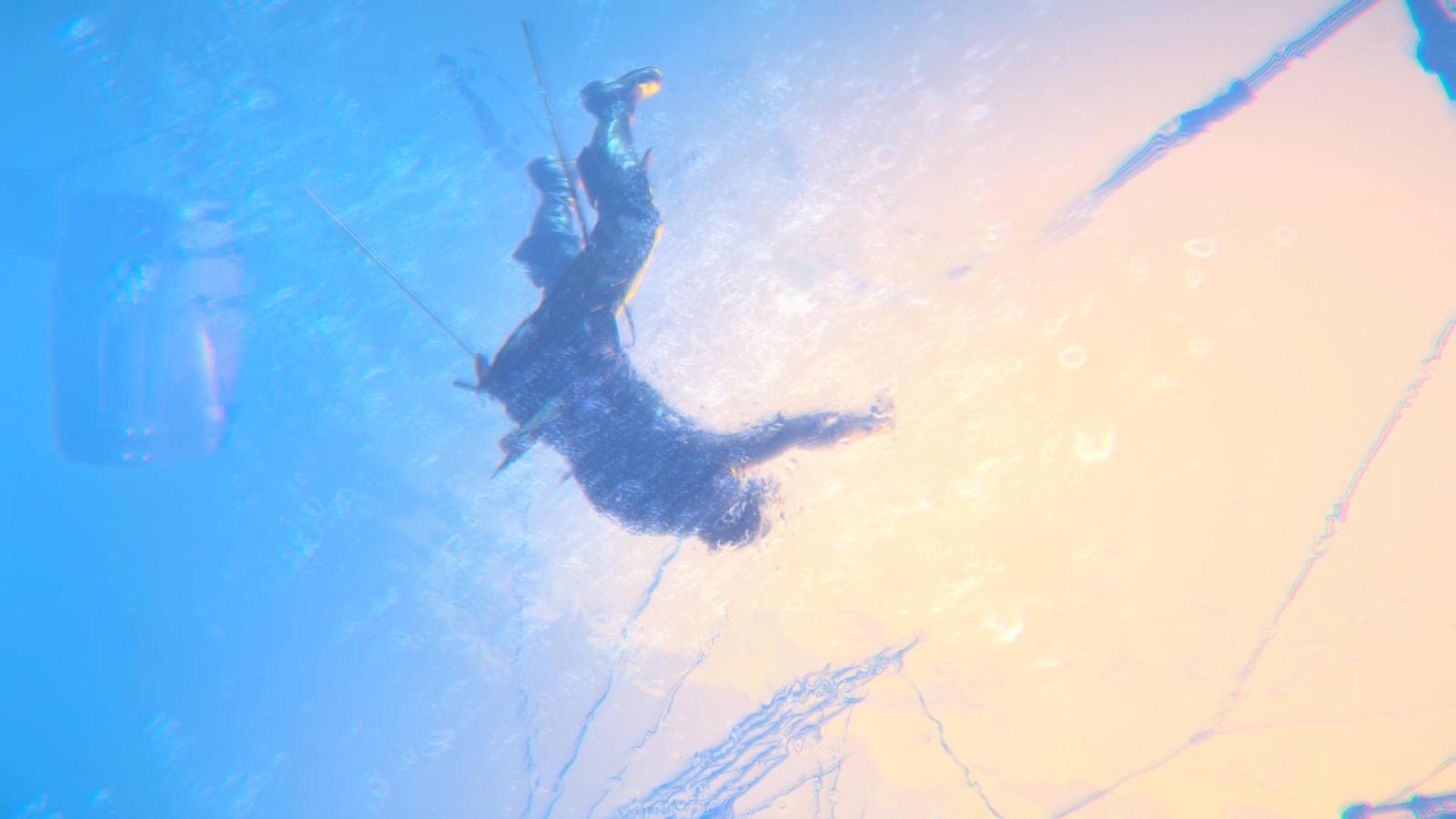
Thanks to Ubisoft for the review code and the opportunity to play Assassin’s Creed: Black Flag Resynced!

Played on: PlayStation 5 Pro
Release date: 9 July 2026
Developer: Ubisoft
Publisher: Ubisoft
Plus
- Atmosphere and visual presentation
- Edward Kenway and the Jackdaw
- Gameplay updated to current series standards
Minus
- Hard-to-justify remake
- Modern jank
- Old things that weren't updated
0 votes
Scroll down here and stay on the page for at least 30 seconds to vote.
Pick a score from 0 to 10 (halves are allowed).