
Florence – Review


I discovered an interactive story about love, separation and rediscovery…
In an industry dominated by spectacular action, open worlds and sprawling progression systems, Florence proves that a game can leave a deep mark without complicated mechanics or dozens of hours of gameplay. Developed by Mountains and published by Annapurna Interactive, it is an interactive narrative experience that tells a simple but universal story: first love, and the way it changes us.
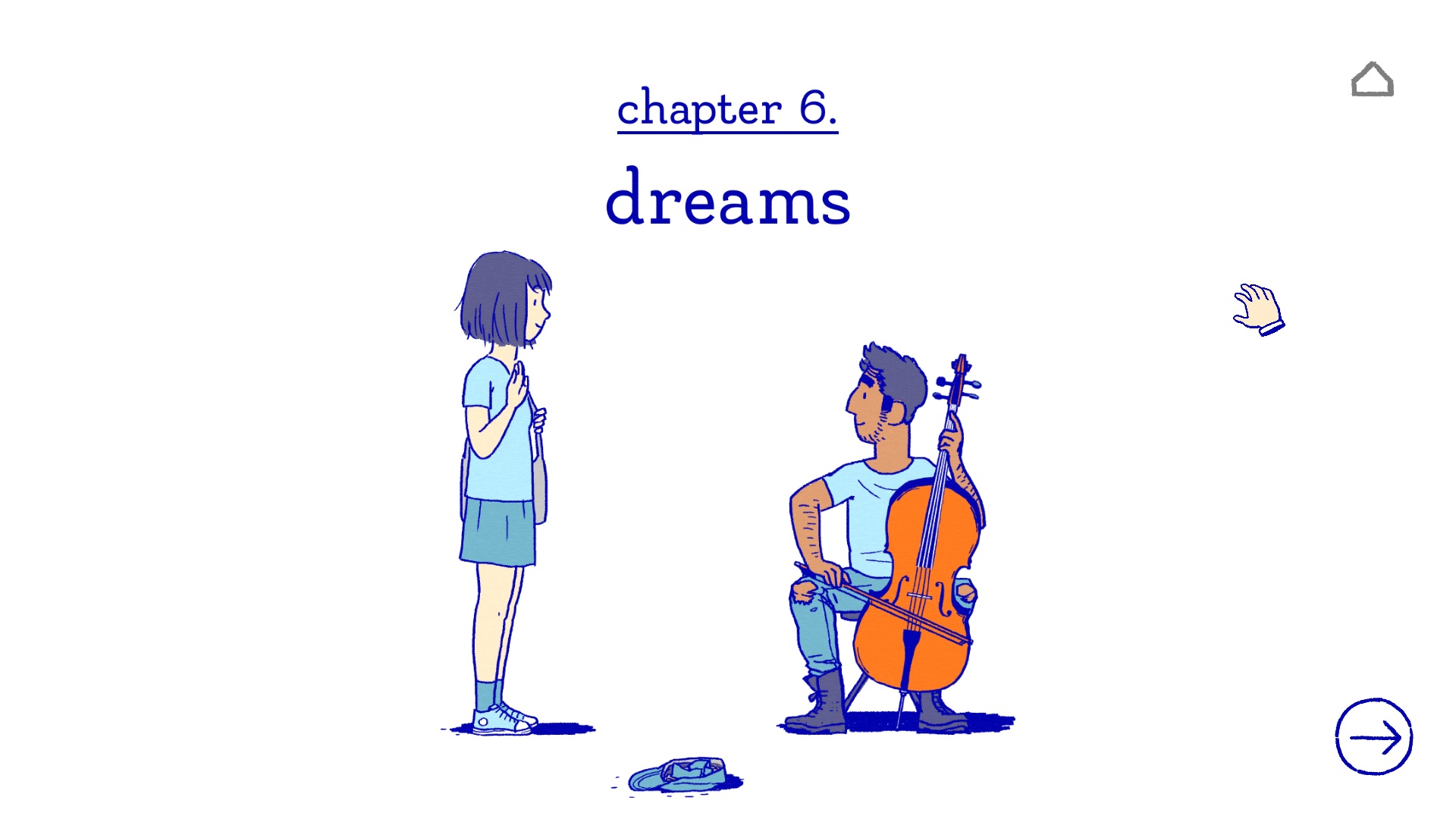
Originally released in 2018, the game follows Florence Yeoh, a 25-year-old stuck in a monotonous routine until she meets Krish, a passionate cellist. Their relationship becomes the heart of a delicate interactive story, told almost without words, through images, sound and symbolic mini-interactions.
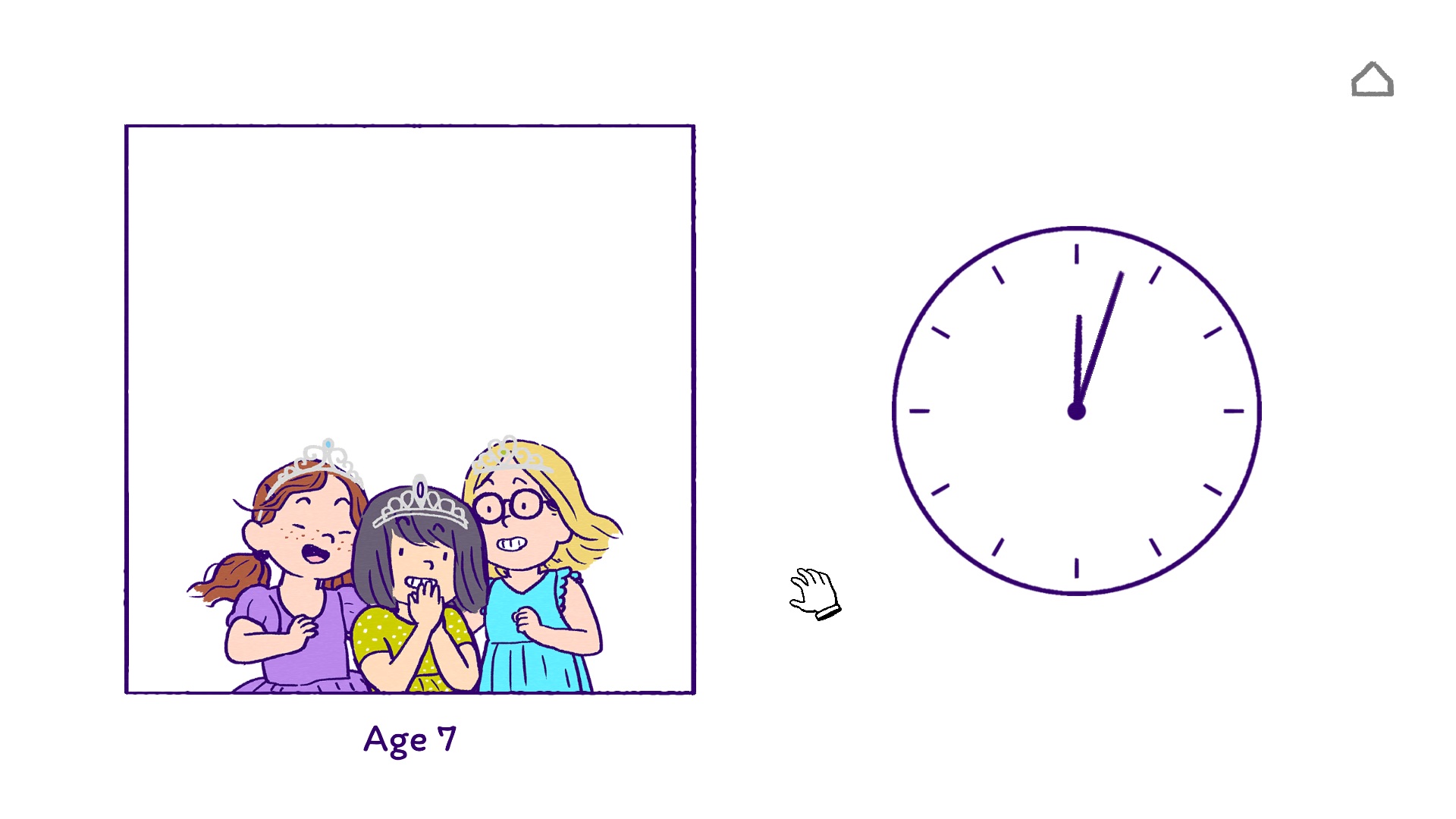
The story: the beauty of simple emotions
Florence is not a game in the traditional sense, but an interactive narrative experience. The story traces the arc of a relationship: the shyness of those first meetings, the excitement of the early days, the comfort of routine, the inevitable tensions and, finally, the break-up.
That familiar structure is exactly the key to its emotional impact. The relationship between Florence and Krish is not idealised; it is real, imperfect and deeply human. The game subtly captures how love can inspire us to grow, and how loss forces us to redefine who we are.
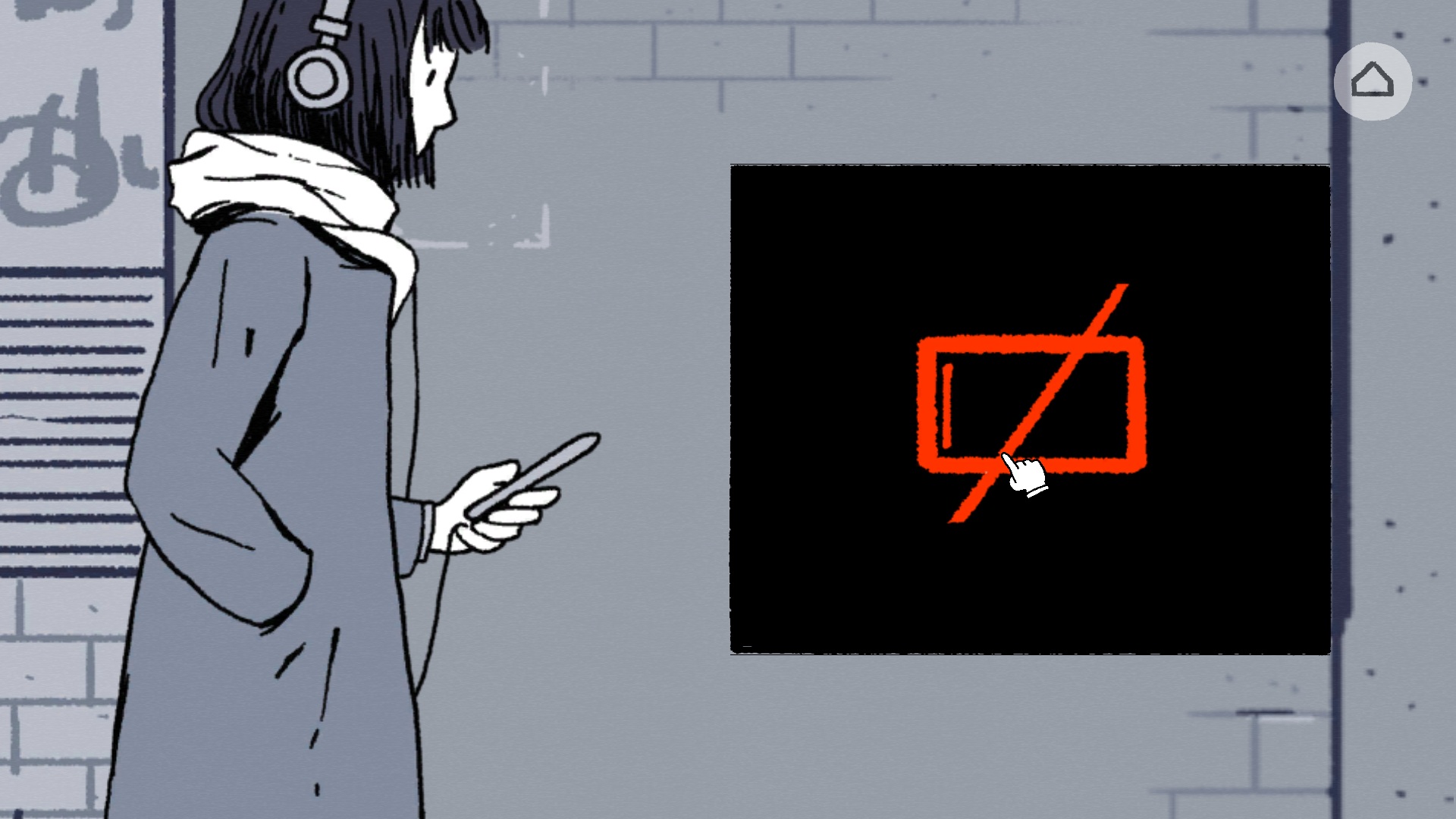
Interestingly, the story is told without traditional dialogue. Emotions are conveyed through images and visual symbols, inspired by graphic novels and webcomics, creating an intimate, personal experience.
Gameplay: simple interactions, deep meanings
In Florence, mini-games and interactive mechanics work as a visual language that expresses the characters' emotions and the evolution of their relationship. Conversations take the form of puzzles that get easier to complete as the two grow closer, suggesting the comfort of talking to someone you trust.

In moments of conflict, those same puzzles fragment and turn frustrating, reflecting how hard it is to talk and the tension between the two. Daily routine is conveyed through simple, repetitive gestures that underline the monotony of everyday life, while the healing process after the break-up is symbolised by a return to creativity, suggesting a rediscovery of identity and inner balance.
These mechanics are simple but deeply symbolic. They don't test the player's reflexes, but their empathy and their ability to read emotions. Some players have praised the clever way the puzzles mirror communication in a relationship, flowing more smoothly as the couple grow closer and becoming harder in tense moments.

Art style and music
One of the game's greatest strengths is its hand-drawn look. The illustrations are minimalist but expressive, using colour to reflect the characters' emotional state. Happy scenes are warm and bright, while the difficult moments are dominated by cold tones and empty space.
Kevin Penkin's soundtrack complements the atmosphere perfectly. The music evolves alongside the couple's relationship and adds to the emotional intensity of the key moments.
Is the short running time a strength or a weakness?
Florence can be finished in roughly 30–45 minutes. For some players that may feel like a drawback, especially given the price. Critics have pointed to the lack of replay value and a wish for deeper interactive elements.
Even so, the compact running time is a deliberate artistic choice. The story isn't watered down, every moment carries weight and the emotional impact stays concentrated. It's not something you play for hours on end, but something you live through once, and live through well.

Emotional impact and reception
Florence has been praised for how it explores universal emotions and for its inventive use of interactivity in storytelling. Some critics have called the experience poetic and deeply moving, capable of leaving players with a lump in the throat.
On Steam the game holds a “Very Positive” rating, with high scores from players. Of course, it isn't for everyone. Anyone looking for mechanical challenge or complex gameplay may come away disappointed. Florence is closer to an interactive novella than a traditional game.

Florence in the month of love
Played in February, when the mood is dominated by Valentine's Day and, in Romania, by Dragobete, Florence takes on a special resonance. The story isn't only about falling in love, but about the whole emotional cycle of love: the excitement of the beginning, the fragility of relationships and our capacity to move on.
At a time when popular culture celebrates idealised love, Florence offers a more mature, authentic view: love transforms us, even when it doesn't last forever.

It's a perfect fit for a quiet February evening, whether you're in love, feeling nostalgic or simply curious about the complexity of human emotions.
Florence is proof that video games can be pure emotional art. With simple mechanics, sensitive illustrations and a deeply human story, it tells a universal experience in a memorable way.

Available on: PC (Steam), Nintendo Switch, iOS, Android
Played on: PC (Steam)
Release date: 14 February 2018
Developer: Mountains
Publisher: Annapurna Interactive
Plus
- A moving, mature story about love, loss and rediscovery
- Symbolic interactive mechanics that convey emotional states cleverly
- A delicate soundtrack that amplifies the key moments
- A minimalist, expressive visual style inspired by graphic novels
- An intimate, memorable experience that stays with you long after the credits
Minus
- The short running time may leave some players wanting more content
0 votes
Scroll down here and stay on the page for at least 30 seconds to vote.
Pick a score from 0 to 10 (halves are allowed).