
Clive Barker’s Hellraiser: Revival - Review


Video games based on Clive Barker's works have existed since the Commodore was young, but my first such title was Clive Barker’s Undying, a shooter that combined eldritch horror concepts with generational curses in the British author's specific signature style. What's more, Barker was directly involved in the game's production, which translated into a world with far more depth and lore than we usually saw in tie-ins that relied on the author's popularity to sell.
In the world of film, Clive Barker entered the collective memory of the genre with Hellraiser, a movie that, despite its clumsy direction and modest budget, dared to be something else in the golden age of slashers. The horror, here, consists of a committee of cosmic bureaucrats (the Cenobites) who answer the desires of hedonists who invoke them. After a more-than-decent first sequel, the series entered a spiral of IP bastardisation through direct-to-video films as it strayed from the original mythology, and in 2022 it returned with a rather interesting reboot.
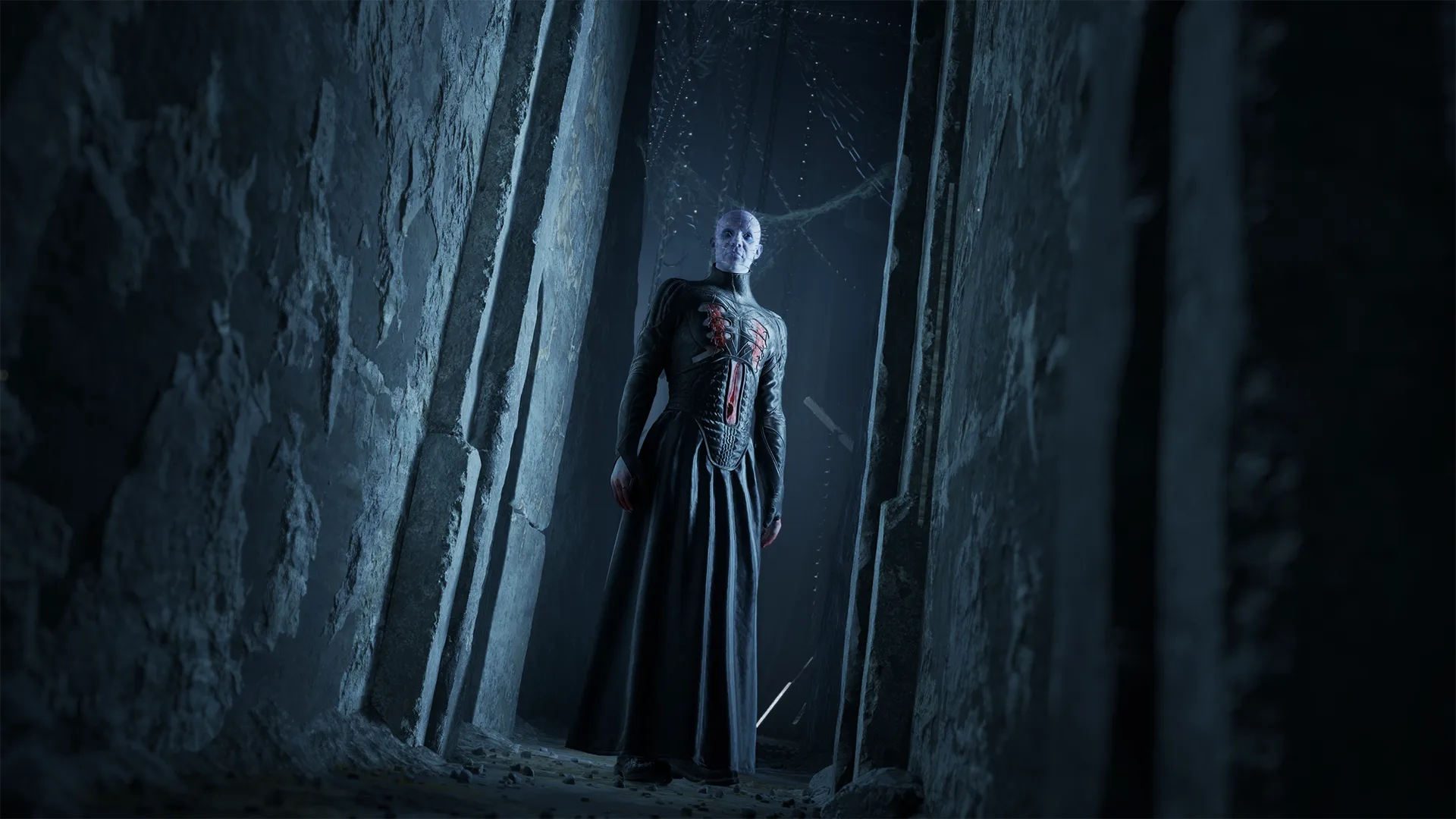
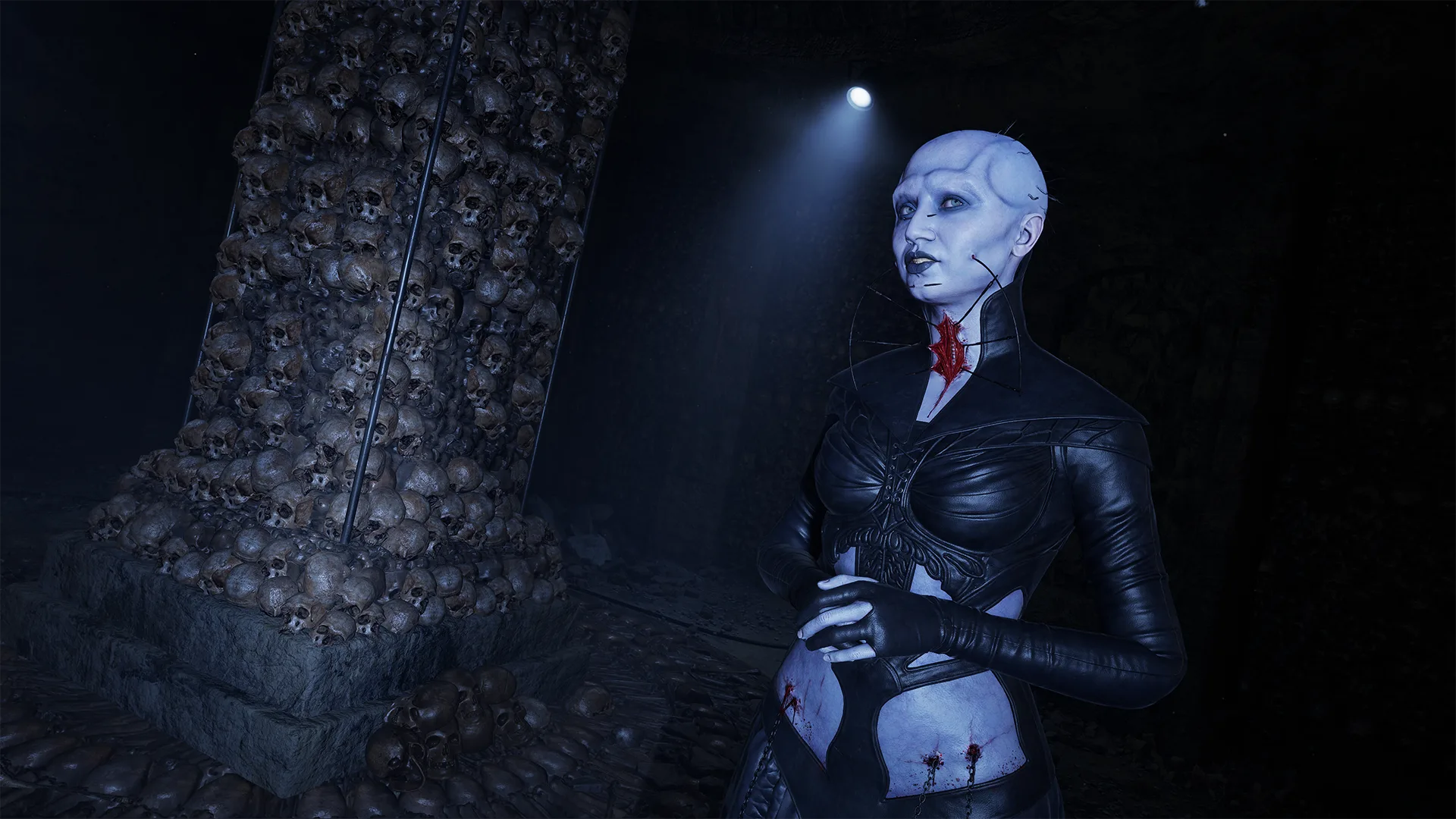
Clive Barker’s Hellraiser: Revival seems to share this perspective, as it treats only the first two films as canon and offers you, much like RoboCop: Rogue City or Terminator: Resistance, a standalone, mid-budget adventure that honours 80s IPs adapted for modern technology. What's more, Doug Bradley reprises the iconic role of Pinhead, and the design faithfully reconstructs the macabre aesthetic from the early films. At the same time, the game is friendly enough to newcomers that it doesn't impose any antechamber of lore understanding when the story begins.
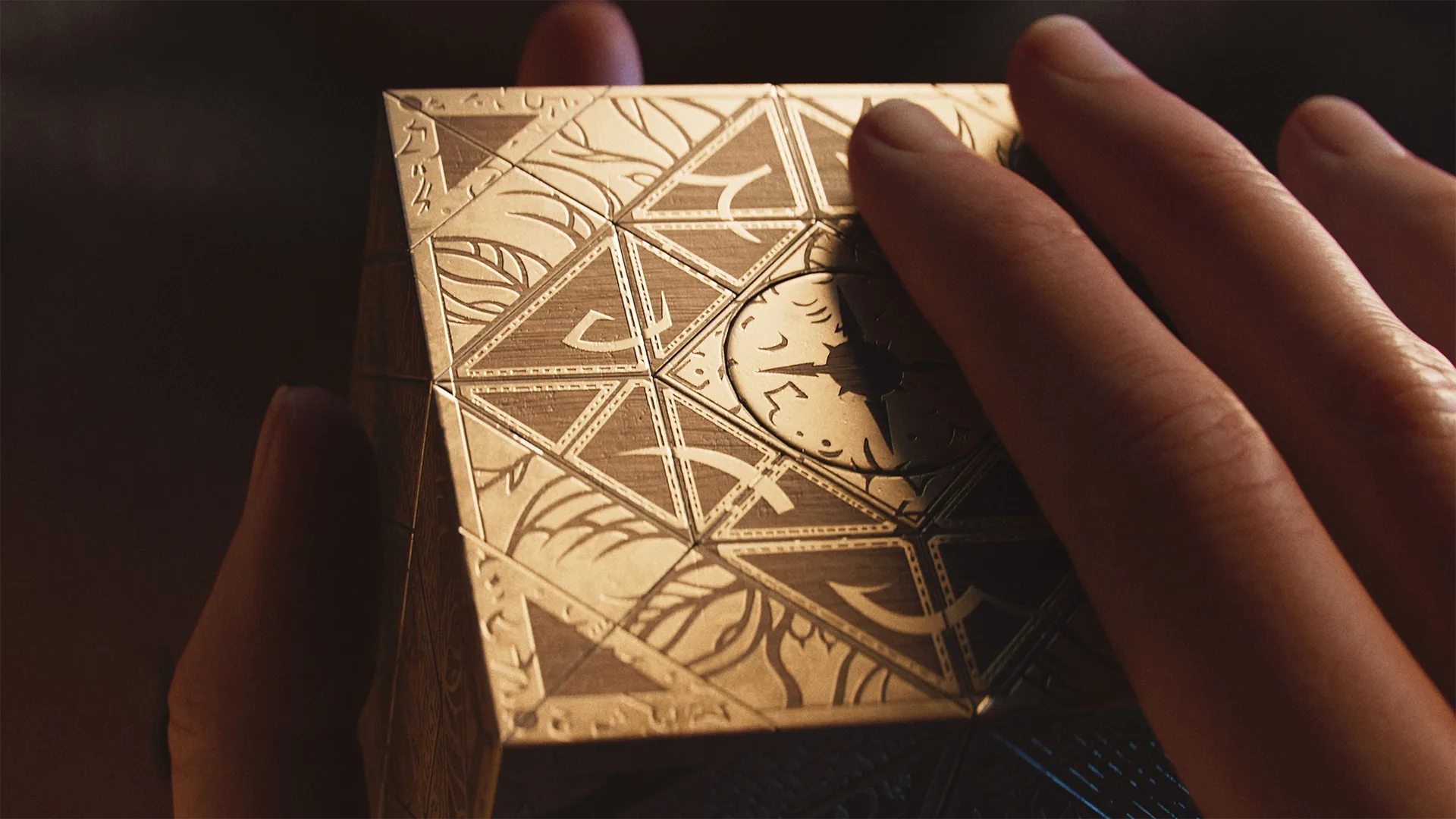
Orpheus's Box
Aidan Lynch is the protagonist here, a hedonist who abandoned medical school for sex, drugs, and acupuncture. After an introduction where his girlfriend, Sunny, solves the puzzlebox and is taken away by the Cenobites, Aidan embarks on a mission that takes the phrase “I can fix her” to paroxysmal heights.
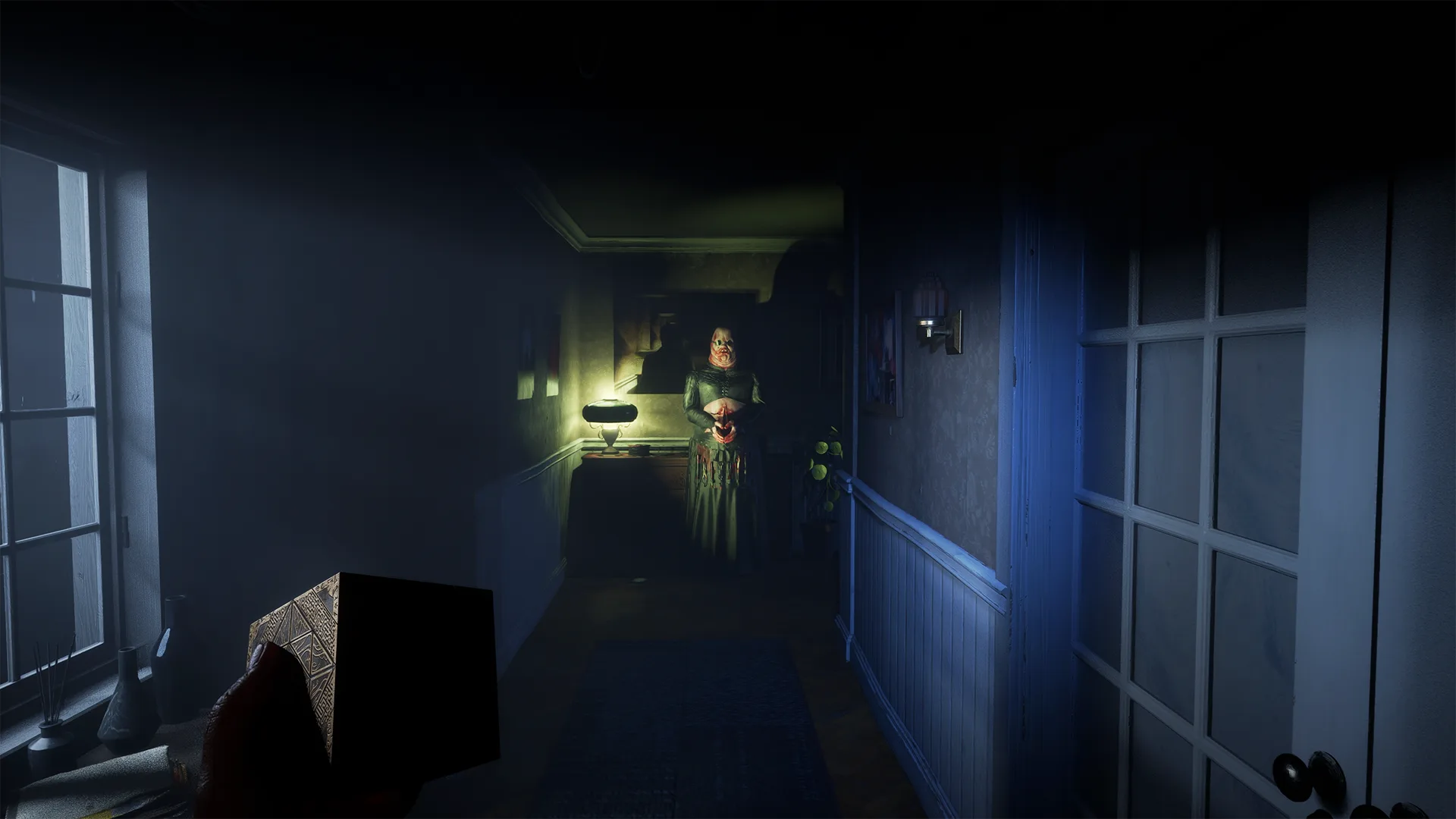
The game's prologue wastes no time with exposition: as soon as Sunny disappears, you're led through the labyrinthine corridors of the Labyrinth, before waking up in a torture chair in a cult's basement. Initially, you have to sneak and escape, gather resources to craft makeshift weapons and tools, and eventually unlock firearms and supernatural abilities controlled via the cube.
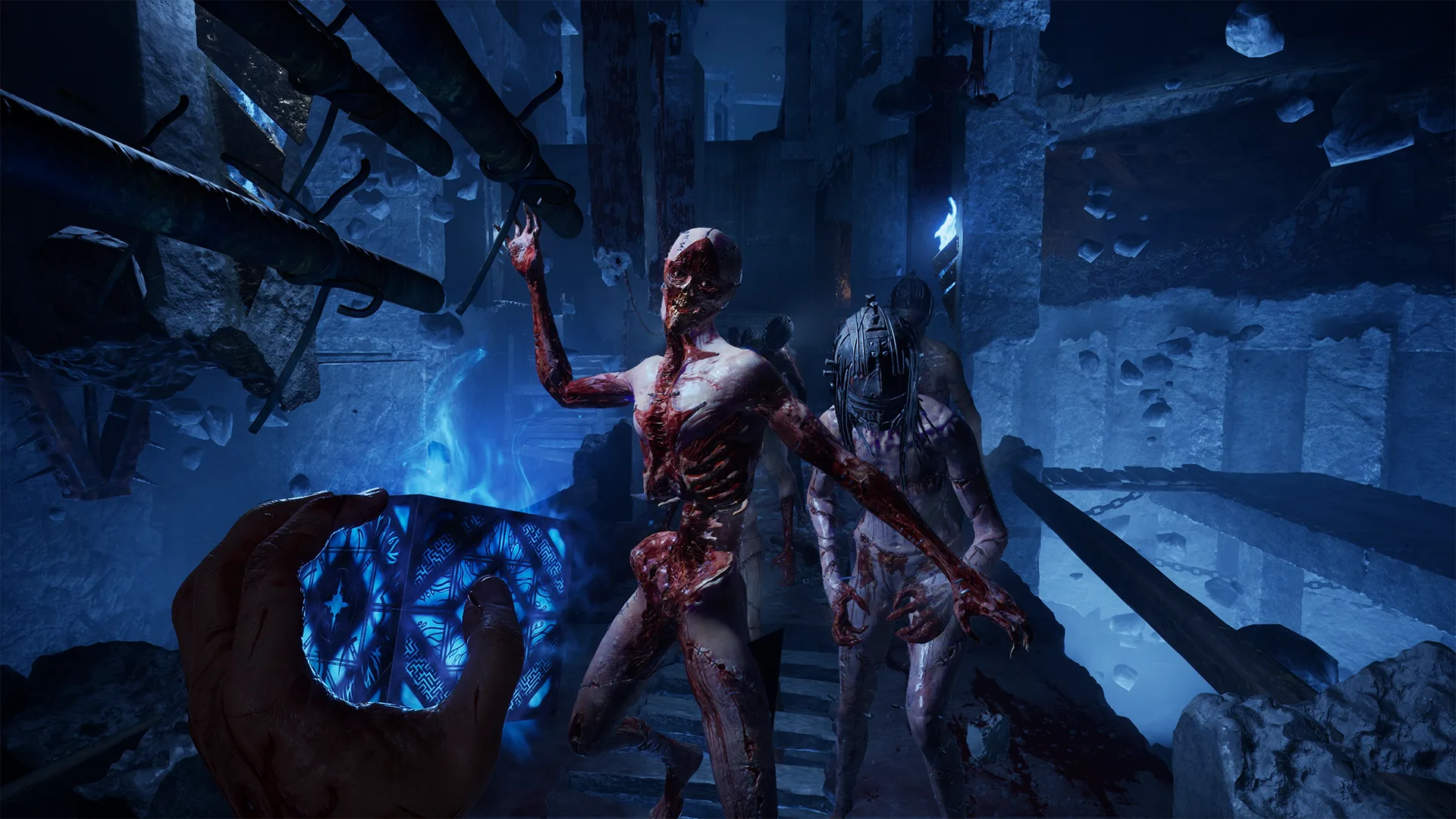
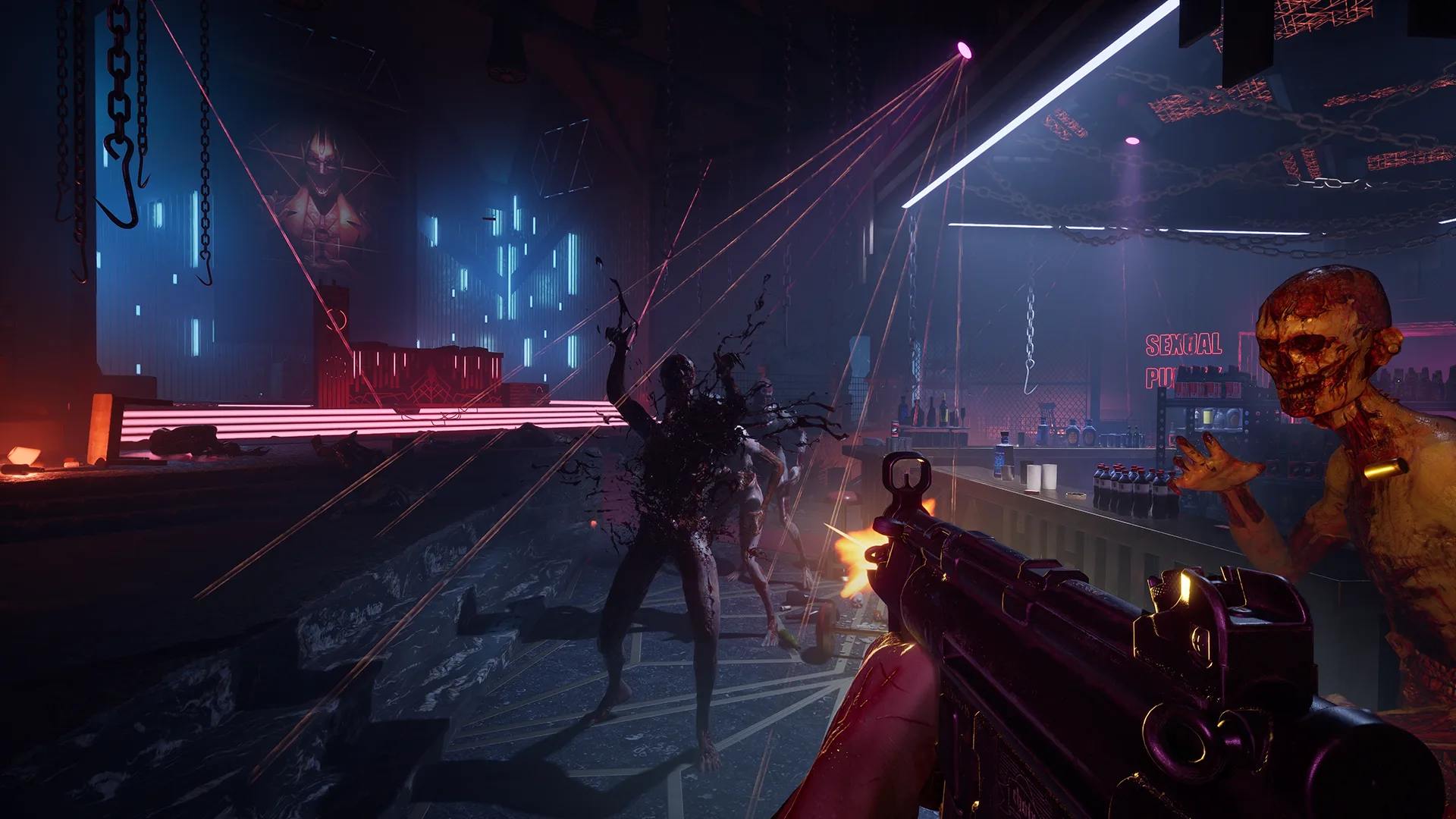
The pace is always fast (often to the detriment of tension), and the story drags you through blood, sex, and drug use with an appetite for transgression that no video game has had since the early 2000s. The cult you're tracking makes its living in dungeons, S&M nightclubs, and industrial halls, and the levels are connected by claustrophobic transitions through non-Euclidean spaces, monuments to the architecture of pain that the Cenobites propagate.
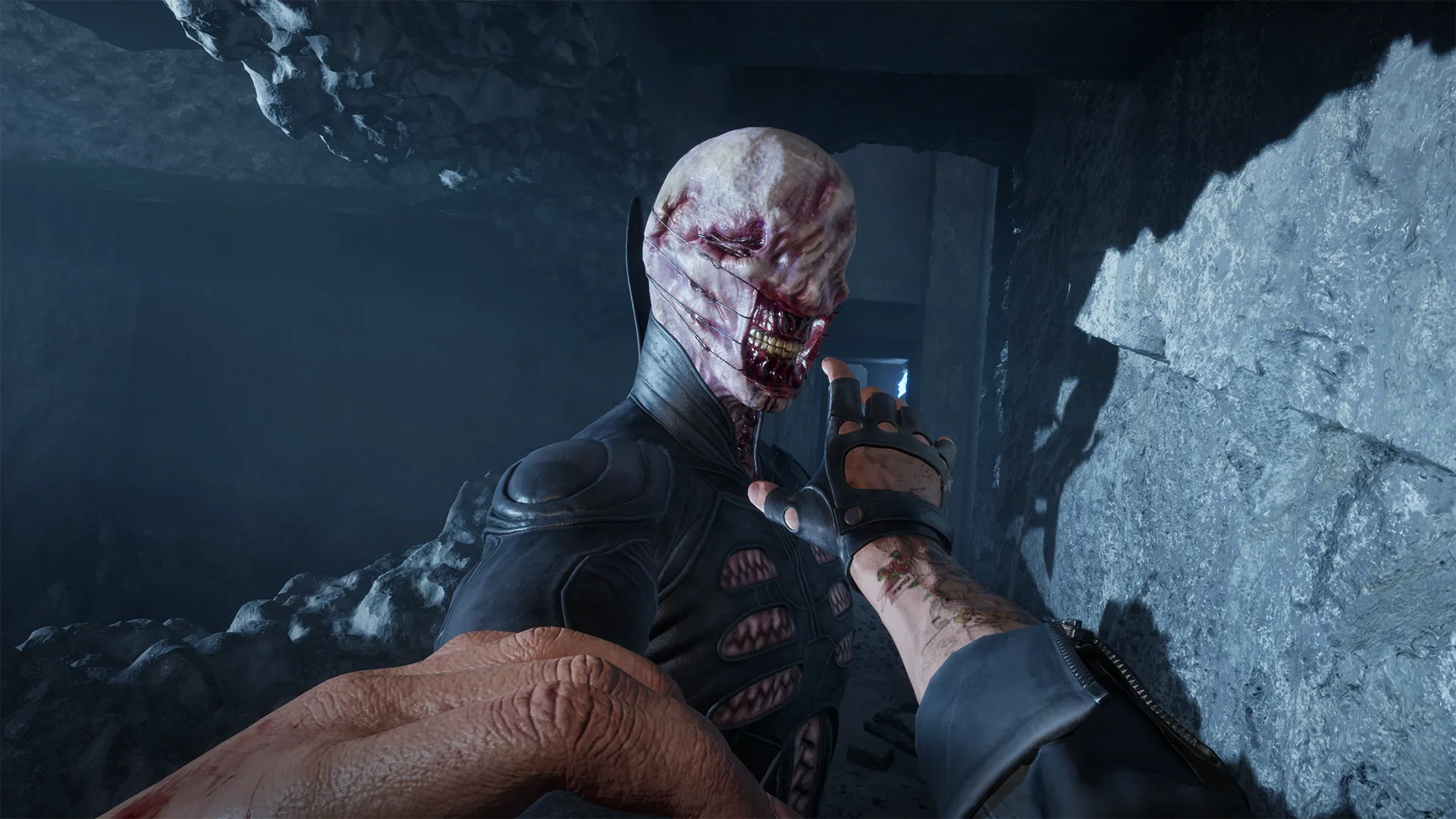
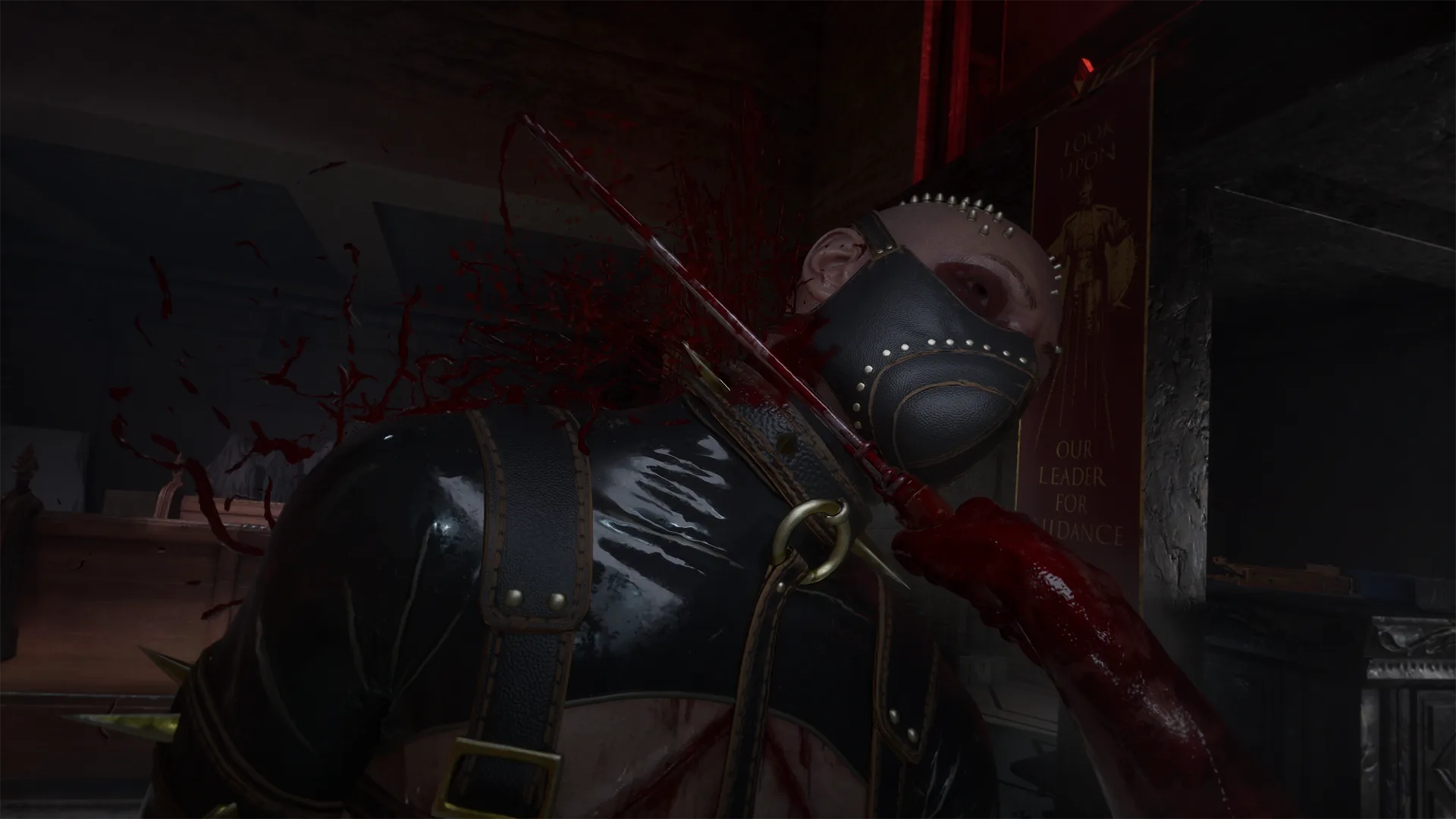
The simple premise fixes your concentration on the next objective, only momentarily distracted by collectibles, resources scattered throughout the world, or small puzzles. The cult you're tracking (the Scarlet Church) worships the Labyrinth and tortures hundreds of people seeking to access it, and the more earthly interludes of your journey are practically gauntlet events where you slaughter the organisation's gimp-suited cannon fodder.
Otherwise, the story is a kind of Orpheus myth with twists, Mephistophelian deals, and hooks through nipples. Influences from genre classics are felt (a merchant and inventory system similar to the Resident Evil series, fluid alternation of two worlds à la Silent Hill, the gorn from Outlast), and truly, the gameplay is decent, though a bit jankier than the titles it borrows its systems from.
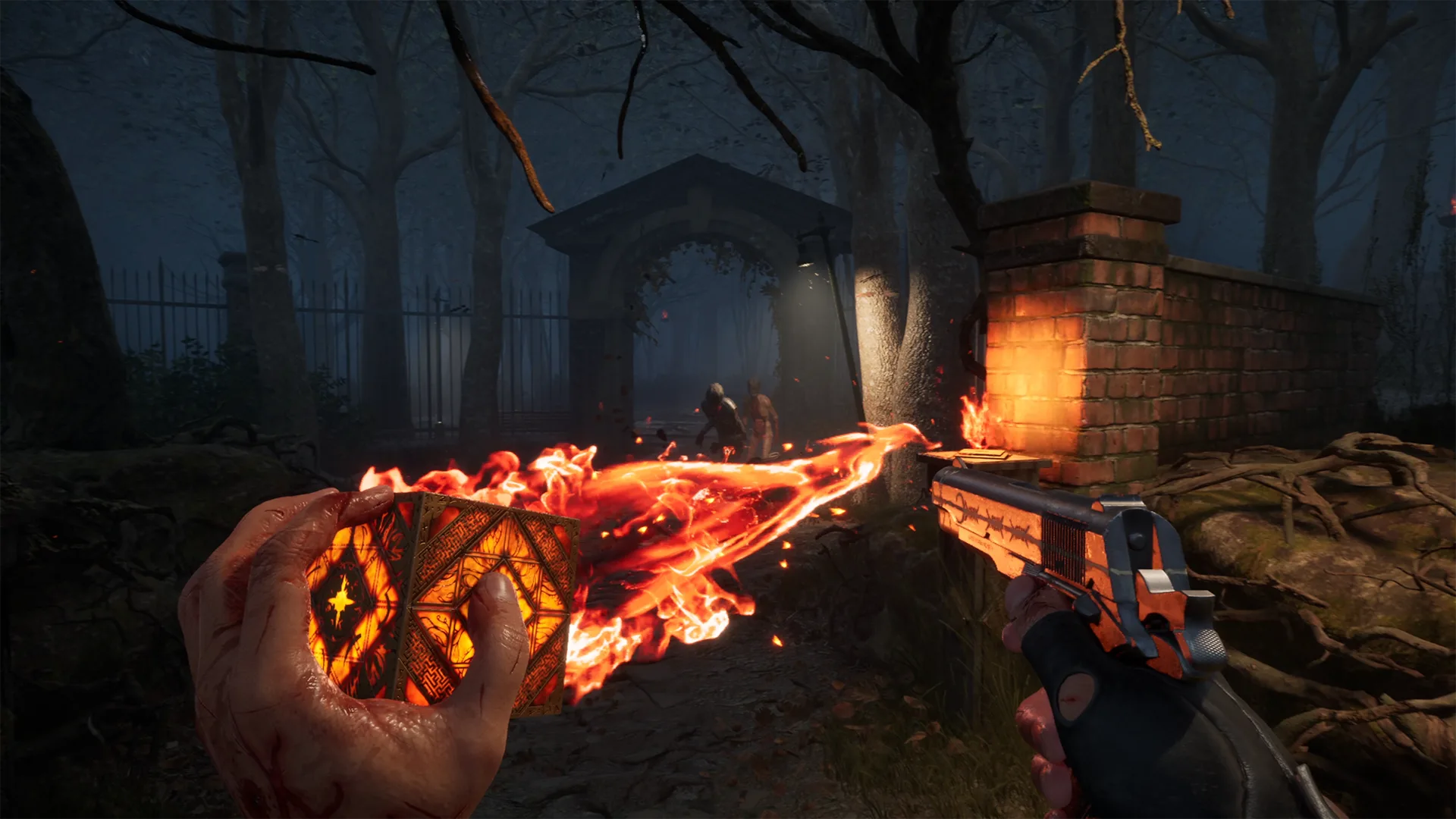
The puzzles often have a simplistic charm, such as reconfiguring the cube to mimic patterns or deducing codes from the environment, but they'll never hold you up for more than a few minutes. The bulk of the playtime consists of combat, where you'll use your pistol, revolver, shotgun, or machine gun, alongside the cube's abilities (telekinesis, pyrokinesis, or the Cenobites' favourite hobby – hooked chains) to destroy zombies, cultists, and the occasional boss.
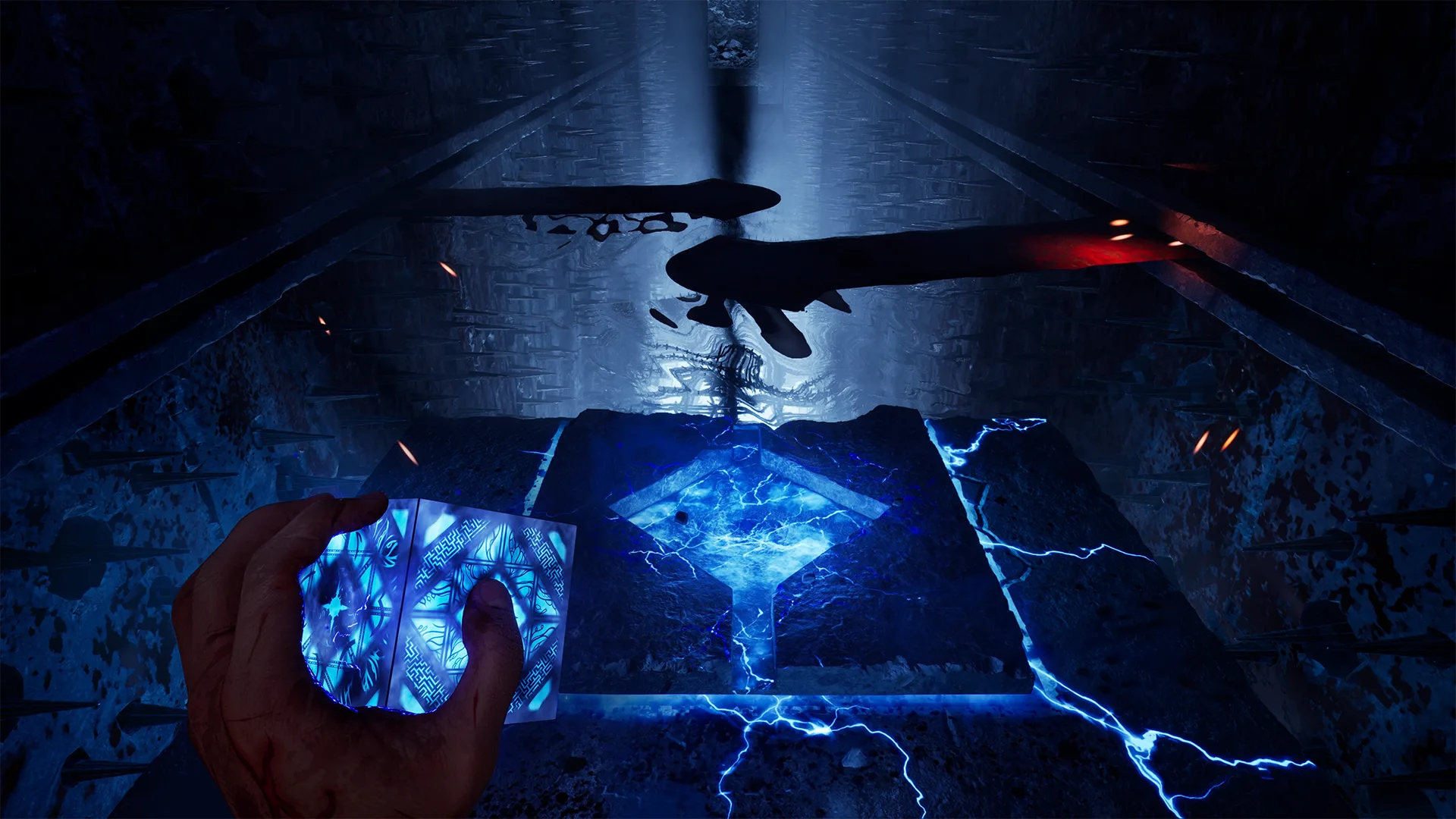
The Labyrinth is the most interesting part of the game. Sometimes, among the concrete columns, you can glimpse the Engineer. The lighting, oppressive atmosphere, and sequences where you flee from a teleporting monster were, for me, the most vivid moments. It's perhaps the most extensive and elaborate excursion through spaces only hinted at in the films, and the set pieces have a visual impact that surpasses the quality of other aspects of Clive Barker’s Hellraiser: Revival.
The aesthetic of the grotesque abounds: statues, stained glass, rooms crammed with details and erotic art. There aren't many filler spaces (which contributes greatly to the fast pace I mentioned earlier), but each room is treated with easily noticeable care.
Save your breath… for screaming.
What might disappoint you (and what somewhat explains the €40 price tag) is the total playtime of under 10 hours and the execution of the mechanics. Stealth is primitive, easily exploitable, and at some point completely exits the stage as you acquire the tools to wipe the floor with everyone. The gunplay is similar; sometimes it feels slow and lacks the impact you'd expect and that even a small-calibre bullet should have upon hitting a skull.
The kit as a whole is more of an amalgam of weapons and abilities that offer diversity but don't quite fit the challenges you encounter. I've always liked upgrades with visual impact, and here too you can mount scopes on your revolver, change weapon stocks or barrels, and receive bonuses, but these are all things we've seen before, generally better executed.
The story, especially towards the end, embraces the essence of the franchise and represents it, I'd say, better than most of the films. There's nothing revolutionary, especially if you already know the fate of the protagonists from existing media, but it satisfactorily ties a bow on the questions it poses in the introduction and resolves every cult-related side story along the way...

Overall, we have far more things done well than otherwise: memorable set pieces, an intense atmosphere, and a subject that few studios would approach with such courage in 2026. Otherwise, Hellraiser: Revival tries to be dense and diverse, at the cost of occasional clumsiness in execution, but it's certainly worth playing through at least once.
Thanks to the developer for the review code and for the opportunity to play Clive Barker’s Hellraiser: Revival.

Clive Barker’s Hellraiser: Revival is a visceral and brave love letter to 80s horror fans, excelling in atmosphere and art design, but stumbling over its own clumsiness when it comes to shooting and stealth mechanics. A must-play for Pinhead fans, but one worth waiting for a discount if you were hoping for refined gameplay.
Available on: PlayStation 5, Xbox Series X/S, PC, Nintendo Switch 2
Played on: PC
Release date: 8 October 2026
Developer: Saber Interactive
Publisher: Saber Interactive
Plus
- Exceptional atmosphere and aesthetics, full of detail and memorable set pieces;
- Faithful to the source material;
- Price adjusted for its shorter length.
Minus
- Slightly clumsy mechanics and execution;
- Constantly fast pace kills the tension;
- Low replayability, only motivated by investing in a different arsenal.
0 votes
Scroll down here and stay on the page for at least 30 seconds to vote.
Pick a score from 0 to 10 (halves are allowed).