
Code Vein II – Review

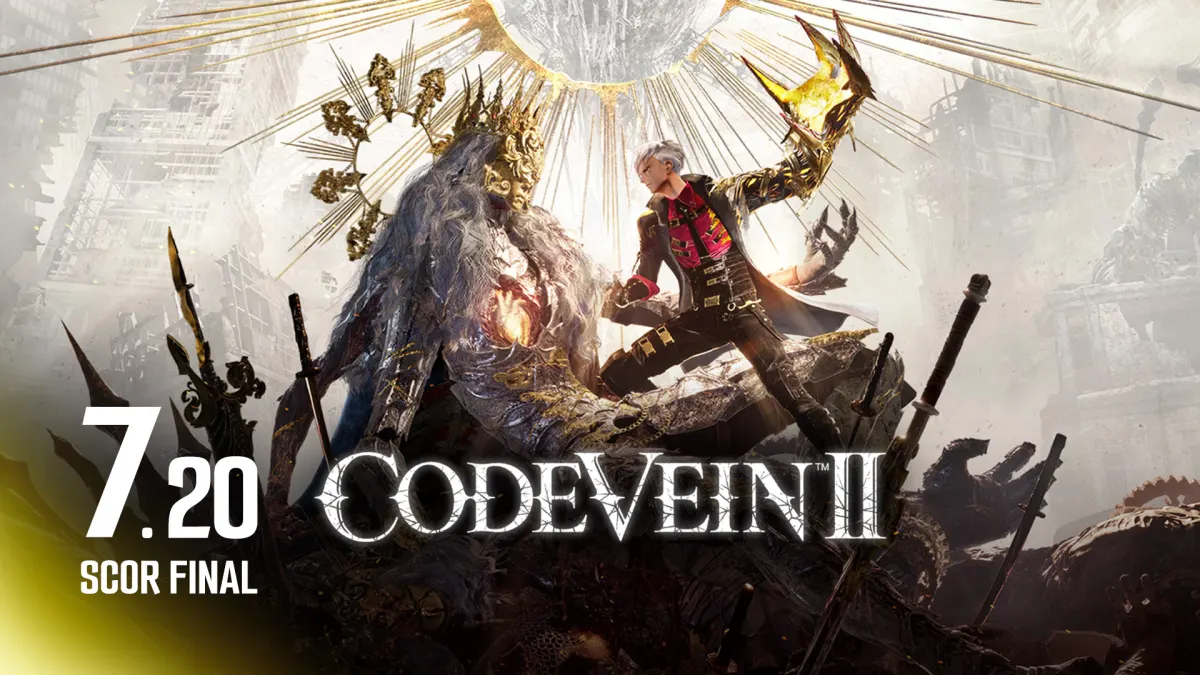
An anime soulslike, but a bit more chill…
The end of the world can come in many forms. From the death of a star to pathogens that annihilate all life — human imagination has never shied away from exploring speculative scenarios that bring human civilisation to an end. In CODE VEIN, the post-apocalypse is triggered by a phenomenon called The Resurgence, a global wave that transforms all life forms into horrors, and from the ashes of humanity, vampires have risen, the only ones capable of ending the annihilation.
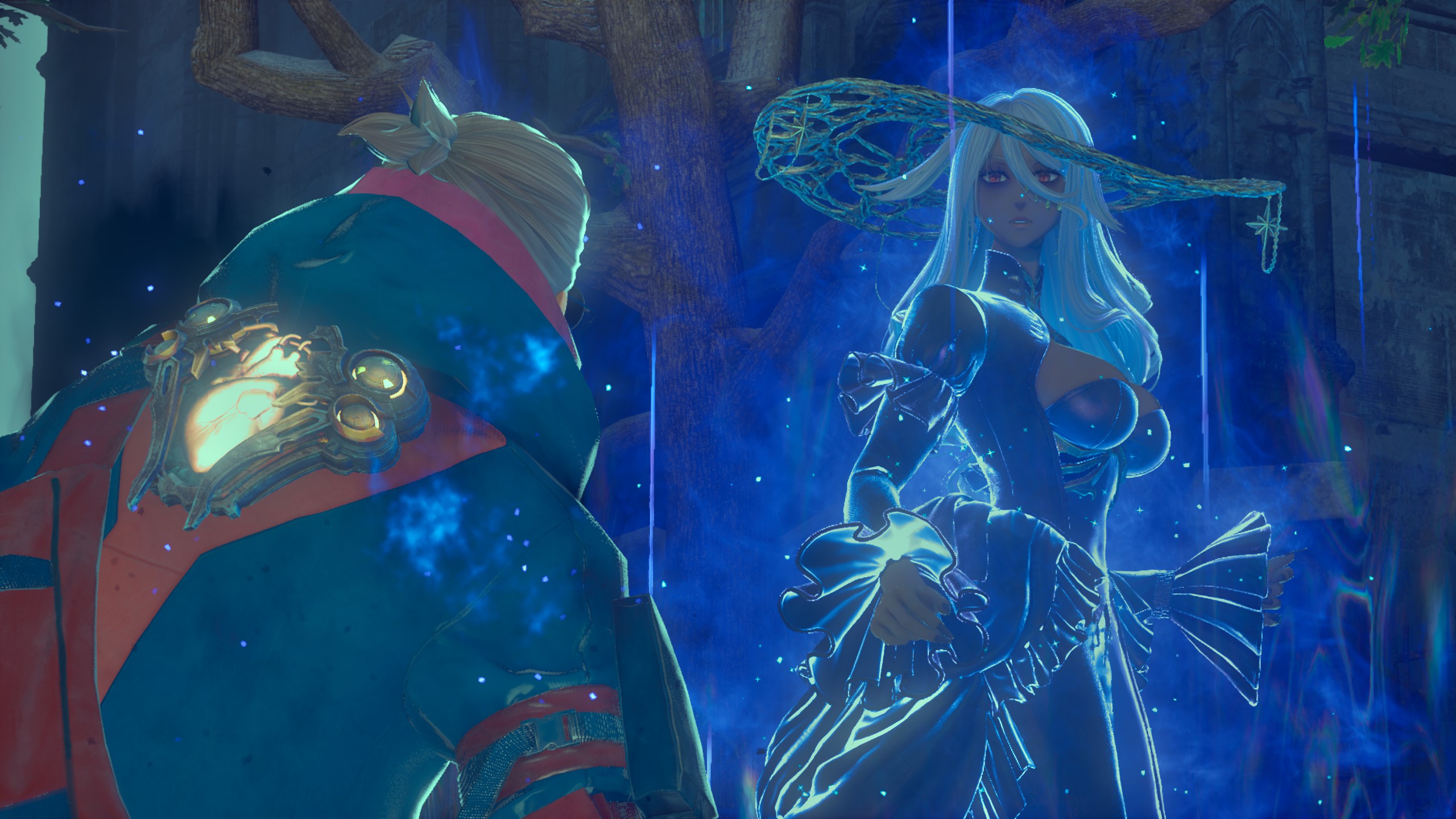
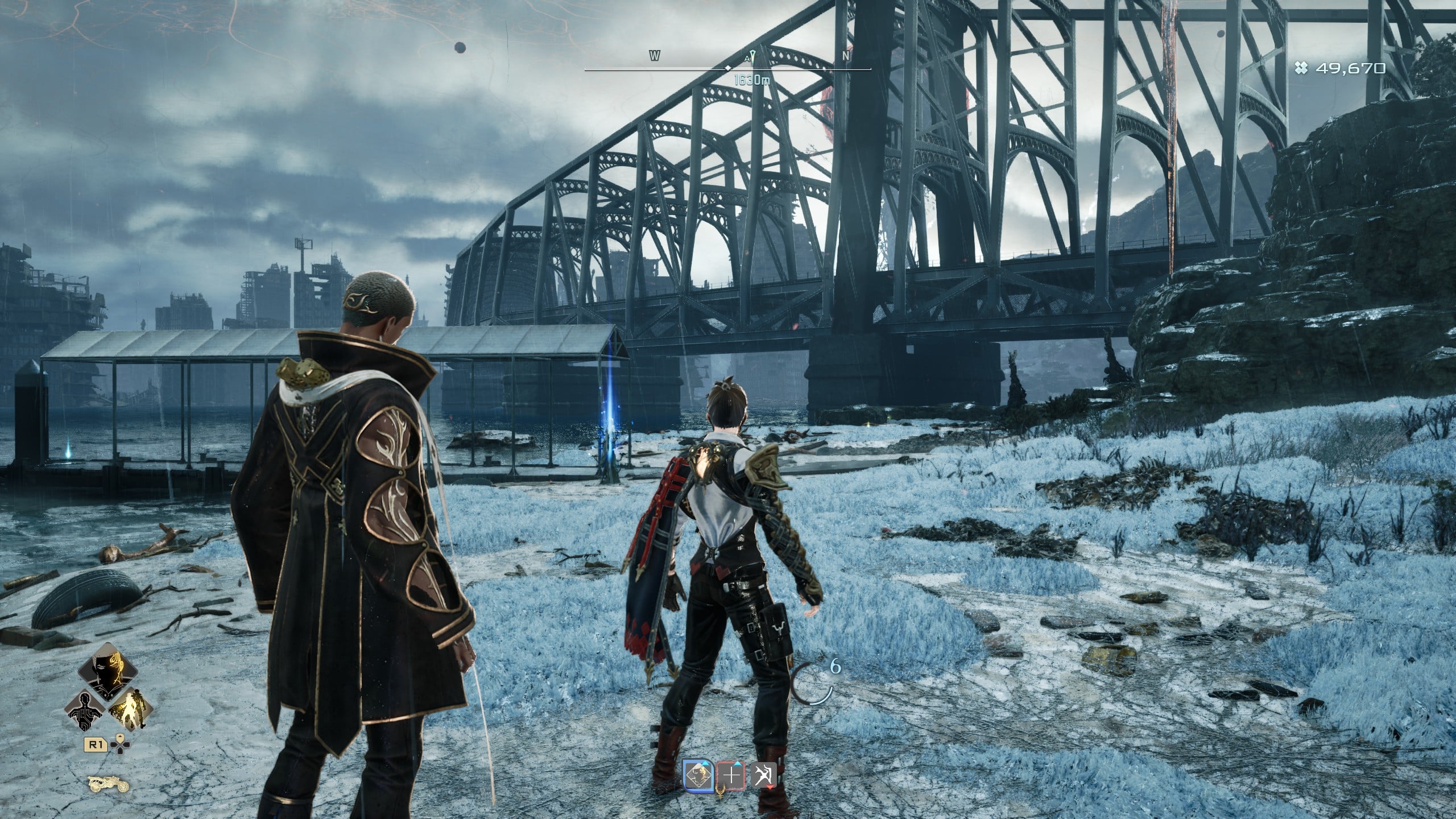
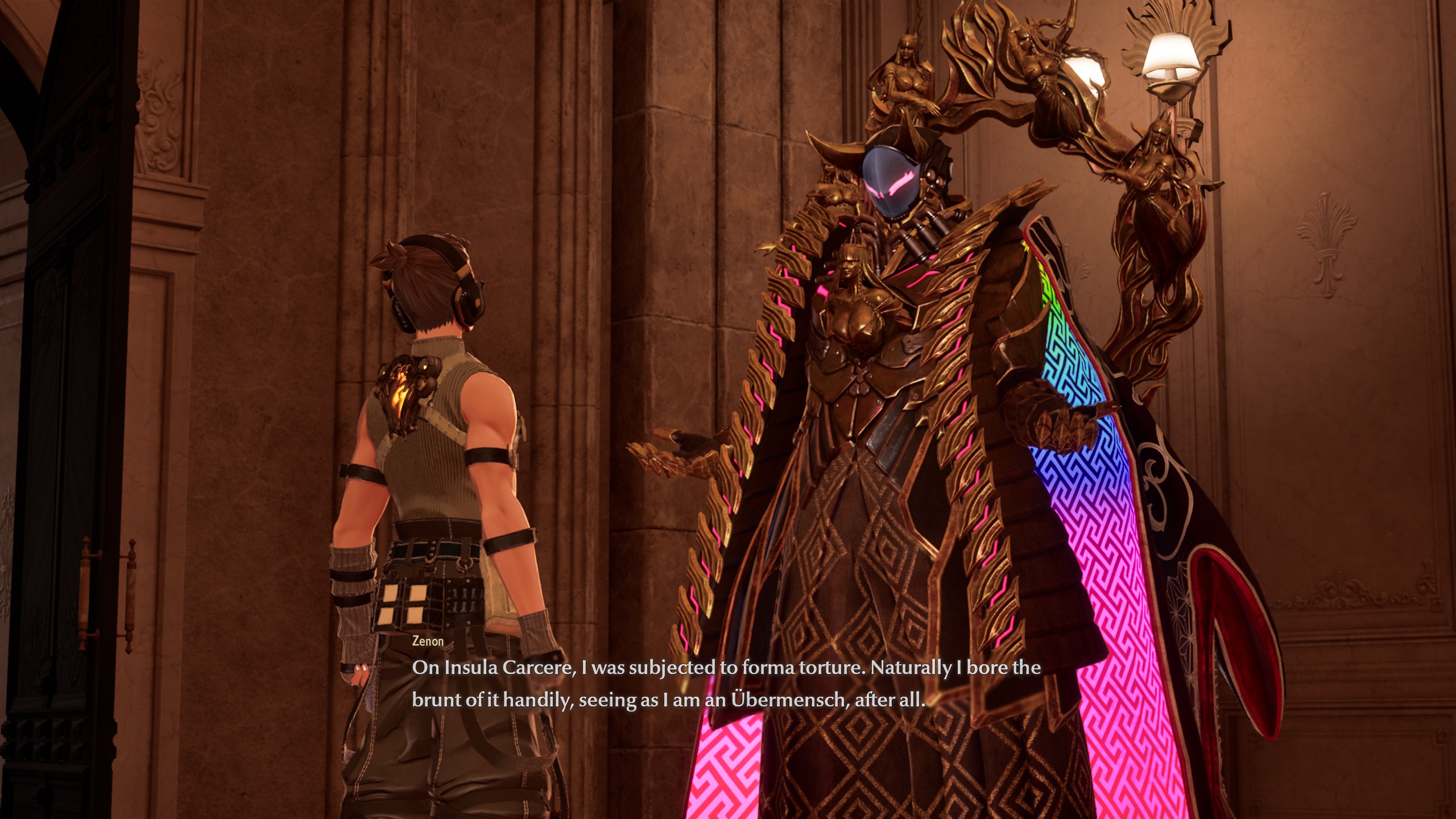
Roughly once a century, the seal protecting the world from a new wave of horrors breaks, and the game begins precisely at such a critical moment. Initially a Revenant hunter (as the immortal, blood-drinking survivors are called in the game's mythology), you are saved from the jaws of death by Lou, a vampiric woman who bestows half her heart upon you to keep you alive.
In exchange for this new lease on life, you agree to travel back in time, before the end of the world, and recruit a gang of heroes through the Power of Friendship, who are your only hope of preventing a new Resurgence.
Sounds complicated, I know. It doesn't help that the game's mythology features a plethora of unique names for concepts we already know by other names. Vampires are Revenants.
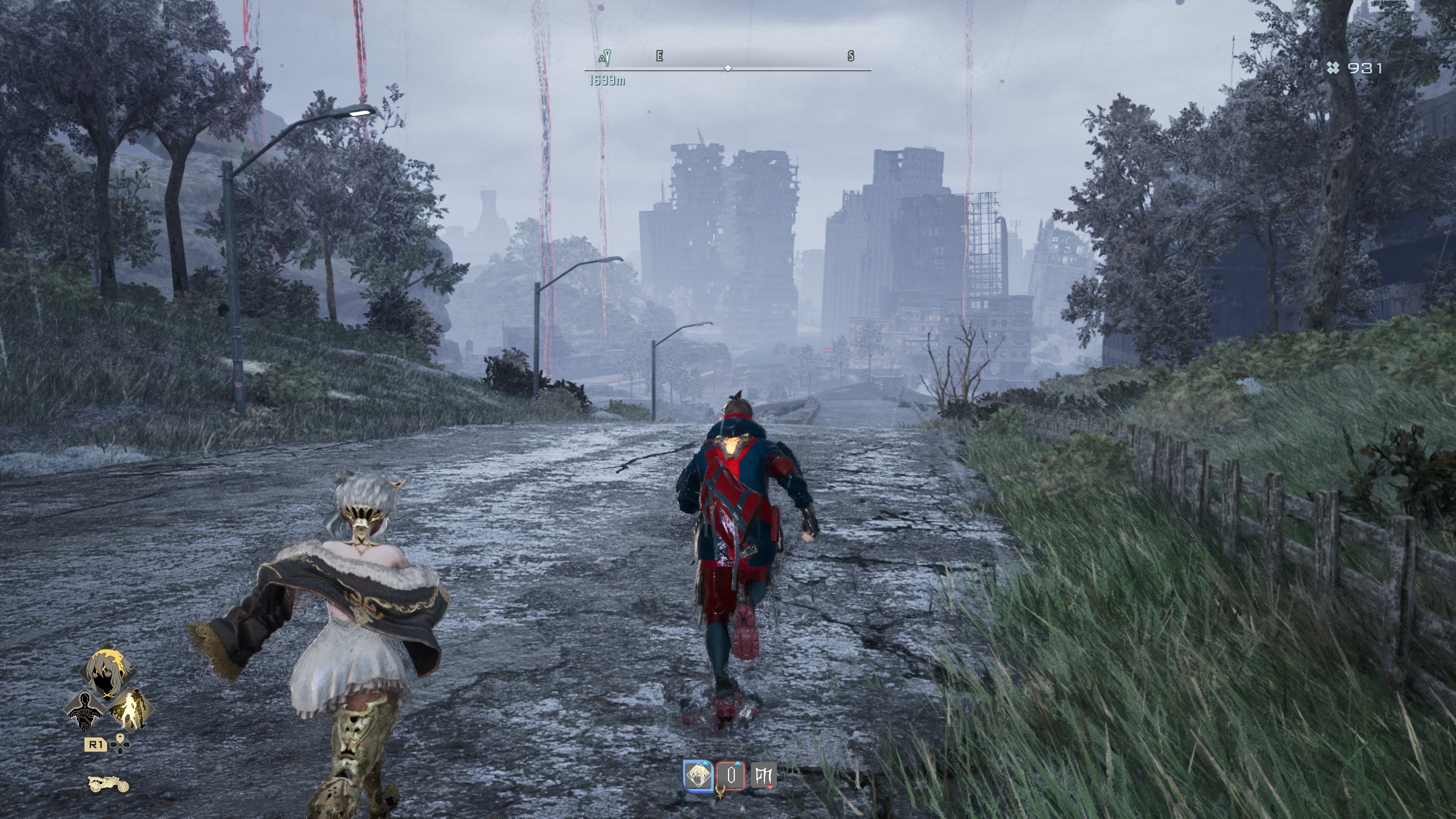
Checkpoints (or Bonfires from Dark Souls) are Mistle. The first apocalypse is called The Resurgence, and the second The Upheaval. RPG class-specific stat configurations are called Blood Codes here, secondary weapons are called Jail, combat abilities are called Formae, and so on.
It takes a while to get used to the nomenclature, but beyond the words, we have a familiar open-world soulslike architecture, with mini-bosses, collectibles, a crafting system, and methodical combat where any mistake can be fatal. Initially, I felt overwhelmed by the dozens of attributes, the bizarre names, and finding efficient ability rotations, but once I understood the purpose of each element, I could focus on the essence of any soulslike: understanding the rhythm of combat, the windows I could fit into, and how to exploit each tool to deal as much damage as possible in those time segments.
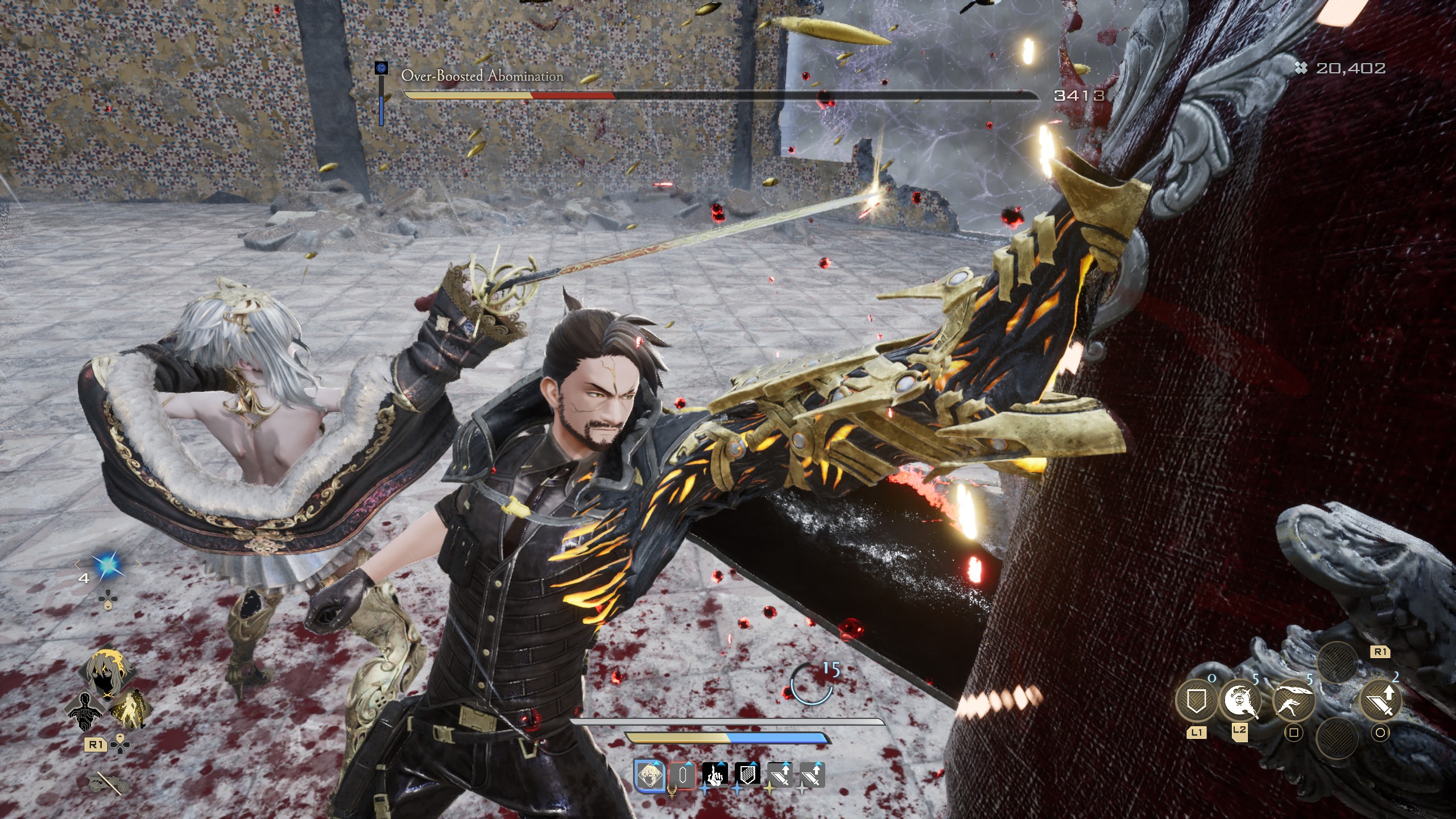
Although you have attributes that are relevant in extremely many situations, the decisions you'll make in character development are minimal. You don't have points to distribute, and depending on your playstyle and the abilities you're pursuing, you'll most likely build your entire loadout around the Blood Code you want to use.
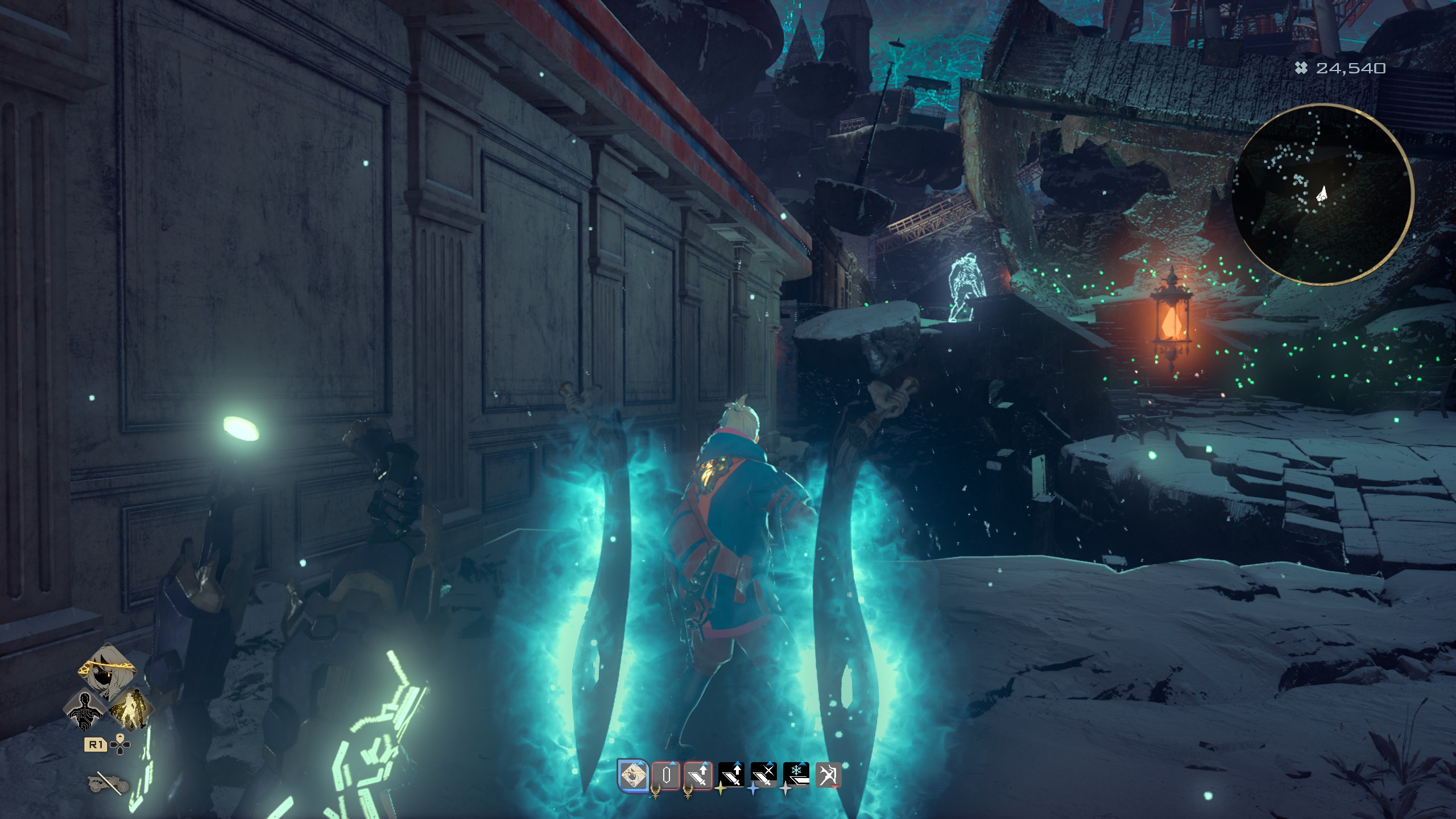
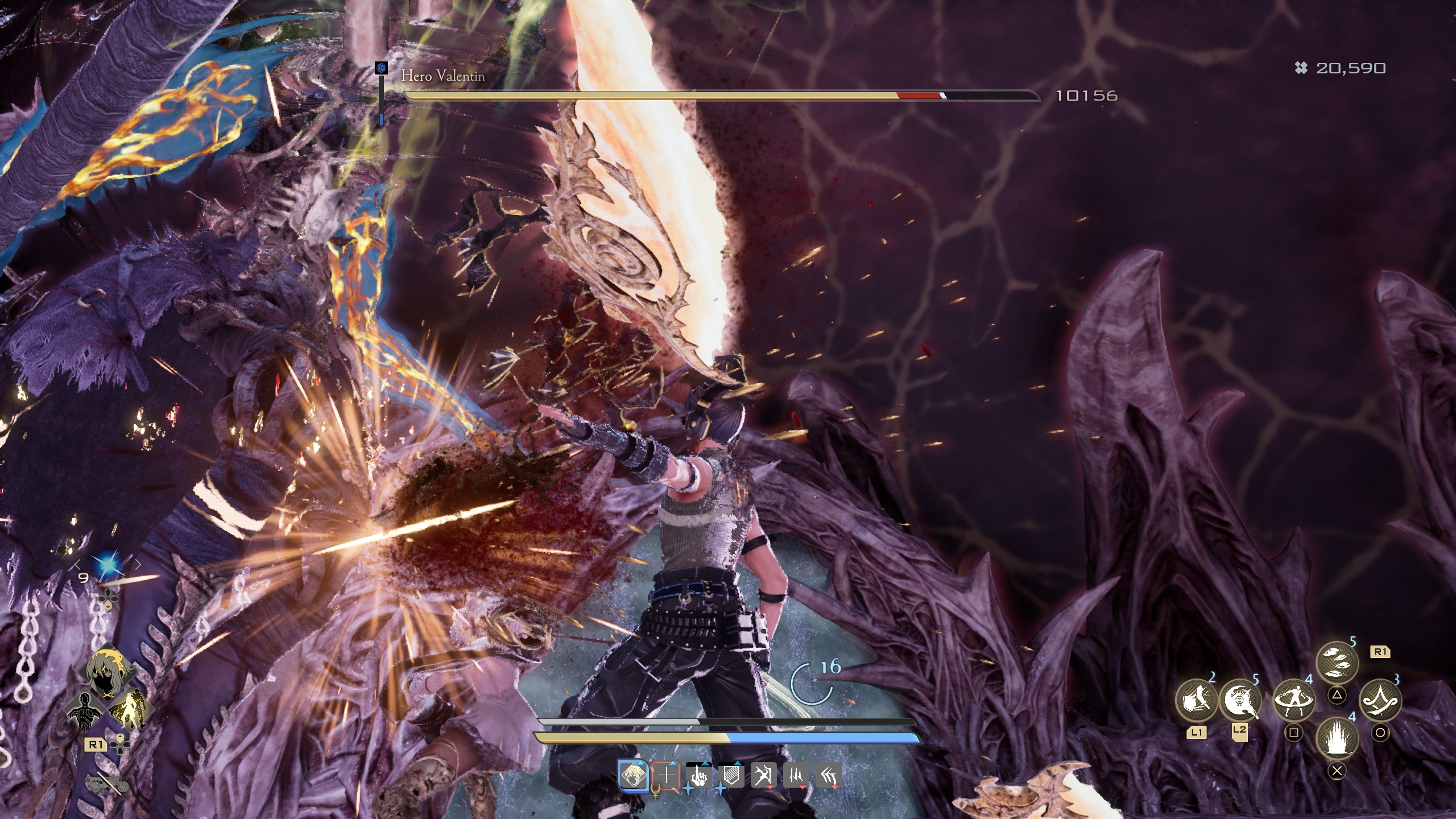
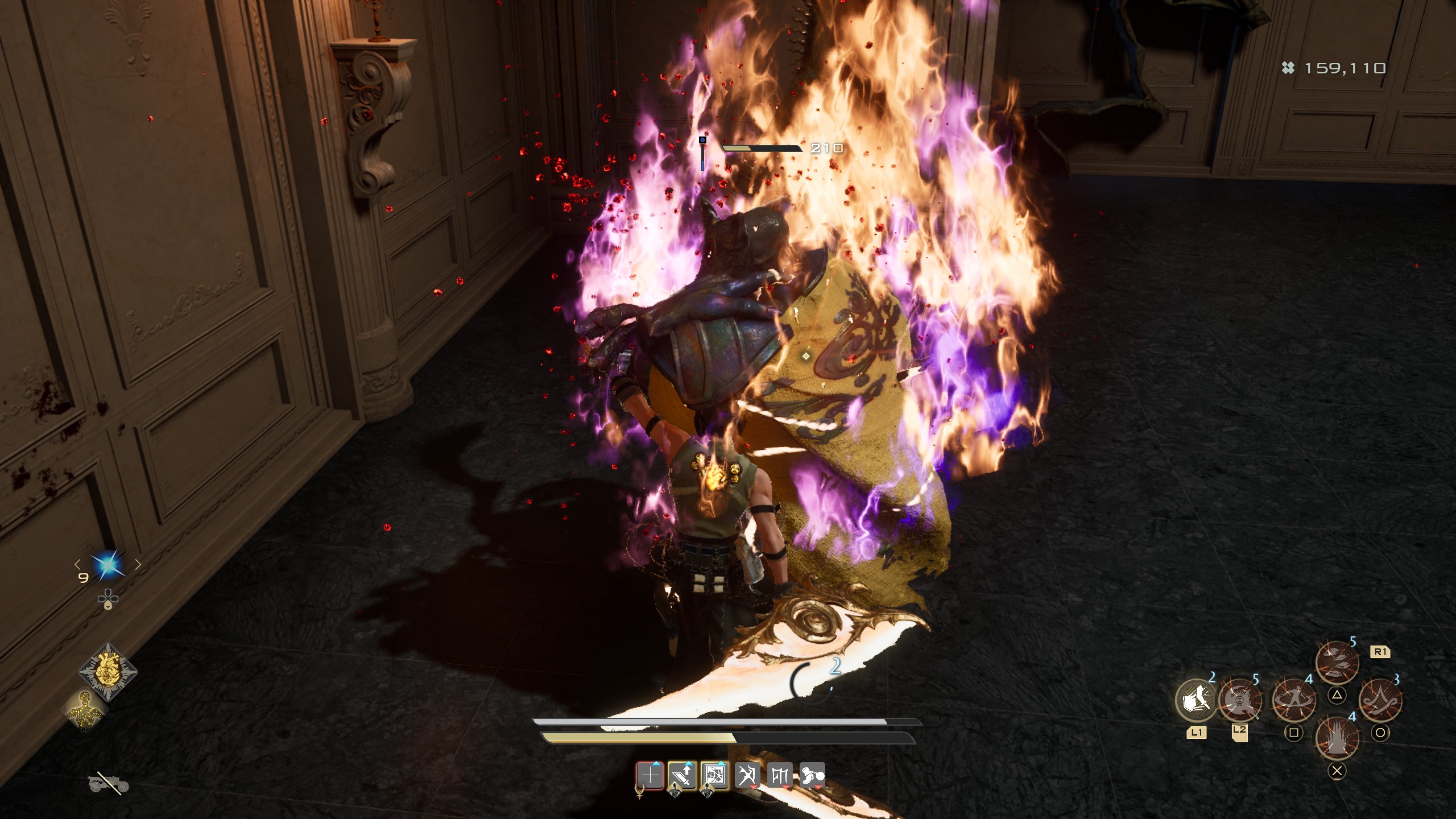
These Blood Codes can be freely swapped, allowing you to change your playstyle anytime without much hassle. Character configuration becomes a game in itself, where permutations in a few equipment slots radically change your character's speed, strength, and strong points. The combinations of weapons, Blood Codes, and equipables (Boosters that give you passive bonuses) are numerous, and most are viable once you understand their tempo and advantages. You can develop established builds of the genre, fighting with huge swords and delivering combos of tens of thousands of damage points between dodges, or seek new combinations to take on the numerous monsters and mini-bosses on the map.
The Past Fixer
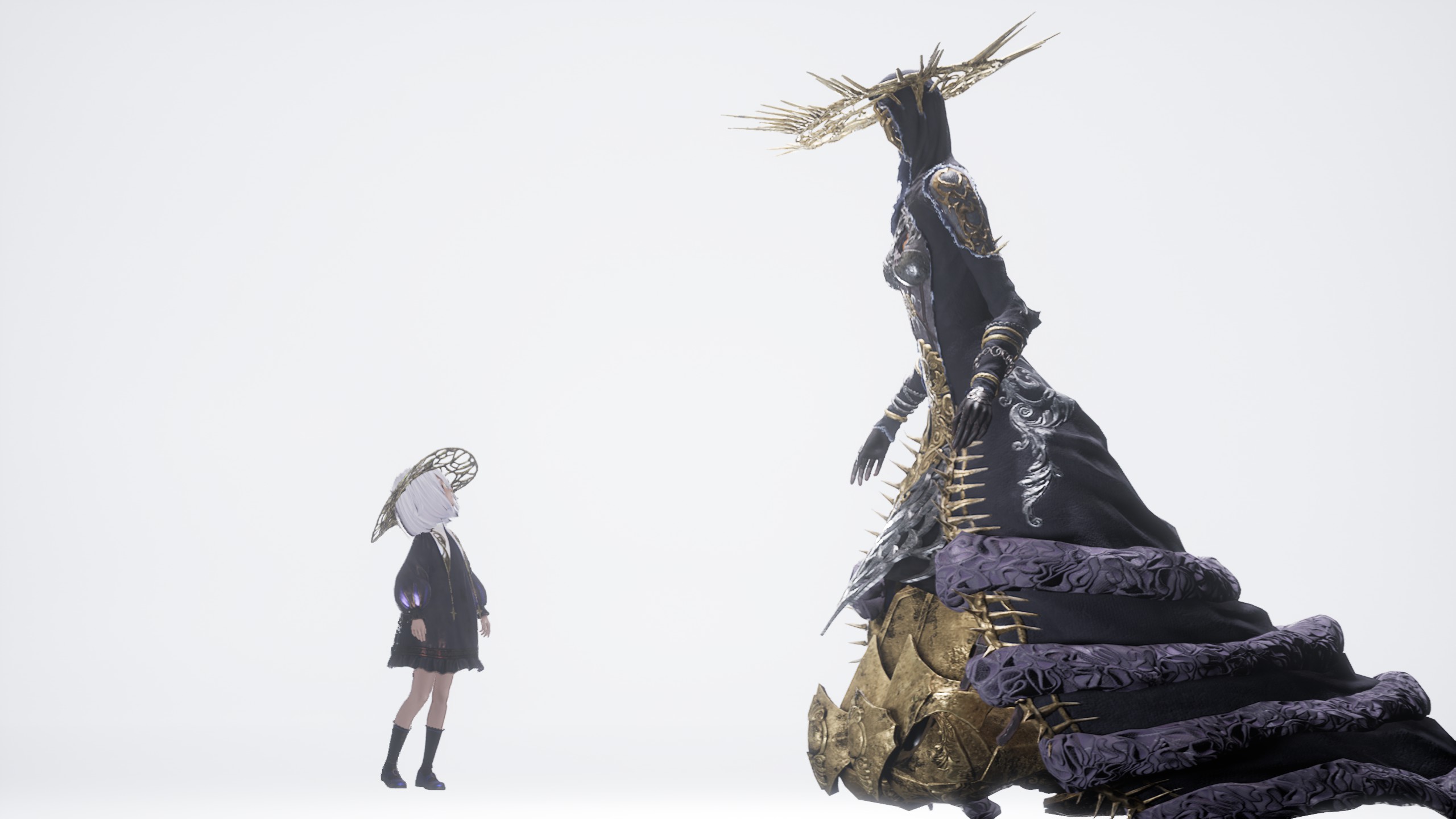
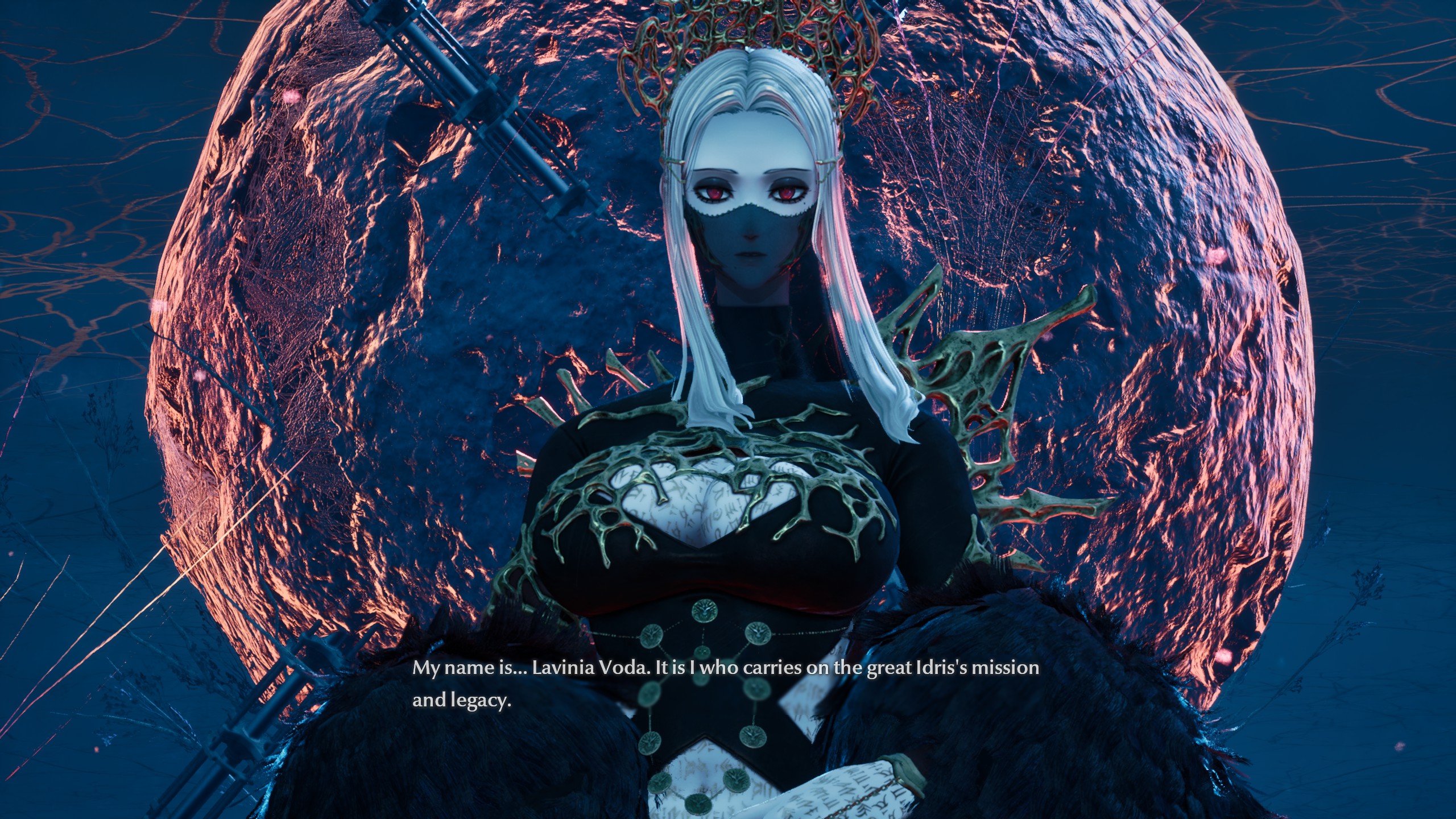
Saving the world is entrusted to you by Lavinia, a tall vamp with obvious spinal issues, and the plan involves jumping back in time before the Resurgence, when the world's ruins were bustling cities and the heroes who sacrificed themselves to stop the wave of destruction were still alive.
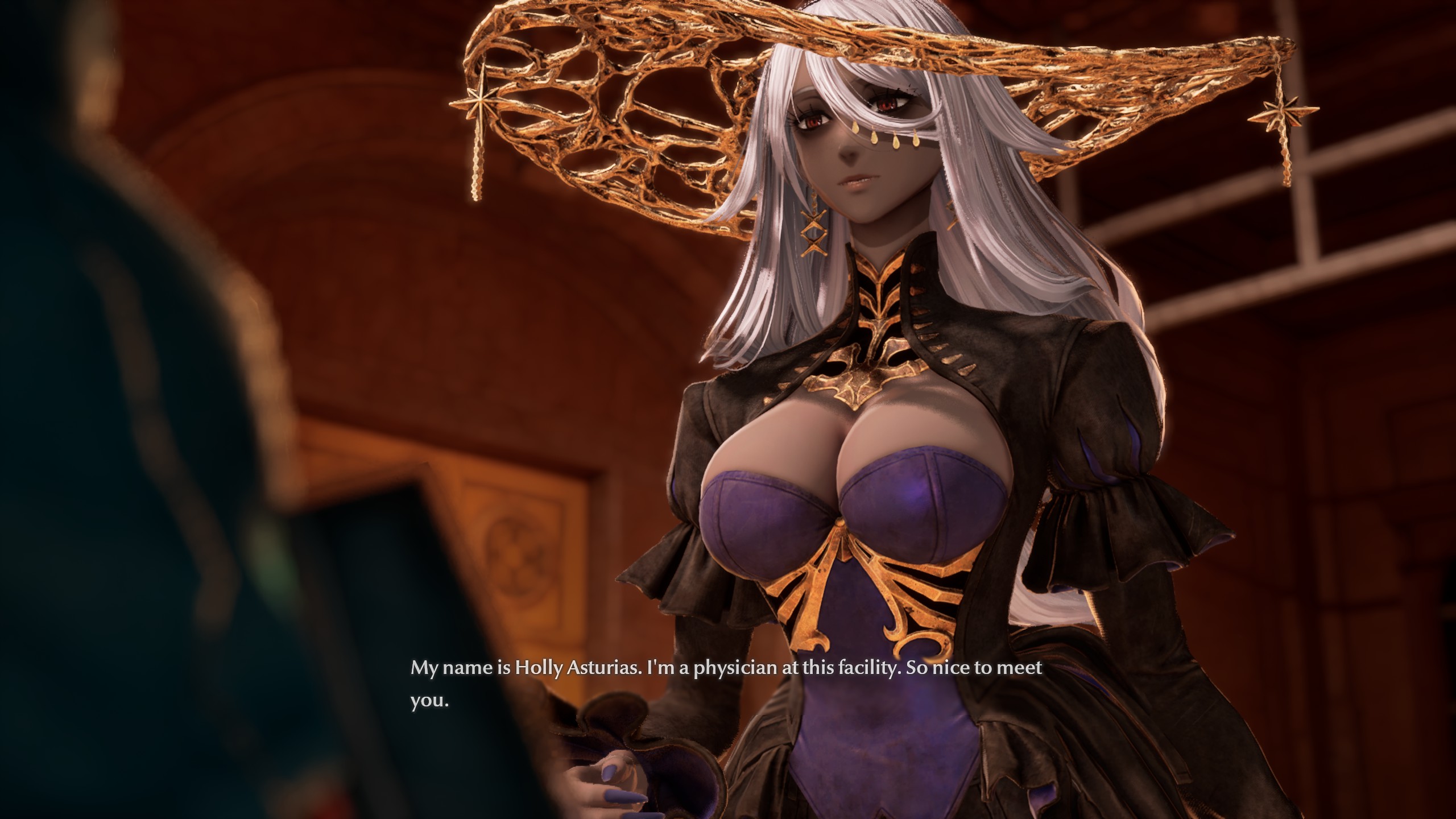
You're warned not to alter the course of history, but once you meet the secondary characters, you'll be tempted not to listen. In every relationship you develop with the heroes you befriend in the past, you'll probably find the most interesting aspect of the game: each one's ideas about good and evil, how to overcome each obstacle, and sacrifice, paint a gallery of diverse personalities, where the gravity of a dialogue about doubt is balanced by spa sessions with an over-endowed waifu clumsily flirting with you.
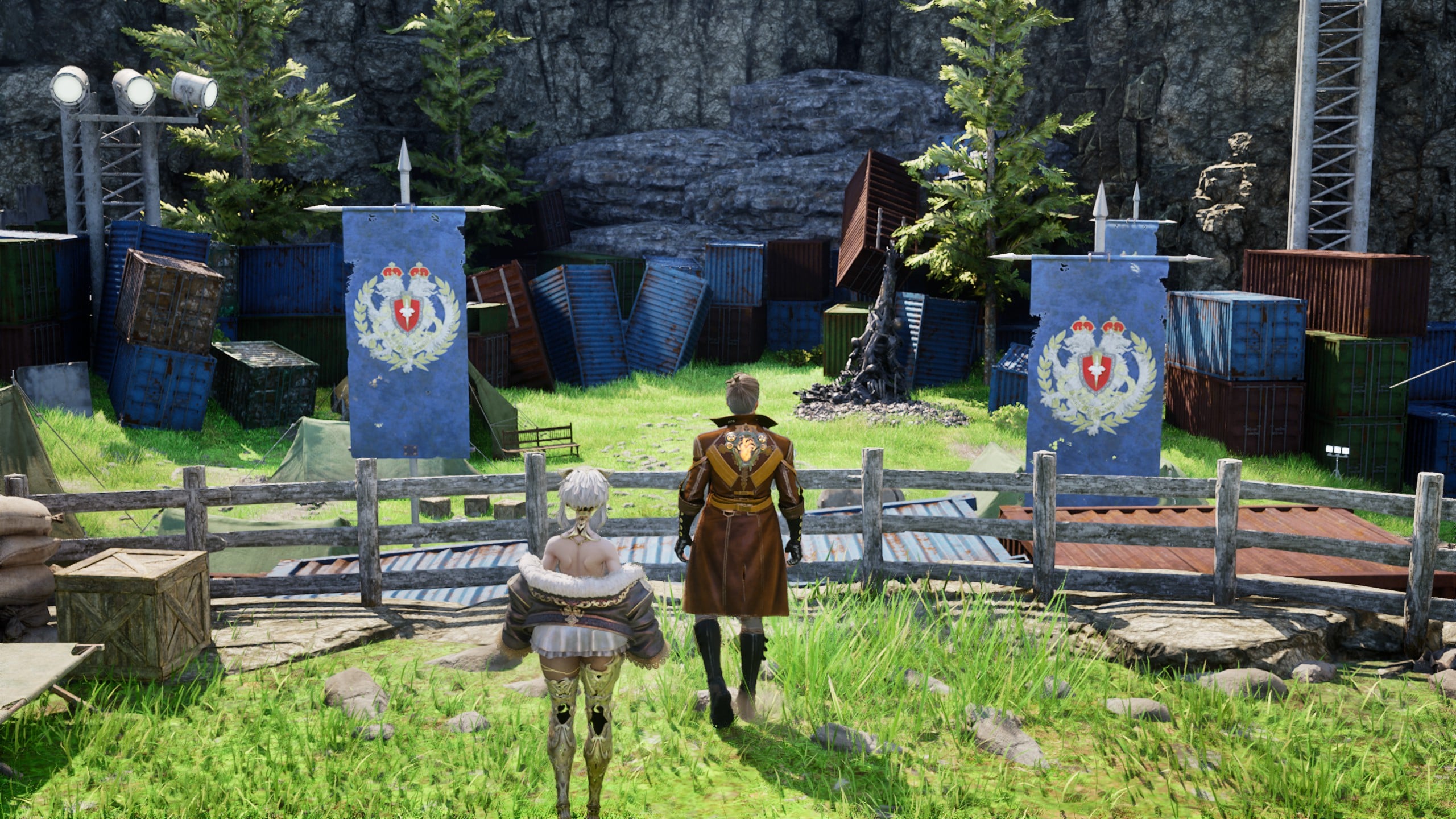
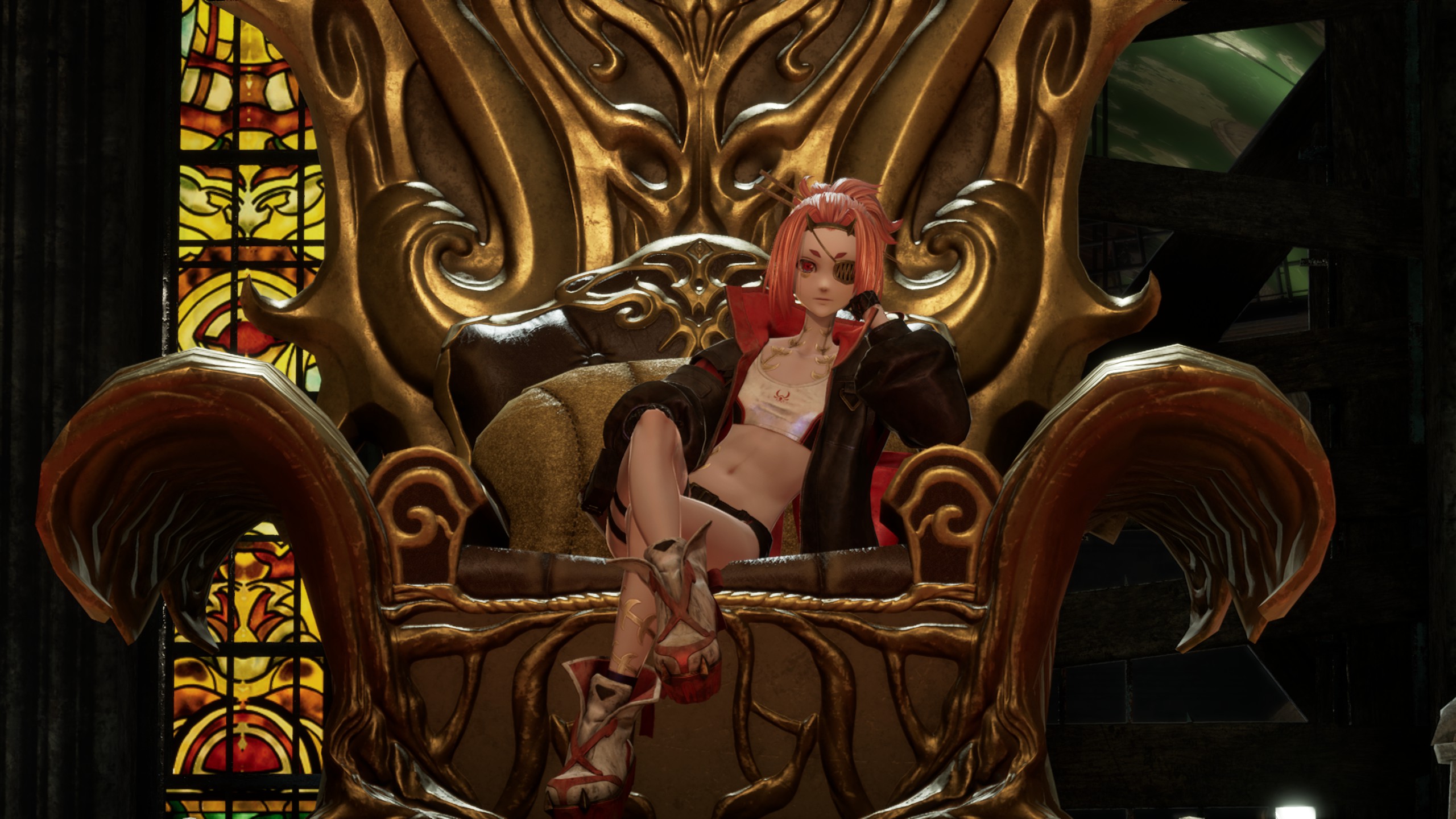
And you can be a he or a she, created with a pipette in one of the most generous customisation screens of the year. Accessories, outfits, and hairstyles of all kinds are arranged by category, and despite some of them clipping in cutscenes, I appreciated the level of detail and personalisation you feel when the smallest and most absurd aesthetic details you chose when creating your character appear in all the dramatic moments of the story.
Besides the main narrative thread, you can take on various side quests that reward you with weapons or materials, and like any self-respecting soulslike, CODE VEIN II also hides the rarest treasures in convoluted dungeons that you can miss if you're not careful.
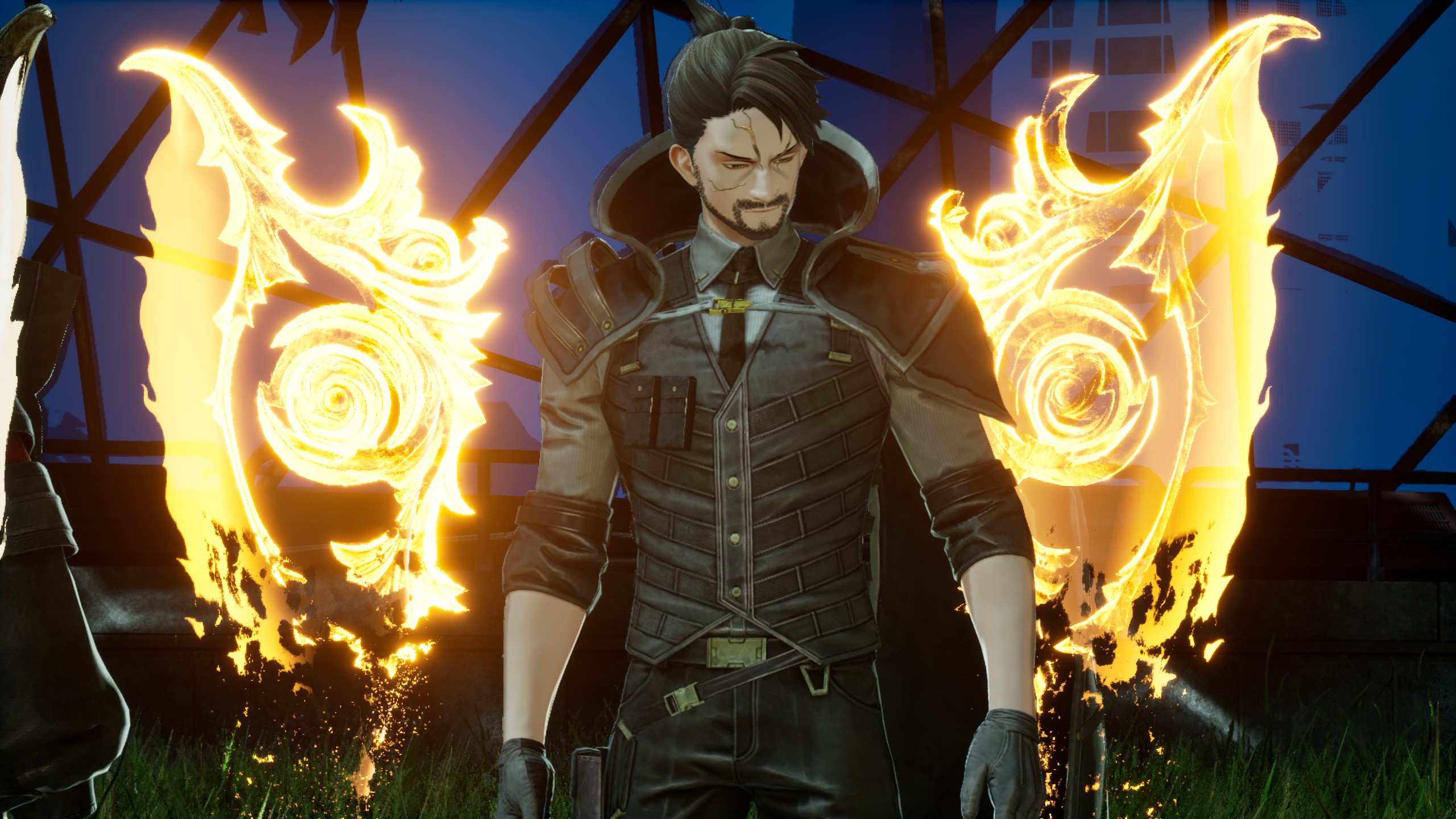
Unlike most soulslikes, however, you're given a lot of tools that facilitate exploration. You have a minimap (complete with a trail of dots marking your previous route), important locations are marked on the world map, and once you unlock the motorcycle, traversing any distance into the unknown becomes a breeze.
Perhaps the most useful tool is the NPC partner, whom you can choose from the heroes you've saved and who have chosen to join you. Besides often distracting enemies long enough for you to deliver the killing blow, they temporarily sacrifice themselves if you are fatally wounded to give you a second chance.
After a short cooldown (meaning if you survive long enough after a death for your partner to recharge), you regain this second chance. In addition to the genre-specific healing consumables, this secondary life allows you to take increased risks and survive bosses that would send you to the graveyard in almost any other soulslike.
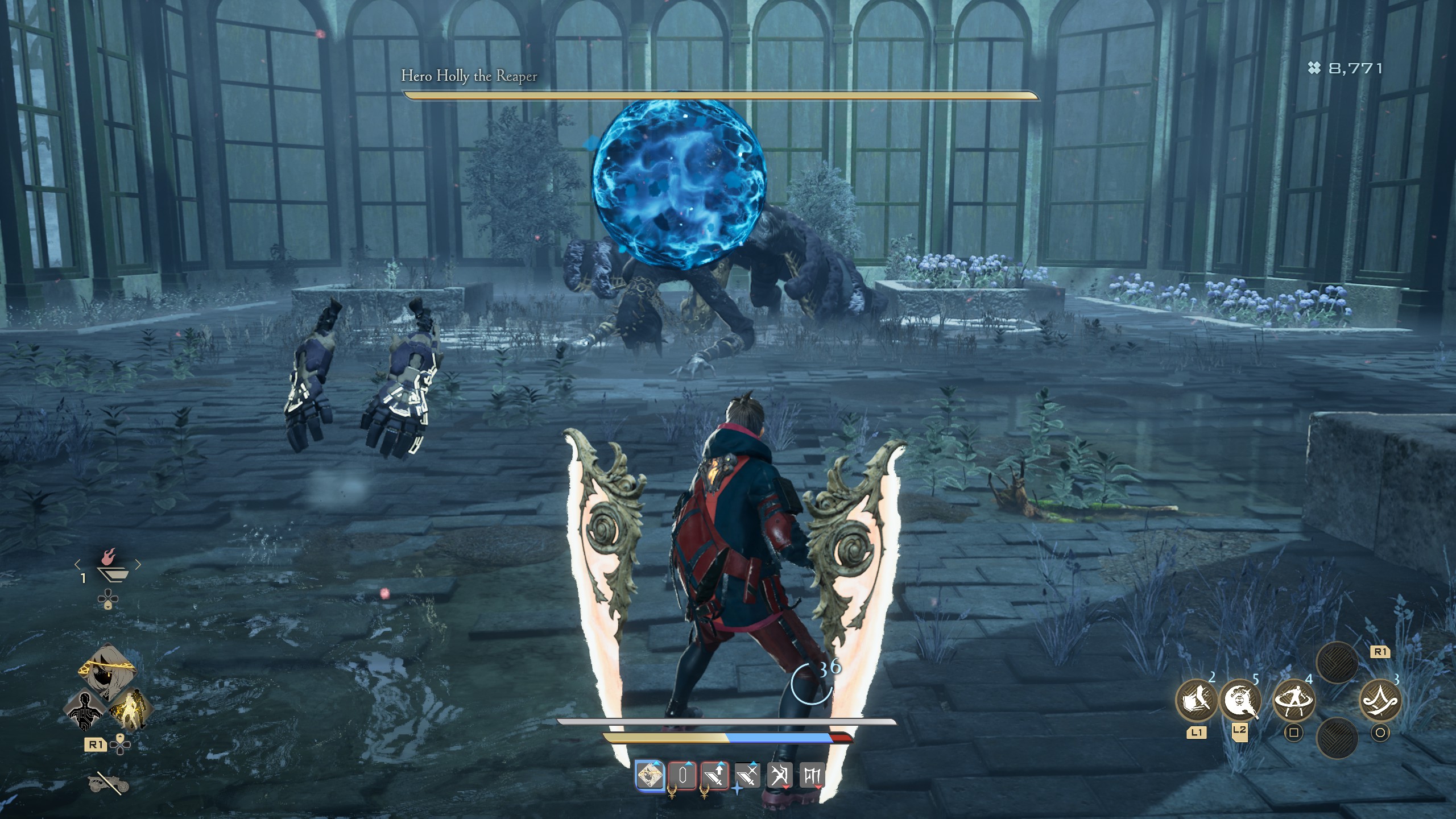
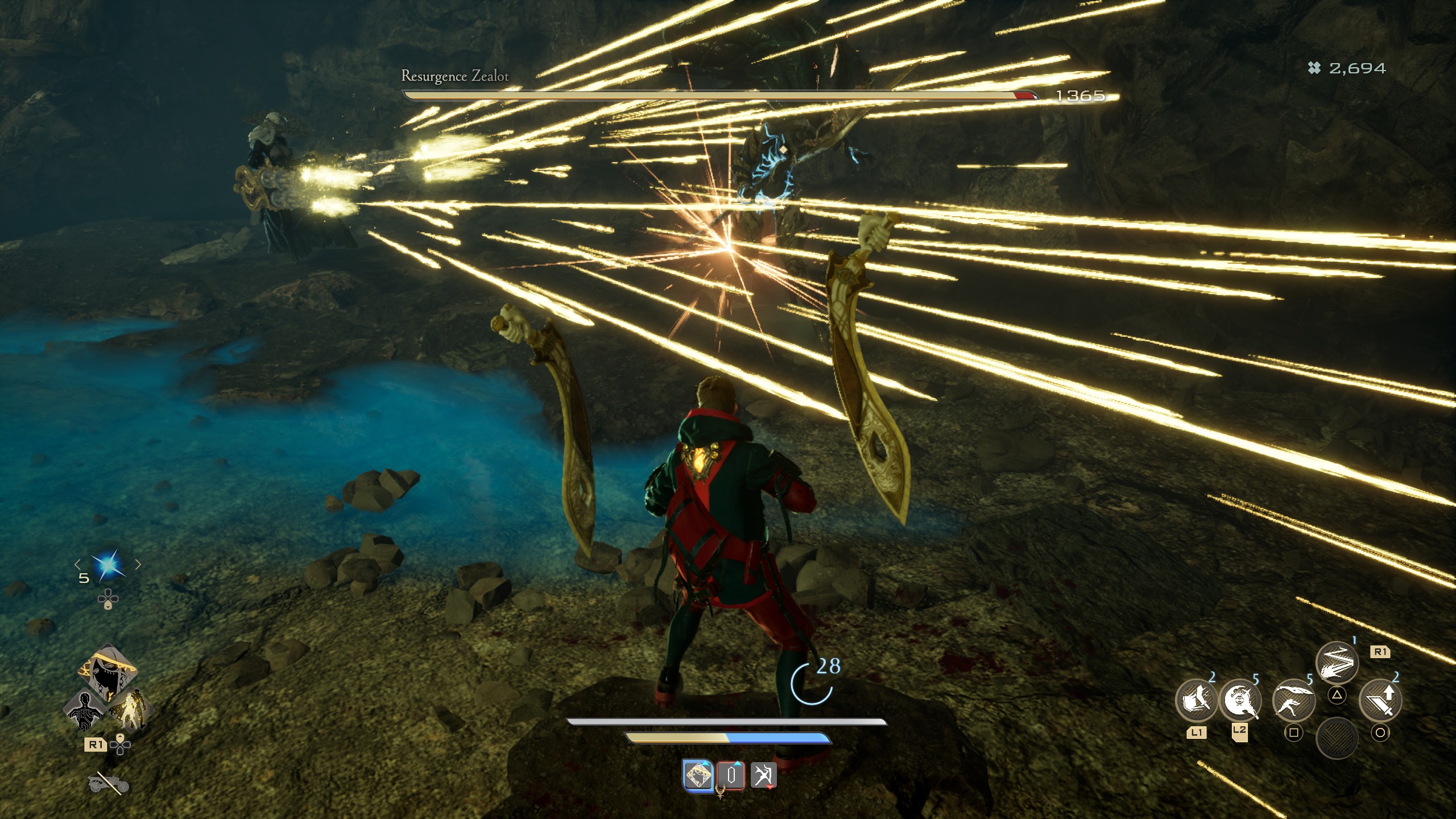
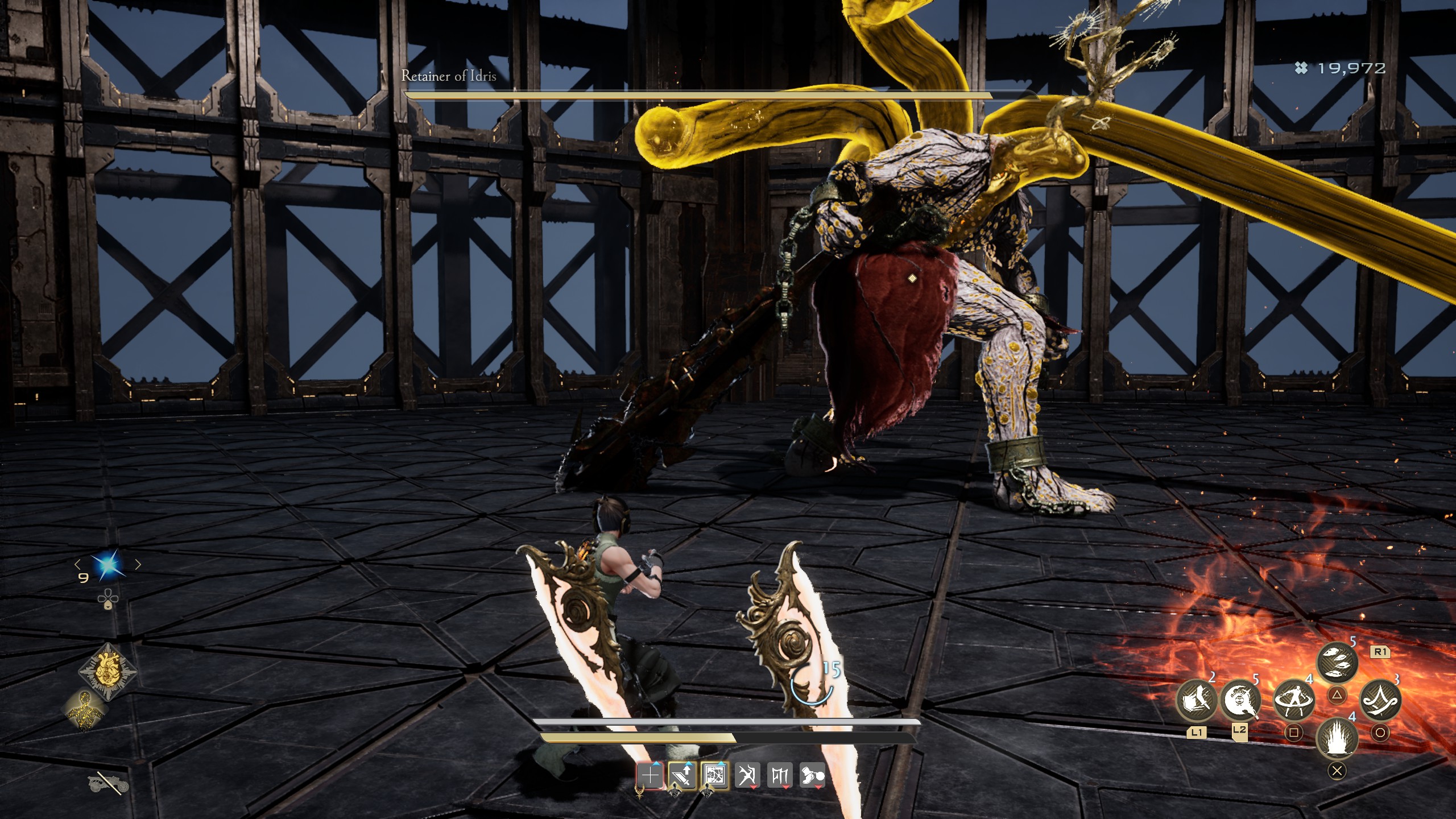
Most bosses are quite easy, with a couple of exceptions that gave me trouble for a few attempts (Blind Hero Josée and Gobbo & Oskar), but surprisingly there are no optional bosses that rise to the level of an Oggdo Bogdo from the Jedi series or Champion Gundyr from Dark Souls. Some bosses try to compensate for the generally low difficulty with aggressive and unpredictable movements and high stagger values, forcing you to play defensively until you learn the fight, but overall I confess I was quite disappointed by the skill checks offered.
You have the option to deactivate your NPC partner in exchange for attribute bonuses and thus fight bosses alone, which significantly increases the game's difficulty and eliminates the possibility of using your aid as bait. I didn't feel the need to do this very often, but every time I did, I had to learn the enemy's ability table like a poem, which confirms my suspicion that a good part of the reason CODE VEIN II feels like an easier soulslike than average is the presence of this NPC and not a nerf applied to the bosses. Most have at least one ability that flattens you in a single hit, and the difficulty spikes can keep you stuck for hours, in the true spirit of the genre.
Memory of a Past World
The prologue takes us into the past and shows us the world's regeneration that occurs after the positive impact we have on the incipient events. This model of two superimposed worlds has been explored in other games, such as Soul Reaver, and the concept of world regeneration was central to masterpieces like Okami, but after a promising start, here it seems to have lost importance along the way and becomes a background element in the succession of dialogues that focus on other things, such as character histories and their place in the general conflict.
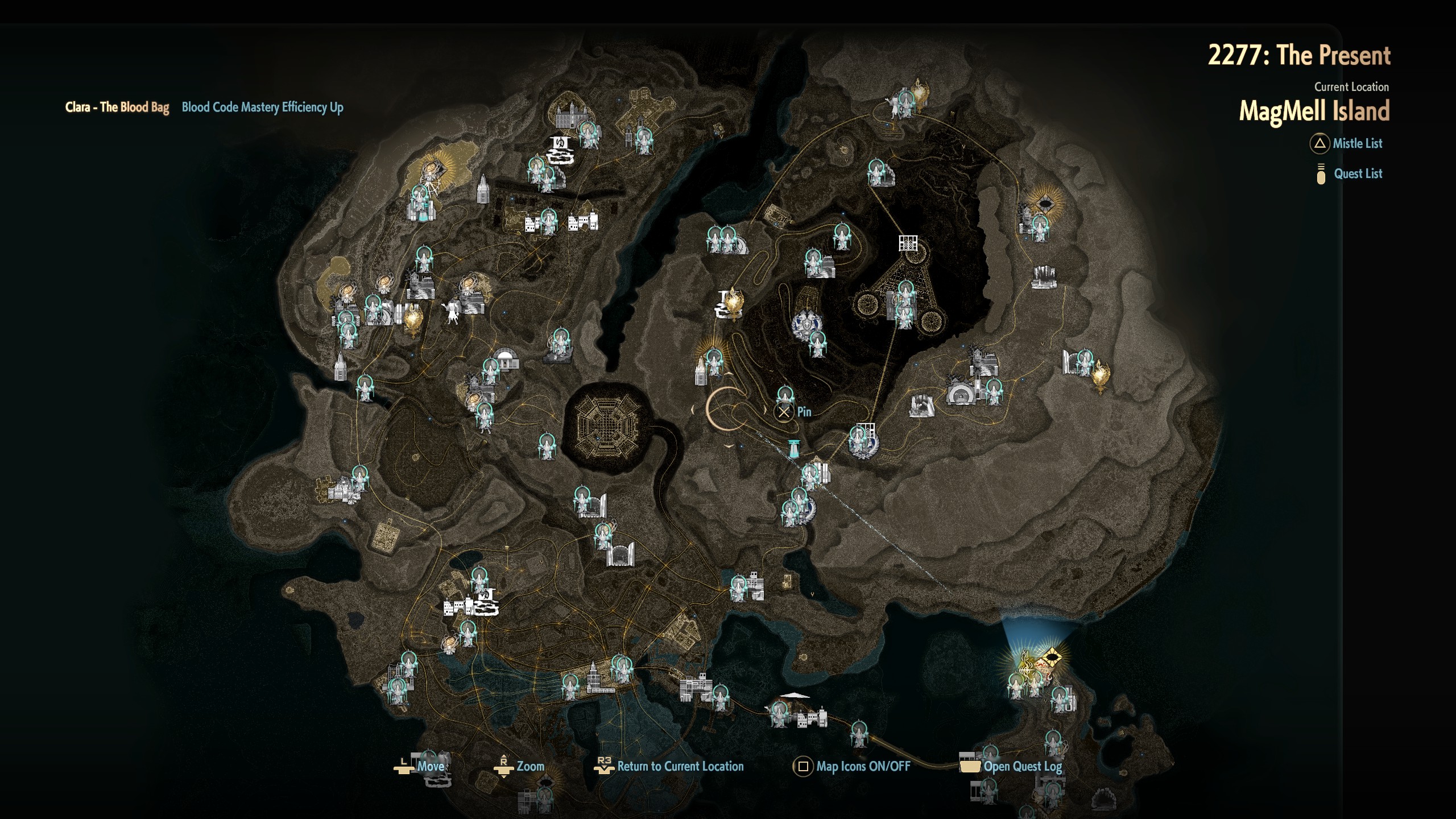
Speaking of which, I felt there was a lack of harmonisation between the individual and the major conflicts. You learn very little about the war between Revenants and human survivors, and massive portions of worldbuilding suffer from a complete lack of description. We have skyscrapers and highways, cities with hundreds of objects and ruins scattered with monsters but devoid of any atmosphere or energy. You don't get much environmental storytelling, and the world, though impressively scaled and with numerous convoluted structures full of hidden nooks, seems bland and barren.
Unlike Final Fantasy, for example, here we don't have a framing of the heroes within the broader landscape of the socio-political universe. We are a gang of heroes trying to save an already overrun world, but who don't have much reason to exist in this world, which sometimes makes the exposition delivered in the dream segments (called, in the game's internal vocabulary, Intrusions) impersonal and lacking the dramatic impact that this type of narrative revelation should have.
While the game's story isn't difficult to grasp conceptually, it requires an emotional investment that heavily depends on how much you connect with the characters purely based on their personalities. Often, the proposed themes are more declarative dialogues than set pieces where the heroes' actions reverberate in the major narrative plan.
The world isn't huge anyway — which in this case is a positive aspect, as it maintains a reasonable density of objectives and optional elements without forcing you to dig through mountains of filler content just to reach the next objective. I managed to finish the game, including optional content, in just under thirty hours, and most optional collectibles can be gathered along the main “path” anyway.
Moreover, a checkpoint unlocked in one era is also unlocked in the others, significantly shortening the running around and backtracking. You only have a few opportunities to find secrets on the map anyway, and the topography and physics have gaps that discourage exploration outside the essential areas. When you least expect it, you can hit an invisible wall, and chests and valuable items are almost never hidden more than three jumps away.
More Style Than Substance
CODE VEIN II sets many objectives for itself. It makes the leap to open-world in a crowded genre, executing its formula pretty well, but not flawlessly. The world is open but not captivating. The fights are a dance with variations, but not as crunchy or brutal as in the sacred monsters of the genre. The aesthetics, though not devoid of colourful ideas and interesting models, never overcome the feeling of a mosaic, of disconnected ideas executed independently and then glued together. In short, there are flashes of brilliance, but also a general sense of mediocrity and unfulfilled potential.
To enjoy what the title does well, you'll have to tolerate a not insignificant amount of form without substance, jank, and false complexity. But the soulslike is there.

Available on: PC (Steam), PlayStation 5, Xbox Series X|S
Played on: PC (Steam)
Release date: 29 January 2026
Developer: Bandai Namco Studios
Publisher: Bandai Namco Entertainment
Plus
- Abundance of hero customisation options
- Larger margin of error and increased accessibility compared to most soulslikes
- An open world and the possibility to explore multiple eras.
Minus
- The world is barren and bland
- Only a few boss fights are memorable, and move tables are generally repetitive
- Systems seem complex at first glance, but you only have a few permutations to choose from overall
0 votes
Scroll down here and stay on the page for at least 30 seconds to vote.
Pick a score from 0 to 10 (halves are allowed).