
The Blood of Dawnwalker – Review
 Zuluf, Silviu Tănase și Tudor-Codrin Enea · · 20 min read
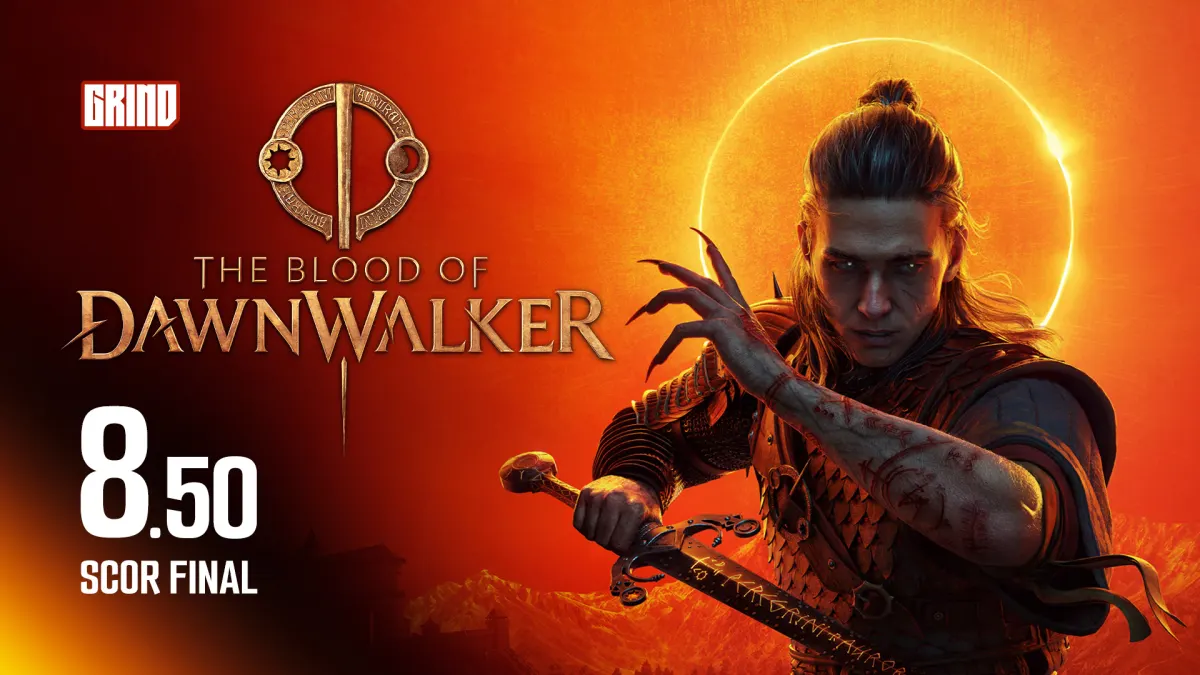
Somewhere in Transylvania…
Text by Zuluf
The year is 1347. Somewhere in Transylvania, in the Sangora Valley, the population lives under the boot of Prince Brencis. As punishment for a string of misdemeanours, Brencis turns you into a vampire, but years of toil in the silver mines have left your body resistant to the poison, making you more of a half-human, half-vampire hybrid.
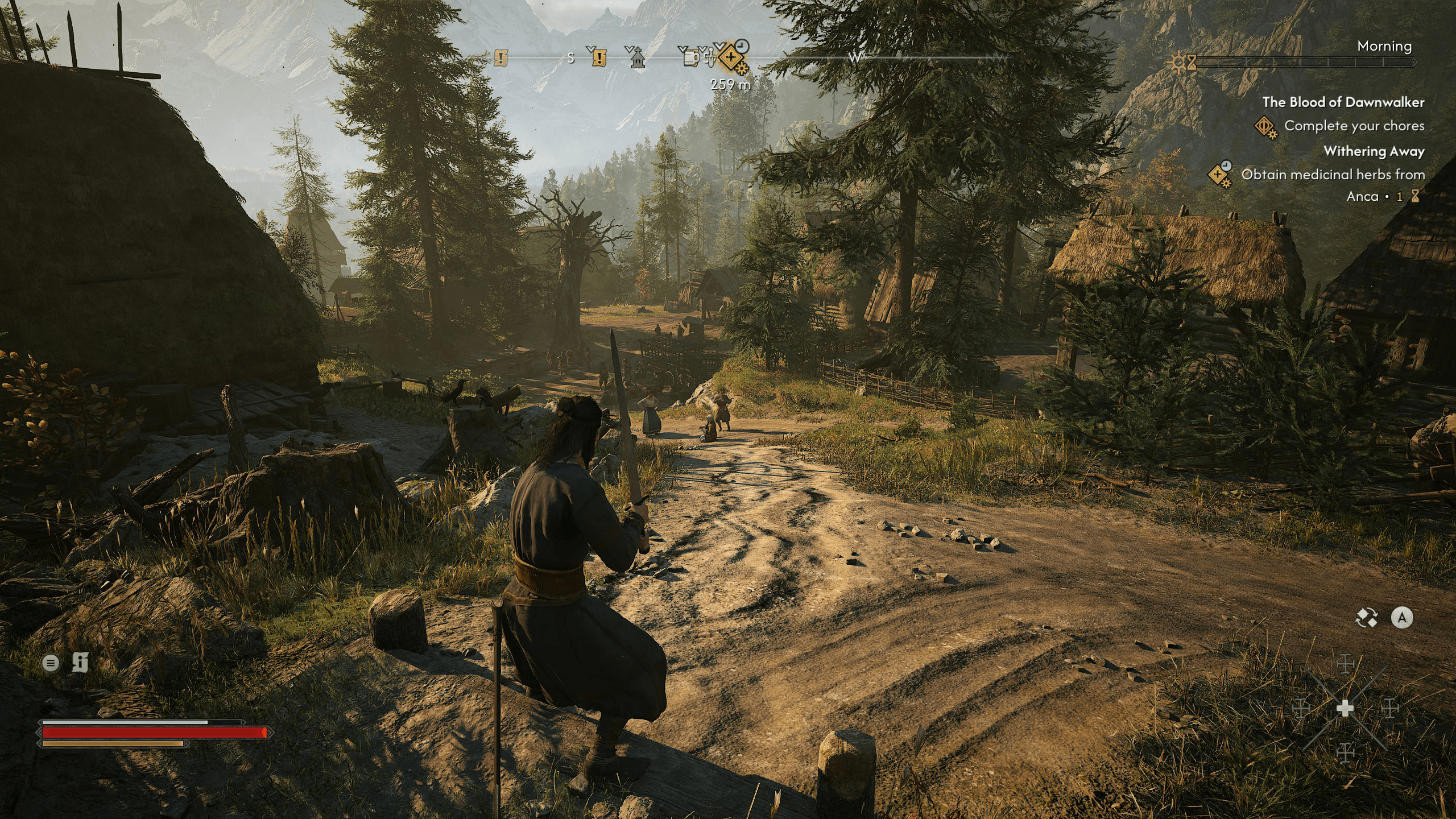
By day, you throw on a sheepskin coat and head out into the lane. The shops are open, the roads wind through sun-drenched hills, and the scattered buildings look like they've been lifted straight from the Village Museum. It's a fictional Transylvania, of course, with ogre blacksmiths (called uriashi in the game's internal folklore) and forest spirits, but also one where Saxon architectural influences weave together with traditional Romanian motifs. The Blood of Dawnwalker occupies a space that makes no claim to historical accuracy, yet it builds a visual facade full of motifs specific to the region. And as someone who can see the Făgăraș Mountains from his bathroom window, I can tell you honestly that the game captures (and sometimes elevates) the sublime beauty of Transylvanian nature rather faithfully.
When evening falls, you grow stronger and gain a range of supernatural abilities. You can (and must) drink blood to improve your skills, and the spell that turns you into a swarm of bats lets you climb the various towers scattered across the Valley. You help the locals with all sorts of problems and chip away at the prince's influence by massacring his patrols. And all of this happens under the pressure of an ultimatum: you have thirty days to save your family and stop Brencis's coronation. In practical terms, those 30 days work as a kind of resource (or action points) that push the clock forward whenever you complete quests or spend experience points.
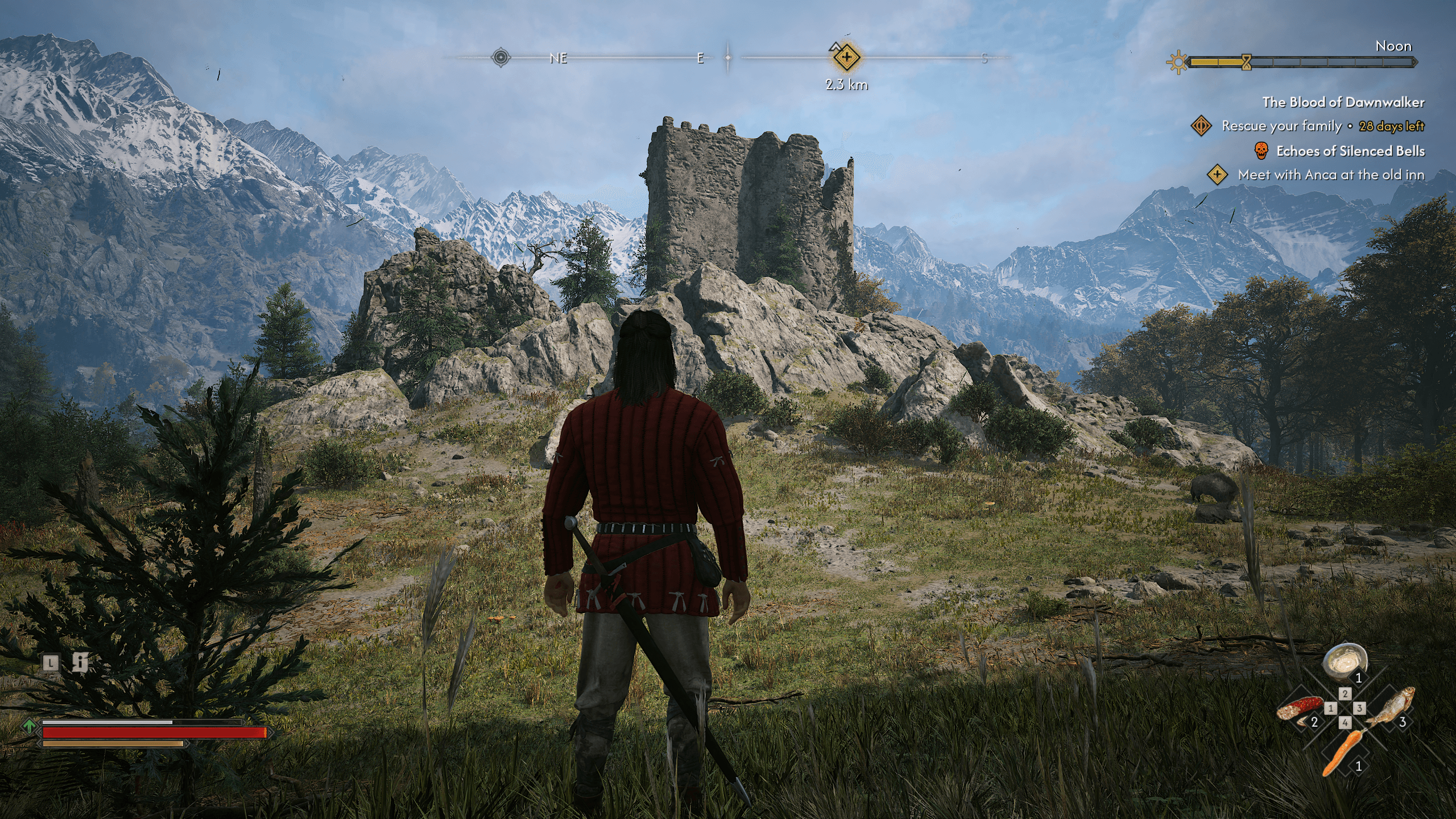
Bram Stoker, from mountain to sea
The mythology of The Blood of Dawnwalker dresses the land in all sorts of influences, from Germanic kobolds to the politically organised vampires of the Romanian Parliament the writings of Anne Rice or Bram Stoker. Andrzej Sapkowski's dark fantasy is felt too, in the episodic way you're sent off to decapitate monsters terrorising villages and solve murders, and the lore is equal parts Romanian and Slavic.
TBoD isn't a game about transhumance, but it is a game in which you can hide behind a wayside cross and wait for a passer-by to wander slowly down the road so you can sink your fangs deep into her jugular. You visit sheepfolds, inns, villages and medieval towns in a microcosm that is both Romanian and alien, but never boring.
Before you know it, your journal is crammed with notes, quests and plans for the future. Some missions are timed, and at other points you have to make decisions that shape your relationships with others. The day-night cycle closes doors and opens new ones, and every monastery, village or casemate has its own distinct shape and hides secrets.
Dialogue is crowned with choices and consequences, and combat is more engaging and satisfying than in the The Witcher series. You can parry directionally, and the crowd control built into many of the abilities helps you hold your own against a small army. The animations are brutal, often ending in dismemberments and decapitations that leave the surroundings drenched in crimson pools.
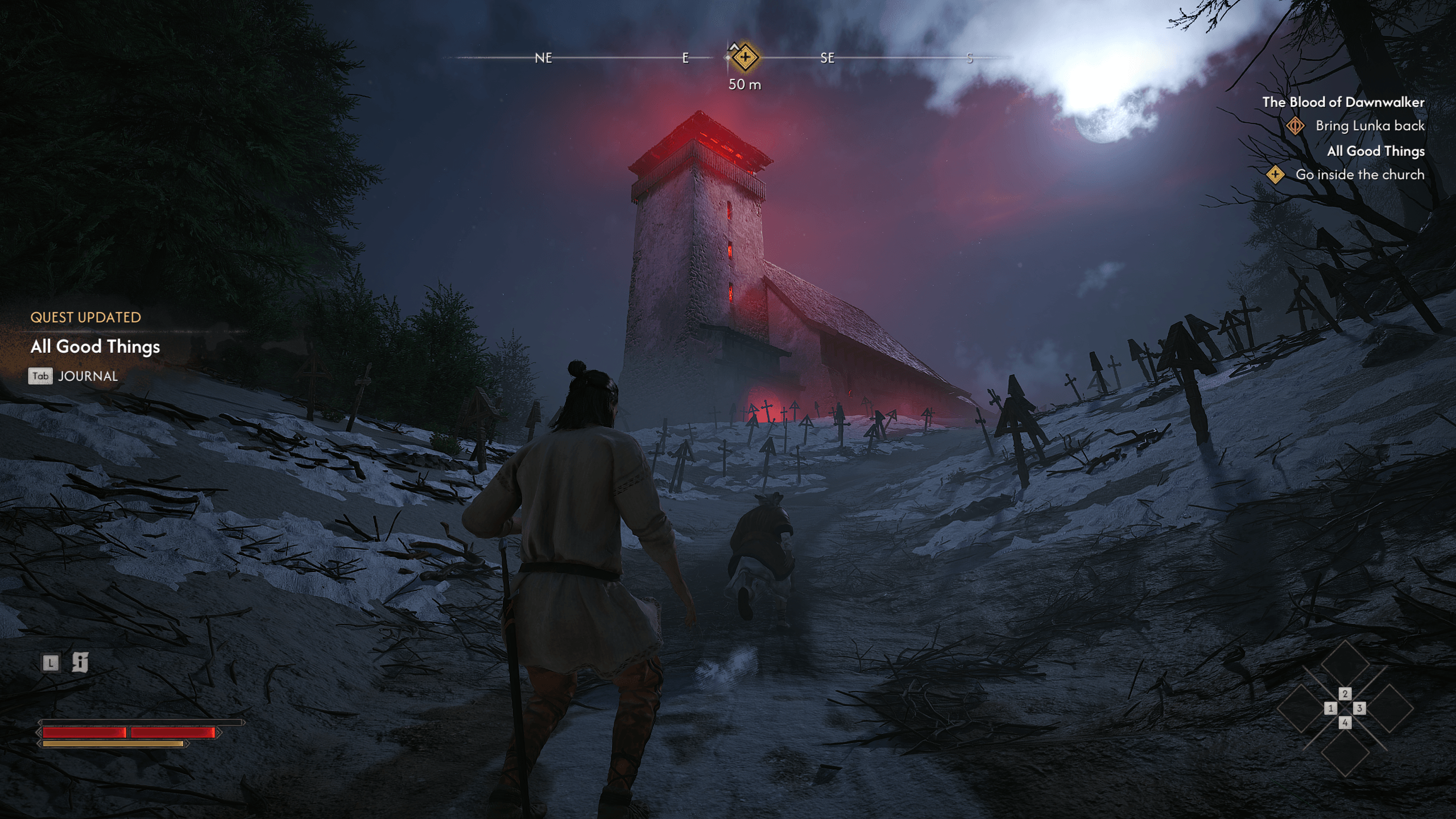
Sit a spell and have a listen, will you…
Now and then, your wanderings are accompanied by the melancholy tones of a fiddle. The folk music in the background, the transitions between hillside and meadow, and a hundred other small touches all add up to a tapestry that feels both very special and strangely familiar. The Sangora Valley is a fairly small, confined space for an RPG, especially once you unlock the speed abilities, but it's packed with unique and varied activities, and you're free to tackle them in whatever order you see fit.
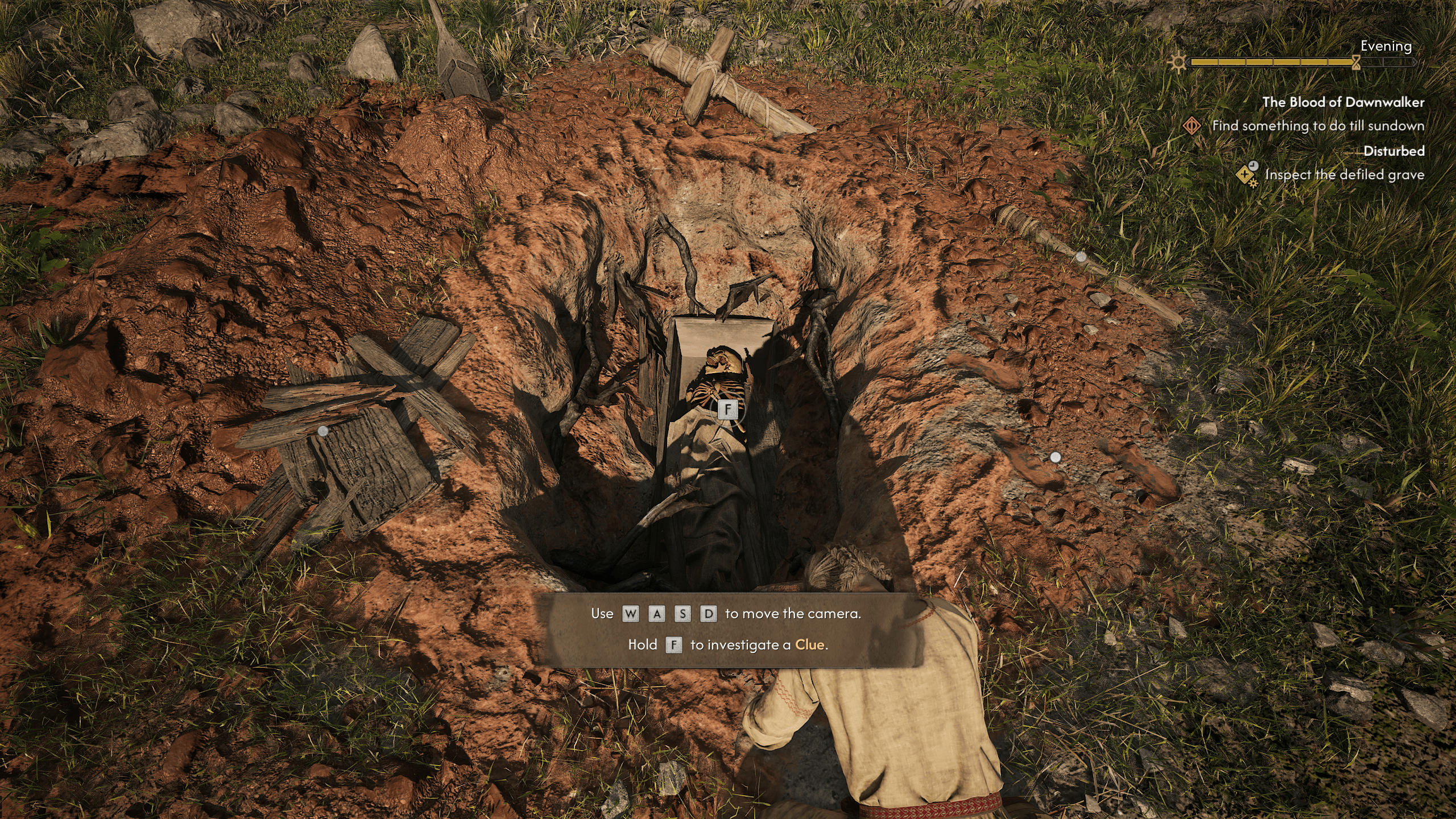
Getting around the terrain sometimes plays an important part in how you complete objectives, because at night you can climb up and into locked buildings, bypassing entirely the route the quest would normally demand. Being a vampire, the enemy never sleeps, so you may well bump into him on your nocturnal travels. It happened to me, for instance: I met one of the central villains long before I'd met the normal story conditions, just because I was prowling the town at night looking for things to steal.
In principle, the road to the prince runs through his three lieutenants, through whom he literally extracts the blood of the Sangoerns, but in the sweetest role-playing tradition, you get plenty of opportunities to derail the story and rewrite it to suit your own character and personality. The thirty days in which you prepare to face Brencis look completely different depending on what you choose to spend your time slots on and the decisions you make during quests, and every person you help can, to a greater or lesser degree, contribute to the final confrontation.
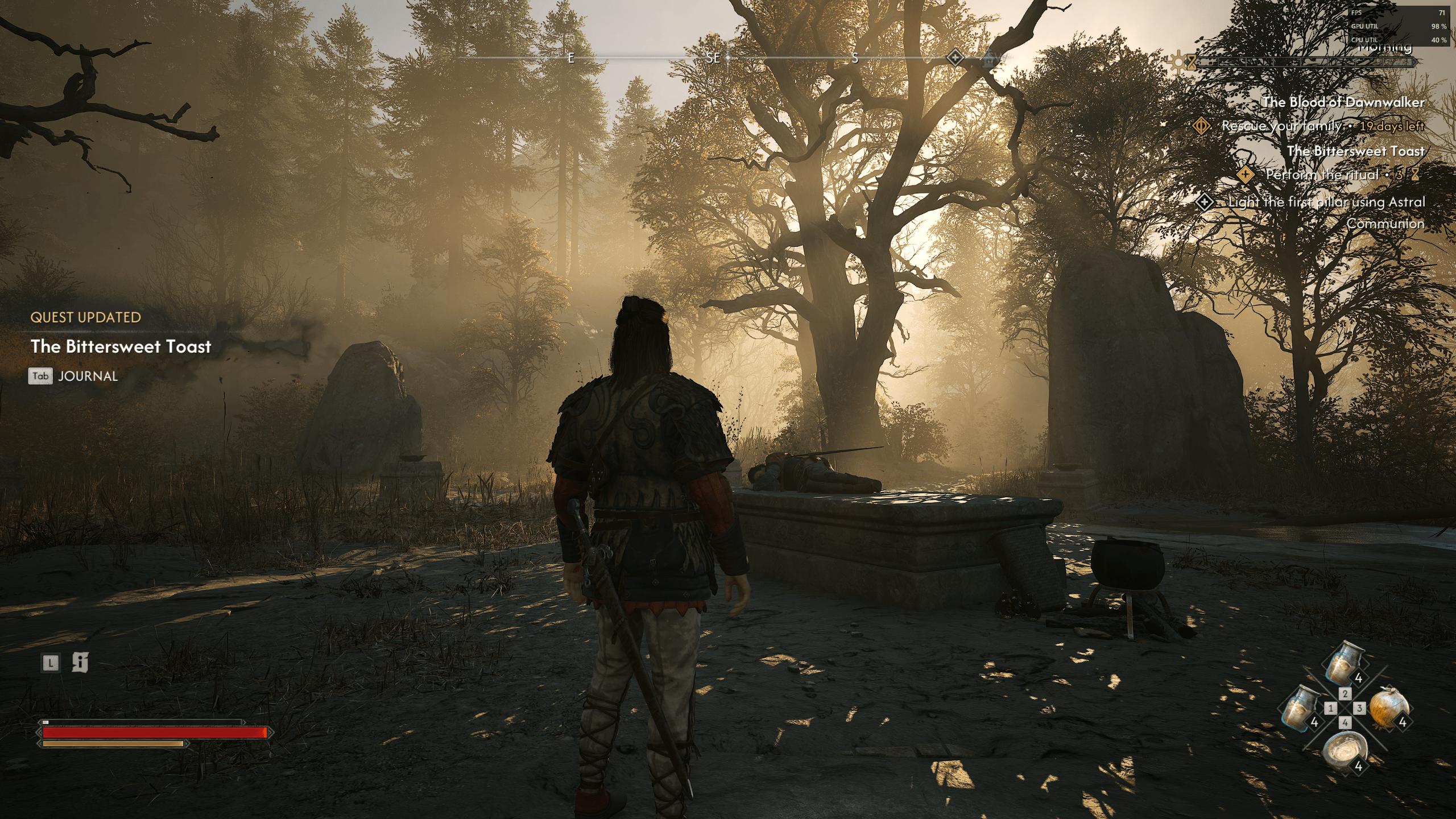
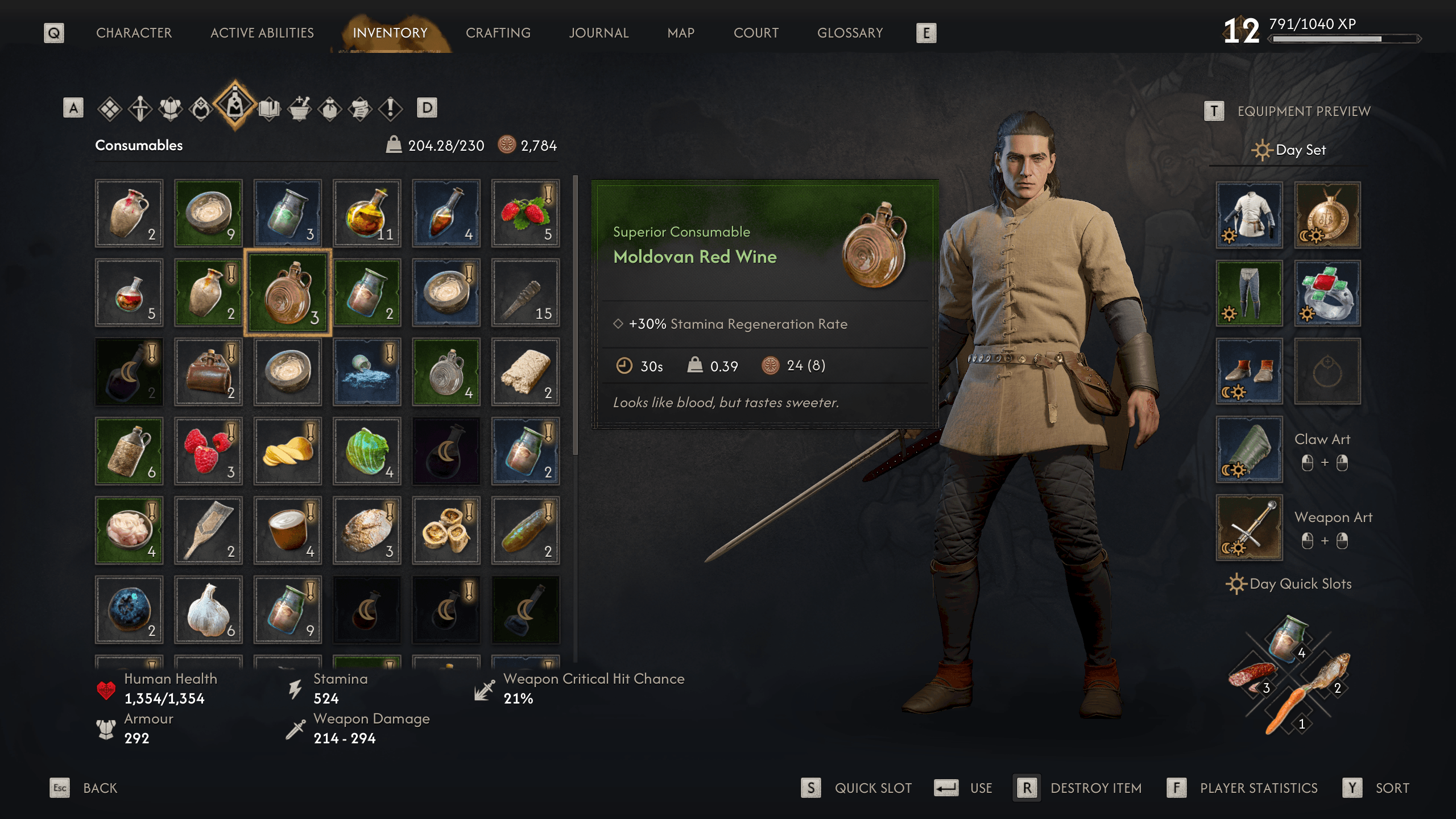
Crafting and inventory are more or less identical to The Witcher 3’s, and are probably the weakest part of the game. Small technical glitches cropped up here and there, mostly during traversal, but that was only to be expected in a game that lets you explore every cubic metre of its world, both vertically and horizontally. A bit of jank is tolerable at first, but it gets irritating after a few hours of climbing and teleporting, and the parkour on offer is well below the standard gamers are used to these days.
Since you have to lug around two different equipment kits to optimise your attributes for day and night, the inventory is remarkably obtuse and unimaginative. You have to sort things by hand and check the stats yourself, and the lopsided way your character develops makes the performance indicators on gear completely useless.
And the bosses never break out of the duelling pattern you get used to from hundreds of ordinary enemies. Sure, they have an ability or two extra, but the core gameplay loop never evolves, and you hit your skill ceiling a good few hours before the end.
So what’s to be done?
There’s no wrong path in The Blood of Dawnwalker. Whether you follow the red thread of the main quests, lose yourself in the activity checklist or farm notoriety, Coen grows stronger while the deadline creeps closer and the days tick by, one after another.
Despite a small dose of jank, a relatively compact world and improvised lore, Rebel Wolves’ debut improves on the Witcher formula in places and drops us into a brutal, magical, intimate Transylvania. It’s a brave project, one that makes gameplay elements I usually dread (a death clock, a stamina bar, zombified old ladies) earn their place among everything you have to keep an eye on.
What’s more, the decision to draw on Slavic and Romanian folklore, even if, when you get down to brass tacks, it’s only a veneer, is a breath of fresh air after hundreds of variations on Western fantasy. I’d love to see more zmei, balauri (dragons) and folklore from cultures that rarely get a look-in in commercial media, and in its own way TBoD has opened that door.
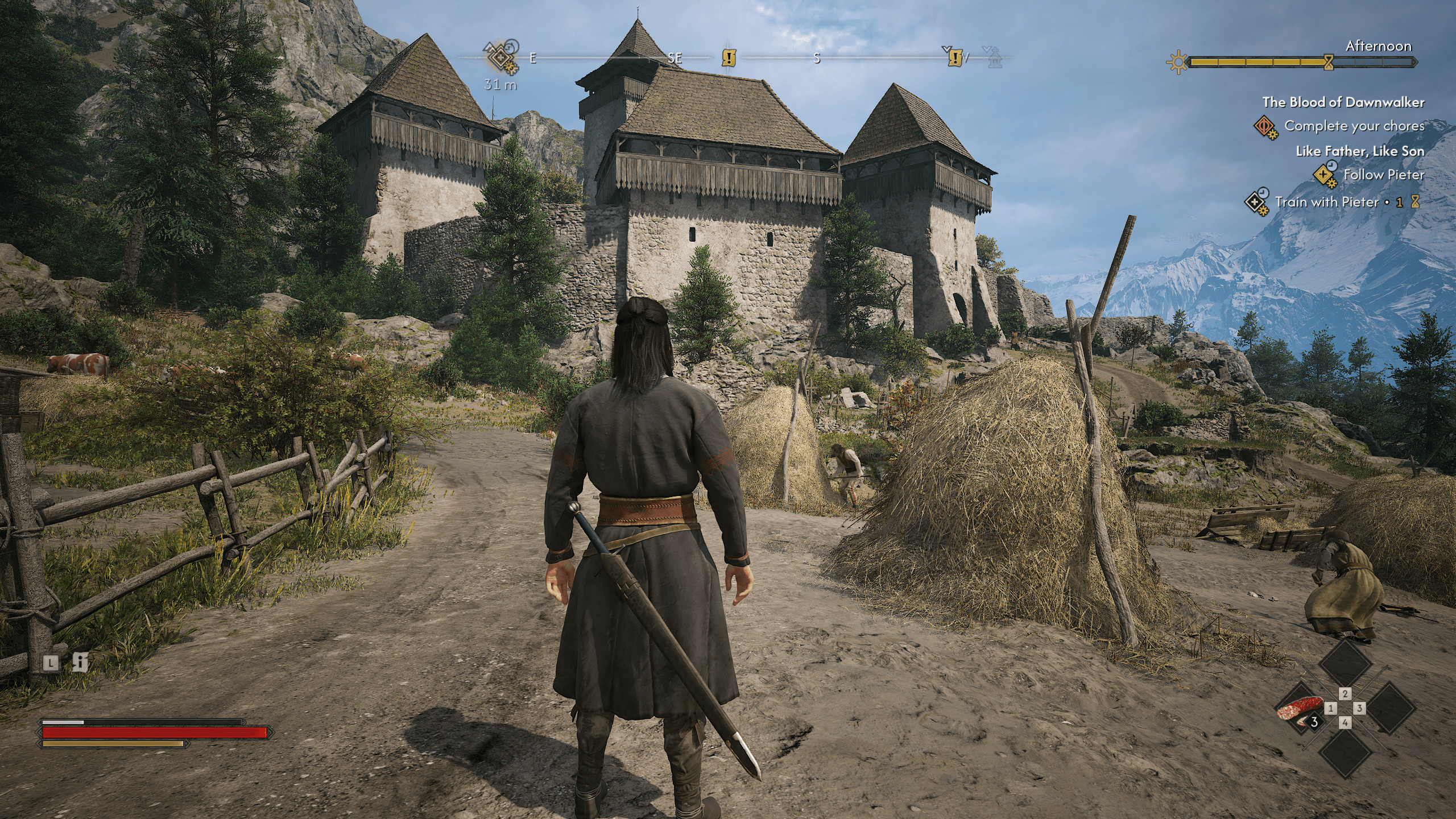
The Blood of Dawnwalker, or “When the journey beats the destination”
Text by Silviu Tănase
I didn’t expect to like The Blood of Dawnwalker this much. I mean, I figured it would be right up my street, because, well, it has vampires, the Middle Ages, RPG systems, the Carpathians and plenty of other things that overlap with what I look for in this kind of game. What I didn’t expect was to enjoy something so “bare minimum” and yet increasingly rare: good writing. Not just well-written text, or characters who don’t sound like robots handing out quests, but a world I genuinely enjoy exploring, fighting in and poking around to see what else turns up.
It probably helps that there’s something almost eerily familiar about everything in Sangora Valley. It isn’t Romania, at least not in the sense that the game plants a flag on the map and says so outright, but there are enough scraps of Romanian and Eastern European culture to recognise at once. The architecture, the clothes, the food, the customs, people getting on with their lives, the legends and the whole blend of Christianity, superstition and fantasy have an identity that video games haven’t explored nearly enough. And it’s surprisingly pleasant to see a medieval story set in the Carpathians that doesn’t boil down to Dracula and three fainting bats. More interesting still is how Rebel Wolves mixes the real with the fantastical. Saints, vampires, mythology, local tales and historical elements are thrown together in a world that could slide into hard fantasy at any moment, yet always keeps something rural and very earthy about it. It’s exactly these things that make Sangora Valley far more interesting than yet another huge map covered in question marks (which we get here too).
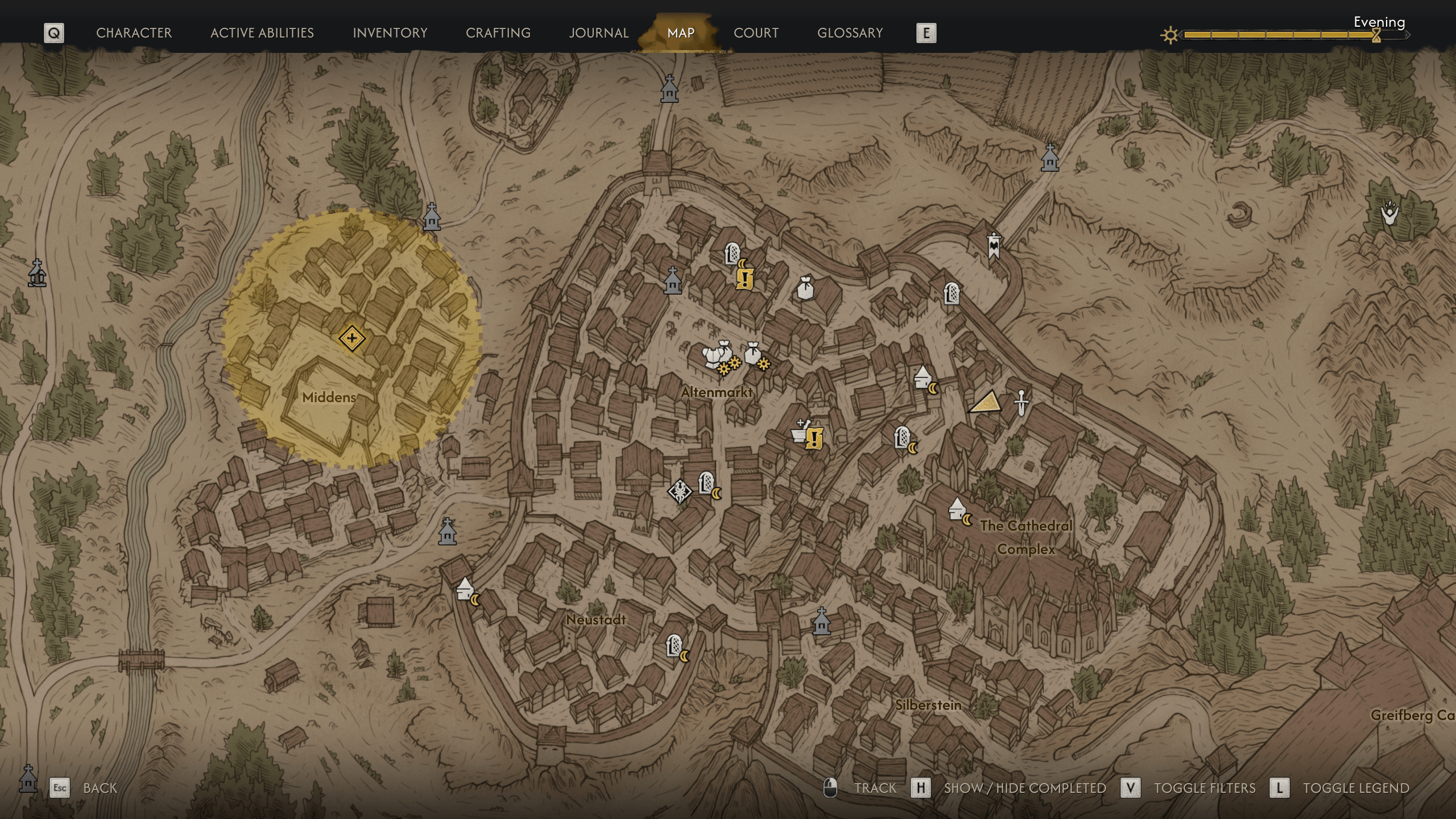
And that brings me to the thing that hooked me hardest: exploration. The open-world structure isn’t necessarily the most modern or elegant I’ve seen, but the freedom to head off in one direction, stumble across something else, shelve one quest for another and uncover a story you weren’t looking for makes the game enormous fun. So much fun, in fact, that the main quest, the one everything is supposedly built around, where you have to save your family, starts to feel almost secondary, or even tertiary.
I know where I need to end up. I know what the objective is. I’m sure the ending could be very good too. But right now, for me, the journey genuinely beats the destination. I’m in no rush to get there, because every detour seems to offer me something: a character, a story, a choice, or simply a corner of the map I want to see because Tudor told me there was something interesting there. And for an open-world RPG, that’s probably about the biggest compliment I can pay it.
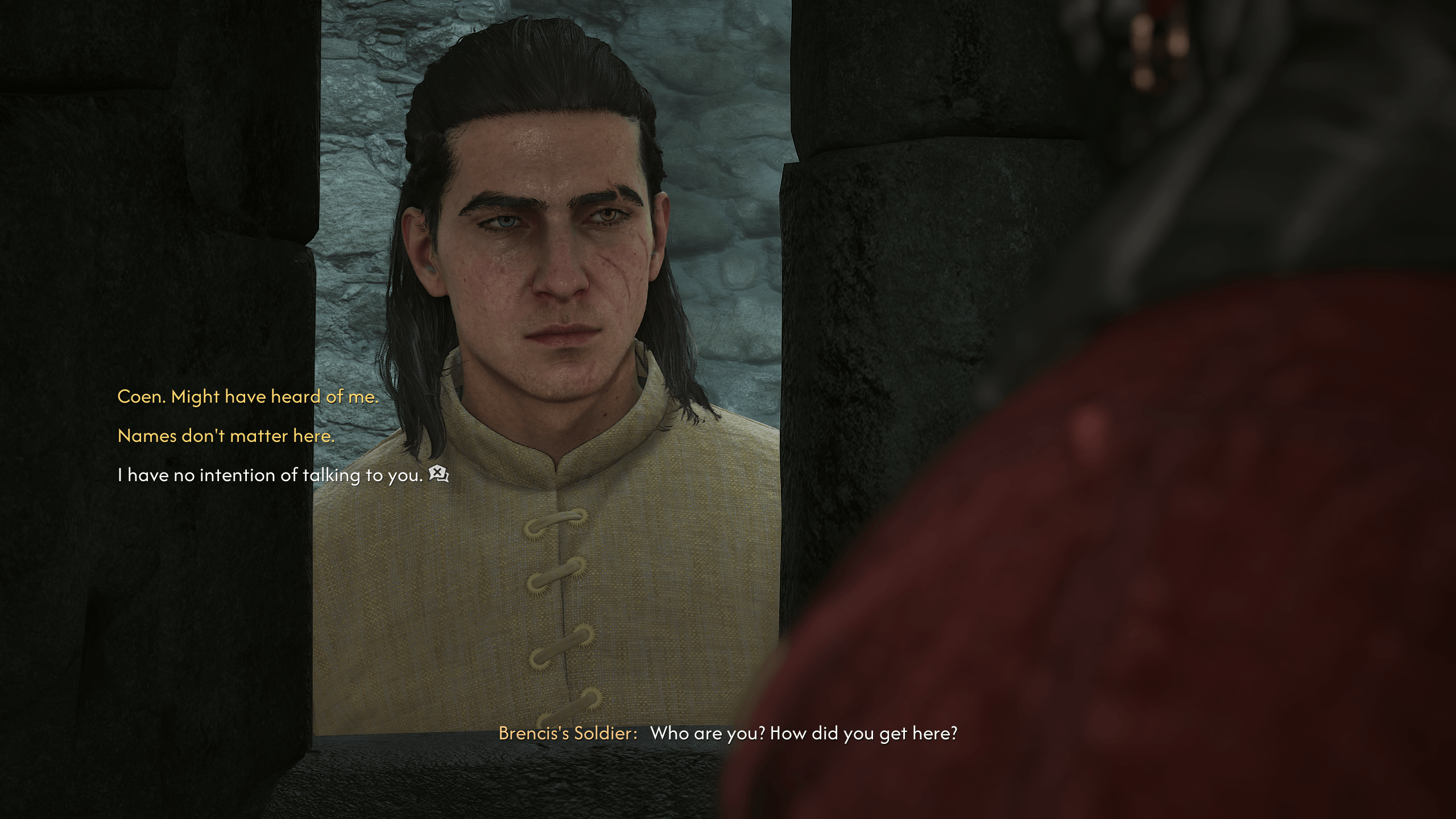
Witcher body, Vampire: The Masquerade soul
None of this means The Blood of Dawnwalker is some technical monument of the year of our Lord 2026. It isn’t. I don’t think it ever could have been. Visually it has some very good moments, thanks above all to its art direction and setting, but look closer and you’ll find graphical artefacts, odd or unfinished animations and enough small slips to start adding up. Sometimes characters move a little stiffly; other times a transition or an animation reminds you very quickly that this isn’t a game from a studio that has five titles behind it and has been handed another monster AAA budget. This is a new studio that, from what I’ve read, had a budget of around $40 million. Sure, that counts as AAA money, but when you hear about games that still haven’t launched, like Star Citizen, which has by now passed $1.04 billion raised through crowdfunding for the development of the project and its ecosystem, you rather have to keep your expectations in the right place.
Yes, I’ve seen it, I’ve heard it, and I’m sick of the line that this is “The Witcher 3 at home”. And honestly, I don’t necessarily take it as an insult. The Witcher 3 is a very good game. If you like that kind of RPG, there’s a very good chance you’ll find plenty to enjoy here too. But as I played, I realised that The Blood of Dawnwalker has the body of The Witcher, while the soul seems to come more from Vampire: The Masquerade. Not necessarily through the gameplay, but through the way it treats vampirism as something more complicated than a set of fangs and a few new skills. Coen has to actually live with what he becomes: the hunger, the people he can hurt, and the idea that the vampires of Sangora Valley aren’t just monsters waiting to be turned into XP. There’s politics, morality, relationships and enough grey to remind me, at times, more of Bloodlines than of Geralt’s adventures. If anything, we should be glad that more games are attempting this formula, especially at a time when smaller studios sometimes seem to understand RPGs better than some of the big ones. You only have to look at the discussions around games like Avowed and Tainted Grail to see that a big budget no longer automatically guarantees the most interesting world.
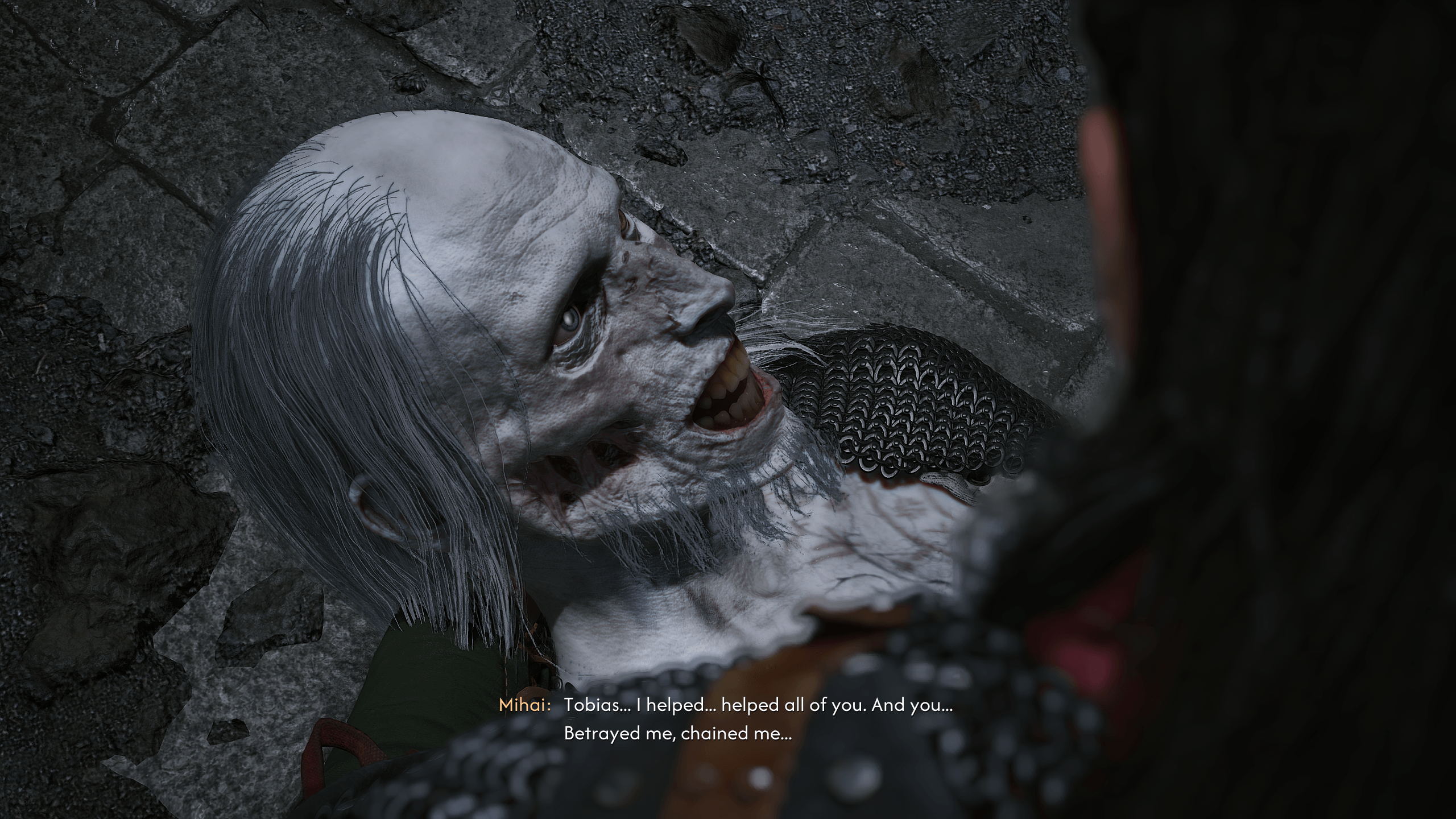
The repetitiveness didn’t bother me as much as I expected, either. Some activities repeat and some structures become familiar, but I almost always get the feeling that there’s still something left to do or find. My real problem is a different one and, ironically, it’s tied to one of the ideas that sounded best before I played: the 30-day timer. On paper, it’s fantastic. You have limited time, so you have to choose who to help, which quests to do, what to sacrifice and what matters most to you. In practice, the system feels far too aggressive. Almost everything eats up time. Main quests, side quests, smaller activities, even things tied to character progression. When the simple act of spending my points to improve my abilities costs me time, it stops feeling like narrative pressure and starts feeling like the developers are standing next to me with a stopwatch.
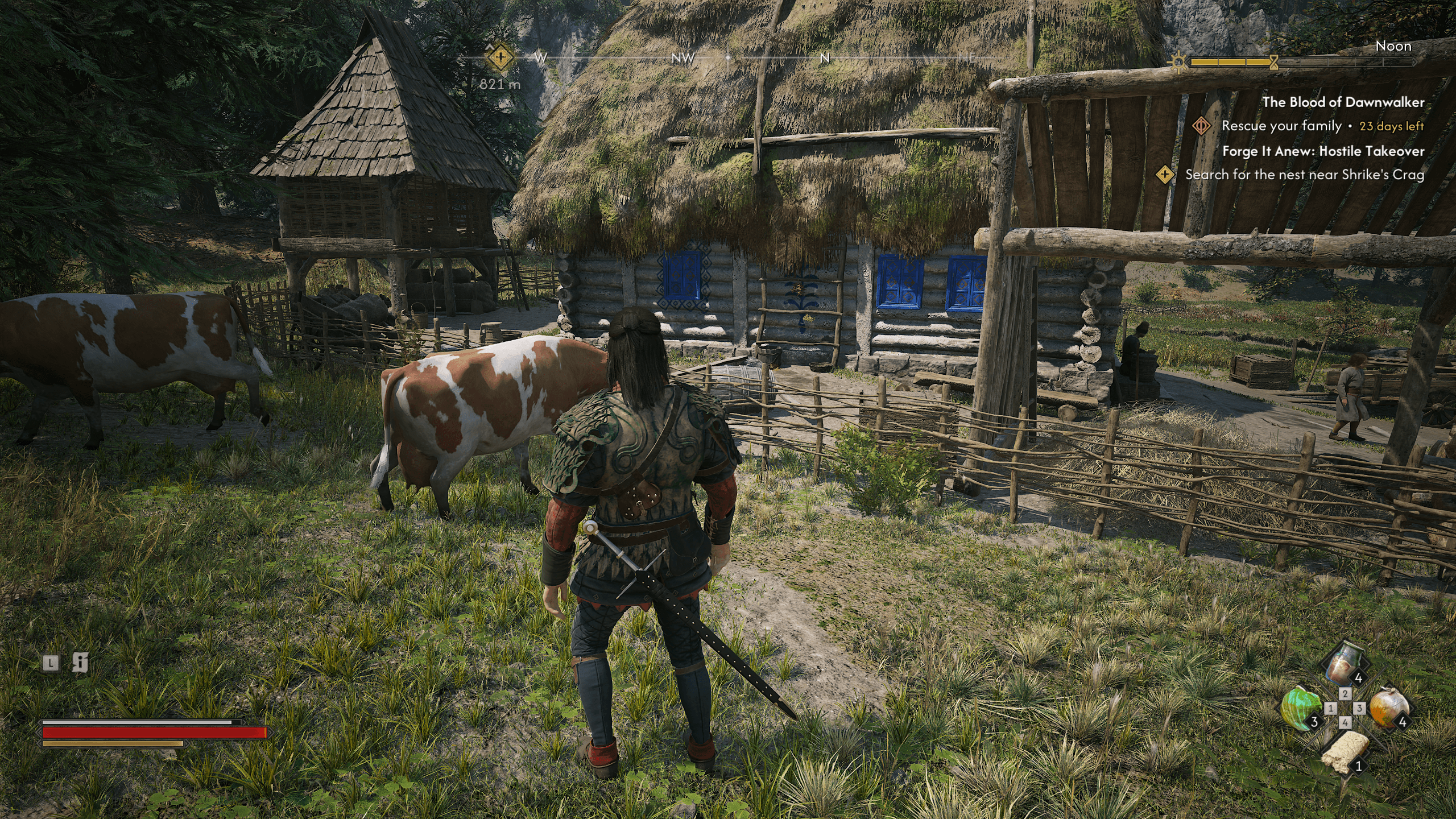
I understand the thinking behind the system perfectly. It pulls you out of your comfort zone, forces you to accept that you can’t do everything, and turns time into a resource as important as money or experience. The problem is that the game world is interesting enough that I want to do everything, or at least everything that crosses my path. And that’s exactly where the timer clashes with one of the best things about the game: the urge to explore Sangora Valley and lose yourself in its stories.
Objectively, I can’t look at all the small problems and claim I’m playing a 10/10 game, or anything close. There are too many corners that could have been better polished. But there’s a difference between the game you pick apart with a checklist in hand and the game you catch yourself wanting to boot up again after you’ve switched off the console. And The Blood of Dawnwalker is, for me, very clearly the second kind. It has enough meat on the bone, enough personality and enough interesting things to discover that, of all the games I’ve played this year (and there have been a fair few), it’s one I’m almost certain I’ll still remember after every prince of Sangora Valley has tasted silver.
The Legacy of Coen
Text by Tudor Enea
In the summer of 2020, Sucker Punch released an incredible game for PlayStation 4: Ghost of Tsushima. The project was the result of sustained work by the developer, which had a team dedicated to studying Japanese culture and the historical period in which the game is set and, of course, paid a visit to Japan to bring the world of GoT to life in an authentic way. The result was resounding, and Toshihiro Nagoshi, creator of the Yakuza franchise, said in a livestream that the Japanese had “lost” to the Americans, thanks to the way Sucker Punch had managed to capture the nuances of Japanese culture. Nagoshi felt that a game this good, one that captures cultural and historical detail, should have been made in Japan, but the fact that a foreign studio made it was an argument against the idea, prevalent in the industry, that only studios in Japan can create titles like Ghost of Tsushima.
Now, six years after Nagoshi-san’s comment, I’m here to make the same point on Romanian soil, because in their first title, The Blood of Dawnwalker, Rebel Wolves has captured not just the chosen period but the cultural character of our country too. The Polish developers have turned that period into a credible game world, in which our country’s historical, cultural and folkloric elements find their place in a surprisingly natural way. If I’ve made you curious, let’s start with the story!
Over hill and dale
Let’s clear one thing up from the start: the game never says that the action takes place in Romania! The developers have said several times that the story unfolds somewhere in the Carpathians, but it’s never explicitly confirmed that this means our country. What’s more, they drew on several cultures, Romanian among them, but also Hungarian. Now that we’ve cleared that up, you’ve put the pitchforks and torches away, and I won’t hear anyone shouting “THE PROTAGONIST DOESN’T HAVE A ROMANIAN NAME”, let’s talk a little about the narrative thread, which is, in fact, fairly simple.
Our hero, a humble serf, becomes a vampire against his will and sets out on a seemingly impossible mission: to save his family from the clutches of the vampire prince Brencis. But thanks to his past in the silver mines and some medieval health and safety problems, things aren’t quite that simple. Specifically, after breathing in fine silver particles for ten years while extracting the precious metal, Coen didn’t transform fully into a creature of the night. He therefore sits on the line between man and monster: a mere mortal by day and a vampire once the Sun disappears from the sky.
Unlike so many other developers, Rebel Wolves have paid close attention to the story, and it shows: main missions can resolve in different ways depending on what the player does. From chatting with Silviu Tănase, for instance, I found out that we had tackled the same mission in completely different ways. The task was to find a way past a group of monsters without being spotted. Silviu chose to team up with some soldiers to get hold of a key, while I preferred to do a bit of reconnaissance, ask a character a few questions and then use a bell tower to lure every monster into a church. The end result was the same, since we both reached a key location, but how we got there was completely different. And that is the essence of the game: it isn't designed to be “completed” in a single playthrough.
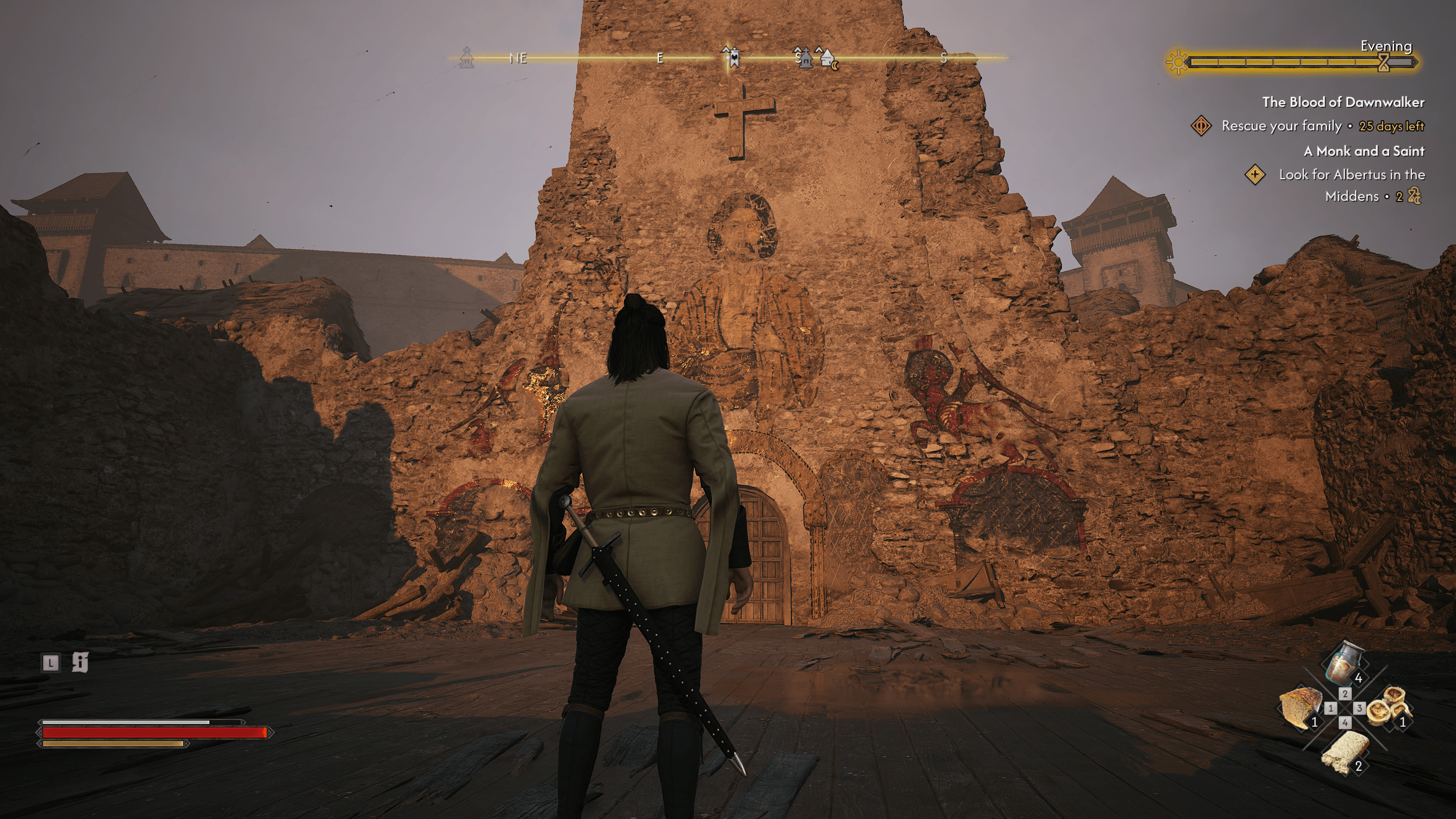
The developer has built an interesting mechanic into the game, closely tied to the story. Coen has 30 days and nights to save his family from the clutches of Prince Brencis and his boyars. A day in the game lasts 16 hours, eight of daylight and eight of night, and time only moves on when you complete an objective or finish a mission. It is therefore impossible to see everything the game has to offer in one playthrough, and the developer encourages you to replay The Blood of Dawnwalker several times to discover every possibility. What's more, this system radically changes how you approach the game, because you can no longer rely on that Ubisoft mentality of doing absolutely everything that crosses your path. Here you have to ask yourself what matters more: saving your family, or discovering everything the Sangora Valley has to offer?
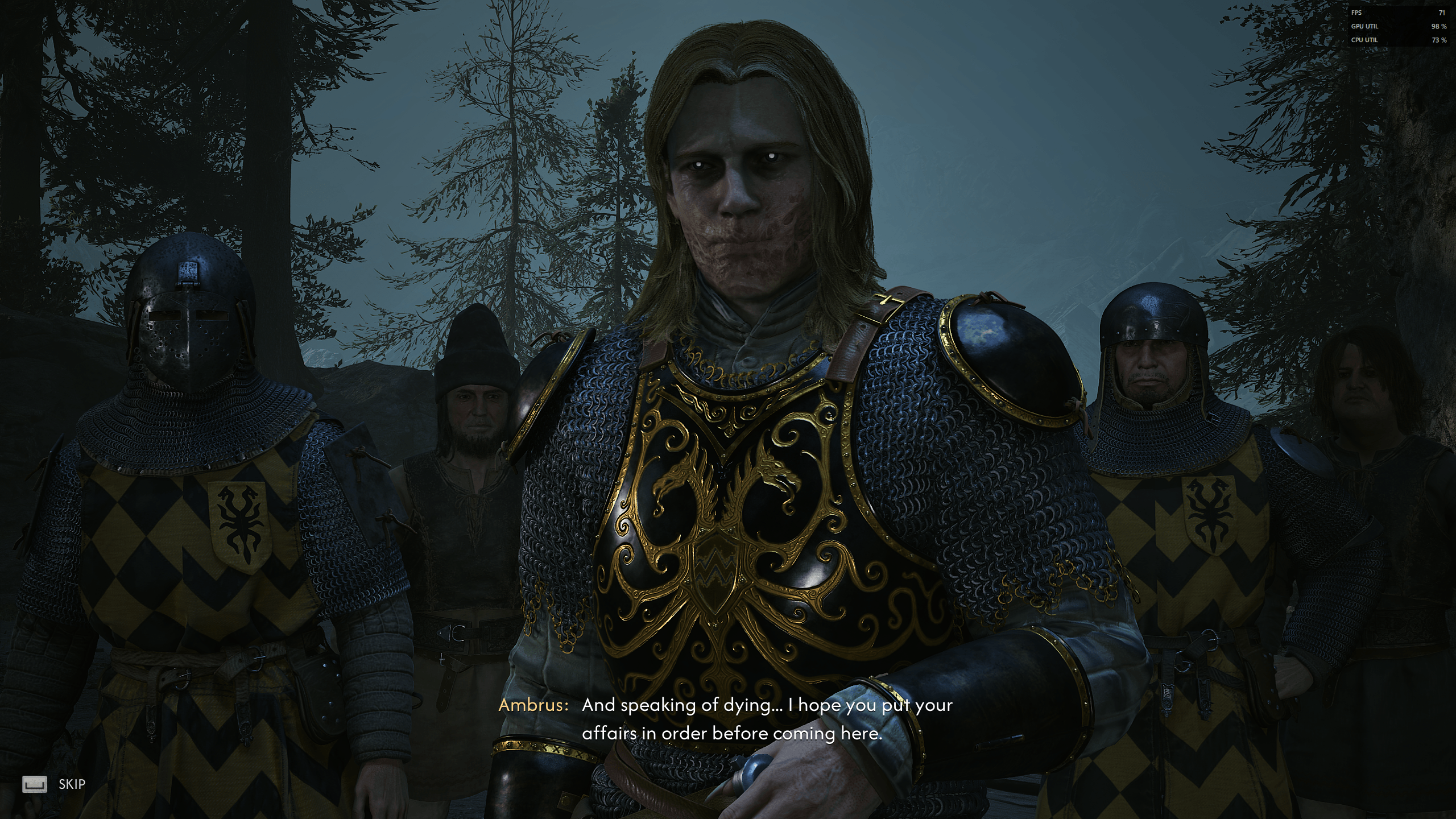
The game's world is one of the most believable I've seen so far, because it presents a society with no black-and-white decisions, only shades of grey. The peasants of the Sangora Valley live a relatively decent life under vampire rule: they pay no taxes and don't have to work for the prince for free, and plagues are an unpleasant memory rather than a constant threat. But all these benefits come with one condition. Once a month, everyone in the village has to “donate” blood to the prince and the boyars, in a ritual meant to mirror holy traditions in a profane way. As a result, most serfs are fully devoted to their current ruler, and any interference in Brencis's operations will have a real impact on them. Won't help an old woman find a tapestry she wove for the boyars and which has been stolen? Then I hope you have a stomach of iron, because the vampires will use the poor woman's guts to weave their own, to show the other peasants what happens if they fail to meet their demands!
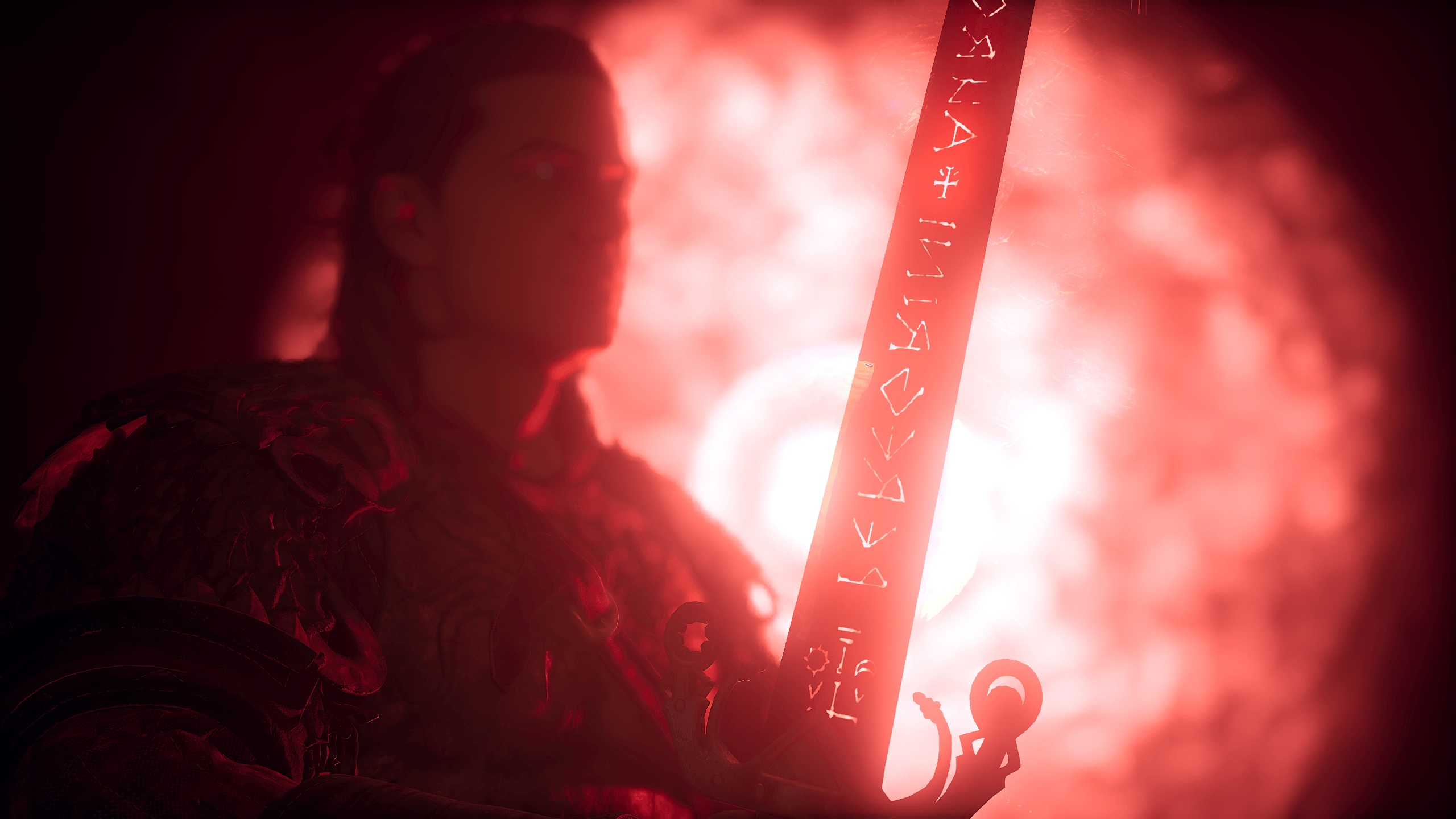
My favourite detail is, without a doubt, how the developer has handled magic in the Sangora Valley. The arcane arts in The Blood of Dawnwalker are nothing like those in Harry Potter, all pretty visuals and specific incantations. They are dark and frightening, like the stories our grandmothers told in the countryside. Magic in Dawnwalker demands sacrifice, and Coen pays dearly for using it, offering up his own blood to wield dark powers. The deeper he delves into the arcane, the more sinister the consequences become, as they bring the protagonist face to face with demons, ghosts and corpses reanimated by ancient forces.
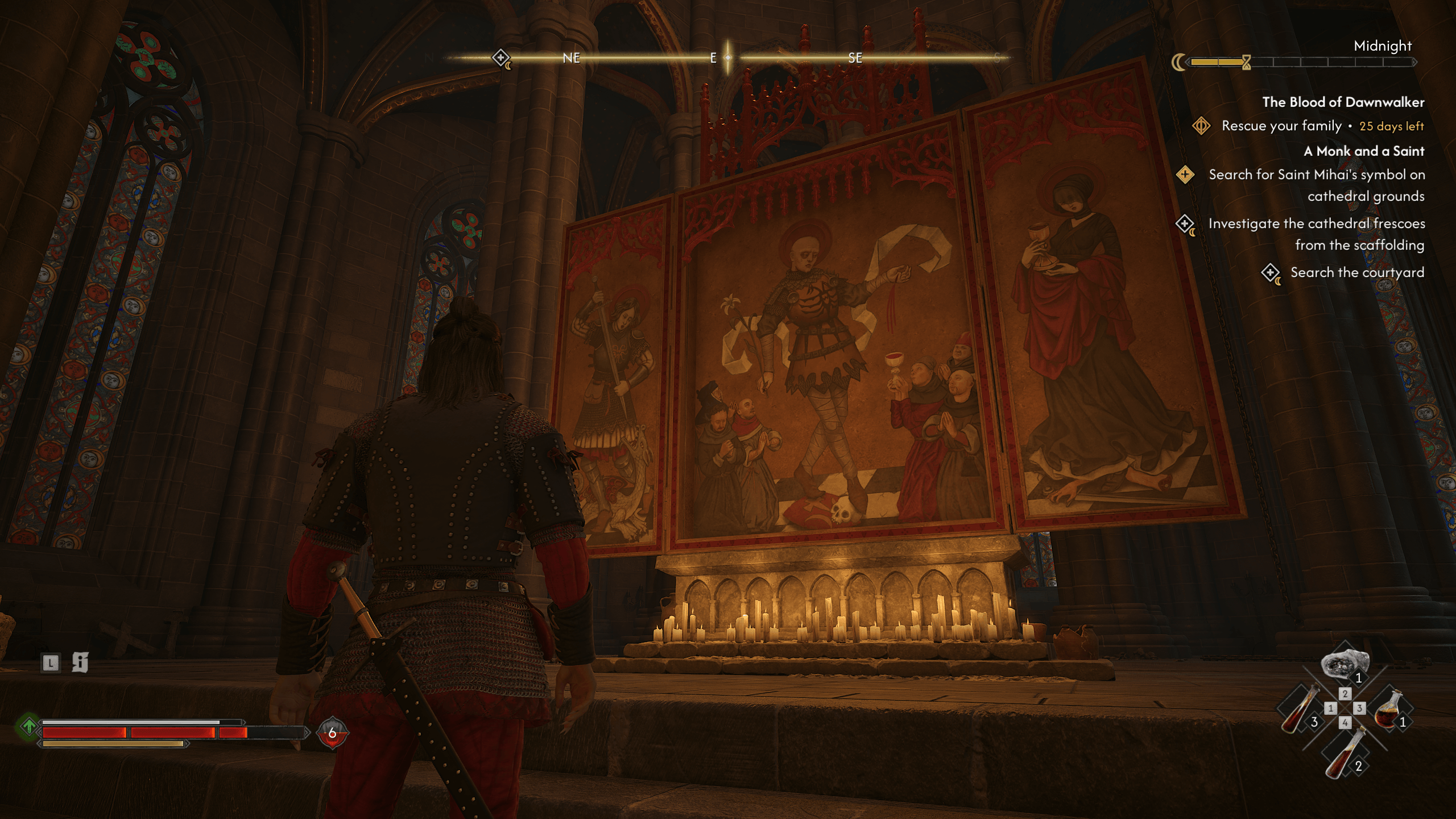
What are you swaggering about, vampire?
From the lines above, you've probably gathered that I have nothing but good things to say about The Blood of Dawnwalker and that it's a perfect 10, right? Well, it isn't, because the game launched with quite a few problems. The first and biggest is the time system. The developer has explained that the 30 days are not a deadline for finishing the game or confronting Brencis, as the story can carry on after the period ends. The catch is that once the 30 days are up, Coen's family can no longer be saved and Brencis's ritual has already been completed. So you can keep going after the deadline, but you'll reach the final confrontation in much tougher circumstances.
Each in-game day is split into two eight-hour periods, day and night. Time doesn't flow continuously, though; it advances when you complete certain objectives or missions. Free exploration doesn't use up time, but some activities can make a chunk of that day's or night's eight hours vanish instantly. Wiping out a bandit camp, for example, can eat a time segment, which means every objective has to be approached with care. The result is a constant state of anxiety, because you always feel that whatever you're doing is bringing you closer to the point where Coen's family can no longer be saved.
The trouble is that the mechanic doesn't always seem to follow a very clear logic. Why does rescuing a prisoner from a jail advance time by a single segment, while smashing some barrels full of blood advances it by three? And, last but not least, the system seems to discourage building up your character, as putting a point into a skill-tree branch advances time by another segment for every point spent. In effect, the game makes you choose between getting stronger and spending your time on the things that matter to the story, which gets frustrating when every point invested in Coen brings you, one way or another, closer to the 30 days running out.
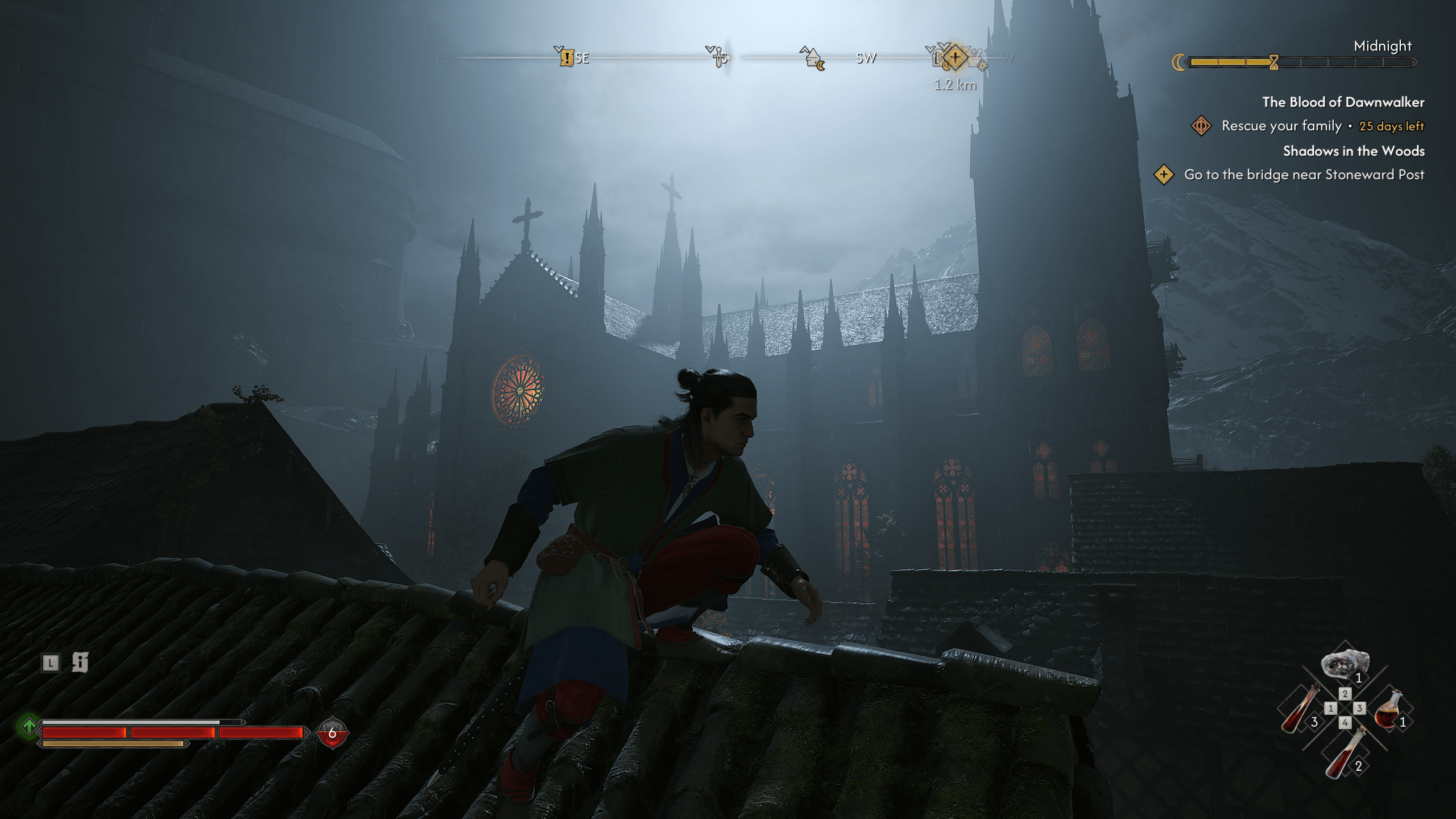
Mods that try to fix this have been appearing since launch, but they're only available on PC, not on console. I hope the developer will eventually add its own options for tweaking the time system, so that we could have more segments in a day, or even more days in which to save our family.
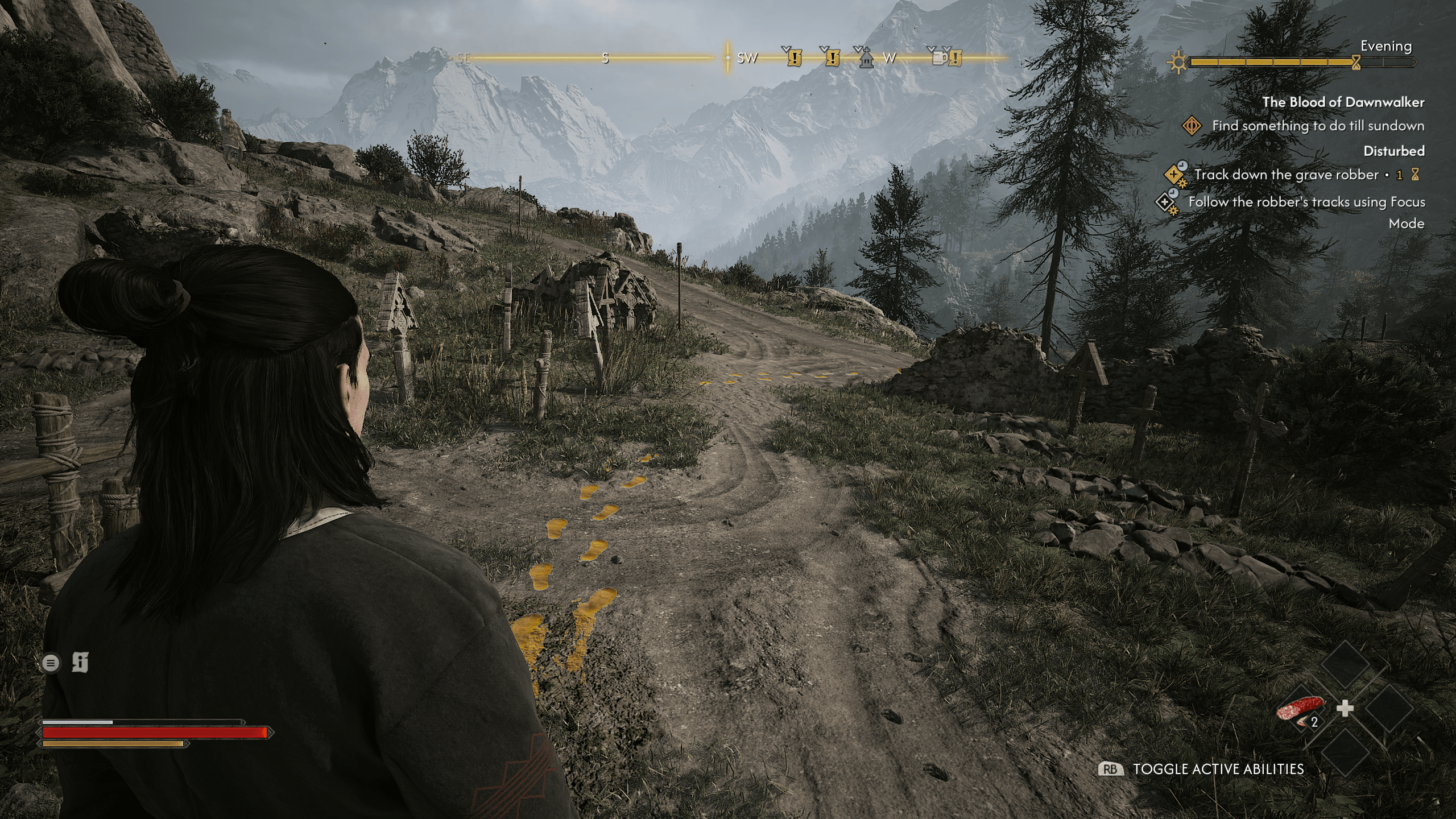
You've probably noticed plenty of similarities to The Witcher 3: Wild Hunt. That's no accident: much of the team is made up of former CD Projekt Red developers, and the game's director held the same role on Geralt's last adventure. So certain elements that defined The Witcher 3: Wild Hunt are present here too, such as focus vision, the conversation system and even the interface for loot and inventory management. But these are only the foundation on which the team has built its own game. Comparisons with The Witcher are ultimately superficial, because Dawnwalker does everything it can to carve out its own identity through its world and systems.
The combat system is just one of the ways it sets itself apart from The Witcher, as it blends elements of that famous game with the system from Kingdom Come: Deliverance. Attacks are directional, and parrying depends not only on pressing the right button but also on picking the direction the attack is coming from. Interesting as it is on paper, the combat will give you headaches, at least at first. Once it clicks, though, it becomes fun and lets you experiment to build your own playstyle. If you want to be a swordsman, you have plenty of talents to choose from on top of your active abilities. And if you'd rather sink your fangs into enemies, there's a separate skill branch dedicated to vampirism, which lets you become a proper monster.
Unlike the branches dedicated to human abilities, the vampirism one can't be levelled up in the usual way, as its progress depends entirely on the protagonist's corruption level. The more blood Coen consumes, whether by sinking his fangs into a victim's jugular or by using blood vials, the further he drifts from his humanity. The system is essential if you want to play as a vampire, but it also comes with a serious risk. At night, if Coen's health drops below a certain threshold, he can no longer control his thirst and will attack whoever he's talking to, with no input from the player. The mechanic therefore feeds directly into the story, because you can end up killing important characters by accident. Fortunately, the developers built the game so that the story can carry on even after their deaths.
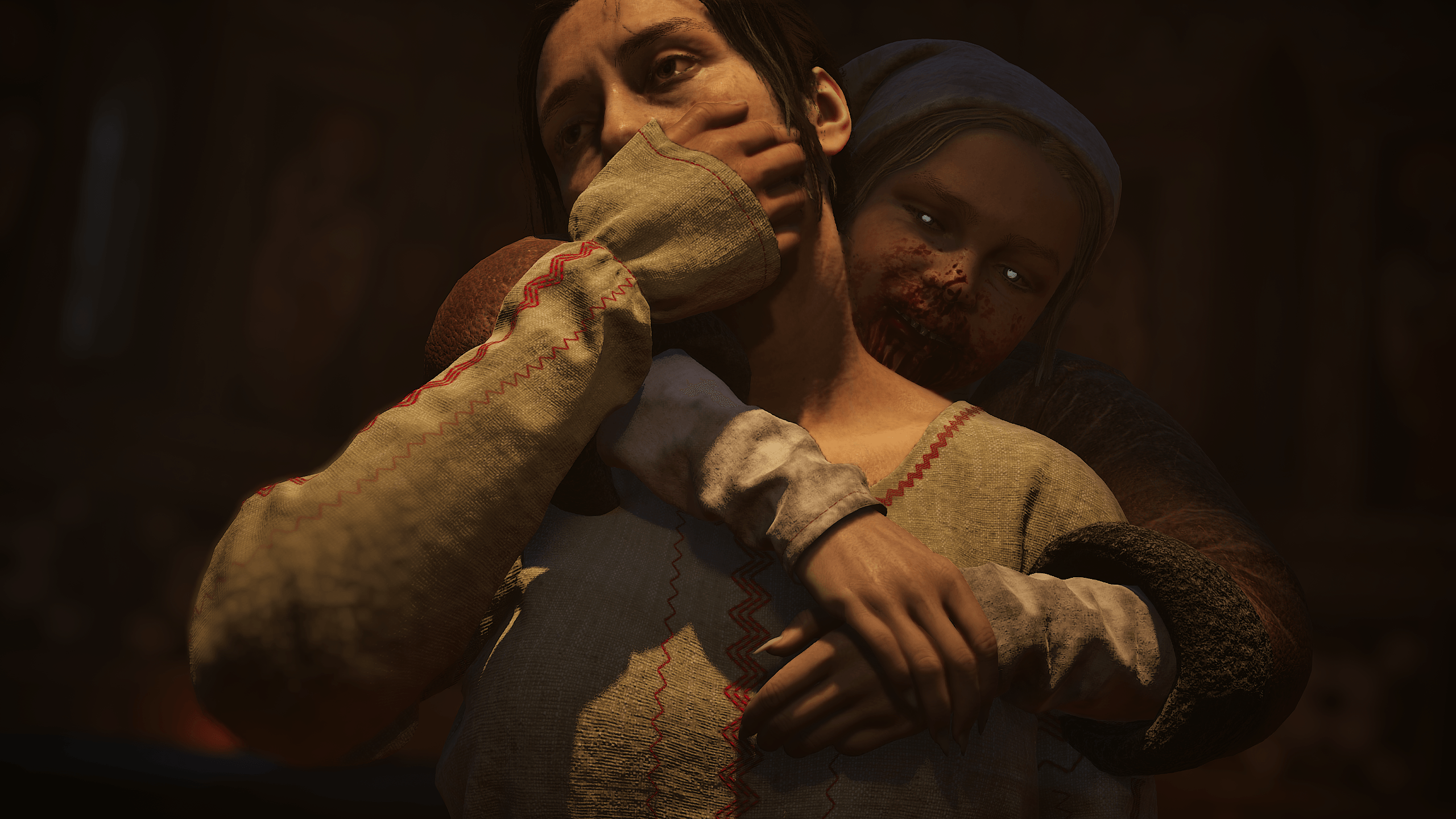
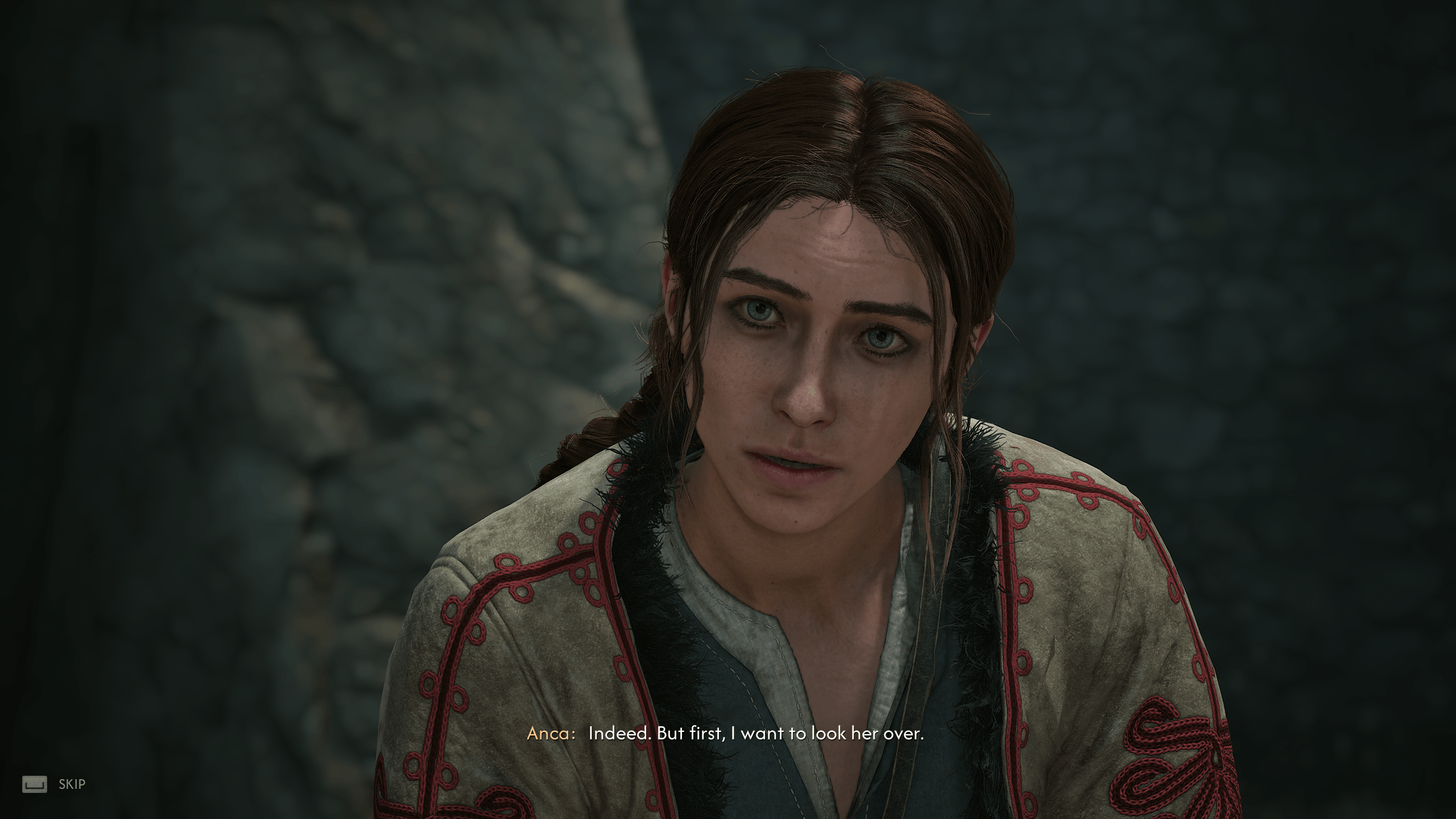
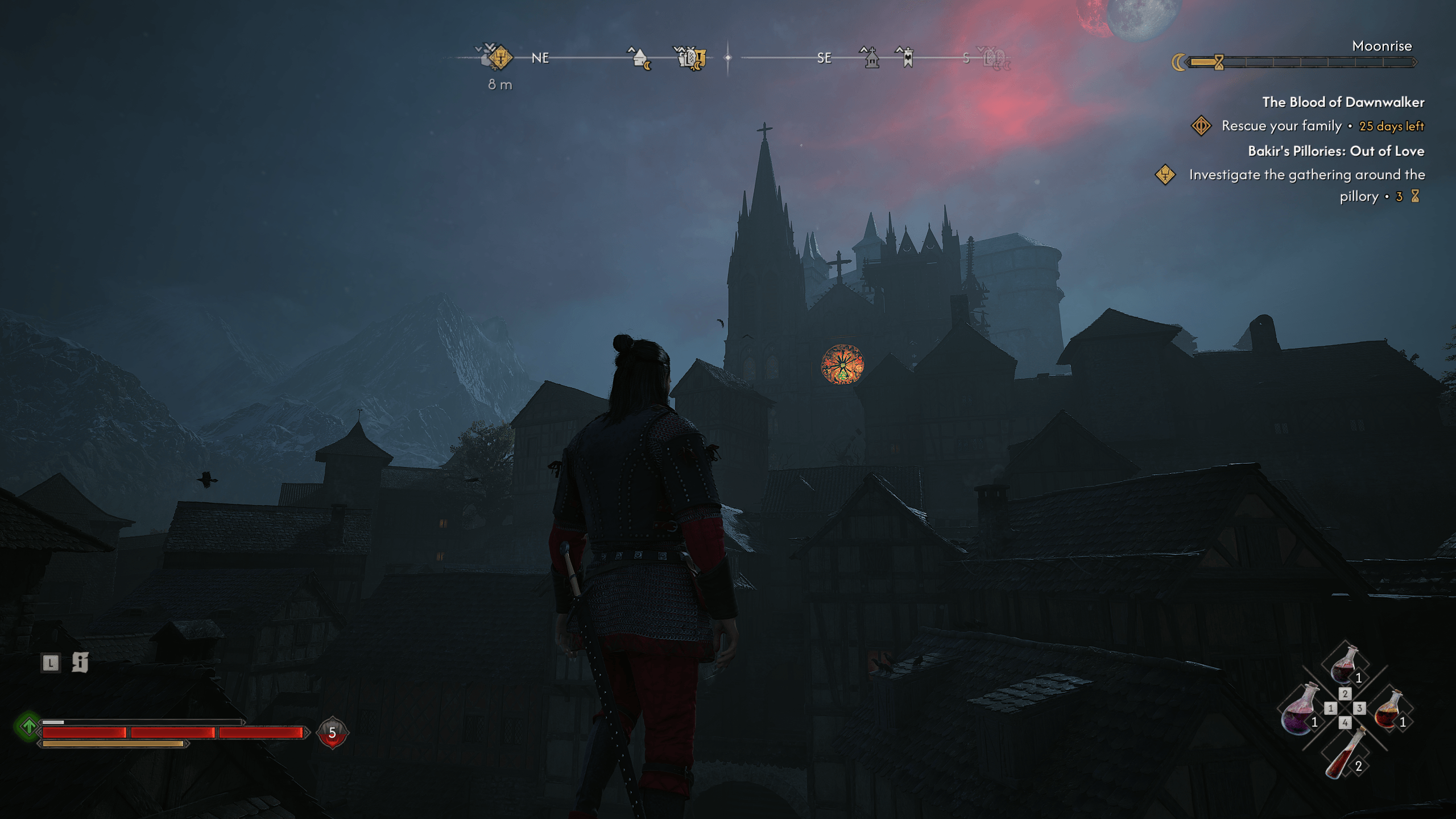
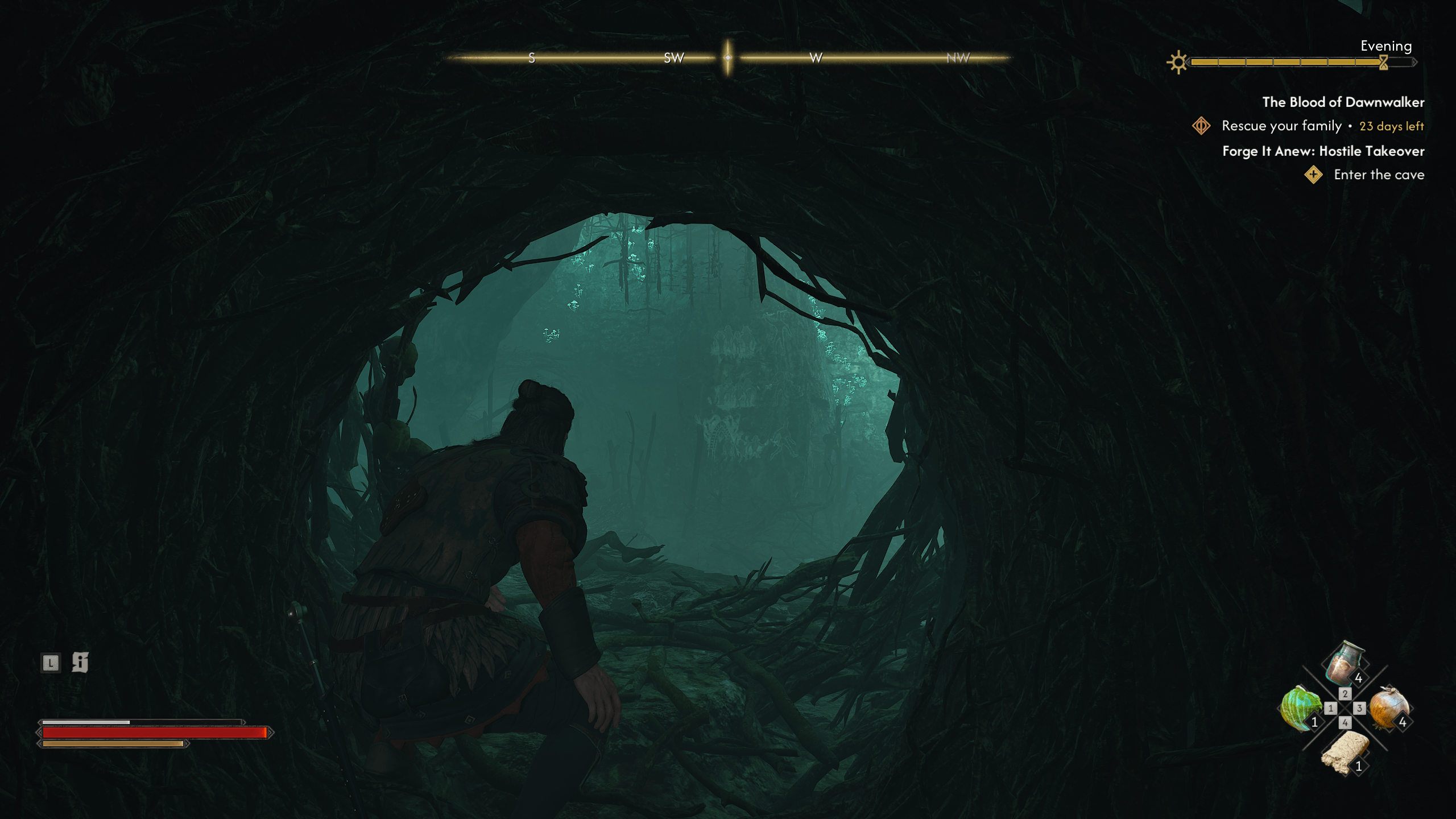
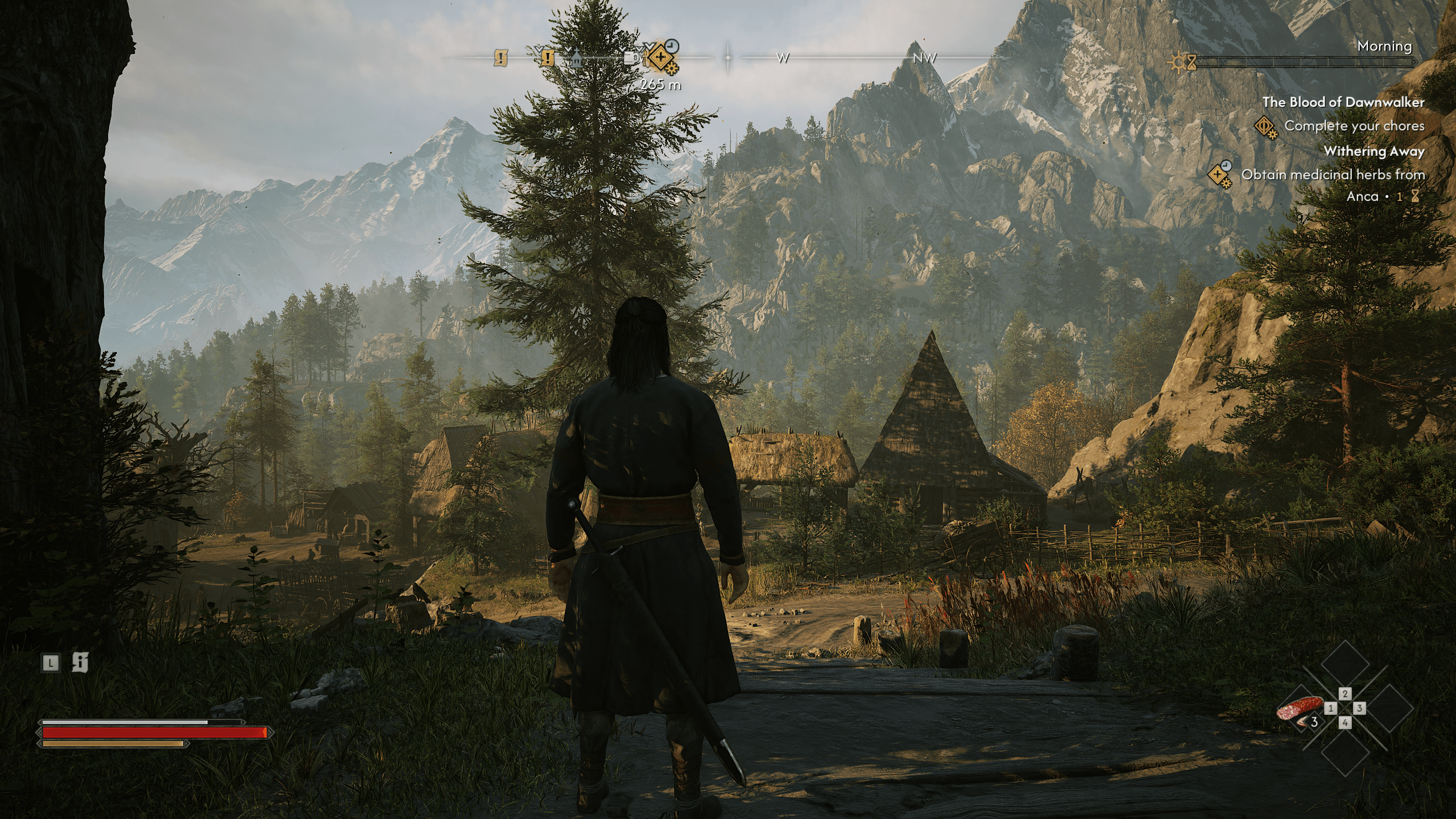
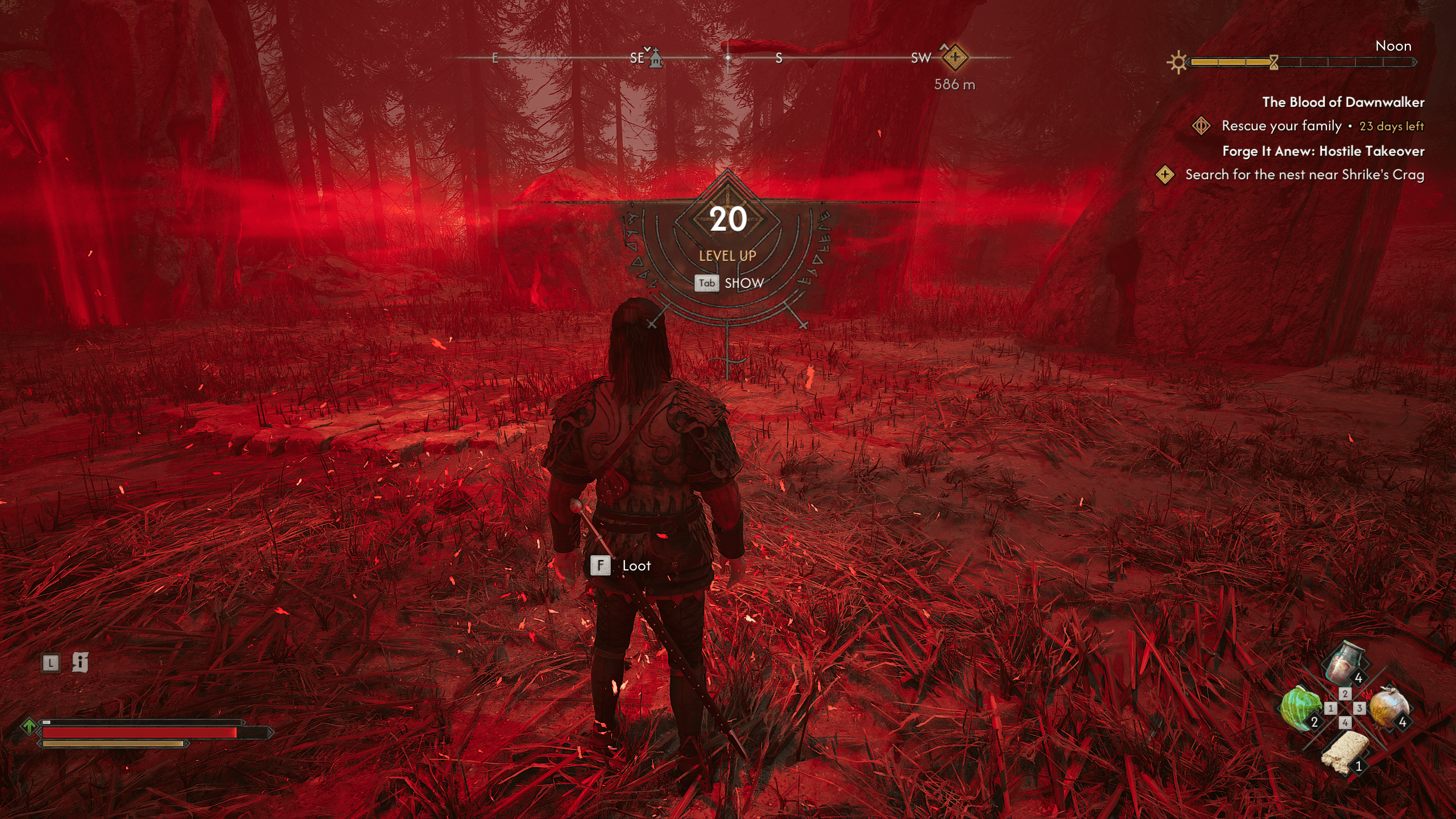
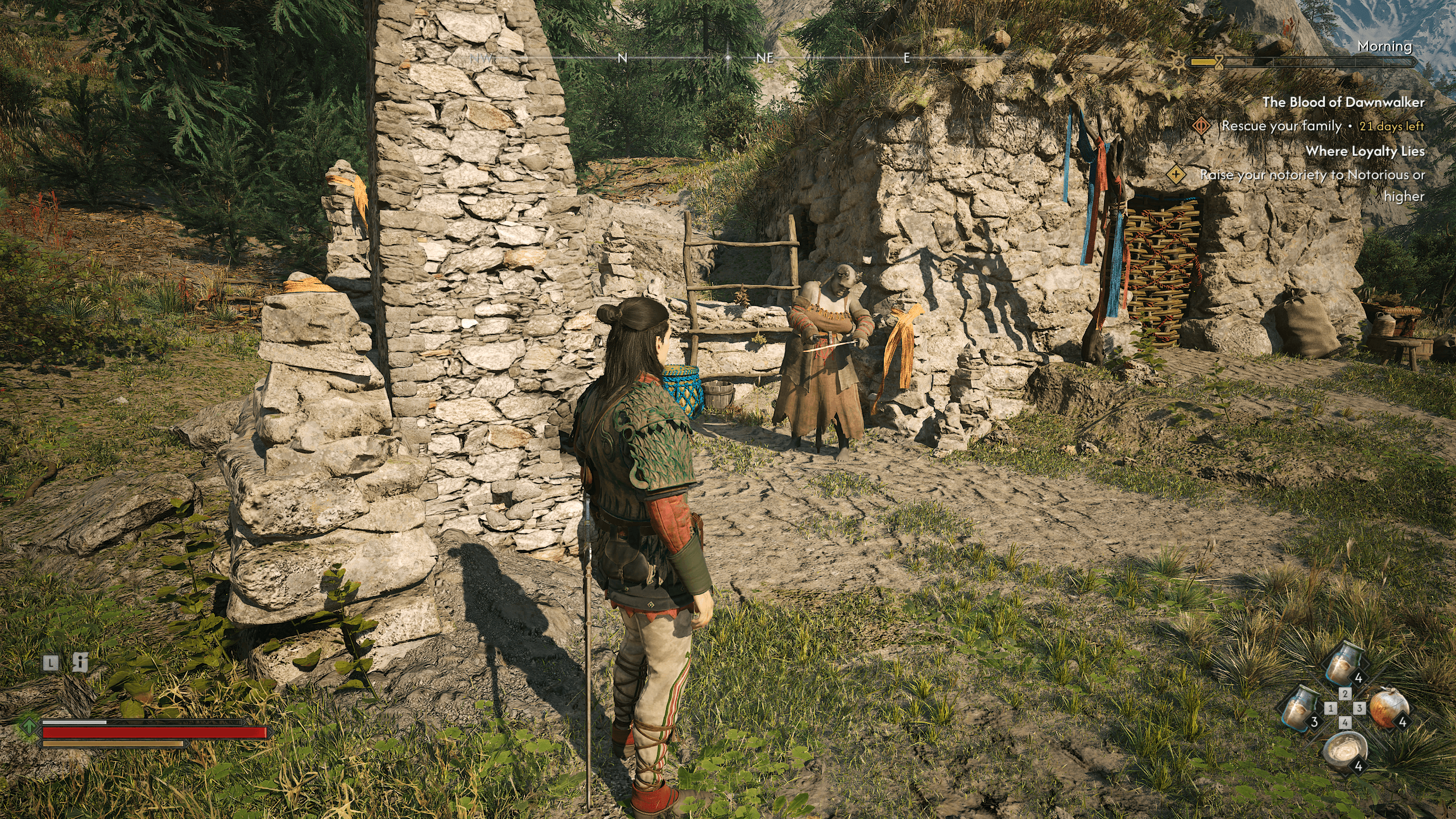
Unfortunately, as an Unreal Engine 5 game, The Blood of Dawnwalker isn't particularly well optimised on consoles, and during my time in the Sangora Valley I ran into a range of technical problems, from pop-in and visual artefacts to sudden frame-rate drops. I haven't yet had the misfortune of hitting a crash on PlayStation 5, but from what Leo and I have discussed, that sort of thing is fairly common on PC.
Audio-wise, the game is a delight. Nikola Kołodziejczyk has composed an extraordinary soundtrack, with contributions from composers who worked on The Witcher 3: Wild Hunt, and the voice cast make the characters believable, even if a few names aren't pronounced correctly. A major oversight on the developer's part was leaving out a Romanian dub, though I'm not sure how many of us would really have wanted to hear Irina Margareta Nistor or Marius Săvescu again. Where it stumbles a little is the visuals: on a PlayStation 5, the game doesn't look as impressive as other Unreal Engine 5 titles, but more like yet another Geralt adventure.
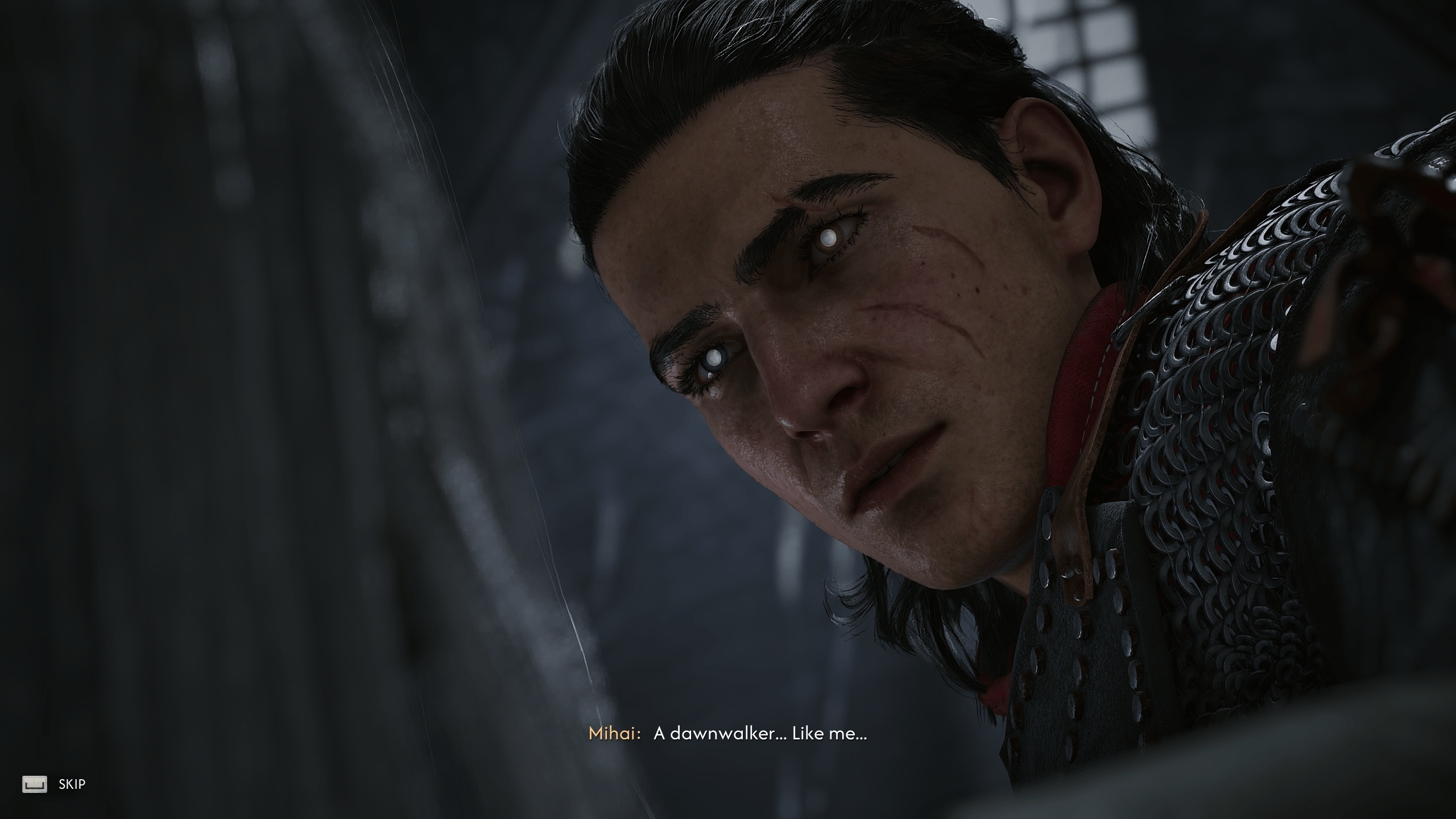
Even though I think it's a shame the game wasn't made in Romania, I'm impressed by the attention to detail and by the incredible, mature story the development team has built. Still, the technical problems, the lack of a Romanian dub and the poorly implemented time system stop it from reaching its full potential.
Even so, Rebel Wolves managed to sell a million copies over launch weekend, and I expect the studio to carry on with Coen's story in the future.
Thanks to Rebel Wolves and Bandai Namco for the review code and the chance to play The Blood of Dawnwalker.

Available on: PlayStation 5, PC, Xbox Series X/S
Played on: Steam, PlayStation 5 and PlayStation 5 Pro
Release date: 03 September 2026
Developer: Rebel Wolves
Publisher: BANDAI NAMCO Entertainment
Plus
- The story
- The attention to detail
- The combat system
- The magic
Minus
- Technical and optimisation problems
- The 30 days
- No Romanian voice-over
0 votes
Scroll down here and stay on the page for at least 30 seconds to vote.
Pick a score from 0 to 10 (halves are allowed).