
CONTROL Resonant – Review

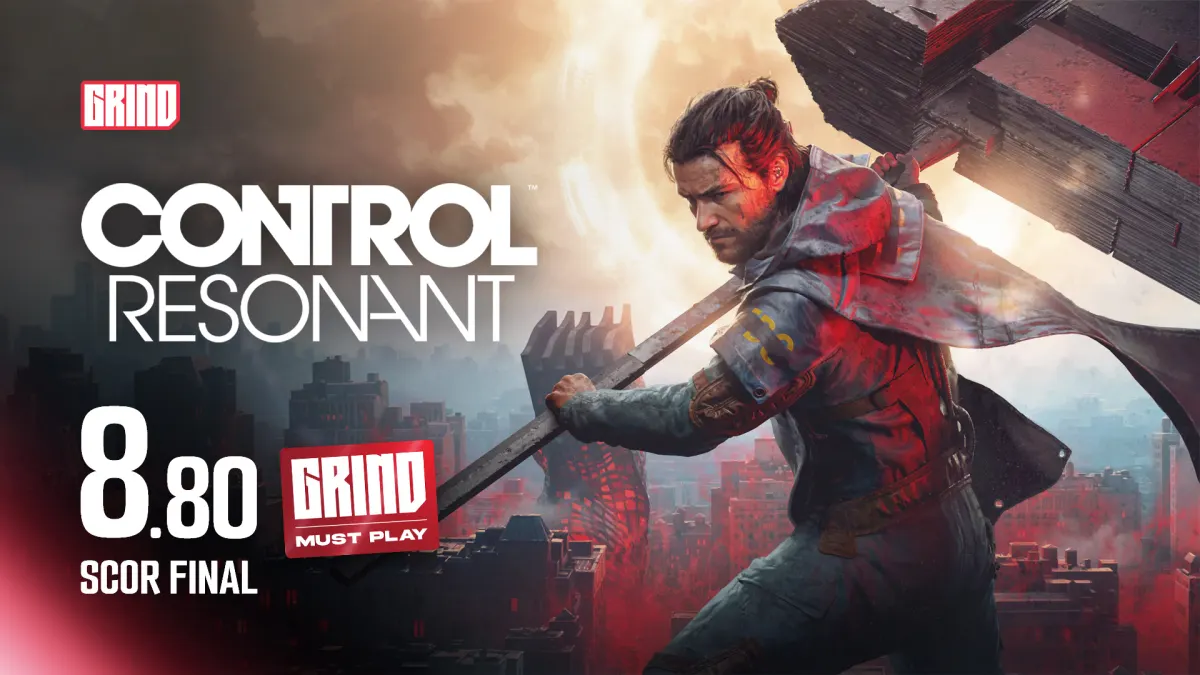
Take CONTROL!
Control is a homage to stories about three-letter agencies handling paranormal bureaucracy. When the series' debut was released in 2019, it stuck in my mind for its emphasis on liminal spaces, a distinct art direction and a combat system that was interesting in concept but repetitive in execution. That didn't stop it becoming one of my favourite games, outdoing almost everything else in Remedy's catalogue. The minor imperfections vanished into the darkness as I was gripped by the urge to explore the impossible spaces in the basements of the Federal Bureau of Control.
In the first game, you navigated those Escherian labyrinths from behind Jesse Faden's shoulders. On her first day at work, she took over as Director of the FBC and ran in heels through the institution's halls in search of her lost brother. Against the backdrop of an invasion by a hostile entity called the Hiss, she uncovered a family story at whose core the fate of all humanity was being decided. The brutalist architecture, the wealth of detail and that office-life atmosphere interrupted by close encounters of the third kind sat perfectly with the sprawling cast and the occasional metaphysical question. Jesse's relationships with well-meaning colleagues like Arish, Langston or Pope contrasted with Dr. Darling's clinical outlook, or the intermittent communication barrier between Jesse and The Board.
In essence, that was the self-contained foundation from which Control Resonant sprang. The perspective, the scale of the action and the genre all change, but the atmosphere, the rules of the world and the visual language stay the same. After freeing your brother, Dylan, at the end of the debut adventure, here you take, erm, control of him and set off in search of your lost sister.
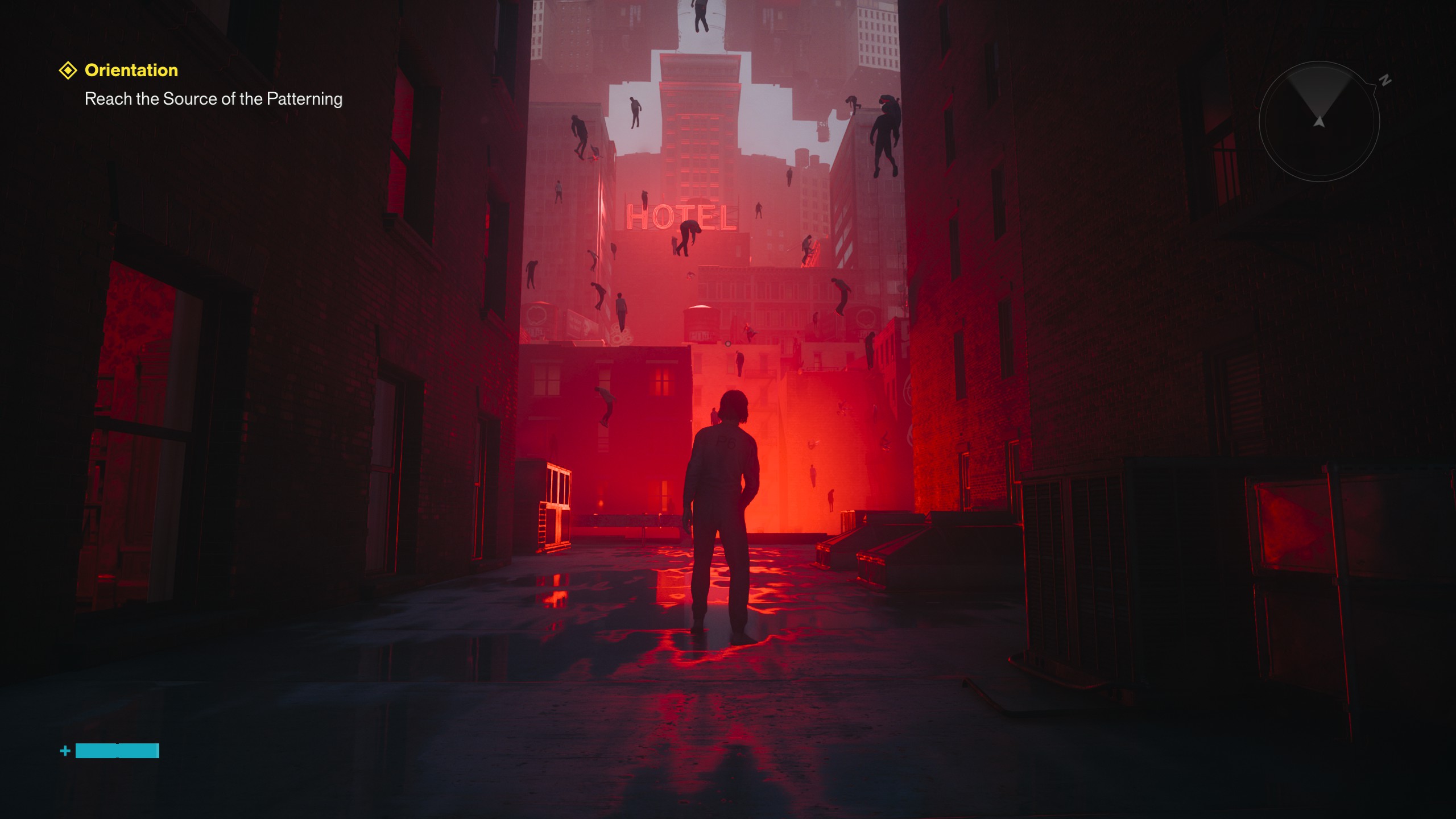
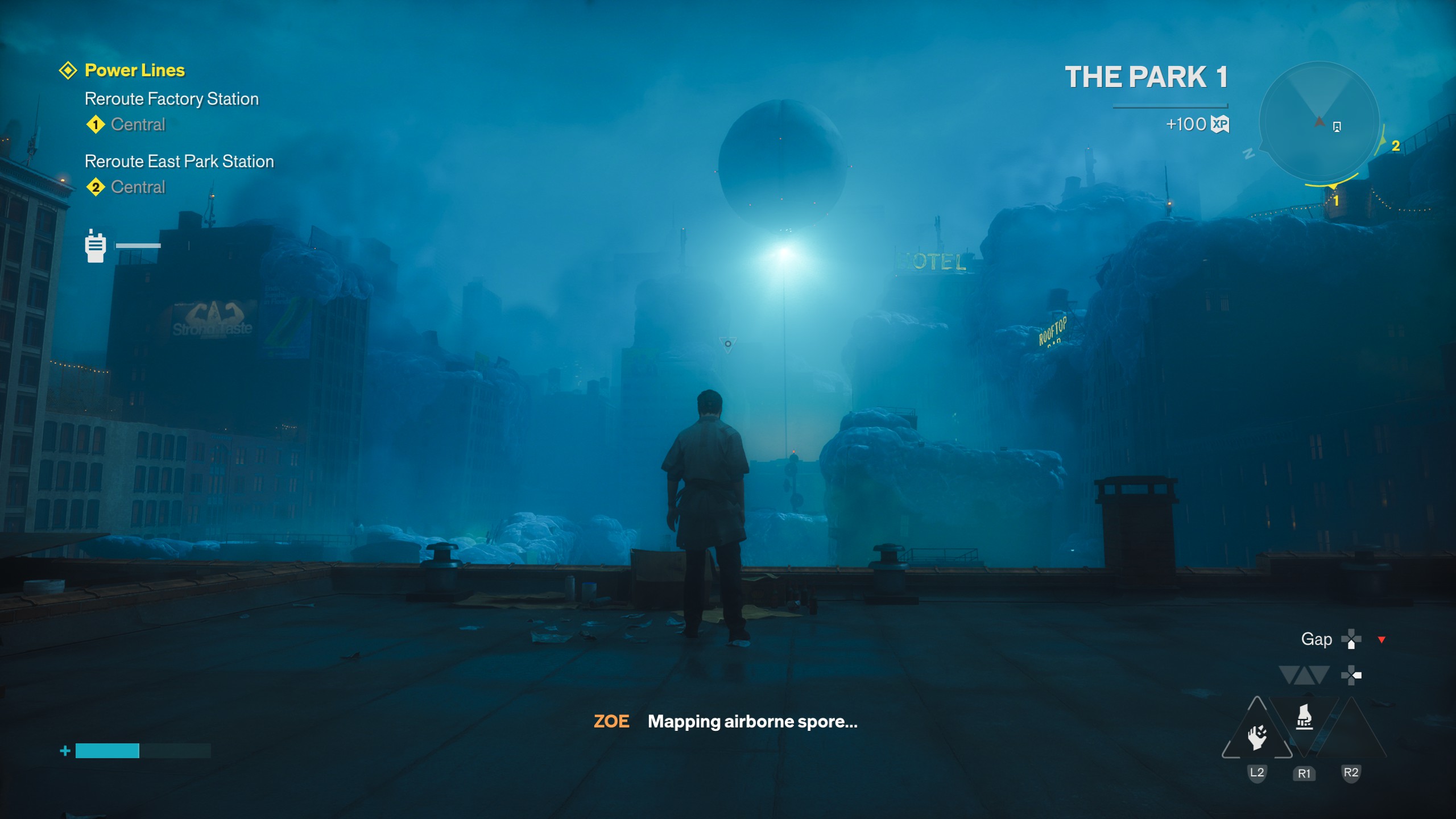
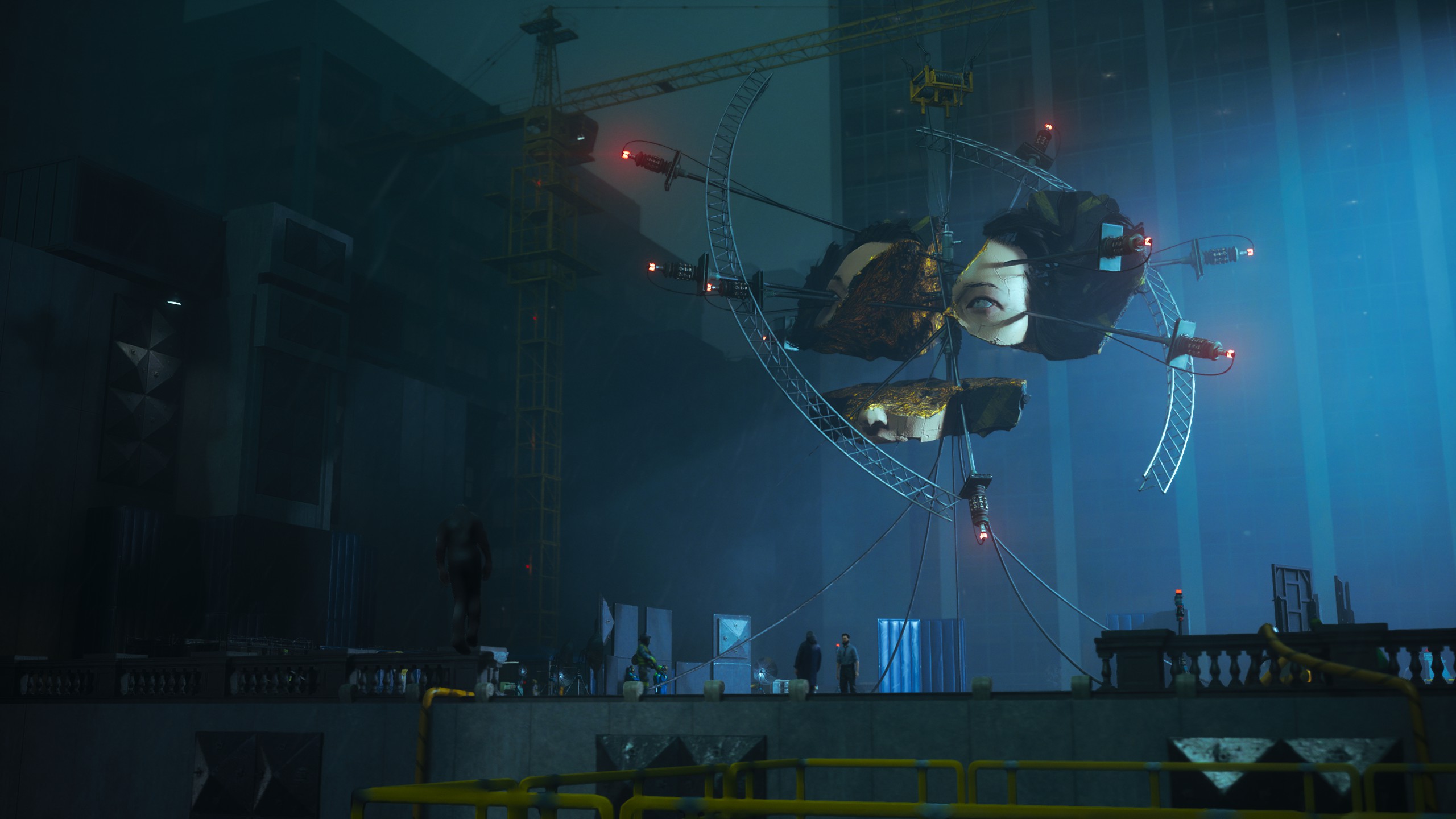
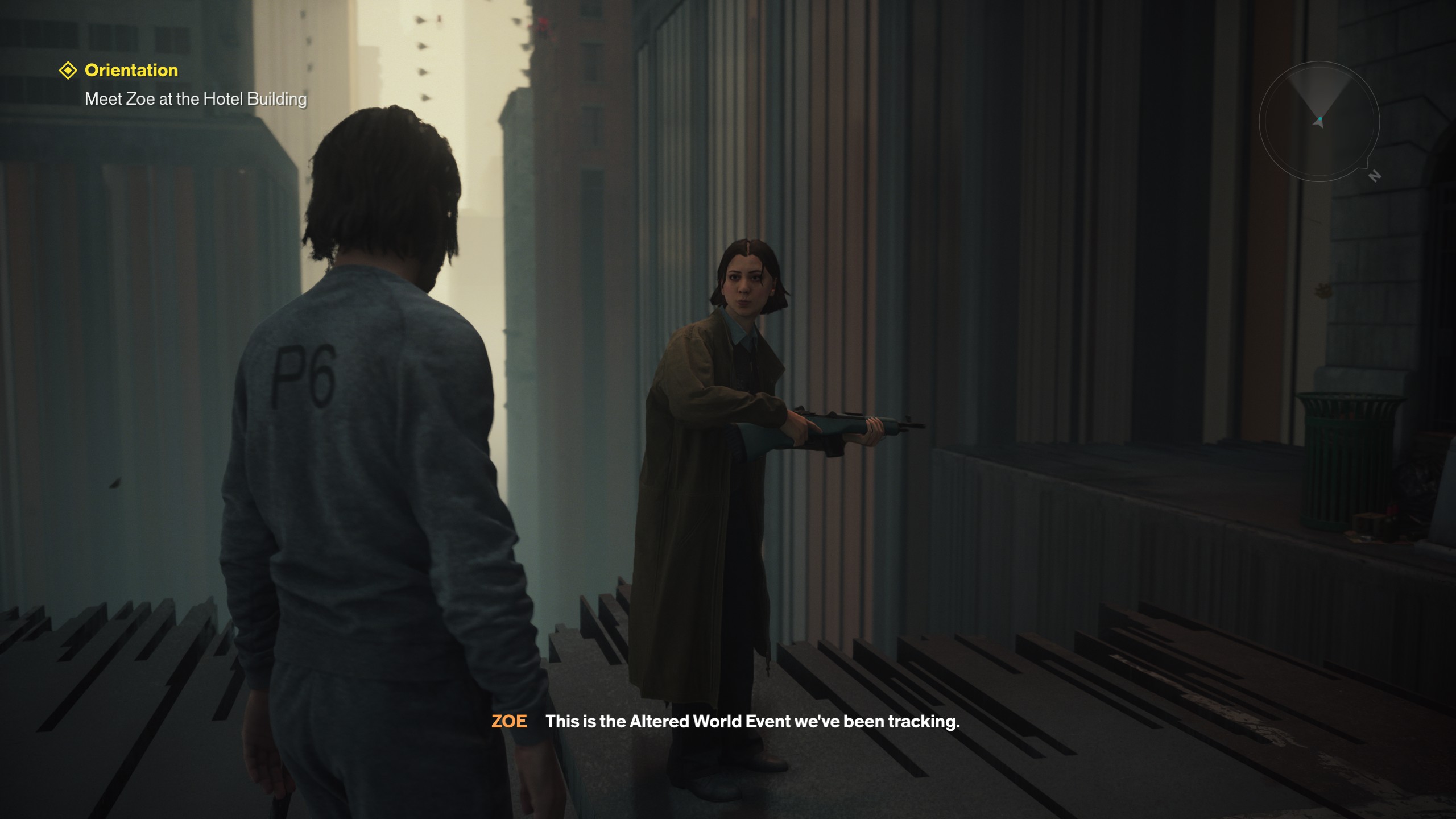
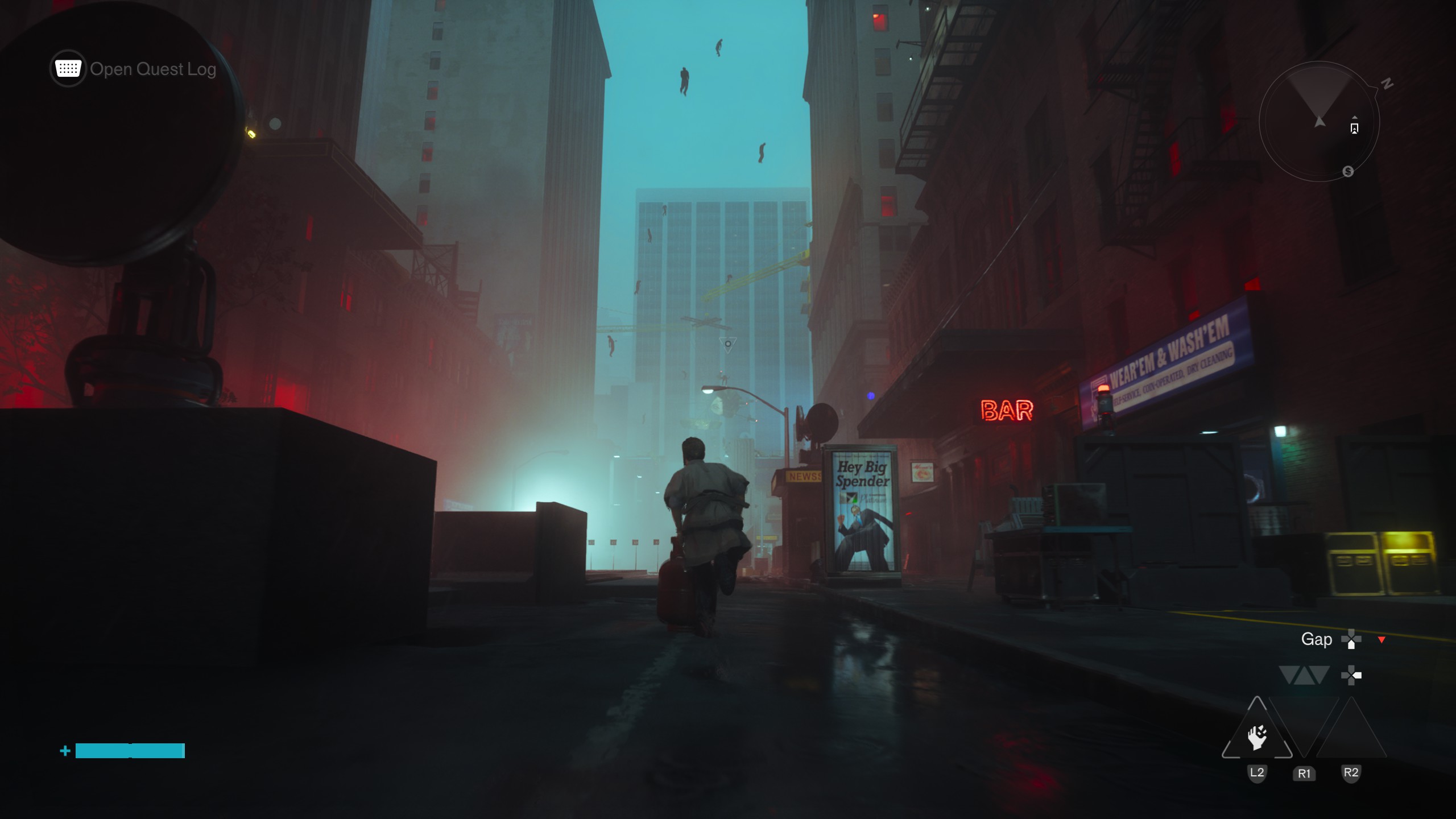
This time the dark catacombs are swapped for a Hiss-infested New York, joined by an entirely new paranormal phenomenon, the Patterning, which has turned Manhattan into the kind of non-Euclidean mess you'd see in Inception. The first few scenes of Control Resonant hit you on two fronts: the visual splendour, and the narrative implications. Bodies frozen in time above the skyscrapers would be one thing, but the sky is full of chunks of the city that have lost their bearings and their appetite for gravity. The world as we know it is adrift in the cosmos, slowly rotating among the shards of normality.
From here, the first game's emblematic traits (the set pieces like surrealist paintings, the fully committed internal logic, the world packed with small oddities) surface within the first few hours, but the open world lets you discover them in whatever order you like. Although you'll invariably have to complete the main missions and beat the bosses in each area to advance, every district is stuffed with side missions, resources, challenges and activities that help you grow.
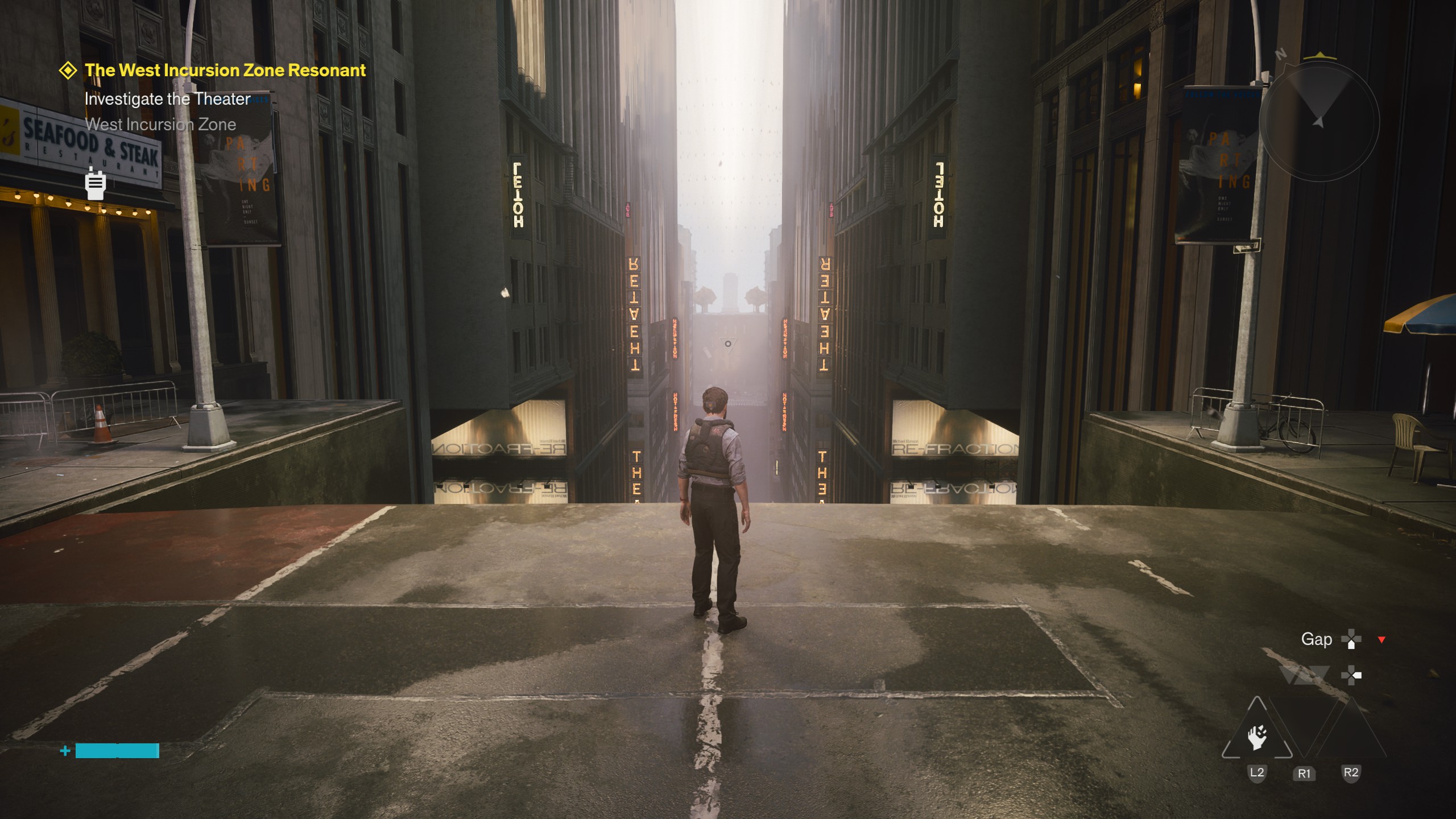
Instead of a traditional experience-based progression system, each area here has its own reputation level. Completing objectives unlocks perks in that area and talent points you can spend on various passives. Enemies drop materials you invest in upgrades and equippable talismans, and all your character prep happens in a parallel dimension called The Gap, identical in concept to the Mind Palace in Alan Wake 2. As long as you're not in combat, you can close your eyes at any time and wake up there, among a handful of stone consoles you use to customise Dylan.
Mirror Monomyth
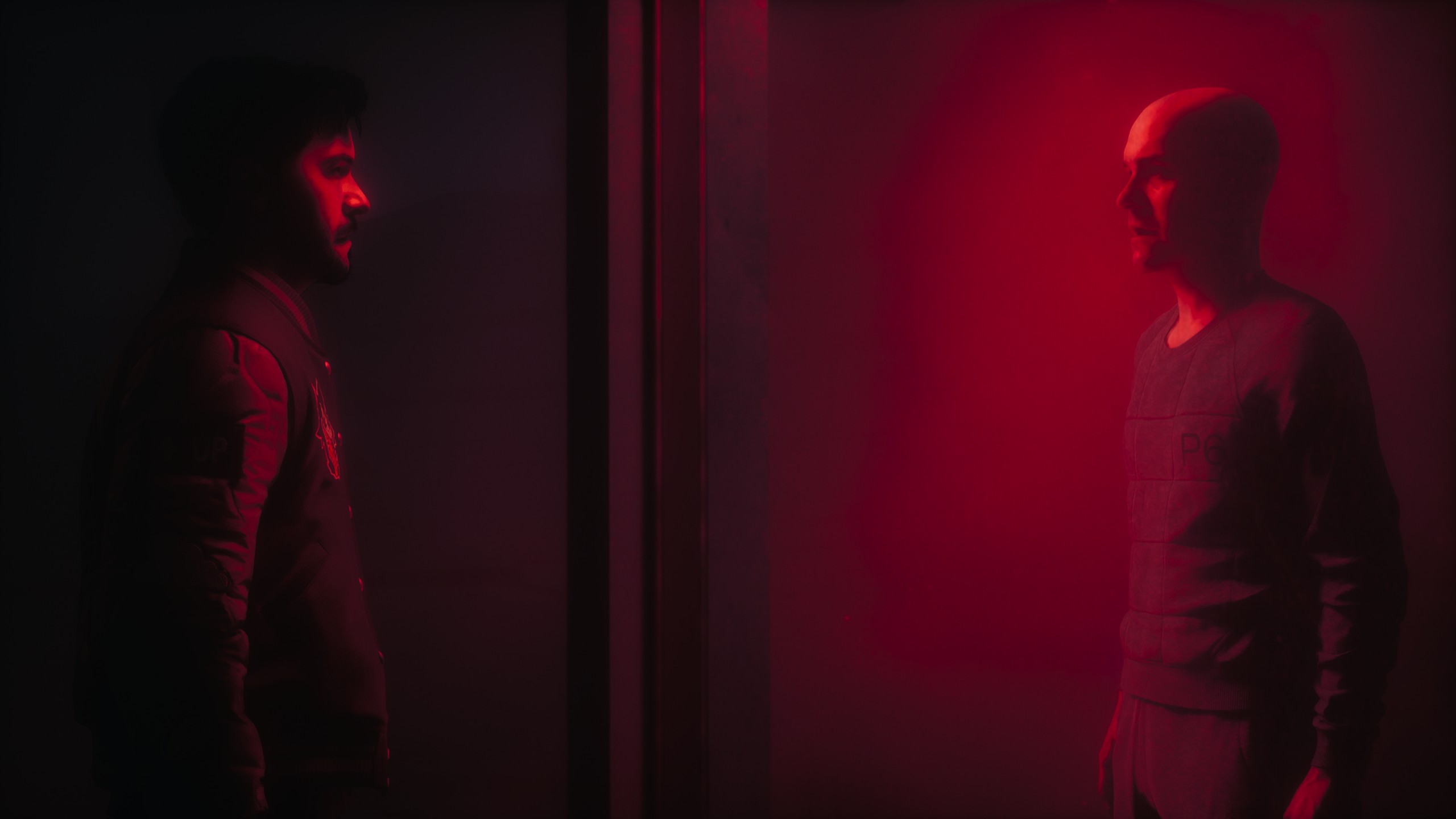
I'll confess that in the first few hours I wasn't entirely sold on the hero. In contrast to Jesse, Dylan is a far more introverted and laconic soul, and the chances to get to know and understand him only begin to appear from the middle of the story onwards. At first, you're kept on a leash by the FBC through an agent, Zoe de Vera, who, quite understandably, isn't your biggest fan.
In context, though, an unwilling hero woken from seven years in a coma with a bomb strapped to his neck and a record stained by hundreds of victims can only be traumatised and withdrawn. As the story progresses and you confront the past (in the kind of creative experiments Remedy has ambushed us with before), the protagonist gains confidence and self-acceptance, and the scenes we witness make the whole transformation feel organic and believable.
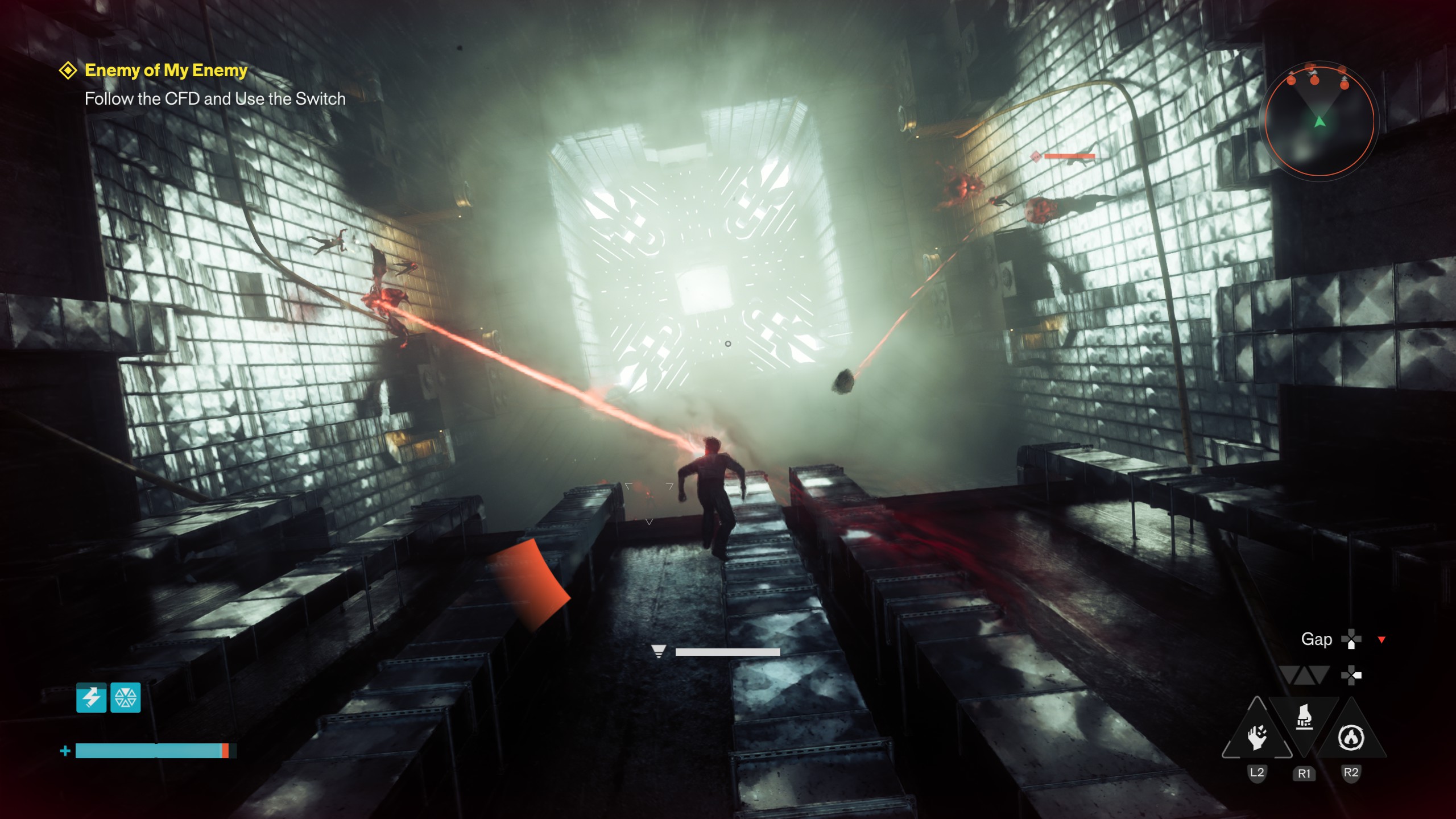
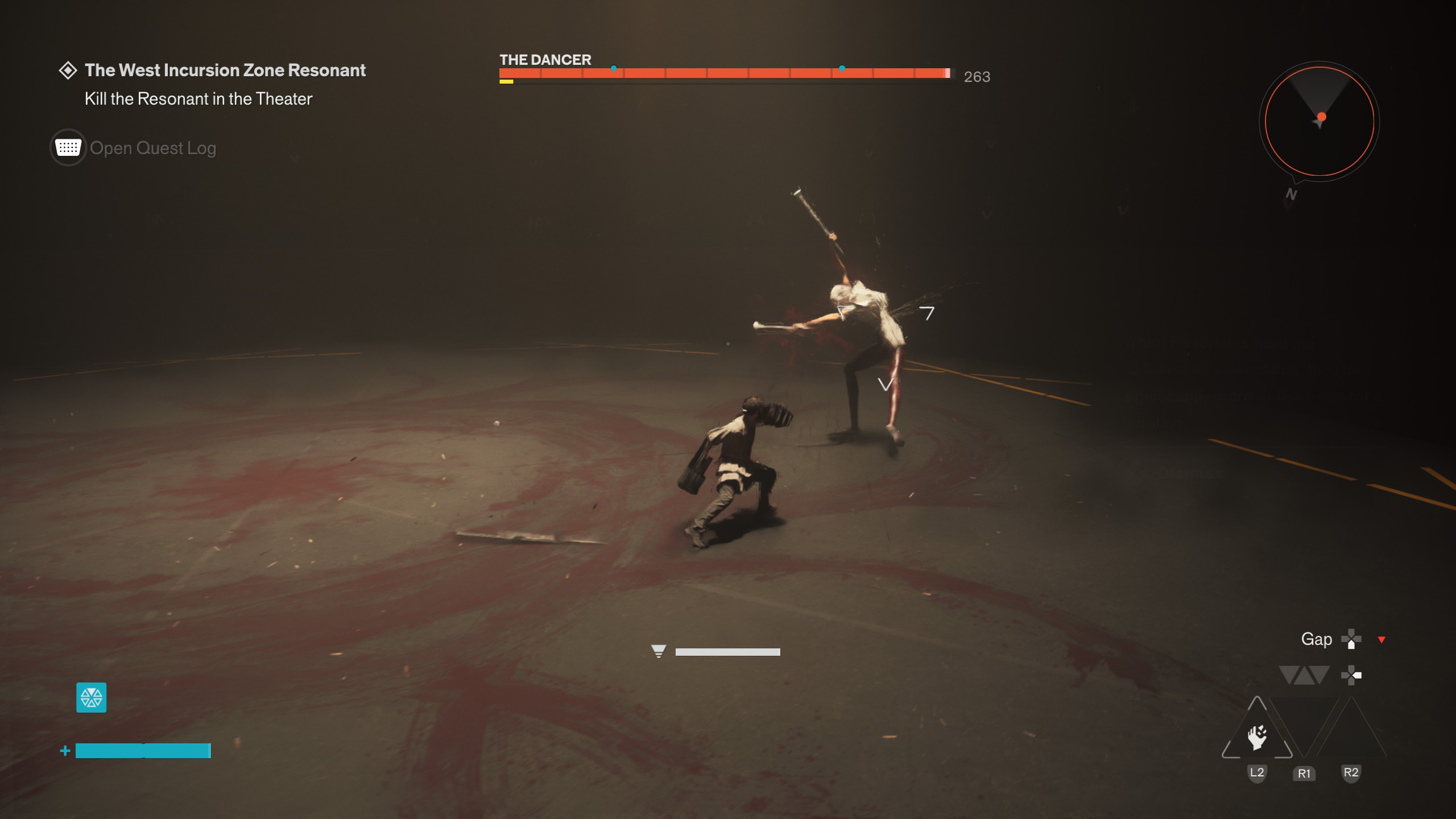
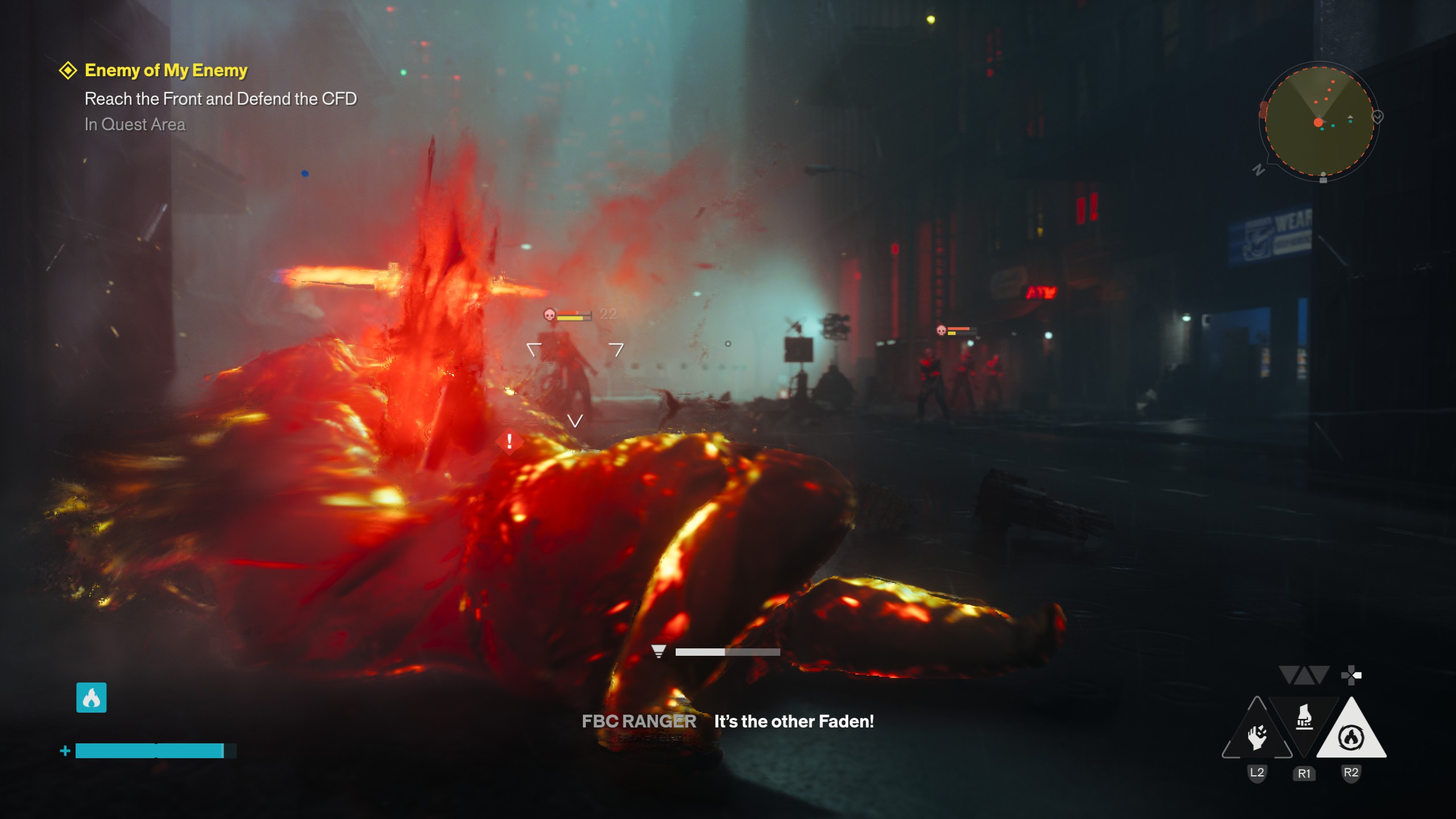
To save New York from the transdimensional invasions that have turned it inside out, you're armed with a chunk of iron seemingly torn from the foundations of reality (the Aberrant), a modular weapon that makes Excalibur look like a butter knife. You can combine different attacks for each of the two main buttons, and how you chain them together is entirely up to you. Whether you'd rather grab enemies by the collar and stab them in rapid bursts, or command armies of monsters and attack with a spear from several metres away, you'll find little synergies that blossom into devastating chains of causality.
The level of build customisation is refreshing, and every secondary effect has situational use against the three major enemy types you'll meet. There are hardly any wrong answers (and you get tokens fairly often that let you reset your build), and whichever path you pick, the game's final act is a joke in the face of the combos worth tens of thousands of damage points that you invariably end up pouring over your enemies.
Unfortunately, enemies only get tougher towards the end without picking up any new abilities, and they're probably the most monotonous part of a game that otherwise leaves you open-mouthed several times an hour. By then you've got a few thousand dodges of practice behind you and nothing can touch you any more, while the finale simply lumps together the enemy types you've met in all the previous areas.
Excuse me, where's the exit?
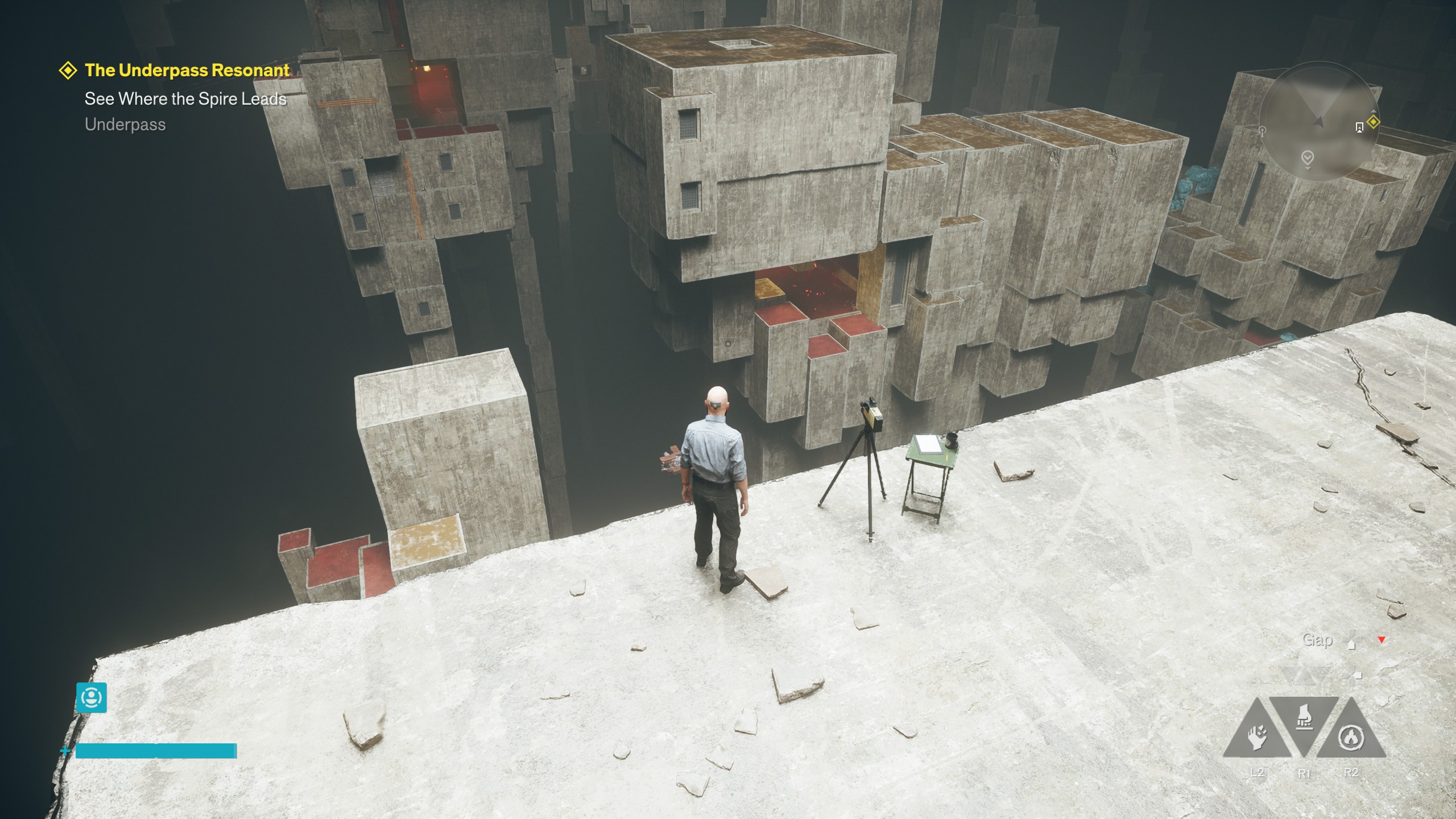
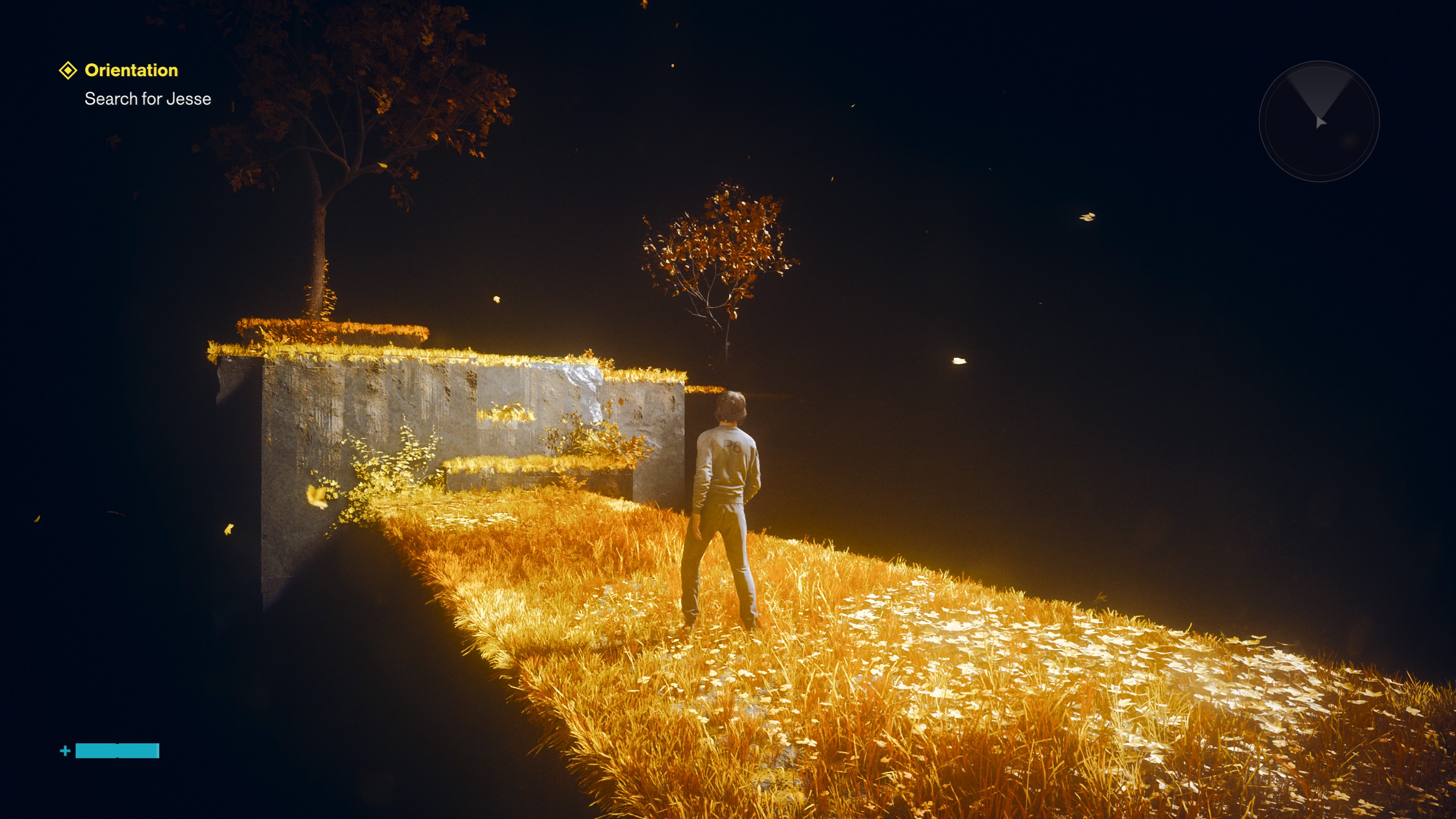
A big part of the franchise's signature is its labyrinthine level design, with rooms that appear out of nowhere, mise en abymes that leave you speechless and falls that seem never-ending. What's more, Control Resonant guides your eye and makes navigating these spaces extremely intuitive and easy, even when it flips the orientation of planes or forces you down roundabout routes to reach your objectives.
After each mission that sends you off in search of Jesse, you pick up a new ability that makes traversal faster and more comfortable. Whether it's levitation, air dashes, gravity shifts or leaps towards little anomalies clinging to the world, the tools you're given are perfectly tailored for reaching the most obscure nooks and crannies of the map.
The streets are also crammed with blocks and shops you can walk into to find secrets and resources or solve puzzles. The puzzles are fairly simple and often folded into some larger activity you're already doing, but the notes lying around generally give you every clue you need to crack them.
Then, since this is an open-world game, there are all sorts of recurring activities (World Feats) that pop up in every area and let you farm the components needed for any upgrade or alternative attack. Arcades contain a combat or parkour challenge and unlock cosmetic items, while a few musical moments, a sidequest in which a karaoke party turns into a prison for the participants, and needle drops after every boss fight, usually layered over a psychedelic traversal sequence, are exactly the sort of classic experiences you'd expect from the Finnish developers.
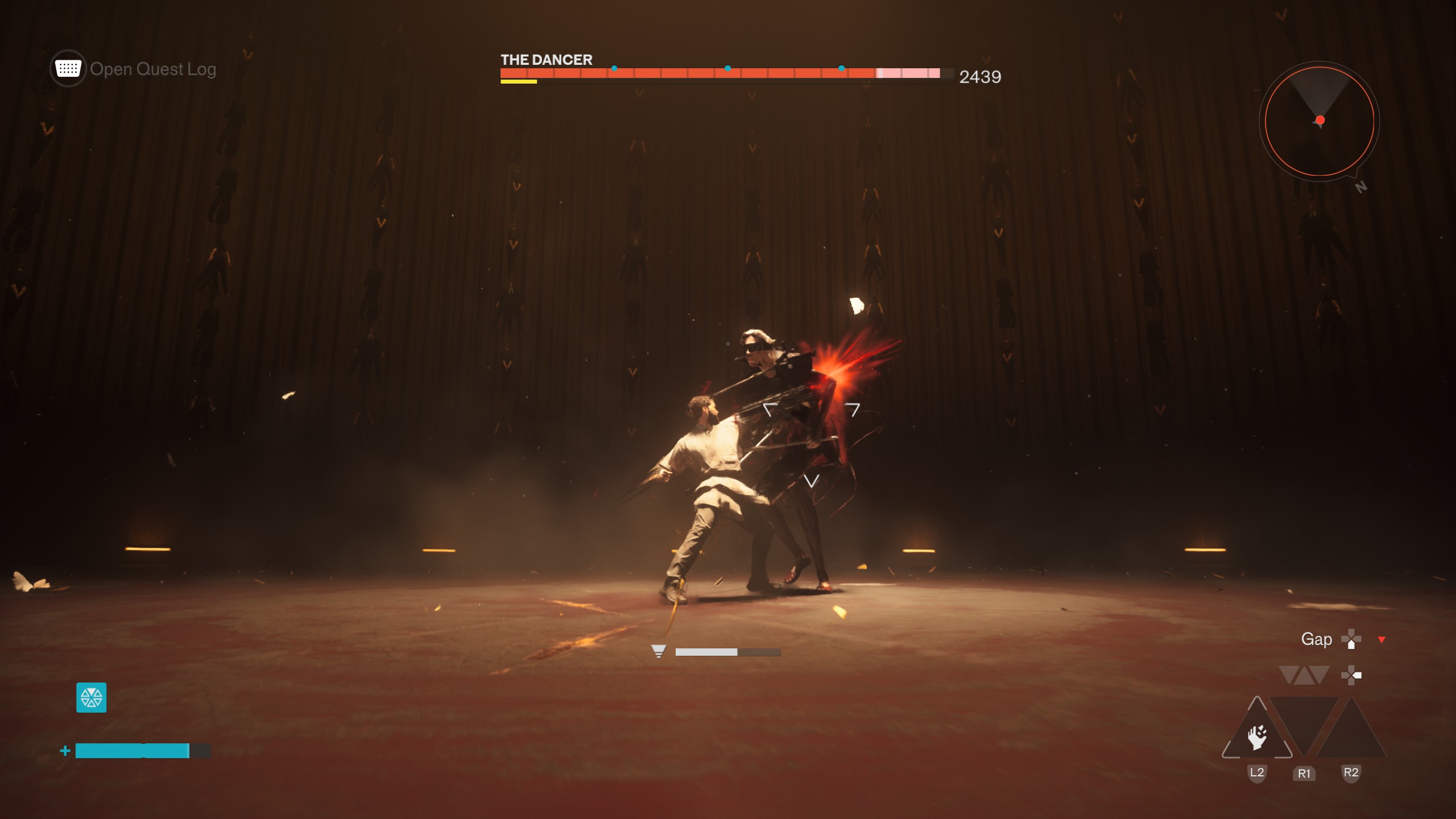
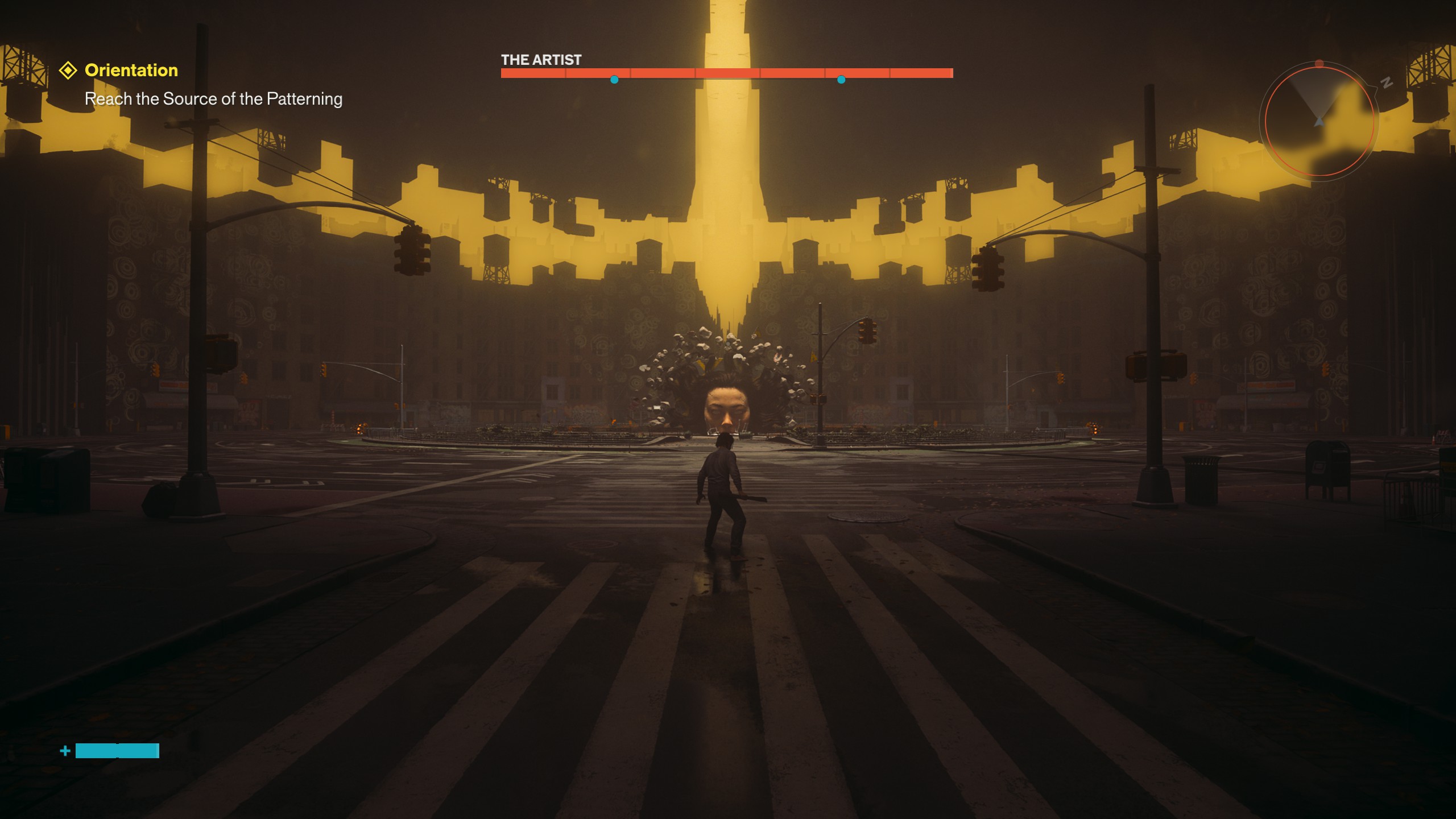
The bosses, known as Resonants, look very interesting at first, though their ability rotations are simplistic and mostly serve as a prompt to adjust your own rotation and combos with the odd dodge. Artistically speaking, the first few bosses are also the most interesting. Truth be told, the final boss is probably the most impersonal and abstract of the lot, because at that point the focus shifts from fighting the outside world to the conflicts inside Dylan's head.
Falling into Infinity
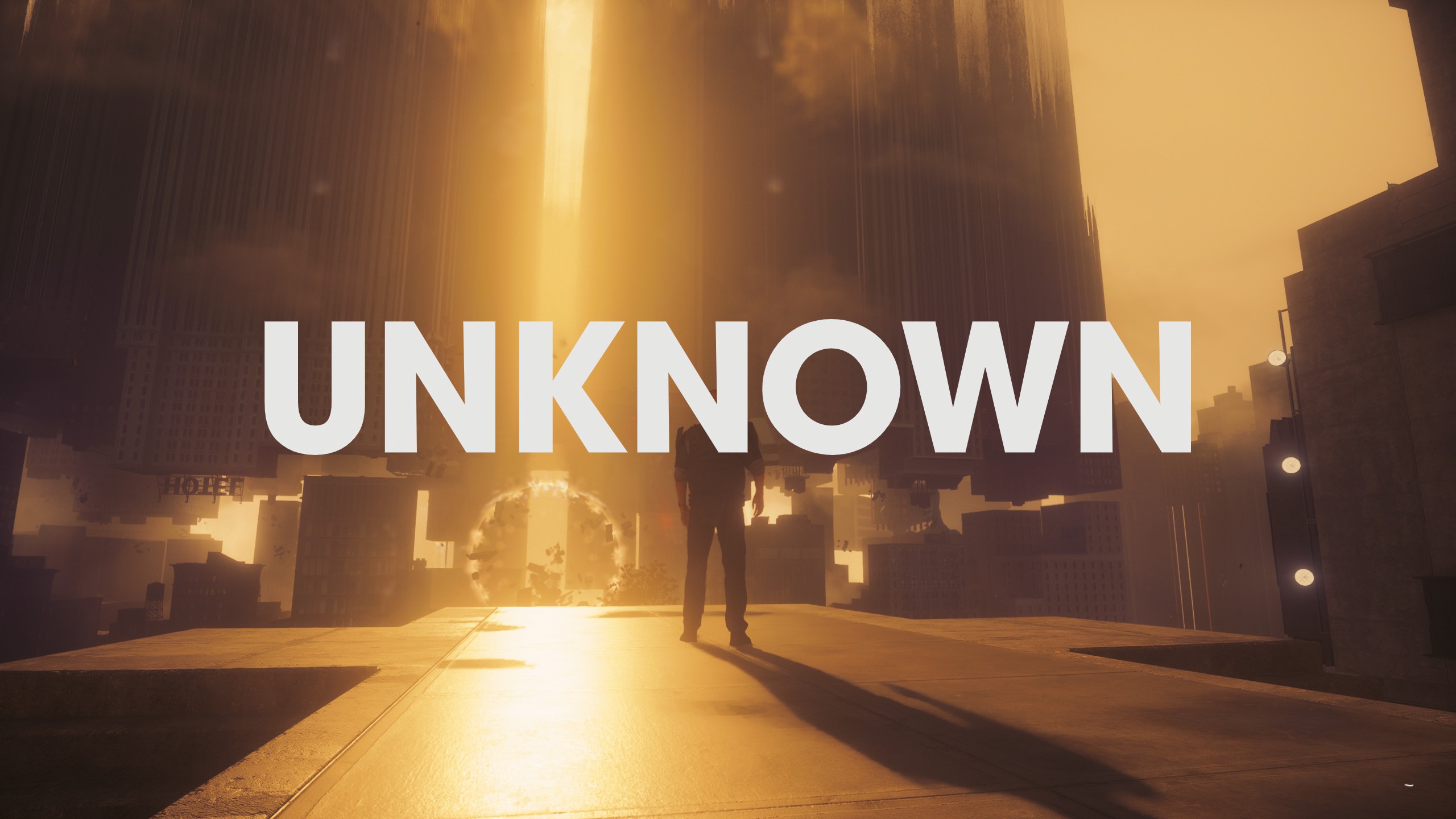
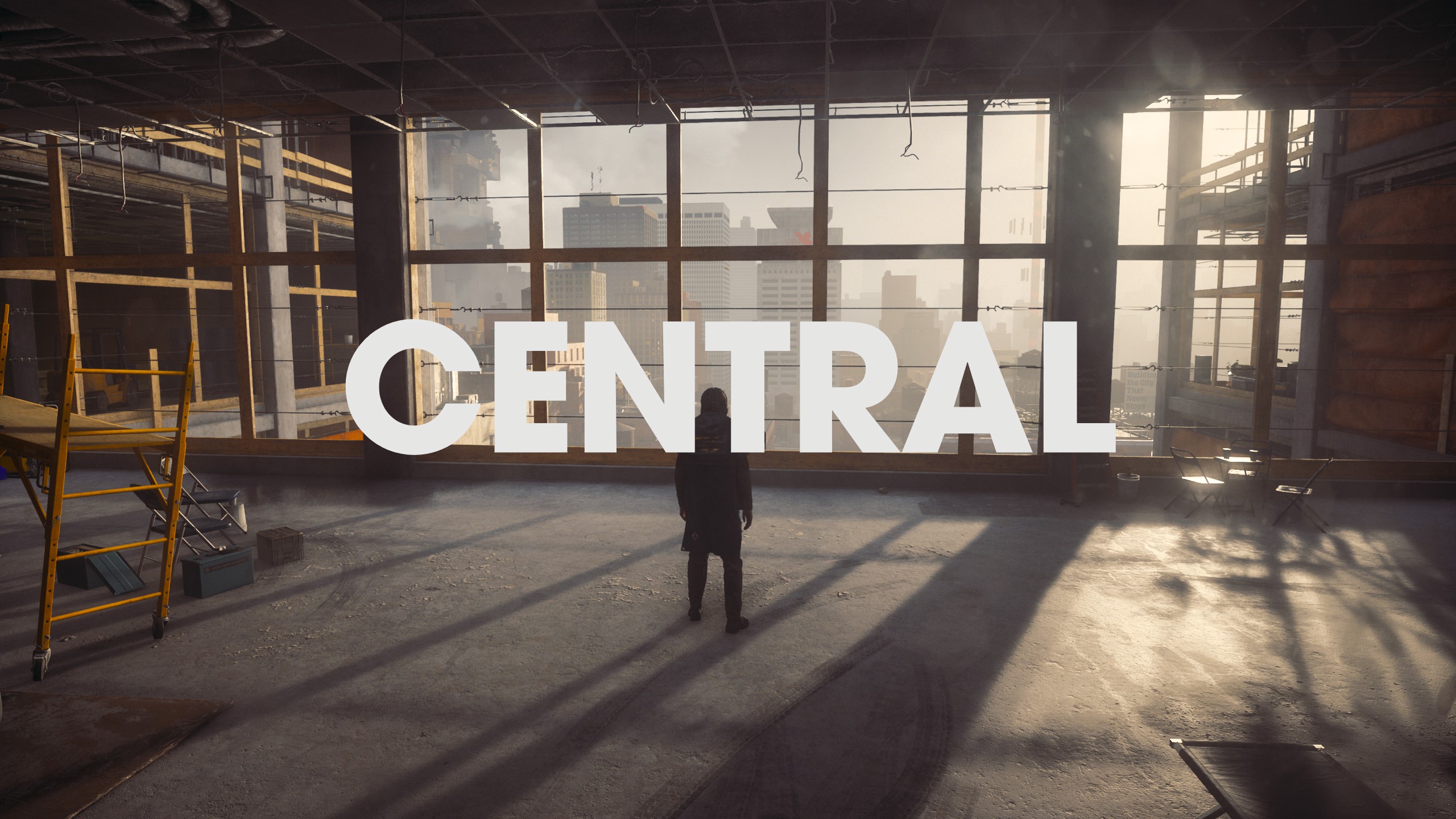
As I said at the start of the review, the art direction builds on the foundations laid by the first game. Here too, new areas are introduced in the same washed-out white, set in Avant Garde Gothic, a typeface that captures everything about the game's world: a precise, geometric sans-serif that reflects the 1970s aesthetic the FBC seems to be emulating. At the same time, it sits perfectly alongside the brutalist labyrinths of The Oldest House. Every area's title card uses this font, and the efficiency of the visual impact reminded me, every single time, just how carefully built the franchise's production values and identity are.
I do have a few gripes. The main one is the facial animation, which struck me as weaker than in other Remedy games, and the other is that the last few hours felt short on challenge as far as combat goes. You simply become disproportionately stronger than anything thrown at you, and I'd have liked a difficulty curve that reflected the incremental power you gain with absolutely every upgrade.
The combat system itself is fluid, simple and versatile, modular and rich enough that you can build up cumulative bonuses that are very satisfying to watch in action. At the same time, over a runtime of more than two dozen hours, hitting a plateau is inevitable, and the environment doesn't keep pace with you.
Set those things aside, though, and CONTROL Resonant gave me 25 hours of trippy, bizarre adventure and fluid platforming through level design that is full of intent, complex yet accessible. As with the previous game, I feel the minor imperfections don't dent its excellence, and they are in any case eclipsed by the many things it does well.
Thanks to Remedy Entertainment for the review code and the chance to play CONTROL Resonant.

Available on: PlayStation 5, Xbox Series X/S, PC
Played on: PC
Release date: 24 September 2026
Developer: Remedy Entertainment
Publisher: Remedy Entertainment
Plus
- Captivating story and world-building
- Exemplary art direction
- Intuitive, creative level design
- Versatile, modular combat system
Minus
- Difficulty tops out towards the end, and the final boss fight disappoints
- Facial animations fall below the quality of everything else
- Minor pacing problems in the final narrative act
0 votes
Scroll down here and stay on the page for at least 30 seconds to vote.
Pick a score from 0 to 10 (halves are allowed).