
Hades II – Review

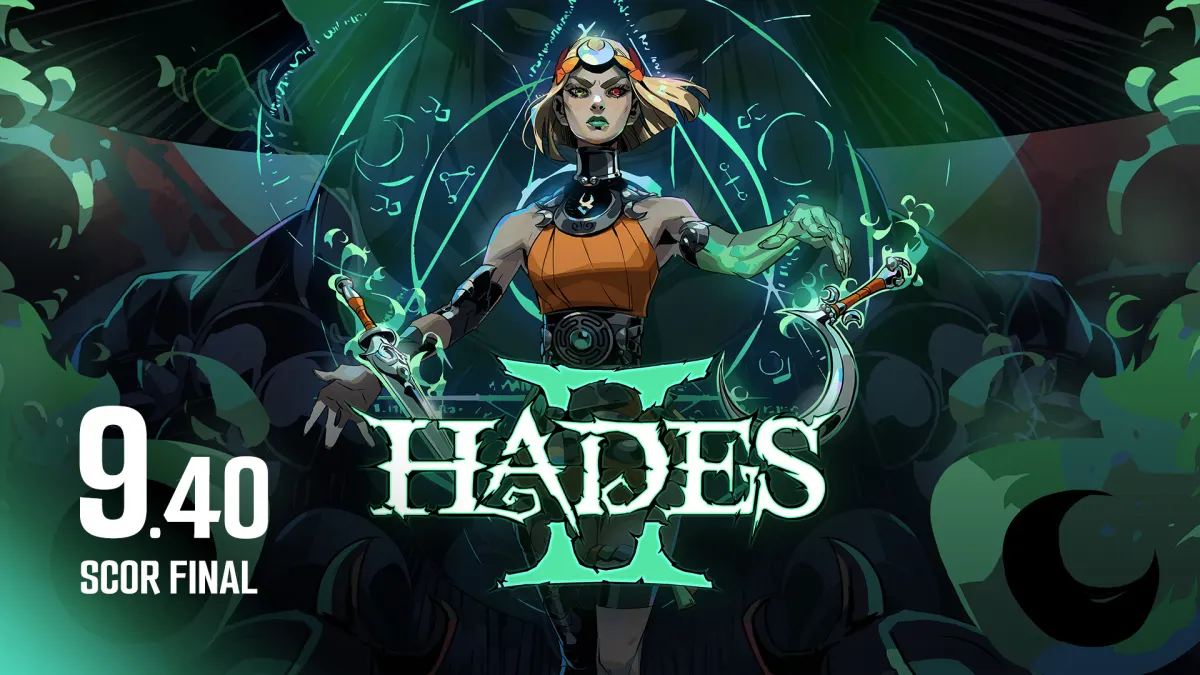
Time destroys all…
After Bastion, Transistor, Pyre, and Hades, Supergiant Games has brought its isometric action game recipe to its most distilled form. Hades II returns to the classic mythology, modernly reinterpreted by the first game, with familiar mechanics woven together a bit differently and a whole new chapter in the life of the dysfunctional family that rules the Underworld.
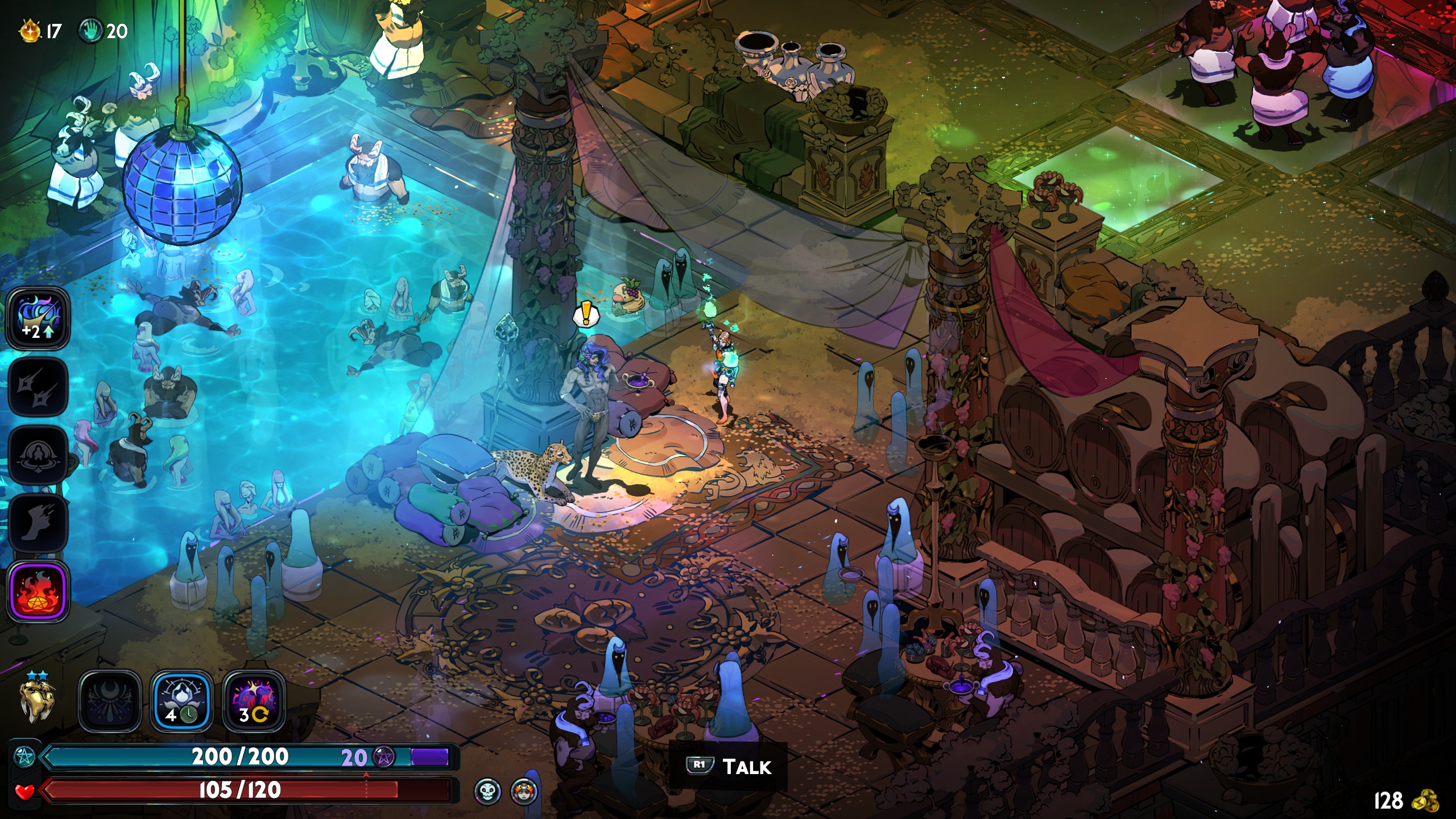
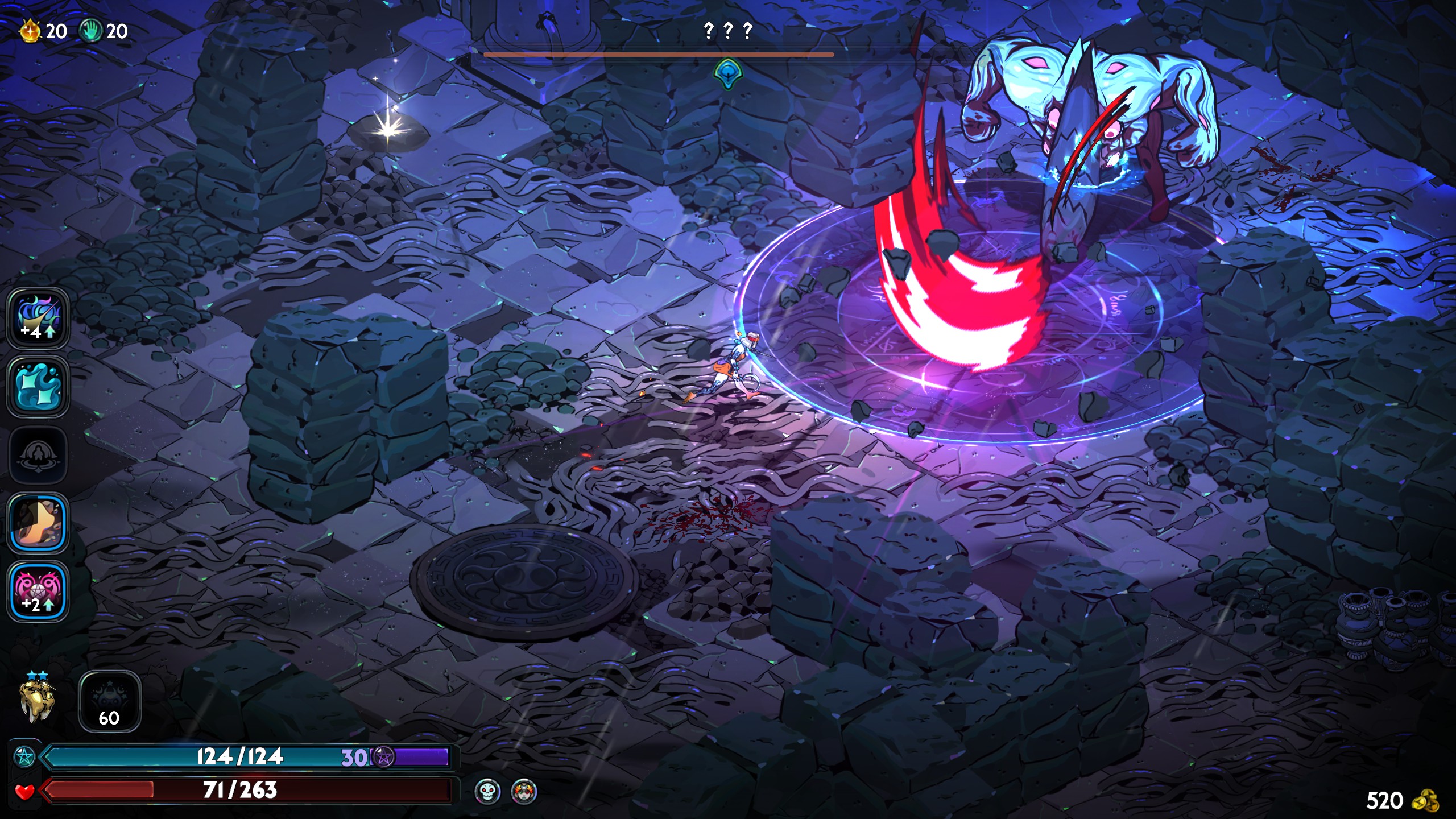
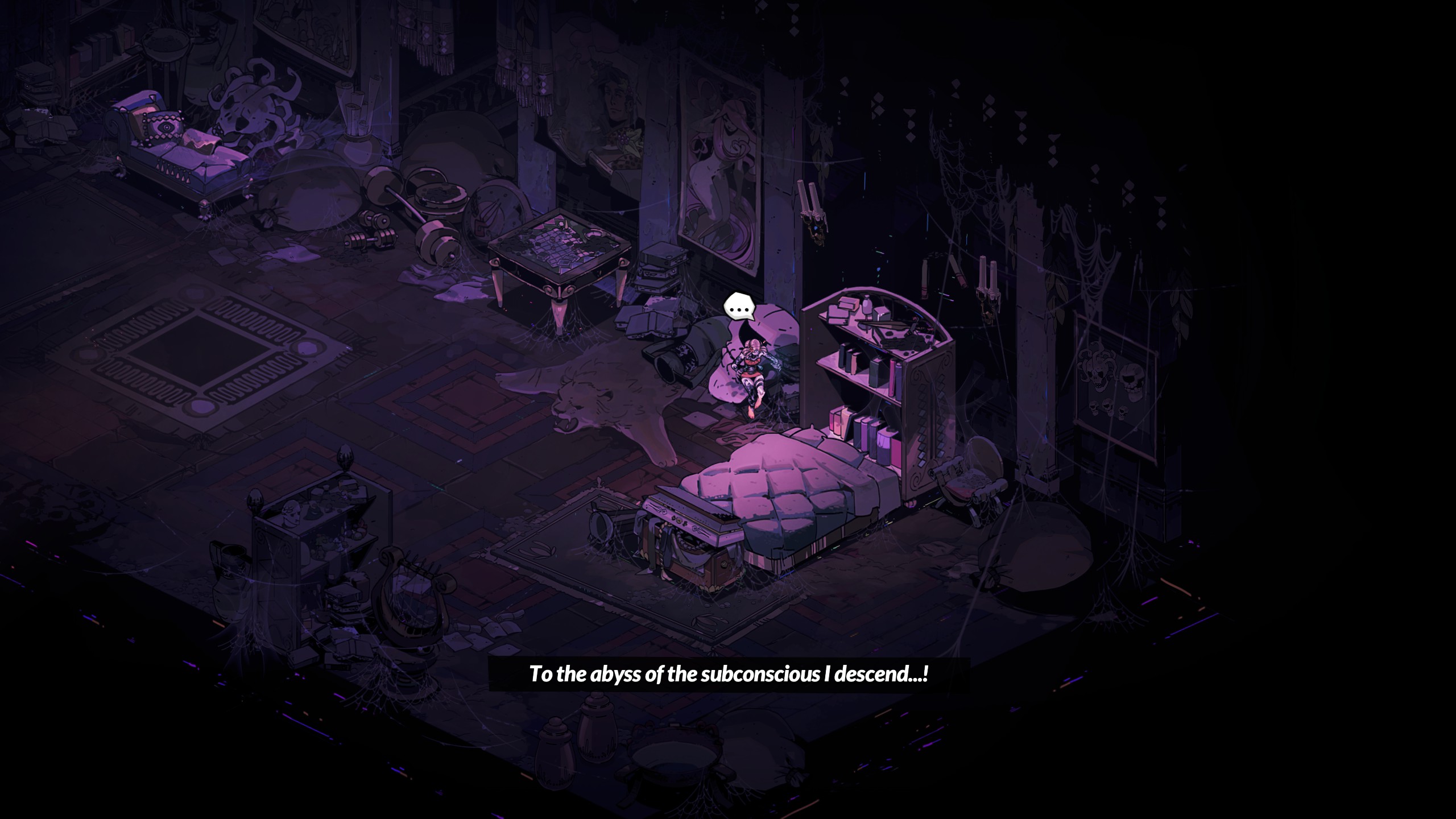
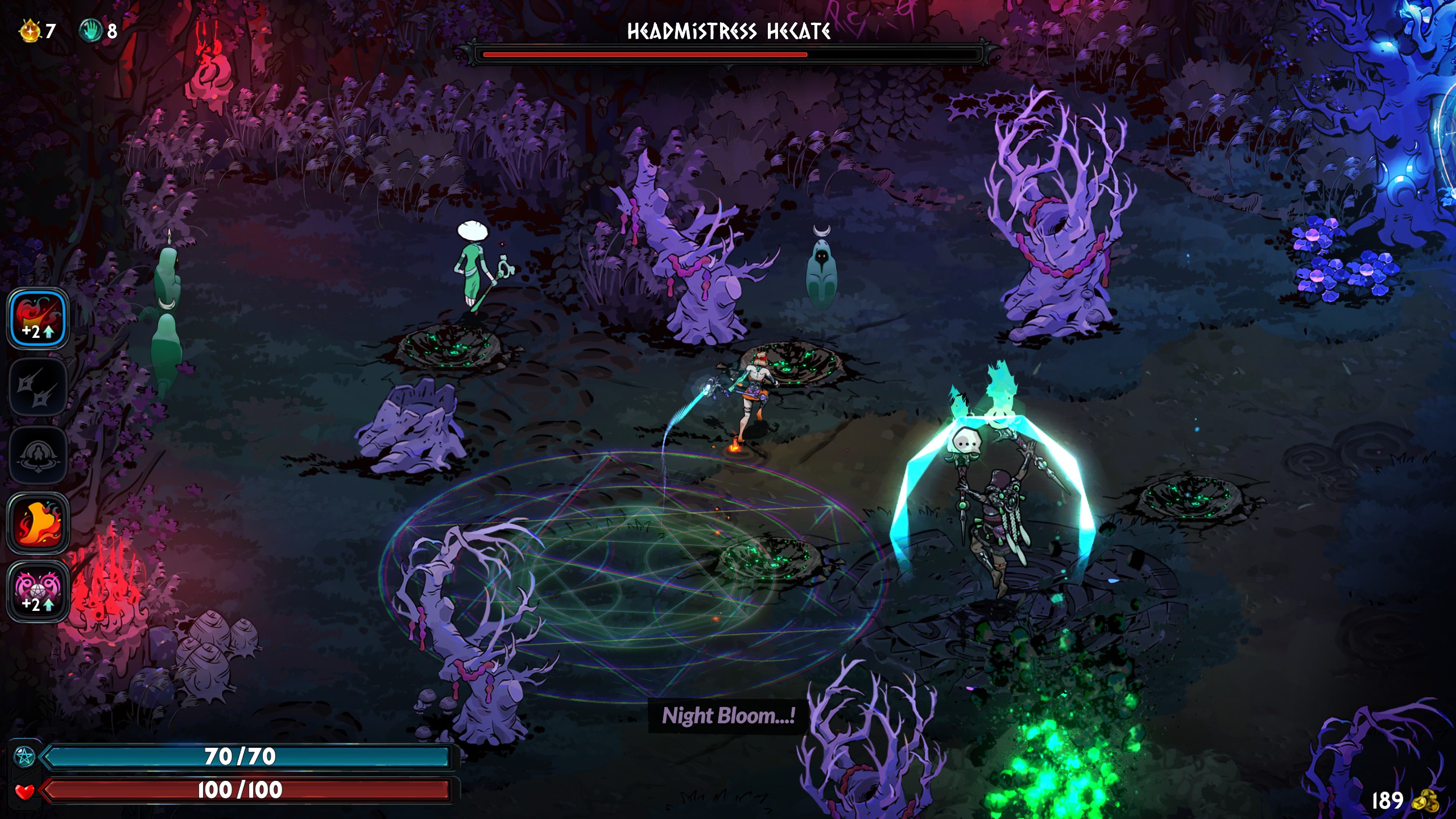
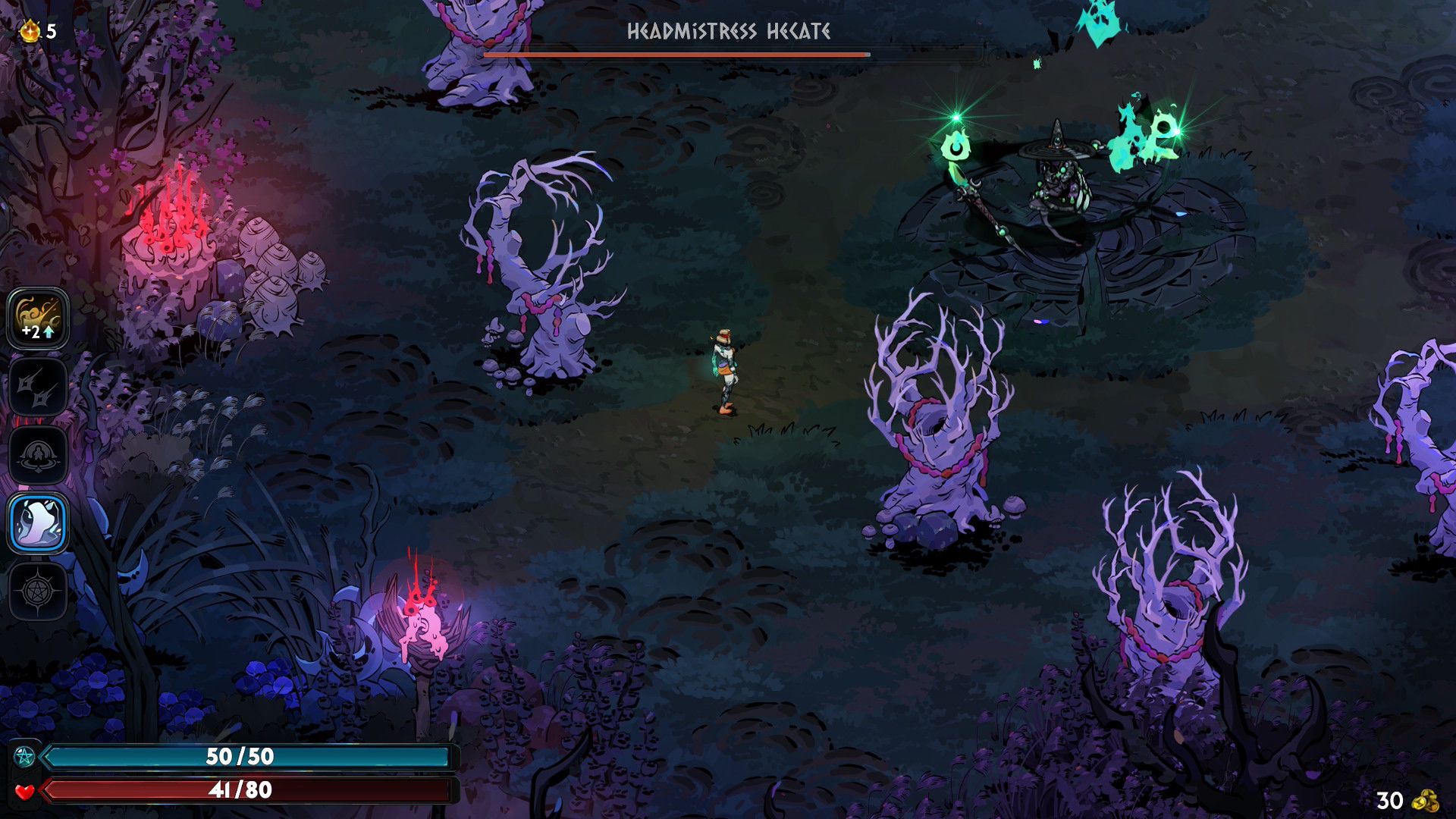
The gods are angry and sexy. Firearms, bombs, and Dionysus's party room disco ball transpose the action into an anachronistic and humorous universe, and Melinoë, our new protagonist, is a witch, trained from childhood to kill her own grandfather. Although the level structure has retained the roguelike format, with arenas succeeding each other until the zone bosses, the actual combat space is much more generous than in its predecessor, replacing narrow rooms with open spaces, complex trap systems and reactive scenery, and, of course, monsters of all kinds.
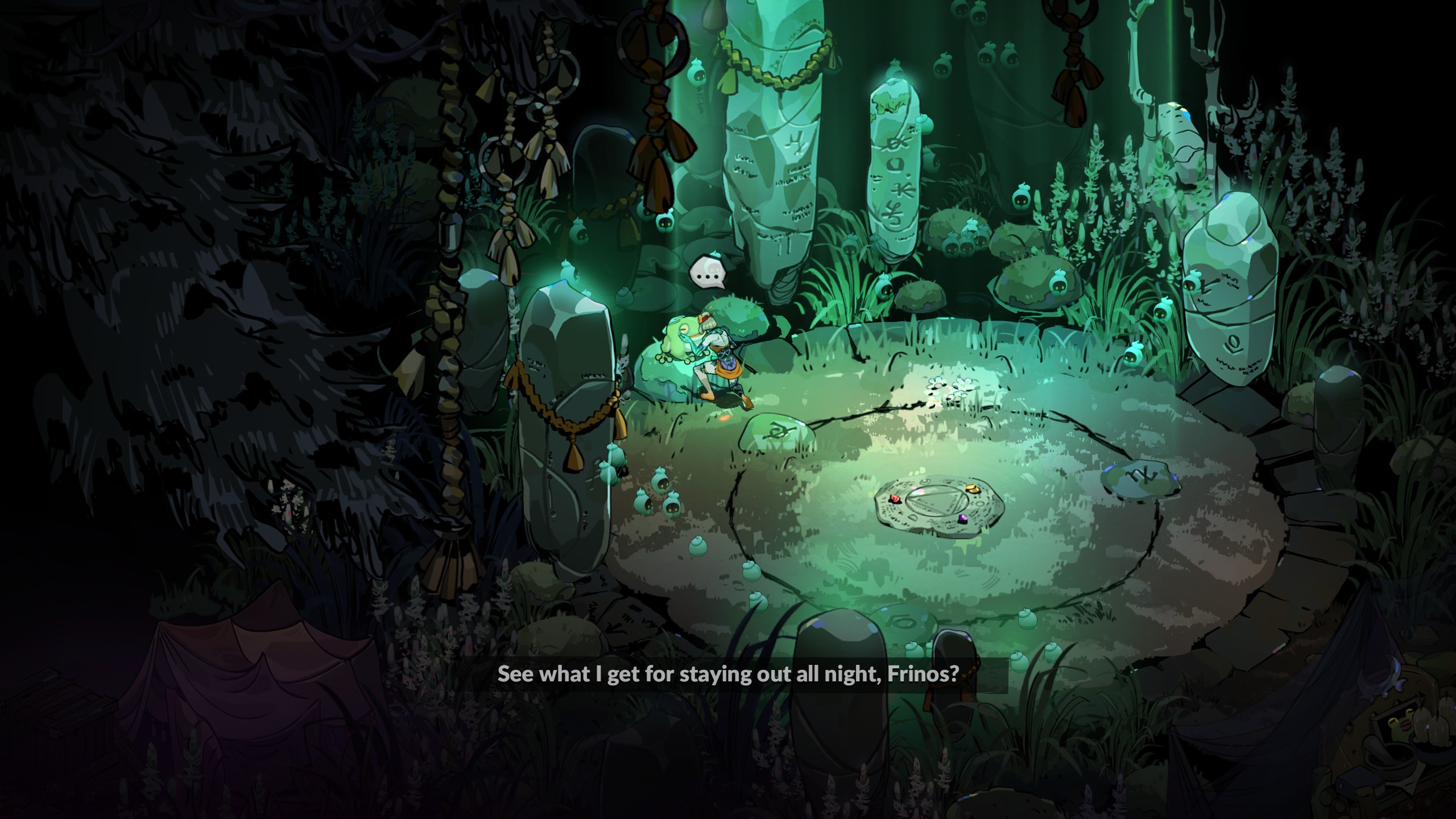
All of this carefully painted into a world (this time, entirely 3D) that may seem modest at first, but as you accumulate ingredients (and deaths), you discover an iceberg of content developed on the ideas and mechanics from the first title in the series, while dozens of subplots with mythological characters form the narrative background.
Horizontal Overhaul
Hades II throws you straight into the action, with a combat design and tempo similar to its predecessor, remixing Greek mythology into a modern and vibrant form, without sacrificing the qualities that catapulted the first game to the top of beloved roguelikes. At first, you don't realise how big the leap is: the gameplay improvements seem minor, and although the surrounding world is much richer in detail, it appears to be the same alternation of gauntlet events and boss fights we went through in Zagreus's sandals. It doesn't take long, however, until the story, delivered in doses through dialogue exchanges and the unlocking of hundreds of meta-objectives, outlines an engaging mosaic that continues to deepen as you explore the permutations of each run. Those minor gameplay improvements demonstrate a profound impact on how you defeat your enemies, and the way various game elements combine to push the narrative progression is something special. This is also contributed to by the pace at which you are granted access to new systems and abilities, never overwhelming, but with enough surprises to make you want to finish just one more run, just to find out what that mysterious symbol on your map does after your latest efforts.
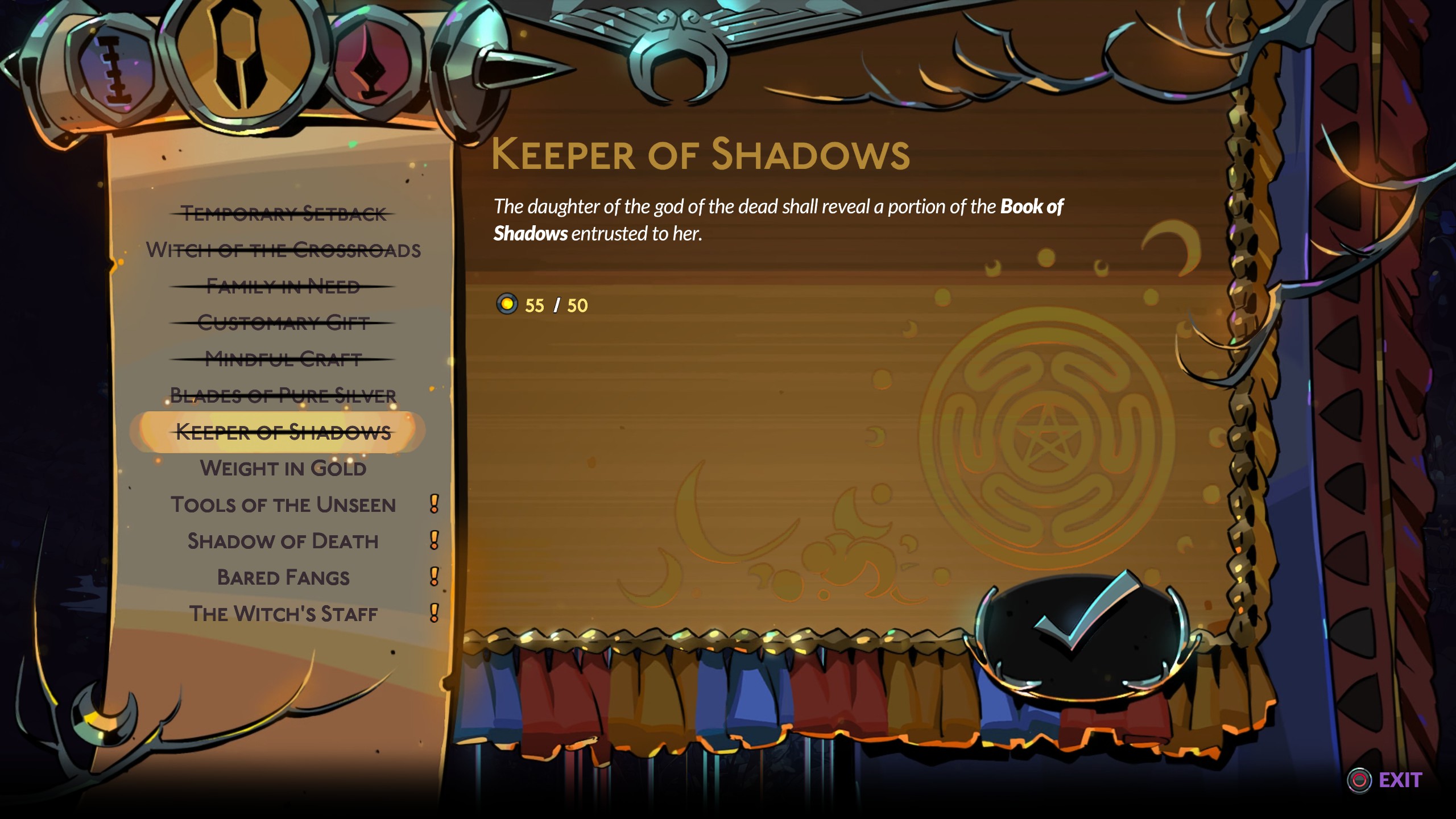
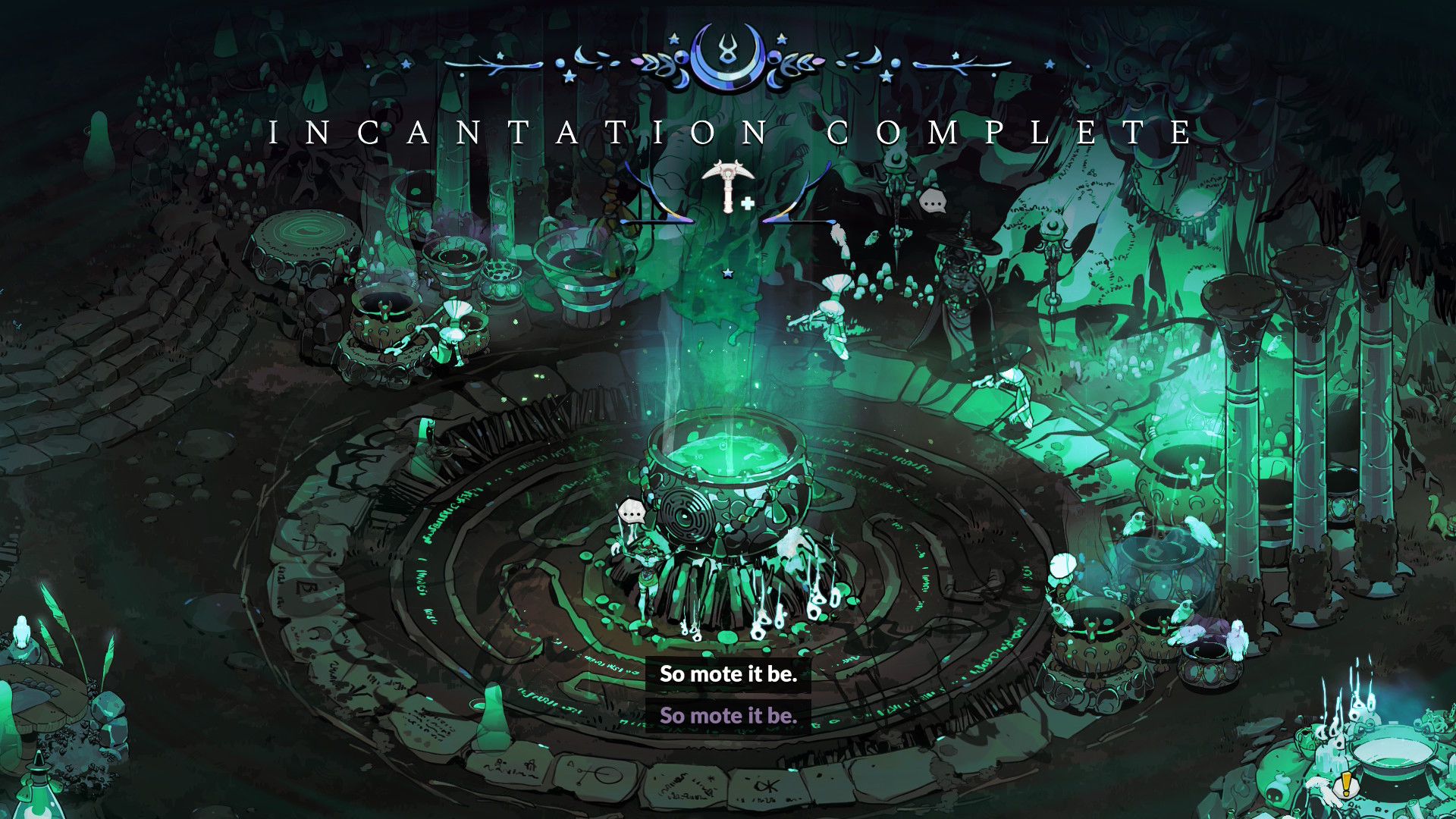
Whether you manage to get past your last death or not, you'll most likely unlock small pieces of the overall puzzle. If in the first game we unlocked content using a single resource (gemstones), here we are greeted by a multitude of different ingredients, under the pretext that the incantations we must perform have a recipe and require certain reagents.
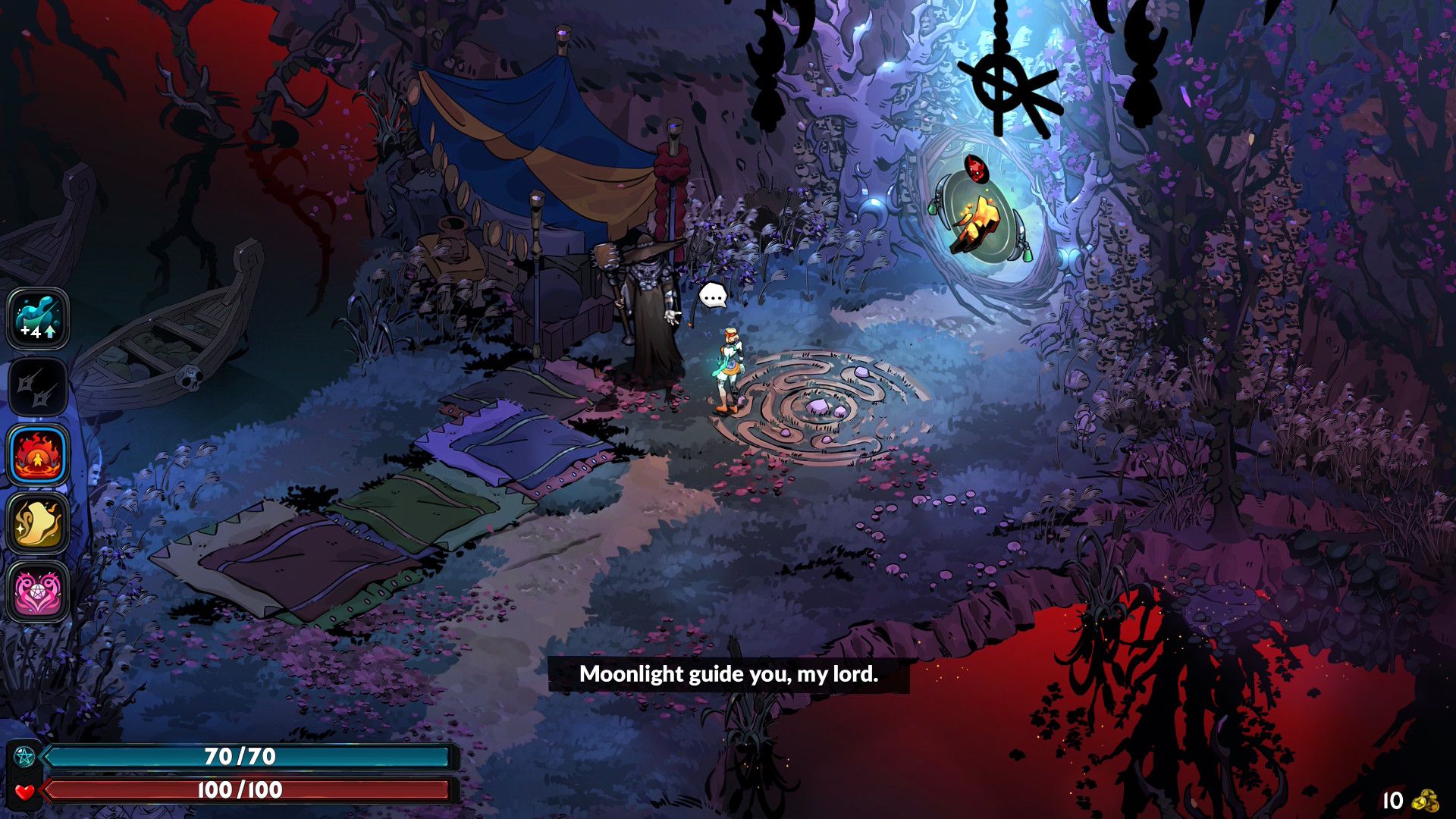
Collecting these reagents involves revisiting the areas where they are found and using some specific tools (in addition to Zagreus's fishing rod), or defeating one boss or another. Furthermore, we know what we have to do: we throw everything into a cauldron and cast spells that bring hundreds of small additions to the world: from new NPCs to gardens where we can plant reagents or necessary steps for the final boss.
There's no other way to finish the game: you'll discover, as I did, if you rush to kill Chronos, that the titan regenerates after each night, and too rapid a progression comes with debuffs, a limited kit, and insufficient knowledge of boons and their combinations to play truly efficiently. The path to victory will be paved with many deaths, some of them mandatory.
For example, once you unlock the path to Olympus (the second route of levels, after descending into Tartarus), you'll sadly find that it comes with a curse that constantly eats away at your life, dooming any attempt to failure. The only way to overcome this impasse is simply to die enough times for a certain god to take pity on you and offer you – you guessed it – an incantation that removes the curse.
This second path comes with an entirely new set of biomes, enemies, bosses, and secrets, and the road to final victory will encompass dozens of journeys in both directions. In total, about 8 boss fights, a few dozen champions, a handful of secret bosses, and countless arenas will stand between you and the epilogue, over many dozens of runs in which you discover weapons, abilities, and synergies that radically change the playstyle of each attempt.
Voodoo Fu
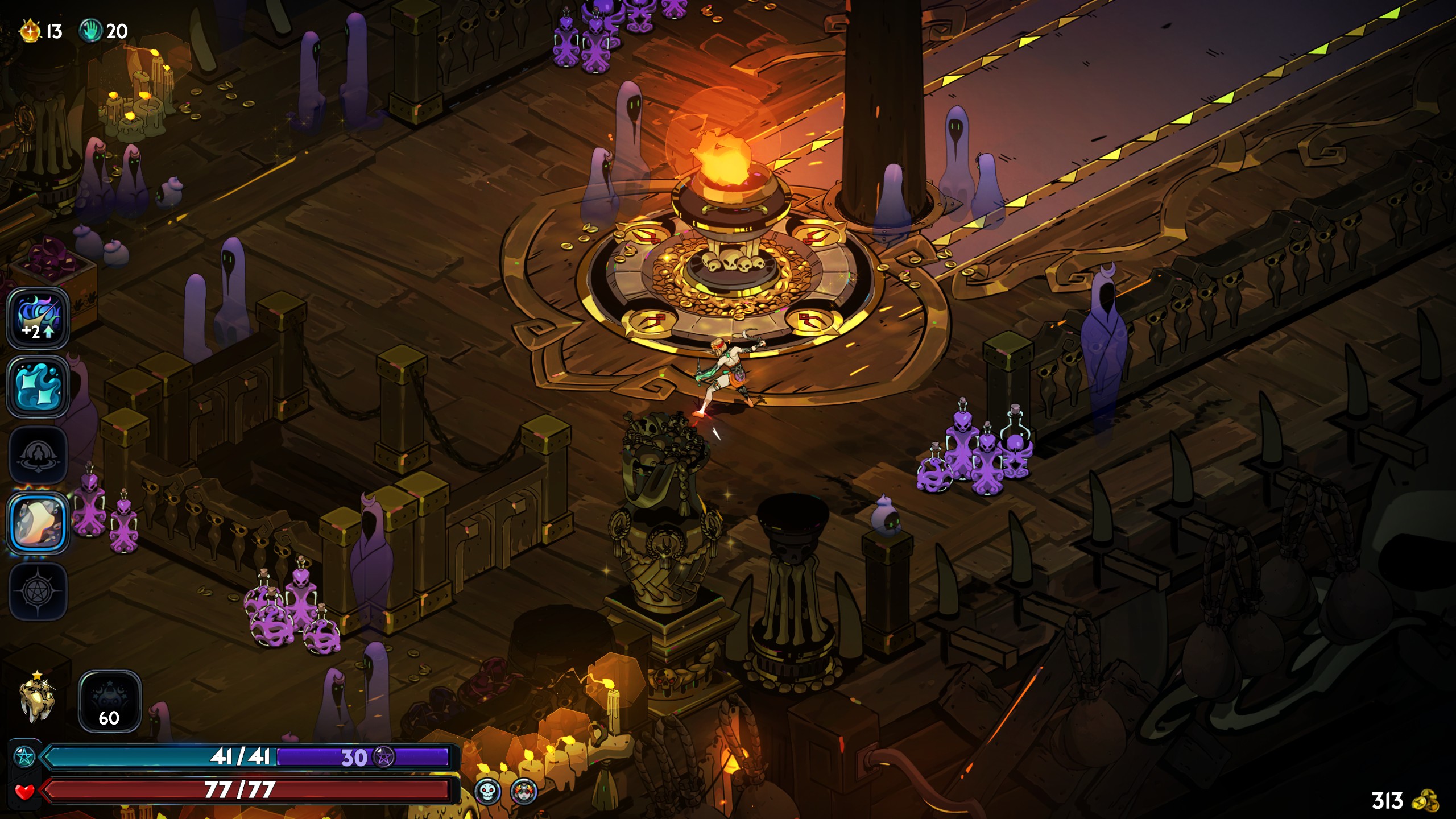
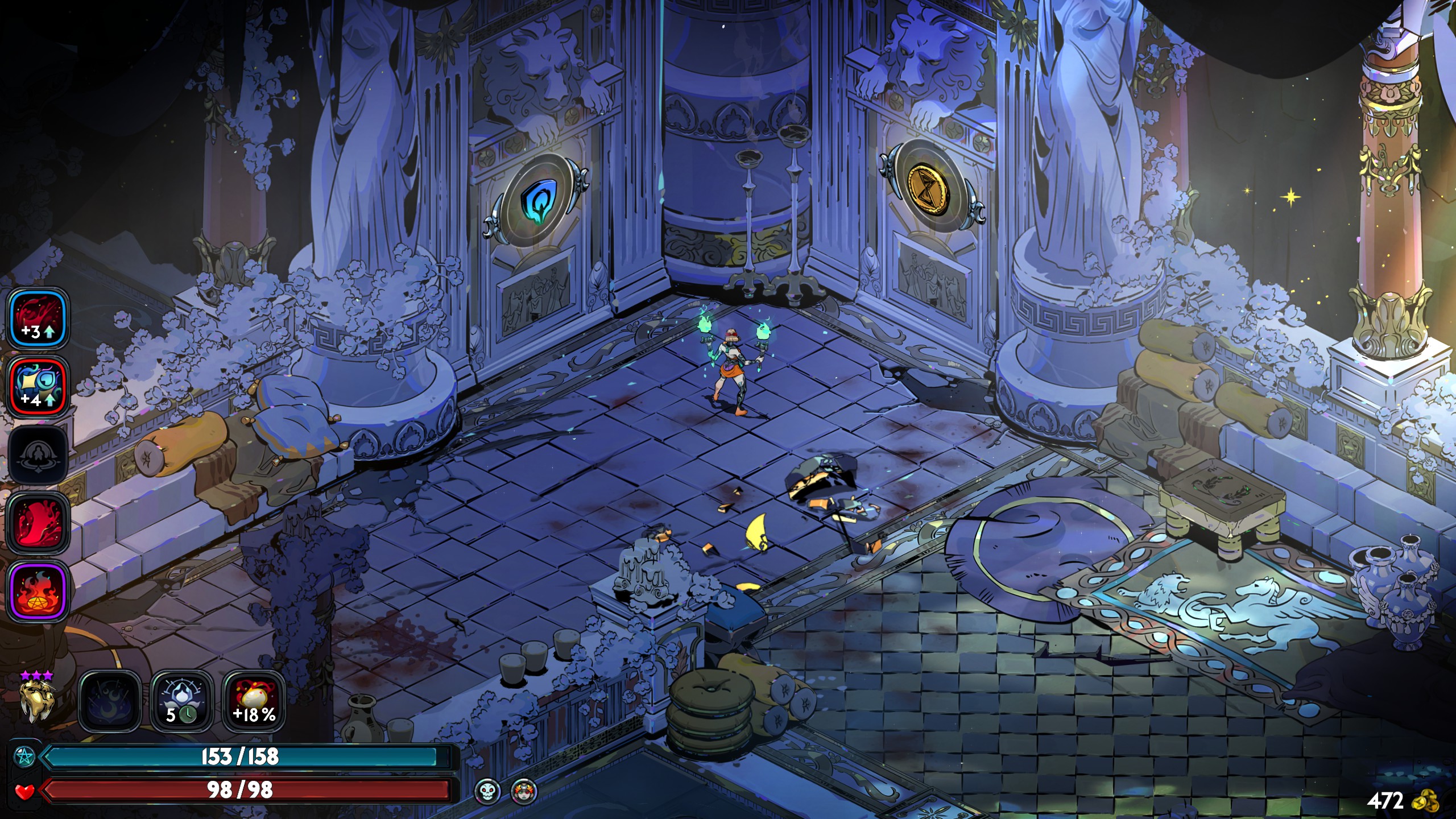
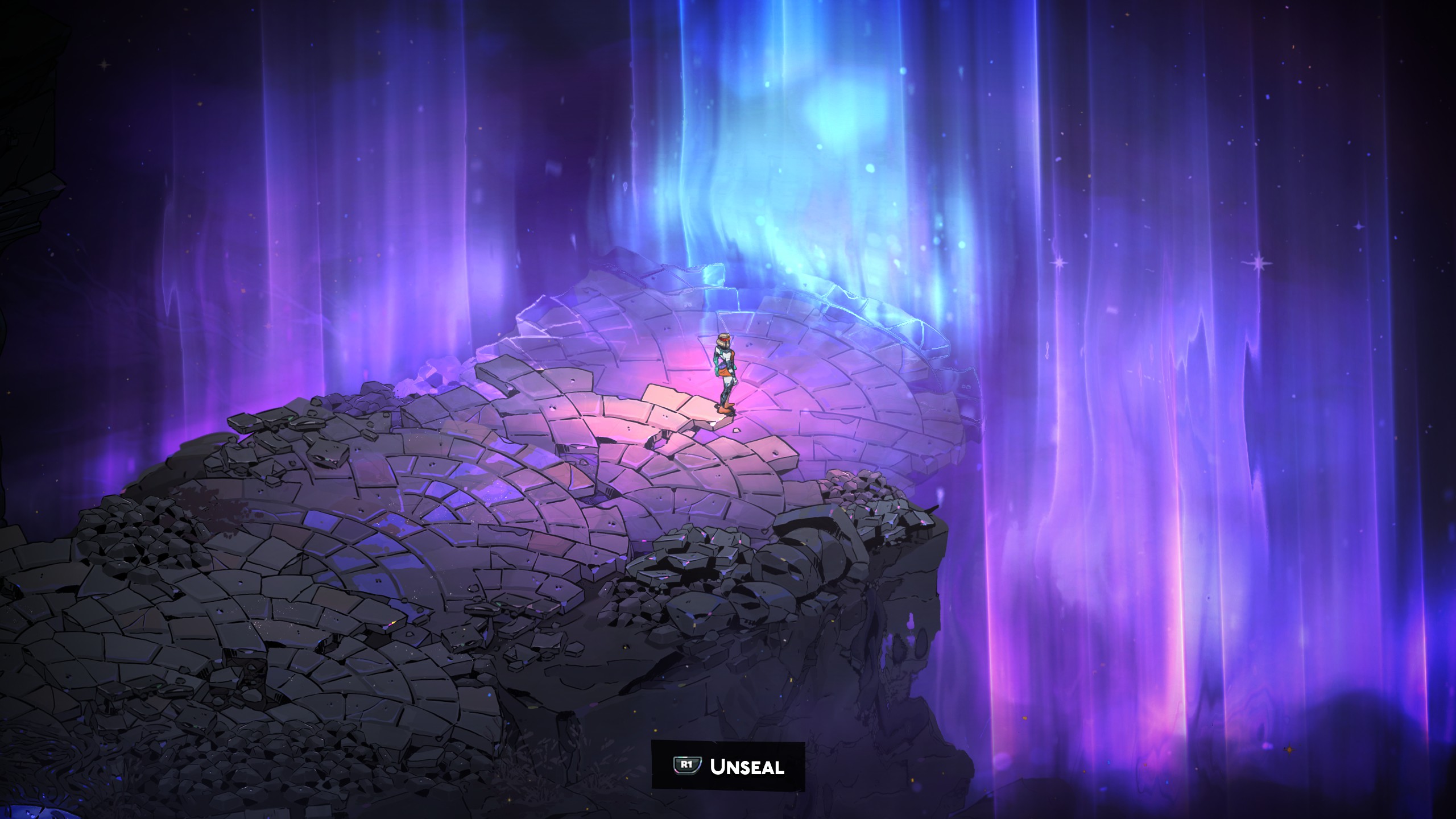
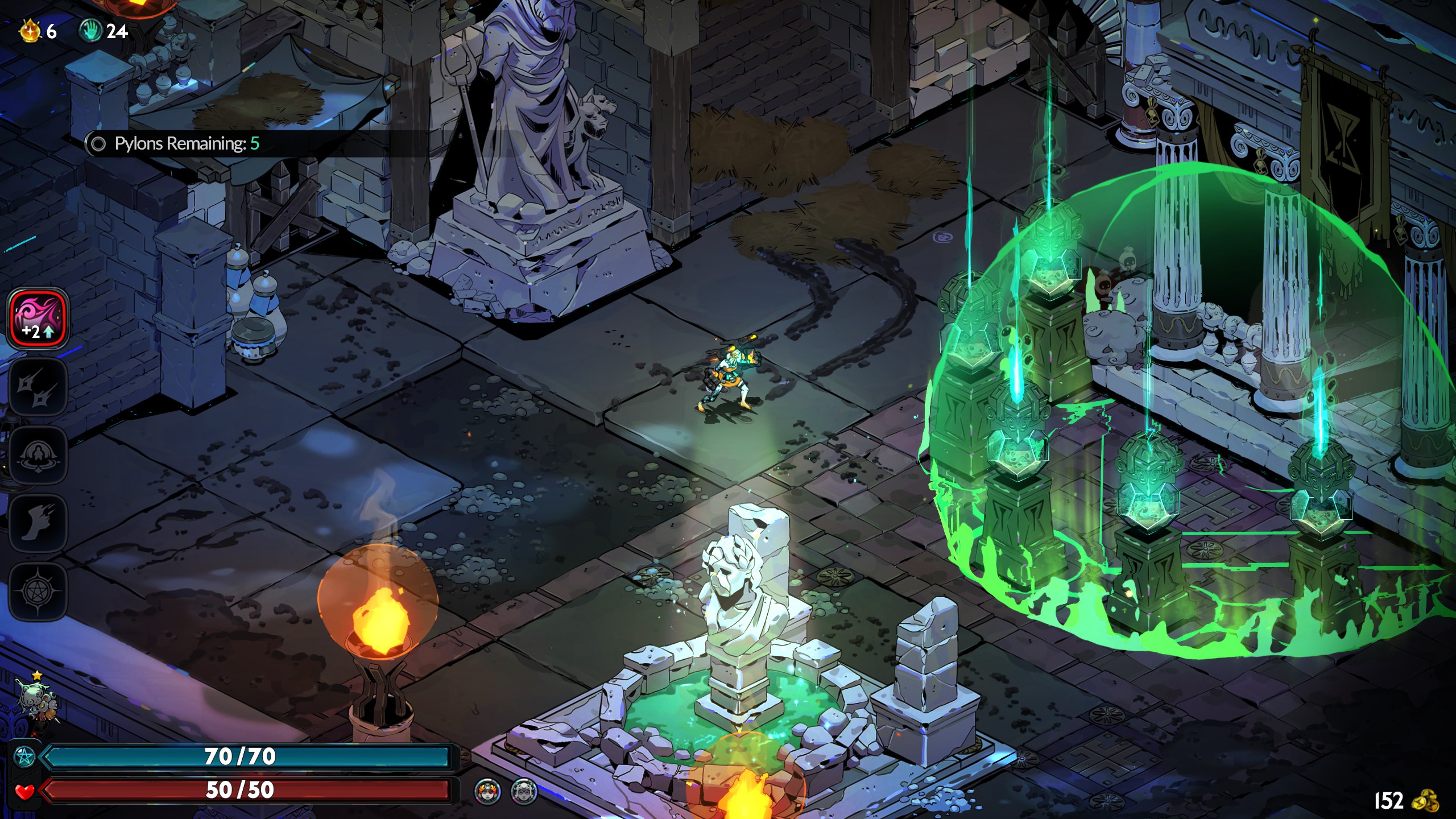
As in the first game, we have three types of attacks: normal, cast, and special. Here, however, each attack type has an alternative effect when you hold down the button, which uses mana and often causes significantly more damage than a regular attack. In total, each weapon thus has six distinct attacks, with their own effects and upgrade possibilities, depending on the Boons you have collected.
The weapons (6 in total) range from the staff you receive at the beginning to a mech suit and are practically the foundation of each build. The possibilities are too many to list, but it's unlikely you'll see all options in less than a hundred runs, and learning and efficiently using the rotation will take up a good part of that time, as each button functions differently depending on the chosen weapon. If ranged weapons tend to have an alternative attack focused on crowd control, melee ones frequently have a special ranged attack, practically to counterbalance the shortcomings of the main attack.
We are encouraged to use mana as much as possible, as we recover it after each encounter, and certain Boons reduce your pool in exchange for powerful passive effects. The Limit Break from Hades is replaced here by Hex, a spell offered by Selene that you can trigger after using a certain amount of mana near enemies, and unlike all other boons, it also comes with an upgrade tree.
And when it comes to avoiding enemies, we have only one dodge (compared to Zagreus's three), which, however, continues into a sprint if you hold down the corresponding button, which you can augment with various Boons and integrate into your strategy for any encounter.
Zorba's Arcana
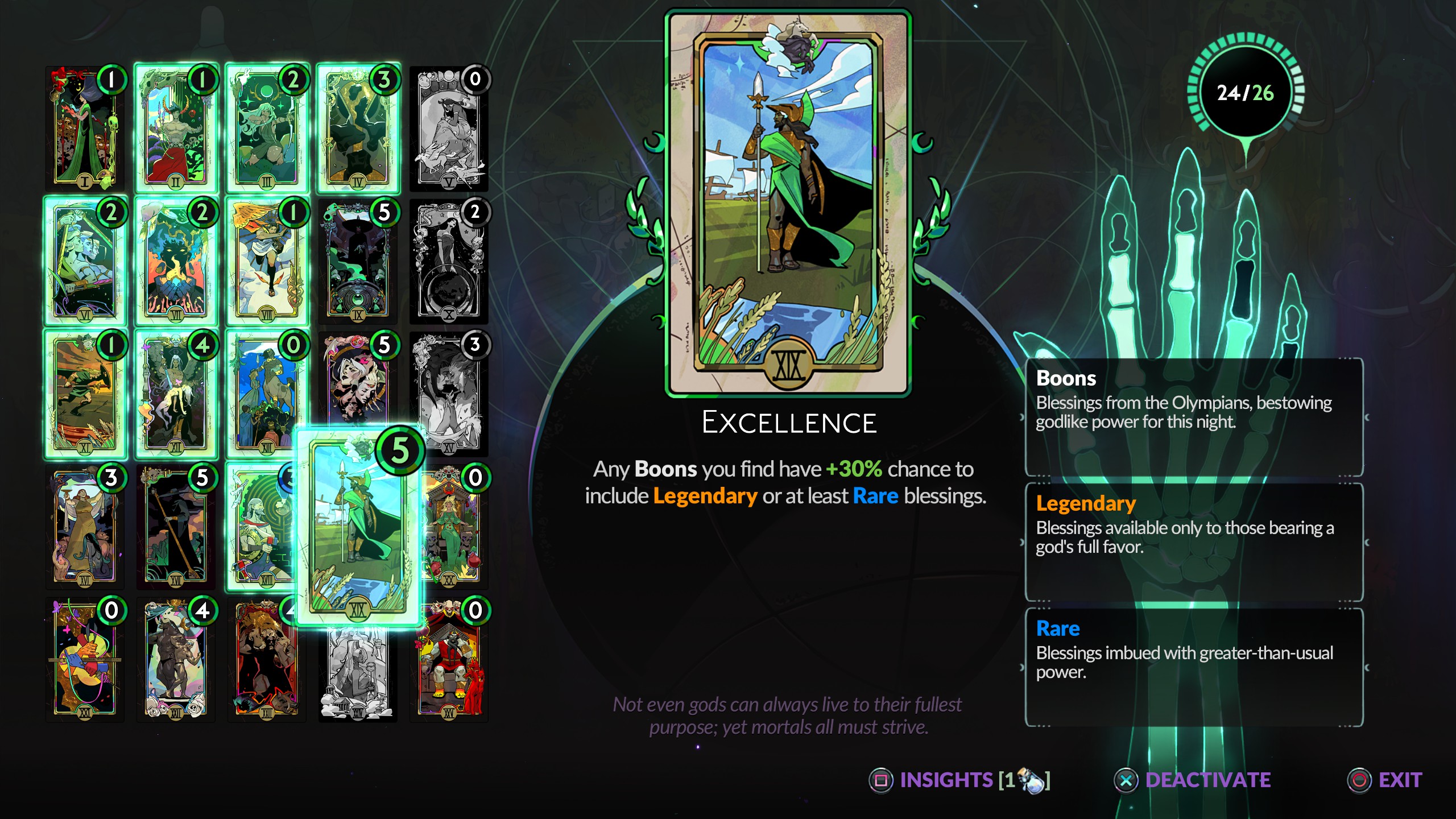
With the most common ingredients in the game, we unlock tarot cards that come with massive bonuses, can be upgraded, and, when certain conditions are met, can activate without consuming Grasp, the resource that tells us how many cards we can have active simultaneously.
From extra lives to accelerating certain attacks, correctly used cards can trivialise even the hardest run in the game, making you exponentially stronger and offering exits and solutions even in the most painful runs. Of course, the difficulty can also be increased, with the game allowing you to alter various metrics for a higher Fear score (in short, how many such modifiers you can accumulate). The challenge system (called Prophecies) consists of achievements that reward you with resources, and if you dare to undertake some predefined runs, you will receive a reagent necessary for advanced incantations and upgrading tarot cards at the end of them.
The end is the beginning is the end
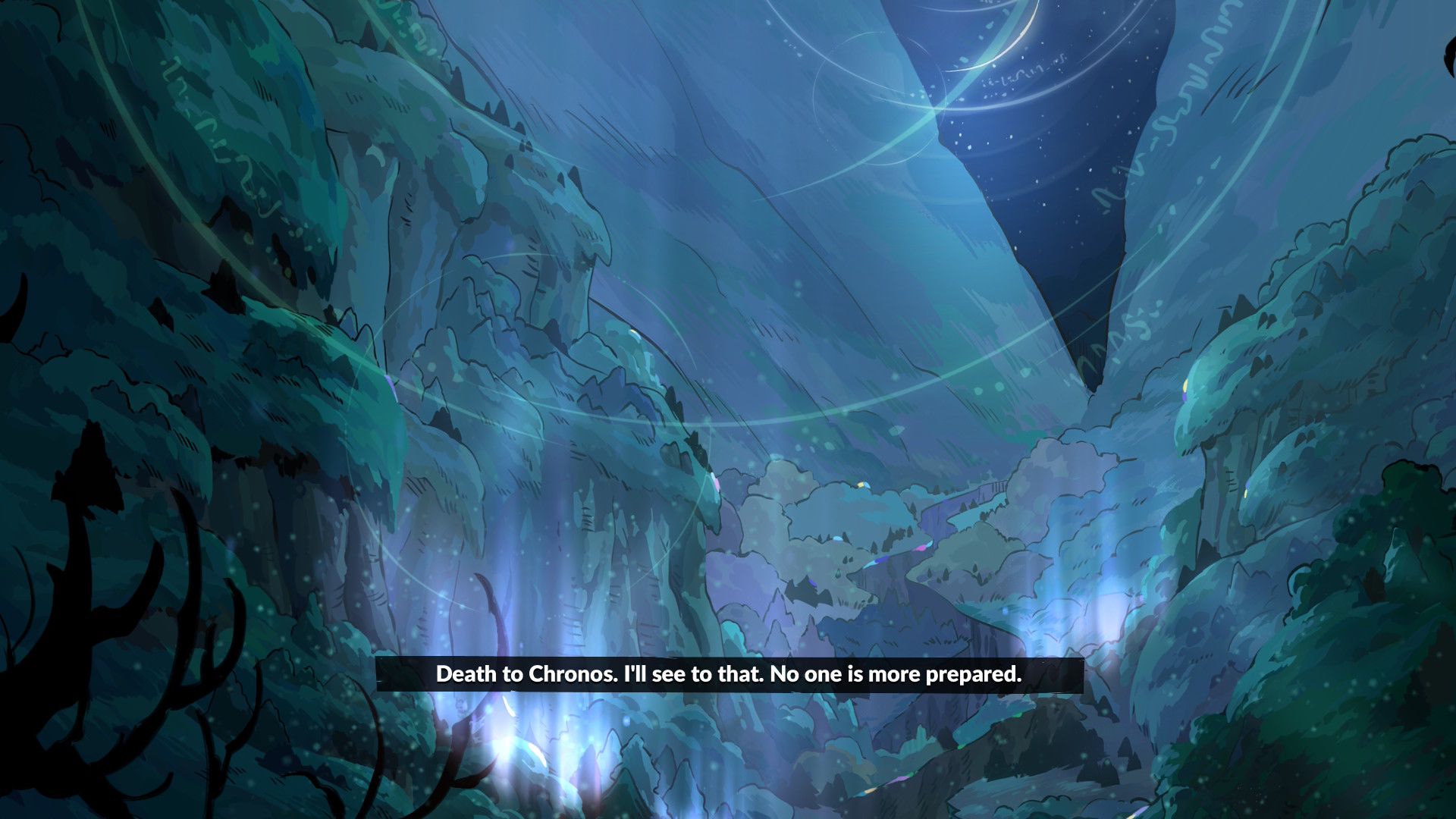
The action takes place some time after the events of the first game. The Underworld, usually ruled by Hades and Persephone, is attacked and taken over by Chronos, shortly after Melinoë's birth. It falls to her to save her family and home and defeat the personification of time, initially armed only with a witch's staff.
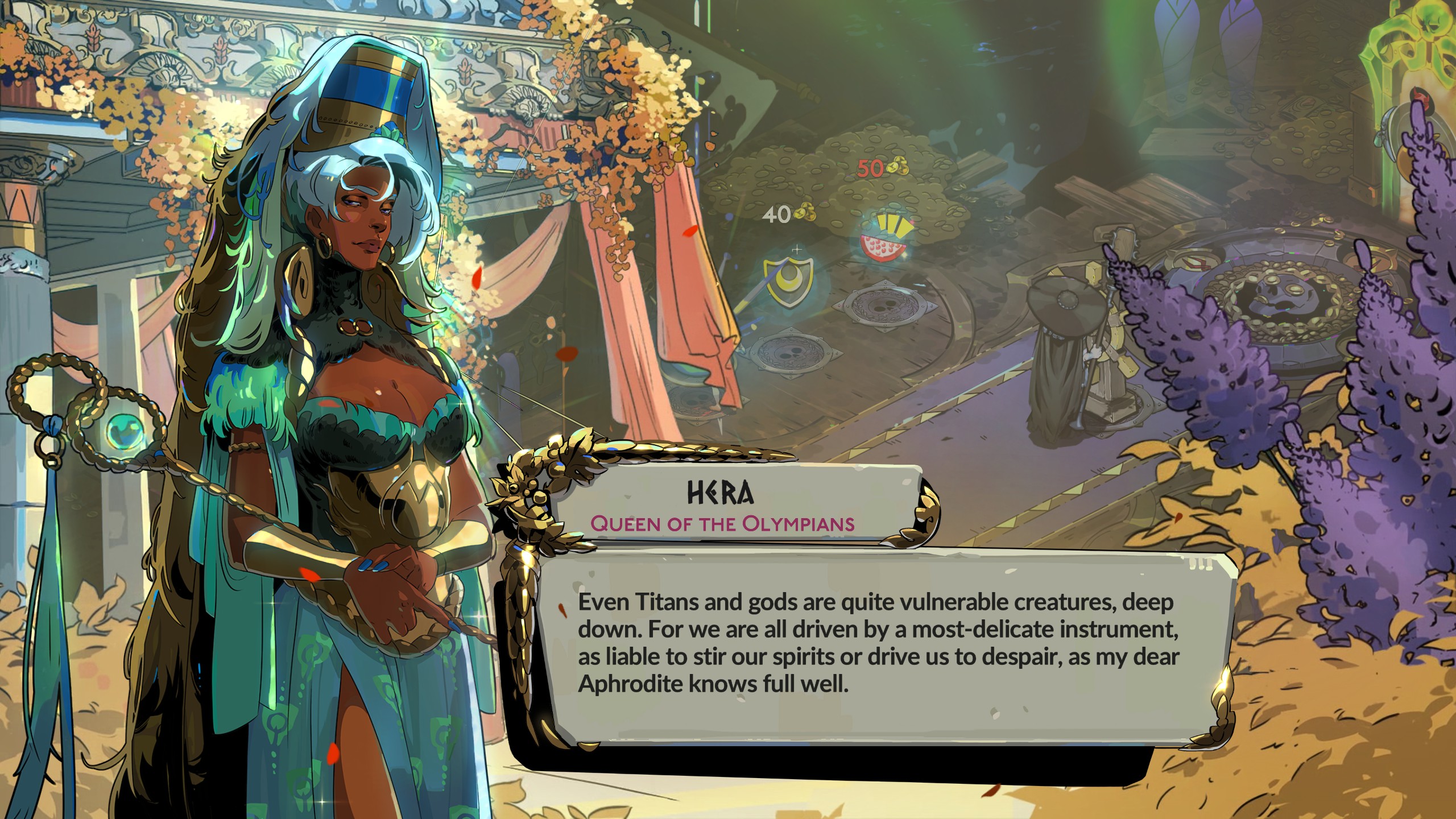
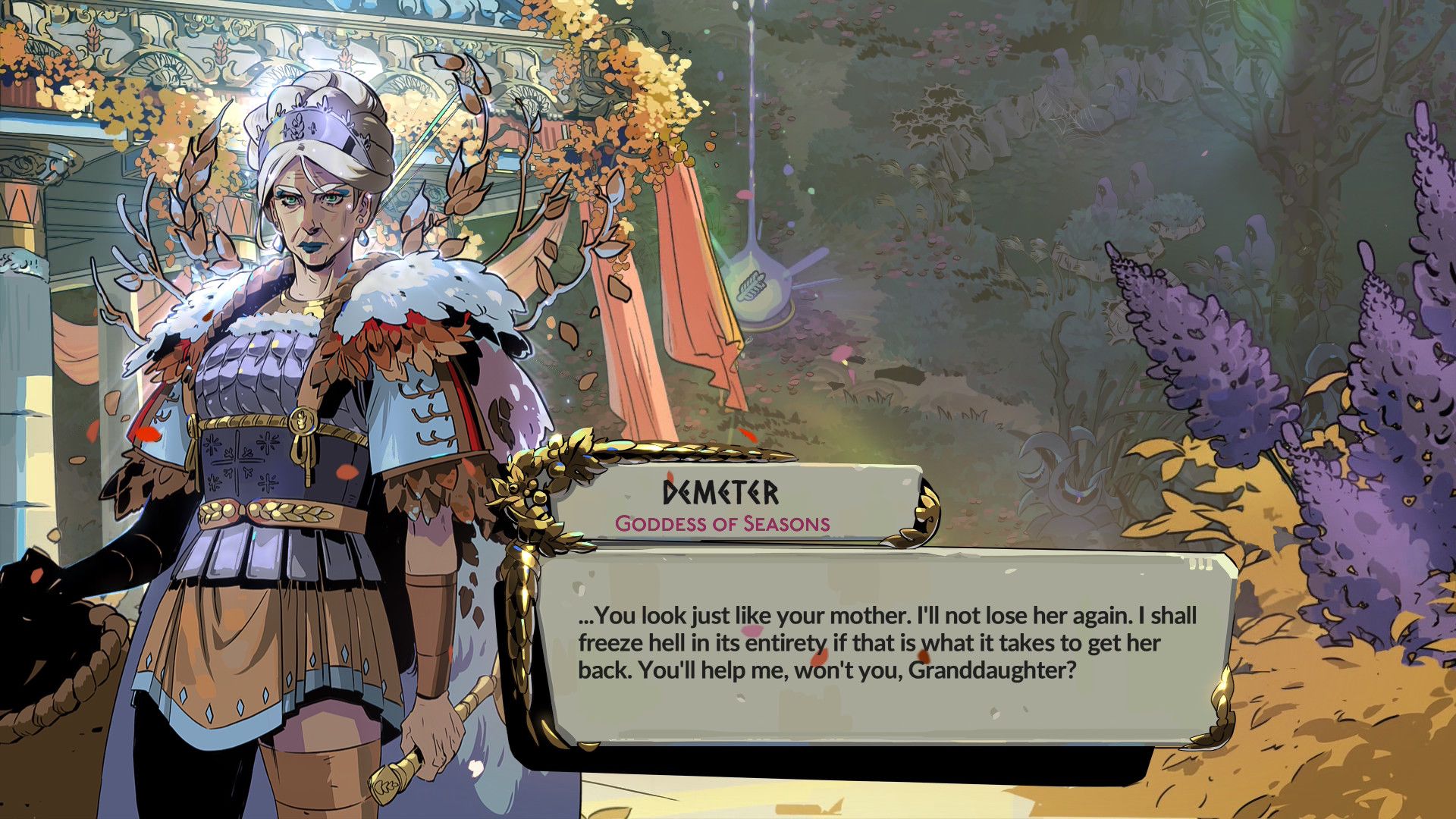
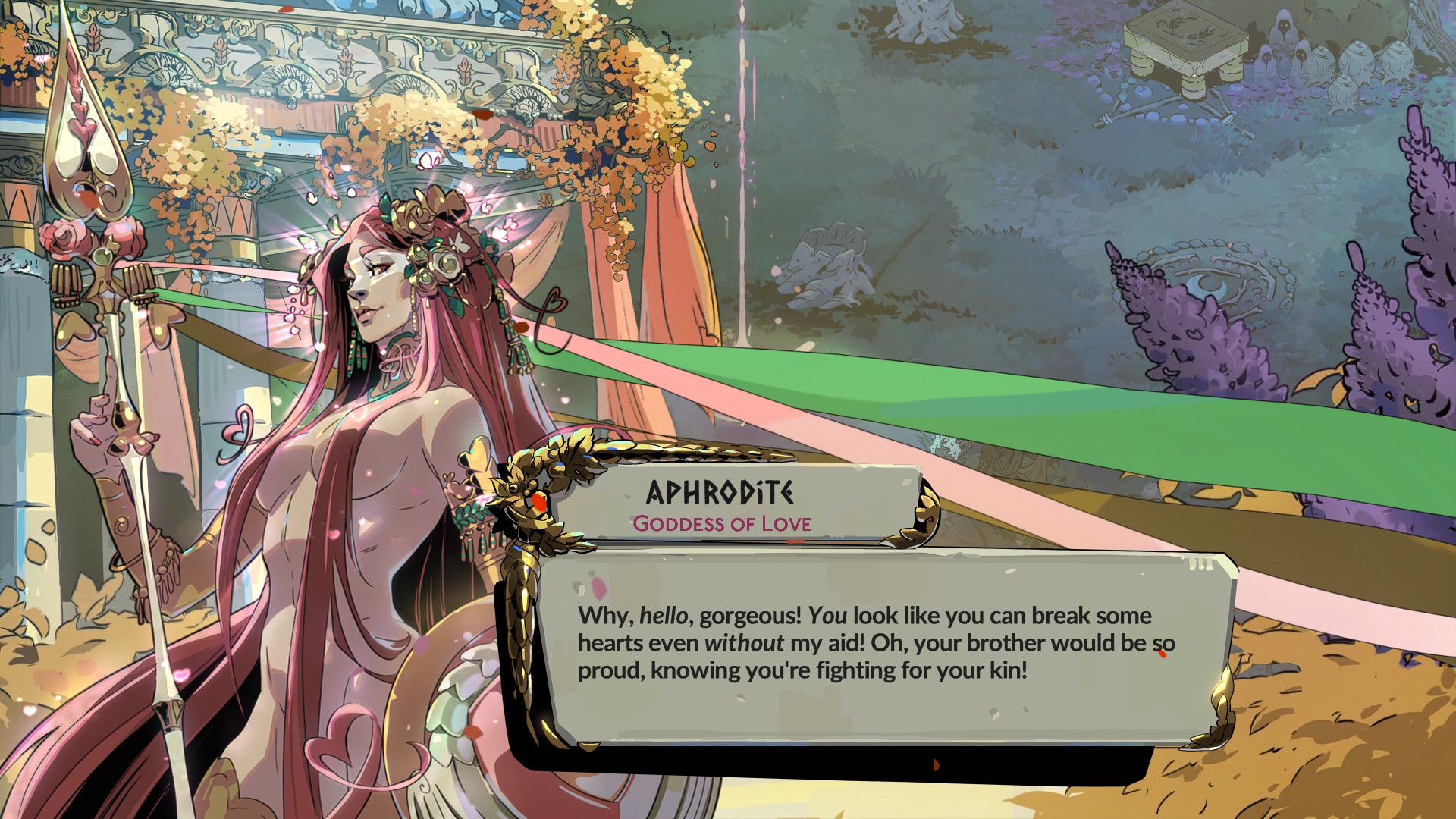
Helping her are the entire Pantheon and dozens of minor mythological characters, all reinterpreted in the game's aesthetic and, I'm happy to say, imbued with soul and personality by exemplary voice acting. From the small jokes integrated into gameplay (if you try to pause during a boss fight, for example, you'll hear disgruntled comments from the boss) to the exchanges with the gods who grant you Boons, the care with which even the most insignificant figures have been crafted is impressive and evident.
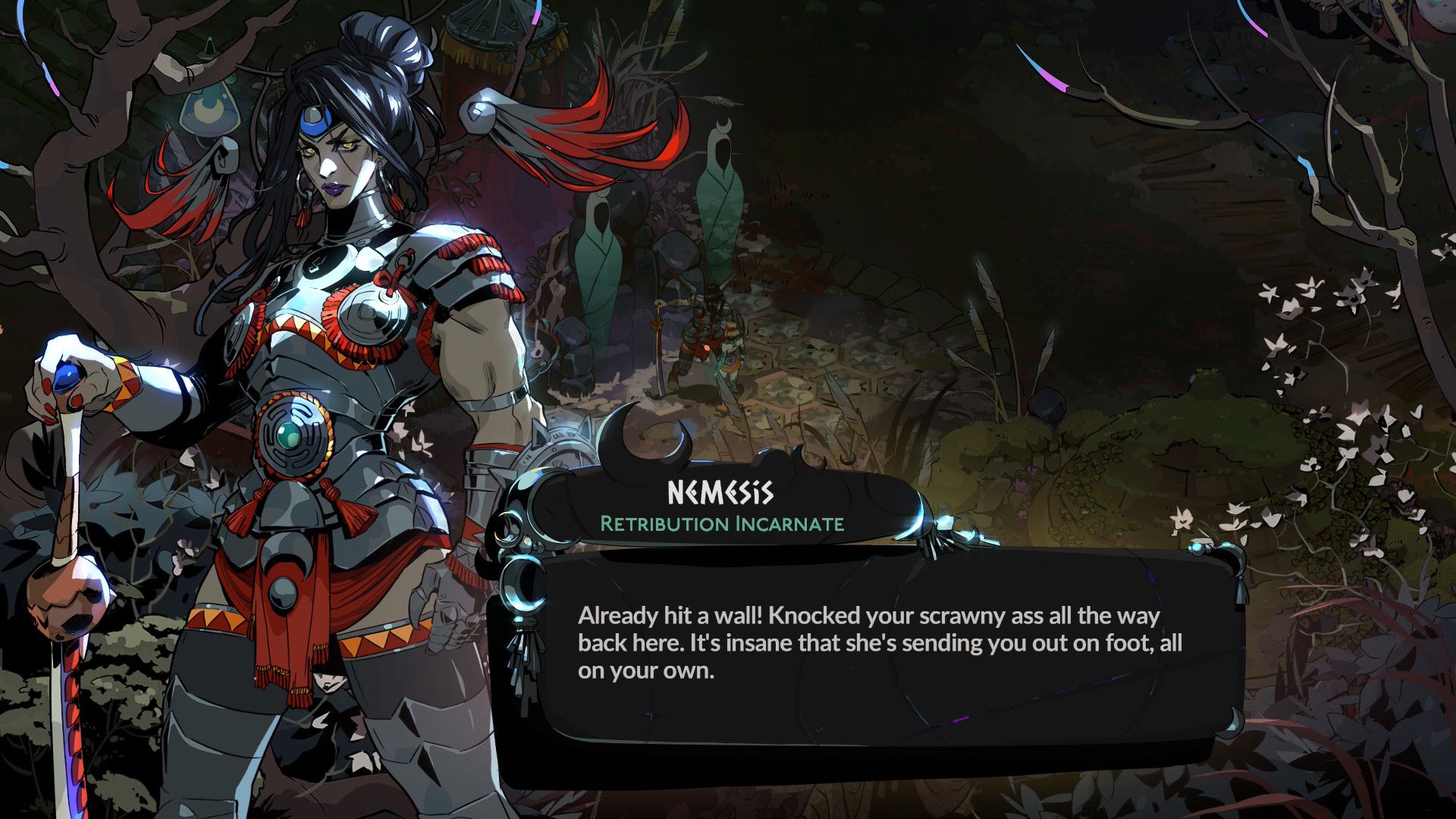
At first, almost everyone seems to be making fun of you, except Hecate (who plays the role of a mystagogue, and from whom you will receive most of the advice related to the main narrative thread). Besides her, however, the crossroads from which you begin your adventure each night is populated by a multitude of minor mythological characters: Hypnos snores peacefully in an armchair while Nemesis questions your abilities. Odysseus gives you advice related to your last failed challenge, and gradually other allies appear, whom you can appease with a bottle of nectar or invite to various places.
The development of these relationships constitutes a parallel narrative axis, with several subplots that converge in the end, in addition to the more pragmatic reward of Keepsakes – artefacts that you can collect and which improve as you use them. The writing, however, sometimes creaks in the dialogues that "blossom" into something more, not being much above the sexy dating sim you find for 30p on sale.
If the major relationships, between Zagreus, Chronos, Mel, and the rest of the gods are generally represented with some depth and undergo transformations that we can follow.
The soundtrack, always a strong aspect of Supergiant titles, is once again composed by Darren Korb (whom you can see here talking about how he discovered the bağlama, or how most of the melodic lines and synthesizer textures were born in a Moog Matriarch).
Beyond the tones and instruments I expected (and which are an organic evolution of the sound from the first Hades), I was surprised by ambient pieces, wind instruments, eclectic influences from seemingly distant genres, such as jazz or lo-fi, yet perfectly introduced into the modern interpretation of mythology.
Generally speaking, the game's sound design is mature and communicative: you have audio cues during boss fights that are an excellent guide for phase changes and anticipating critical moments, and somehow they are chosen so that you can clearly distinguish them even in the general chaos that a boss fight with a thousand explosions and booming music becomes.
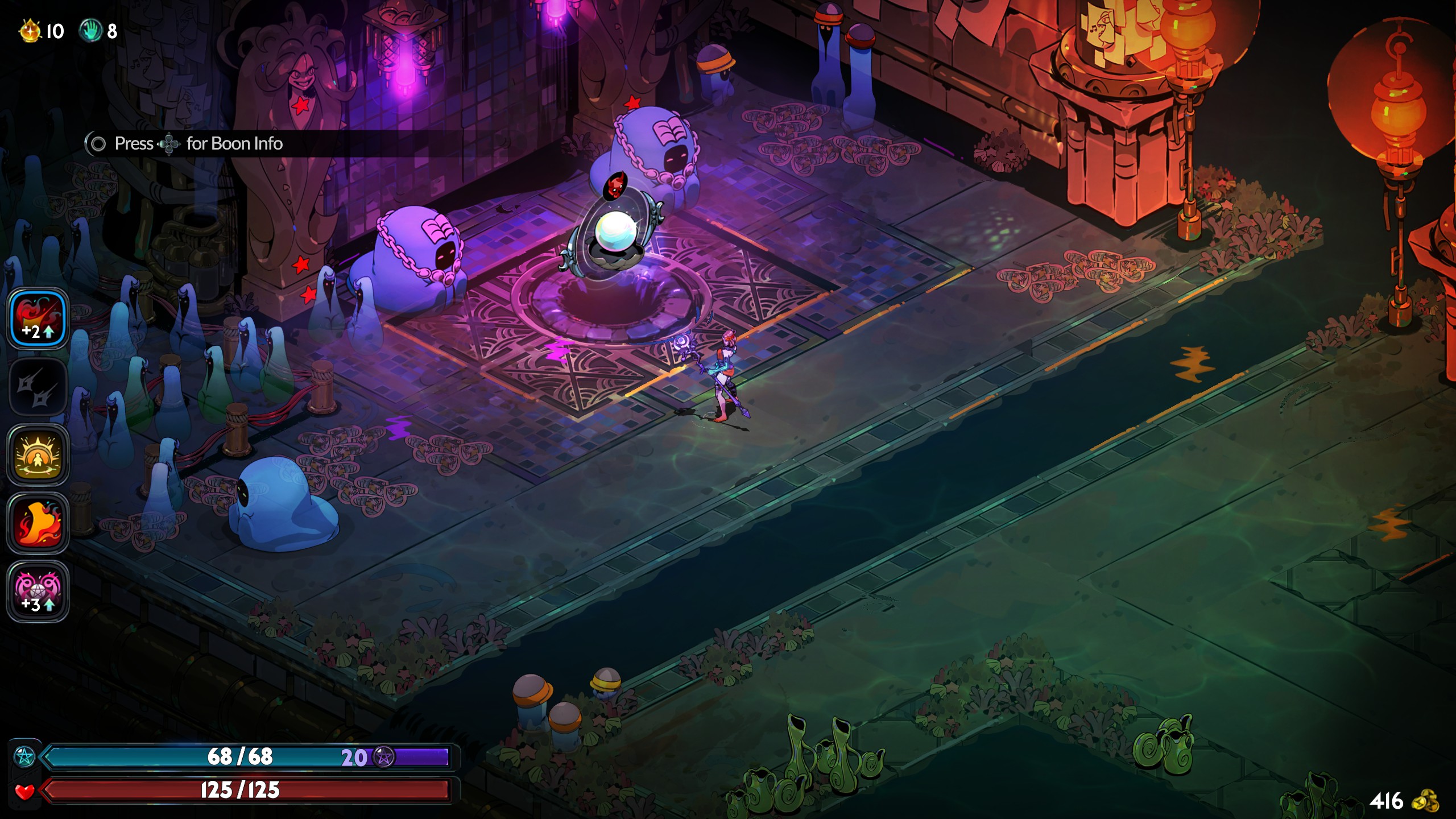
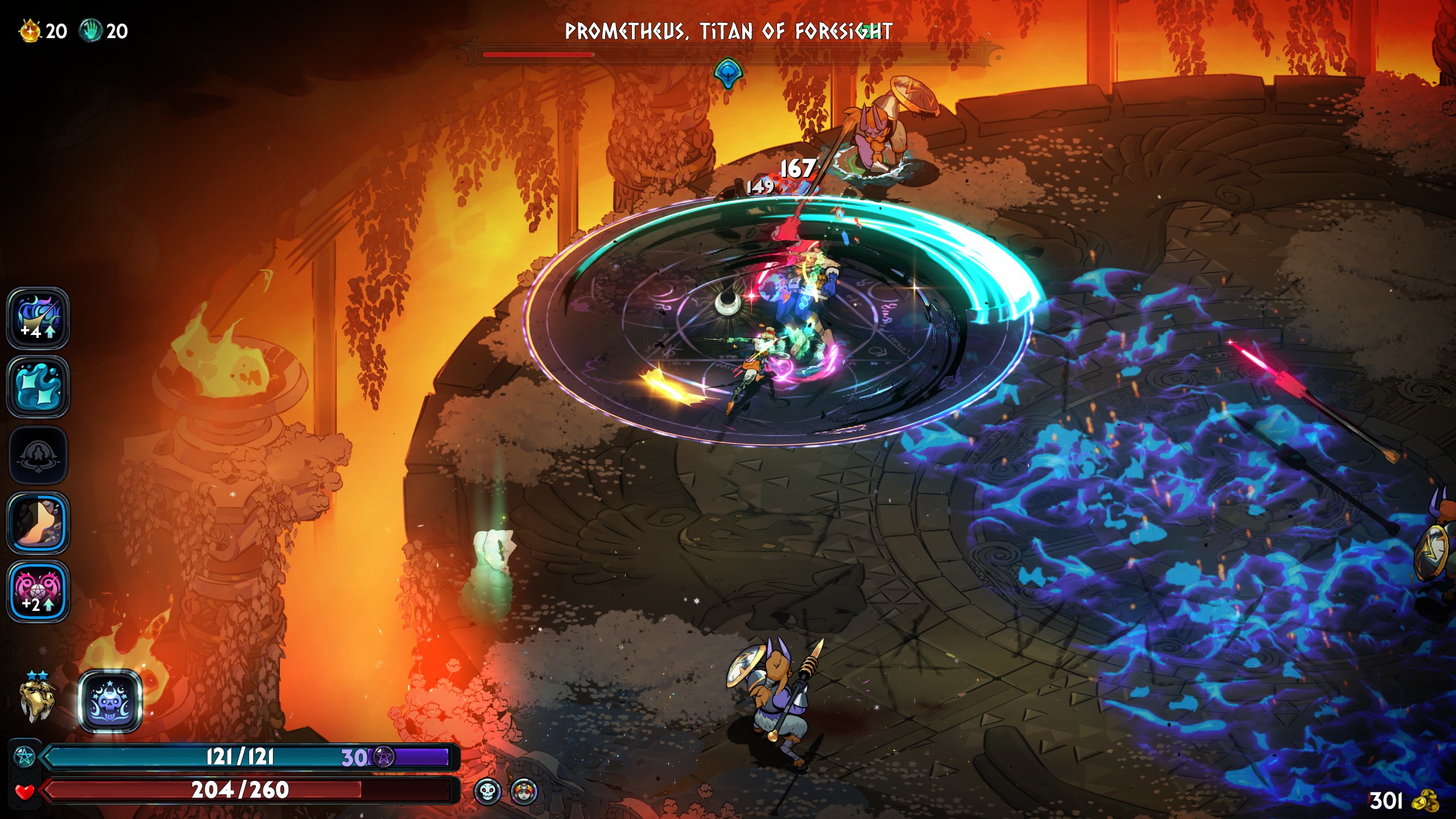
The second boss in the game, “Scylla and the Sirens”, besides a multitude of reactive details (you fight against a rock band, and if you eliminate a musician, the corresponding channel from the soundtrack also disappears, and the lyrics adapt according to what happened in previous confrontations with the same boss), is simply a delight.
You have three enemies to defeat, and if you're careful (or have played enough MMORPGs to feel the order of operations), you can deduce the order in which they should be approached and how to position yourself to avoid the bullet hell that the fight invariably turns into. No matter how cluttered the screen becomes, the clear contrast of projectiles and the numerous on-screen alert cues form a brutal, but fair, challenge.
Multiple phases often involve learning folk dances (the second greatest passion of MMO players), or safe positions when bosses launch an attack that occupies almost the entire screen. The good news is that invariably, after enough attempts, you will either learn the dance, or the bonuses and upgrades you've collected will carry you to victory.
Somehow, this makes Hades II a game for everyone. Its difficulty adapts to the player's performance, a subtle but necessary rubberbanding to balance the player's instinctive need to get as far as possible with the pace at which Melinoë's adventure reveals its layers.
Time waits for no one
Dear readers, if you're not into folk, maybe you'll have better luck with Zorba. Tudor here, straight from the ancient lands of divine ancestors. Melinoë's adventures run flawlessly on PC, as Zuluf explained above, but on Nintendo Switch 2 the experience is even more spectacular.
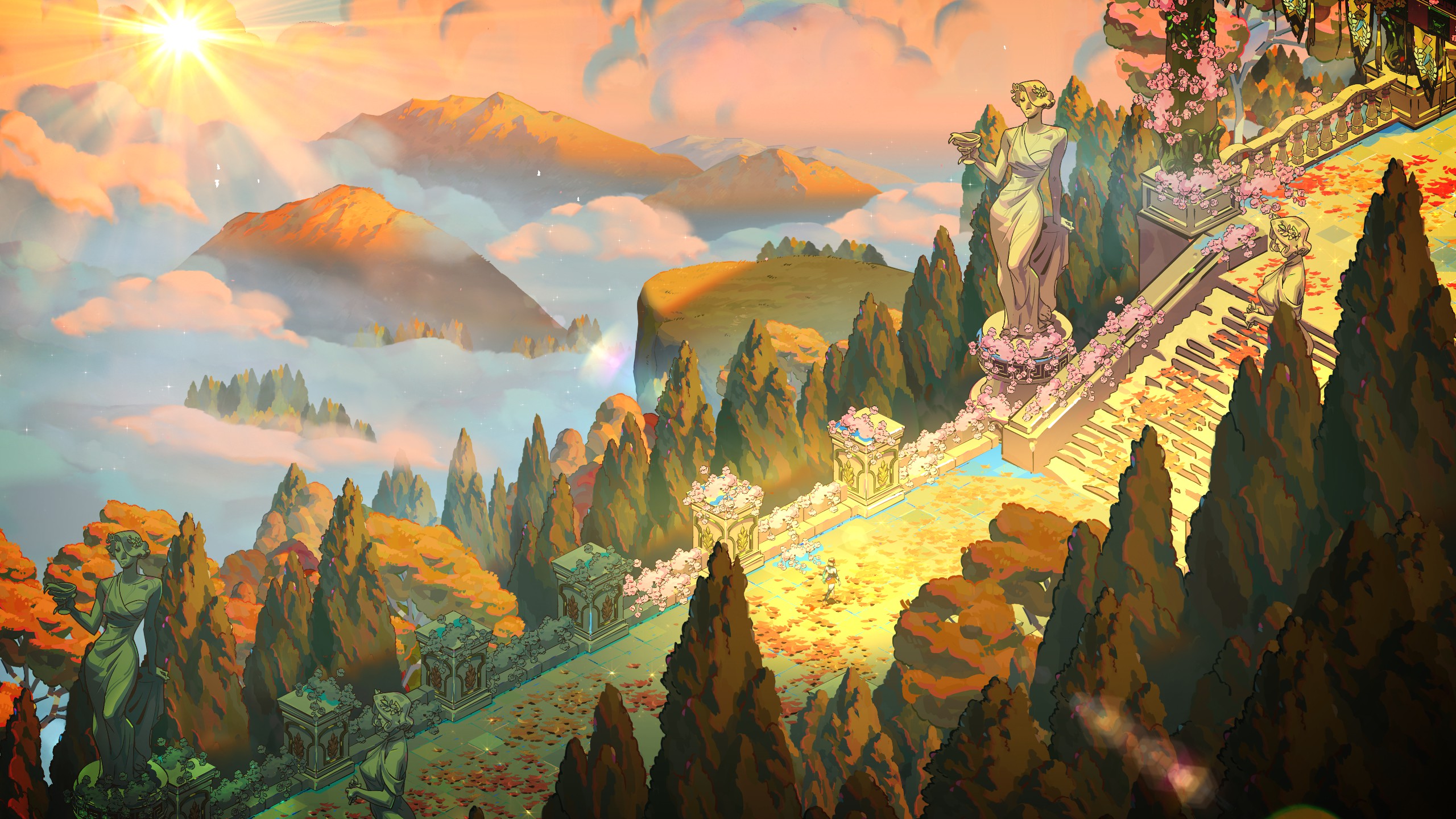
The console launched in June of this year received a lot of criticism: from its hefty price and lack of dedicated first-party games, to being labelled a “glorified emulator”. Well, the reality is different. HADES II shows the world what Switch 2 can truly do. In docked mode, it runs at a stable 120fps, with a 1080p resolution and an extremely clear image. Supergiant Games benefited from a larger budget and, most likely, access to a DevKit, and the result is clear: the game runs natively on the small console. Each area is a work of art, which is why I often found myself stopping after battles just to admire the scenery. In handheld mode, performance remains excellent, with a stable 60fps at 720p.
I barely resisted buying it on Steam in early access, but the wait was worth it. The final product exceeded all my expectations. As a fan of the first game, where we control Zagreus (Melinoë's older brother), I was reserved about the change of protagonist. Not because I didn't trust the developer, but because, after 100+ hours spent in HADES, I had grown attached to Zagreus and his extended family. However, from the first moment I entered this legendary sequel, all my worries disappeared. Supergiant Games remains a top indie studio, and HADES II seems to be their magnum opus: the story is crafted down to the smallest detail, the new powers make the gameplay extremely fun, and the end-game content is much more generous than in the previous iteration. Now I'm rushing back to the front, because if I don't kill the Titan of Time, no one will… Tudor Enea
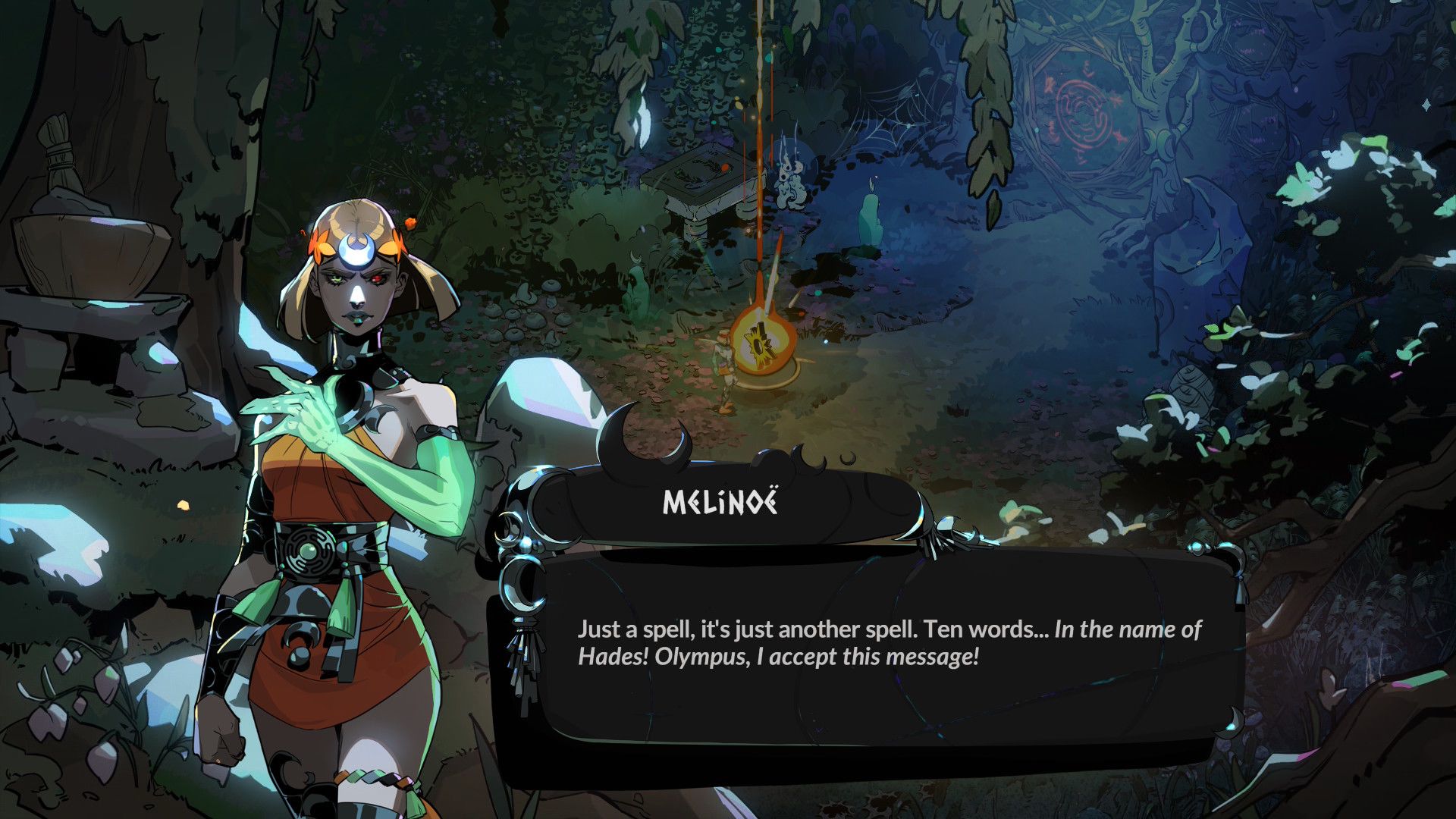
That feeling of “just one more run” enveloped me after almost every attempt, because beyond all the production details, this game represents the Golden Fleece of genre game design: it has a core loop that's simple to understand, perhaps even a bit anodyne at first, but whose variety of abilities and spices raises the skill ceiling beyond Olympus.

Played on: PC & Nintendo Switch 2
Release date: 25 September 2025
Developer: Supergiant Games
Publisher: Supergiant Games
Genre: Roguelike
Plus
- An iceberg that surpasses its predecessor in both surface and depth
- Sublime art direction and countless details that reward attention
- Harmonious blend of multiple progression systems and content tailored to player performance
Minus
- The beginning isn't very engaging until you discover and understand everything you need to master
- The stylisation of mythology comes at the cost of much poorer and more superficial writing than the source material
- Progression is sometimes unclear and not very friendly for someone who hasn't played the first game
0 votes
Scroll down here and stay on the page for at least 30 seconds to vote.
Pick a score from 0 to 10 (halves are allowed).