
I Am Alive – Review

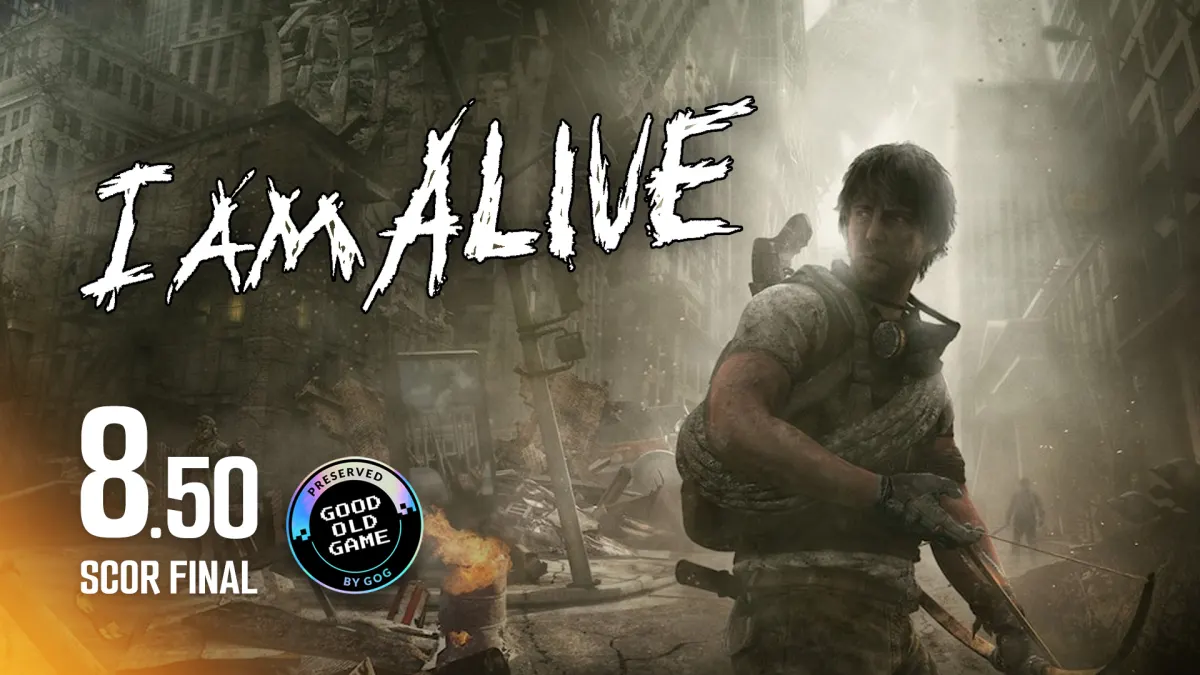

Can we find meaning in survival in a ruined world?
I Am Alive is an action-adventure/survival game released in 2012, developed by Ubisoft Shanghai (the project initially started at Darkworks) and published by Ubisoft.
The action takes place one year after a catastrophic event, called "The Event", which exterminated most of the population and left cities in ruins. The air is unbreathable, the ruins are covered in toxic dust, civilisation has collapsed, and survivors barely get by, some through solidarity, others through violence.
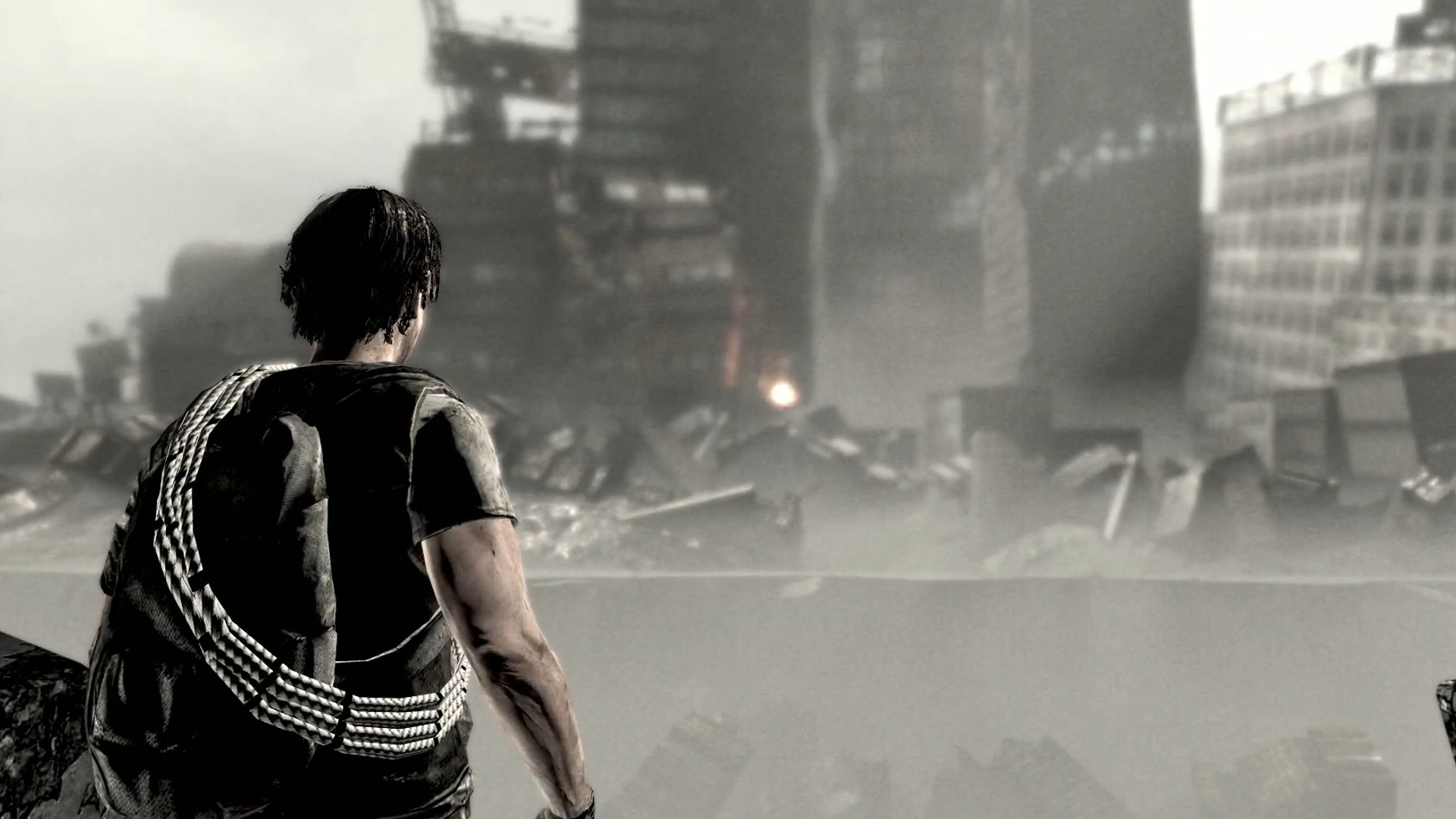
The player takes on the role of a man trying to find his lost wife and daughter, returning to his hometown (in ruins) after surviving outside of civilisation. Through this post-apocalyptic setting, I Am Alive explores not only physical survival, but also moral dilemmas and humanity in a world overwhelmed by despair.
Game atmosphere: fragility, threat, insecurity
The world of I Am Alive is overwhelming. The streets are deserted, covered in dust and debris; buildings are on the verge of collapse, and the darkness and ash-filled sky create an oppressive atmosphere, dominated by ruin and solitude.
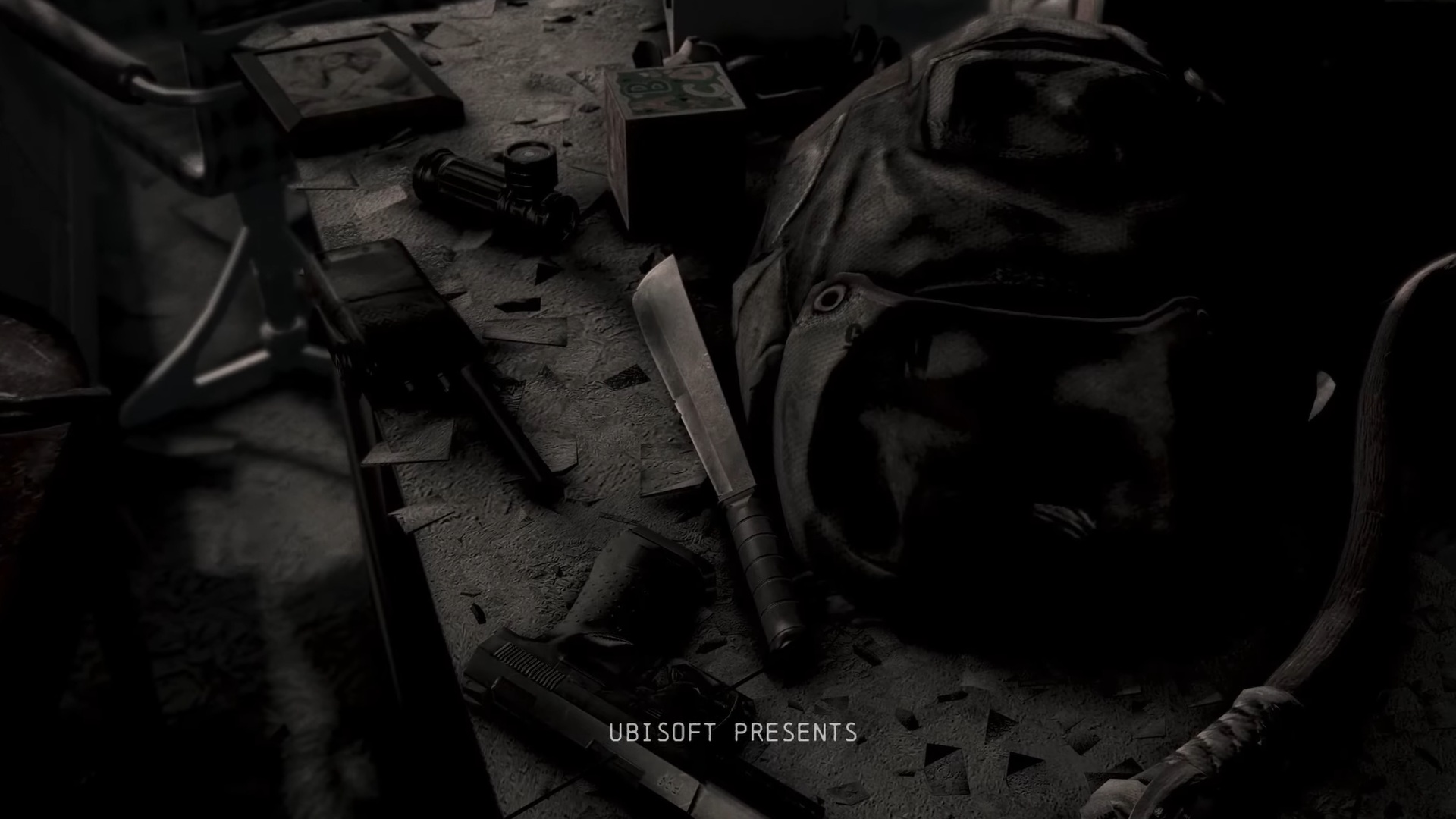
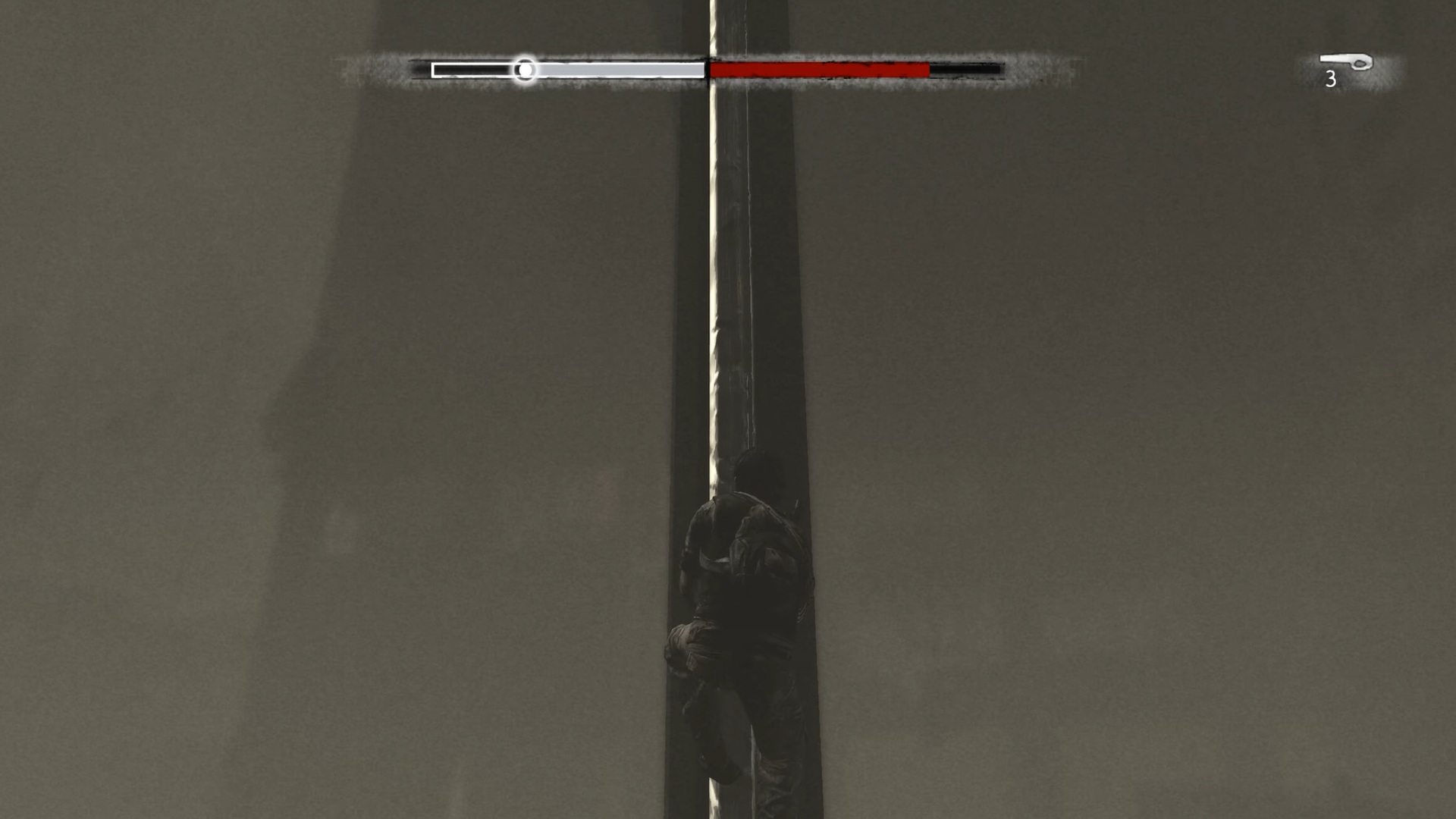
From the first moments, the game puts you in a state of vulnerability. You are not a fully equipped hero, but a tired man, overwhelmed by loss, who advances with hesitation and fear. This feeling of fragility is amplified by the character's physical limitations: when you have to climb, run or clamber, your stamina drops quickly, and ascents become dangerous.
This sense of insecurity makes every dark corner, every ledge, every unstable building a threat, not just from other people, but from the very structure of the world. I Am Alive doesn't want you to feel strong or omnipotent, but fragile, helpless and always with an eye on reality.
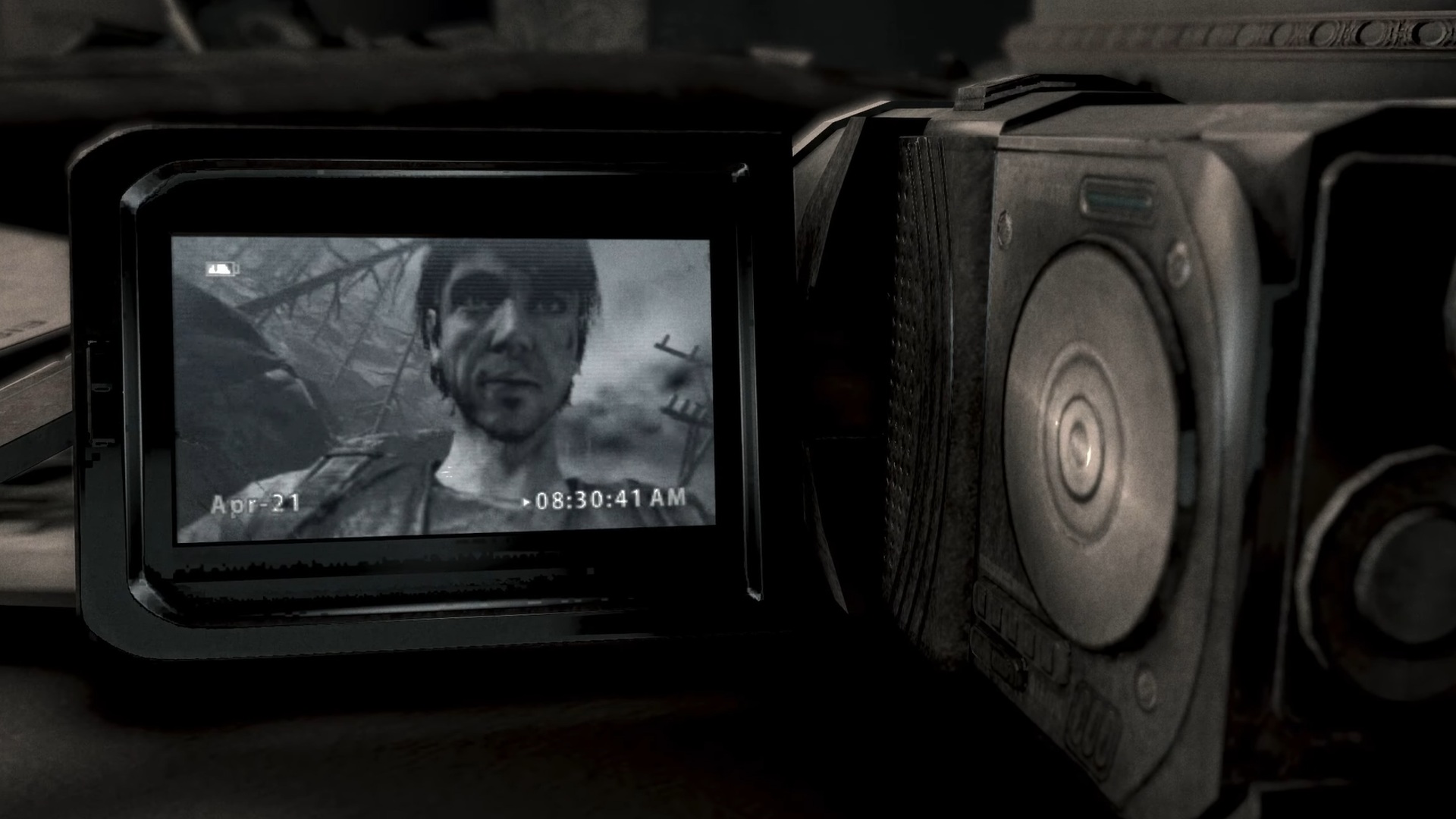
Survival, limited resources, psychology and tactics
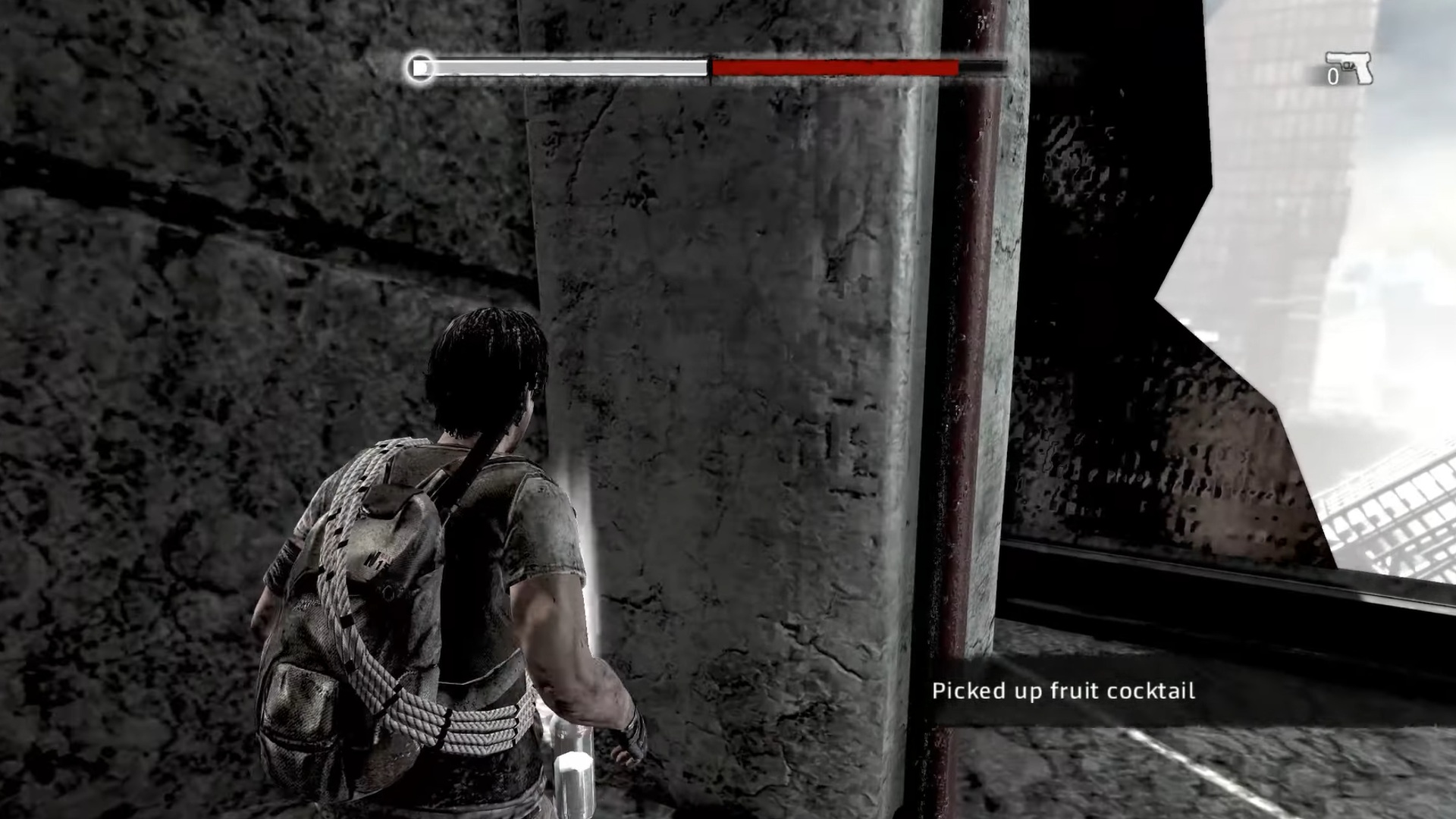
One of the defining elements of I Am Alive is the climbing and exploration system. The character can climb ruins, cross bridges (or what's left of them), squeeze along ledges, cling to poles, clamber over debris, all to advance through the destroyed city. But this type of mobility is not free: energy drains, and if you fail, a single wrong step can be fatal.
This need to conserve energy and be careful with every move adds realism and tension. Every decision matters. You can't just rush forward like in a classic shooter; you have to analyse, plan, and assess the risks.
Extremely limited resources
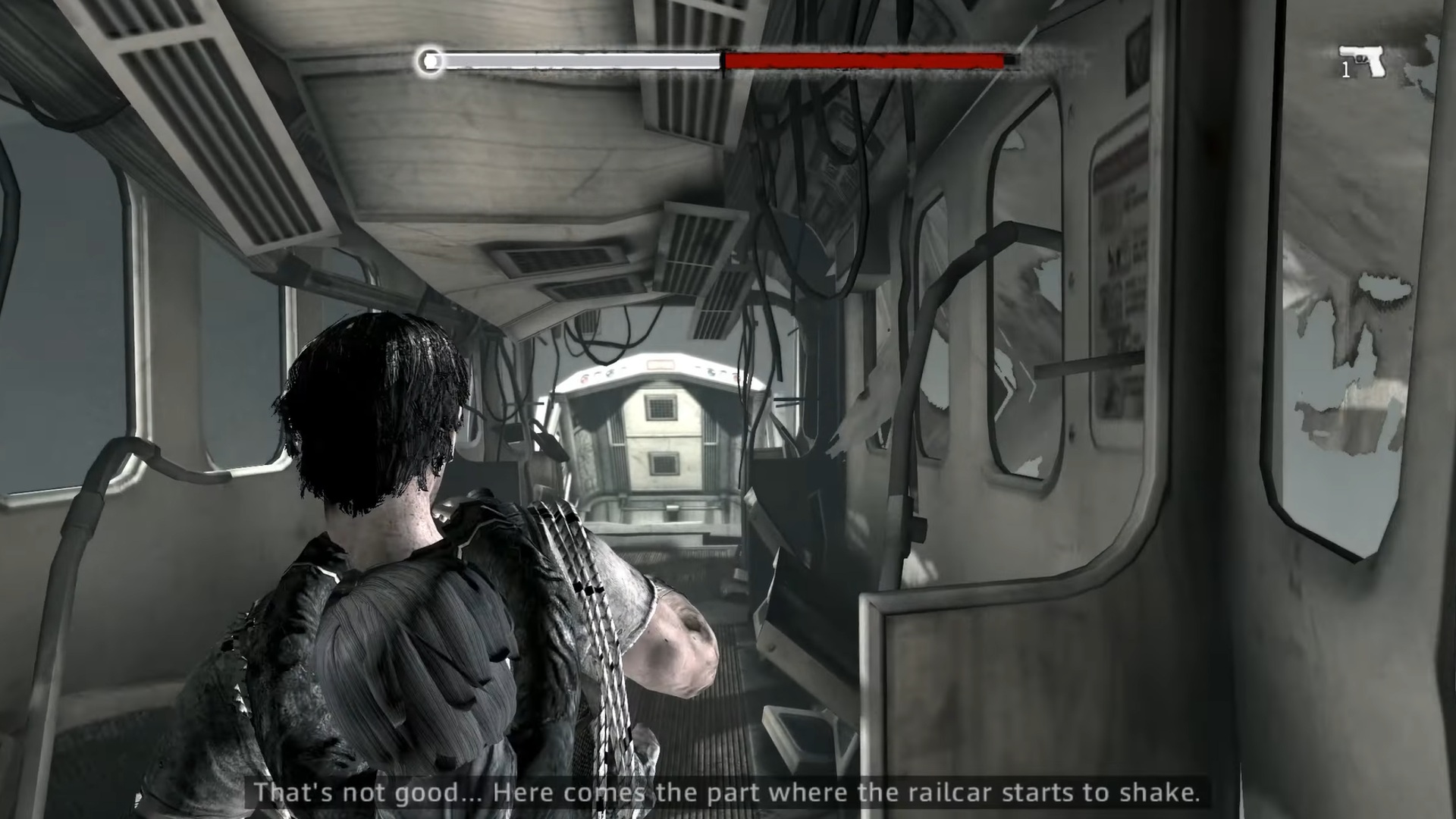
Ammunition is rare, and weapons and ammo are not enough to deal with violent groups. Instead of a gameplay style based on large volumes of ammo and fast fights, I Am Alive teaches you a different approach: intimidation, bluff, and fear. Often, holding your pistol in plain sight (even empty) can save you. Enemies can give up or be intimidated into attacking, giving you the opportunity to escape or resolve the conflict through non-lethal methods.
This system forces you to make difficult decisions: when to confront, when to flee, when to try to negotiate. In a world where every bullet counts, victory often comes through psychological manipulation, not gunfire.
Survival and morality?
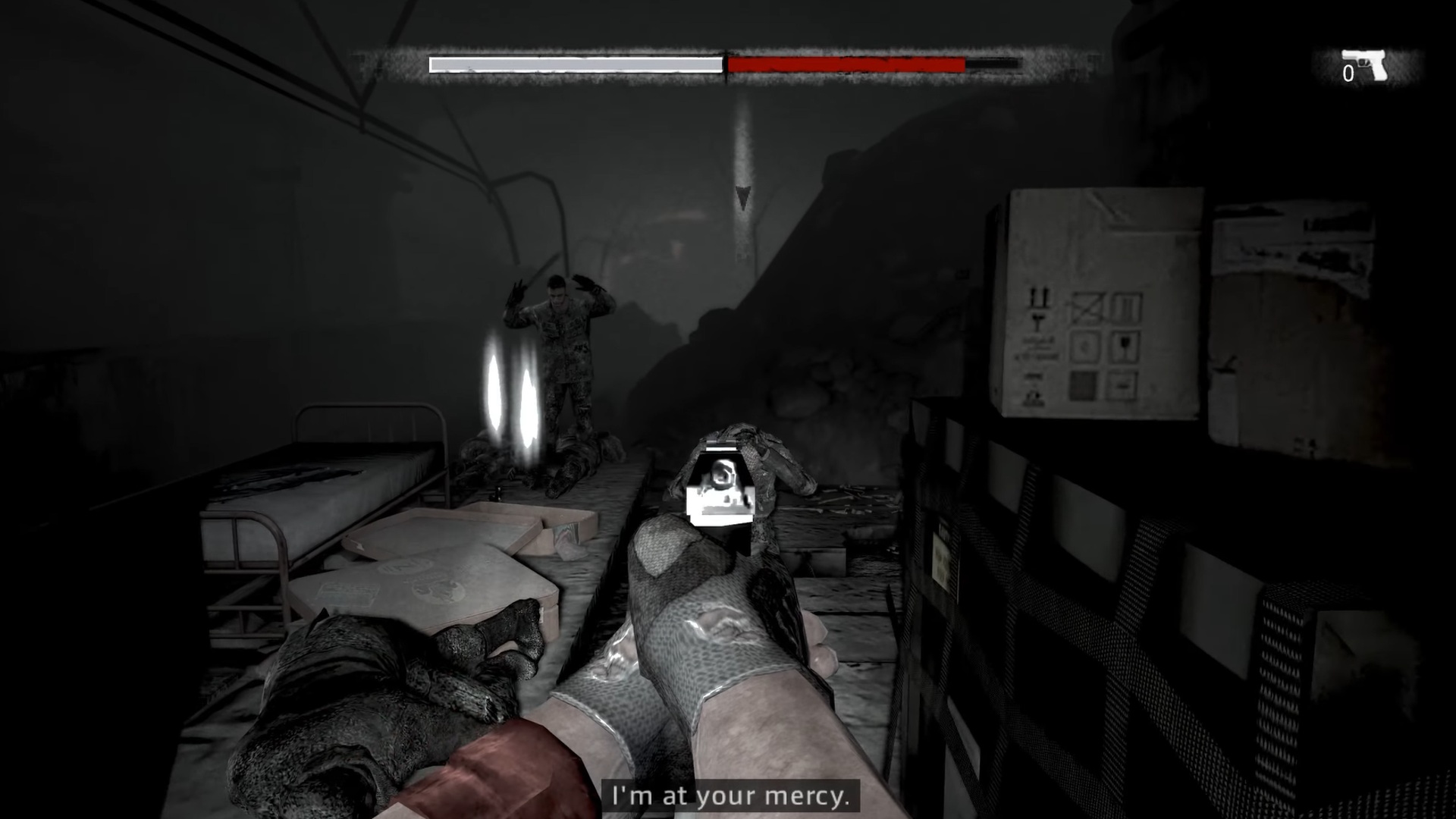
The environment is not only dangerous due to its ruined structure or toxic dust; people are also a threat. Some survivors are desperate, others violent, willing to steal resources or kill to survive. I Am Alive offers a harsh social landscape where morality is ambiguous and decisions matter.
There are no monsters or supernatural creatures. The enemies are other humans, defeated by the fear and despair of the apocalypse. This aspect makes survival more real and harsher: you're not fighting zombies, but people who, like you, just want to survive, no matter the cost.
Modern adaptations for a collector's game on PC
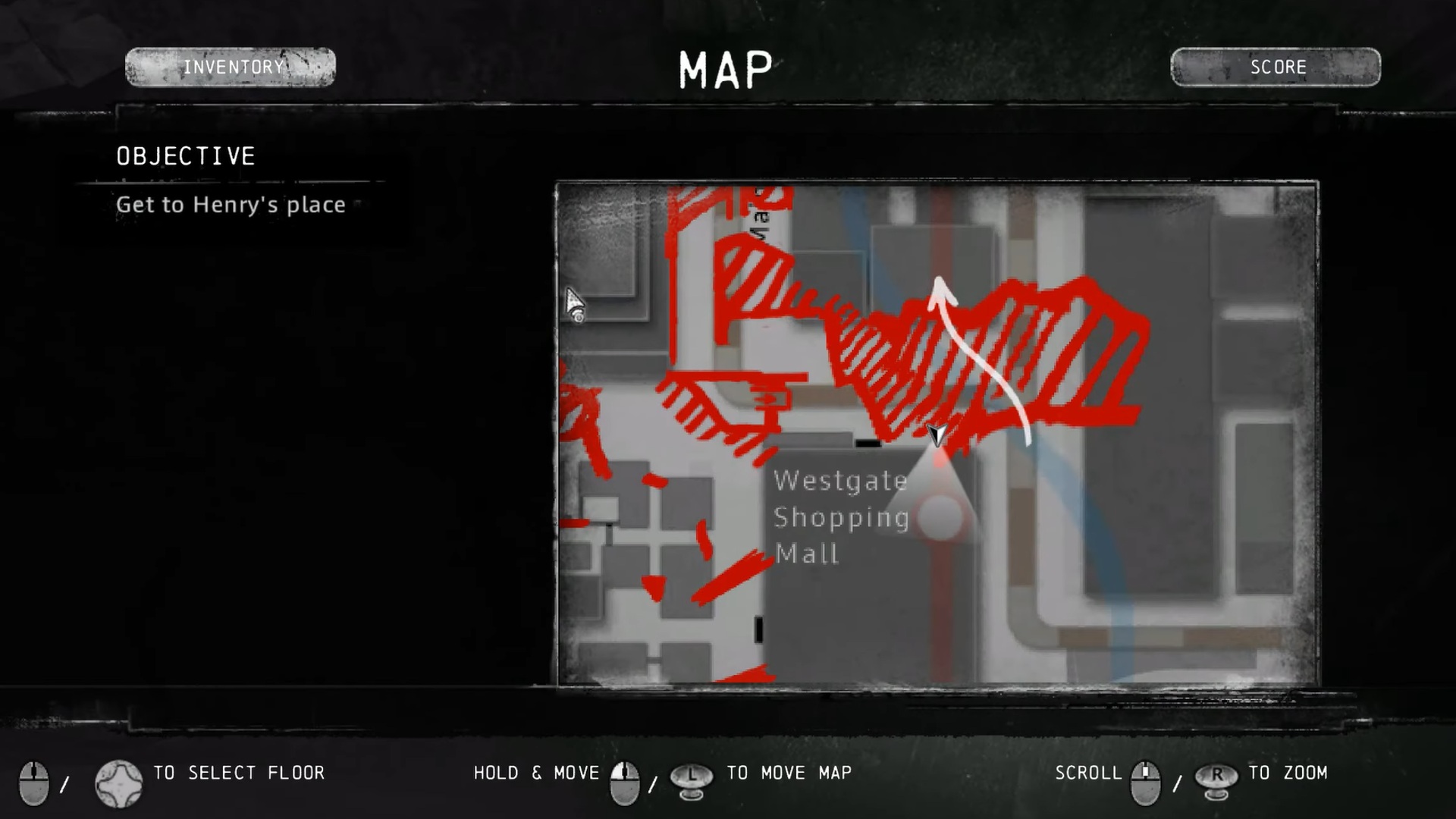
After its initial releases on Xbox 360 (March 2012) and PlayStation 3 (April 2012), I Am Alive was brought to PC in September 2012, with optimisations: clearer graphics, higher resolutions, mouse & keyboard or controller support, an "Easy" mode (infinite retries) and a "Replay" mode allowing players to replay any level to discover hidden secrets and resources.
Recently, the PC version became available on GOG.com, remastered for modern systems (Windows 10/11), with updated compatibility, extended localisation support (languages), modern controllers, and performance optimisations.
This makes I Am Alive, today, one of those old but relevant games that deserve to be rediscovered, especially by those interested in atmospheric post-apocalyptic experiences, without fantastic elements, but with intense psychological and moral tension.
What works well?
The atmosphere in I Am Alive is authentic and overwhelming, built from collapsed ruins, omnipresent dust, mutilated buildings, and a fundamentally changed humanity, all contributing to a credible and oppressive world that stays with the player. The game constantly succeeds in conveying the fragility and disorder of a universe barely breathing.
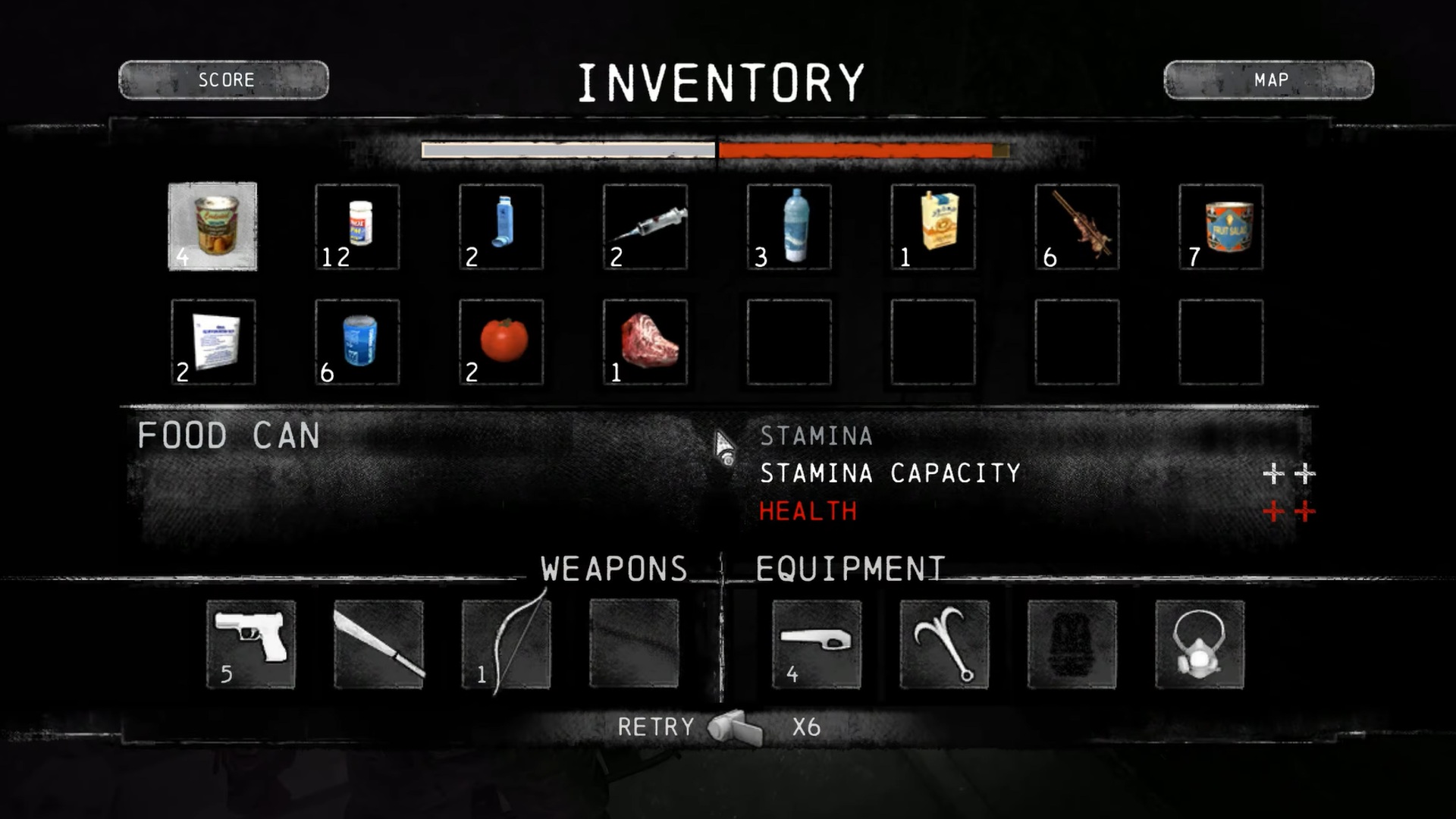
Added to this picture are the surprisingly realistic survival mechanics, from the stamina-limited climbing system to the extremely scarce resources and fights based more on intimidation than brute force.
All of this creates a genuine survival experience, far from the fast pace and abundance of ammunition in typical titles of the genre. Psychological tension is present in every encounter with other survivors, where the player must decide whether to help, avoid, or confront, each choice having consequences and adding moral weight to the gameplay.
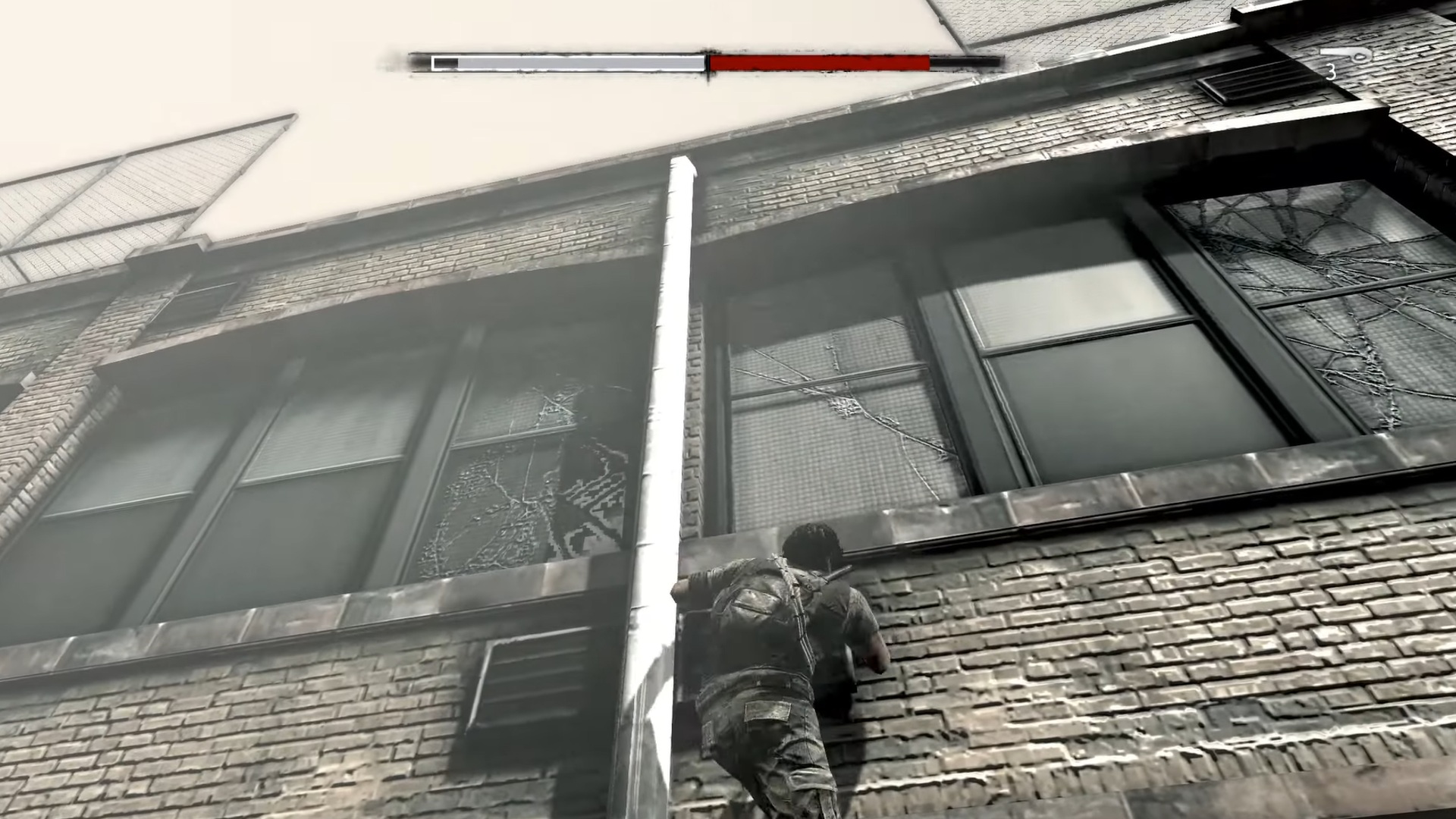
Furthermore, the PC version benefits from optimisations, modern resolutions, and support for current standards, which allows the game to remain relevant today, without appearing like a title stuck in the past.
Limitations and compromises
I Am Alive has some notable limitations that can influence the player's experience. The rather short duration of the main story means the adventure ends quickly, in about five or six hours, which can leave the impression that the universe deserved to be explored more broadly.
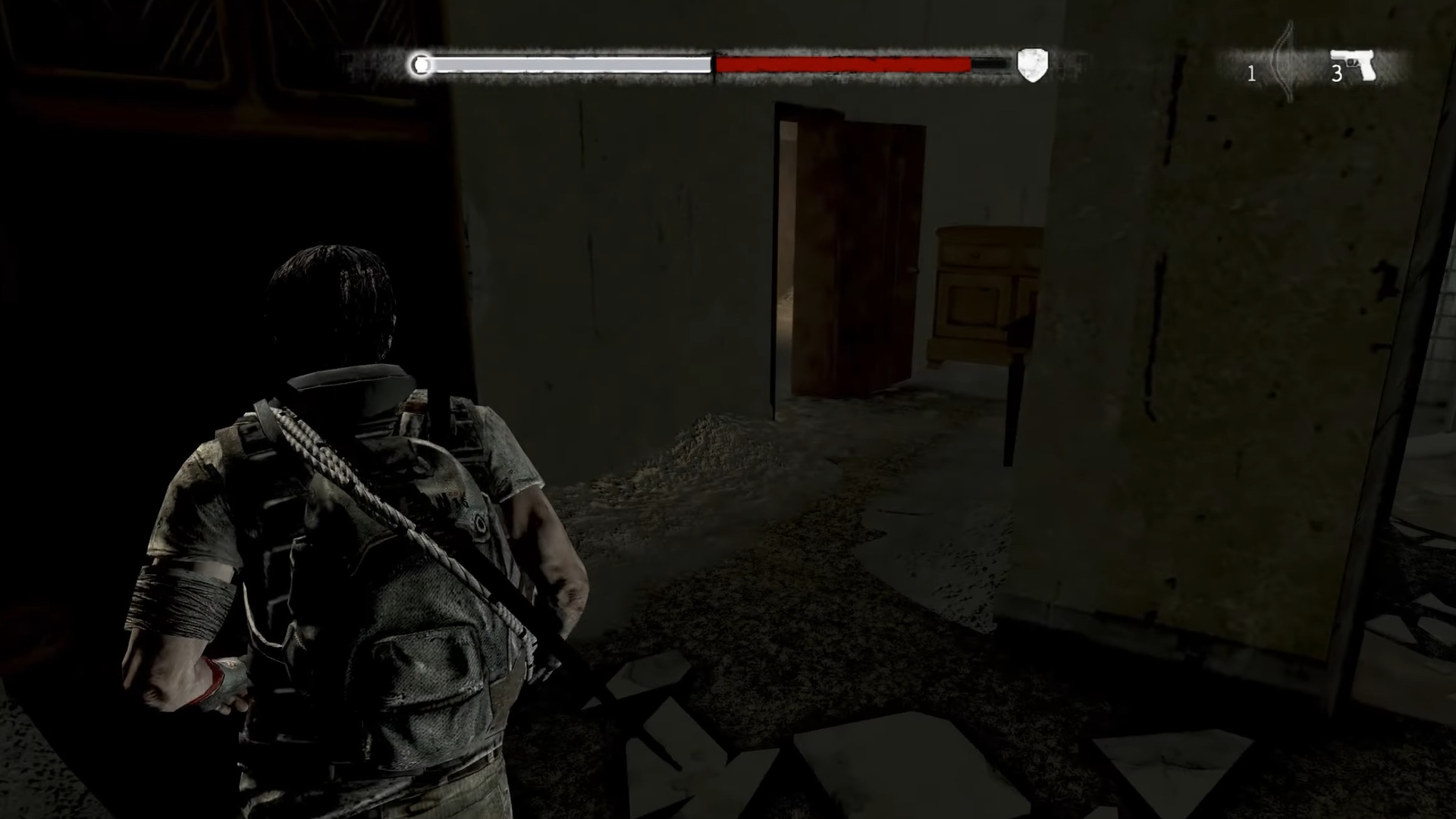
The ending also contributes to this feeling, being perceived by some players as abrupt or incomplete, especially given the serious premises and oppressive tone of the game. The combat system, although logically integrated into the idea of survival, can sometimes become limited and frustrating, with a combination of rare ammunition, aggressive adversaries, and an intimidation mechanism that risks becoming repetitive.
Moreover, the overall design of the game is austere and harsh, intentionally built to convey discomfort and tension, which transforms it into an intense and authentic experience, but not necessarily suitable for those who prefer relaxed or visually spectacular gameplay.
An experience to (re)discover
I Am Alive is not a perfect game. It doesn't have the luxury, scale, or narrative finesse of some modern AAA titles. But what it lacks in pretensions, it compensates for in authenticity, atmosphere, and the idea that survival, in a real, brutal, and vulnerable sense, can be as intense as any apocalypse with monsters or special effects.
It's an invitation to introspection: what are you willing to do to survive? How much do people change when faced with despair? In the world of I Am Alive, there are no invincible heroes. There are only people, fear, difficult decisions, and the desire to make it to tomorrow.
Thanks to GOG.com for the review code!

Available on: PC (Steam and GOG), originally on PlayStation 3 and Xbox 360
Played on: PC (GOG)
Release date: 2012
Developer: Ubisoft Shanghai (development started at Darkworks)
Publisher: Ubisoft, GOG/Atari
Plus
- Authentic and oppressive post-apocalyptic atmosphere
- Climbing and stamina management system adds real tension
- Clever intimidation and psychological combat mechanics
- Tough survival with scarce resources and difficult decisions.
Minus
- Short duration relative to the universe's potential
- Limited and sometimes repetitive combat
- Abrupt ending that can leave players wanting more
0 votes
Scroll down here and stay on the page for at least 30 seconds to vote.
Pick a score from 0 to 10 (halves are allowed).