
MARVEL Tōkon: Fighting Souls – Review

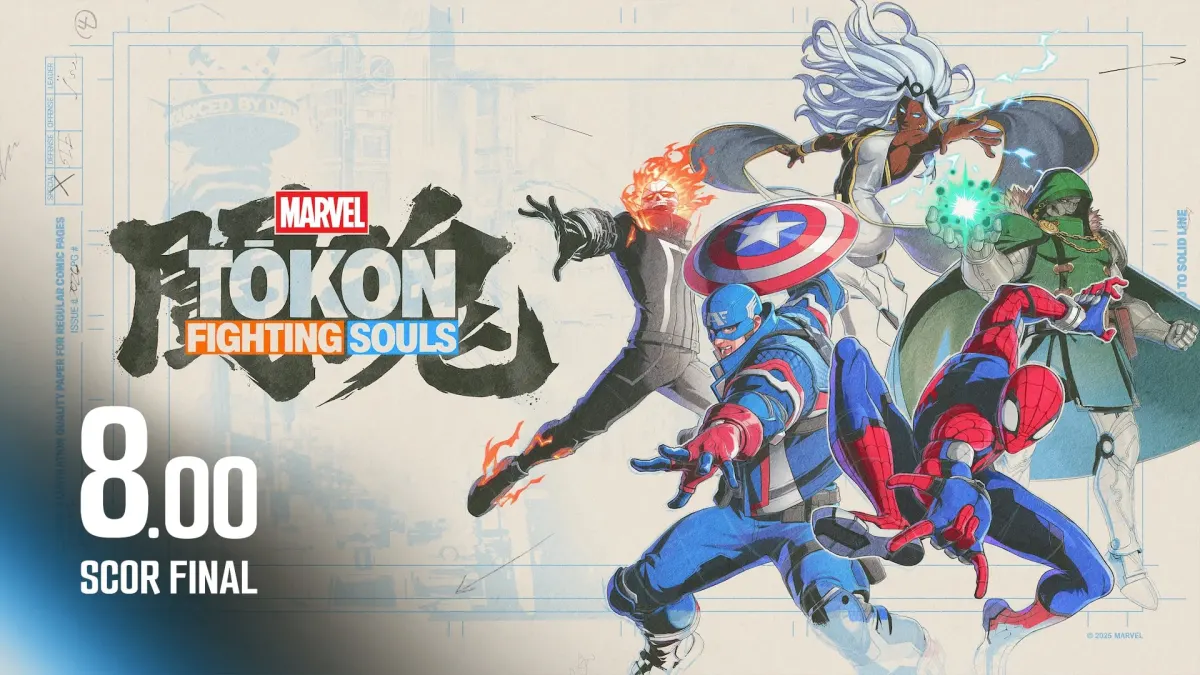
The second coming of Marvel Jesus?
The MARVEL universe has a long history, one that has outgrown its original medium, comic books, to become a transmedia IP. From TV series and radio dramas to plays, animations, films and roller coasters, the famous universe created by Stan Lee, Jack Kirby and Steve Ditko has been translated into almost every form of media going. In video games, MARVEL has a rich history that began in 1982 with Spider-Man on the Atari 2600, developed by Parker Brothers, and has continued over the years with hits like 1998’s Marvel vs. Capcom: Clash of Super Heroes (which, by the way, is the third game in that franchise), 2002’s Spider-Man, based on Sam Raimi’s first film and developed by Treyarch, 2006’s Marvel: Ultimate Alliance, 2008’s Spider-Man: Web of Shadows, 2009’s X-Men Origins: Wolverine, the infamous 2013 Deadpool, which has since been delisted, 2018’s Marvel’s Spider-Man, developed by Insomniac Games, 2021’s Marvel’s Guardians of the Galaxy, 2022’s Marvel’s Midnight Suns, and Marvel Rivals.
As you can see, this universe has covered a good chunk of the industry’s current genres, and there are four more games from it still to come: Marvel’s Wolverine, which takes place in the same universe as Marvel’s Spider-Man, specifically Earth-1048, Marvel’s Blade, Marvel 1943: Rise of Hydra, and an untitled Iron Man game from Motive Studio.
So, as you can see, the history of MARVEL games is a long one, and the most recent release is MARVEL Tōkon: Fighting Souls, a fighting game that looks like the spiritual successor to Marvel vs. Capcom: Infinite. It’s developed by the legendary ARC SYSTEM WORKS, known for the celebrated Guilty Gear franchise, which is admired for both its memorable character design and its complex combat system. And, as you’d expect, the famous Yokohama studio has not only done its homework for this MARVEL collaboration but has also made one of the best games in the genre, joining the likes of Street Fighter 6, Tekken 8, Mortal Kombat 1 and even Dragon Ball FighterZ. If I’ve piqued your curiosity, let’s start with the story!
I herald his challenge,
I herald your whooping,
I herald the Champion!
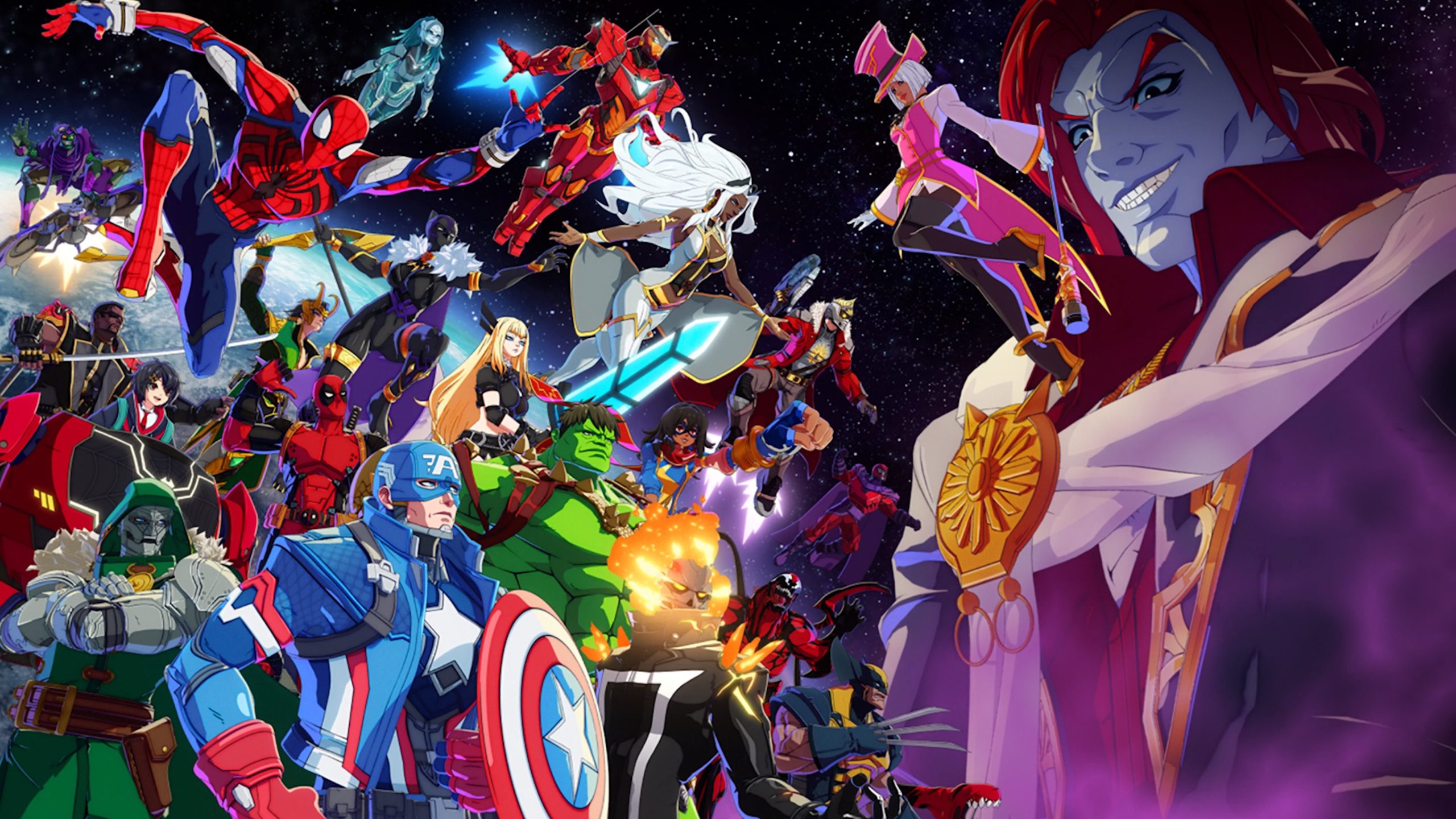
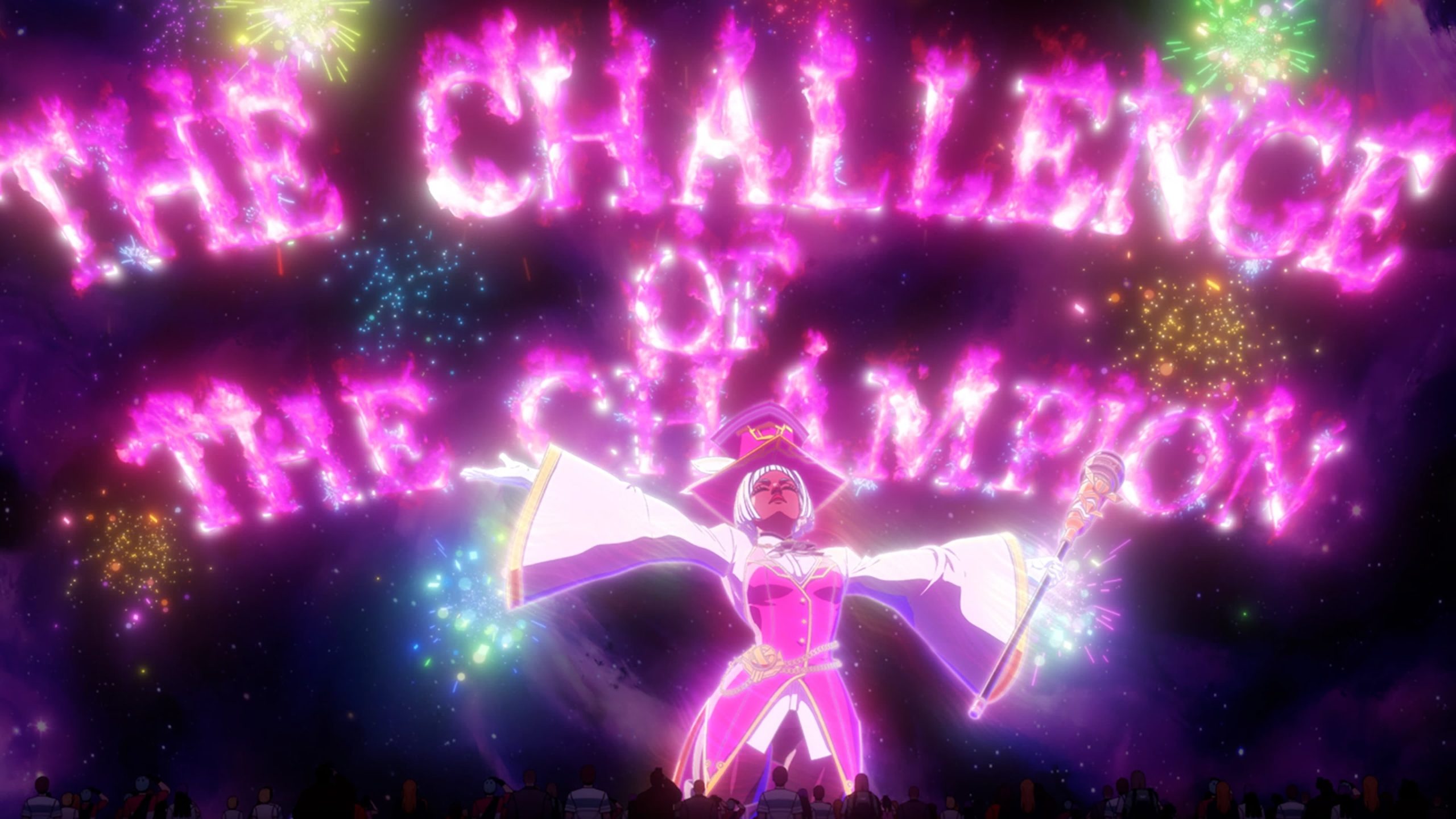
The narrative thread in MARVEL Tōkon: Fighting Souls will probably be familiar to the most devoted MARVEL comics fans, as it broadly follows the same story as Thor vs. Hulk: Champions of the Universe, with a few small changes. I’ll be honest: the developer searched long and hard for a comic series to draw on that would make sense in the context of the game. The story opens in an apocalyptic setting on a distant planet that seems to have been struck by a disaster of epic proportions. Soon we see that the destruction was caused by a single mysterious figure. Right after they leave, the planet vanishes, and the player is greeted by the opening credits.
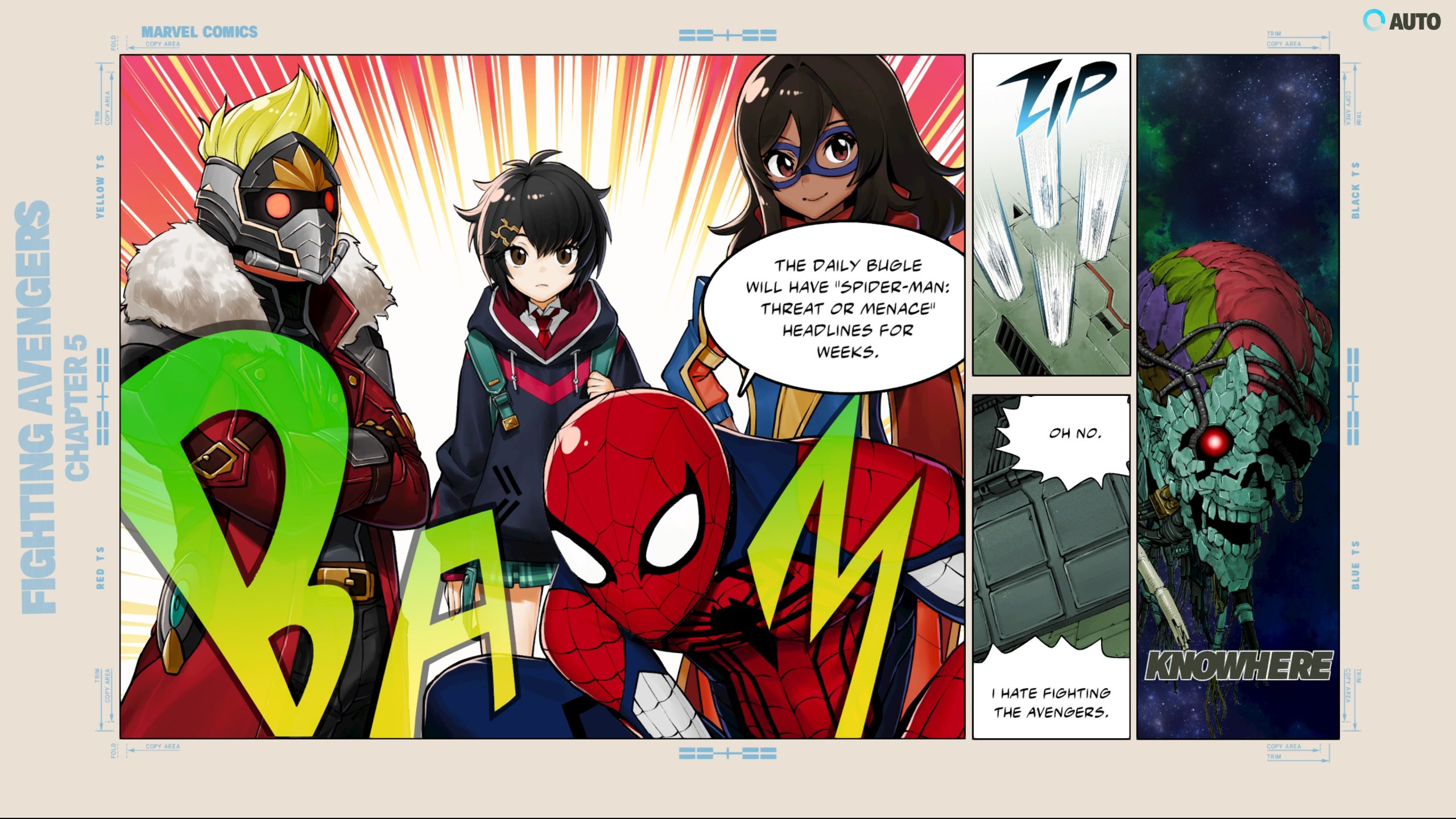
From here, the player can play through one of five “episodes”, presented as comic strips, to discover the “original” story of MARVEL Tōkon: Fighting Souls, in which the ancient alien known as THE CHAMPION challenges Earth’s heroes to a fighting tournament. Under the Champion’s rules, the planet is represented by five teams of four members each, who will knock seven bells out of one another to decide who gets the “honour” of giving the celestial being a proper hiding.
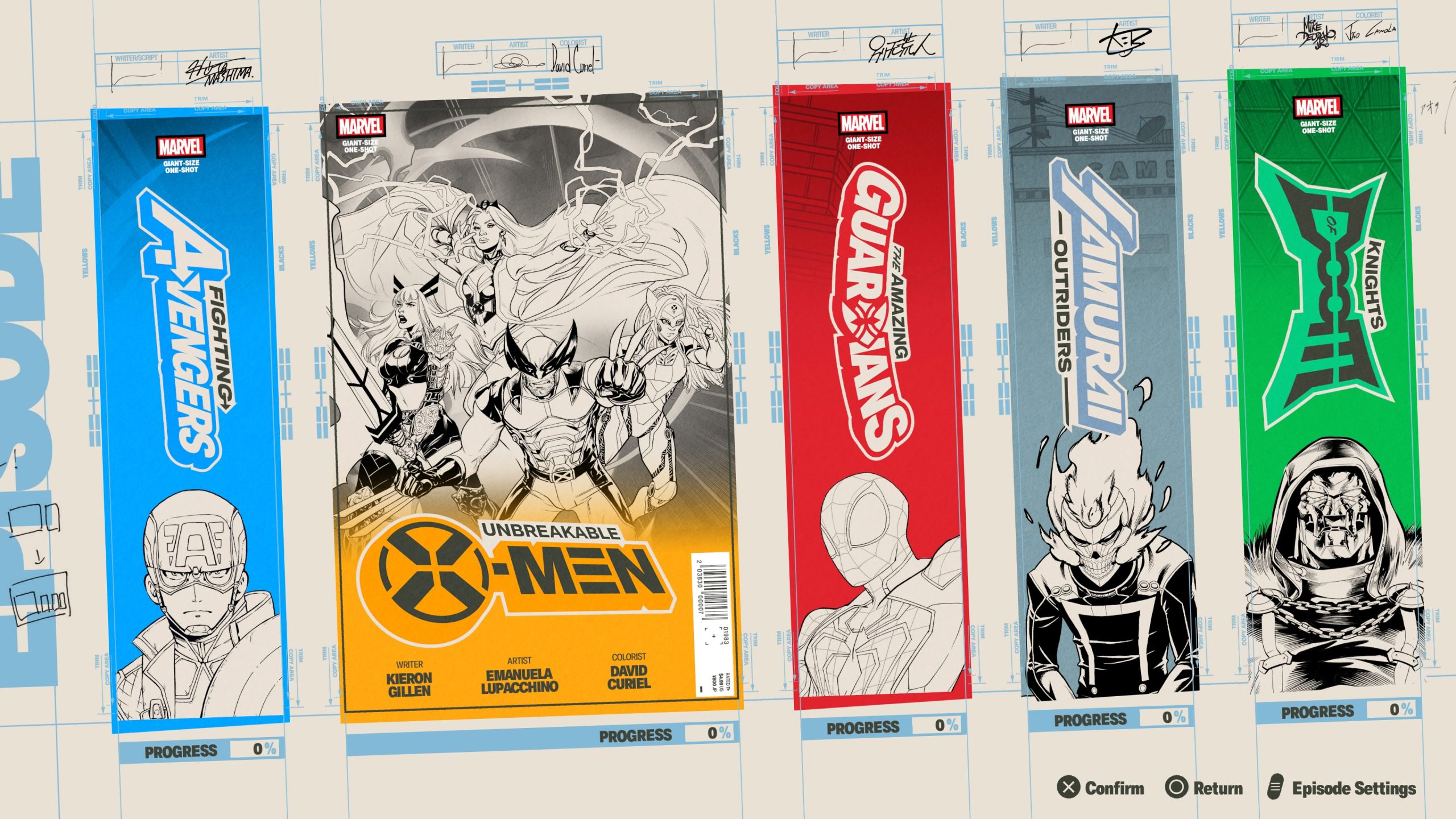
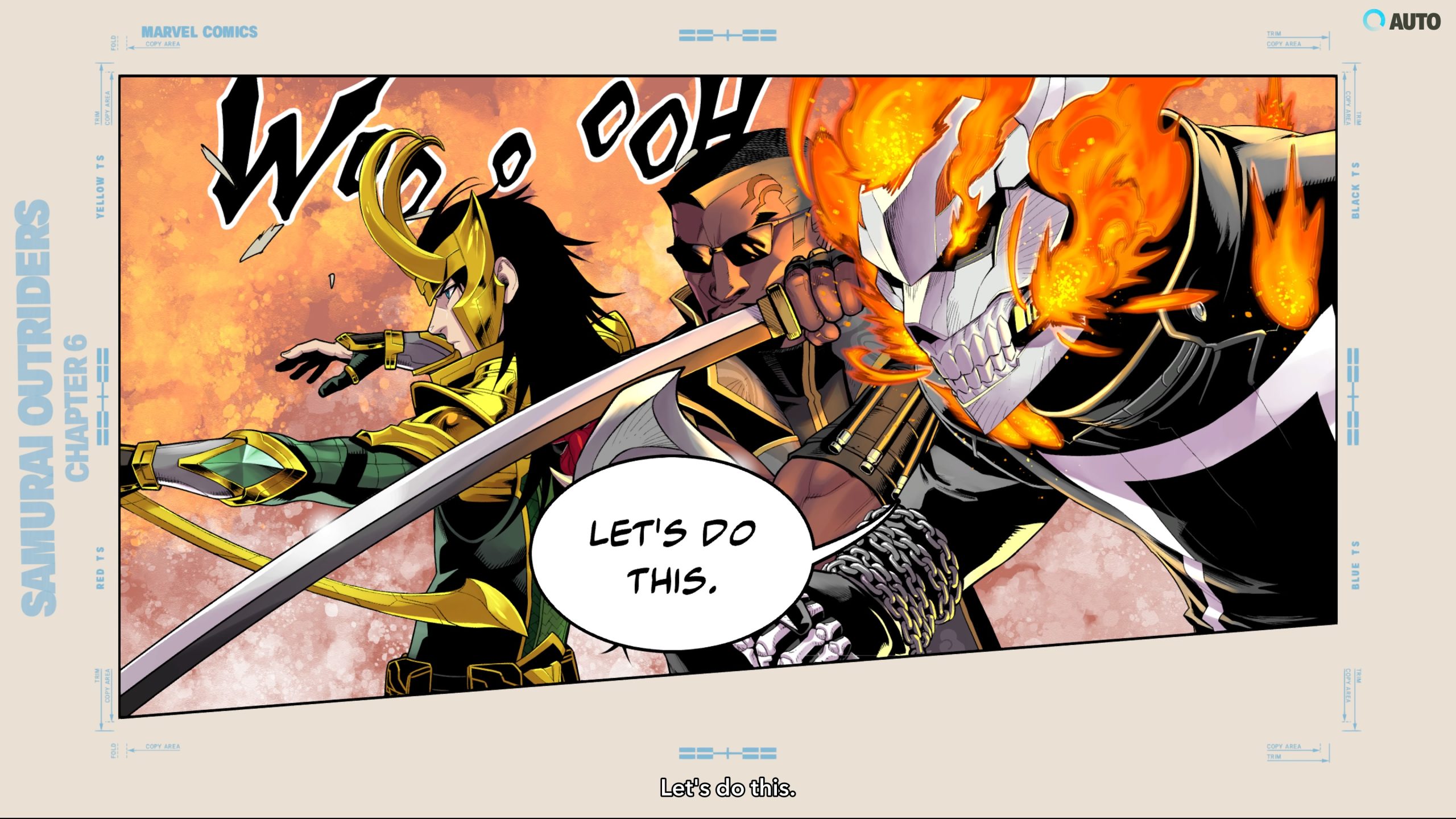
In total, the Champion has prepared five invitations for Earth’s heroes, and they reach Captain America, Storm, Spider-Man, Robbie Reyes (the new Ghost Rider) and Doctor Doom (who is not played by Robert Downey Jr. here, thank the Supreme One for that). I mentioned earlier that the developer drew on the story of Thor vs. Hulk: Champions of the Universe for the plot, but the episodes also reflect other comics, such as 2015’s Secret Wars in the case of Doctor Doom’s story. Although “original” to a degree, they contain enough elements that MARVEL fans will spot them easily. The story is told across 11 chapters, each presented through animated, voiced comic panels, and each chapter is built around a fight. On top of that, there are a few 3D animated cutscenes.
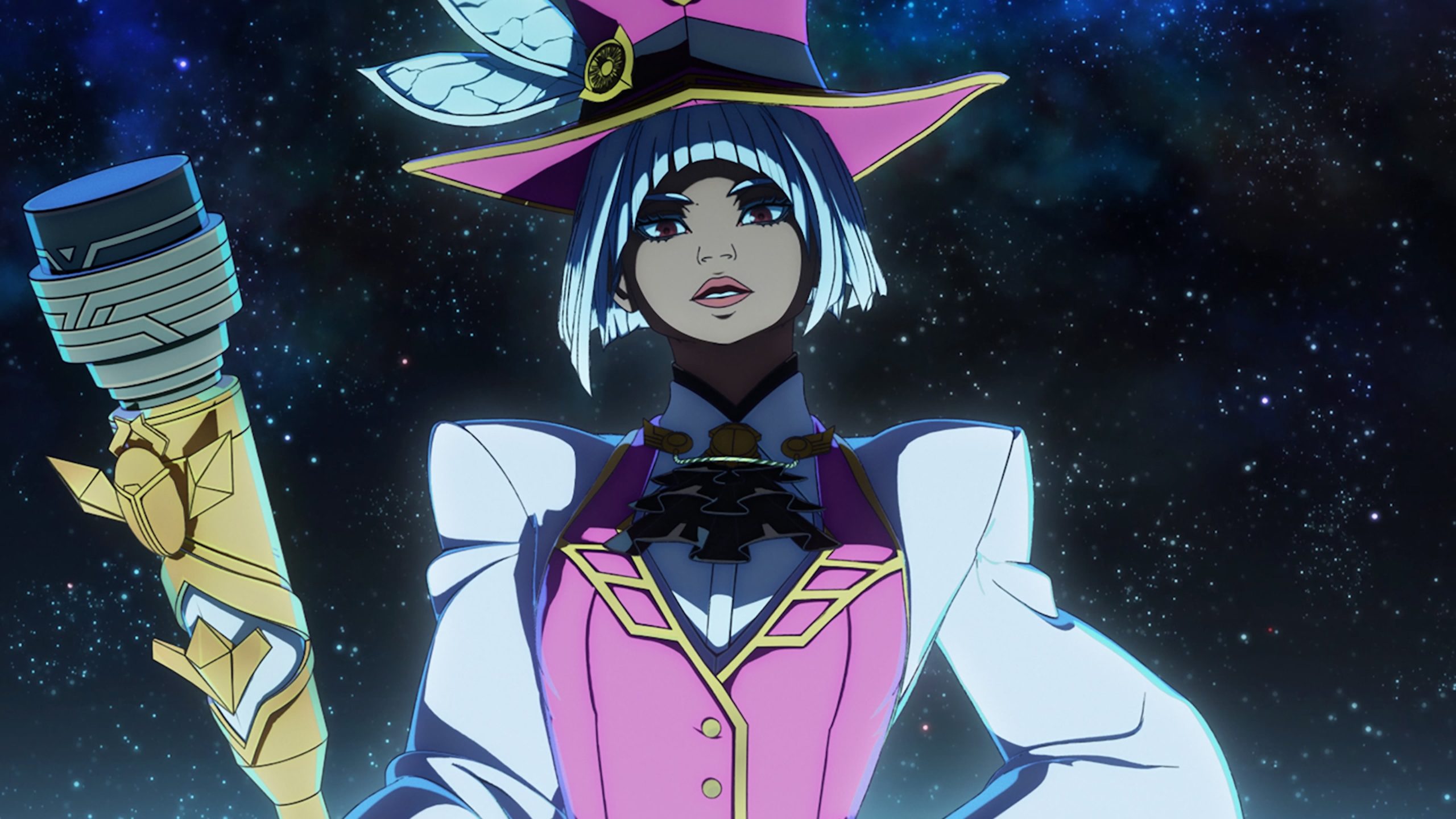
When I said ARC SYSTEM WORKS did its homework, I meant it in the most literal way possible. Even if The Champion and The Promoter look like completely new characters, they first appeared in the MARVEL universe in 1982 and 2017 respectively. Their real names are Tryco Slatterus for the Champion and Xirena Awhina for the promoter.
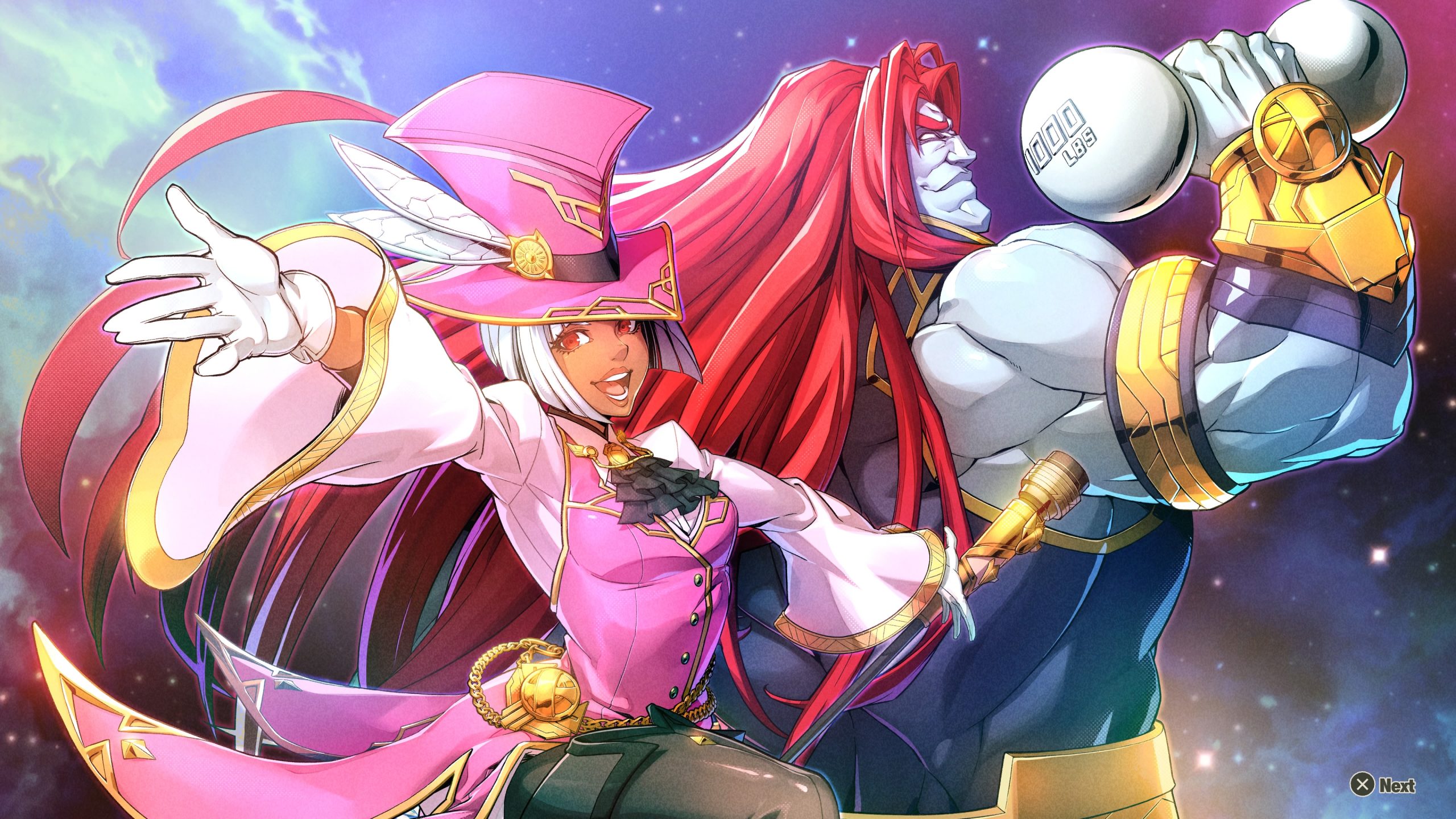
Unfortunately, the story isn’t as complex as Street Fighter 6’s, and the game doesn’t offer the same freedom to explore. The narrative is delivered as an arcade mode, in which you climb a ranking over 11 fights, accompanied by the animated sequences mentioned in the previous paragraph. But let’s be serious: the main draw of a fighting game isn’t the story, even if it’s the cherry on top. It’s the brawling!
I can do this all day!
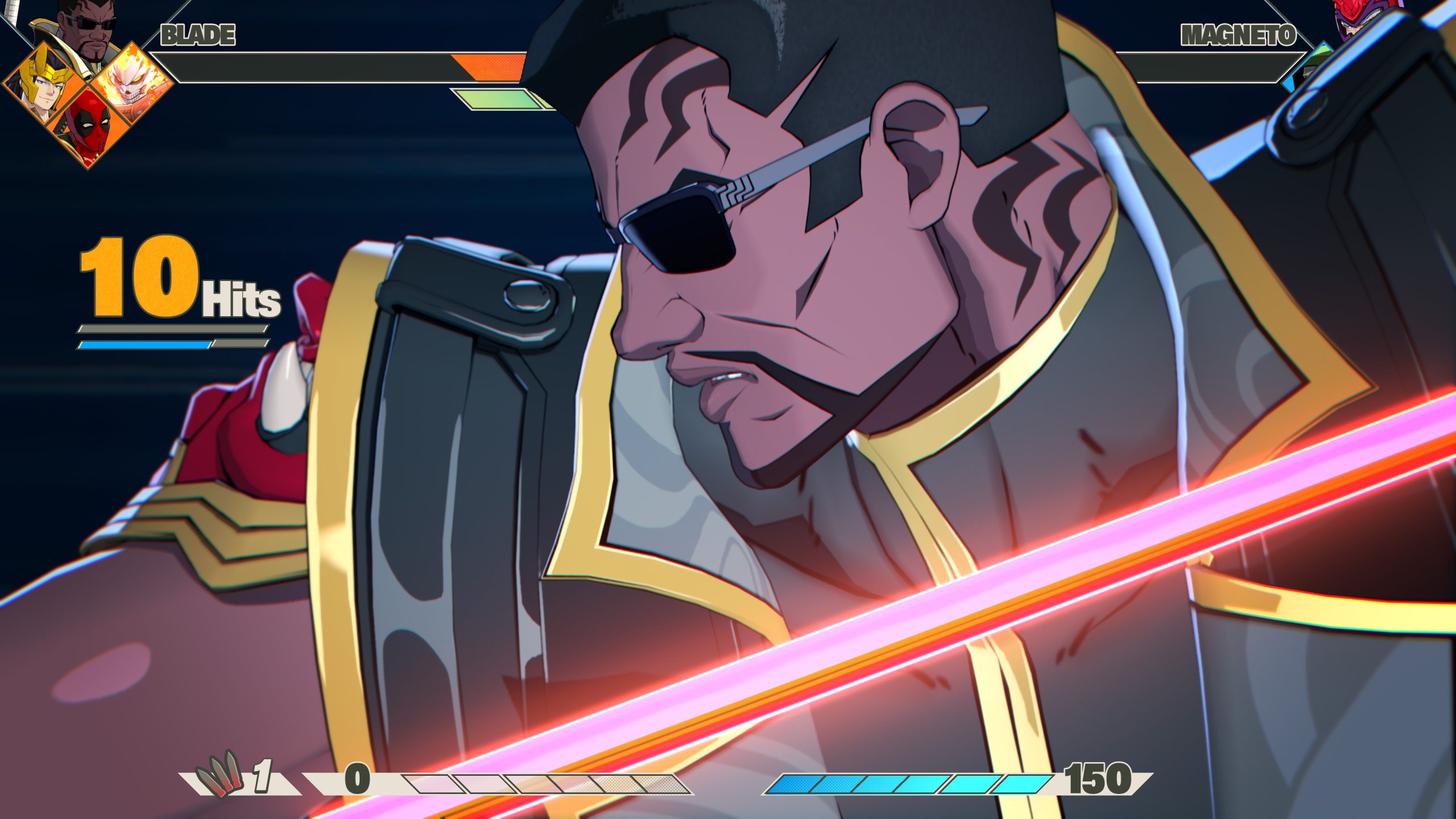
Unlike Marvel vs. Capcom: Infinite, which split both MARVEL fans and diehard fighting game players, MARVEL Tōkon: Fighting Souls does plenty right and sets itself apart from other games in the genre with two innovative mechanics: a team of four fighters and a single shared health bar. If that isn’t clear, let me explain.
At its core, Tōkon is a tag-team fighting game, which means it emphasises team battles rather than mano-a-mano duels, as many other games do. That brings a certain level of strategy, since you can build your perfect team so there’s no weak spot for an opponent to punish with a hard counter. The tag-team system is usually limited to three characters, because each teammate has their own health bar, their own combos and a unique playstyle, and the members waiting on the bench, itching to jump in, don’t just rest, they also gradually regenerate their health.
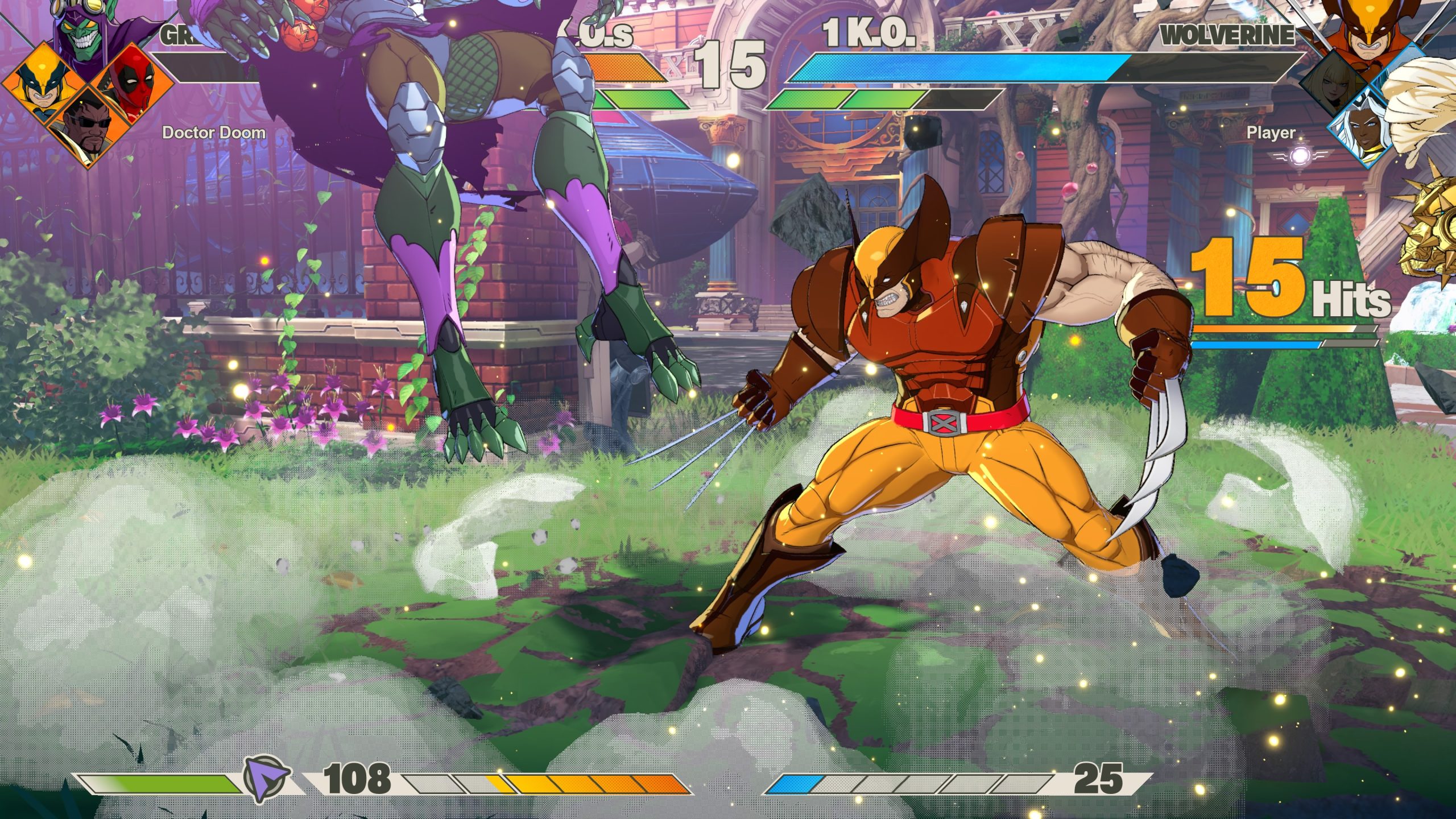
Unlike other games built on this system, MARVEL Tōkon: Fighting Souls decided to do things differently. You get a team of four characters, all sharing a single health bar, and there's no health regeneration at all for whoever is waiting on the “sidelines”. As a result, there's no danger of a match dragging on for too long.
You're probably wondering whether the game is a bit too complex with a team of four to juggle. The answer is yes and no. ARC SYSTEM WORKS probably has one of the most refined combat systems in the genre: very technical, yet still accessible. Each character has unique abilities, screen transitions, team-ups and assorted special attacks, plus an ultimate. But players who don't want to become experts, and just want to enjoy the story or play with friends now and then, don't have to memorise any of it.
As in the developer's other games, MARVEL Tōkon: Fighting Souls has a simplified control scheme that lets you pull off combos with a single button press instead of the usual inputs, which makes the game very approachable. But don't worry: if you want to become the next fighting-game world champion, Tōkon lets you dig deep into each character to discover their basic and advanced combos, as well as the synergies they have with the rest of your team.
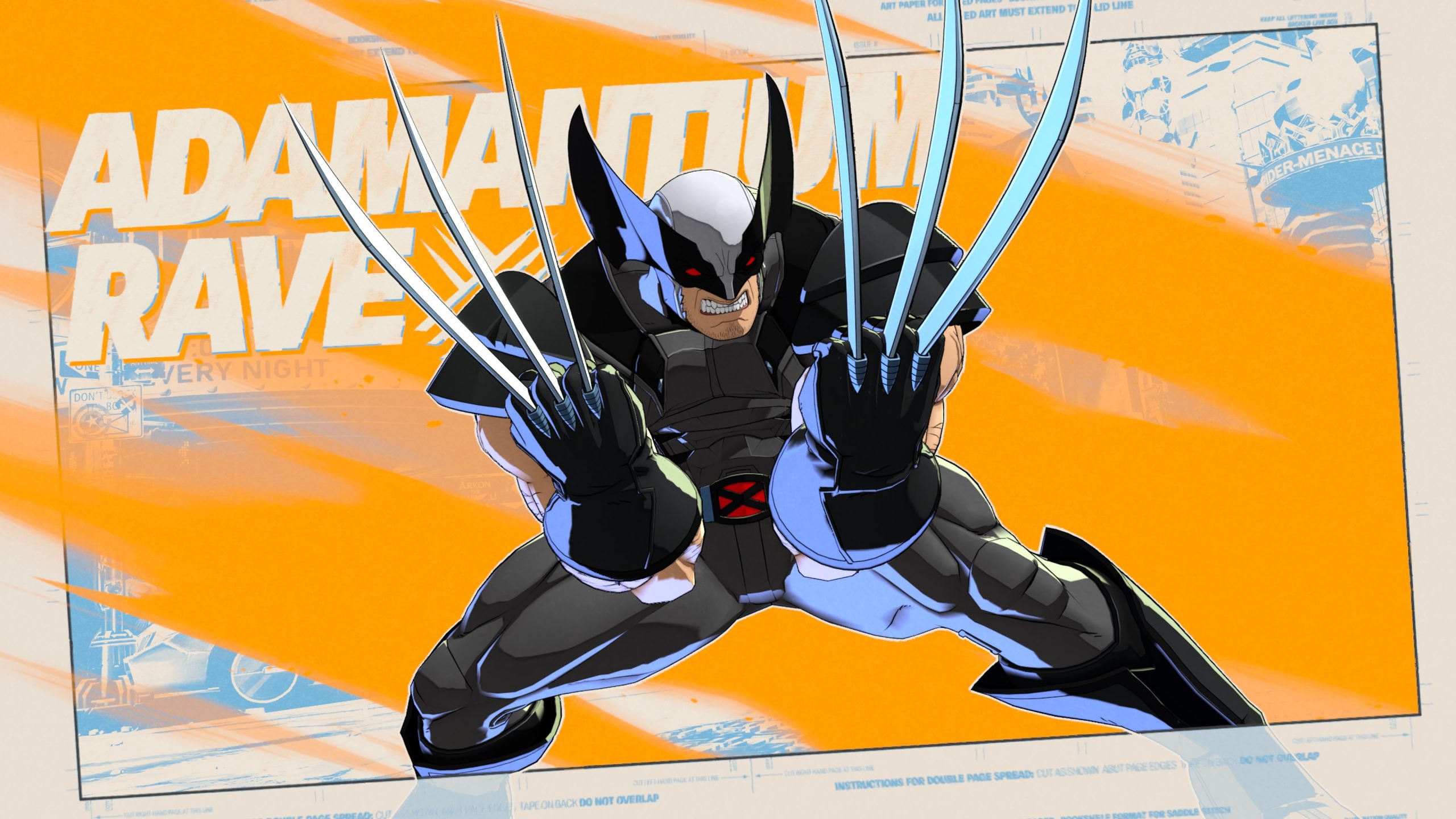
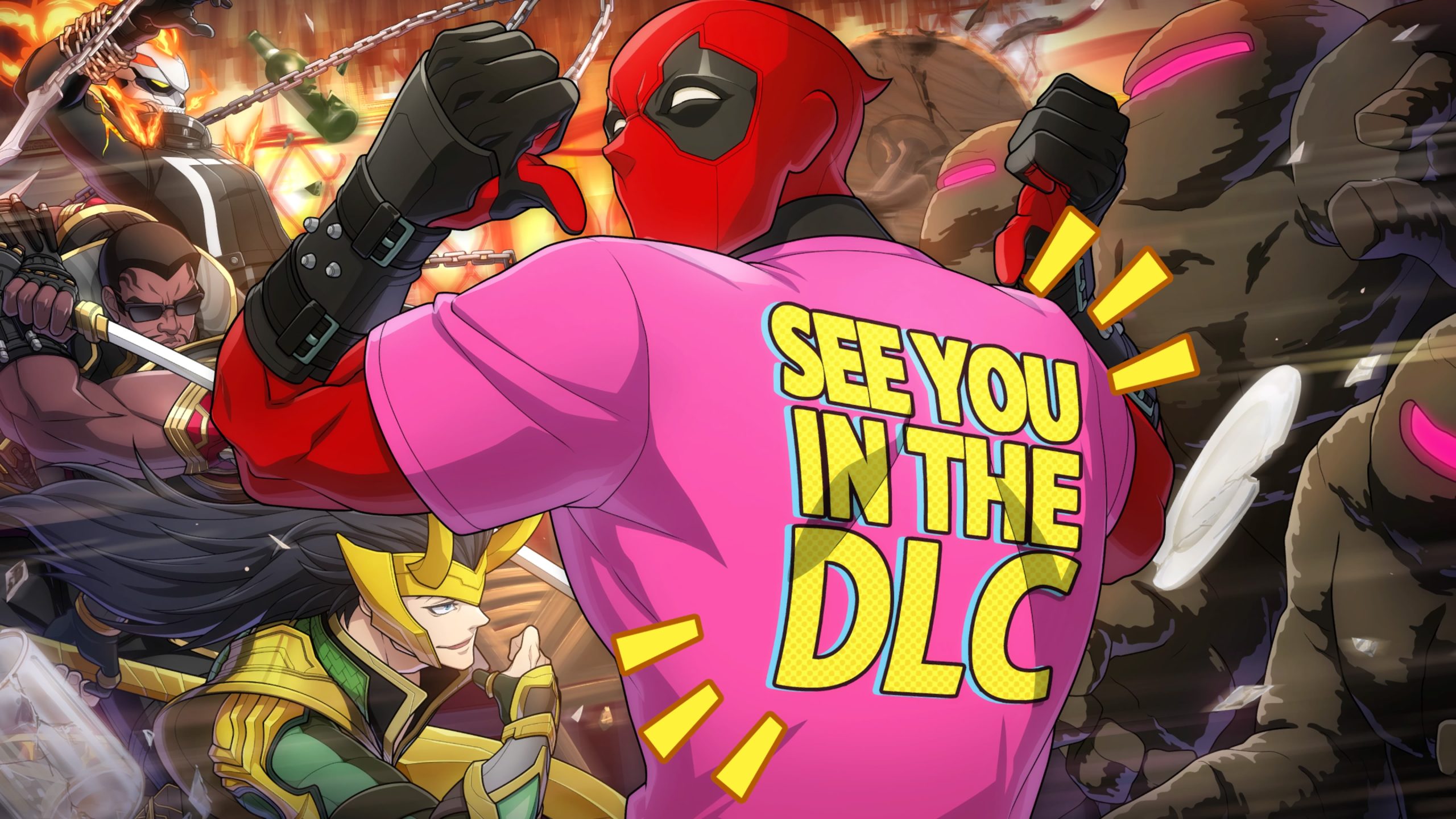
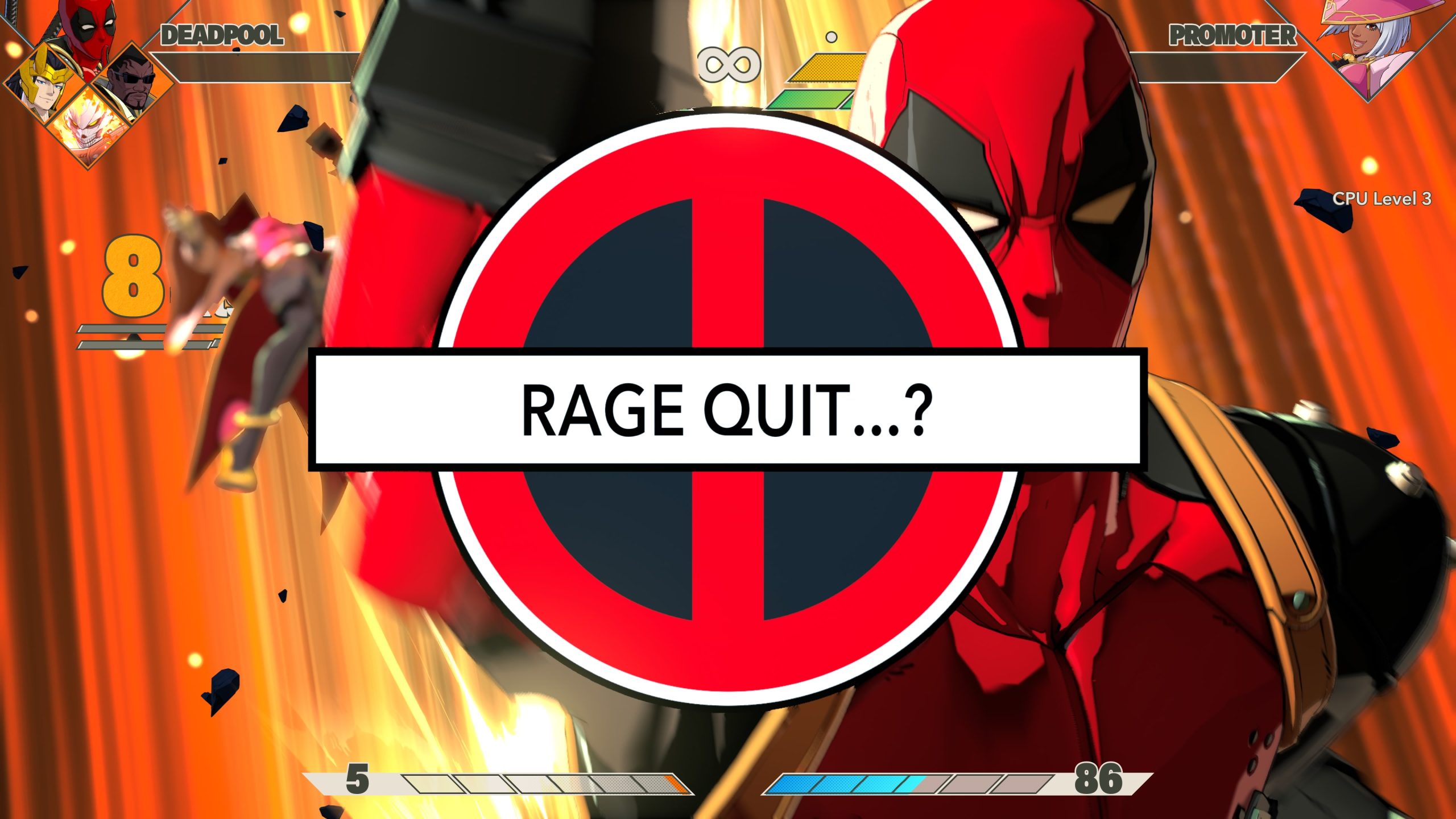
Hulk, for example, is a typical heavy who can boost his abilities and combos with a special attack that activates his gamma power. Magik, meanwhile, is a close-range fighter with plenty of long-range options, such as fireballs and dark portals, which let her use Limbo to close the gap between herself and her opponent. The most interesting character in the current roster is, without a doubt, Deadpool, whose unique kit lets him break the fourth wall or heal by sacrificing a chunk of the health bar. On top of that, his kit is full of references to other fighting games, from the famous “Toasty” easter egg in Mortal Kombat to the infamous Jack-O' pose from Guilty Gear.
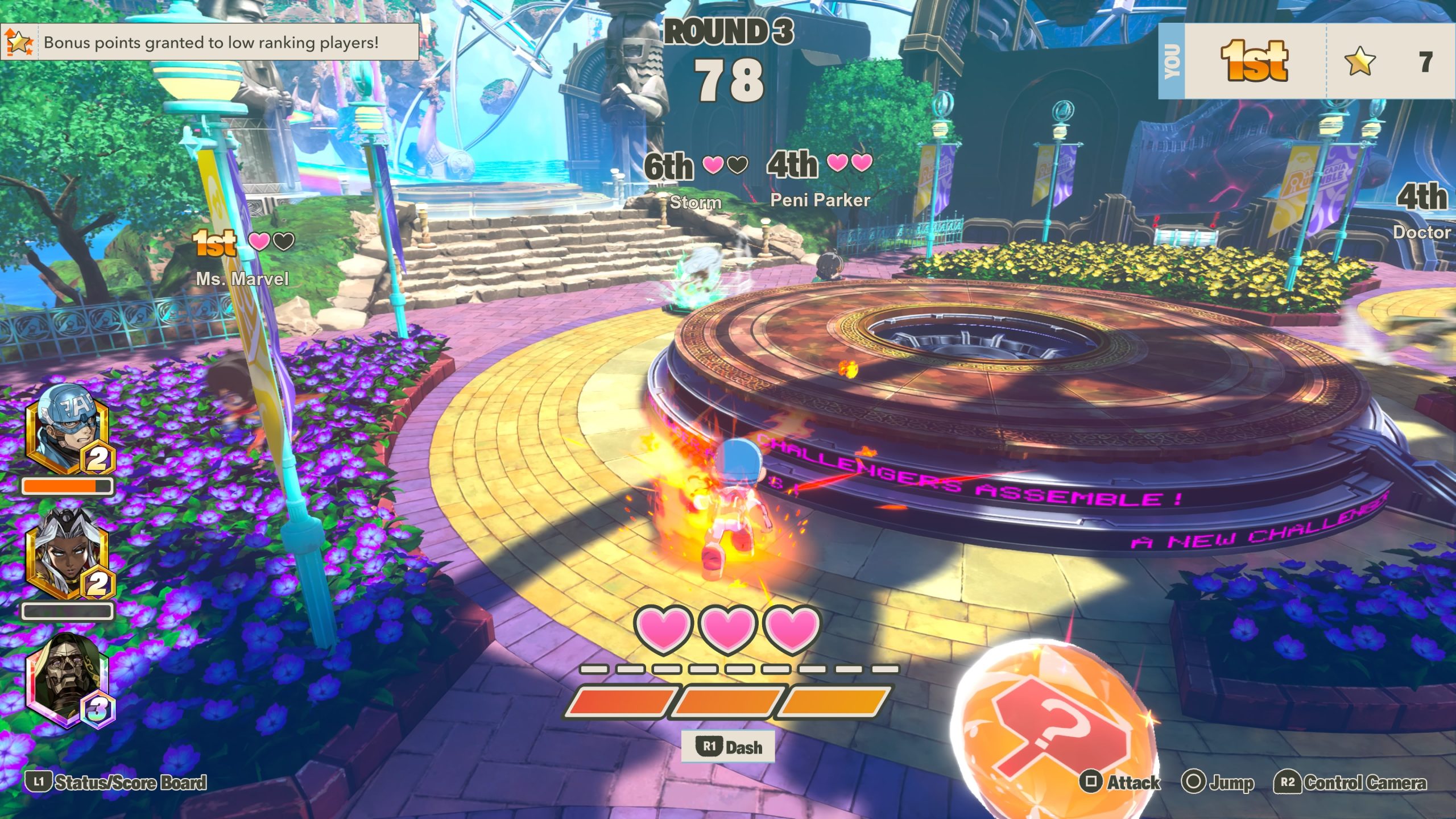
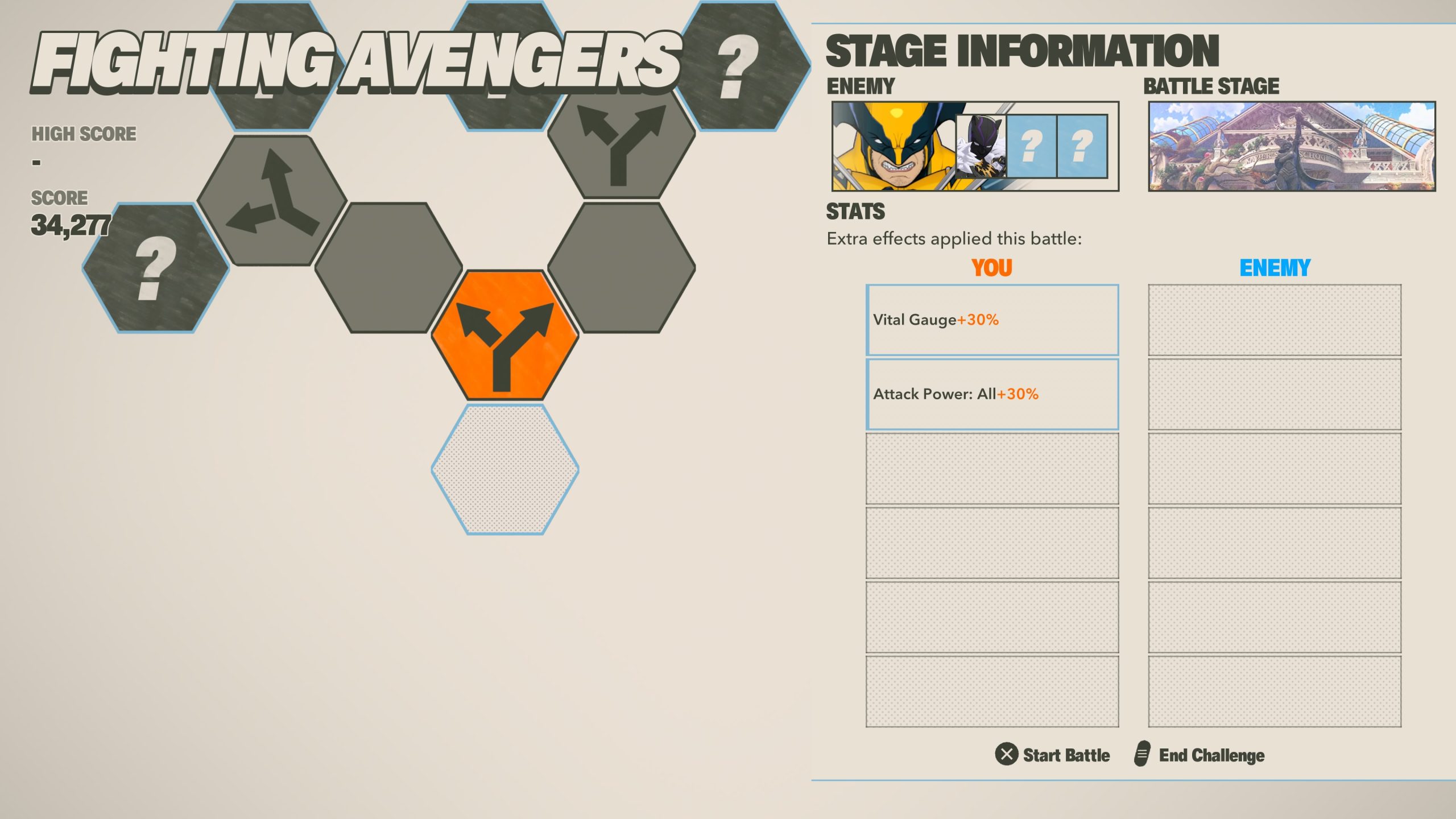
Besides the story, online and local battles and an incredible training room, Tōkon has two more game modes: Arcadia Rumble and All-Star Arena. The first is a sort of beat-’em-up in which you control an avatar of one of the game's characters and compete against other players or the computer to collect as many stars as possible before the round ends. There are five rounds in total. Three are devoted to collecting stars by any means necessary, whether grabbing them straight off the map or bashing other participants over the head, while the other two are classic tag-team fights, as in the rest of the game. All-Star Arena, by contrast, is a single-player roguelike mode in which you build your own team and work through a series of fights with clear objectives you have to meet.
Mr. Stark, it smells like a new car in here.
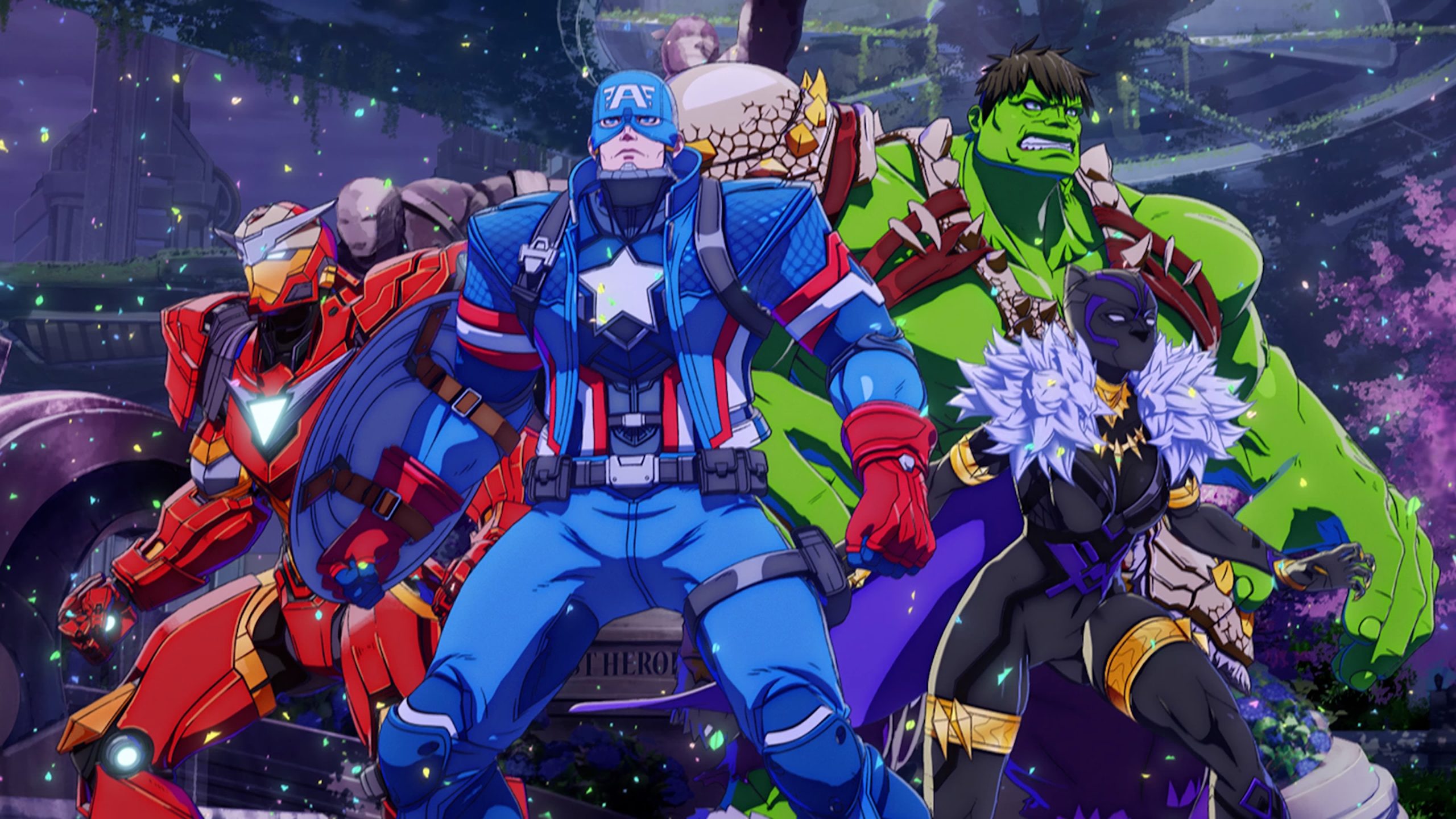
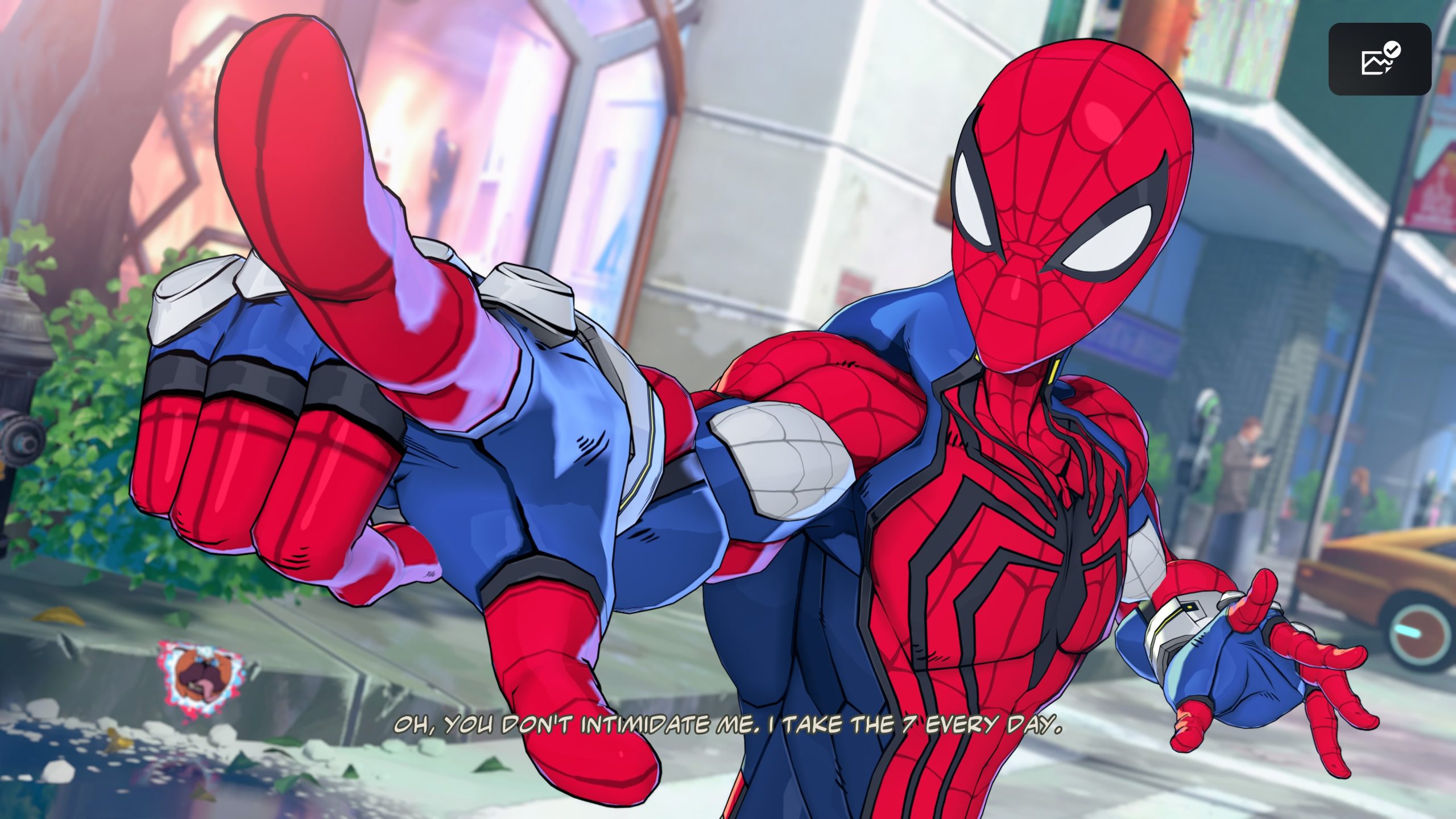
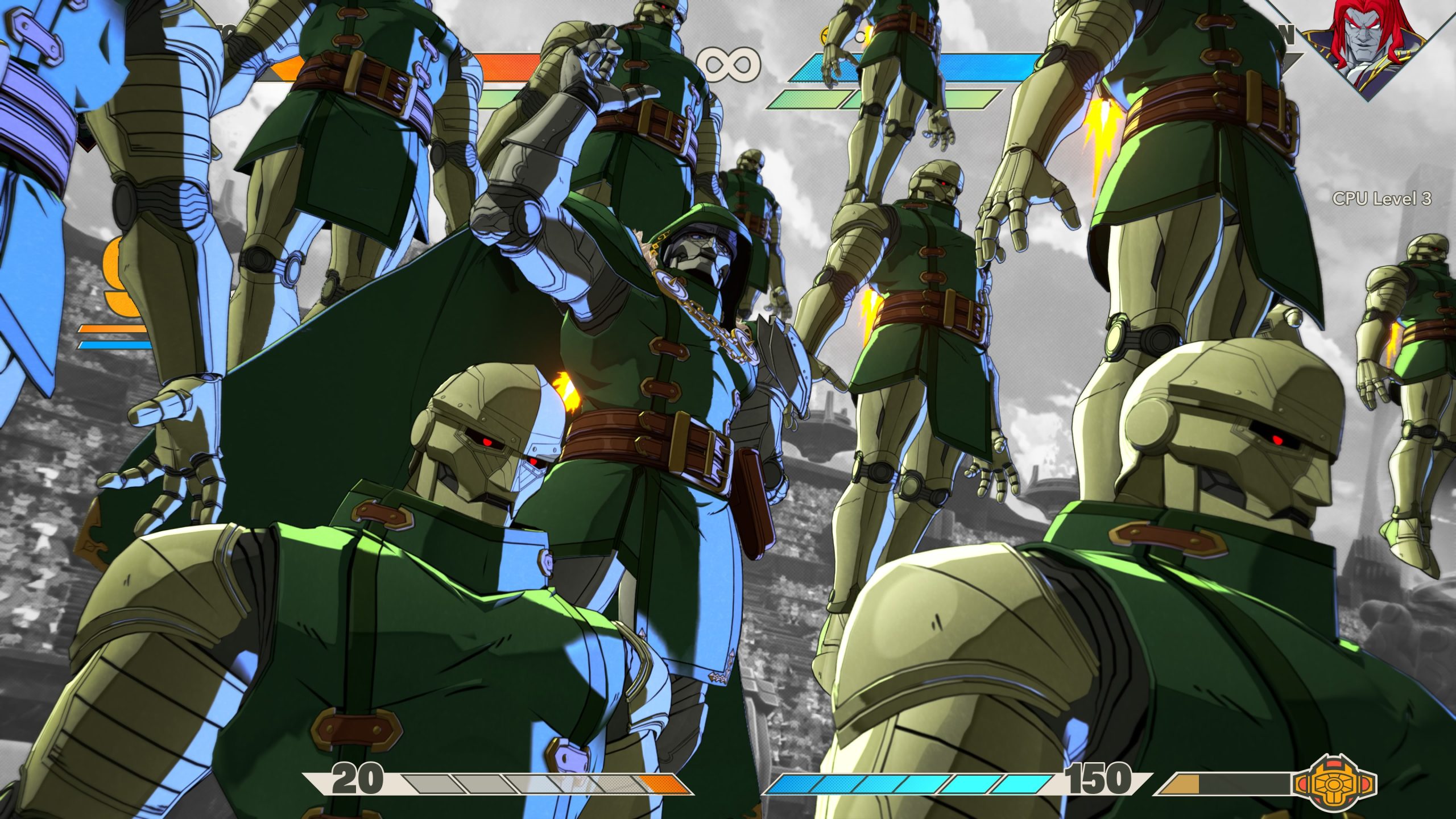
On the visual front, I don't think there's anything to reproach the developers for. They have a unique style, and the famous MARVEL characters have been reimagined in anime style by the talented designers at ARC SYSTEM WORKS. The studio also collaborated with renowned artists to create the comic books I mentioned earlier, and each “episode” has its own look, from the pure anime aesthetic of Captain America's Avengers to the hard lines and typically Western style of Dr. Doom's adventure.
Beyond the basic costumes, each character also has variations, but these are simple palette swaps. Only five of the 21 characters get secondary costumes. And since we've brought up the number of characters, this is where we hit the game's big flaw. It looks large, but the roster is actually rather small. Yes, Street Fighter V launched with 16 characters and grew to 45 over the years, while Tekken 8 had no fewer than 32 available from the start and now has 44. I don't deny that the current model in fighting games is to keep releasing new characters throughout the year to flesh out the roster, and Cyclops is due to join Tōkon this autumn. The developer has also picked a few lesser-known characters, such as Peni Parker and Robbie Reyes, and the absence of key names like Thor or the Fantastic Four will raise a few eyebrows among fans.
As well as the small cast, MARVEL Tōkon: Fighting Souls is thin on locations, with seven in total, one of which is a variation: the New York stage, where you can fight by day or by night. They're neither numerous nor very varied, but sharp-eyed players will spot all sorts of easter eggs in the background, such as Jennifer Walters on New York's dark streets, posters of Dazzler, or Cosmo the Spacedog in the middle of Knowhere.
If you’re nothing without the suit, then you shouldn’t have it.
I have to address the elephant in the room: at launch, the PC version wasn't great. A patch has since fixed most of the problems, but there may still be a few bugs lurking in this version. PC ports of PlayStation games, and of ARC SYSTEM WORKS titles too, don't usually have the best reputation. This time, though, the ball seems to be in the developer's court rather than the publisher's, since the game isn't a PlayStation exclusive. Personally, I played MARVEL Tōkon: Fighting Souls on PlayStation 5 and had no problems whatsoever. The game is well optimised and runs superbly on Sony's console.
Post-Credits
MARVEL Tōkon: Fighting Souls has managed to climb the fighting-game ranks, but the PC problems, the limited roster and number of arenas, and a story delivered as an arcade mode stop it from becoming the genre's new benchmark. Still, the deep combat system, the unmistakable visual style and the level of accessibility make it an easy recommendation for genre fans and the merely curious alike.
Thanks to PlayStation Romania for the review code and the chance to play MARVEL Tōkon: Fighting Souls ahead of release.

Available on: PlayStation 5, PC
Played on: PlayStation 5
Release date: 6 August 2026
Developer: ARC SYSTEM WORKS CO., LTD
Publisher: PlayStation Publishing LLC
Plus
- Character design
- Deep, complex combat system
- Accessibility
Minus
- Simple story
- PC issues
- Limited roster and arenas
0 votes
Scroll down here and stay on the page for at least 30 seconds to vote.
Pick a score from 0 to 10 (halves are allowed).