
Onimusha: Way of the Sword – Review

Tatakai!
More than 20 years after the last game in the franchise, CAPCOM revives the Onimusha series with a new title, designed to draw in new players and keep the diehard fans happy. To everyone's surprise, this is not a soulslike, but an adaptation of the established formula to the demands of a modern audience. That doesn't mean we're getting a pointless open world or that combat takes a back seat – far from it! Way of the Sword keeps enough classic elements for the hardcore fans, but also brings new ideas aimed at those discovering the series for the first time. If I've piqued your curiosity, let's start with the story!
What does it mean to be strong?
The story of Onimusha: Way of the Sword follows the famous Miyamoto Musashi at the start of his journey to become an unrivalled swordsman. He arrives in Kyoto where, after a fateful encounter with the Genma horde, he comes into possession of an oni gauntlet. Horrified by the powers it gives him, Musashi sets off on an epic adventure in search of a way to be rid of it. Unlike the series' other protagonists, Musashi is the first to refuse the gauntlet's help and actively look for a way to give it up. His hostility towards the artefact comes from his conviction that, to become the best swordsman in the world, he must rely solely on his own strength.
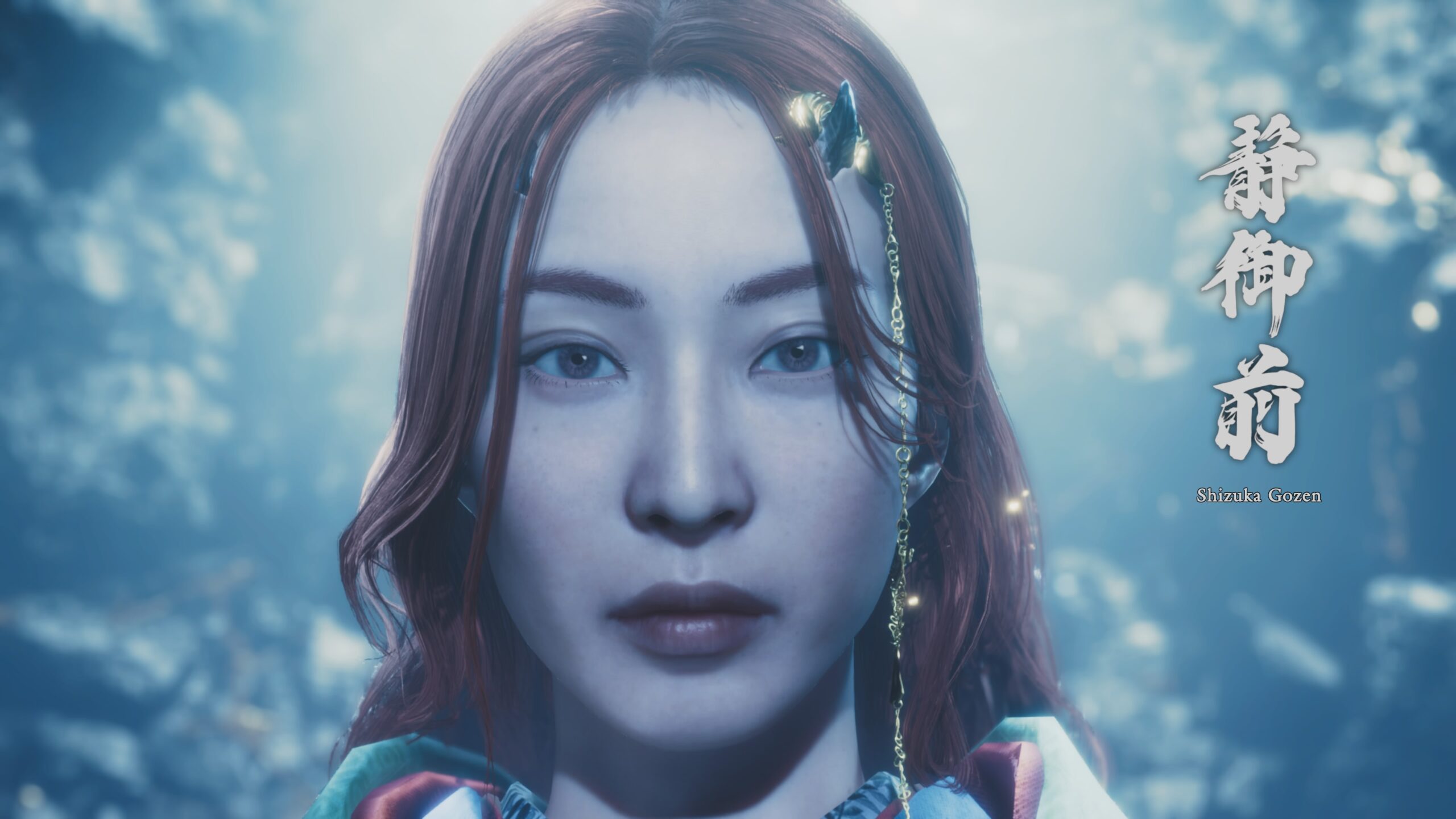
The story isn't the game's main draw. It's fairly conventional, a tale about the meaning of power and the discovery of a noble calling. In Way of the Sword, Musashi is only at the beginning of his road and doesn't yet have the reputation he's known for today. Over the course of the 25-40 hours of play, he discovers that power isn't just skill with a sword, but also a clear purpose and a set of values to guide him. Along the way, the protagonist meets all sorts of characters, both fictional and inspired by real historical figures such as Ono no Takamura and Izumo no Okuni, who guide him and help him uncover his true potential.
If you live by the sword, fighting is everything
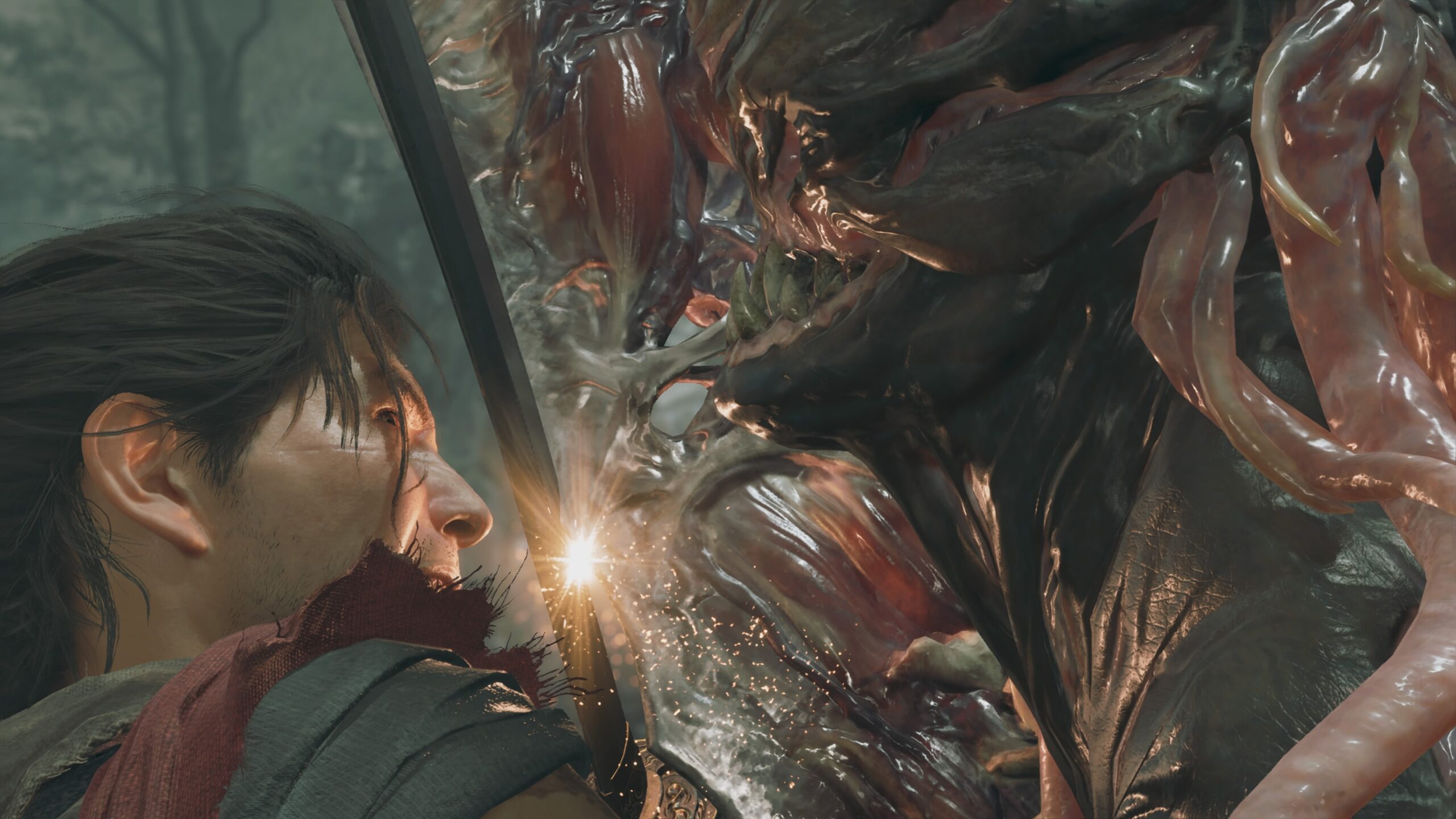
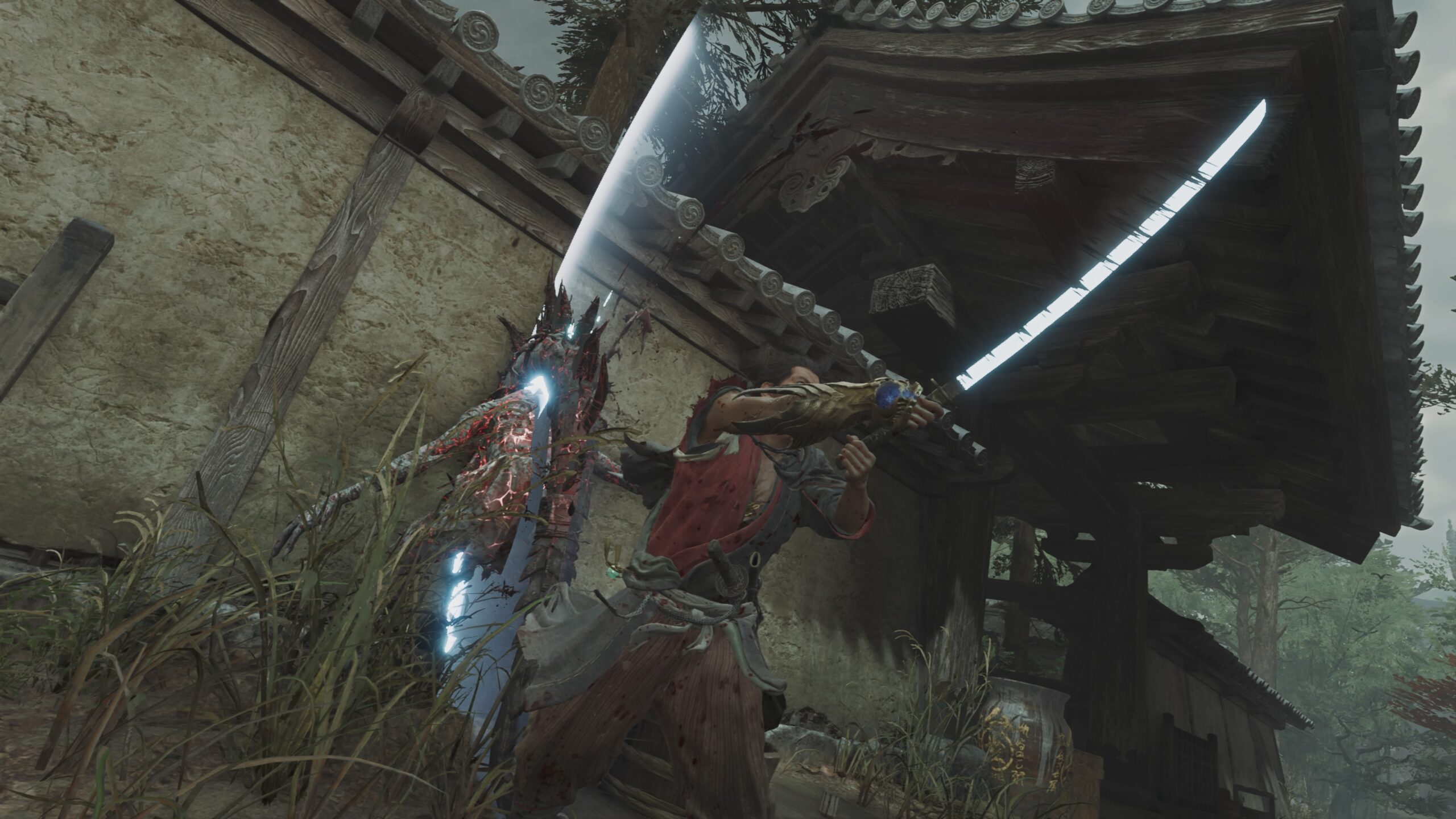
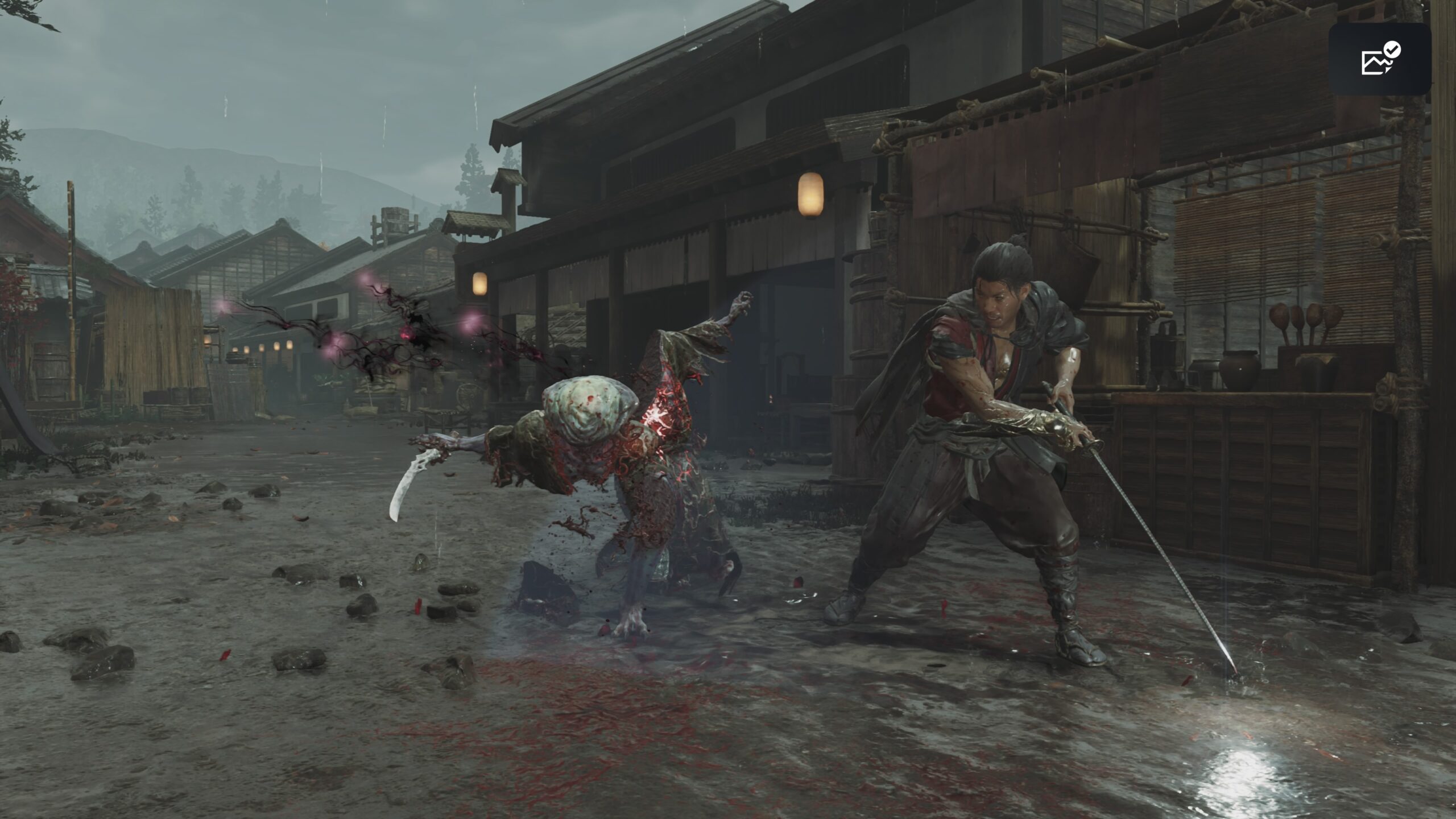
Let's be honest: the franchise's real appeal isn't the story, which has always been simple. No, the reason players buy Onimusha is the combat system, which is impeccable. The game starts out simply, with basic mechanics such as parrying, dodging, blocking and the perfect versions of the first two, but as we advance through the story we unlock all sorts of weapons and abilities that radically change how we approach fights. The famous Issen returns, as deadly as in the earlier games, and takes plenty of skill to pull off consistently. To trigger it, you have to press the attack button at the exact moment the enemy's blow is about to land on Musashi. Get it right and the protagonist counters in a flash. Later in the game, we unlock the ability to chain several Issens together, turning every encounter into a whirlwind of death.
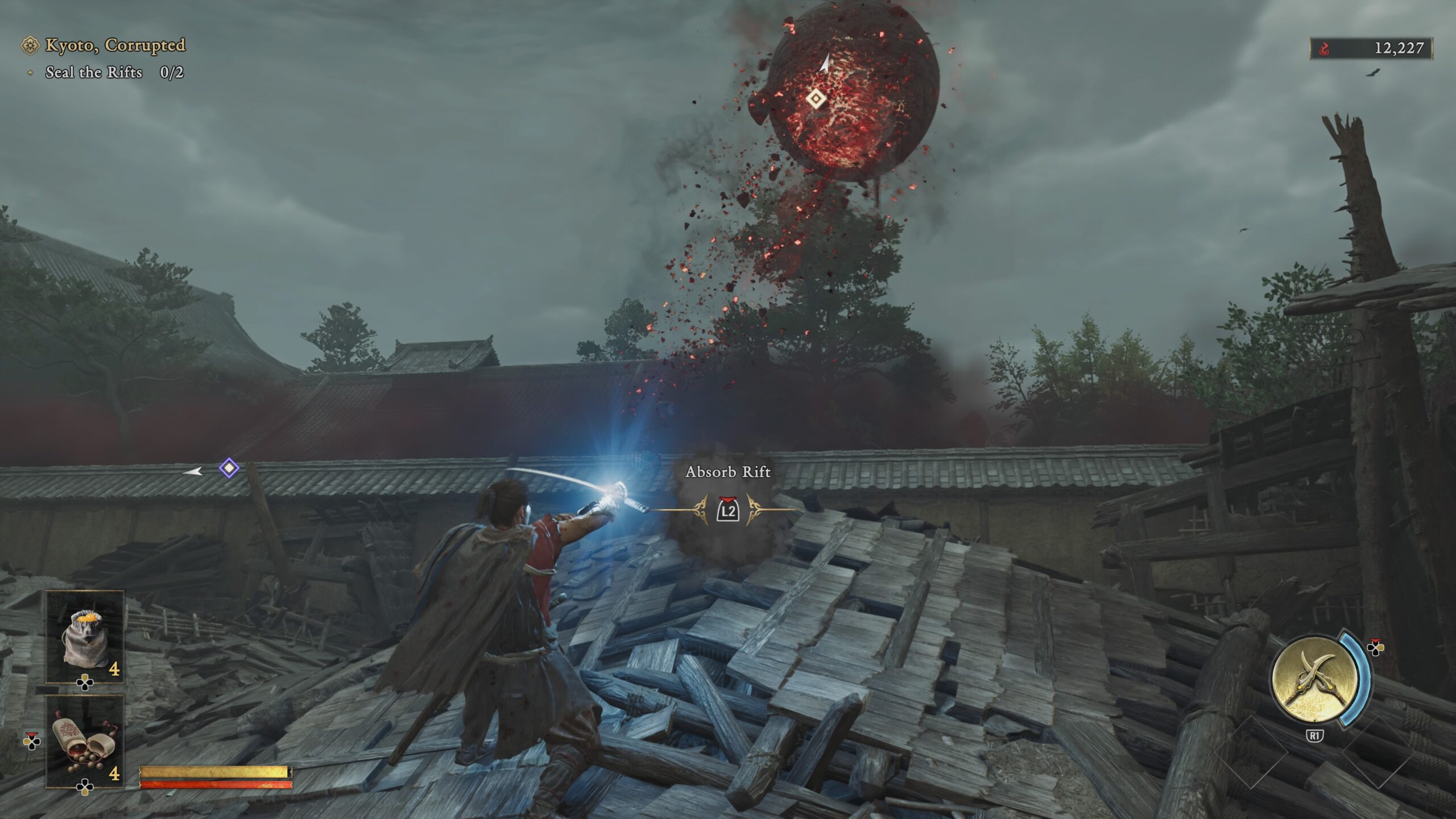
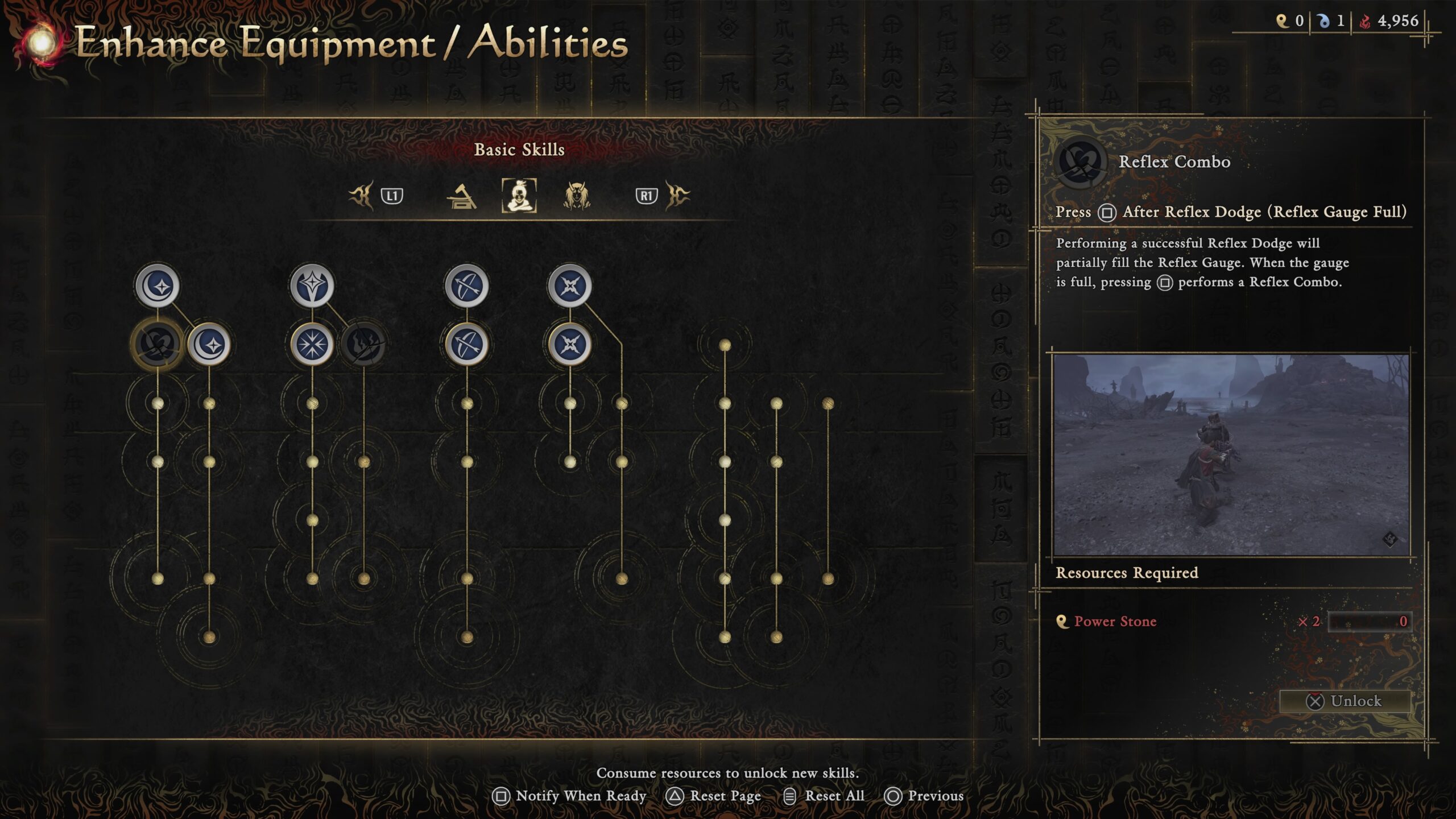
Unfortunately for Musashi's fans, he doesn't use his signature fighting style, Hyoho Niten Ichi-ryū, in which he wields two swords to disembowel his opponents. Instead, he develops two new techniques with the help of the oni gauntlet: deflection and the reflex dodge. Deflection is a variant of the parry that requires not just a perfect parry but also an extra button press. It quickly drains enemies' stamina bars and lets Musashi reposition his opponent using the momentum of the parried attack. The reflex dodge, meanwhile, lets the protagonist slow down time and obliterate his enemies, provided he pulls off several perfect dodges, which fill the resource bar needed to activate the ability.
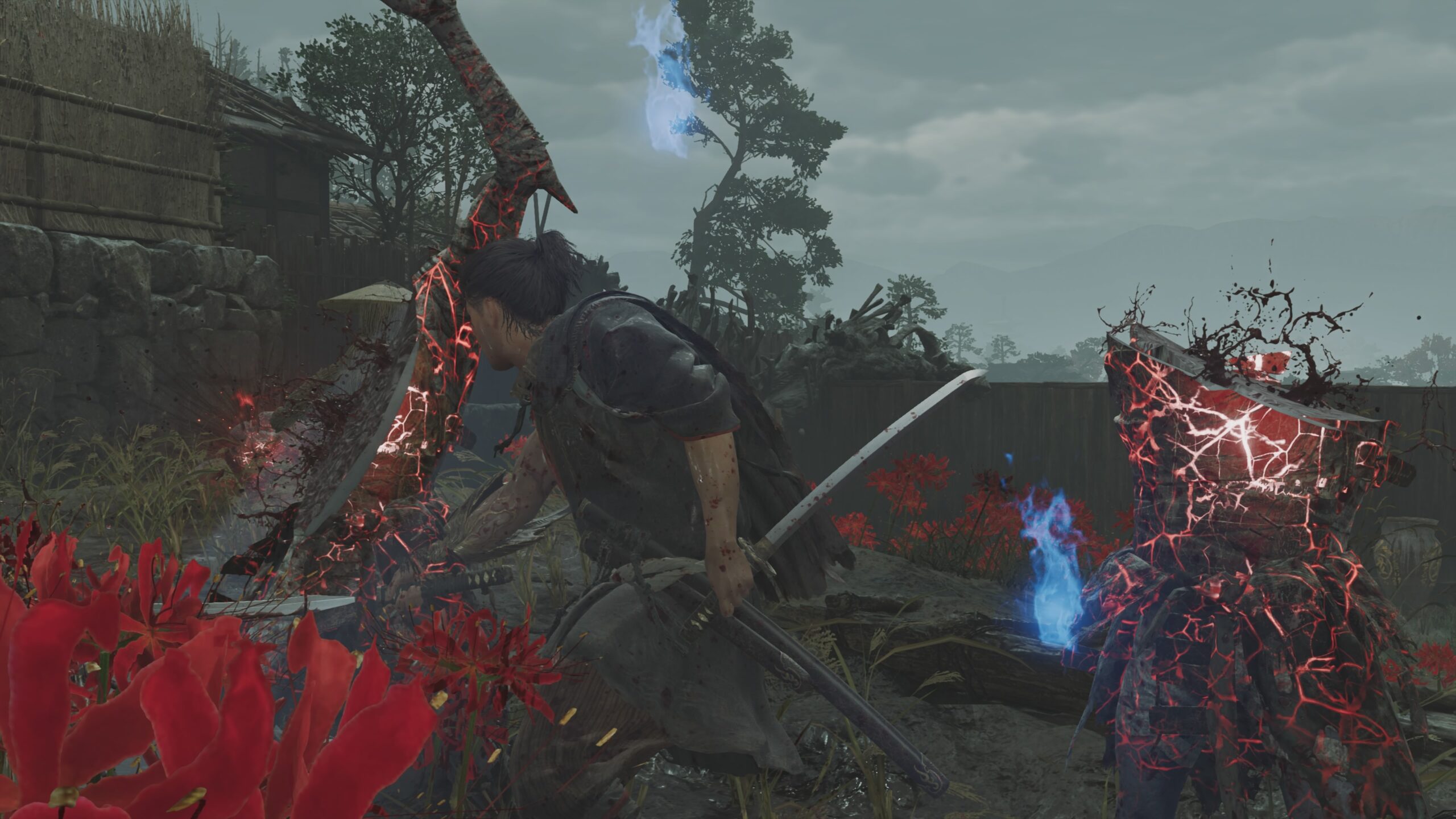
The goal of any fight is, obviously, to carve up your enemies, but once you unlock the “Flaming State”, that becomes secondary. This “state” activates after several perfect parries and has a spectacular effect: Musashi's sword is wreathed in flames. It's not just a looker, it's useful too, because the flames boost the damage you deal and let you “melt” the stamina bar when used in tandem with deflection. I've probably made your head spin with all this talk of abilities, but don't worry. The systems may look very complicated at first, but they're intuitive, and the game is built to teach you gradually when and how to use each ability. That's how, before the halfway mark, I could already tell from the enemies' movements which “weapon” in my arsenal to reach for.
Of course, none of these abilities would matter if the enemies didn't live up to the franchise's standards. Fortunately, every opponent is a threat whatever their rank, and a cocky attitude or a moment's inattention can get you killed very quickly. More than once, a lowly Genma soldier nearly did me in simply because I was too busy trying to master the Issen. The problem comes with variety. The enemies are dangerous enough to keep fights interesting, but by the end of the first third of the game I already knew almost every adversary I'd be facing. Special variants do turn up, but they're simple palette swaps with no new abilities, so the fights gradually lose their freshness.
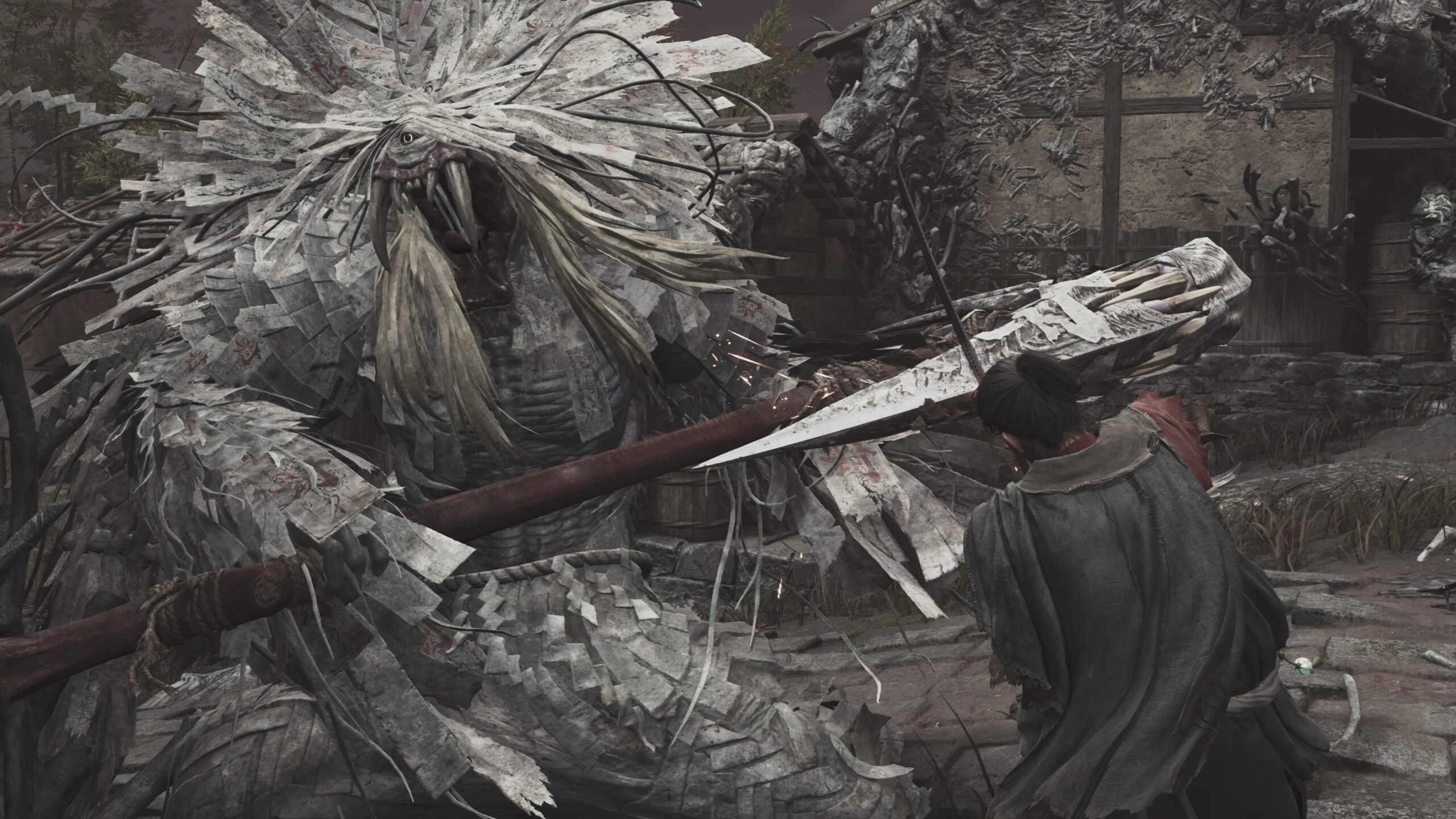
Where Way of the Sword truly excels, though, is its bosses. Unlike Marvel’s Wolverine, which has only five, here we get no fewer than 18, and every one of them manages to be memorable. What's more, the developer did extensive research to create them, as the vast majority are characters inspired by Kyoto's folklore and urban legends. They include the infamous Shuten Doji, whom we meet at the end of the infiltration of the fortress on Mount Ōe.
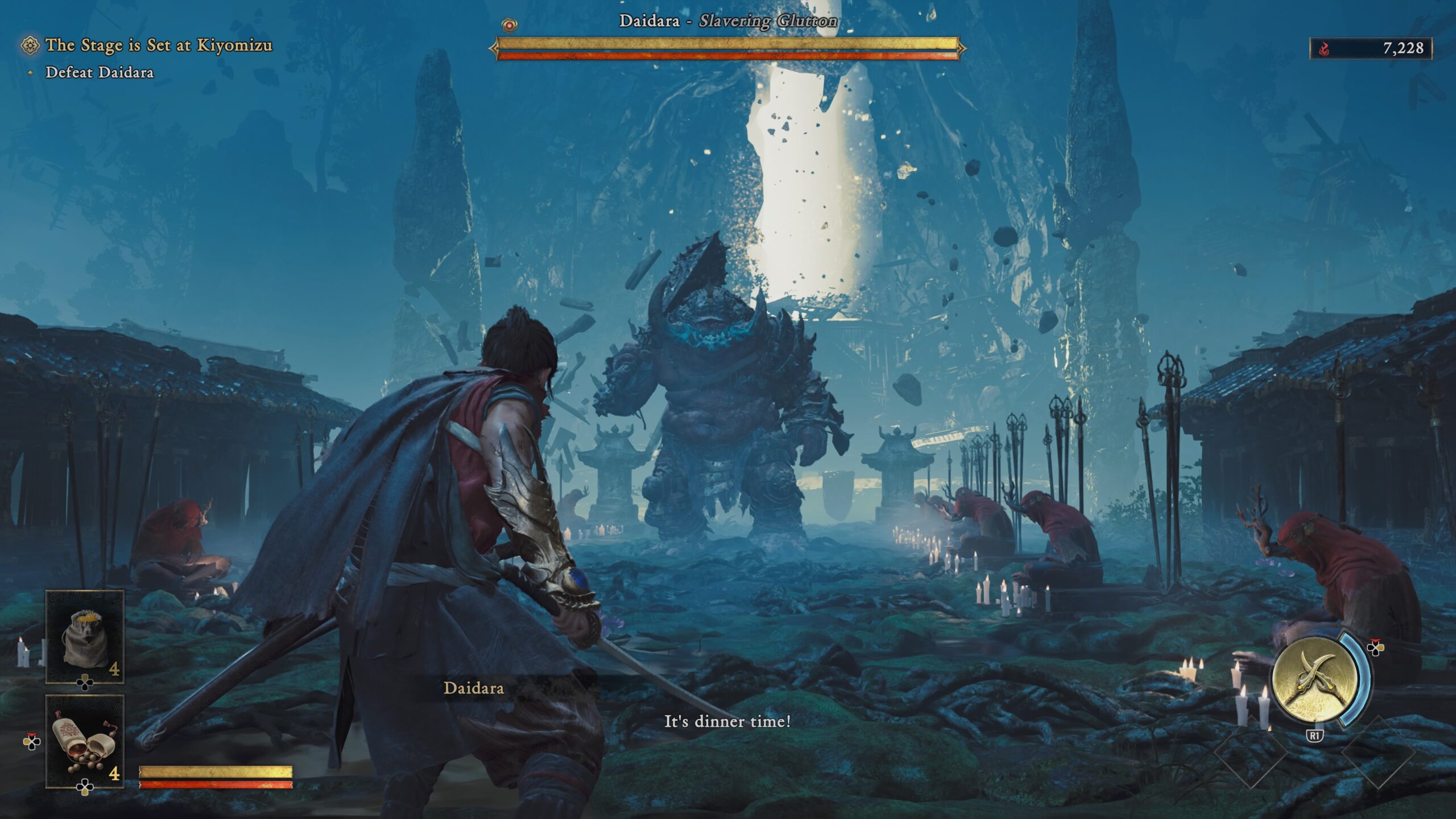
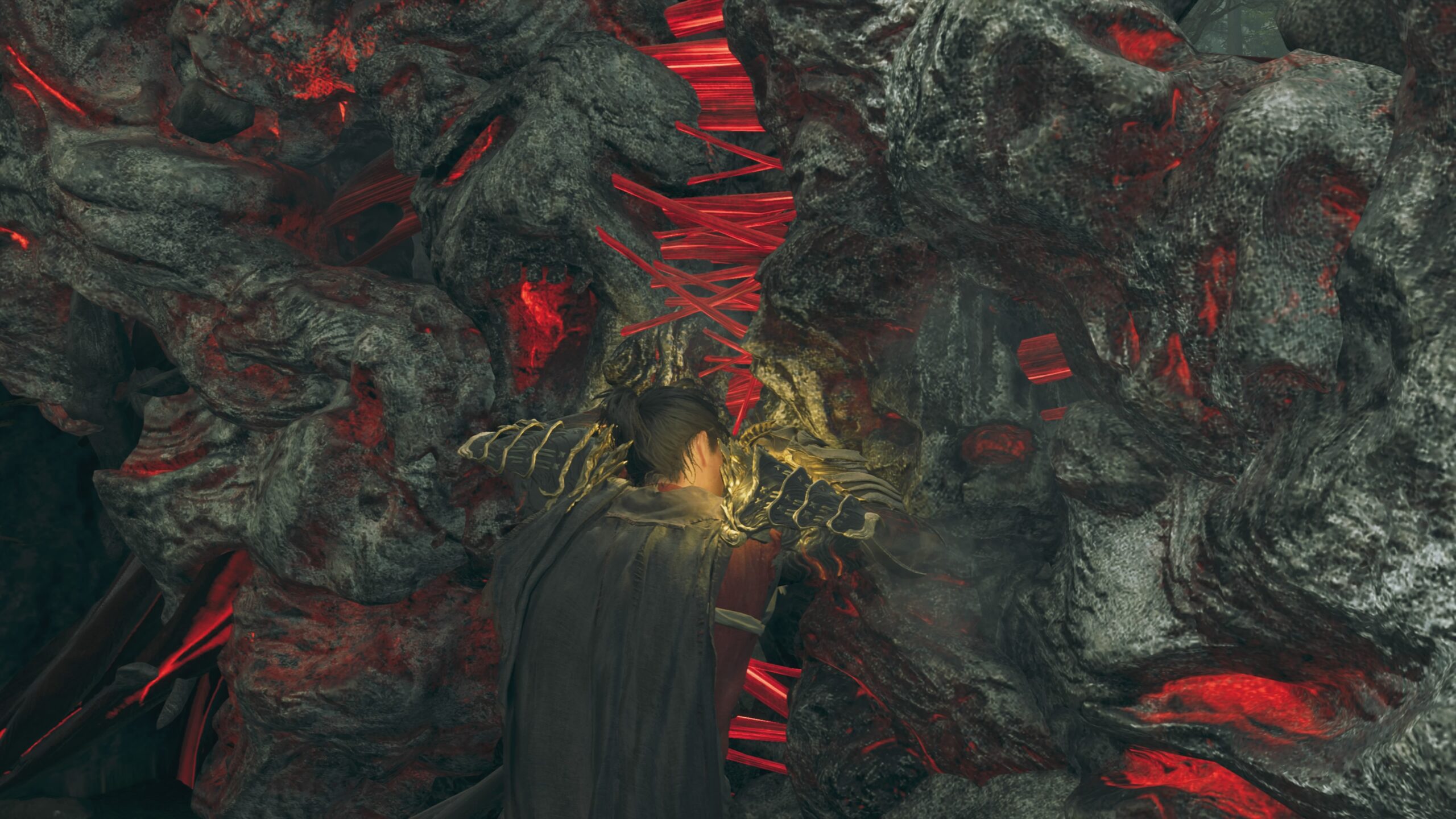
Fights against these powerful foes are a real treat, because they force us to make efficient use of everything we've learned up to that point. The second major boss is a perfect example. It's none other than Daidara, and the fight puts particular emphasis on perfect parries. You might wonder whether an Issen landed on a boss can finish it off in a single blow. The answer is no. It will, however, drain its stamina bar considerably. Once that's depleted, by whatever means, Musashi can attack specific parts of the boss's body. These are marked in different colours and have distinct effects. The red ones usually deal major damage, while the purple ones radically change the fight and reward the protagonist with resources that can restore his health or fill the bar needed to use the oni weapons. In the Nue fight, for example, if the player attacks and slices off the creature's tail, the encounter becomes much easier, because the boss can no longer hit Musashi with lightning.
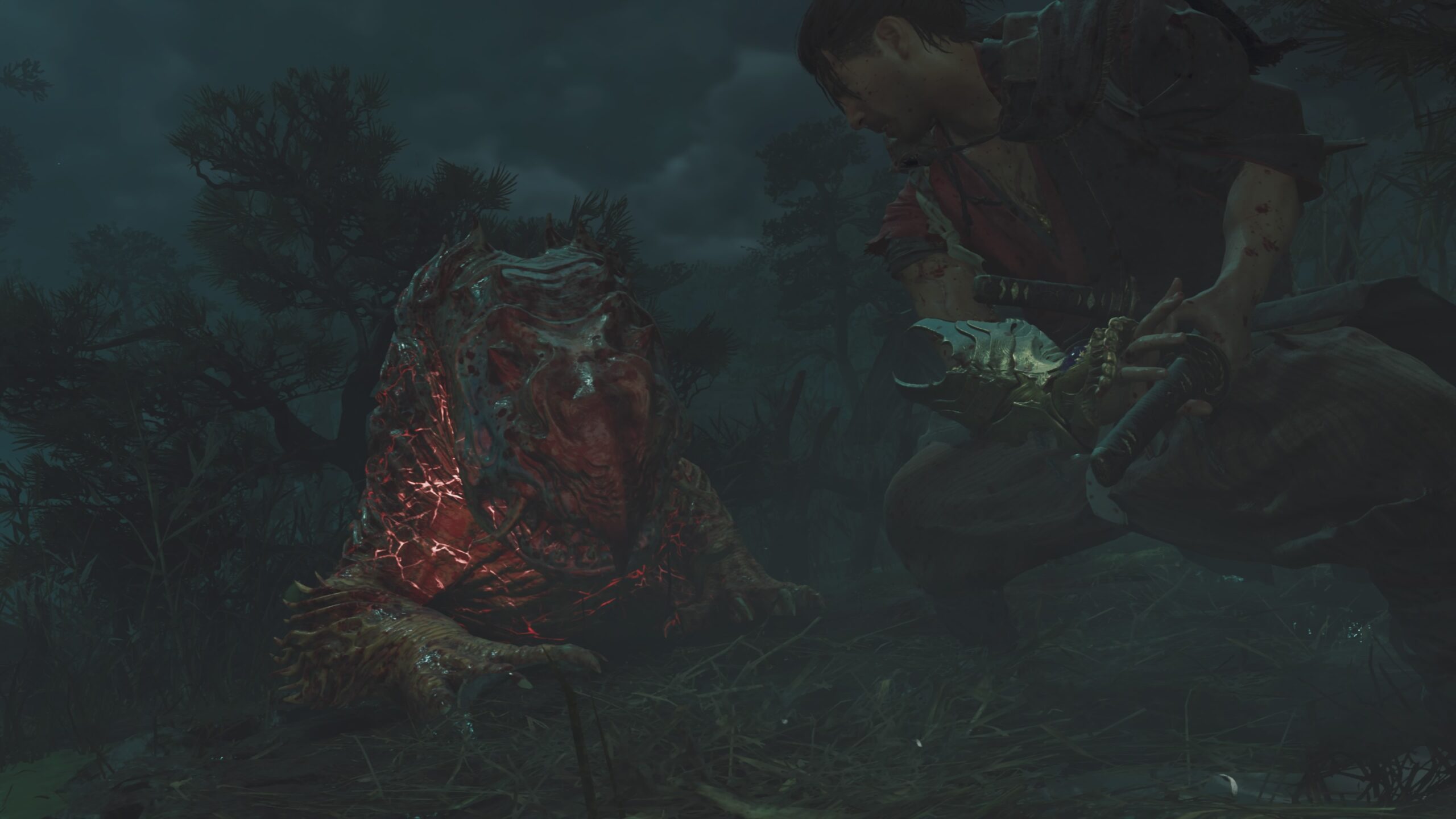
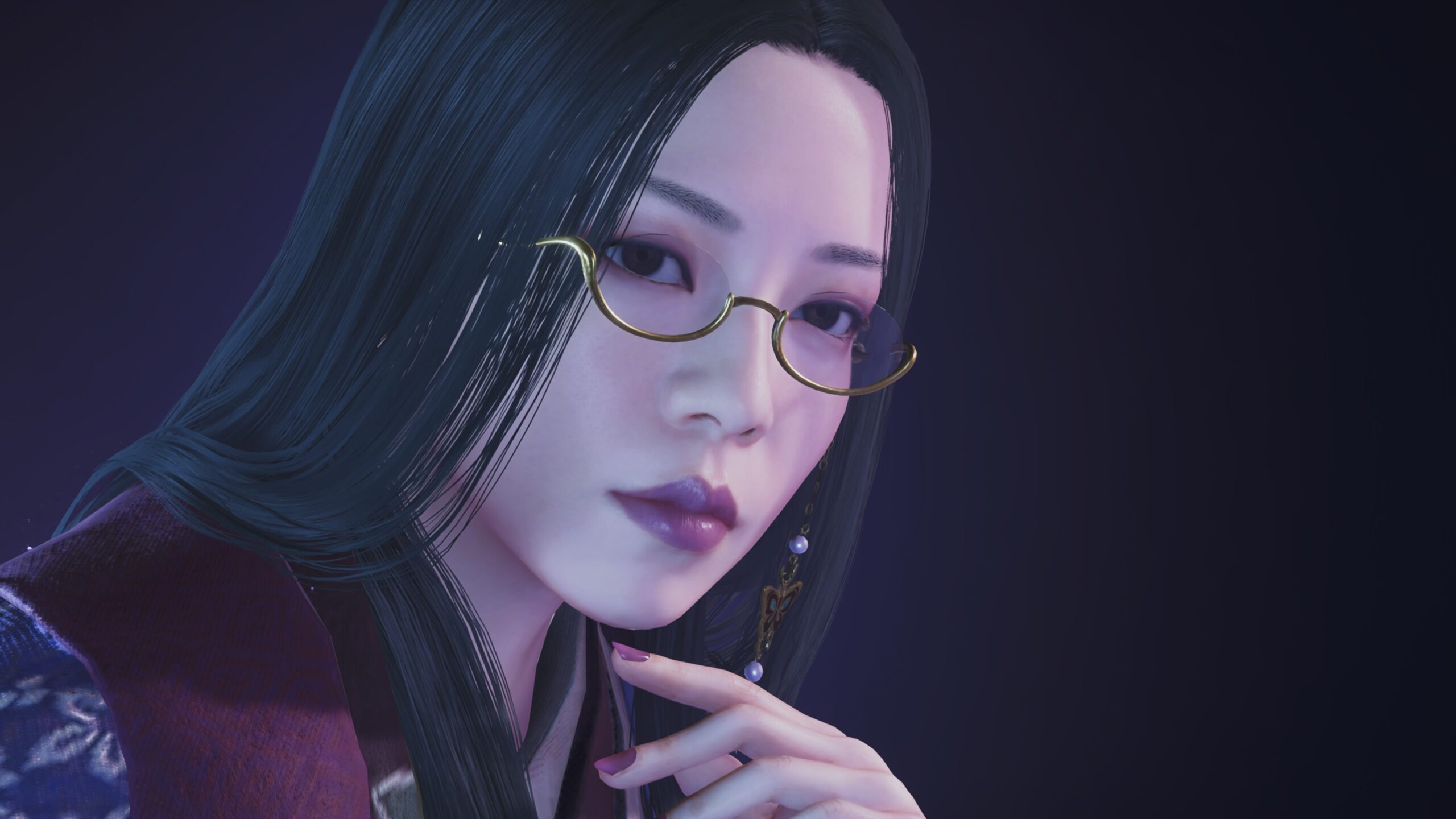
Where I felt Way of the Sword stumbles a little is the side activities. They come as special missions called Mysteries of Kyoto, in which the protagonist investigates rumours for the celebrated author Murasaki Shikibu. The Mysteries are reinterpretations of famous Kyoto urban legends and myths, such as the three worms, the parade of 100 demons (Hyakki Yagyō) or the hanging monkeys. Sadly, every time, they turn out to be nothing more than another manifestation of the Genma plague.
The mission structure isn't particularly inspired either, since they're essentially simple kill quests in a nice coat of paint. You head to a set location, investigate the area and find the enemy you need to take out. Alongside the Mysteries, there's also a kind of fetch quest, in which the protagonist has to find shishi, lion-dogs that have been corrupted. Collecting as many of these four-legged beasts as possible earns various rewards, from valuable resources for upgrading your gear to extra costumes.
In themselves, these side missions and objectives aren't a bad idea, but they tend to stretch out the playtime without adding much. You might think it's easier to ignore them, but the rewards are important for Musashi's progress, since the resources can be spent on upgrading his gear and abilities. As a result, this side content quickly becomes almost mandatory if you want to progress efficiently, and it ends up feeling more like padding in an otherwise phenomenal game, whose completion time is artificially inflated as a result.
Kurokami
As expected, CAPCOM has kept up its tradition of modelling lead characters on well-known actors, and this time it picked none other than the famous actor and director Toshirō Mifune, whose face was used to bring the legendary swordsman Miyamoto Musashi to life. The choice was no accident: Mifune had already played Musashi in Hiroshi Inagaki's Samurai trilogy, and had various swordsman roles in Kurosawa's films, such as Kuwabatake Sanjuro in Yojimbo (1961). But hold on, Tudor, hasn't Mifune been dead for about 30 years? He has, dear reader, but CAPCOM asked his family for permission to use his likeness, and the developer has already shown it knows how to pay tribute to the famous actors who inspired the series' protagonists.
In 2002, CAPCOM managed to digitally bring back Yūsaku Matsuda, whose face was the model for the protagonist of Onimusha 2: Samurai’s Destiny. Now, with Way of the Sword, the development team seems to have reached a new level of respect for the famous actors it “works” with, because the new protagonist, Musashi, doesn't just “look like” Mifune, he is practically Mifune brought back to life! The way he grins and pulls faces, along with his movements, seem lifted straight from the films the famous actor starred in and transplanted here, into a Kyoto besieged by all manner of monstrosities.
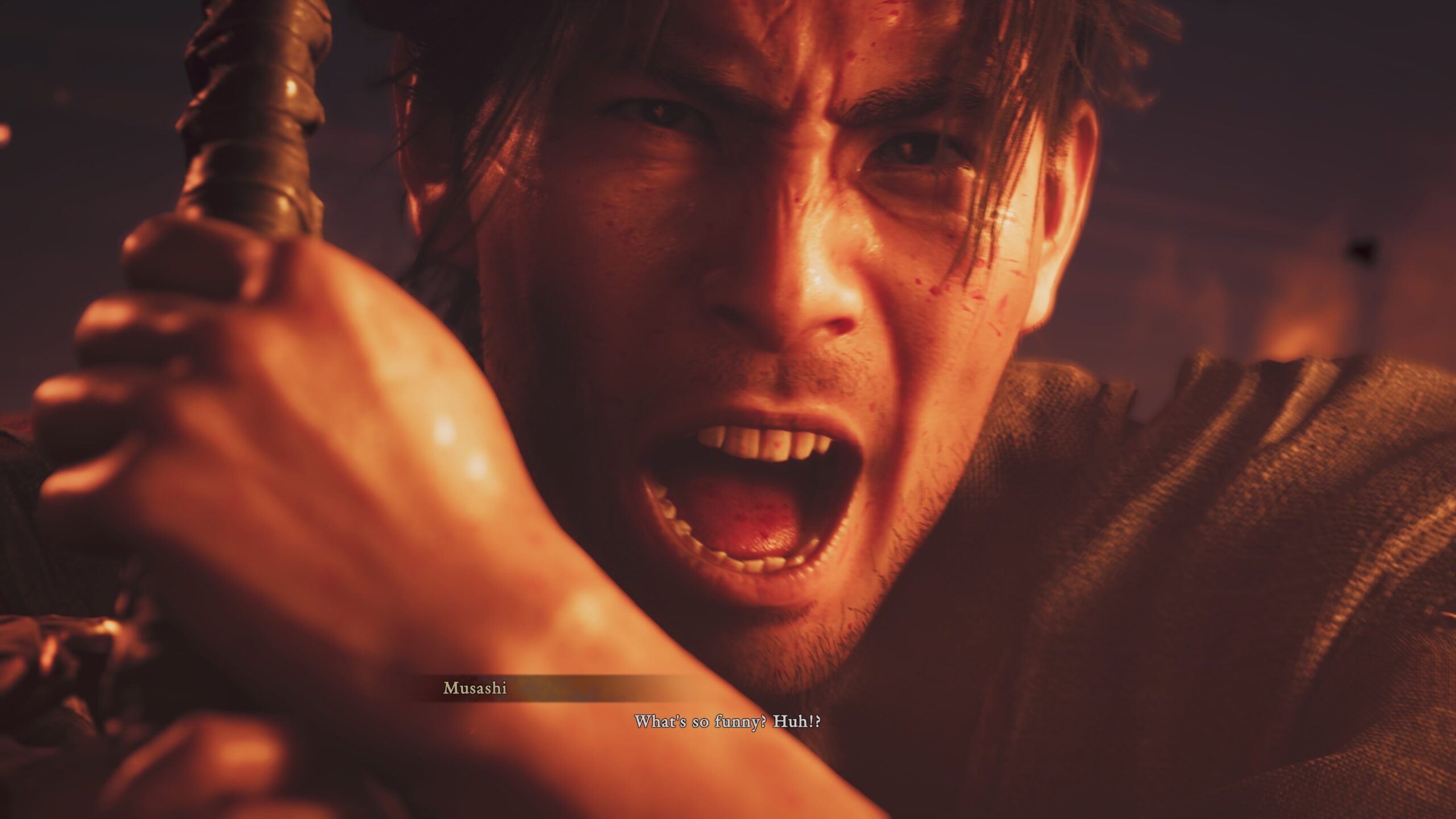
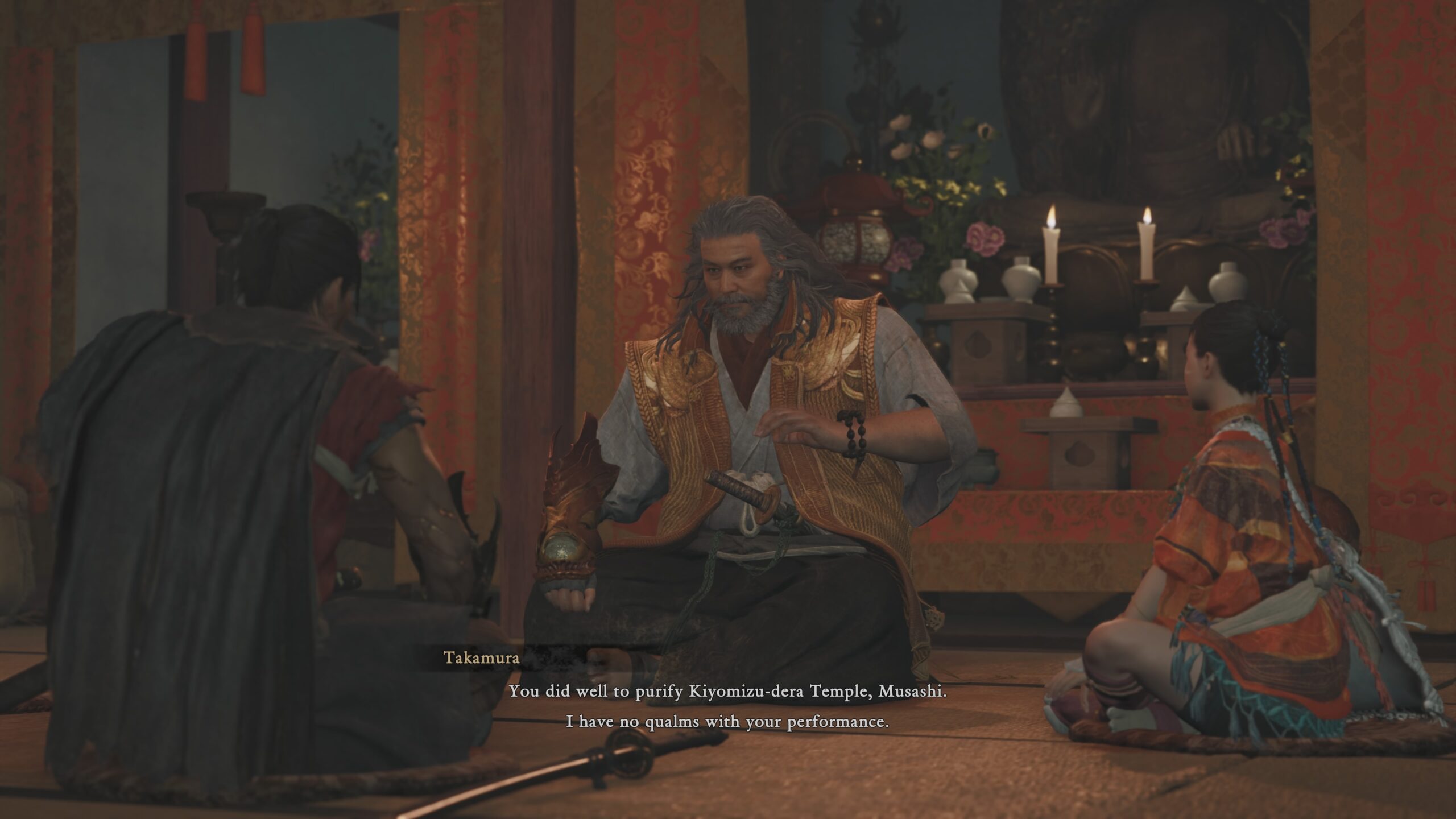
In itself, the team's achievement is a marvel, and it's all topped off by extraordinary voice acting from Yoshimasa Hosoya, who breathes life into Musashi. From the initial arrogance and the typical taunts of the famous swordsman to the moments of introspection and companionship, Hosoya turns a cocky youngster into a true samurai, giving Musashi a believable arc over the roughly 30 hours I spent in Kyoto.
Of course, all the characters in Onimusha: Way of the Sword are well written and well performed, although, from my own experience, I'd suggest playing with the Japanese dub. If nothing else, the English version has British actors with strong accents, and the impact of certain scenes just isn't the same when Musashi sounds like he's just stormed out of the local pub after discovering his favourite beer now costs a tenner.
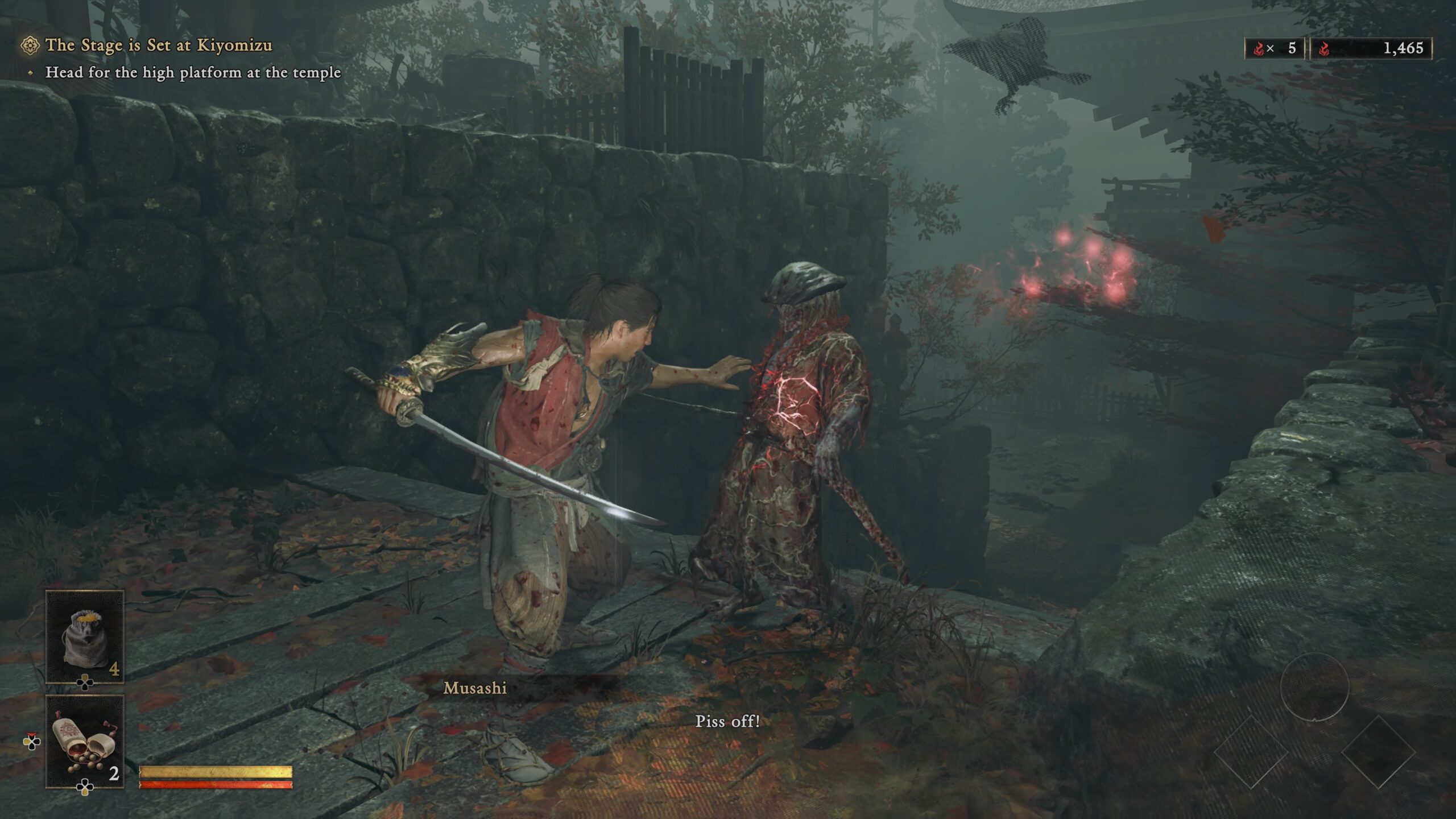
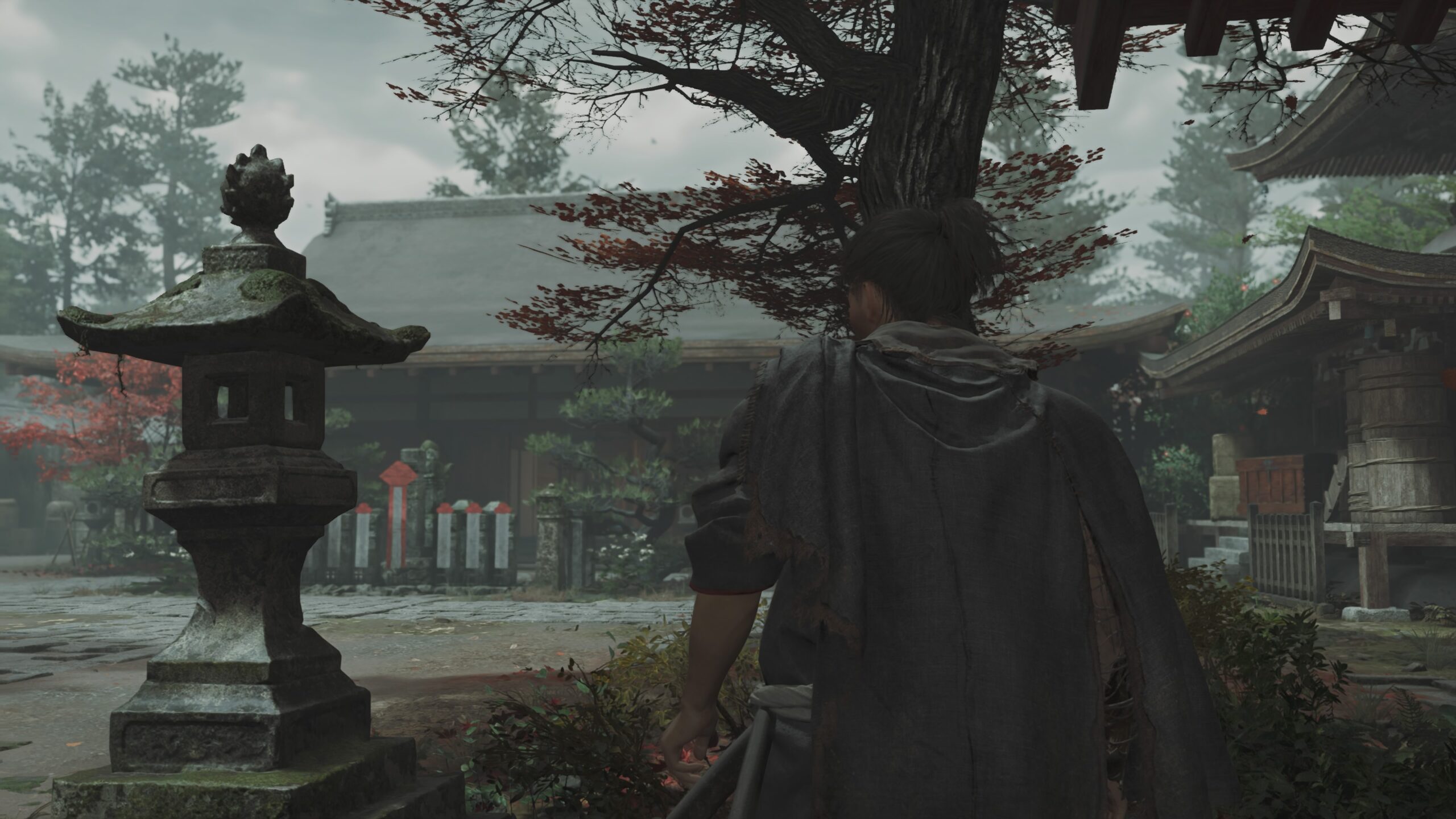
Where I felt the game doesn't live up to the series' standards, or to CAPCOM's recent run of successes, is the visual quality of the areas you explore. From the promotional material and the demo, I had the impression that Way of the Sword would follow the classic Onimusha structure, with distinct zones that, this time, wouldn't have a fixed camera à la the first Resident Evil games. I knew we'd be venturing into the imperial capital of Edo-period Japan, namely Kyoto, but I had no way of guessing that we'd spend a large part of our time in a city designed as an open zone. Because of its size, Kyoto doesn't get the same attention to detail as the rest of the game, and the colour palette chosen for the city reminds me of the brownish-grey filter so popular in seventh-generation console games.
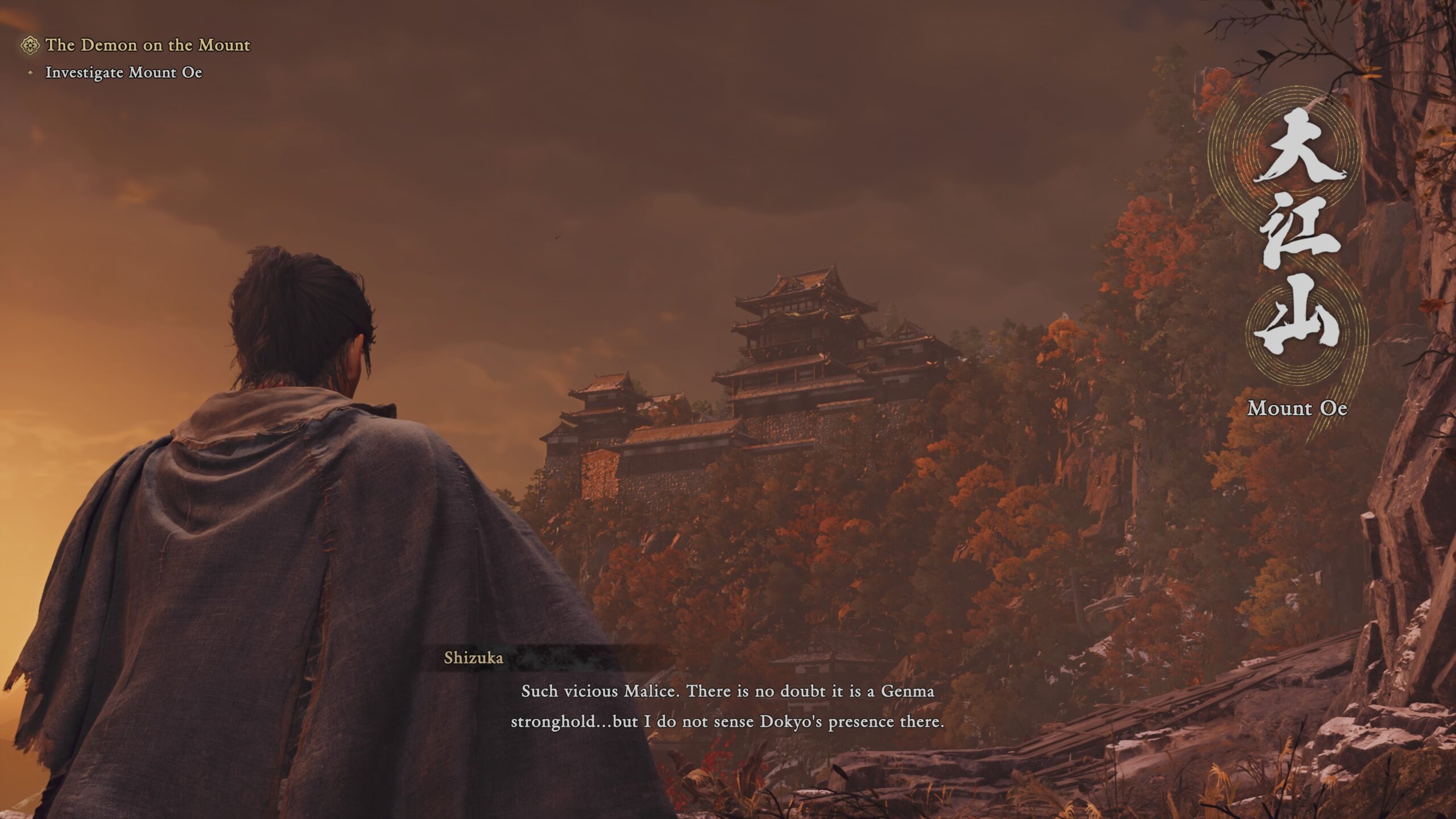
When Way of the Sword sticks to the classic Onimusha formula, though, it truly shines. The standard levels are designed as mazes or long corridors, but they are full of colour and spectacle. Most of the time, the environments are even used for environmental storytelling, which is best seen in the laboratory Musashi visits halfway through the game. Here he finds cages, operating tables and corridors strewn with kimonos and corpses, and the atmosphere grows even more oppressive in the tense moments, when the light throws menacing silhouettes onto the walls, in a style reminiscent of kage-shibai art. Another memorable level is Mount Ōe, where Musashi has to use every weapon and ability in his arsenal to infiltrate a fortress perched on a slope that would look right at home in a ukiyo-e painting.
Kabuki
In terms of optimisation, the game runs beautifully on a standard PlayStation 5. CAPCOM's proprietary engine, RE Engine, which, funnily enough, doesn't stand for Resident Evil Engine but for Reach for the Moon Engine, still holds up well after all these years, and handles both a horde of enemies on screen and some impressive environments with aplomb. Over the almost 30 hours I spent in this fantastical take on the famous swordsman's legend, I had no sudden FPS drops and no moments where the game hitched. What I did run into were a few amusing clipping glitches, which the QA team probably didn't test thoroughly enough. In some cutscenes, depending on the skins I was using, Musashi's scabbard or sword passed straight through his cape or the oni gauntlet. And if that happens in cutscenes, you can imagine how much more obvious it became when I paused and opened photo mode. Even so, it's a minor problem that will probably only bother the fussiest among us.
Never stray from the Way
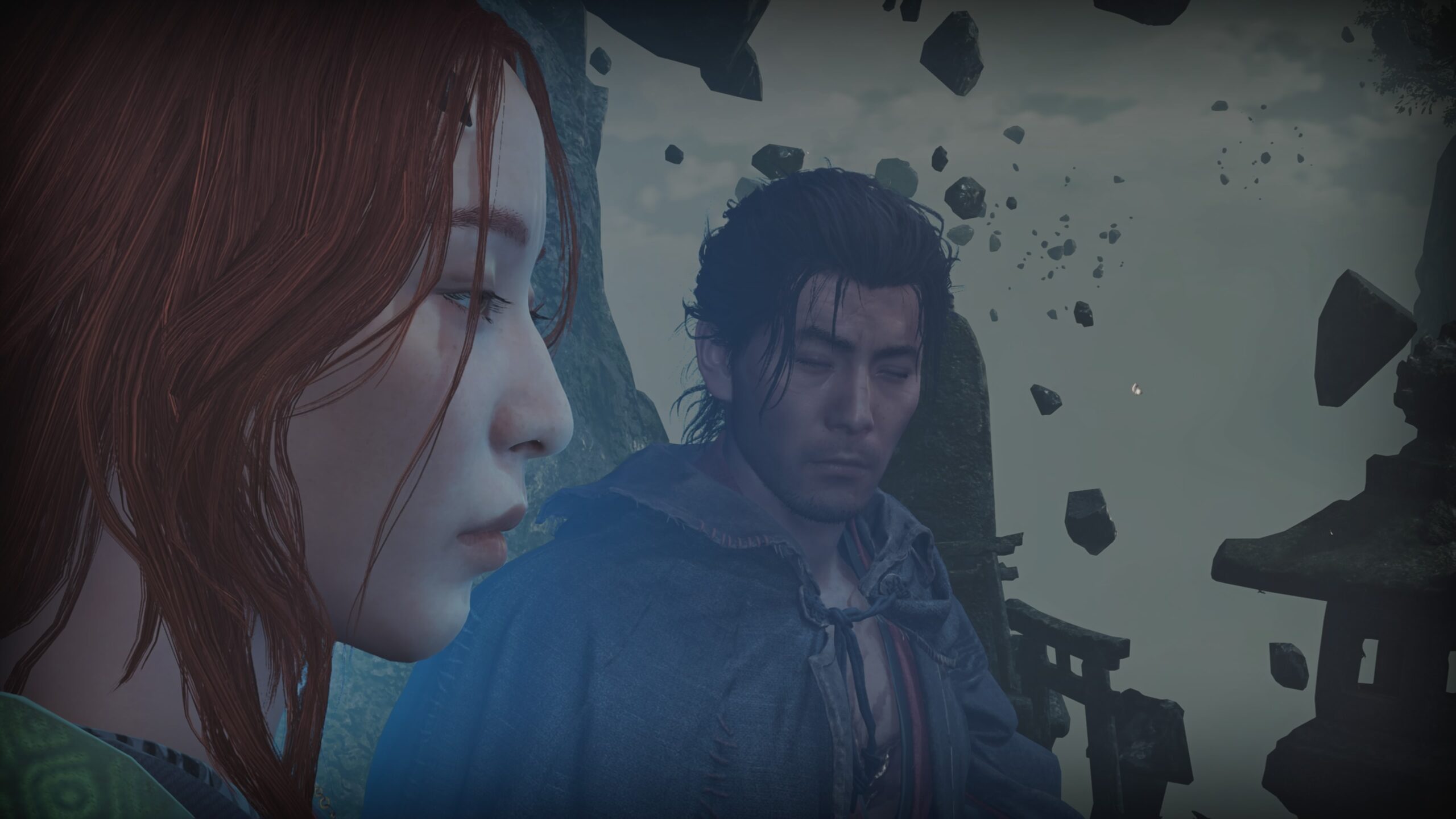
Personally, I'm very happy with Onimusha: Way of the Sword and I think it lives up to expectations. The remasters of recent years were probably CAPCOM's way of testing the waters to see whether the franchise still had fans among modern gamers, and this game proves not only that Onimusha is still a relevant series, but also that its formula can be successfully adapted to today's audience. And, honestly, it would be a shame if Way of the Sword didn't get DLC, because even after more than 25 hours of play I haven't had enough of Musashi and his adventures.
Thanks to CD Media for the opportunity to play Onimusha Way of the Sword.

Available on: PlayStation 5, PC, Xbox Series X/S, Nintendo Switch 2
Played on: PlayStation 5
Release date: 27 August 2026
Developer: CAPCOM
Publisher: CAPCOM
Plus
- Combat system
- Bosses
Minus
- Main hub
- Side content pads out the game
0 votes
Scroll down here and stay on the page for at least 30 seconds to vote.
Pick a score from 0 to 10 (halves are allowed).