
Nobody Wants to Die – Review

”The future is already here, it’s just not very evenly distributed.” – William Gibson
Allegory is a cornerstone of many literary genres, but in few is it as evident and pragmatic as in science fiction. The future, with all the miracles and horrors it brings, is often an echo of current dreams and worries. And if we're talking about worries, the most paranoid subgenre of sci-fi is probably cyberpunk. Here, technology, no matter how advanced, doesn't make our lives better, but often offers the most cynical answer you can give to any existential question.
Nobody Wants to Die, a first-person adventure with investigative elements, is no exception to this rule. In New York, 2339, you can be whoever you want, literally, because you can find the technology on the shelf to transfer your consciousness into whatever body your cash allows. If you've lost your body at the slots or had it repossessed for unpaid bills, you end up in a sterile storage rack called "The Bank", perhaps forever. If you can afford it, however, you can transfer your consciousness every time your wallet allows.
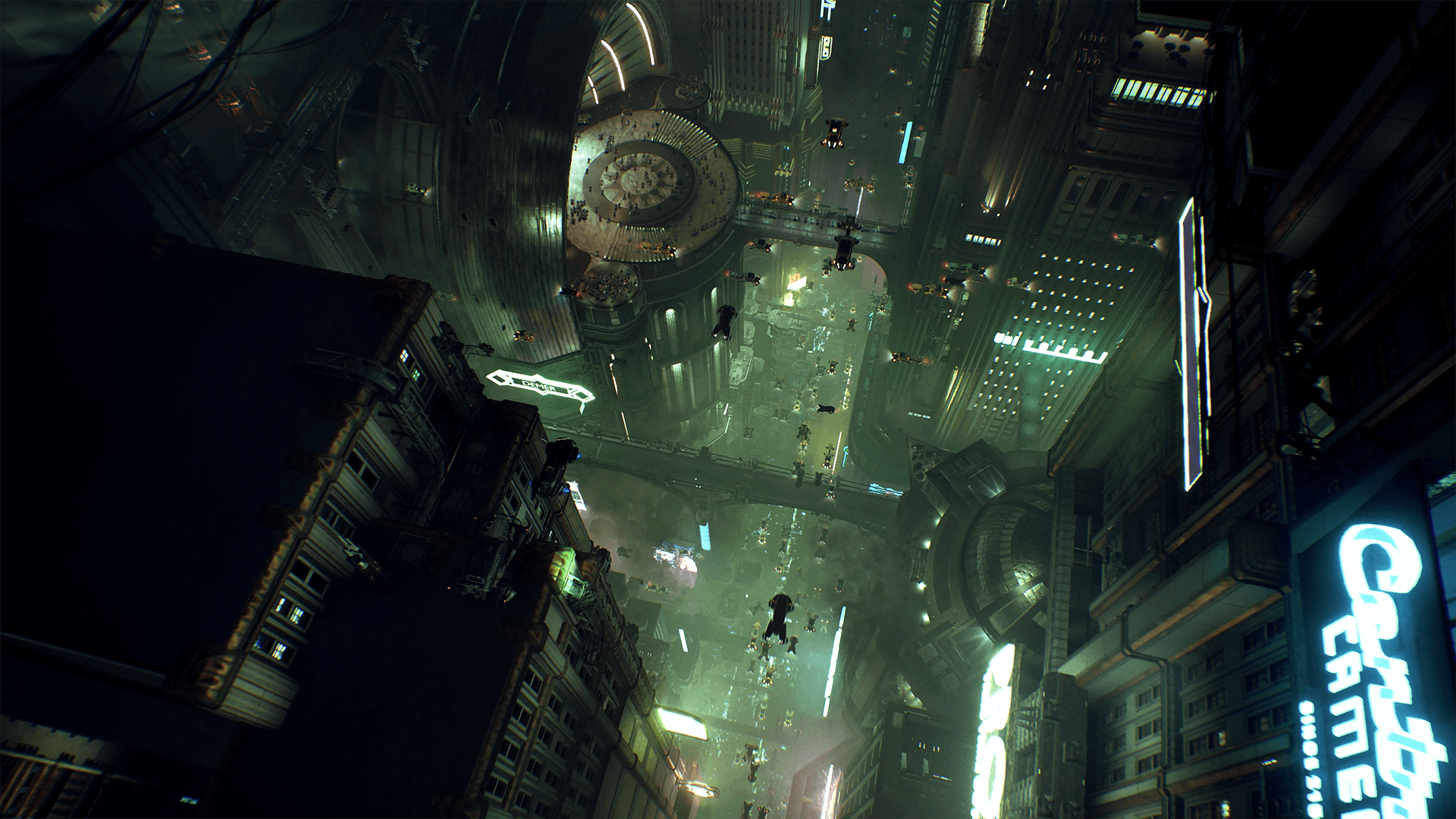
This, of course, widens the chasm between the rich and the general population in a way that the city's verticality illustrates: down, near the ground, live the masses, while the elites hide in towers where, as the protagonist says, the air is so clean you have to smoke a cigarette just to feel like you're breathing.
A Xerox, Darkly
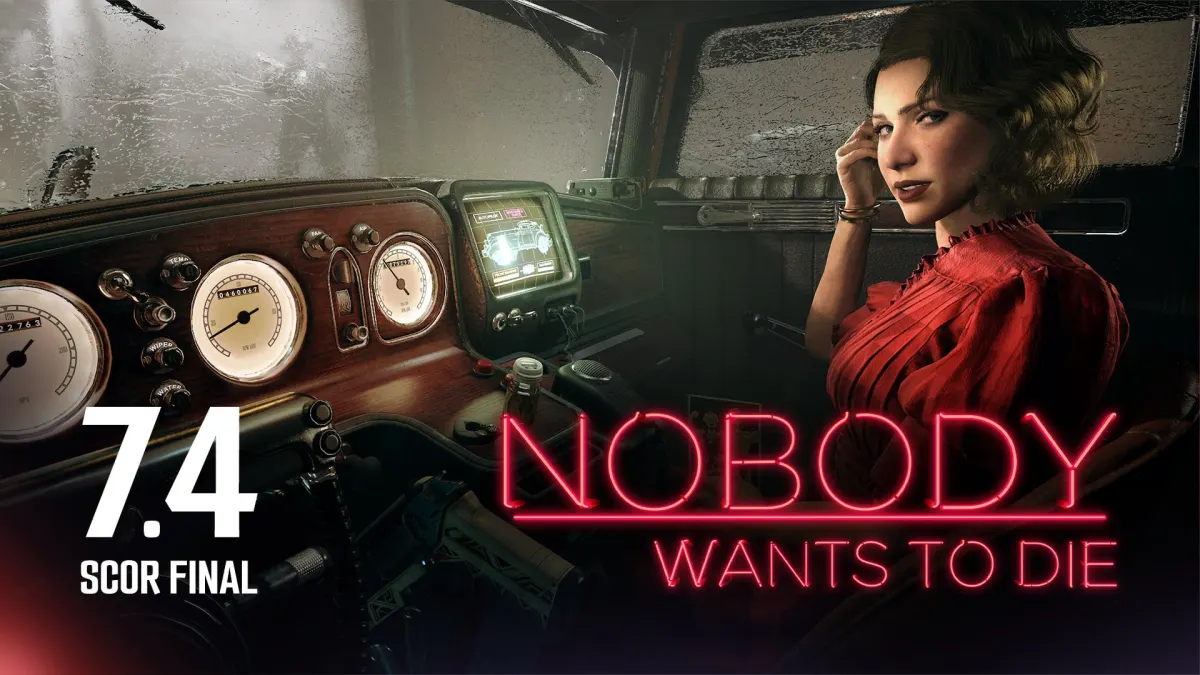
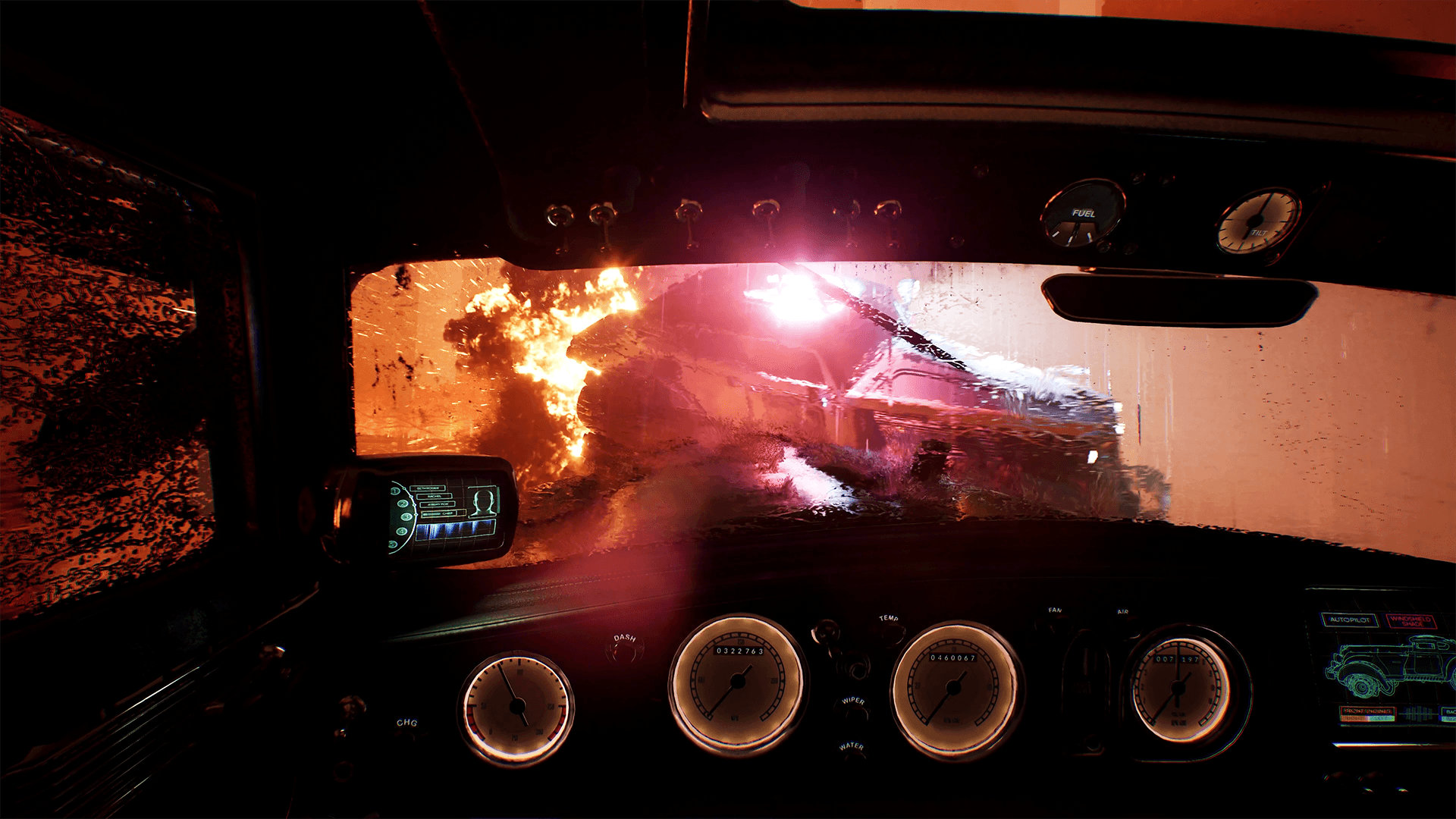
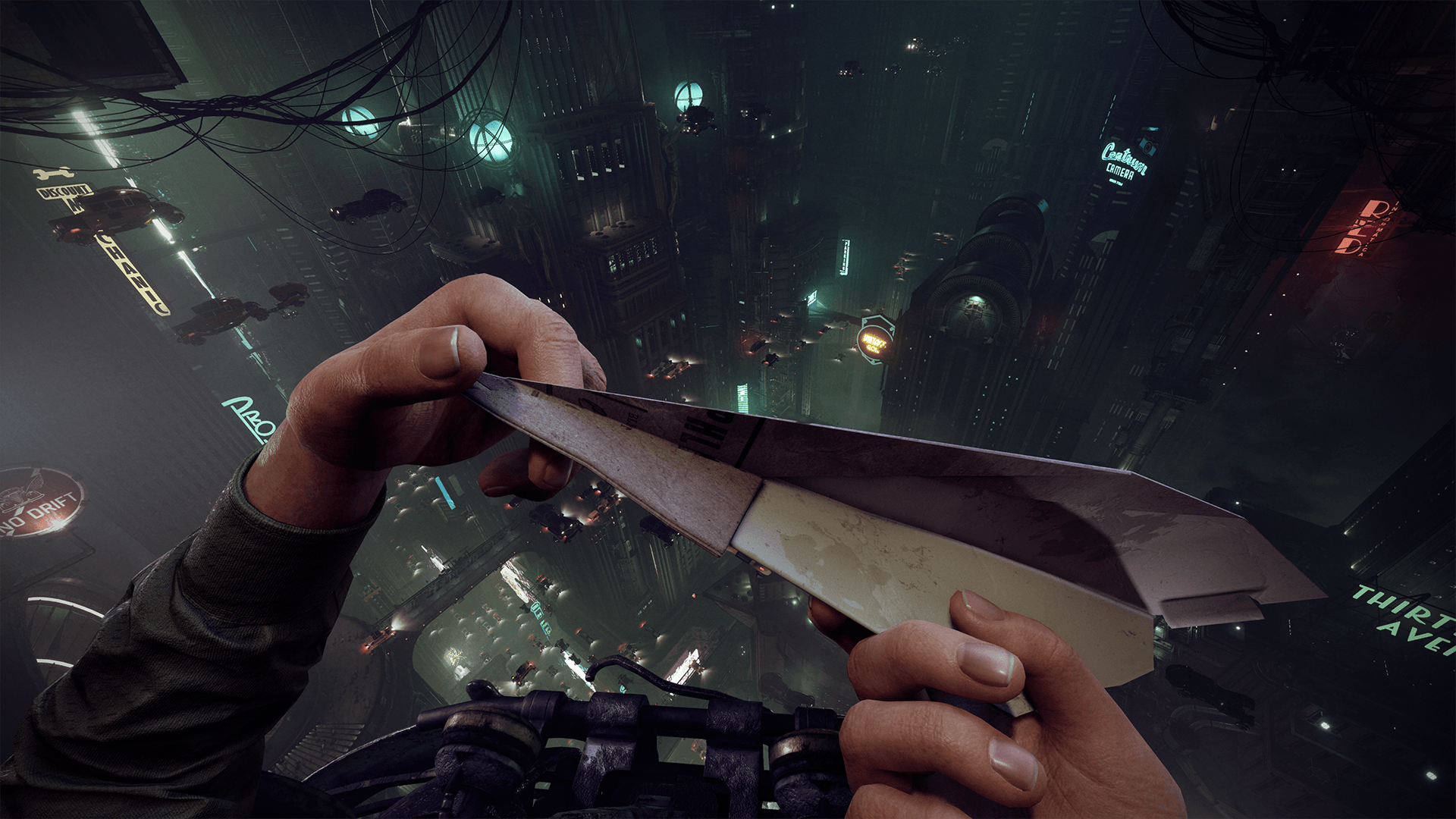
You wake up in detective James Karra's new body, after an accident that led to the total destruction of his previous one. In a drive-in cinema, you're watching a black-and-white film with dames puffing on absurdly long cigarettes, when the police chief interrupts you to ask for a favour. When you open the door, you almost fall into the void: you're hundreds of metres above the ground, in a car equipped with anti-gravity thrusters. You head to the case, amidst neon advertisements and dark skyscrapers, while taking another swig of whiskey.
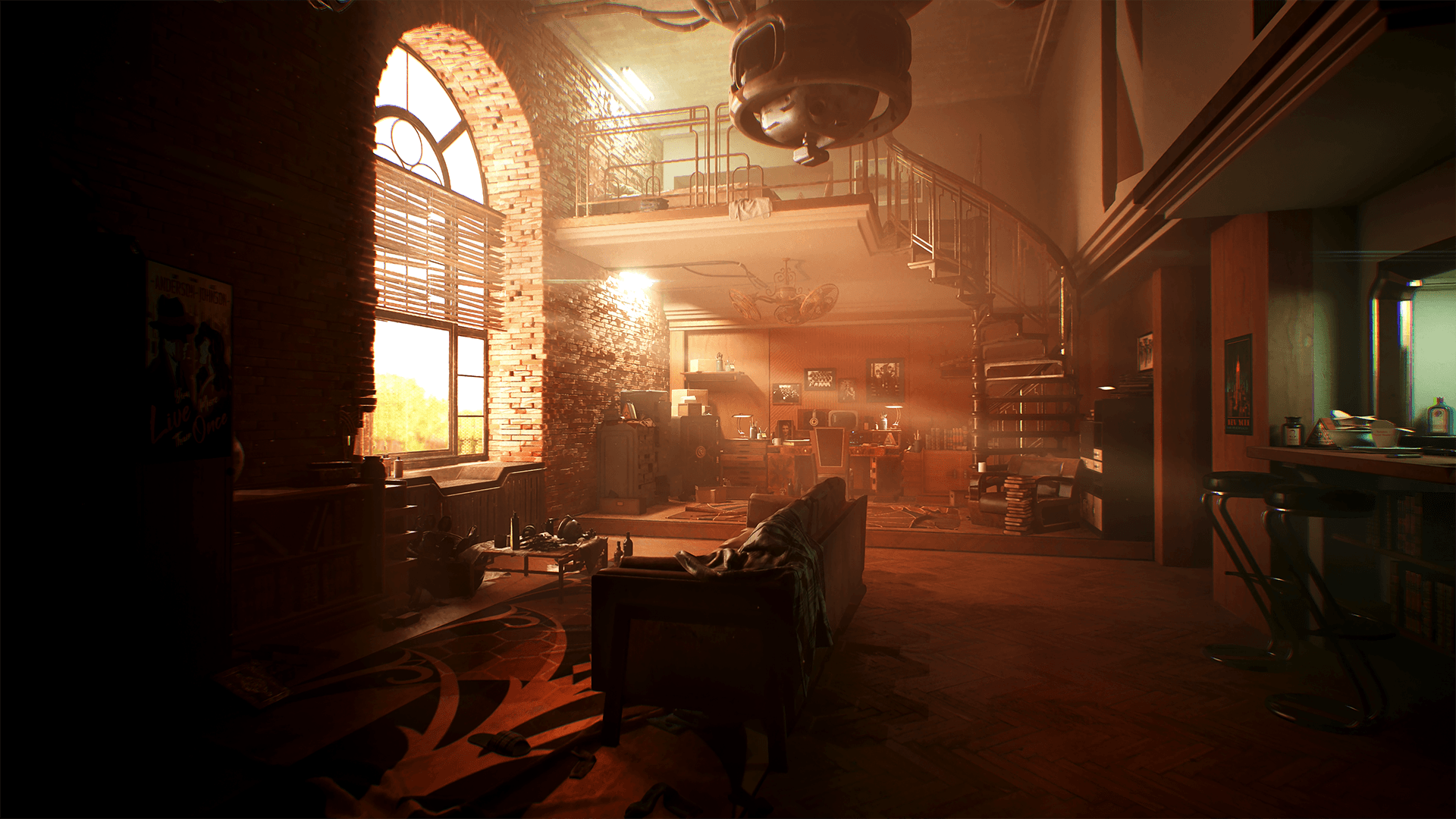
If you like film noir aesthetics, you'll have something to feast your eyes on for a few hours. It's evident from the first few minutes how much work and love has been invested in the presentation and environment. Classic car models, retro technology in all the terminals you interact with, and an abundance of examples of intelligent design (not least of which is the modular shower that, I suspect for financial reasons, James has to share with his neighbour) outline a future New York that I would have liked to explore more freely.
In your headphones, you hear Sara grumbling, the partner assigned by the department and a constant presence throughout the adventure, in a manner quite similar to Delilah from Firewatch. Trumpets, at first lazy, paint the first notes of the jazz theme that marks the game's title card.
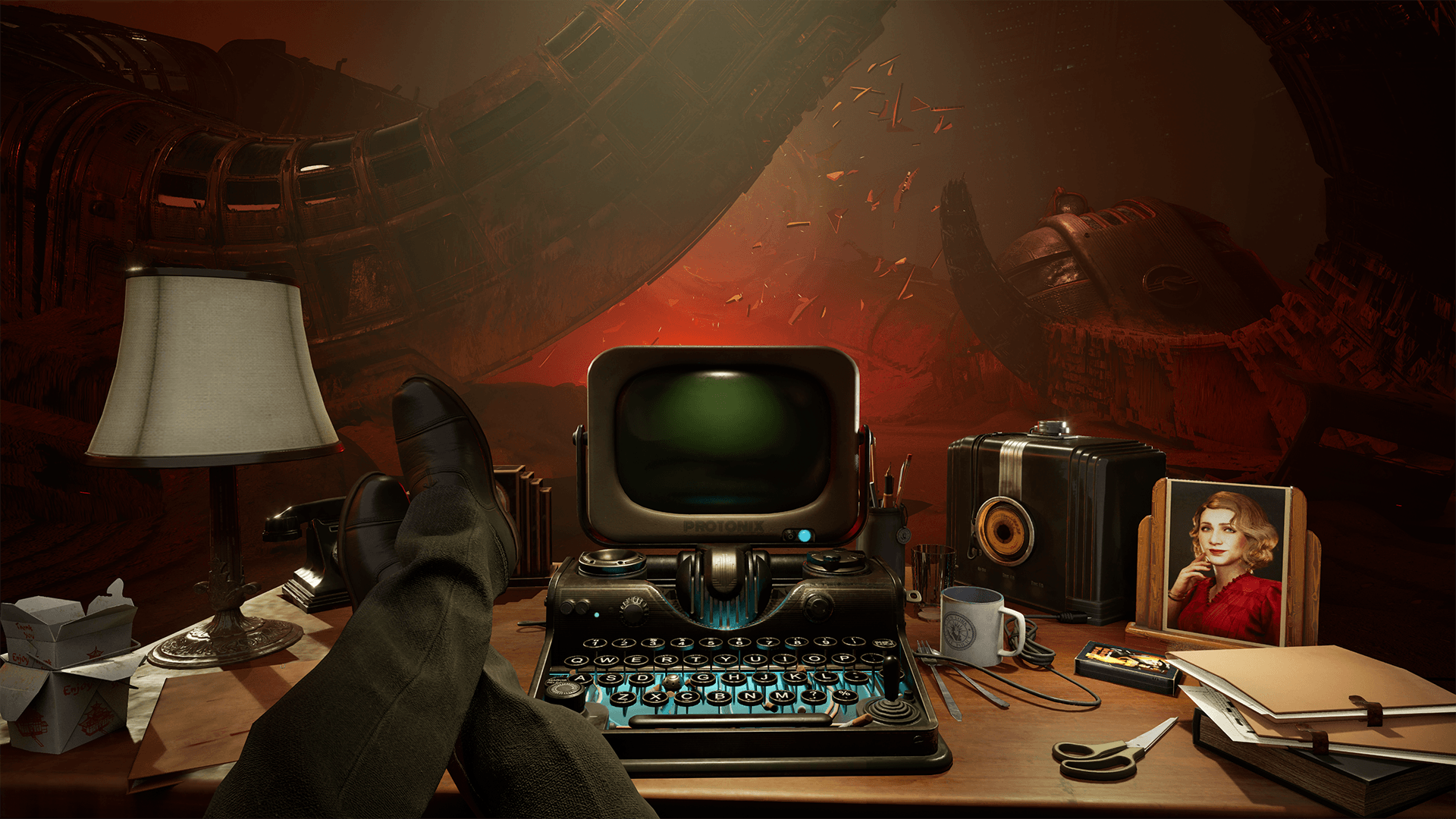
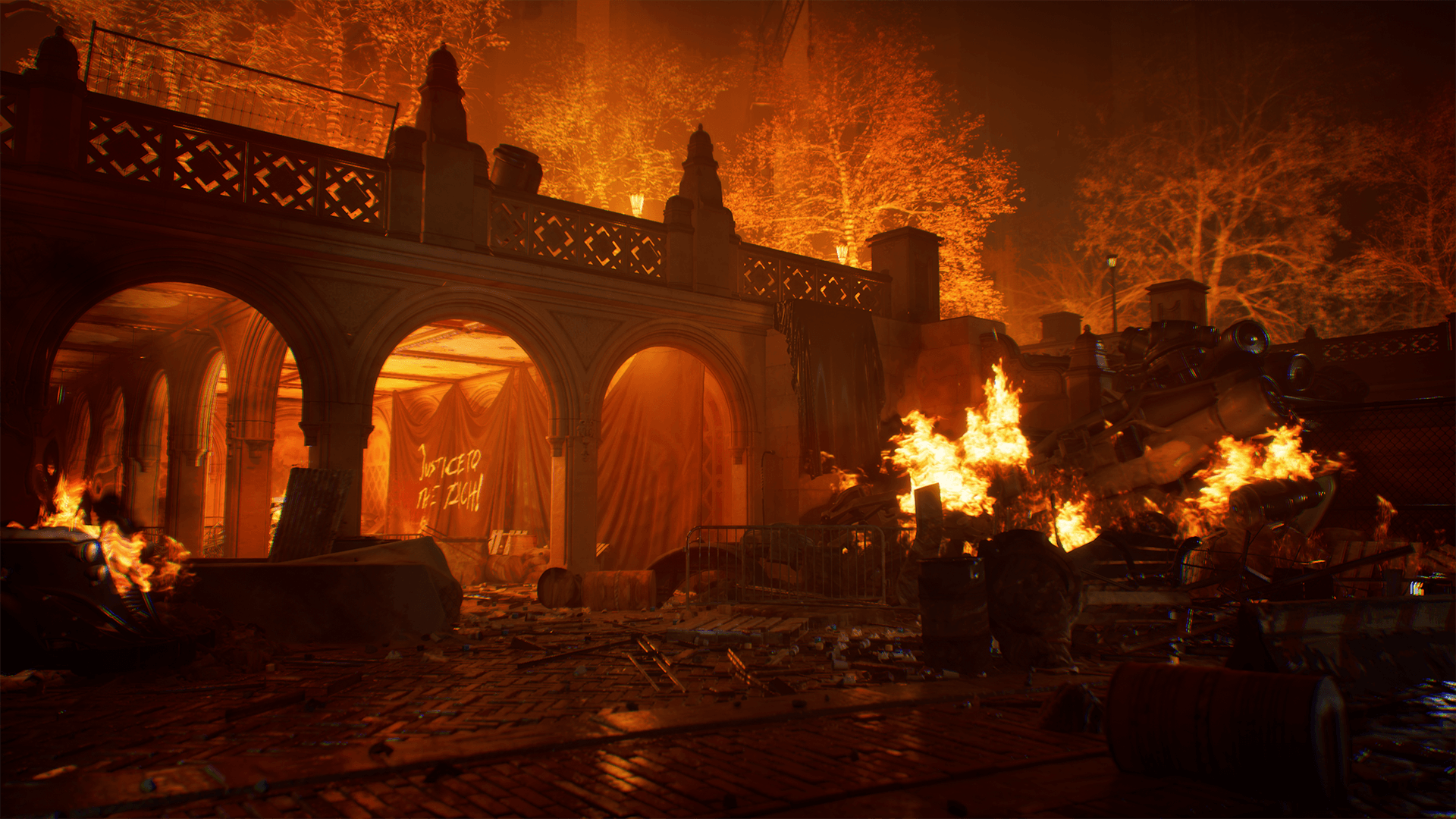
The music, which you can hear in full here, is orchestral, but contains almost no futuristic elements. It integrates well with the art deco and predominantly classical aesthetic, but doesn't say much about the setting's peculiarities and sometimes gets lost, tonally, in a grey that also reflects other generic and impersonal areas of the game.
Interactivity is inconsistent (we're talking about five hours of linearity with occasional investigations and a few perspective puzzles) and the little gameplay that exists isn't overly captivating. Probably the most complex aspect are the reconstructions, investigations in which, like the braindance in Cyberpunk 2077 or the crime scenes in Batman: Arkham Origins, you can rewind through the unfolding of a crime and add details as you discover new clues.
Again, there's nothing new mechanically, but the set pieces, the revelations within the investigations, and the architecture of each interior are more elaborate than they appear at first glance and created in me a need to understand the meaning of every detail. The story, in true noir style, ties together the ensemble of factions and characters involved in the conflict with a bow at the end, but not in the most elegant way possible, and the use of a red herring as an antagonist somehow makes the stakes of the central conflict always seem petty and distant.
At the same time, although the game offers multiple endings, the pivots on which the story's conclusion depends are simplistic, and the truly interesting details (how the world came to be this way, the reasoning behind the subscription for one's own body, to what extent a mind kept in the Bank is conscious) are hidden in the game's documents and collectibles.
Taken separately, all the details compose a complex picture, harmonising separate narrative threads (the death of James's wife, Rachel, or Sara's decisions regarding her own body) with the conspiracy and social themes of the story, but the way the information you need to understand each aspect is delivered leaves something to be desired.
Forget it Jake, it’s Cyberpunk!
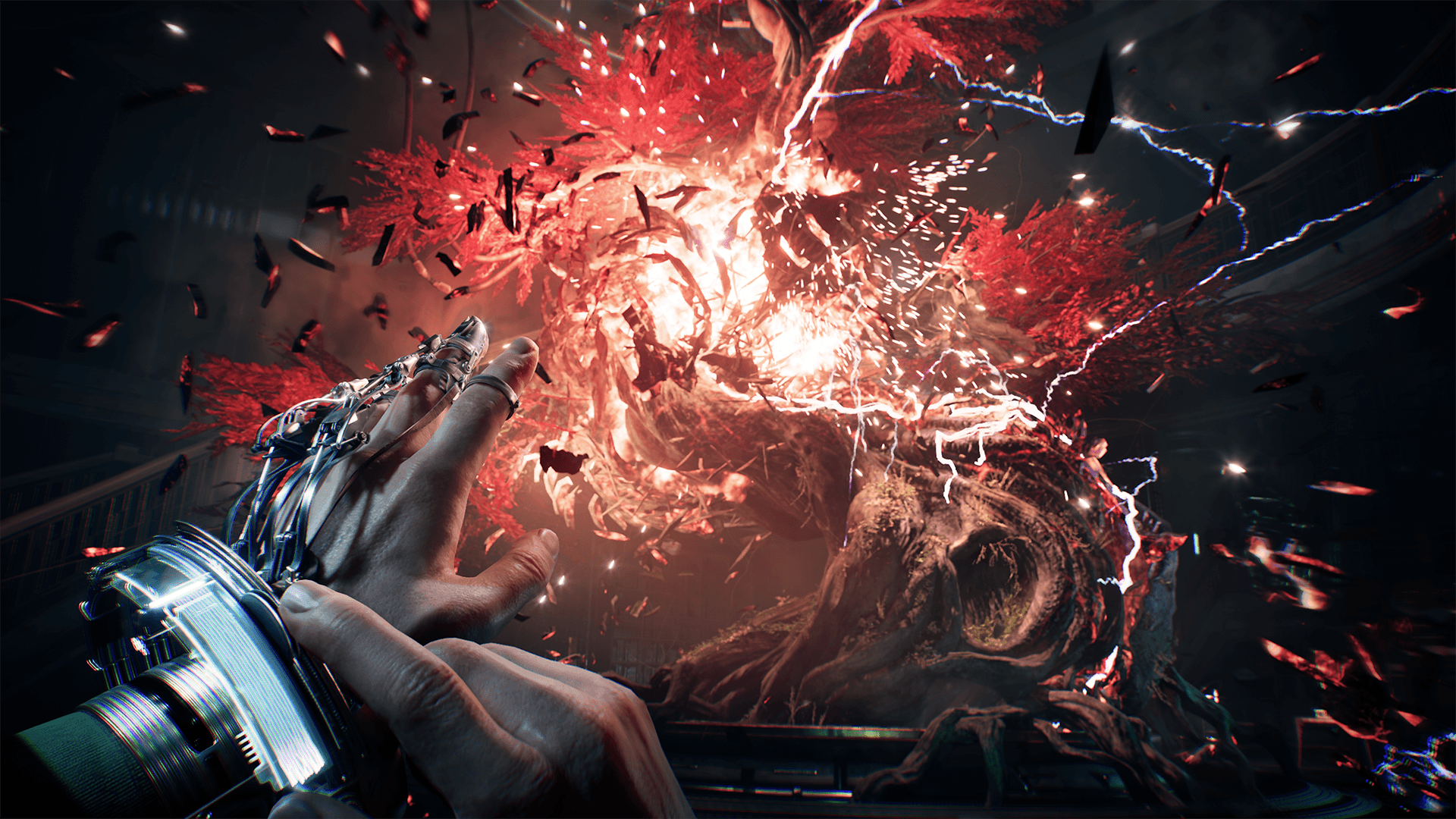
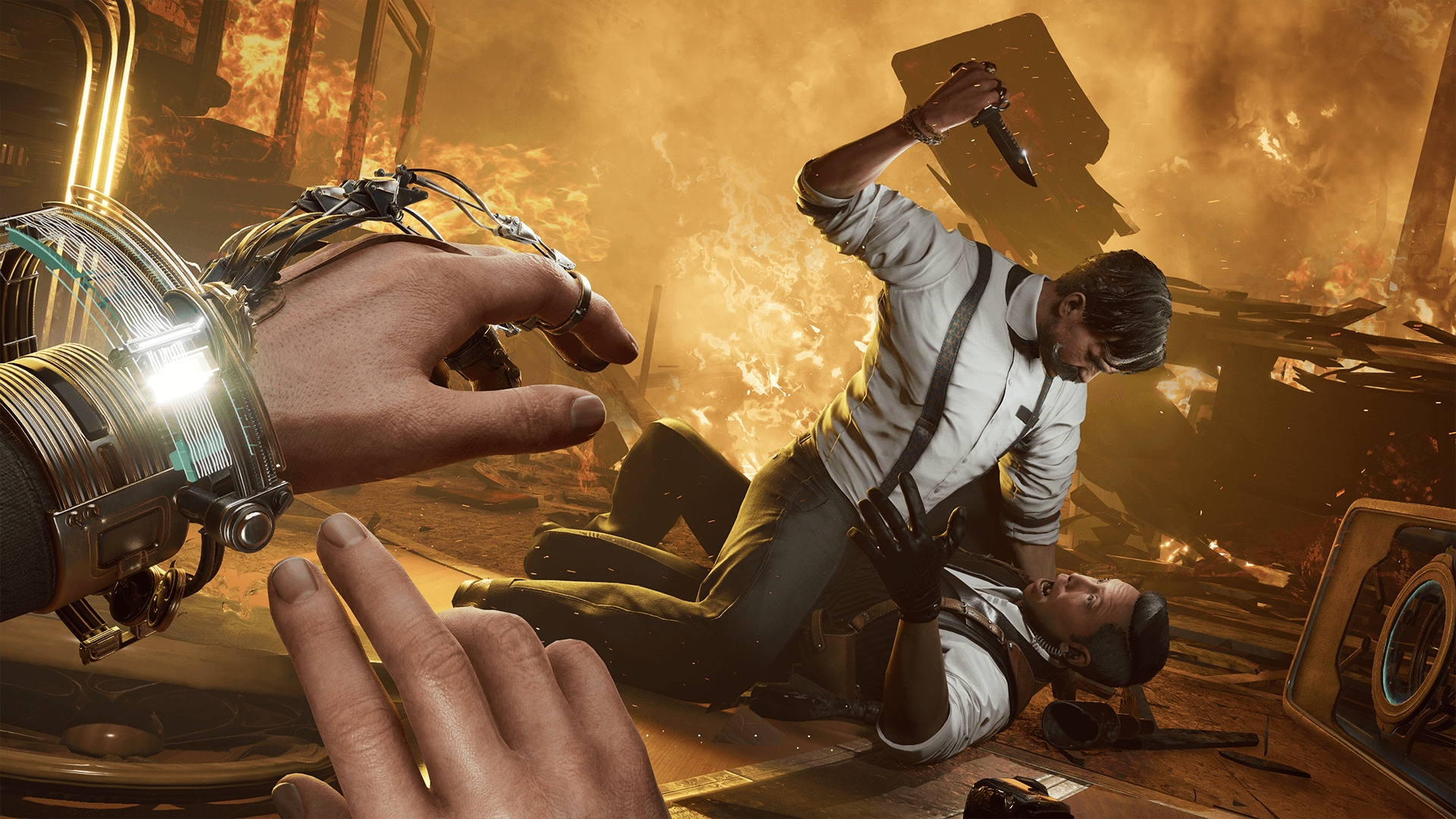
Overall, Nobody Wants to Die is more than a tech demo, but less than a game. Given the budget and the size of the team behind it, the level of detail and graphical spectacle is impressive, whether we're talking about smoke-filled rooms or explosive and elaborate reconstructions like Rube Goldberg inventions.
At the same time, the reduced level of interactivity, the fact that almost every click turns into a cutscene, the few and simple puzzles, the largely streamlined and automated deduction all add up to less interactivity in five hours than you get in five minutes of watching a fly on the ceiling with your eyes, and given the medium, it's a missed opportunity.
Sometimes we like that, I suppose, and the situation isn't as tragic in Nobody Wants to Die as it is in Fort Solis, for example, which makes the slightly mocking label of walking simulator seem like an overestimation. Nevertheless, it's useful to know what awaits you in Nobody Wants to Die: approximately five visually spectacular hours, almost catatonic when it comes to interactivity, and with a story that has great potential, but is clumsily delivered.

Played on: PC
Release date: 17 July 2024
Developer: Critical Hit Games
Publisher: PLAION
0 votes
Scroll down here and stay on the page for at least 30 seconds to vote.
Pick a score from 0 to 10 (halves are allowed).