
Origament: A Paper Adventure – Review

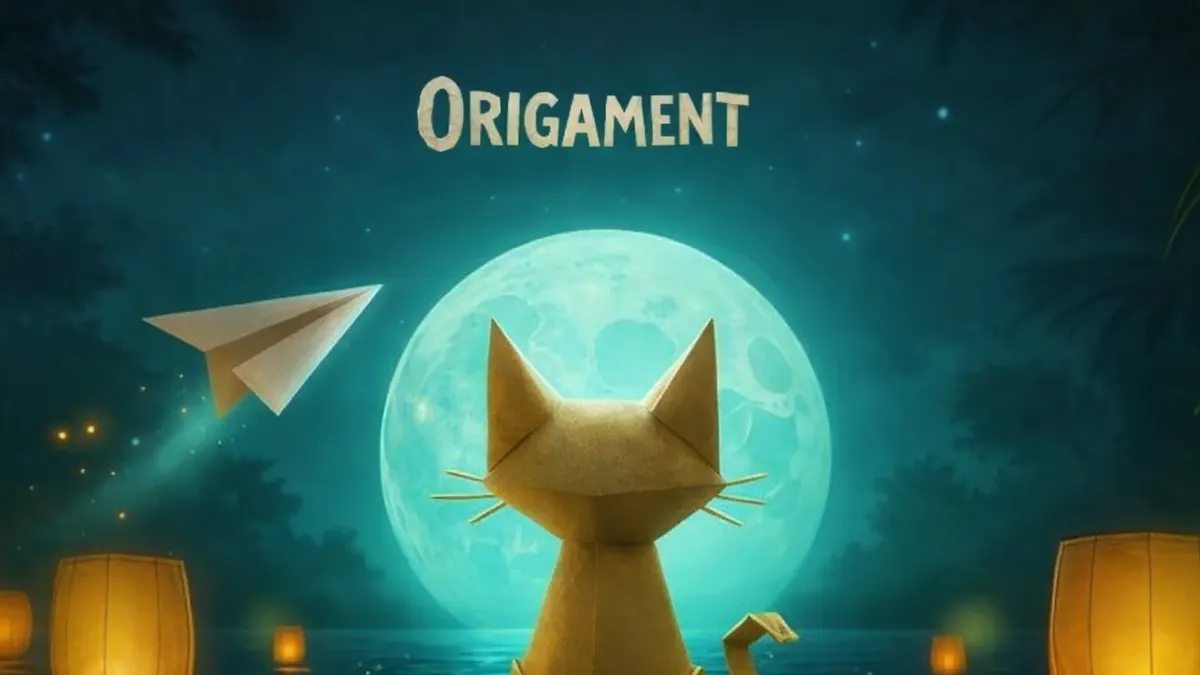
Transforms fragility into emotion and quietude into a memorable experience…
In an industry dominated by explosive action, overwhelming open worlds and increasingly complex mechanics, Origament: A Paper Adventure arrives as a breath of fresh air, or rather, as a gentle breeze across a sheet of paper. It’s the kind of game that doesn’t try to impress with grandeur, but with refinement, atmosphere, and a simple idea executed with great care.
From the very first minutes, it becomes clear that you’re not dealing with an ordinary title. Everything, from the visual style to the pace of the gameplay, is built to slow you down, to make you notice details and enjoy the entire process, not just the result.
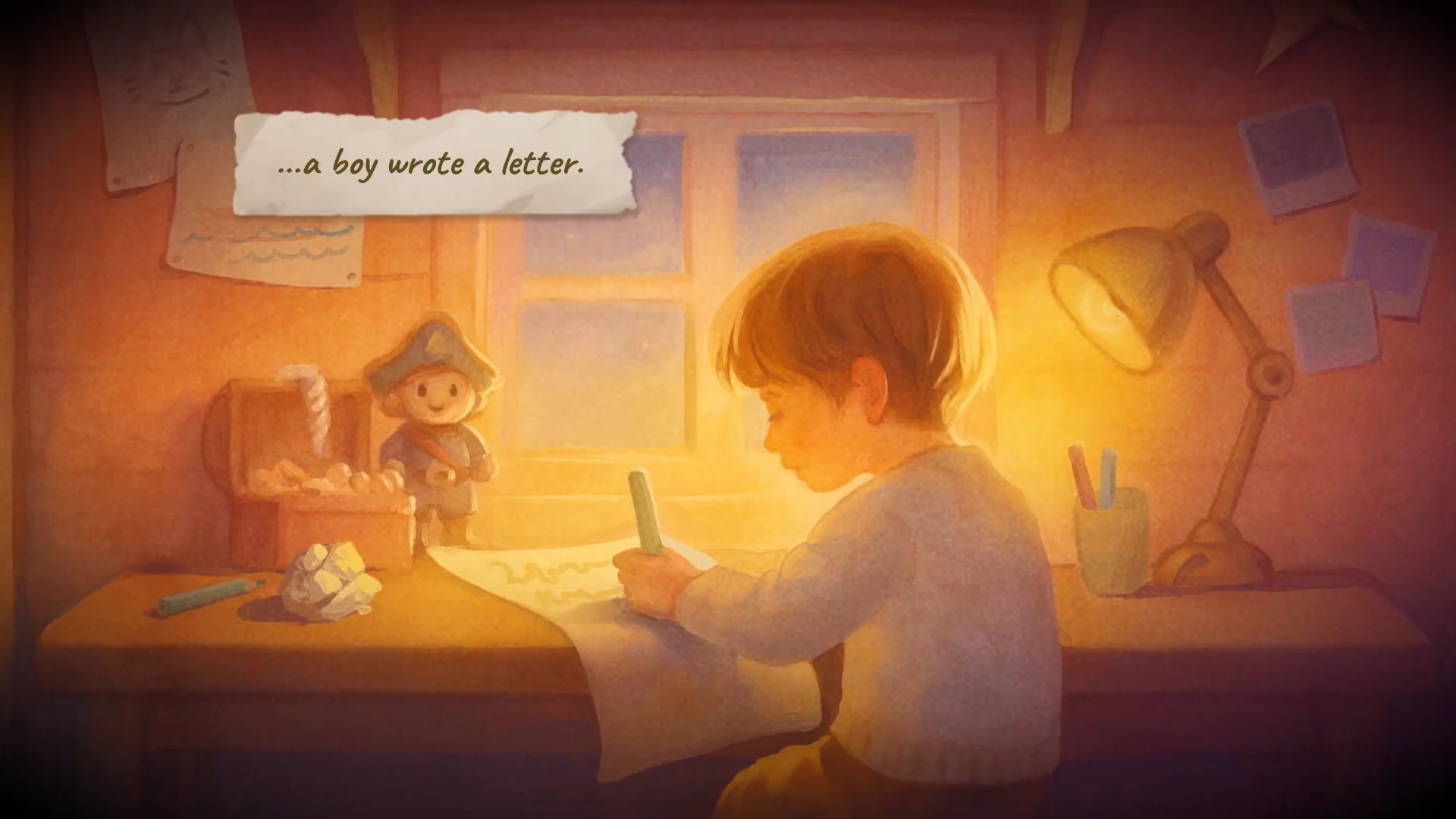
A paper world that comes to life
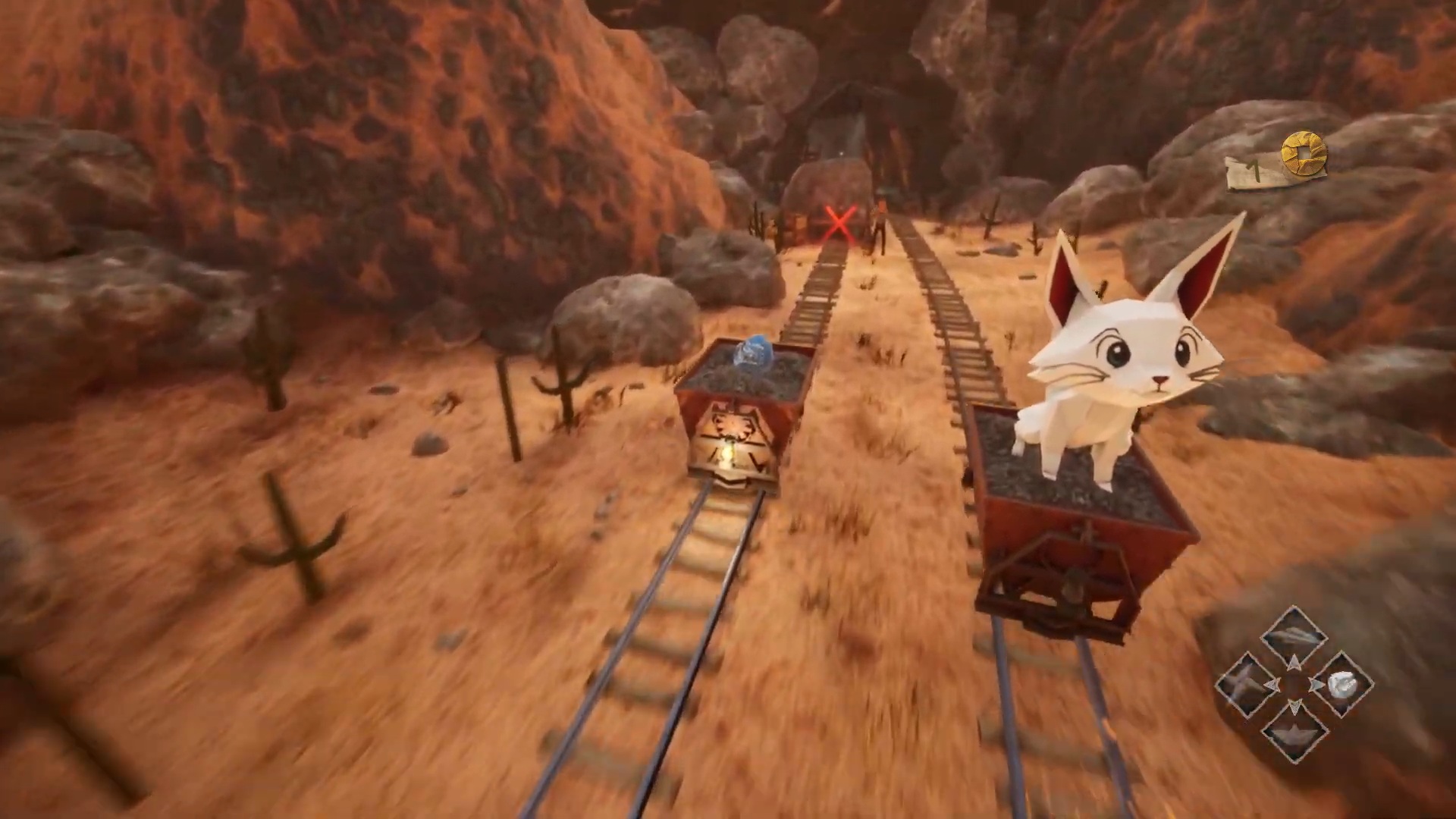
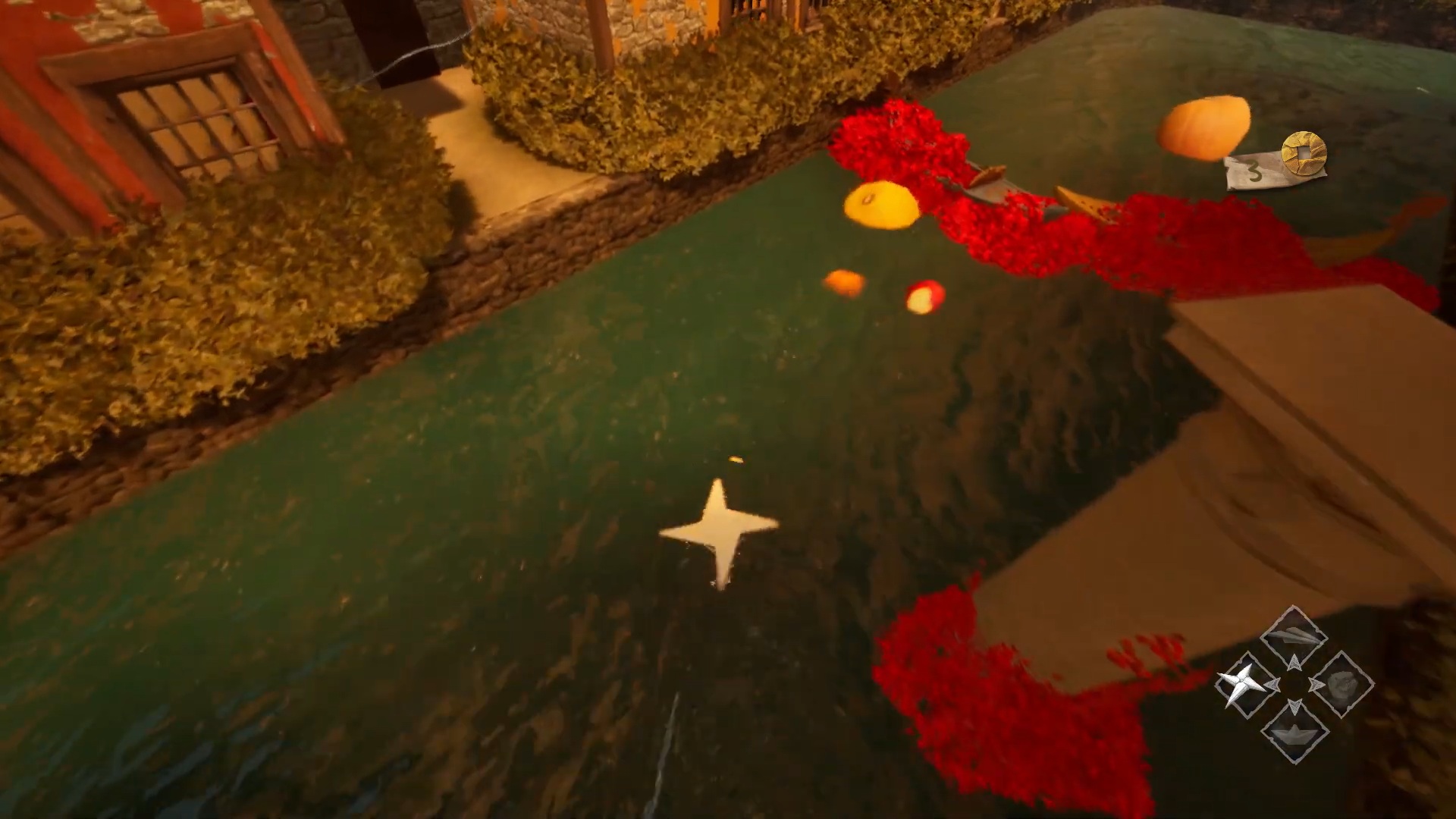
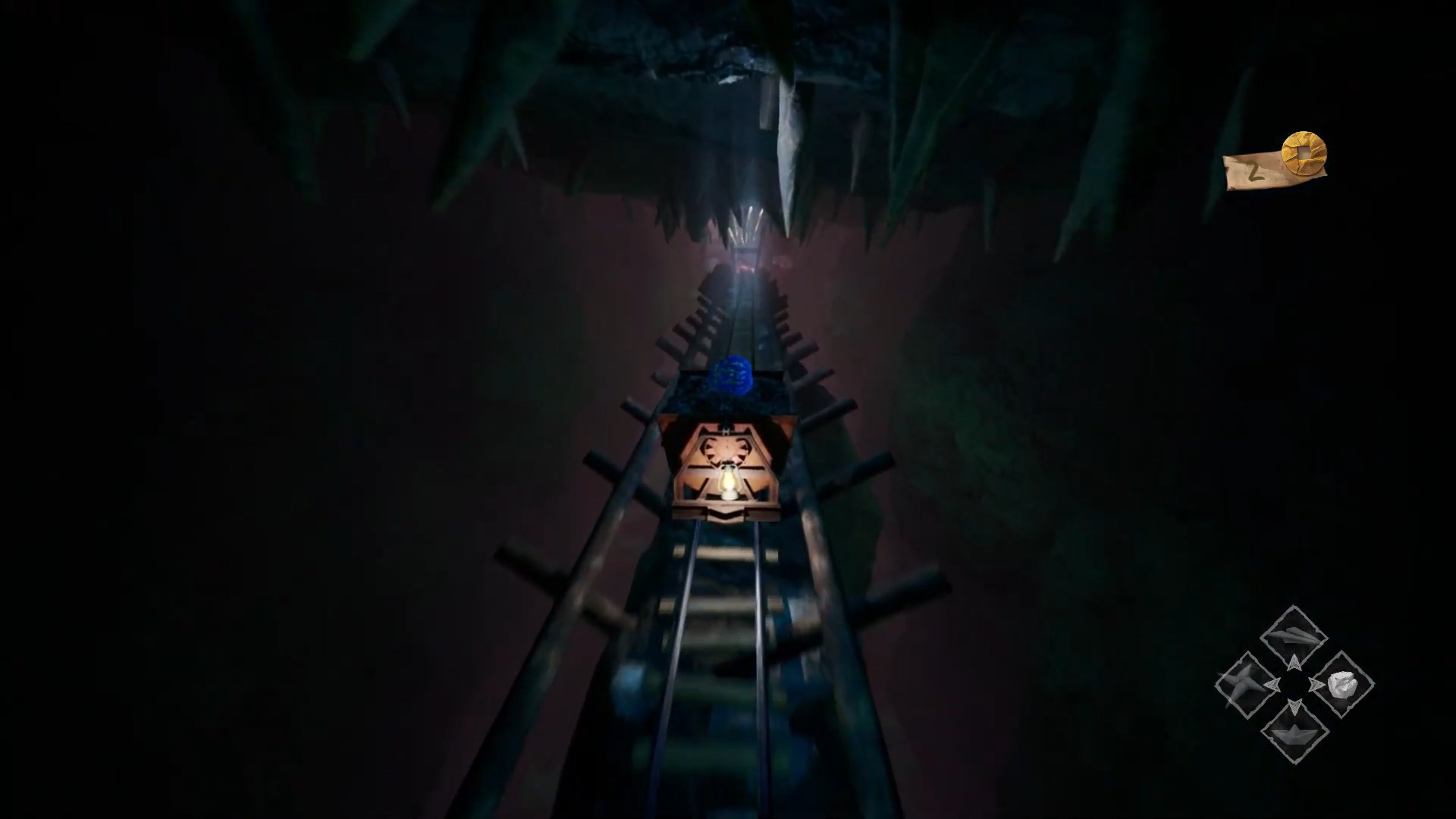
The game’s most obvious strength is its art style. Inspired by the art of origami, the universe is built from paper textures, delicate folds and fluid animations that give the impression that everything is alive and fragile. Each element seems carefully cut and placed by hand, and this aesthetic isn’t just a gimmick, but an integral part of the game’s identity.
Light plays an essential role, accentuating shadows and the depth of the folds, giving the feeling that you are in an interactive diorama. It’s the kind of experience that makes you pause the gameplay just to admire the scenery. In a virtual world often visually overloaded, the minimalism here is not only welcome, but also extremely effective.
Simple, yet carefully crafted gameplay
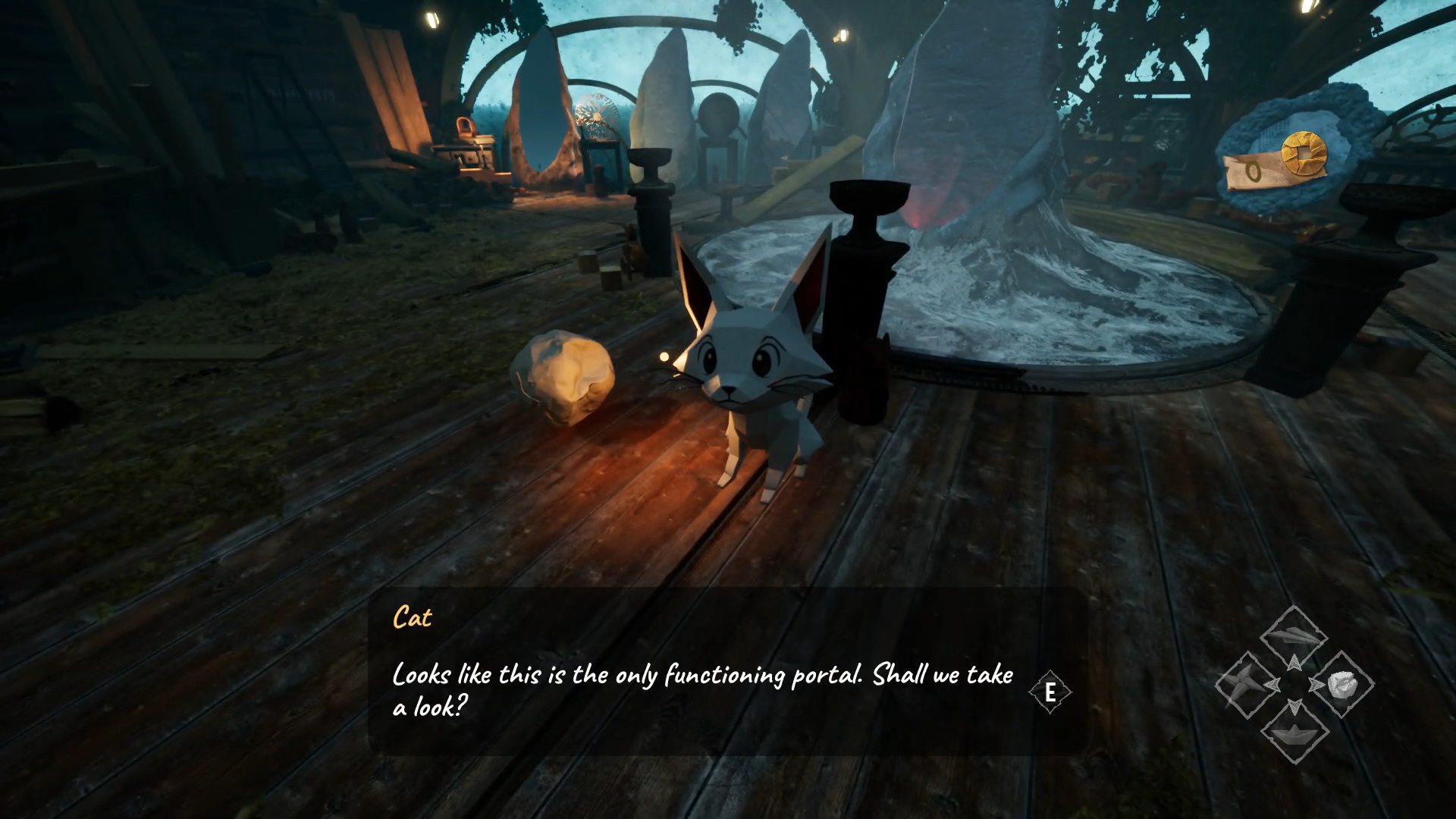
At its core, Origament: A Paper Adventure revolves around exploration and puzzle-solving. We’re not talking about extremely difficult challenges, but rather situations that require you to think calmly, experiment, and observe.
The main mechanic, manipulating the environment in a way that recalls paper folding, is intuitive and satisfying. Whether you’re opening new paths, creating platforms, or modifying the level structure, everything has a clear and coherent internal logic.
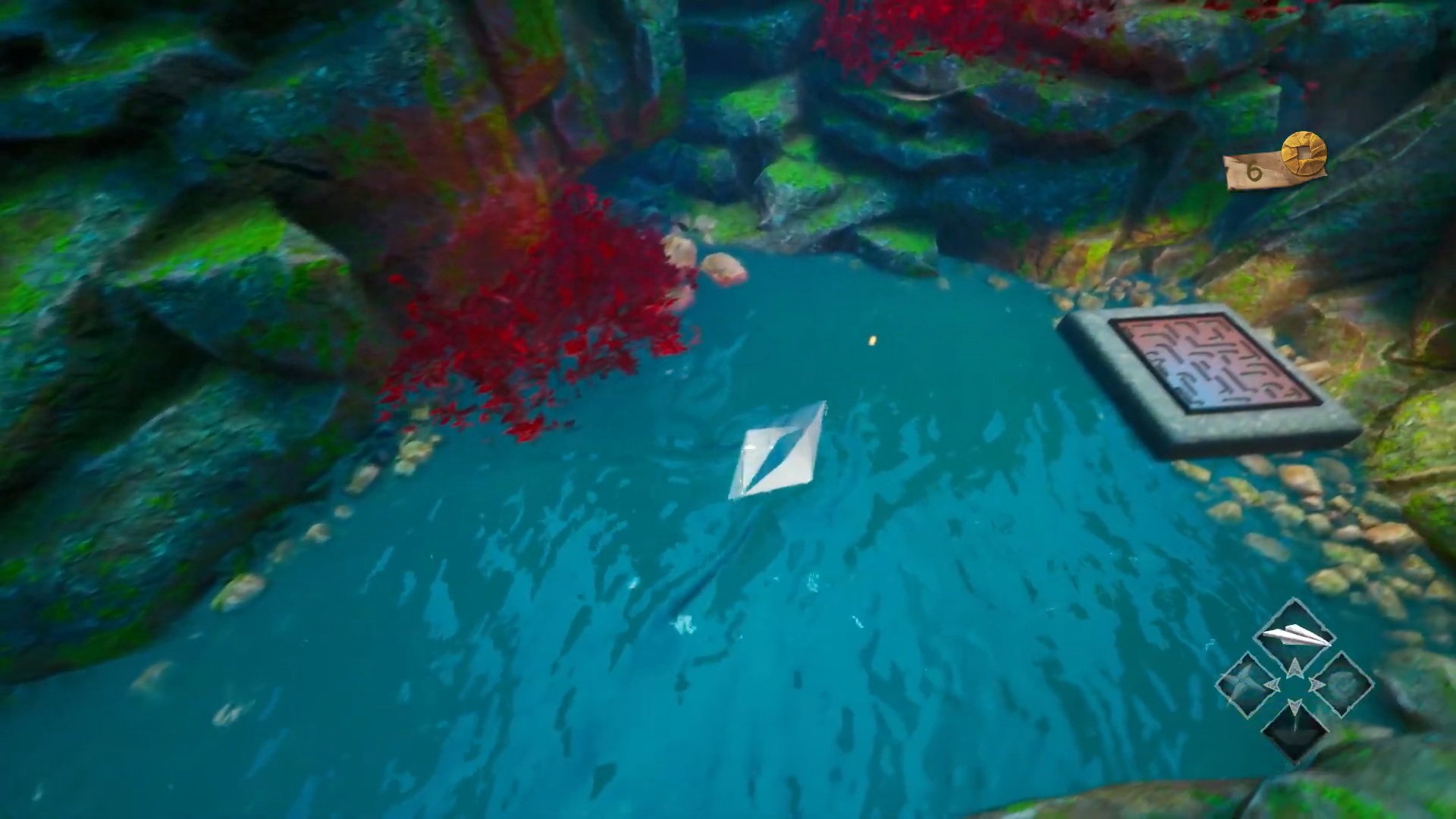
What’s impressive is that the game doesn’t feel the need to constantly bombard you with new ideas. Instead, it takes a limited set of mechanics and explores them in depth. This creates a coherent and relaxing experience, but without becoming boring, at least for a good part of the time.
Pacing: strength or weakness?
The game’s pace is deliberately slow. For some players, this will be exactly what they’re looking for: a break from the chaos of other titles, a space to relax and unwind.
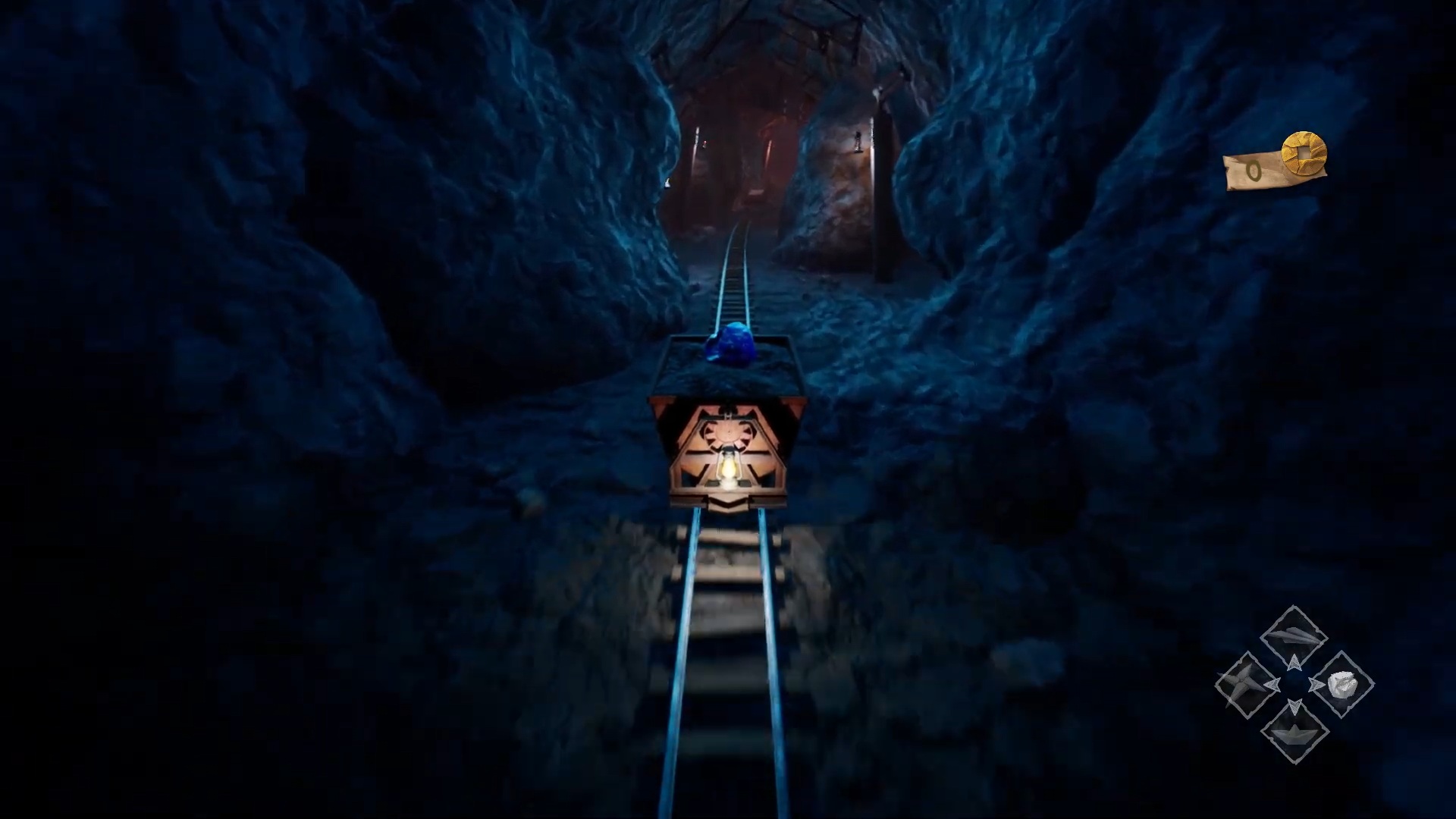
For others, however, this slowness can become a problem. There are no moments of real tension or urgency, and progress can sometimes feel too linear. If you’re the kind of player who seeks intense challenges or constant action, there’s a chance you’ll feel the game doesn’t offer enough stimulation.
However, it’s important to note that this design choice is intentional. Origament doesn’t want to be a fast game; it wants to be a contemplative experience.
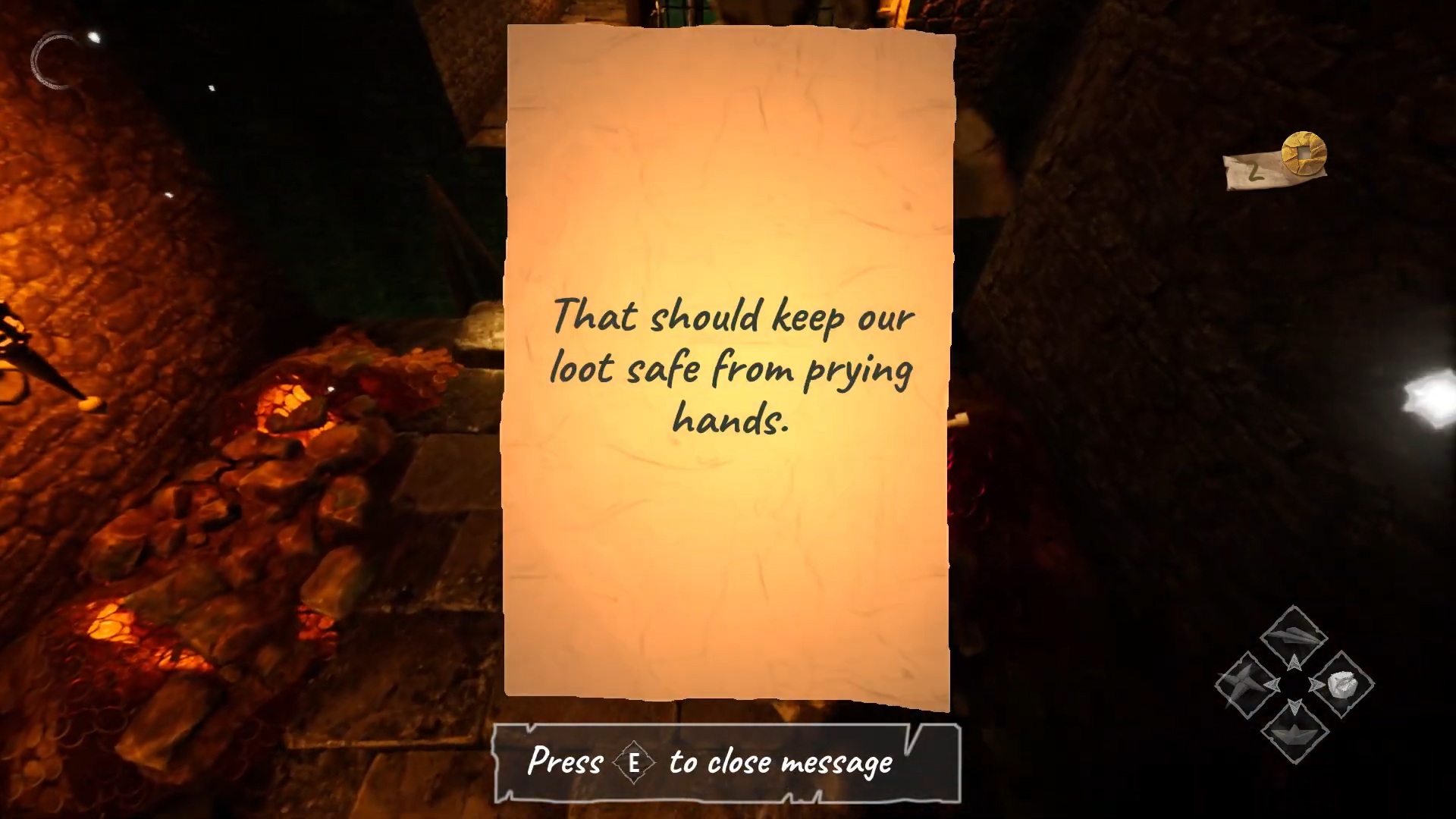
Sound: subtle, yet essential
The soundtrack perfectly complements the visual atmosphere. The music is discreet, ambient, with warm and soothing tones that don’t distract attention, but rather support it.
The sound effects are equally well-executed: the sound of paper folding and the gentle rustling of the environment contribute to the sense of immersion. It’s an excellent example of audio design that doesn’t seek to impress with volume or complexity, but with coherence and finesse.
An accessible experience
Another important aspect is accessibility. The game doesn’t severely punish you for mistakes and doesn’t trap you in frustrating situations. The puzzles are designed to offer satisfaction without creating stress.
This makes it suitable for a wide range of players, including less experienced ones or those looking for a casual experience. At the same time, there are enough interesting moments to keep the attention of more experienced players, even if not at the level of a hardcore game.
Where it creaks, and why it does
Although the game is well-executed, it’s not without its problems. The most obvious is repetitiveness. After a few hours, you start to recognise the patterns, and the mechanics, though enjoyable, don’t evolve enough to maintain a constant sense of novelty.
Also, the lack of greater variety in challenges can make the experience feel slightly monotonous, especially if you play long sessions. It’s the kind of game that works better in small doses than in a marathon.
For those willing to accept its pace and philosophy, it offers authentic moments of quietude and satisfaction. For others, it might seem too slow or too repetitive.
Ultimately, it’s a successful example of minimalist design, demonstrating that you don’t need huge budgets or complicated mechanics to create something memorable.

Available on: PC (Steam)
Played on: PC (Steam)
Release date: 7 April 2026
Developer: Space Sauce Studio
Publisher: Beverlor & Assemble Entertainment
Approximate playtime: 8–12 hours
Plus
- Well-utilised origami concept
- Simple and enjoyable puzzles
- Warm and distinct visual style
- Relaxing music
Minus
- Becomes repetitive
- Low challenge
0 votes
Scroll down here and stay on the page for at least 30 seconds to vote.
Pick a score from 0 to 10 (halves are allowed).