
Over the Top WWI – Review

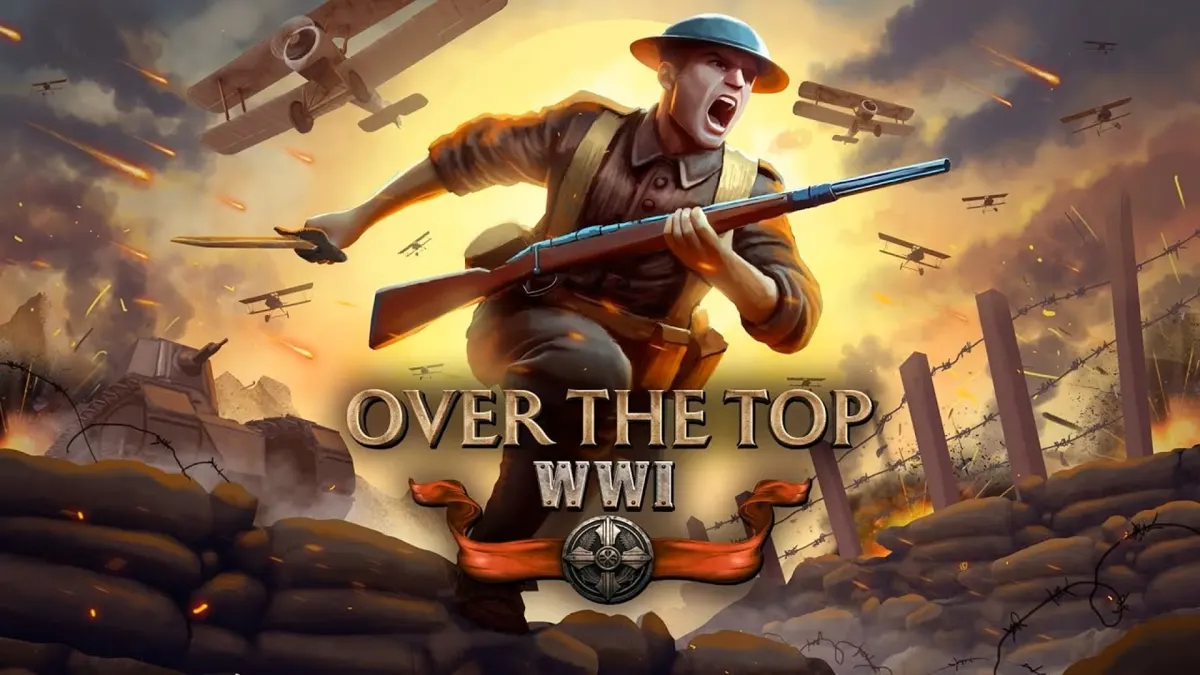
The chaos of the First World War has been transformed into an interactive spectacle.
In an industry dominated by reinterpretations of the Second World War, the appearance of Over The Top: WWI brings a much harder conflict to transpose to the forefront: the First World War. Launched on 6 March 2026, the title offers a large-scale multiplayer experience, with up to 200 players simultaneously involved in chaotic battles on the Western Front.
But beyond explosions, tanks, and trenches remodelled in real-time, the essential question remains: how faithfully does the game manage to portray the historical reality of a conflict defined by stagnation, mud, and massive human sacrifice?
The Western Front as an interactive space: between authenticity and spectacle
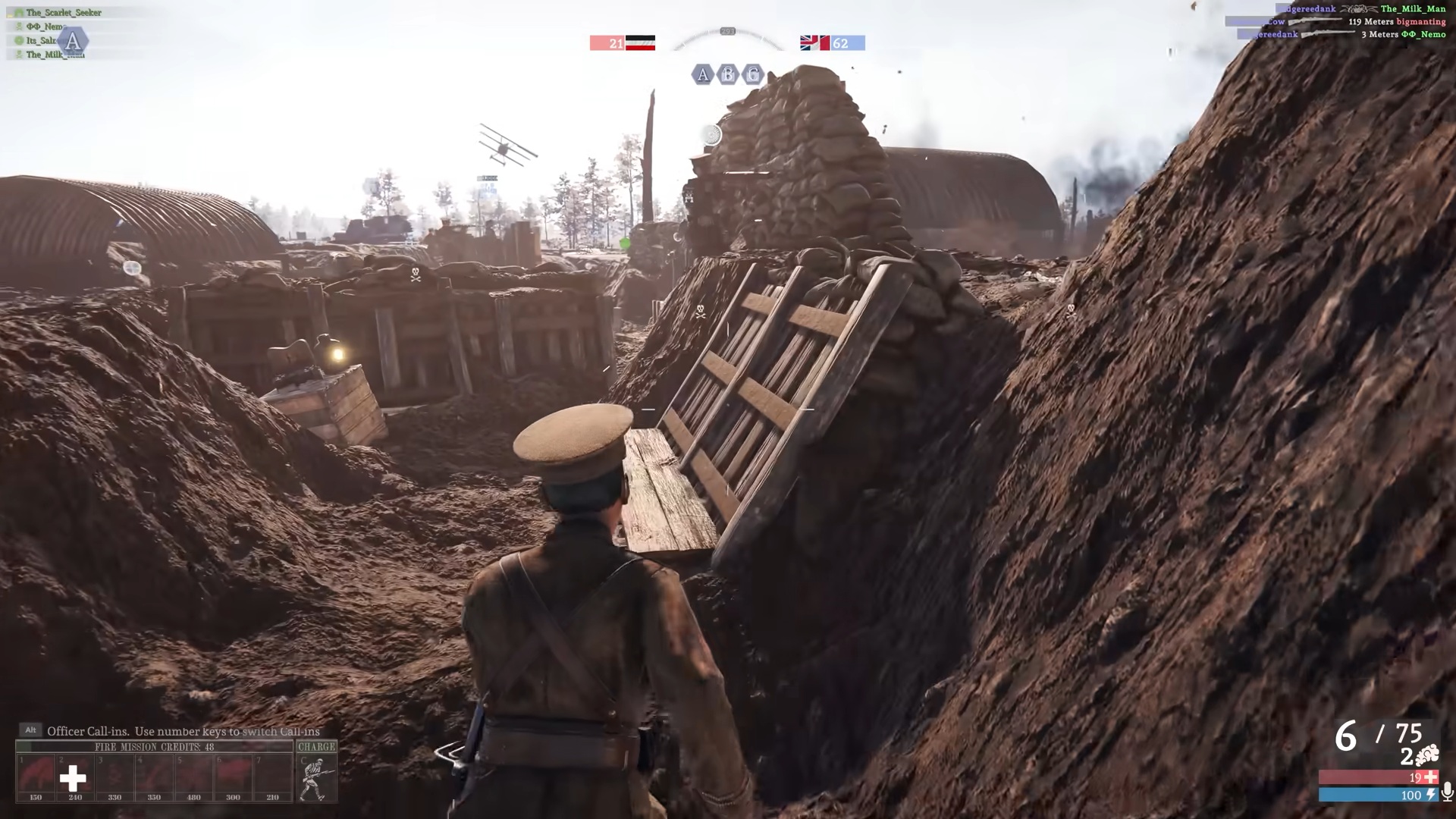
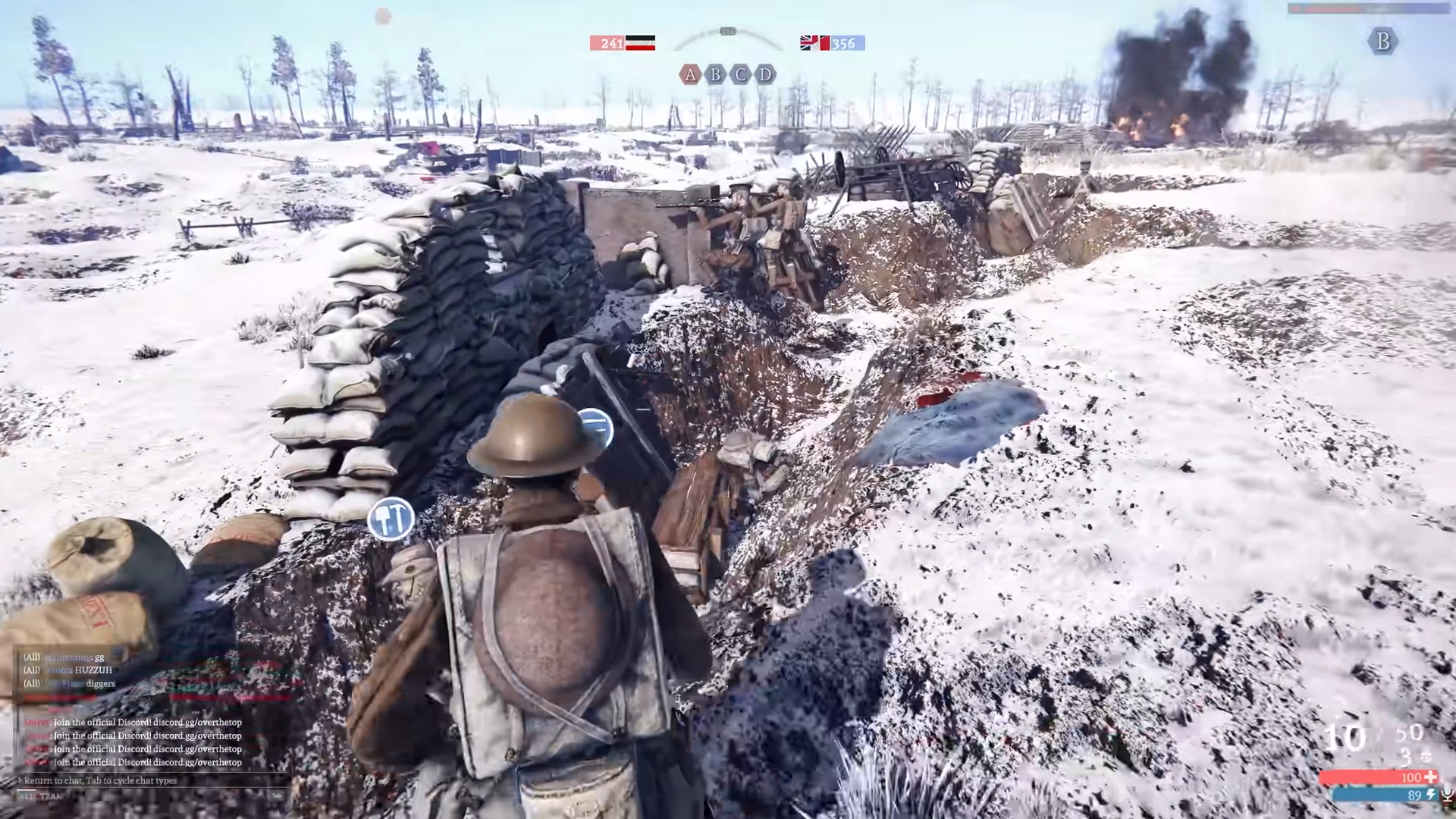
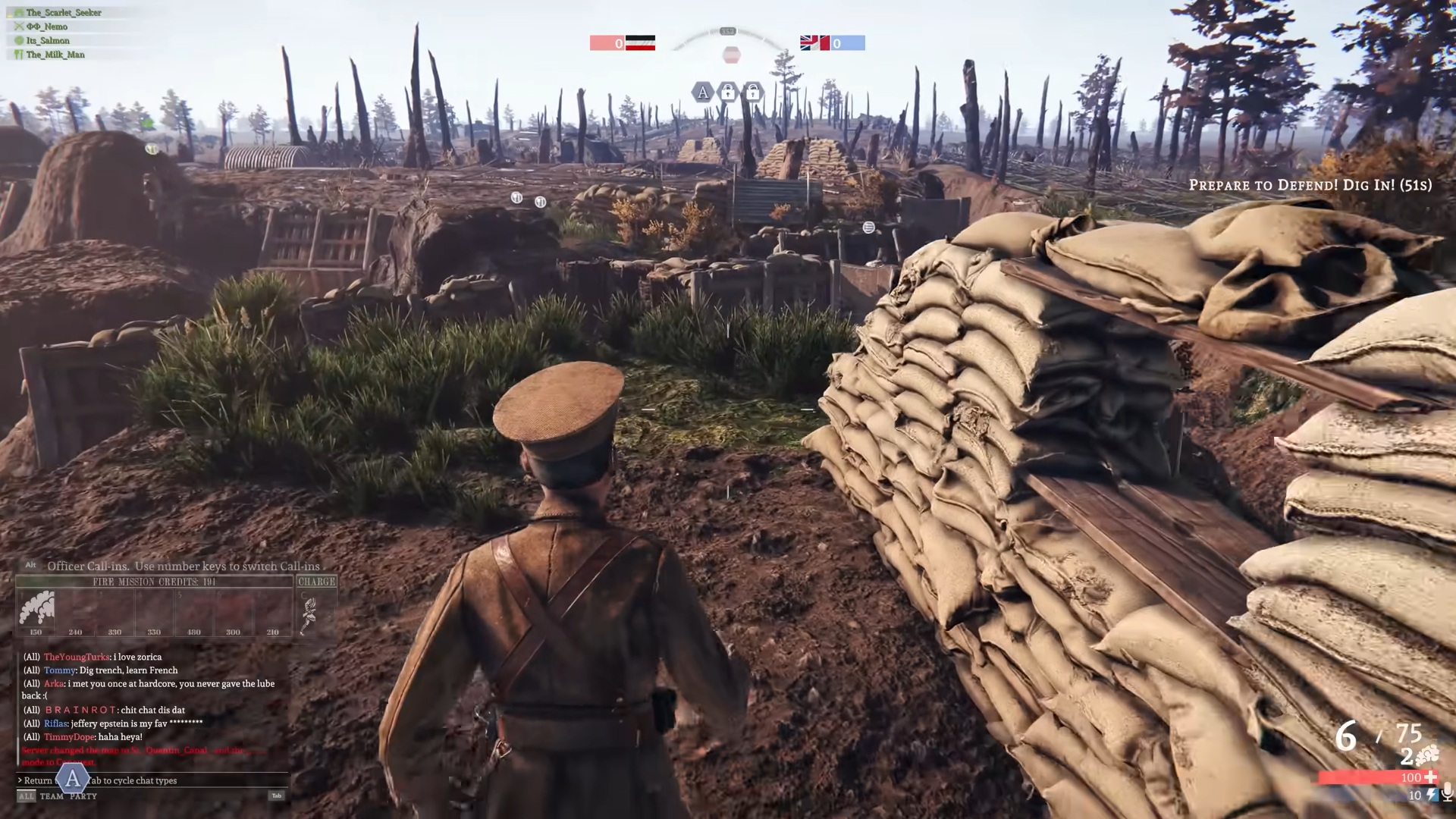
The First World War was marked by trench warfare, especially on the Western Front, where miles of trenches separated the armies of France, Great Britain, and Germany. The game captures this aspect through a dynamic deformable terrain system, where players can dig trenches, destroy fortifications, and completely alter the battlefield.
This mechanic interestingly reflects historical reality: soldiers often spent days digging, consolidating, or extending trenches. In the game, however, this work becomes instantaneous and strategic, accelerating a process that in reality was slow, exhausting, and often deadly.
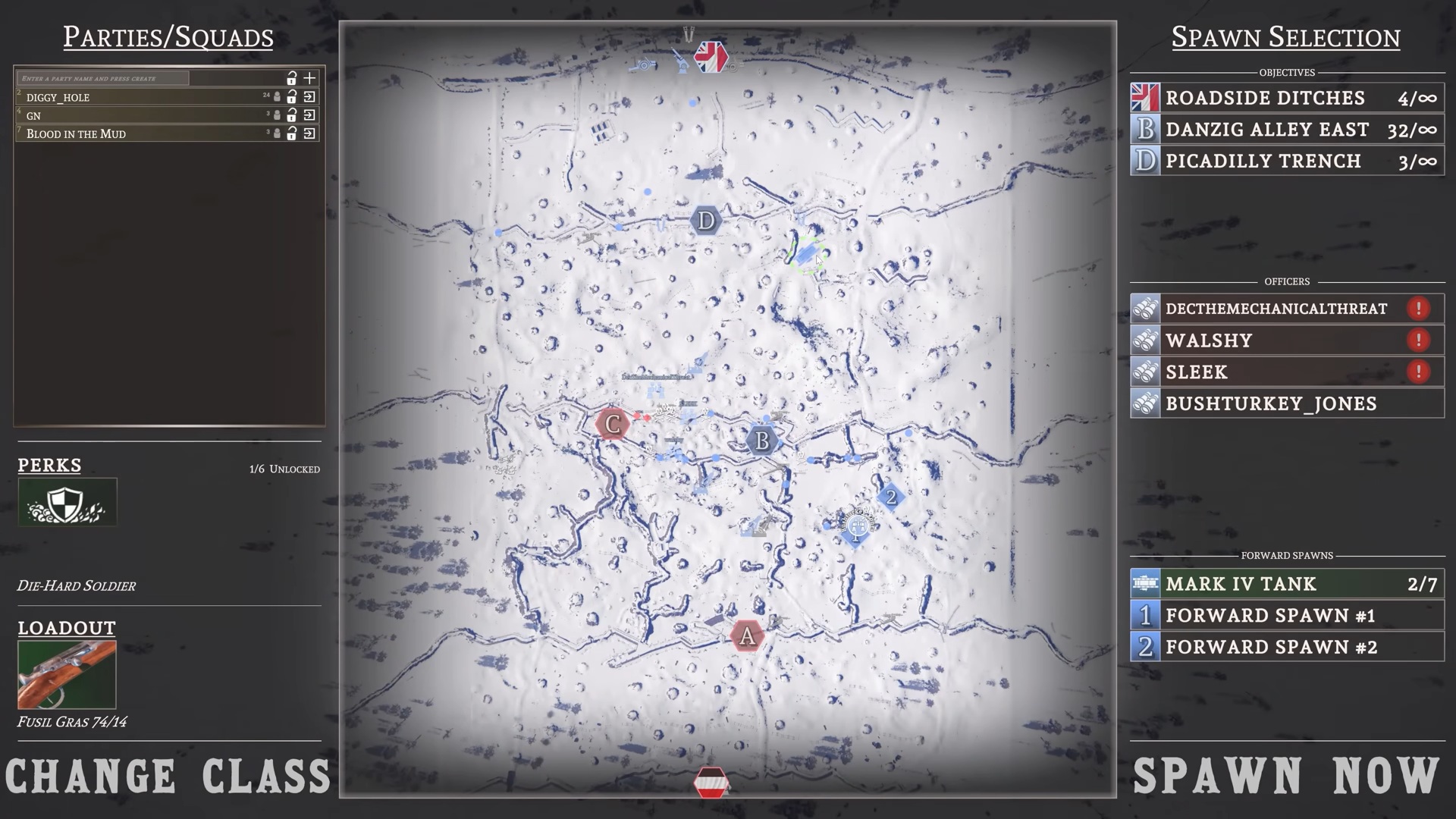
The result is an accessible, but inevitably simplified, reinterpretation. The terrain is no longer just scenery but becomes an active instrument, transforming the experience into a destruction sandbox closer to spectacle than pure simulation.
The arsenal, between historical realism and playful freedom
One of the game's strengths is the variety of weaponry: rifles, machine guns, artillery, tanks, planes, and even chemical weapons like toxic gases. These are not chosen at random. The First World War was the first industrialised conflict in which technology completely redefined the way of fighting.
The introduction of chemical weapons, for example, was one of the most controversial and devastating innovations of the conflict. The game includes this element, indirectly suggesting the brutality of the era. However, its use in gameplay is more tactical than moral, lacking the real tragic dimension.
Also, the presence of tanks and planes is historically accurate, as they were introduced towards the end of the war to break the trench stalemate. The game, however, amplifies their role, transforming them into central elements of the chaos, whereas in reality they were rare, slow, and often faulty.
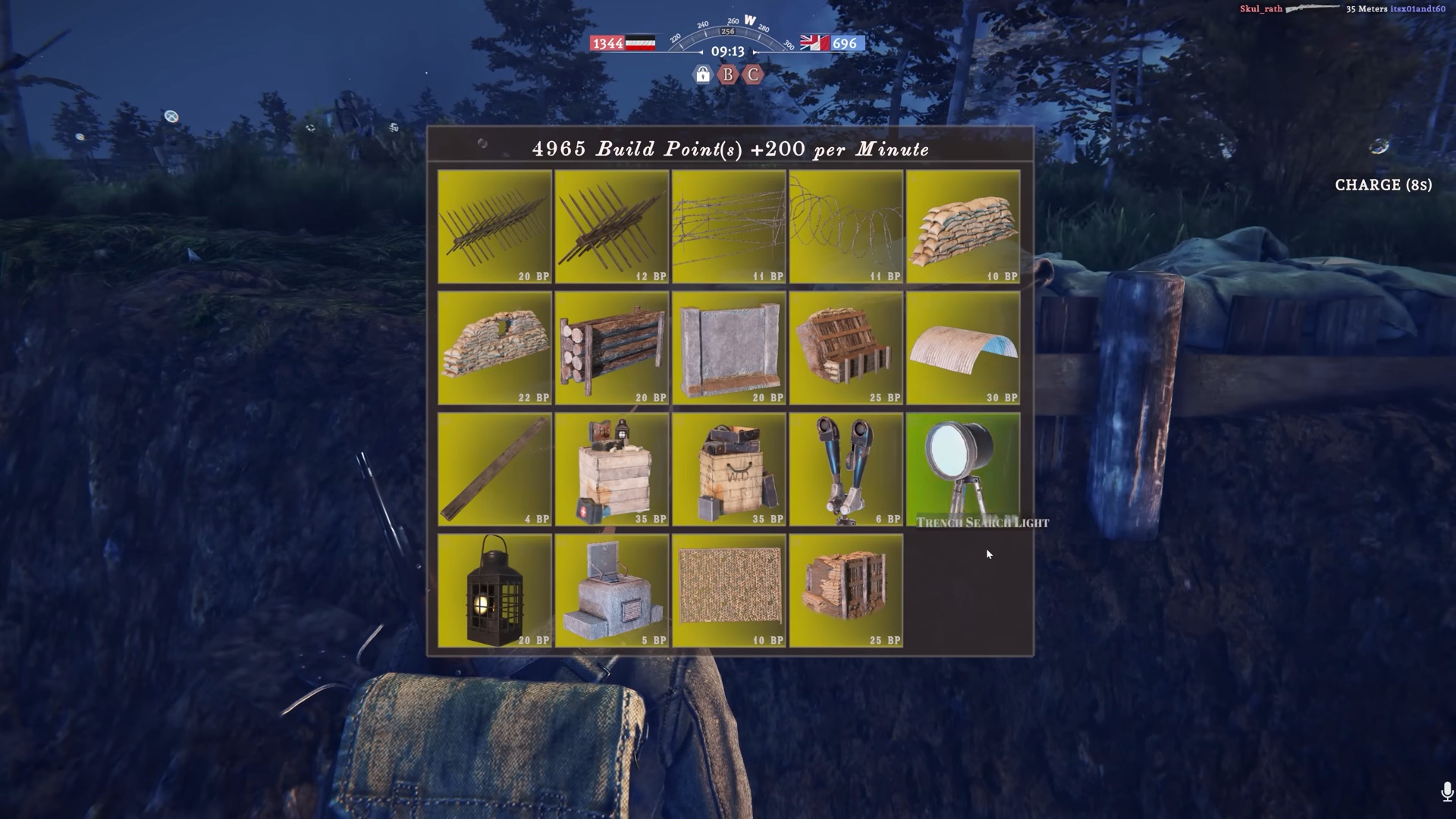
Classes and roles: a mirror of military specialisation
The game allows for the choice of distinct roles: infantryman, engineer, officer, or flamethrower specialist. This structure correctly reflects the organisation of the army during that period, when specialisation became essential.
Engineers, for example, had crucial roles in building fortifications and maintaining front infrastructure. Officers coordinated attacks and artillery, while infantry carried out orders, often with huge losses.
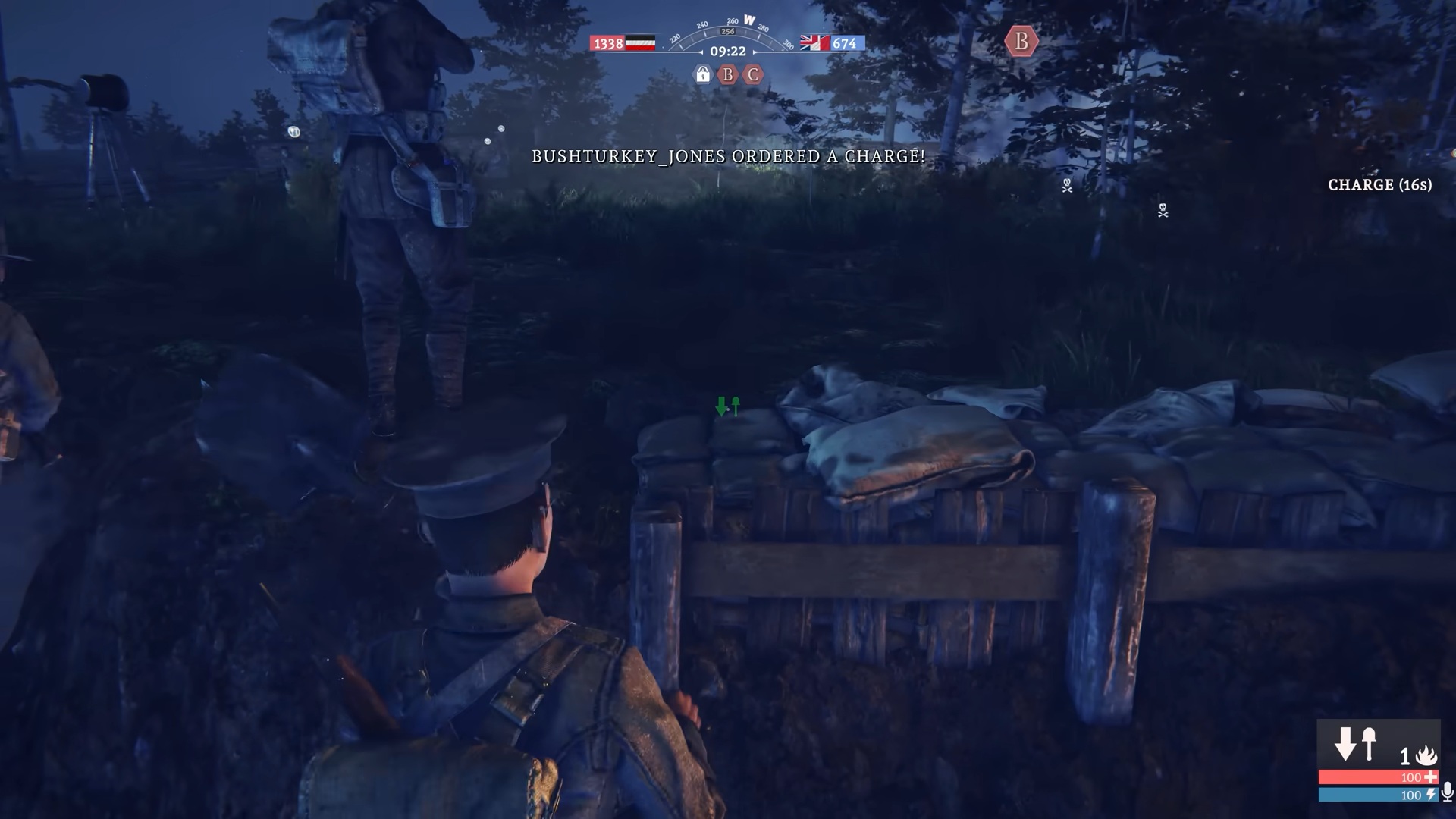
However, the game introduces modern flexibility: players can change roles quickly and act independently, which contradicts the rigidity and strict discipline of the real army. It's a necessary adaptation for gameplay, but one that reduces the authenticity of the experience.
Chaos as a central mechanic: faithful or exaggerated?
One of the most discussed aspects of the game is the scale of the battles: up to 200 players simultaneously. This scale correctly conveys the idea of total conflict, where thousands of soldiers were involved in coordinated attacks.
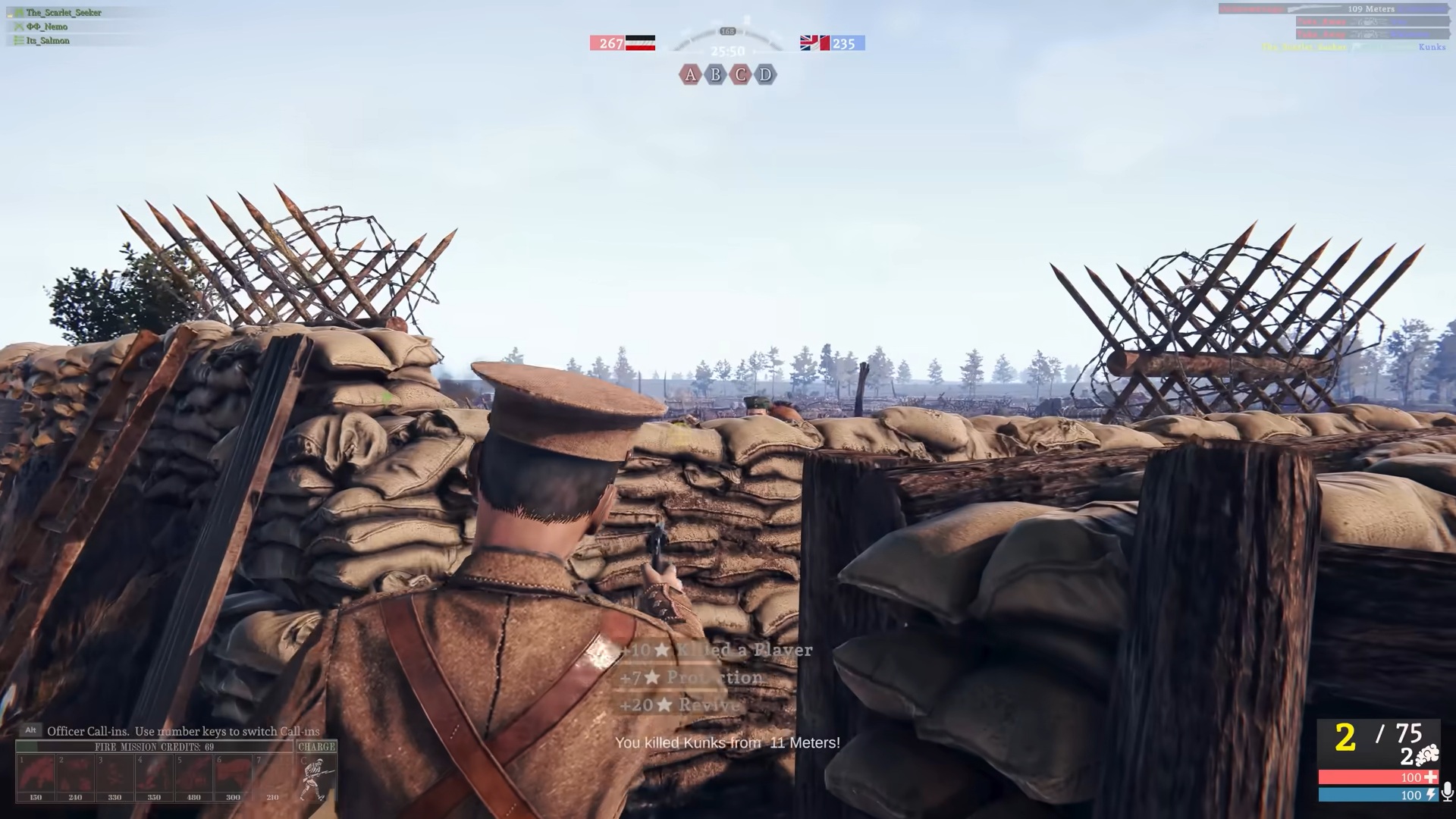
However, the pace of the game is much faster than reality. In real life, "over the top" attacks (the moment soldiers left the trenches) were rare, meticulously planned, and often suicidal. In the game, this type of action becomes constant and repetitive, transforming historical tragedy into a cycle of intense action.
The community reflects this duality. Some users describe the experience as "chaotic fun," but acknowledge that it quickly becomes a "spawn-die-spawn" cycle. This observation highlights the rupture between realism and entertainment.
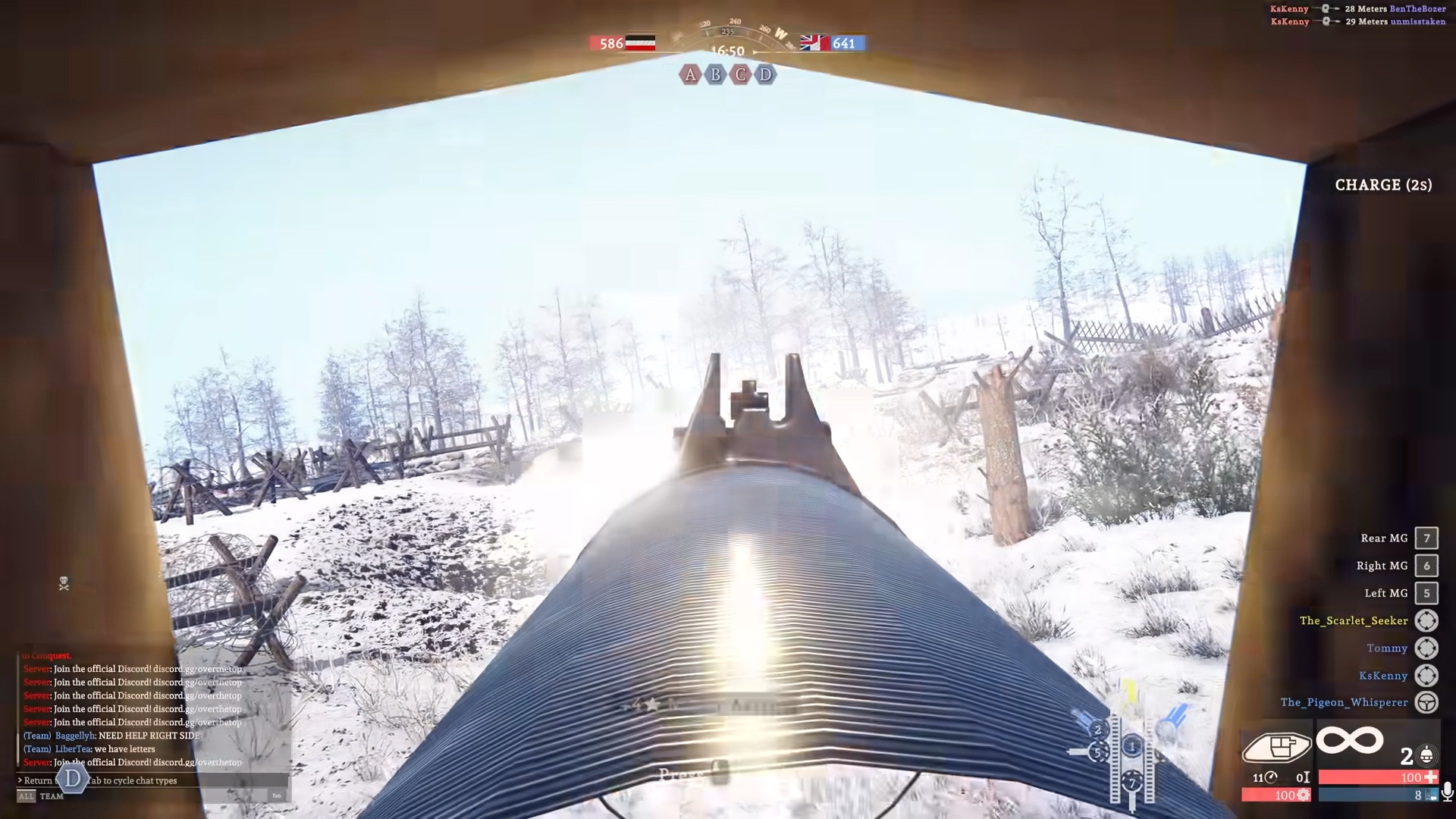
Permanent destruction: an idea inspired by reality
A remarkable element is the persistence of destruction. For example, explosions permanently modify the terrain, affecting visibility and strategies. This concept approaches historical reality, where battlefields were irreversibly transformed into devastated landscapes.
However, the game limits this permanence to keep gameplay balanced. In reality, areas like the Somme or Verdun remained devastated for years. In the game, destruction is reset periodically, which maintains variety but reduces the emotional impact.
Between simulation and entertainment: where does the game stand?
Over The Top: WWI does not aim to be a strict simulation. Although it includes real historical elements, factions such as France, Great Britain, and Germany, the game combines them with obvious creative liberties, such as unconventional objects or absurd moments (like using a baguette as a weapon).
This approach places it in a hybrid zone: authentic enough to evoke the period, but free enough to remain entertaining. It is more a cinematic interpretation of the war than a documentary reconstruction.
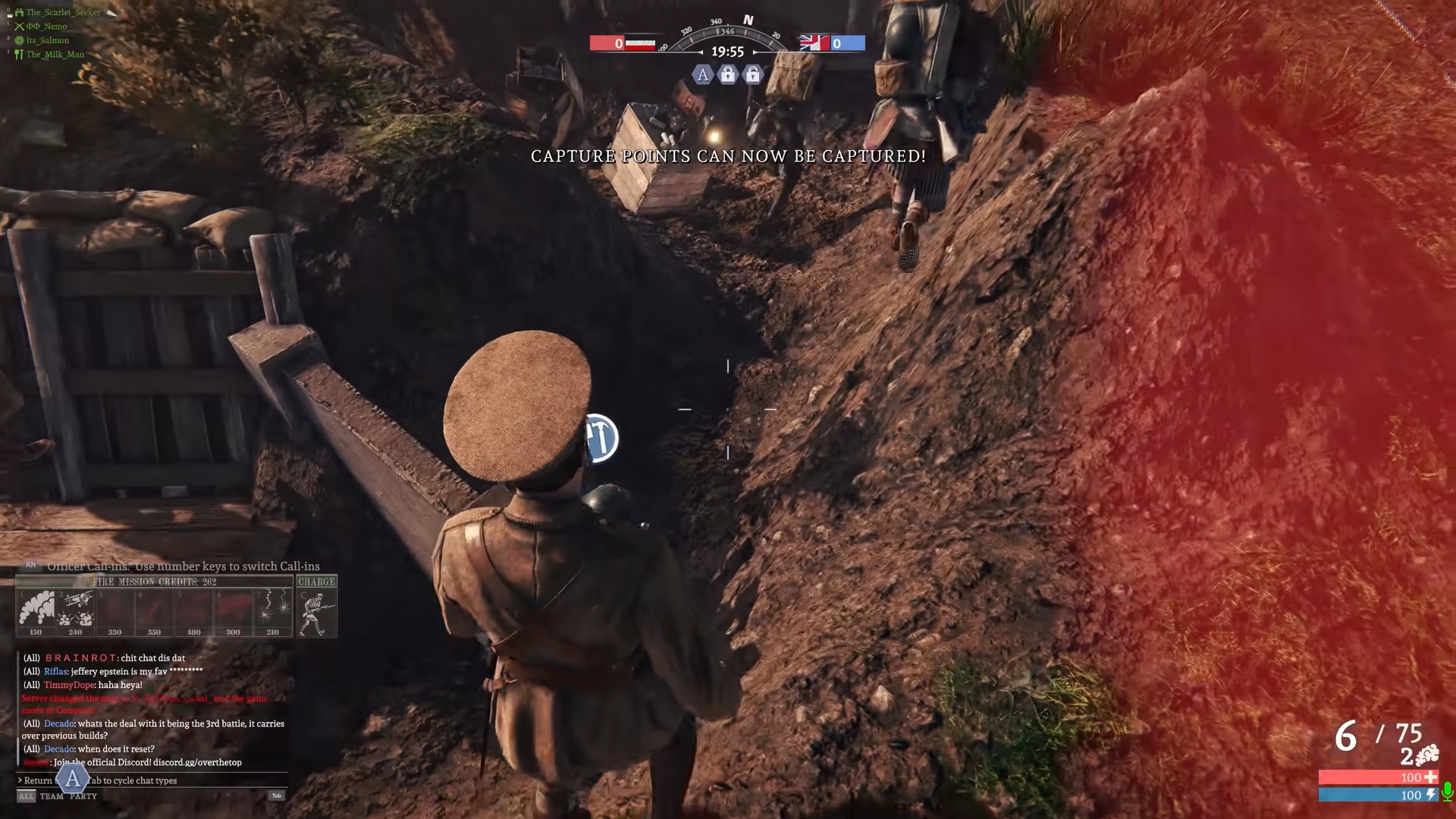
It is a title that captures the brutal atmosphere of the conflict but filters it through the need for modern entertainment. And in this balance between realism and gameplay, the game largely manages to find an equilibrium.

Available on: PC (Steam)
Played on: PC (Steam)
Release date: 6 March 2026
Developer: Flying Squirrel Entertainment
Publisher: GG Publishing
Plus
- Massive 200-player battles convey the scale of the war
- Dynamic destruction system that influences gameplay
- Solid integration of historical elements (weapons, factions, roles)
- Authentic Western Front atmosphere
Minus
- Pace too fast compared to historical reality
- Game elements that can break immersion
0 votes
Scroll down here and stay on the page for at least 30 seconds to vote.
Pick a score from 0 to 10 (halves are allowed).