
Paper Trail – Review
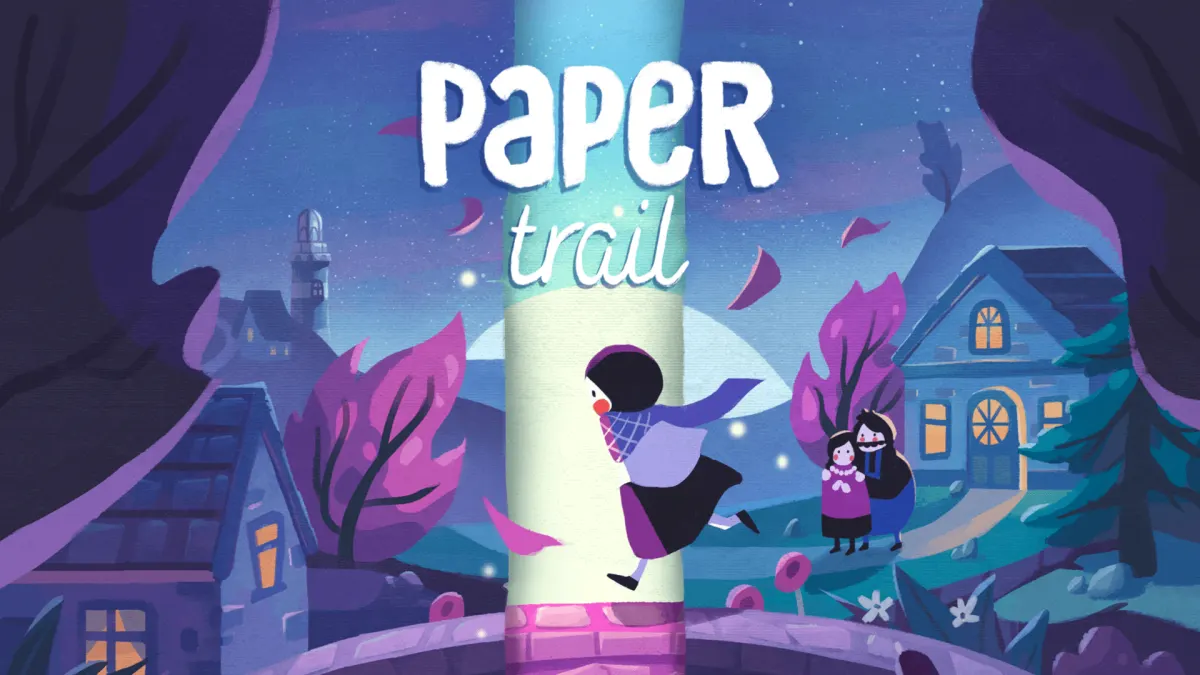
A puzzle game that tries to tell its story with origami-style mechanics
The entire concept behind Paper Trail fascinated me when I discovered it – I mean the idea that the whole world is made up of pieces of paper that you can fold and turn inside out to move to the next area, and the next, and the next. I couldn't help but ask the people at British indie studio Newfangled Games if I could take it for a spin when it launched. With a founding team consisting of BAFTA-winning game developer Henry Hoffman and award-winning artist Frederick Hoffman, it's time to see if they managed to deliver to the level I expected.
How innovative is the story?
In Paper Trail you play as Paige (a clever name choice to evoke the idea of paper – “page”), a young woman who runs away from home to go to university, even though her parents want to keep her under their protective wing. And… by some miracle, she also possesses cosmic powers to manipulate reality like paper. You have to traverse different levels, each with a unique theme and multiple sub-levels. You'll meet interesting characters here and there, talk to them to learn their story, and then move on to solving puzzles to reach the end of the level and move on to the next.
To be honest, the story and the way it was staged didn't particularly impress me. The story is more there to give you a good enough reason to embark on the journey with Paige, to go through it and reach the end – nothing special, nothing jaw-dropping or never-before-seen. But it makes sense in the end, since the emphasis is on gameplay and puzzle-solving.
All in all, if you're much more interested in the actual gameplay, then the initial premise and occasional story fragments will be enough for you to enjoy the game and give you a reason to finish it. If you're like me and want a bit more substance for the events, then you'll find the story decent enough.
I won't lie; I had higher expectations for this aspect. The audio direction and initial premise made me think of RiME, so I expected it to touch my heart more and for ninjas to be cutting onions when I played. I think the potential to make the story unforgettable was there – but it didn't materialise.
There are also a few pop culture references made by the characters you meet along the journey at the end of the game, when you have to trudge through an interactive credits screen. But these references didn't seem appropriate for the tone and atmosphere of the story at all.
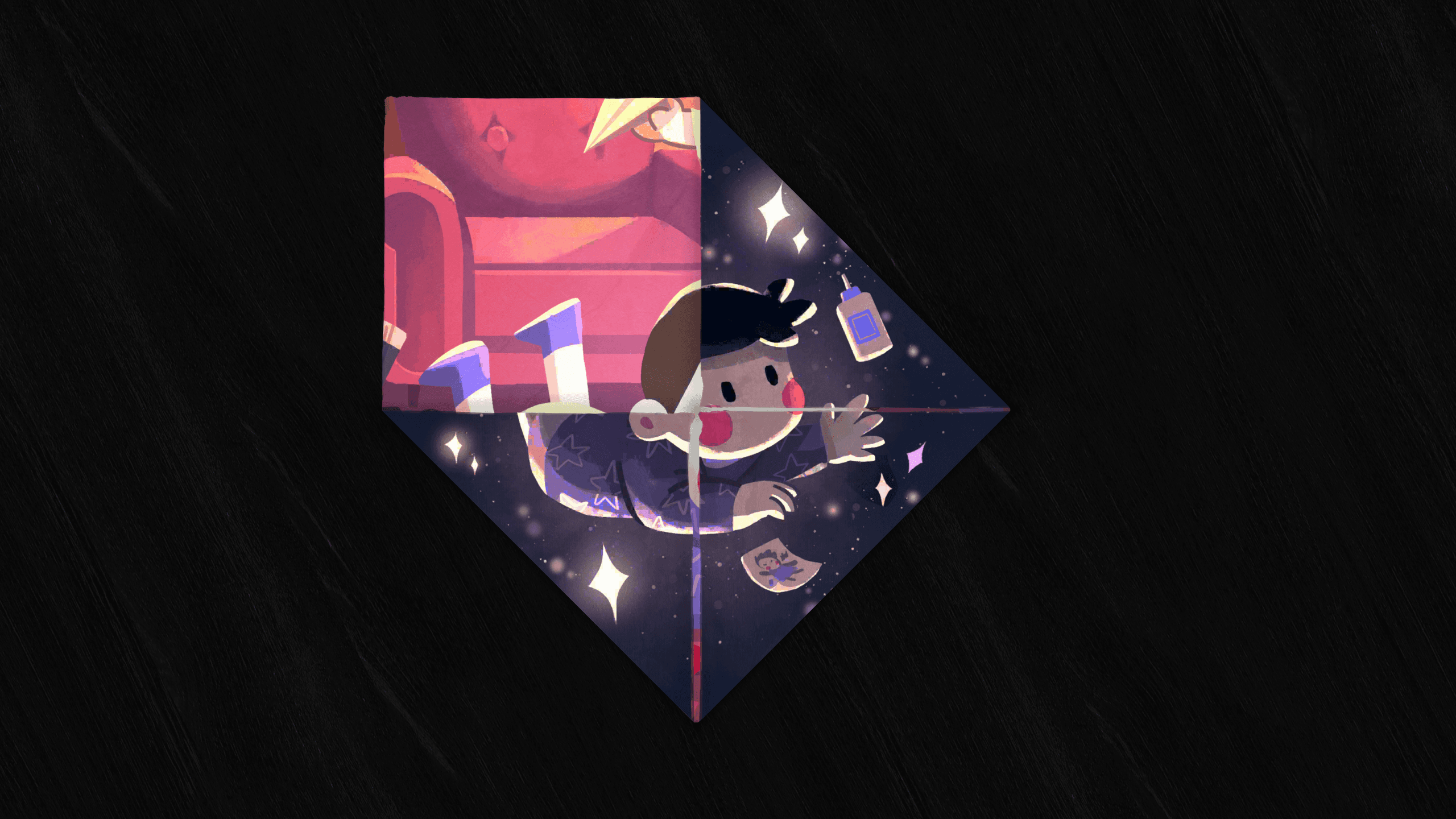
However, one aspect I liked is how the story is interactively advanced between chapters. Not only do you have to fold the sheets of paper to learn more about Paige's past, but this aspect is also accompanied by her narrator's voice. And the actress behind it does a superb job with her calm, soothing, and peaceful voice, suitable for this character. It was precisely this level of audio-visual quality that made me hope for more from the story.
I've never enjoyed solving puzzles this much before
Yes, you'd expect a puzzle-focused game to offer a pleasant and thrilling experience when solving them, but that's not always the case. You already know about my more unfortunate adventures in the world of supposedly cozy games and how many of them show their true colours, leaving you to solve complex puzzles and feeling cheated. This game does the exact opposite – it doesn't present itself as a cozy game, even if the visual direction and atmospheric music wouldn't prevent it. Instead, it focuses on providing a pleasant gameplay and exploration experience, with the other elements used as support to enhance them.
Paper Trail isn't simply a game where you just fold paper and the developers said, “Right, lads. This makes us unique. Go buy the game.” The included mechanics are taken a bit further and include mechanisms, wooden beacons, heavy objects used to activate pressure-activated mechanisms, and many other elements. These add a layer of complexity and puzzles within puzzles. And all these elements are added in a way that makes progress through the game feel natural and organic. You're not thrown into the unknown and asked to figure out what's wanted from your life. Instead, new mechanics are introduced gradually, with each level and sub-level. Then the game builds on these in future sections, adding new ones. What I'm trying to say is that none of the mechanics are forced down your throat to make the game difficult for difficulty's sake – the underlying design is simply very well thought out.
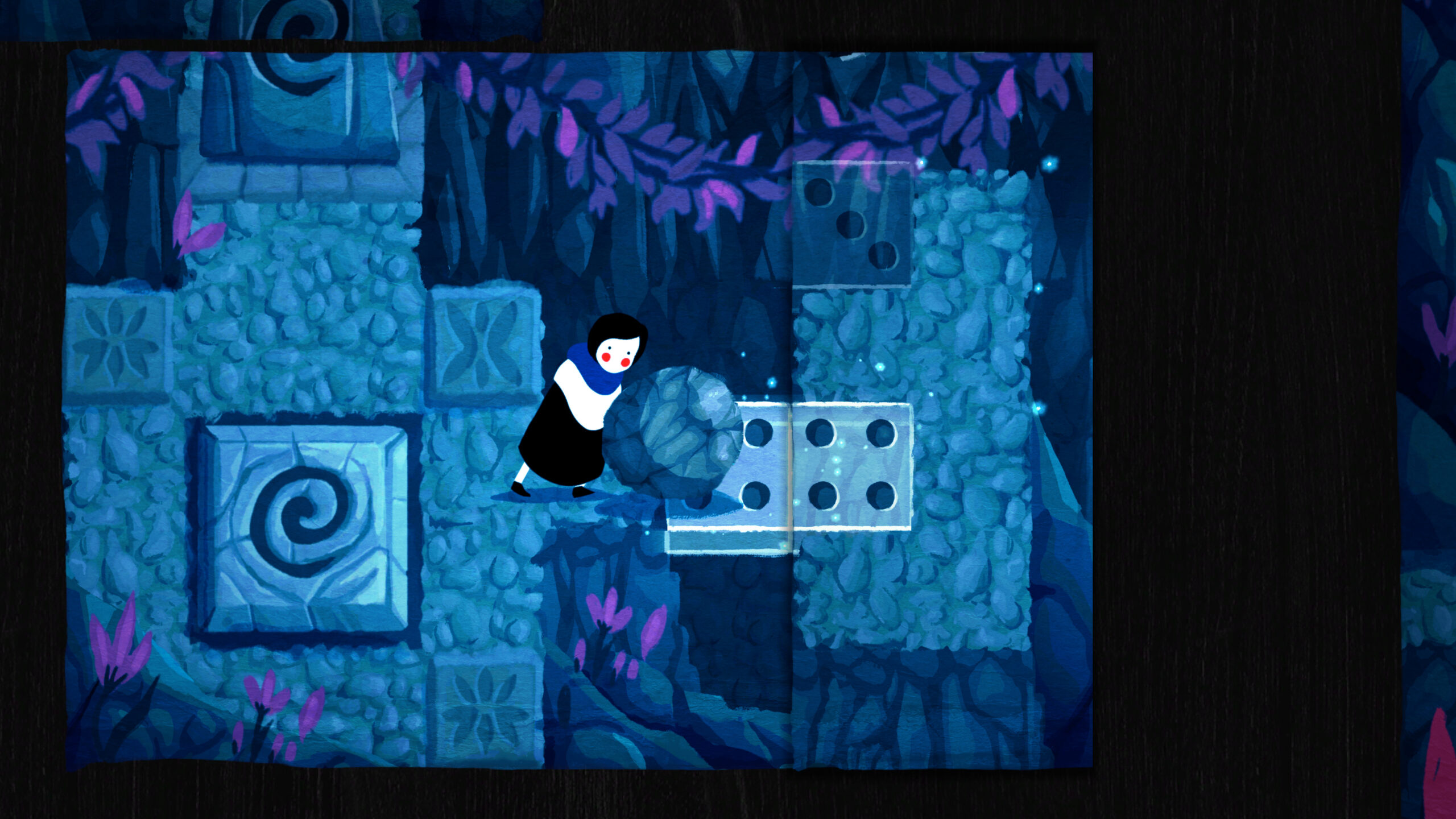
The game also includes collectible origami objects that you can find scattered throughout the game. And the way you unlock them is also clever – instead of creating special rooms for these objects, they are cleverly hidden on the same pages you have to fold to progress through the game normally. I like this smart way of using space and paper folding for two reasons: first – it doesn't artificially increase playtime by putting these objects in different rooms, but everything is on the normal path; second – it makes you rack your brain to use the tools the game offers in new ways, not just to move from page to page.
Added to all this is the fact that you can also view the back of the sheets of paper, which helps you figure out where you should make the folds instead of relying on luck and blind attempts. There are even puzzles that rely exclusively on the back of the sheets to create a certain symbol – plus, the developers also use audio cues to signal when you encounter such a situation.
I also like how most puzzles are optimised for a single sheet of paper and you can't cheat by moving to another sheet, starting to fold, and then returning to the sheet with the solved puzzle – the character must be present on the sheet you're folding, with the exception of a few final sections for each level which are composed of multiple pieces and challenge you to understand the bigger picture. It would have been an easy way to cheat and I appreciate that they built an experience focused on puzzle-solving without other tricks.
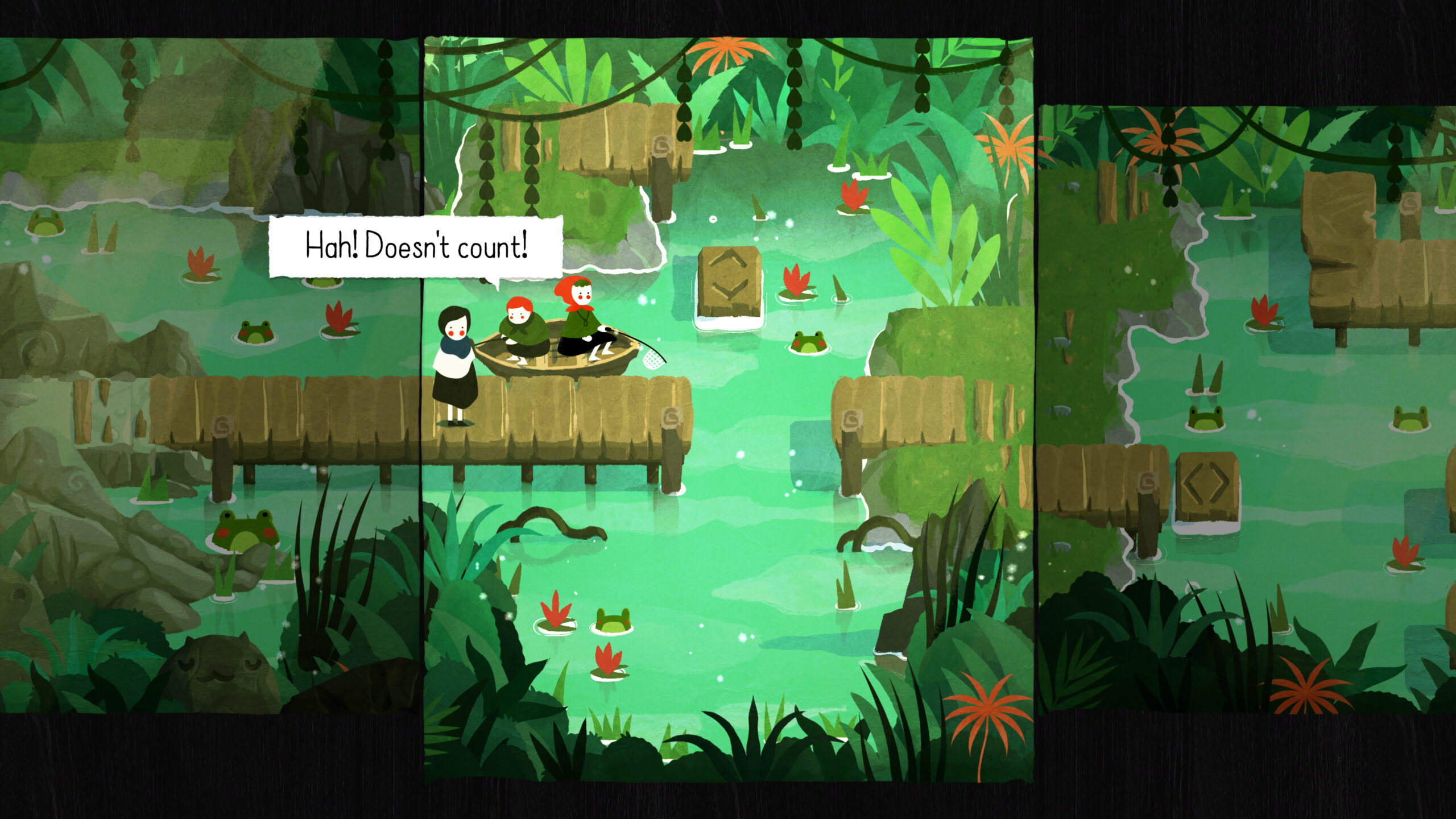
You can use either the keyboard or mouse to move the main character. I predominantly used the mouse and was pleasantly surprised by how precisely Paige can follow movement directions even over long distances – as long as there's a path to the location you want her to go and you click on it, then the game is smart enough to find the optimal route to get you there.
One aspect I'd like to mention regarding explanations is that you cannot fold pieces of paper that you have altered and included different objects. It seems like a simple thing to figure out on your own, but since the game does such a good job of explaining how everything works, it could also include this small detail.
If you like challenges, then this game makes sure you won't be lacking. In addition to the many secrets that encourage you to explore and think smartly, there's also an achievement if you manage to finish the game in under 4 hours. It will take you somewhere between 9 and 11 hours to finish the game the first time. But once you go through it once and have memorised where and how objects are positioned, I can guarantee you'll finish it in about 2 to 3 hours.
Impressive visual design and colour palettes. Soothing harp, piano, and vocal sounds
The colour scheme leans towards cool hues and colours and does a superb job of evoking the idea of a vast world worth exploring. This feeling is also supported by the use of wide cameras and intelligent spacing between elements such as roads, stairs, boulders, statues, etc., which gives you room to breathe and look at the bigger picture, both of the world you're in and the puzzles you need to solve. The environments are rich in detail without suffocating you with too many visual elements.
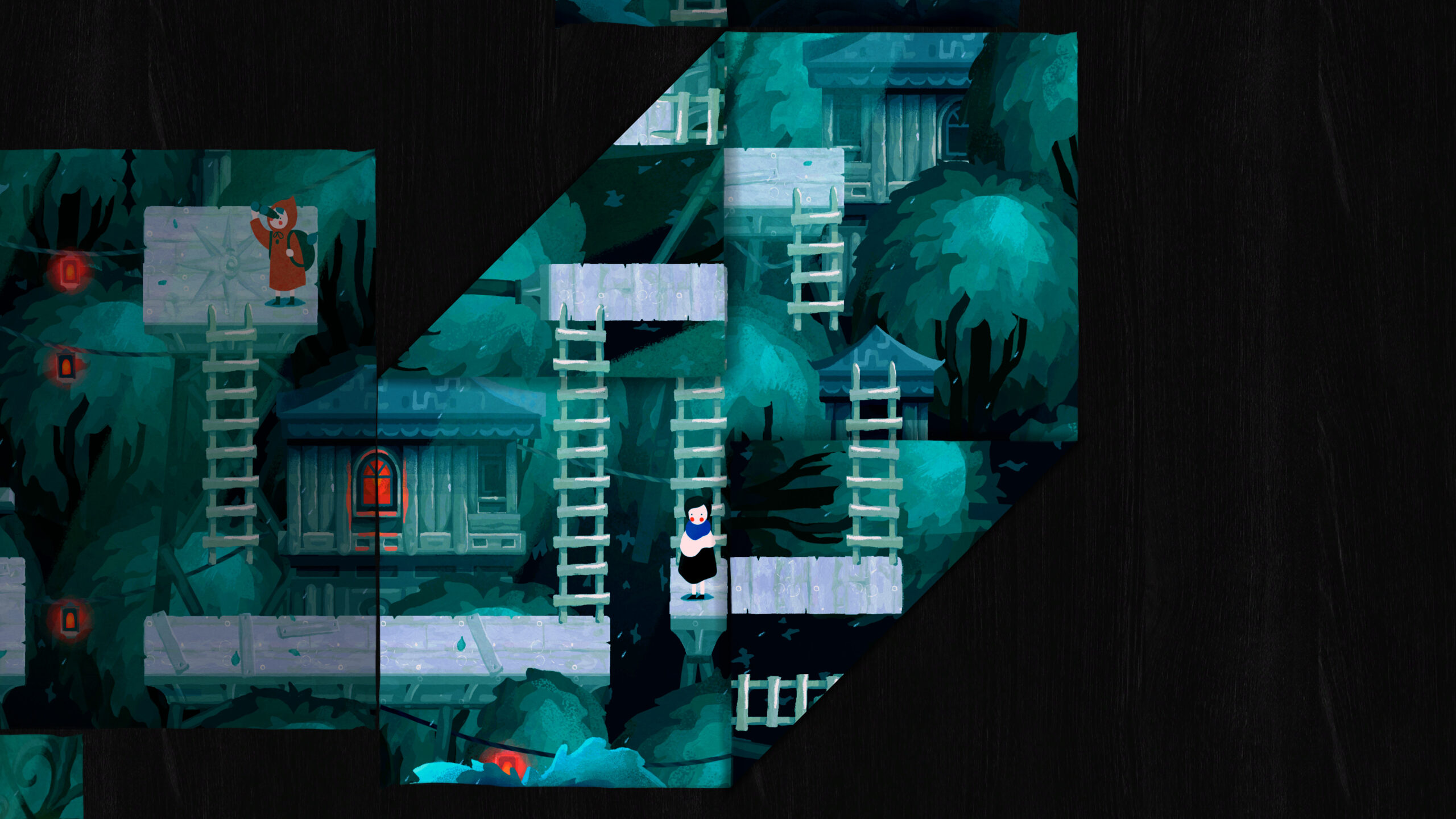
The cool colours and hues are complimented by warm ones – landscapes usually alternate between warm and cool levels and aesthetic elements. The game also uses seasons to place the action in time and space, and each of them benefits from a suitable colour palette and elements – from cherry blossoms blooming in spring, to yellow, sun-scorched grass in summer, to reddish leaves in autumn, to white and immaculate snow in winter, Paper Trail will immerse you in its universe.
Plus, it's very easy to tell what's part of the scenery and what objects you can interact with.
The audio design contributes to the atmospheric landscape the developers are trying to create. As I mentioned, you'll recognise many soothing harp and piano sounds, plus songs that use mysterious and calming vocalizations. All these come together to create an atmosphere of curiosity and mystery, but also a safe space where you are free to explore and learn.
I greatly appreciate the attention to sound effects. Footsteps sound different on each surface Paige walks on – from wooden planks to cobblestone roads, to snow crunching under her feet or walking on leaves, the attention given to sounds is impressive. Sound and graphics also contribute to the idea of the weight of interactive objects – I'm referring to things like the sound when you touch a piece of wood and how you can move it almost effortlessly across water, but also the sound of a boulder being dragged or pushed on the ground and the visibly arduous process.
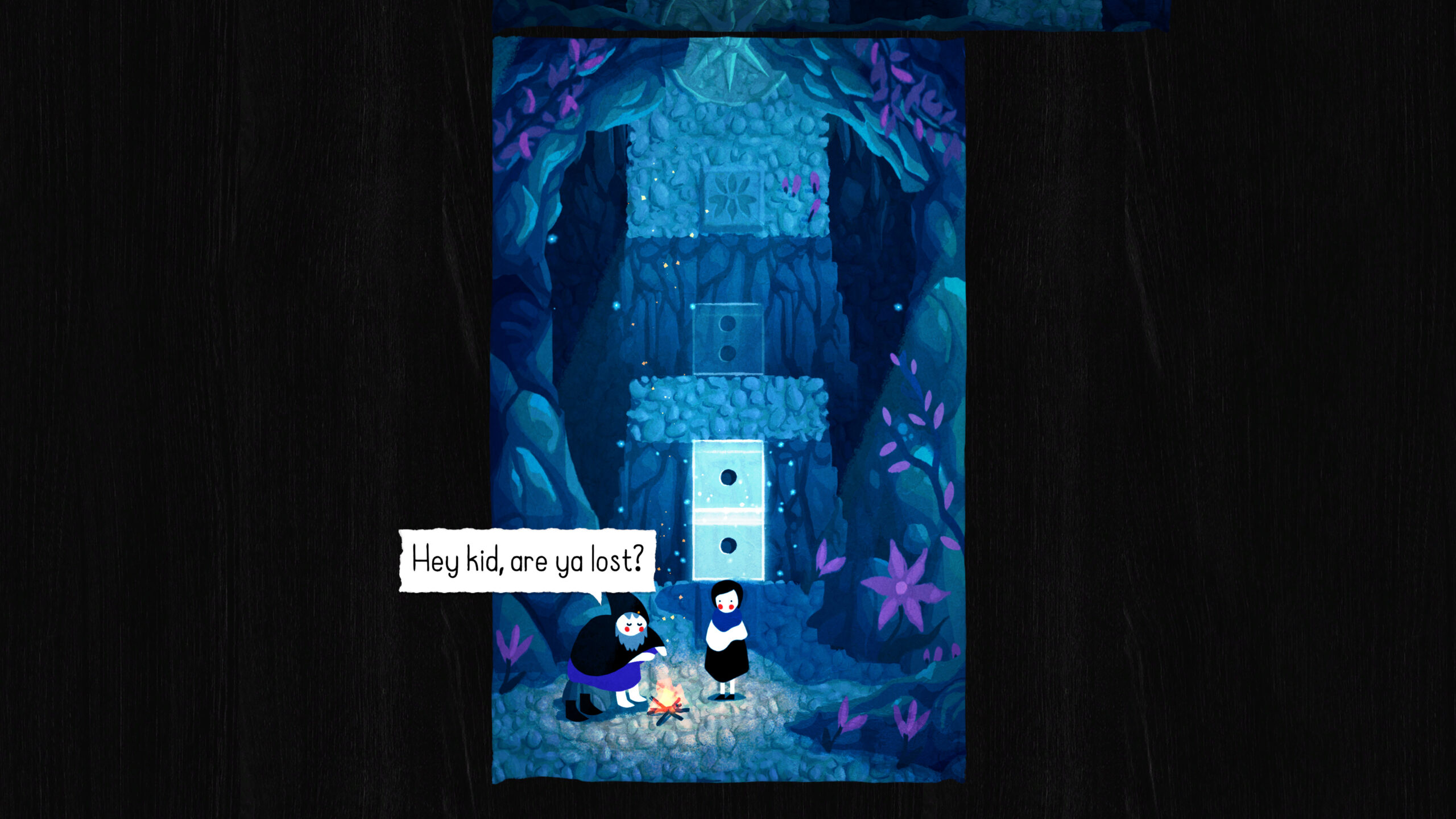
Angel Haven Rey does a wonderful job as Paige's voice and I wish I had heard more of her performance when interacting with different NPCs – she credibly portrays a calm and determined young woman who has chosen her path in life and will walk it with calculated steps. However, Paige is the only character whose lines we can hear. The other characters speak in a kind of invented language, which adds to the game's humour. They are introduced as having a series of minor problems for which they make more noise than they should. Not to mention they are surprised when Paige uses her powers to manipulate space for things like covering and uncovering them with sheets of paper to solve puzzles.
Final Verdict
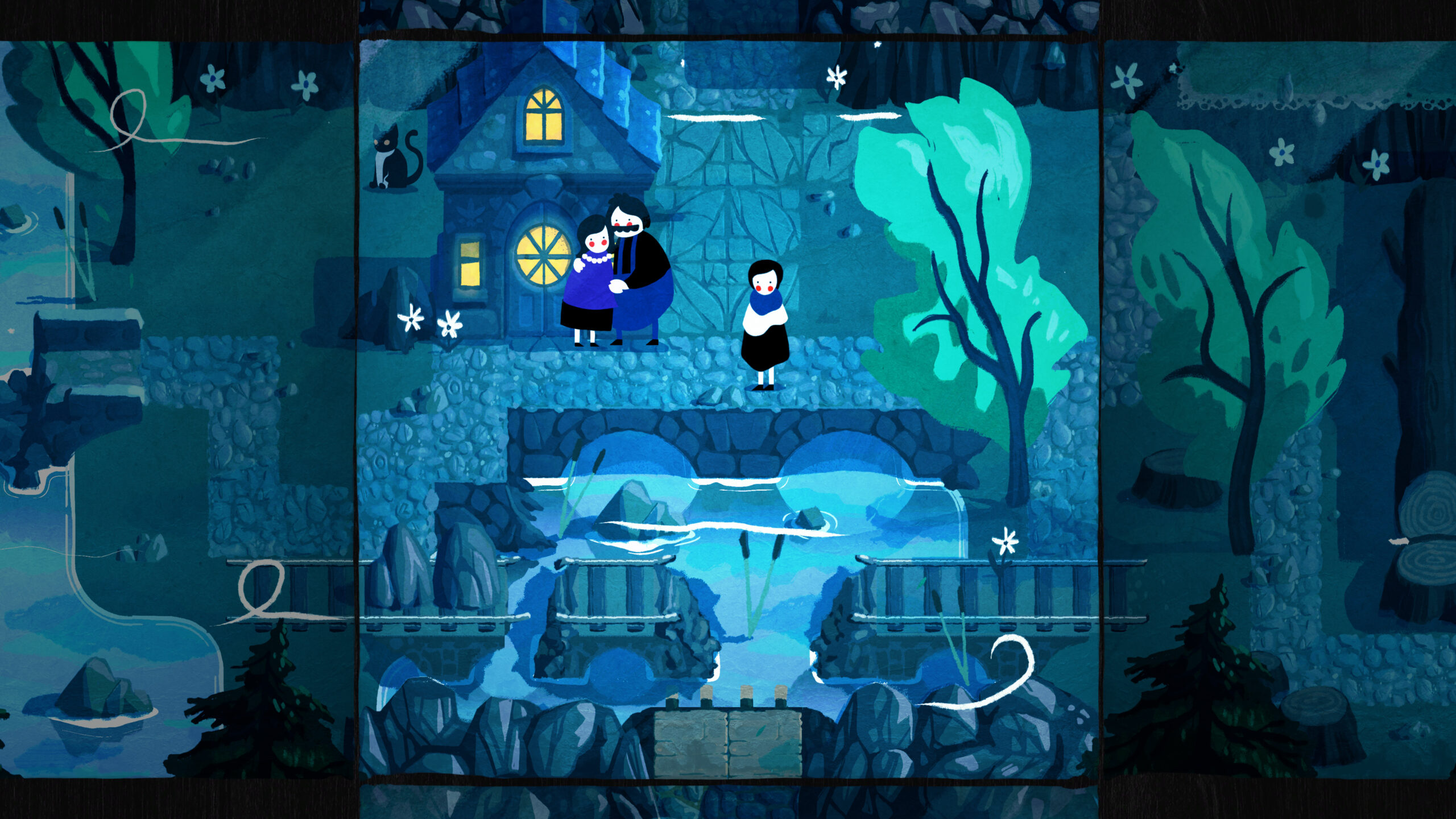
Paper Trail is a short interactive story (it took me 9 hours to discover everything the first time I played) with extremely beautiful landscapes and quality audio design. It creates the peaceful atmosphere you need when you want to solve puzzles that are neither too hard nor too easy. It introduces new mechanics at a suitable pace, allowing the player to familiarise themselves with them before adding others. The game progresses at a decent pace, although I will admit that sometimes I felt bored from too much walking or puzzle-solving without receiving a reward – we could consider the hidden origamis we discover as rewards, but they are more like chalk outlines, which don't make them too impressive as collectibles.
The game gets 9/10 from me and the value you get in terms of playtime, interesting gameplay, and interesting graphics & audio direction justifies the price. If you're a puzzle enthusiast and less bothered by the story and how it supports the experience, as well as the occasional moments of boredom, then you'll feel the game is a 10/10. But hey, my job is to put things into perspective for people who might not be familiar with this genre and have different expectations, but also for players who love this genre. You can tell me what you think about Paper Trail after you've tried it.
By the way, here's a code for Paper Trail from the folks at Newfangled Games: PHC68-TCT4B-75BTI. First come, first served. Let us know on the GRIND Discord if you've claimed it, so people don't wonder why it's not working.

Played on: PC
Release date: 21 May 2024
Developer: Newfangled Games
Publisher: Newfangled Games

0 votes
Scroll down here and stay on the page for at least 30 seconds to vote.
Pick a score from 0 to 10 (halves are allowed).