
PEAK – Review

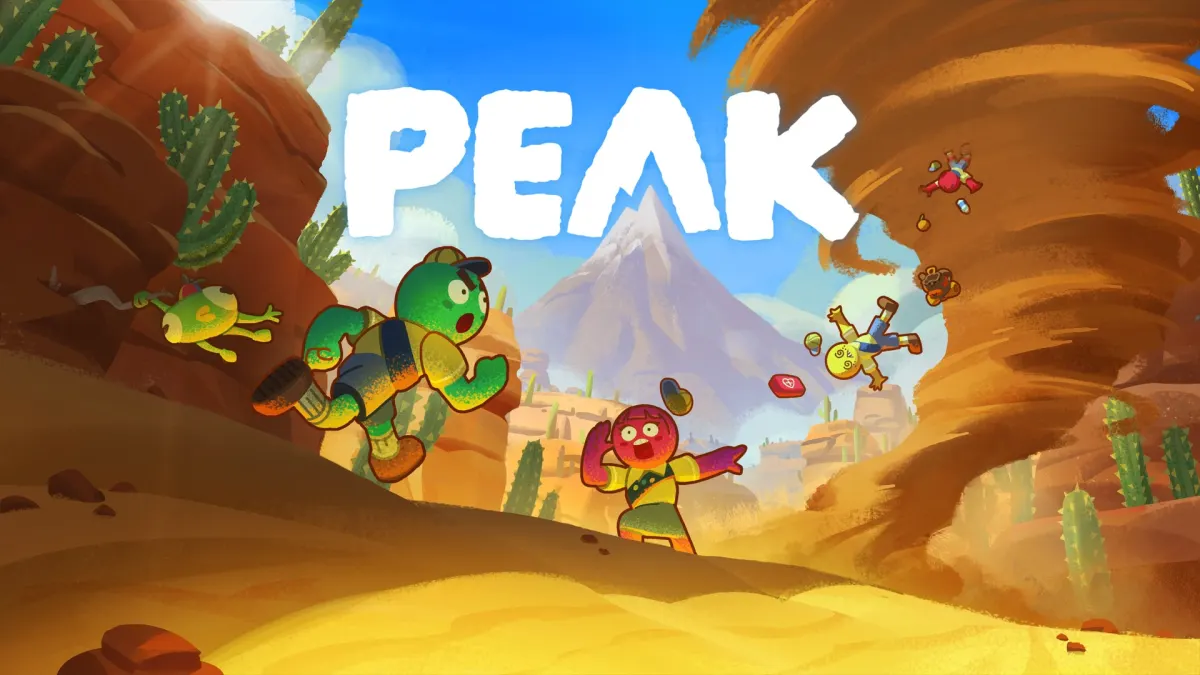
How to climb a mountain, fall gloriously and laugh at yourself (and your friends)…
There are games that tell you a profound story. There are games that teach you life lessons. And then there’s PEAK, a game that teaches you a simple and painful truth: gravity shows no mercy, and your friends won’t always save you in time.
PEAK is the kind of game that seems simple at first glance – “what’s the big deal, you just climb a mountain” – but it quickly turns into a festival of mistakes, spectacular falls, and hysterical laughter on Discord. It’s an indie that knows exactly what it wants to be: fun, frustrating in a good way, and extremely memorable, especially in co-op.
So, what exactly is PEAK about?
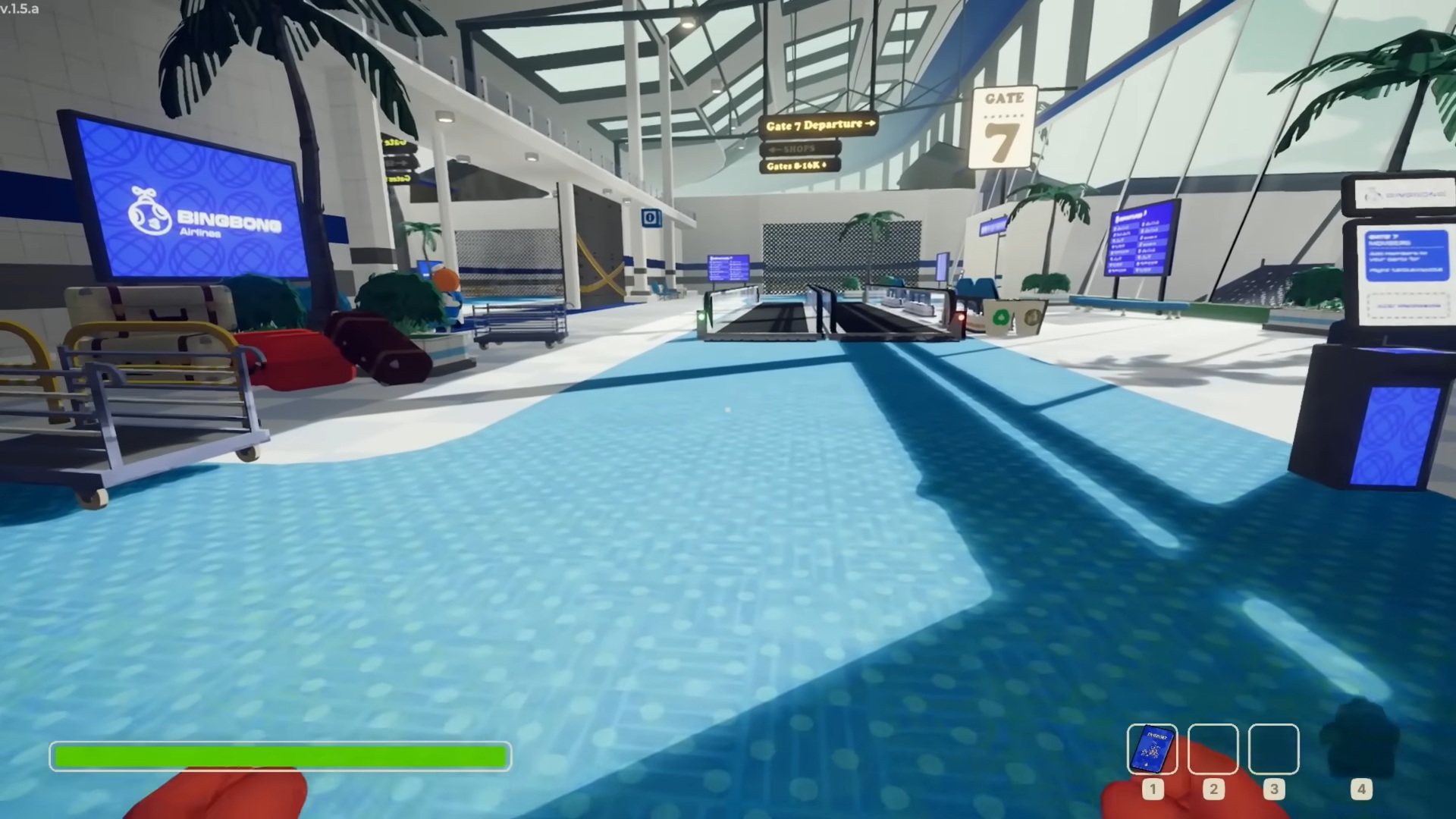
The premise is as straightforward as it gets: you’re stuck on a mysterious island and the only way to escape is to reach the top of the mountain. That’s it. There’s no Plan B. No “let’s try again tomorrow”. There’s just the mountain and an infinite number of ways you can fall.
The mountain isn’t static. The game uses procedural maps that change daily, meaning each attempt is different. Today you’re battling slippery rocks, tomorrow snow, the day after tomorrow volcanic areas that seem to say “you’re playing the wrong game, mate”. Every time you think you’ve got the hang of it, the game throws another trap at you just to test your nerves.
Gameplay: simple mechanics, sadistic execution
In terms of control, PEAK is easy to understand and hard to master. You move, you climb, you jump, you grab, and… you fall. A lot. A whole lot. Stamina plays an essential role, and if you don’t manage it carefully, you’ll quickly find out what the world looks like from below.
The brilliant part is that the game doesn’t punish you in an annoying way, but in a comical one. Falls are fast, spectacular, and often absurd. Sometimes you fall because you miscalculated a jump. Other times because your friend “just wanted to see if it was possible”. Spoiler: it wasn’t.
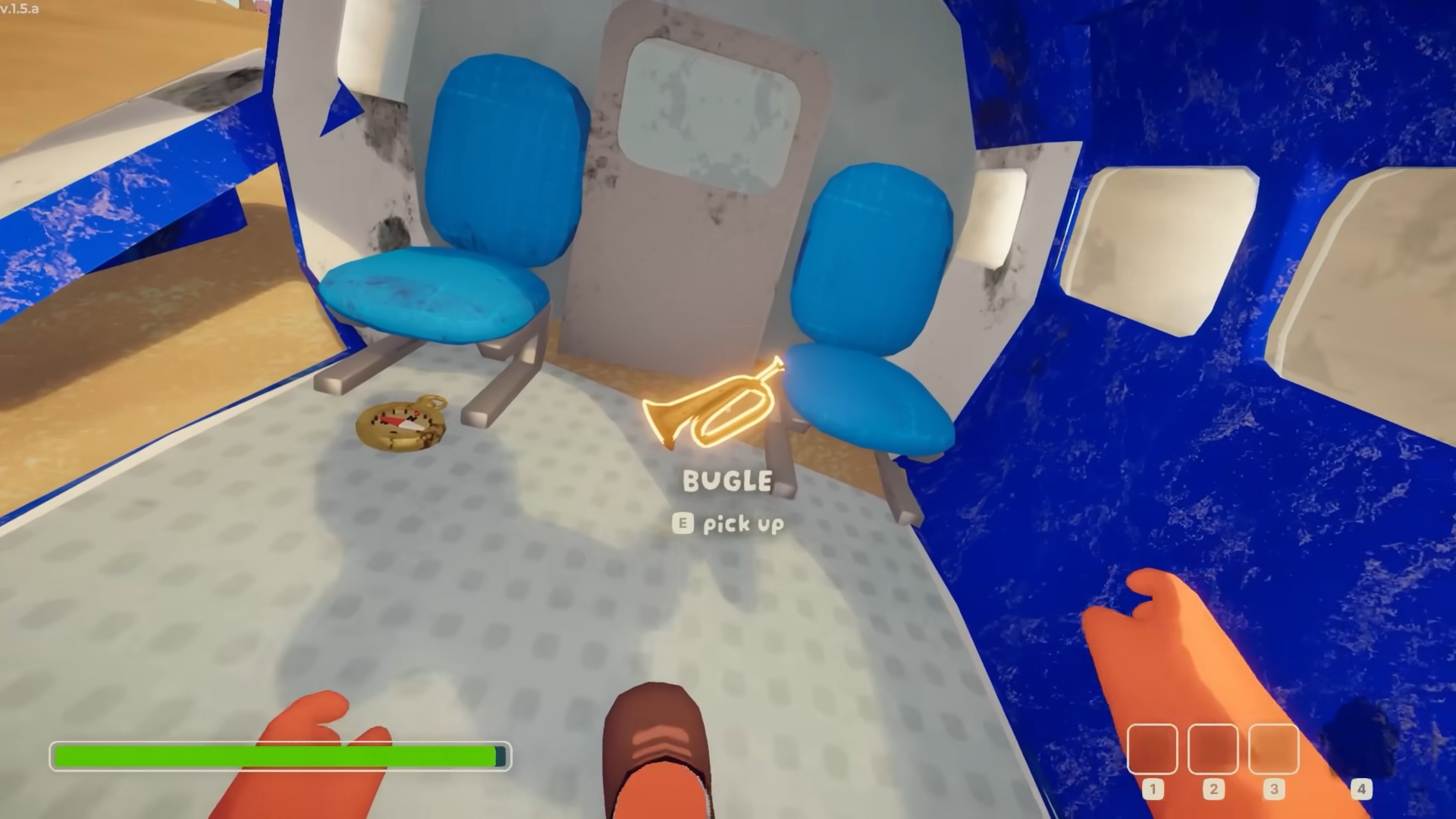
There are items that help you – ropes, pitons, consumables – but nothing makes you invincible. Everything is temporary, improvised, and fragile, just like your hope when you’re 90% of the way up.
Co-op: where legends (and arguments) are born
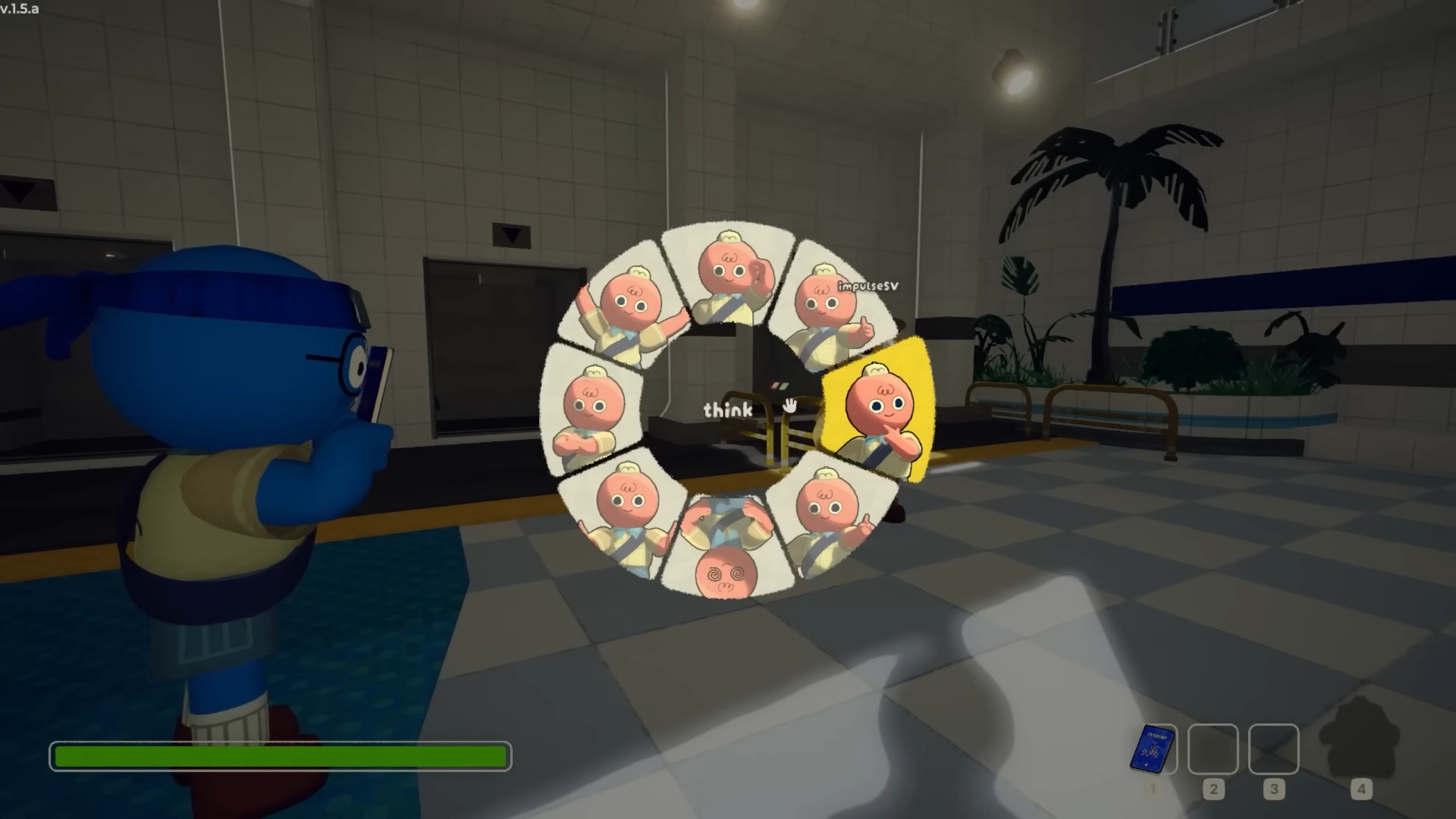
PEAK shines brightest in co-op. Up to four players can try to climb together, and the game is built in such a way that collaboration really matters. You can help each other, pull each other up, anchor each other, save each other, or you can mess up and drag everyone down, literally.
An absolutely brilliant element is the proximity chat. You hear your friends louder or softer depending on the distance, with an echo, just like on a real mountain. Nothing compares to the moment you hear a distant “HEEEELP”, followed by a suspicious silence.
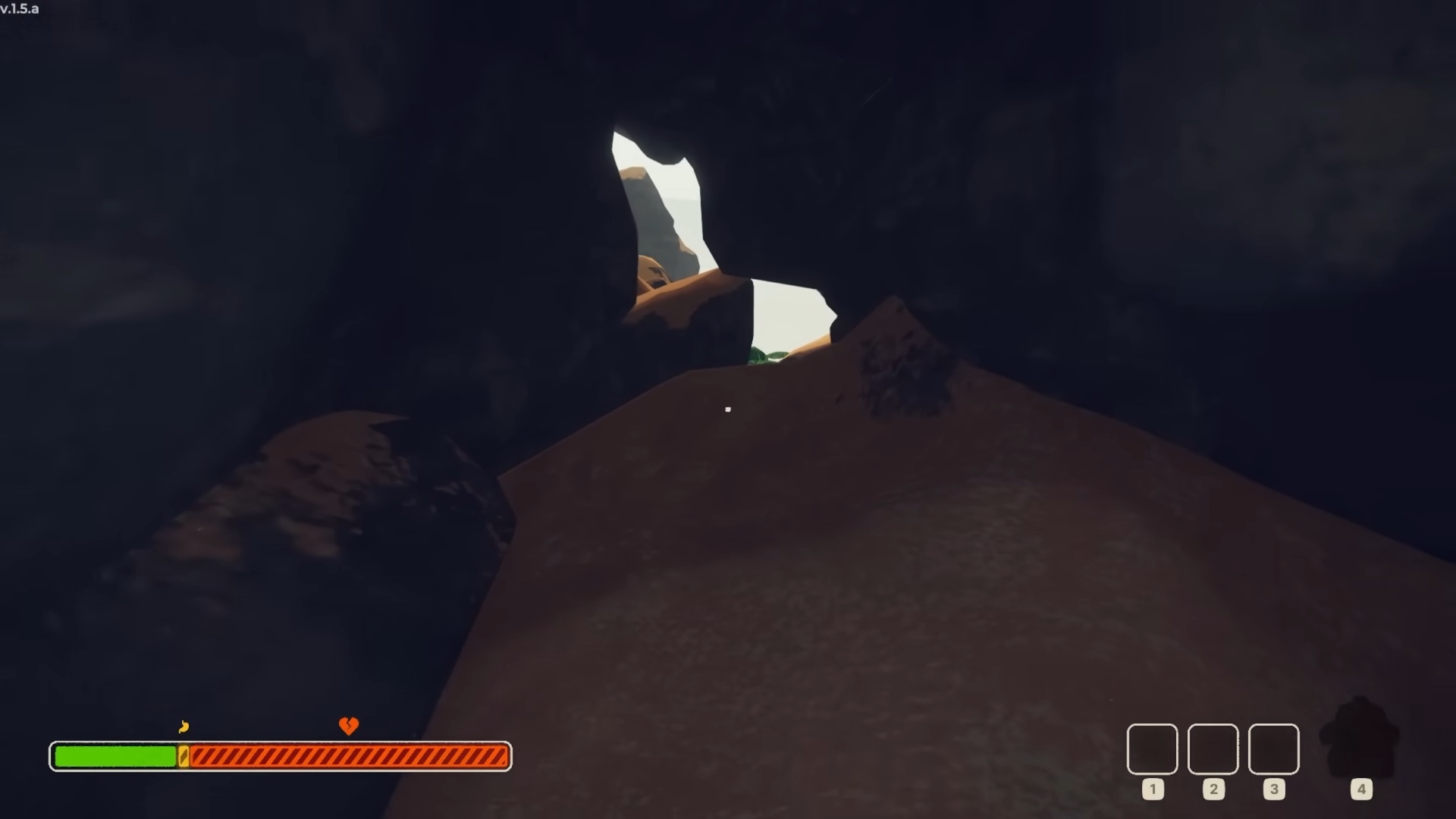
PEAK’s co-op is the kind of experience that creates stories. “Remember when you ate that thing and slipped?” “Remember when we almost reached the top and someone fell on us?” If a game can become a shared memory, PEAK achieves it effortlessly.
Visual style and presentation
Visually, PEAK adopts a colourful, clean, and slightly caricatured style that perfectly matches the game’s tone. It’s not realistic, but it doesn’t try to be. Everything is clear enough to see the danger… a second before it’s too late.
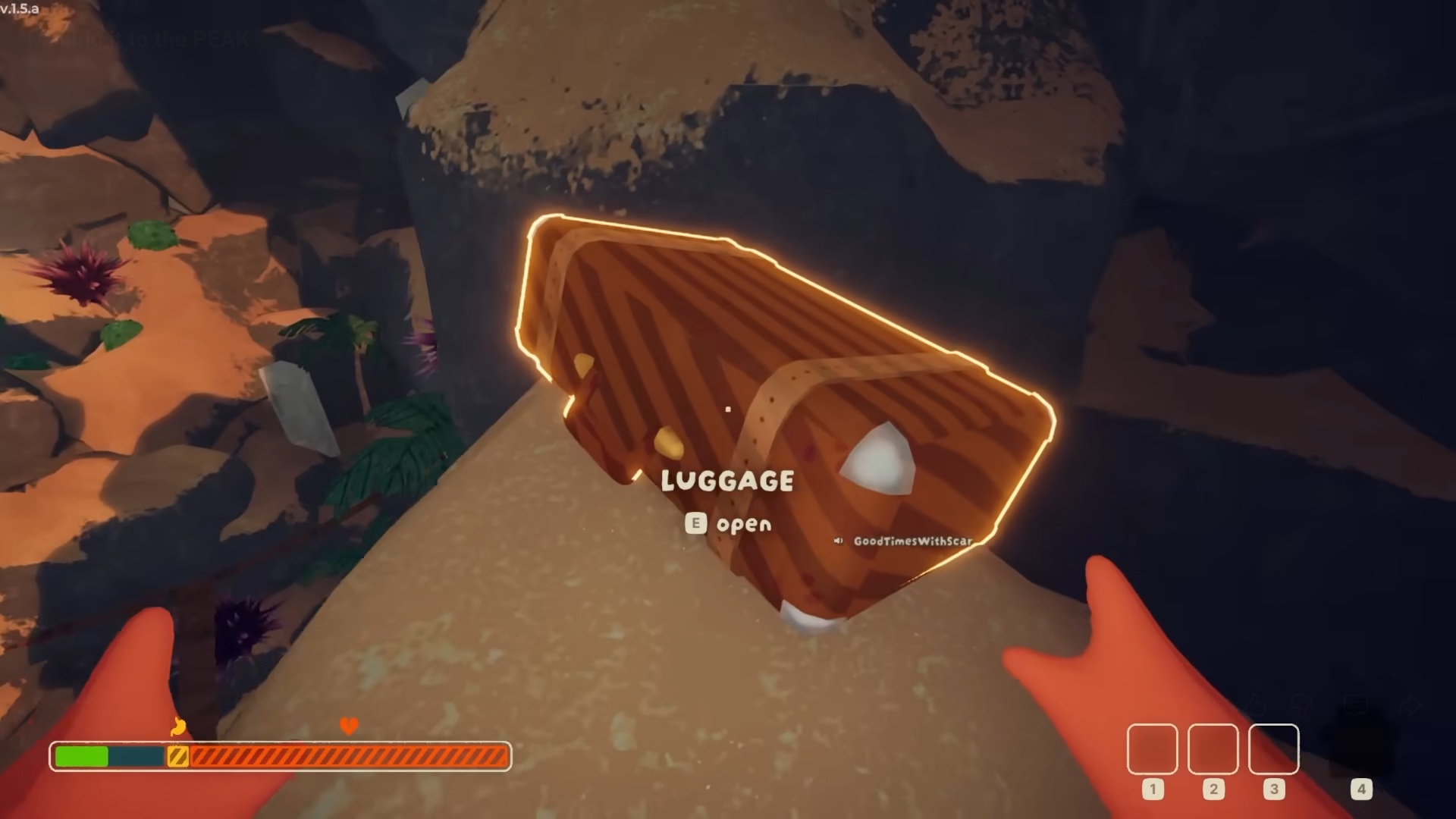
The animations are expressive, and the characters have a slightly clumsy air, which makes every fall even funnier. The game knows when to be serious and when to let you laugh at the situation, and that makes it extremely enjoyable in the long run.
Sound: half tension, half comedy
The audio design is surprisingly well done. The wind, footsteps, and sliding noises all contribute to the feeling of height and danger. But the real stars are the voices of your friends, which get lost in the echo exactly when you need them.
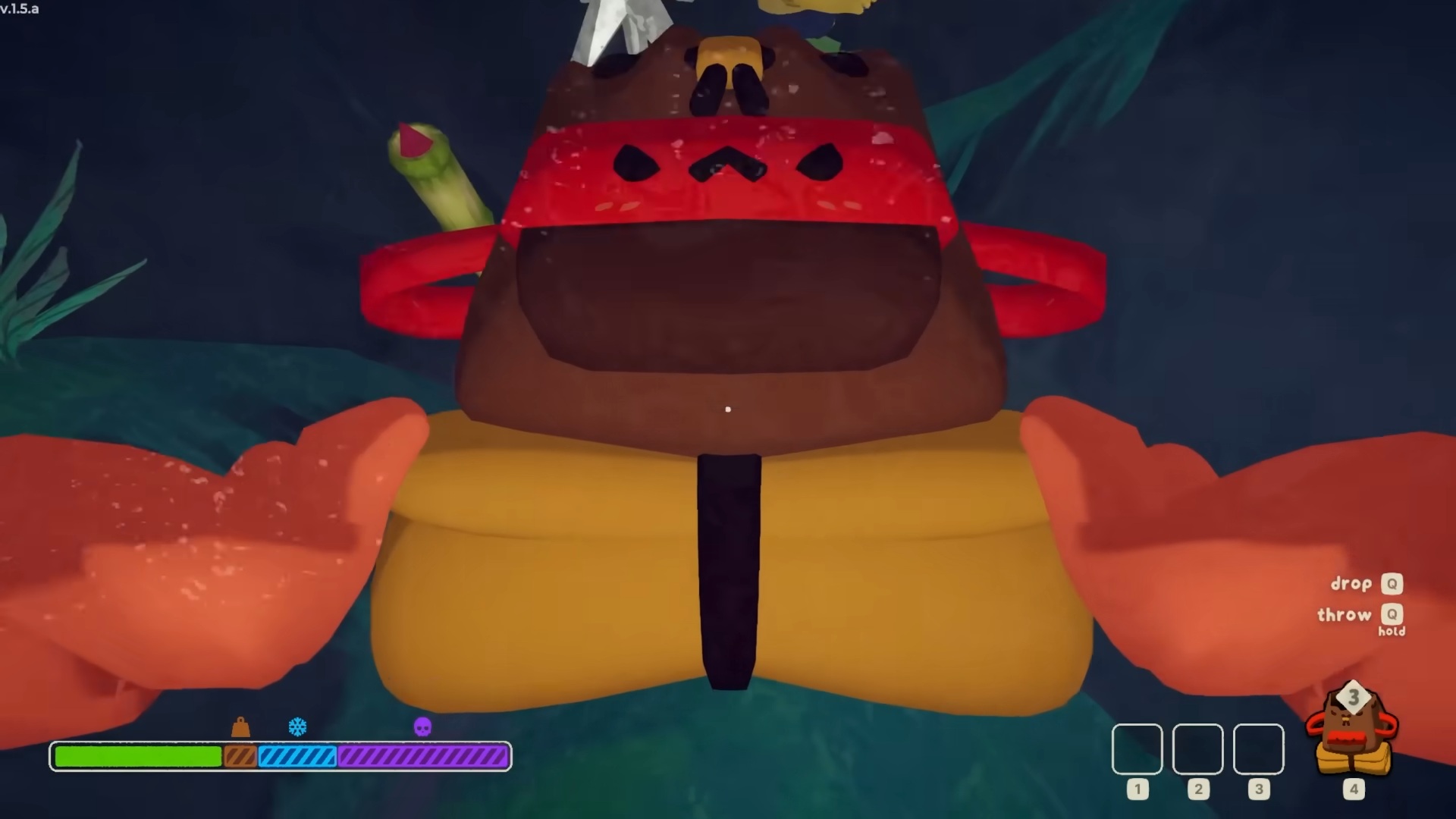
The music is discreet and never intrudes on important moments. The game prefers to let the environmental sounds and player reactions tell the story, and that decision works excellently.
Problems and minor frustrations
PEAK isn’t perfect. There are still bugs, minor synchronisation issues, and moments where the game seems to punish you a little too harshly. The lack of checkpoints can be frustrating, especially after a good session that ends abruptly.
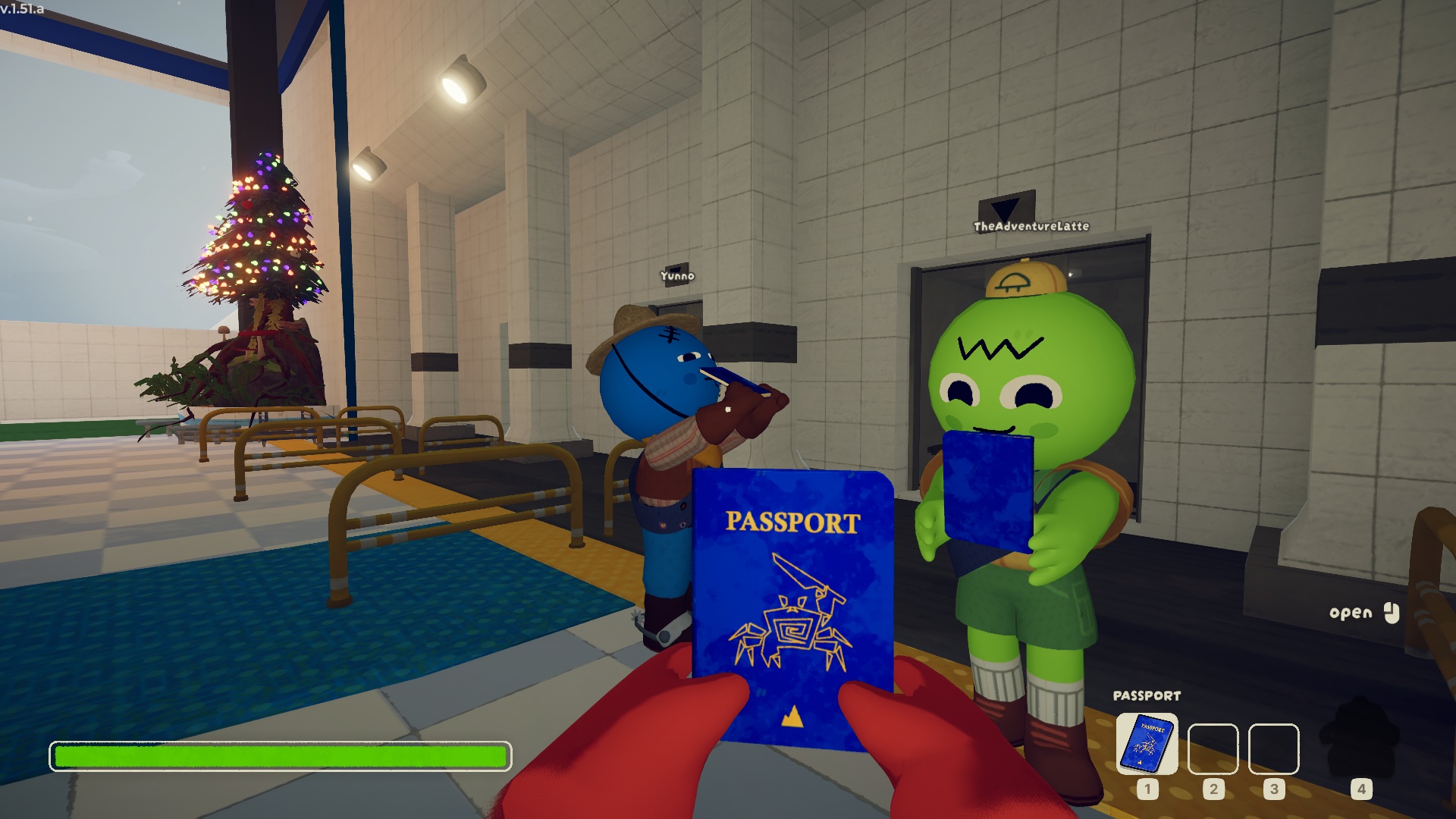
In solo, the experience is decent, but not as enjoyable. The game is clearly designed to be played with others, and without co-op, some of its charm is lost.
Conclusion: cheerful suffering, at high altitude
PEAK is one of those games that doesn’t try to be “for everyone”, but manages to be perfect for its audience. It’s hard, but fair. Frustrating, but funny. Simple, but extremely memorable.
It’s the kind of game that doesn’t make you feel bad when you lose, but makes you laugh and say: “One more go”. And another. And another.

Available on: PC (Steam)
Played on: PC (Steam)
Release date: 16 June 2025
Developer: Team PEAK
Publisher: Aggro Crab & Landfall
Plus
- Absolutely hilarious co-op, full of memorable moments
- Daily procedural maps keep the game fresh
- Brilliant proximity chat, a constant source of comedy
- Friendly and clear visual style
- Simple, yet extremely satisfying gameplay
Minus
- Occasional bugs and minor technical issues
- Lack of checkpoints can be frustrating
- Solo experience is weaker than co-op
0 votes
Scroll down here and stay on the page for at least 30 seconds to vote.
Pick a score from 0 to 10 (halves are allowed).