
R-Type Dimensions III – Review

The Impossible Game
I'll start by asking you a very serious question: how are your nerves?!
If you're not a yoga teacher or haven't been on a 7-year pilgrimage through Tibet, hardening your soul in the deepest secrets of patience and calm, you have no business playing this game.
The concentration and determination needed to get past the first 2 minutes of gameplay must be similar to Bruce Wayne's in The Dark Knight Rises (2012), recovering from a near-fatal beating and having to escape The Pit, the villains' impossible prison.
Every time he tries to escape to the chorus of prisoners singing "Deshi basara" (rise), he fails. The only time he manages to get past the difficult climbing area is when he does it blindfolded, and his senses sharpen so much that the adrenaline gives him that enormous power of concentration that allows him not to make a mistake.
This is exactly the feeling R-Type Dimensions III gives you. It's a merciless game for any gamer, no matter how much of a hero they feel behind the joystick.
From a galaxy far, far away …
It sounds like a Star Wars title, but it fits the origins of this game perfectly. That's because R-Type Dimensions III is, in itself, a re-release (and in 3D form) of the famous R-Type III: The Third Lightning from 1993, which is the rightful successor to R-Type from 1987.
R-Type Dimensions III draws its origins from a period when the galaxy of arcade games was omnipotent in the digital universe. Until more powerful computers or dedicated 16-bit home entertainment consoles appeared, nothing compared graphically to the arcade cabinets of the '80s and '90s.
The first game in the R-Type franchise appeared like a mirage in the video game landscape. Rumour has it that when the game arrived in the first arcade hall, the lights went out for a few seconds, a sign that all the electronic souls in the room felt that the devil of arcade titles had made its first descent upon ordinary mortals with coins in hand. It became a "mirage" because it was very appealing audiovisually, but the gameplay was as immersive as it was difficult.
And, believe me, for that era, the form in which R-Type came was a breath of fresh air in an industry on the verge of collapse. But, as attractive as it was, it was also deceptive. With its high difficulty, the game gave you the impression of a good start, only for the number of lost lives to make you realise you'd run out of tokens, money that would have bought you two months' worth of fun playing any other titles in the gaming hall.
R-Type was one of the battlegrounds for players with champion aspirations. Look, an arcade feature missing from modern games today is this feeling of being the best. Indeed, there are still online game rankings now, but back then, if your alias on the screen was at the top of the list, it was whispered about, with the hope that maybe, just maybe, it would be surpassed. But until then, you were king not only in that game but in the whole city.
Irem, a Japanese company born from a business that sold cotton candy machines, saw potential in humanity's other "addiction" after sugar. I'm talking about slot machines! Well, yes, you're right, video games were never about gambling, but hey! Arcade games weren't just for fun; they were designed, however, to keep you glued to the device for as long as possible through fast images and actions that favoured short dopamine releases, creating a certain addiction to make you insert as many coins as possible.
As proof, Irem is known by two names: International Rental Electronics Machines and Innovations in Recreational Electronic Media. That is, initially, it was oriented only towards renting arcade cabinets, but later focused on software development.
R-Type was designed to put the new Irem M72 motherboard to work, which was extremely capable for its time, allowing the new title to bring graphical effects that seemed quite impressive for the 80s. The game displayed a lot of detailed animations (sprites) on screen simultaneously, at a constant speed. Gradius, Konami's game, and Aliens, James Cameron's film, were the inspiration for creating R-Type.
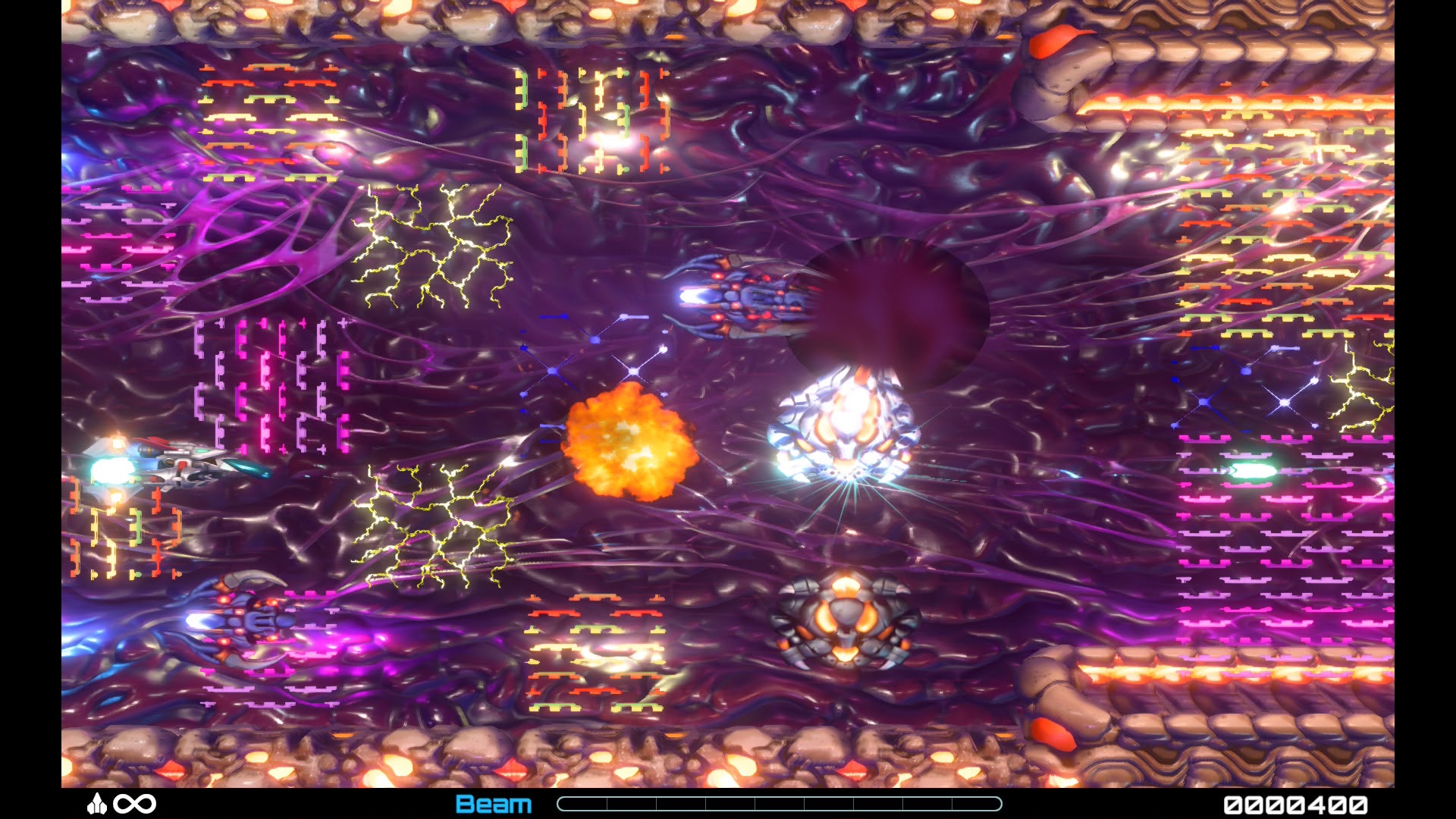
A 2D horizontal-scrolling shooter that put you aboard the R9 Arrowhead ship, with the mission to defeat the Bydo Empire, which sought to annihilate Earth. You had 3 lives and the chance to restart the game from certain checkpoints located in the 8 levels, in case you died.
The "R" in the title and the ship's name comes from Ray, its main weapons being different laser beams that you collected throughout the game. An out-of-the-box approach was the decision to introduce the Force module: an invulnerable sphere that you could attach to the front or back of the shuttle to give you tactical advantages. It could also float independently next to the ship. This element suddenly transformed a game that seemed like endless "pew-pew" at light speed into one that also required a strategic mind.
Akio Minato is the creative mind behind the graphics that transport the player into an SF world borrowing many elements from Aliens. Certain areas and enemies are clearly drawn in the organic style found in the aforementioned cinematic creation. Speaking of enemies, the series' most iconic boss is the giant monster Dobkeratops.
The sound design was also conceived in Hollywood terms. The music composer, Masato Ishizaki, tried to build a soundtrack with a serious tone. Drawing inspiration from film music, he wanted the tension and impact of each level to be conveyed to the player within the first 2-3 seconds. It was also the first Irem game to use FM sound.
R-Type was a true critical and commercial phenomenon globally, becoming the highest-grossing arcade game in Japan in 1987.
A few moments later…
In 1993, R-Type III: The Third Lightning was released. After a colossal failure with R-Type II, due to image slowdown problems that appeared in the SNES port, Irem decided to release an exclusive version for the Super Famicom home console.
The Super Nintendo Entertainment System at that time benefited from Mode 7, a graphics mode that allowed compatible games to offer images with scaling and rotation effects, a depth effect that gave you the sensation of having entered 3D mode. R-Type III: The Third Lightning had this option to switch to Mode 7 and play, for the first time, the famous arcade shooter from a completely new perspective.
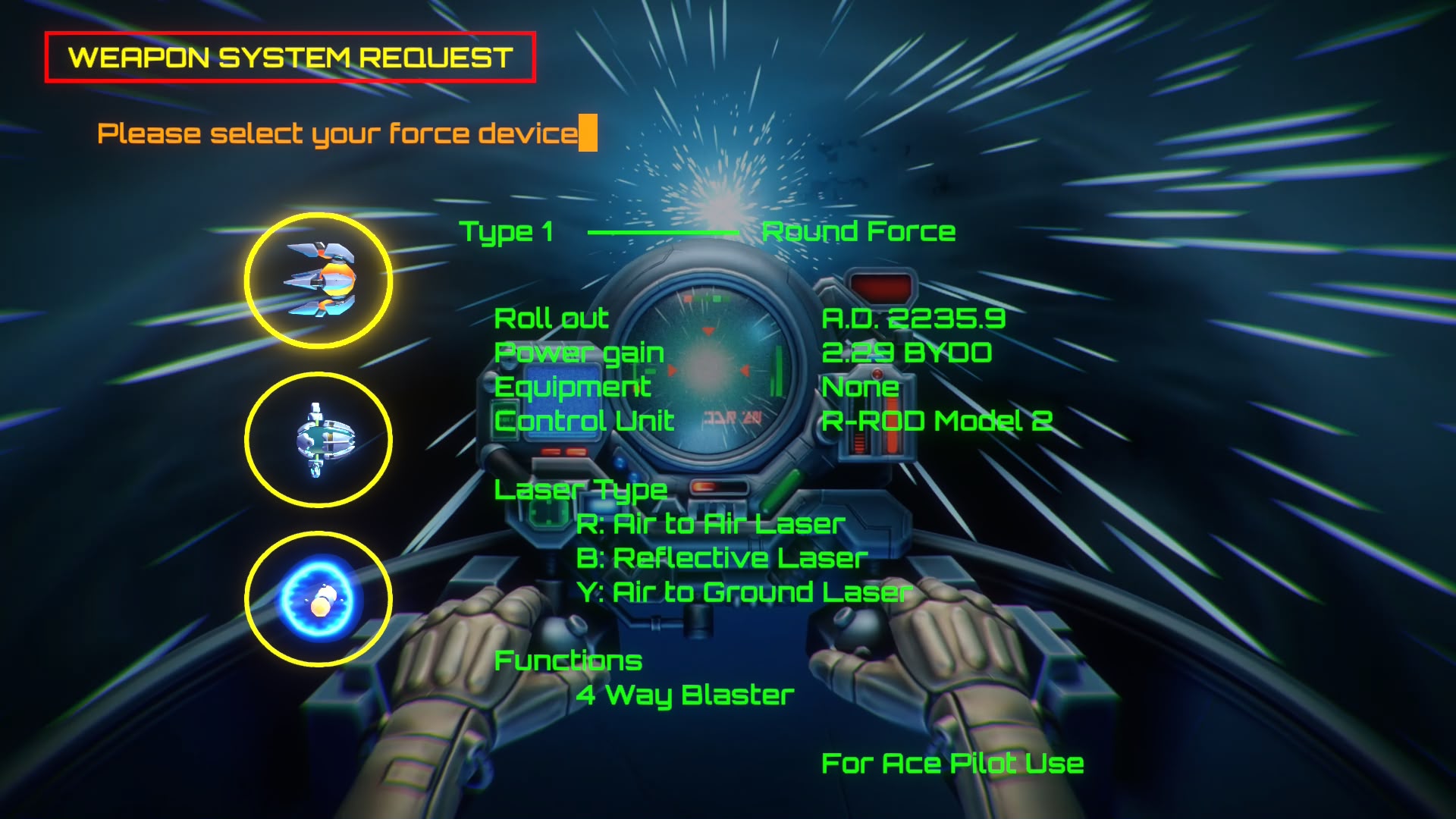
This third iteration is considered one of the best in the series, bringing changes not only graphically but also in gameplay. You had the option to choose at the beginning of the game between three different types of Force modules, each with its own unique weapons and lasers: Round Force (the classic one), Shadow Force, and Cyclone Force.
In addition to the classic Wave Cannon, the ship in this game, an R-90 Ragnarok, different from the one in the first, introduces a new mechanic: you can charge the weapon up to Hyper mode, unleashing a devastating rain of projectiles. However, after use, the weapon enters a cooldown period during which you are completely vulnerable.
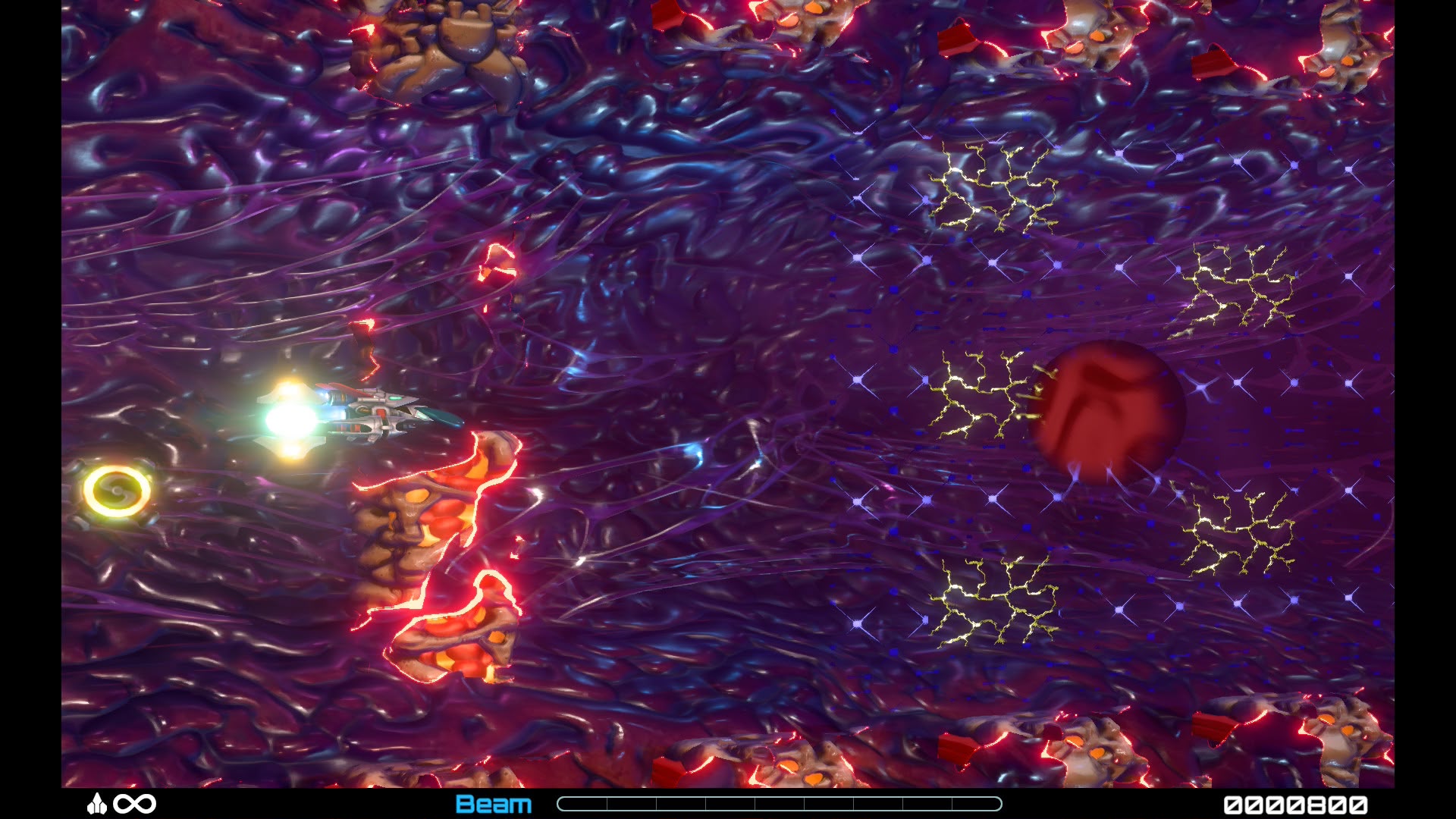
The number of levels was reduced from 8 to 6, but their length was increased, and checkpoints were placed at more favourable points for the player.
So, this time, even those at home had reason to tear their hair out when playing a title that massacred them a quadrillion times before reaching the second level. The difference was that it no longer cost them coins, in addition to the hours already lost in front of the impossible deadly puzzle.
Back to the future
The shoot 'em up style was, in principle, established by R-Type. And it managed to maintain a stable fan base who, with a drawer full of diazepam, many breathing exercises, and a strict program of Buddhist meditations, successfully (and alive) went through the 10 main releases of the famous title.
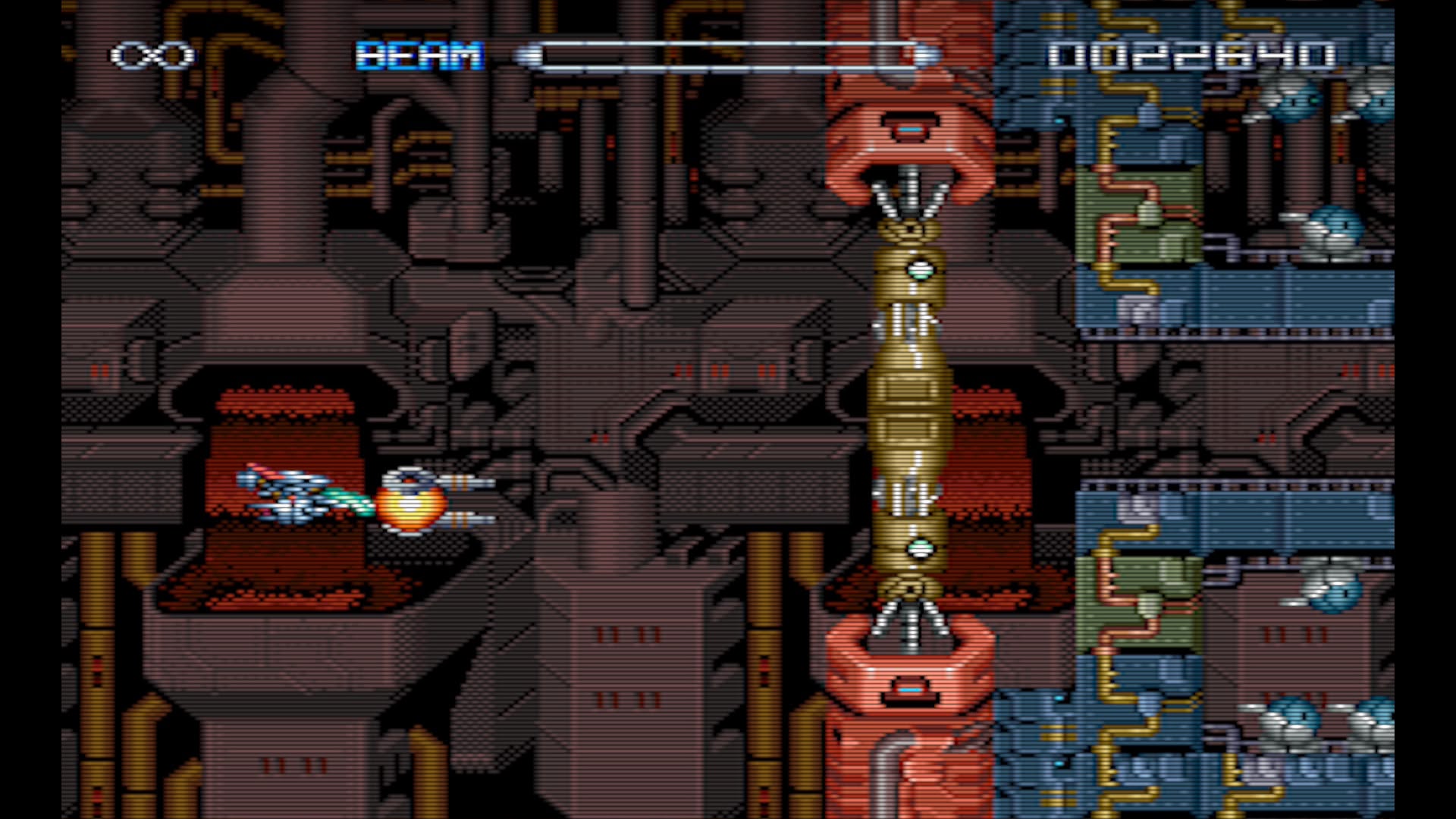
The last one appeared in 2023, but all sorts of variants and ports have been released in between. Among these are the "Dimensions" titles, re-releases of the original games with a completely remade mode in an advanced and updated 3D environment. In Dimensions titles, the player can switch between the modern 3D version and the original 2D pixelated one with just the touch of a button during gameplay.
This is also the case for R-Type Dimensions III. Basically, it was intended to be a port of the 1993 game for current hardware. Xbox, Steam, PS5, Switch, and Switch 2 are the places where you can embark aboard the R-90 Ragnarok to try to become the planetary hero in the fight against the Bydo Empire.
As I quickly discovered, it also becomes a battle with yourself. Especially if you're forced to play through the game for a review, you're not allowed to give up so easily. But don't worry, I have years of psychological warfare with my wife, and I think training with her served me well in moments when I was on the verge of despair.
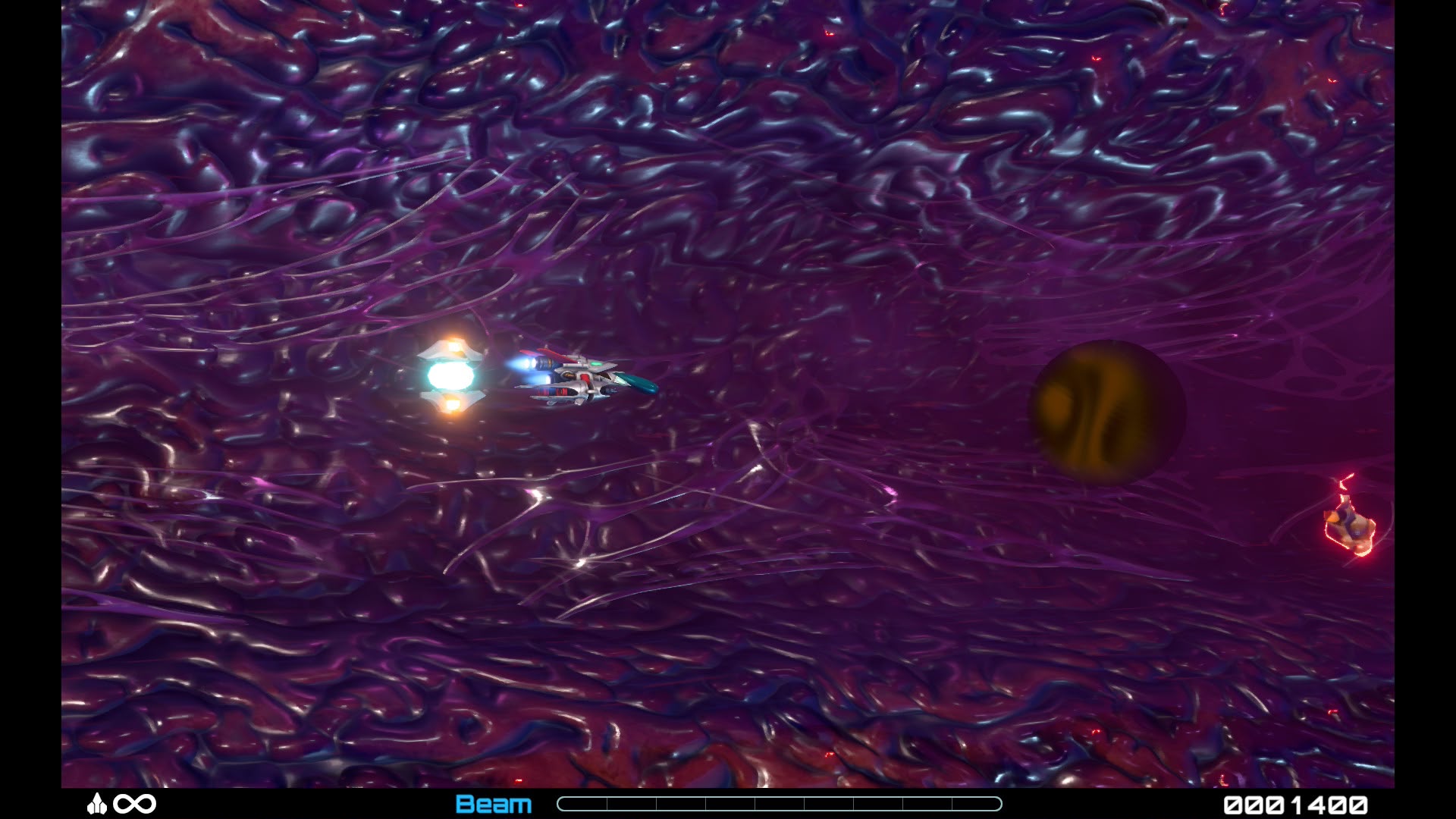
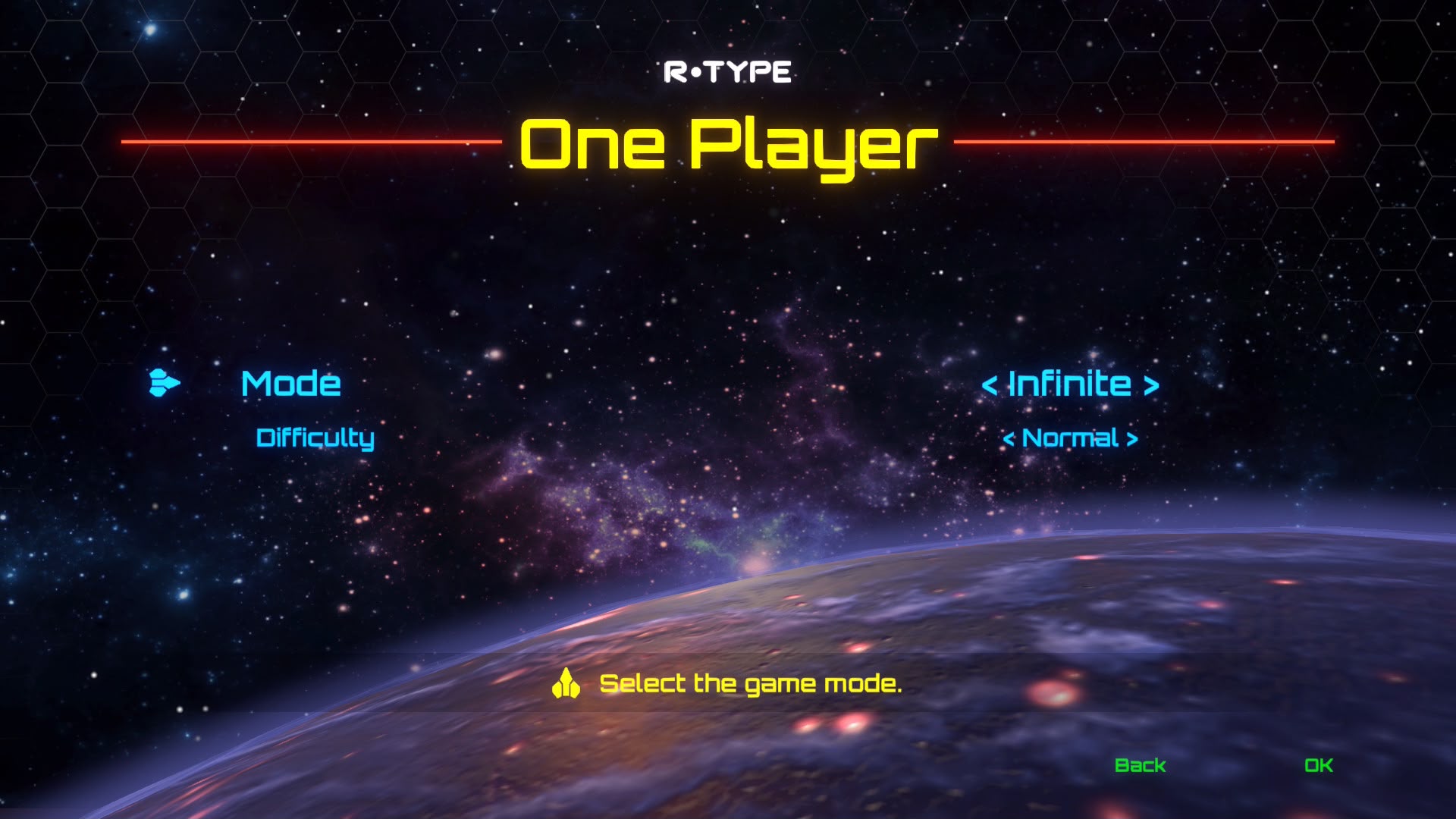
Then, consider that in real life we don't have the infinite mode now available on this port, a mode that makes you invincible and allows you to go through the entire game just by firing your weapons and admiring the organic graphics specific to R-Type.
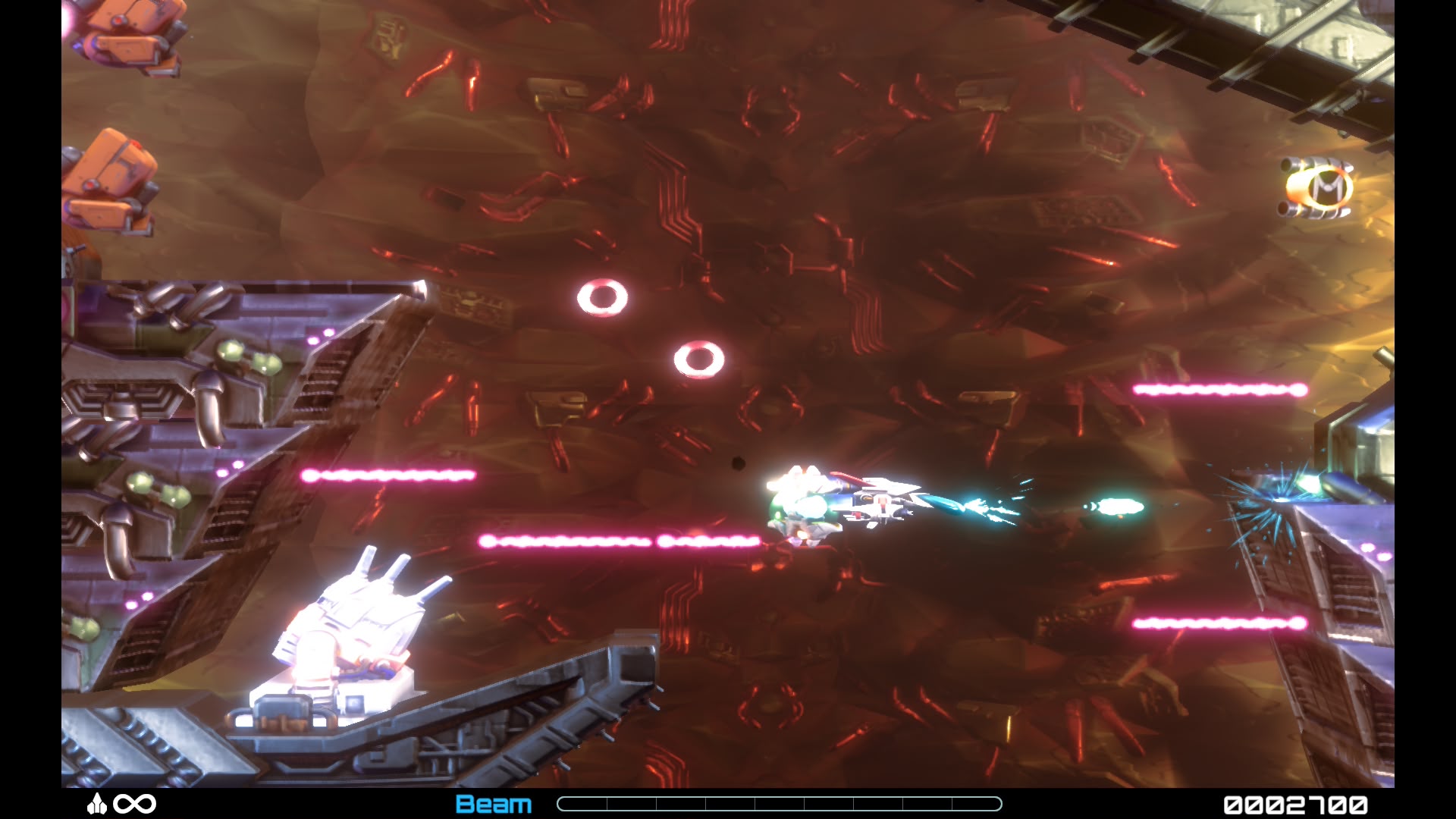
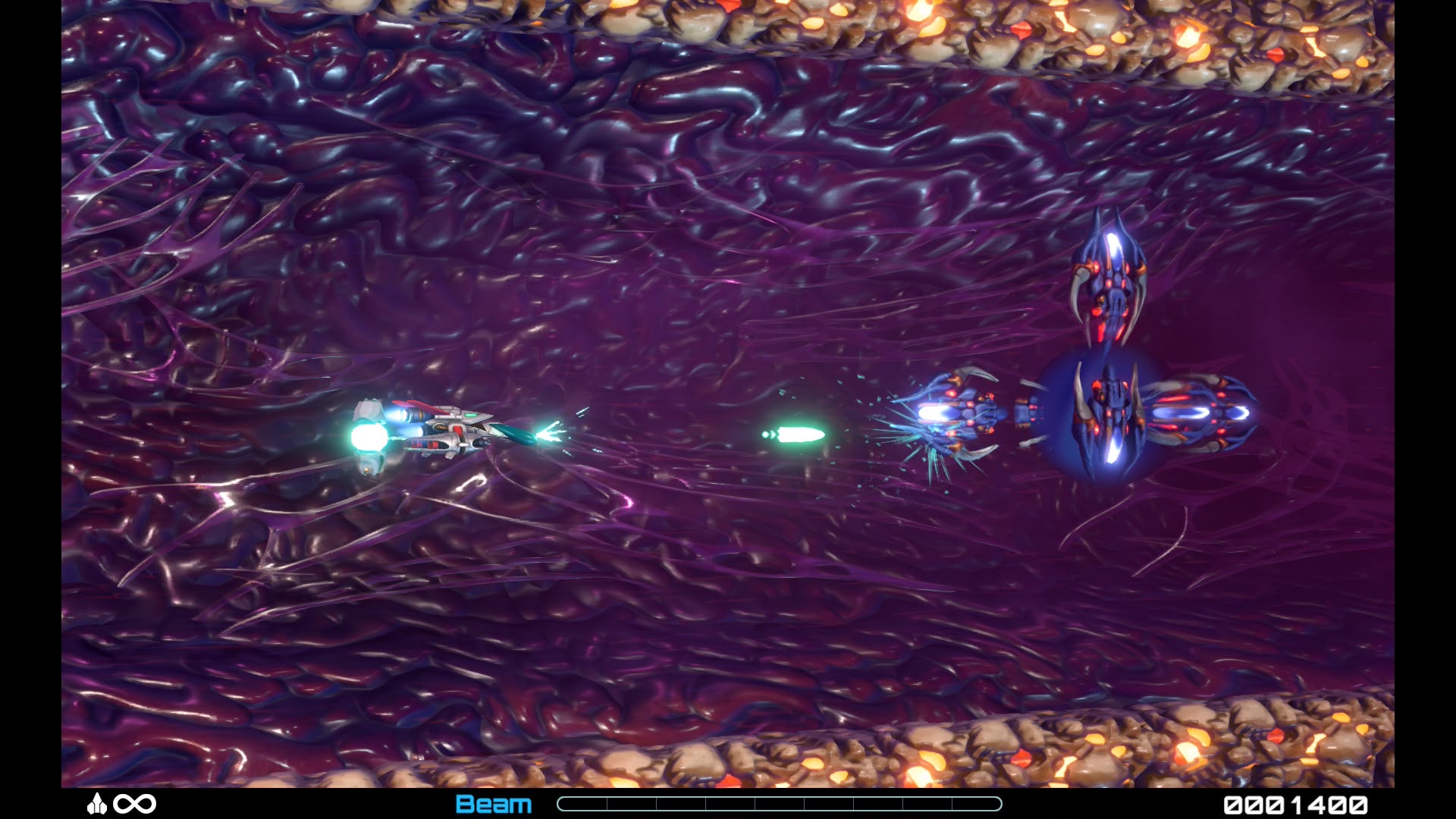
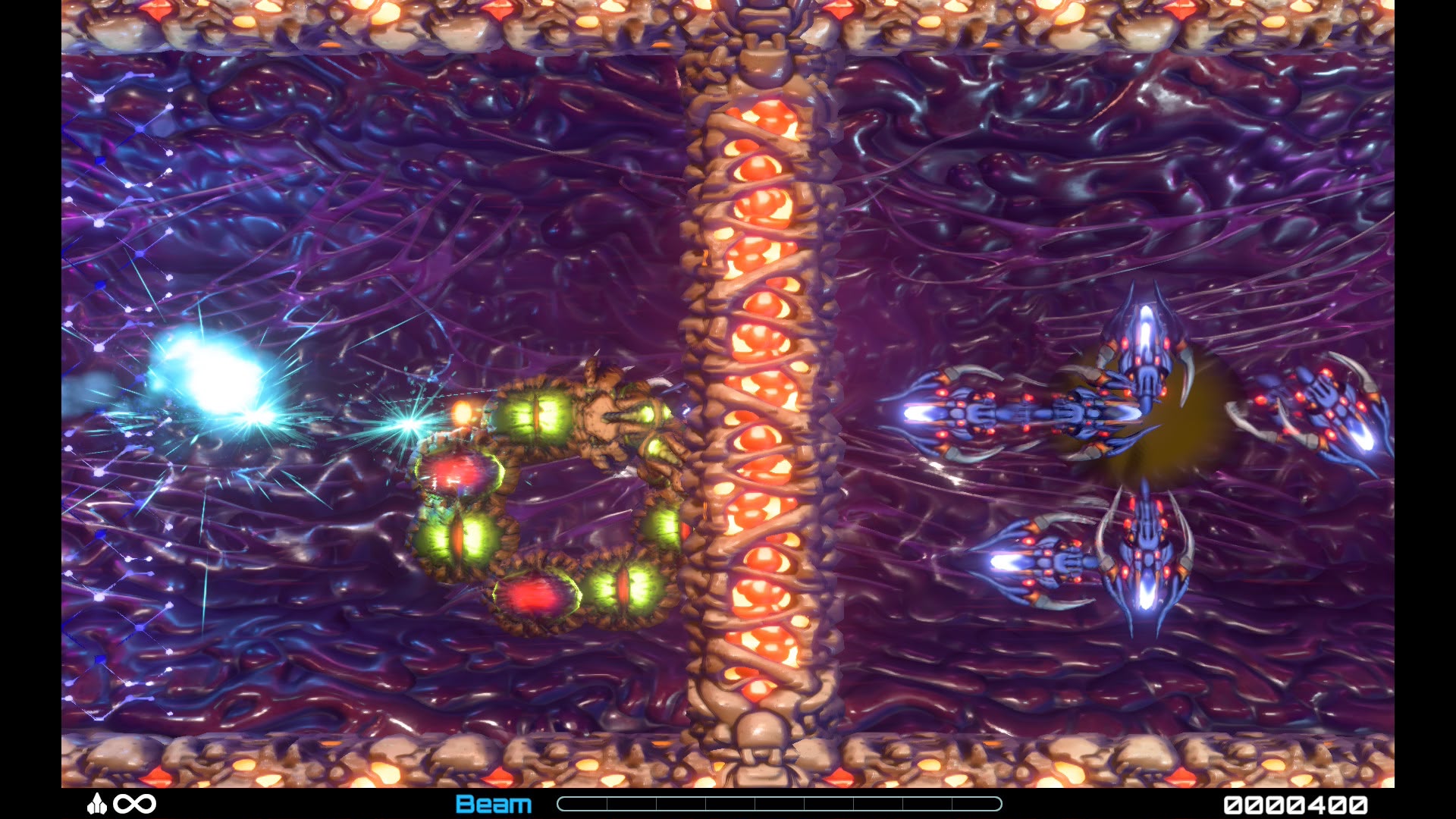
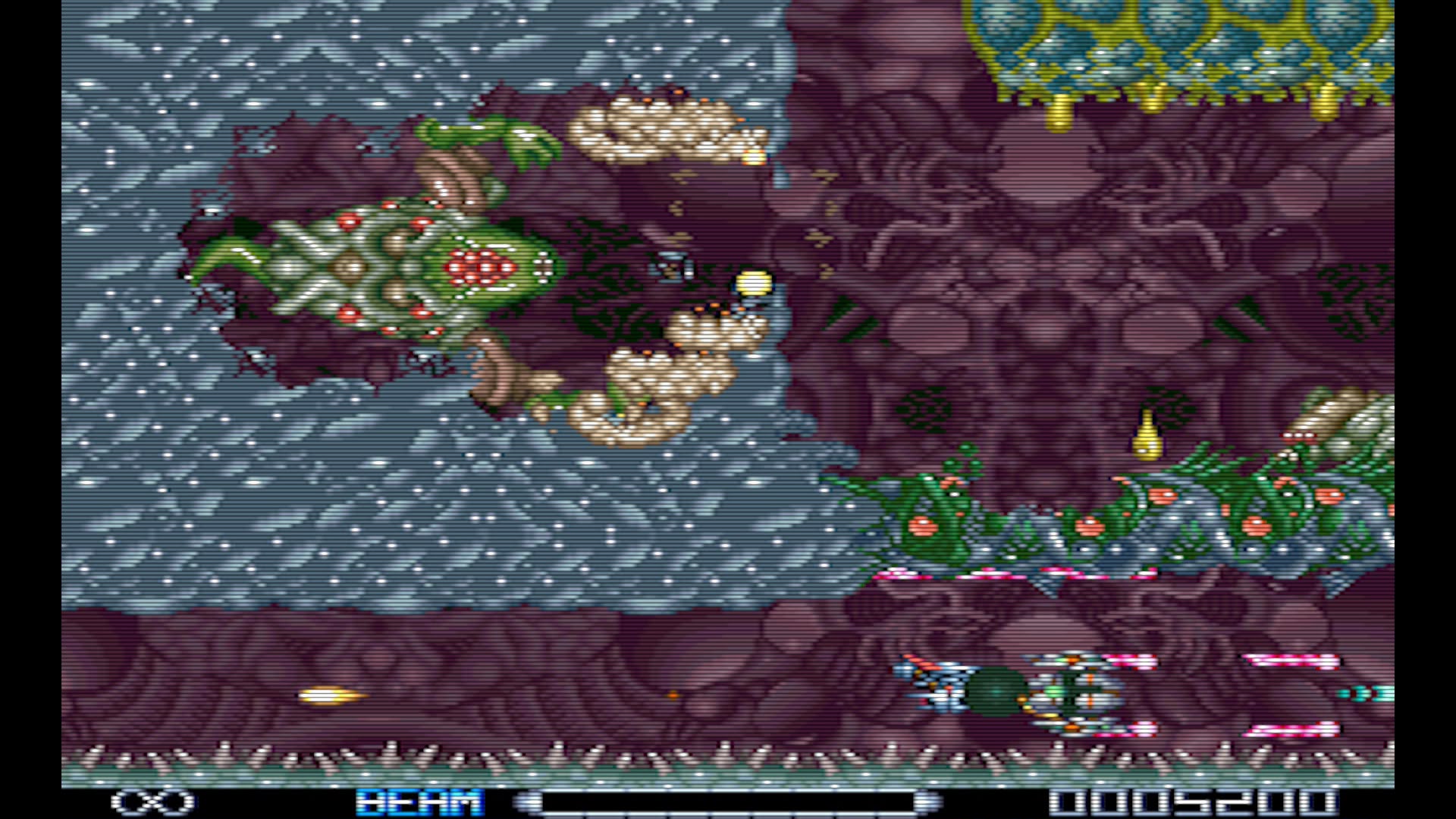
I must admit that my will was defeated after the 1,342,638,915th attempt to get past the second boss, and I decided, for the sake of art, to advance like a god through the game and enjoy the scenery. Now, I know that on the 3D side, publisher ININ, along with studio KK3, went above and beyond to bring this famous title into a truly modern visual era. Did they succeed? In principle, yes; they created everything from scratch, with spectacular 3D effects, lights, reflections, and a very impressive geometry of organic elements. It's like being in a mini-Alien series, where you enjoy the images of the enemies in all their splendour.
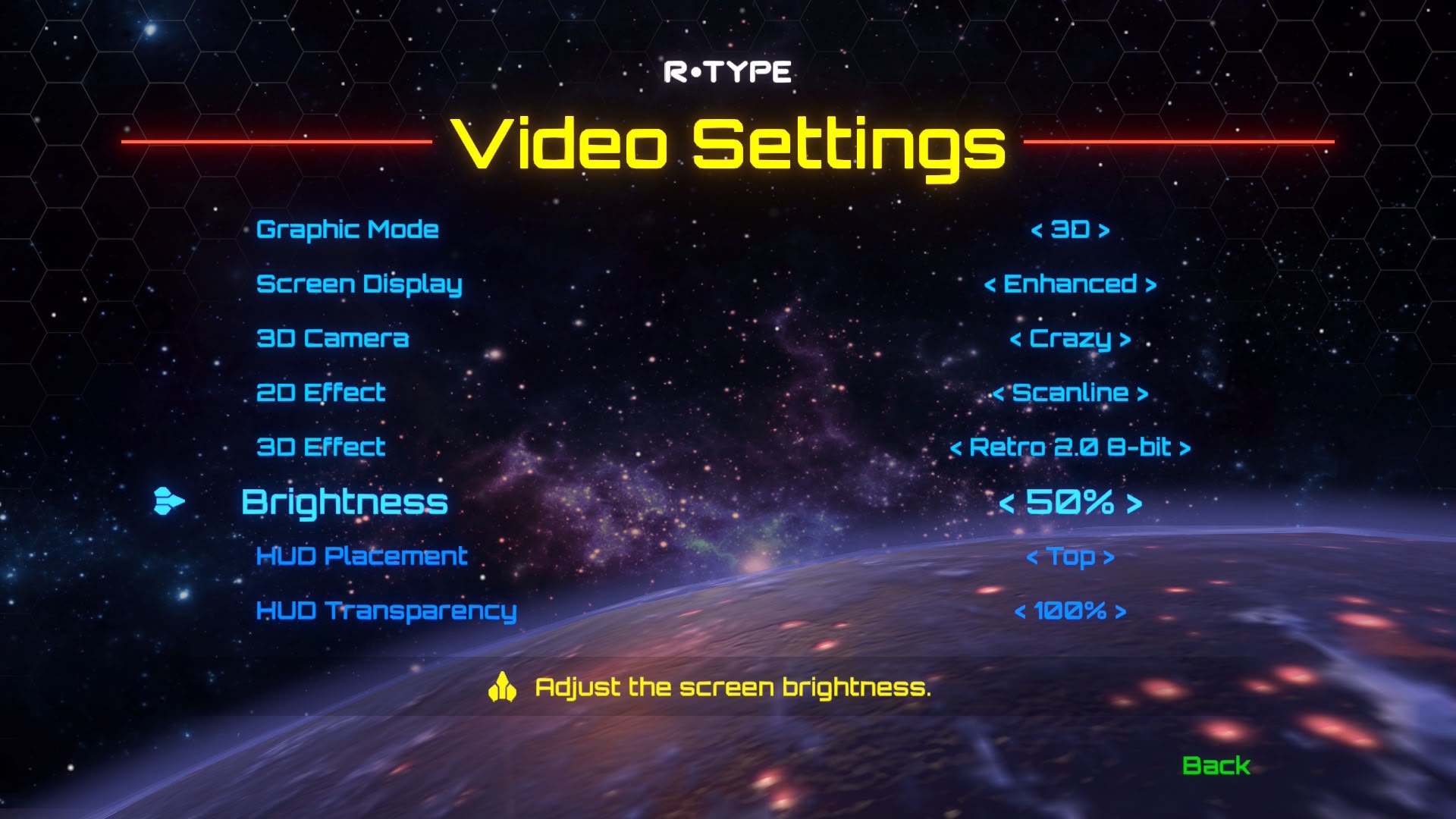
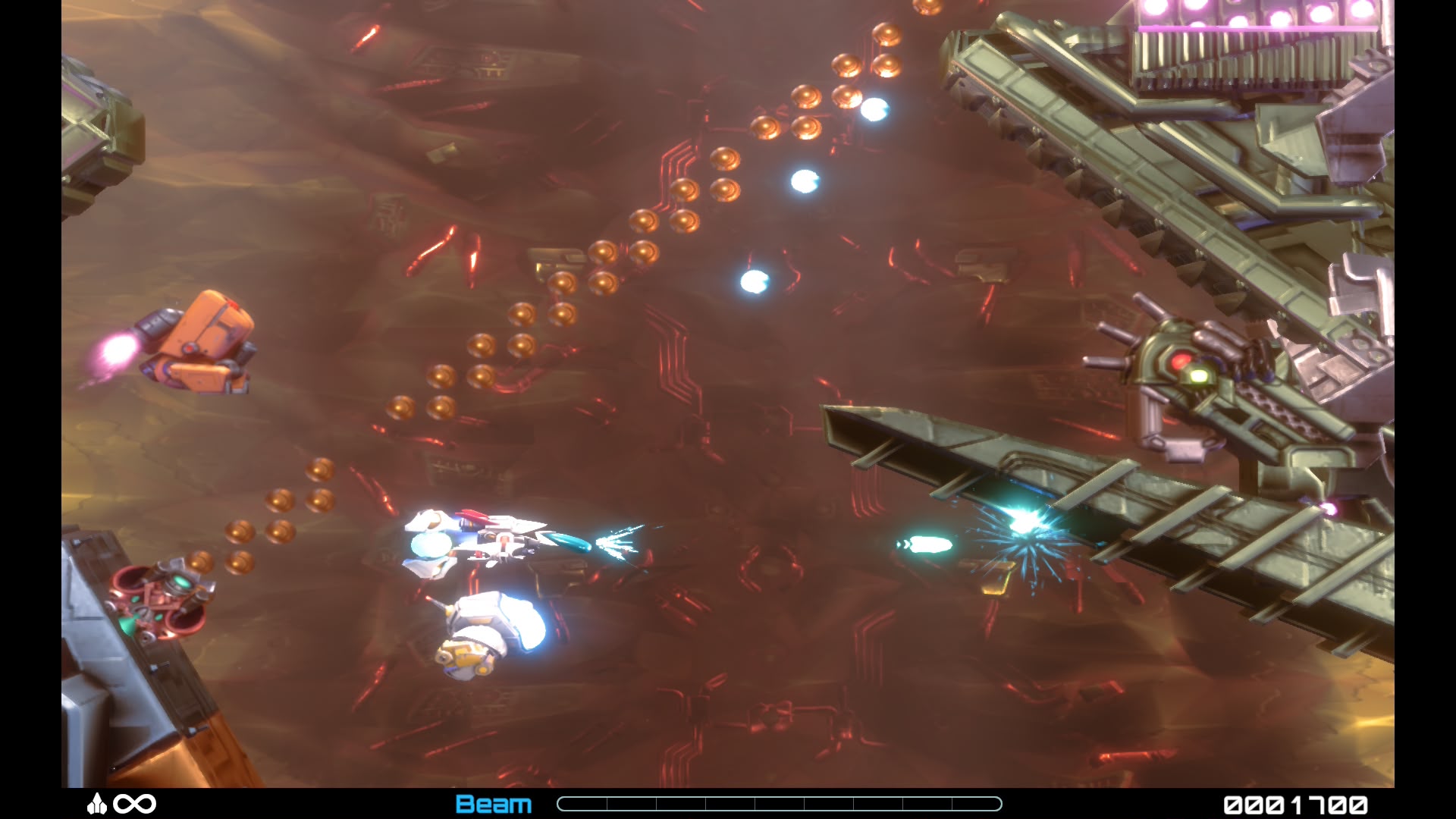
Not to mention the multiple options in the video settings, which can give you exactly the visual experience you want. You have 4 effect options just for the 3D variant, which you can combine with 2 camera angles and two display resolutions. Add two 2D modes, and I think for a game from '93, there are already too many options.
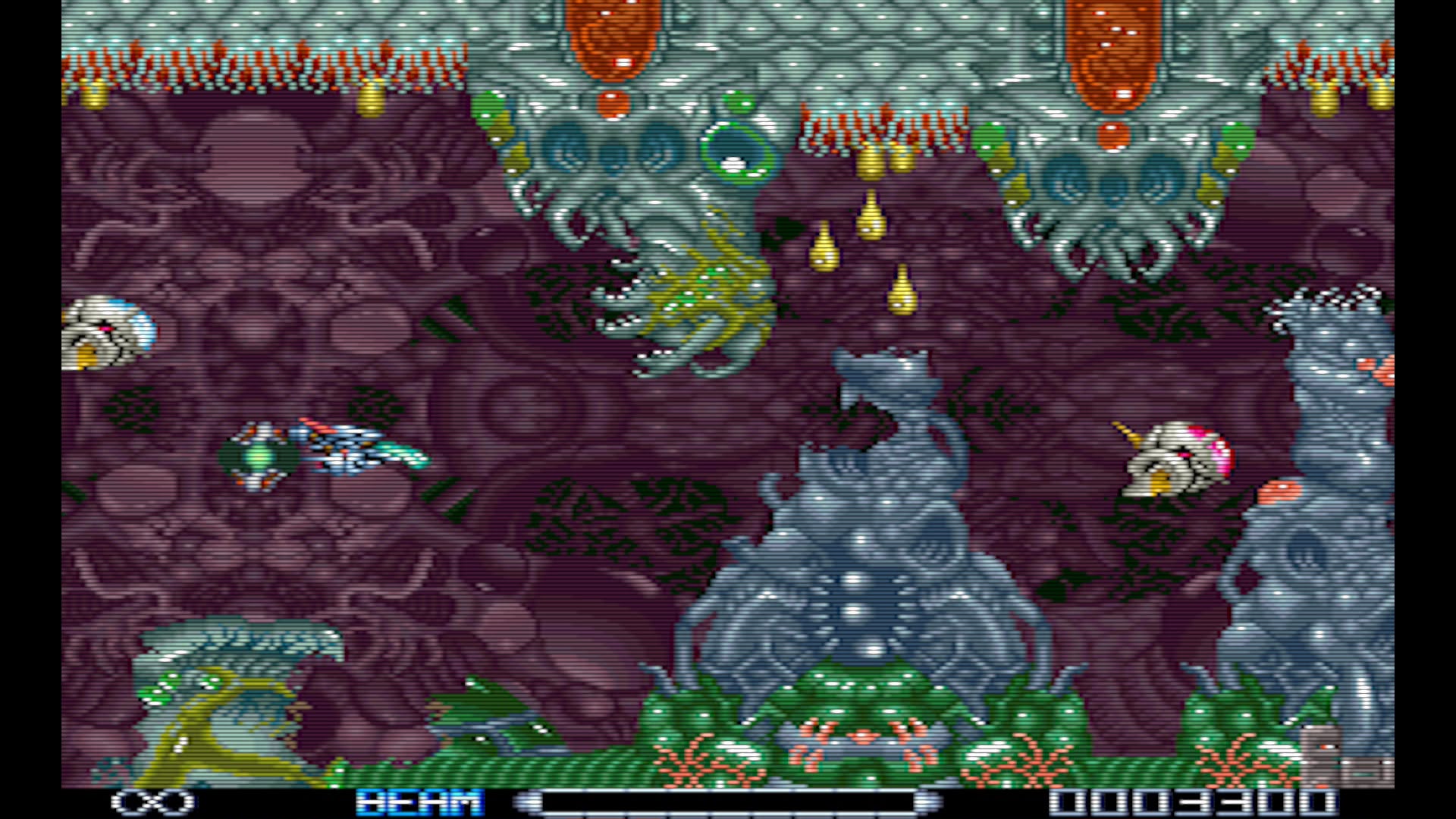
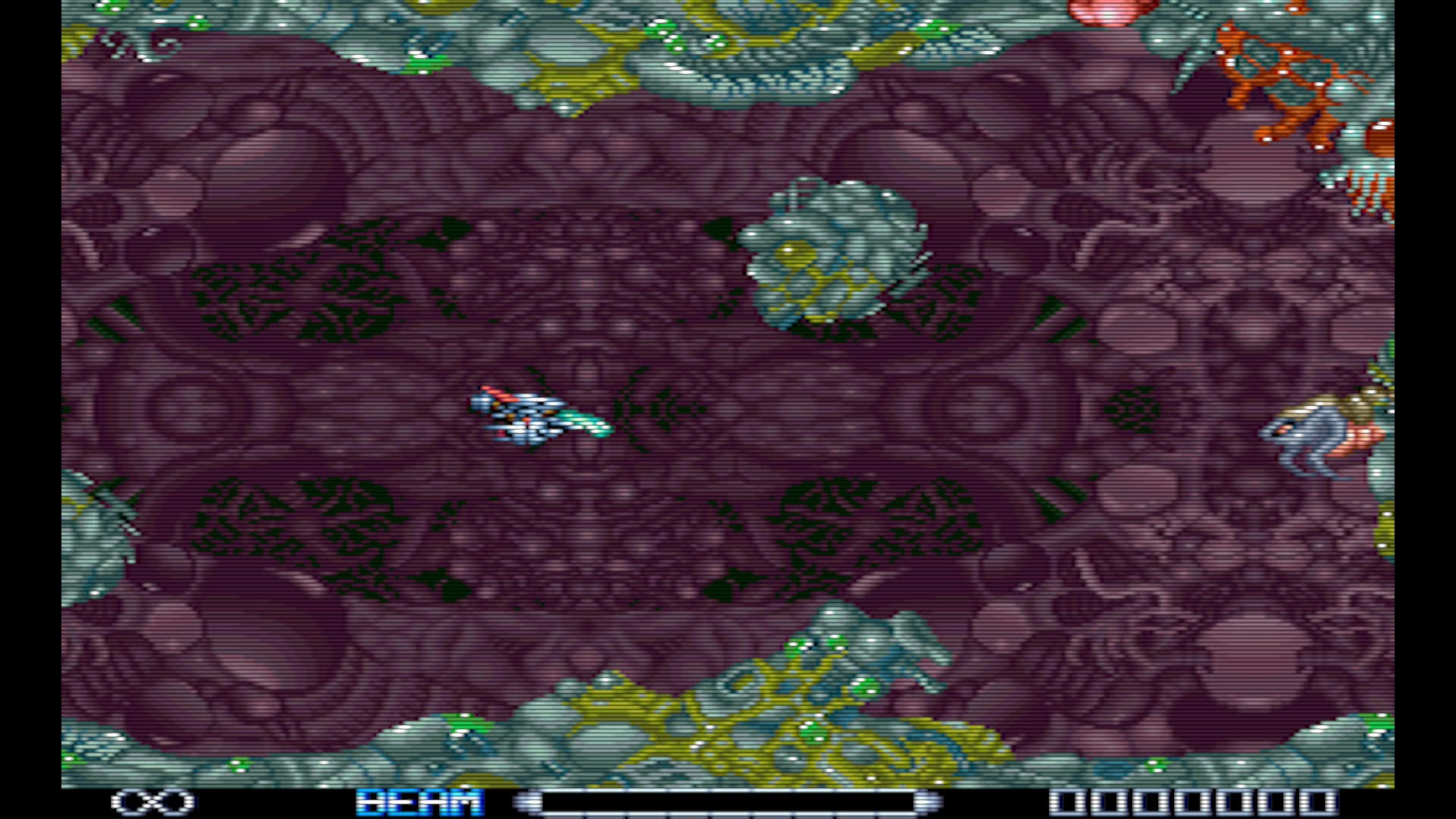
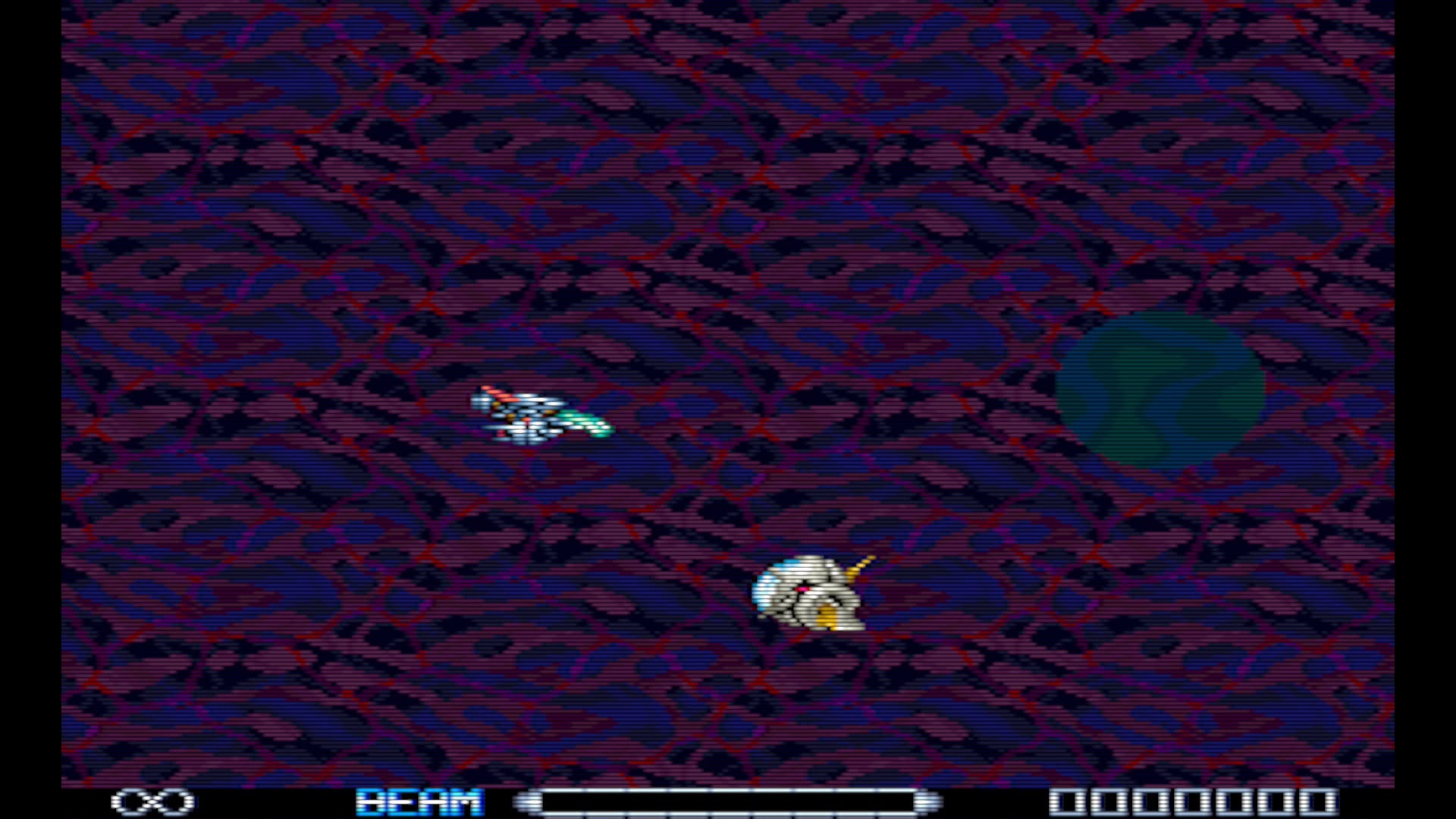
As I said, despite these efforts, I personally prefer the classic 2D mode. These legendary games deserve to be experienced the way they were originally conceived. Especially since that 3D gives me a 2010s vibe, and I always prefer the charm that pixelated graphics bring.
Unfortunately, initially I thought it was just me, but in 3D mode the game became harder to control. However, after some research, I noticed that several players had this same problem. The issue comes from the fact that the 3D mode is a bit more cramped... that is, the transition also adds a subtle zoom to the image, and this, combined with elements that now have volume and geometry, makes your life harder when it comes to estimating and avoiding hitboxes. If you also switch to Crazy mode (basically Mode 7 for 3D), where the camera angle changes, things become even more complicated.
From an audio perspective, you can go for the classic sound or the dedicated 3D one, remade in the studio with real artists and instruments, with ININ even publishing a video about it. And here too, people had comments, saying that, apparently, the original sounded like cheap, shrill beeps. What did you expect to hear from 1993, a Beethoven opera in lossless and Dolby Atmos?!
The multiplayer aspect has also changed: you can now do simultaneous co-op, so you no longer have to regret that the Bydo monsters ate up only your time with infinite respawns... Share the suffering, it's okay!
Although I didn't play the original SNES version, I can honestly say that my 2D experience was very pleasant and transported me, for those moments, to an era where pixel art offered pure joy to the gamer's soul. With all the possible modifications in this new version, I can't believe the feeling offered was much different. Of course, for the 80s-90s, the graphic style and intense action in R-Type games made quite an impression, but I think we can agree that this visual concept, conceived back then, has aged beautifully.
ININ boasted before the launch that their primary goal was to bring the same R-Type experience to today's players that those who tried the original game in past decades enjoyed. Everywhere in the descriptions and promotion of the launch are grand words and pompous phrases about this project, which they consider one of their most ambitious. "Inin" in Japanese means "mandate," meaning the entire philosophy of the company revolves around this idea: to receive a mandate to bring consecrated games back to life. And they placed great emphasis on the mandate received from Irem for R-Type III.
The fact that I write articles more slowly gives me time to see what else is happening regarding the subject. Thus, I managed to catch how ININ and those who worked on the new game reacted to the criticisms from the loyal community of the original production. And they responded, not just once, with promises of updates to solve exactly all the problems mentioned by players. I caught some of them myself, and many more are coming in the next few months.
I think we agree that many games initially blamed by the gaming world turned out, after updates, to be true masterpieces. This game was a masterpiece in its time, and today's release just brings it back to the attention of the new generation. The developers already have a great product on their hands; they just need a little attention not to spoil something that was already perfect on the way to modern updates. And I'm glad to see that they show real signs that they know how to truly listen to the voices of gamers, taking action in this regard.
In the end, nothing else matters
In the end, what matters in a game? That you had fun, right?
Then, yes, this game is hard as hell, but I can understand why it's garnered so much love over the years. Compared to today, when "hard" means knowing how to combine a dozen weapons, abilities, potions, and attributes linked by an intricate logic that only RPG gods can unravel, back then the challenge came from the need for intense concentration, quick reactions, pattern observation, vulnerability discovery, scene memorisation, and everything related to the rapid and precise reaction of your fingers on the buttons.
R-Type Dimensions III is, for my level of joystick dexterity, a bit too high. However, that doesn't mean there weren't moments of fun; on the contrary, destroying a boss after tough and sometimes seemingly endless battles gives you a special satisfaction!
As for how the remake was attempted after three decades, it seems a lot of effort was put in. Unfortunately, not everything turns out as you'd wish, and the errors that plagued the launch made even new players (like me) suspect that something wasn't quite right.
All that being said, I have to make one last effort to get into the game and take some screenshots, otherwise I'll have trouble with my colleagues. But, before facing the frustration and endless frustration again, to cheer myself up, I'm going to listen to "Go" by Chemical Brothers, the famous song from the movie Apex. Only in this game, I'm the hunted, and I can almost hear the Nekrosaur from the artwork: "I thought you liked danger!".
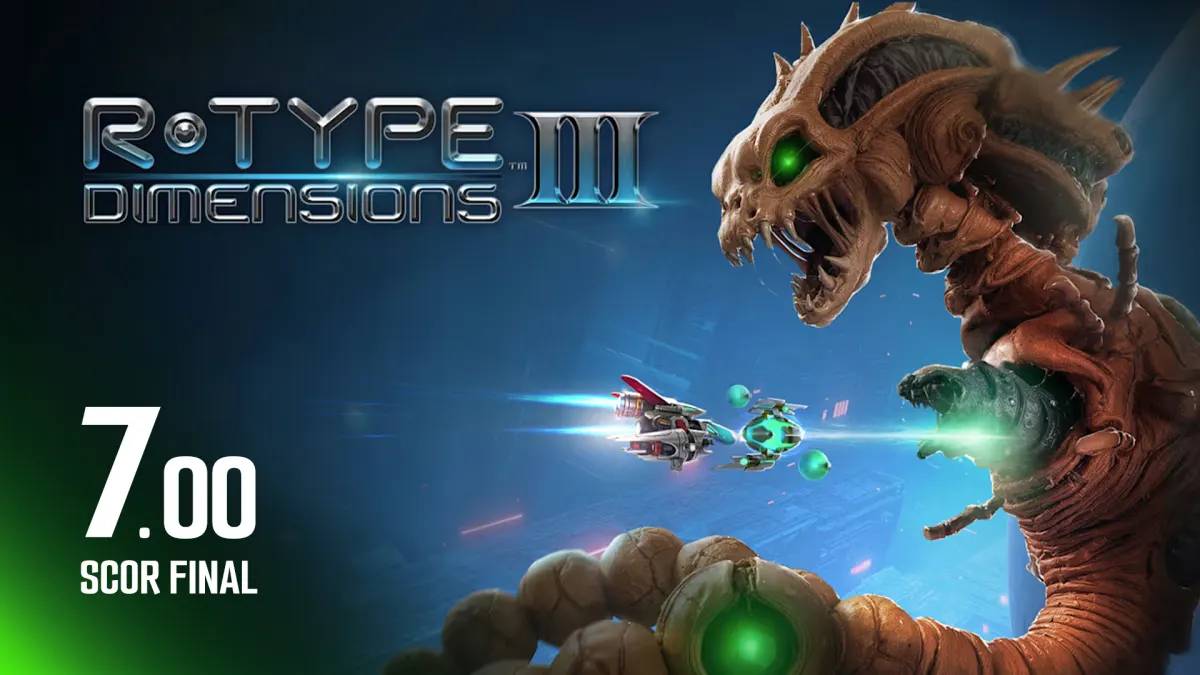
R-Type Dimensions III receives a solid 7 from me. The degree of difficulty, as well as the errors with which it was launched, make it lose important points. It would have lost even more if those who released the remake hadn't shown empathy and involvement towards the series' hardcore community.

Played on: Nintendo Switch 2
Release date: 19 May 2026
Developer: KRITZELKRATZ 3000
Publisher: ININ, Tozai Games Inc
Plus
- 2D pixelated graphics retain their retro charm
- Multiple video options
- Successful porting to multiple platforms
- Accessible levels after unlocking them
- Infinite mode
- Fun shoot 'em up style
Minus
- 3D reconstruction influences gameplay too much
- Increased difficulty compared to the original
- Multiple bugs in the launched variant
0 votes
Scroll down here and stay on the page for at least 30 seconds to vote.
Pick a score from 0 to 10 (halves are allowed).