
Screamer – Review

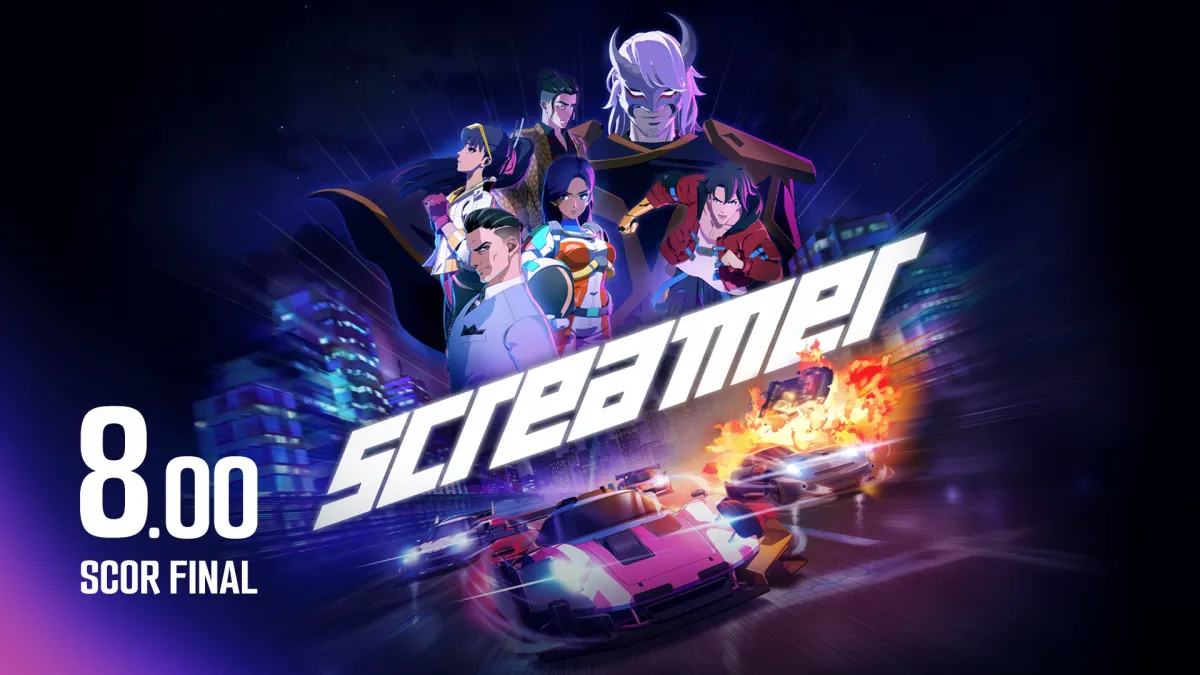
Come join the chaotic dance of speed and destruction!
In an era where racing games tend to slide either towards rigid simulation or superficial arcade, Screamer emerges as an ambitious project attempting to reinterpret the genre. It's not just about speed, nor just about competition, but about an intense experience where every race becomes a conflict, and every opponent is more than just a car on the track.
From the very first seconds, the game makes it clear that it doesn't want to be conventional. It's colourful, aggressive, and full of energy, but at the same time, it tries to build its own identity, supported by a different story and a distinct visual style.
A competition with personal stakes
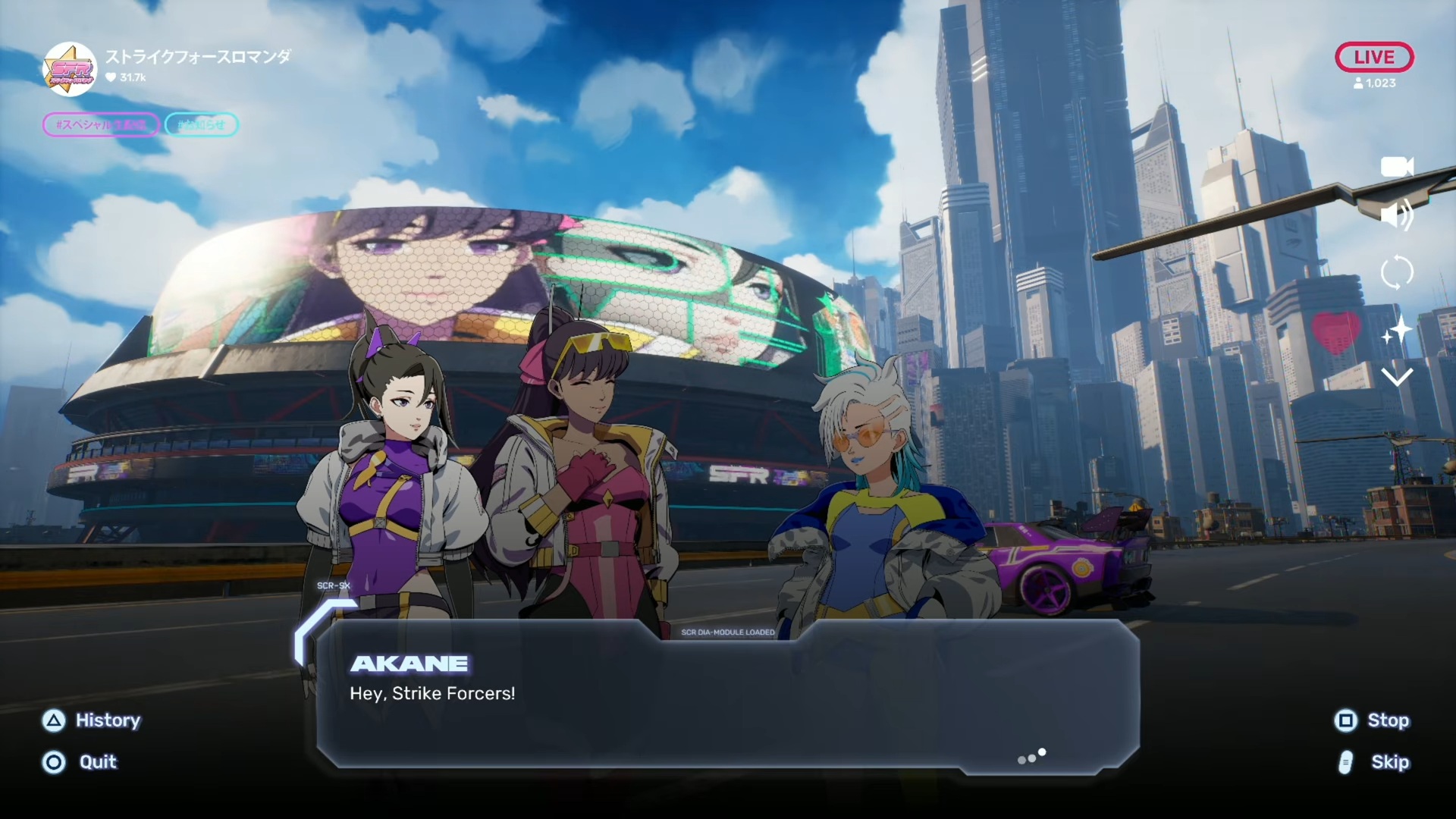
Unlike most titles in this genre, Screamer doesn't treat races as mere sporting events. At the heart of the game is a tournament where several teams compete, each with their own motivations and conflicts. It's not just about winning, but about ambition, revenge, and the desire to prove something.
This narrative approach adds depth and creates a context for the action on the circuit. The characters aren't just avatars; they have personality, and the way they're presented contributes to the feeling that you're participating in something bigger than a simple race. The cinematic style, heavily influenced by Japanese animation, supports this direction and gives the game a clear identity.
When you feel it's no longer just about speed?
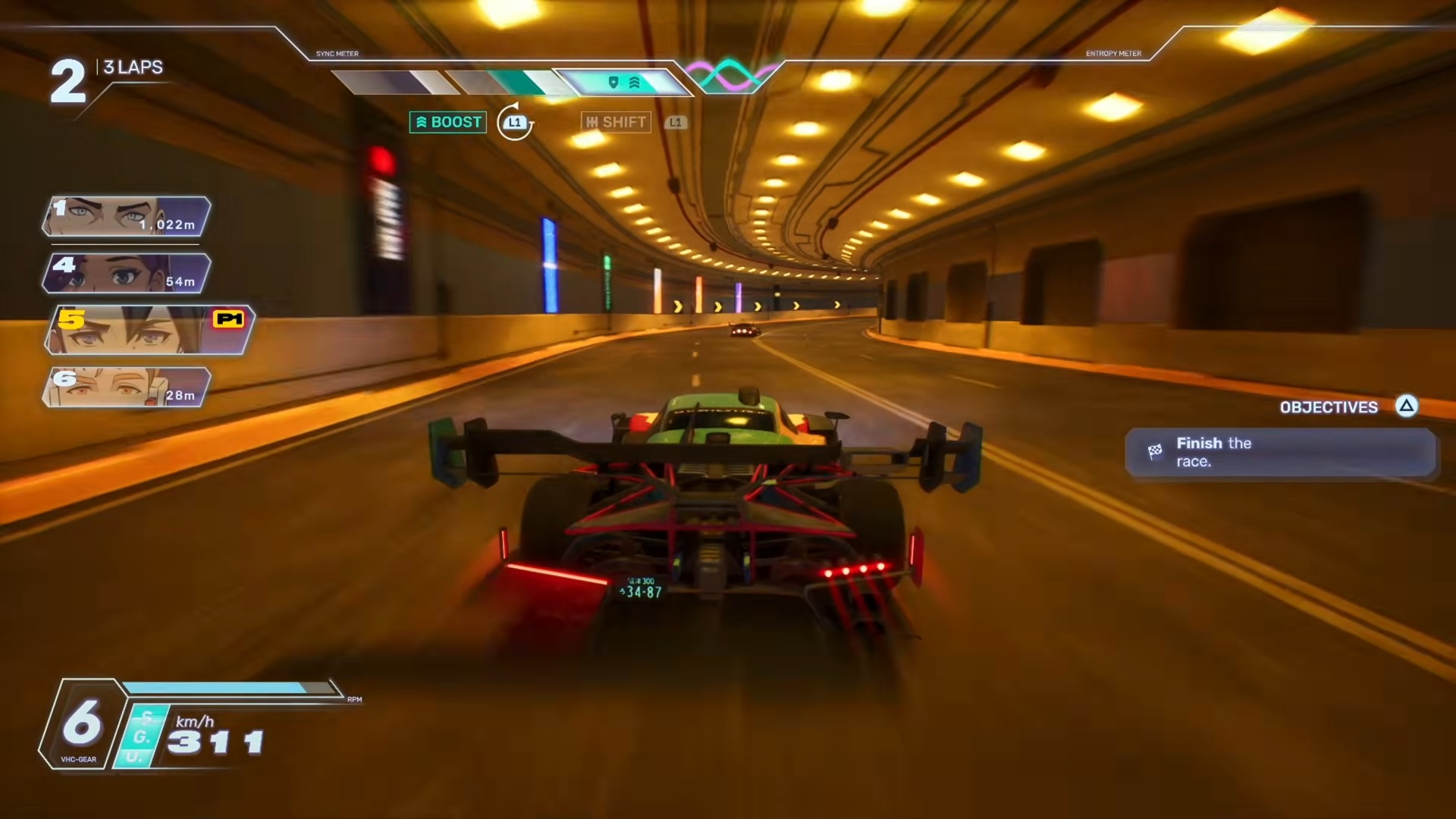
Where Screamer truly begins to differentiate itself is in the gameplay. This isn't a game where you win solely through perfect control and ideal lines. Here, aggression plays a role just as important as skill.
The core system introduces mechanics that allow you to accelerate suddenly, attack opponents, or defend yourself at critical moments. This balance between offense and defence transforms every race into a constant exchange of quick decisions. It's no longer enough to be the fastest; you also have to be the smartest in how you manage your resources.

As speed increases and chaos becomes ever more present, the game takes on an almost hypnotic rhythm. It's the kind of experience that keeps you on your toes, but which can also become overwhelming if you don't manage to adapt.
Rhythm, variety, and constant pressure
Another important aspect is the variety of game modes. Screamer isn't limited to classic races; it offers a series of challenges that constantly change the rules. There are moments when you need to accumulate points, and moments when you need to survive or perfect your line to the millisecond.
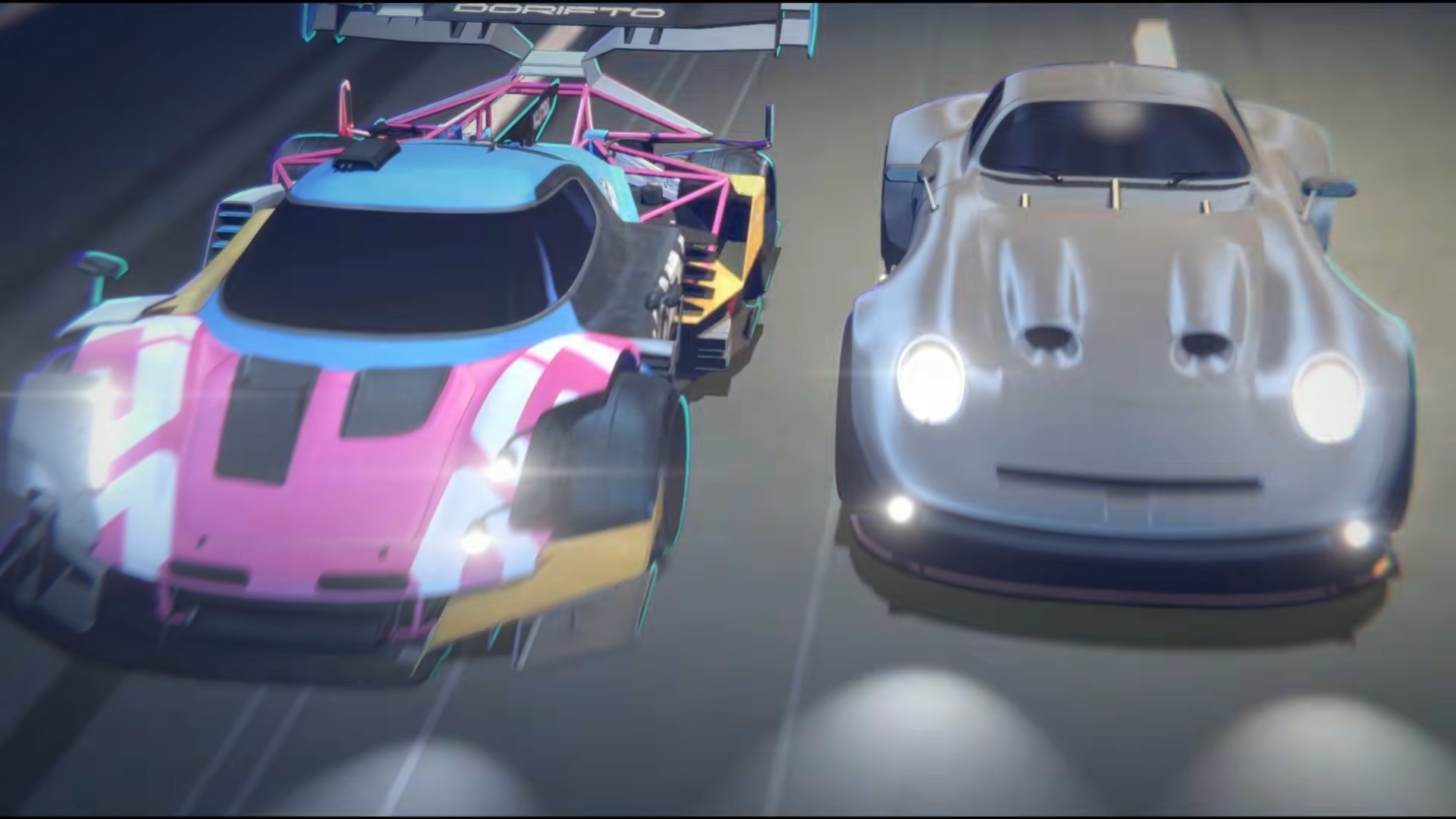
This diversity helps maintain interest and provides reasons to return, even after several hours of play. Moreover, the multiplayer component adds an extra layer of unpredictability, as confrontations with other players are always more intense than those with the AI.
However, this variety also comes with a small risk. At certain moments, the accelerated pace and multitude of mechanics can make the experience feel cluttered, especially for players who prefer a simpler, more direct style.
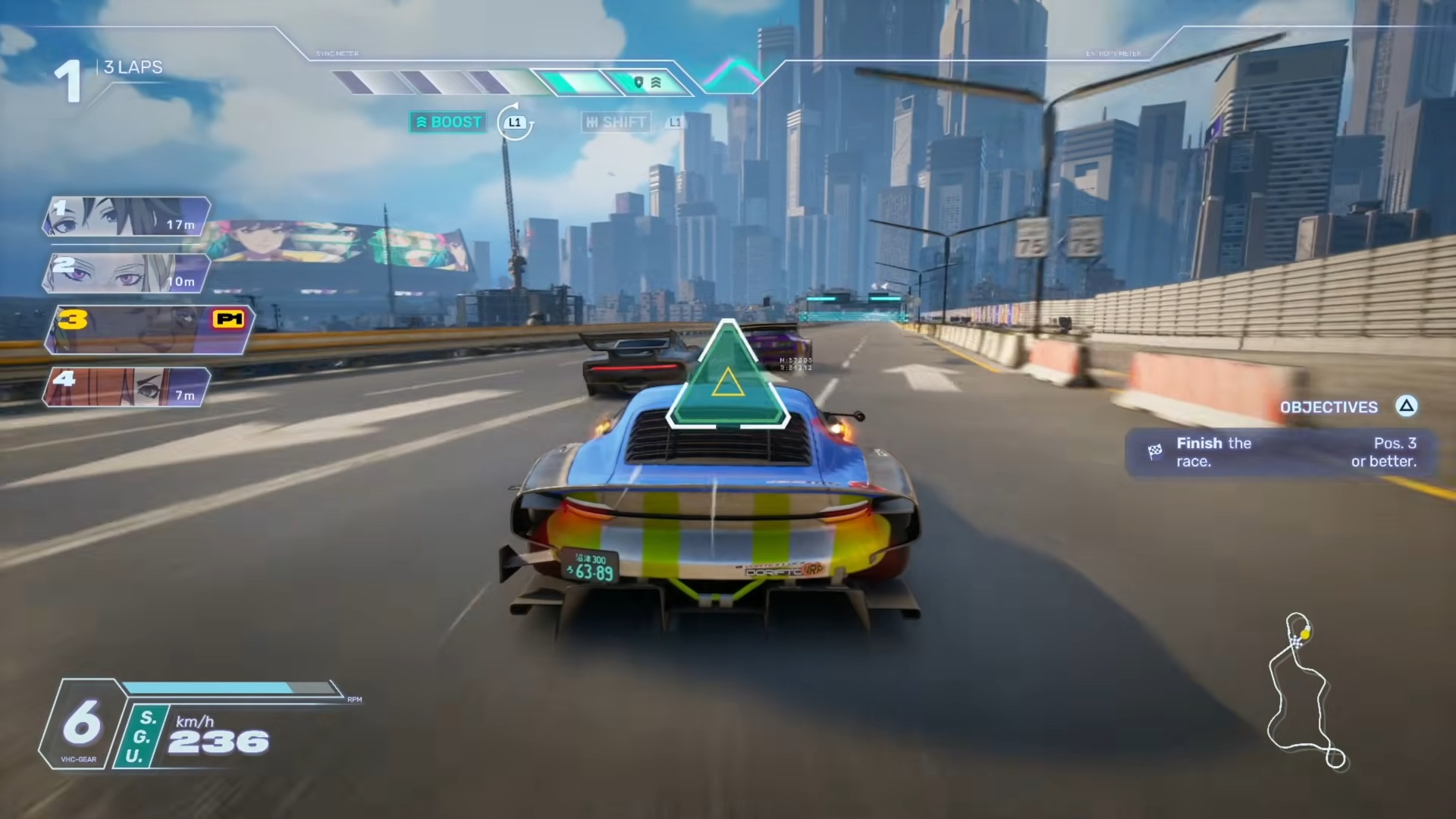
Neon, anime, and strong visual identity
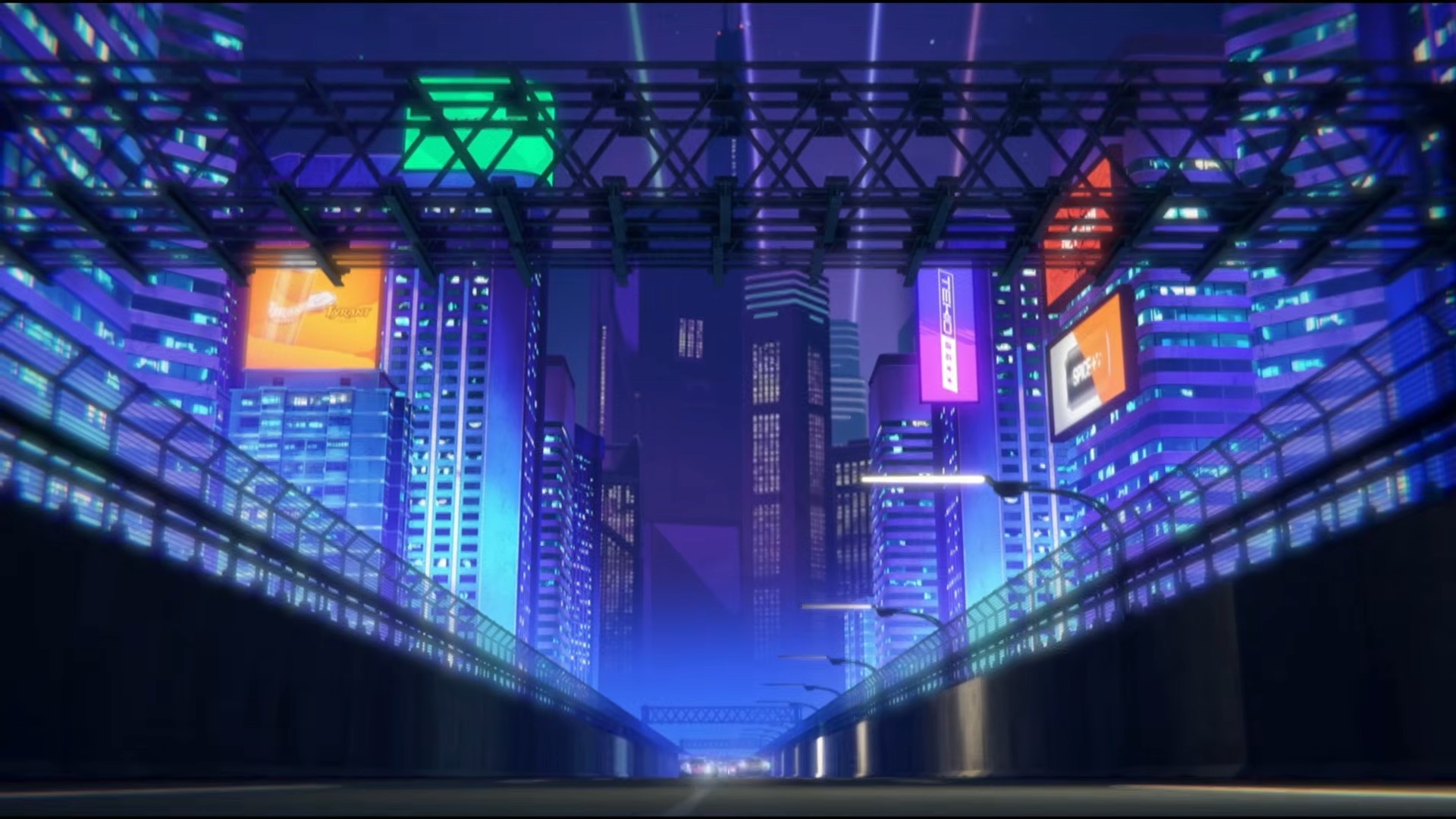
Artistically, Screamer is impossible to ignore. The game adopts a style inspired by '90s anime, combined with a futuristic design full of neon colours and strong contrasts. The cities, tracks, and cars have their own personality, and each race feels like it's ripped from an animated episode.
This visual direction isn't just aesthetic; it actively contributes to the experience. Speed is amplified by dynamic visual effects, and the impact of collisions is accentuated by how they are presented. Everything is designed for spectacle, not realism.
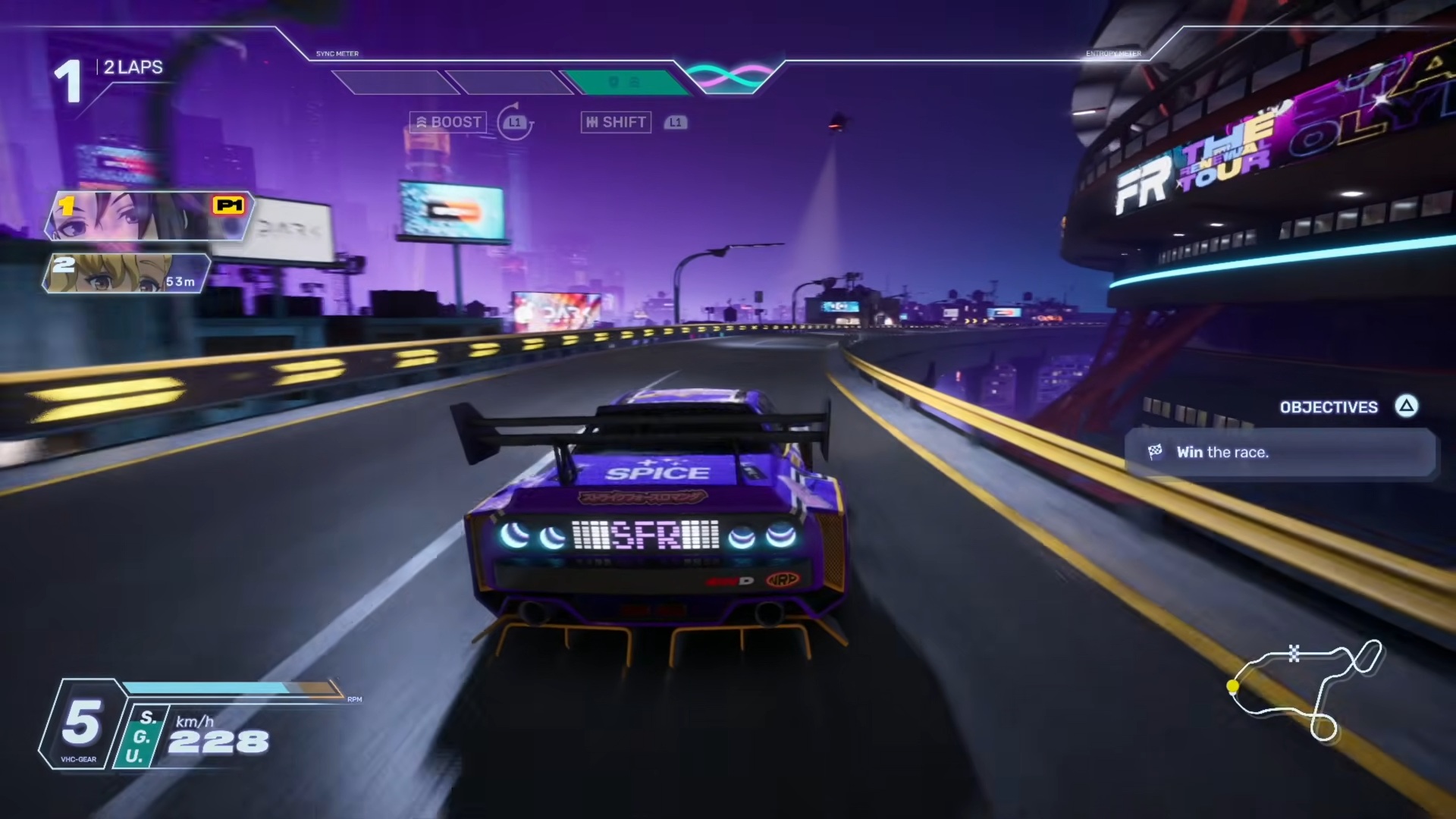
The result is a game that doesn't try to imitate reality, but to create its own world, where exaggeration is part of the charm.
Beneath the chaos, a layer of strategy
Although on the surface it seems like a pure arcade game, Screamer hides a dose of strategy. Choosing your team or vehicle influences how you approach races, and different playstyles can make the difference in tight competitions.
Managing the moments when you accelerate, attack, or defend becomes essential, and split-second decisions can completely change the outcome of a race. It's a system that rewards reflexes, but also anticipation.
In certain situations, the feeling of chaos can dominate too much, reducing the player's perceived control and transforming some moments into experiences that are more reactive than strategic.
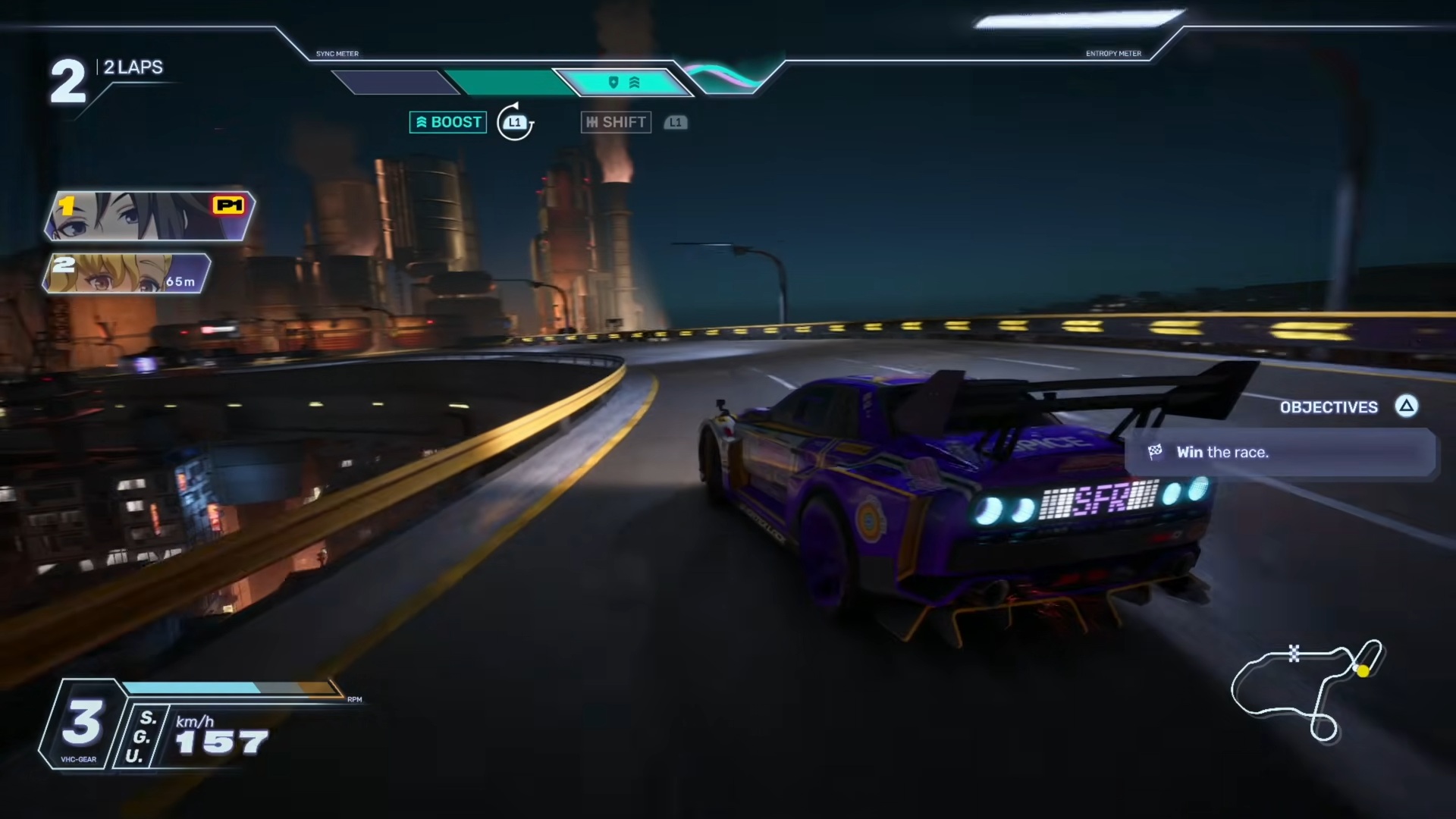
It's not a perfect title. It has moments where it becomes too cluttered, and its style might be hard to digest for those accustomed to more traditional experiences. But it is, without a doubt, a game that stands out and has a chance to create its own community of fans.
For those looking for something different, intense, and stylised, Screamer might be exactly the kind of experience worth trying.
Thanks to CD Media SE for the review code!

Available on: PC (Steam, Epic Games), PlayStation 5, Xbox Series X/S
Played on: PlayStation 5
Release date: 26 March 2026
Developer: Milestone S.r.l.
Publisher: Milestone S.r.l.
Plus
- Original combination of racing and combat
- Distinctive and memorable anime visual style
- Variety of modes that keep the experience fresh
- Multiplayer adds intensity and replay value
Minus
- Chaos can become overwhelming at times
- Some mechanics may seem too cluttered or unclear
0 votes
Scroll down here and stay on the page for at least 30 seconds to vote.
Pick a score from 0 to 10 (halves are allowed).