
Silent Hill: Townfall – Review

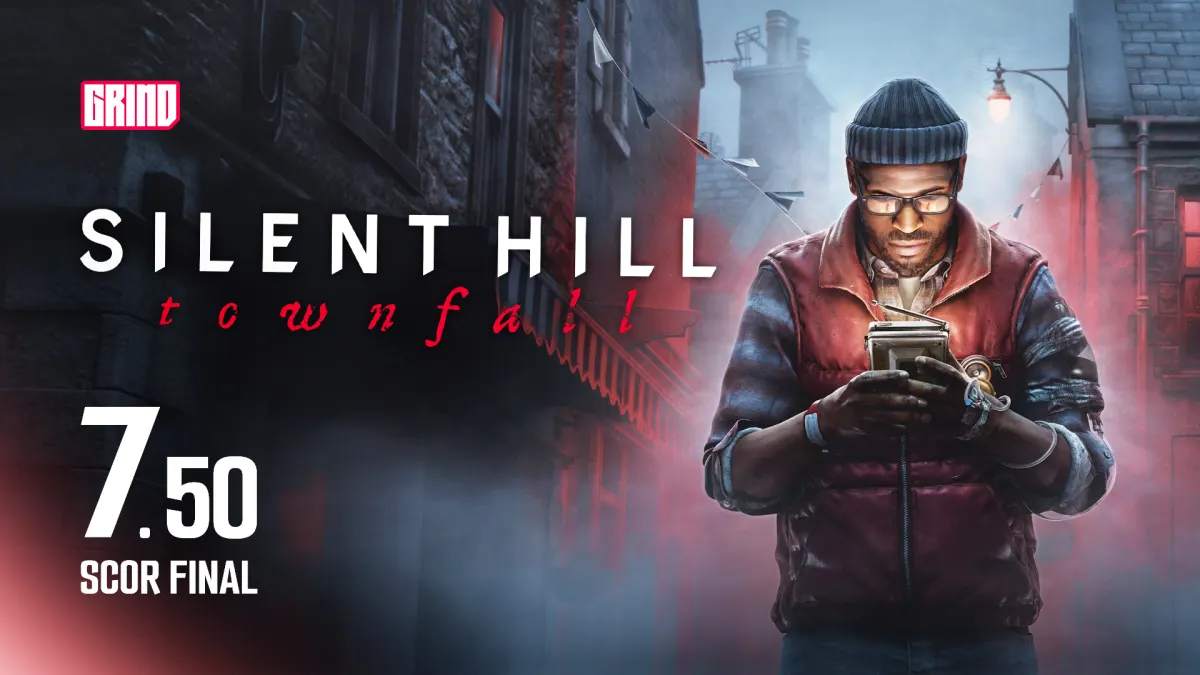
The same Silent Hill, without Silent Hill…
I don't think I've ever thought, processed and then said or written the sentence, “I wish this game were a walking simulator.” I'm probably the first in my entire bloodline to say such a thing, and of all the games I could say it about, I'm saying it about a Silent Hill. But Townfall is one of those experiences where the atmosphere, story, setting and sound are so far above the actual “game” part that at some point I started to wonder whether all the mechanics bolted on in the name of survival horror weren't dragging down the very thing Screen Burn does best.
After “The Short Message”, then “Silent Hill f” last year, and now “Townfall”, it's fairly obvious that we've entered a new experimental era for the franchise. Silent Hill has started to outgrow even its own material. We usually reach for the phrase “shedding its skin” when a series tries to become something else, but here it feels like the same skin with something else entirely underneath. Silent Hill doesn't even have to be a place called Silent Hill any more. The series' producer, Motoi Okamoto, has talked about treating Silent Hill as a phenomenon or a state of mind rather than a physical town, and Townfall is probably the clearest example so far.
Change is good?
In Resident Evil, change is a bit easier to follow. The perspective shifts, the structure shifts, remakes turn up, the mechanics evolve, but at the centre there are still viruses, experiments, zombies, fungi and all manner of biological “gifts” that Umbrella and its successors keep handing us. Silent Hill works with far more abstract material: guilt, trauma, shame, loss, perception, punishment. Because of that, the franchise is free to leave the town that gives it its name without automatically losing its identity.
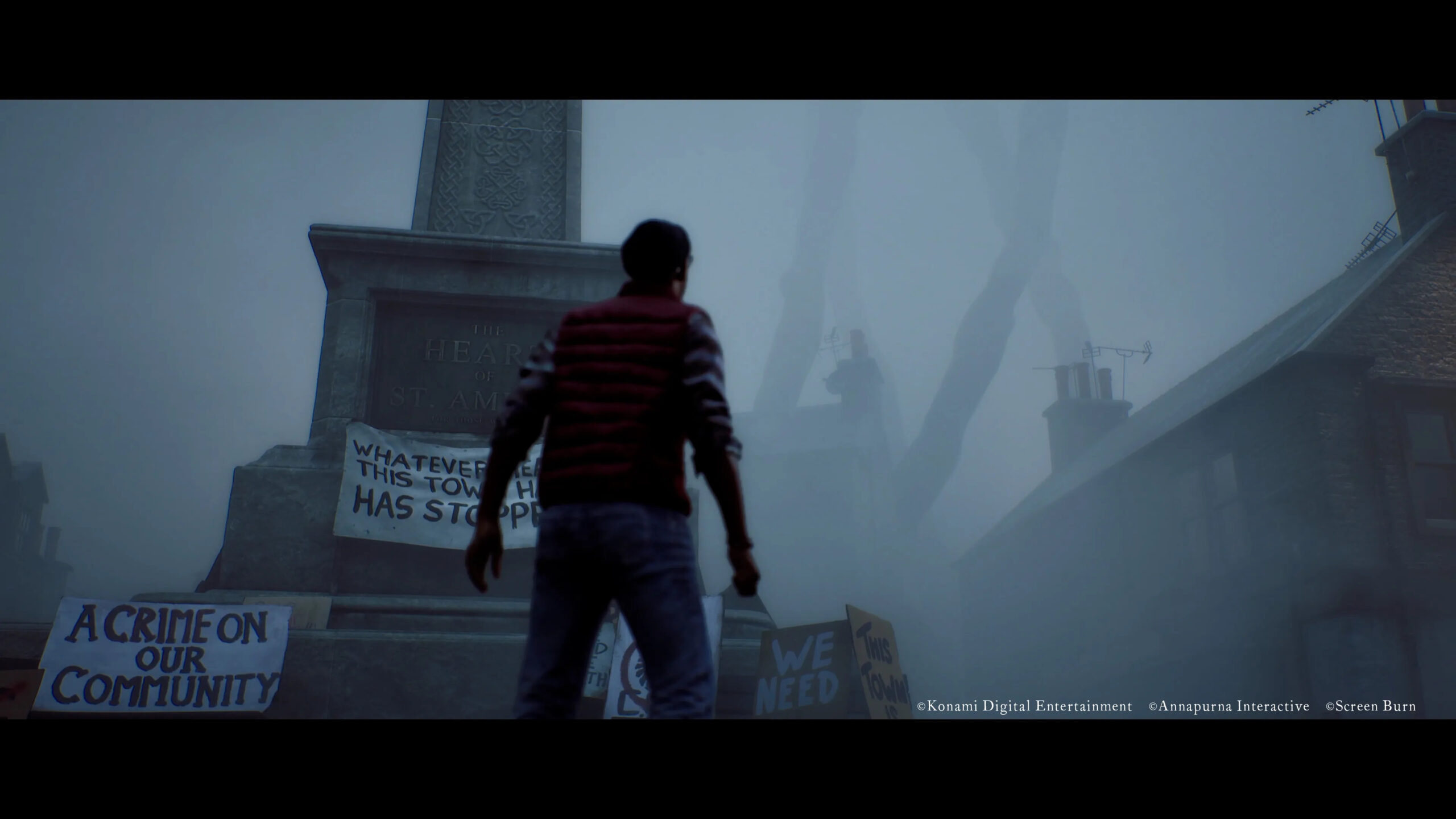
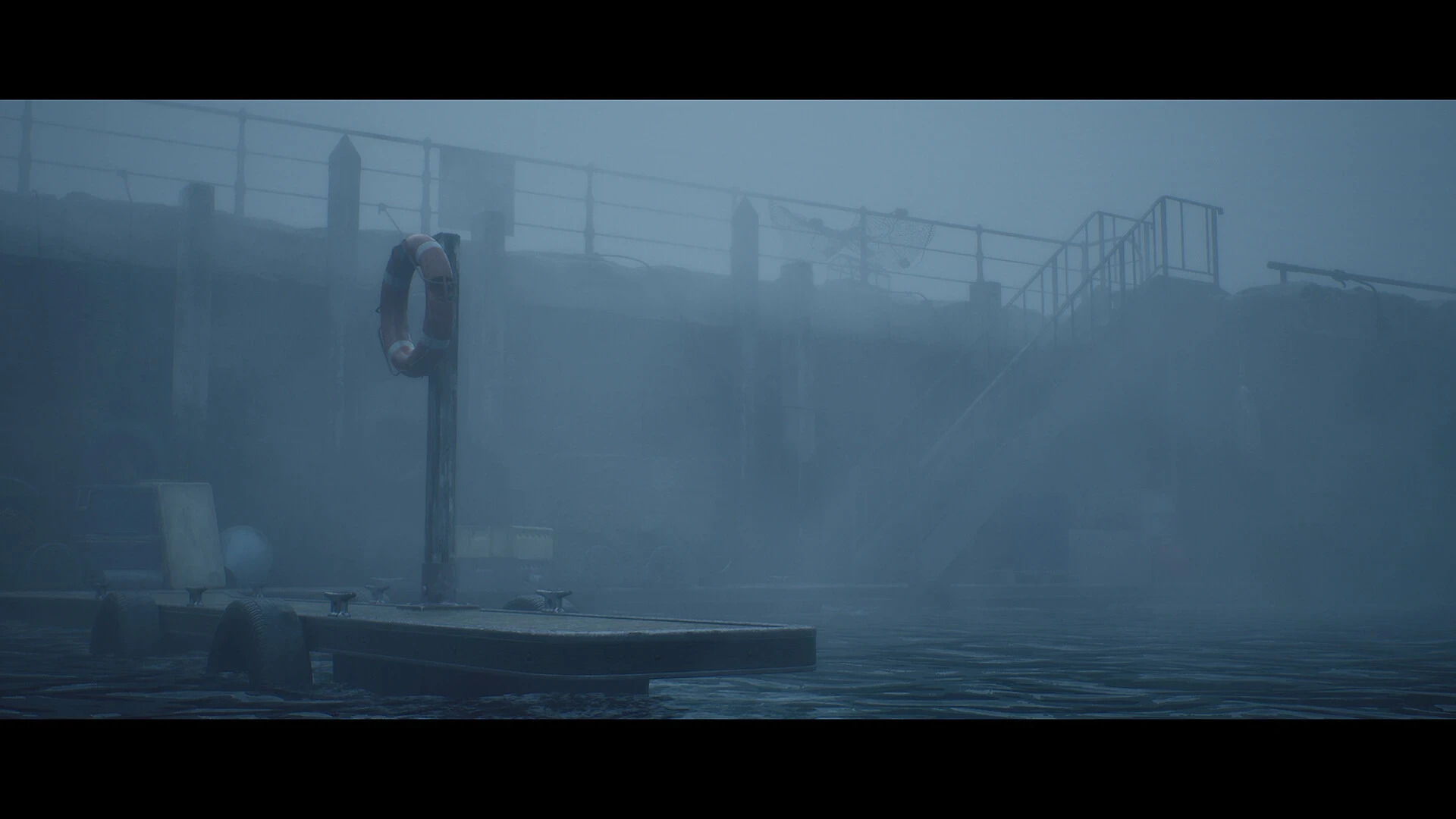
This time we land in St. Amelia, an isolated community on the Scottish coast, in 1996. The town is fictional, but Screen Burn, the Glasgow studio formerly known as No Code, built its world using St Monans and other villages in the East Neuk of Fife as reference points, after the team visited and photographed the area extensively. And it shows. St. Amelia doesn't look like a horror map someone has thrown a bit of fog over. It looks like a place that existed before you arrived and which, in a slightly luckier universe, would have carried on existing afterwards.
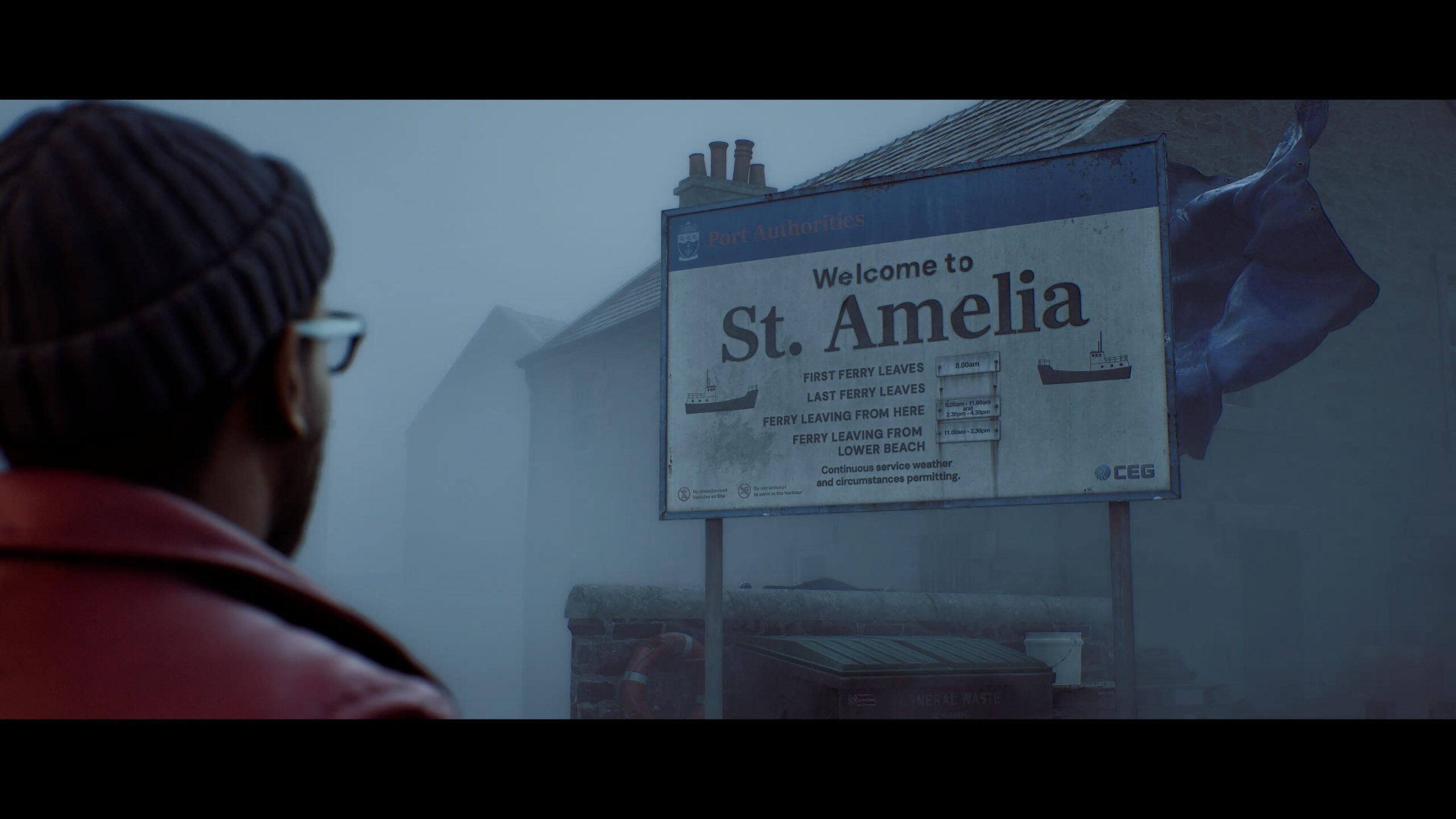
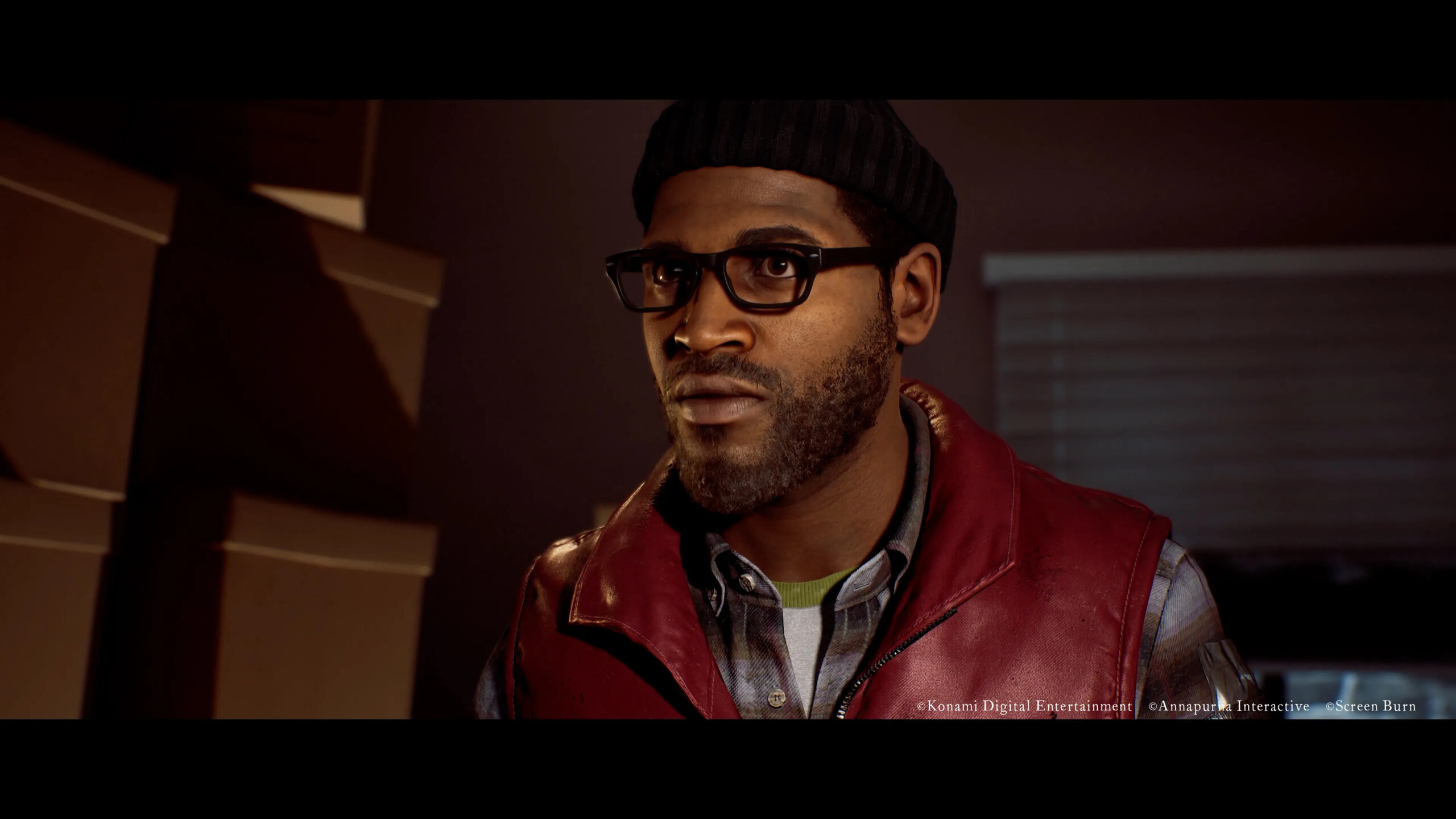
Simon Ordell is called back to St. Amelia and, very quickly, wakes up in the water without fully understanding how he got there or why. I don't want to say more. The story builds gradually, and not only through Simon, and one of its strengths is precisely that opening stretch where you don't know what's real and what isn't, who the people you see are, or how all the fragments fit together.
It's an ambitious story and I really like the way it's put together. Sometimes it's deliberately confusing, other times it throws clues at you before you have the context to read them, and the perspectives of several characters help enormously in piecing the full picture together. Unfortunately, I can't say it surprised me throughout. A few of the major revelations are fairly easy to guess long before the game decides to confirm them. It doesn't wreck the story, because the road there stays interesting, but it does chip away at the mystery.
1996 in 2026
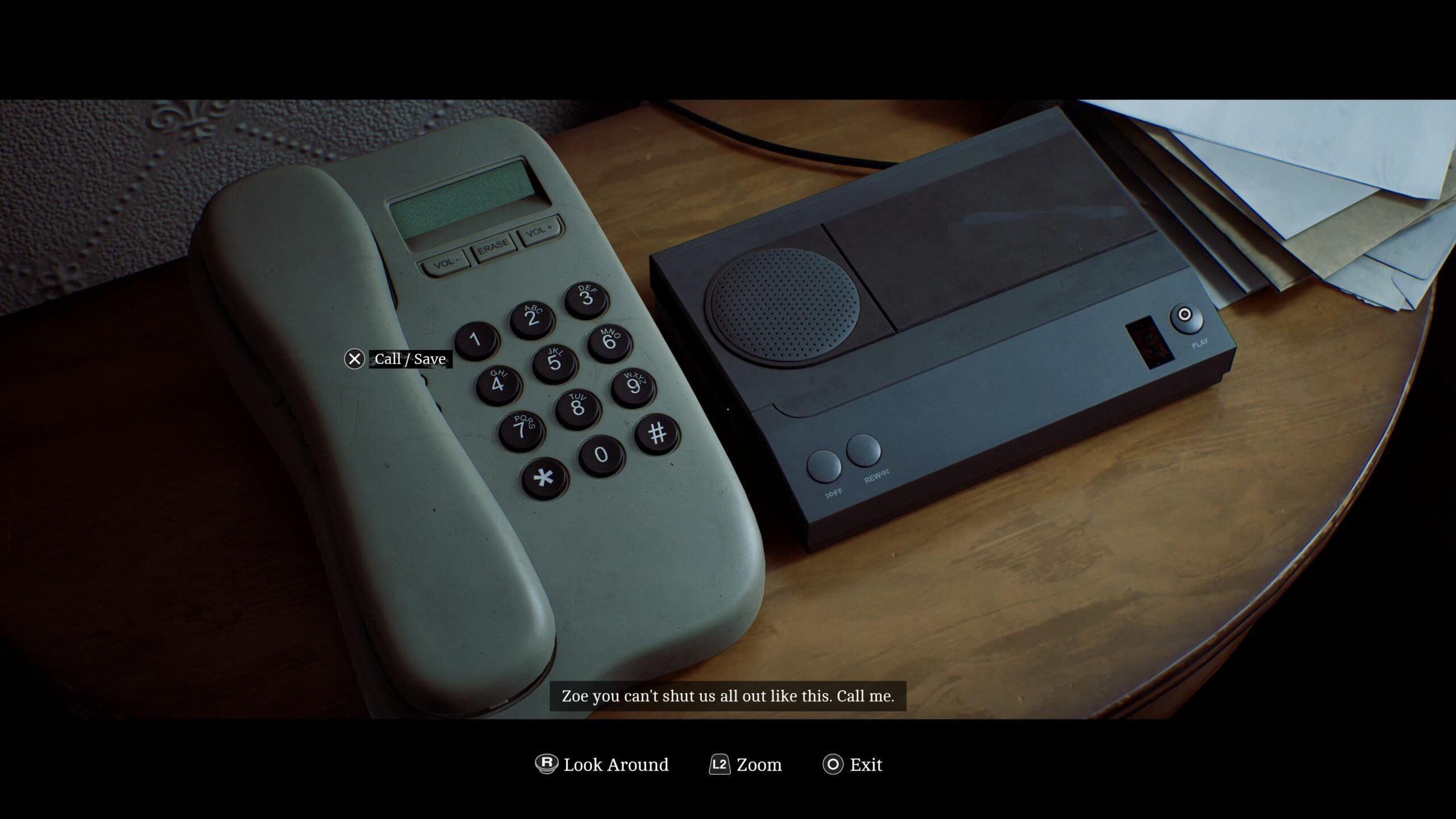
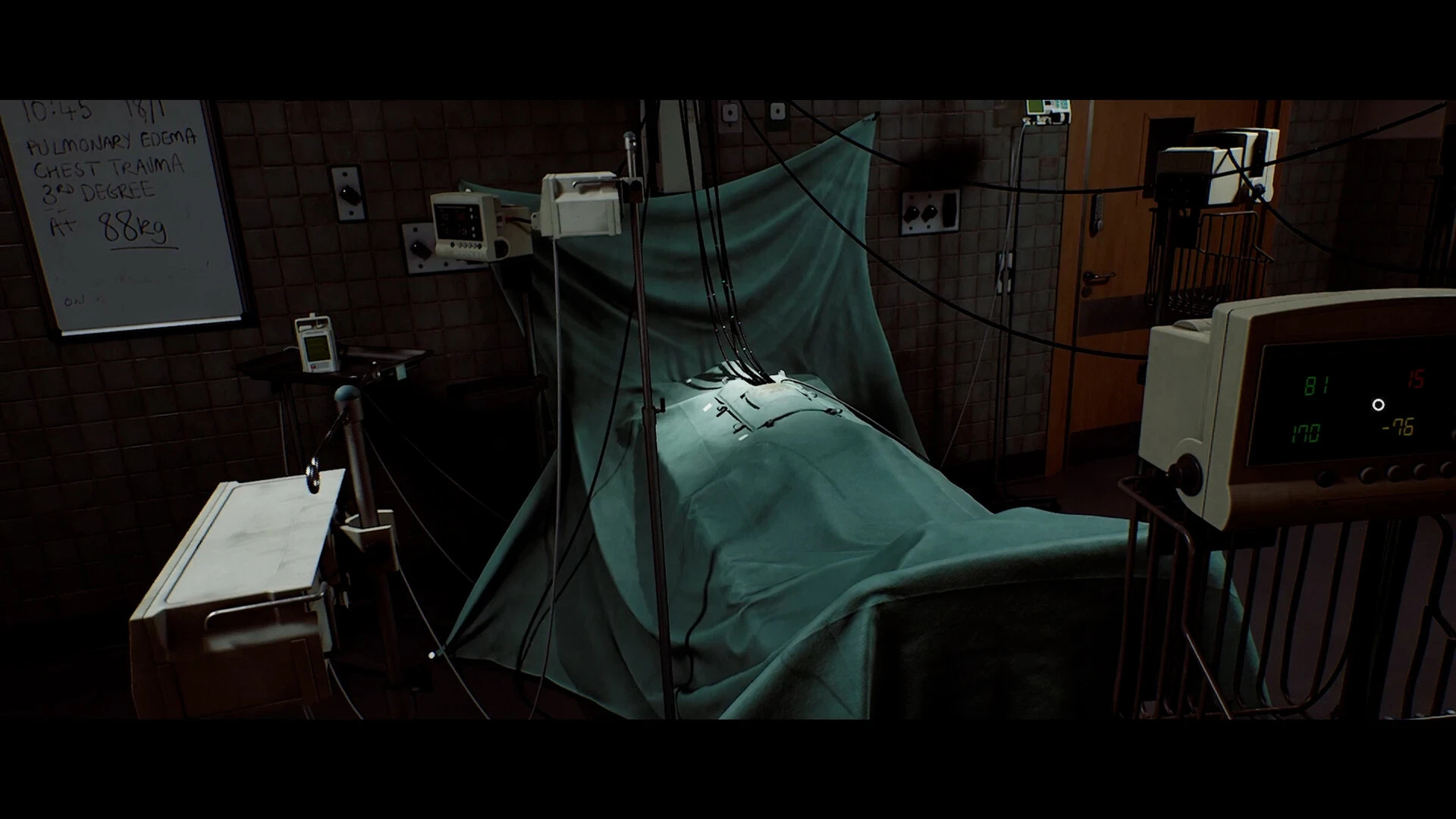
Visually, Townfall is impressive. Not just in graphical fidelity, but in its obsession with the objects of an era that for some players is already history and for others is childhood. CRT televisions, landlines, floppy disks, medical and electronic equipment, interfaces not designed by anyone who'd heard of UX, and all that brittle, often sadly coloured plastic of the ’90s. Screen Burn has an almost declared obsession with this stuff. When the studio changed its name from No Code to Screen Burn, the people there described themselves through analogue televisions, 3.5-inch floppy disks and nostalgic technology. Townfall feels like the natural result of that obsession.
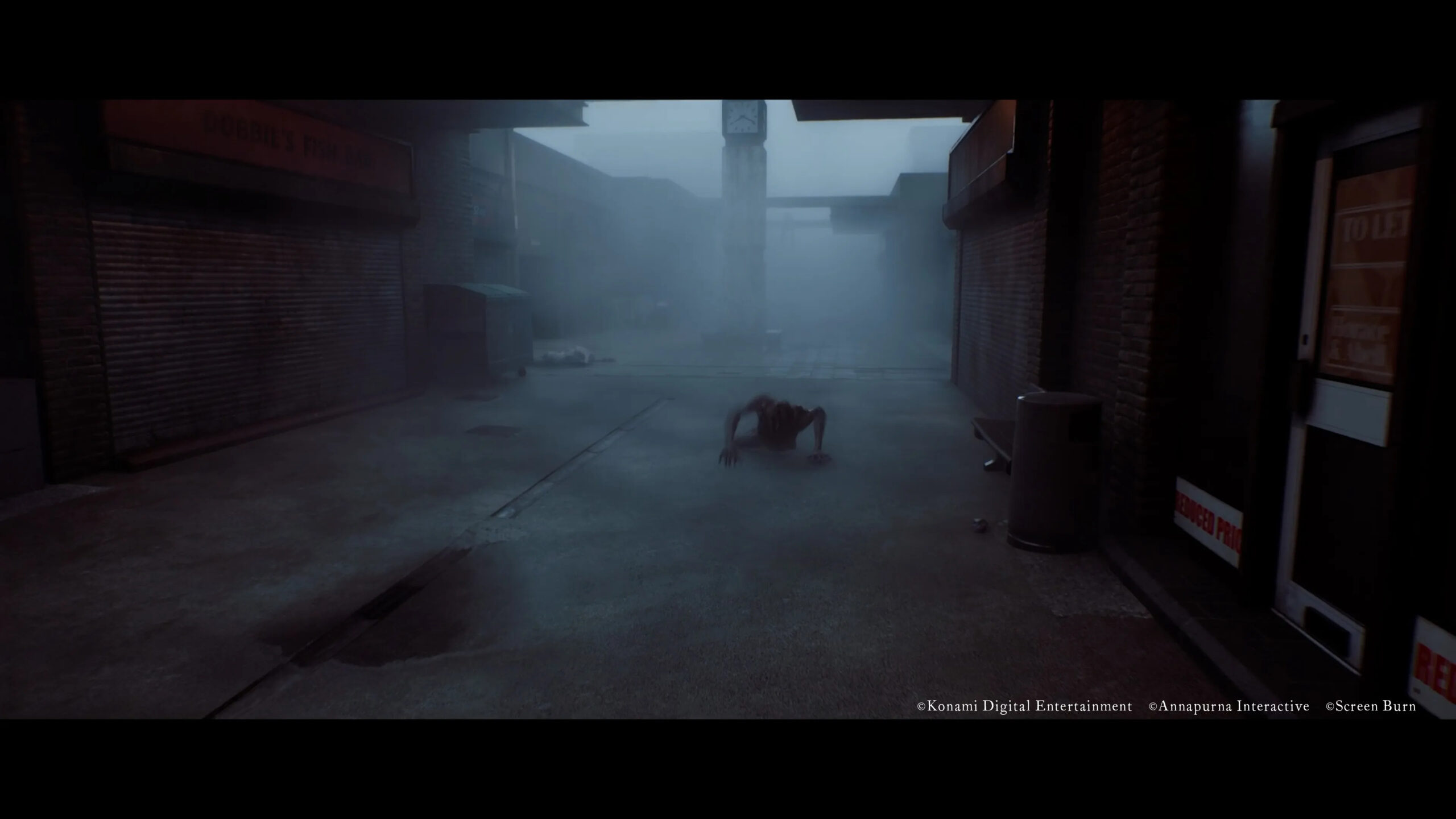
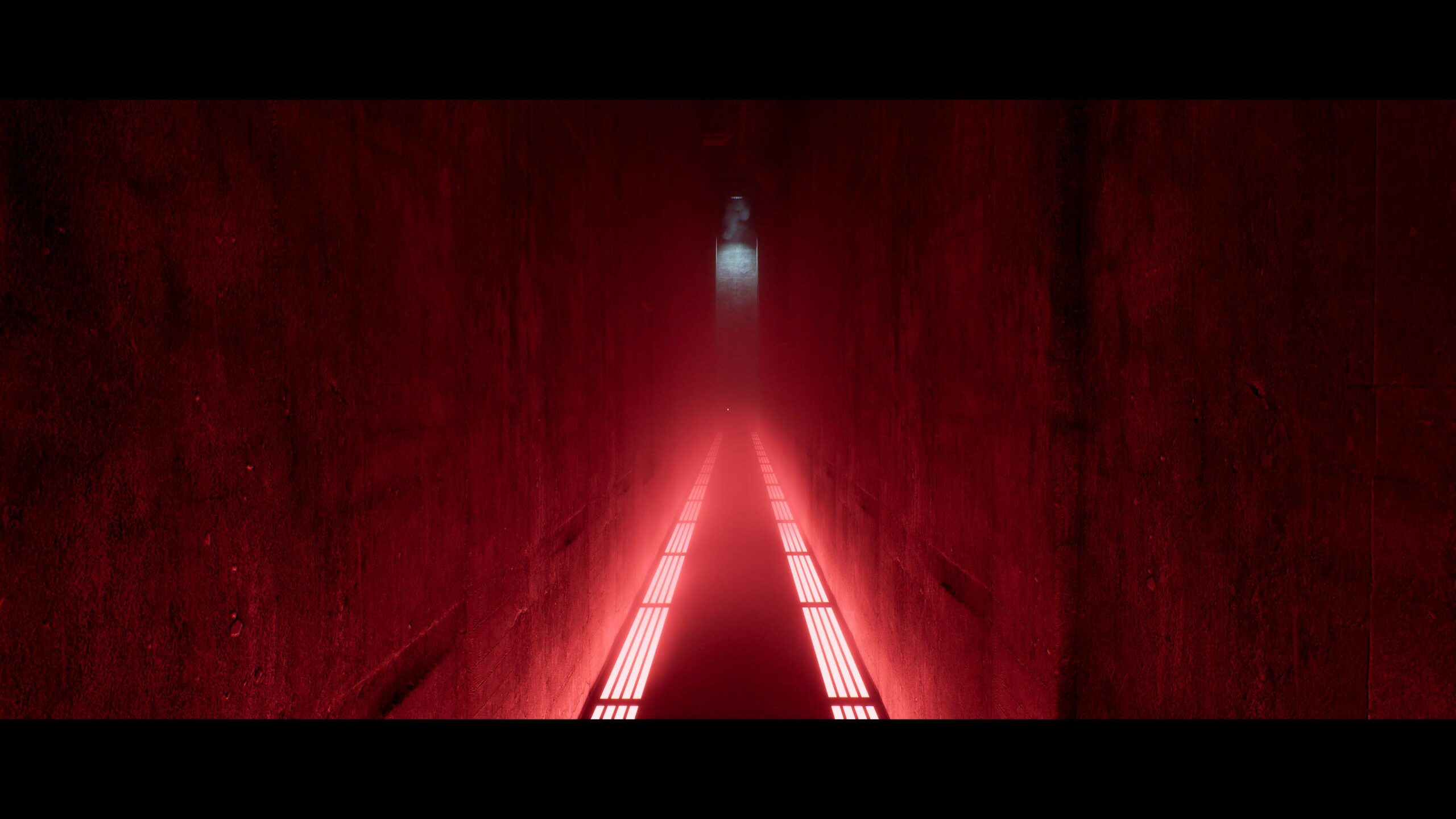
St. Amelia looks extraordinary in the fog. The houses, streets, shops, harbour and, of course, the various hubs you pass through have enough imperfections to feel real, and the shifts into the redder, more visually aggressive areas work precisely because they contrast with such a believable world. On PS5 Pro I ended up sticking with Performance mode. The game offers Quality at 30 fps and Performance at 60 fps, and the Pro uses PSSR for image reconstruction. Performance looked impeccable (for Unreal 5) and, more importantly, I never felt I was giving up enough visually to justify the alternative. Quality, meanwhile, is the sort of mode that reminds me why I still don't understand how some people can play comfortably at 30 fps. Here it wasn't even just the number. In my experience it stuttered enough that the “prettier” image wasn't worth the trade-off.
Here's where the trouble starts
And that brings me to the part that changed my impression of the game the most: the gameplay. Townfall has a fantastic atmosphere. It has an excellent town. It has mystery. It has the first-person perspective that makes spaces feel closer and more claustrophobic. It has puzzles that gradually become more interesting and elaborate. And then, on top of all that, it bolts on a combat system and a stealth system that seem to be in constant battle with the experience the rest of the game is trying to create. The combat is janky beyond belief.
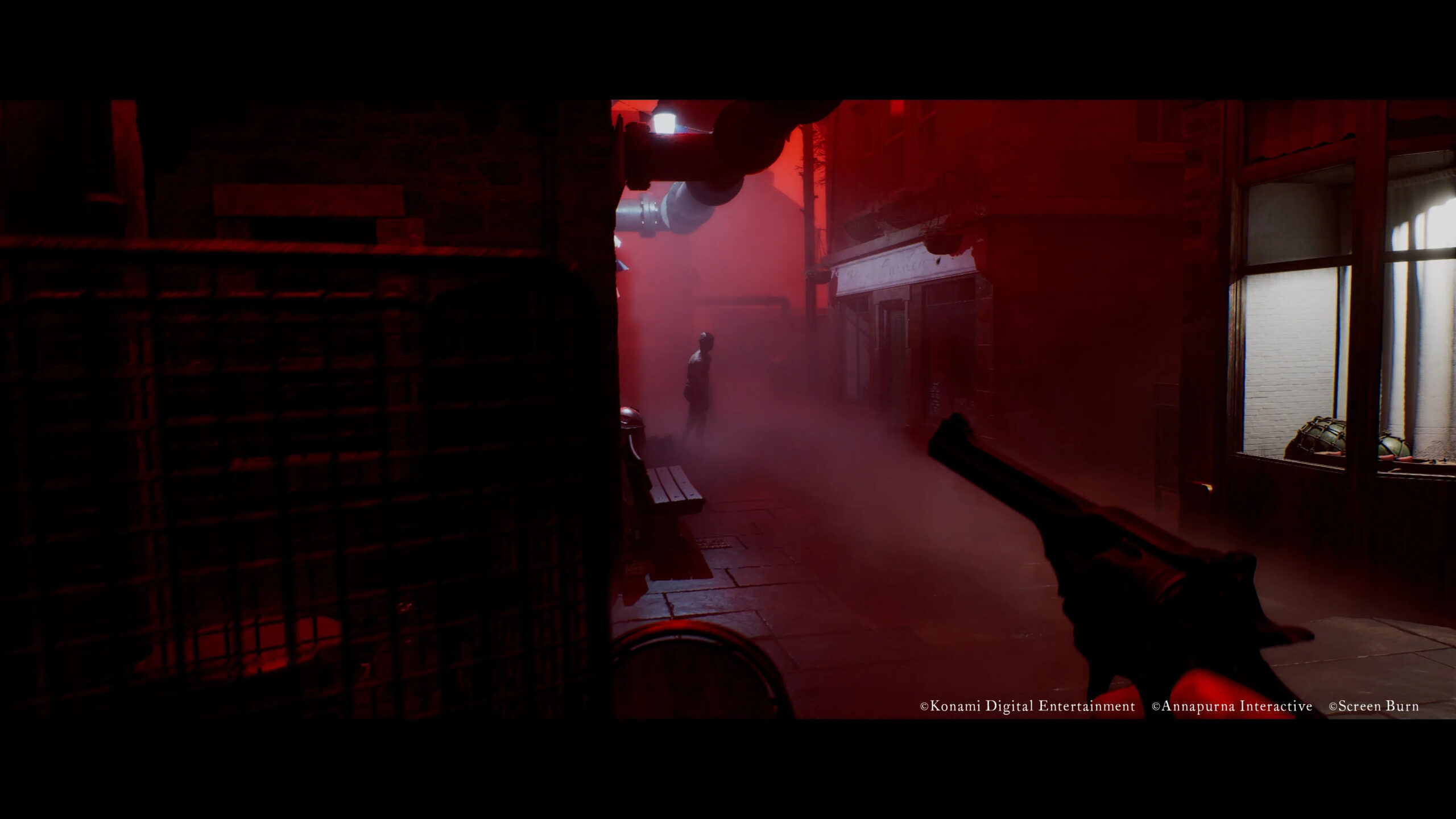
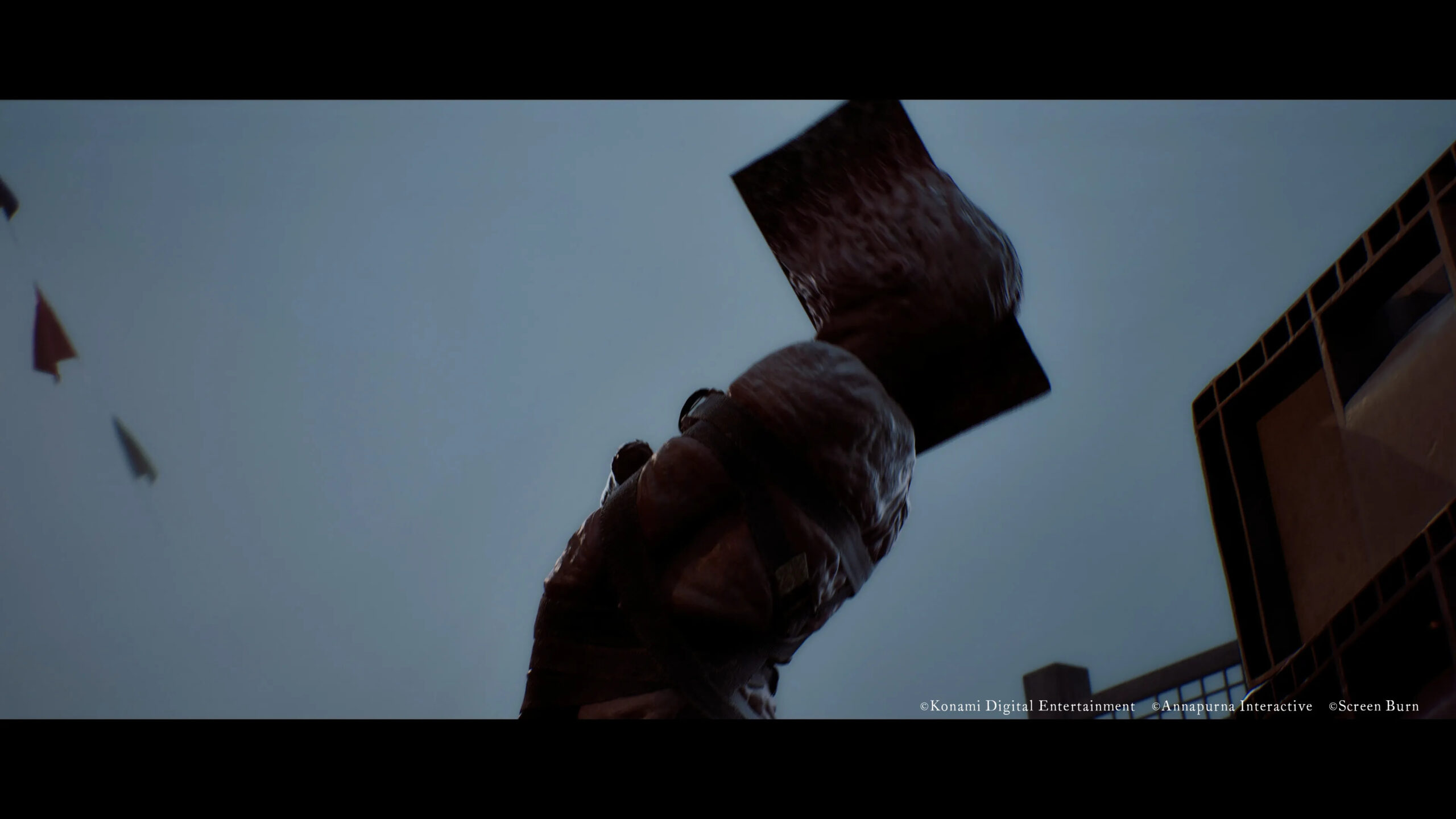
It's not a problem I'm willing to excuse with “that's how it should be, because the protagonist isn't a fighter.” Games released two decades ago showed how brutal, tough and effective melee combat can be without being bad. “Condemned: Criminal Origins” had people battering each other with pipes, planks and whatever else they could find in abandoned buildings, and the weight of those blows still works brilliantly. Townfall lacks exactly the impact, fluidity and variety such a system needs. The arsenal is limited, the melee is shallow, and fights rarely get more interesting simply because you're handed a different weapon. There are firearms, including a pistol, a shotgun and a flare gun, and ammo is deliberately scarce to push you towards avoidance. The trouble is that the main alternative is even less interesting.
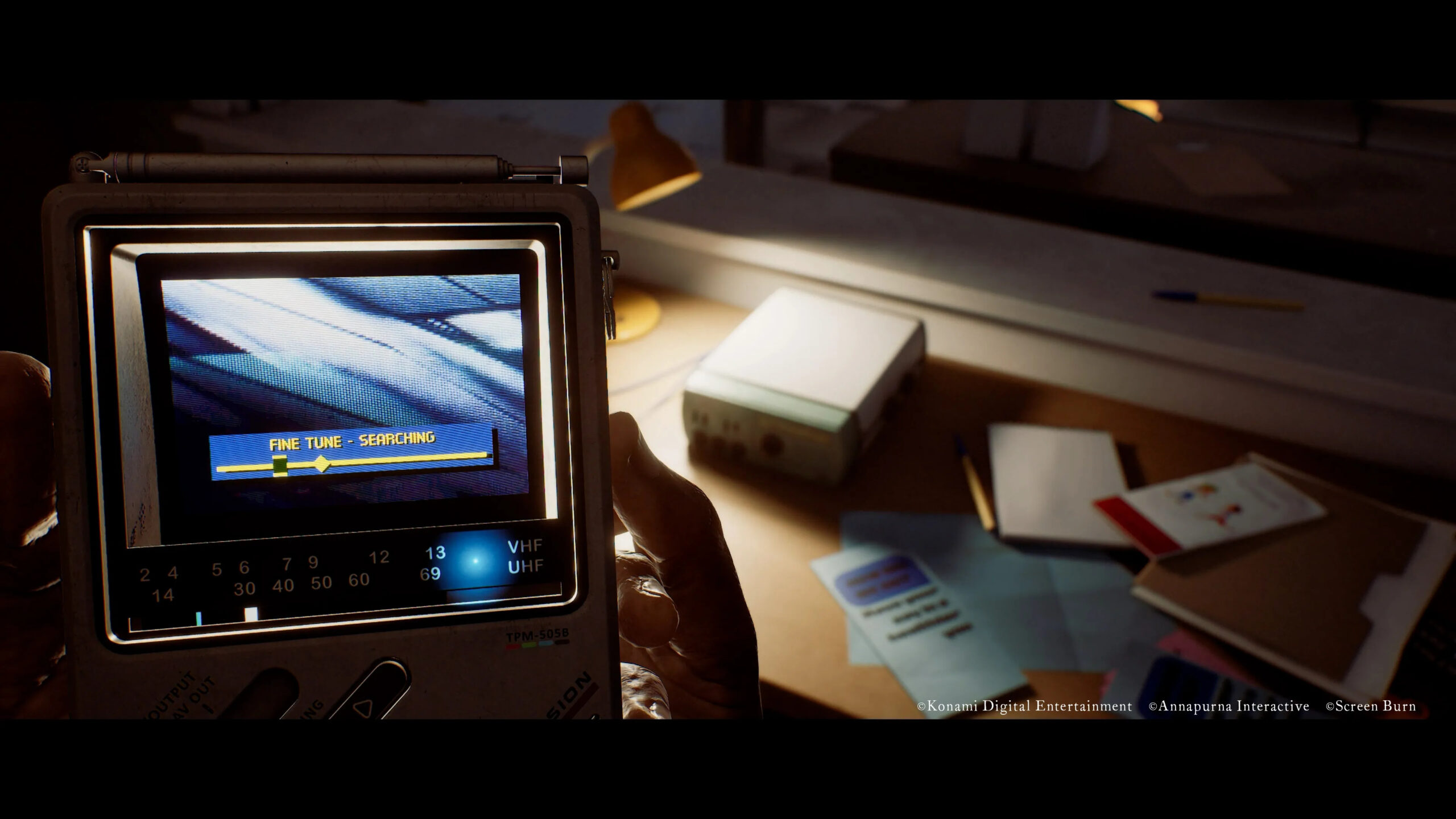
The stealth is the part that wore me out most. The CRTV is the game's central idea. It's a reinterpretation of Silent Hill's classic radio, in the form of a small portable television that you raise and tune to different frequencies to detect nearby creatures, even through obstacles. Each monster has its own frequency, so it isn't simply a universal radar. On paper it's a very good idea, and I completely understand why Screen Burn insisted on first-person; the developers themselves said the CRTV mechanic wouldn't have worked from any other perspective. But one good gimmick can't carry hours of stealth on its own.
Too many sequences boil down to working out where a monster is and then waiting. And waiting. And waiting. There isn't enough dynamism in those spaces, nor enough alternative solutions, for me to feel like I'm improvising. The game sometimes lets you create distractions with objects or devices in the environment, and you can block certain doors behind you, but far too often the solution is simply to stand still until the enemy wanders into the position the game wants. That's not what I look for in stealth. Good stealth is movement, observation, improvisation, alternative routes and risk-taking. Here it too often turns into passive patience. Even more frustrating, somewhere around the halfway mark, just as the puzzles get more interesting and Townfall seems to have found its rhythm, the enemy count goes up. Their variety isn't wide enough to justify the numbers, and instead of feeling more threatened I simply got irritated.
Modern horror hasn't understood a thing
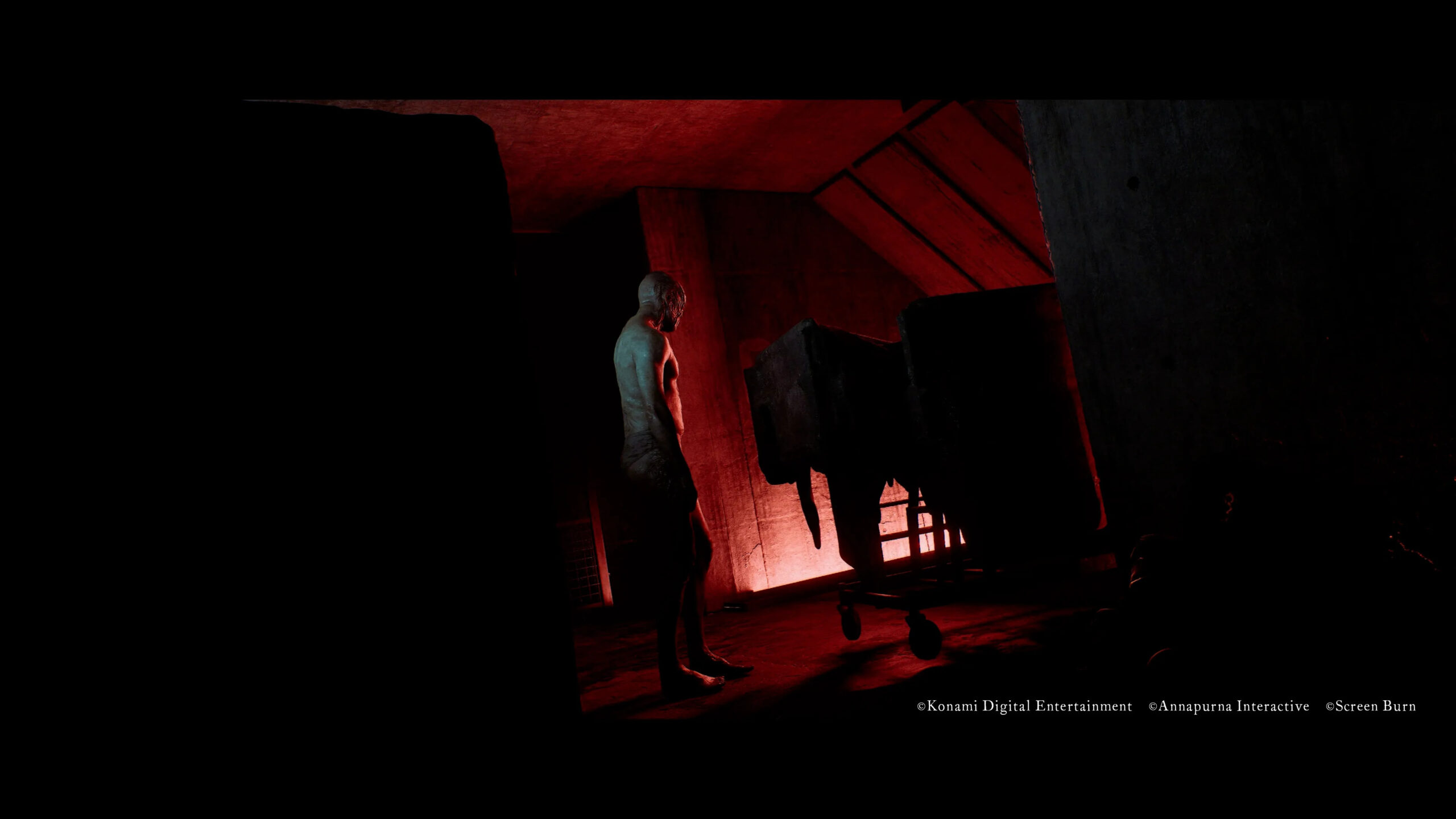
Here I stray a little into my bigger beef with modern horror. I get the impression that, after “Alien: Isolation”, part of the industry decided horror necessarily means having something patrolling around you at all times. Hide under a table. Wait. Check whether it's gone. Wait a bit longer, just to be safe. Cross the room. Come back later through the same room and repeat. That can be horror. Obviously it can; “Alien: Isolation” proved it beautifully. But horror isn't only the pressure of the monster physically being there. Horror can be anticipation. It can be the certainty that something is wrong without seeing anything in particular. It can be an empty room where absolutely nothing happens, which is exactly why it feels “off”. Townfall knows how to do all of this very well and then, every so often, seems not to trust it enough. It throws the monster at me. It makes me walk past it. Then it sends me back through the same area and I have to walk past it again. Or seven times.
Backtracking is normal in survival horror and part of the genre's DNA. The problem is the quantity and what you're doing while you do it. “Silent Hill f” had its own version of the problem last year, not necessarily the same stretch of map crossed five times in a single run, but the need to replay huge chunks of the game for endings and extra content, on top of the many forced combat arenas. Townfall doesn't reach the same level of offence for me, but it leans on returning through enemy-filled spaces enough that the mystery is gradually replaced by a chore. Hence the absurd sentence I opened with: “I wish Silent Hill: Townfall were a walking simulator.” Or, more accurately, a premium experience built around exploration, story, puzzles and atmosphere. They could have shown me the creatures in cutscenes. They could have left them somewhere out in the fog. They could have let me know they exist and are hunting me without making me wait seven times for the same patrol. It could have been shorter. Much shorter, probably. But I think it would have been a lot sweeter, too.
Not everything sounds bad
Thankfully, there's one part of the game that almost single-handedly makes up for a good chunk of these frustrations: the sound. Akira Yamaoka isn't composing the music for Townfall and, perhaps surprisingly, I'm glad nobody is trying to imitate him to the point where the game sounds like a lost PS2-era “cover” album. The music is by Anthony Scott Burns, aka Pilotpriest, and his style suits the game perfectly. The soundtrack is dynamic and reacts to what you and the enemies do, but it can also be very restrained, letting the spaces speak for themselves. Then come all the little details: the sound of a floppy disk, a dial-up modem, a CRT powering on, a payphone. The fidelity of these things is fantastic, and it's no accident. Screen Burn has built almost its whole studio identity around a fascination with analogue technology and “retro” objects, and for the audio design it worked with Byron Bullock and the Arrival team; it's worth noting that Bullock had previously worked with Jon McKellan, including on “Alien: Isolation”.
The voice acting is very good, the spatial sound works superbly, and St. Amelia is often more threatening with your eyes closed than open. And it's here that I see most clearly what Konami is trying to do with the series now: turn Silent Hill into a kind of anthology in which different studios can keep the same fundamental themes but build their own world, their own visual language and, as in this case, their own sound.
The weight of a name
“Silent Hill: Townfall” is perhaps one of the most frustrating kinds of game: one where I love almost everything surrounding the player and rather less of what the game actually asks them to do. St. Amelia is an excellent setting, the story has enough mystery and ambition to keep me hooked, the visuals are superb, and the audio has enough personality that Townfall never feels, even for a second, like a Silent Hill assembled from the leftovers of the others. That's exactly why the rigid combat and overly passive stealth bother me so much. They aren't flaws out on the periphery. They're mechanics the game insists you use.
And yet, I'd rather have a Silent Hill that tries things like this than one that spends the next ten years reproducing Silent Hill 2 in other forms. Townfall proves that the franchise can exist in Scotland, in first-person, in 1996, with a portable television instead of a radio and without Akira Yamaoka, and still carry the series' DNA. The odd thing is that, for me, it would have been an even better Silent Hill had it had the courage to be less of a game. And the fact that I, of all people, have ended up asking for a “Walking Simulator” probably says everything there is to say about how well what Townfall does right works, and how badly what it does wrong gets in my way.
Thanks to CD Media for the opportunity to play Silent Hill: Townfall.

Played on: PlayStation 5 Pro
Release date: 24 September 2026
Developer: Screen Burn
Publisher: KONAMI, Annapurna Interactive
Plus
- Excellent atmosphere and a very strong visual identity
- An ambitious story, cleverly built around mystery and multiple perspectives
- A superb atmosphere: snow-covered Steattle is memorable, and this is a Christmas game
- Excellent sound design and one of the best uses of retro technology in a horror game
Minus
- Stiff, shallow combat with no impact
- Stealth that is too static and repetitive, relying far too heavily on waiting around
- Backtracking and enemy density that end up diluting the tension and the mystery
0 votes
Scroll down here and stay on the page for at least 30 seconds to vote.
Pick a score from 0 to 10 (halves are allowed).