
The Last Faith – Review
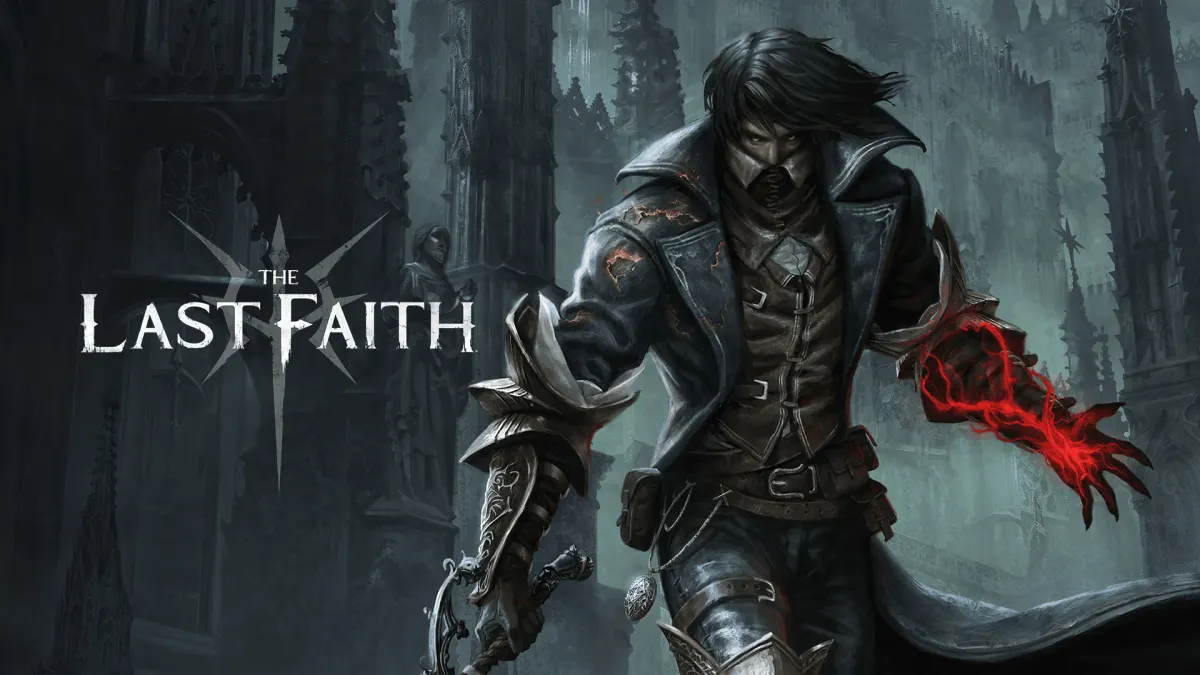
Hey! This game looks like Bloodborne, but in pixel-art Metroidvania style
I intentionally used the word “looks like” because I still haven't gotten my hands on Bloodborne – I’m one of those madmen who still hopes it’ll come to PC at some point. So you can imagine how excited I was when I had the chance to play something similar in aesthetics and gameplay type, but with Metroidvania-style progression. I owe thanks to the folks at Kumi Souls, who provided us with a copy of their first game that made waves about a year ago, back in November. And I was dead set on releasing this article exactly on 15 November, marking one year since its initial launch. Were the critics right to praise it so much back then? Did they make things sound better than they really are? It’s time for us to scrutinise it and see what’s what.
What will you become here, Eryk?
Our protagonist, Eryk, is presented in chains for unknown reasons at the start of the game. But he is mysteriously freed to set the events of The Last Faith in motion. Confused and bewildered, he wanders and defeats enemies until he reaches Oxnevylle Manor – here he meets Lady Helenya, the current leader of the Oxnevylle family and the person who helps him grow stronger and discover his latent potential using Nycrux – a mysterious energy, but also the currency for buying various things in the game. This manor acts as a hub similar to those used in the Dark Souls series – you’ll meet NPCs, guide others you encounter in the game world back here for shelter and protection, take on quests offered by them, learn more about the game world, buy useful items, or upgrade your arsenal. From a writing perspective, the characters have distinct personalities, unique stories, and experiences, and their dialogue is very well thought out in terms of phrase cadence to make it easy to follow – not to mention they are all voice-acted, but we’ll talk about that later. What is certain is that these characters do a wonderful job of painting a strange world and a desperate atmosphere in which their dying universe finds itself. It evokes a sense of insecurity, unease, and not a shred of hope can be seen on the horizon.
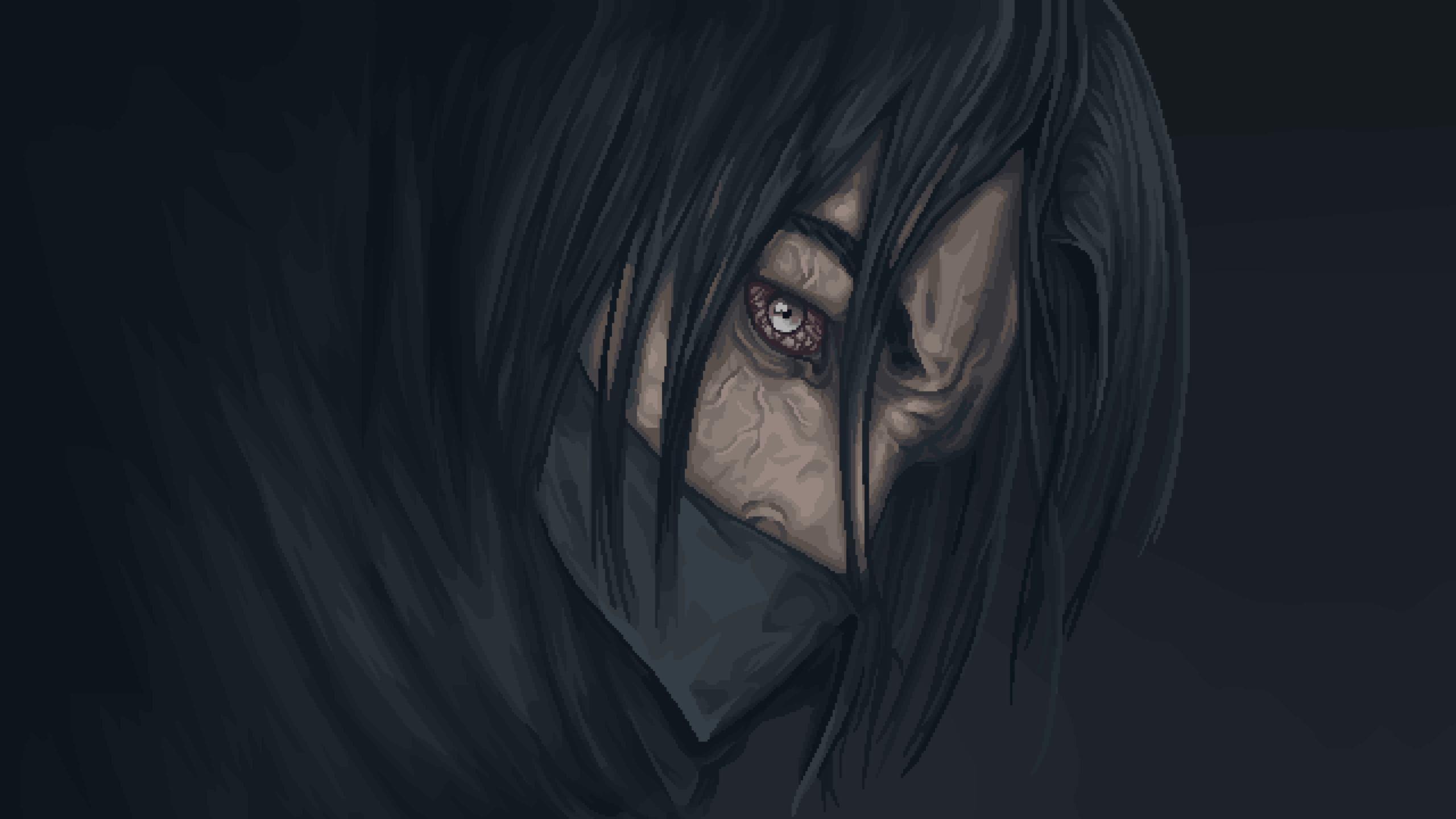
I like how the game uses two complementary narrative aspects to tell the story, introducing a series of characters who will give you concrete details, but also using item descriptions and notes that allow you to speculate, come up with your own theories, and draw conclusions on your own. I’ve looked a bit at discussions in the game’s community and how people feel that characters speak in riddles and with hidden meanings – for some, it felt like a clear lack of instructions, but to me, it seemed appropriate for the universe and world it tries to create. I saw it as a way to introduce the player to a world where nothing can be believed at first glance – there’s always a hidden meaning behind what’s expressed, and your job is to figure out what it is. Even Eryk’s escape, which seems more like a convenient way to start the action, has a deeper meaning if you put all the details together.
The environment itself tells a story based on secrets, conspiracies, and mysteries, with all sorts of hidden paths, false walls, or even enemies that transform and reveal their true colours. Not to mention that even the run-of-the-mill enemies have lines that denote their thoughts and states, along with the desperate situation the world is in. If you like searching for hidden meanings behind messages as much as I do, you’ll enjoy exploring and understanding the story behind The Last Faith.
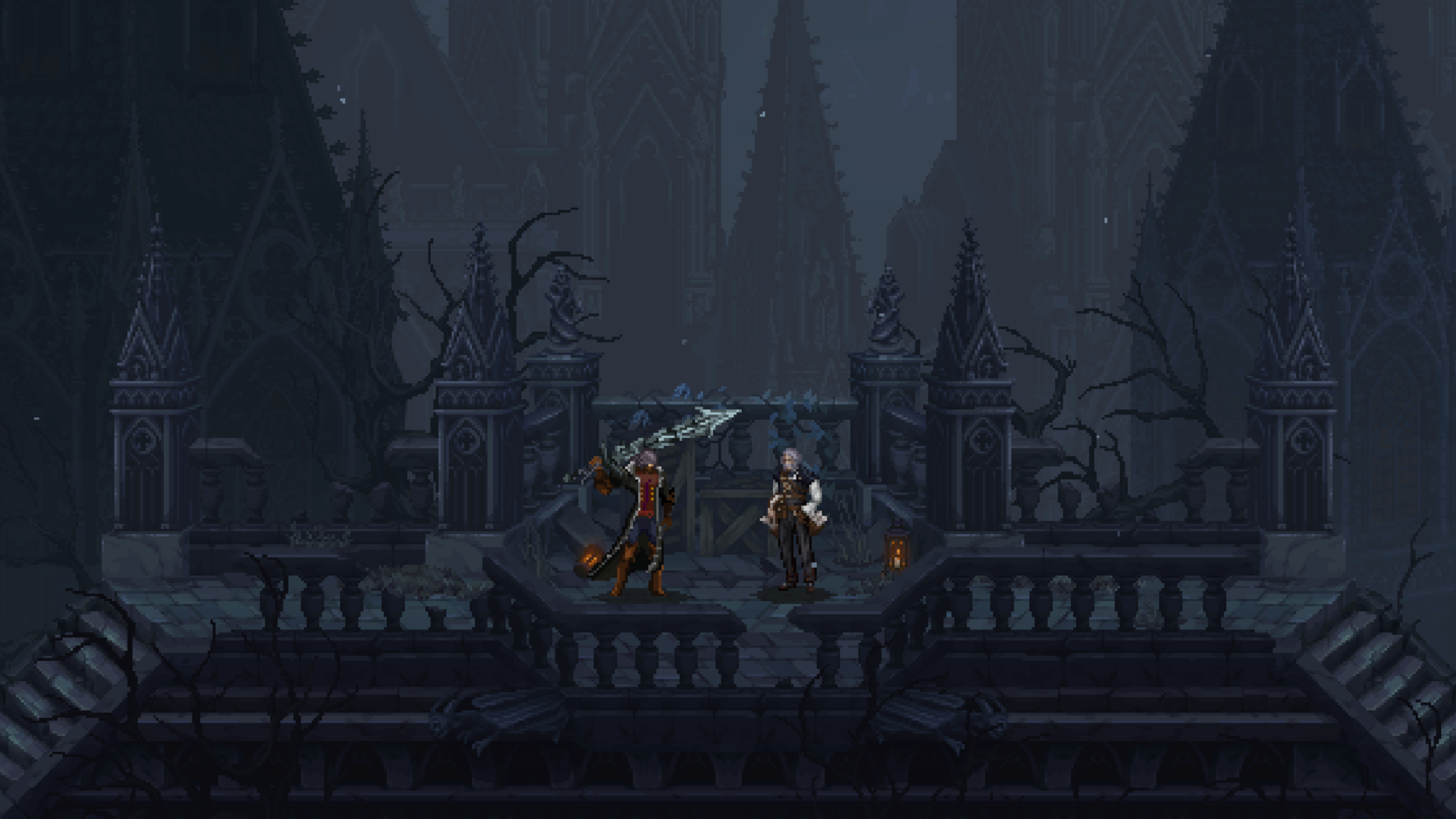
The bosses are commendable beyond their epic speeches and cinematic presentation scenes. Some of them try to convince us to abandon our “wrong” notions during battles, hoping we’ll switch sides. I could call boss fights a narrative experience in themselves and wouldn’t be wrong at all.
All that being said, some story details aren't sufficiently well-explained to help you understand the game's ending(s). Even though I admire how the characters speak in riddles and don't explain everything directly, they don't convey how urgent their missions might be or that you might fail if you don't progress in a specific order – I advise you to return to the hub frequently or talk to all NPCs with active quests when you discover new and mysterious items, so you don't miss different narrative threads or achievements.
If you’re a fan of games with multiple endings, The Last Faith has you covered with three different endings, depending on your decisions. What’s even cooler? You can see all three in a single playthrough if you execute the necessary steps in a specific order. If you’re like me and can’t go through a game again once you know the story, I encourage you to look online for how to get all three. One of these endings is labelled as “the true one,” which may or may not suggest a future game in the same universe. I’ll leave it to the theory-obsessed fanatics to speculate more on that. However, if you loved the game so much that you want to play it multiple times, I should mention that the game doesn’t offer New Game+ cycles once you’ve finished it, and you’ll have to start everything from scratch. This is one of the aspects that deeply disappointed me and one of the missing pieces of the puzzle – the ability to restart the adventure with all unlocked goodies. I would have liked to go through the game multiple times this way, as I absolutely loved the combat system. But it wasn’t to be. I can only say it feels like a major missed opportunity.
Gameplay that combines aggression and planning
One of the reasons I’m so keen on soulslike games is how compact developers manage to make the combat system; and The Last Faith is no exception. However, I think it’s important to distinguish between fights that occur during exploration and those with bosses.

When it comes to combat during the exploration phase, one of the very well-executed aspects is how enemies are placed and how the game teaches you to deduce the order in which foes must be defeated. It also encourages you to use the environment to your advantage, but without tormenting you with irritating platforming sections. For example, a series of opponents might follow you when you move to a higher or lower platform, while others will give up – this allows you to kick the butts of more difficult enemies who will chase you to the depths of hell, without being surrounded by the weaker but more numerous ones. There’s always a way to navigate rooms intelligently, and the game encourages you to discover it. I also like how each enemy has a trick up their sleeve. One example I can offer is a type of enemy that throws bombs you must avoid before getting close to hit them – but once you defeat them, they’ll throw three bombs nearby, forcing you to distance yourself to avoid becoming fireworks. You might have already realised from my previous statements: the title is not lacking in terms of “monster variety” at all. Very rarely will you see enemies repeating from one region to another. Regarding regions, the developers cleverly use enemies to guide your path. It works like this: can you send the first enemies you encounter to the afterlife in two or three hits? Then you’re probably on the right track. If not, I suggest exploring other regions. I must also praise the Kumi Souls team a bit more for adding some absolutely delicious execution moves.
When it comes to boss fights, I have to praise these guys again for the phenomenal job they did, especially with the humanoid ones. Yes, you recognise their patterns and moves if you spend enough time learning them, but the speed at which they move makes you feel invincible when you recognise every attack and dodge at the last second. Although I initially said “humanoid,” I should rather say vampires and werewolves, as these are the ones that stood out for me throughout the game. The way they move, the challenges they offer, and the fact that they can go through three different mini-sequences for each health bar they have is just too cool. I haven’t felt this good in boss fights in a very long time.
However, larger enemies weren’t as captivating. I’m inclined to attribute this problem to the limited space a 2D platforming environment offers – it’s simply a huge hassle to find the balance between a fair challenge and an annoying fight when the length and width of such an enemy occupy a third of the screen. I’d say they did well in terms of attack variety and speed, but there’s one aspect that didn’t thrill me: these giants instinctively retreat and force you to chase them before starting another attack sequence, which breaks the rhythm of the fights. There is one such enemy that I consider extremely well-executed and you’ll encounter it towards the end of the game, but unfortunately, its first sequence offers no challenge and is more of a substitute for a real fight. And speaking of which, a bothersome aspect when it comes to multi-phase and multi-health bar bosses in this game refers precisely to this: the first sequence is just there to fill time. It’s not very difficult to beat and doesn’t prepare you for the second sequence. Not to mention that the few bosses at the end were extremely easy to defeat, as the game isn’t shy at all about making you a much more formidable monster than them – but we’ll talk more about that later.
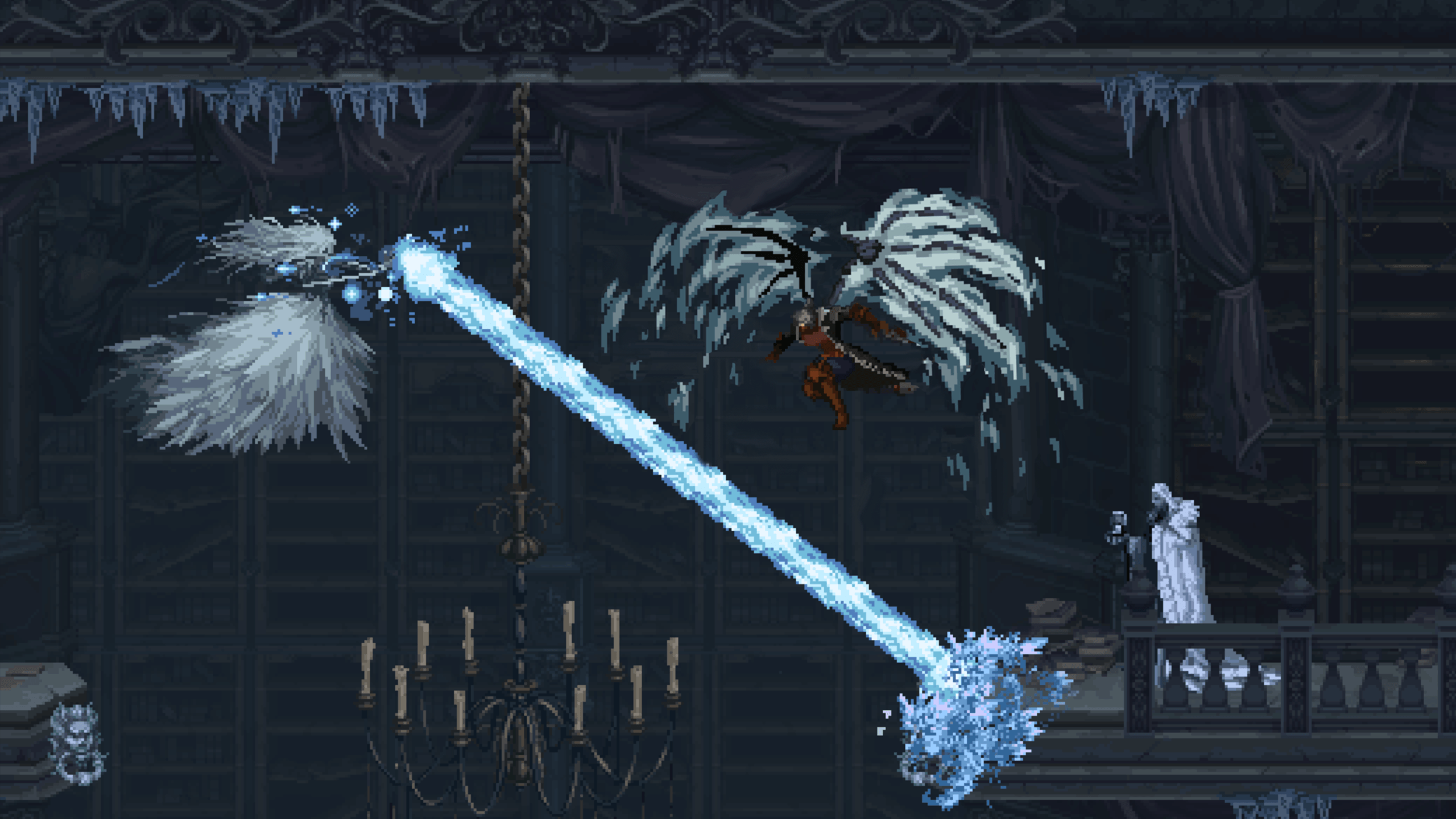
The attribute system is similar to that in souls games. Vitality is self-explanatory, Strength and Dexterity improve the attacks of different weapons, Mind allows you to use more spells, Focus is necessary for mastering different arcane arts and making them more powerful, and Instinct for higher firearm damage and a larger Power bar. The latter is needed to use your Stigma – a set of utility abilities you can unlock after defeating certain mini-bosses, adding more flexibility in combat. For example, the first Stigma you unlock allows you to parry attacks, and the next two allow you to increase attack speed or create a shield that consumes Power to absorb enemy blows. The game doesn’t include a Stamina bar, nor do you have to worry about equipment weight and its impact on character movement – the only things you need to pay attention to during confrontations are the speed and damage of your weapons and spells, along with the order in which they should be used.
A critical issue lies in how each attribute is linked to resistance to a type of element. Instead of small but steady increases in resistance to all, the game forces you to experiment while increasing the attributes you need for your chosen weapons and style. I was lucky that the weapon I chose required three attributes to use effectively, but I still felt at a disadvantage when fighting enemies for whom I didn’t have the necessary resistances.
If you're interested in the soft caps for attributes, the point at which they no longer scale as efficiently, and how they affect weapons, your cousin has you covered. The soft cap for weapons with a D rating for an attribute is 55 points invested in that attribute, 57 for those with a C rating, 60 for those with a B rating, and 65 for those with an A rating. If you go beyond these thresholds, you'll need to invest more than one attribute point to increase the damage weapons deal. 50 is the soft cap for Vitality, and above this threshold, you'll only gain one additional health point for each attribute point invested. For Instinct, the soft cap is 60.
The arsenal at your disposal consists of melee and ranged weapons, as well as spells. Both weapon types are viable, and you can build a playstyle around them, while spells are there to support your chosen style. I used a Strength-based weapon in the first part of the game, and then switched to a Quality (Strength-Dexterity) weapon that also scales with Mind for the rest of the game. I didn't bother too much with firearms – they're not my style and they also require ammo to be used. I dabbled here and there with certain spells for protection or to hit enemies even harder, but at the end of the day, I liked the blade of swords the most. Just like in souls games, you need to meet certain requirements to equip any weapon. And your spells are more effective (or not) depending on how high your Mind attribute is. If you're a fan of a flexible combat style, you have two slots for melee weapons and two shared slots for firearms and spells.

It’s relatively easy to make your weapons stronger, as you can find or buy Moonsilver Stones for normal weapons and Demishade Ore for specialised weapons – it’s just a fancier name for elemental damage arsenal. If I were you, I’d experiment a bit with the ones I find before investing in any of them. I must also mention that you need to find certain schematics if you want to continue upgrading your weapons after they reach a certain level. This also applies to specialised ones for which… you guessed it, you need to find some more… special schematics. I also warn you that you can only upgrade two specialised weapons per session. I felt this restriction was out of place due to the lack of New Game+ cycles: why should we be forced to start from scratch just to test how powerful some can become?
The game also includes a system of Charms similar to the rings you find in the Dark Souls series or the charms in Elden Ring. I say simplified because such a charm offers three bonuses: a damage bonus for a certain element, a defensive bonus for the same element, and a resistance bonus for it. There are a few exceptions to the rule, but that's generally how it works. I find it a rather poorly implemented system. And I'll give you a practical example: let's say I equip a certain charm to have better resistance against a boss. Why would I want that same charm to reduce the damage I can inflict because the boss isn't vulnerable to that attribute? Personally, I would have opted for a clear distinction between offensive and defensive charms.
If you're worried you're not high enough level to take on certain enemies or simply want to make your character stronger, the game includes obvious farming spots for the early, mid, and late game. You'll find them easily without watching any clickbait YouTube videos. There used to be glitches to get an enormous amount of Nycrux when the game was released, but these have long since been eliminated. My only issue with how we progress in the game is that the last third of the game felt very, very easy. I'm talking about bosses you wipe the floor with because you're too powerful or thanks to a form you unlock that allows you to be invincible (when you first unlock it, it has a timer, but not at the end of the game), which allows you to deal massive damage and not get hit too hard yourself. The chivalrous tactic in the last third of the game was to activate the ability and hold down the attack button while watching the boss's health drop. This “strategy” allowed me to cut through the first two phases of these enemies like a hot knife through butter. I understand that you need to feel like a big shot until the game ends, but it felt more like bullying for the enemies I was talking about. I almost feel sorry for them.
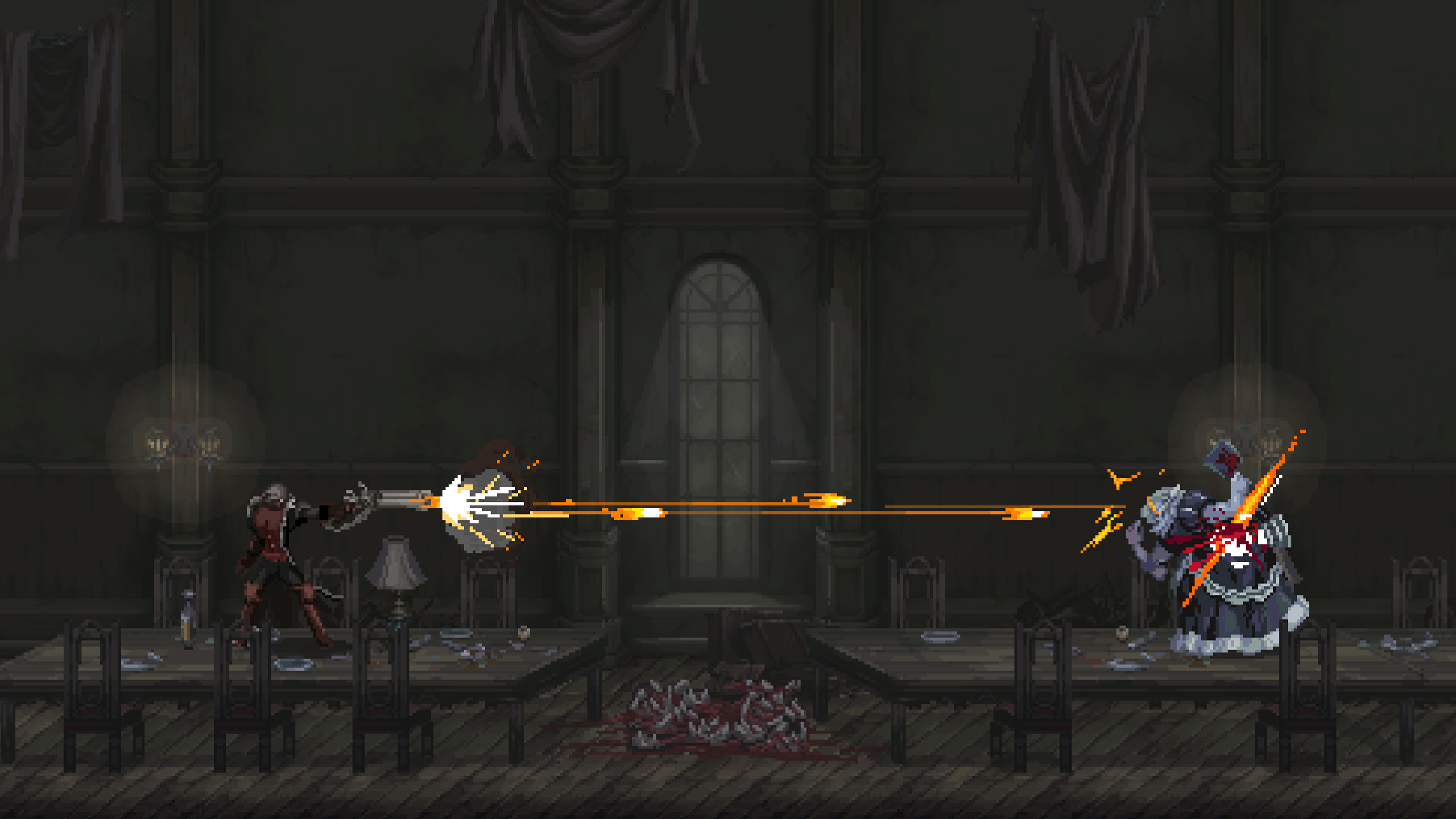
And if another concern you have is how skilled you need to be to defeat bosses or you just want to play for the story, you have enough consumables at your disposal to make your life easier. However, none of them are absolutely necessary to finish the game, including the injections that help you recover lost health points during battles – you’re hearing this from the guy who finished the entire game without using them at all and who at the end had 437 Healing Injections in his inventory. I also warn you that you can’t just collect a bunch of such items and smash them like Mentos, because you have a limited number you can equip. The rest of the consumables include Shards that help you recover mana if you have a spell and ability-focused playstyle, pills that remove certain status effects, powders you can apply to weapons for high elemental damage, or bombs. The interface is also optimised, and you won’t have problems finding and equipping what you need from your inventory.
The map and its construction help you easily find where you are, all regions are distinctly coloured, the area your cursor is over will be displayed at the top of the screen, and most importantly… map pins! I don’t know how many times I have to repeat how important these are in Metroidvania games, where you inevitably have to return to certain areas as you unlock new powers. In addition, there’s also a fast travel option once you save at such a point, and the areas where you can use this mechanic are spread out healthily throughout the game world. If I were to add anything to the fast travel system, it would be two things: a dedicated button for the main hub, as you need to return there frequently, and separating fast travel points by region to make them easier to access – currently, they are ordered in a list by difficulty, with the most difficult at the top and the easiest at the bottom. The level design is well executed in terms of how you navigate the title, enemy placement, shortcuts, secrets, etc., and the pins I mentioned are handy for navigating or returning in hopes of getting new toys in areas you couldn’t access before.
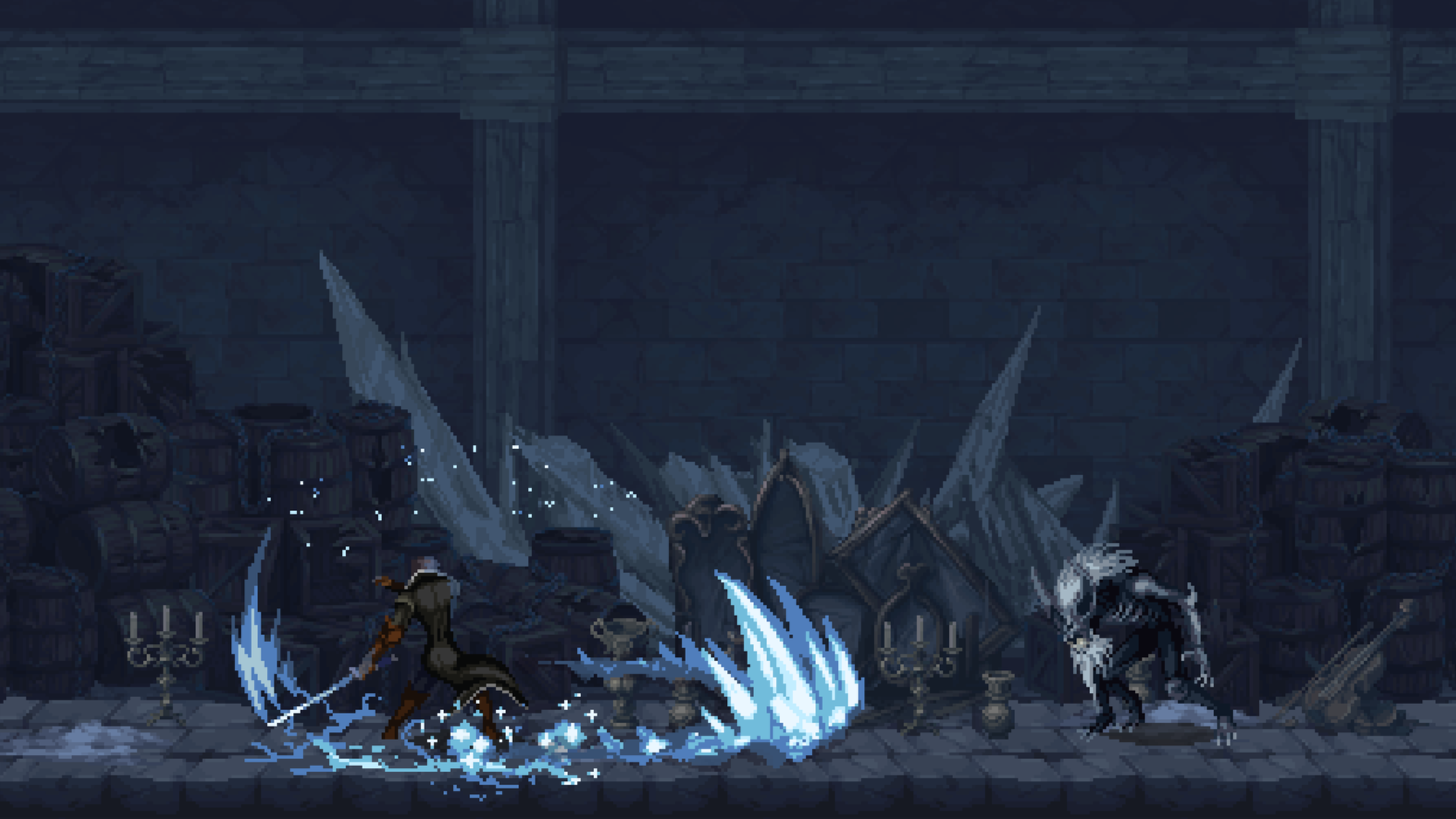
Since I mentioned new powers, you’ll be able to unlock abilities like double-jumping, wall-climbing, or air dash. I found it a curious design decision that rolling on the ground is extremely slow and cumbersome, but the air dash option is very fast. Personally, I think this limits players’ ability to aggressively dodge and maintain a short distance from enemies – sure, it encourages you to plan your dodges based on opponents’ attack patterns, but it seems odd that you can move extremely fast through the air, but painfully slowly on the ground.
Last but not least, if you’re as curious as I am, you’ll discover a lot of false walls and secrets everywhere. All of these hide weapons or spells, or ambushes and puzzles you can solve to get unique weapons. And if you’re a fan of FromSoftware’s obsession with coffins, you’ll feel right at home in this game, as the developers like to shove the main character into coffins to access hidden areas.
Enviable attention to detail for a pixel-art game
I don’t know what the developers have been smoking for the past two or three years, but I have to say that the art in this game looks too good to be true. I’m quite sceptical when it comes to pixel art and I’m afraid of how it’s made and how the final product will look. That wasn’t the case for The Last Faith – the decisions regarding the colour palette, lighting, and animations were made with a sense of responsibility. If we add to this how detailed the environment, characters, effects, and icons for the different items we can buy are, then I can say that the game looks and feels better than traditional 2D games and even some 3D games.

The audio side doesn't disappoint either. Aside from the cool background music when exploring the game's universe, the undisputed winner in the sound department is the songs during boss fights – you truly feel like you're facing the forces of darkness and struggling to defeat them. I got chills when I heard these OSTs and even continued listening to them outside the game. And the feeling of epic battles becomes even more palpable when you consider the dialogue the bosses have with the main character. Besides the top-notch voice acting, a subtle but important detail for me is how sounds are heard depending on the space you're in. For example, the sound is slightly muffled in rooms with many objects that attenuate it, but things change when you enter cathedrals with a strong echo and reverb.
Final Verdict

The Last Faith is an outstanding pixel-art soulsvania game in many respects: a solidly built story, characters, and universe; fluidity and variety in combat for most of the game; thrilling battles against humanoid enemies; an atmosphere of mystery, a well-constructed exploration method, and quality art direction and music.
Unfortunately, there are elements that clearly drag the title down, such as the lack of a New Game+ option, a confusing mission design progression, giant bosses that aren't too difficult, many two-phase enemies where the first phase is filler, an elemental resistance and charm system that feels rushed in execution, plus the massive feeling that you're being handheld and face no challenge for the last third of the game. This last aspect made me give it a solid 7/10 immediately after finishing the game. I should also mention that you'll encounter long loading screens even if you're spawned in a location extremely close to the initial one.
My final score after weighing all the pros and cons is 7.5/10. I would happily raise it to 8.5 or even 9 if they implemented a New Game+ option and got rid of the “Easy Mode” feeling in the latter part of the game. Why? Because my overall experience was a good one, and I would have wanted to go through the game again (me, the guy who plays a single-player game once), but with all powers and weapons unlocked. I hope the developers learn from this experience, and I would be happy to see a new and improved game in the same universe.
In any case, the game costs around €27 and you can frequently find it for under €19 during various Steam Sales. With such frequent discounts, why not take advantage of them?

Played on: PC
Release date: 15 November 2023
Developer: Kumi Souls Games
Publisher: Playstack

Plus
- Solid story, characters, and universe
- Fluid and varied combat for most of the game
- Thrilling battles against humanoid enemies
- Atmosphere of mystery and well-constructed exploration
- Quality art direction and music
Minus
- No New Game+ option
- Confusing mission design progression
- Giant bosses are not very challenging
- Many two-phase enemies where the first phase is filler
- Elemental resistance and charm system feels rushed
- Last third of the game feels too easy, lacking challenge
- Long loading screens
0 votes
Scroll down here and stay on the page for at least 30 seconds to vote.
Pick a score from 0 to 10 (halves are allowed).