
Vampire: The Masquerade – Bloodlines 2 – Review

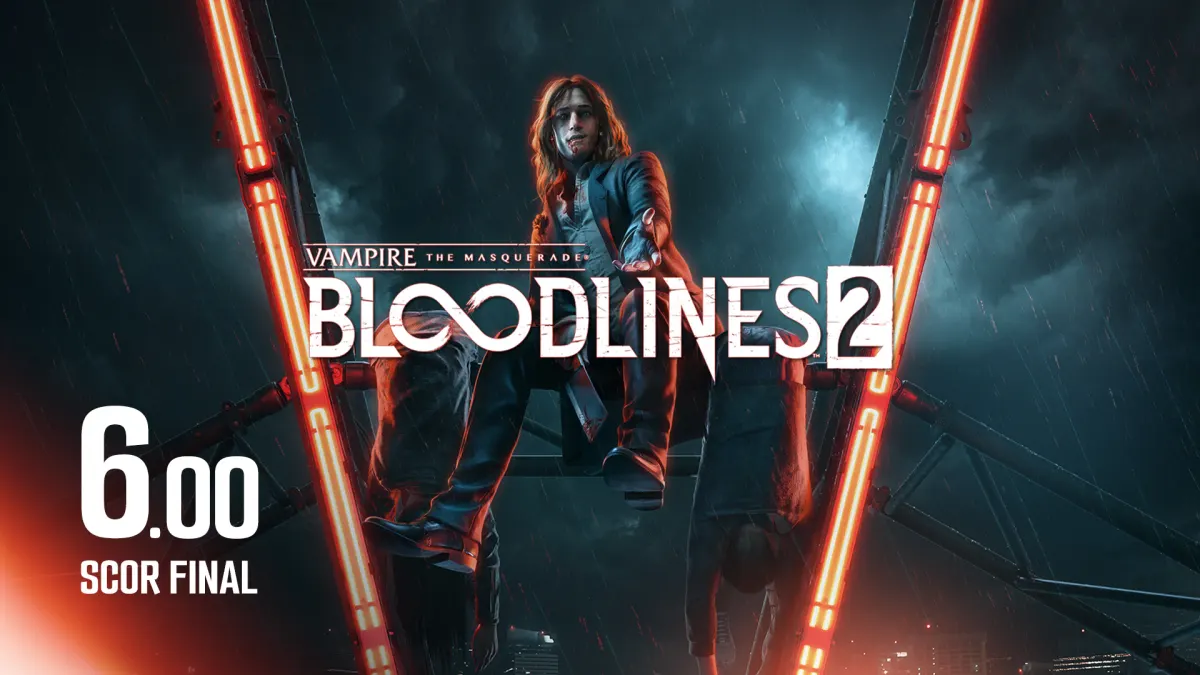
After 400 years, it’s finally released…
There are games that define you, games that aren’t just an experience, but an emotional landmark, a place you return to not for the gameplay, but for who you were when you first lived them. For me, one of those games is “Vampire: The Masquerade – Bloodlines”. It was a defining point for me as a person, for who I am today, and largely for my obsession with Vampire: The Masquerade as a whole. The characters, the stories, the music, the gameplay – everything at that time was bigger, more complex, and infinitely more interesting than anything I had played before, enough to become part of my past self, that adolescent “me”.
That’s why Bloodlines 2 wasn’t just an anticipated game. There were years of announcements, studio changes, trailers, and hype that transformed this sequel into a modern myth, a possible new point where I could relive those feelings I experienced with the original. And when, finally, I stepped into Seattle, I wasn’t looking for a simple sequel. But what I found was something else, a game that can only tangentially be called a game, a sequel that cannot be called a sequel, continuation, or whatever you want to call it, an experience that kept me hooked for a few nights until I saw the credits roll. Days have passed since then, and I still don’t know how to come to terms with this game. But below I will say a few things about it as a kind of “coping mechanism”.
The Vampire and the Detective
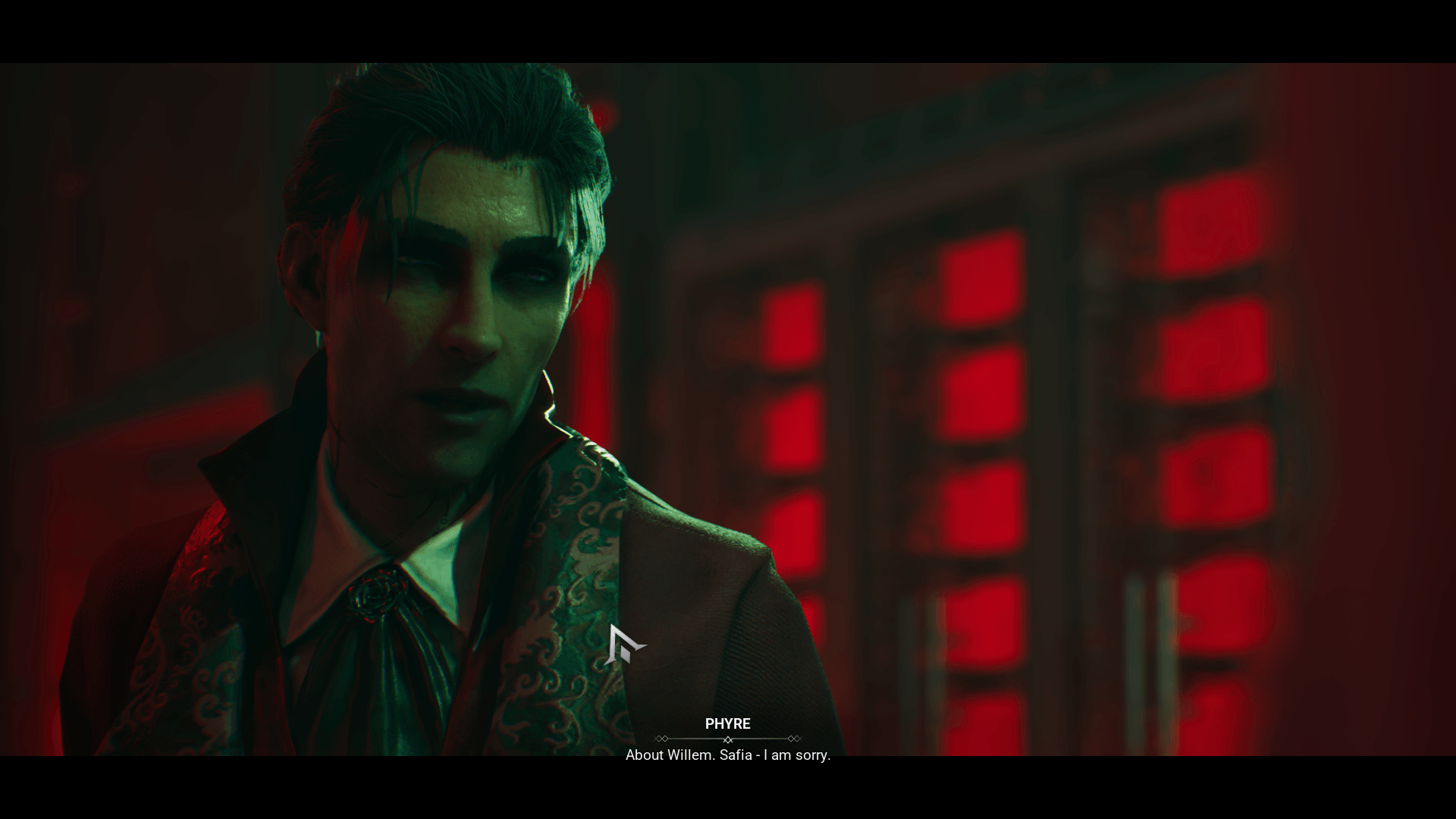
The story in VTMB2 is what saves the title and, at the same time, betrays it. At its centre is Phyre, an ancient vampire, an “Elder” who awakens after a long period of “torpor” or dormancy, in a snow-covered Seattle, 100 years after closing their eyes. The idea of playing such an old vampire is, in theory, fascinating. It’s an inverse perspective compared to the first game and what the second was supposed to be, where you were a newborn thrown into the dark world of the Kindred. Here you are a monster with centuries behind you, a myth returning to a world that has forgotten what fear means.
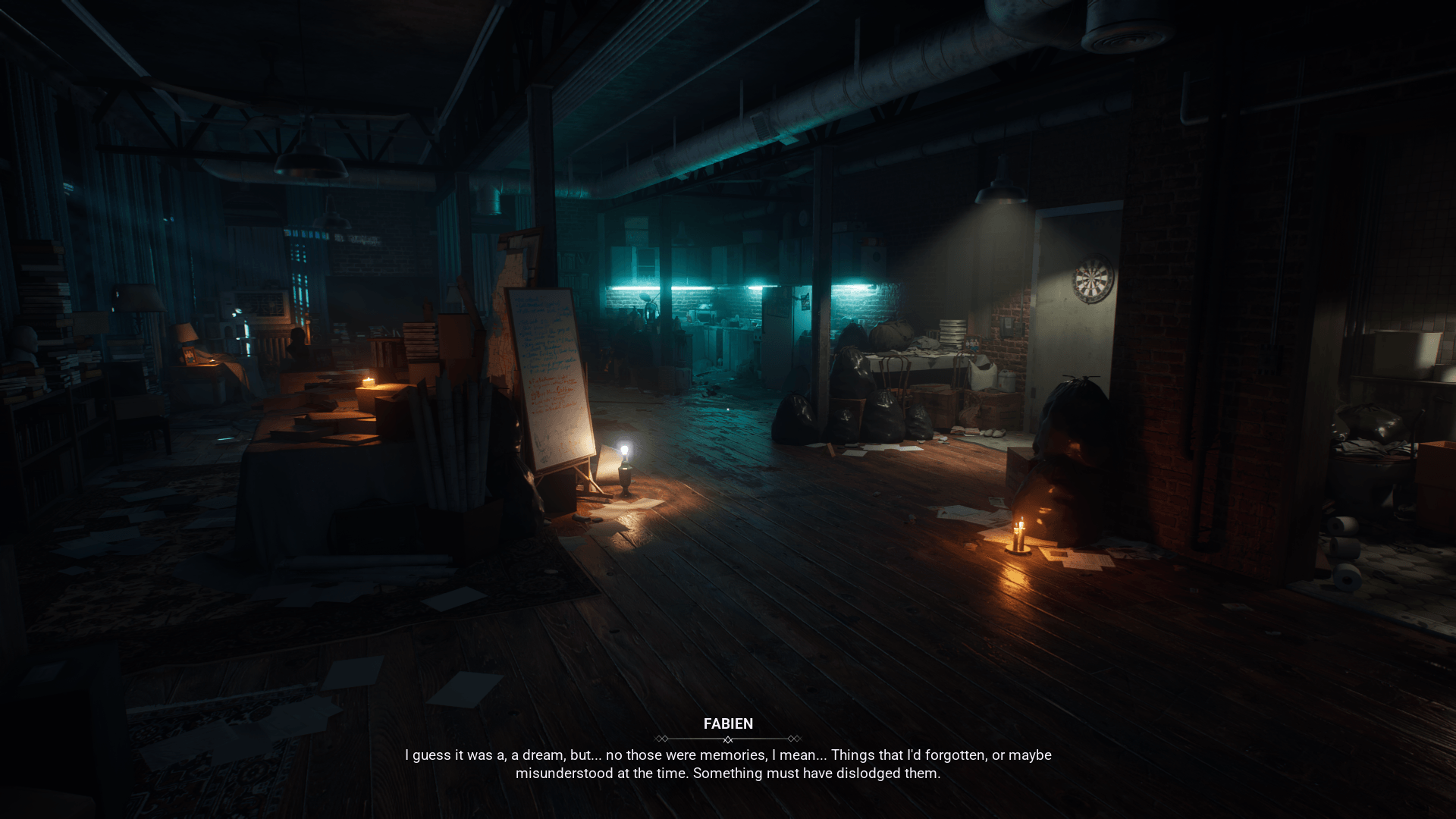
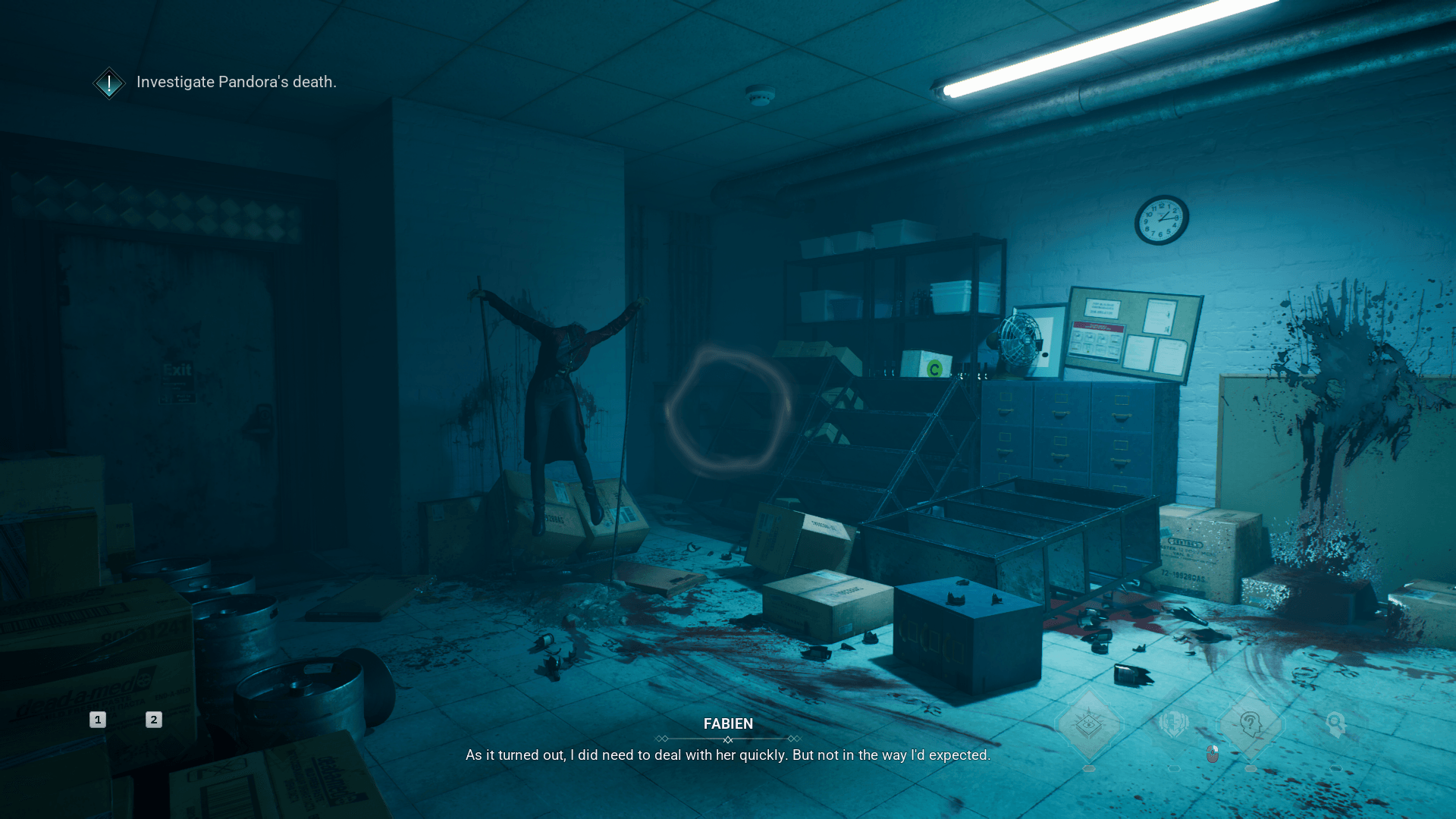
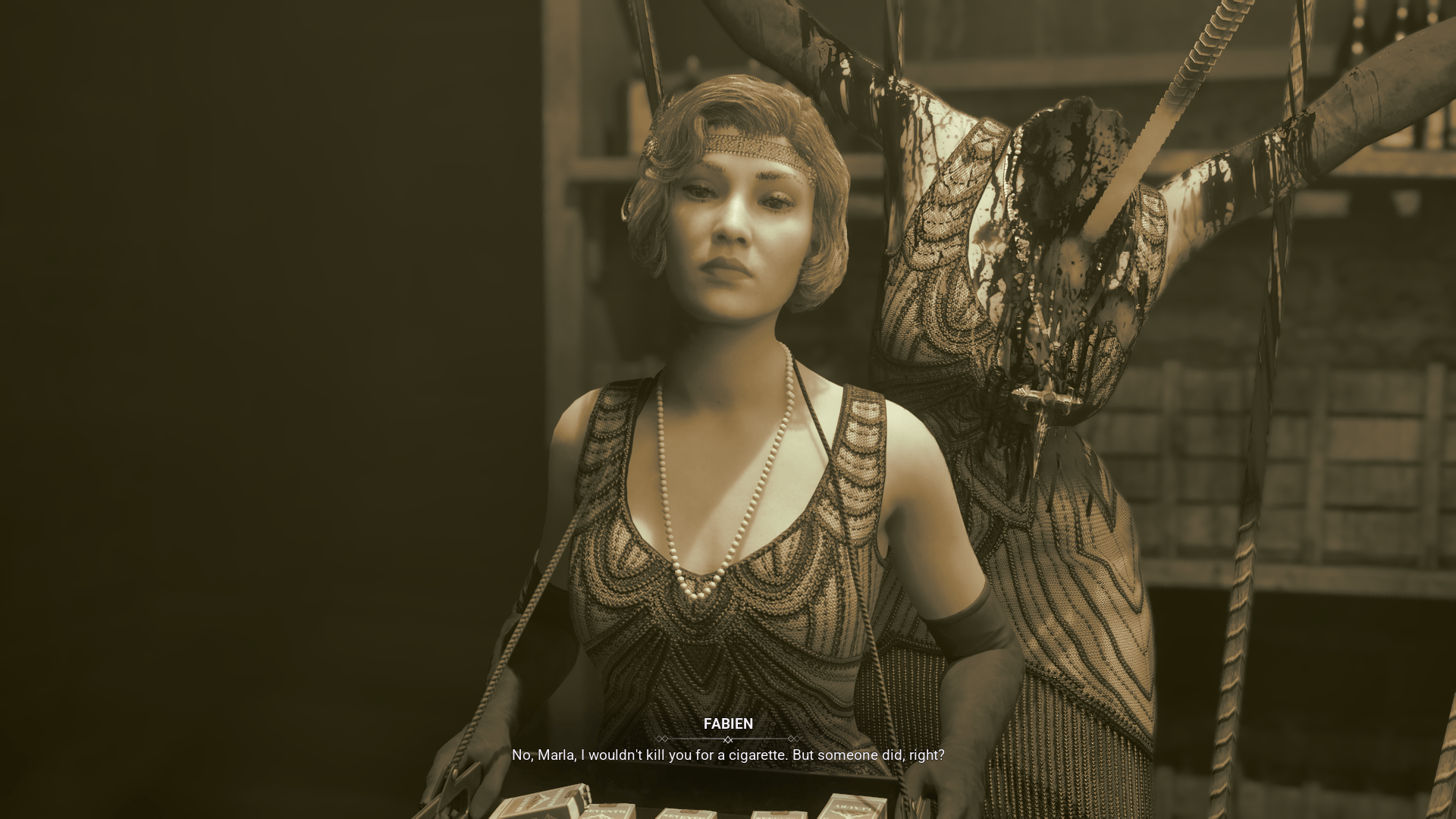
Alongside you, or rather, within you, is Fabien, a Malkavian detective trapped in Phyre’s mind. Beyond the narrative mechanic, the relationship between the two is the emotional core of the story. Fabien is ironic, nostalgic, and slightly melancholic, a vampire caught in a romantic and absurd past. Phyre is all that remains of a monster trying to discover their present. From their clash, the rhythm of the story is born, alternating between investigation and introspection, between Fabien’s “noir” past and Phyre’s mysterious present, also known as the Nomad.
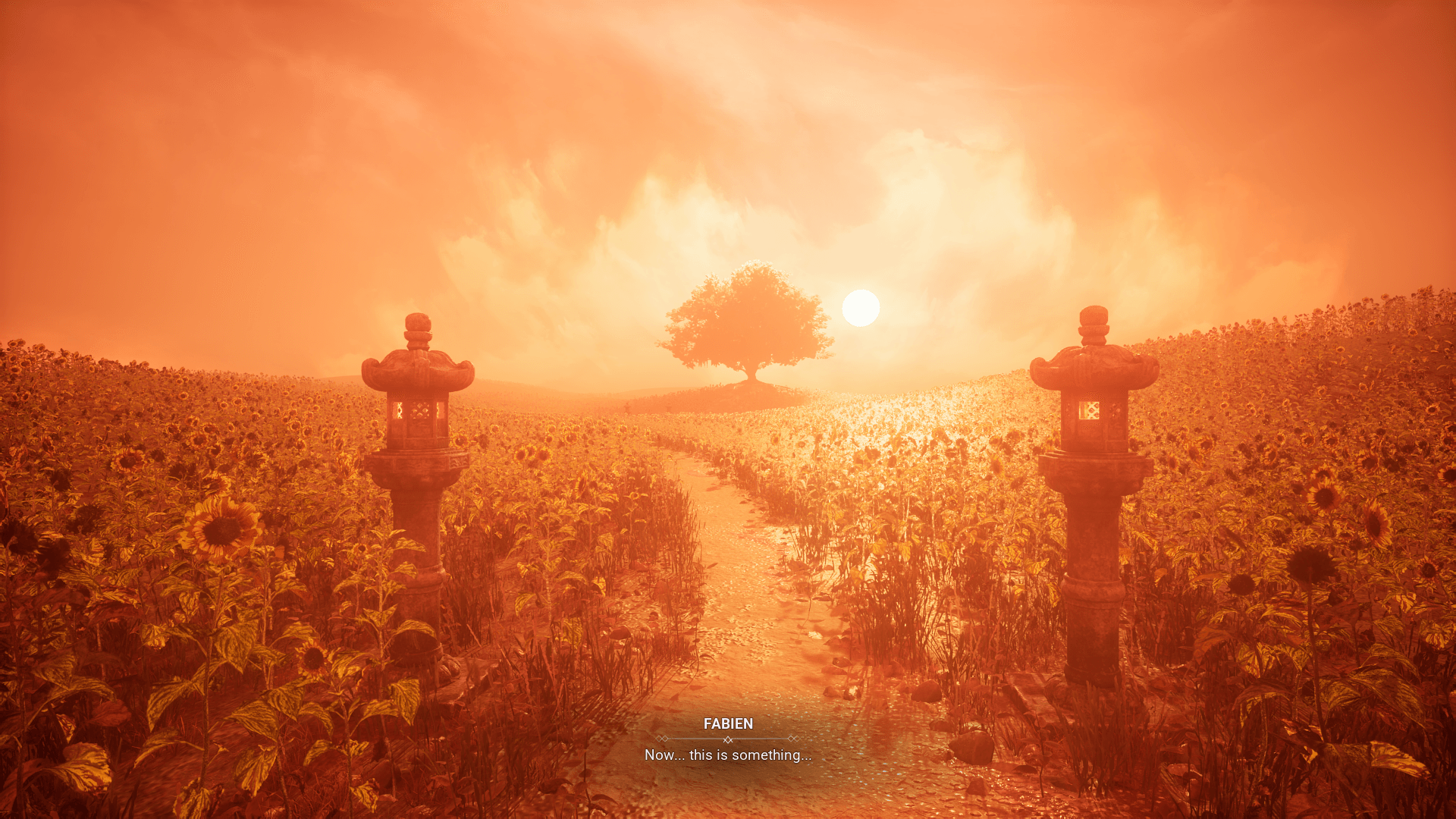
Seattle becomes a stage where, every night, new information emerges, a new conspiracy, a new vampiric crime to solve or commit. But the narrative structure feels fragmented; the game is divided into short, sometimes almost episodic sequences, stitched together without real cohesion. It seems that The Chinese Room wanted, at some point, to build a serialized game, a kind of urban “monster of the week,” but abandoned it halfway. The result is a narrative thread that flows but doesn’t connect. Each arc has a beginning and an end, but it doesn’t create a whole; rather, it leaves gaps in narrative logic.
And yet, despite the structural chaos, there’s a tragicomedy in the way the story collapses in on itself. The final hours of the game are contradictory, intense, and dry at the same time. You feel like you’re approaching an important ending, but then there’s another ending, followed by yet another “reveal,” almost rushed. It’s not necessarily a bad ending, but it’s one that no longer has the power to be what it promised, because in fact, it never had that direction from the beginning.
Kung-Fu Vampires
It’s a game that struggles between two worlds: modern action and classic RPG. Unfortunately, it doesn’t fully belong to either. The combat is, in essence, decent; it makes you feel the hits, and the clan abilities add a layer of spectacle that, for a few hours, draws you in. But then you realise everything repeats. I played on Hard difficulty to feel a real challenge, but the combat system remains predictable regardless of the setting; you just take damage faster from enemies. Single-type attacks, an evade that doubles as a parry, and a quick execution or feeding with the default execution make the battle somewhat satisfying. “Disciplines,” those vampiric powers that should define each clan’s style, are visually amazing but limited. You can only have four equipped, and despite choosing a specific clan, you can also access other abilities, which undermines the principle of belonging, where each faction is different. As a Toreador, I had a set of abilities focused on speed, seduction, and the blink from Dishonored, but in practice, the differences between clans feel more aesthetic than mechanical, due to the free access to other skills.
On the exploration side, Seattle becomes your hunting ground. The city is small but has verticality. You can climb buildings, sneak across rooftops, or float above the neon-lit streets. It’s fun for a while, but over time, you realise the freedom is just an illusion. There are side missions, but most are repetitive, a pretext to test your combat skills or interact with clan leaders. There’s no real progression system; you don’t feel like you’re evolving or that your choices fundamentally change anything in the gameplay. It’s a strange feeling because you’re playing a feared vampire, but the control, restrictions, and mechanical limits make you feel more like a train on tracks. In short, Bloodlines 2 has satisfying moments, but it fails to connect them into a coherent flow. The fights are fun for a while, but the system behind them is inert.
Seattle By Night
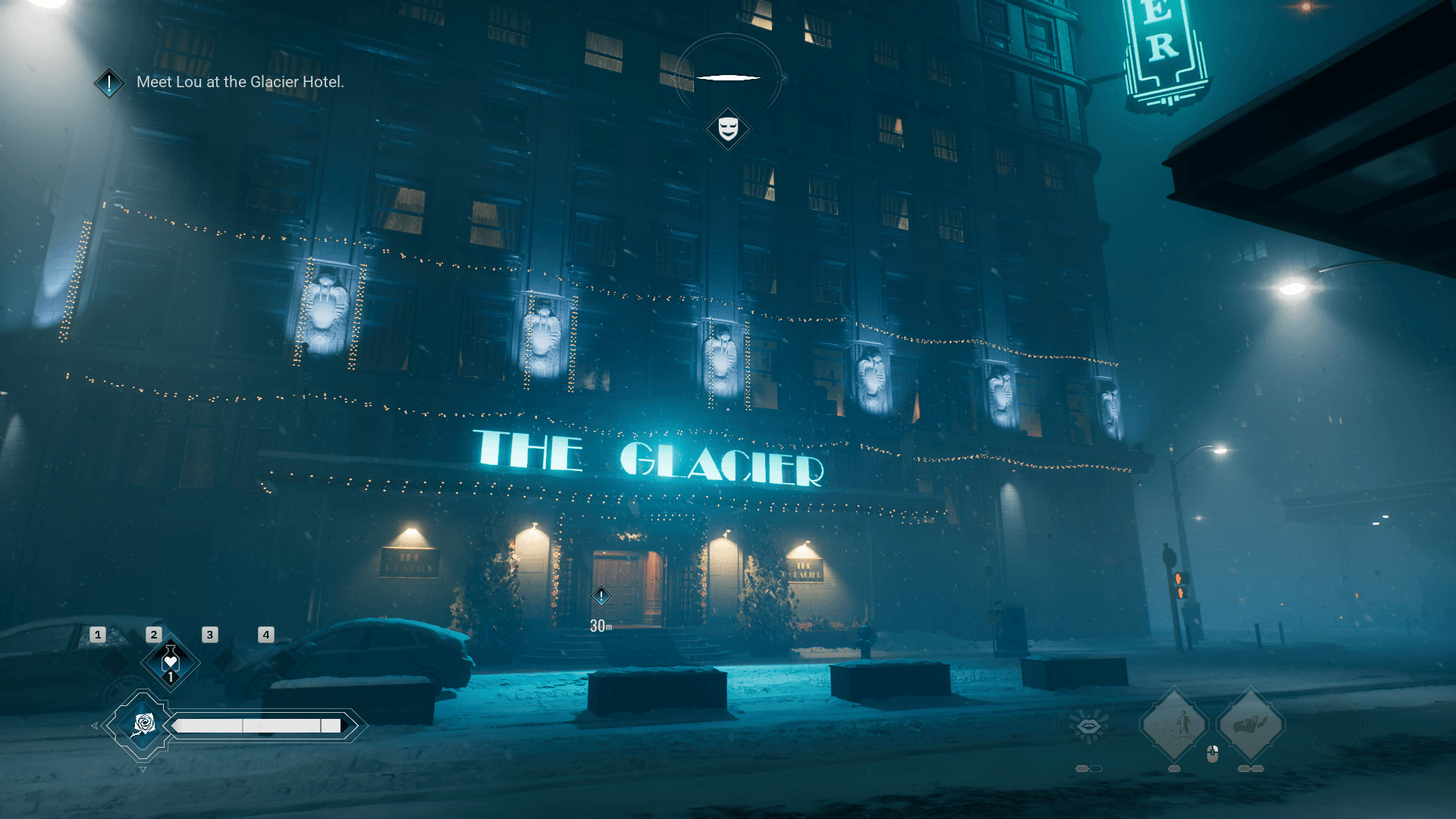
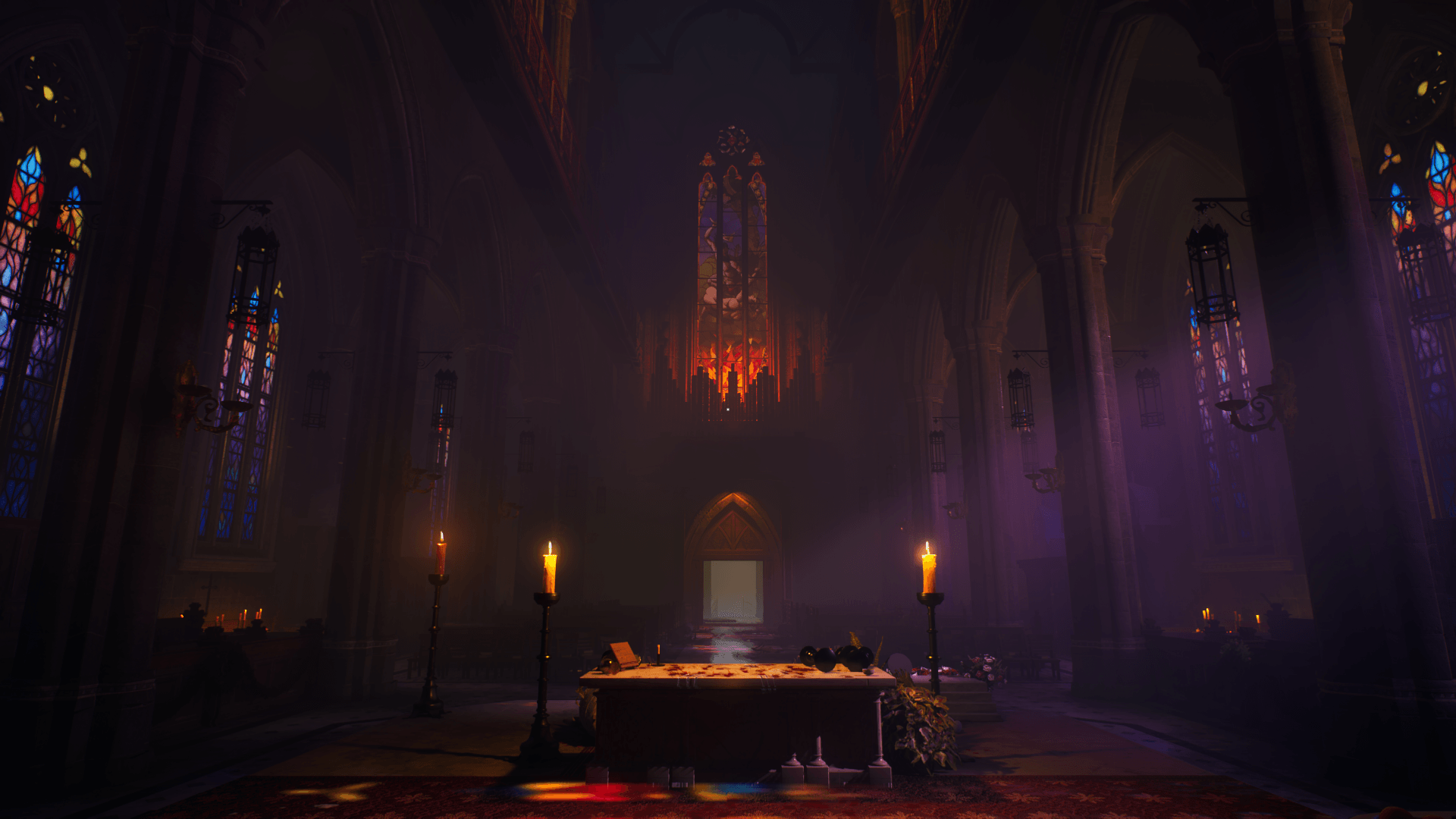
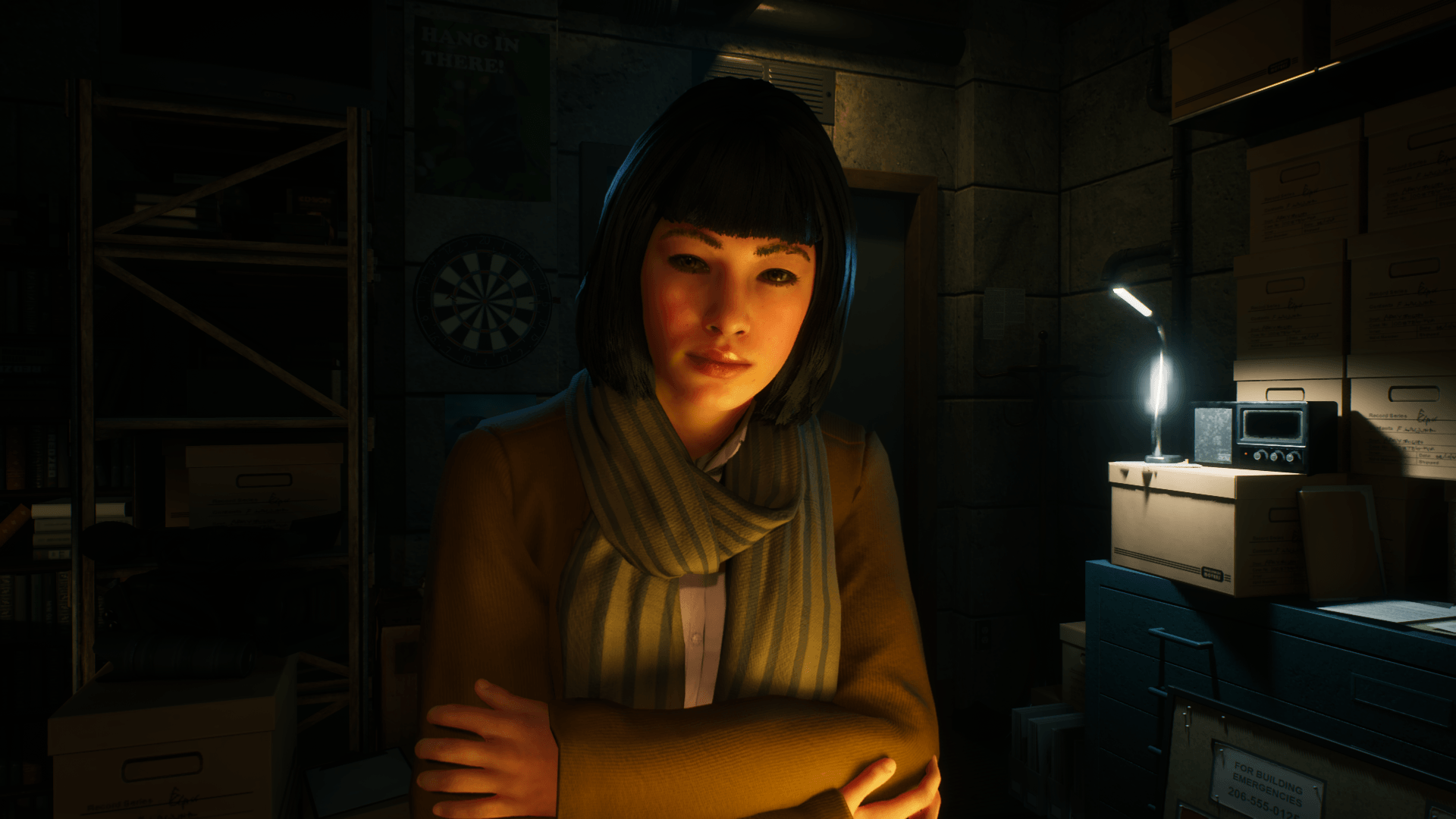
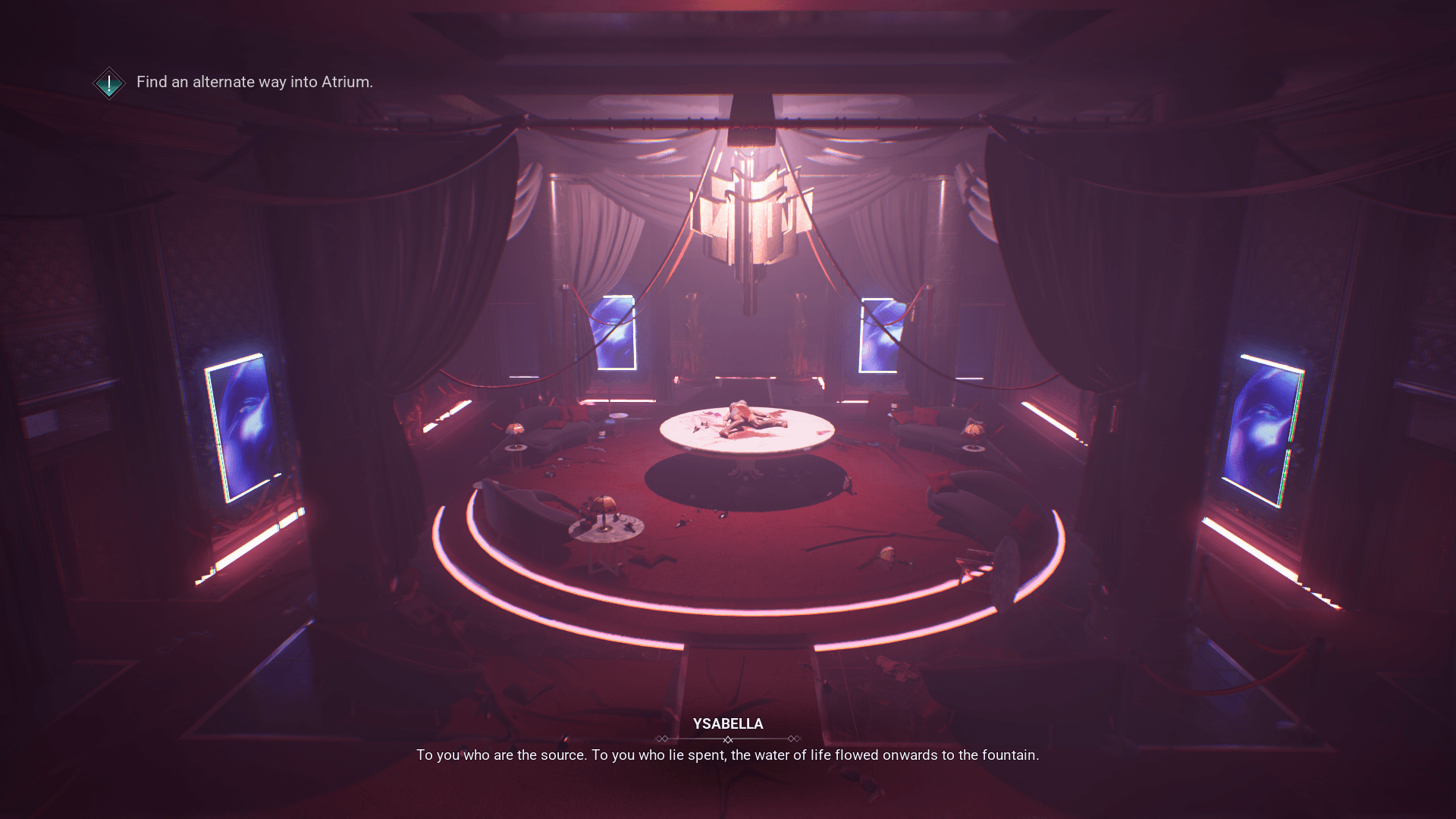
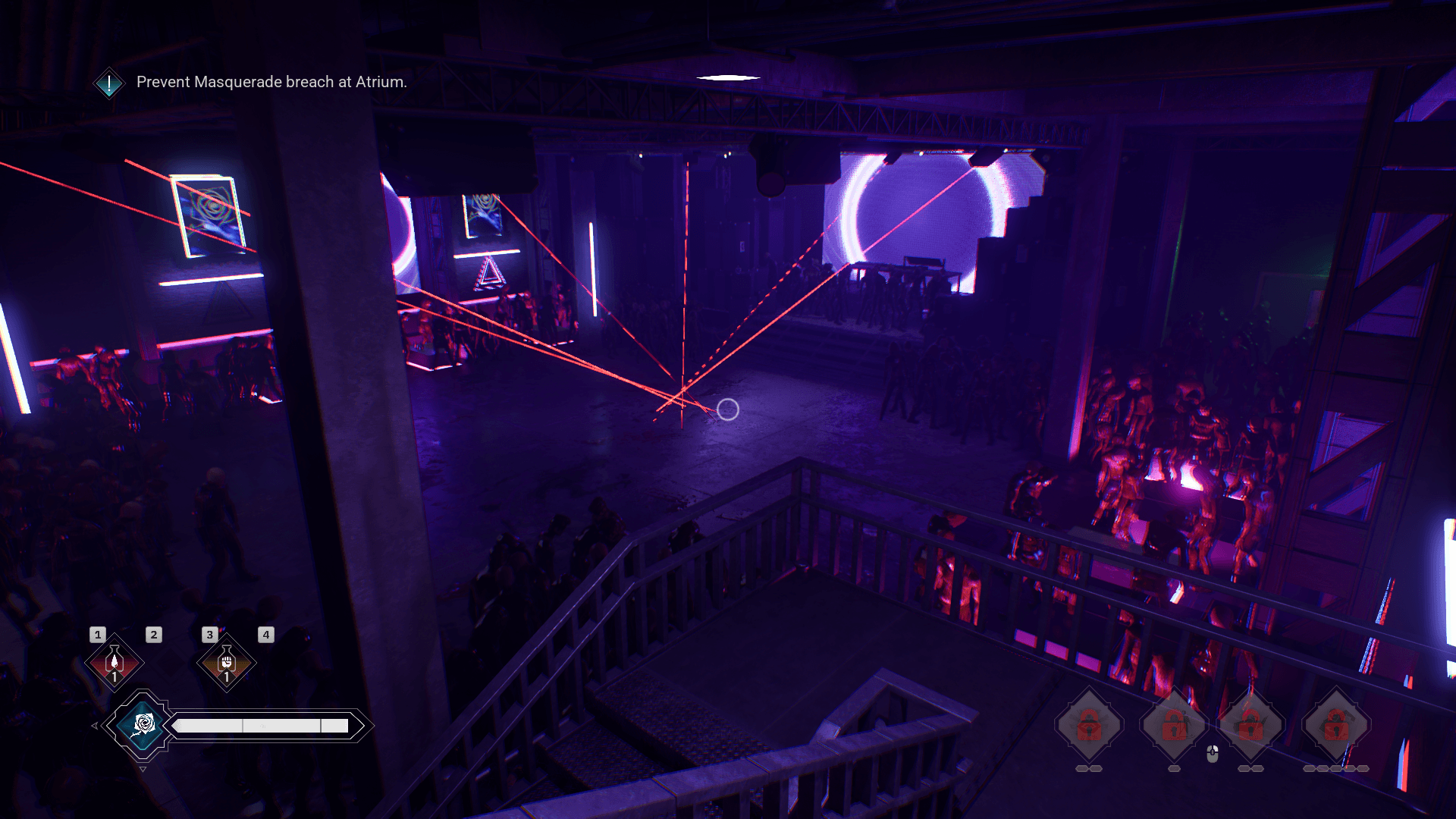
Seattle in Bloodlines 2 is an illusion. A beautiful one, yes, but you can’t live in an illusion for too long, can you? The city greets you with neon lights, with snow that seems to freeze everything in time. It’s Christmas. It’s a Christmas game. At first, you’re captivated by the atmosphere, by the way the light reflects on the buildings, by the feeling of being in a living city, at night, in the midst of the winter holidays. But with each hour spent there, you start to see the illusion. Seattle becomes a repetitive stage. It’s a theatrical set built to look alive, but which always remains the same. The streets are the same, the people the same, the figures repeat as if the city were caught in a time loop. You realise that all those passers-by moving in the background are going nowhere. You hear cars, but you never see them. It’s a city that lives only on the surface, a digital backdrop that hides the total absence of a soul. Or it shows the laziness of the developers who didn’t want to do more.
Nothing changes from one night to the next. If you go back “home” to sleep and return to the streets, everything is identical: the same NPCs in the same places, the same lines, the same mechanical gestures. The game sells you the idea of a living city, but it offers a shameful loop that only proves someone didn’t do their job properly. Sometimes, very rarely, a character moves unexpectedly or an animation breaks the pattern, and those moments become almost jump scares. Not because they are intentional, but because they break the monotony of a space that seems frozen. Technically speaking, the city looks good: the lights, shadows, and reflections give the impression of a modern noir. For a moment, I felt like I was in Gotham from Batman. But when you look beyond the surface, you see how static everything is. This is something I criticised and still criticise Avowed for. Even if I don’t know if they’ve changed it, it frustrates me to encounter it again.
Sounds of the Night
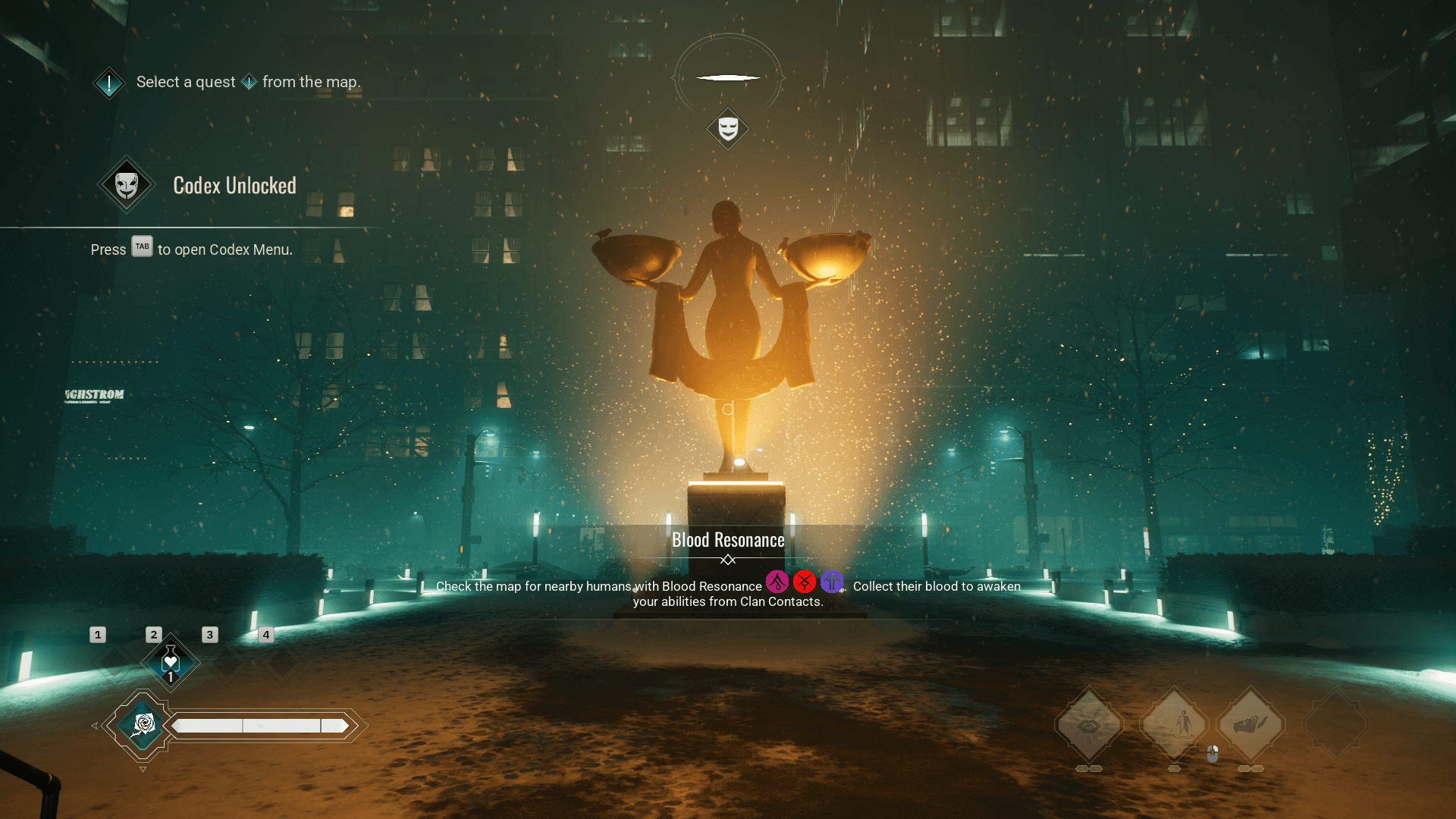
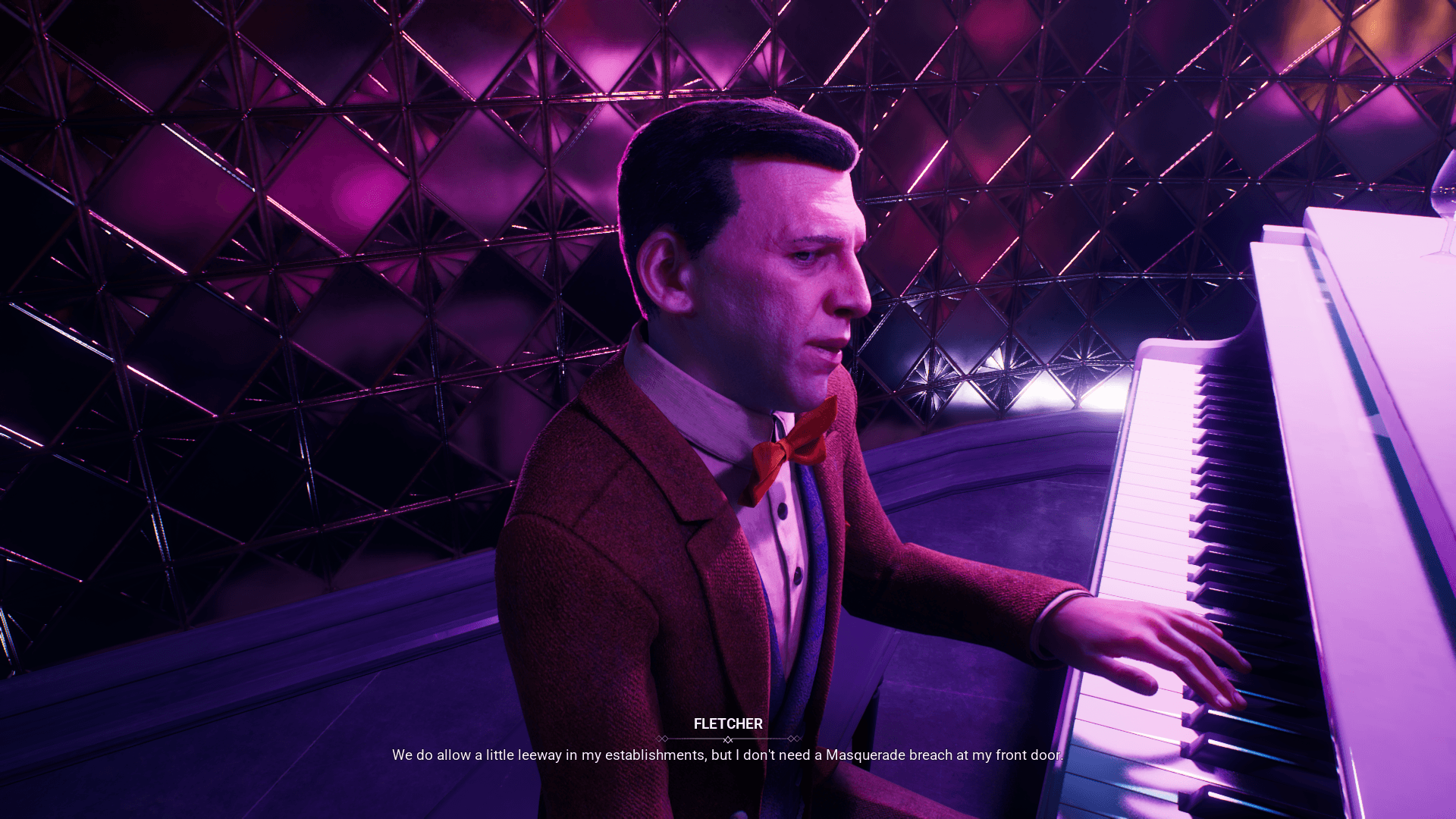
The “musical” part of the game is, without a doubt, its true essence. The music is superb, perhaps even the best element of the entire experience. It has that melancholic, cold, and mysterious air that makes you feel like you are truly part of a city like Seattle, as a vampire and as a detective. Electric guitar pieces alternate with discrete electronic passages, creating an urban atmosphere reminiscent of the 2000s, but without feeling outdated. Each track resonates beyond any problem or joy the game might bring you, because the person behind the game’s music is the same one who handled Bloodlines 1.
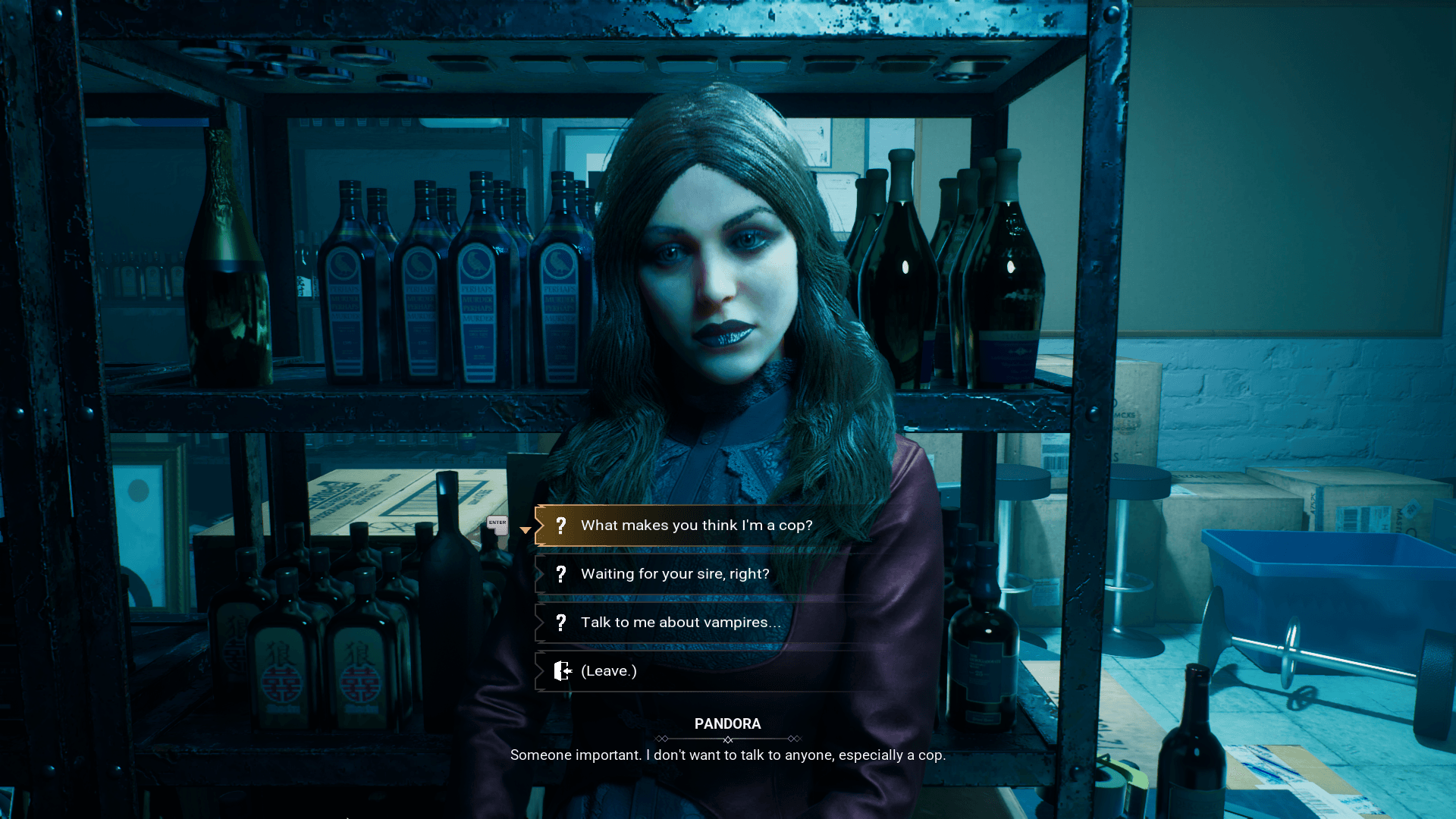
Unfortunately, although the soundtrack is impeccable, the voice acting remains surprisingly inconsistent. The main actors, especially Fabien, do an excellent job, bringing sarcasm, humour, and a touch of nostalgia to their lines, but the rest of the cast seems lost between intention and execution. The dialogues sometimes sound mechanical, without rhythm, and the lack of clear vocal direction is felt in dramatic moments. In a game that lives through its stories and dialogues, this becomes something hard to ignore. Even Phyre themselves, although the accent is to my taste, fails to maintain consistency in delivery. There are also inexplicable decisions, overly long pauses between lines, poorly calibrated sound effects, moments where the echo in a room seems to come from another game. But, even so, the music manages to save everything. It’s what binds the world, what gives flair and sadness to a story that goes up and down more than a rollercoaster. If Bloodlines 2 had just been an album, it would have been a perfect one; I would have bought it on vinyl.
The Masquerade Remains
You can talk for hours about what went wrong, about the technical chaos, about how grand ideas got lost in execution. You can, just as well, talk about the music, about the atmosphere that subtly draws you in, about the characters who, though imperfect, seem to be from a story you want to experience. But no matter how hard you try, none of these parts tell the complete story. It’s a game that cannot be reduced to grades, scores, or labels like “good” or “bad.” It’s a strange, contradictory experience that is worth living not for what it achieves, but for what it attempts. It feels like an ambitious story in too vast a universe, about identity, about the temptation to repeat the past without truly understanding it. And perhaps that is the game’s greatest victory, the fact that I talk about it, comment on it, or get annoyed by it, and yet I still like it at the same time.
After so many years of waiting, I don’t know if I can reconcile with what I received, but it certainly wasn’t the sequel I wanted. But I know for sure that what I received is something I won’t easily forget. A title that is, by turns, ambition, failure, spectacle, something cobbled together from scraps and Frankenstein’s monster. A game that, in recent nights, has given me serious pause for thought.

Played on: PC
Release date: 21 October 2025
Developer: The Chinese Room
Publisher: Paradox Interactive
Plus
- Captivating story and the Elder Vampire concept
- The Phyre-Fabien relationship, the emotional core of the game
- Superb atmosphere, snow-covered Seattle is memorable, it’s a Christmas game
- Exceptional soundtrack, full of melancholy and mystery
- Moments of introspection and reflection
Minus
- Fragmented and incoherent narrative structure
- Lack of real impact from decisions and poor progression
- Repetitive combat, lacking depth and evolution
- Most of the game feels static, lifeless, and unchanging
- Technical and optimisation issues
0 votes
Scroll down here and stay on the page for at least 30 seconds to vote.
Pick a score from 0 to 10 (halves are allowed).