
Vlad Voievod Dracula: An Interview with the Slightly Pixelated Ruler

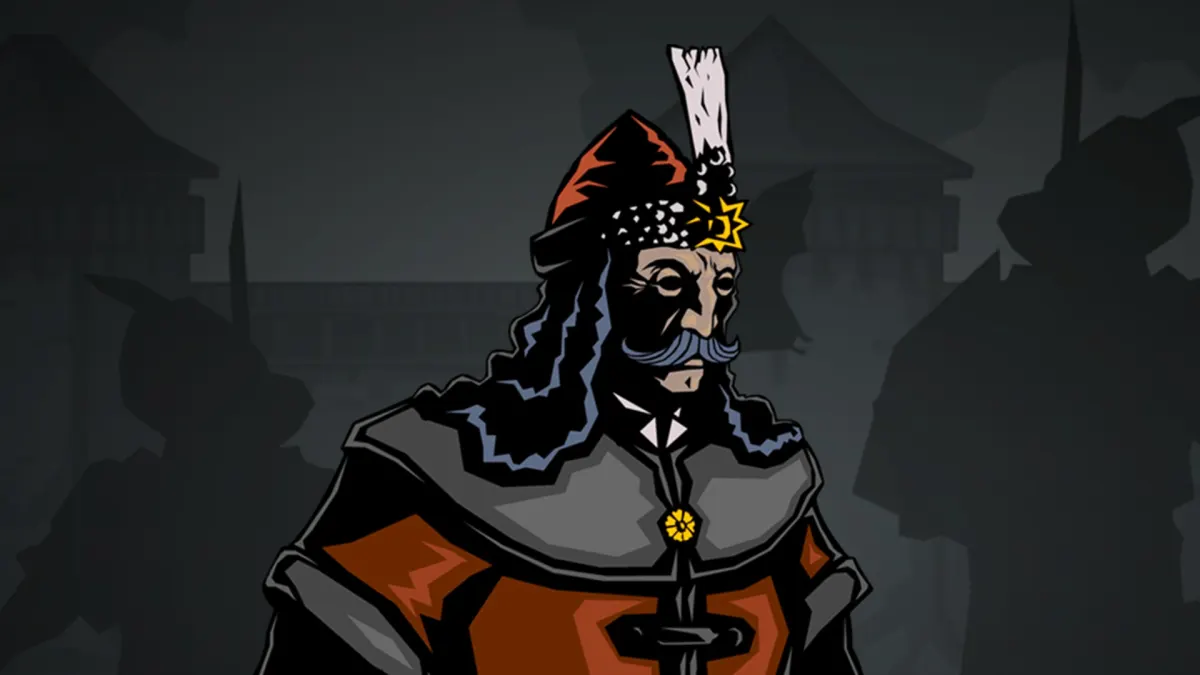
“Why don’t you come, Lord Țepeș…” Well, he’s here, in three games I discussed with the developer himself, Tiberius!
When you say “Dracula”, you think of castles, vampires, and shadows creeping along walls. But in the Vlad Voievod Dracula universe, things are a little different: he’s not some eternal vampire, but a medieval voivode caught between politics, war, and his own demons. I’ve tested the games in this series, two released and a third on the way: Vlad Voievod Dracula: Episode 1 Manhunt, Vlad Voievod Dracula: Dungeons of Egrigoz, and Vlad Voievod Dracula: Dungeons of Edirne.
Historically, Vlad Țepeș (Vlad III) ruled Wallachia in the 15th century and became known for his harsh methods of punishment and his confrontations with the Ottoman Empire and the Kingdom of Hungary. Although these games aren’t history lessons, the historical details provided are accurate, even if the rest are elements inspired by the ruler’s stories.
Vlad Voievod Dracula: Episode 1 Manhunt
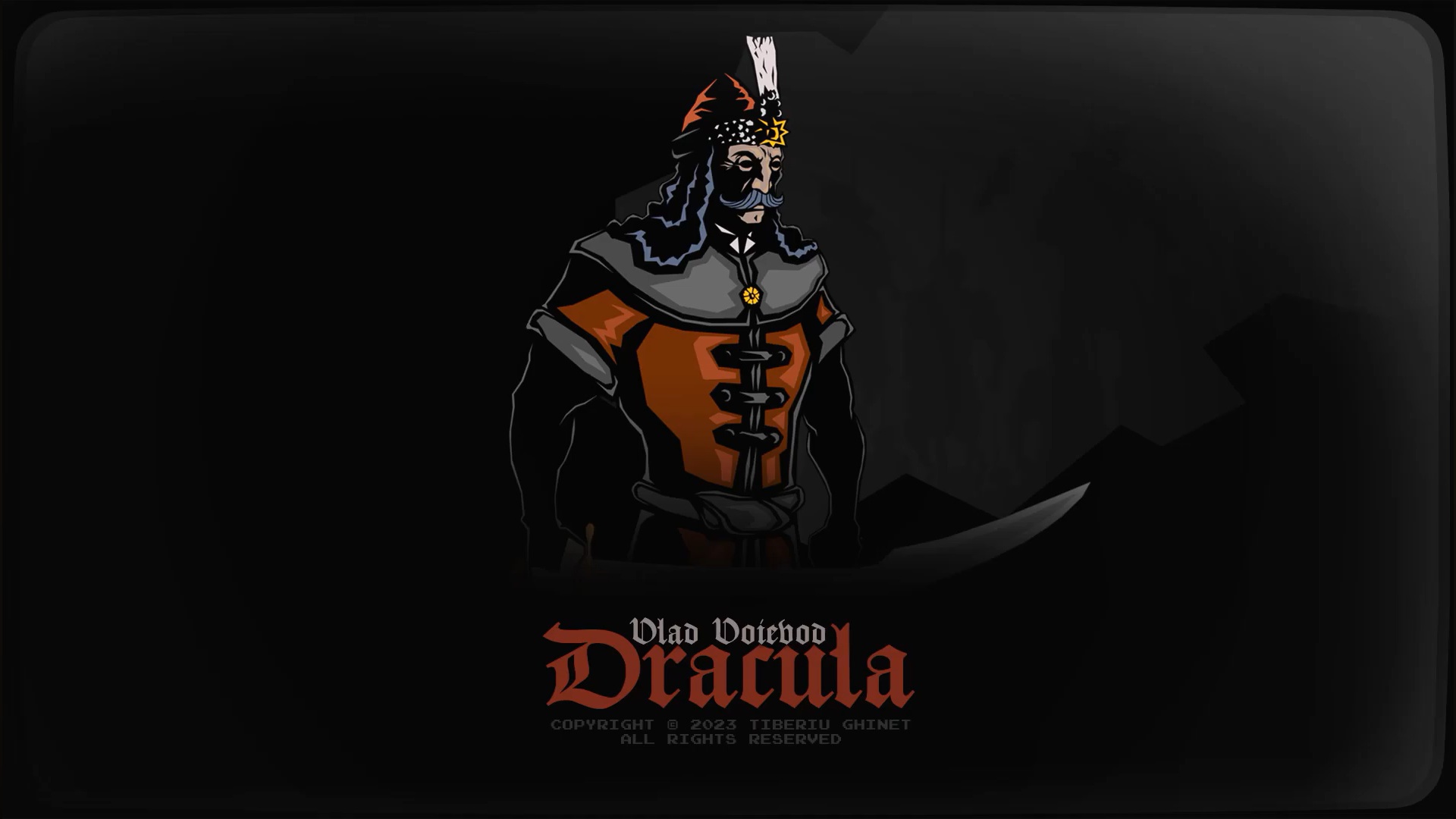
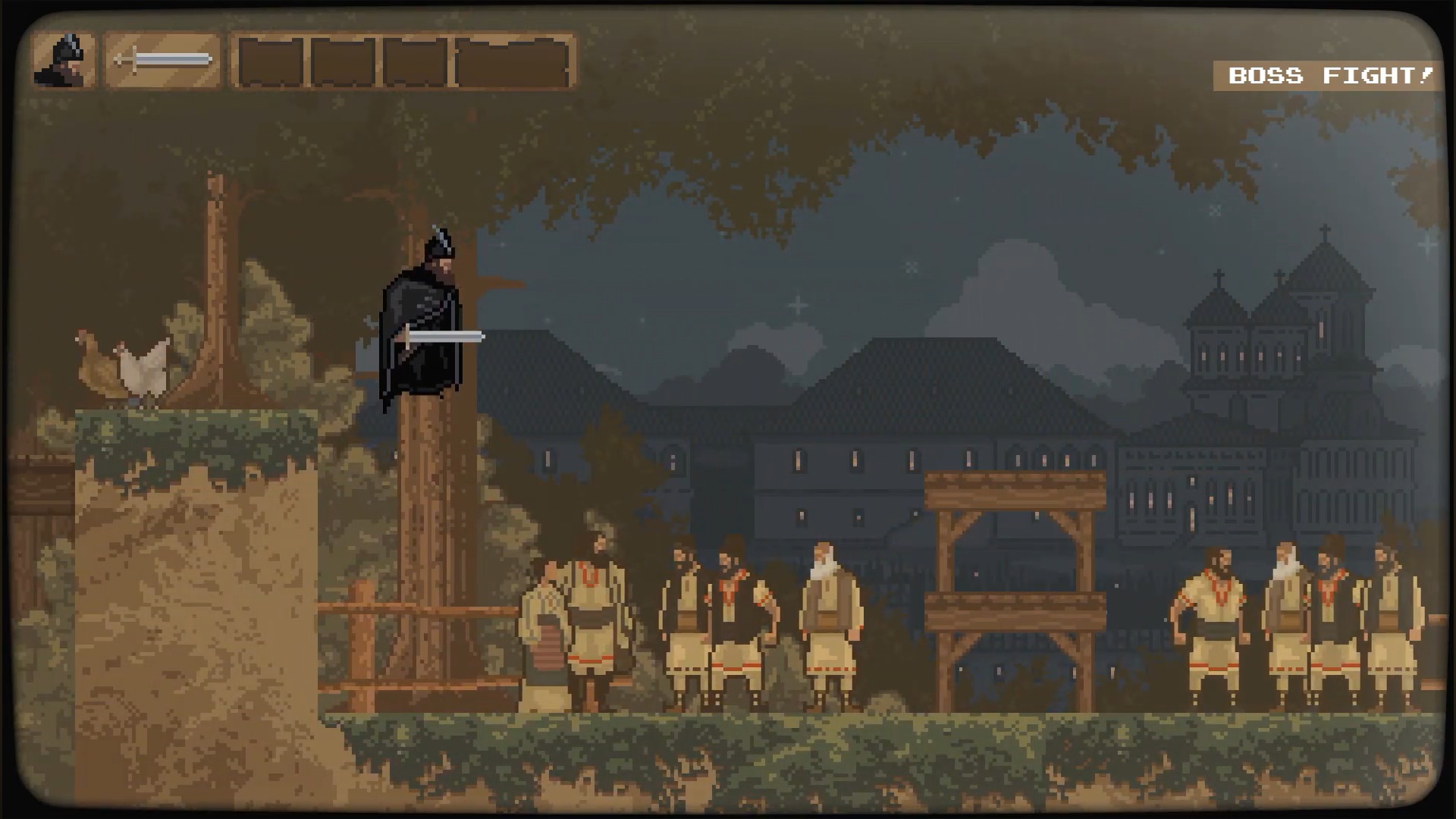
Released on 2 October 2023, this is the starting point of the retro-gothic universe created by developer Tiberius. The player steps into the shoes of Vlad Țepeș Drăculea, who embarks on a struggle to regain his throne after his family is murdered by the Hungarians and the throne is given to a vassal.
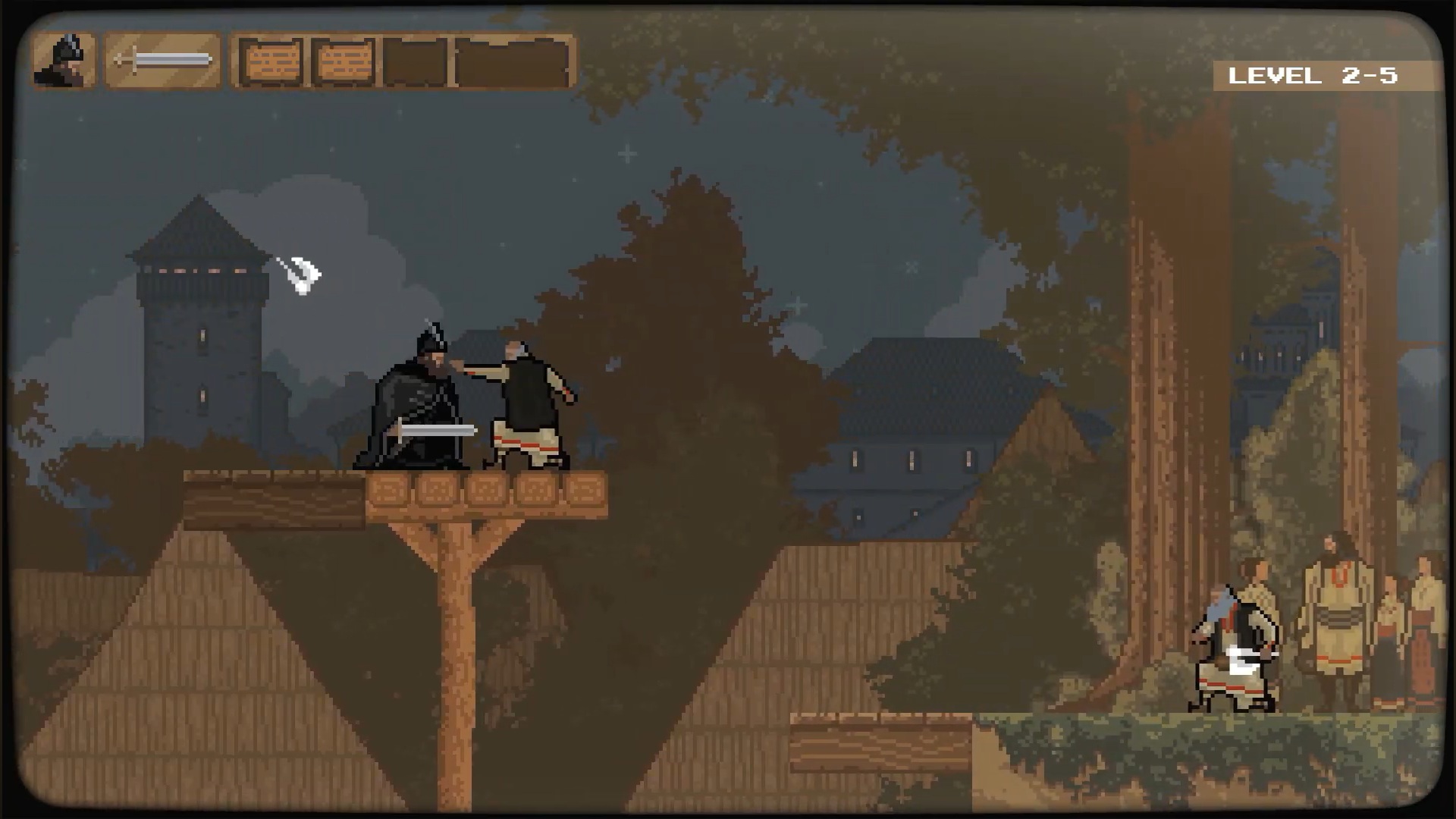
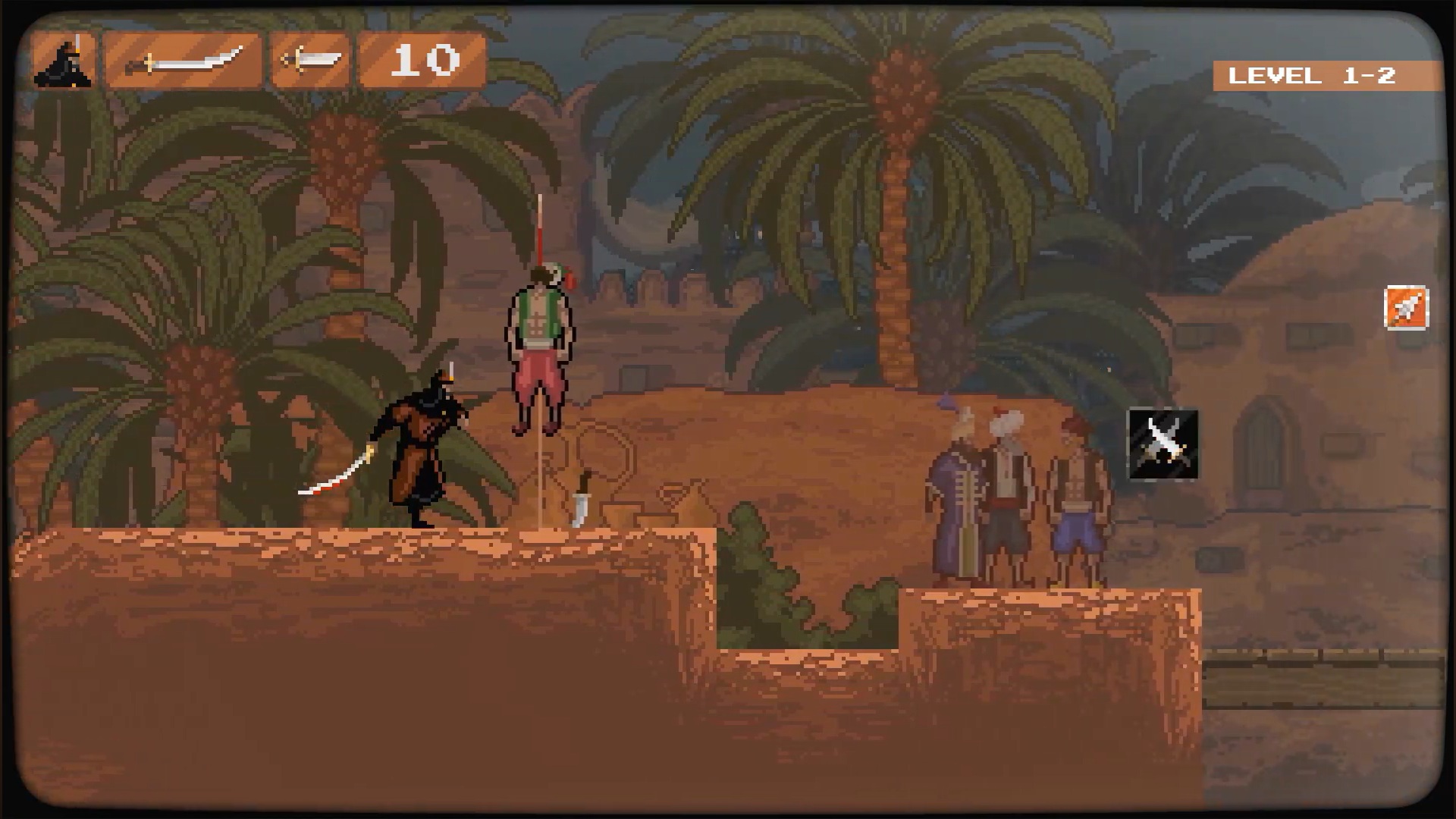
The gameplay follows the classicvania recipe: platforming, difficult combat, varied weapons, and multiple playable characters, each with their own style. The game includes many texts between levels, which add atmosphere and narrative context. Although some critics have noted that the dialogues are sometimes too long, they don’t detract from the charm of the experience. To begin with, Manhunt lays solid foundations for the story and introduces the main gameplay mechanics.
Vlad Voievod Dracula: Dungeons of Eğrigöz
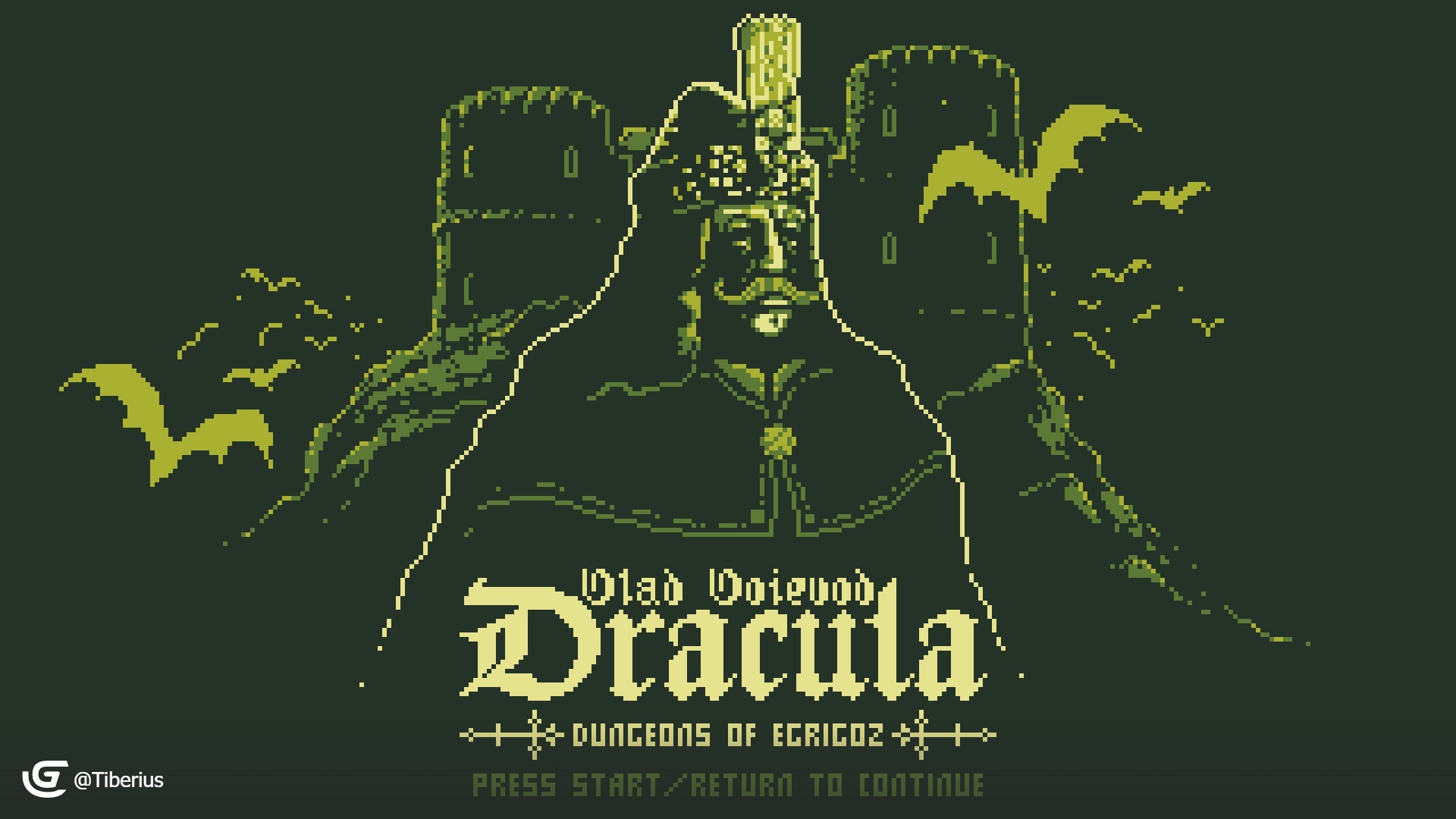
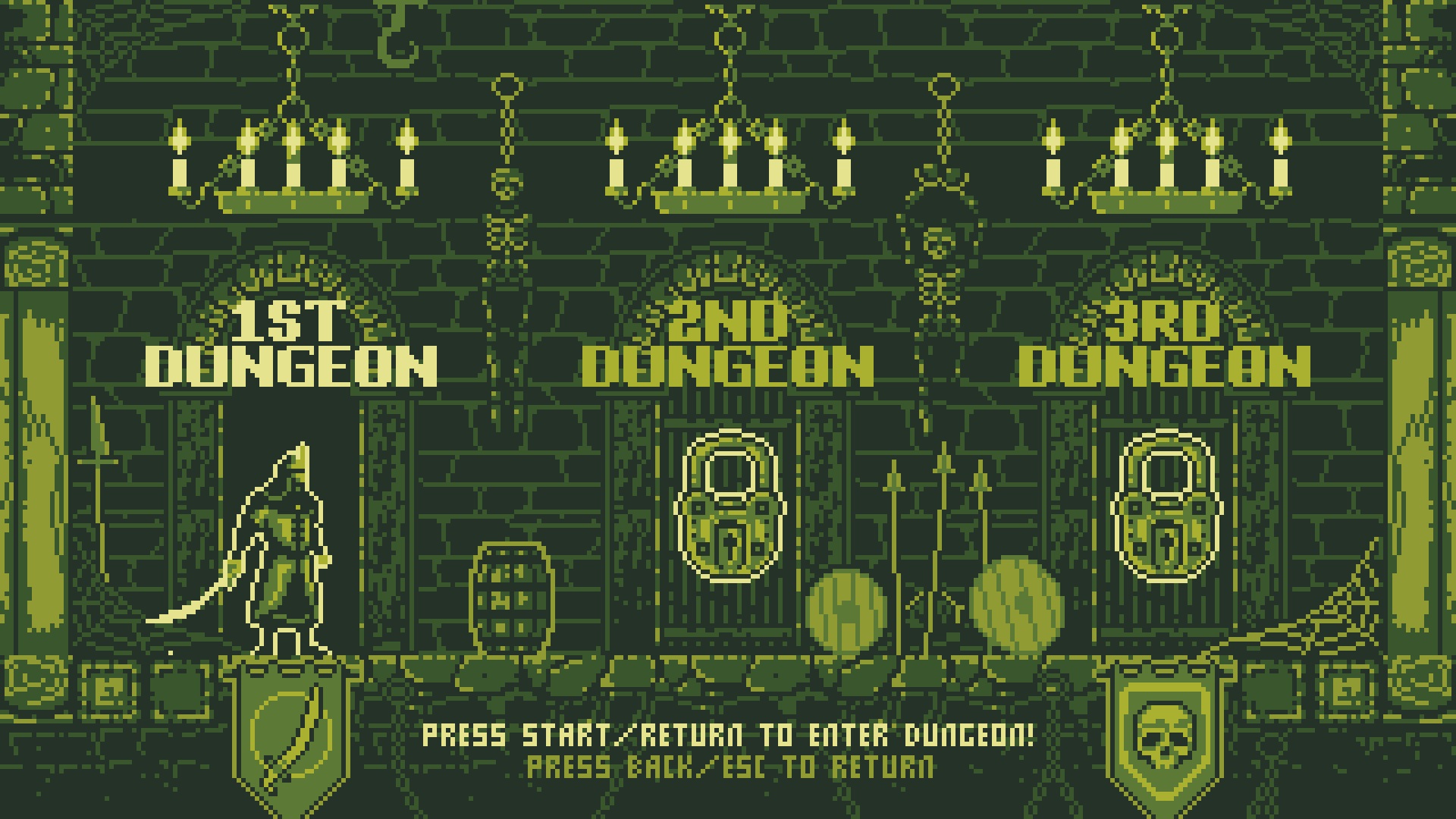
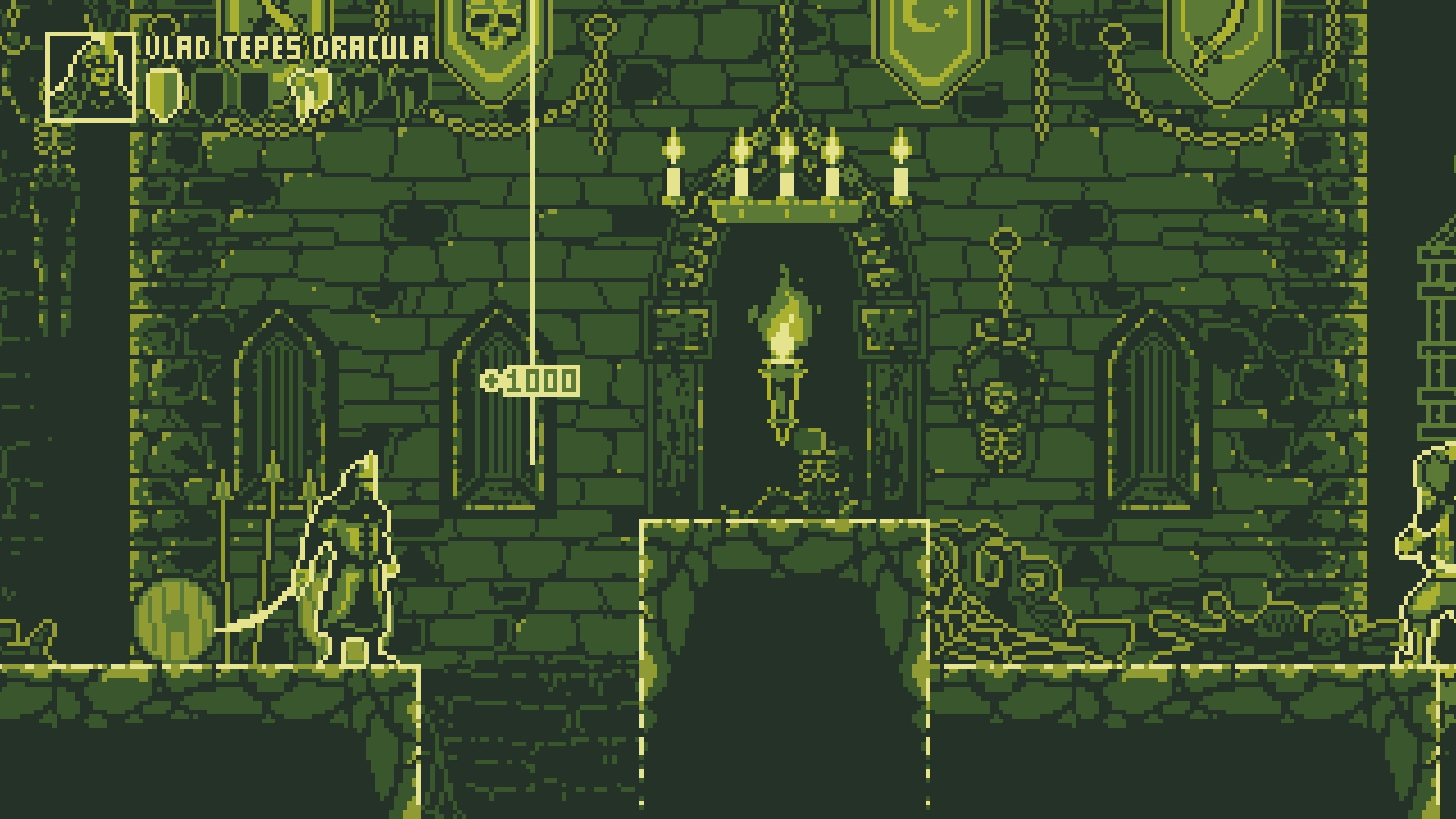
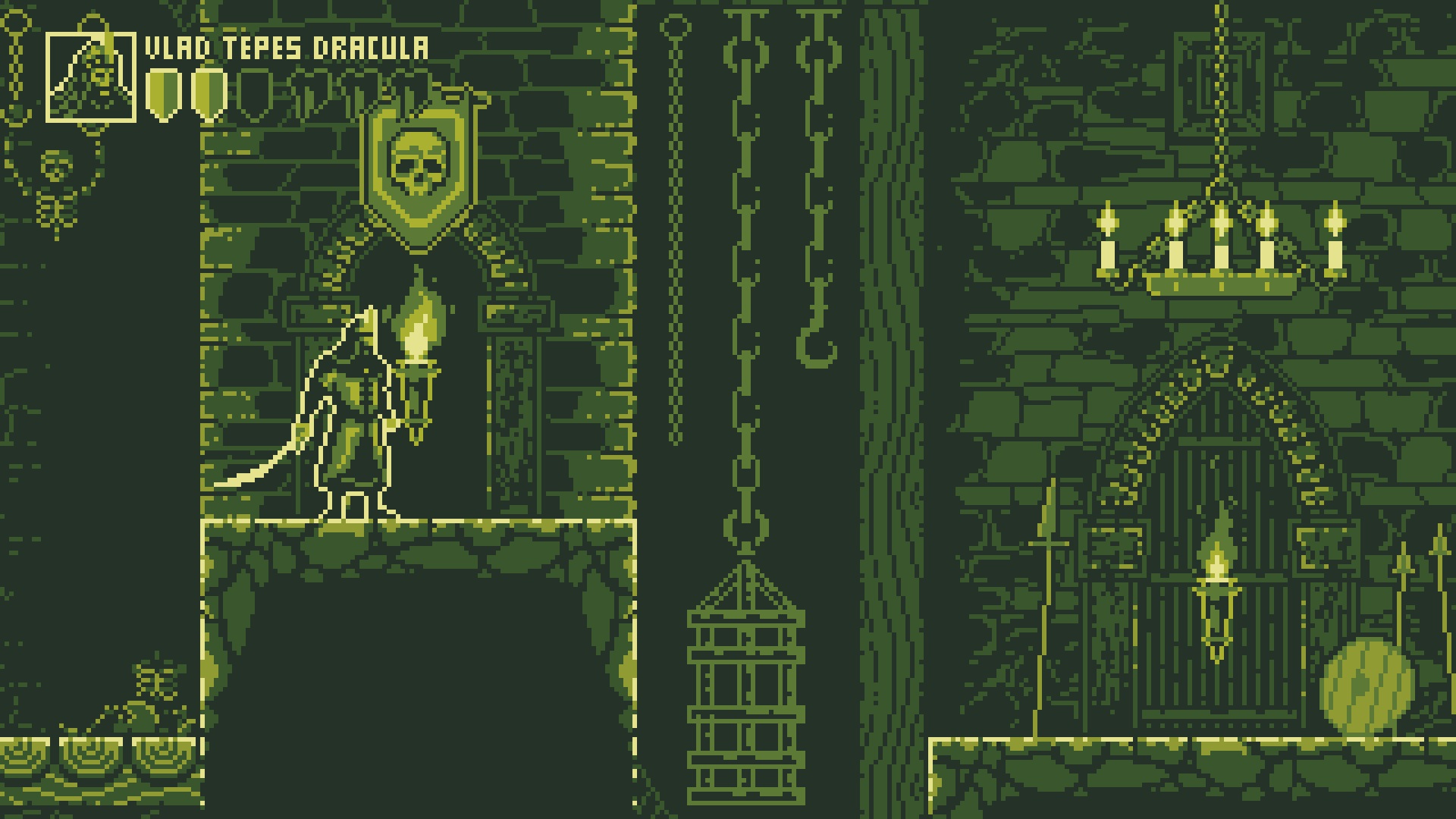
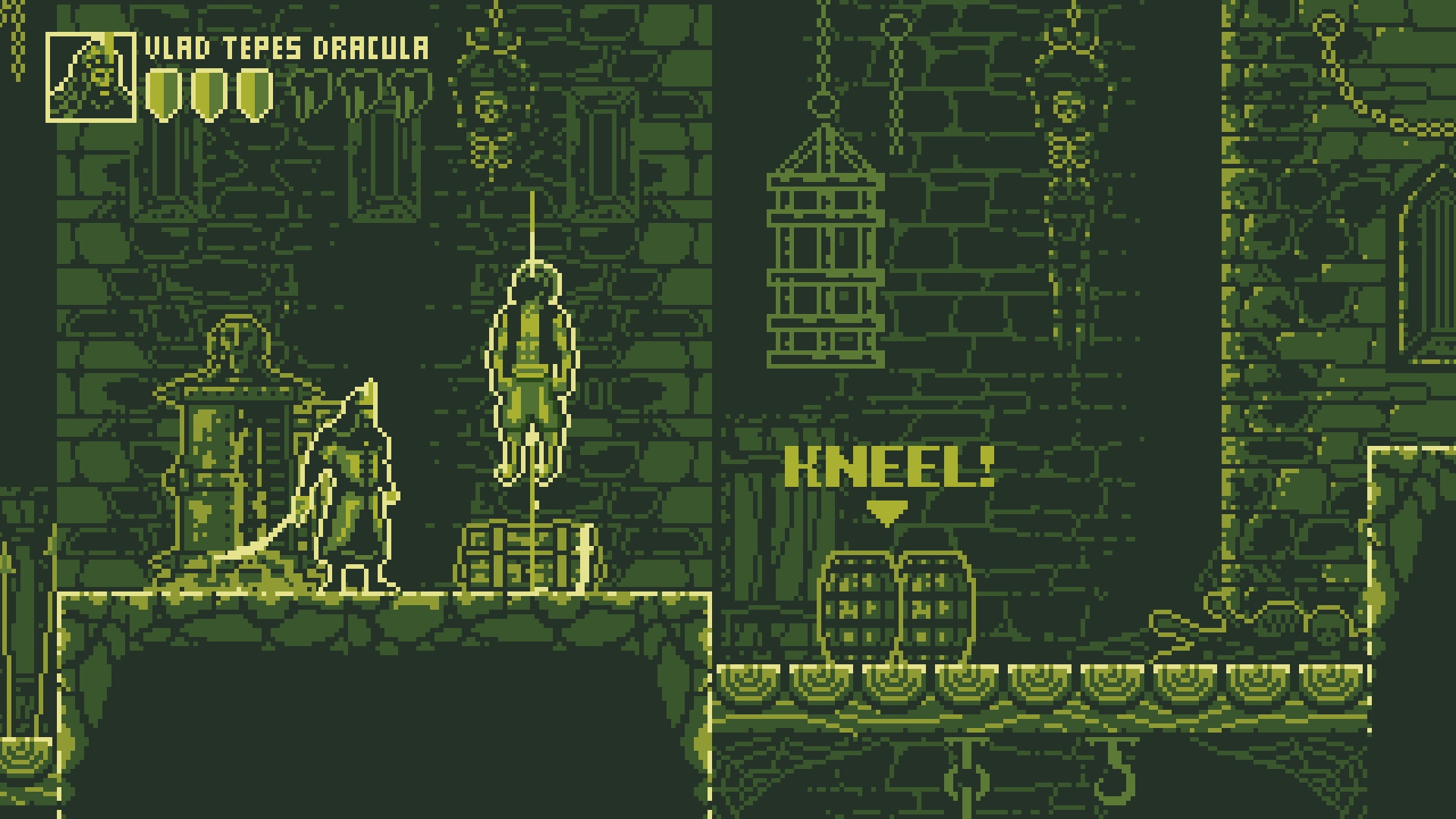
This title functions as a prequel and is already available on Steam, having initially been released as a demo on itch.io. Its graphics pay homage to GameBoy games, with retro pixel art full of personality, dungeon exploration, and numerous hidden secrets.
The story places Vlad in Eğrigöz Castle, where he sets out to find warriors to recruit. The emphasis is on discovery and constantly returning to already visited areas, with each return revealing new details or challenges. The dark atmosphere successfully combines tension with the pleasure of exploration, offering a captivating experience.
Eğrigöz thus emerges as a narrative bridge between Vlad’s origins and his future actions, while also being a standalone adventure that invites players to discover all its mysteries.
Vlad Voievod Dracula: Dungeons of Edirne
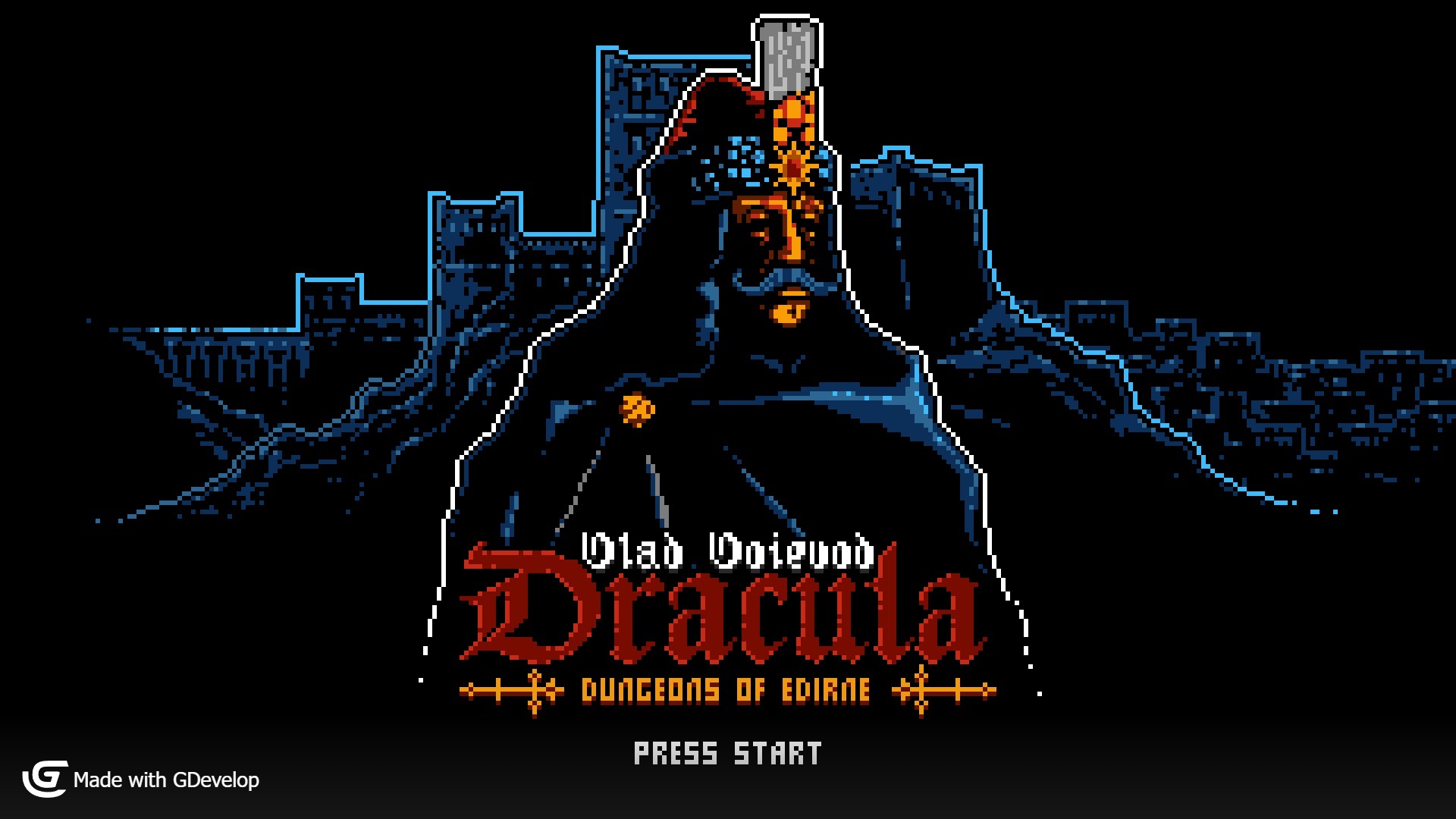
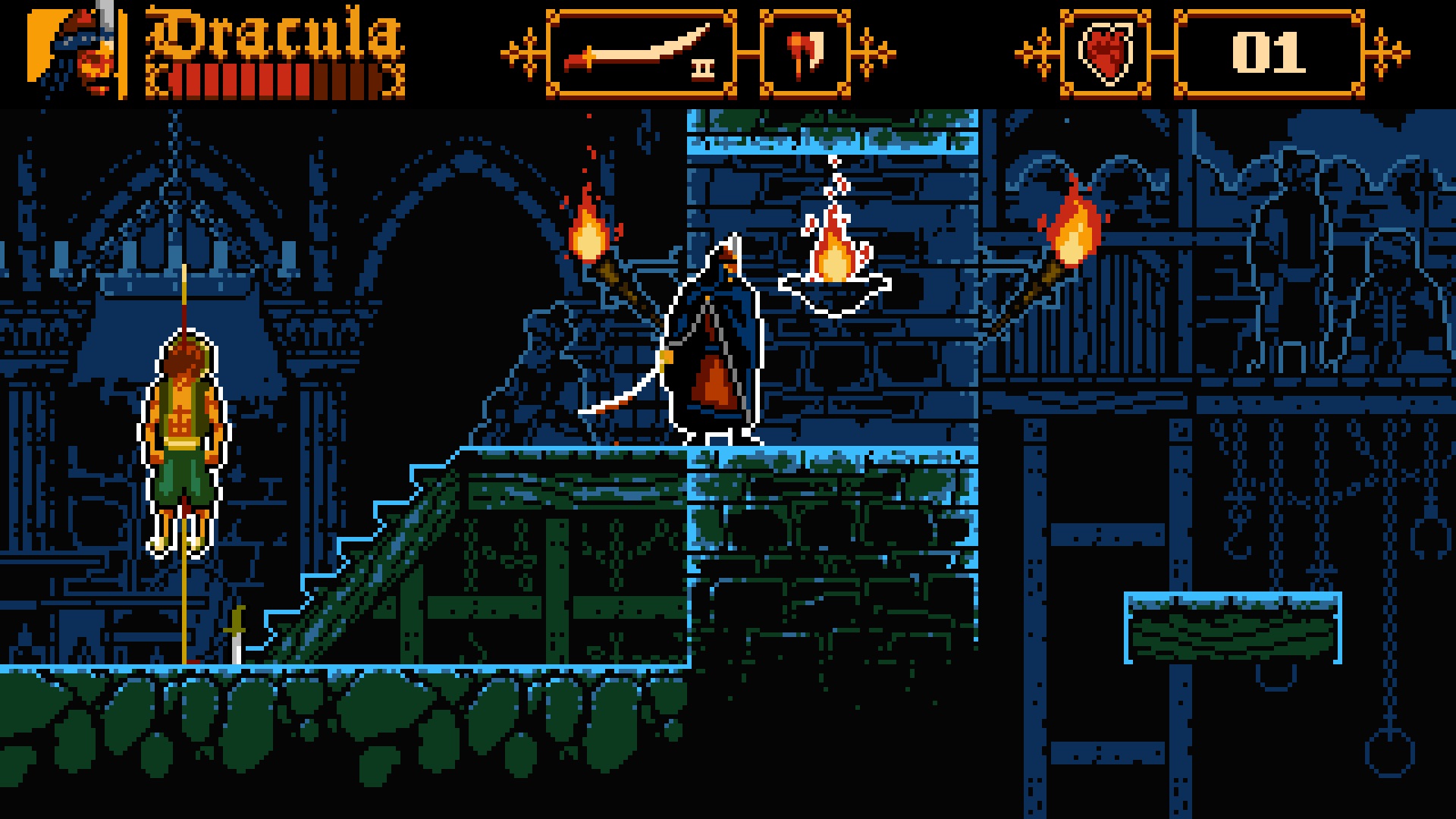
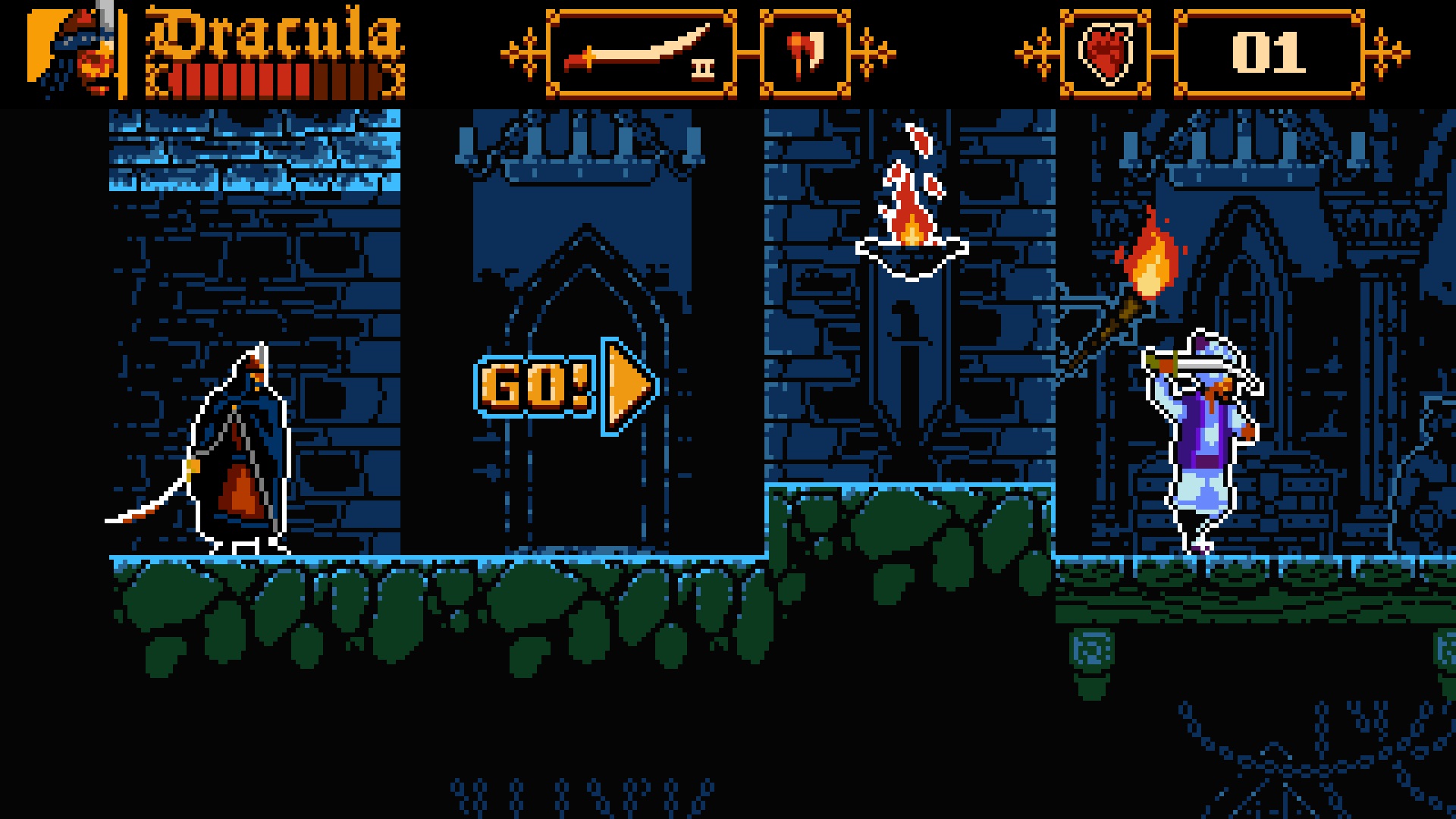
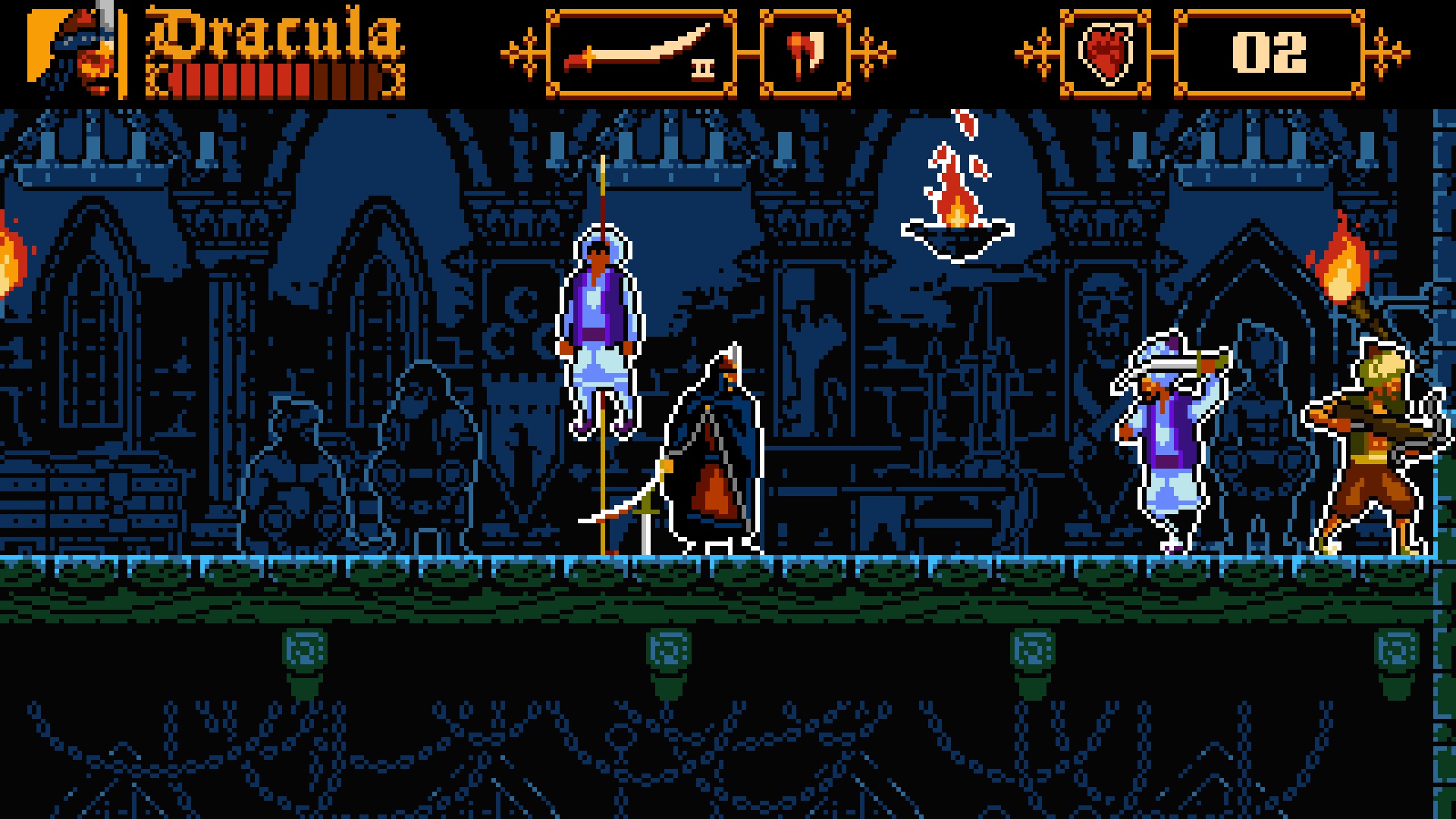
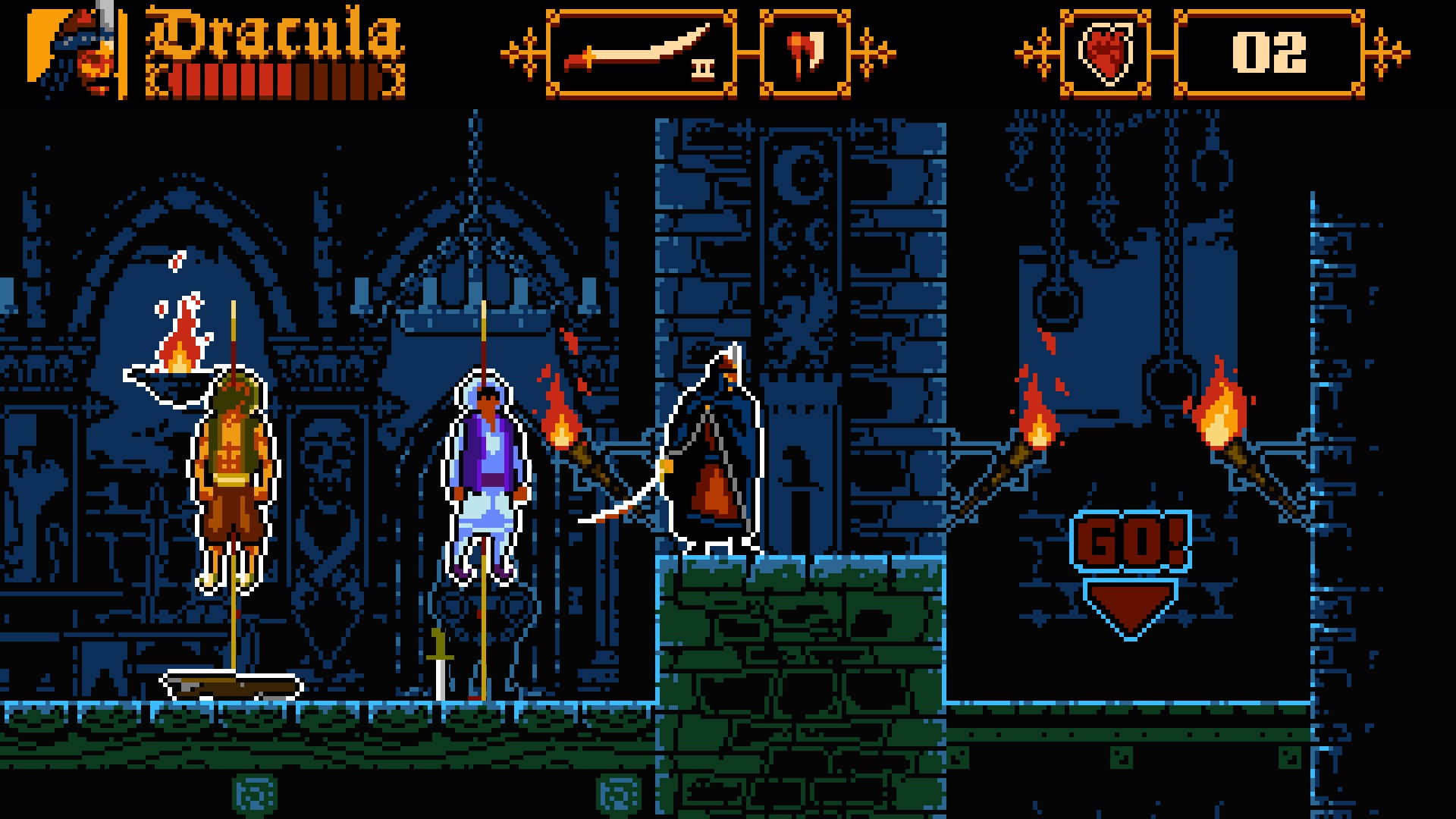
The last title, tested in an unreleased version, takes place in the palace of Edirne, in the heart of the Ottoman Empire. Vlad seeks to rescue a legendary warrior, an important ally in the struggle for the throne. The game is presented as a classicvania with Metroidvania elements and retro aesthetics inspired by Castlevania and Ninja Gaiden.
Graphically, the emphasis is on strong contrasts and gothic backgrounds. Gameplay becomes more demanding. Camera and attack timing are essential, and some limitations, such as the lack of a crouch attack, can frustrate players. However, the idea of a mythical mercenary imprisoned adds depth to the story and intensifies the legendary atmosphere, but I’ve already said too much. Oops!
A Historical-Gaming Mix to Consider
The Vlad Voievod Dracula series combines retro atmosphere with dramatic reinterpretations of history. Episode 1 Manhunt establishes the plot and gameplay style, Dungeons of Egrigoz adds exploration and mystery, and Dungeons of Edirne raises the challenge level.
They’re not perfect games, but for those passionate about gothic aesthetics, dark stories, and retro platformers, they offer a memorable experience. Between history and legend, between pixel and myth, Vlad Voievod Drăculea manages to be more than a classic vampire, transforming in this title, rather, into a digitally reborn voivode.
I don’t know if you’ve realised by now, but this series of games is the creation of a Romanian developer, Tiberiu Ghinet, with whom I had the pleasure of speaking to better understand the motivation behind this project. Without further ado, here’s what we discussed:
INTERVIEW WITH TIBERIUS, CREATOR OF THE VLAD VOIEVOD DRACULA SERIES
1/What motivated you to become a game developer and how did you come to work on the Vlad Voievod Dracula series?
I was working as a graphic artist on a mobile game when I discovered GameSalad, a “no code” game engine with an intuitive programming interface, accessible even to those without programming experience. It was originally designed for rapid prototyping. Without any programming background, after a few YouTube tutorials, I managed in a few days to make simple prototypes for basic mechanics – run & jump, hit mechanic, top-down movement, shoot mechanic etc. That was the moment I realised that the path to game development was accessible to me.
Later I discovered Construct 2 and 3 and GDevelop, other similar game engines, where I started testing increasingly complex prototypes. I also added graphic sketches, and gradually formed a coherent idea of what types of projects I could execute both graphically and technically. That’s how I slowly but surely arrived at what became Vlad Voievod Dracula.
2/What inspired you to create the Vlad Voievod Dracula series and how did you choose to combine history with gothic and adventure elements?
I grew up in the ’90s–2000s with games on yellow cartridges (Famicom/NES). This influenced my perception of what a game is and what it should contain. Among the games that impacted me were Batman: The Video Game, Ninja Gaiden 3, Kick Master, Journey to Silius, Shatterhand etc. My lack of experience didn’t allow me to create complex games, and my childhood influences naturally pushed me towards platformers.
I chose Țepeș as the protagonist because he is already a famous character worldwide, and being Romanian, I had access to much more information about him, his era, and local culture. I could make a unique, more valuable contribution than someone from outside the country.
I combined NES platformers with the figure of Vlad Țepeș, taking Castlevania as a reference, where the final boss is Dracula. Reversing the concept, I created a game where you play as Dracula. Theoretically, this offered space for an original contribution. Practically, it was a double-edged sword, as I later discovered.
3/Why Vlad Țepeș and how did you decide which historical aspects to keep and which to reinterpret?
I chose Țepeș contrary to “industry wisdom”, which says a game should start with a tested gameplay mechanic, and only then add story or theme. I started the other way around, out of passion and stubbornness, without realising the implications: a lot of extra work.
Narratives and gameplay are very different mediums. The audience doesn’t influence the story in a film or novel, but in a game the author cannot control the experience exactly as they would like. I tried to find a combination that would add value, iterating based on feedback. Episode 1 has a lot of narrative content, but because players asked for less story, in Eğrigöz and Edirne I reduced texts and introduced narration through gameplay. In Edirne, for example, you learn the antagonist’s story from the dialogues of freed prisoners.
4/Are the facts presented in the game faithful to reality? Is there research behind the story?
I studied history books about Vlad Țepeș and his era, including medieval chronicles, the voivode’s letters, and period documents. I extracted the key events and built the fiction around them. I tried to preserve the “spirit” of history, even if the details are adapted.
For example, we know that pretenders to the throne sought support from the Hungarians or Ottomans and conspired with exiled boyars. In Episode 1, the fictional story is that the boyars exiled to the Ottoman court first hire a band of thieves, then an assassin, to prevent Țepeș from returning to Wallachia and taking the throne.
5/How did you balance challenge with accessibility?
I started from Castlevania, which is famous for its difficulty. I built modifications on top of that model, testing through demos and adjusting based on feedback. Episode 1 was the base, then I tested new ideas in Eğrigöz and Edirne. Adjustments continue today, some being applied retroactively.
6/What are the differences between the titles, more precisely?
> Episode 1 is the most complex: strong emphasis on narrative, 10 playable characters, varied levels.
> Eğrigöz is a simplified version, with graphics limited to four colours and minimal story, more of a test for the game’s underlying mechanics.
> Edirne is an intermediate step: richer palette, more enemies, traps, but still a smaller game than Episode 1.
7/What can you tell us about the retro influences in your games?
Besides Castlevania and Ninja Gaiden, I was influenced by Shatterhand, Batman, Kick Master, Journey to Silius, Contra Force, Metal Storm and even Sonic and Mario Bros. From these, I tested ideas such as variable movement speed, but not all were well received by the retro community. Castlevania 3 remained the main inspiration.
8/Who is behind the game’s atmosphere and, implicitly, the graphics?
All the work was done by me. Thus, there was no risk of losing the vision between disciplines. It’s not perfect, but through iteration, I managed to create a coherent gothic atmosphere.
9/Are the historical references a unique aspect of the developer?
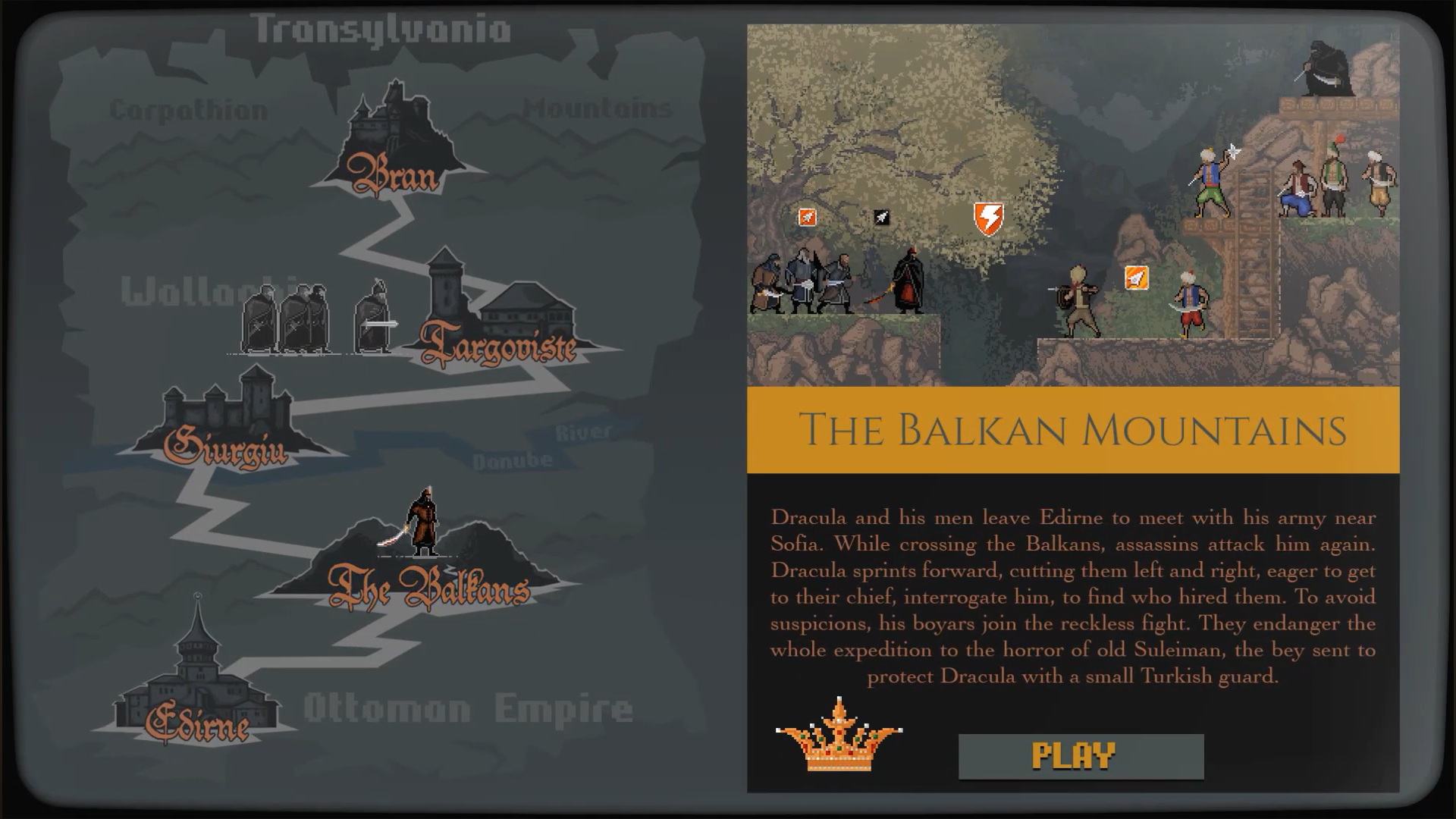
This is the unique contribution I can bring as a Romanian developer. I included medieval fortresses such as Giurgiu or the Princely Court of Târgoviște, recreated in pixel art. The same goes for Bran customs.
The period of Țepeș’s captivity at 12 years old in Eğrigöz fortress, or his detention at the Ottoman court, are mentioned by historical sources, but not in detail. Here I filled in the gaps with fiction organically linked to gameplay.
10/What challenges have you encountered or are you currently encountering?
The biggest challenge was time. Episode 1, done full-time, would require 6 months – 2 years. As a side project, it takes much longer, and discipline becomes difficult after the initial enthusiasm. Working alone, the work is immense. In a team, other difficulties arise: communication, coordination, schedule.
11/What has been and is the players’ reaction, in general?
Most focus on gameplay and perceive the historical part as “filler”. However, Romanian players have pleasantly noted the details related to history and culture. Retro-gamers are more critical: they demand an experience as authentic as possible, preferably on classic hardware.
One feedback that pleasantly surprised me was that some noted that I didn’t just use the name Țepeș to quickly sell a poor product, but built a real game around the character, which also works as a gaming experience.
In an industry dominated by commercial titles and repetitions of safe formulas, the Vlad Voievod Dracula series manages to bring an original, profoundly Romanian perspective to a historical character transformed into legend over time. Through the passion and perseverance of Tiberiu Ghinet, to whom I say “thank you, by the way,” for his time, Țepeș breaks away from the Hollywood vampire cliché and is reborn as a tragic hero, caught between reality and myth, between history and fantasy.
Each game in the series contributes to shaping this retro-gothic universe, demonstrating that even an independent developer can create a coherent world, full of atmosphere and identity. In the end, Vlad Voievod Dracula is not just a series about struggle and destiny, but also proof that authentic inspiration, rooted in culture and history, can rival any international creation.
