
GOG x GRIND – Interviu
Apărut în GRIND V, paginile 174–177.
INTRODUCERE LEO LUȚIA
ÎNTREBĂRI LEO LUȚIA, VLAD COSTEA, AIDAN
RĂSPUNSURI PIOTR GNYP, MARCIN PACZYŃSKI
& ADAM ZIÓŁKOWSKI (GOG)
GRIND PODCAST #36
Probabil că aceia dintre voi care ne urmăriți deja de ceva vreme știți că, uneori, ne place să ne prostim și în format video – nu doar în scris. Mă refer, desigur, la GRIND Podcast: locul unde, aproape în fiecare sâmbătă, ne strângem în fața monitoarelor și povestim diverse din lumea gaming-ului – de la teme banale precum „ce ne-am jucat în ultima vreme”, până la filosofii de viață cugetate de Aidan.
Legenda spune că, într-un episod mai vechi, Vlad a stat aproape 6 ore la discuții cu Gabi de la ArhivaBD. Dacă nu mă credeți, ar fi bine să căutați pe YouTube – GRIND Podcast #32. Totuși, să știți că nu ne prostim mereu – mai avem și momente când suntem serioși. Așa s-a întâmplat în episodul #36, când am avut invitați speciali, sau – dacă vreți – oaspeți de seamă: nimeni alții decât Piotr Gnyp, Marcin Paczyński și Adam Ziółkowski de la Good Old Games – magazinul online preferat al oricărui gamer retro care se respectă. Nu cred că printre cititorii noștri există persoane care nu au auzit de GOG, așa că, fără alte introduceri și explicații, vom sări direct la subiect.
Motivul pentru care ne-am adunat la podcast a fost să discutăm despre Preservation Program, inițiativa prin care GOG se asigură că o colecție generoasă de jocuri retro-clasice pentru PC rămâne perfect jucabilă, indiferent de actualizările viitoare de Windows sau de eventualele probleme de incompatibilitate hardware. A fost o reală plăcere să povestim timp de aproape o oră și jumătate și, mai mult decât o simplă discuție, întâlnirea cu GOG a marcat o colaborare de excepție – nu doar pentru revistă, ci și pentru scena locală de gaming. De ce spun asta? Pentru că GRIND V vine la pachet cu multe „bunătățuri” de la GOG, precum două recenzii ale unor titluri aflate sub eticheta GOG Preservation Program – Resident Evil Bundle și Breath of Fire IV. Ambele sunt deja consacrate și, evident, nu trebuie să lipsească din librăriile voastre. Ba mai mult, avem și o copertă realizată în colaborare cu GOG și Capcom, care readuce puțin din stilul retro de la începutul anilor 2000 (by the way, coperta preferată a lui Aidan). Două exemplare din revista GRIND V se află acum la loc de cinste în birourile CD Projekt Red și GOG din Polonia. Dacă aveți drum pe acolo, vă rugăm să ne trimiteți o poză pe adresa redacției. Mulțumim anticipat! În rândurile de mai jos găsiți o parte din podcastul GOG x GRIND, transformat într-un format de interviu, fiind mai ușor de citit în varianta tipărită. Pentru cei dintre voi care nu ați apucat încă să vizionați episodul online – sau poate că abia acum ați auzit de el – nu-i nimic: am plasat un cod QR care vă trimite direct la canalul nostru. Așa că, după ce savurați rândurile ce urmează, vă invităm să ascultați sau să vizionați și varianta integrală de pe YouTube. Iar dacă v-a plăcut, nu uitați să apăsați și pe butonul de subscribe.
Apropo: nu avea sens să traducem interviul și să-i pierdem farmecul, așa că l-am lăsat în forma sa originală, în limba engleză. Enjoy, brudders and sisters!
In a world that increasingly demands faster, cheaper, and more convenient delivery, how do you see the future of physically distributed games — like those on discs or, for example, Nintendo’s game cards? Is this a format you personally hope will continue to exist, even as you focus on digital preservation through your program? Do you still see a future for games being sold on physical media, like discs or cartridges? And does physical distribution actually help in preserving games?
PIOTR Everything we see, both within and outside the industry, suggests that we are slowly but steadily shifting toward digital distribution. And that’s a fact. That said, we all know there will always be people — collectors who truly appreciate physical editions of games. They’ll continue to buy special collector’s editions to display on their shelves, maybe with a figurine or other accessories. With that in mind, it’s hard to say what the future holds, or what the internet infrastructure will look like 20 or 30 years from now. Still, I would assume that digital distribution will make up around 90% of the market. But there will always be that remaining 10%, people who, if given the option, will choose to buy games in a physical format.
MARCIN I don’t think physical copies are going anywhere. I mean, sure — the volume of sales won’t be anything like it used to be, obviously. But in my opinion, much like what’s happening with music, I don’t believe physical copies will disappear entirely. Maybe it’s the millennial in me speaking, but there’s something magical about having a physical representation of a game you love, something you can actually hold in your hands. Even if it’s just a plastic box, it still feels more meaningful. It’s definitely better than simply having the game as a digital download. There’s a collector’s aspect to it that’s hard to replace. That being said, and this is just my personal view, I actually think digital distribution is much better when it comes to game preservation. You have to keep in mind: to play a game from a physical copy, you need specific hardware — a drive that can read it. And even if you have that drive, your computer needs to support it, and your operating system needs to know how to work with that device.
For certain older games — like Silent Hill: The Room, for example, do you get access to the original source code and work directly on fixing bugs? Or do you rely on existing fan patches and community fixes to improve stability and compatibility with modern hardware?
ADAM Yeah, we’re definitely paying attention to what the community expects from us. As for modders, we’re not quite collaborating with them just yet, but keep your eyes peeled, because we’ve got something coming up!
MARCIN Although we don’t have mod support on GOG, collaborating with communities has always been part of what we do, and for a very simple reason. These people are usually absolute experts in the games they’re passionate about. They have all the files, all the knowledge… they just know everything about the games they love. So, our goal at GOG is
BREATH OF FIRE IV
RESIDENT EVIL BUNDLE
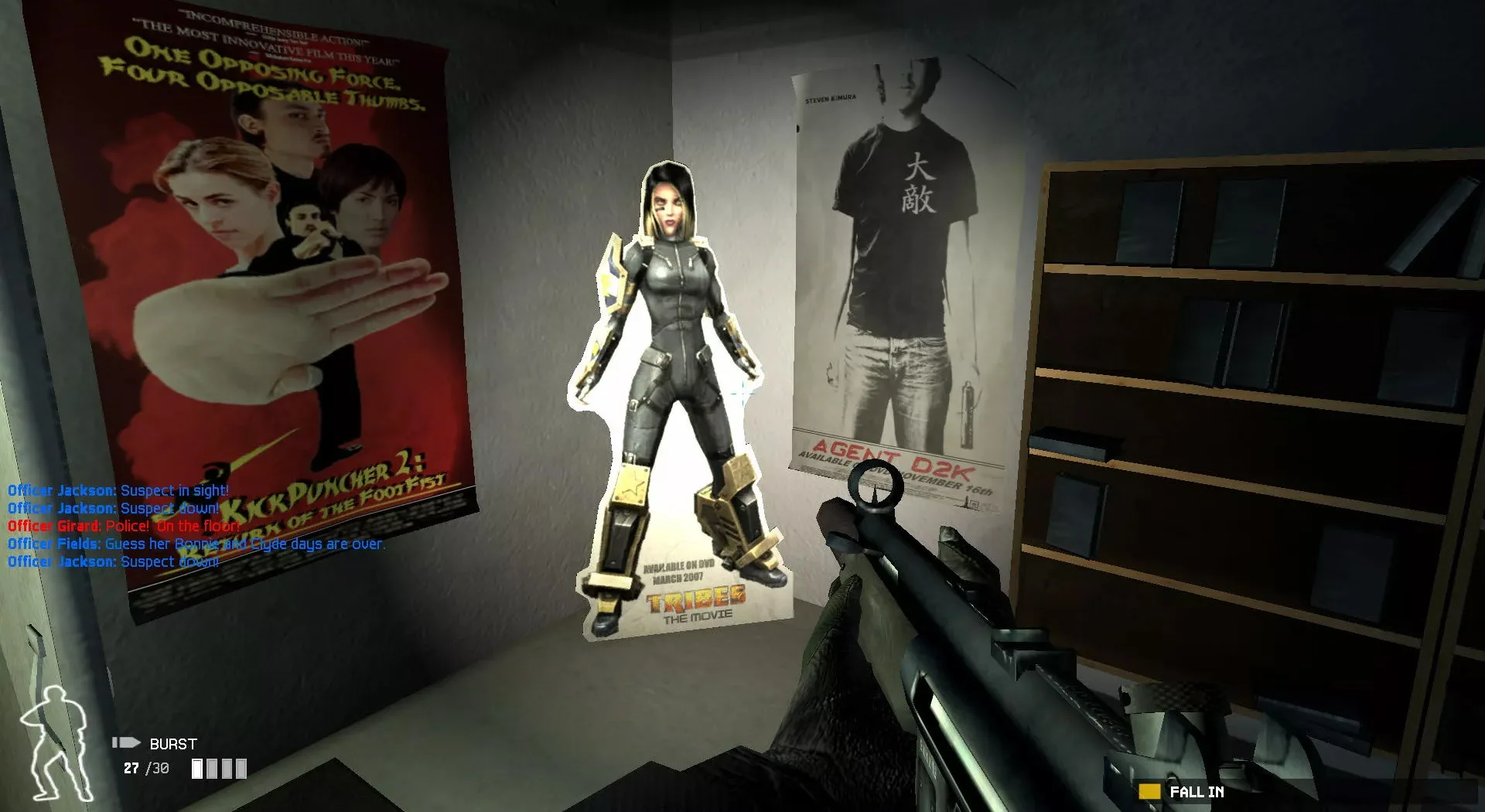
SWAT 4: GOLD EDITION
ALPHA PROTOCOL
quite simple: to do something that they would appreciate. If we release a game in a way that makes the community happy, then we know we’ve done our job right. That’s always our aim. There have been numerous examples of us working with communities — although it hasn’t always been possible, for various reasons. One example I often give is actually from one of our older releases: the Wing Commander series on GOG. That was a very close collaboration with the fan community. They did an absolutely amazing job, not just in preserving the games themselves, but also in gathering all the surrounding assets — scenarios, design documents, even business materials. They had it all, and they were kind enough to share it with us. It’s all available now on GOG. What’s more, we worked with them closely to create a unique version of the game, specifically Wing Commander IV and V, that actually combined elements from three different versions into what you could call the “Ultimate Edition.”
Back in the ’90s, creating visual assets and concept art for games was a very different process compared to today — where everything is done digitally on an iPad or a Wacom tablet. How “easy” is it to take a retro game and bring it back to life on modern systems and at high resolutions? And what does it take to upscale the original visual assets while also preparing extras like wallpapers, concept art, or manuals that still look great by today’s standards?
PIOTR I have this story about buying games from Malaysia, or some other obscure corner of the internet, like eBay listings from random Asian countries, just to get our hands on rare or forgotten materials. We were trying to track down everything that was ever published around a particular game. Of course, there was a book involved, there always is. As we often say, we rely heavily on the community, but also on IP owners and publishers. We always ask them: What do you have? What can we use? How can we create an “immortal” version for the GOG edition of the game? Our goal is to build the most complete, the most amazing edition of the game that we possibly can. But sometimes, that means doing some pretty weird stuff — like scouring obscure "Microsoft made gaming cool when they launched the Xbox 360." PIOTR corners of the internet in the middle of the night, hunting for an edition that, in many ways, never officially existed.
MARCIN Yeah, it’s also important to understand that this is a never-ending process. We might release a game, and then someone from the community reaches out like, “Hey, I have this extra asset related to the game, can I send it over?”. For example, someone might have the Spanish version of the manual, or some additional content that came with a particular regional release. Sometimes, we even get contacted by the original developers of those games, offering materials or sharing stories we didn’t know about. In the end, it’s less of a one-time project and more of a grind.
On sites like MyAbandonware.com, you can find a lot of games from our childhood that have essentially been abandoned. It seems like the publishers don’t care about them anymore, and some of them aren’t even that old. What’s the process involved when GOG decides to bring one of these forgotten gems back? If you find a game like this and decide to publish it on GOG, how does that actually work? Is it a legal process, a business negotiation, or both? And once the game goes up for sale, does any of the revenue go to the original creators, or only to the studio that owns the rights now?
MARCIN Legally speaking, “abandonware” doesn’t really exist. What that means is that someone, somewhere, still holds the rights to those games, even "My best year in gaming was 1997 when Final Fantasy VII was released."
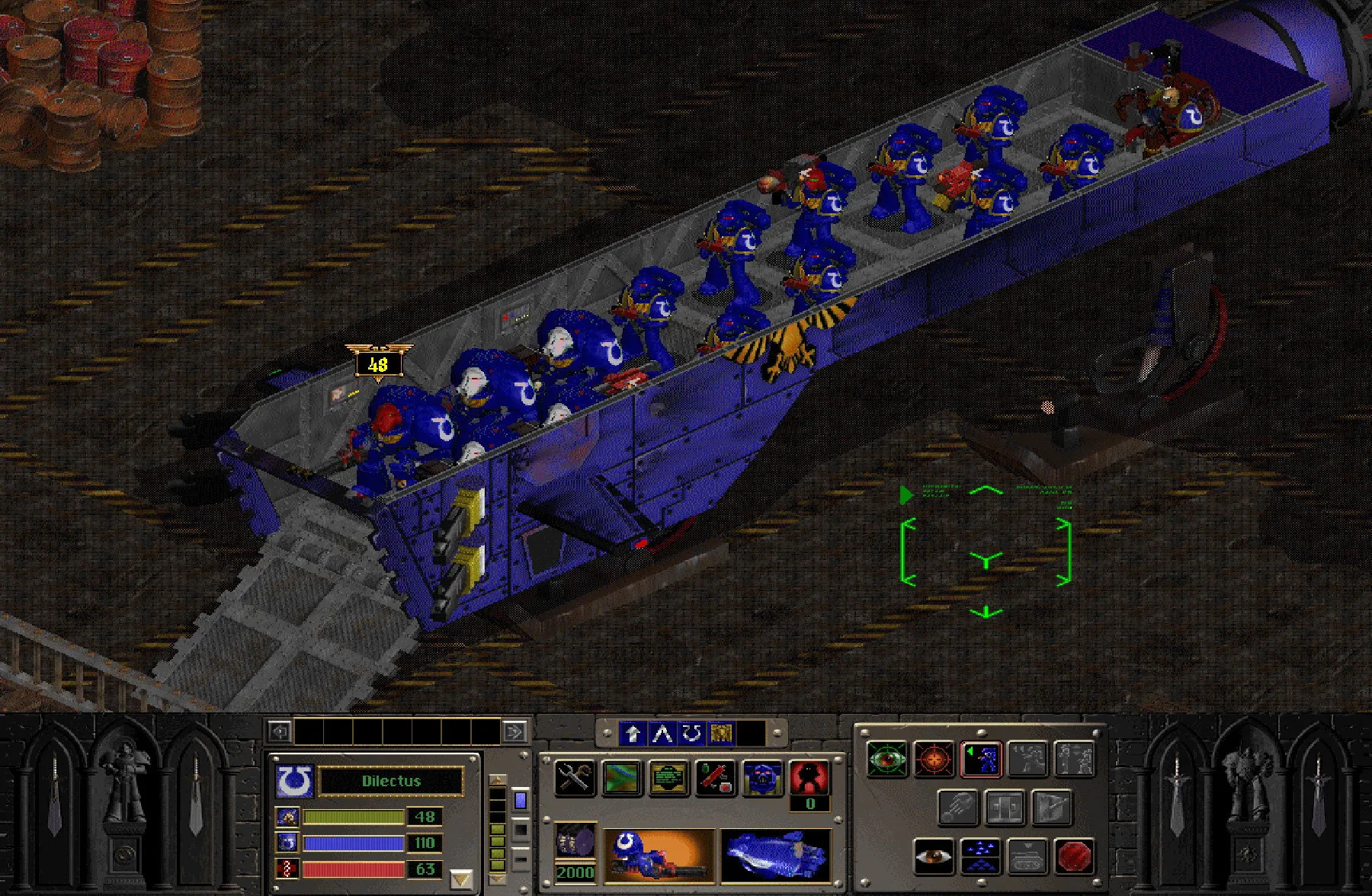
WARHAMMER 40,000: CHAOS GATE
"I don’t believe physical copies of games will disappear entirely..." MARCIN if they don’t necessarily realize it. So at the very beginning, it always starts with research and detective work: figuring out who actually owns the rights. And the older the game is, the more complicated things tend to get. Once we have a fairly good idea of who might hold the rights, we reach out to them. Sometimes it’s the original developers who worked on the game. Sometimes it’s the publisher who released it. Thankfully, here at GOG, we’ve been doing this for over 15 years, and we’ve built up a strong network of contacts. People often help point us in the right direction. One example I like to share is when I started working on bringing back Black & White. The person who helped me the most was actually Peter Molyneux, the original creator of the game. He walked me through everything, explained who currently owns what, and what exactly would need to happen in order to re-release the game.
For Vlad, the best year in gaming was 2004, the year Half-Life 2, NFS Underground and many other fantastic titles were released. We even published an article about it in GRIND IV. For Aidan, it’s 2007, a year also full of iconic releases. What about you? What would you say was your best year in gaming, and why?
ADAM Man, we’re old. I don’t even have to think about it, 1997 was the year for me. That’s when Final Fantasy VII was released on PC, and honestly, that made it the best year ever in gaming, at least from my perspective.
THE WITCHER: ENHANCED EDITION
PIOTR If I had to point to one year in gaming history when things were truly revolutionized, it would be the launch of the Xbox 360. Because for the first time, Microsoft made gaming cool, and they combined it with pop culture in a way we hadn’t really seen before. They didn’t just say, “We’re competing with PlayStation.” They said, “We’re competing with every other form of entertainment.” They brought Western developers into the console world in a major way. They introduced online integration, achievements, and a connected experience that redefined how we play. Honestly, I haven’t seen a revolution of that scale in the past 20 years. I was madly in love with the Xbox 360. Funny enough, I was also kind of angry when they scrapped the original “Xbox Next” idea, so I jumped over to the PlayStation camp for a while. But looking back, the Xbox 360 was one of the most revolutionary platforms we’ve ever had. And because of that, the games released during that era were incredibly memorable to me.
JAZZ JACKRABBIT
Since a big part of video game preservation is about capturing the entire experience, the feeling of holding the box, looking at the cover art, reading the text on the back, I was wondering: Do you also offer, for most of your games, downloadable files for things like box art, manuals, or other printable goodies that fans can use to recreate that authentic collecting experience at home? We’d love to stack our shelves with something that looks and feels real, something that brings joy to our hearts every time we take it off the shelf and hold it in our hands.
MARCIN We do have manuals, basically PDFs that you can print if you want. As for original covers, we’re not offering those yet, but it’s actually one of the ideas that’s been floating around for a while. And we’d really love to do it. My ideal scenario would be that you could just download and print everything, and then assemble the box yourself, bringing the full physical experience back. That’s something I personally want to make happen. I totally agree: it’s a very important part of invoking that nostalgic feeling and recreating the full, tactile experience of owning a game, not just playing it digitally. So yeah, I’m 100% on board with the idea. I really hope we’ll be able to offer it at some point.