
Dead as Disco – Review


Saturday Night Fever
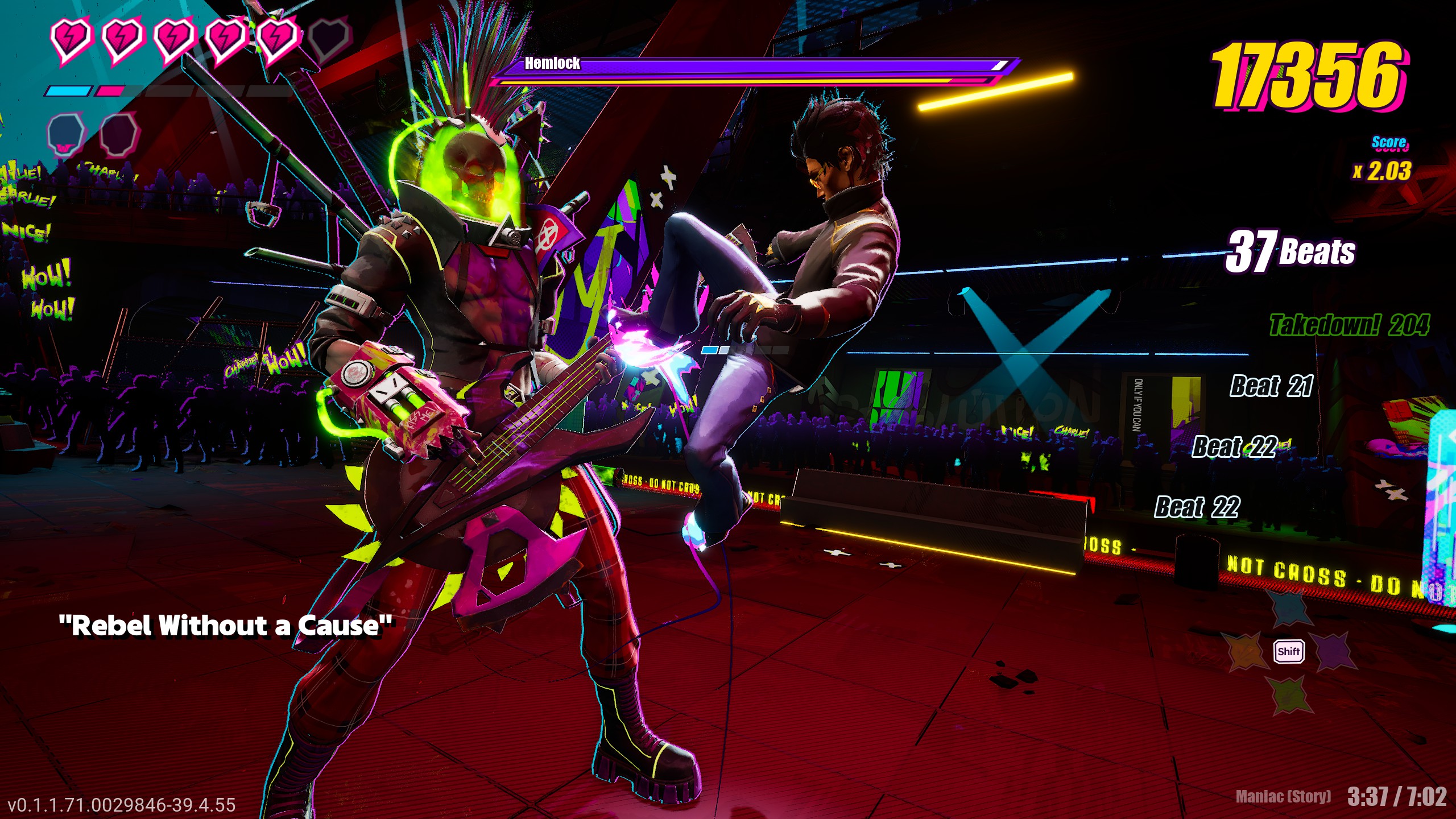
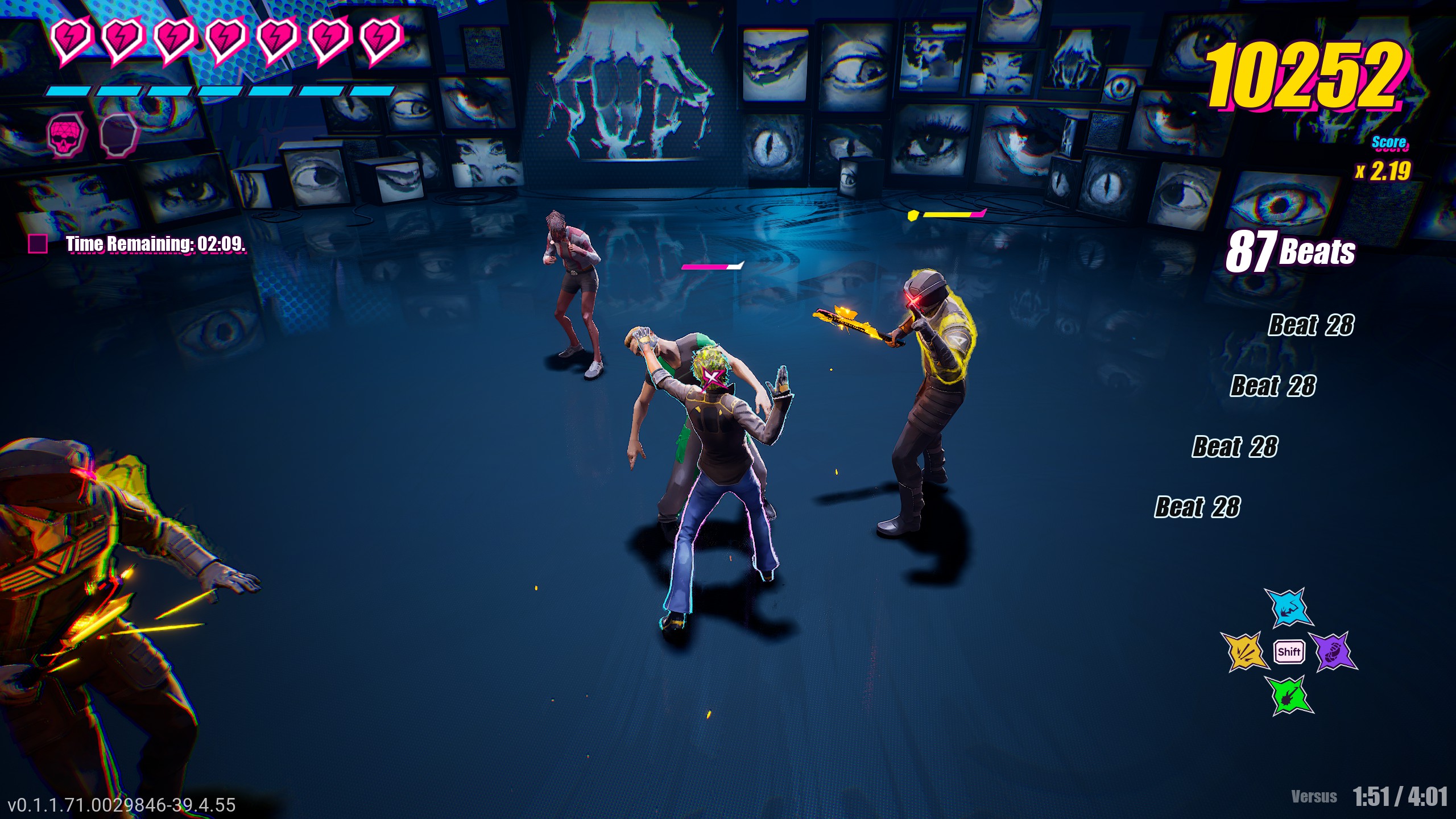
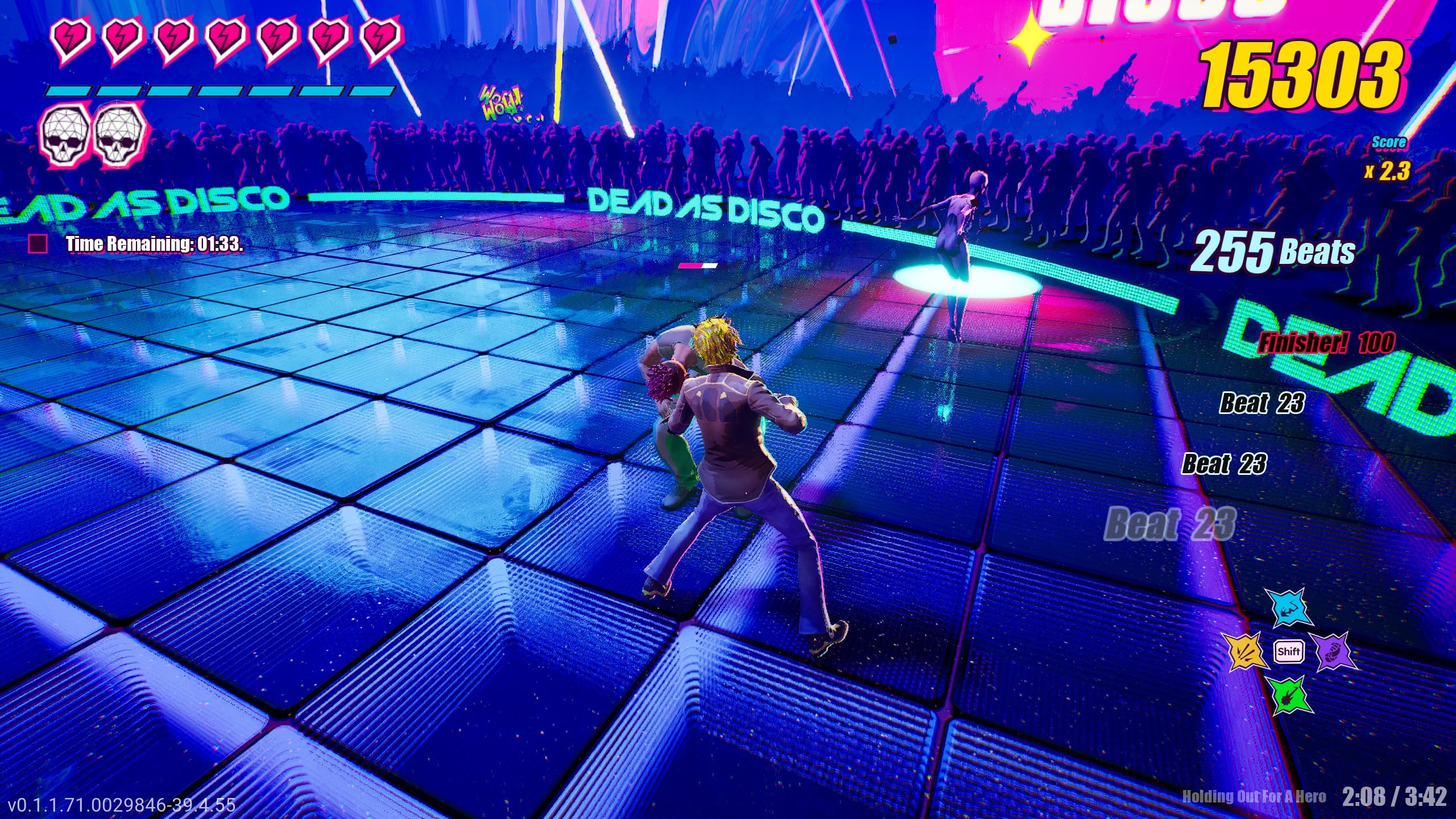
Dead as Disco isn't a rhythm game. At least, not in the sense we've grown used to, where you have to ride the beat or hit notes to finish the level. It's more of a brawler that borrows the freeflow combat system from the Arkham series and adds a musical layer: the rhythm of your punches and kicks settles into the cadence of the percussion, and the sections of the track dictate when the arenas change.
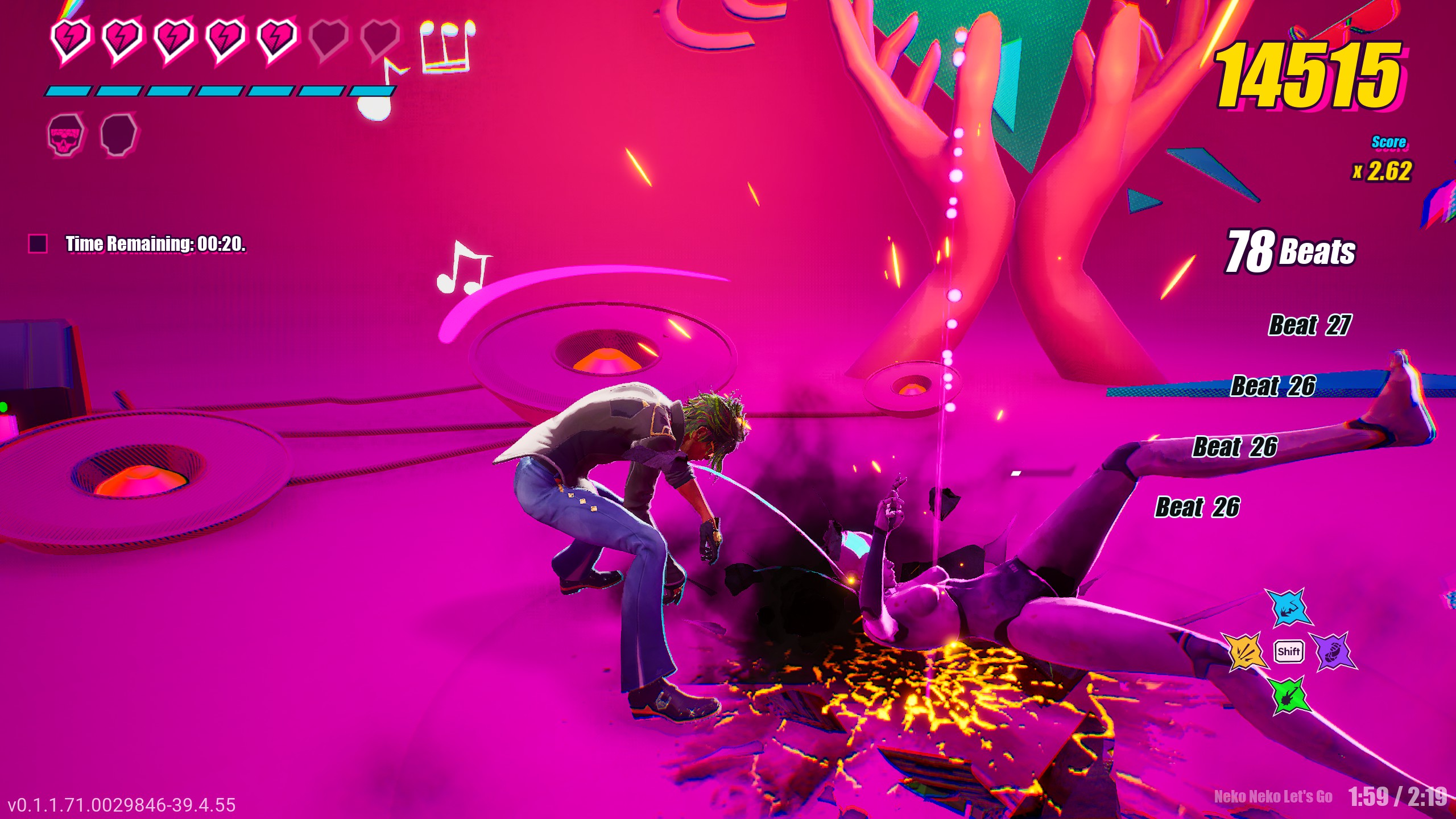
The good news is that this lets you get creative and make tactical choices on the fly, much like in Hi-Fi Rush, with crowd control abilities and finishers that you weave into the general cascade of hits and parries. At the same time, the visual cues matter far more than the elements of the track, and the musical side becomes secondary. In other words, a more laid-back summer rhythm game, where you're always in the pocket without much effort, leaving you free to chain dance moves with punch-and-kick combos in psychedelic arenas that mark out the sections of the song like segments of a music video.
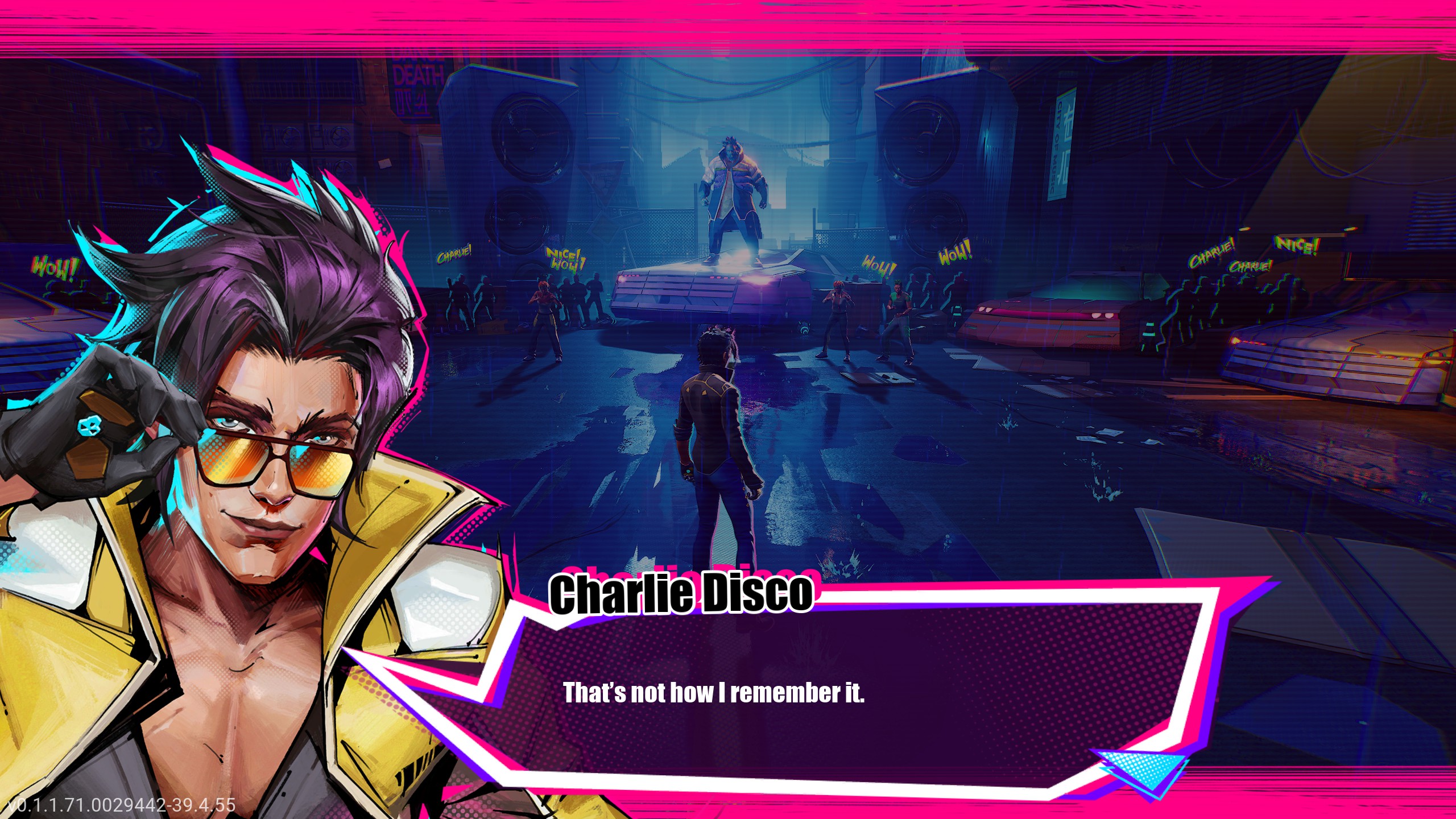
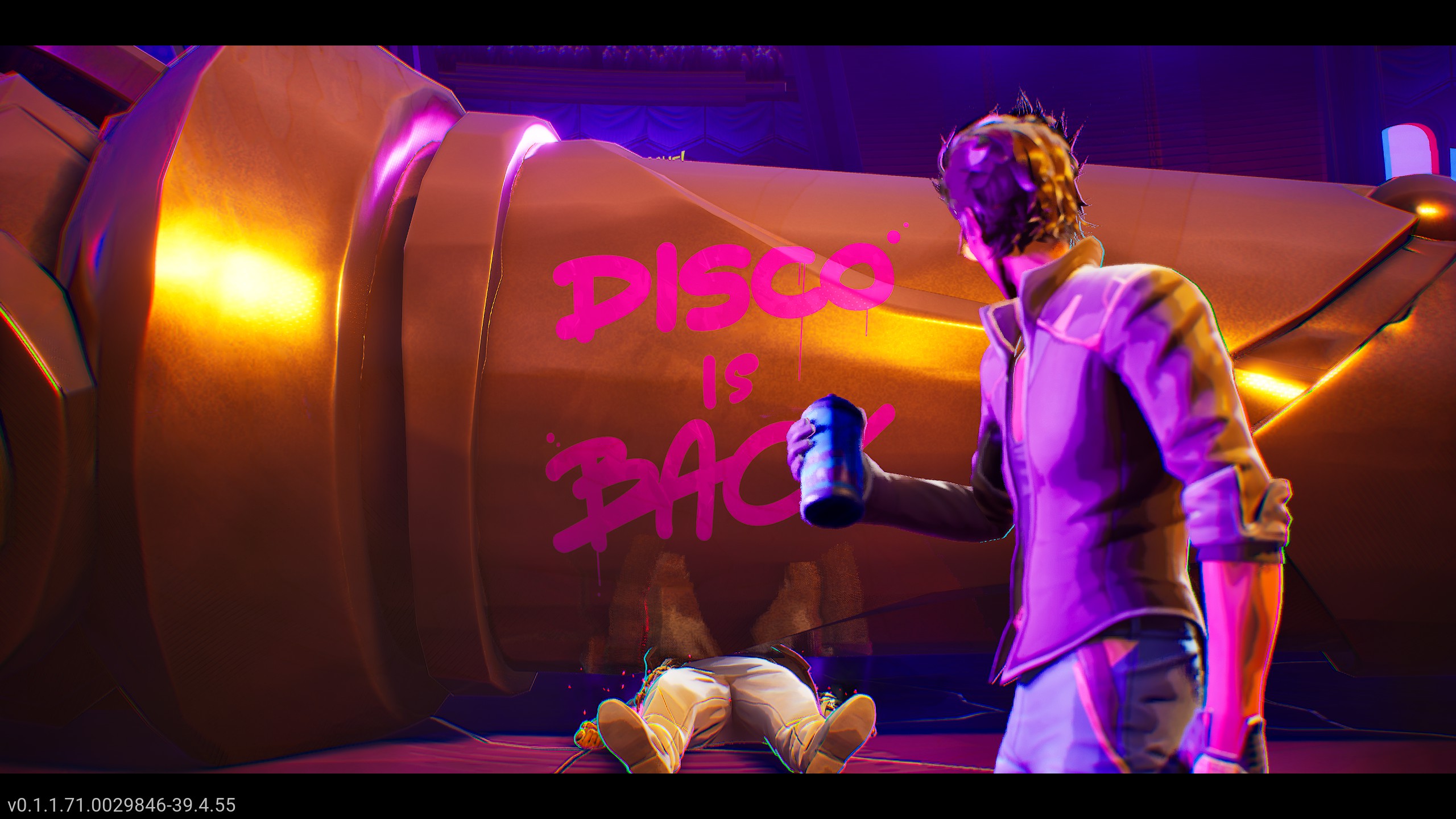
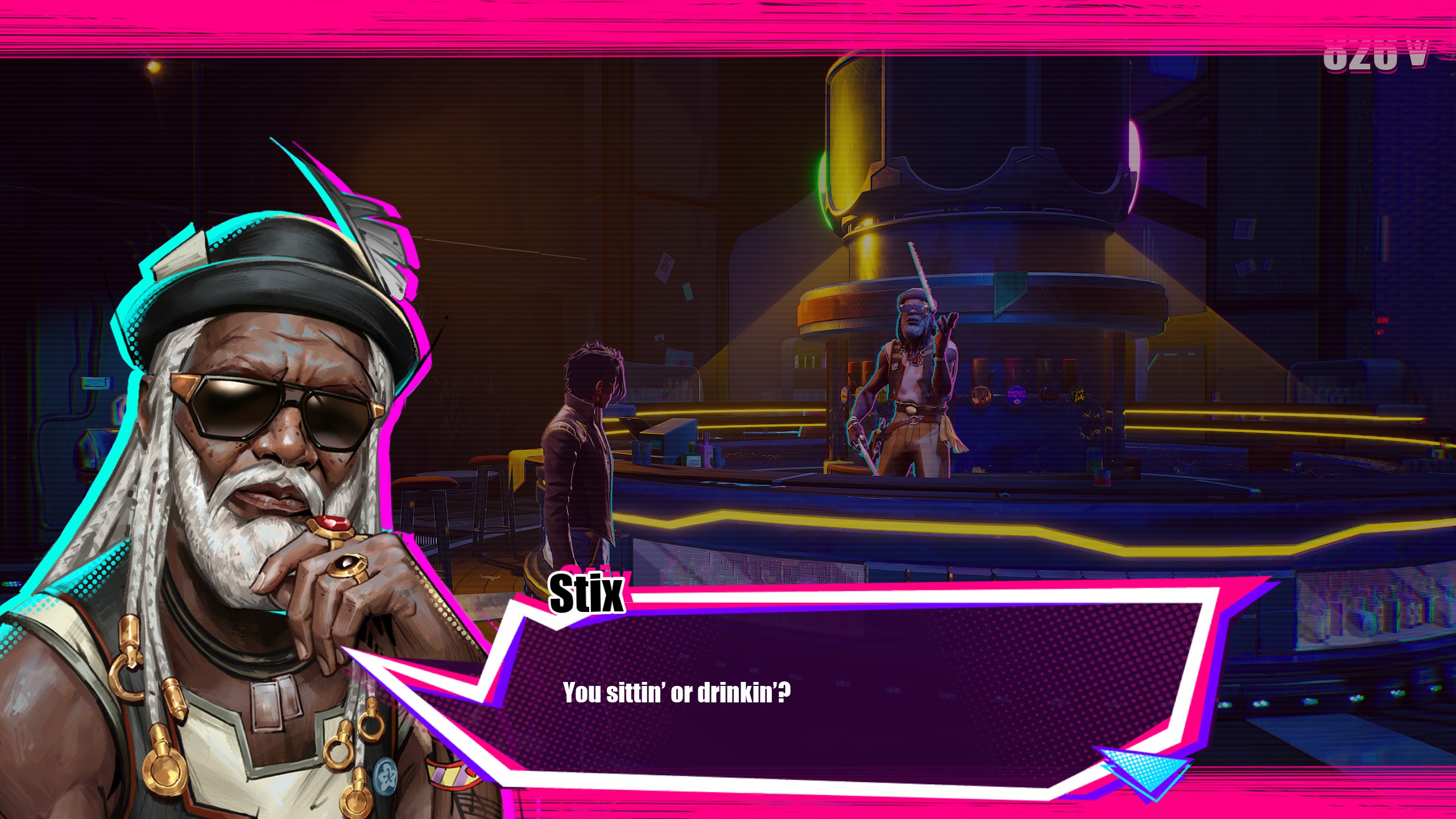
You find yourself in the dancing shoes of Charlie Disco who, unlike the genre that gave him his name, has come back from the dead for one last hit. You start your evening in a run-down club that serves as a hub, and once you've got to know the bar, called Encore, you find the door leading to the first level.
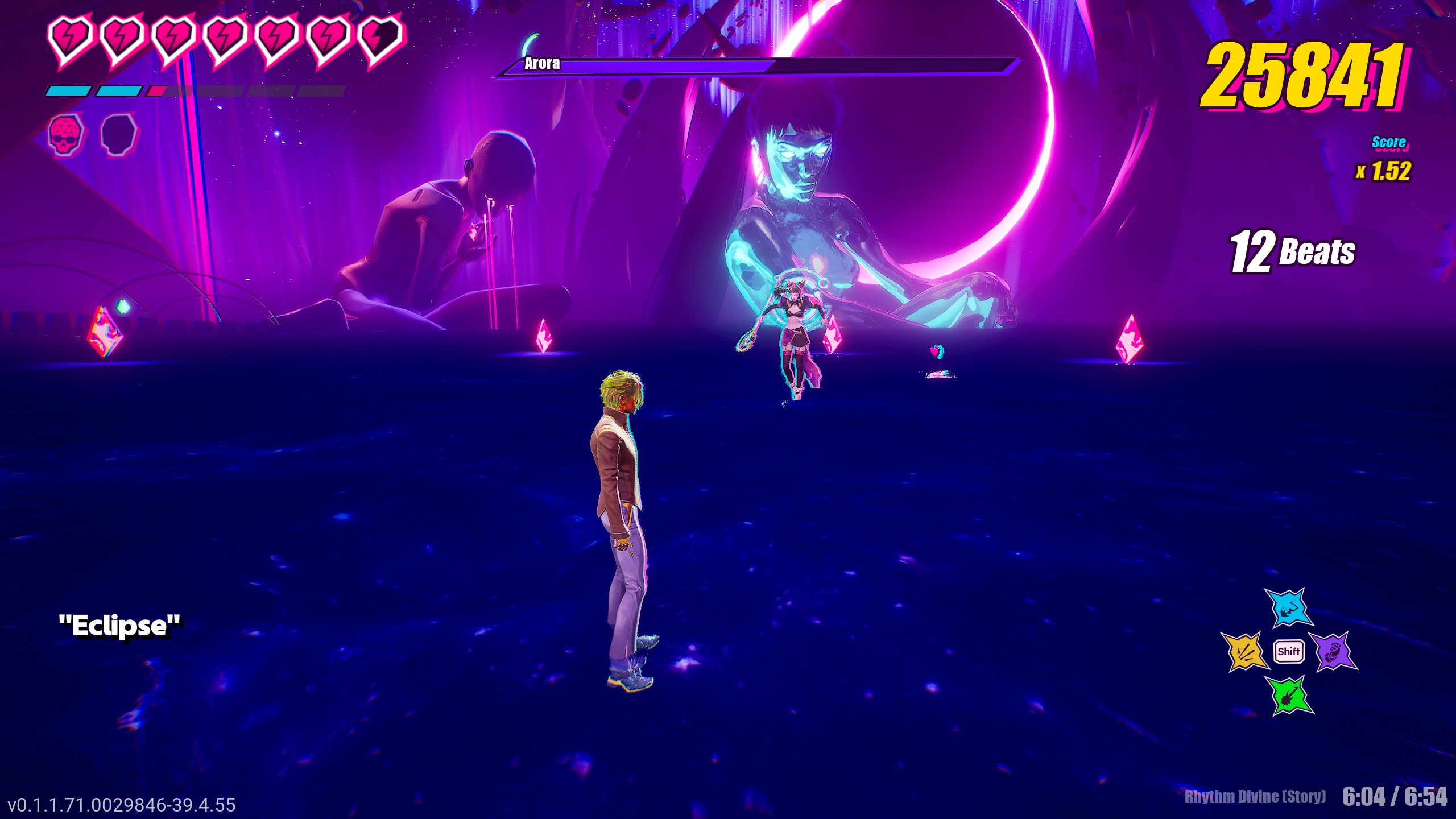
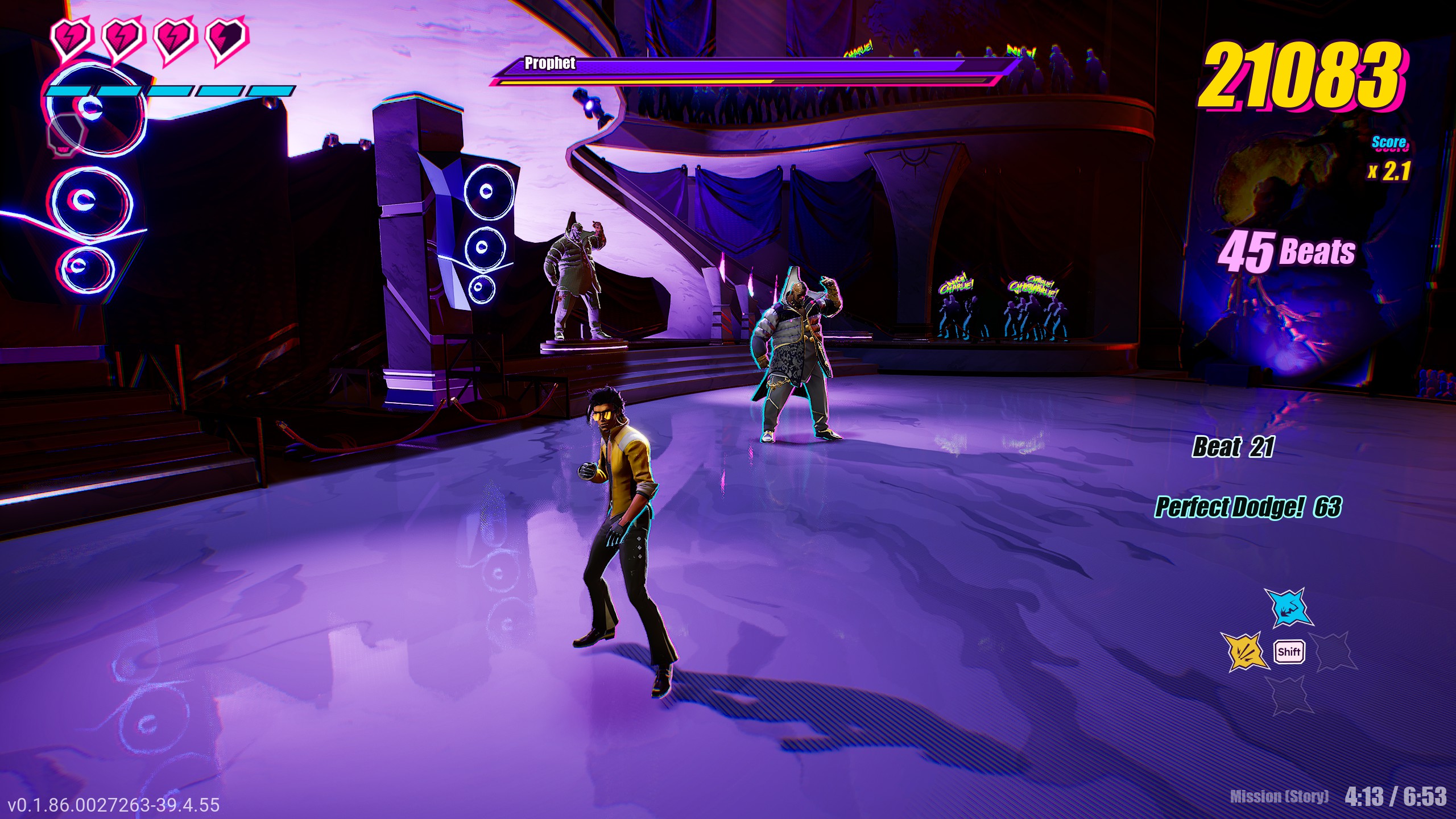
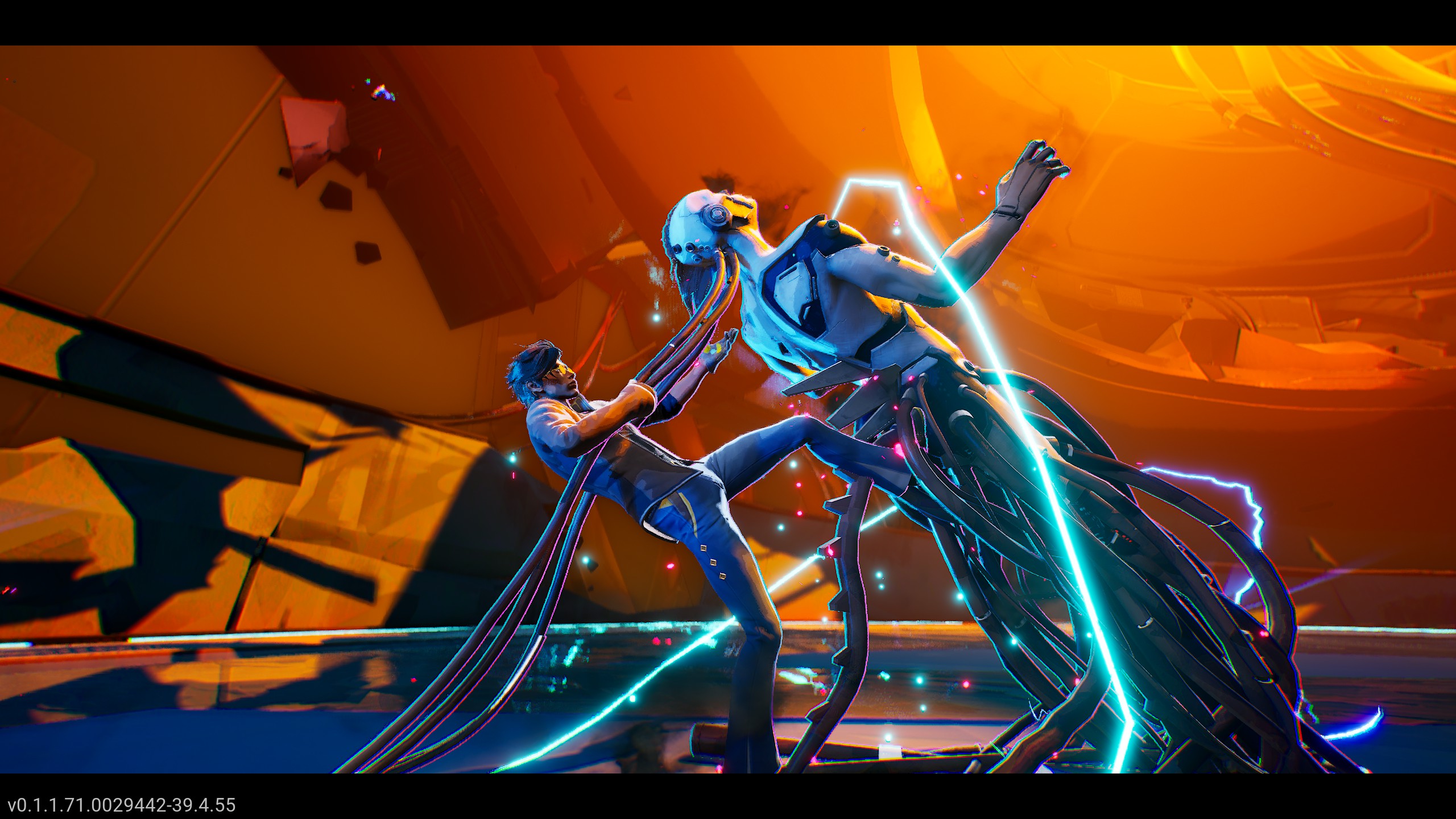
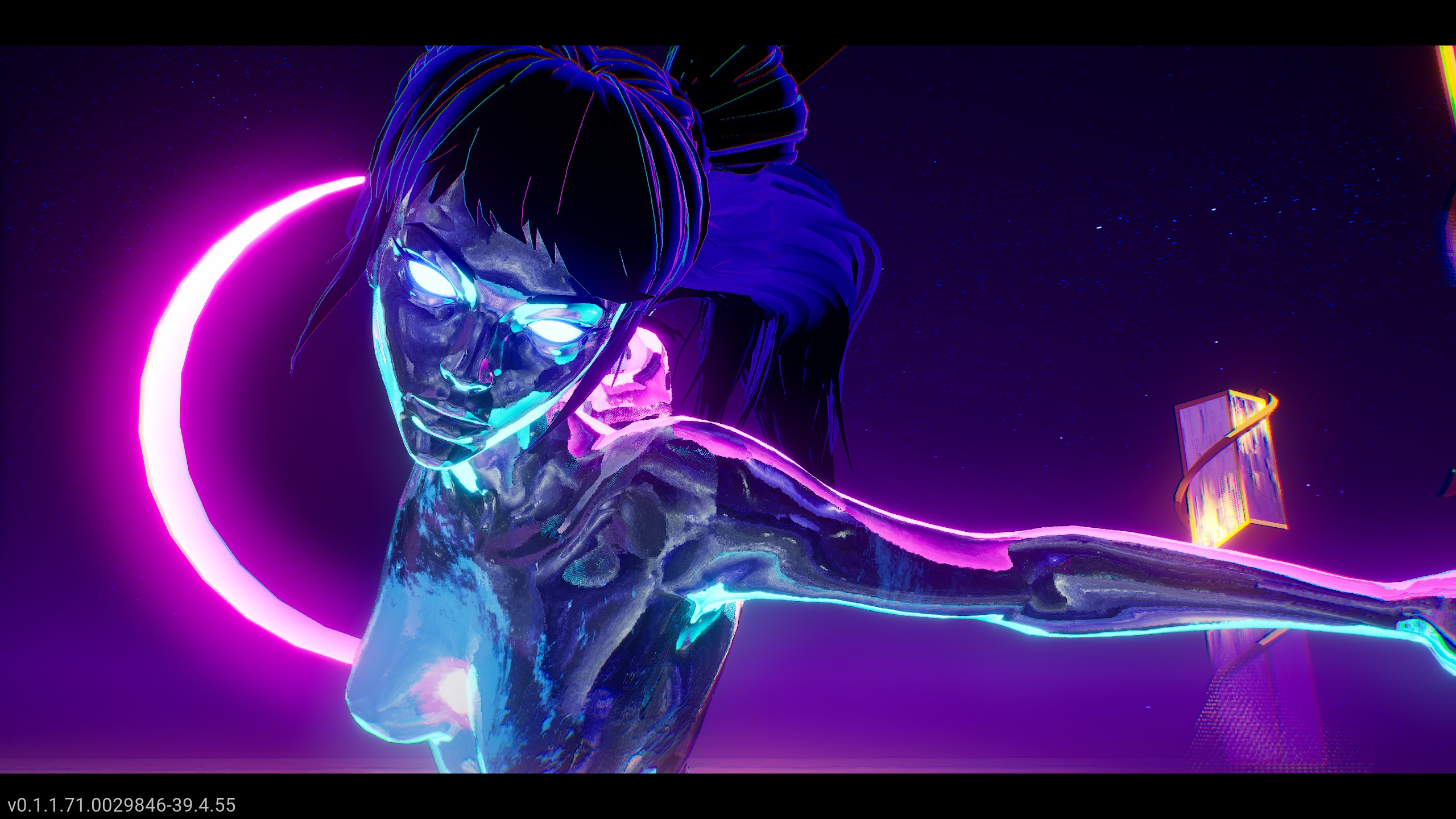
Story mode is made up of a series of boss fights staged like music videos. Animations built around elements of the track, all sorts of strobe effects and shifting backgrounds make the first run through the handful of levels available in Early Access satisfying and absorbing. The blend of hand-drawn animation with 3D and the in-engine transitions are very well integrated, and surprising for what is, after all, an indie title. Granted, that adds up to less than an hour of actual content, but it's more of an appetiser, a creative showcase of the themes and characters that dot the dance floor.
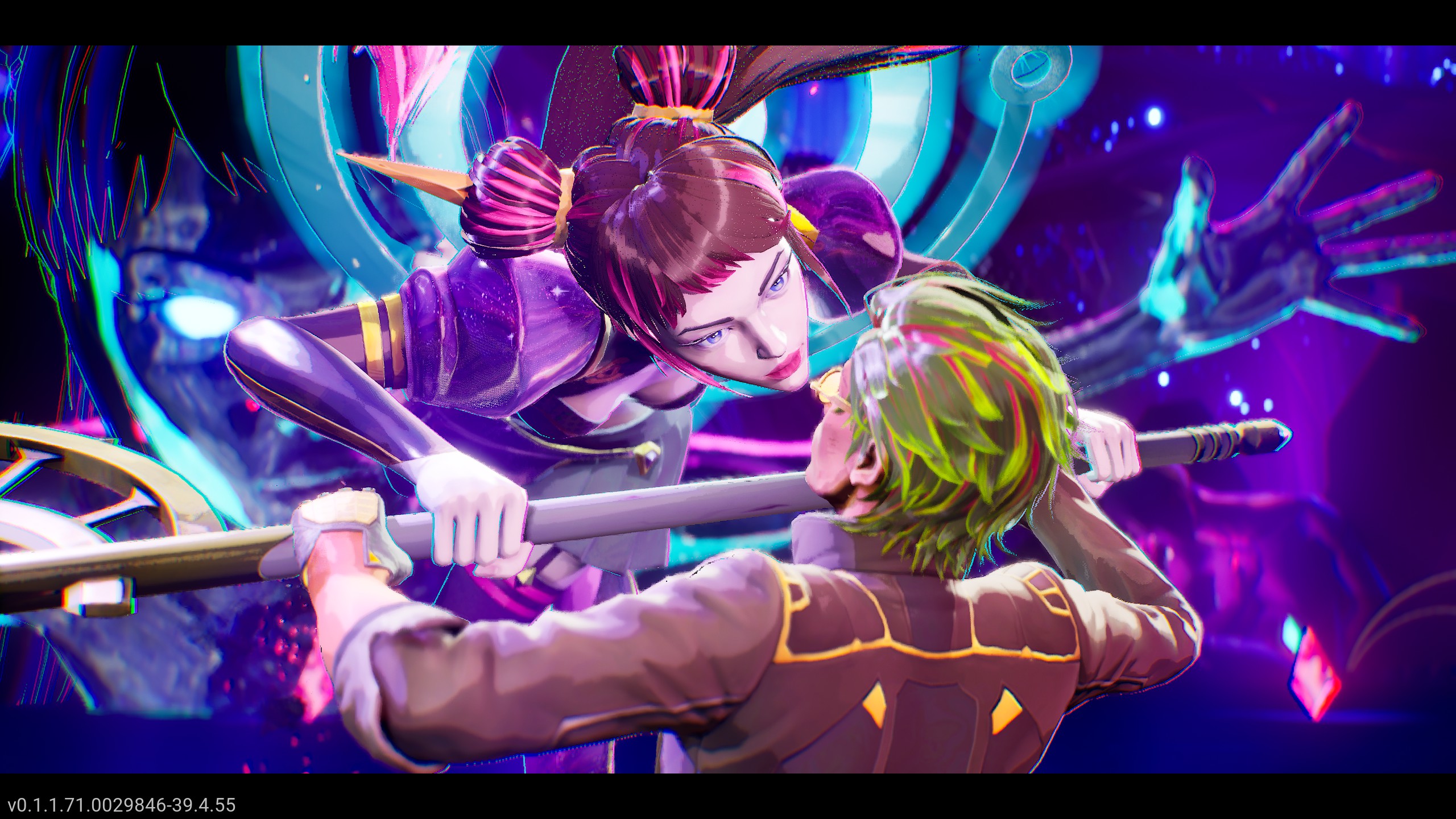
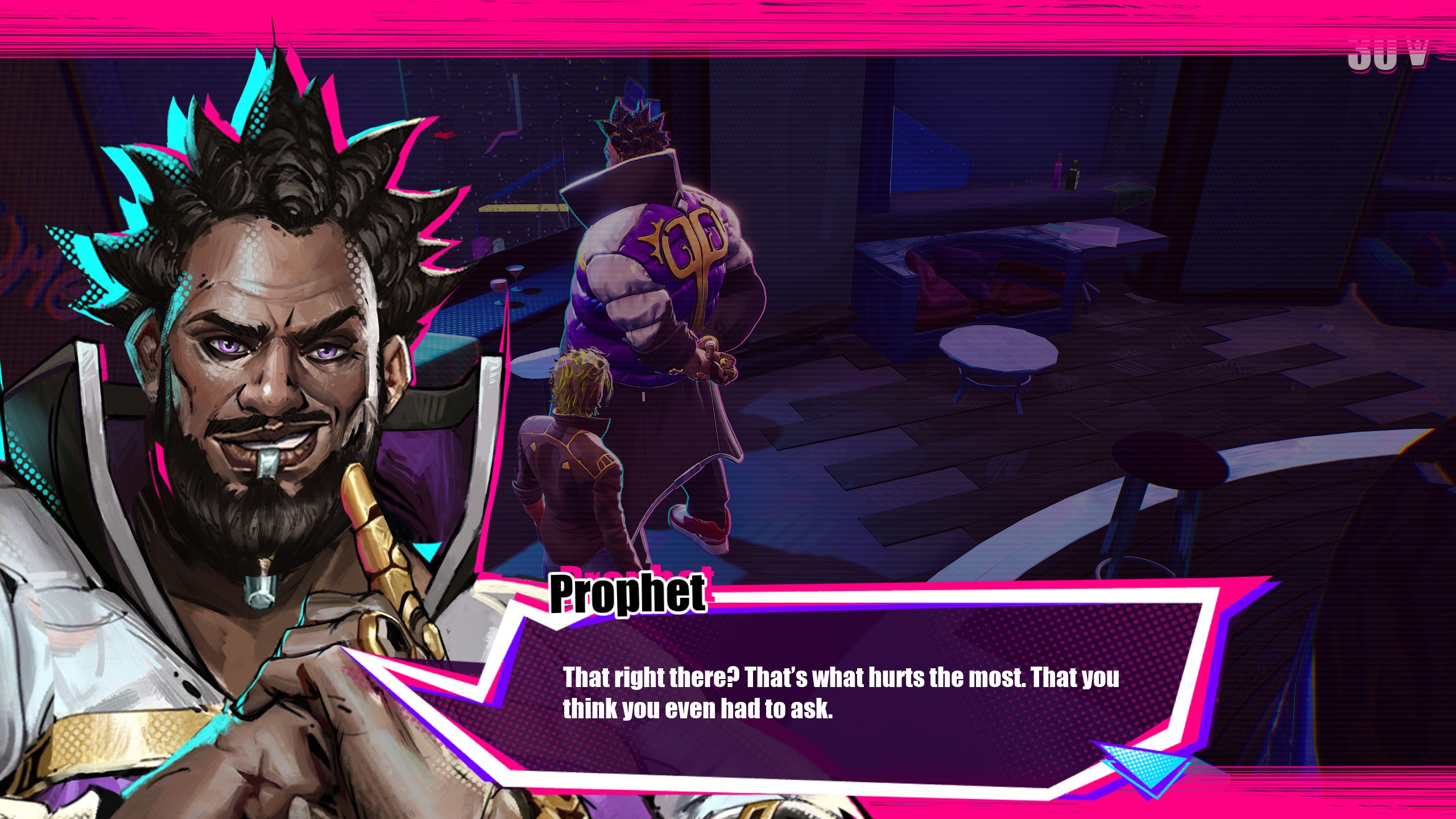
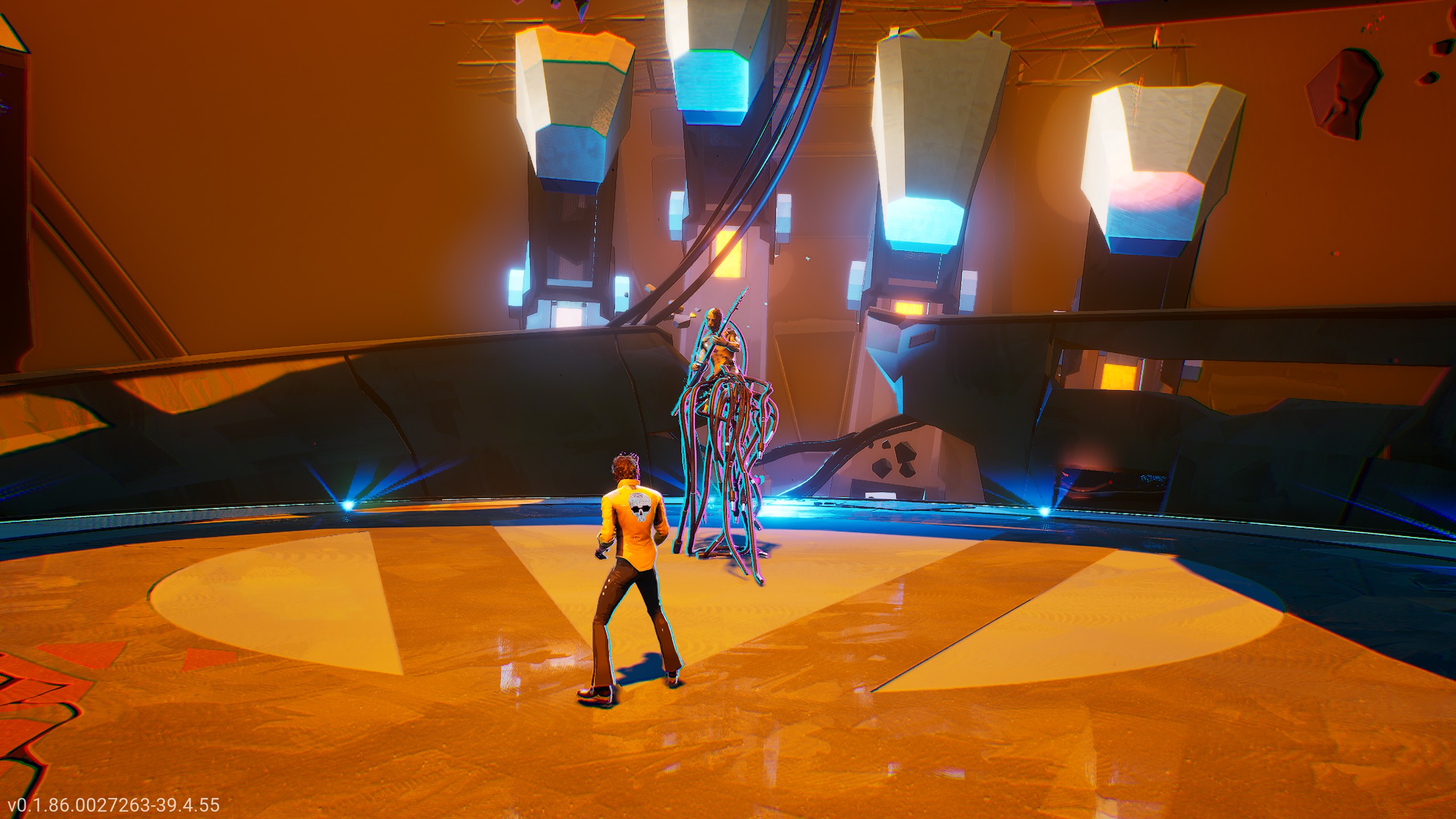
Each boss (four so far) is a former member of Charlie's band and is fought in a psychedelic arena, loaded with musical motifs and gaudy backdrops. Striking up a conversation with them plays out like a visual novel, and is sometimes necessary to unlock collectibles.
The premise is that you're trying to solve the mystery of your own murder, so there's a scrap of story, but the fragmented way it's delivered and the lack of any narrative superstructure (you're basically thrown straight into the hub and then into the levels, with no preamble to introduce you to the world) undercut the production value and, in my opinion, blunt the impact of each character and of the central conflict.
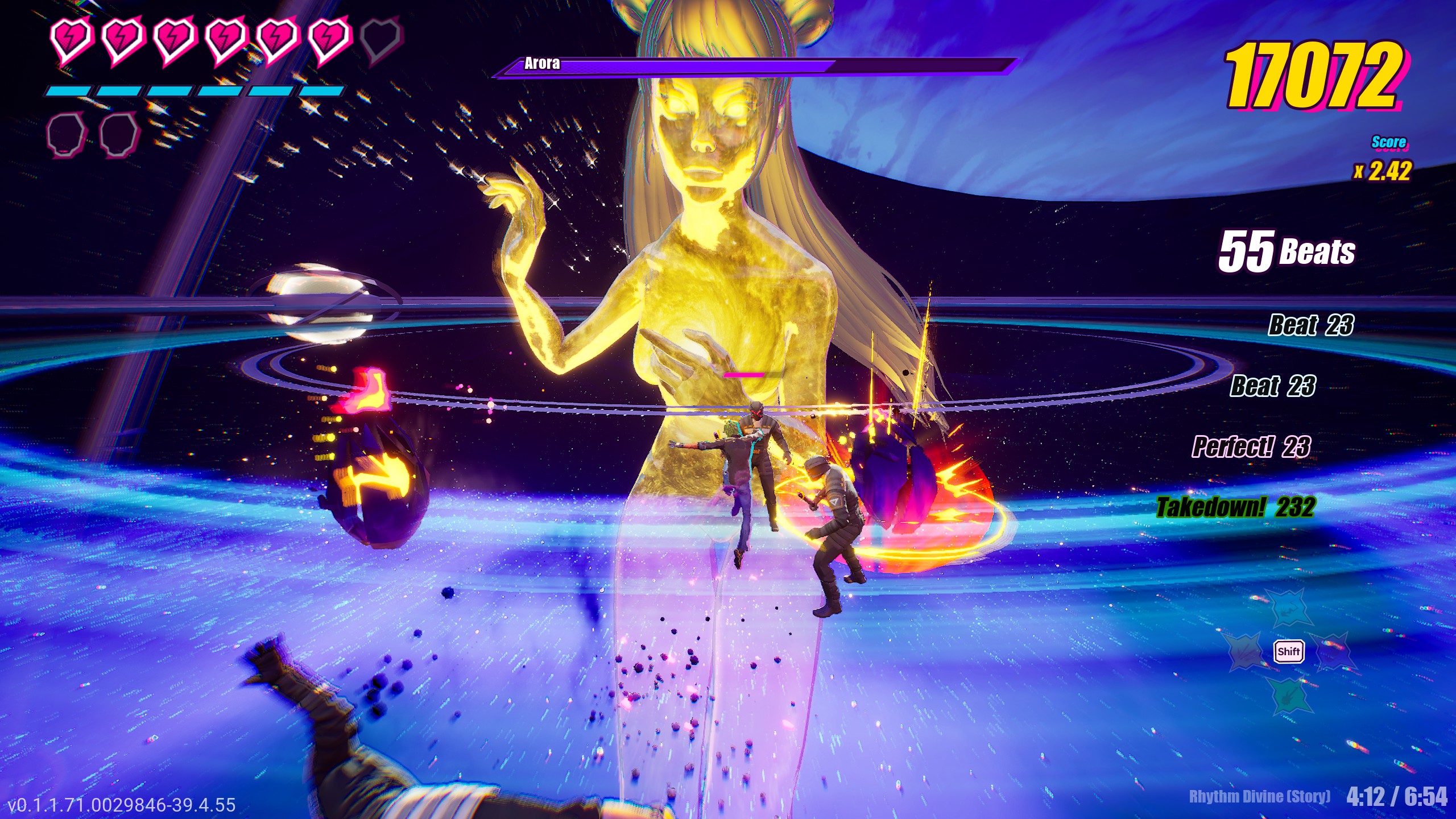
Dex, Hemlock, Prophet and Aurora each get a level that moves through several phases, in which you have to counter their abilities and dodge their rotation of attacks. Unlike regular mobs, the bosses also have a stagger bar and, although they generally give you smaller reaction windows, they're predictable, since their phases broadly follow the sections of the track.
The regular enemies come in several flavours too. As in Arkham, you sometimes face shielded soldiers who block frontal strikes, ranged mobs and attacks that can't be parried. The on-screen indicators, however, make keeping a combo going far easier than in the Batman games, and you'll reach combos of 300-plus hits much more comfortably here.
As a bonus, in the gaps between waves of enemies, you can keep your combo alive by breaking into dance moves that you unlock and can assign, up to four of them, to the d-pad buttons. Pirouettes, a split that would make Van Damme eat his liver with envy, breakdance routines and about a dozen other showstoppers can dress up your playstyle and pad your score at the same time.
It all ties into a scoring system (obligatory in rhythm games) that shows how you're doing globally or against the friends on your list. It's far more motivating to chase a better score when you're competing in real time with a few tens of thousands of other players.
B-Sides
Beyond that, Dead as Disco offers a series of challenges in Infinite mode, which unlock cosmetics for either Charlie or Encore. The included tracks span J-pop, metal, trap and synthpop and, although there aren't many of them, they all have what the gameplay loop needs: snare rolls to which the rapid punch combos fall, clear, powerful kicks to land heavy hits on, and strong contrasts between sections to justify the environment changes. The cherry on top is probably the best-known track on the soundtrack, Maniac from Flashdance.
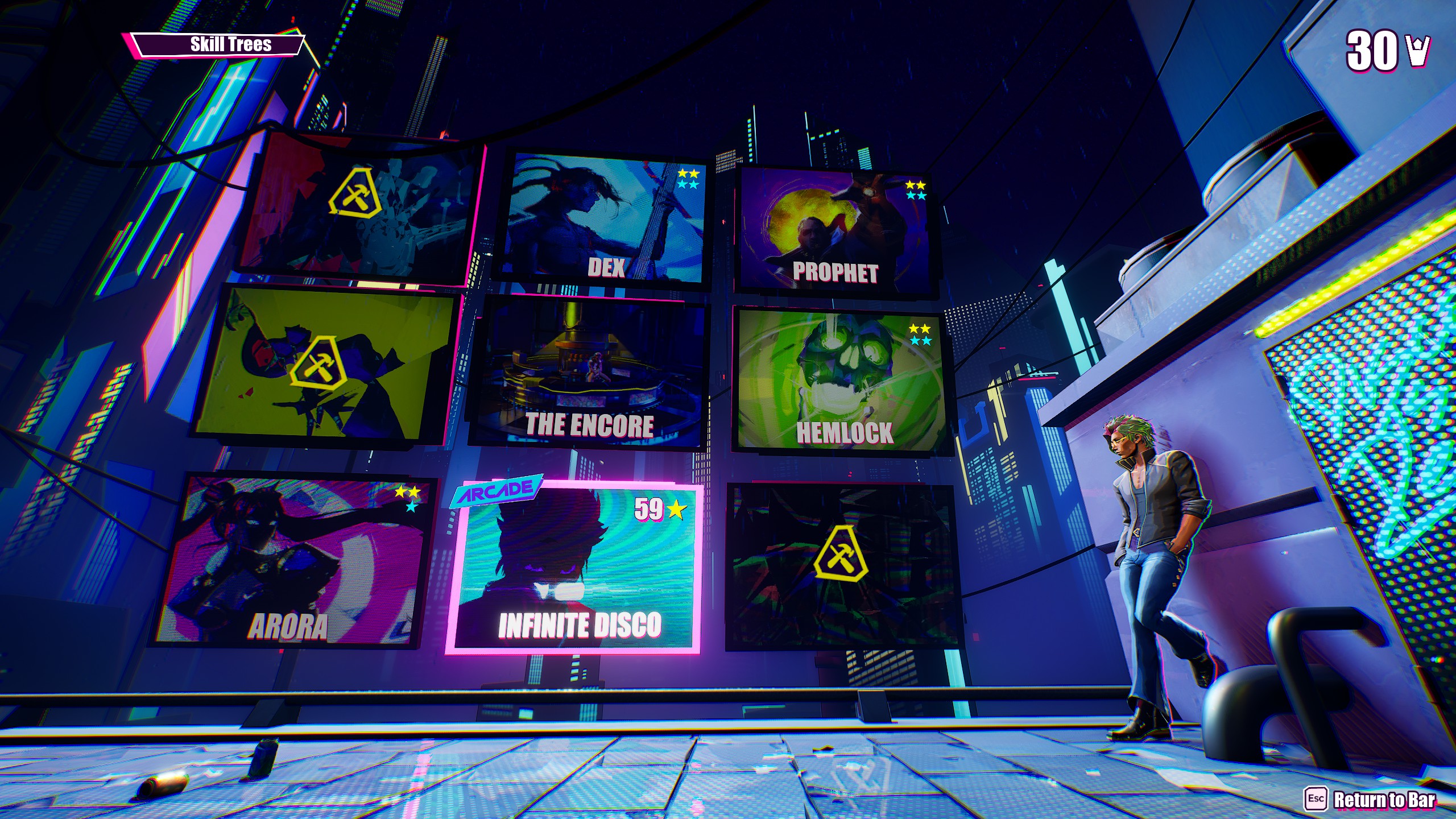
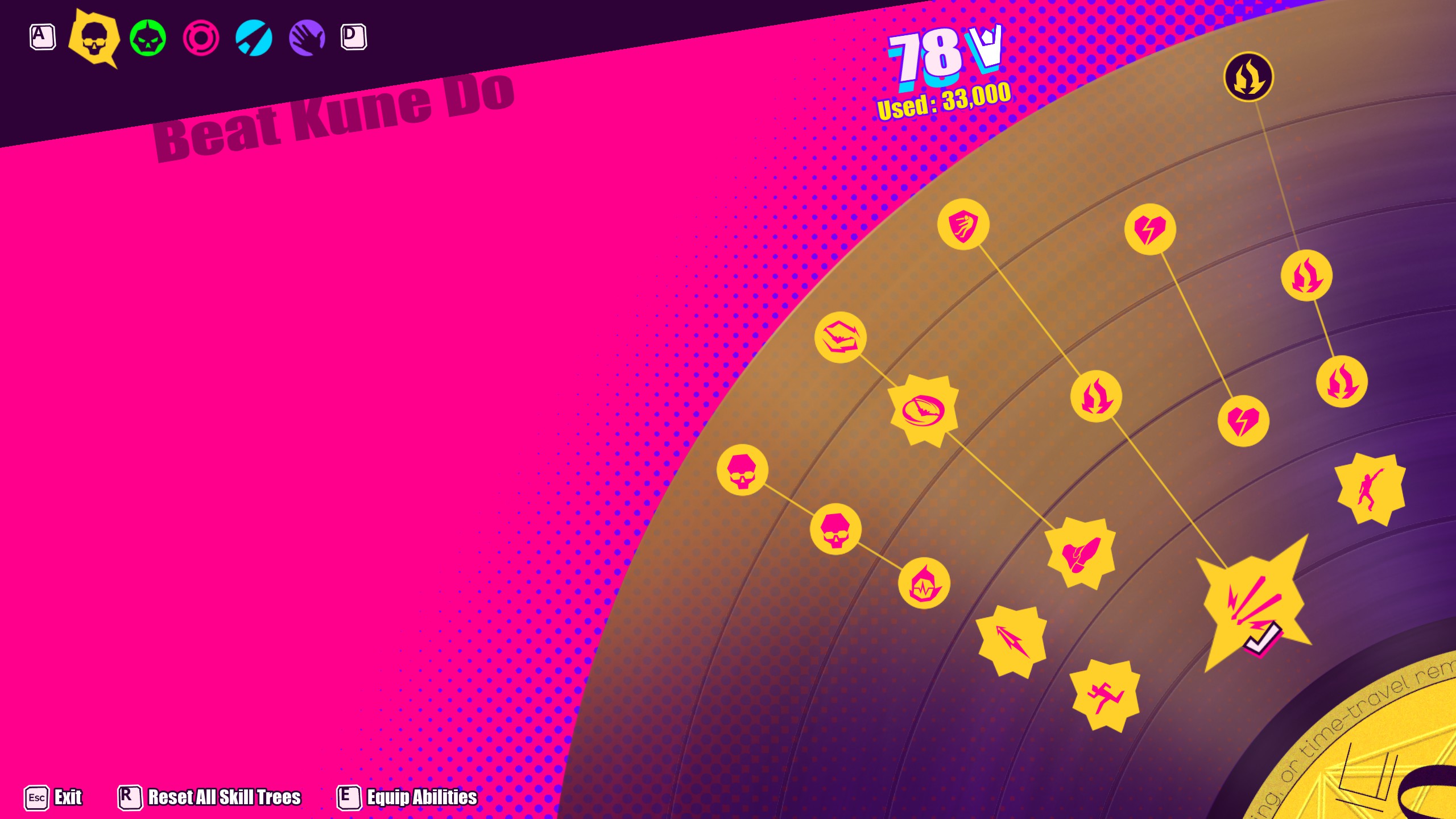
The objectives of these challenges range from surviving to the end of a track to using certain abilities a set number of times, and every effort is rewarded with fans, the game's in-game currency. You can invest fans in renovating the venue, new combos, upgrading Charlie's abilities or cosmetics. Most of these are hidden at first, and you need to complete certain Challenge Mode levels before they become available.
If the built-in jukebox seems too thin for you, you can add your own music, with the caveat that, for now, the quantisation is imperfect and you have to enter the BPM manually when you upload a track. Better detection is promised in a future update, but even so, you can get a sense of how well the game moulds itself to music.
Breakbeat, DnB and syncopated music in general seem to work (or feel) better than something four-on-the-floor, but pretty much every genre I tried shaped the way the fights played out. And although you might be tempted to upload the most faithful formats, I didn't notice any real difference between FLAC and a 320kbps MP3 on any track, apart from loading times. Synchronisation generally follows the percussion, but you don't need to hit every note by hand to keep your combo going.
Exit Music (For a Videogame)
As I said above, Dead as Disco isn't a rhythm game. If you're expecting the next Beat Saber, Ragnarock or Just Dance, you'll be disappointed by how little your ear and reflexes are tested.
Instead, it's a more than decent brawler that, even in this early form, gives you a framework for fluidly chaining combos and moves, managing finishing moves and reacting to various built-in quick-time events.
It excels in art direction, animation and effects, and unlocking talent trees and consumables will keep you motivated to try the various modes and challenges for a good few hours. If the published roadmap is anything to go by, over the next few months we'll get not only new tracks, arenas and costumes, but also seasonal events and an update cadence almost as rich as a live service game's, minus the microtransaction nightmare (the beach costumes added in the latest update, for example, can only be unlocked with in-game resources).
Right now, though, the skill ceiling and the difficulty both strike me as too low. There are only two difficulty levels at the moment, and while in my first few hours I made mistakes that cost me my combo, once you've got to grips with the mechanics, the indicators and the general rhythm of things, it's hard to slip up any more. Brawler players and rhythm game fans alike usually want an ever-steeper difficulty curve, and as you build up muscle memory and a feel for the patterns, you start looking for more aggressive, unpredictable variations to test you.
In that respect, Dead as Disco, in its current form, plateaus after a few hours. I sincerely hope that the missing pieces of the story, together with a longer difficulty curve, will plug that gap.
So far, then, we have a colourful, promising and relaxing foundation that finds its place in an accessible niche of music-themed games. It remains to be seen how long-lived and complex it will become, but if current activity is anything to go by, a community of a few tens of thousands is waiting for you, all hunting for the perfect combo chain to climb to the top of the leaderboard.

Played on: PC (Steam)
Release date: 5 May 2026
Developer: Brain Jar Games
Publisher: Brain Jar Games
Plus
- Comfortable, engaging combat system
- Levels that blend hand-drawn animation, the game engine and motion graphics to produce a kind of music video
- You can import your own music
Minus
- Low skill ceiling for now (though the next update, on 3 August, promises to address this)
- The narrative is still incomplete and superficial
- Quantisation is imperfect on some imported tracks
0 votes
Scroll down here and stay on the page for at least 30 seconds to vote.
Pick a score from 0 to 10 (halves are allowed).