
Directive 8020 – Review

Perseverance is the key to success
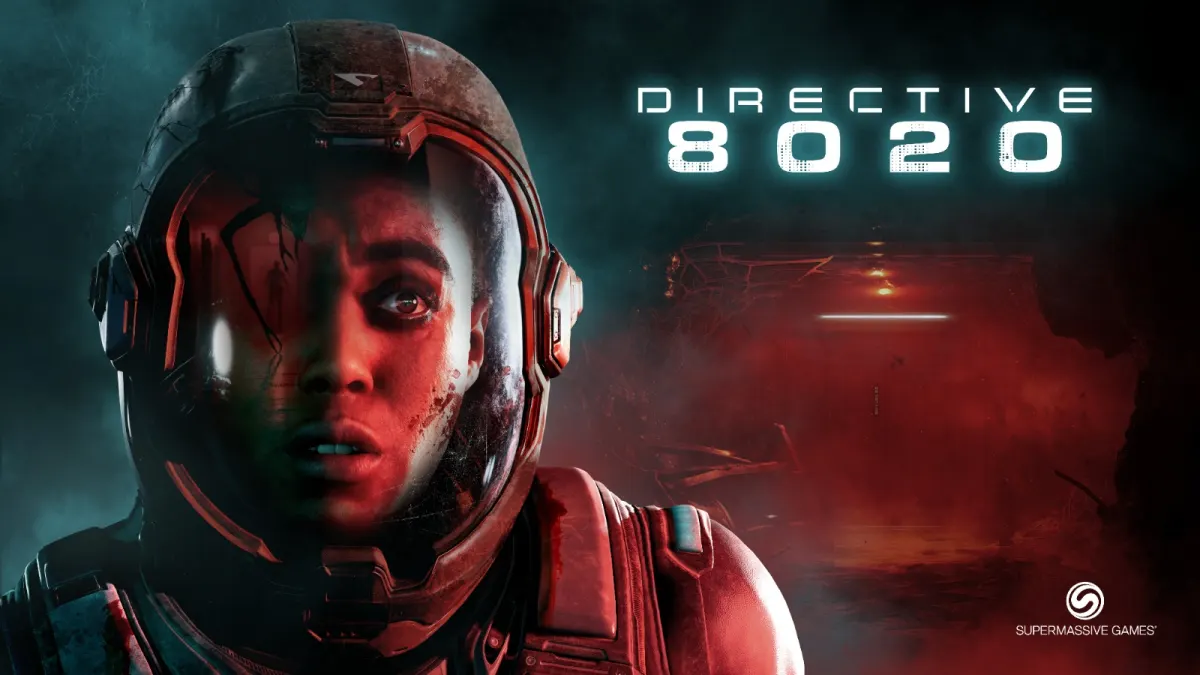
The year is 2065. The blue planet is on its last legs, and the best prospect for a new colony is Tau Ceti f, twelve light-years away. Before the colonisation fleet arrives, a reconnaissance vessel – Cassiopeia – is sent, its crew waking from cryosleep to the blaring alarms of an unknown impact…
Directive 8020 is Supermassive's latest game-film. After a quartet of horrors (The Dark Pictures Anthology), that branching narrative format makes the transition to space with the first episode to drop the prefix. Although it takes place in the same universe (evidenced by easter eggs that connect the preceding titles and reward your attention and memory), the game has a standalone narrative that ties up neatly at the end.
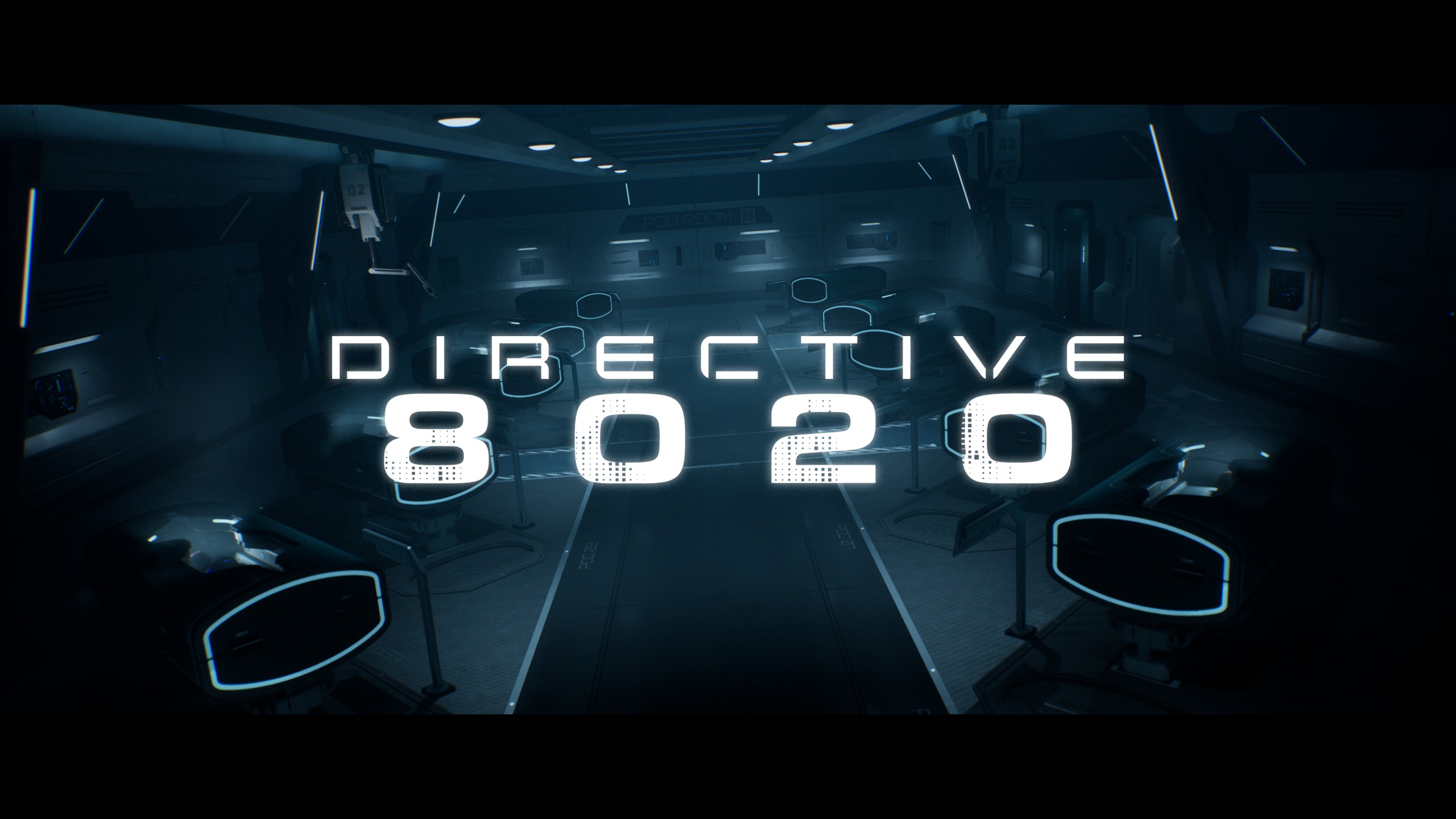
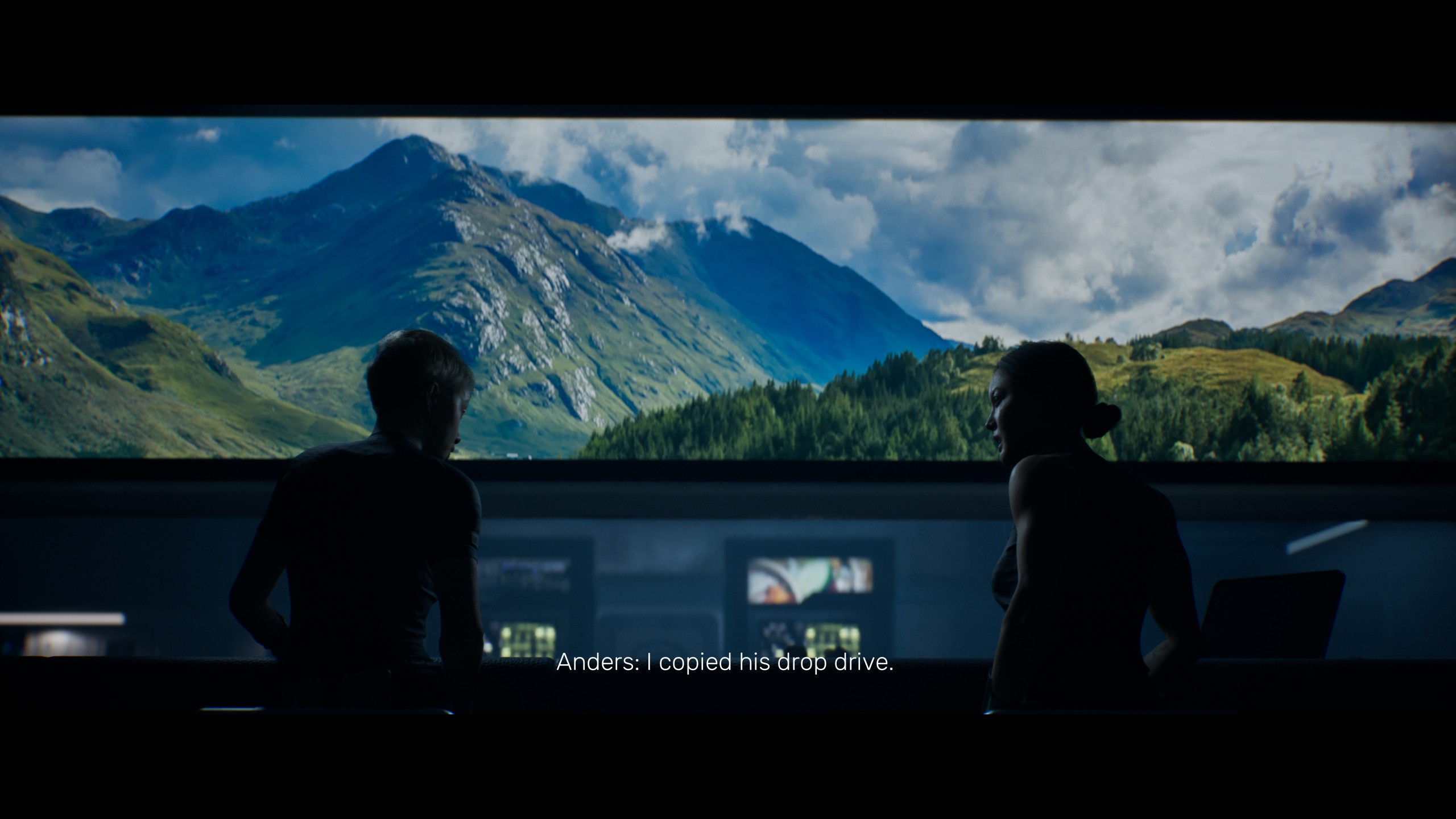
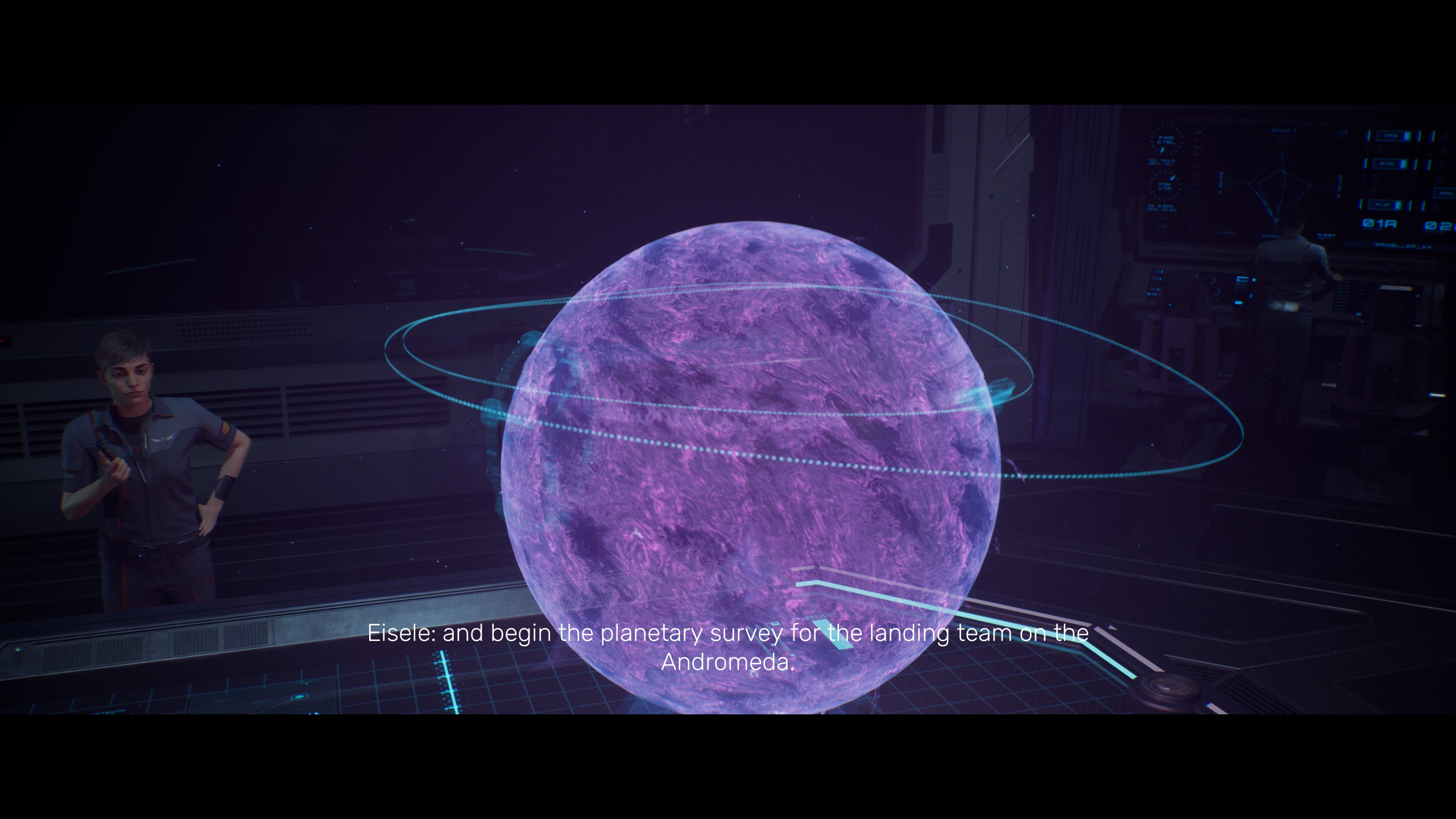
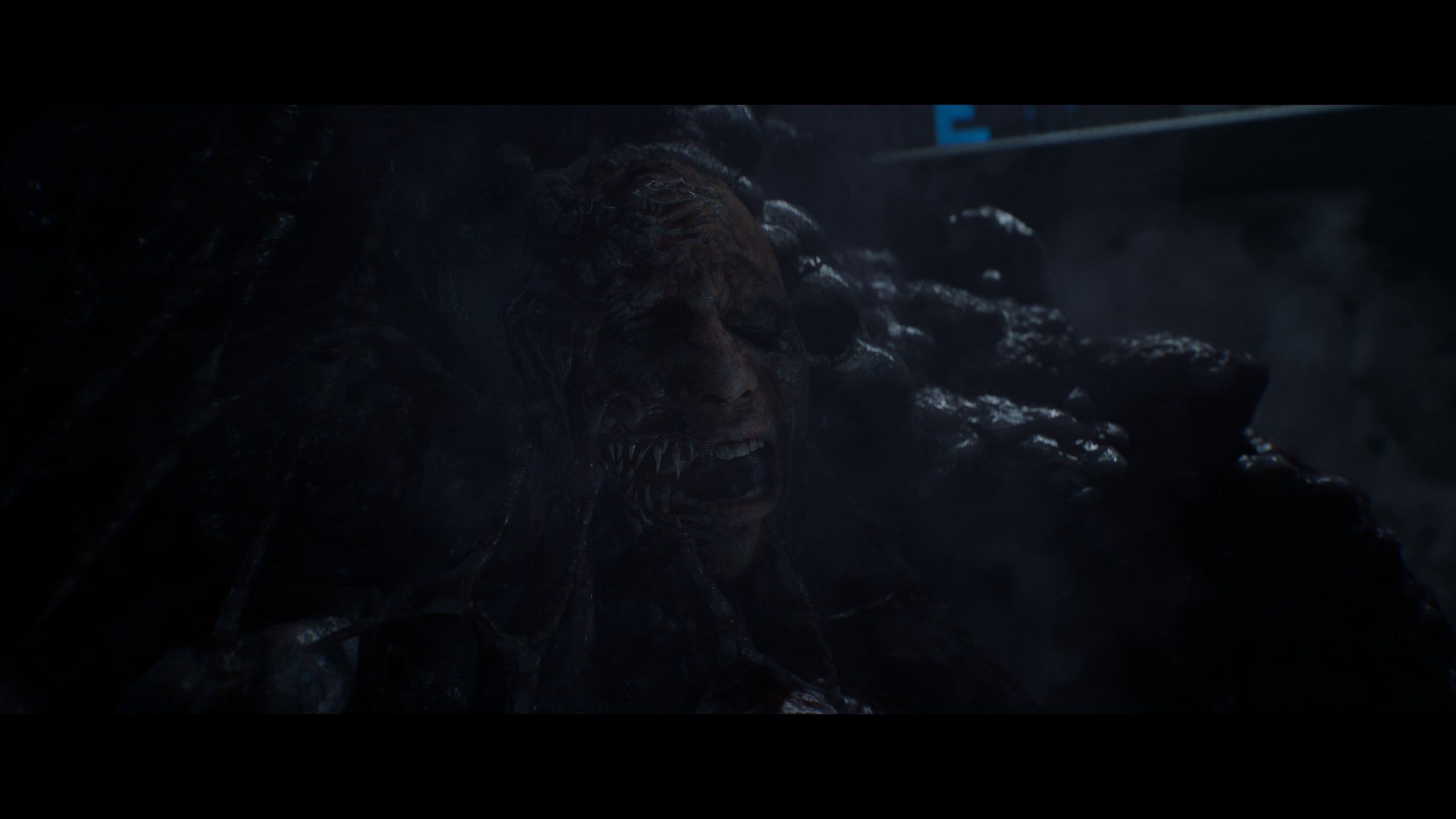
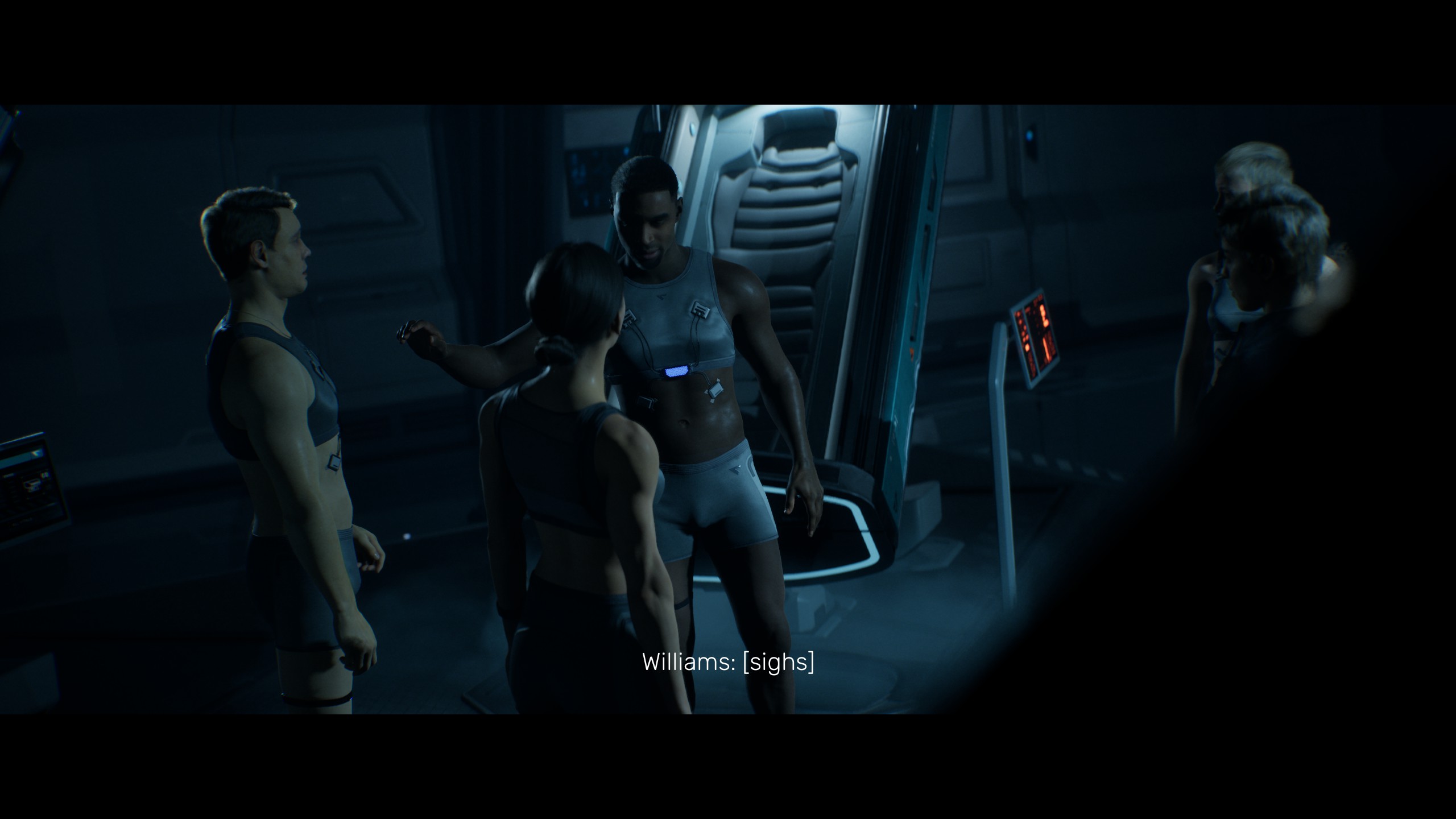
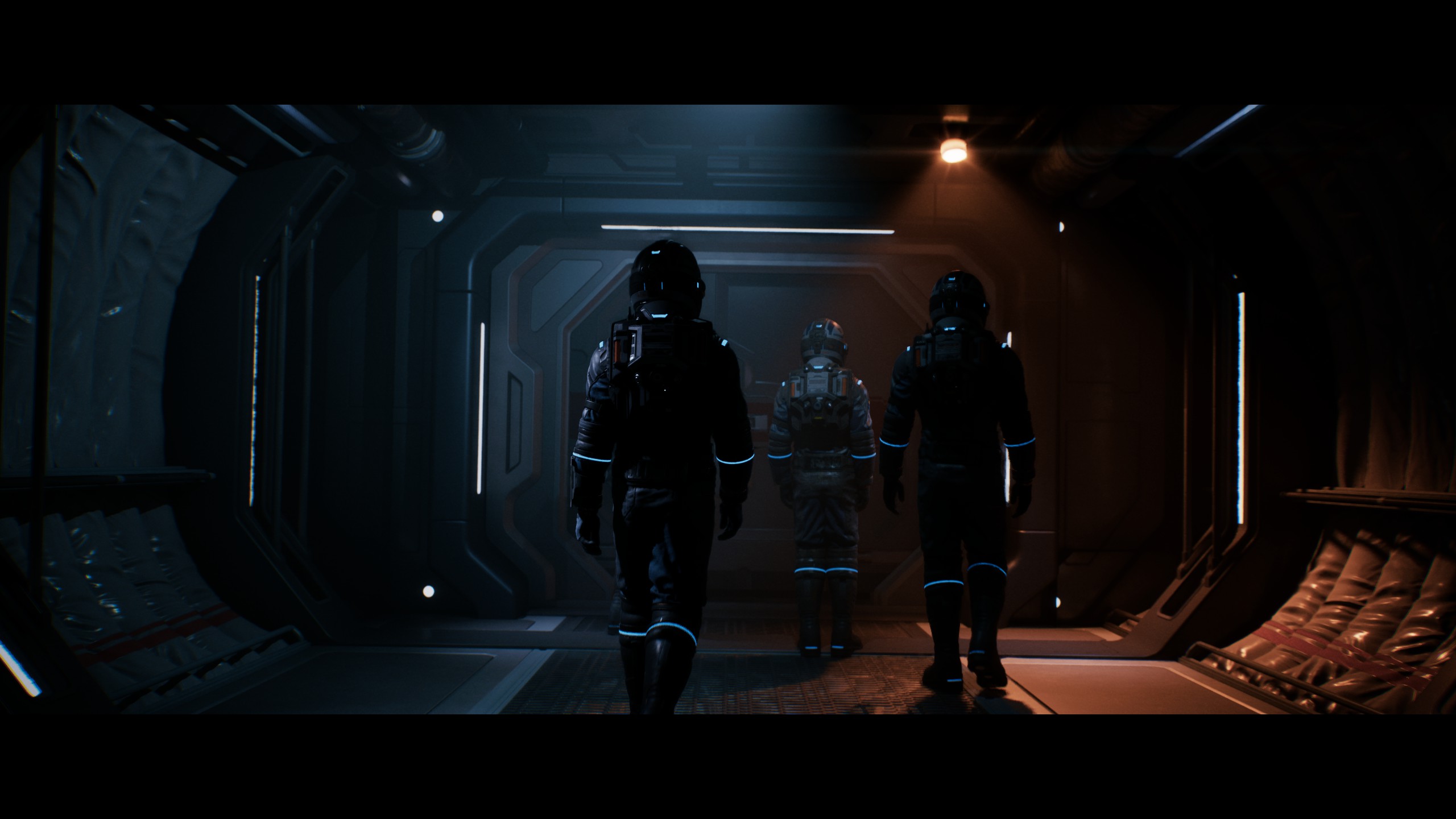
You'll play, in turn, as six of the crew members, in dialogue sequences, stealth sections, and exploration/minor puzzle-solving segments that last about 7-8 hours and conclude in several variations depending on your key decisions. Across the eight episodes, we get betrayals, revelations, and tension in a bouquet of ideas clearly inspired by Alien, Event Horizon, The Thing, and two or three other films I couldn't mention without spoiling the ending. From the first shots (slow flyovers through a ship whose crew is about to be woken from frozen capsules by the onboard computer), Directive 8020 feels like a homage to the genre, complete with jump scares, sabotage, and a crew whose survival isn't guaranteed.
Choose Your Own Space Horror
I was about 10 years old when I first picked up a choose-your-own-adventure book. You'd reach crossroads in the story and be directed to a specific page depending on the decision you wanted to make. The adventure could end at any moment, and the consequences of early decisions could boomerang back to hit you pages later. Small details foreshadowing disaster might escape you, triggering a premature ending, but it was okay because you could always turn back a page and fix your mistakes.
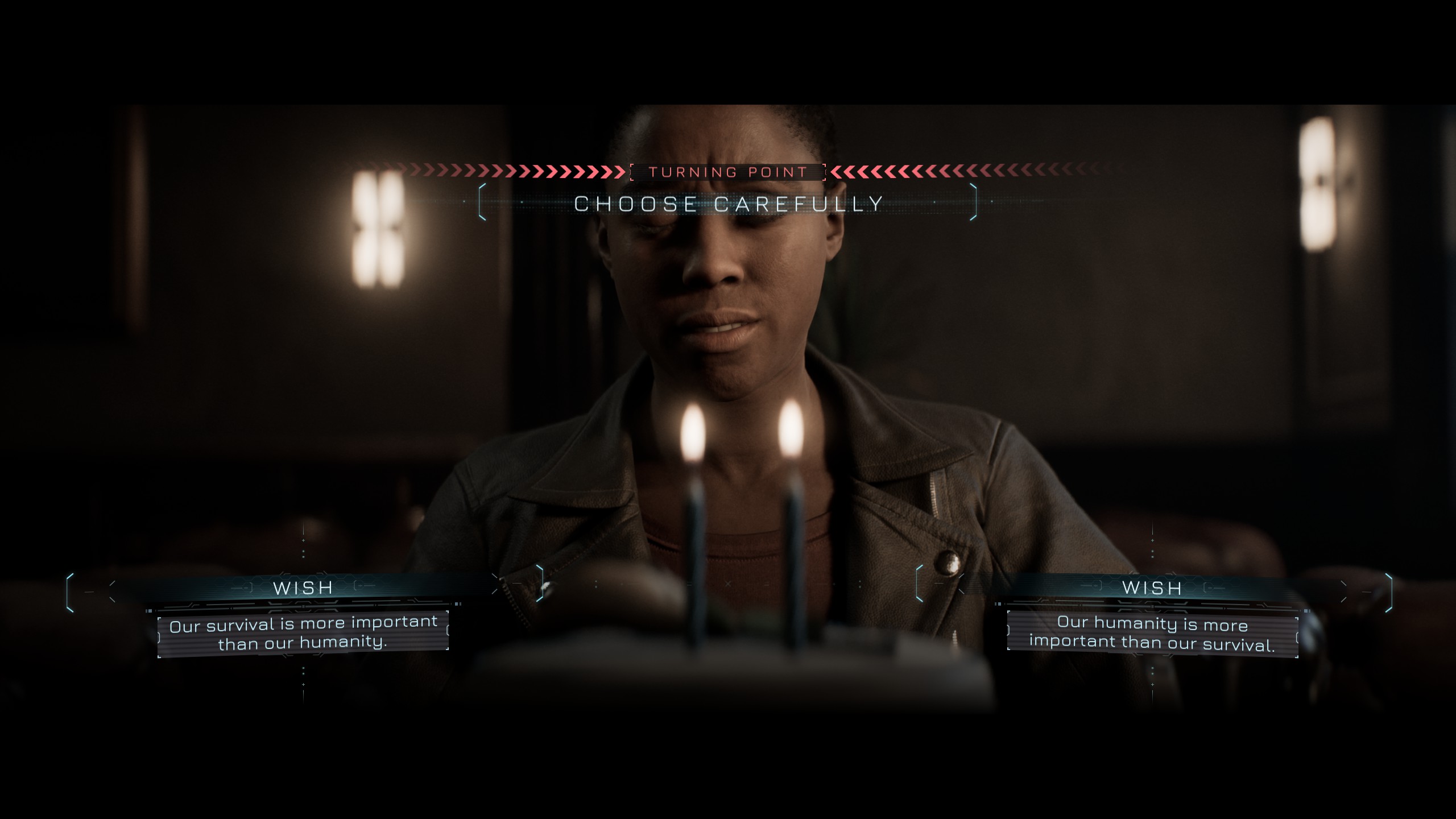
Supermassive has managed this truncation more convincingly than Telltale's titles, for example, because the pivots on which narrative divergences rest have a palpable effect on causality. In terms of writing, the Dark Pictures Anthology titles rarely rose above the level of a 90s television episode, but the most well-thought-out and crafted aspect (especially in House of Ashes and The Devil in Me) was the wide spectrum of endings and conclusions you could reach.
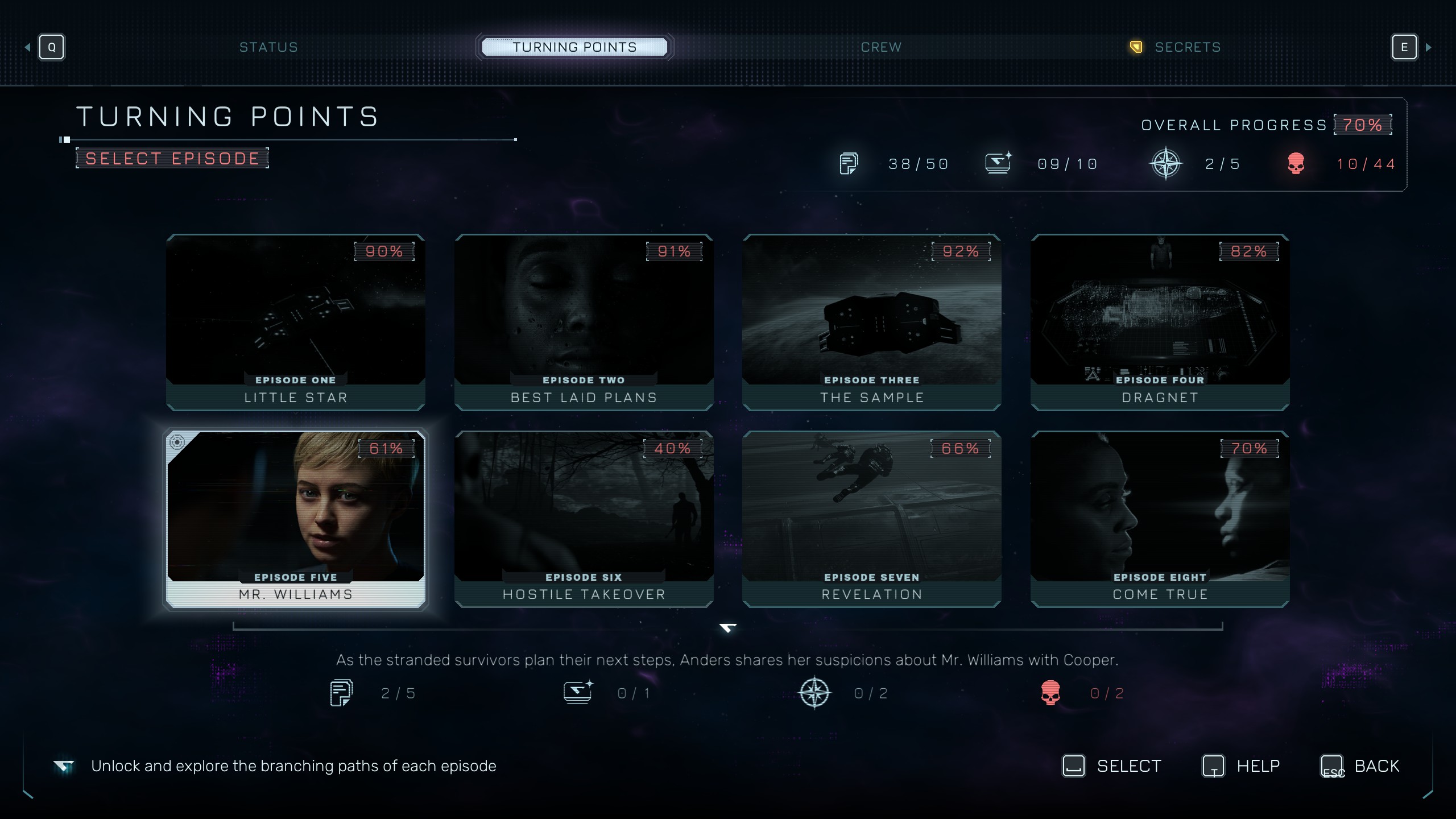
Do you want a sci-fi horror where everyone escapes? You just need to avoid falling into the dozens of traps hidden behind the choices presented to you. Survivor mode makes decisions irreversible, so you can't "turn the pages" and must endure the effects of your actions until you reach the end or run out of characters. Your first playthrough will take a little over 7 hours, but replayability lies precisely in satisfying this curiosity, discovering all possible permutations and endings.
Unfortunately, the segments don't always align perfectly, and fragments of information that don't make sense will occasionally break narrative continuity. Overall, however, I felt a greater degree of satisfaction exploring the tree than in previous DPA titles, a more coherent and well-structured choice system.
Meet the crew
As before, we have an established actor around whom facial models from previous titles are reused for secondary characters. This time, Lashana Lynch (whom you may have seen, if not in No Time to Die then probably in Captain Marvel) is the star, in the role of one of the pilots, Brianna Young. Then, Captain Nolan Stafford, medical officer Sam Cooper, first officer Laura Eisele, and engineer Josef Cernan make up the rest of the playable character ensemble, with models reused from Man of Medan, Little Hope, House of Ashes, or The Devil in Me.
Each of them has two possible fates, depending on the personality traits you manifest when making decisions with them. Sometimes, these fates are the key to unlocking certain ending variations and align the narrative impact quite well with the type of person who would make a certain decision.
The acting and performances are convincing and even excellent at times, but the material they have at their disposal is weak, with episode bookends that mimic the small anecdotes that began and ended The Outer Limits but don't deliver the profound meaning that crowned the original device. Strictly in terms of premise and stakes, Directive 8020 really resembles an episode from the first season of The Outer Limits revival (The Voyage Home), but it's somewhat more complex and has a feature-film structure. And a much larger cast.
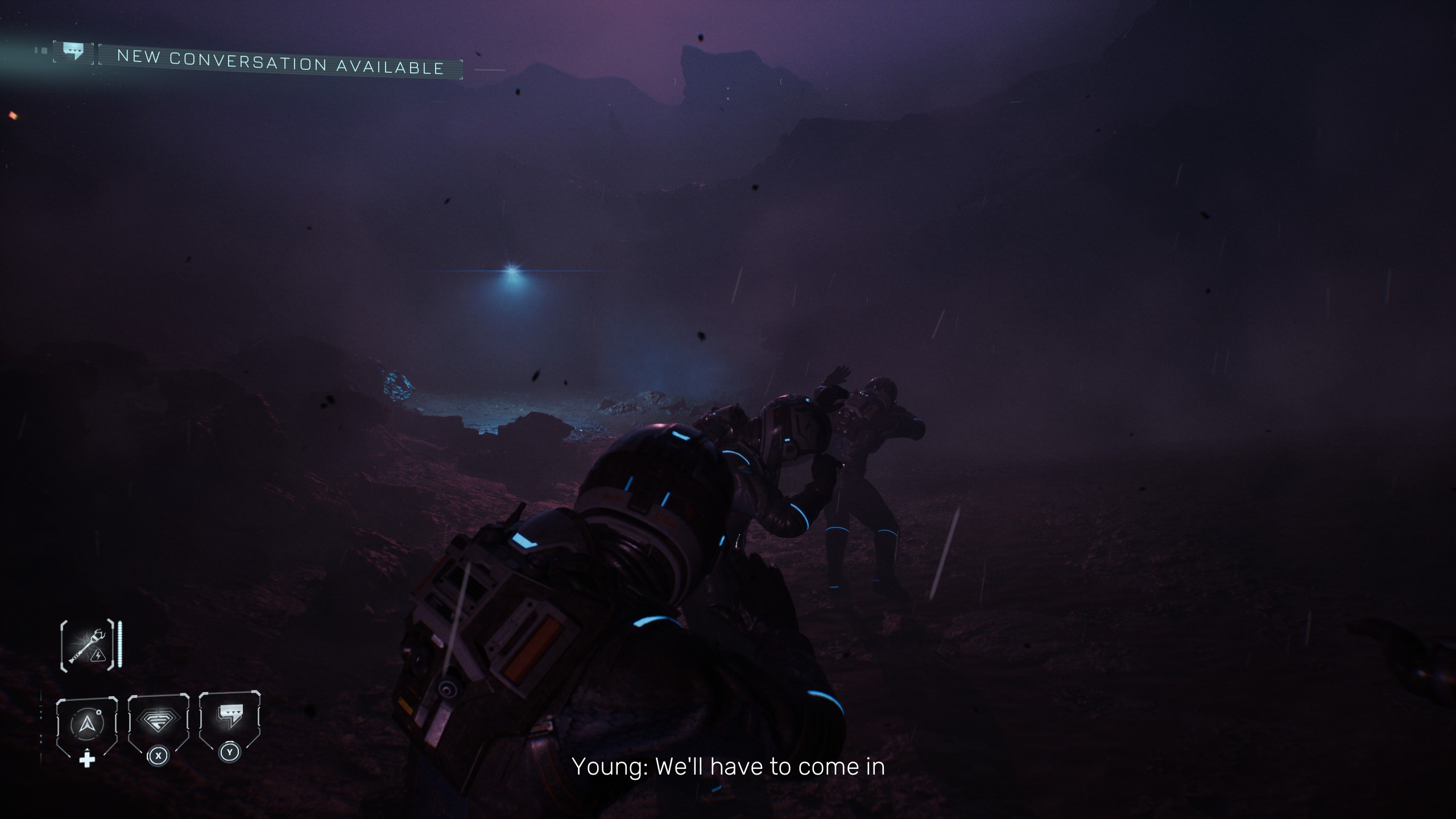
Eisele, Cooper, and Anders were likeable from the start, perhaps because you spend more time with them in the first half of the game. You have a wide range of potential survivors and opportunities to bring almost any pair of heroes to the final credits, which I appreciated. Although we no longer have the tandem co-op that previous titles accustomed us to, this is somewhat healthier for narrative options, as you are anchored in fewer rigid scenarios.
Stafford, Williams, Mitchell, and Cernan are much more predictable and flat than the girls. They are stereotypes we know, from the captain consumed by concern for his crew to the sociopathic reptile sent by the corporation to monetise cosmic space at all costs.
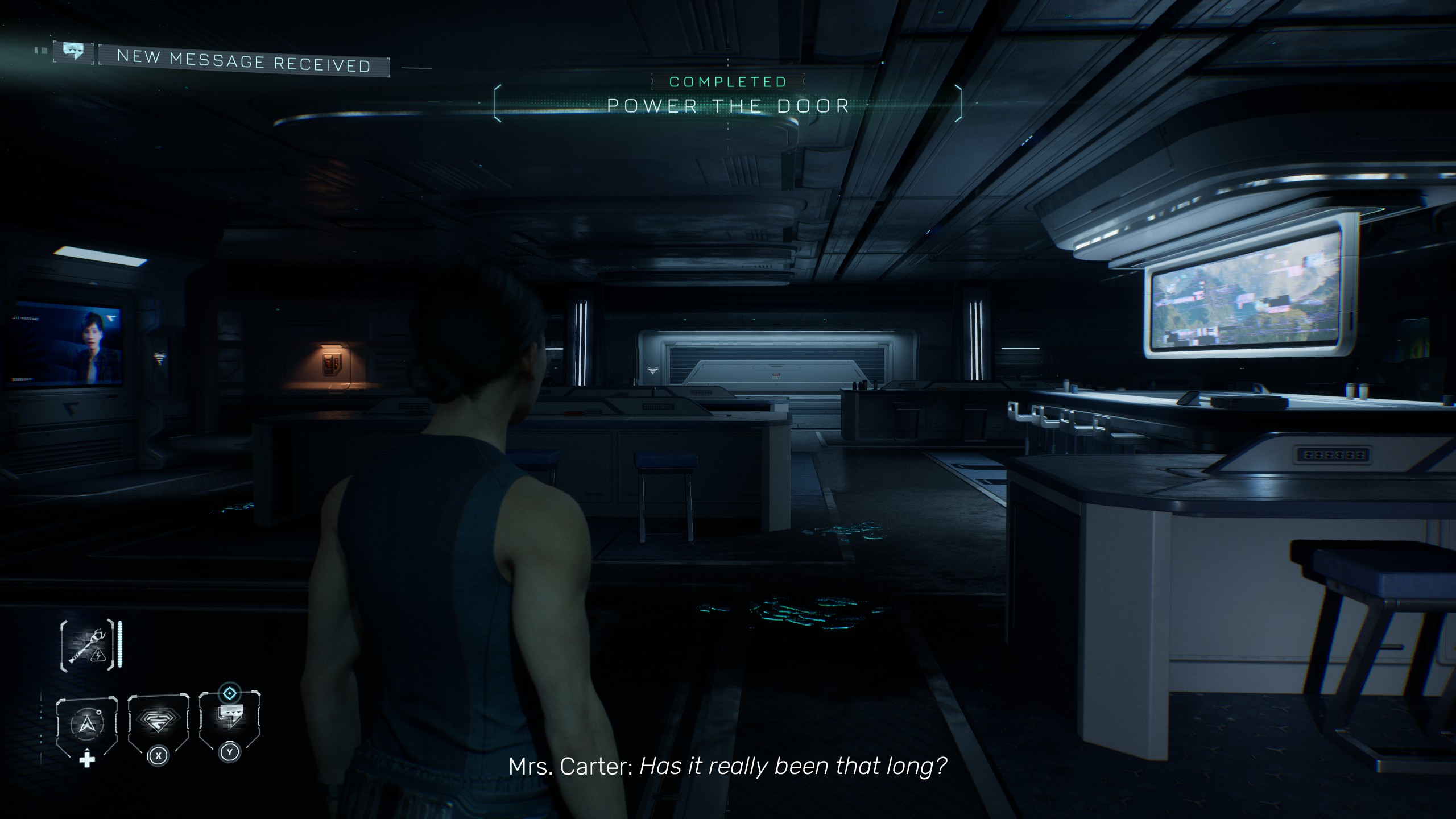
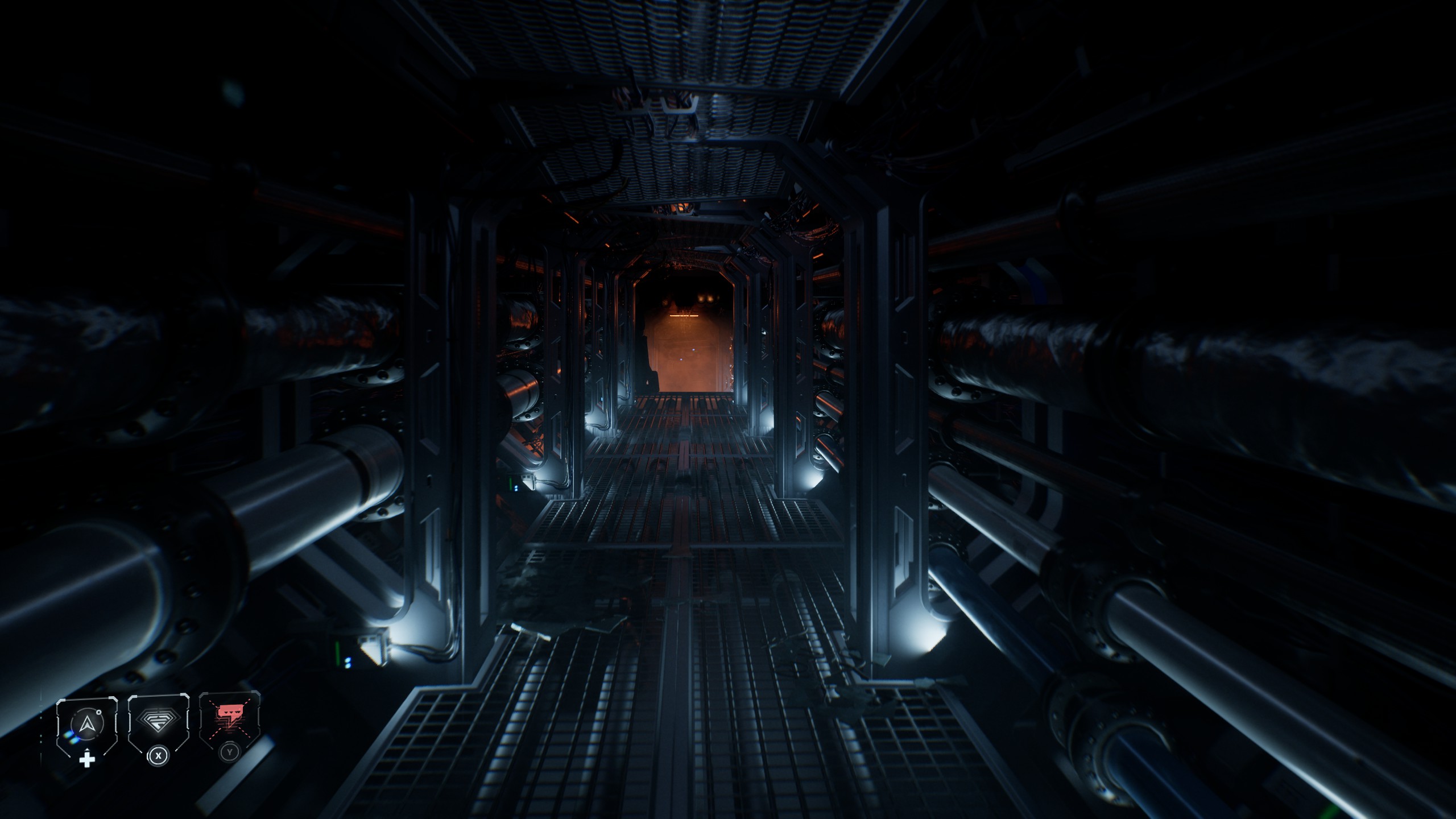
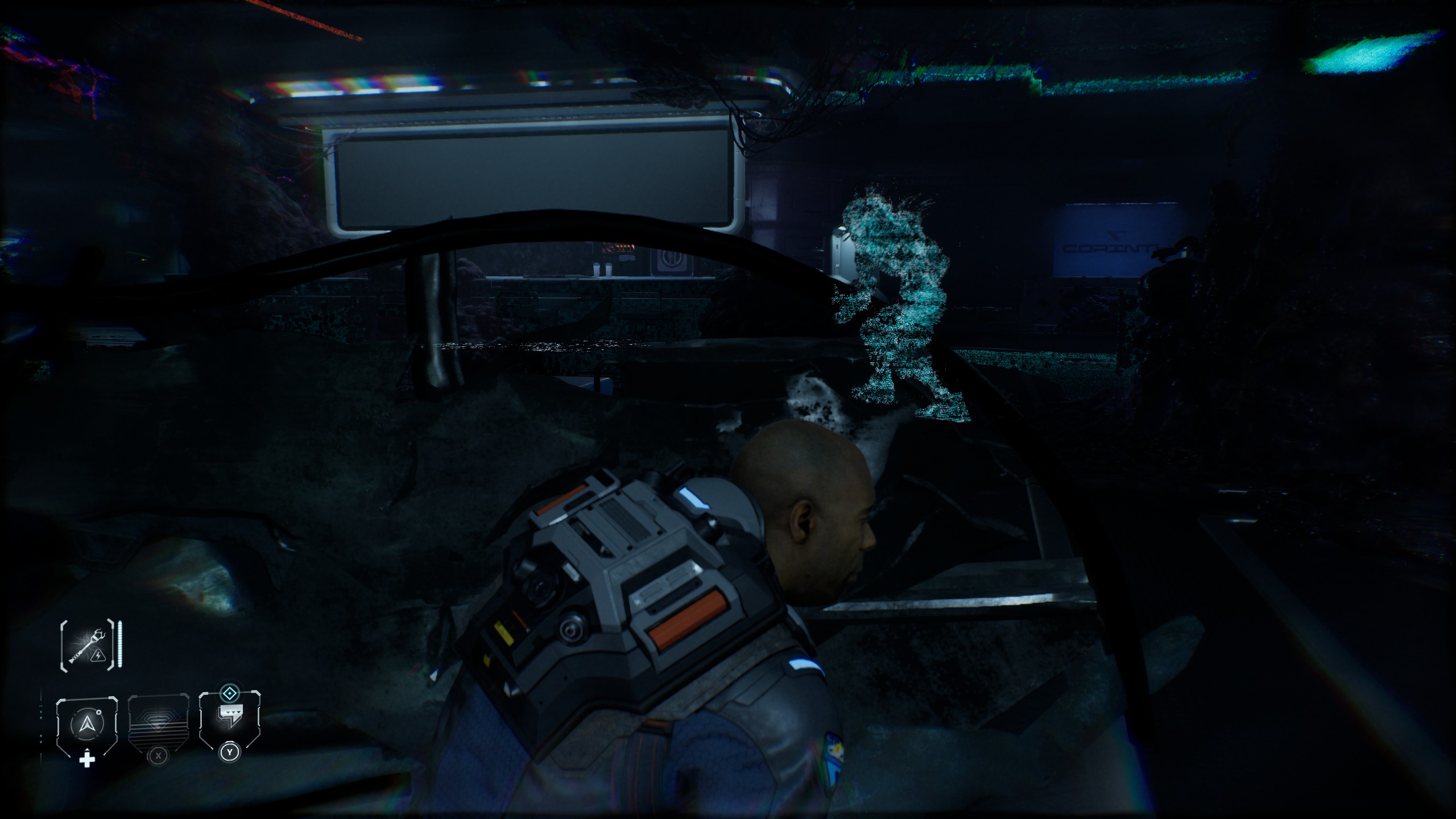
The stealth sequences, numerous as they are, work much better when you're alone against the danger, but I can't say they heightened the sense of tension in any way. The AI is predictable, routes are clear, and the ping that illuminates all objects around you keeps you aware of the monster's proximity.
At the same time, premonitions have been eliminated, and collectibles make much more sense and are relevant to the central mystery. Video recordings of messages sent to loved ones, literature about the ship's technology, and reports containing irregularities and clues appear in almost all optional rooms, which you reach by manipulating the power consoles, locks, and keypads that lie in your path.
Corporate perks
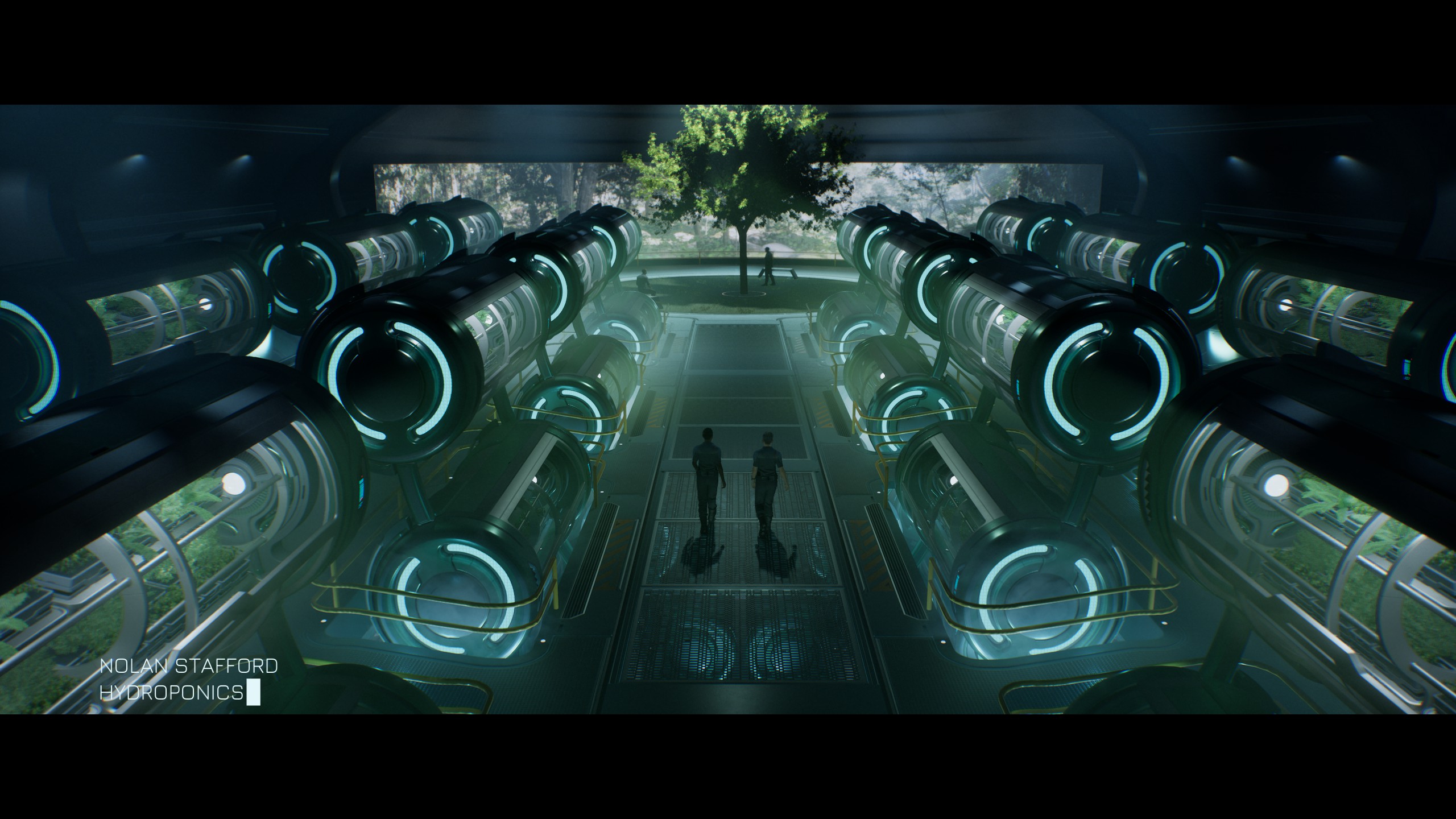
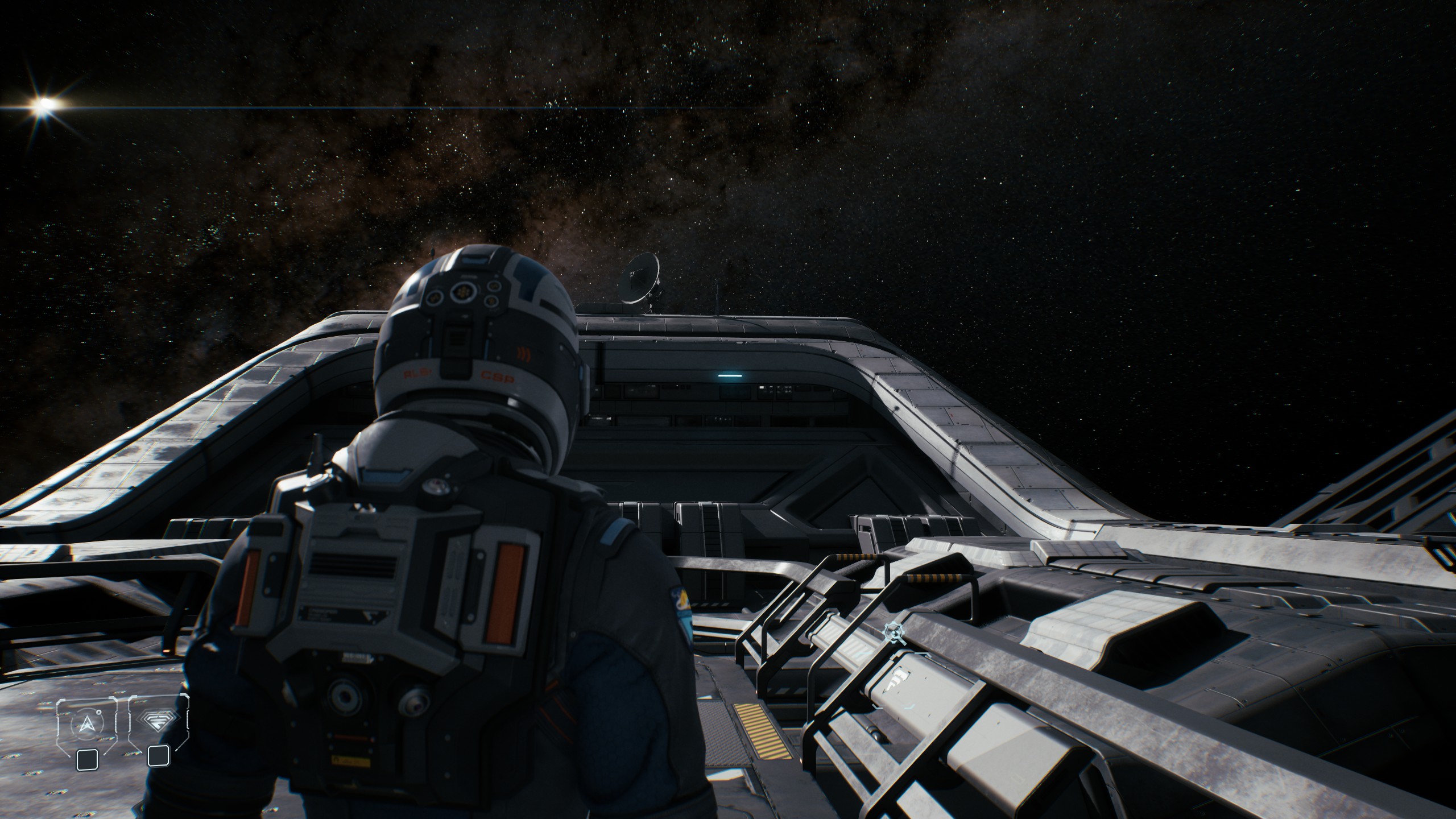
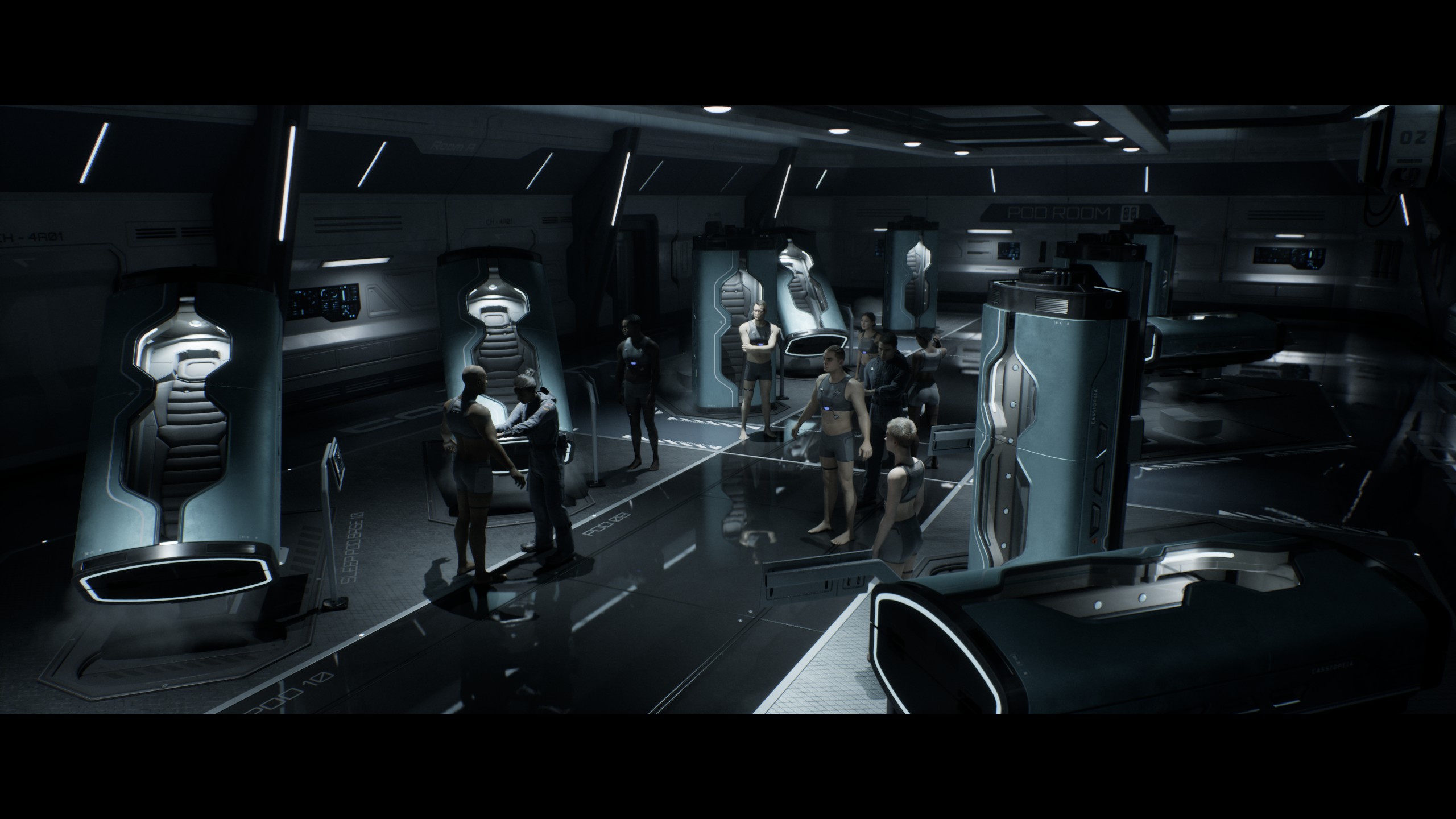
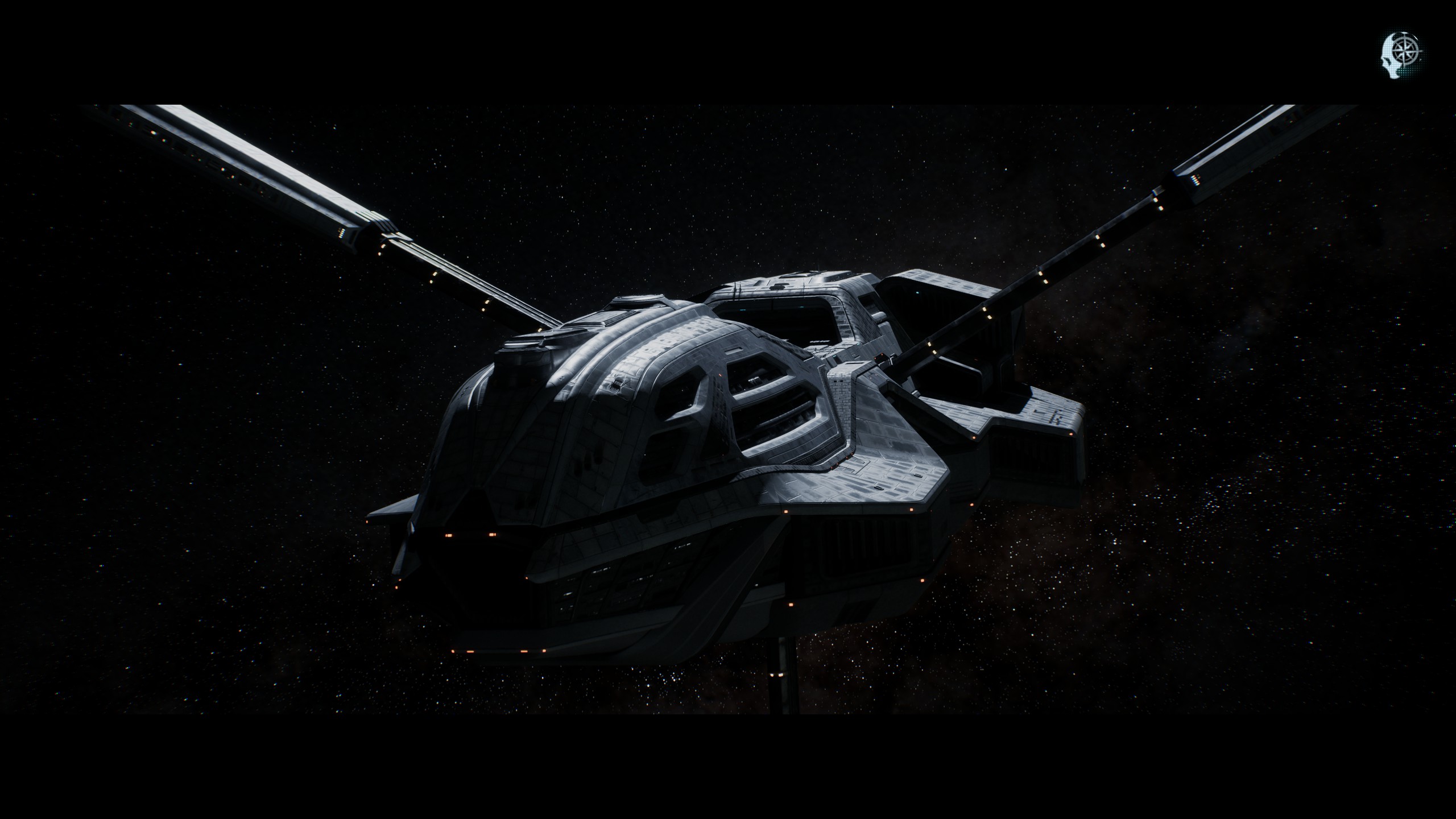
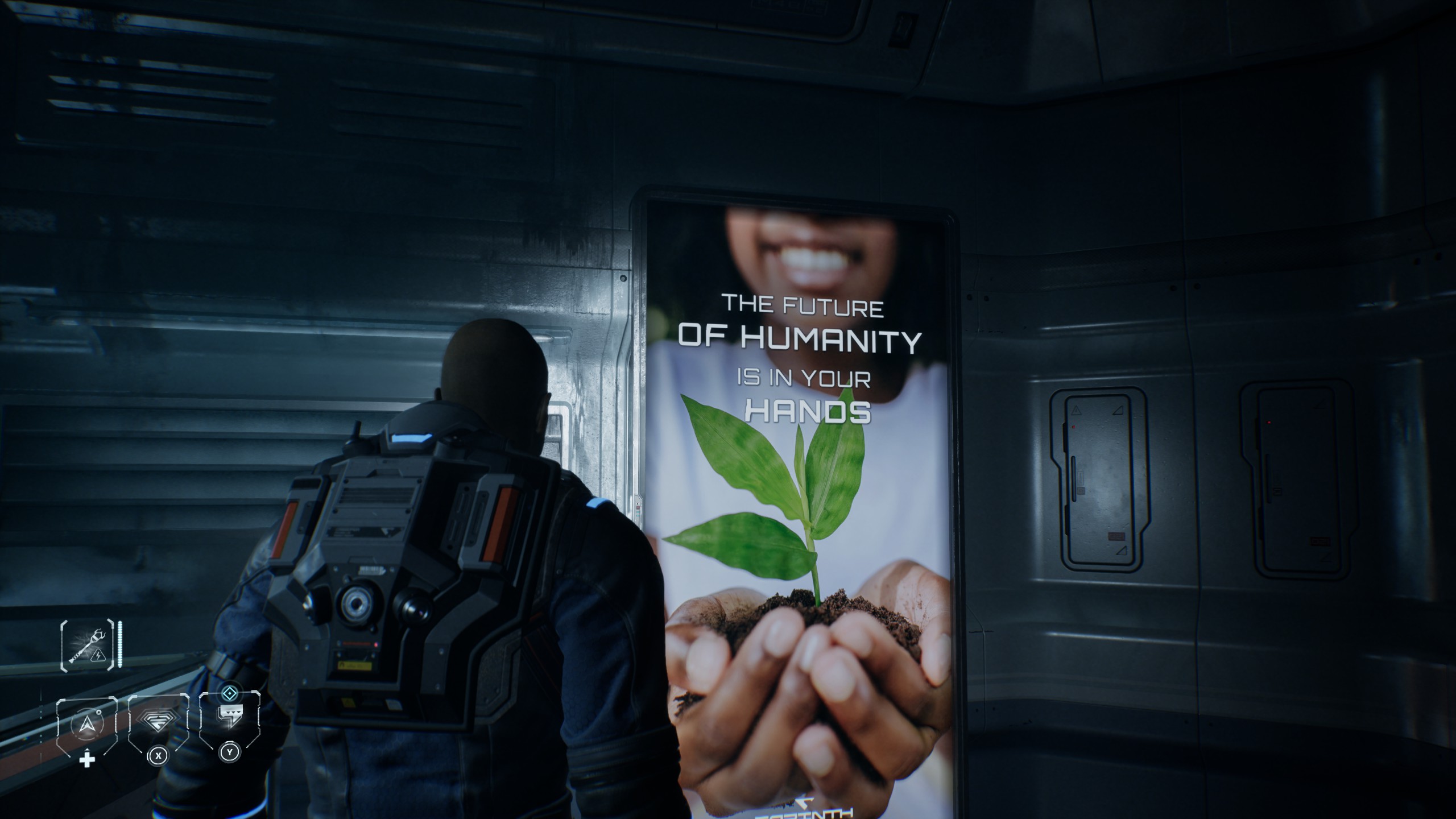
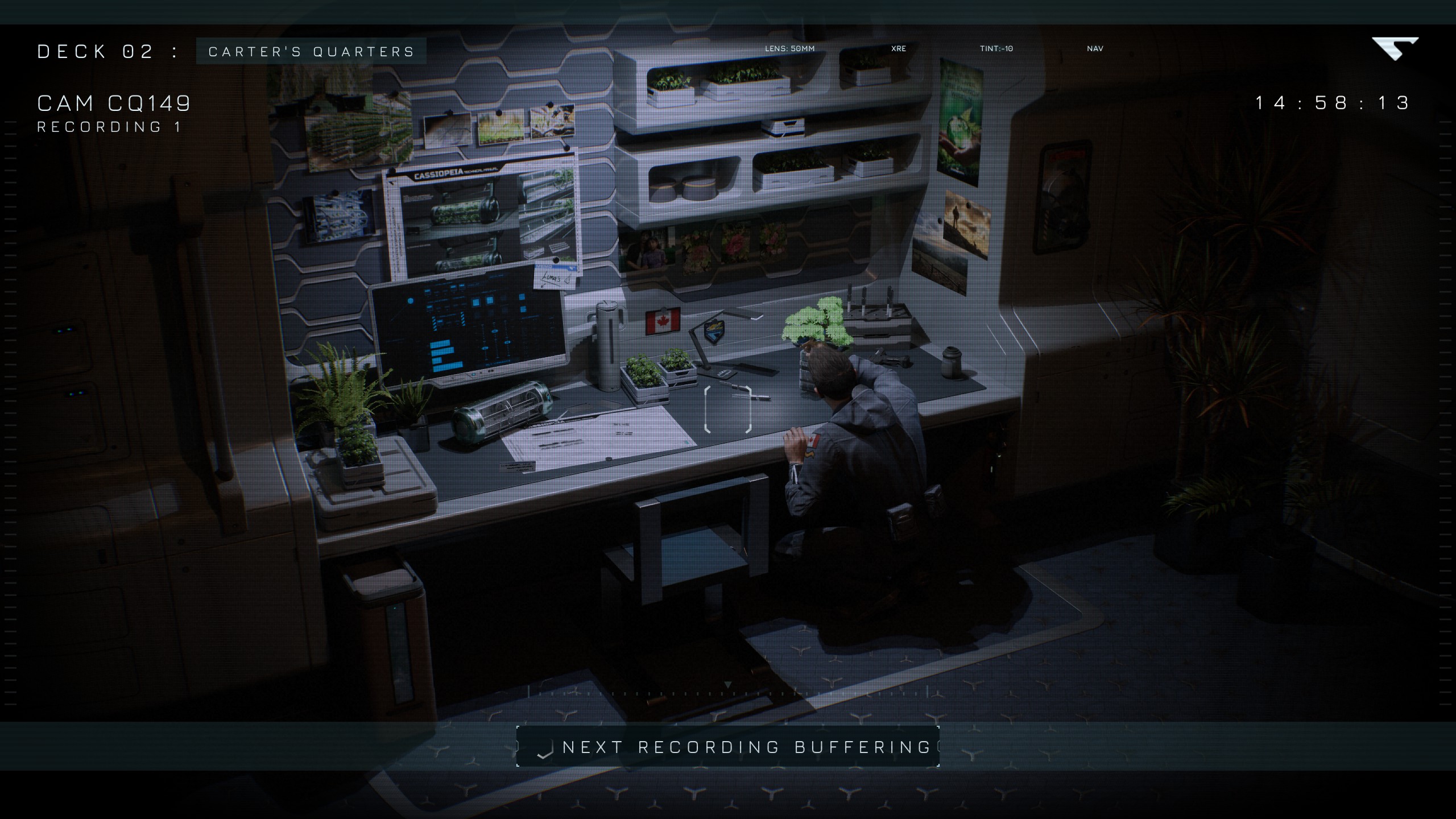
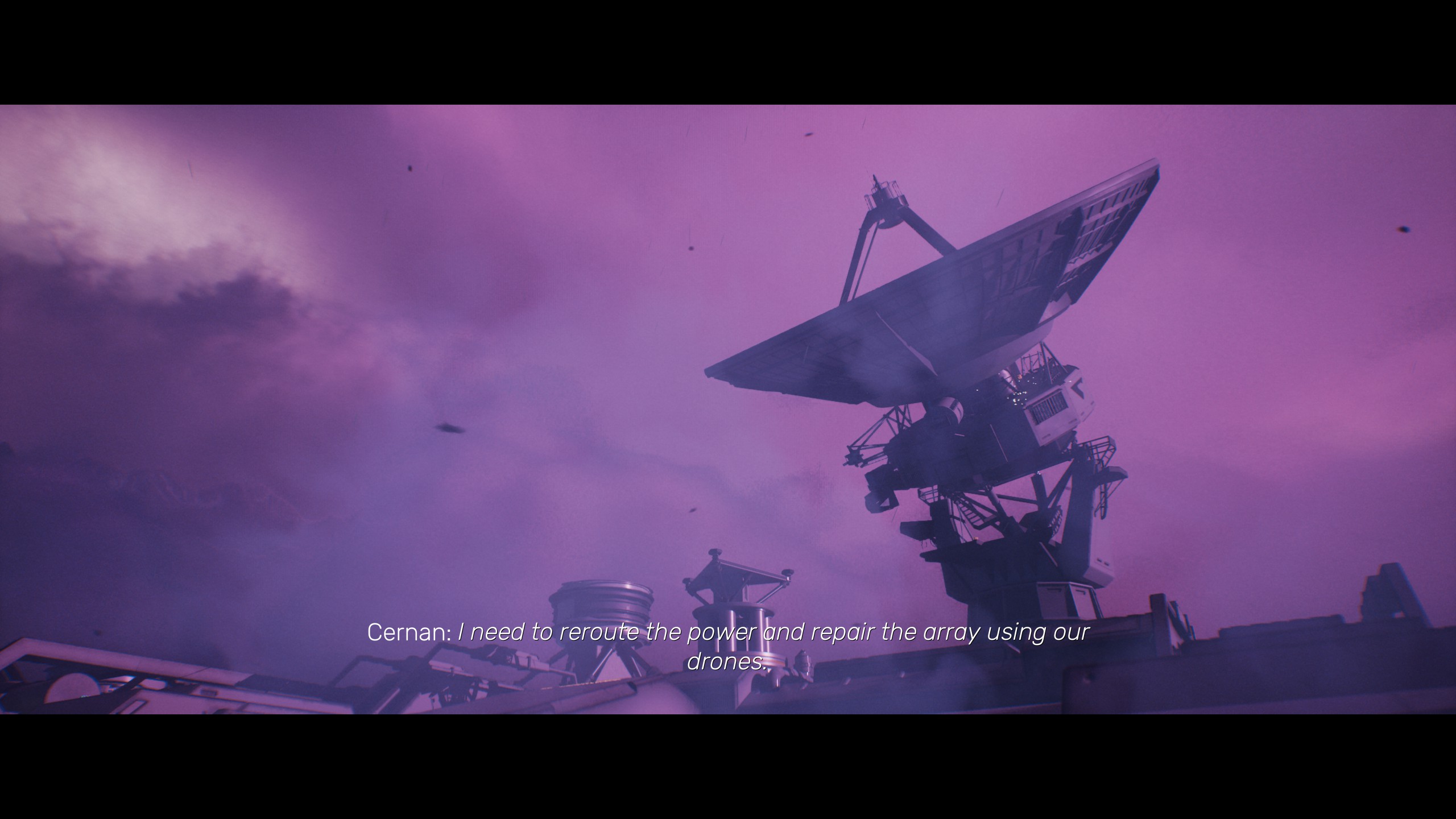
The game's production value is the component you can't fault much. The Cassiopeia is a technological marvel, equipped with a greenhouse for oxygen production (hello, Sunshine), cryostasis cabins (bonjour, Prometheus), and all sorts of immaculate decks that signal the technological advancements in the game's universe. The uniforms, space suits, and decor bear the imprint of the corporation that funded the expedition (Corinth), and the ship's design, both exterior and interior, shows admirable attention to detail.
There are a few moments where the emotional impact of a revelation is excellently punctuated by the music, and glimpses of what Directive 8020 could have been shine through. Probably the most important twist of the story is accompanied by the chords of a Fender Rhodes that you recognise after a few seconds as the intro to Portishead's "Roads," a track that could elevate even a filmstrip to the rank of cinematography.
There are a few other such confluences of good ideas, but for every subtle or intelligent scene, you go through ten others that are a string of clichés, stock lines, and padding. You start to see the surprises coming just by the pace the action needs to maintain, and the body horror is delivered in such large doses that it loses all impact after the third identical scene where you open a door and the walls are covered in organic goo from which fingers and eyes emerge.
The problem with the three plot holes
Warning! Spoilers ahead. I recommend scrolling down to the next section of the article if you plan to experience Supermassive Games' intended experience.
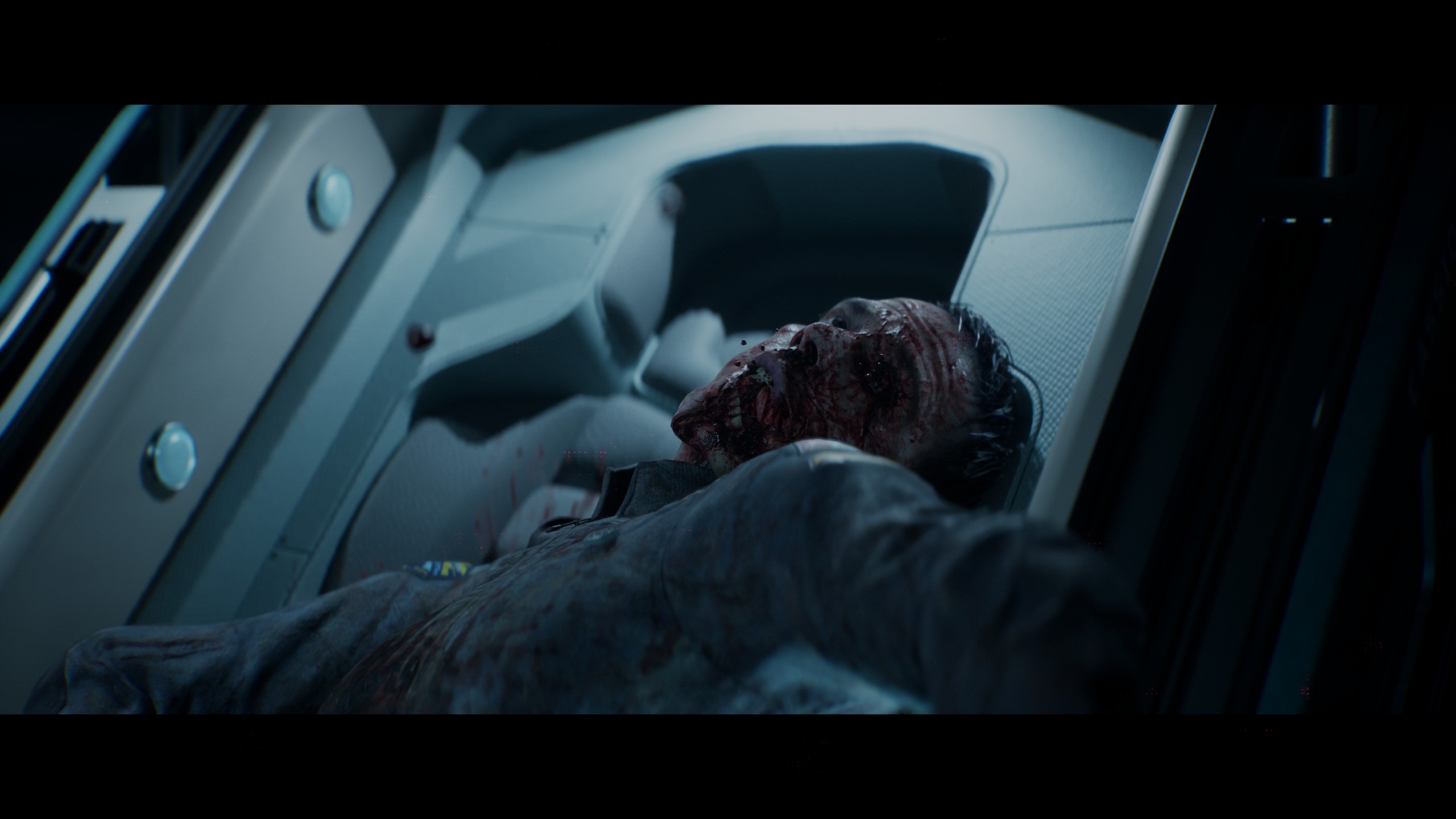
Towards the end, you discover that the crew is made up of clones and that the expedition you've witnessed is the thirteenth such cycle, a corporate project attempting to study the mimetic organism that attacked your ship. The implications of this revelation didn't immediately raise questions for me, but the premise begins to falter under the slightest scrutiny.
If the initial mission was to save humanity, which you get the impression is hanging by a thread, once you discover you're the thirteenth crew sent on the same suicidal mission for an infectious Flubber, the entire stakes disappear.
A species that has the resources to replicate a crew thirteen times for a potential profit that I'm not sure how exactly you can exploit (ahem, Weyland-Yutani regarding the xenomorph, by the way) must surely have the resources to do exactly the same thing with all potentially colonisable planets.
In other words, colossal amounts of resources are spent on an experiment whose only measurable output is the apocalyptic messages left by each crew before being invariably abandoned on the planet, because we know from the outset that they don't have enough fuel for the journey home. I understand the characters' existential crisis. As I said above, it's a pretty effective punch to the gut, if you only consider the fate of the current wave of clones. But the further you step back and consider issues of logic, efficiency, or verisimilitude, the entire edifice becomes shaky.
This is also reflected in the operational parameters of each clone cycle. Essentially, like your crew, no other crew knows they are made of clones or what happened to those before them. Assuming Corinth's goal is to study the alien organism, wouldn't it make more sense to arm them with the knowledge of their predecessors to make progress? The fact that they are lied to makes them even more vulnerable to the organism and minimises their chances of capturing or studying the creature, repeating the same mistakes ad infinitum. All corporations are by definition evil and often obtuse, but I imagine they would never be so laissez-faire with the cost-to-profit ratio of a space expedition.
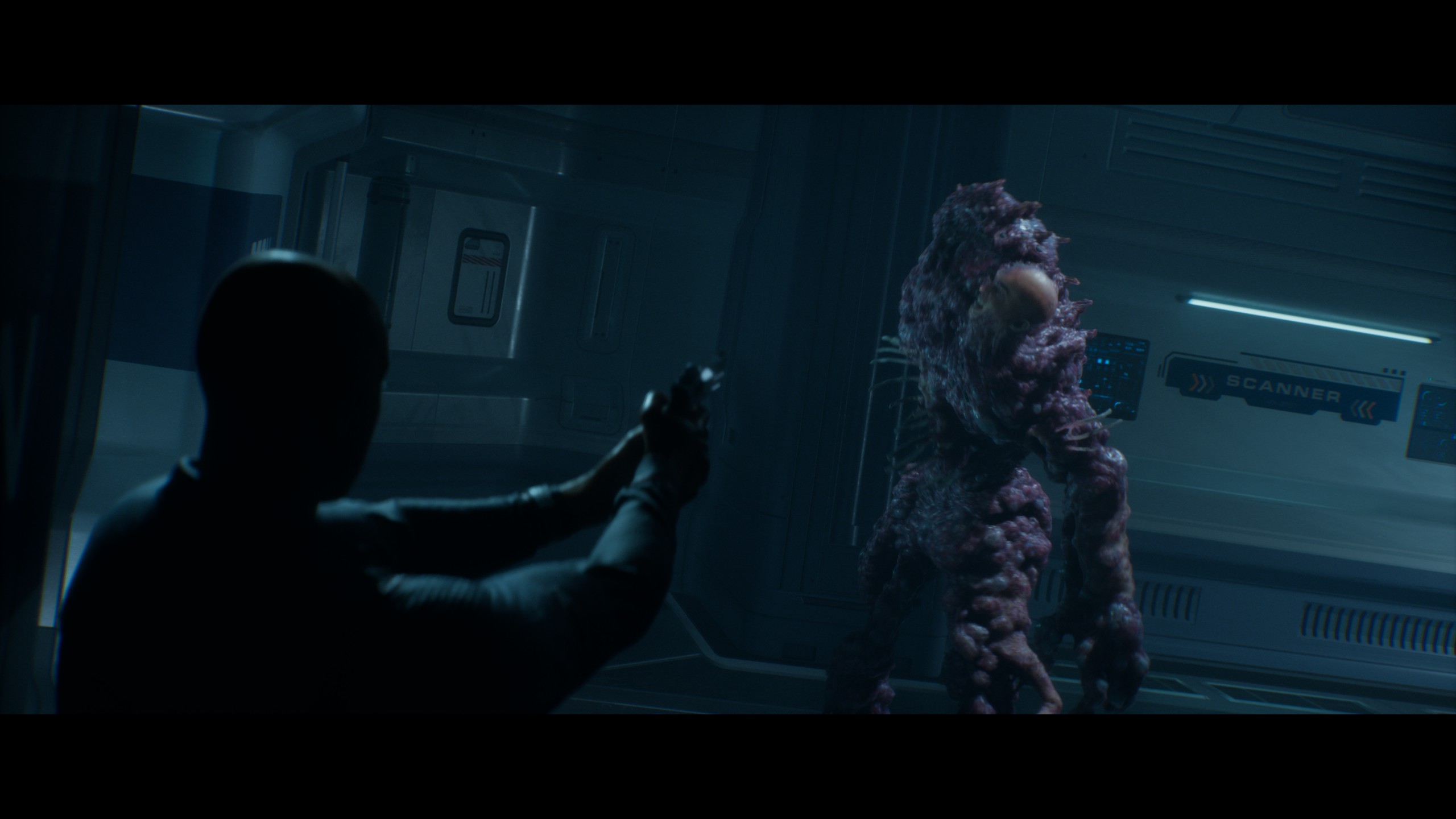
And finally, the corporation's plan is ridiculous in two other aspects. The idea that you don't have enough fuel to return after landing on the planet should theoretically prevent the ship from returning with an infectious organism, yet in the current clone cycle, the ship has cancer on board before it even reached the planet. What if, instead of landing, the crew had chosen to return home? Besides that, the fact that each cycle practically adds a new ship around the planet will, over a sufficiently long timeline, lead precisely to the catastrophic scenario that the limited fuel measure is trying to avoid. The more I think about it, the more I realise how thin the clone component of the story is.
Distilled Derivatives
Since Until Dawn, Supermassive Games have explored recipe-based horror in all sorts of settings. It was somewhat inevitable that they would eventually reach space, but what could have been a giant leap for the franchise has materialised into a series of small steps for the horror genre.
The clearer structure, pertinent collectibles, and production value cement the parts that work: the interdeterminism of decisions or the divergent narrative. However, the lack of solid writing is felt, because all the quick-time events and stealth sequences in the world won't make you care more about a character than what they say and feel.
All in all, between 20 and 25 hours of exploration, dialogue, and extremely simple puzzles in a well-connected interactive film and a genre-appropriate environment that doesn't make history. A homage that doesn't deconstruct, a product as mimetic as the monsters it contains.
Thanks to Jocurnoi.ro for the review code!

Played on: Steam
Release date: 12 May 2026
Developer: Supermassive Games
Publisher: Supermassive Games
Available on: Jocurinoi.ro
Plus
- Well-structured narrative
- Well-balanced soundtrack
- Convincing voice acting
Minus
- Inconsistent writing, undermined by plot holes and clichés
- Weak AI in rudimentary stealth sequences
- Continuity errors
0 votes
Scroll down here and stay on the page for at least 30 seconds to vote.
Pick a score from 0 to 10 (halves are allowed).