
Ghost of Yōtei Complete Edition – Review

A Complete Experience
When I wrote about Ghost of Yōtei last year, I started from the idea that Sucker Punch wasn't trying to reinvent anything. And why would it? The base game was an almost absurdly self-assured refinement of the formula that began with Ghost of Tsushima, and on PlayStation 5 Pro I had ended up calling it, without much hesitation, “Tsushima brought to modern perfection”. Good combat, a superb world, excellent sound, an Atsu different enough from Jin that you don't feel you're looking at the same character with a different 3D model and, of course, the kind of visuals where you hit the screenshot button so often you start to wonder whether Photo Mode is the real endgame.
So the arrival of a Complete Edition raises a fairly simple question: what is there left to complete in a game you've already called pretty much everything this formula could be? Sucker Punch's answer is, apparently, “a bit more Atsu, a few more people to cut down, and a roguelike, because they're in fashion”. And the “annoying” part is that it works.
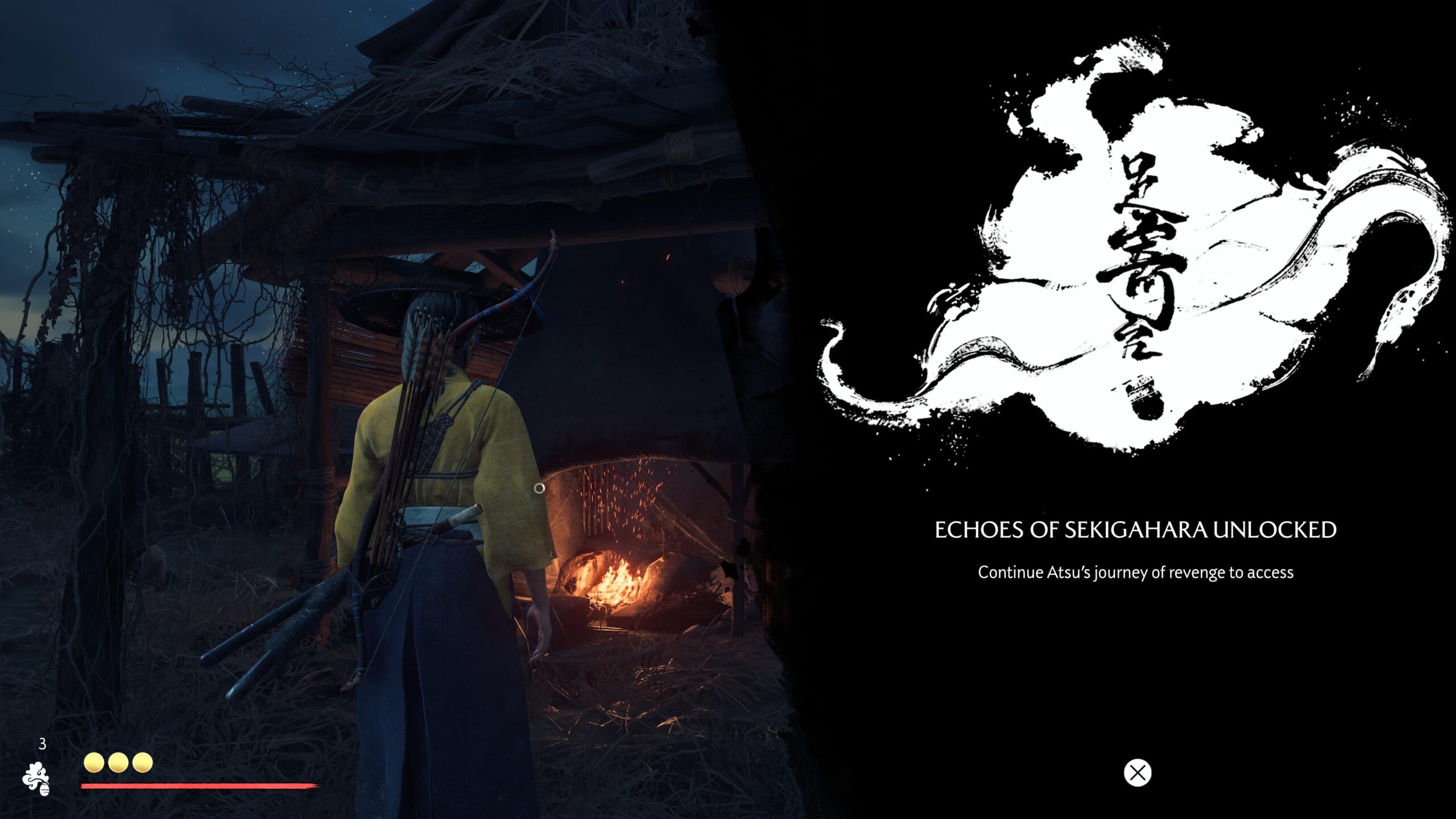
Ghost of Yōtei Complete Edition gathers the base game and the new, important chunks of content, above all the narrative expansion Echoes of Sekigahara and the Most Wanted mode. Anyone who already owns the game doesn't have to buy it again, as there's a separate upgrade, which is probably the most normal sentence we can say about a “Complete Edition” in 2026. For those who haven't yet set foot in Ezo, though, the situation is even simpler: this is the package to buy. There's really no reason to look elsewhere.
A Missing Piece of Atsu
Echoes of Sekigahara is the most interesting part for me precisely because it does something DLC doesn't always manage: it doesn't feel like an appendix bolted onto the game after you've seen the credits roll. It slots into the main story and, more importantly, returns to a chapter of Atsu's life that the base game had used more as a foundation than as a story in its own right.
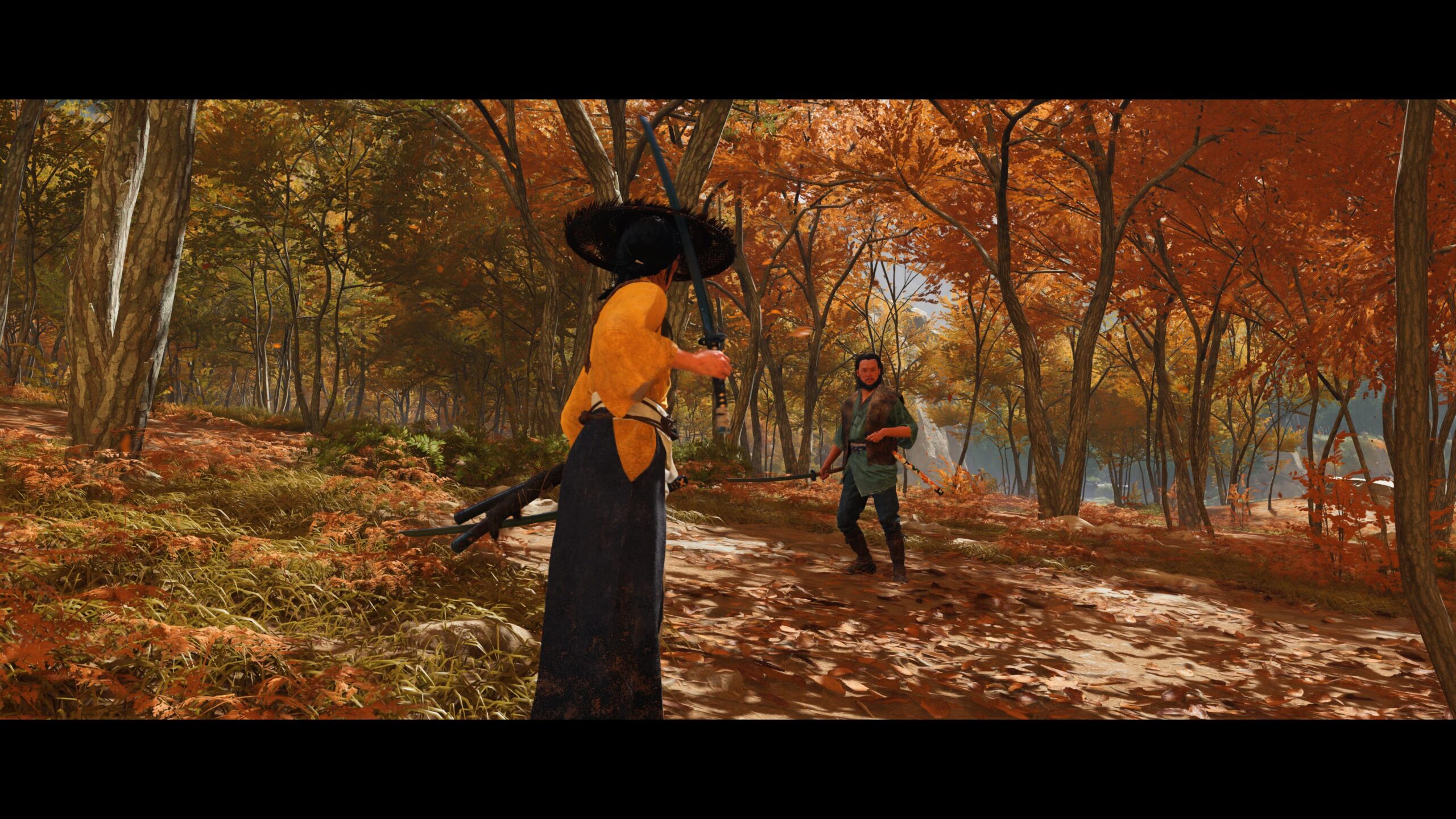
At the heart of the expansion is Nagato “the Handsome”, a figure from Atsu's past, and the story alternates between the present and moments from the Battle of Sekigahara. This isn't a DLC that turns the game into a three-hour historical episode in which we stroll among armies and give history lessons with a sword in hand, because most of the adventure stays in the present. The flashbacks are used more to explain the relationship between the two and, through it, to show us an Atsu who is a little more vulnerable than the woman who, in the base game, sometimes seemed as if she'd settle a gas bill with a duel to the death: “You've overcharged me, prepare to die.”
And here Echoes of Sekigahara genuinely manages to make the character better in retrospect. In my original review I said that Atsu isn't a symbol but an instrument of revenge. She has a road and she walks it. She doesn't need endless speeches about honour or someone to explain why she's furious. The expansion doesn't contradict that idea, but it complicates it. It shows you that before “Ghost”, before the person who walks into a camp and leaves behind enough meat for a documentary on the consequences of camping in wolf or bear country, there was somebody else.
That's also why you get the feeling that some of this story perhaps should have been in the game from the start. Some of the Complete Edition reviews go as far as saying the main story is weaker without these sequences, and once you see what they add to Atsu, you understand why. That's not necessarily an unqualified compliment to the original's structure. It's a bit like buying a Director's Cut Blu-ray and finding out that the scene explaining half the character's motivation had been cut to get a better rating.
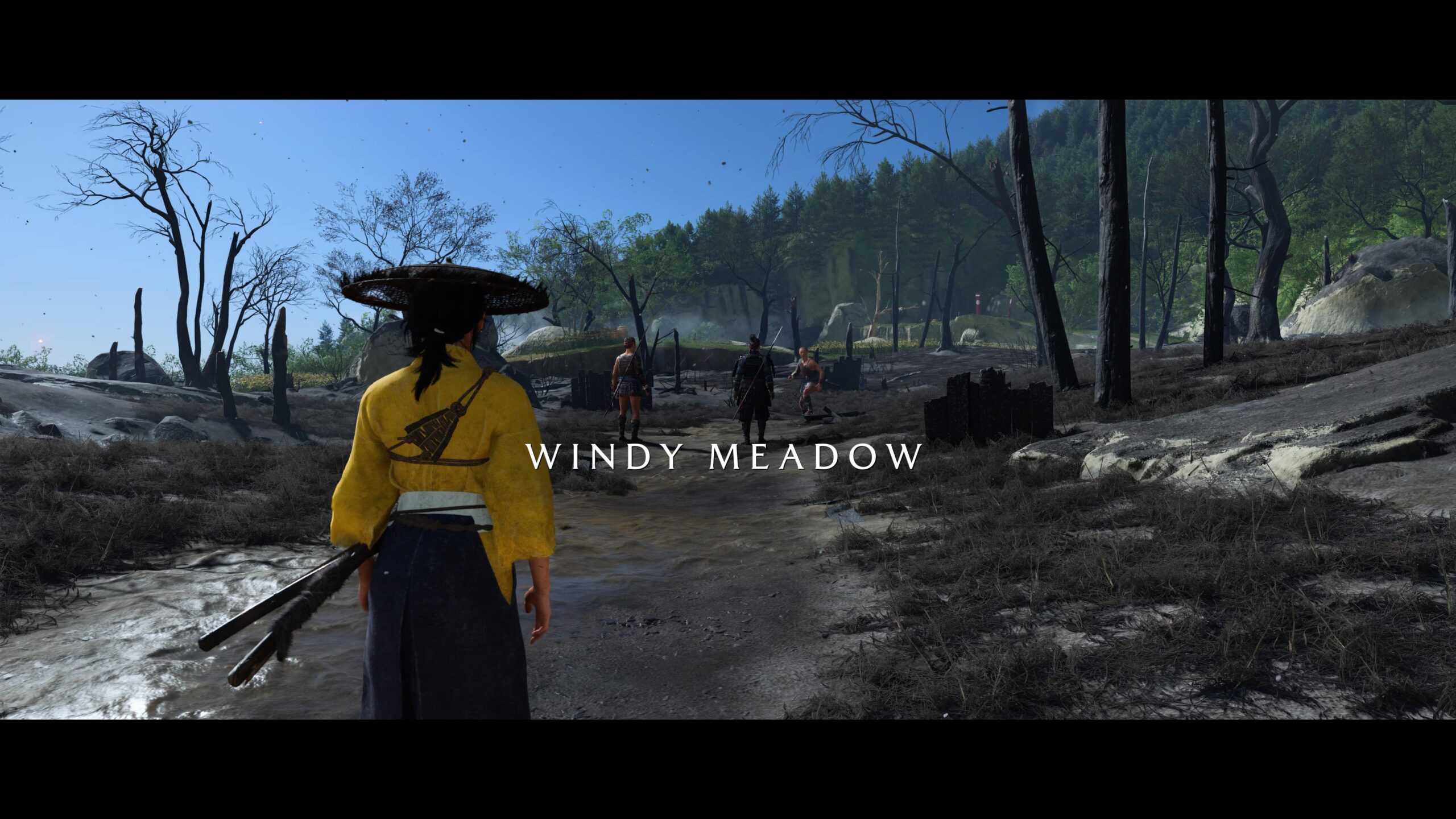
The new region, Ashoro Foothills, continues the visual direction of the base game but wraps it in a more autumnal atmosphere, with dense forests, fog and the kind of light that makes Tudor obsess over Photo Mode instead of moving the story along. The main thread takes around five hours, and if you start clearing bounties, Tales and the rest of the activities, you'll easily get to eight or ten. In terms of size, it's no Iki Island 2. It's more a new region about the size of one of the existing zones, with enough in it to keep you in Ezo a while longer without losing the plot.
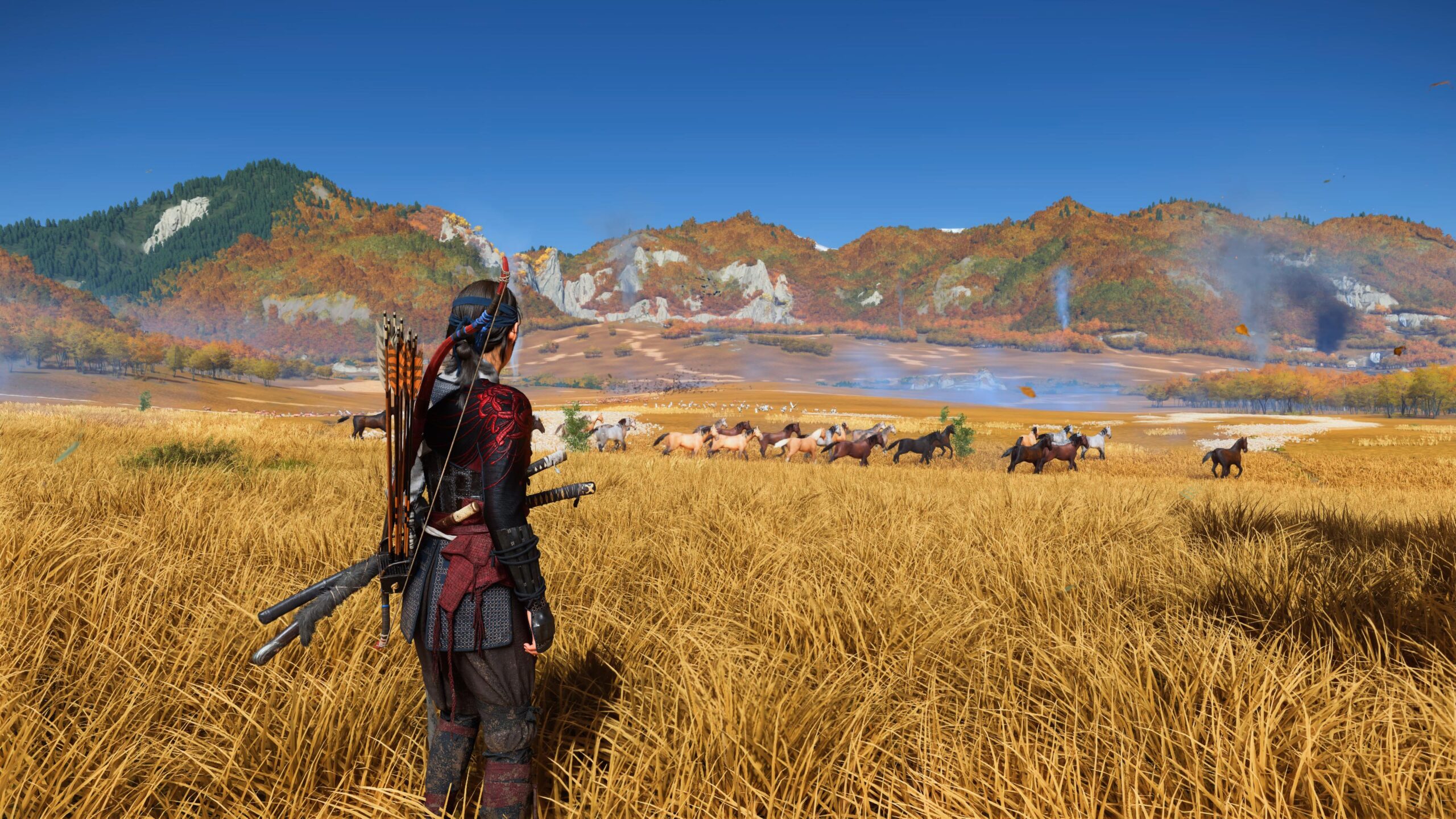
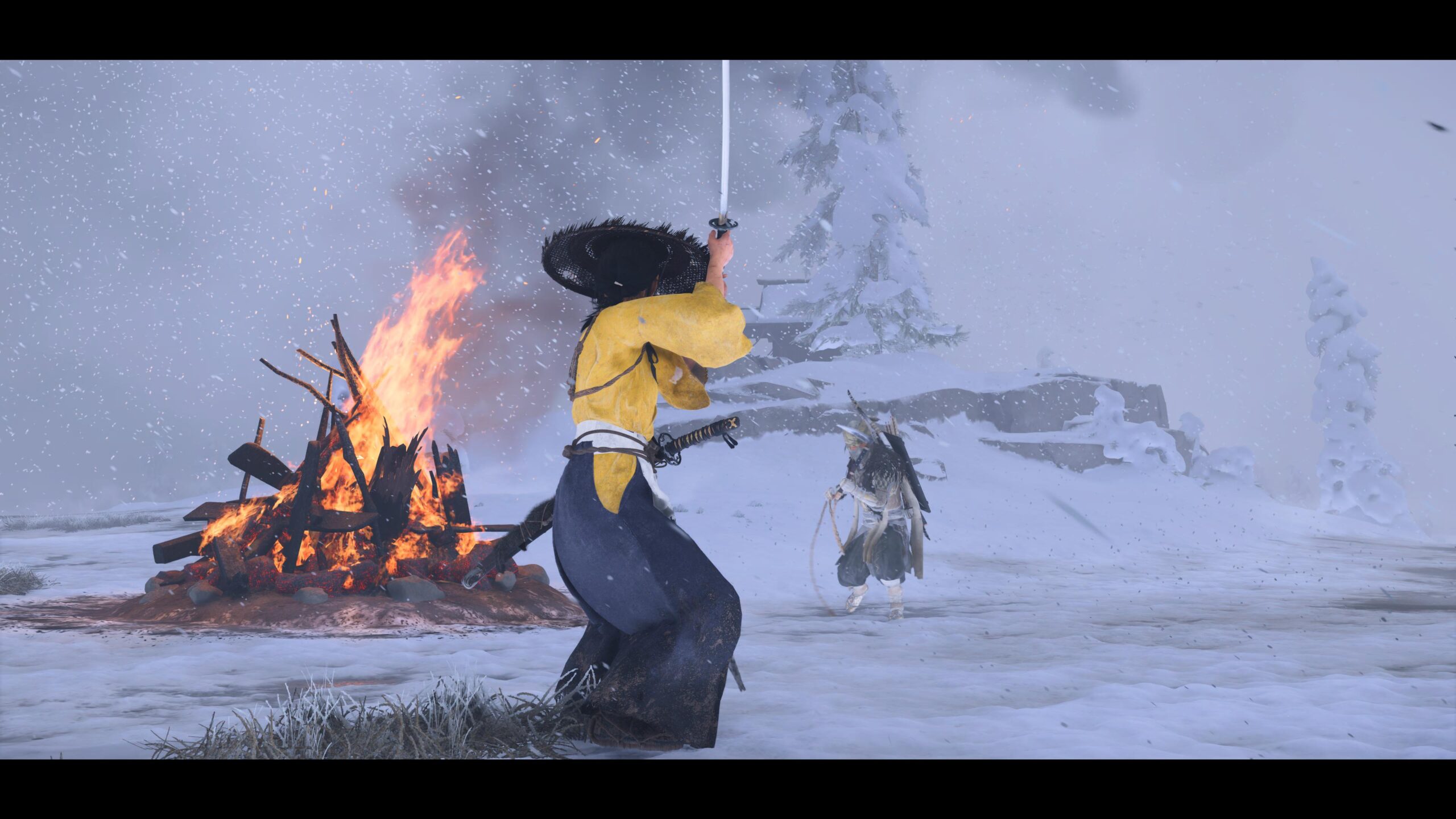
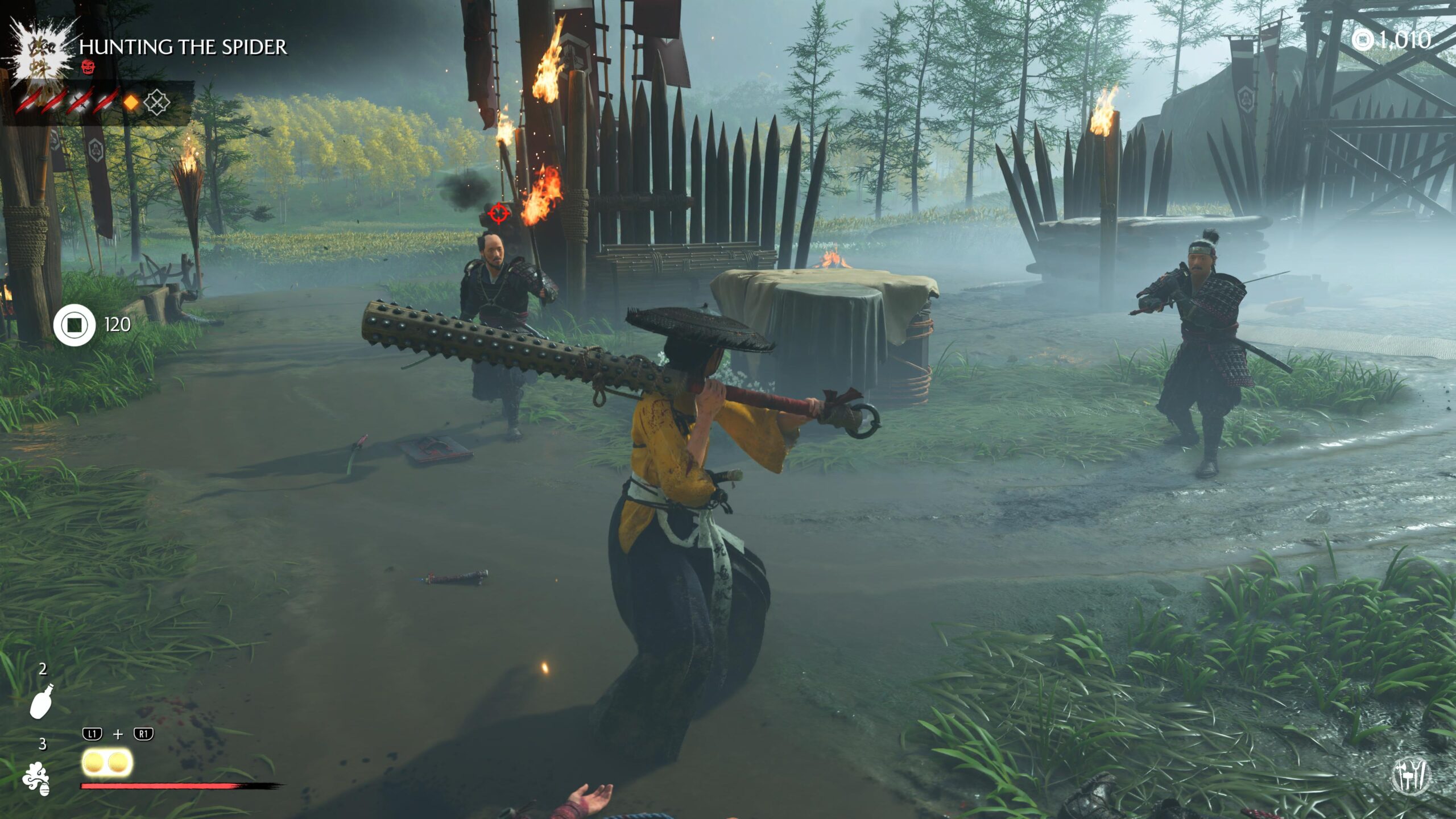
Combat gets a few new toys too. There are Massive Weapons, oversized implements taken from brutes that hit as if Atsu had tired of the katana's elegance and decided that a wooden beam is, technically speaking, still a Japanese weapon if you swing it hard enough at someone. They're devastating, they break after a few hits, and they can be upgraded. There's also a new bow ability that lets you quickly strike multiple targets. They're pleasant additions, but they don't fundamentally change the combat system. Combat in Yōtei was already the part that needed the least help. In the base game, switching between stances and different weapons gave each fight a more instinctive rhythm, and swapping between katana, odachi, kusarigama and the rest of the arsenal was one of the most satisfying parts of the experience.
Another Roguelike?
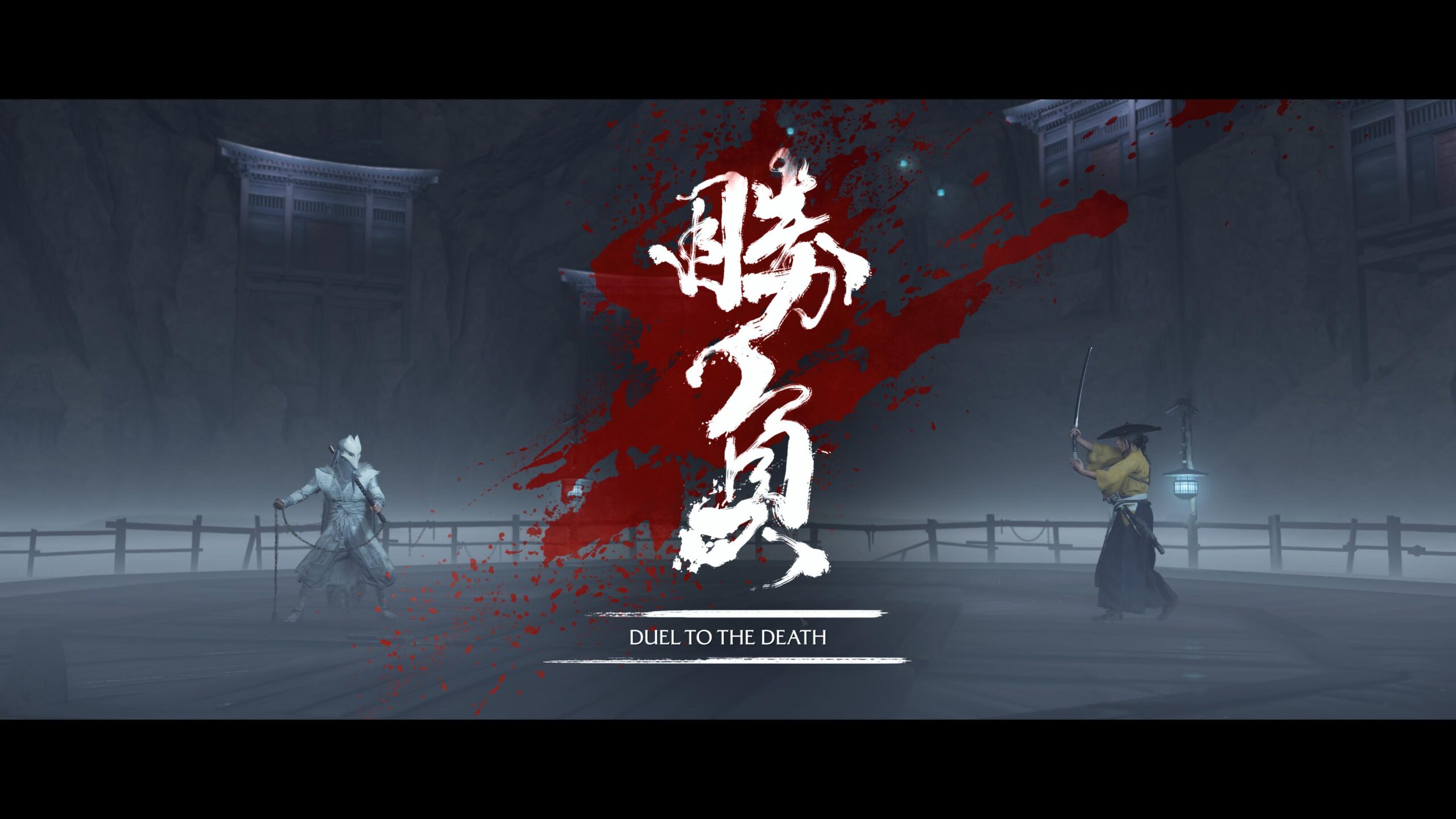
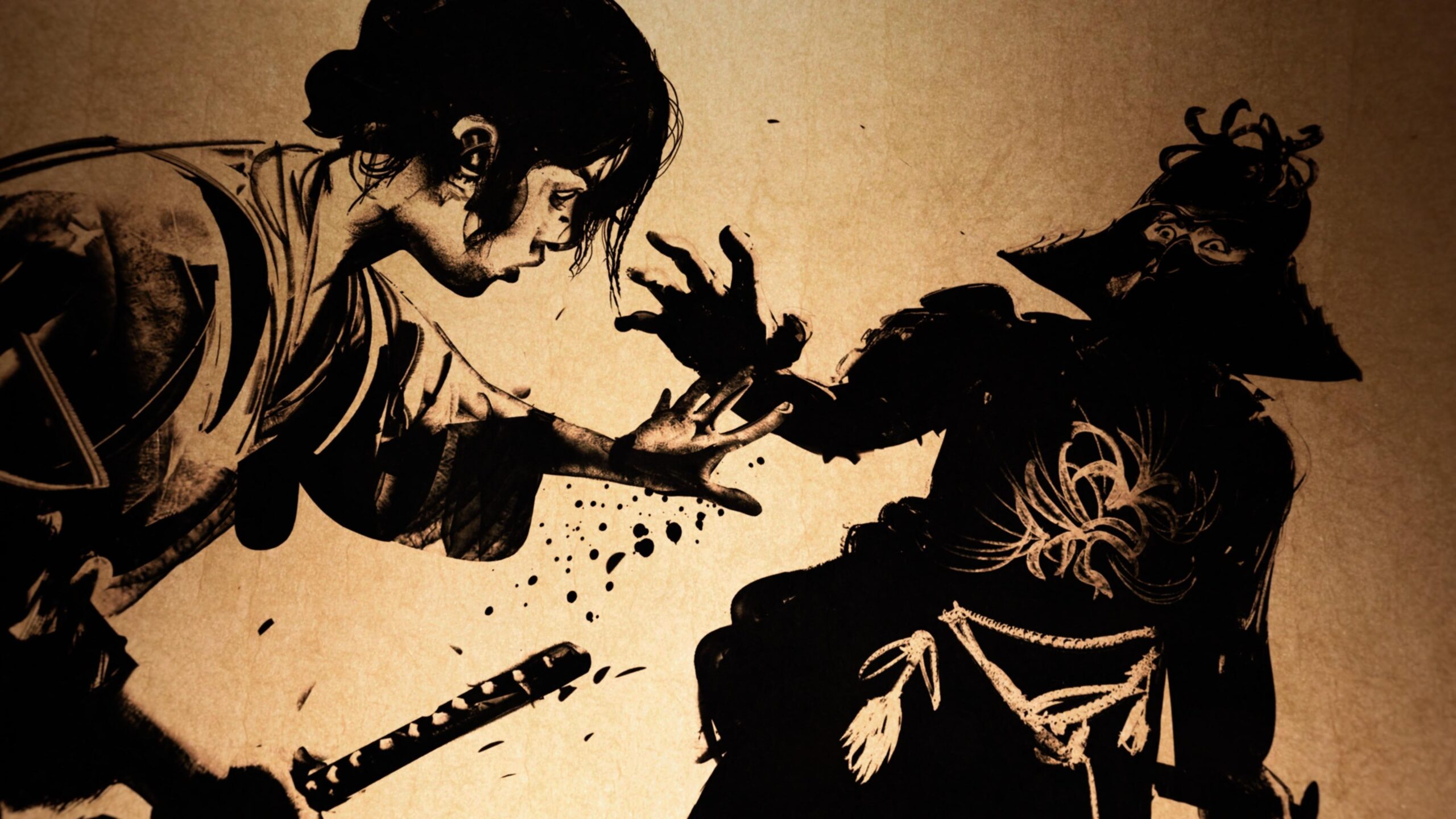
And then there's Most Wanted. In an industry where every game seems to get either a battle royale or a roguelike at some point, PlayStation appears to have decided the latter is the healthier option, and after other similar experiments it's now Ghost of Yōtei's turn to drop you into a “just one more run and that's it” loop. Except here the format fits almost suspiciously well. Most Wanted takes the story out of the equation and leaves exactly what Yōtei does best: fighting. You go in with a character, work through a series of encounters, pick up perks and upgrades along the way, and at the end one of the Yōtei Six is waiting for you. You die, you come back, you keep certain upgrades and you go again. You know the system. We don't need to call in Tudor from the Roguelike Commission to explain what this kind of game is about.
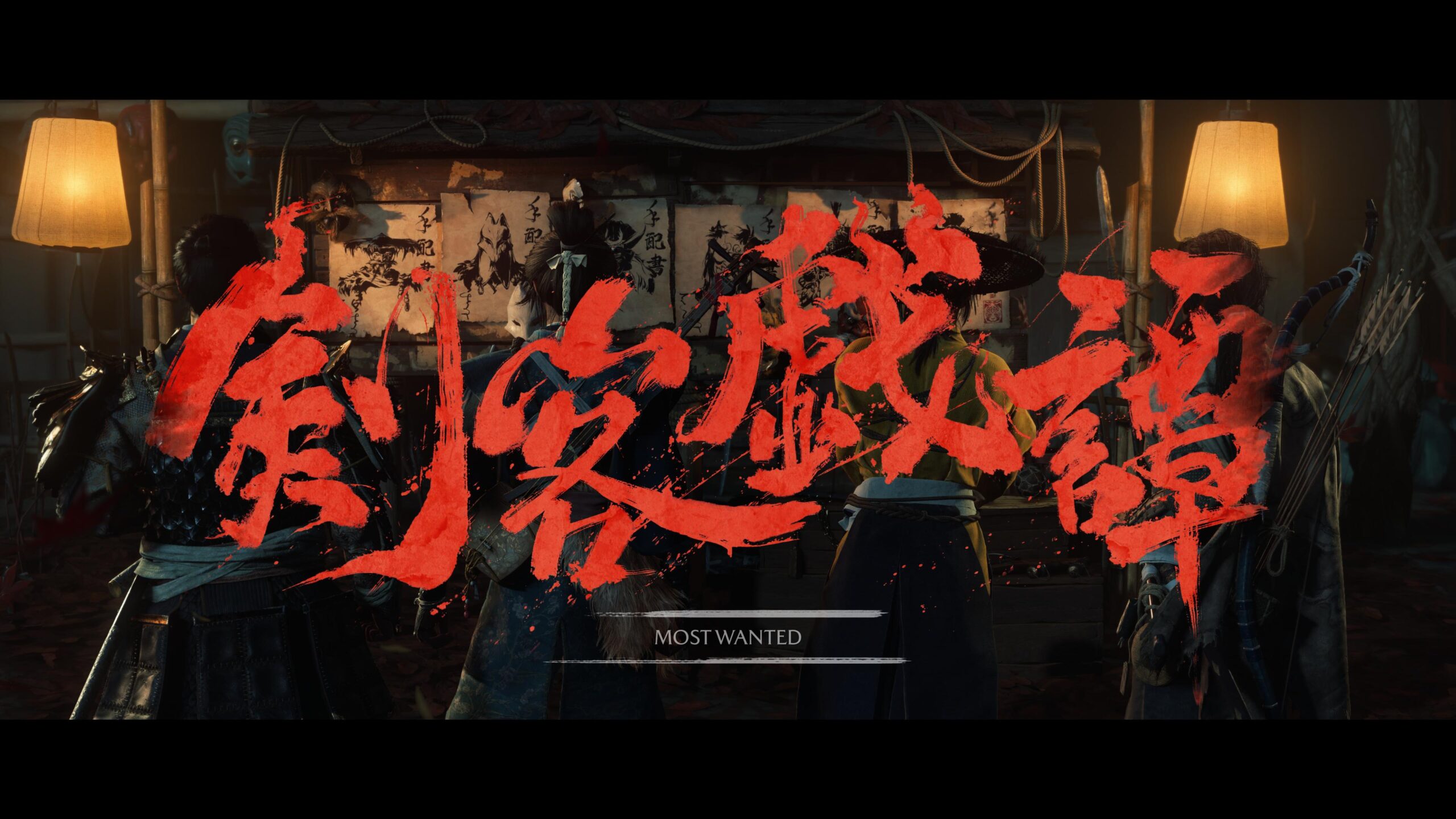
What matters is that the original combat has enough systems for the loop not to feel artificial. Different weapons, perks, charms, abilities and distinct loadouts for each character mean every run can play out differently, and permanent progression gives you the classic reason to have another go. The mode has four playable characters, each with their own weapons and abilities, and one of them is Jin Sakai. Yes, Jin. That's for anyone who wanted the obvious crossover between the two games without Sucker Punch tearing a hole in space-time in the main campaign. And this is probably where the Complete Edition best earns its name for people who have already finished the campaign. Echoes of Sekigahara gives you the narrative reason to come back. Most Wanted gives you the mechanical reason not to leave straight away.
There's an obvious risk that the mode turns repetitive once you've seen the bosses and unlocked most of the progression. That's exactly why I hope Sucker Punch doesn't treat it like a toy to be shelved after three months. One of the reviews I looked through to see what everyone else was saying raises this very problem: without fresh challenges, rewards and support, a mode built on repeating fights can quickly end up being “Most Wanted” only in the main menu. In its current form, though, it's honestly one of the best reasons to go back to the game.
Complete, but not transformed
What the Complete Edition doesn't do is fix the things I didn't love about the original game. The open world is still gorgeous and very carefully controlled. You can go wherever you like, but the freedom remains a clean, almost sterile kind. In the review of the base game, I talked about the feeling that these big worlds sometimes mistake freedom for surface area, and choice for the order in which you tick things off. You can go left or right, but the designer has already been there ahead of you and kindly left a light, an animal or a gust of wind to tell you where they want you to end up. The Complete Edition doesn't change that. Nor do the repetitive activities go away. We still have camps, bounties, trails, things to find and people who, for some utterly mysterious reason, need precisely the woman who cuts down six men a minute to solve their local problem. But maybe that's the whole point.
The Complete Edition is not a “2.0” version of Ghost of Yōtei. It isn't Cyberpunk 2077: Phantom Liberty, where you look at the game and wonder whether the developers rewrote half of it after launch. It's more the game you already knew, with its good bits left intact and more material built around them. And if you already liked the formula, that's exactly what you want.
PSSR still works wonders
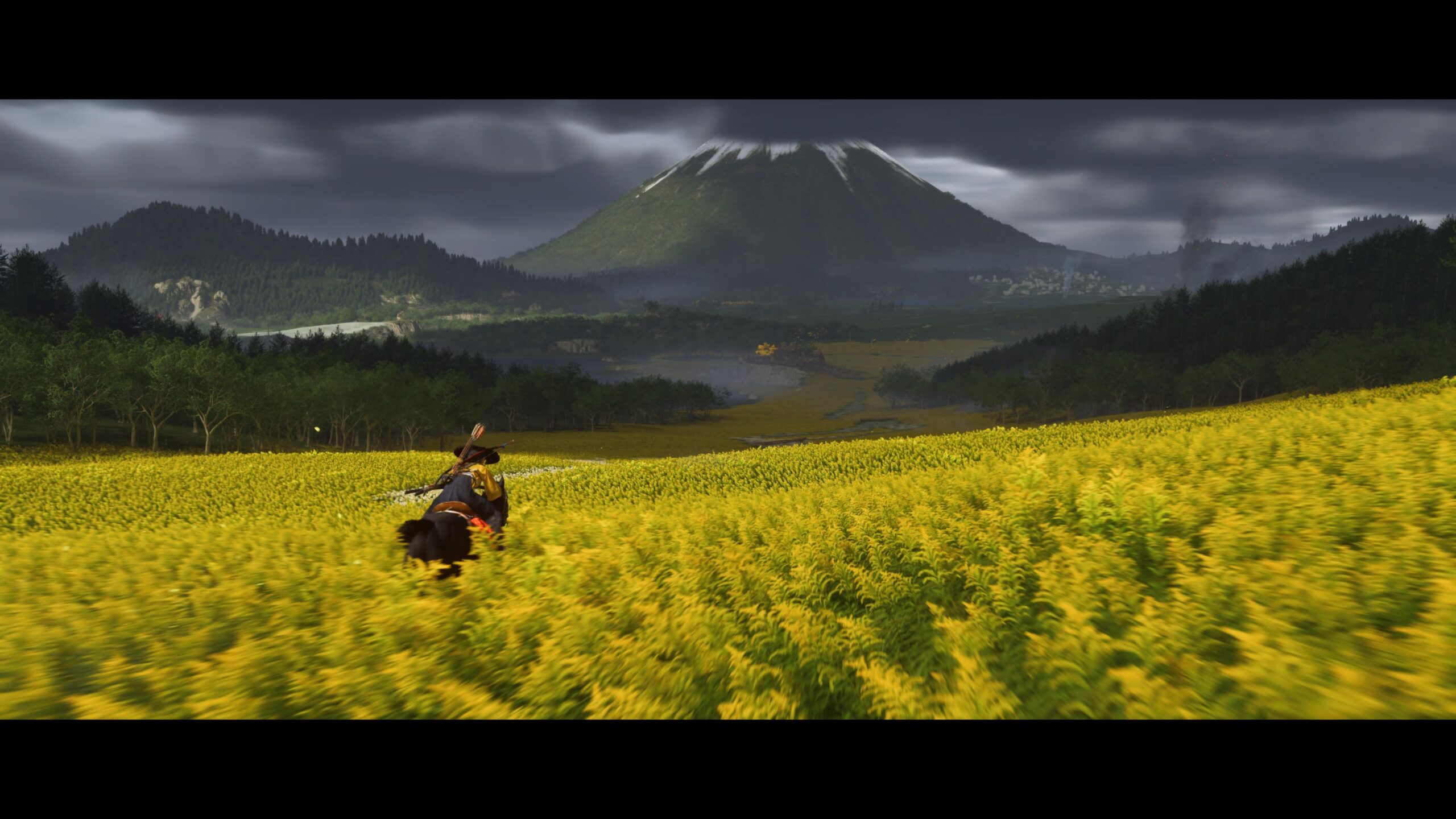
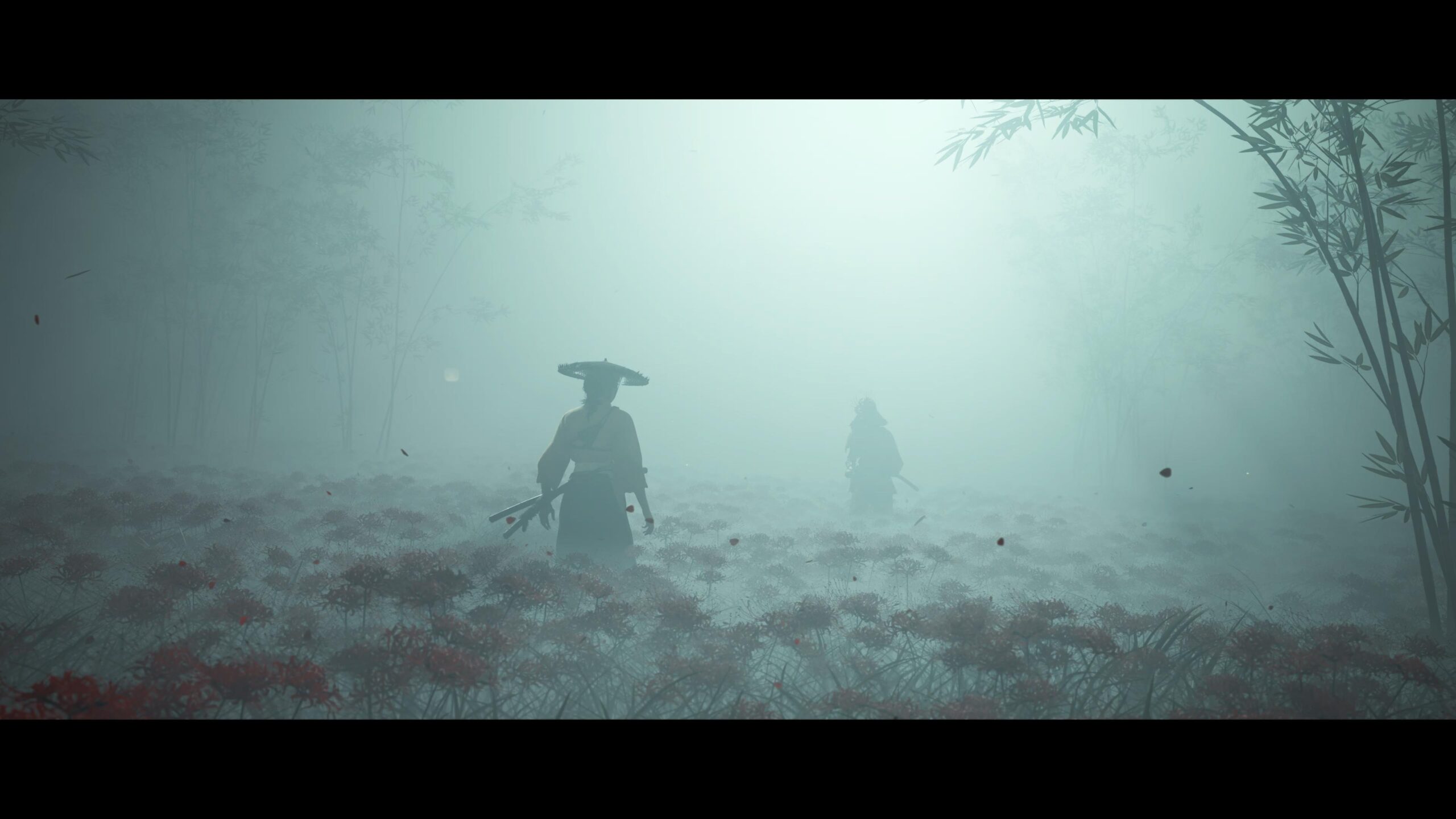
On PS5 Pro, Ghost of Yōtei still looks ridiculously good. In the original review I said plenty about the four graphics modes, Ray Tracing Pro and PSSR (or PISSER, to friends), and a year on I don't have many reasons to change my mind. The new areas don't change the tech, but they give it fresh landscapes to flex on. Ashoro has a visual personality of its own, especially in its fog, its autumn tones and the contrast between forests and open ground. It's one of those games where you can wander for ten minutes without doing anything productive and not feel you've wasted your time. Which is a dangerous compliment to pay a video game.
The same goes for the sound. The base game already had one of the best blends of ambience, music and DualSense feedback on PS5, and the Miike and Watanabe modes remain two of those ideas that sound like gimmicks until you actually use them. Watanabe Mode, in particular, still turns wandering through Ezo into a lo-fi video where someone has just decapitated three people in the background, which is probably a sentence that says a lot about my interests as a gamer.
Is this what “Complete” means?
If you haven't played Ghost of Yōtei, the answer is very simple: yes, get the Complete Edition. You get the base game, Echoes of Sekigahara, Most Wanted, Legends and enough content to eat up serious time without feeling like you've bought a menu of 47 icons that all lead to the same battle pass. It is, without a doubt, the definitive version of the game. If you've already finished the campaign, things get a little more interesting. Echoes isn't a huge expansion and doesn't do anything new mechanically. What it does give you is an important piece of Atsu's past, an interesting character to interact with, and enough moments to make you wonder why certain things weren't in the story from the start. Most Wanted, on the other hand, is where the combat system gets the chance to stand almost on its own, without horses, scenery, dialogue or people who desperately need exactly three pieces of bamboo. And it works.
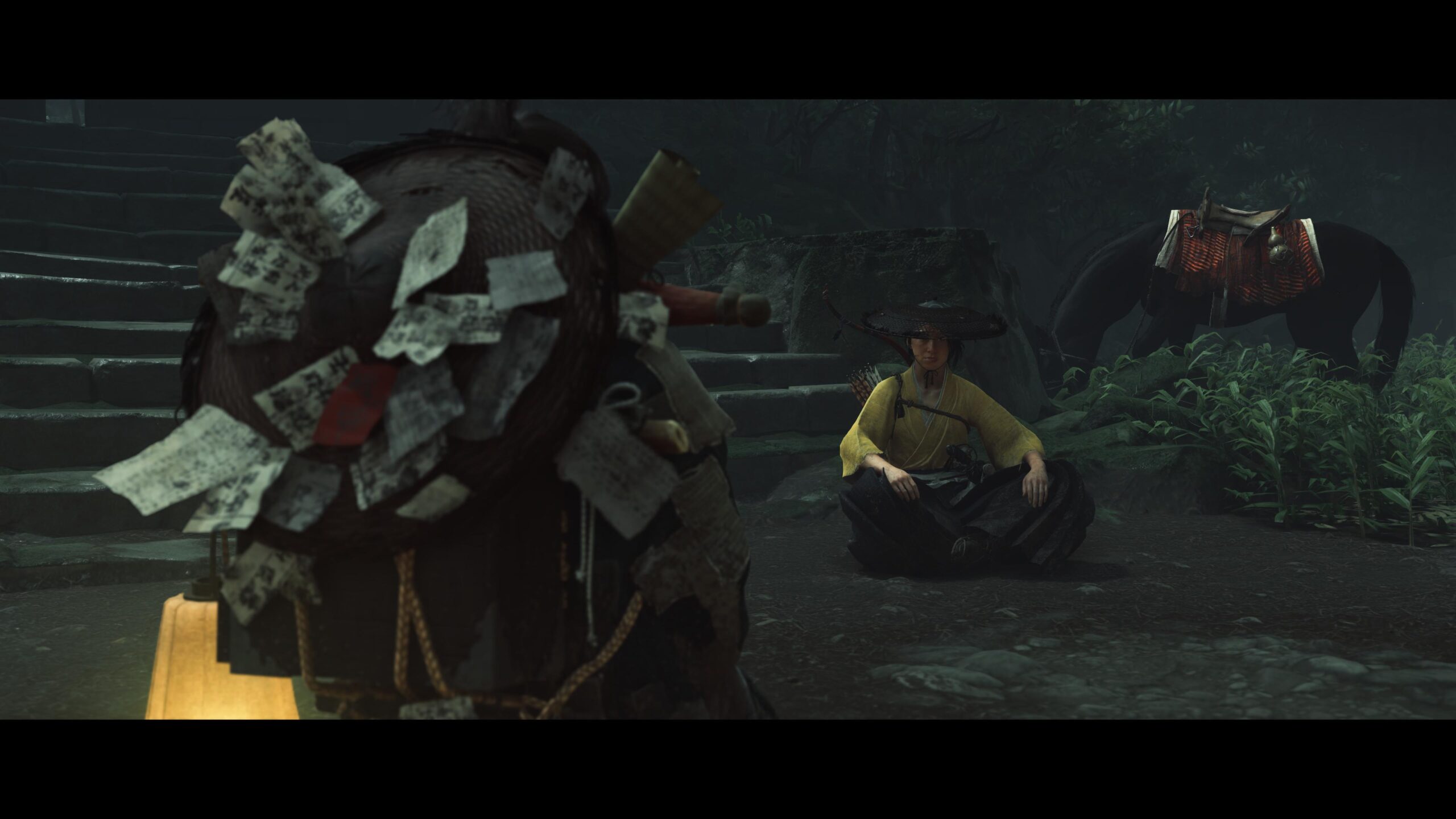
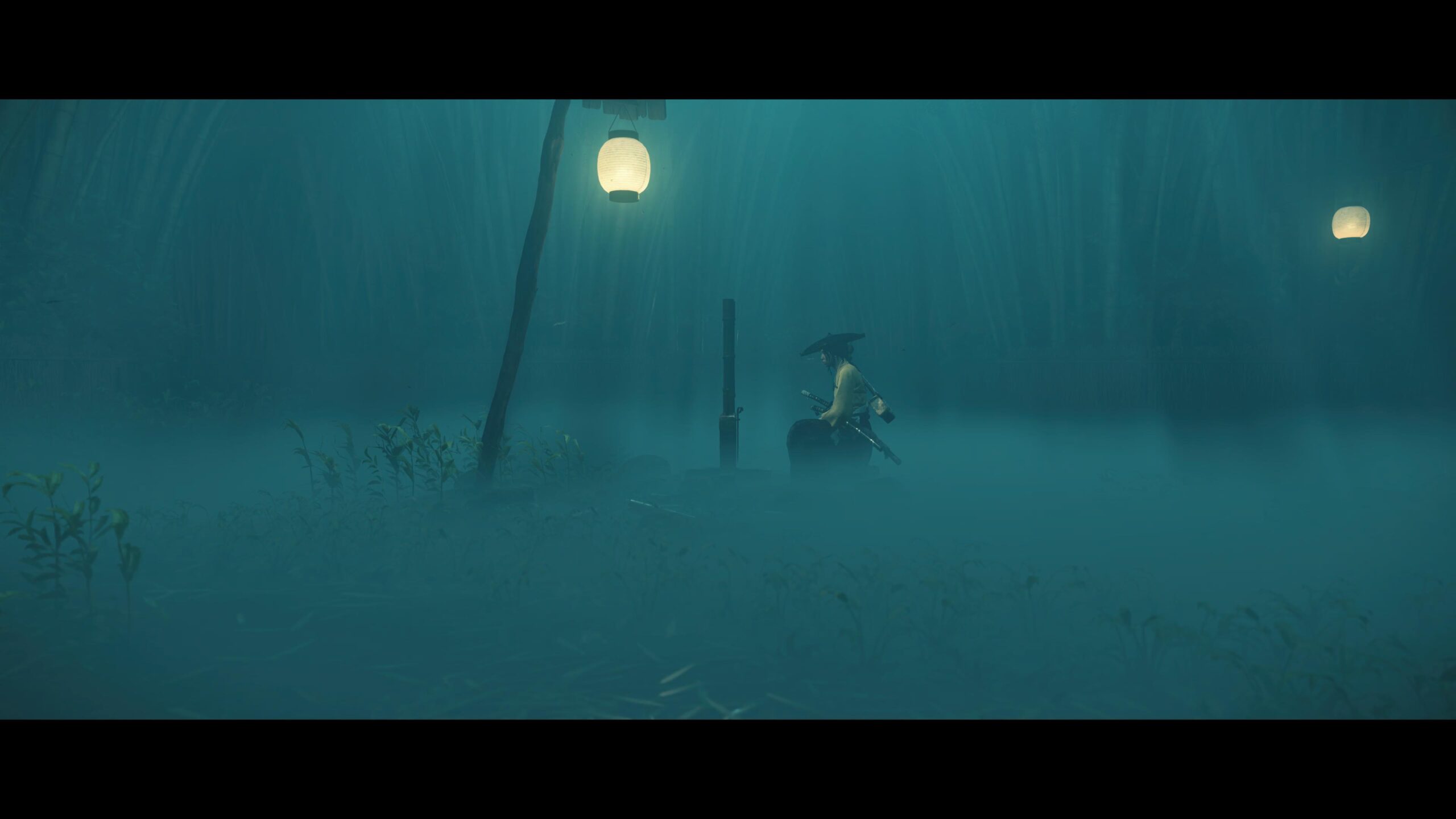
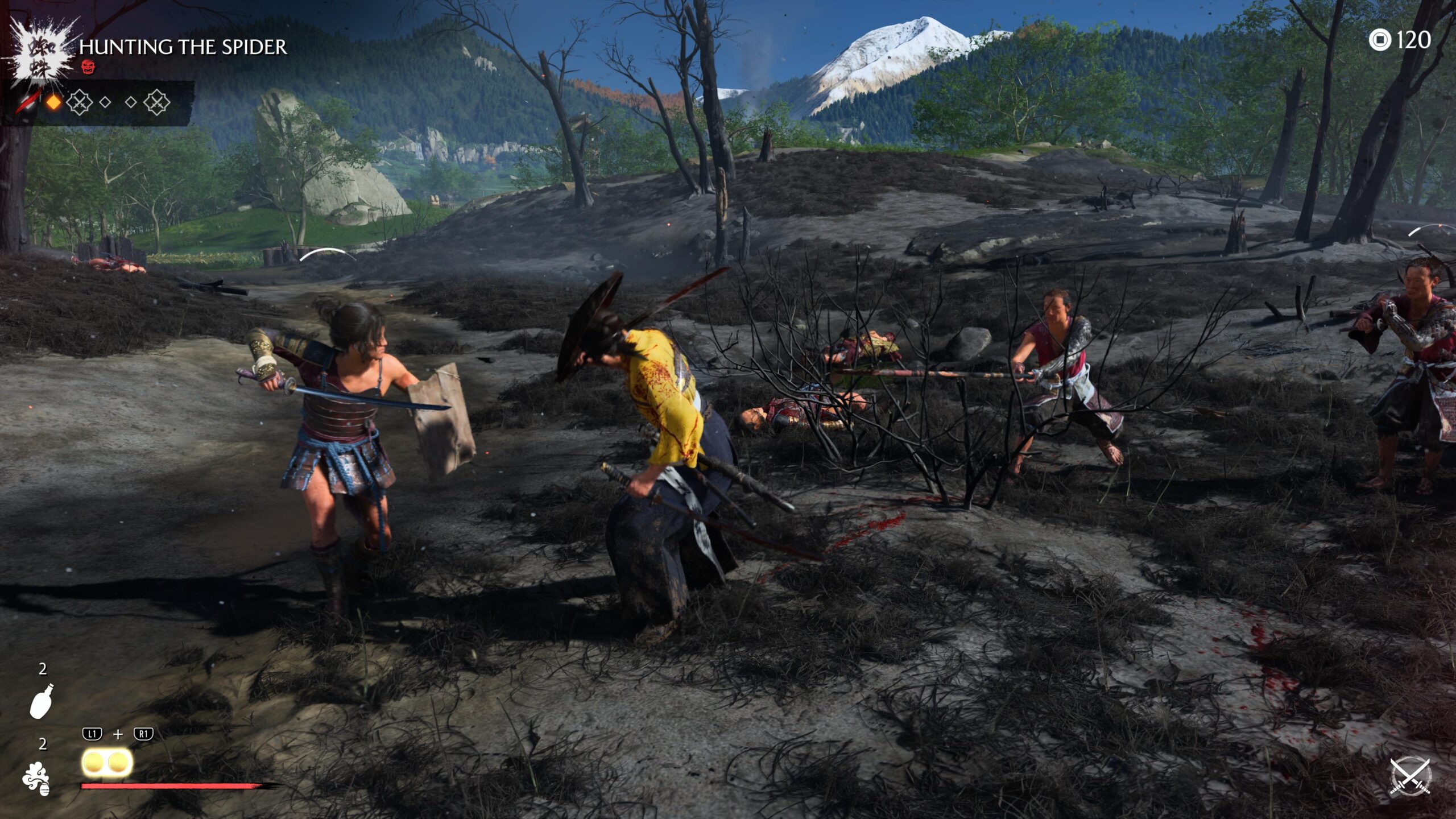
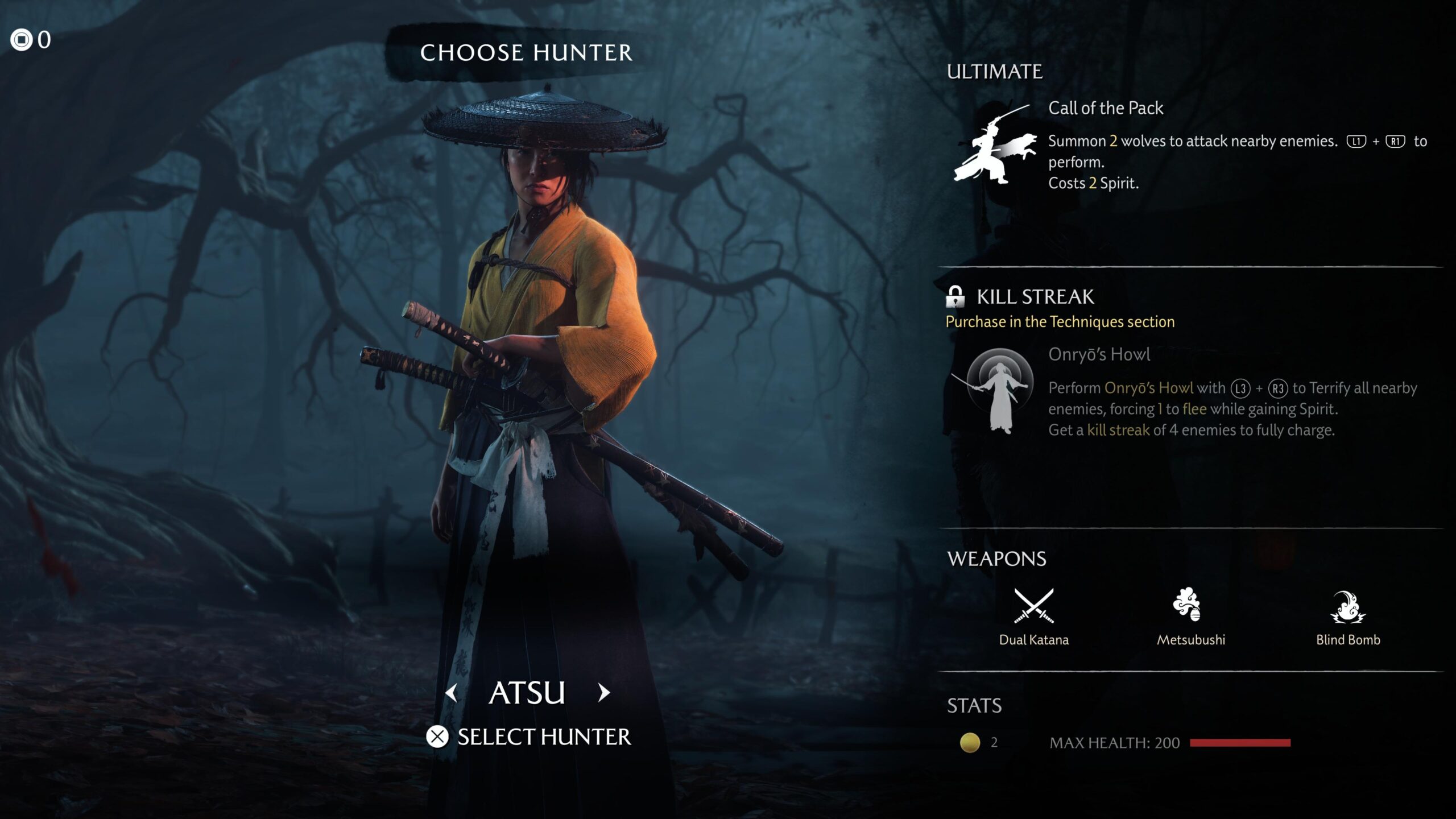
Last year, I said that Ghost of Yōtei is a game that chooses discipline and coherence over surprise. The Complete Edition doesn't change that philosophy. It just takes it a little further. It gives you more context, more combat and one more reason to return to an Ezo that, technically and artistically, still looks as if Sucker Punch had found a cheat code for the PS5 Pro. This isn't a second life for Ghost of Yōtei, because the game never needed resuscitating. It's more like a final coat of varnish on something that was already beautifully finished. And sometimes that's all a Complete Edition needs to be.
Thanks to PlayStation Romania for the opportunity to play Ghost of Yōtei Complete Edition.

Played on: PlayStation 5 Pro
Release date: 1 October 2026
Developer: Sucker Punch Productions
Publisher: Sony Interactive Entertainment
Plus
- A fun roguelike mode
- A good upgrade price if you already owned the game
- More Ghost of Yōtei
Minus
- Feels like something that could have been in the main game
- Possible cap on the two modes if they don't get updates
- Nothing genuinely new in the main campaign
0 votes
Scroll down here and stay on the page for at least 30 seconds to vote.
Pick a score from 0 to 10 (halves are allowed).