
Silver Pines – Review

More Twin Peaks than Lynch?
I like Twin Peaks “as much as the next Twin Peaks guy”. Probably even a little more than the next Twin Peaks guy, considering how many conversations about David Lynch I’ve had with people who didn’t necessarily ask for them. I’m also a pretty big fan of Mr. Alan Wake and his writerly shenanigans, so the moment a game comes my way with a dodgy American town, rain, a tired detective, people who talk as if they’re in a dream, a missing musician and enough ambient red light to give me that “hang on, something’s not right” feeling, I’m already curious. Silver Pines seemed to tick pretty much all the weird boxes that various IPs have made popular in recent years. Twin Peaks, Silent Hill, Resident Evil, a bit of Remedy, a bit of noir, a bit of psychological horror, a dash of Metroidvania and probably a cup of coffee drunk under dubious circumstances. It sounds like an ambitious project that should collapse under its own excess of ideas. The surprise is that it doesn’t.
What I liked most about Silver Pines is that it doesn’t try to hide where it comes from. It doesn’t pretend it has never seen Twin Peaks. The influences are right there, and at some point in development it was probably “INSERT SILENT HILL REFERENCE HERE” before the final product, but Wych Elm Games manages, often enough, to filter them through its own visual and mechanical identity, so the game doesn’t end up as “Silent Hill in 2D with David Lynch”. It would be very easy to reduce it to that. After playing it, though, it becomes clearer that Silver Pines has its own brand of weird.
A Simple Case
You are Red Walker, a private investigator who wakes up in the town of Silver Pines and receives a seemingly mundane assignment: find Eddie Velvet, a missing musician. Instructions come mainly through payphones from a mysterious client, and the fact that almost the entire town has been evacuated ahead of an impending storm doesn’t bother you enough to wonder whether this is really the best time for investigative tourism. Obviously, things don’t stay that way.
Silver Pines has the air of one of those fictional places where, if someone says “nothing ever happens here”, you should clearly leg it in the opposite direction. Abandoned shops, flats that look as if the last tenant left ten minutes ago and never came back, motels, sewers, police stations, clubs, and characters who talk to you so naturally that they become even more suspicious. The game starts with a disappearance, but the investigation soon begins to tangle with the town’s history, with things Walker doesn’t understand, and with the far more important question of whether what you’re seeing is real, symbolic or simply something the game has no intention of explaining yet.
You find newspapers, posters, documents, seemingly mundane objects and assorted bits of local culture. Some fill in the case; others simply make the town feel as though it existed before you arrived. There are even fictional TV shows and all sorts of details that may or may not mean something, which suits the general direction very well. Sometimes a dodgy television is just a dodgy television. Or maybe not. David Lynch has ruined us all, starting with the folks at Remedy. The problem with this kind of storytelling is that there’s a very thin line between “a mystery that makes me think about it” and “hang on, did that really need explaining?” Silver Pines walks that line quite boldly and doesn’t always land exactly where it should, which I’ll come back to.
Lynch’s Metroidvania
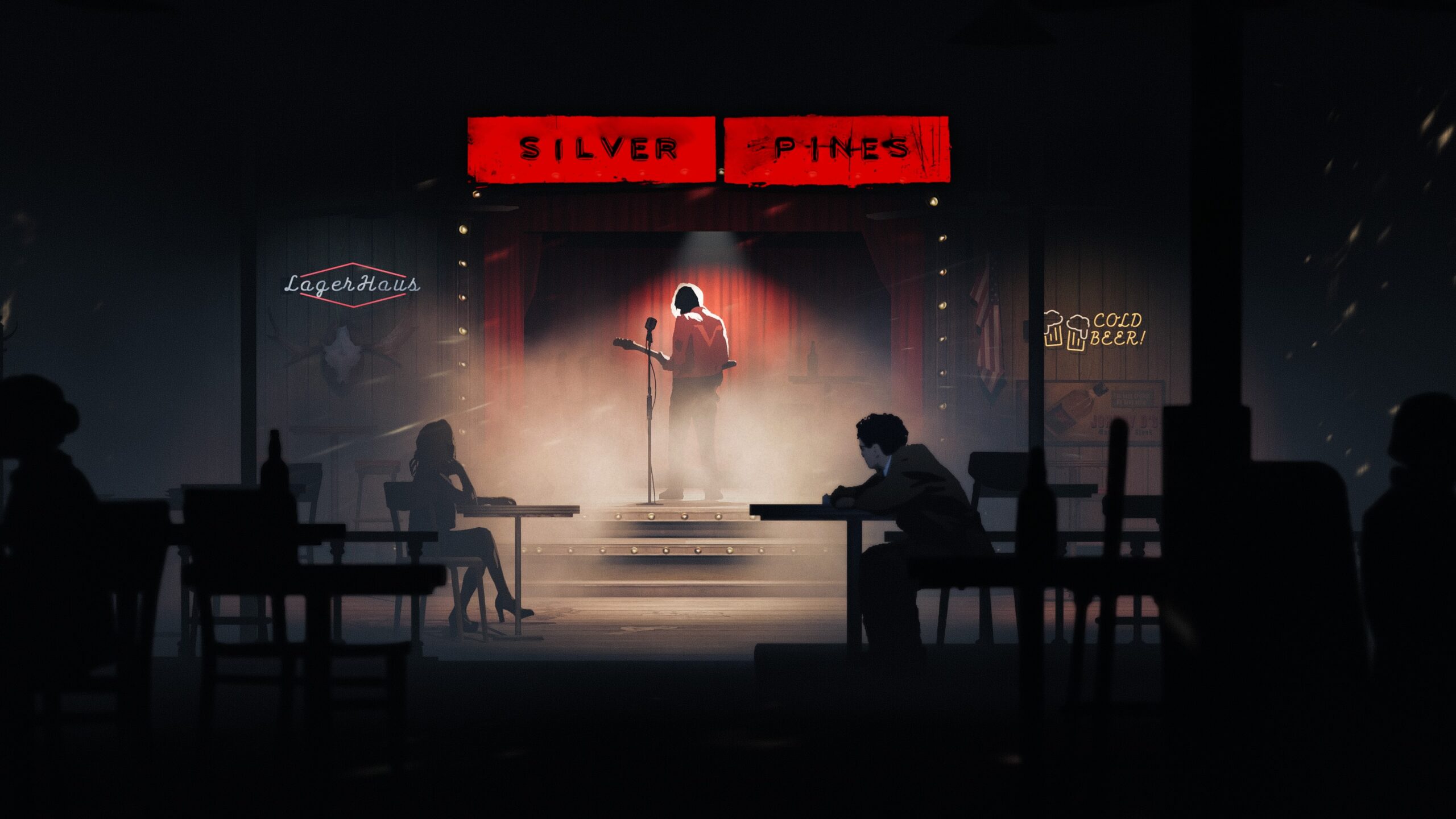
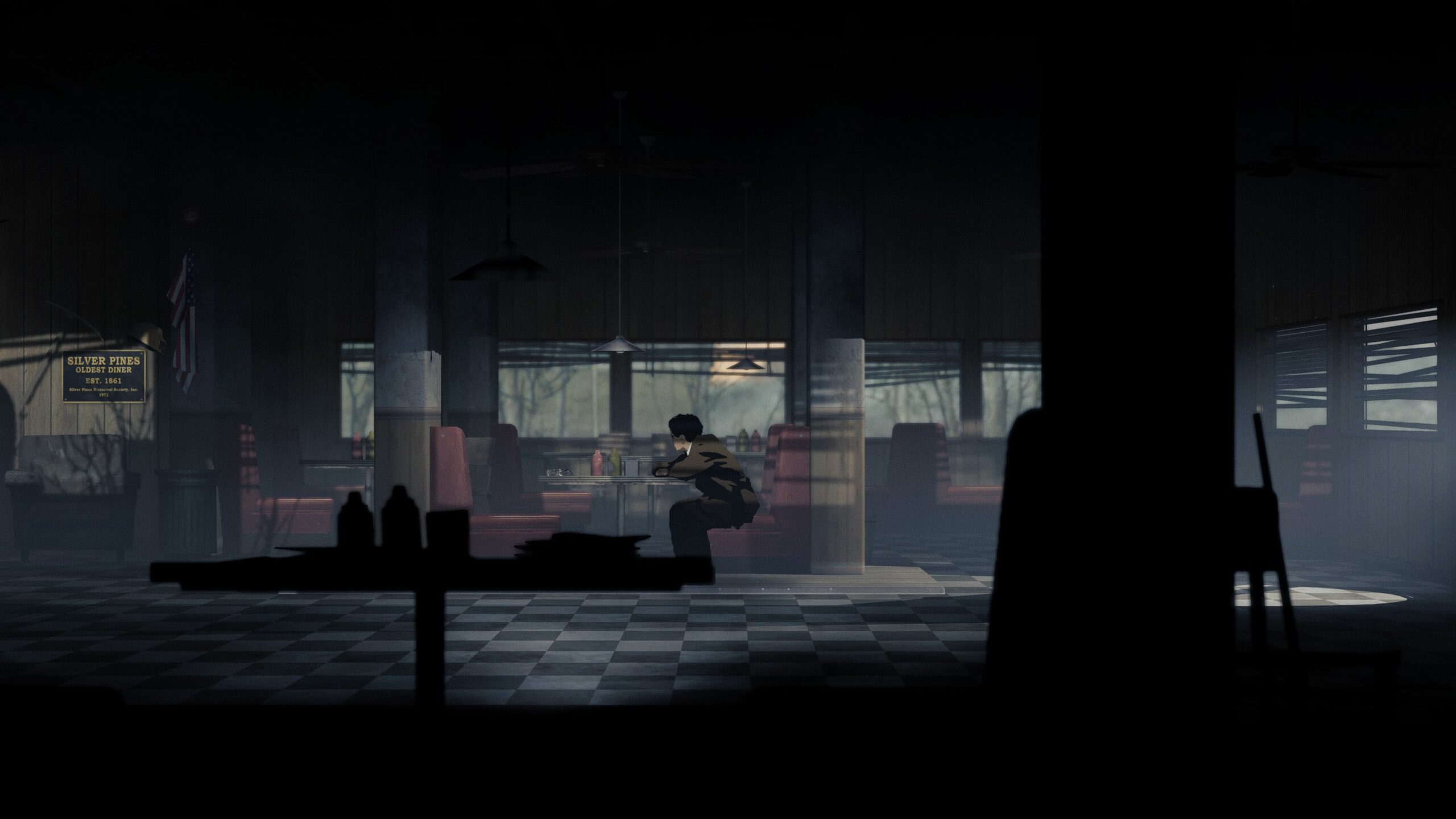
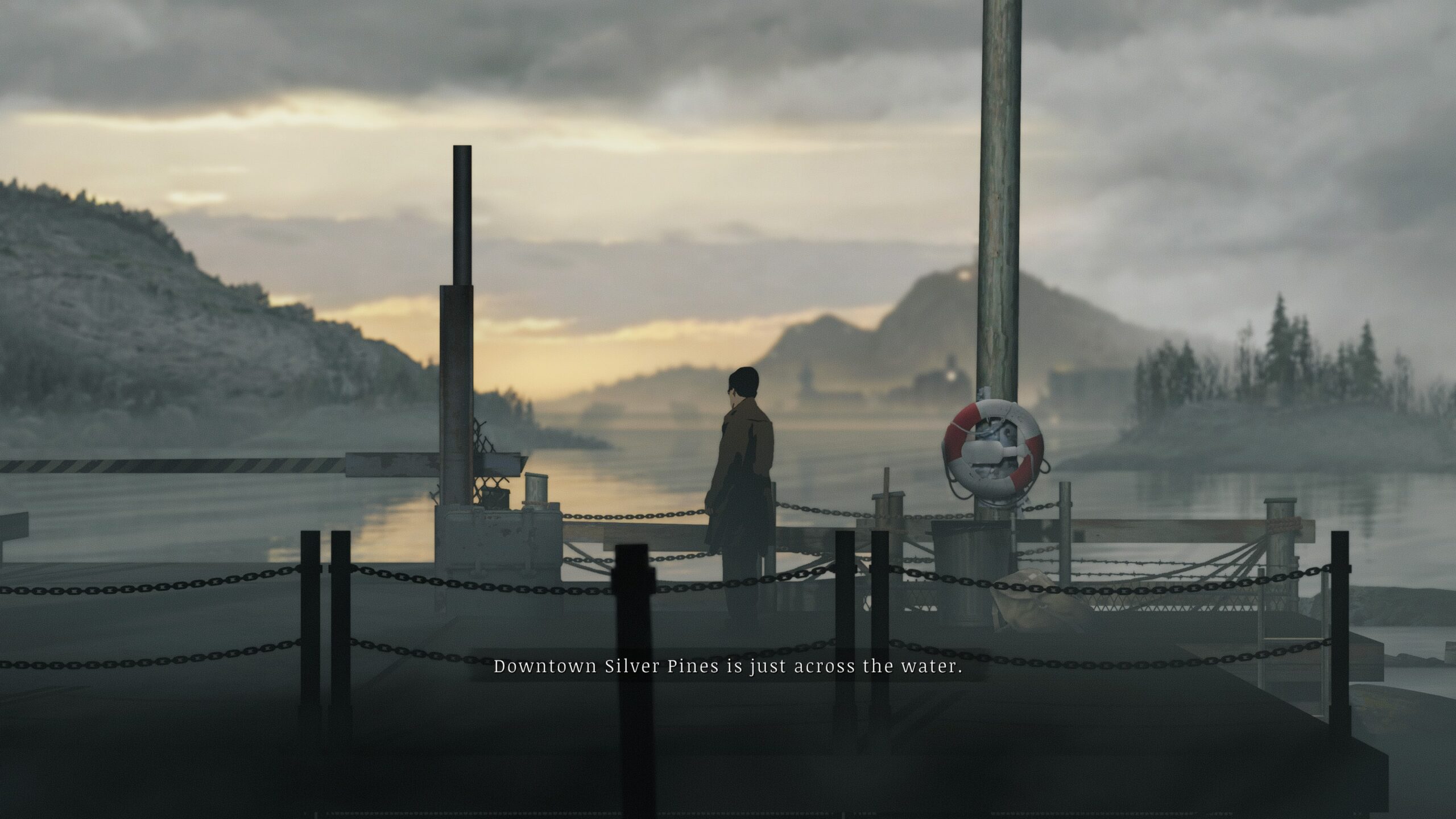
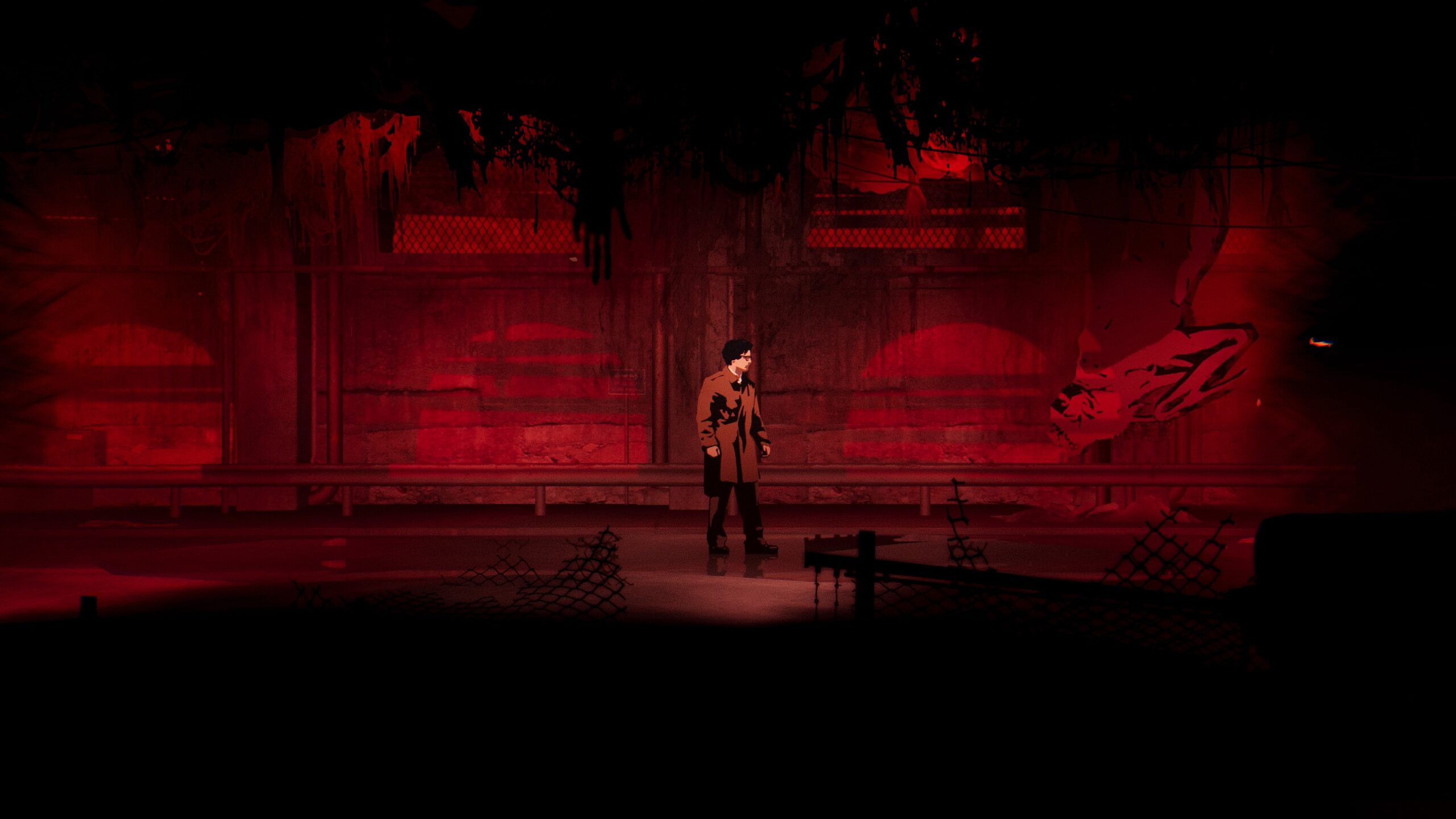
Visually, it’s the game’s strongest point, and there isn’t much to debate. Silver Pines looks fantastic. It doesn’t go for pixel art, nor does it try to make 2D imitate the realism of an AAA game. The characters are animated with rotoscoping, which gives them a slightly unnatural, almost dreamlike (or nightmarish) movement, and combined with the meticulously drawn backdrops, it works perfectly for the game’s atmosphere. Red Walker doesn’t move like an action protagonist. He moves like a noir detective who probably hasn’t slept properly in three days and has more coffee than blood in his veins. The lighting does an enormous amount of work: neon signs, lamps, grimy windows, reflections and shadows covering half a room. Parallax gives the backdrops depth and, even though you’re mainly moving sideways, the town doesn’t feel like a string of 2D corridors. There are enough parallel streets, doors, levels and links between areas for Silver Pines to start existing in your head as an actual place, not as a flat sequential map.
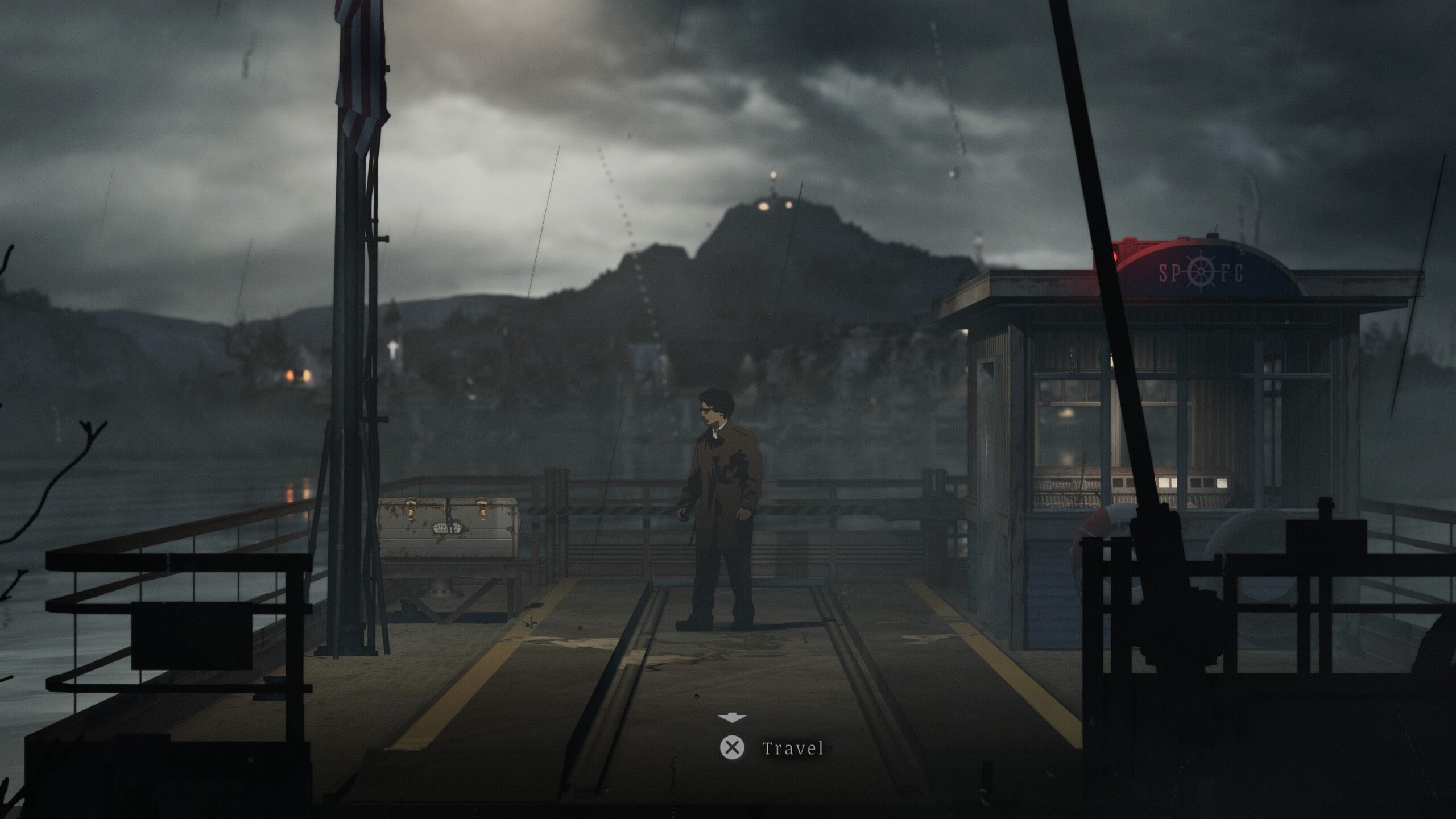
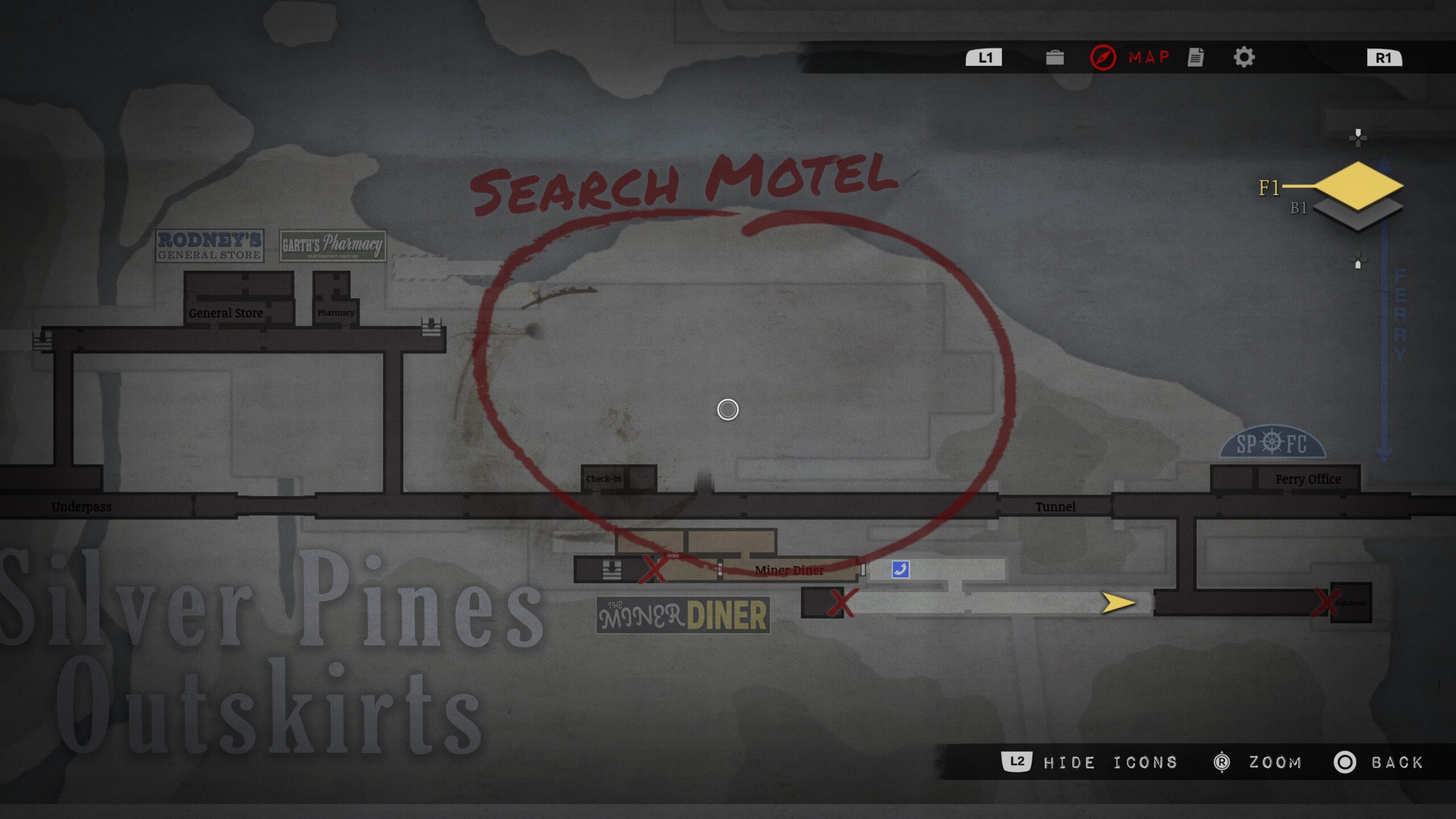
And this is where the Metroidvania side comes in. You constantly find paths you can’t use yet: a wall that can be smashed, something boarded up, a passage you can’t reach, an area that looks important but for which you don’t have the right tool. Later you find that tool, and the inevitable “Hi-ho, hi-ho, what a lovely backtrack” begins. This kind of backtracking is built into the game’s DNA and mostly works very well, because the map is dense enough that returning to a familiar spot usually means discovering a new one. I’d say one of my favourite mechanics is the camera (though again, I file that under Tudorisms). You can photograph things you consider important, and the images stay linked to the map: codes, symbols, objects, doors, anything you think might become relevant later. It sounds minor until you realise that in a game about investigation it’s infinitely more natural than opening “Notepad” on your phone, or a notepad on your desk in real life, and writing “triangle, circle, 7, some sort of bird?”.
The inventory also follows the classic Resident Evil tradition. How could it not? You have limited space, you have to choose what to carry, items take up different amounts of room, and you end up playing that little mental game of Tetris that some people love and others consider a violation of human rights (Cronos: The New Dawn is still wanted for crimes against humanity). It’s clear where I stand, isn’t it? I don’t much like it when a survival horror game makes me decide between a bit more ammo and that dodgy object I’m almost certain I’ll have to put in a statue two hours from now. Melee weapons have durability, ammo doesn’t grow on trees, and firearms have to be reloaded in a deliberately more awkward way than in a normal shooter. Some even demand timing on the reload and actually loading the rounds. Because Walker isn’t Leon Kennedy after six games and two CGI films. He’s a detective trapped in a nightmare who would probably prefer the monster in front of him to leave without any violence.
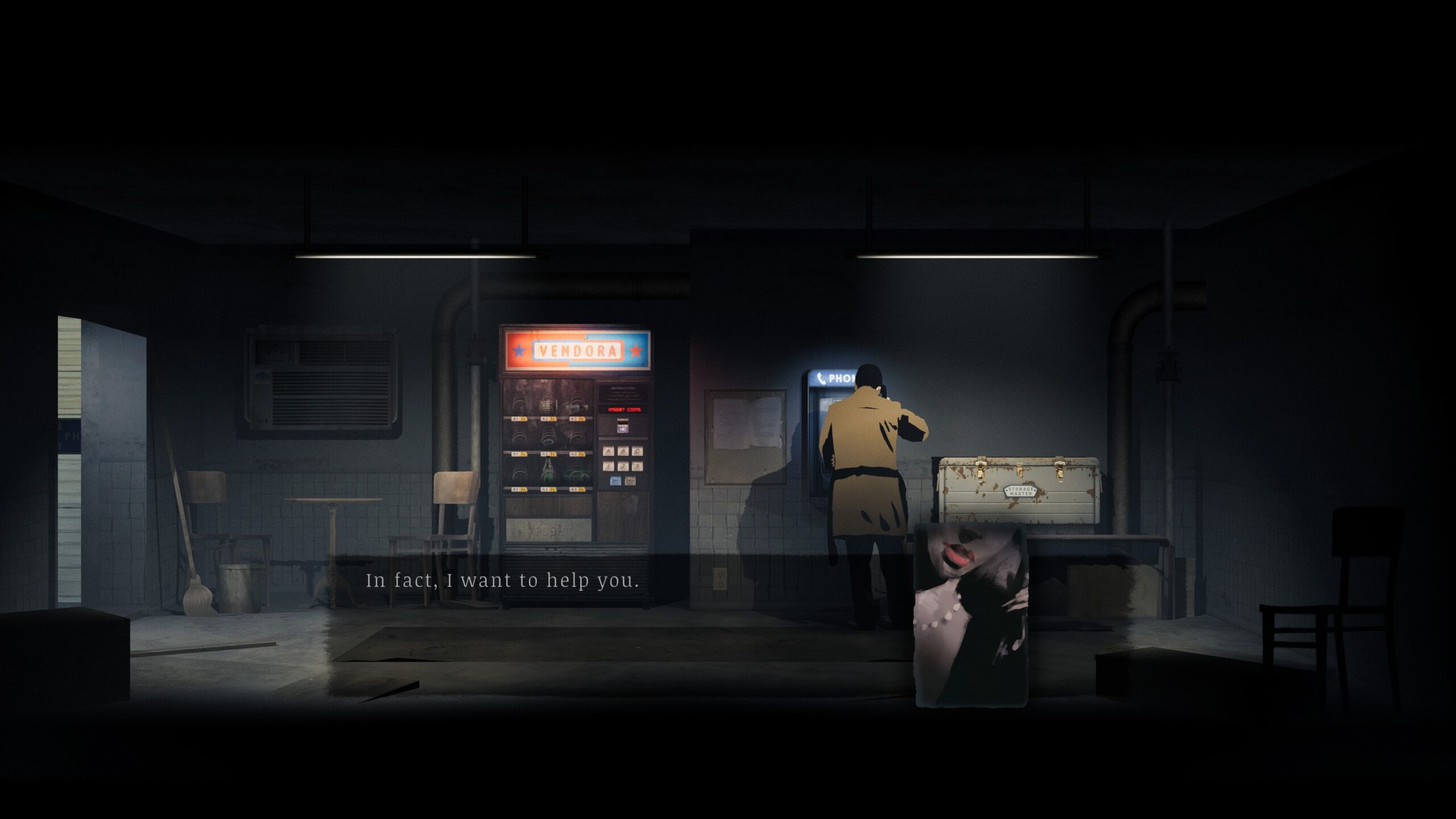
Payphones double as save points, but the calls cost money. It’s a small and very good touch. You feed in a coin, make the call, Walker reports what he’s found, and your progress is saved. The system ties a mundane mechanic into the game world in a way that doesn’t exist merely because “survival horror has to have a save room.”
The Controversy That Didn’t Belong Here
The voice acting is generally very good, and it does a lot for that tone of conversation that seems perfectly normal until you start thinking about what the person actually said. Gavin Drea plays Walker tired, detached and dry enough to work perfectly in the role, and the rest of the characters have that slight noir-and-Lynch theatricality that suits the world. And here I inevitably come to Suzi Hunter, TheSphereHunter, who is part of the cast. Because, obviously, we can’t have a game in 2026 without the internet finding itself a reason for a little squabble.
As I see it, the controversy around her appearing in the game is one of those situations where people seem to be discussing the person more than the actual product. And, at least going by the game itself, I simply don’t see the argument that Silver Pines is trying to deliver some grand political or social message by having Suzi Hunter in it. There’s no moment where Walker opens a door and the game stops to explain Twitter to you. She’s an actor in a role, and that’s it. We can discuss the performance. We can say whether a line is good or weak. We can criticise the casting if the actor doesn’t suit the character. That’s game criticism. But if the only problem is the identity or the very existence of the person behind the voice, it seems to me we’ve already left the review and wandered into another conversation that says little about Silver Pines. And her performance didn’t spoil my experience. Not even close.
Especially in a game where half the people talk as though you’ve caught them at three in the morning, with that drowsy, neither-here-nor-there feeling, the fact that some performances are a bit more peculiar fits in quite naturally. This isn’t a game that demands HBO-level acting realism. It demands personality and a touch of weirdness. And on that front, it works.
Not Everything Peaks Is Peak
Where Silver Pines convinced me less is the combat. Not because it’s bad. The system actually has a good idea of what it wants to be: vulnerable, slow and a little panicked. Walker isn’t built to walk into a room with five creatures and turn them into XP. Sometimes the best strategy is not to fight at all. Dodging burns stamina, ammo matters, melee weapons degrade, and every encounter makes you ask whether it’s worth the resources. My problem comes mostly with the boss fights. There, the rigidity that works in normal exploration starts to feel more like rigidity and less like intent. Many confrontations come down to a fairly simple dance of dodge, turn, shoot, reload, repeat, and the fact that the boss has a bigger health bar doesn’t automatically make the fight more interesting. Sometimes it feels like you’re fighting the space and the animations more than the monster.
Enemy variety could have been more generous, too. The creatures work very well as an environmental threat, but after a while you start reading their behaviour rather quickly. The horror is, interestingly, stronger before the monster shows up than when you’re actually hitting it with a crowbar. And perhaps that’s the problem: Silver Pines is better at “dread” than at “horror” proper. I’ve been banging on about this for a few reviews now. I don’t necessarily think it’s a bad thing. I’ll take an empty building where I don’t know what I’ll find next over jumpscare number 37 any day. But if you go in expecting a permanently terrifying experience, you may be surprised by how much time you actually spend investigating, solving puzzles and wondering where on earth you were supposed to use the item you’ve been lugging around for an hour. Which is the flip side of the coin. There’s a clear imbalance. The backtracking can get tiresome, too. Metroidvania inevitably means heading back through familiar places, and Silver Pines does enough to reward it, but not every trip back hides a fantastic revelation. Sometimes you go back because you forgot a door. Sometimes because your inventory looks like my car boot, full of useless stuff and three skateboards, and you need to make another trip to storage.
Then there’s the story. I like that the game doesn’t explain everything. I really do. But there’s mystery, and then there’s the feeling that perhaps a page is missing from the case file. Some of the questions you’re left with after the ending feel deliberate, the sort of thing meant to be discussed and interpreted. Others are a little closer to “okay, but I actually wanted to know that.” The multiple endings help and give you a reason to replay, but I’m not convinced that every unknown left behind automatically gets better just because it’s mysterious. David Lynch could leave something unexplained and have you thinking about it for 20 years.
A Missed Call
Silver Pines is an interesting case of a game that could very easily have been just a collection of its influences. A bit of Twin Peaks. A bit of Silent Hill. A bit of Resident Evil. Alan Wake sits somewhere in a corner, probably already writing a page in which Red Walker finds a page written by Alan Wake about Red Walker. Metroidvania layered over the lot. Rotoscoping. Noir. Detective. Abandoned town. But the combination works. More importantly, after a few hours you stop entering a building because it reminds you of something from Silent Hill. You enter because it’s a building in Silver Pines and you want to see what’s inside. That’s where I think the game wins the real fight with its own influences.
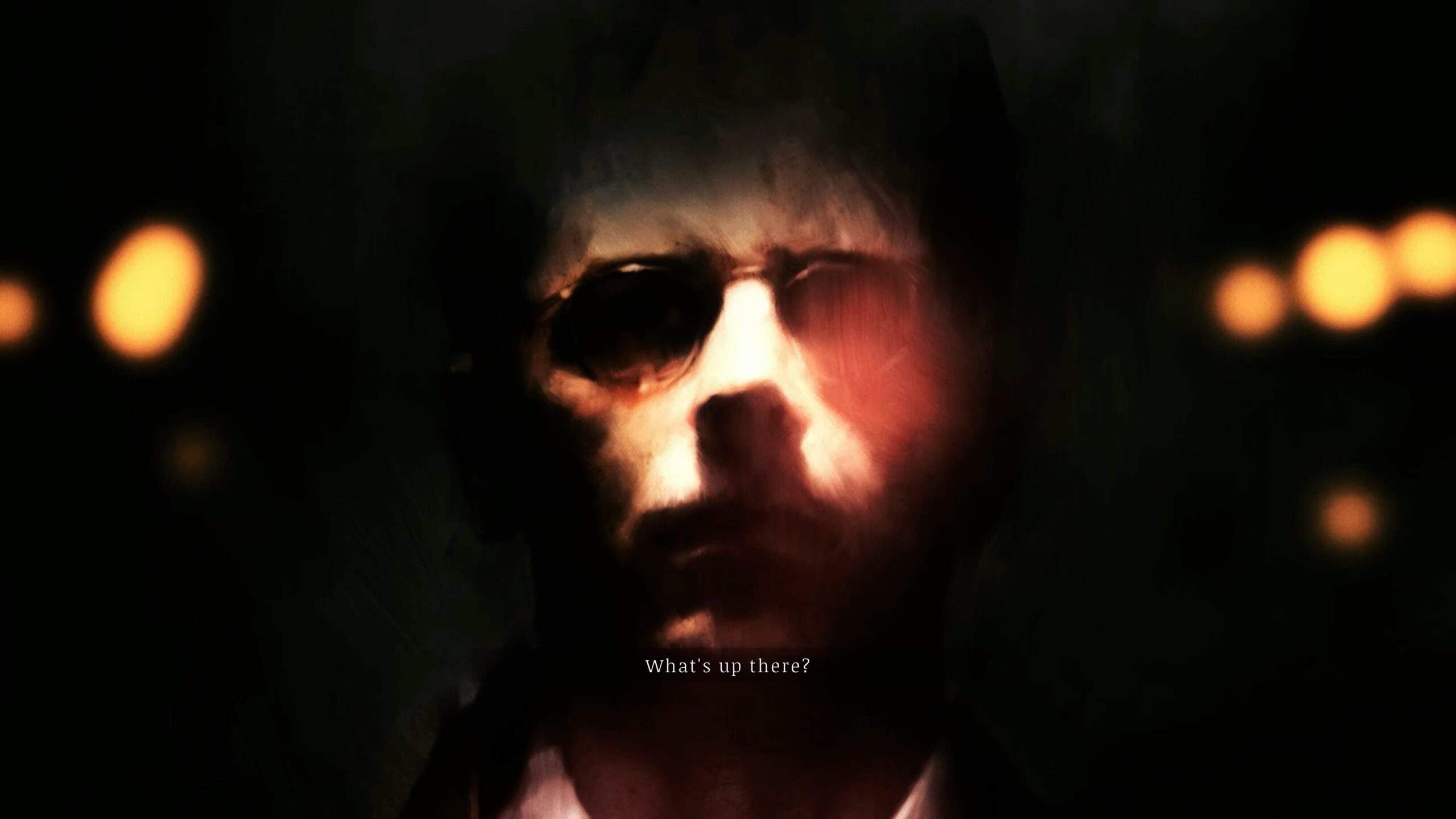
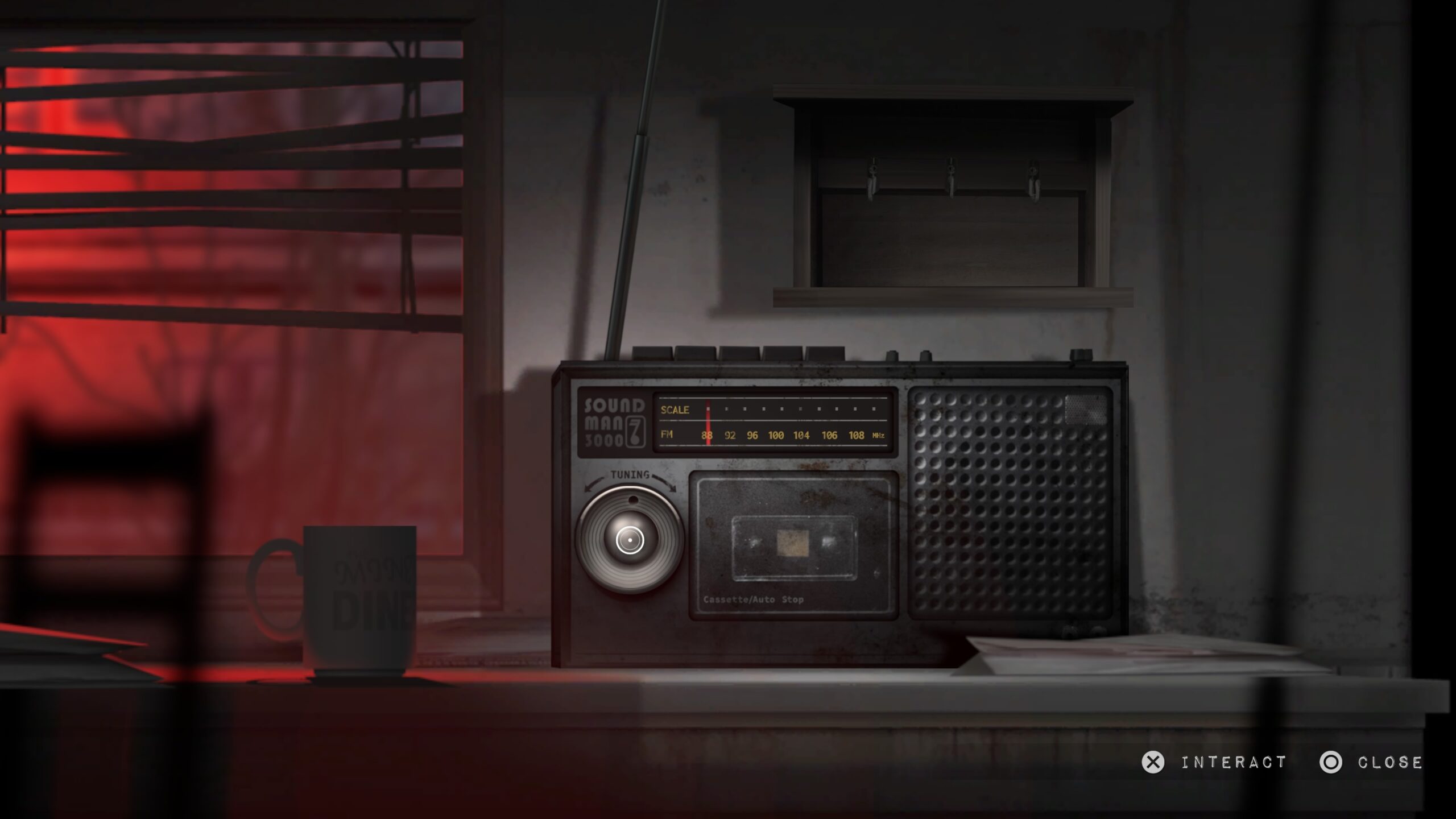
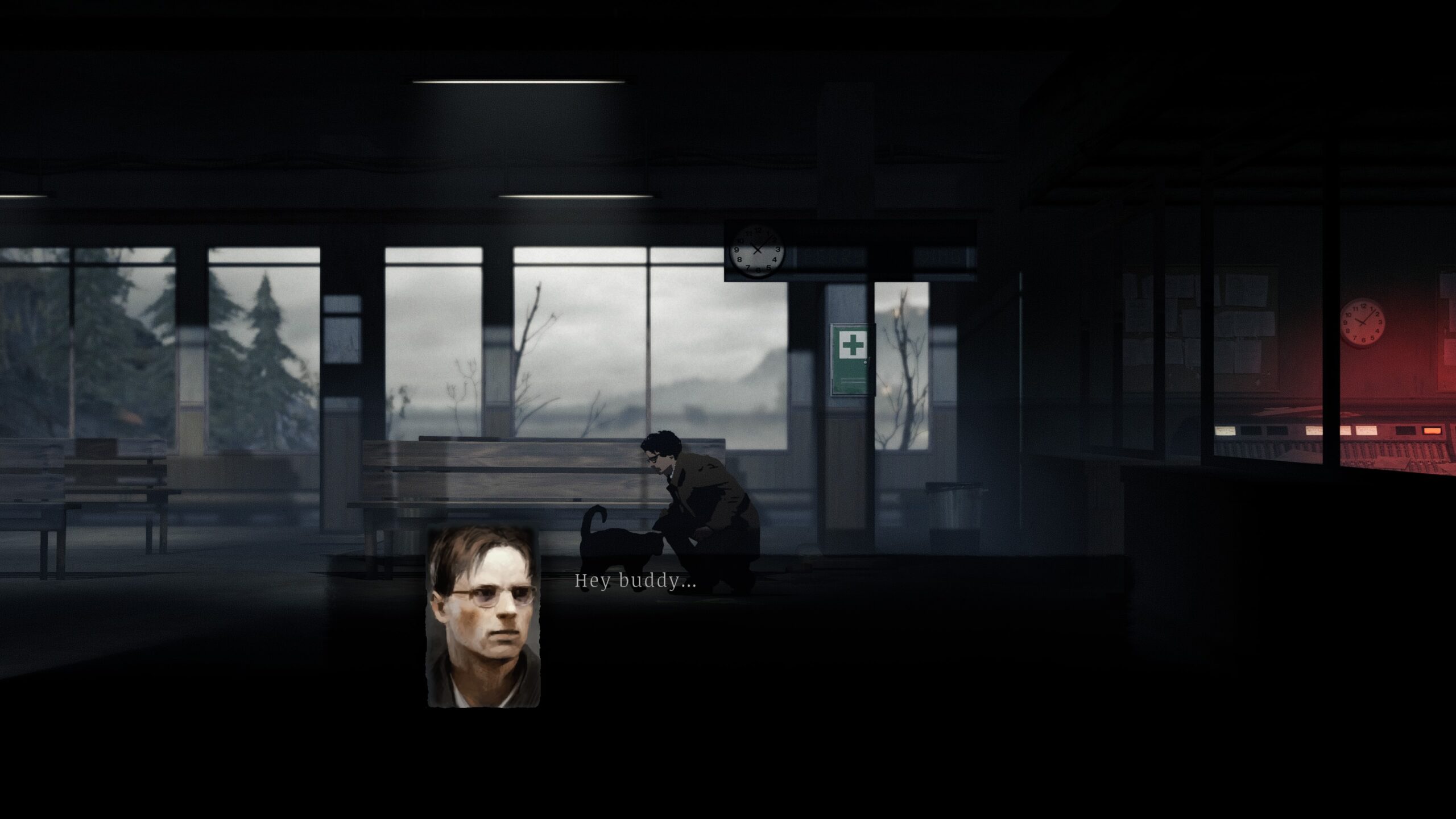
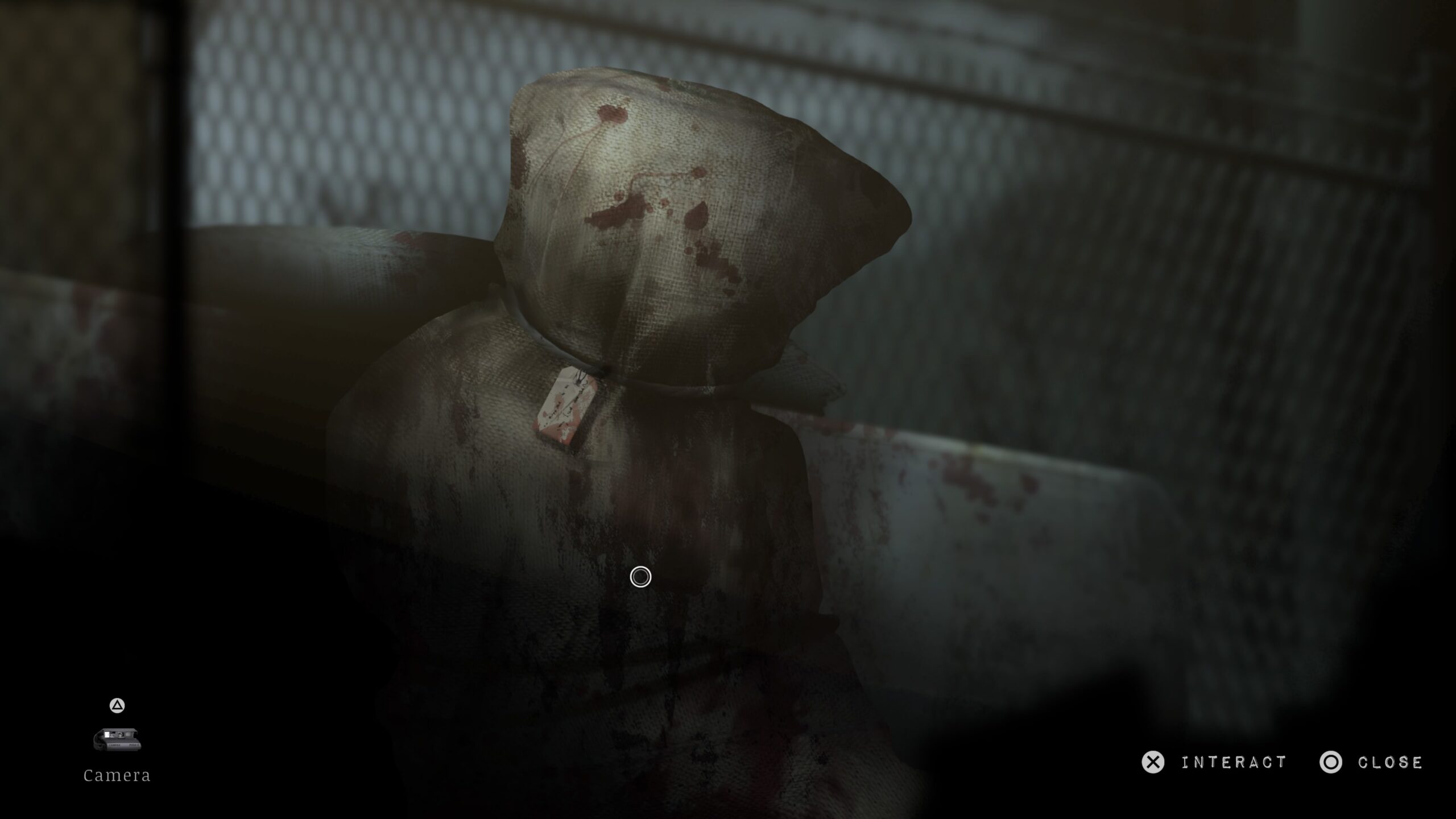
It’s not perfect. Combat has its clunky moments, the boss fights aren’t the climax they perhaps should be, and the mystery tends to leave a few threads dangling just low enough that you want to tug on them, only for the game to slap your hand away. But the atmosphere is excellent, the exploration makes sense, the visuals are distinctive enough that you could pick the game out from a single screenshot, and the mix of puzzles, survival horror and Metroidvania is far more natural than it had any right to be. And perhaps the biggest compliment I can pay it is that, once I was done, I wasn’t just thinking about the games and TV shows it draws on. I was thinking about Silver Pines. Which, for a little town that should probably be evacuated for good, is rather a good sign.
Thanks to Wych Elm Games and Team17 for the chance to play Silver Pines.

Played on: PlayStation 5 Pro
Release date: 8 October 2026
Developer: Wych Elm Games
Publisher: Team17
Plus
- Excellent art direction and atmosphere, with a visual style that gives it an identity of its own
- The exploration, puzzles and Metroidvania structure blend very well with the survival horror
- The mystery, the voice acting and the details of the world make the town hard to leave behind
Minus
- Boss fights and certain combat moments expose how stiff the mechanics are
- Backtracking and the pacing of the story can slow to a crawl in places
- Some of the unanswered questions feel more unfinished than mysterious
0 votes
Scroll down here and stay on the page for at least 30 seconds to vote.
Pick a score from 0 to 10 (halves are allowed).