
Tenebris Somnia – Review

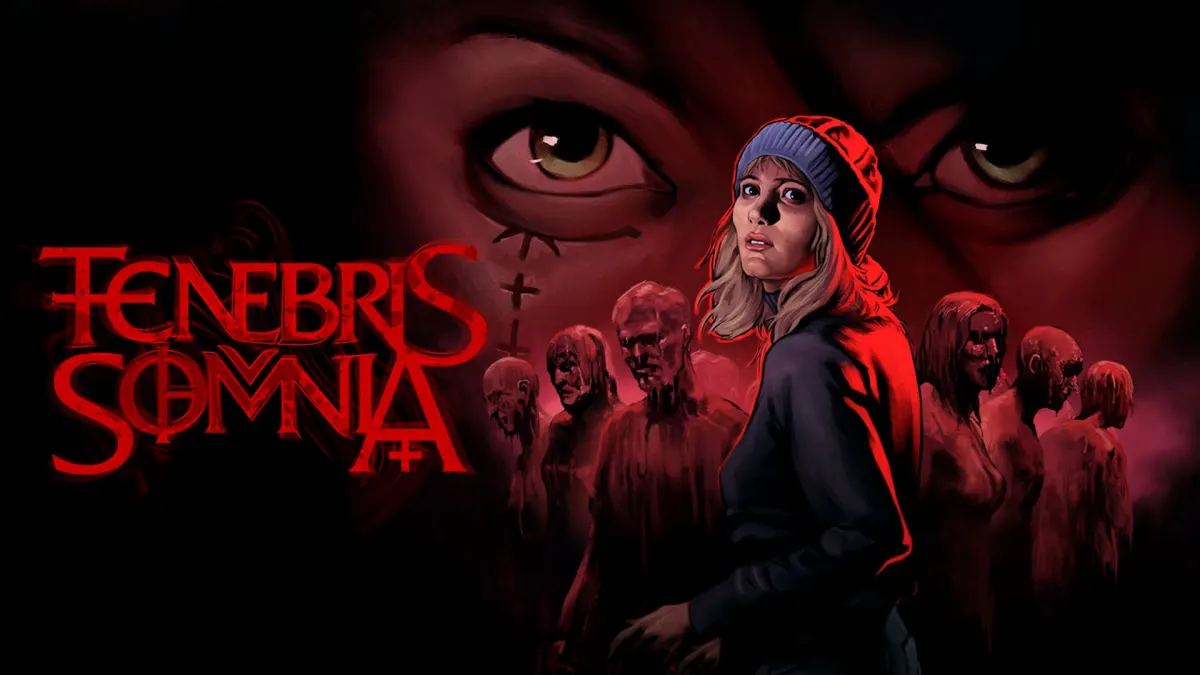
A sweet nightmare
There are indie games that try to make up for the lack of a big budget with nostalgia, and there are games that take those limitations and do something so strange with them that, honestly, it no longer matters what they cost. Tenebris Somnia falls pretty clearly into the second camp. At first glance it looks like yet another retro survival horror with pixel art. Then you open a door, the game suddenly drops the pixels, and in front of you appears a live-action sequence with real people, real sets, practical effects and a creature that a few seconds earlier probably had 14 pixels and now looks like something you definitely don't want to find in your house at three in the morning. This is where Tenebris Somnia shows its gimmick.
And that's exactly why I find it more interesting to talk about it (even though I hadn't planned to touch it) as a project that combines several artistic media, rather than just as "that indie horror game with FMV". The film isn't wedged between chunks of gameplay merely as a reward for solving a puzzle. The pixel art, the live-action film, the horror, the sound design and even the story about filmmaking all try to be part of one whole. Not every component is at the same level, obviously, and sometimes the mechanics feel pulled from an era we perhaps shouldn't have resurrected quite so completely, but the ambition of the project is hard to ignore.
Breakups and nightmares
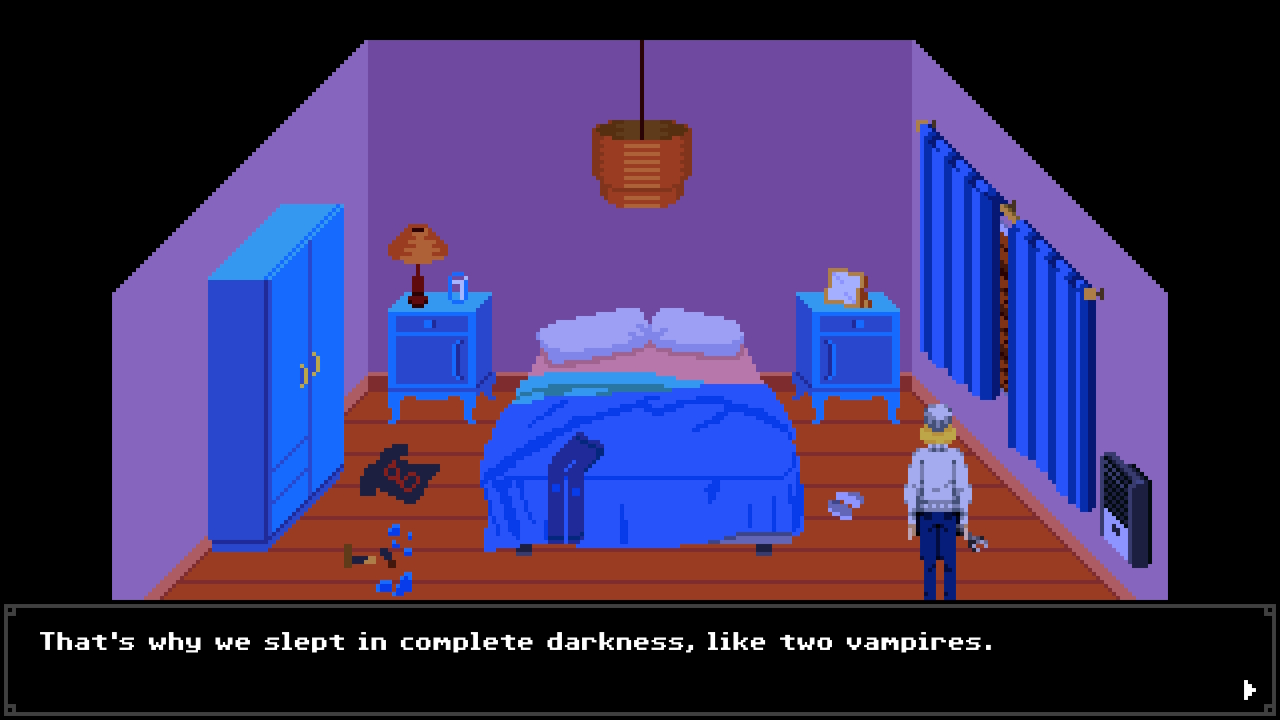
You play Julia, a woman who starts having nightmares in which her ex-boyfriend, Ivan, is butchered by creatures that surely have nothing to do with their breakup. Julia still has the key to the apartment they shared and, after enough nights of watching the man die in completely and utterly unhealthy ways, she decides to drop by. Which, naturally, is the start of every excellent decision in a horror game. The apartment is wrecked, Ivan is nowhere to be found, occult symbols turn up, and things very quickly head in a direction where the therapy bill will have to be paid in instalments.
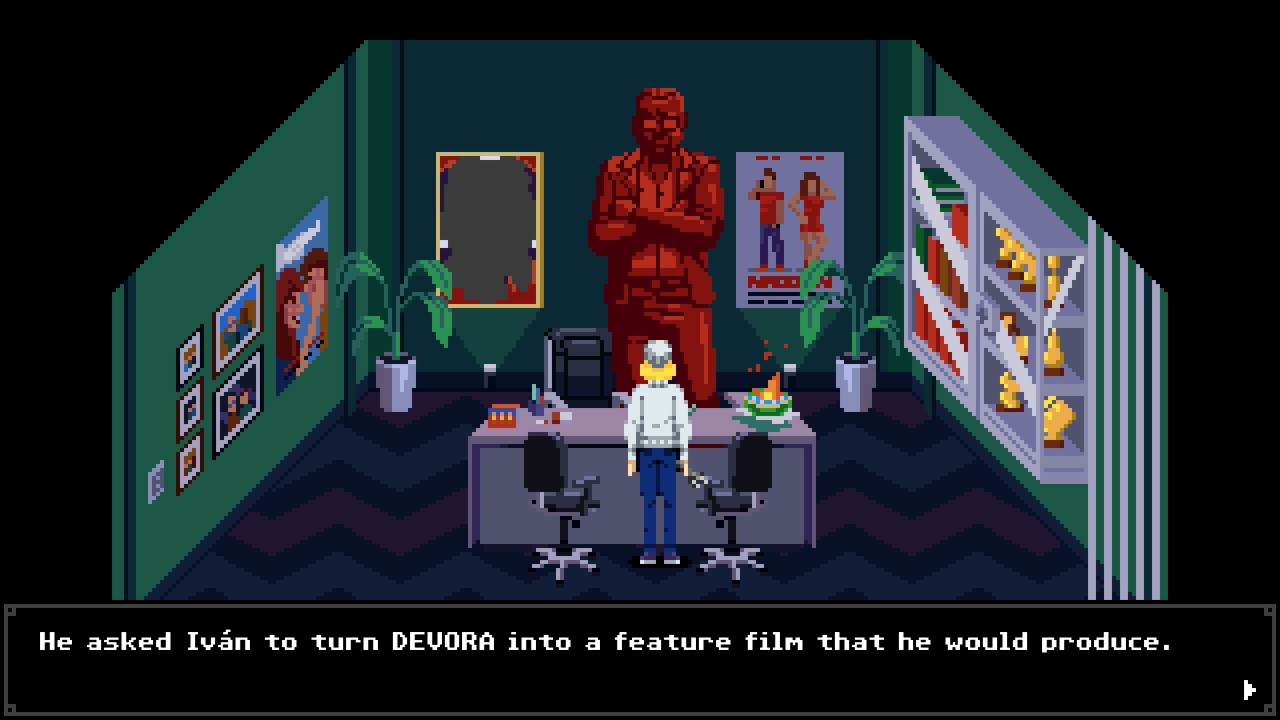
I don't want to say much more about the story because it's probably best experienced without knowing too much. The relationship between Julia and Ivan, the films they made together, his obsession with cinema and what happened between them gradually become more important than a simple "I have to save someone from monsters". The game gives you information in pieces and shifts your view of their relationship several times, and the story is confident enough to build its horror out of very human things, not just tentacles, blood and dodgy pagan business.
8 bits and all that
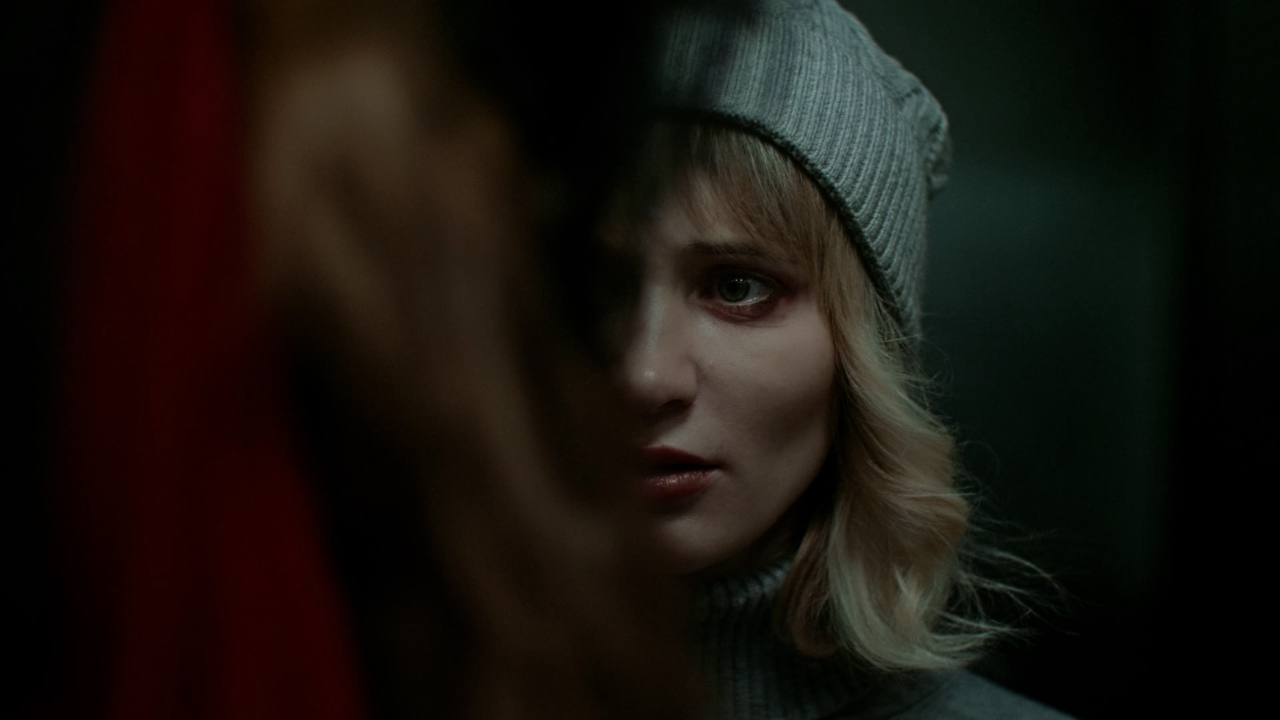
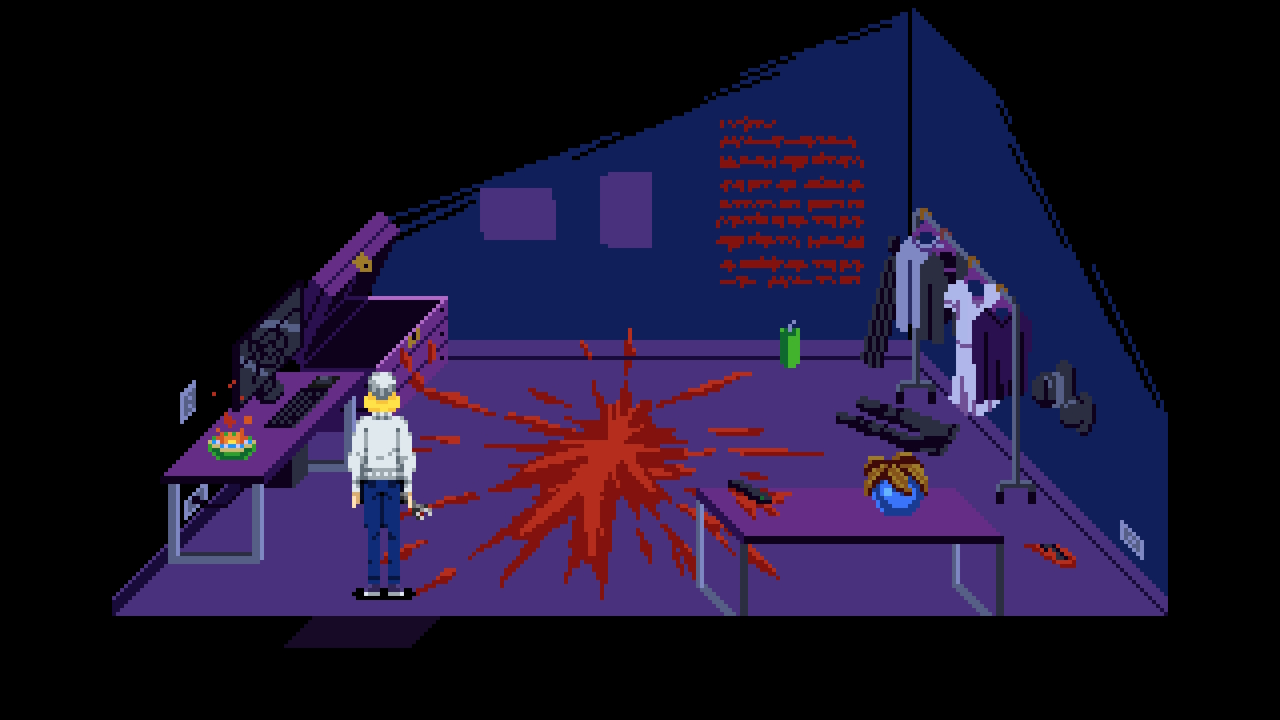
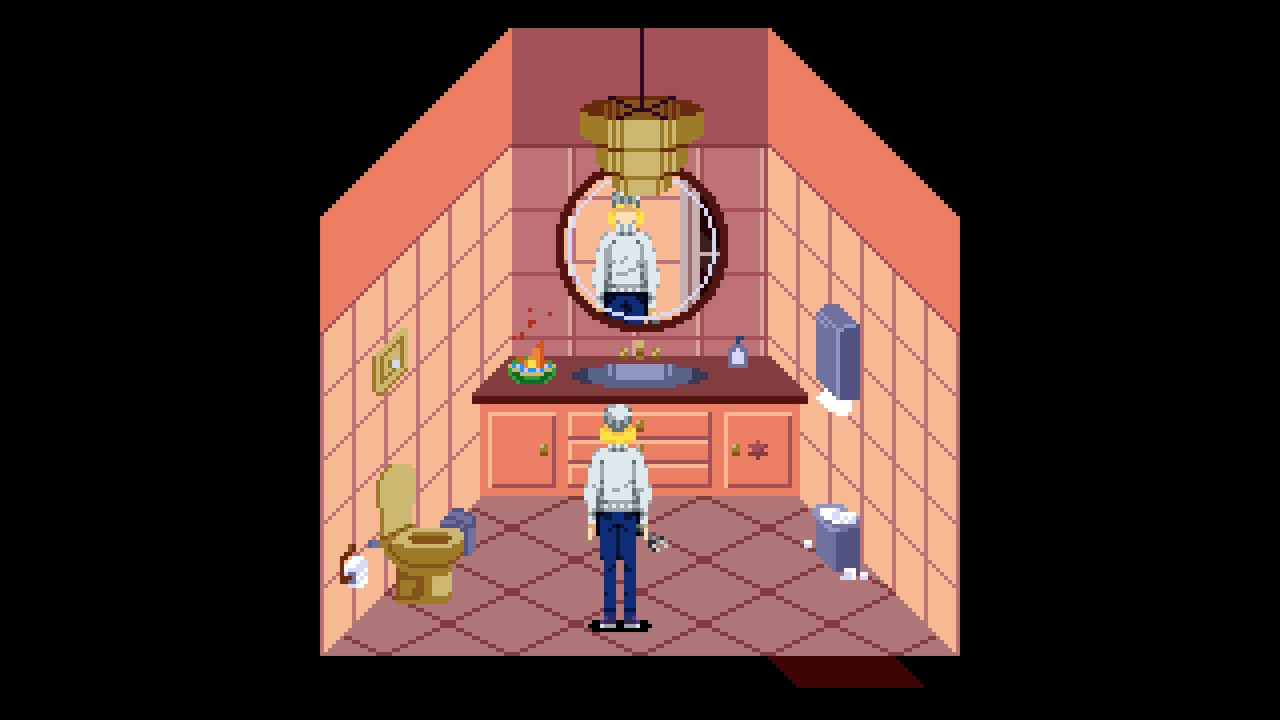
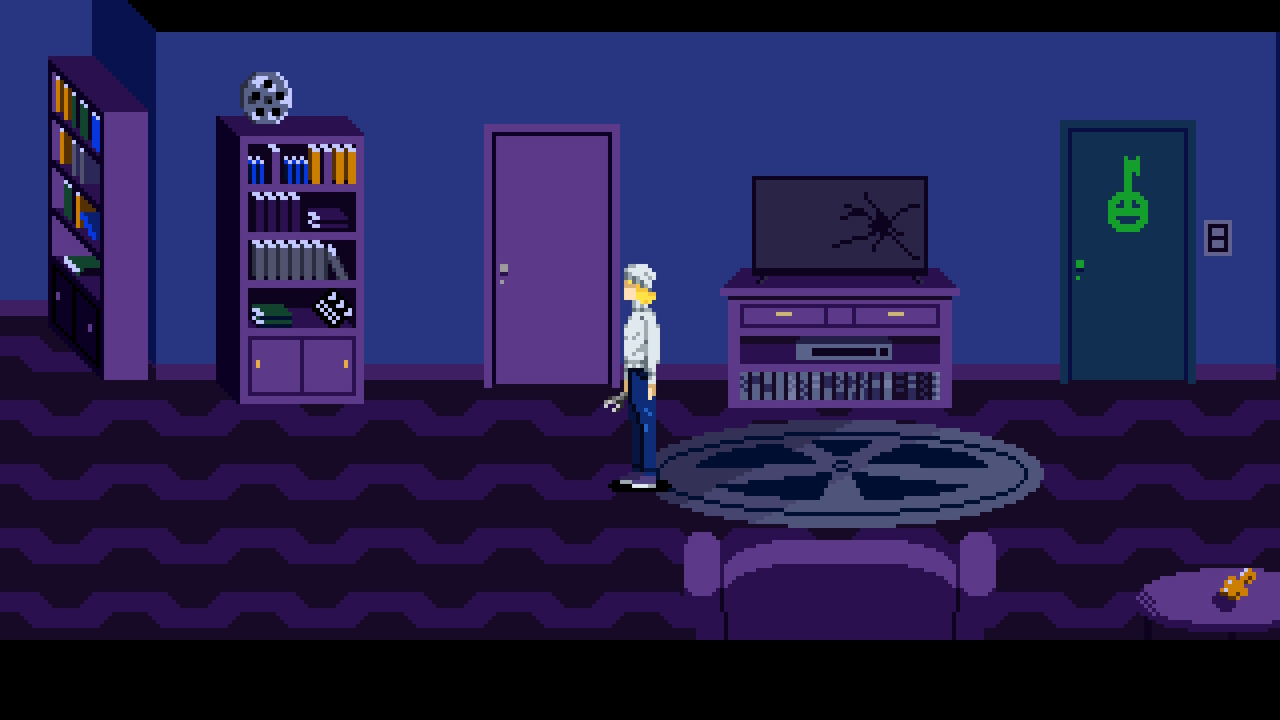
Here, though, is the real reason you've probably heard of Tenebris Somnia. The gameplay has that retro look, very close to the old games you might have seen on a CRT monitor, and then, without much warning, the image switches to live action. The contrast is excellent. The pixelated monster is creepy, but the moment the game shows you its flesh-and-blood version, the effect is somehow tenfold. It's as if your mind had filled in the gaps between the pixels on its own, and the game comes along to say, "no, no, it was worse than that".
And the FMV sequences really are made with care. They don't have the air of a cheap interactive movie where a few actors were stood in front of a green screen and someone pointed a camera at them. There is composition, practical effects, CGI where it's needed, and an obvious attention to detail and love for cinema. More importantly, the sets and creatures manage to keep a visual continuity between game and film, which makes the transitions between the two work far better than they should, or than anyone might expect. I also liked that it doesn't try to hide how much it loves film. The story is about people who make films, there's a short film inside the story, and the game itself keeps playing with this idea of moving from one medium to another. It's the kind of project where you feel the people behind it never asked, "what would sell?", but rather, "can we actually pull this off?" And yes, they could.
Old-school horror, including in the less good sense
As a game proper, Tenebris Somnia is far more traditional. You explore, find items, combine them, solve puzzles, backtrack and, every so often, deal with something that's trying to kill you. You have melee weapons and firearms, but ammo has to be managed and, more often than not, the healthiest decision is simply to walk away from the monster. Or run around it like an idiot until you find the door, a.k.a. "Pro Survival Horror Tactics".
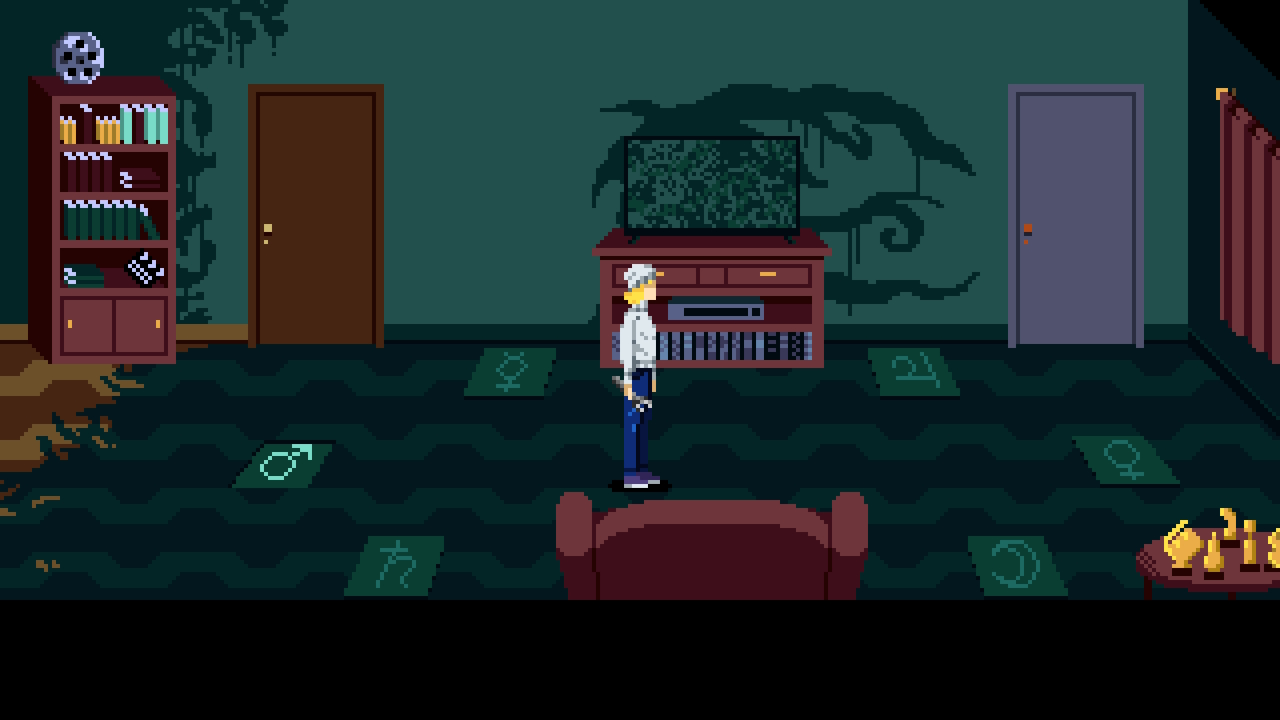
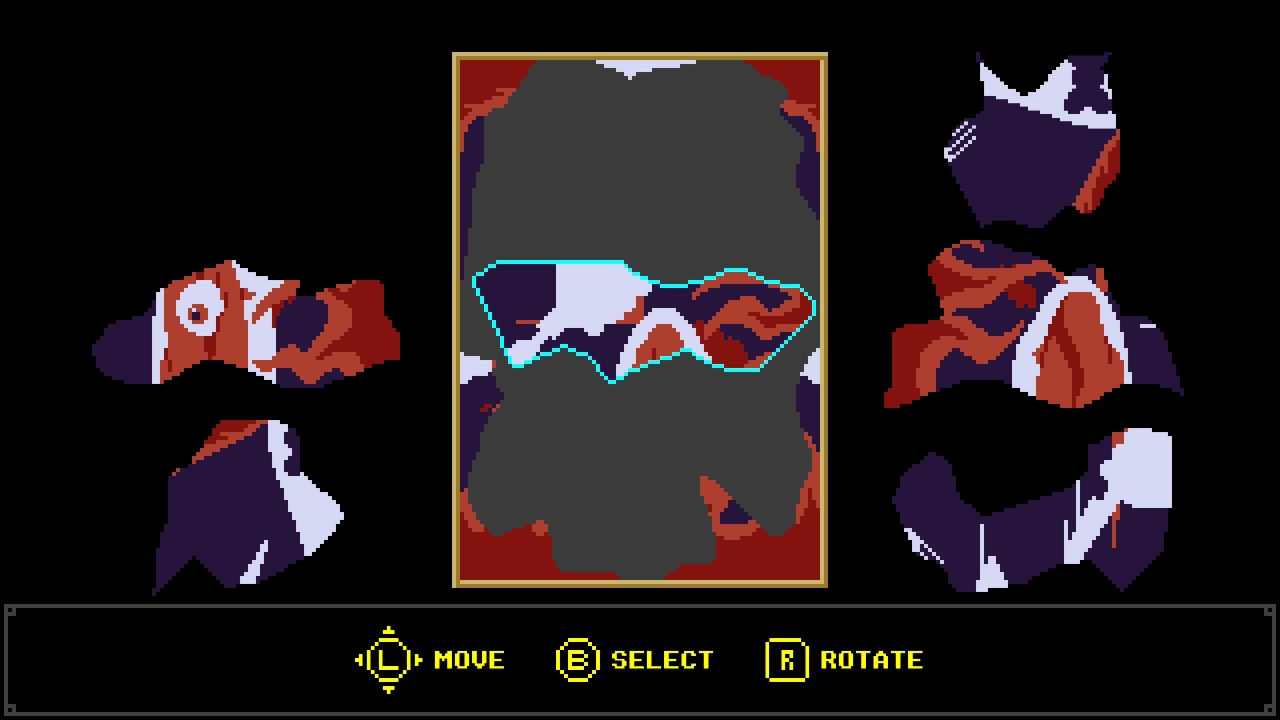
The puzzles are probably the mechanical part I appreciated most. Some are simple item combinations, others ask you to study the environment more closely or grasp a logic a little closer to adventure games. There are also moments when the solution becomes more obscure than it should, and you begin the ancient ritual of the stuck gamer: re-entering every room, pressing interact on everything in sight and, after 20 minutes, starting to suspect that the problem is no longer the game, but you, and that maybe you're just too thick. Still, when the solutions click, there's that wonderful pipe-in-mouth, Sherlock Holmes hat feeling of "I knew how to solve this puzzle before the devs did".
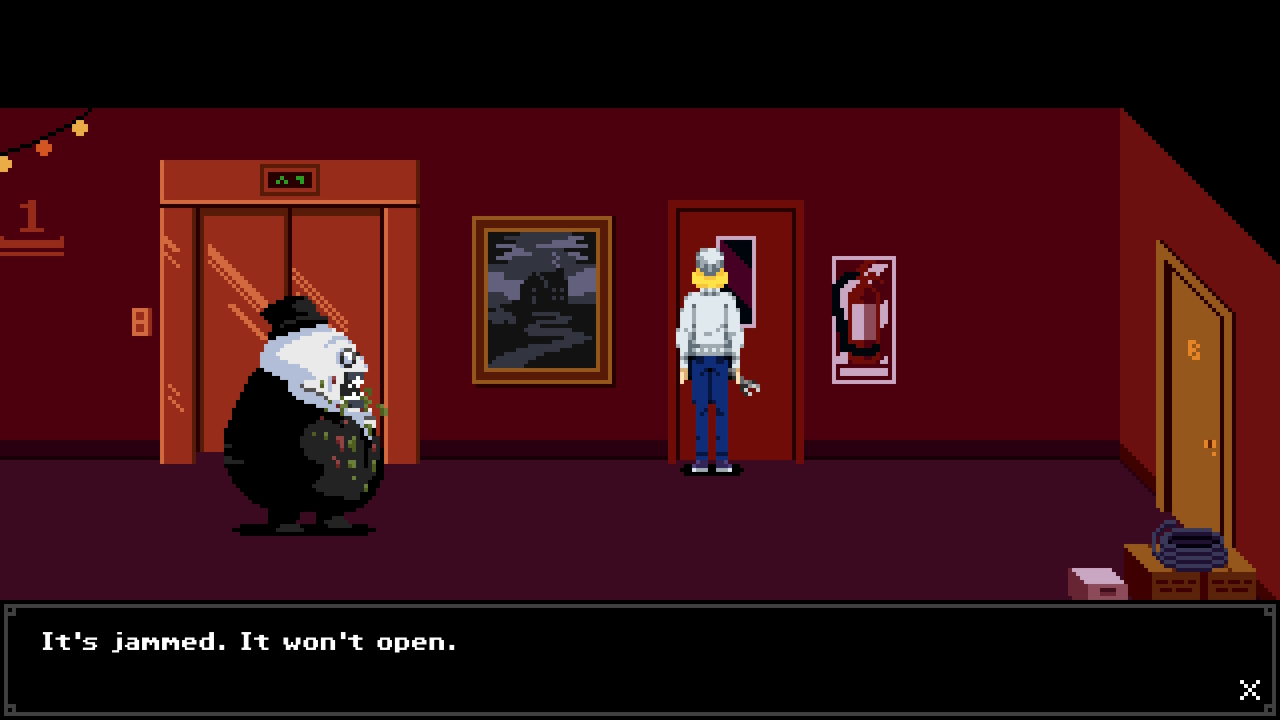
Combat is less elegant. Movement can be rigid, and sometimes you snag on corners or objects (geometry) at moments when the last thing you want is to discover that one pixel of a table has the same function as the doorframe at home that you walk into and then roll around on the floor like Peter from Family Guy. The weapons do their job, but combat isn't the reason you'll recommend the game to anyone. In certain situations you even get the impression that the bosses and encounters have more complex ideas than the systems the game gives you to deal with them. This is where the "retro" side is felt most, and not necessarily in the way that brings back fond memories; more like flashbacks to Viet…NES.
There's also quite a lot of backtracking, since much of the game unfolds around the same complex and its variations, but its fairly compact size stops it turning into a national expedition every time you've left an item behind in a room. And, honestly, sometimes returning to a place you thought you knew is exactly what works so well in horror. The room is the same. It's just that maybe last time that thing wasn't in the corner.

An experiment I'm glad someone made
Tenebris Somnia isn't the kind of game I give an 8 because every system is an 8. The combat certainly isn't. Movement has moments when Julia and the controller seem to be negotiating over the connection, and some puzzles can get more cryptic than they need to be. But the project as a whole is worth more than the sum of its mechanics. It's a horror game that genuinely tries to fuse video games, pixel art and live-action film into a single experience, not just alternate between them. Sometimes you see an image in pixels and a few seconds later you see it reinterpreted cinematically. Other times the game starts toying with perspective, with mirrors, or even with the way you interact with the world. Not every idea is perfect, but they are ideas, and that matters quite a lot at a time when you can play ten indie horrors back to back and feel you've opened the same door ten times.

It's also one of those projects that remind me why the indie scene stays so interesting. Not because "indie = art" automatically, but because someone can say "I want to make a retro survival horror that periodically turns into a real horror film" and, somehow, that game actually ends up existing. Whether it needs more polish or is already polished, I couldn't say. It has some mechanics that could have been better. But it has personality and it has guts. And honestly, I'll always take an 8 that tries something I haven't seen ten times before over a 9 that risks nothing and plays it safe all the way to the gates of Heaven.
Thanks to
Andrés Borghi, Saibot Studios and New Blood Interactive for the opportunity to play Tenebris Somnia.

Played on: PlayStation 5 Pro
Release date: 16 October 2026
Developer: Andrés Borghi, Saibot Studios
Publisher: New Blood Interactive
Plus
- The combination of pixel art and FMV gives it a fantastic identity
- A very interesting story, with characters and themes that go beyond superficial horror
- Puzzles and multimedia ideas creative enough to stay with you
Minus
- Combat and movement can be rigid
- Some puzzles become too obscure
- Backtracking and certain encounters can slow the pace unnecessarily
0 votes
Scroll down here and stay on the page for at least 30 seconds to vote.
Pick a score from 0 to 10 (halves are allowed).