
Hell is Us – Review

I look up at the willow and grit my teeth…
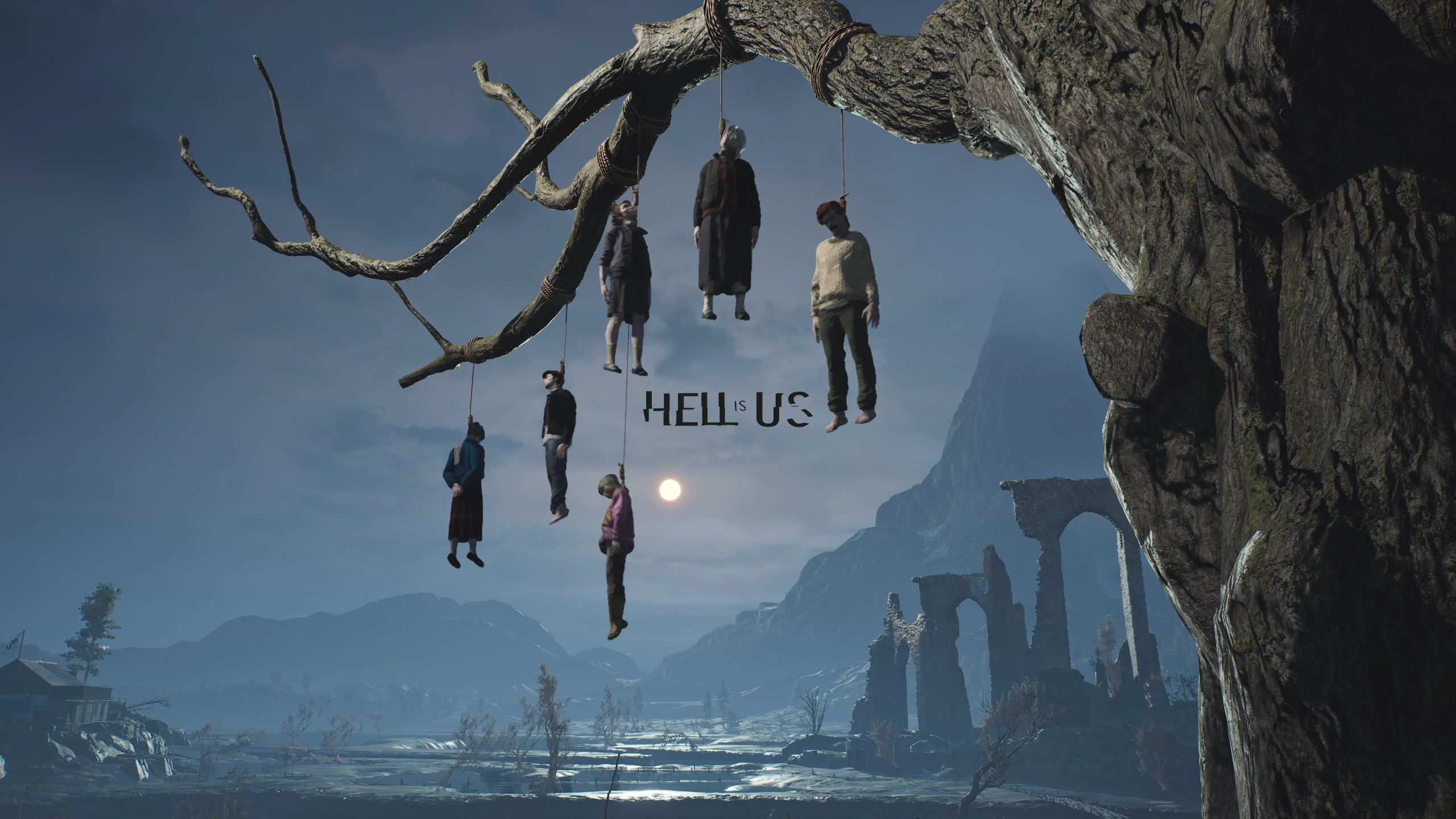
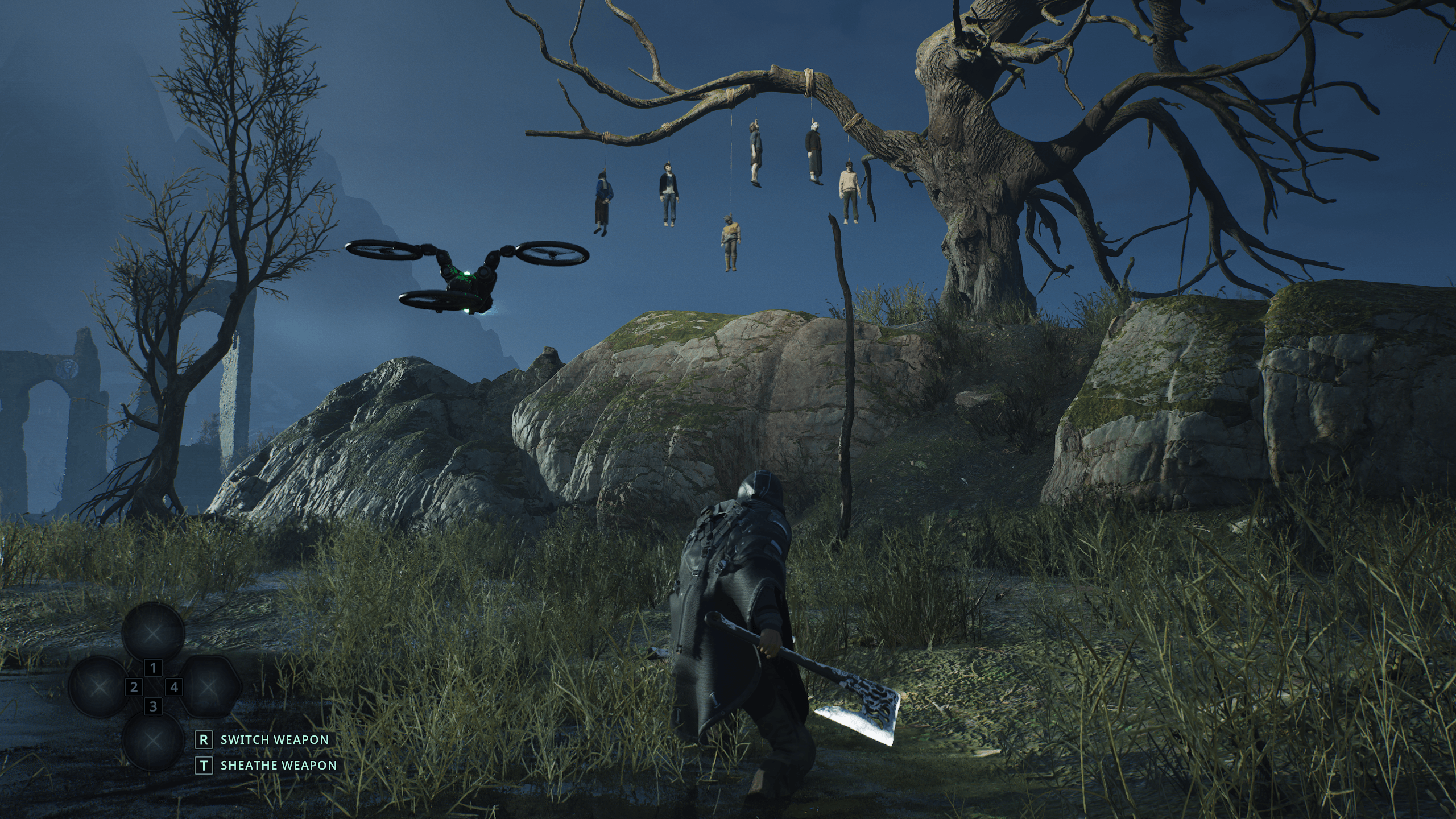
Six bodies hang in nooses, souls who, until yesterday, could not have imagined the horrors that befell the village of Jova. Six simple people, of different ages, who did not flee the war that swallowed Hadea, not because they didn't want to, but because they had nowhere to go. Six cruel proofs of how hatred transforms us, when reason melts into a feverish dream of strife and anger. The few remaining inhabitants of Jova now live in fear, under the eyes of the invading soldiers from the north, who seek any pretext for new crimes. I don't have time to respect traditions, to offer the victims even the decency of a burial. I say a short prayer… and leave.
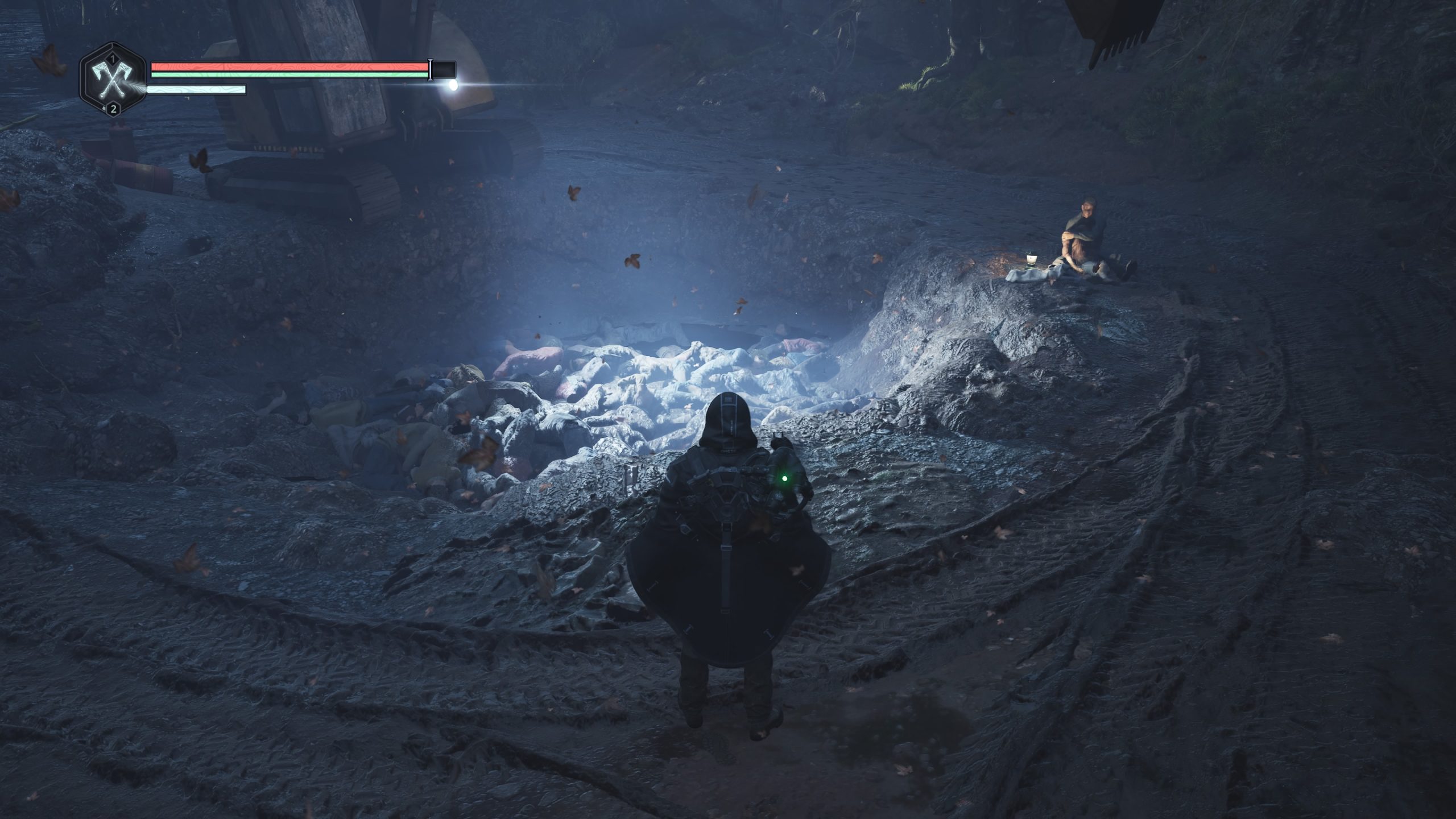
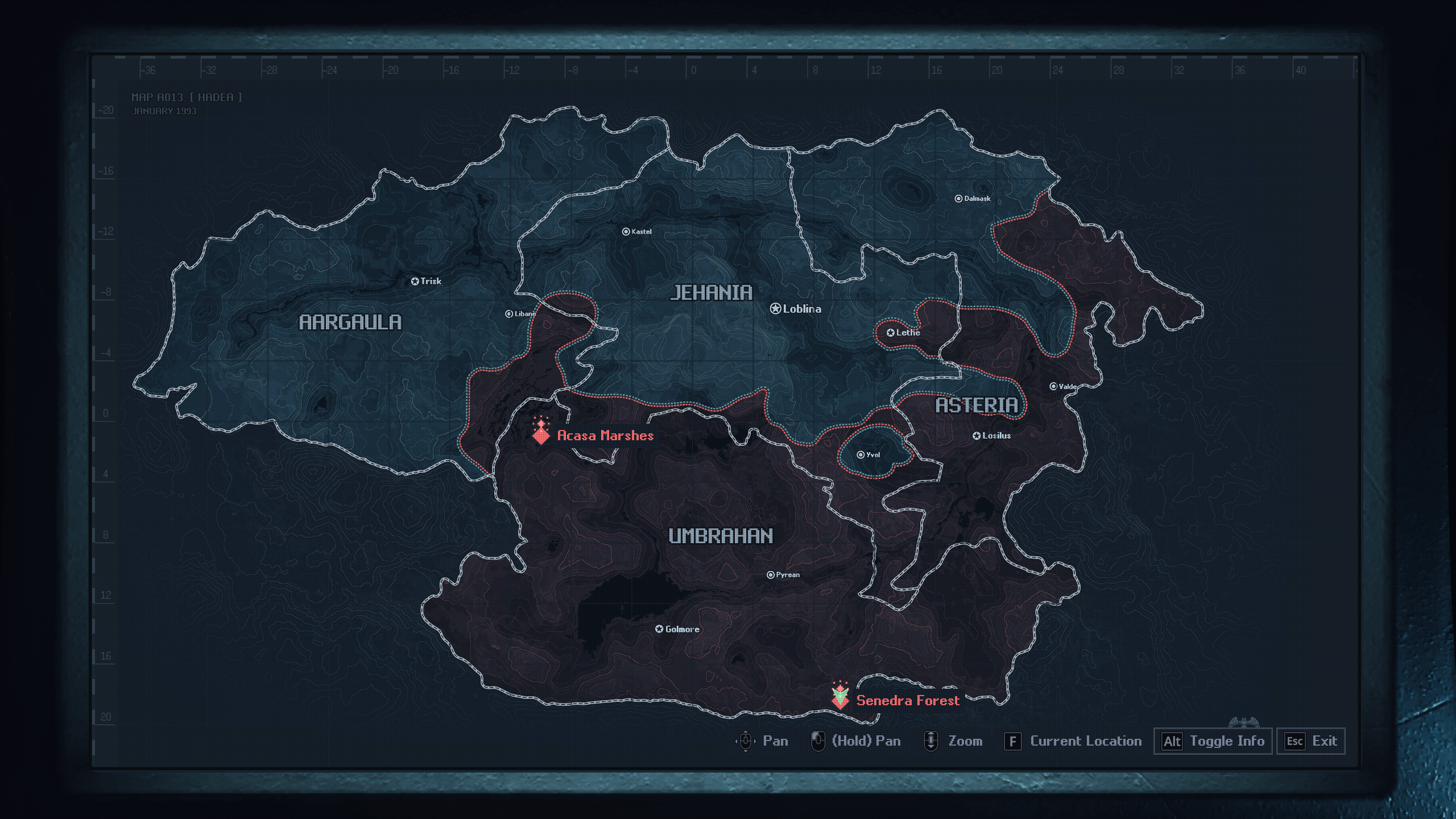
A few hours later I cross the front and arrive in the swamps of western Hadea, in 'enemy' territory. Here I find a village that 'escaped' the siege of the soldiers… only to be besieged by those 'creatures'. Beings that defy the laws of nature, contorted into non-Euclidean forms and faceless. Instead of a face and organs, these harbingers of the 'Calamity' bear a hungry void, similar to a black hole. But unlike a black hole that only absorbs, from the depths of these abominations come human moans and screams, familiar sounds that freeze your blood. After defeating these demons, I go to look for survivors. What I discover still haunts my nightmares: a vestige of pain and hatred. All the inhabitants have a hand amputated, so as not to let them vote for the region's independence. In a barn I find women abused by southern soldiers in indescribable ways, trembling in terror at any sudden movement. And next to the statue of the Bloody Queen, a mass grave houses the bodies of those who had the courage to remain human, thrown away like ordinary rags.
I close the game and stare blankly. I think of Nick Ut's photograph 'The Terror of War', where Phan Thi Kim Phuc, at the tender age of nine, is seen running and screaming in pain from napalm burns. I remember the morning of 24 February 2022 and the emotions I experienced on that fateful day. A cold shiver runs through me, at 01:00, when I put the controller back in its place and head to bed. I think of the social division in Romania, how the incitement to hatred has become normal on social media, and society is fragmenting more and more, divided into two camps that are becoming irreconcilable. It's rare for a game to make me think seriously, but the latest title from Rogue Factor has succeeded in doing so. And yet, let's get back to earthly matters and start with the story…
Opening Pandora's Box
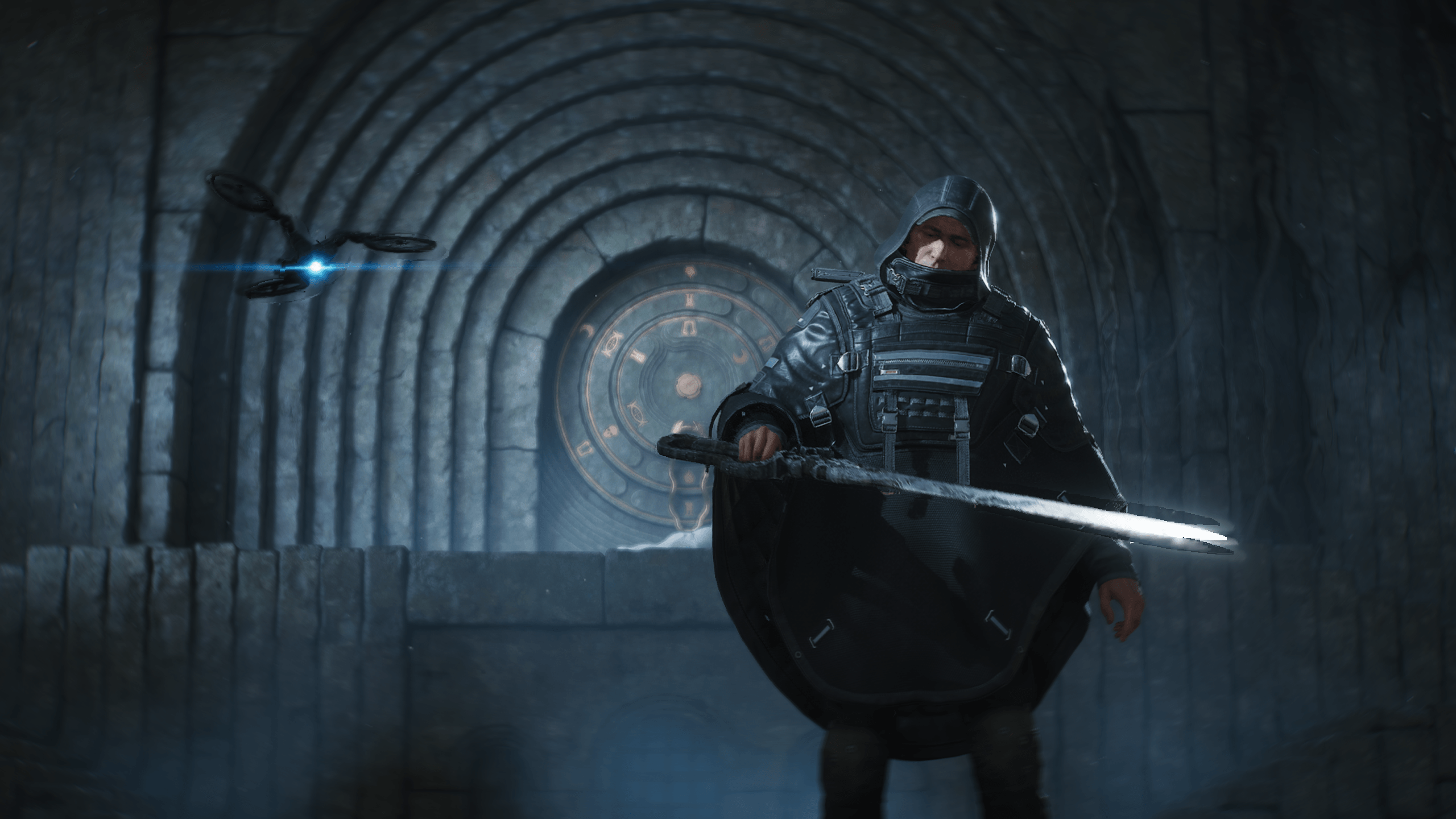
The premise of Hell is Us is, in essence, simple. Our protagonist, Rémi, was smuggled out of Hadea by traffickers when he was just a child. As an adult, he becomes a soldier for this universe's equivalent of the United Nations and does everything he can to return home to find his parents and understand their decision to send him among strangers at a young age. However, his return does not go as he imagined. The detachment of blue helmets he belongs to is recalled once the civil war breaks out between the two 'peoples' of his ancestral lands: the Sabinians and the Palomists. Nothing can stop Rémi, however, who deserts and then continues his journey until he manages to enter the war-torn land.
The story has several layers, and the protagonist's personal mission is just what's on the surface. Hadea is a tangible country, with a rich history, marked by bloody periods in which the two peoples constantly slaughtered each other. The differences between Sabinians and Palomists are cultural, historical, and religious. The Sabinians in the south seem more traditionalist and God-fearing, strictly respecting ancestral customs, while the Palomists in the north are a more modern people, often called 'infidels' due to their different way of practicing religion.
Beyond these layers, an ancient conspiracy also takes shape, threatening not only Hadea but the rest of the world. Rémi learns that he has been caught in the web of a sinister cabal, whose sole purpose is to fuel the eternal war machine. Sound promising? If so, know that the game goes further, exploring more intimate stories, namely the lives of the people of Hadea and the devastating effects the civil war has had on them. Entire villages wiped off the face of the earth, families literally and figuratively torn apart by hatred and its consequences. What I described in the introduction represents only a few of the atrocities I witnessed, and the term 'war crime' becomes almost colloquial from the first third of the game. Mass graves, hangings, firing squad executions, amputations, arsons, and torture all seem to be commonplace in a world where the fist makes the law.
Jonathan Jacques-Belletete (art director for the new Deus Ex games) drew inspiration from Annihilation (2018) and the Southern Reach book series for the story. Although the influences of the two aforementioned sources are visible, I would argue that the game is rather the result of Jacques-Belletete's passion for history and his burning desire to authentically represent a civil war. In the lands of Hadea, we encounter a divided people, easily influenced and prone to falling prey to their darkest impulses. Many characters regret their actions, and most remain in shock, unable to function normally due to the deeds committed. I can only praise the team for what they have managed to achieve, because, if we set aside the supernatural elements, Hell is Us palpably renders the horrors of a theatre of war, where honour does not exist, and death lurks around every corner. What is presented to us is as ugly, crude, and sinister as can be. But there is no 'beautiful' way to represent what is happening in Ukraine after 2022, or if we talk about the breakup of Yugoslavia and the Rwandan genocide.
I really like the way the story is told. Everything unfolds in the form of an interrogation, conducted by a man in black, while the protagonist recounts the events. To eliminate any trace of divergence, Rémi is connected to a polygraph and intravenously receives the truth serum. Thus, every time the player is defeated, we hear the mysterious agent admonishing the protagonist for trying to lie and demanding an increased dosage, on the grounds that it is no longer effective.
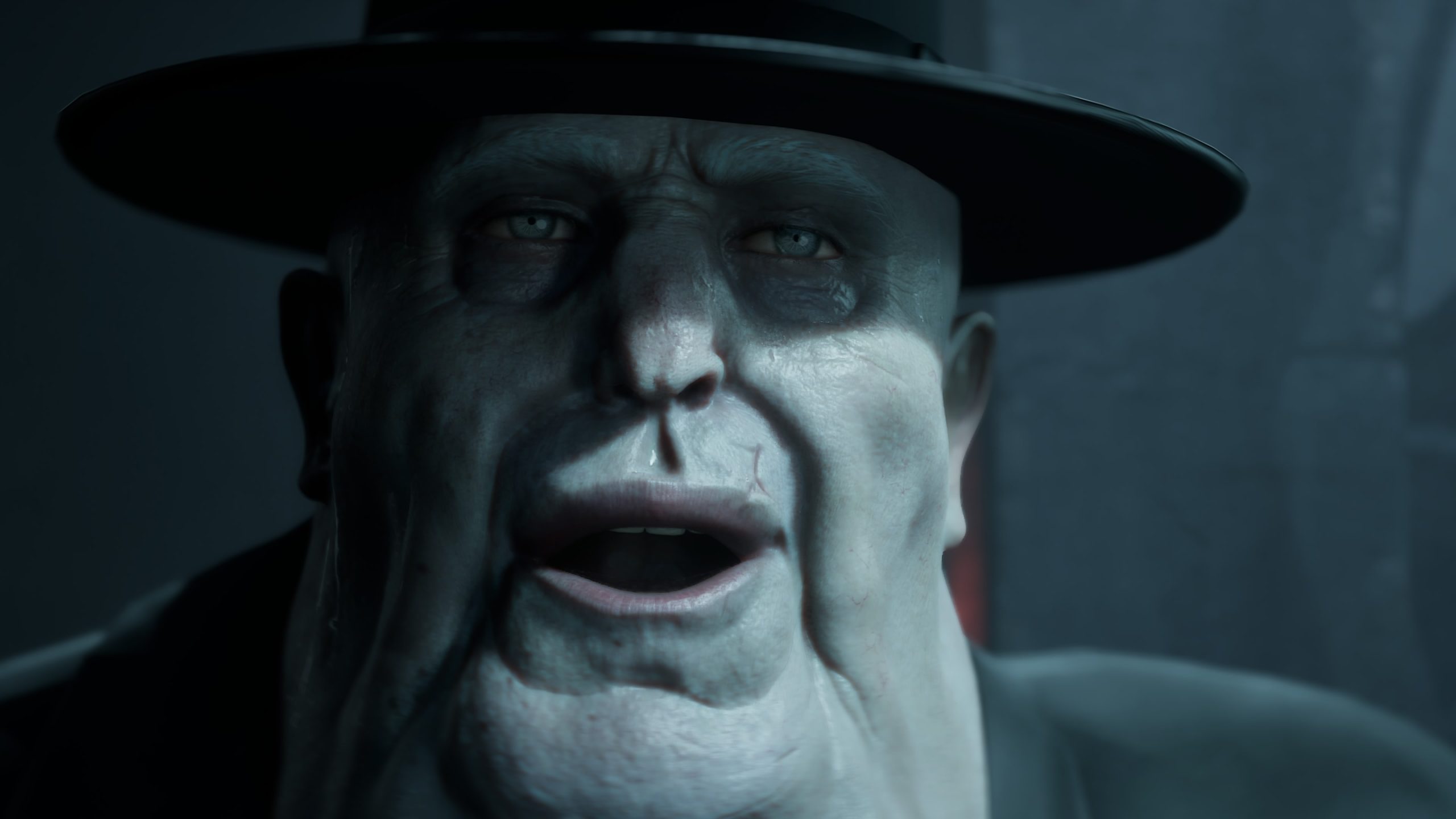
The only aspect I could criticise is the pacing of the story. The beginning is promising and introduces us to a world full of dangers and mystery, but as the story progresses, the pace becomes more hurried, until it reaches a crescendo that is left hanging. The ending could have been worked on more carefully, because, in its current form, it risks disappointing some players. A considerable minus for a game that, otherwise, manages to respect the audience's intelligence.
The Great Schism
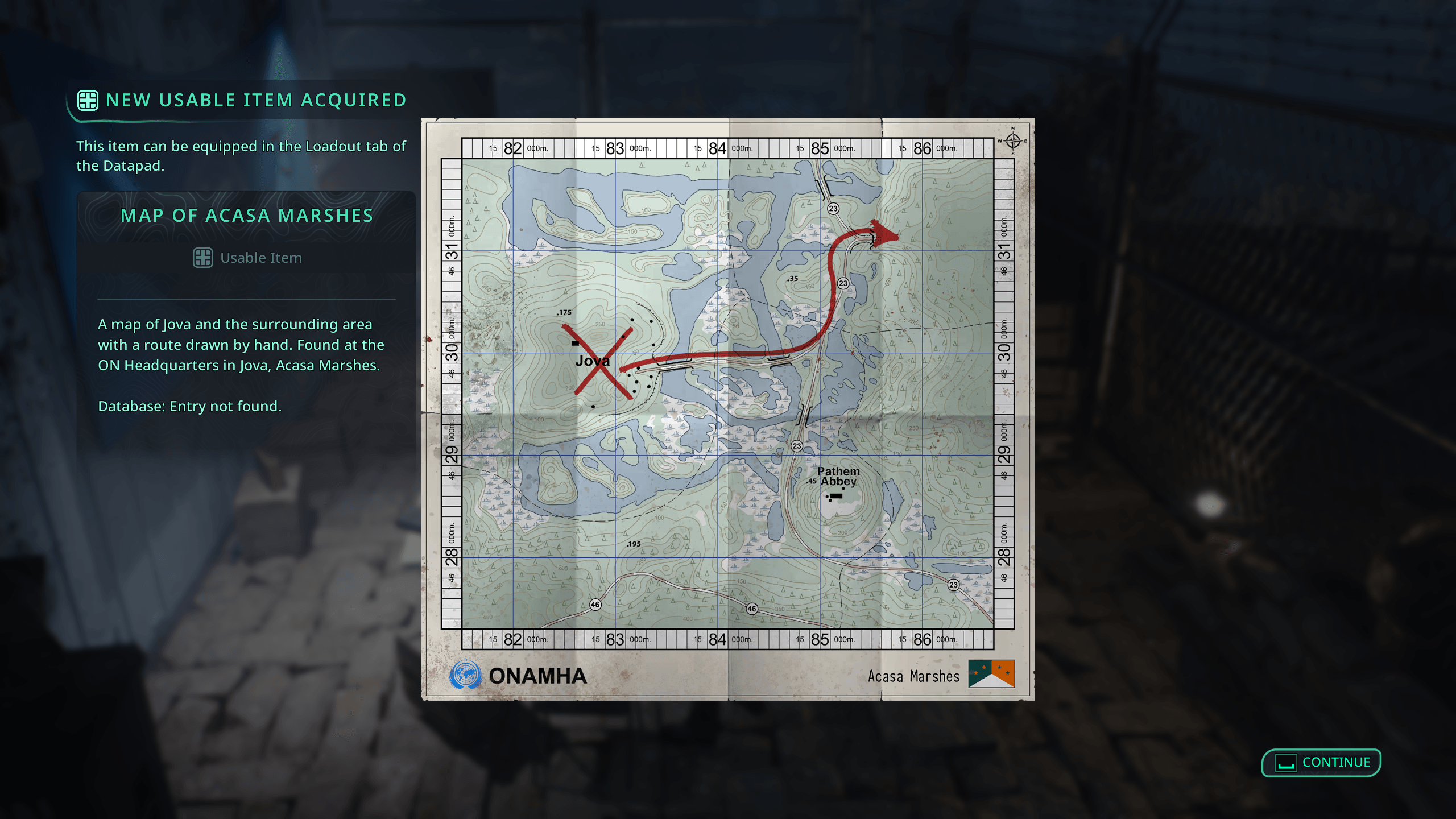
I'll tell you from the start: Hell is Us offers a different experience! In terms of mechanics, the game is simple. However, the way they are implemented proves to be innovative in the current market. There is no mini-map, or any map to guide us, no quest markers or a journal to tell us the next step. The game challenges you to make the necessary connections yourself through the information provided. This design choice comes from the studio's desire to give players what they want: an experience that doesn't hold their hand!
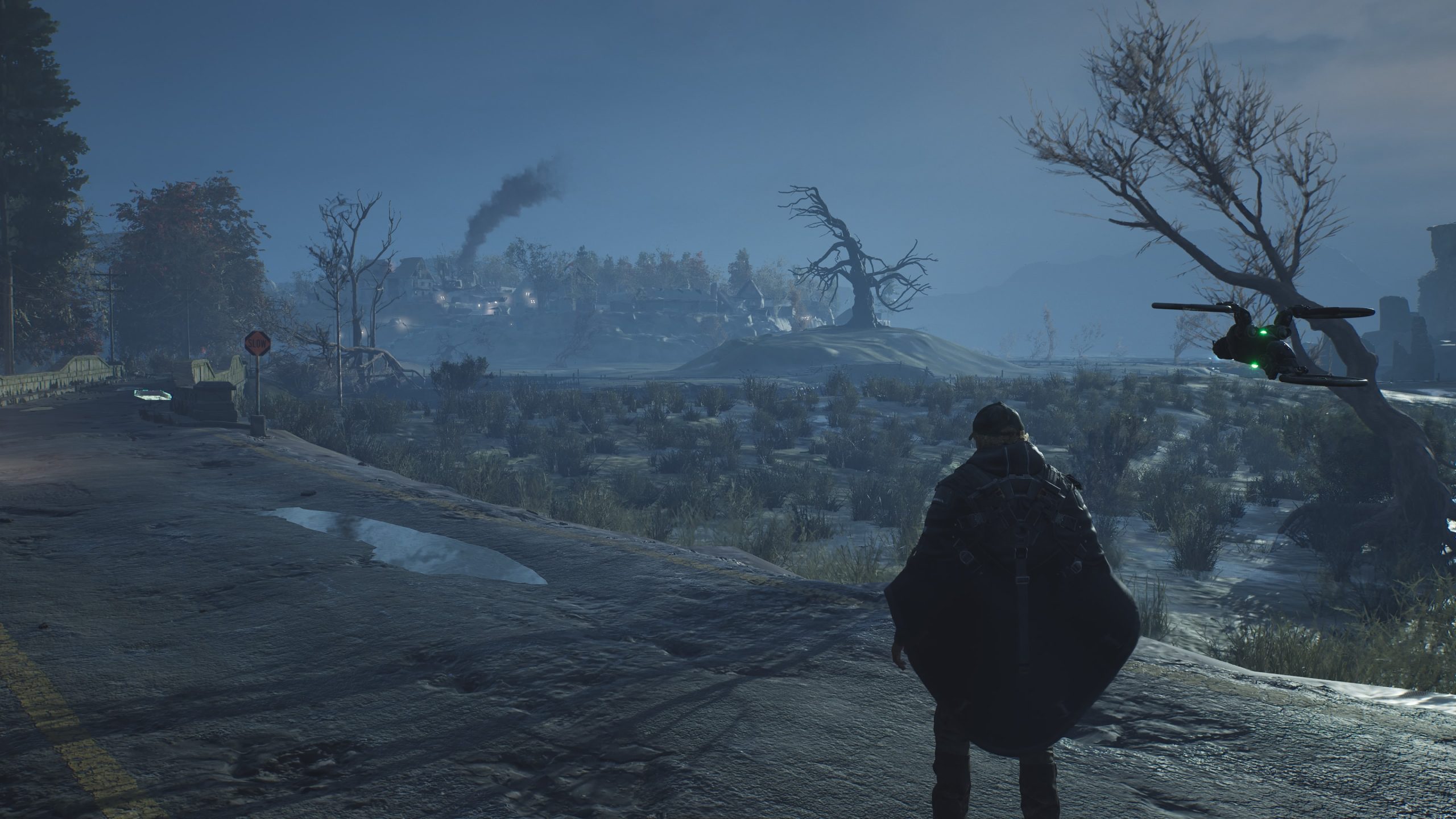
Said and done! The minimalist HUD and the lack of a map forced me to pay much more attention to every detail in the game. It's the first time in many years that a title has truly piqued my curiosity and desire to explore its world more. I marvelled at every discovery in the game, whether it was a structure inspired by H.P. Lovecraft's Kadath, or a war crime.
To more easily unravel the mysteries in Hell is Us, I always had a pen and paper next to me. Thus, I ended up filling entire pages with seemingly important information from the various addresses, newspapers, books, articles, and notes found in the environment. I didn't know what would be useful or not until I reached a puzzle. Speaking of which, I was most impressed by the challenge in a church in Hadea, where I solved riddles to gain access to the journals of medieval chroniclers. The information gained helped me solve another puzzle in the churchyard and thus I discovered a complex world, where the cycle of hatred began hundreds of years ago and decimated entire generations, from nobles to beggars. This was an example of a medium difficulty puzzle. The game also contains simpler challenges, such as memorising a cipher from a certain position to open a door or gate.
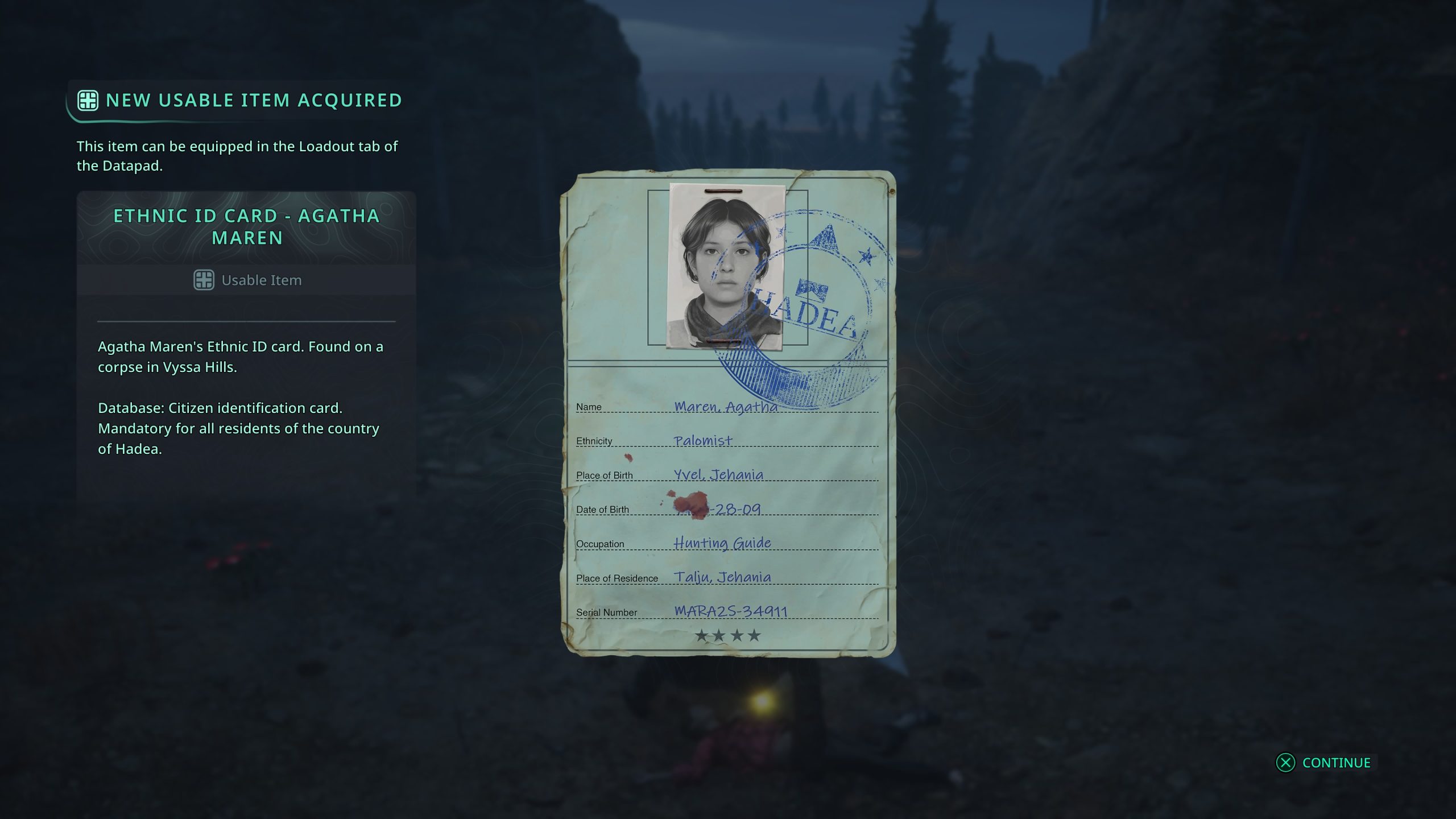
A small detail I greatly appreciated was the interaction with the environment, strongly inspired by the first four Resident Evil games. Both the menu and some animations or interactions are similar. For example: you select the correct object, it appears in a short animation, and then the path is opened to us.
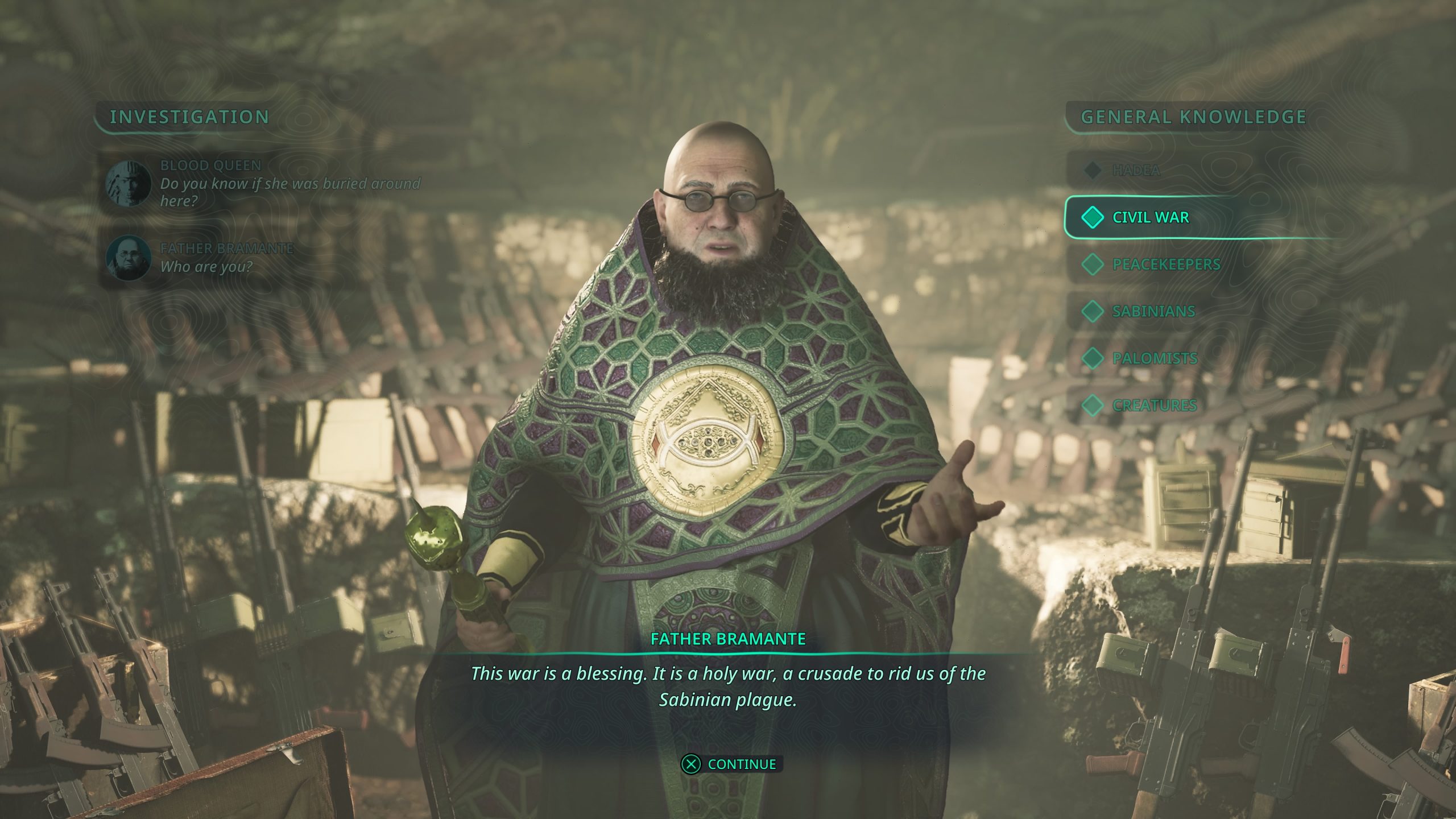
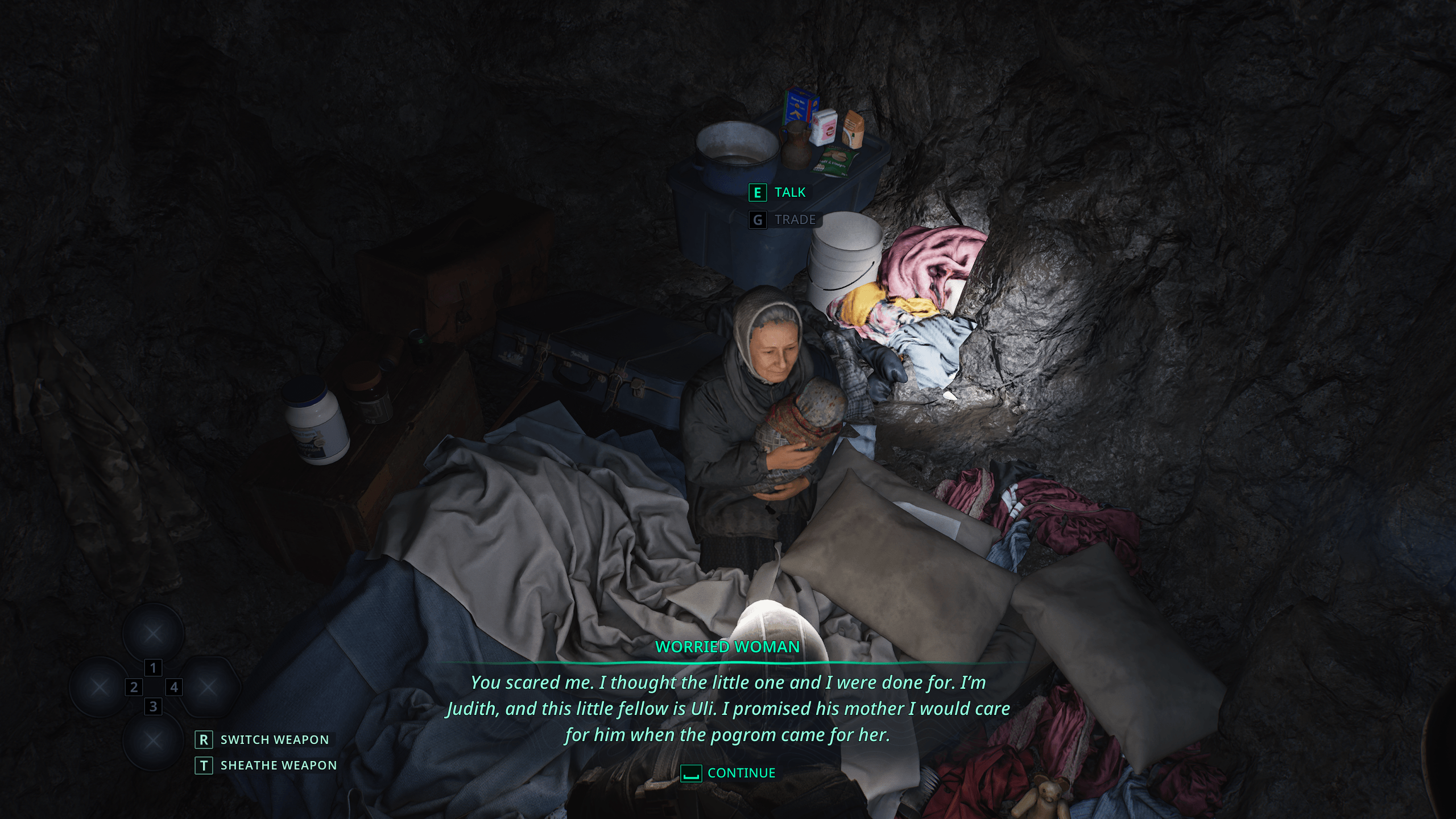
Missions involve interactions with various NPCs, and the protagonist accesses a special menu when talking to key characters. No, it's not the classic Bioware dialogue wheel, but a different system: Rémi can ask a few selected questions from a menu, and the answers received or objects discovered during the adventure can open new leads.
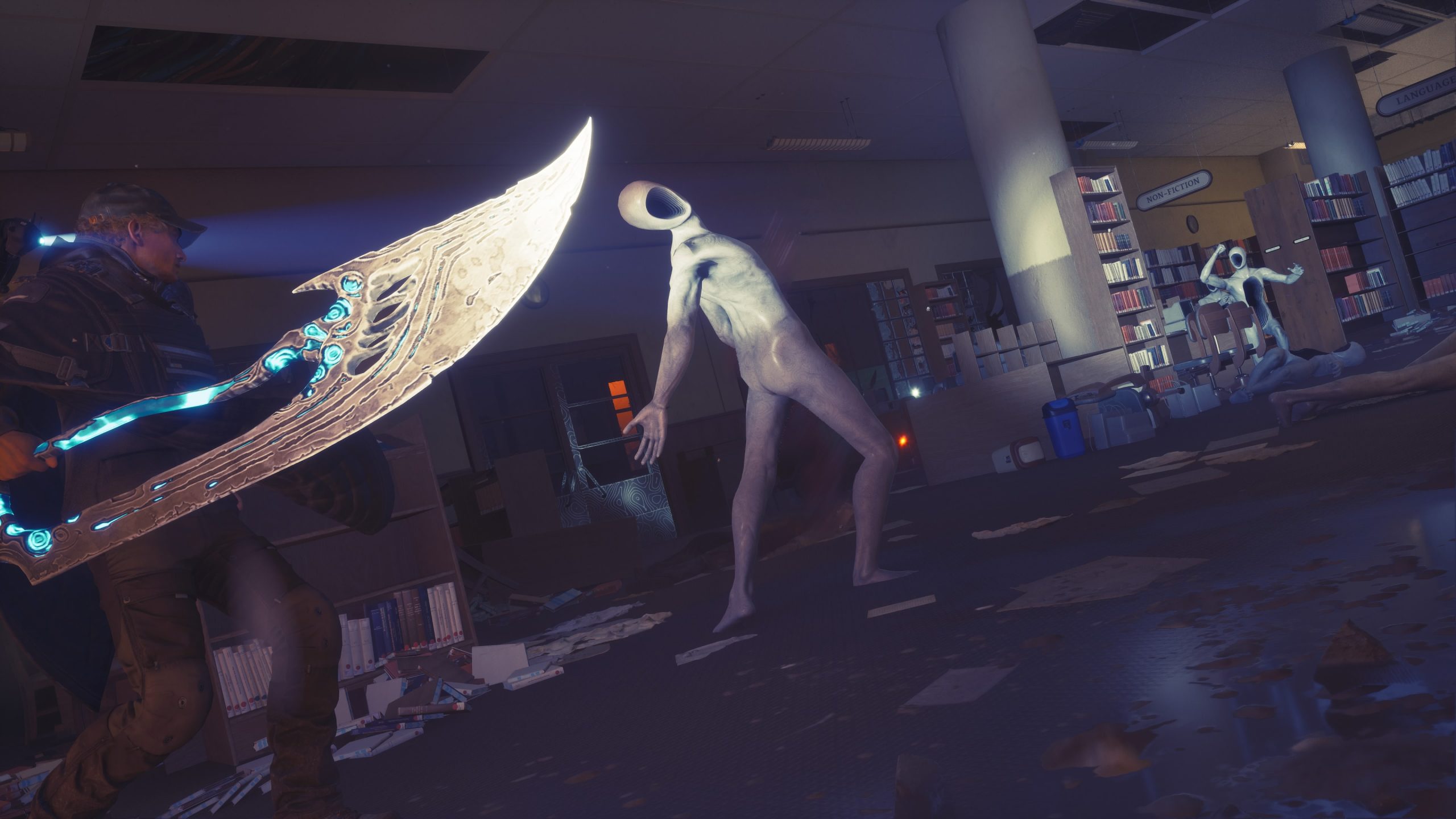
If I'm very satisfied with the game regarding puzzles, when it comes to combat, things are a little different. The initial trailer misled many players, as it gave the impression that Hell is Us would be a Soulslike, but it's more of an action-adventure with thriller elements. Most fights are simple, relying on normal, strong hits, blocks, parries, and dodges. In addition to these usual activities, there are also special abilities that can be equipped on weapons or even on the drone. The only aspect that made me think of the genre popularised by FromSoftware was the healing system. This is similar to that in Bloodborne and encourages an aggressive fighting style: the more hits we land on enemies, without taking any damage ourselves, the more life we can regenerate.
Attention: there is no skill tree or classic RPG-style progression system. The game offers four types of weapons (axes, sword, spear, and longsword), each of which can be modified by assigning an element (fury, ecstasy, terror, or sadness). This results in numerous variations, but the player can only carry two weapons simultaneously, which can be changed at any time, as desired.
There are also boss fights in the game, but… the experience sometimes leaves something to be desired. Instead of being a test of skill, they seem to become more an exercise in patience and frustration. The arenas are not very friendly, being large and difficult to navigate, and the powerful opponents we have to face have a bad habit of flying around chaotically and staying as far away from the player as possible.
Chaos Unleashed
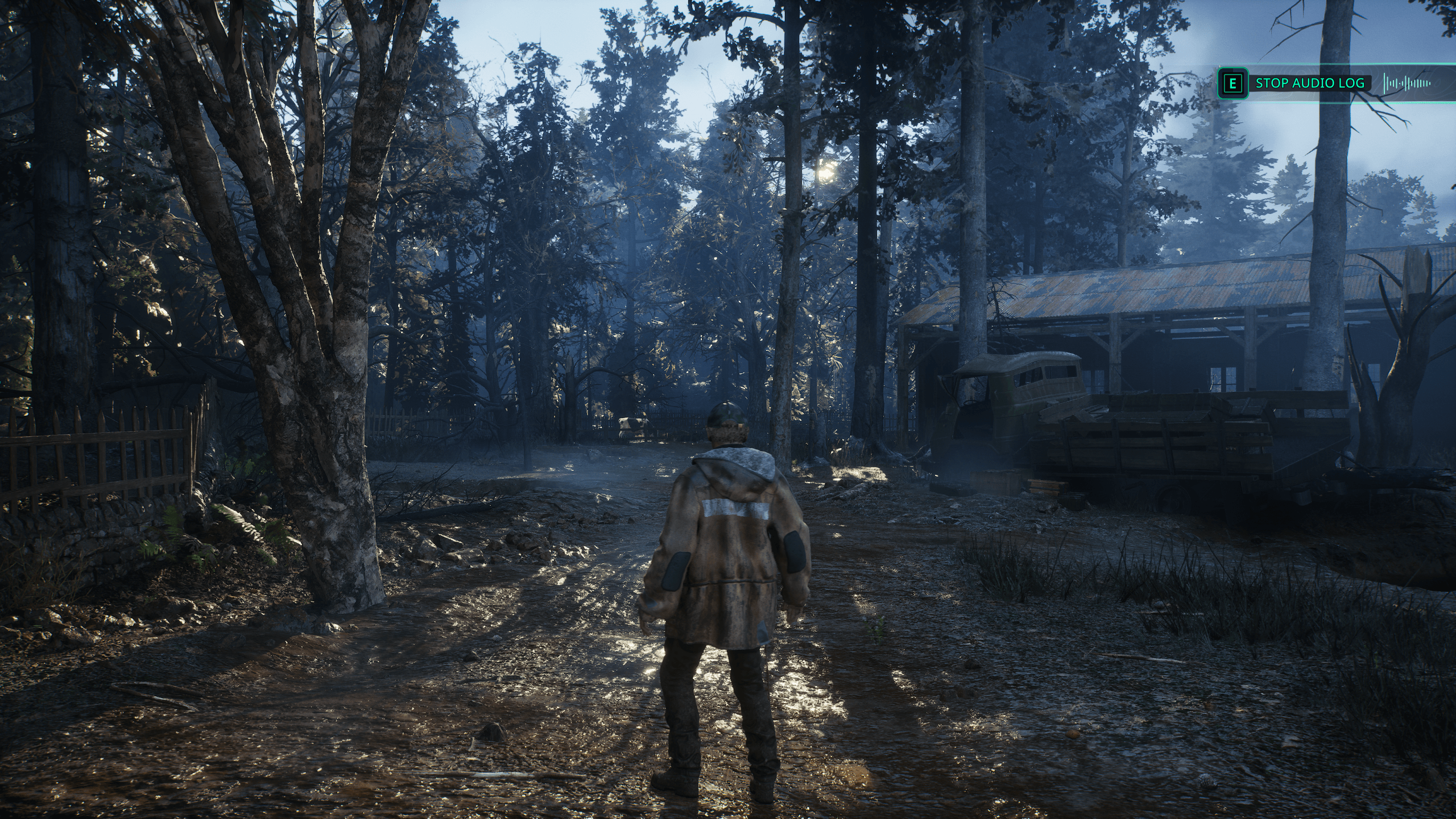
Graphically, the game looks impeccable. Perhaps it doesn't reach the visual mastery offered by the Decima graphics engine (see Death Stranding 2: On the Beach), but the developers have managed to do a very good job and the result is excellent. The characters have a unique design, each telling a story through clothing, sometimes bruises, and especially through the surrounding objects. The soldier sitting at the table with his rifle in his lap, upset that he has no more drink; the grieving father drowning his sorrows in a bottle of whisky; and the priest held by three ropes, forced to stand and not fall asleep, so as not to hang himself. Each conveys through their appearance essential clues about how the conversation should be approached.
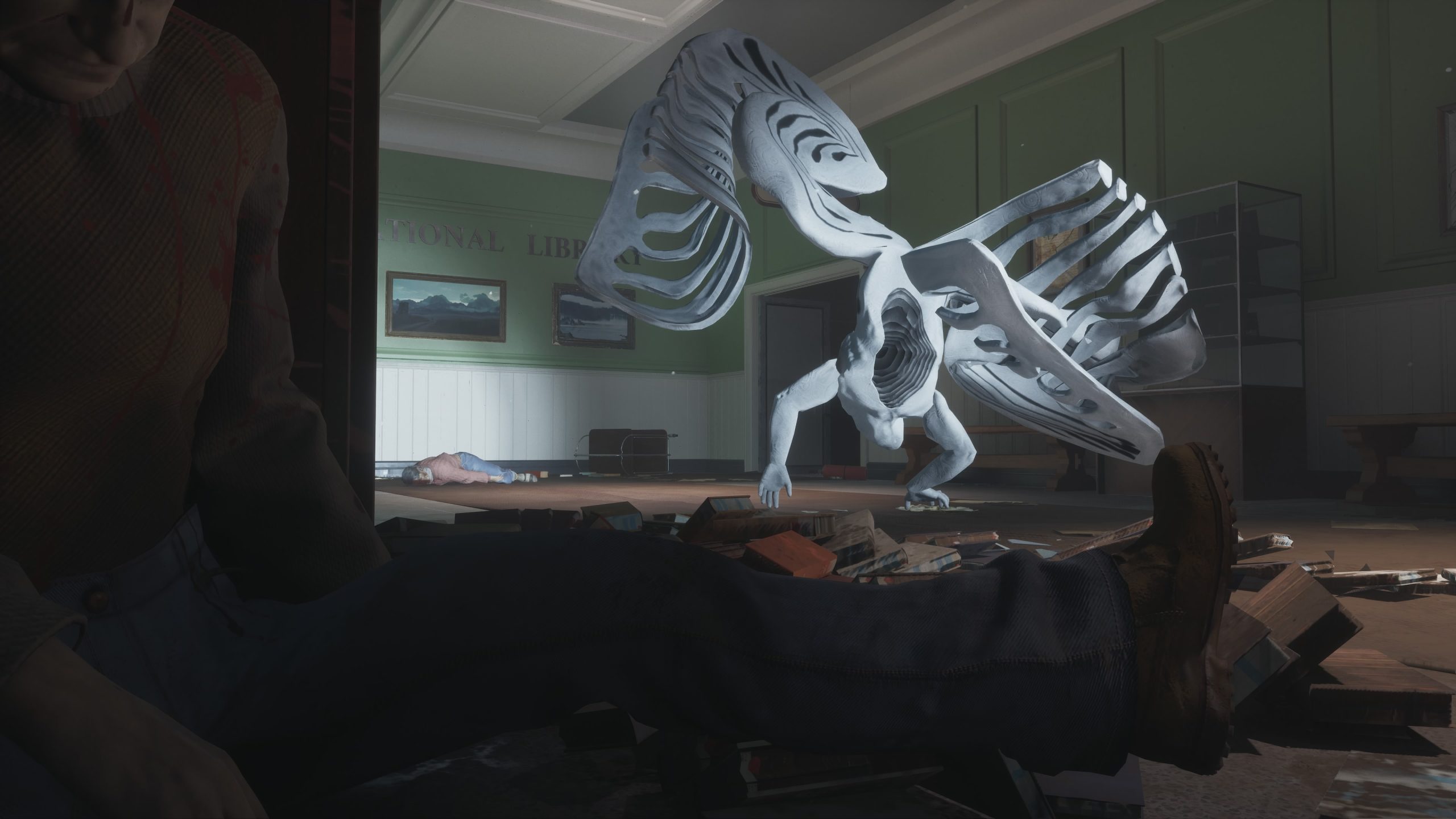
As for the enemies, they defy logic and the natural order of things. Unfortunately, their diversity is limited, being somewhere around five different types of limbic creatures and four types of cores (with three variations each). Already by the third area visited, you encounter almost all types of enemies you will face in Hell is Us.
I said earlier that for me the game is innovative due to the lack of a mini-map and any type of quest marker. Although this aspect might intimidate younger or less experienced players, Rogue Factor has designed levels that are easy to navigate. Each area is sprinkled with points of interest (monuments or sites) that are easily noticeable and can be observed from a distance. As a result, the risk of getting lost is extremely low, the only real loss being that of getting caught up in the game's atmosphere.
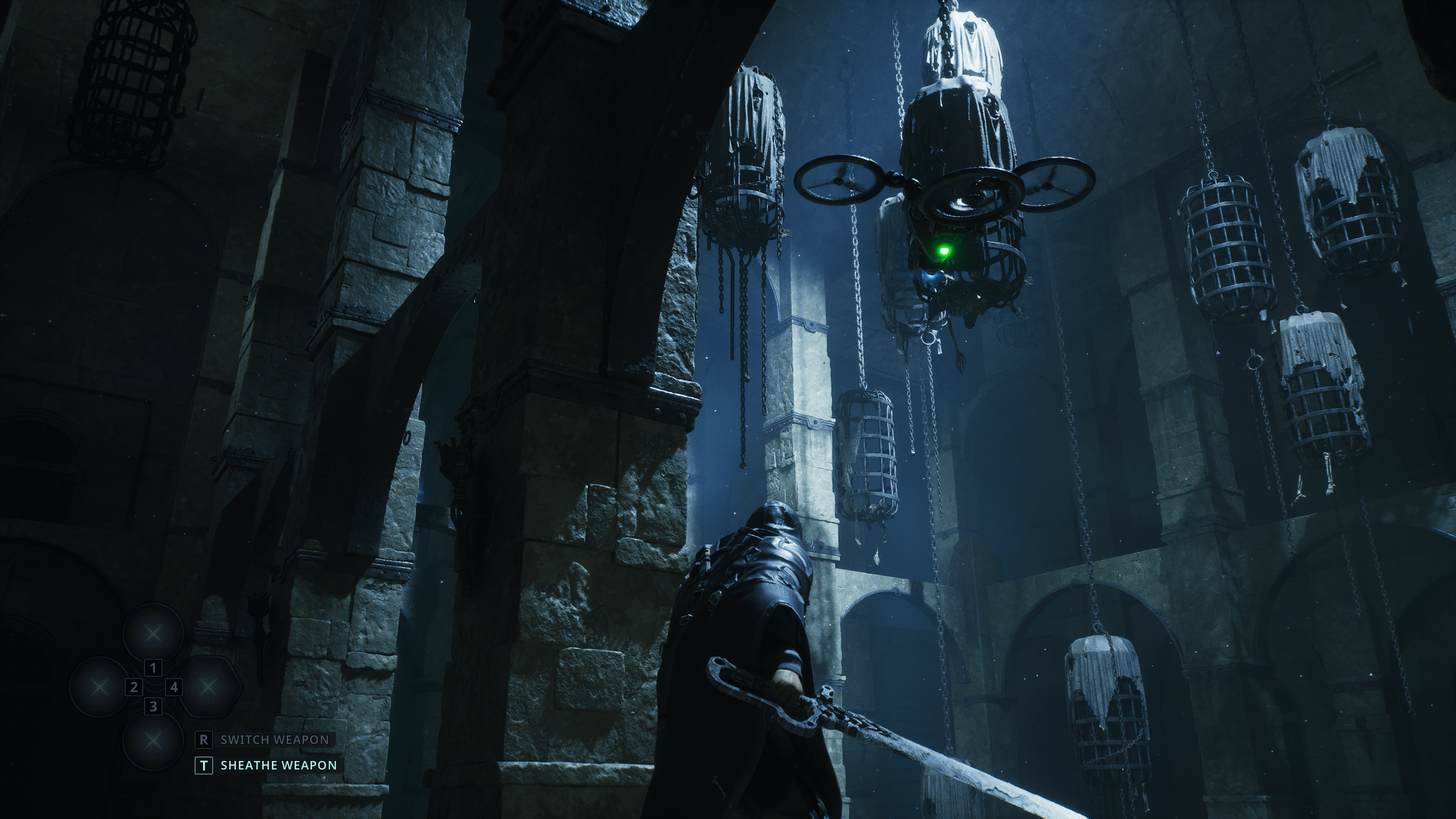
And what an atmosphere! Each area is unique, and mundane locations can be mistaken for villages in Eastern Europe, whether we're talking about those in Romania, Bulgaria, Moldova or another former satellite state touched by the great USSR. Jova looks like an ordinary hamlet, reminding me of all the places I pass through when travelling across the country, and the Ministry of Culture perfectly renders the grandiosity of many institutional buildings in our little piece of Europe. The developers didn't just draw inspiration from what's found here… they gave free rein to their imagination in the vestiges of bygone eras, which have gigantic and non-Euclidean architecture. Every step in these locations was full of suspense, as the oppressive darkness hid unimaginable dangers (literally and figuratively), and the unnatural architecture creates a constant state of tension.
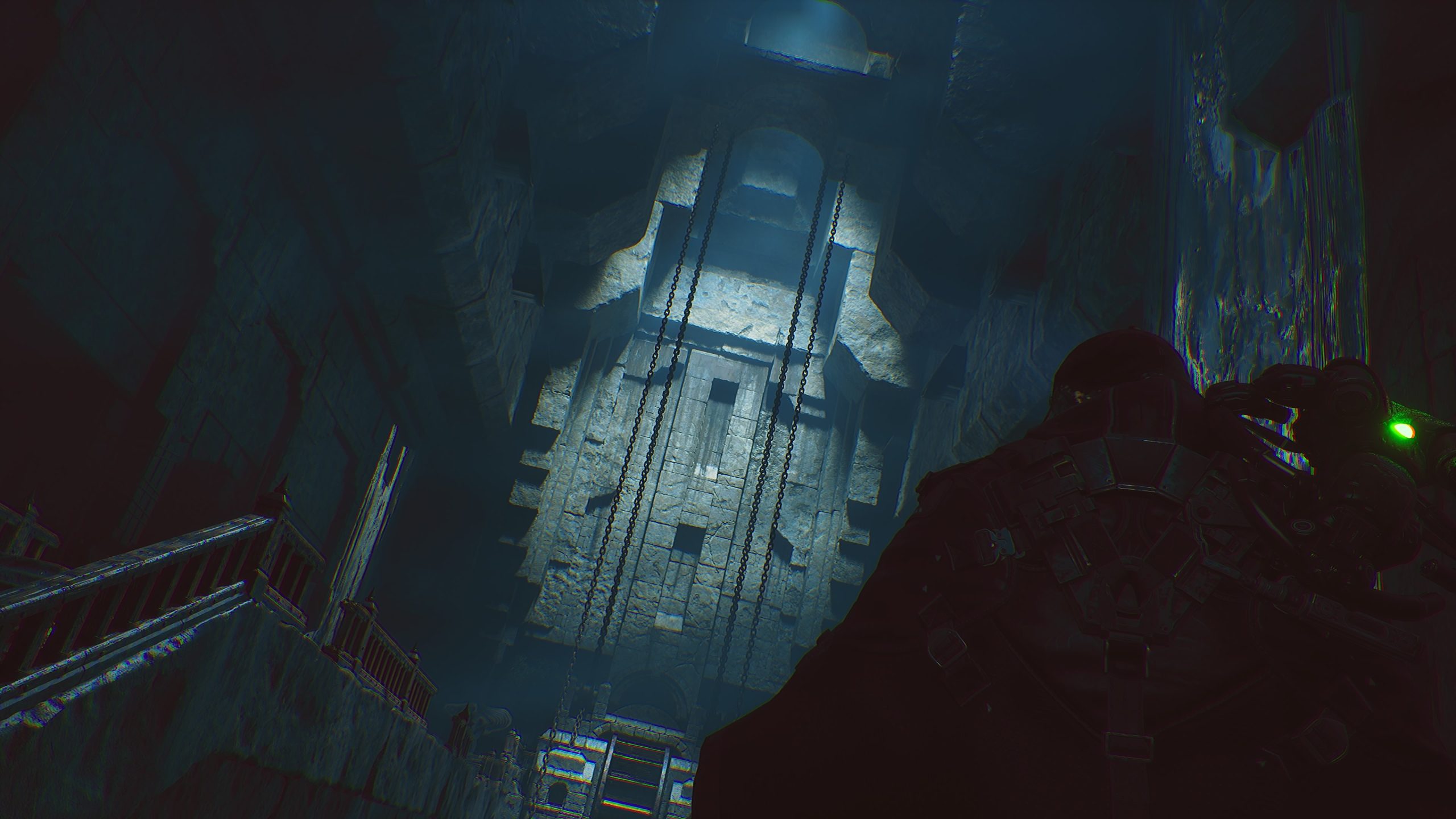
If you gaze long enough into an abyss, the abyss will gaze back into you
The atmosphere wouldn't have the same impact without a fitting soundtrack. Stéphane Primeau managed to create more than just music: he translated the feelings experienced in the game into notes and amplified them through the superb soundtrack.
I felt a slight lack in terms of voice acting. I don't want to criticise Elias Toufexis (Adam Jensen in Deus Ex) or Patricia Summersett (Princess Zelda in The Legend of Zelda: Tears of the Kingdom), because they are excellent actors and it's clear they put in the effort. However, there is a visible discrepancy between the characters and their dialogues. For example, Rémi differs considerably between the actual gameplay and the video sequences: in gameplay he is calm, analytical, and approaches situations logically, which fits the idea that he might be a sociopath. In cutscenes, however, he gives in to emotions and reacts like a rebellious teenager, rather than an experienced operative. Patricia Summersett's character, Tania, is a journalist infiltrated in Hadea to report the truth from the field, not official propaganda. She supports Rémi indirectly, piloting the KAPI drone that accompanies him, occasionally offering clues, comments about locations, the history of Hadea, or about the Sabinians and Palomists. In theory, the role sounds very good, but in practice the performances seem a bit dry. Probably the script and direction played a role in this problem, and the result is slightly disappointing: the direction, although superb, fails to highlight either the actors' talent or the nuances of the story that Rogue Factor wants to convey to us.
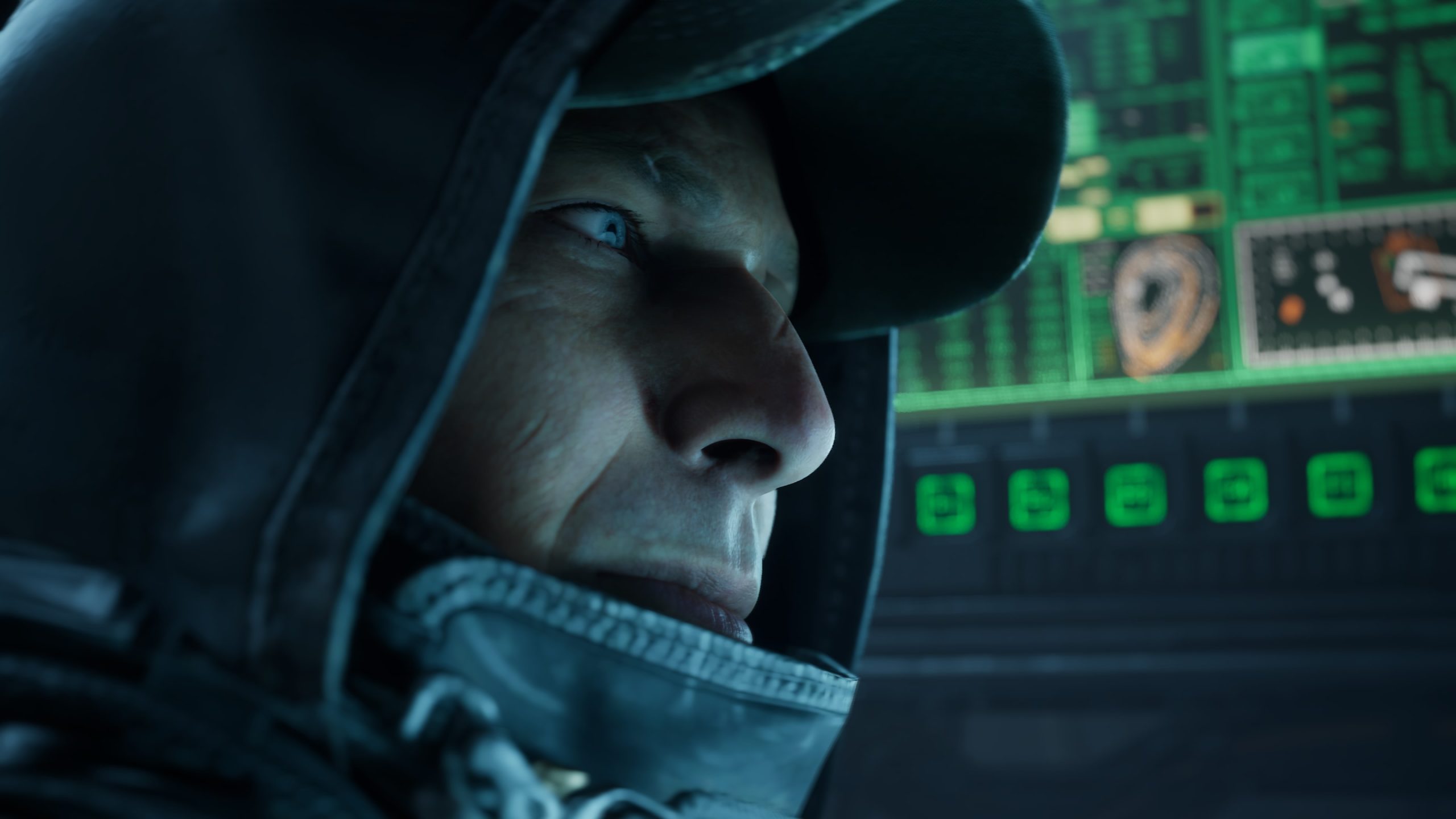
History does (not) repeat itself…
In terms of optimisation, if the PlayStation 5 had legs, I'd say it 'runs' like a dream with Hell is Us arm-in-arm. During the 26 hours spent in Hadea, I encountered a few FPS drops and a single pop-in in a very graphically demanding area; the latter involved a single enemy whose corpse suddenly appeared and disappeared after the fight. Otherwise, the game ran consistently at 60 frames per second. I mention these aspects because everything is built in the famous Unreal Engine 5, and I've had many bad examples generated by this 'wonderful' tool. However, the guys at Rogue Factor have shown that they know their craft well and have managed to deliver good optimisation for Hell is Us.
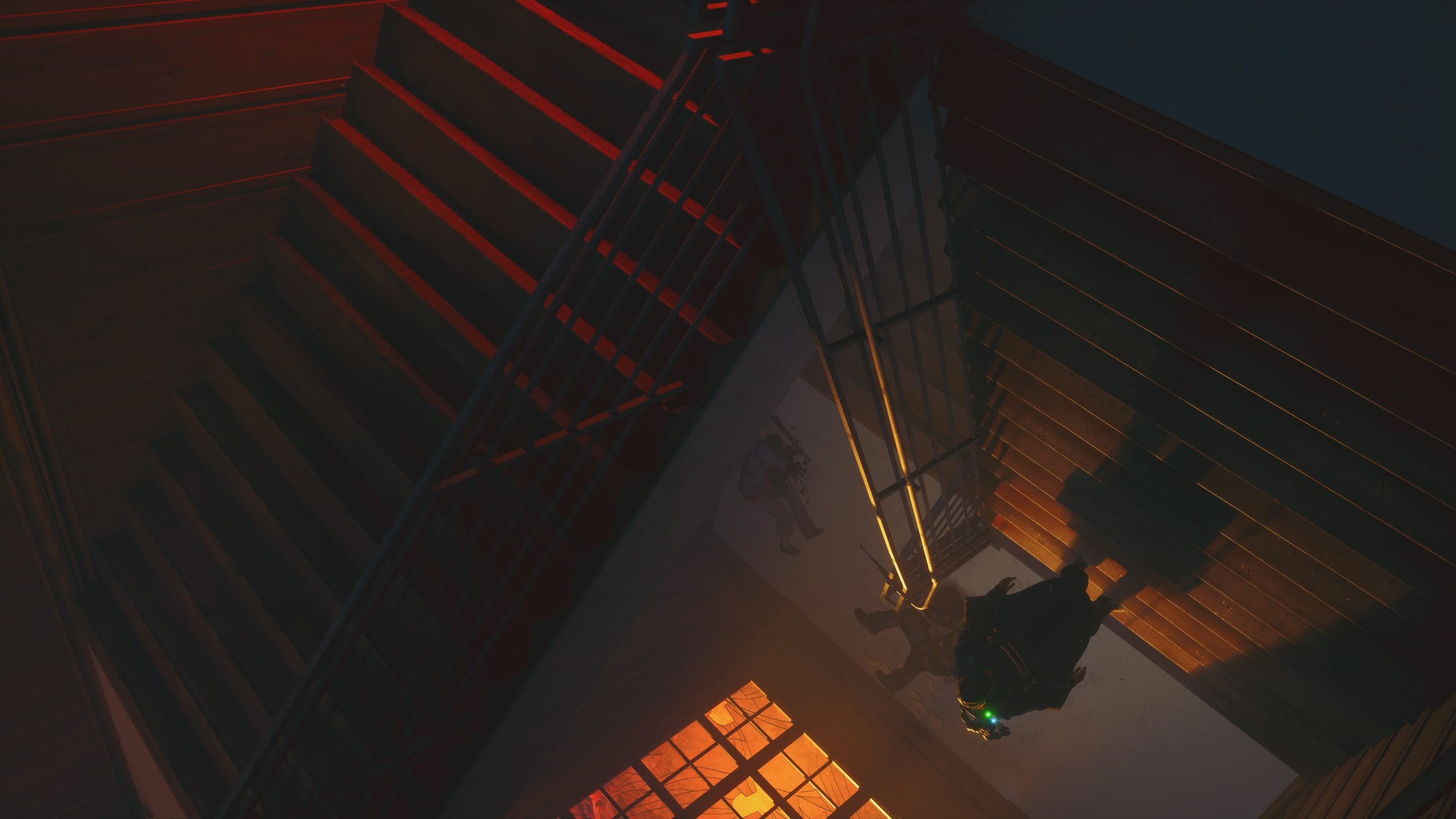
…nor on PC
What could be worse than war and the horrors of Hadea!? You guessed it: Unreal Engine 5! I don't want to be mean, but you probably know how sad the optimisation can be on this 'wonderful' graphics engine, which still seems to be in Beta… Luckily, there are good examples, like Split Fiction and, more recently, Hell is Us! That's right: the game Tudor wrote about above, and in the conclusion below, not only runs well on console, but also on PCs with decent configurations, like mine: Ryzen 7 5700X3D, Radeon 7900 GRE and 32 GB RAM.
My first experience in Hadea was not a successful one. At Tudor's urging, I installed the free demo from Steam, hoping to discover an interesting, mysterious, and well-optimised game. I ticked the first two expectations, but not the third… Frame drops, stutters, blurry visuals from time to time – in short, the full menu of 'goodies' offered by UE5. I didn't last more than 30 minutes and uninstalled it.
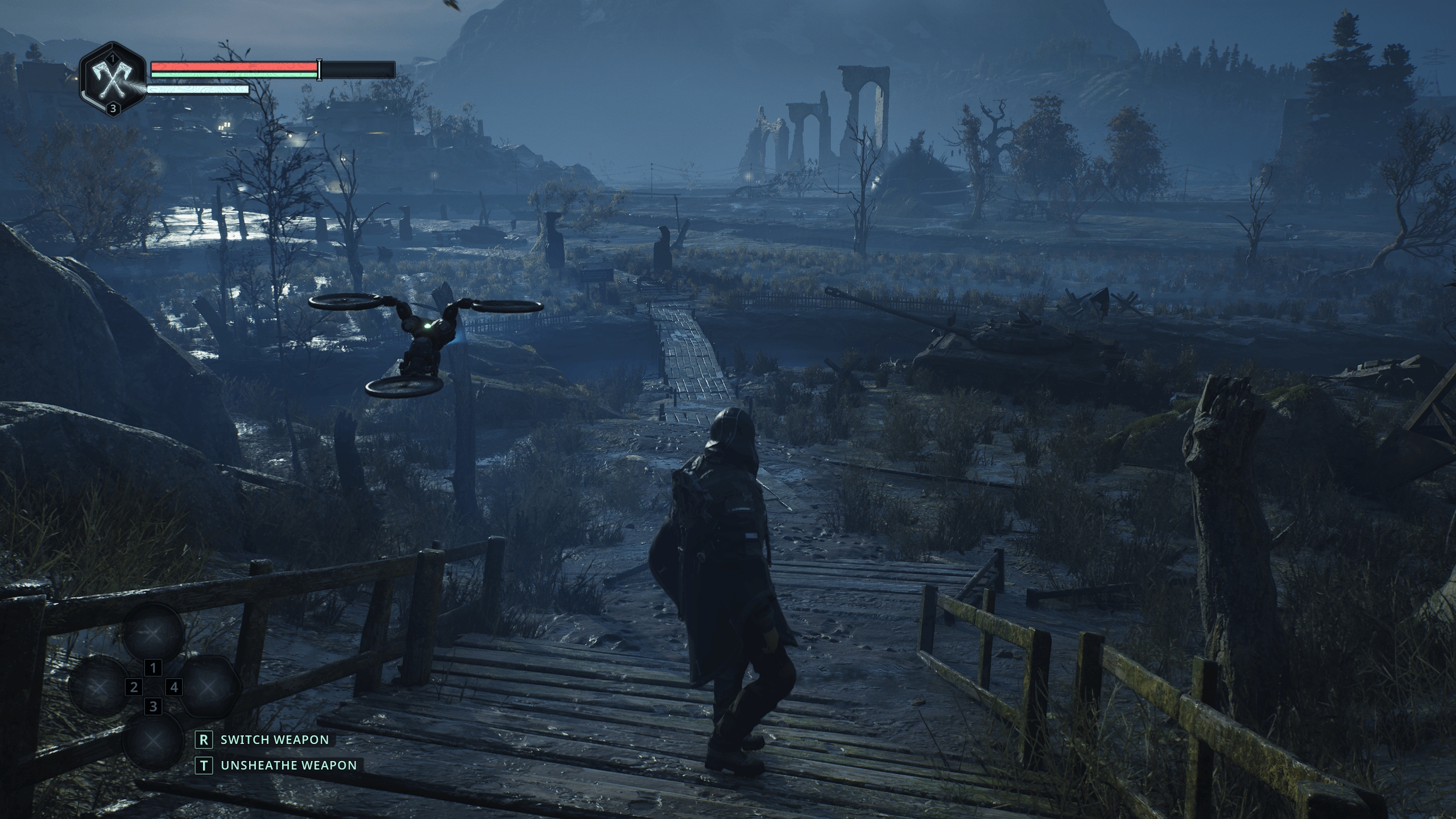
The second invitation to Hadea was… unexpectedly good! This time I made sure I had all the specific settings for games built in UE5 ticked: FSR3 and Frame Generation activated. At least the experience in the first area (the one from the demo) was smoother than Philadelphia cream cheese. A pleasure! The game is not only well optimised, but it also looks damn good. I'll try not to give spoilers, but the trench areas look straight out of Battlefield or Call of Duty. Hell is Us combines elements from several well-known and over-played games: the beginning is reminiscent of Silent Hill 2, the enemies seem to be from Control and Alan Wake, the protagonist resembles the one from Star Wars Jedi: Survivor, and the puzzles are reminiscent of Resident Evil. All these are spectacularly combined in Hell is Us, resulting in an addictive game! Not only does it have combat that tickles your pleasure neuron, but it manages to captivate you through mystery. From this point of view, it resembles Atomfall: you wake up in a strange world, without much information, and that quickly turns you into a little detective.
I recommend you try Hell is Us on console or PC, because on both platforms the experience is very well optimised. I am currently at the end of the second area, where the world of Hadea opens up considerably, with more details and points of interest, but the performance remains good. Even on an open battlefield, with white zombies swarming everywhere, tanks, ruins, temples, hamlets and other anomalies, as if Venom from Spider-Man farted, Hell is Us remains perfectly playable, without stutters that would spoil your experience. I don't want to rush my statements, but ever since I started playing it, I've been thinking only about it: how can I solve puzzle X, what does the church in the forest hide, and what is that dubious object in my inventory that I still can't use… Questions I hope to find answers to in the next play session. Or maybe not… Leo Luția
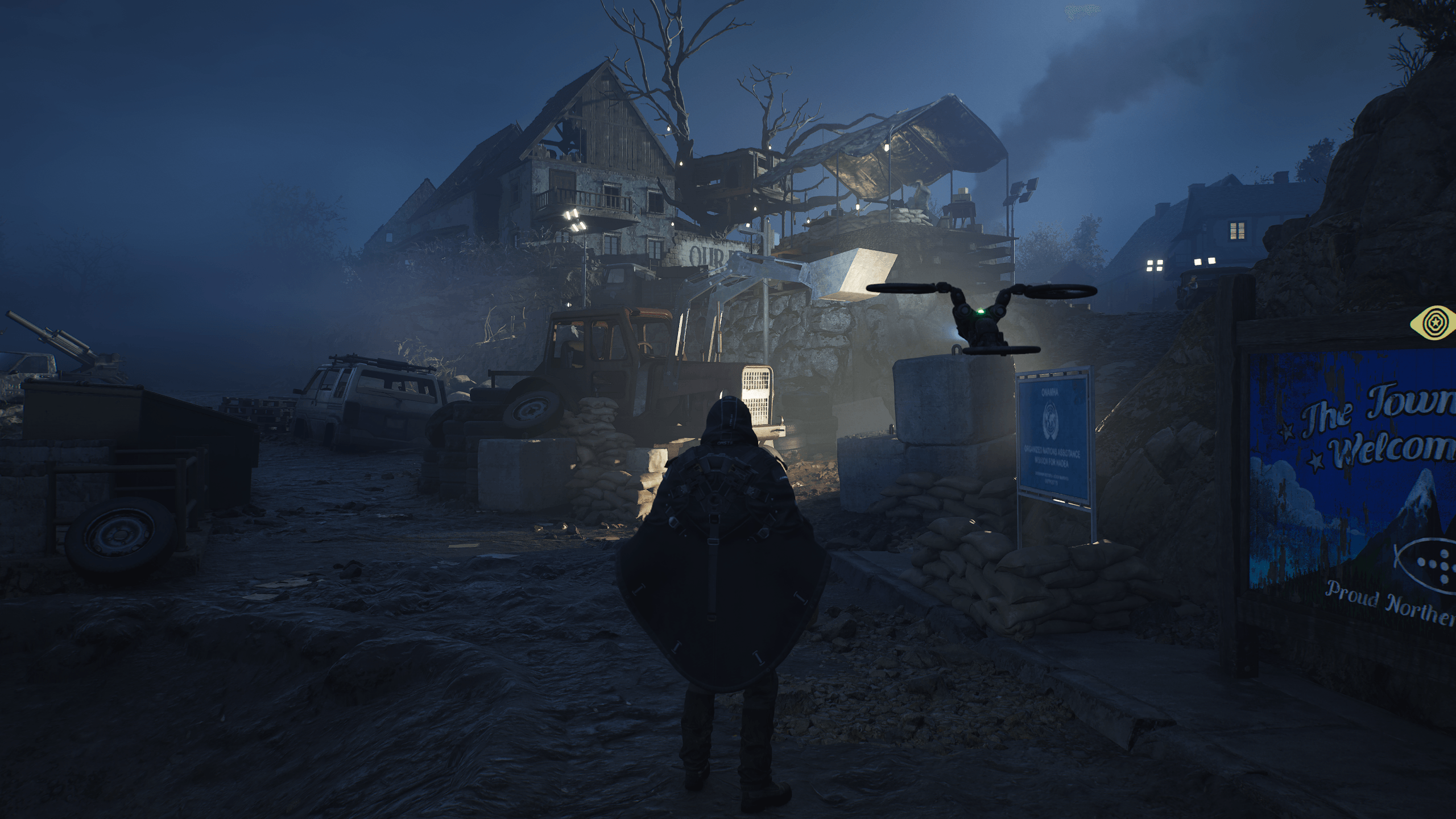
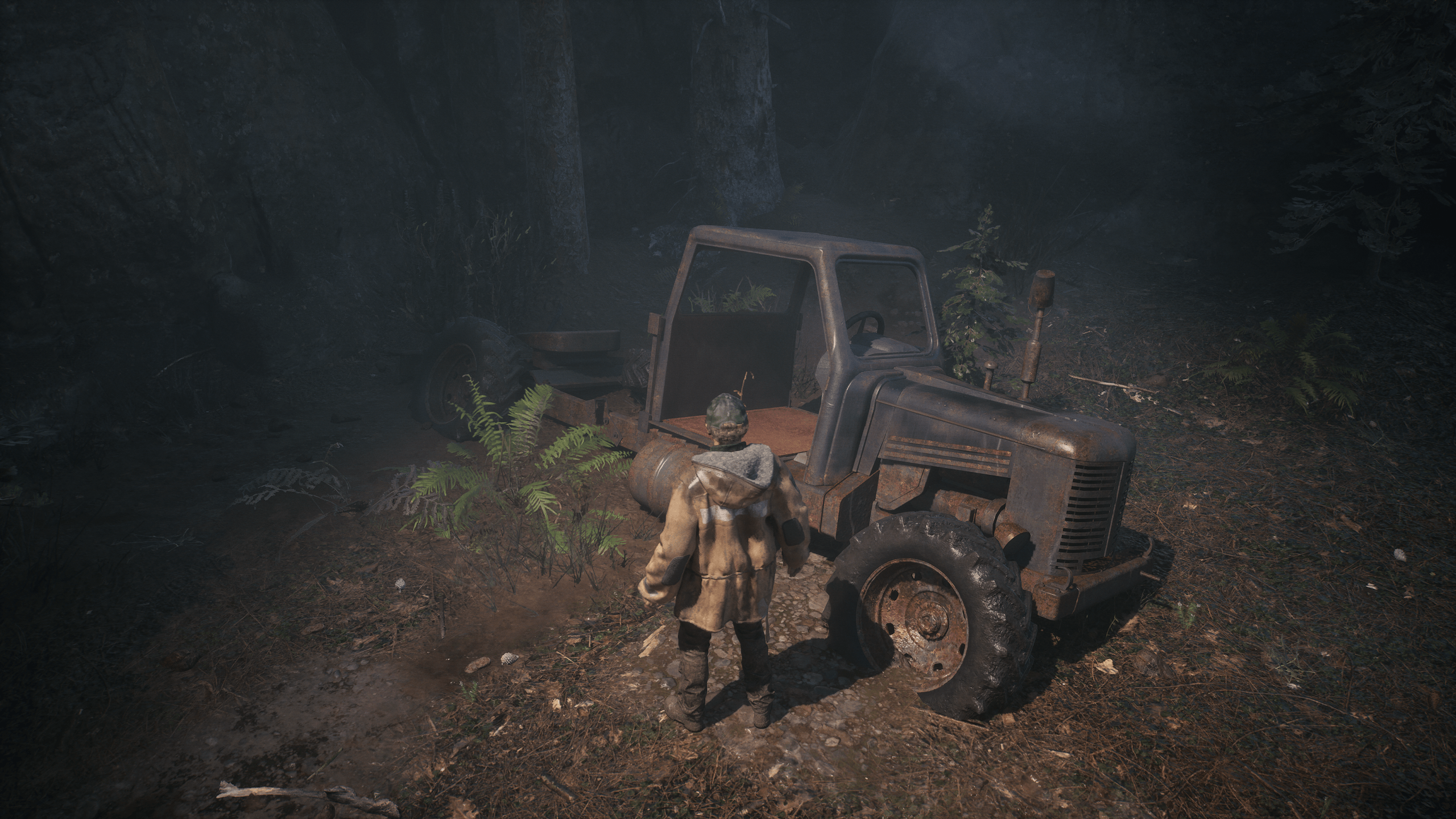
Invitation to Hadea
Honestly, I had very high expectations and I'm delighted to announce that I was not disappointed at all. Rogue Factor worked hard and with passion on this adventure. If you don't believe me, I challenge you to try it! Will it have a positive impact on the industry? Yes, but I'm not sure how many studios will follow its example and create games that no longer hold our hands and still respect the player's intelligence. With one hand on my heart and the other on the controller, I can say that Hell is Us officially enters my top 5 recommended titles for 2025 and I invite you to discover the lands of Hadea for yourselves.
Thanks to Dead Good Media, Nacon and Rogue Factor for the review code and the opportunity to play Hell is Us in advance!

Played on: PlayStation 5 and PC
Release date: 4 September 2025
Developer: Rogue Factor
Publisher: Nacon
Plus
- Lack of a mini-map is refreshing
- Superb area design that aids navigation
- Thought-provoking puzzles
- An accurate representation of humanity's capacity for horror
Minus
- A simple combat system
- Some puzzles have Discworld logic
- Abrupt ending
0 votes
Scroll down here and stay on the page for at least 30 seconds to vote.
Pick a score from 0 to 10 (halves are allowed).