
Ninja Gaiden 4 – Review

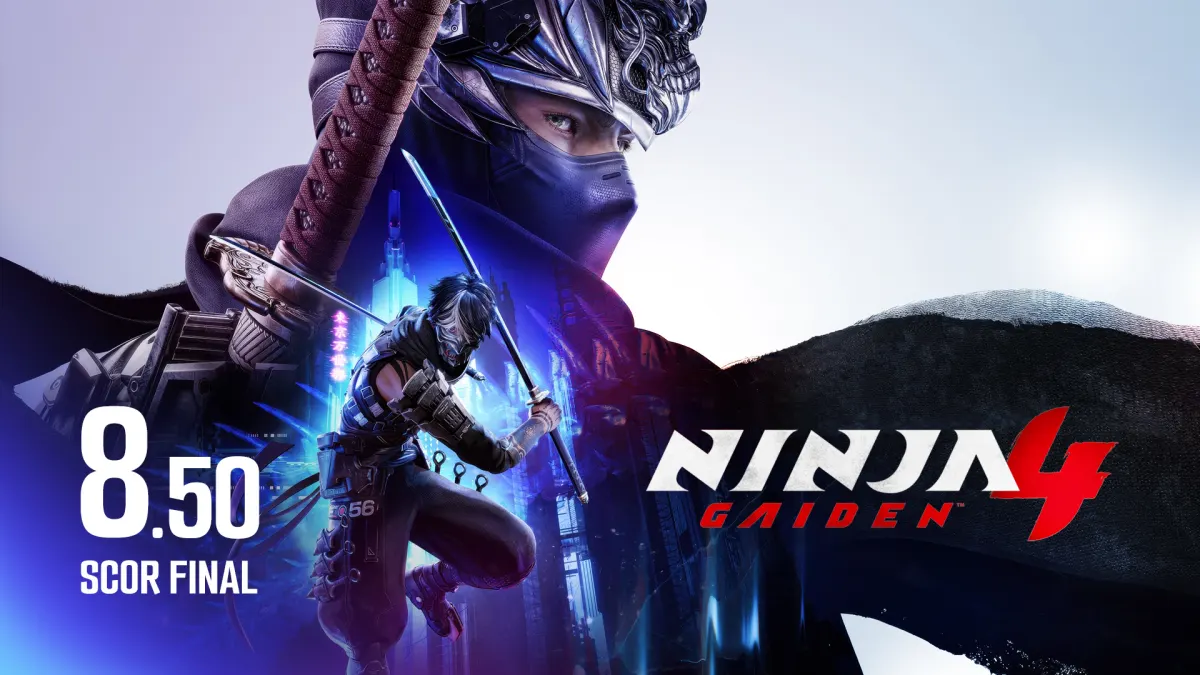
A new legend is born…
Few franchises manage to pass their 10th anniversary, but this year Ninja Gaiden celebrated no less than 37 years since the launch of its first arcade title. During this period, we've seen how the series evolved from a beat 'em up to its current hack and slash form. Even if it had a few “moments”, the franchise has held its own, but the 13-year gap between main titles affected general interest in the universe. Even so, the famous franchise from Koei Tecmo has survived in one form or another, and this summer we got an extraordinary spin-off that paid homage to its humble beginnings. However, it's time to return to the modern setting of the main games, and this time we won't be dismembering demons in Ryu Hayabusa's spandex suit, but in Yakumo's streetwear! As you've come to expect, we'll start with the story.
Back in Black
The franchise has never been praised for the complexity of its narrative, its deep characters, or their development. Most of the series has been reduced to “super ninja fights a horde of demons, only to face the great evil at the end”, and Ninja Gaiden 4 doesn't bother to change this established formula in any way. The current game seems to be a sort of soft reboot of the series, designed for a modern audience.
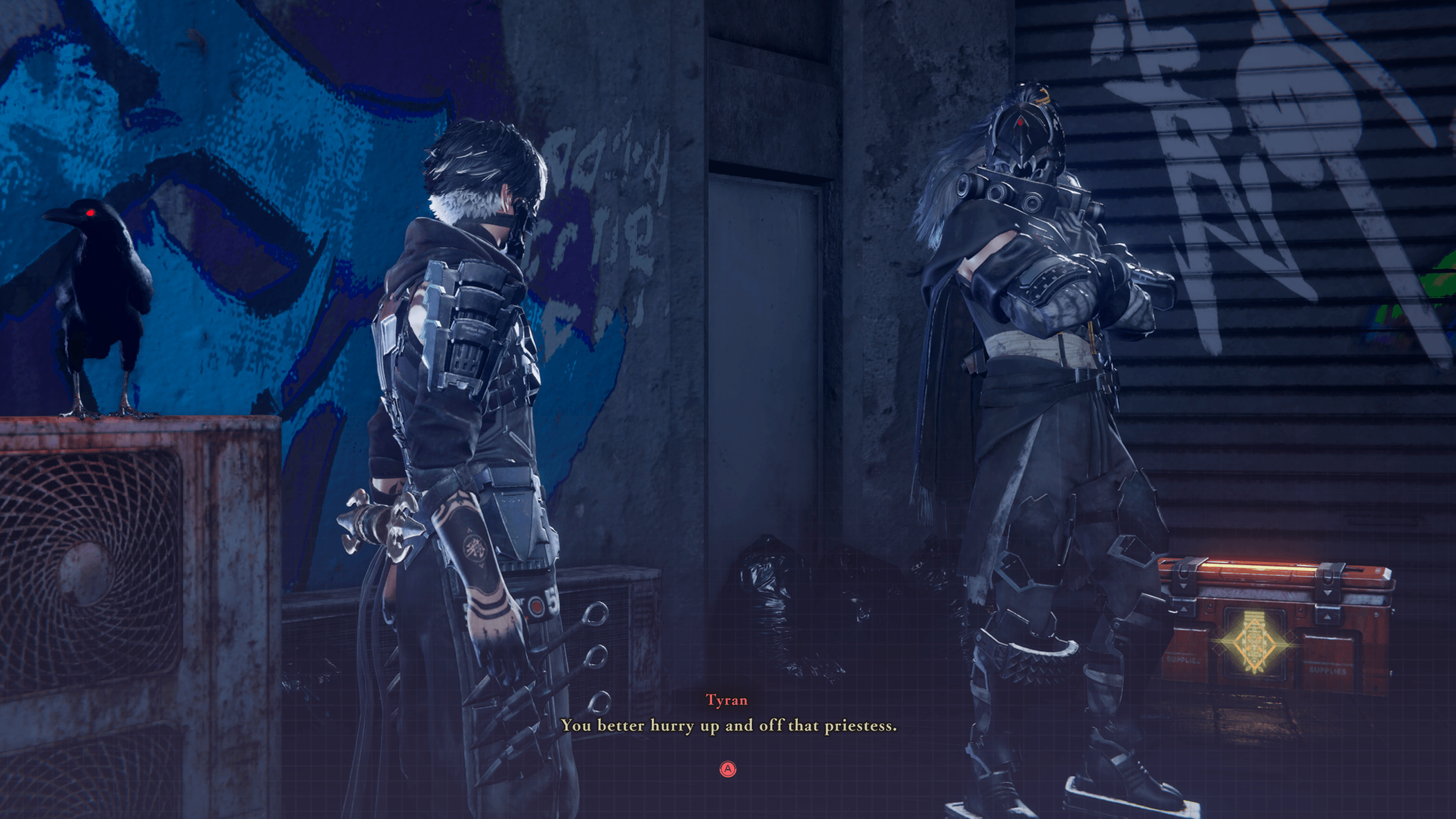
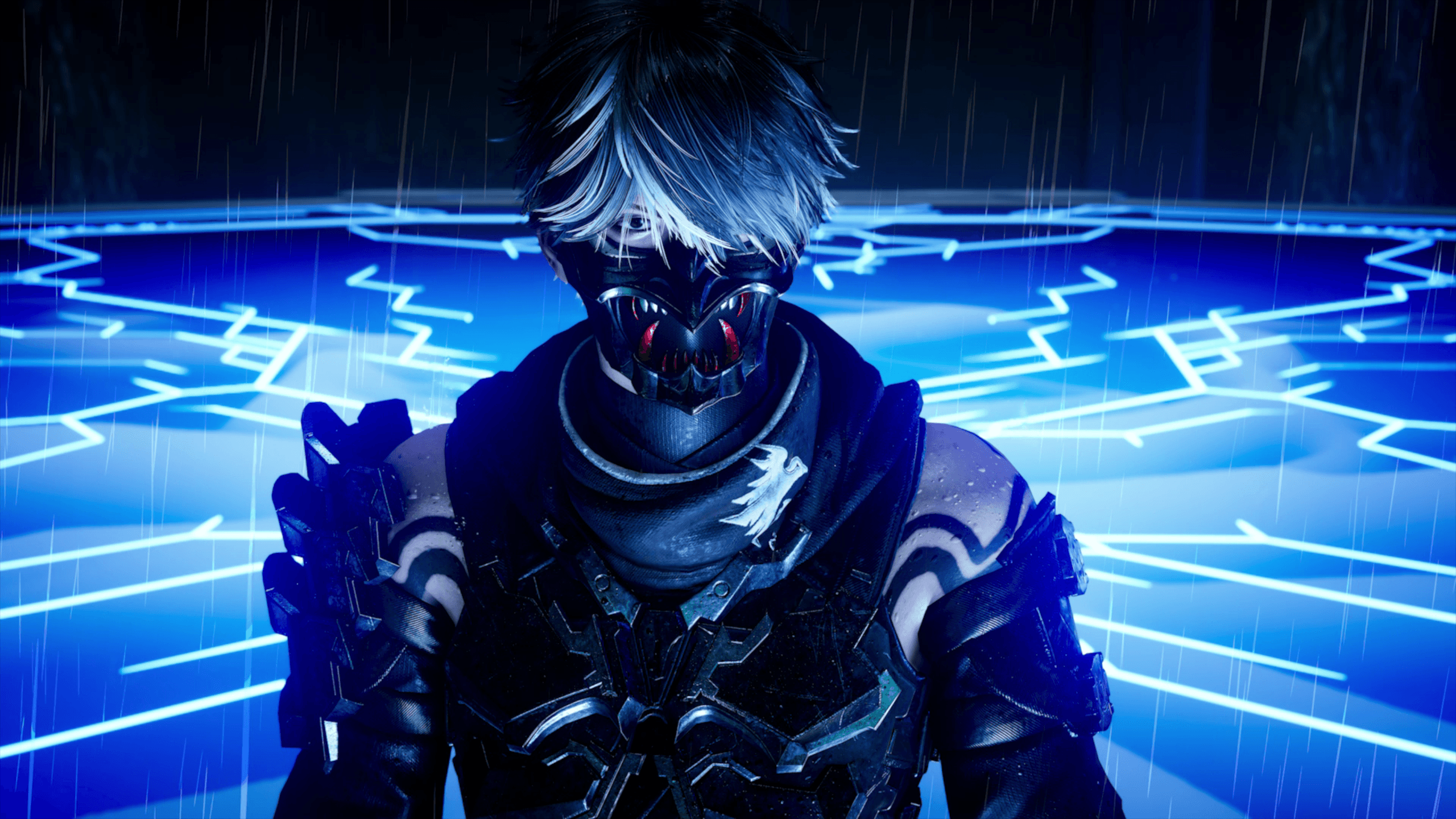
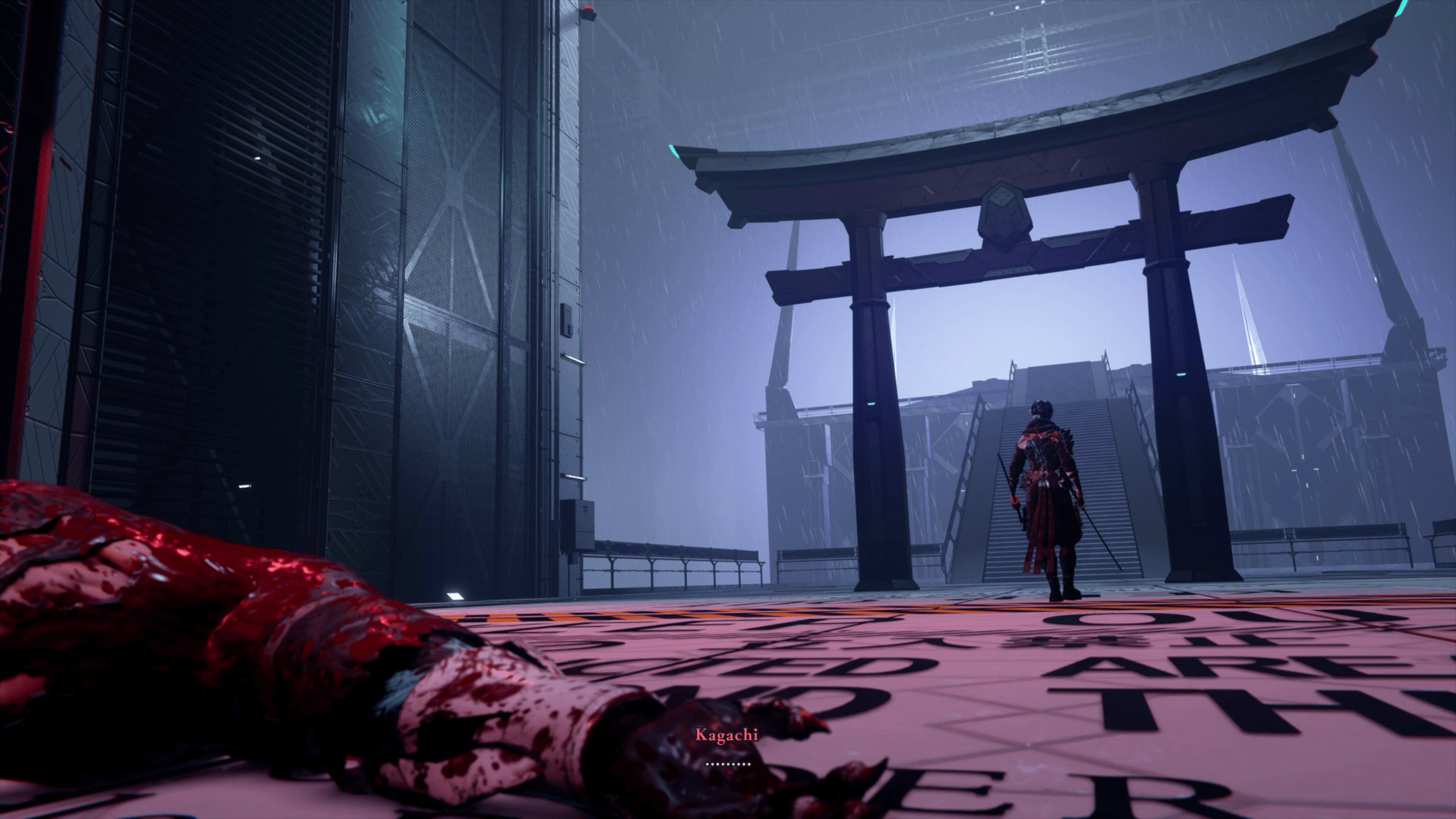
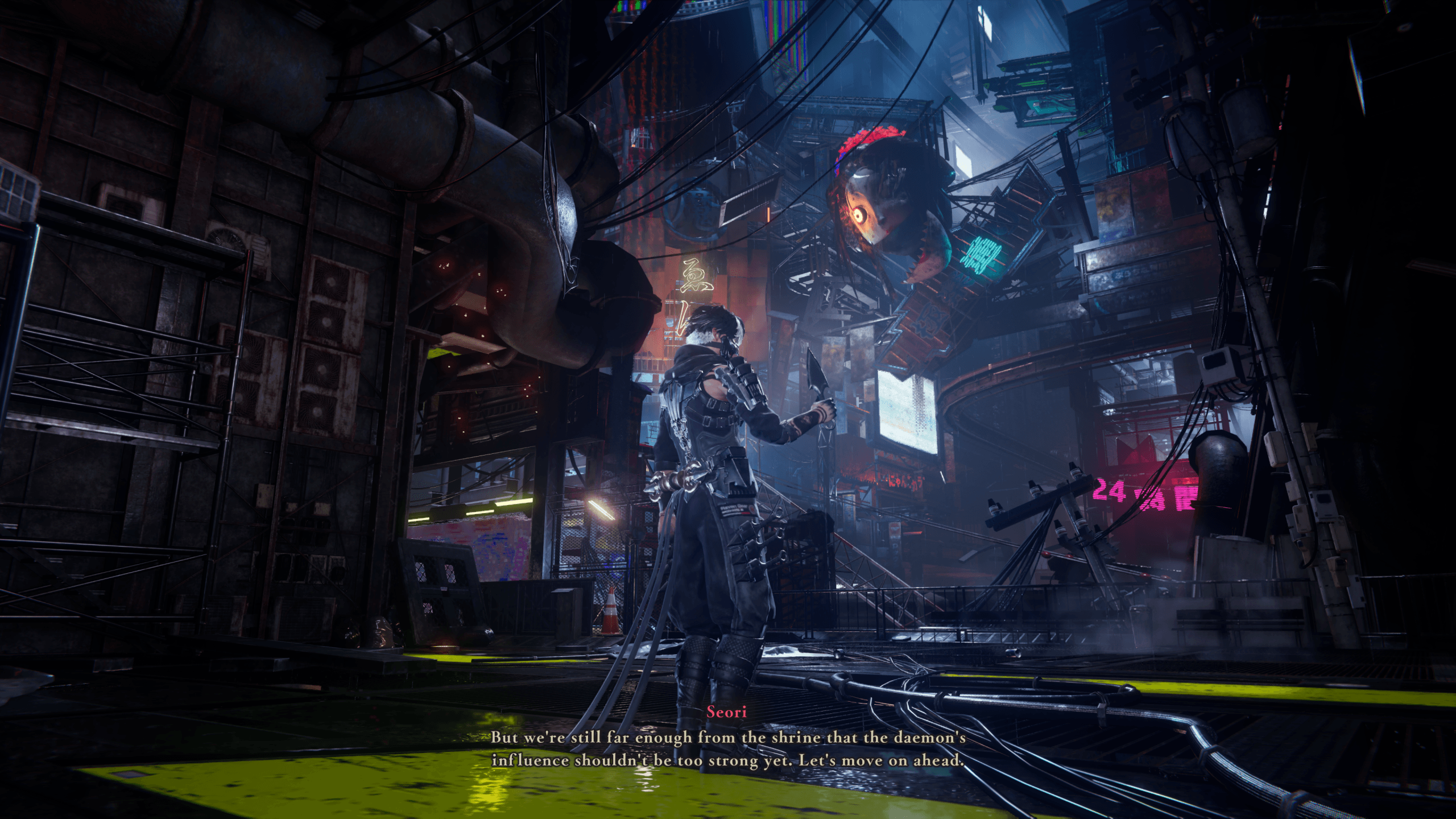
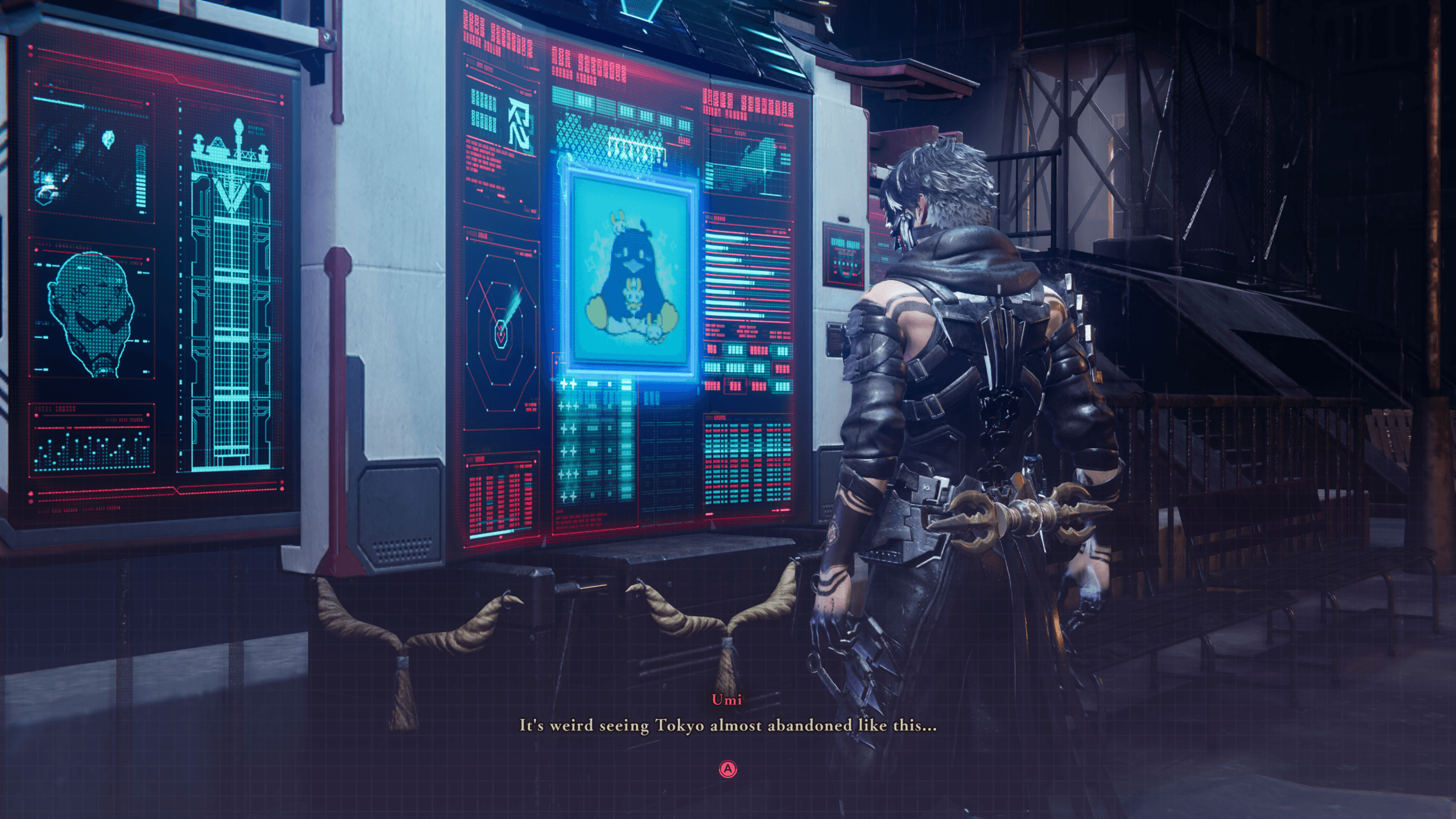
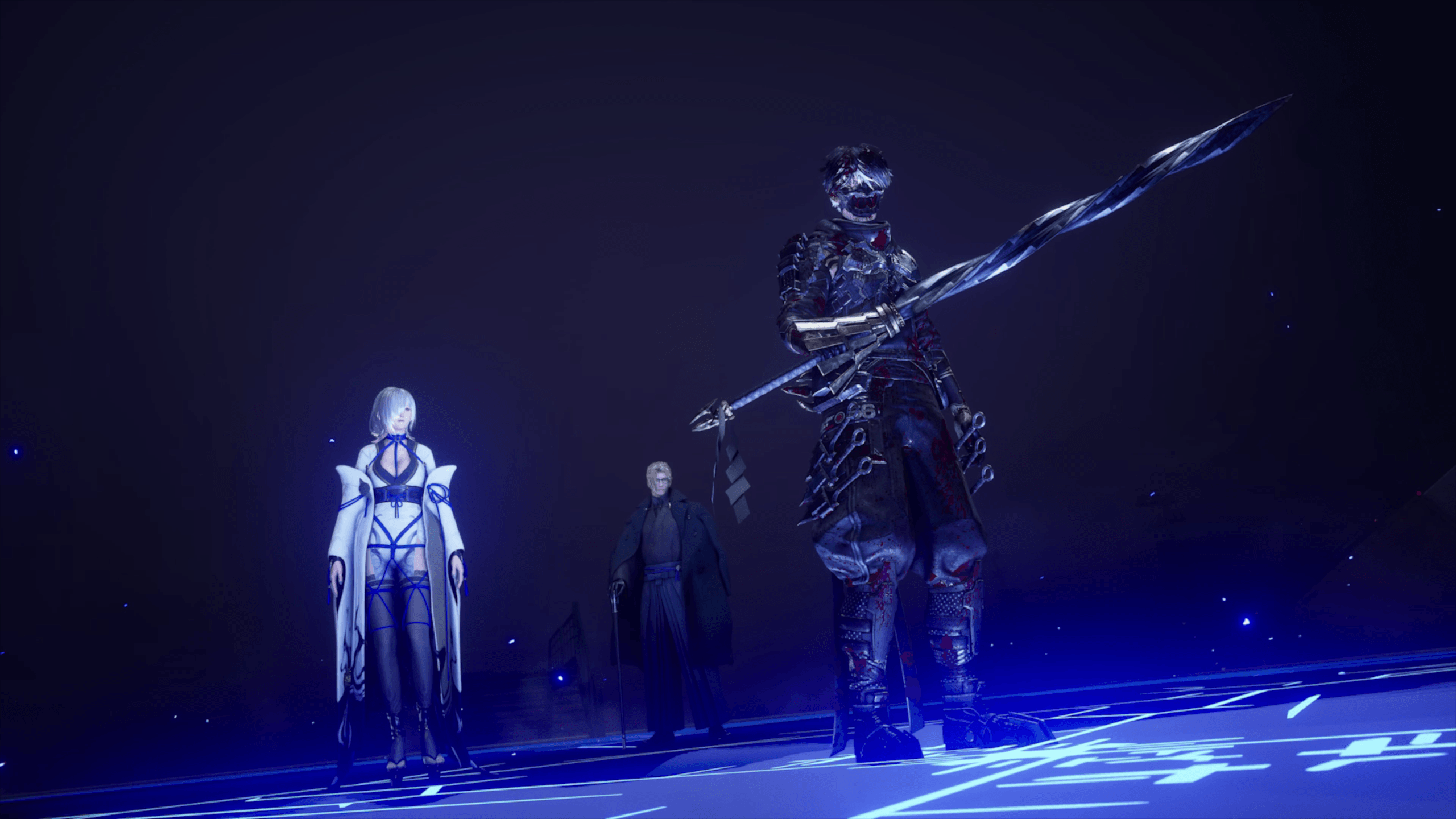
The great hero who has delighted us throughout the franchise's 37 years, Ryu Hayabusa, seems to be preparing for retirement, as the protagonist of Team Ninja's latest creation is Yakumo, a young shinobi from the Raven clan. This disgraced group served as the universe's “executioner” created by the developer, offering all sorts of services to those who could afford them, regardless of the requirements – whether it was protecting important people, contract assassinations, or simply cleaning up the messes left behind by the head of the Hayabusa clan. One such mess was the return of the Dark Dragon, whose body Ryu could not destroy, which is why the corpse of his mortal enemy now “watches over” Neo-Tokyo, practically a monument of evil and the bridge connecting our world with that of demons. Because of this, the metropolis has been evacuated and sealed off, and a newly formed organisation, the Divine Dragon Order (D.D.O. for short), protects the world from the horrors that roam the cursed streets of the former Japanese capital.
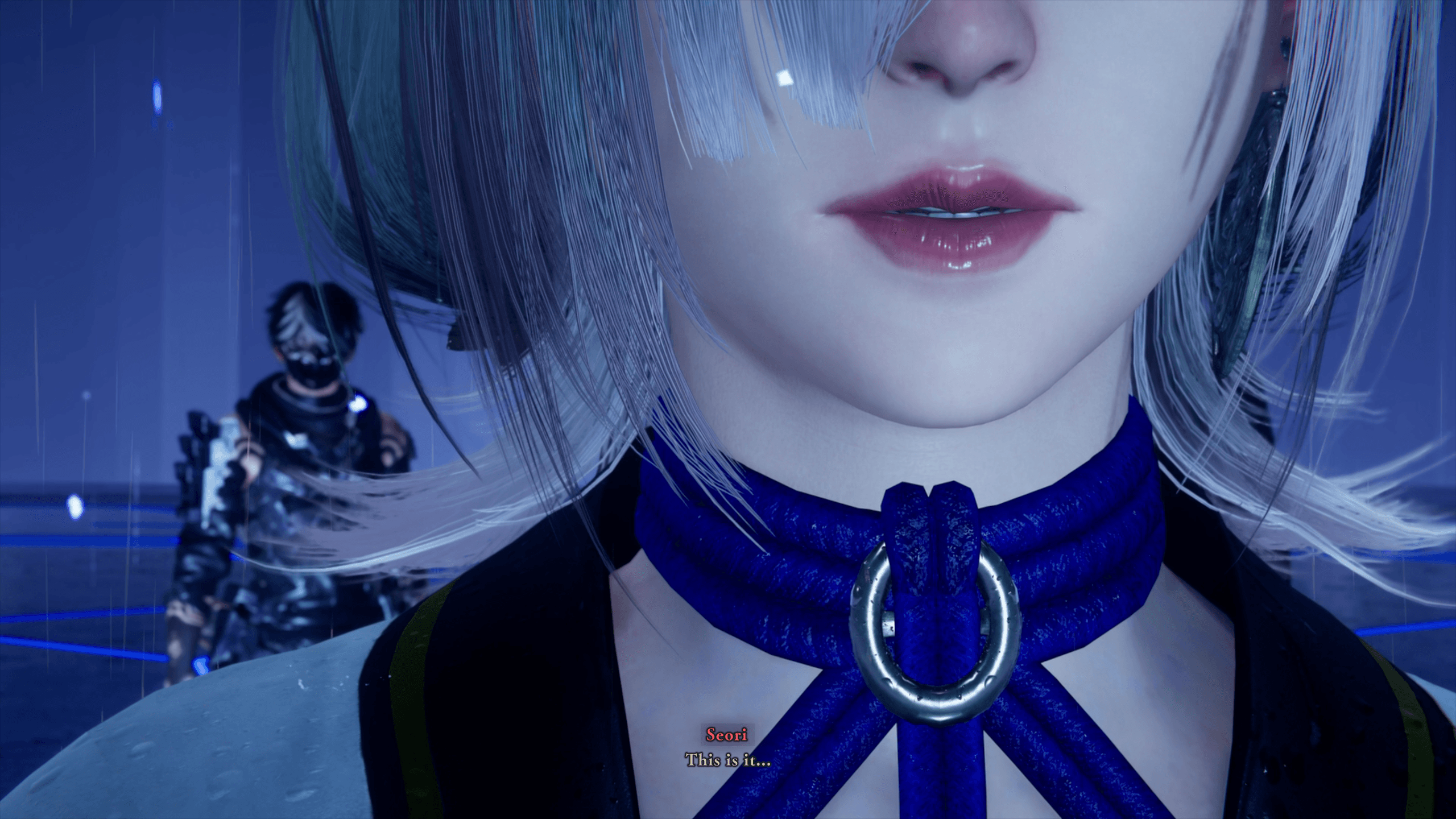
Legend has it that the celestial being will be annihilated by a descendant of the Raven clan, but so far no one has dared to answer destiny's call (and I hope it wasn't because the call was categorised as a spam call). To restore the group's status and respect, a young shinobi named Yakumo embarks on a relatively simple mission: to kill the Dark Dragon's priestess, Seori, to prevent the flying lizard's revival. But as often happens, things don't go according to plan, and the protagonist discovers that the prophecy was misunderstood. To truly kill the dragon, it must be brought back to life with full powers and then defeated.
This is pretty much the premise from which the game starts, and as expected, everything degenerates from this point. Seori is “kidnapped” by Yakumo, the D.D.O. puts him on the run, and the protagonist roams the entire metropolis in search of the shrines where the dark power was sealed. Of course, Ryu also appears during the 12 hours of gameplay, but his role is more that of a mentor. The hero from the other games isn't the only beloved character we meet, but all those who appear are part of simple cameos or fan service moments. Also, I'm somewhat saddened by the “complexity” of the characters, as they lack that emotional depth. They all remain the same throughout the adventure, without any significant evolution, and most fall into the known Shonen genre tropes, with the protagonist as the supreme example of an edgelord who speaks a total of 15 minutes throughout the entire epic.
The story structure reminded me of Devil May Cry 4, but there are some major differences from Capcom's famous game, both in terms of narrative and gameplay. If this is just a coincidence, we'll probably find out in a possible Ninja Gaiden 5. Personally, I have the impression that the DLC will be a farewell to the original protagonist, but whether I'm right or not, we'll only find out in 2026.
BURY THE LIGHT
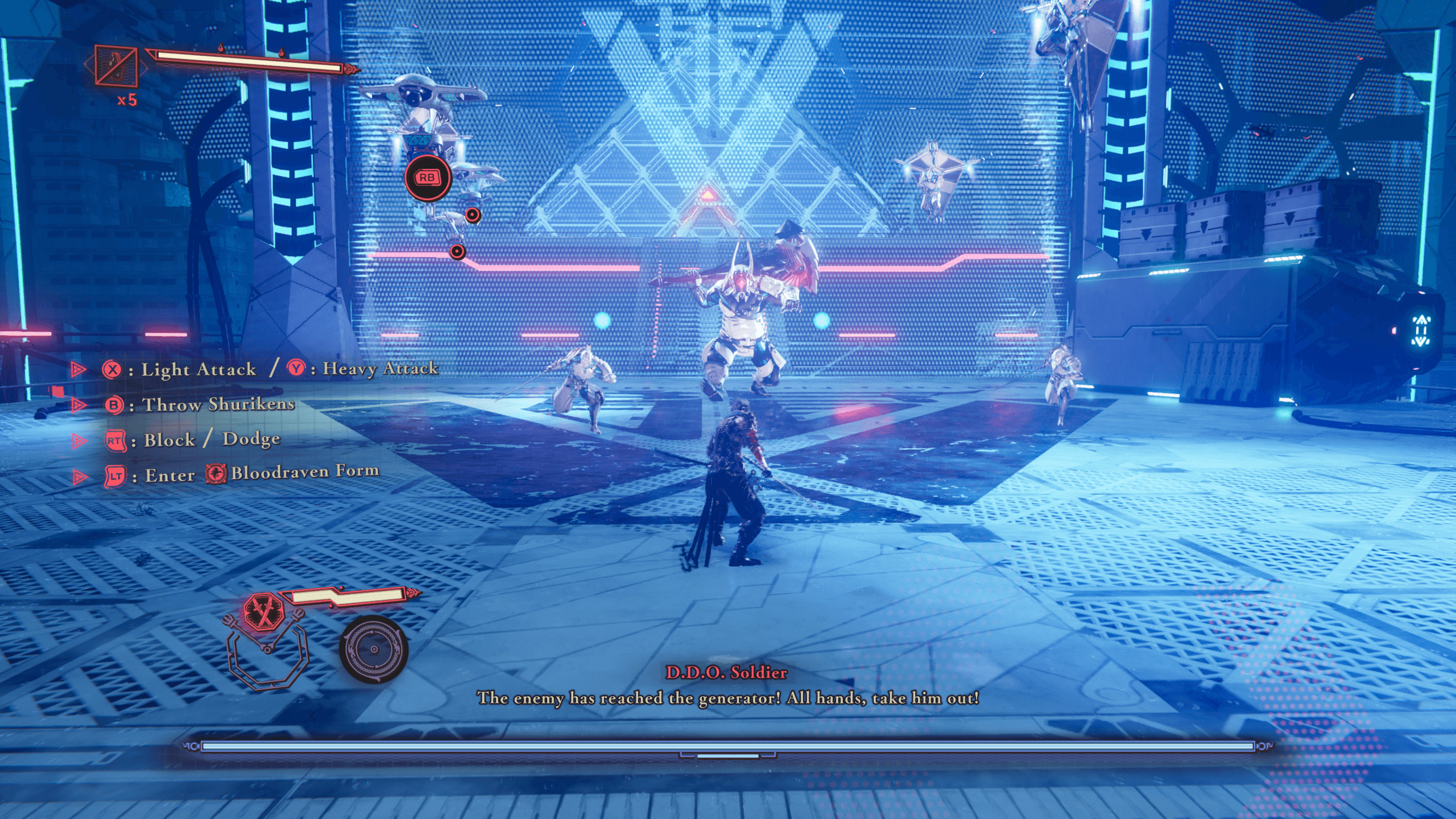
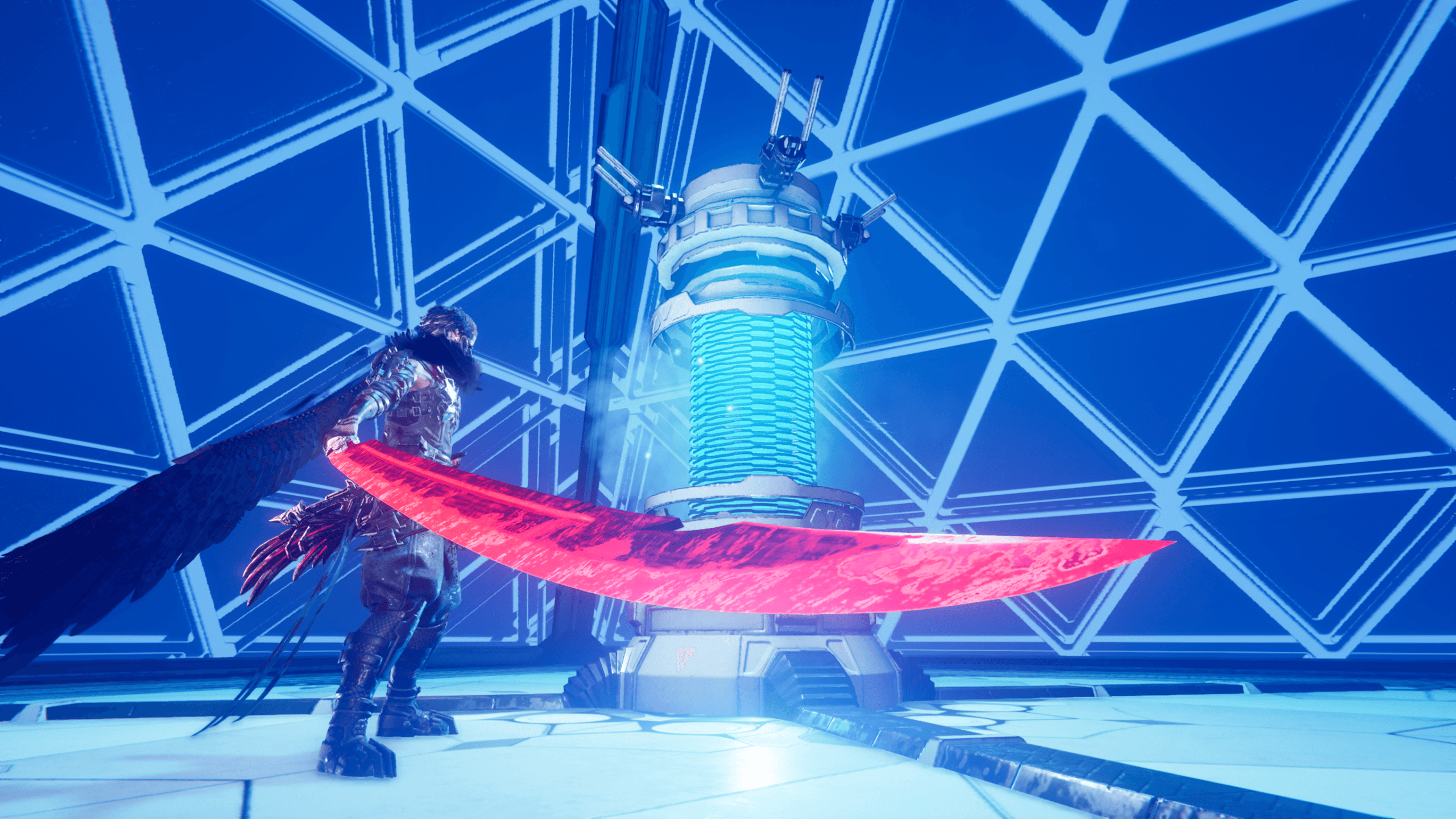
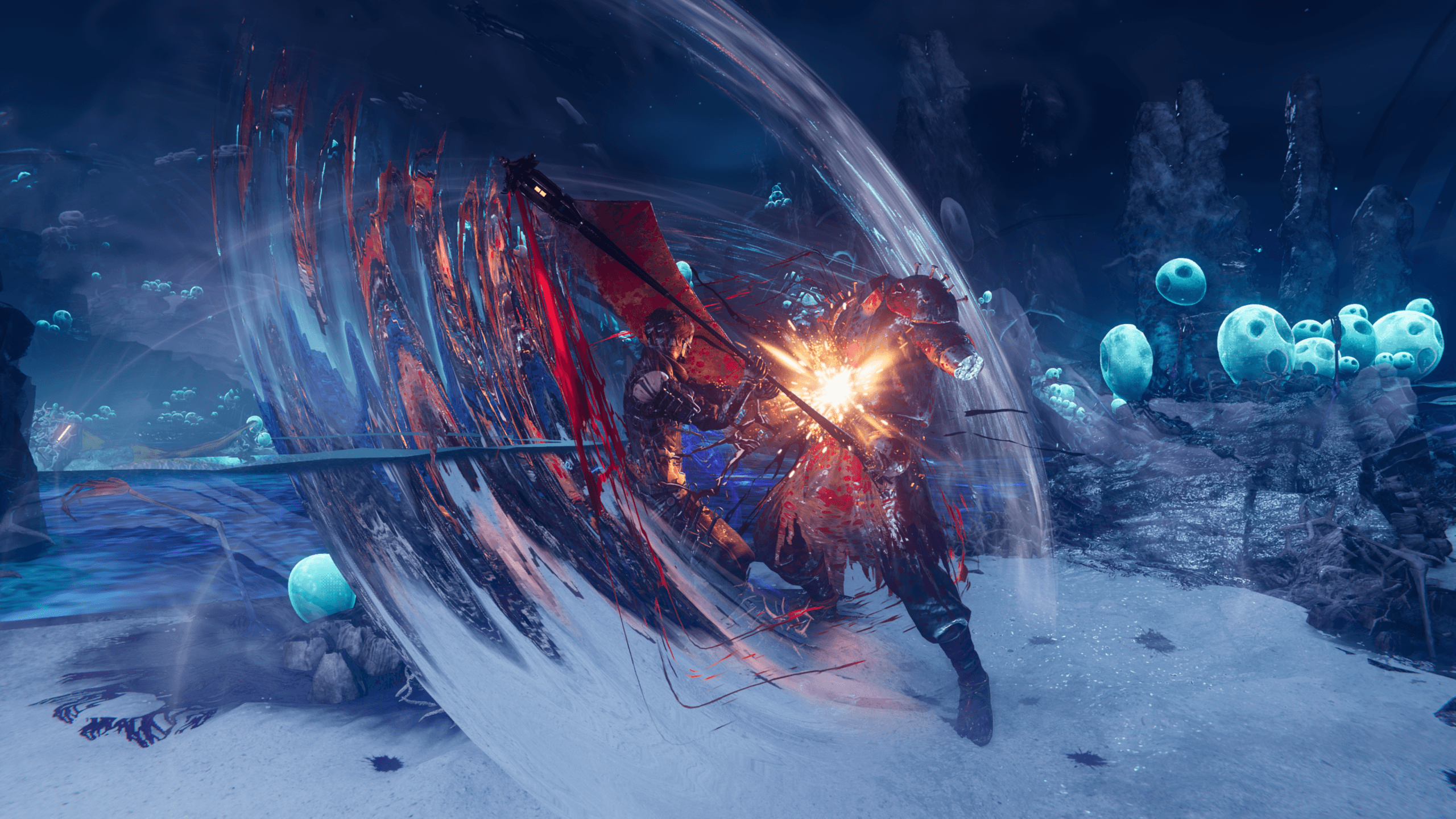
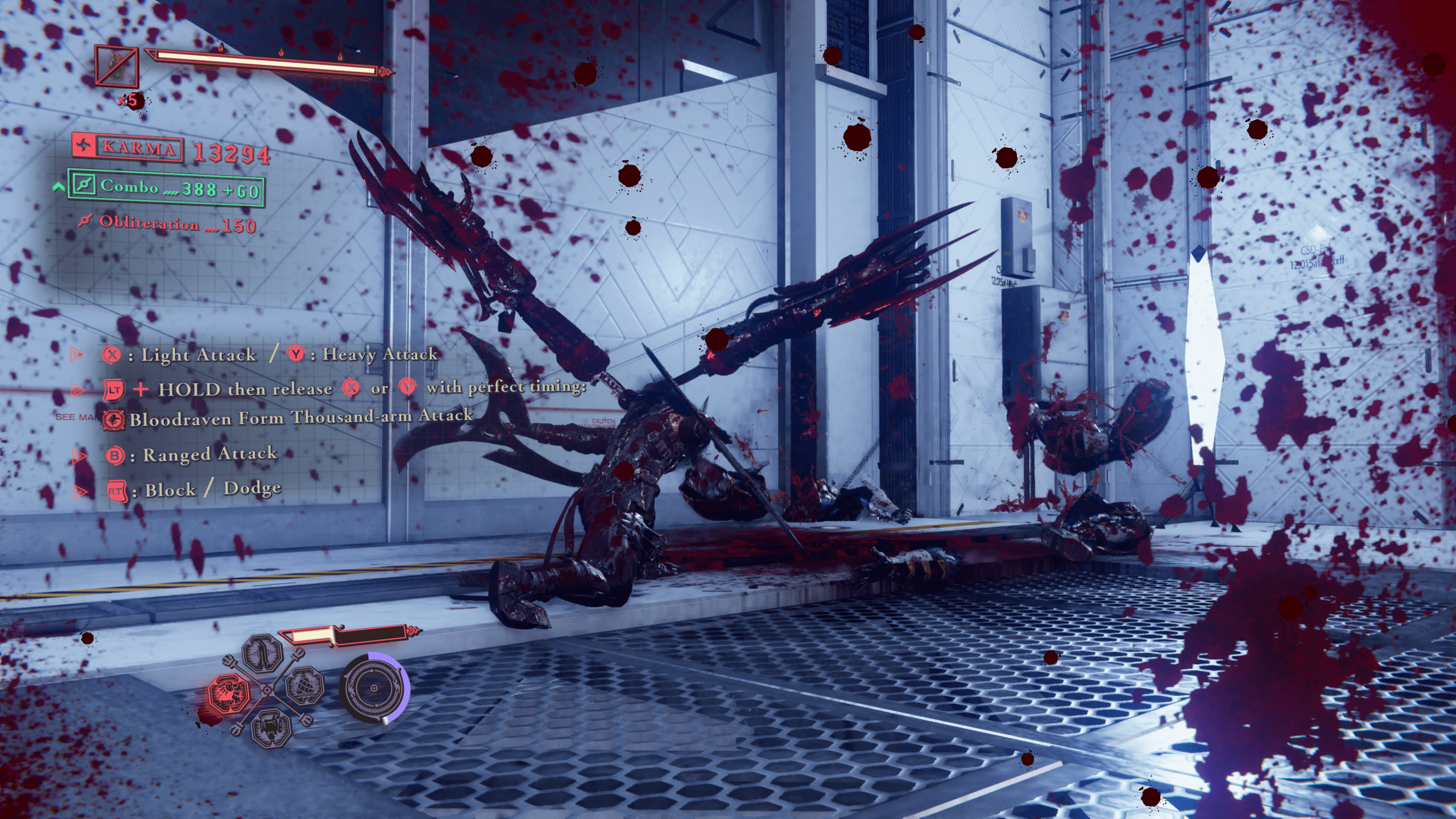
I mentioned earlier that it somewhat reminds me of Devil May Cry 4 in terms of gameplay. This aspect is highlighted by the complex combat system, the variety of weapons, and the variety of powers. Yakumo has four weapons at his disposal (swords, rapier, staff, and the “death box”), as well as four variations of these (longsword, spear, war hammer, and an exoskeleton) that can be activated using his special blood manipulation ability. Unfortunately, there's no “stylish rank” like in Capcom's famous franchise, but it does have a rather cluttered UI that shows all the player's actions, as well as how they will affect the final score. What I liked most was how simple it was to create large and varied combos that use the hero's entire arsenal. You can start the fight with the staff, the recommended weapon for large groups of enemies, then transition into a few spear attacks to break the defence of an imposing enemy, and finally finish the fight explosively using the death box! In case you're wondering what this device is, it's a kind of utility belt from which our hero pulls out all sorts of instruments: from head-sized grenades and shurikens to axes, maces, and nunchaku.
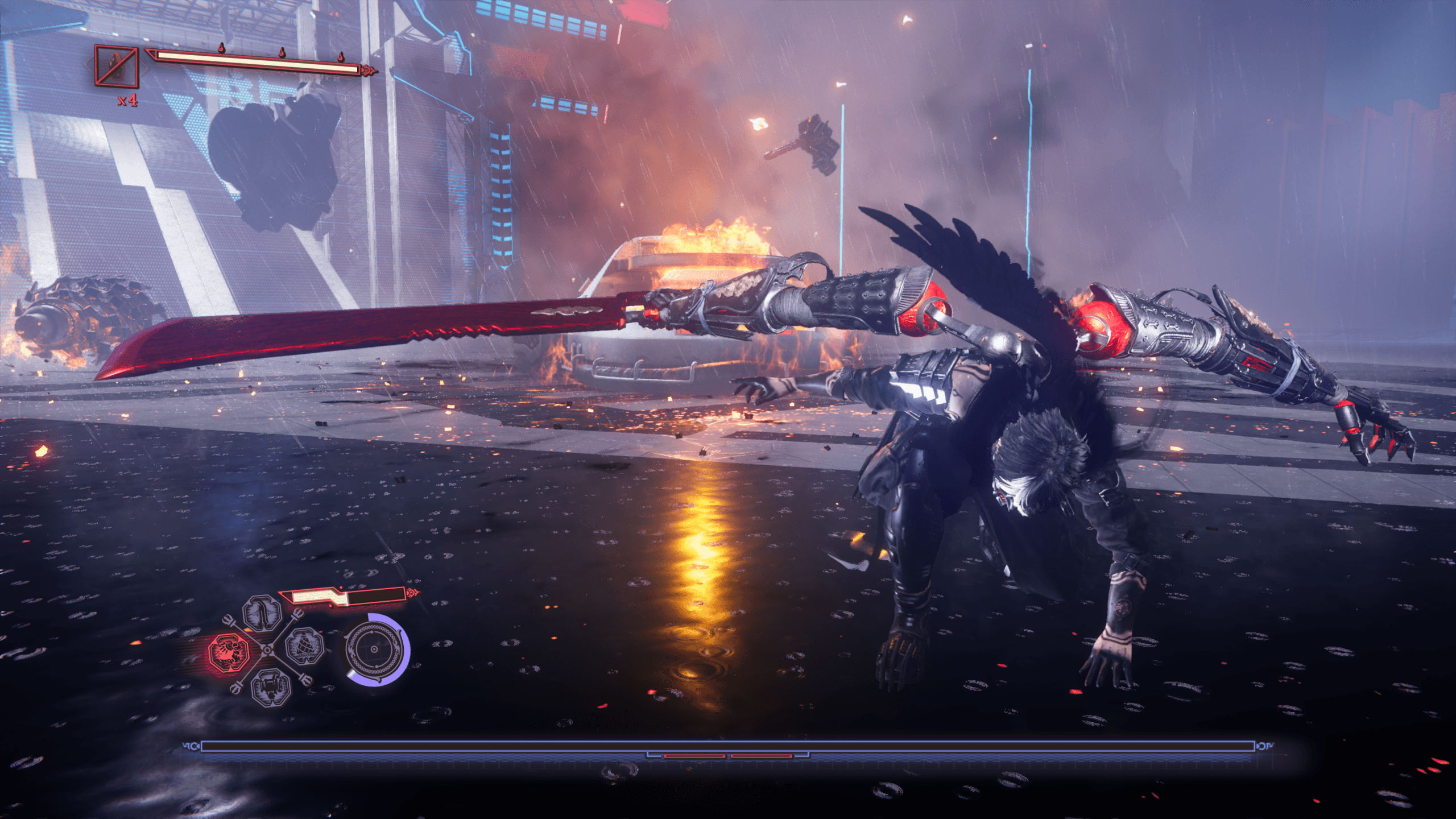
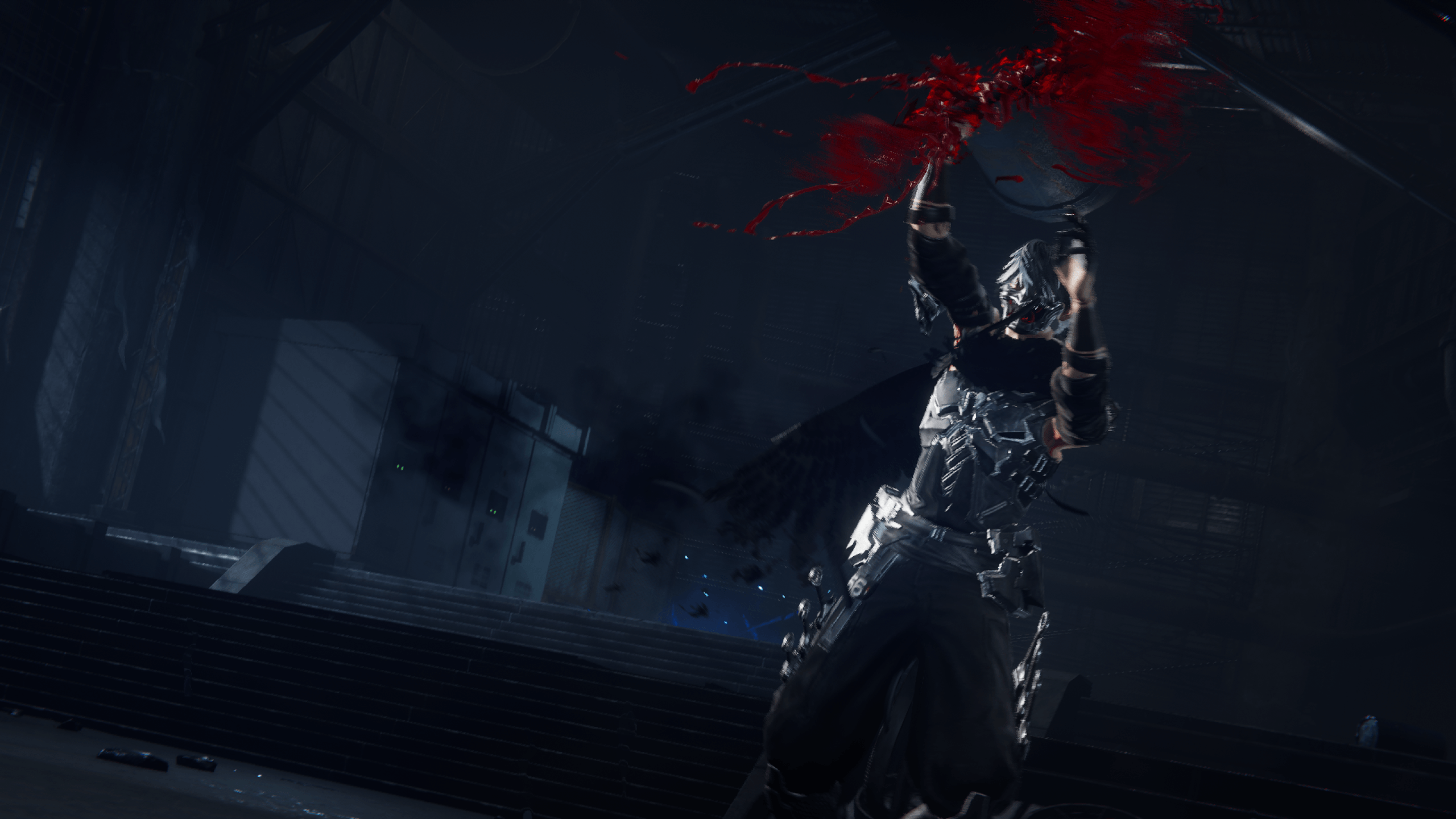
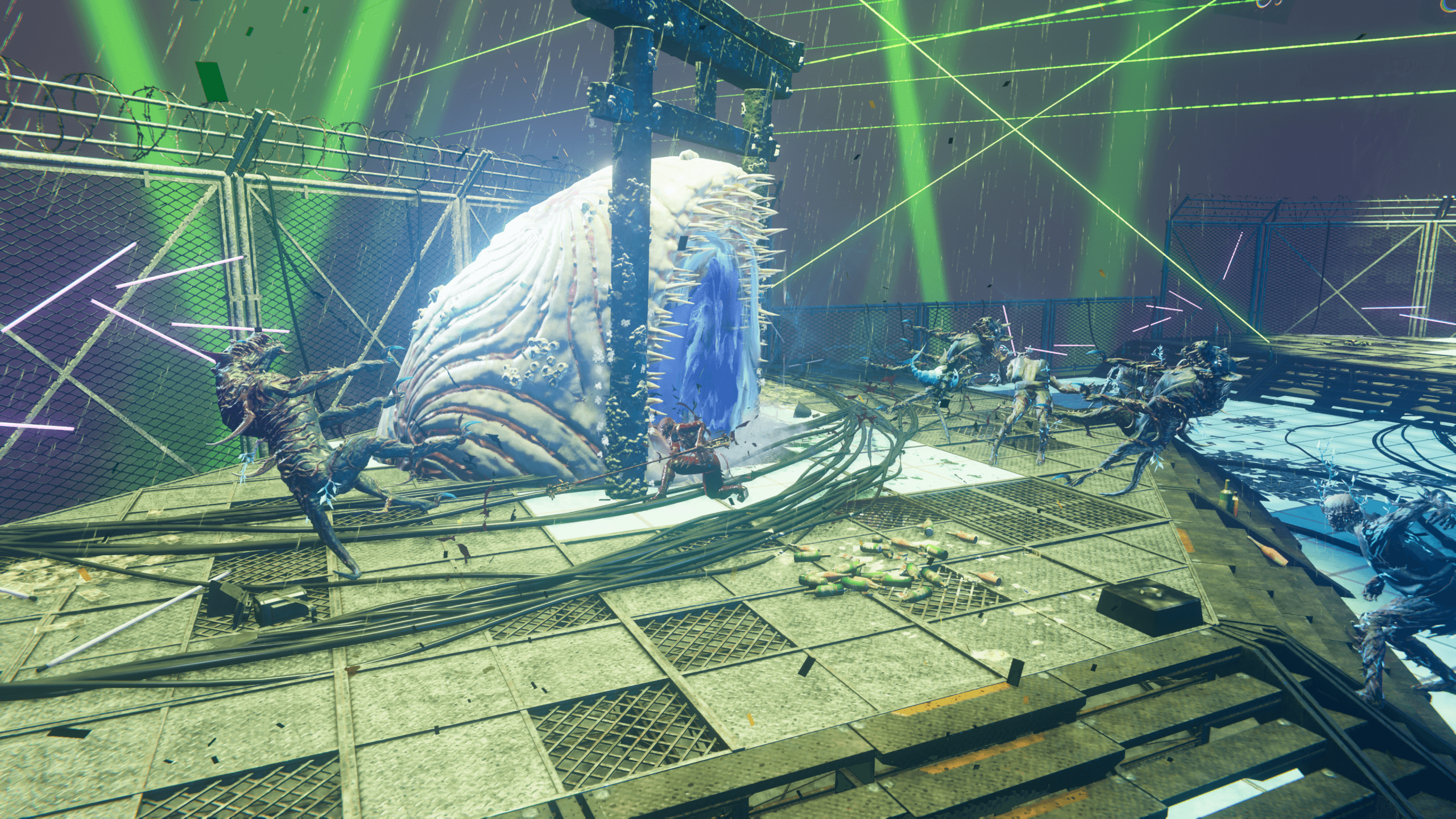
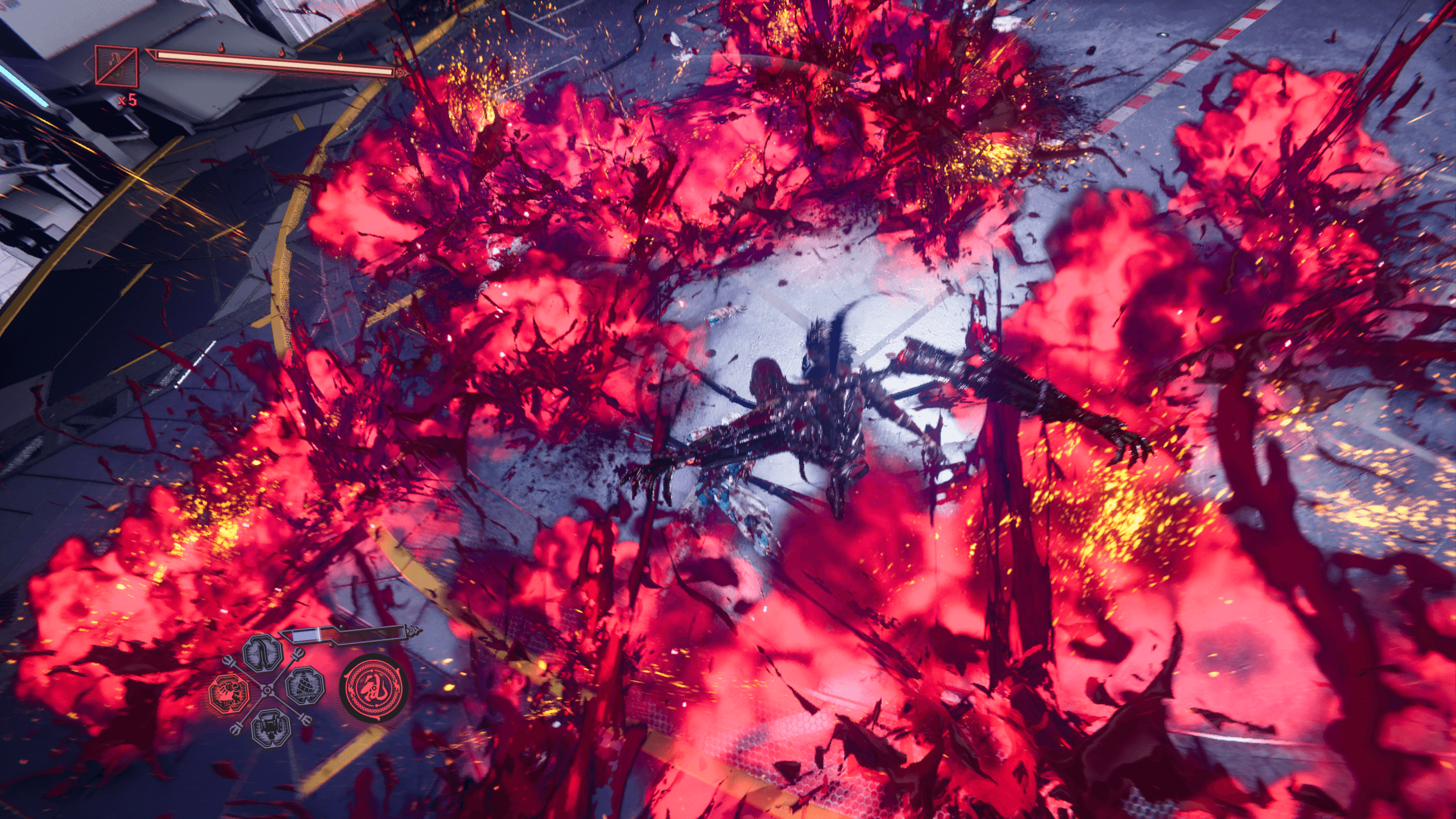
The combat itself is fluid, fast, and ultra-violent. Yakumo doesn't just kill his opponents, he butchers them! Although we don't have a complex dismemberment system like in Dead Island 2, enemies can be ingeniously torn apart. If an attack cuts off a Yokai's leg, it will crawl towards the protagonist in a last attempt to defeat him. If it loses an arm, the variety of attacks decreases along with their power. Unfortunately, I didn't discover any blows that target specific limbs of opponents, but fights end in a flash once enemies have been tortured. A strong attack (Y on the Xbox controller and triangle on the PlayStation one) will initiate the execution animation for enemies who have suffered significant injuries, and the goal of any fight is to dismember the horde as quickly as possible. Unlike other action games, the AI here is solid, and enemies behave naturally, meaning they don't stand around fighting honourably with Yakumo, but rush at him.
I think there are around 19 levels in total, and some are shorter than others. The shortest in my playthrough was eight minutes, basically a boss fight. Now that I've brought them up, I'm slightly disappointed by their number. I'm used to, like most fans, having a real feast when it comes to these challenging battles. In total there are six, compared to 28 in Sigma+, 35 in 2 Sigma+, or 17 in Ninja Gaiden 3: Razor's Edge. This shortcoming is somewhat compensated by the optional content, namely collectibles, side objectives, and arenas from the afterlife. Collectibles come in the form of a small yokai, hidden in each level and which must be found and caught (either by stealth or by completing a mini-game), and side objectives appear as missions that urge us either to search for an item in a level, assassinate a specific enemy, or even use a weapon to defeat multiple opponents.
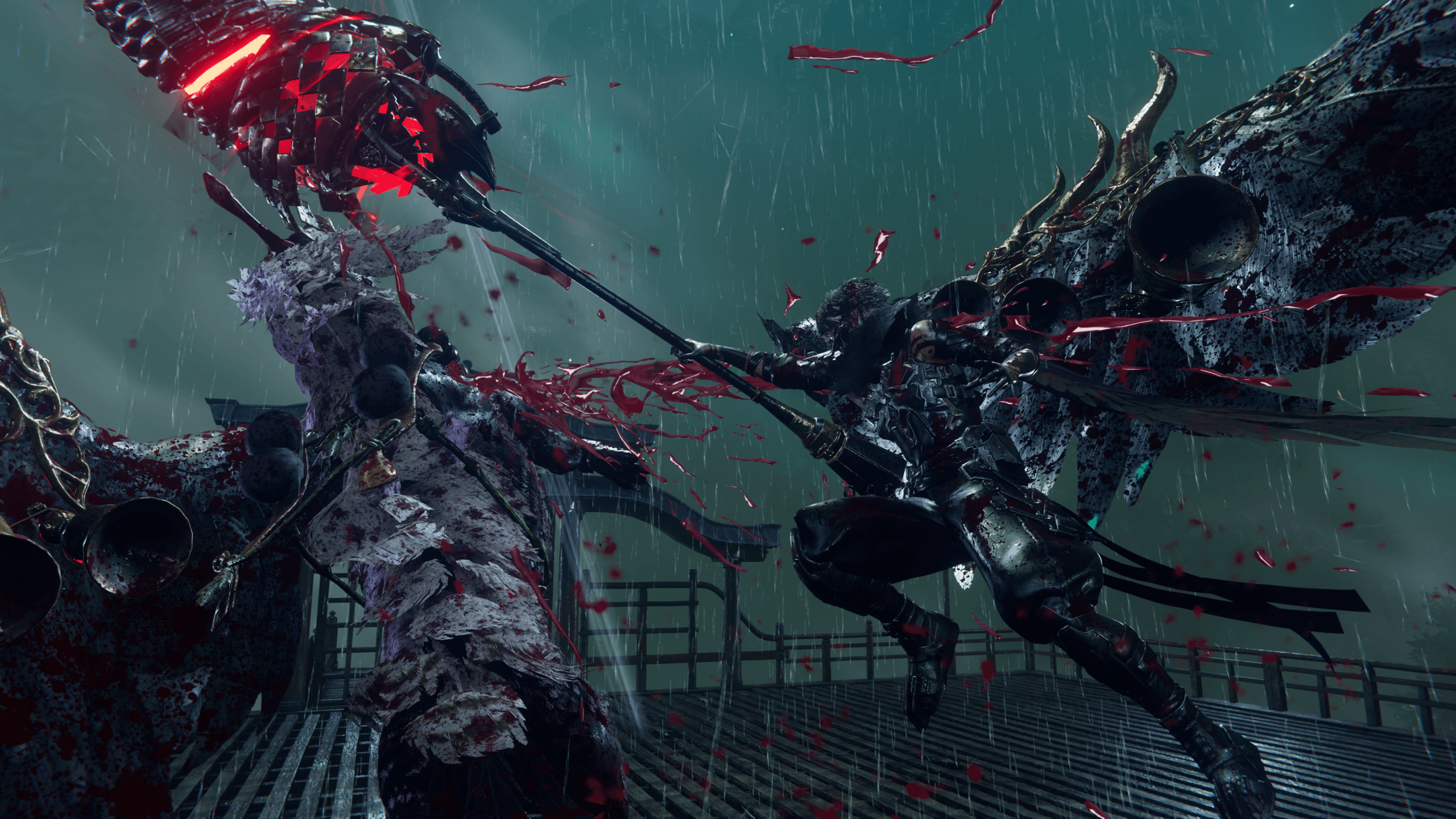
For those looking to test their limits, the arenas will be the main attraction. These optional objectives are hidden locations, the completion of which rewards players with all sorts of precious resources. The standard challenge is to eliminate all enemies, but masochists can opt to activate a handicap for an attractive prize. The disadvantage in question is sacrificing a significant portion of the maximum health level, and in the hardest challenge, we can offer up to 70% of HP points to receive triple rewards. Developer interviews revealed that a full playthrough would take anywhere between 15 and 20 hours. It personally took me 12, but if I had tried to do absolutely all the arenas, then I probably would have fit within the mentioned number of hours.
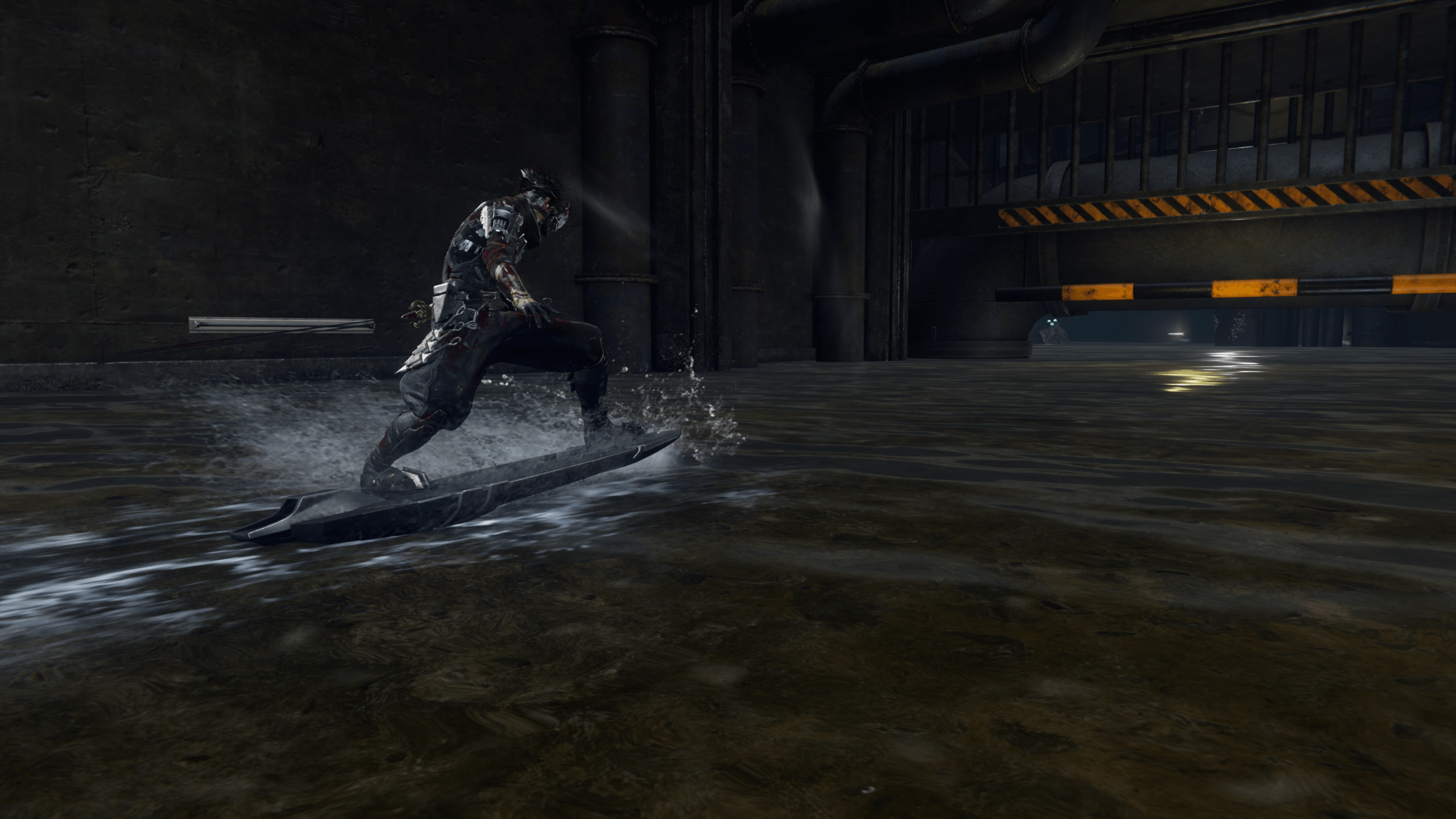
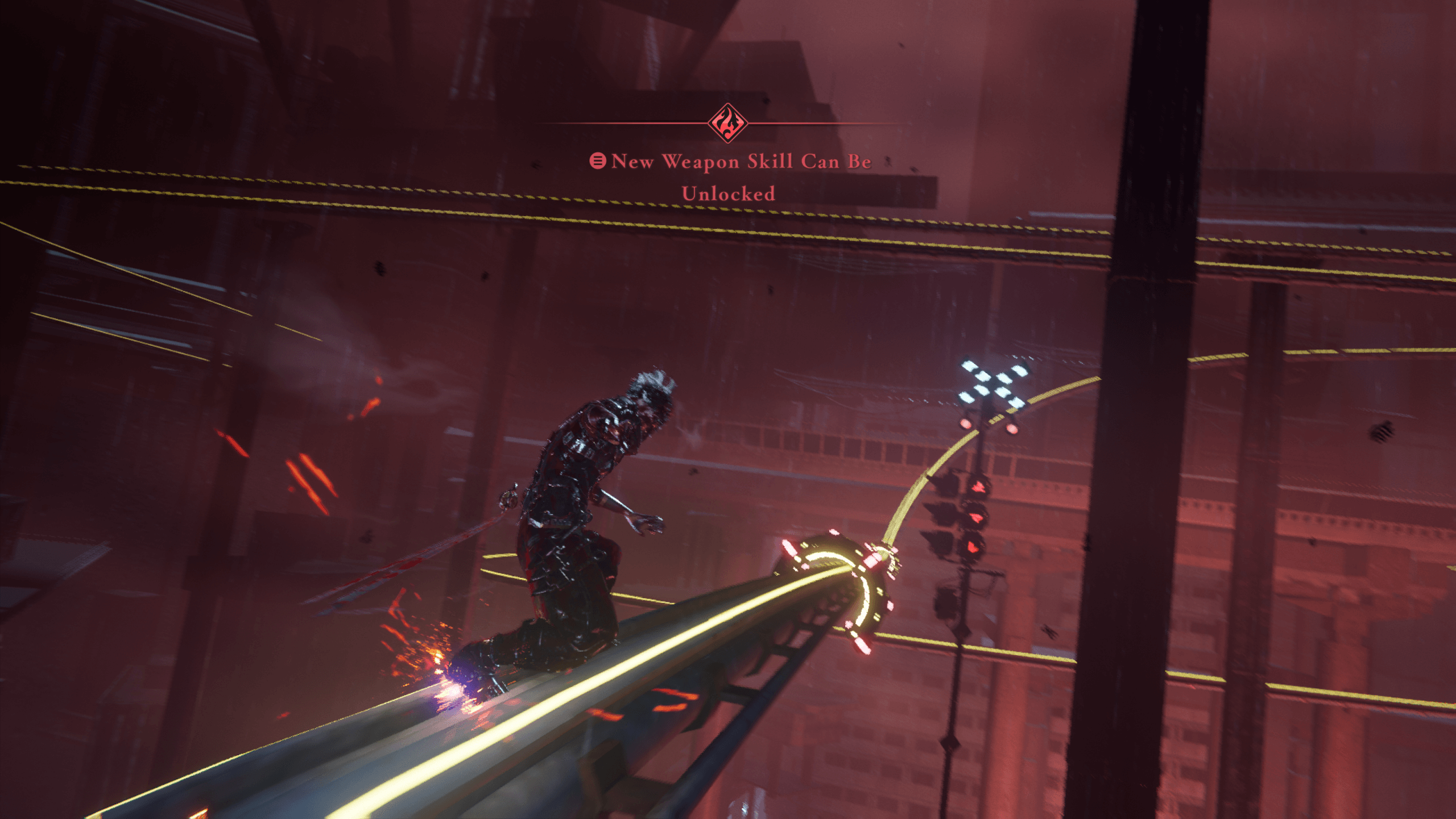
One last aspect that I consider necessary to discuss before moving on to graphics and design is the way levels are traversed. In addition to typical parkour, the developers have added four more ways to navigate areas: with a grappling hook, a surfboard, a glider, and by grinding. Unfortunately, these cannot be activated whenever we want, but only in certain segments, an aspect that limits them to being simple filler moments meant to connect intense action sequences.
Beauty is in the eye of the beholder
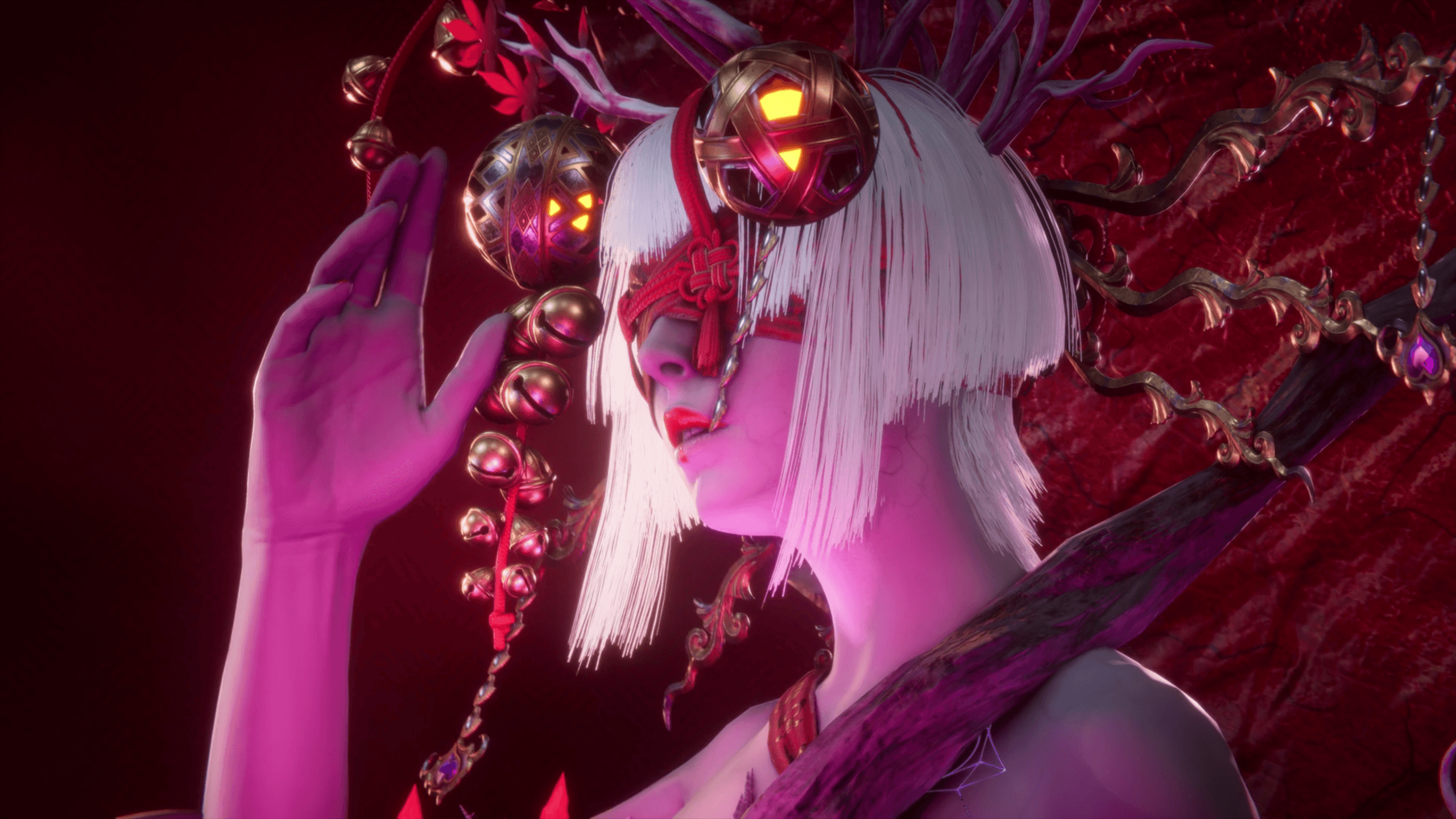
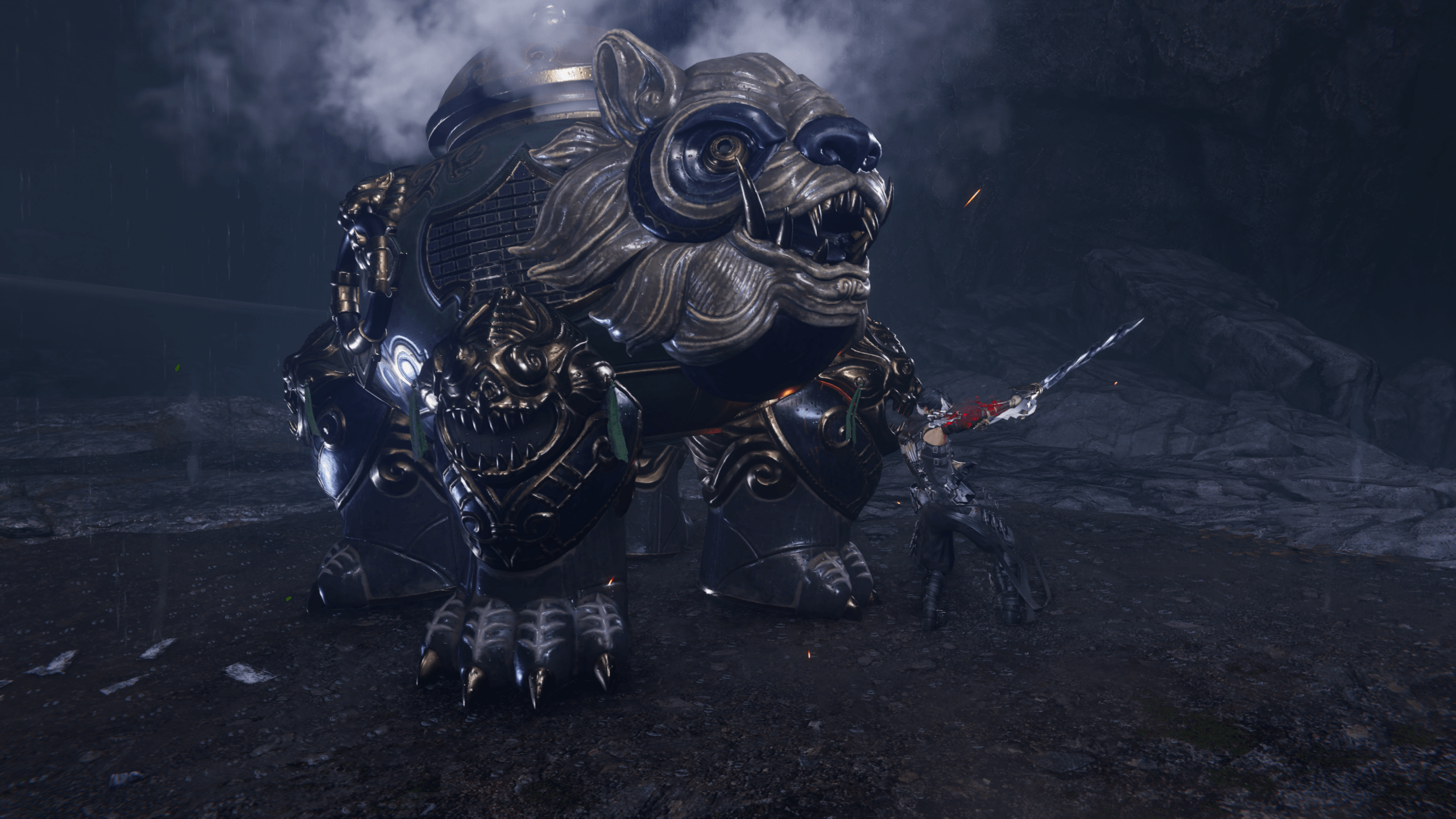
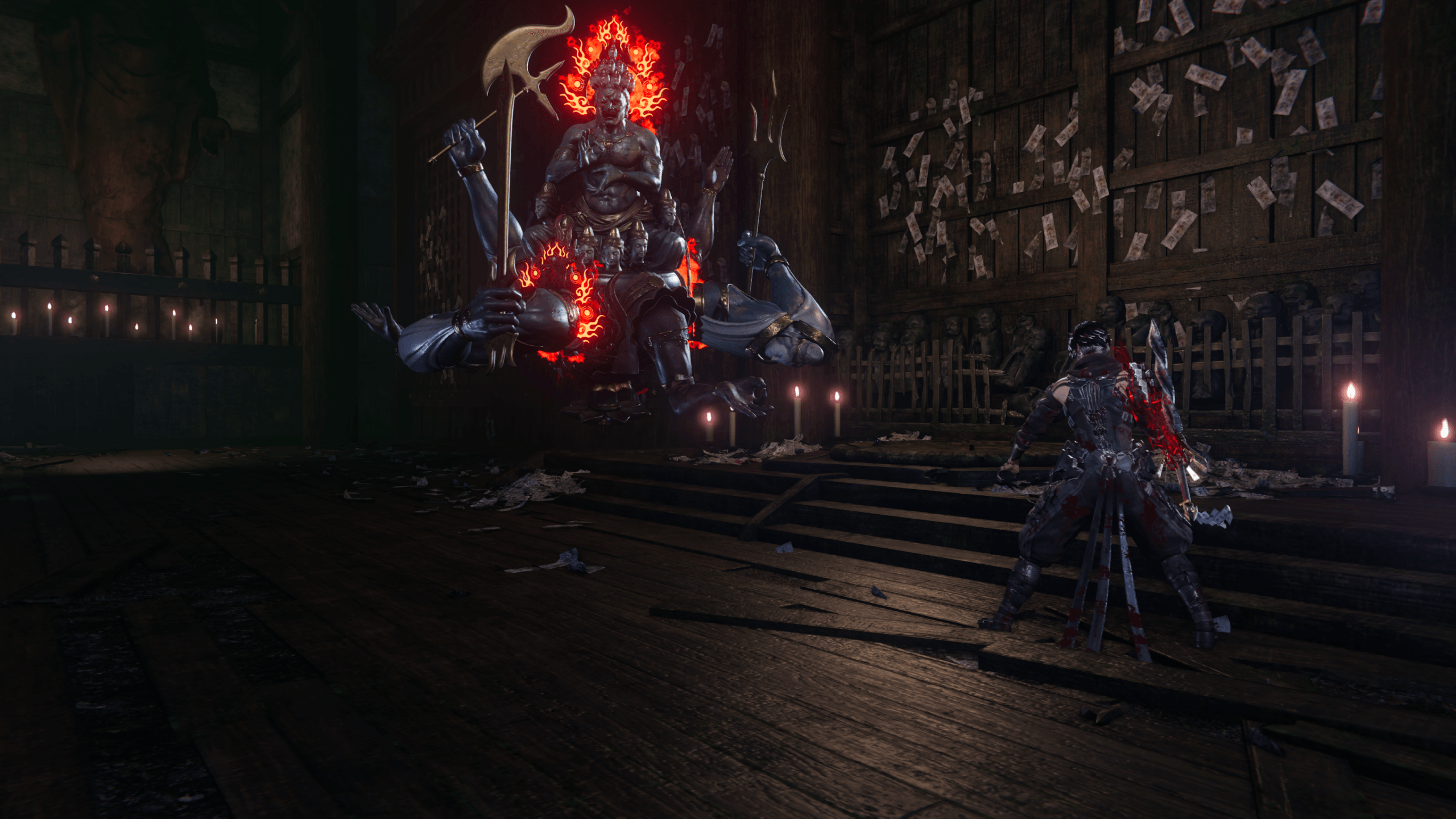
Since I discussed boss battles in the previous paragraphs, I must also address the elephant in the room: the design. The three developers are known in the industry for having memorable enemies, both through combat mechanics and appearance. Unfortunately, that charming aspect of the enemies is not present here, and this saddens me because I am a fan of creations signed by Koei Tecmo, Team Ninja, or Platinum Games. I had a blast taking down angels and demons in Bayonetta, as well as summoning various yokai in Nioh, and each character had something that made them stand out. That design philosophy is missing from Ninja Gaiden 4, as the Japanese beasts are few in number, and most human enemies are variations of a cybernetic samurai, which seem to be rejected designs of Genji from Overwatch. The bosses are no better, and the only one I can say has stuck with me somewhat was the Dark Dragon, but this is equally due to its unique appearance and the mechanics of that fight.
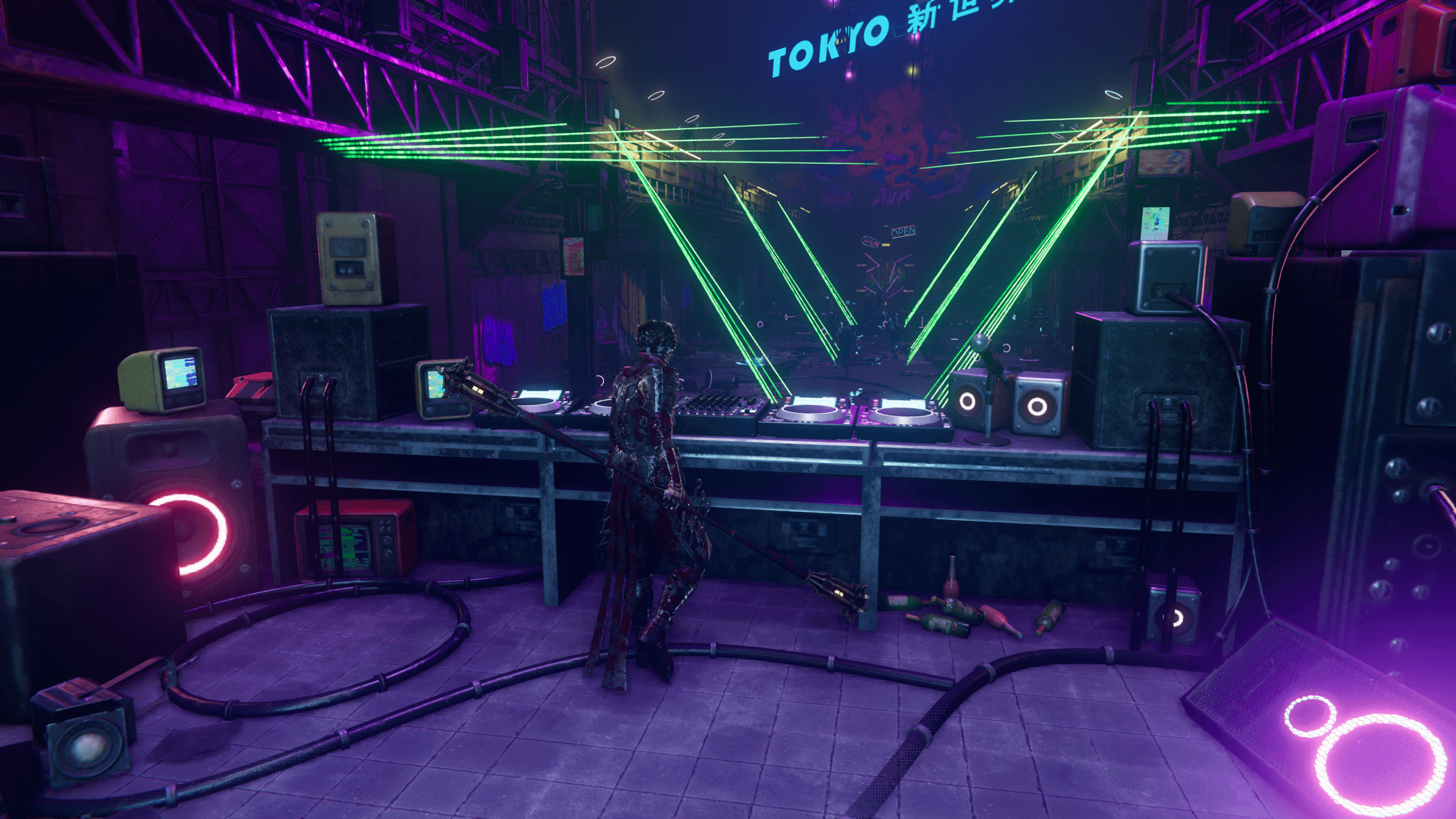
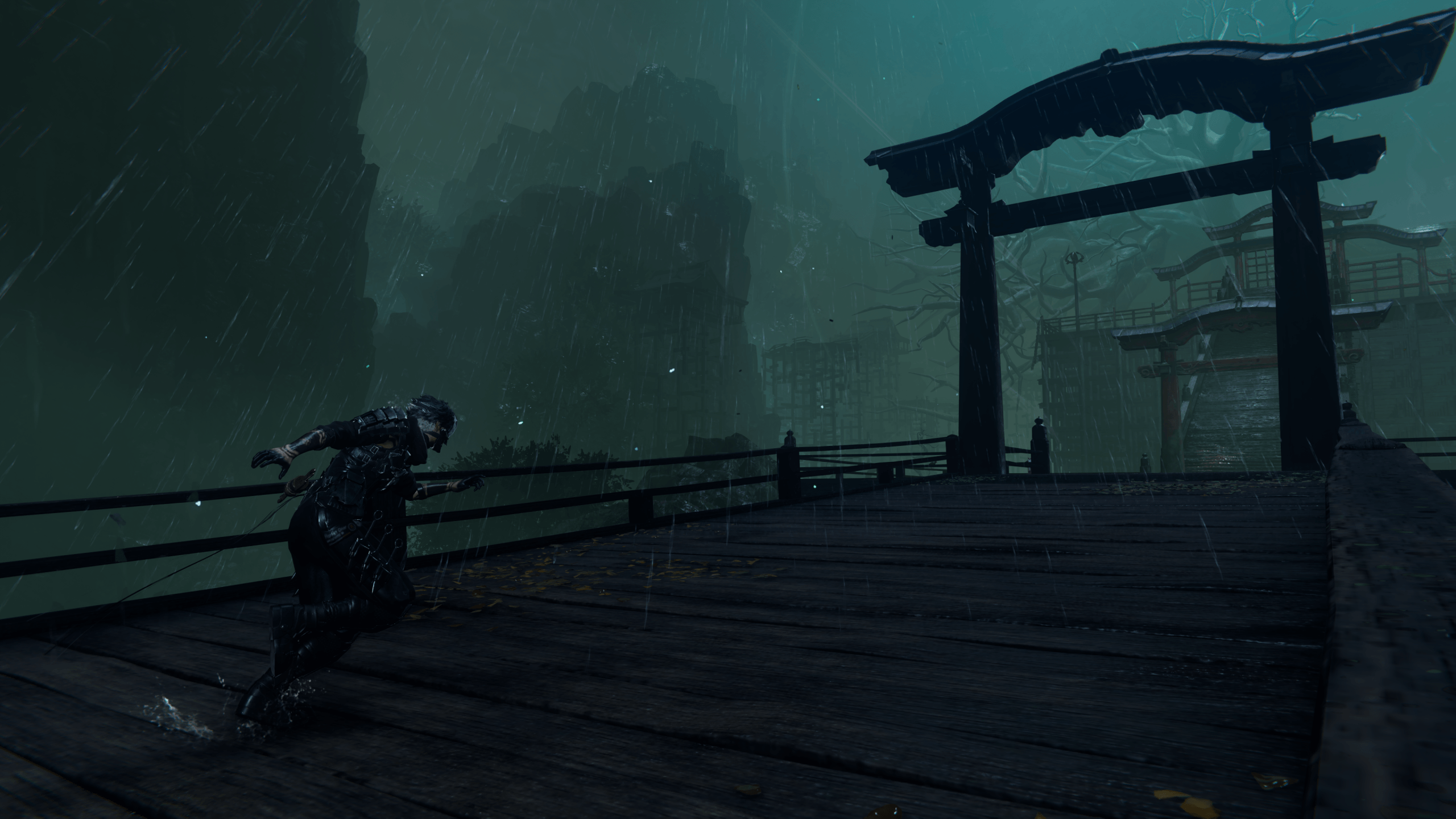
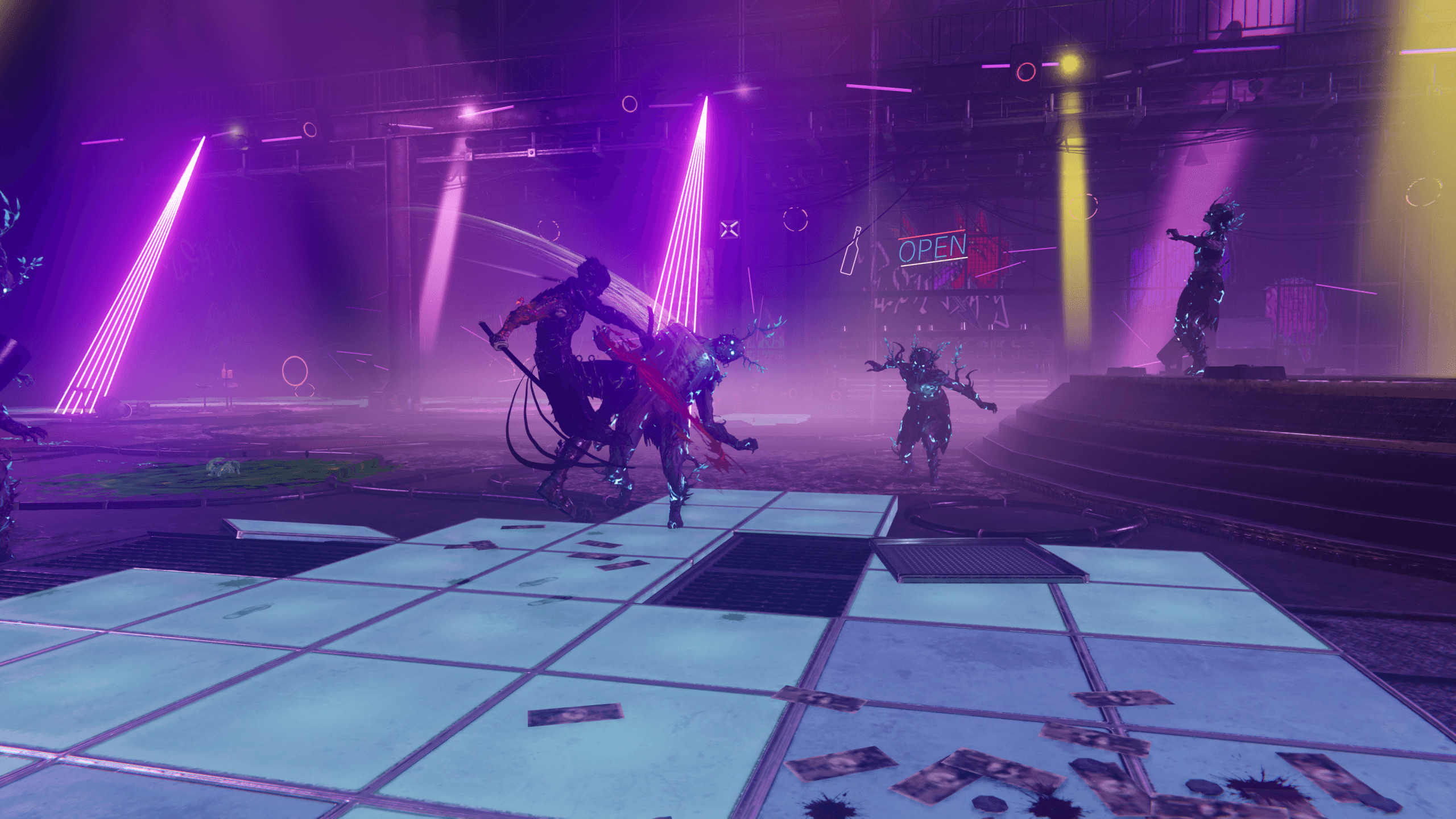
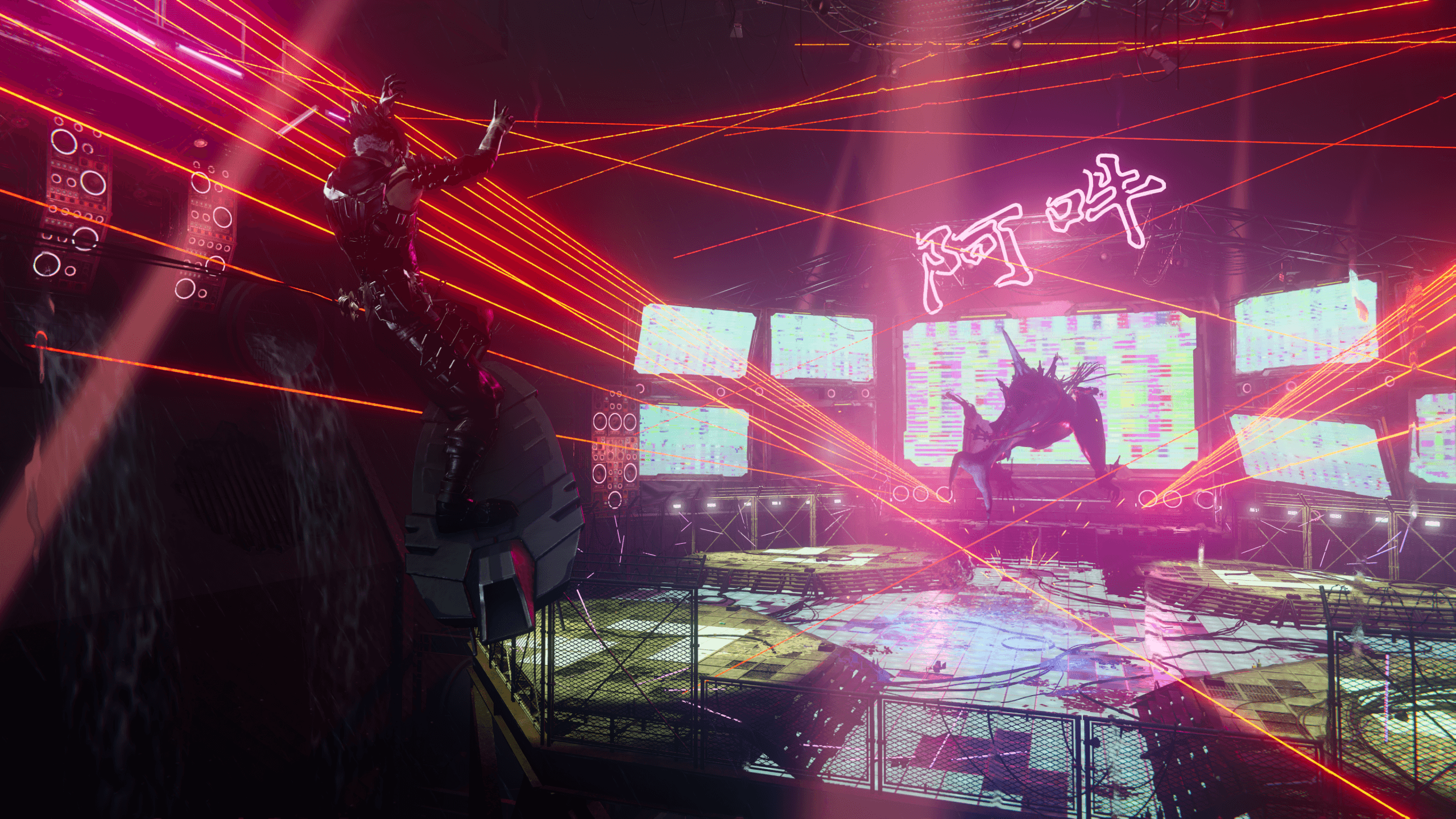
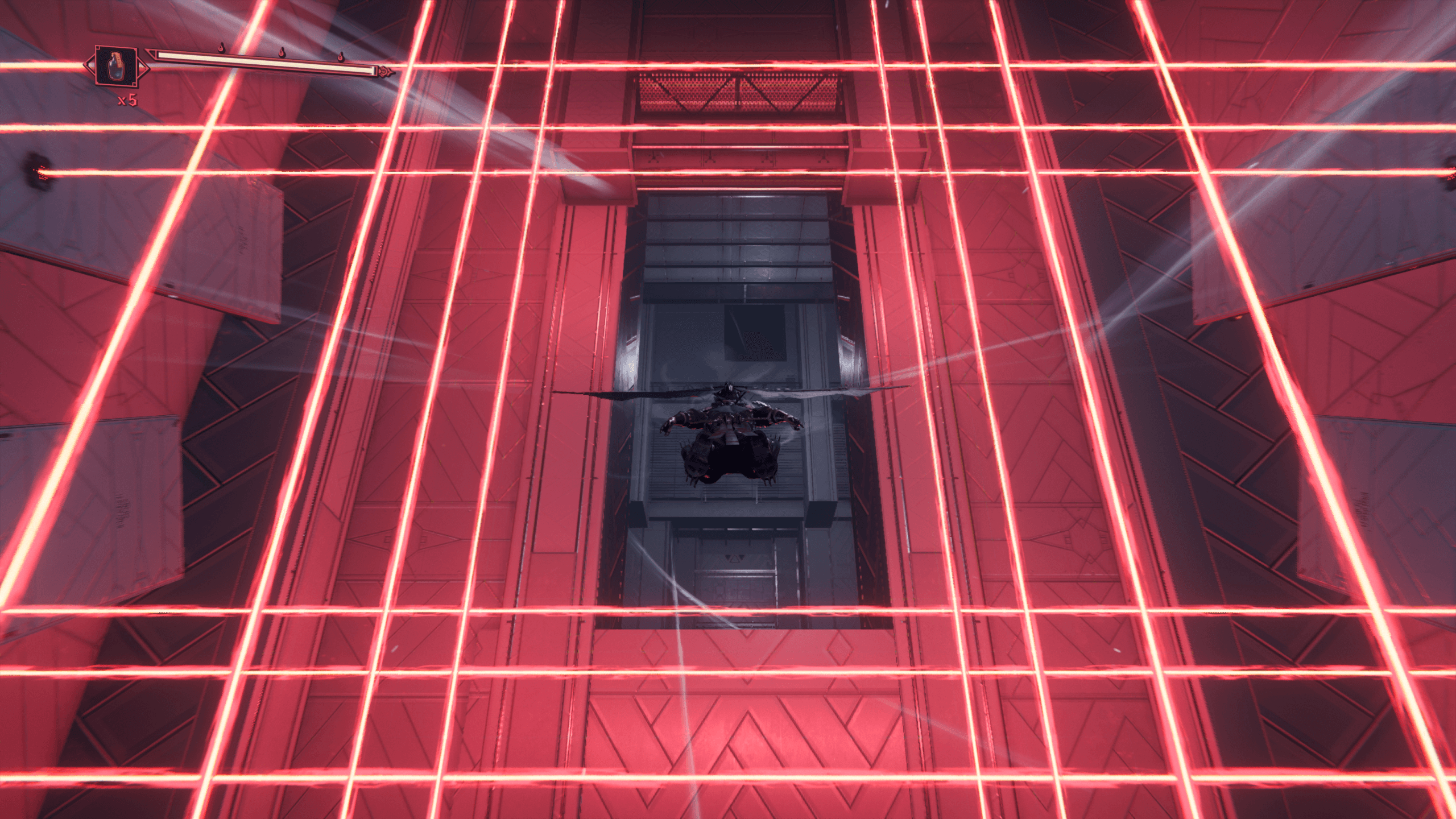
As I mentioned in the Rise of the Ronin review, Koei Tecmo and Team Ninja are not renowned for beautiful levels or worlds, but for their established and polished action formula. Platinum Games isn't doing much better, at least not in terms of games that use a more stylised graphic style, such as Bayonetta, Nier Automata, or Metal Gear Rising: Revengeance. All three are legendary titles, but they are not praised for the appearance of the areas included. The situation is the same in Ninja Gaiden 4, which doesn't impress anyone with how Neo-Tokyo is represented. I didn't have problems with spatial orientation, but I did encounter moments where the screen was too cluttered, such as a segment in the middle of the game in an underground club, where the strobe lights and lasers distracted me. Even so, the game ran perfectly. It didn't stutter even in areas with too many visual effects and ran at a constant 60FPS in 4K.
In terms of sound, the three giants did an incredible job. The characters sound outstanding in both English and Japanese, and the music blends the industrial and heavy style of the Ninja Gaiden franchise with classic Japanese instruments. This surprising combination creates an oppressive atmosphere in the title, which reflects the developers' philosophy of combining modern with traditional for this project.
Any fan knows that the first playthrough of a game in the franchise is just the introduction, because the “real” experience reveals itself after unlocking Master Ninja difficulty, where you can't afford to make any mistakes. This mode, dedicated to masochists and elite players, promises the pure experience of the franchise, but it's something that needs to be approached with a lot of patience. For us, mere mortals, the developers have prepared a multitude of accessibility options to make playing the title more enjoyable. Whether we're talking about an automatic parry option, simplified combos, or negating damage caused by traps, the experience can be customised down to the smallest detail to allow all players to enjoy the latest Ninja Gaiden.
As such, I consider this title a sort of soft reboot of the series, intended to be an introduction point for a new generation into this intense universe. The aforementioned options allow anyone to try this game, and the simple story can be revisited at any time, even after long breaks. Ninja Gaiden 4 is perfect for those who want to experience a solid action game. On the other hand, for fans of the franchise, it's a new adventure with familiar challenges.
Thanks to PC Game Pass Romania for the review code and the opportunity to play Ninja Gaiden 4 before release.

Played on: Xbox Series X
Release date: 21 October 2025
Developer: Team Ninja, Koei Tecmo, PlatinumGames
Publisher: Xbox Game Studios
Plus
- Complex combat system
- Fun weapons
- Difficulty customisation
Minus
- Weak story
- Screen tends to be cluttered
- Generic enemies
0 votes
Scroll down here and stay on the page for at least 30 seconds to vote.
Pick a score from 0 to 10 (halves are allowed).