
The Adventures of Elliot: The Millennium Tales – Review

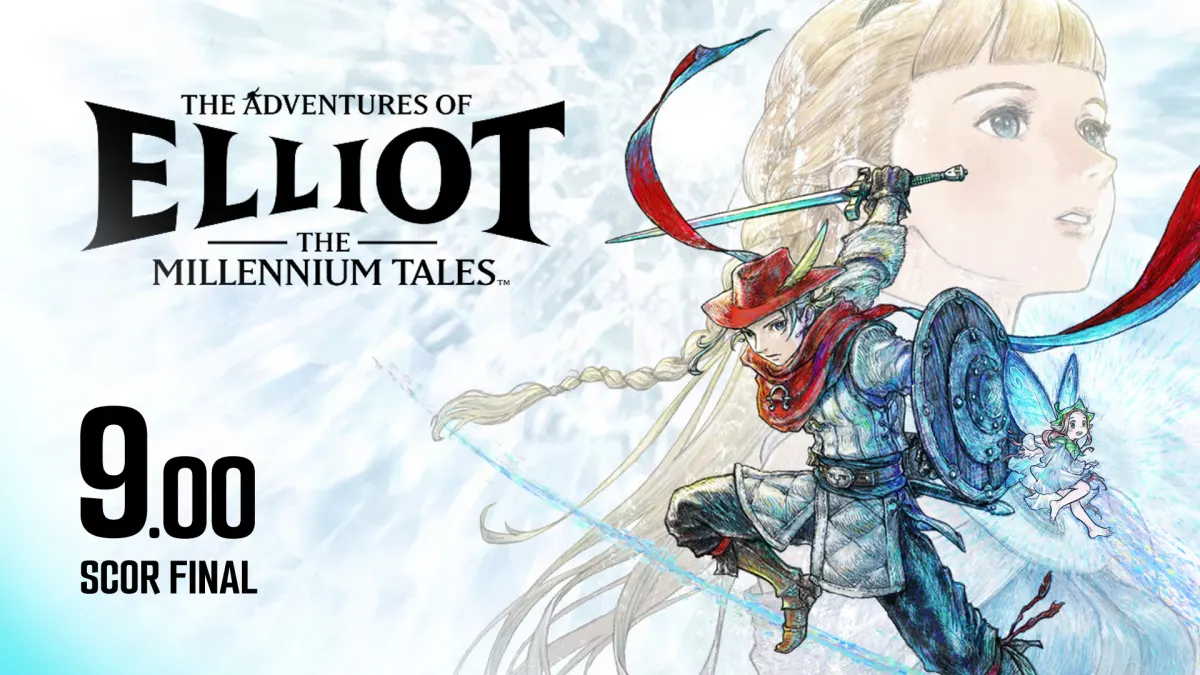
Temporal Paradox in HD-2D
The HD-2D style has become one of Square Enix's strengths in recent years, but until now it has mainly been associated with turn-based RPGs. The Adventures of Elliot: The Millennium Tales changes direction and tries to prove that the same formula can work just as well in an action RPG inspired by classic The Legend of Zelda adventures and the early Mana games. And honestly, it's surprising that Square Enix waited so long to try this combination. From the very first minutes, it feels like the HD-2D style and real-time exploration should have met much earlier.
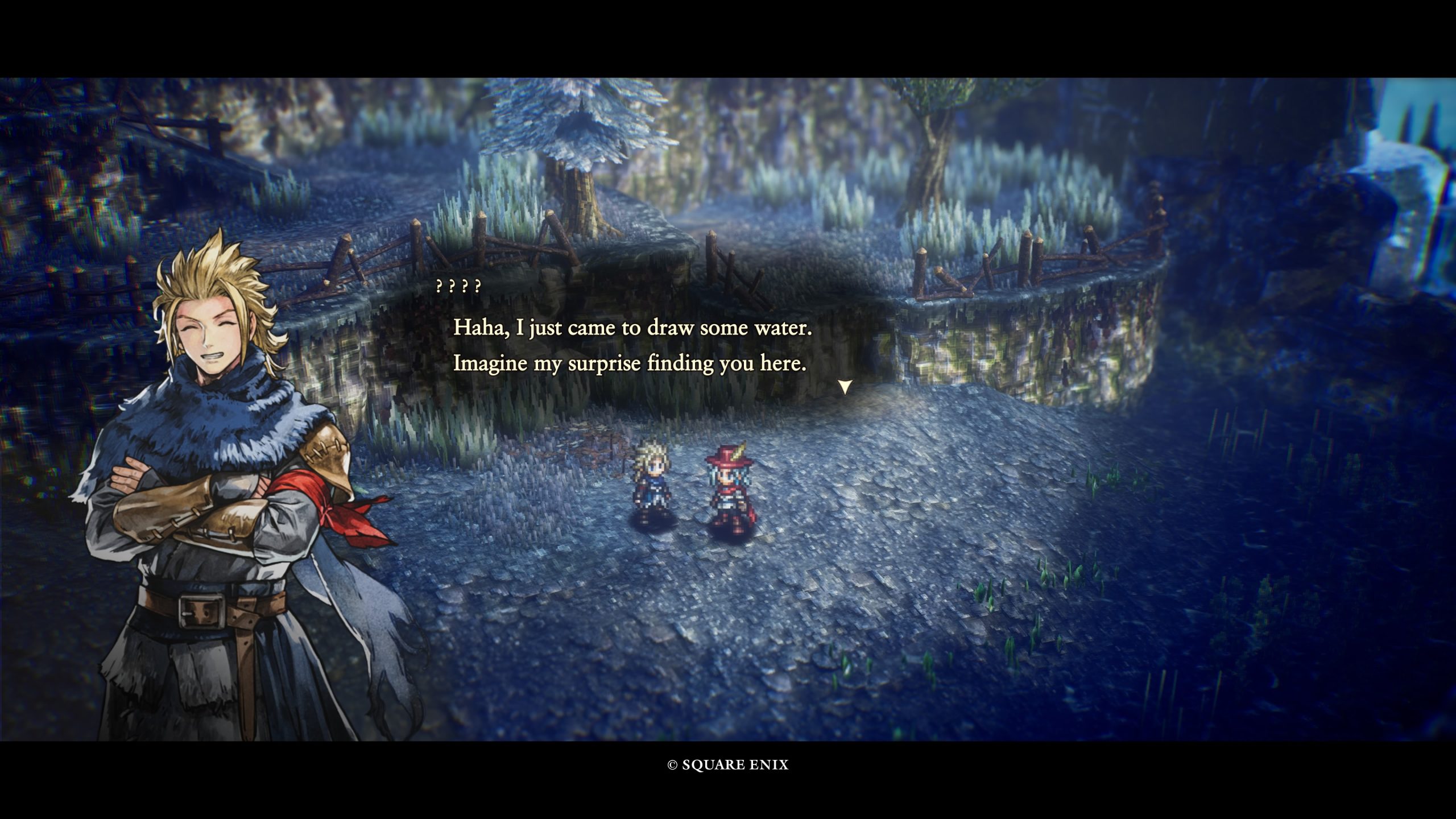
A Journey Through Time
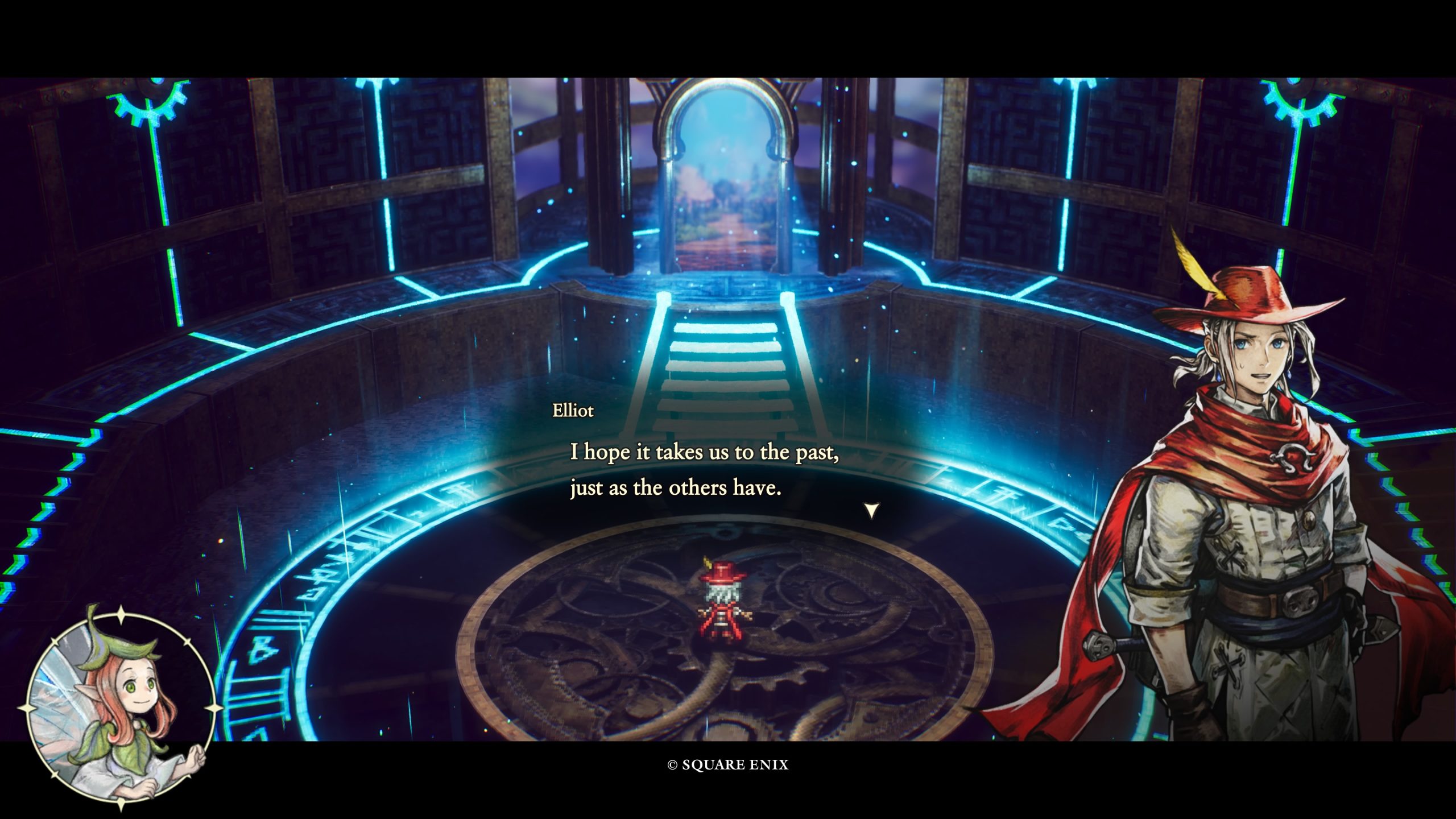
The story begins quite simply, with Elliot sent to investigate some ruins that have appeared near the Kingdom of Huther, the last place where humans still live safely, protected from the creatures that have taken over the rest of the continent. Elliot is not a hero chosen by destiny or an adventurer just starting out, but an ordinary man used to venturing beyond the walls and returning whole, which gives him a different energy from the classic protagonist who is just learning to hold a sword. The mission initially seems routine, but the discovery of the ruins quickly opens up a much larger story, which comes to link the present to several eras of the same world.
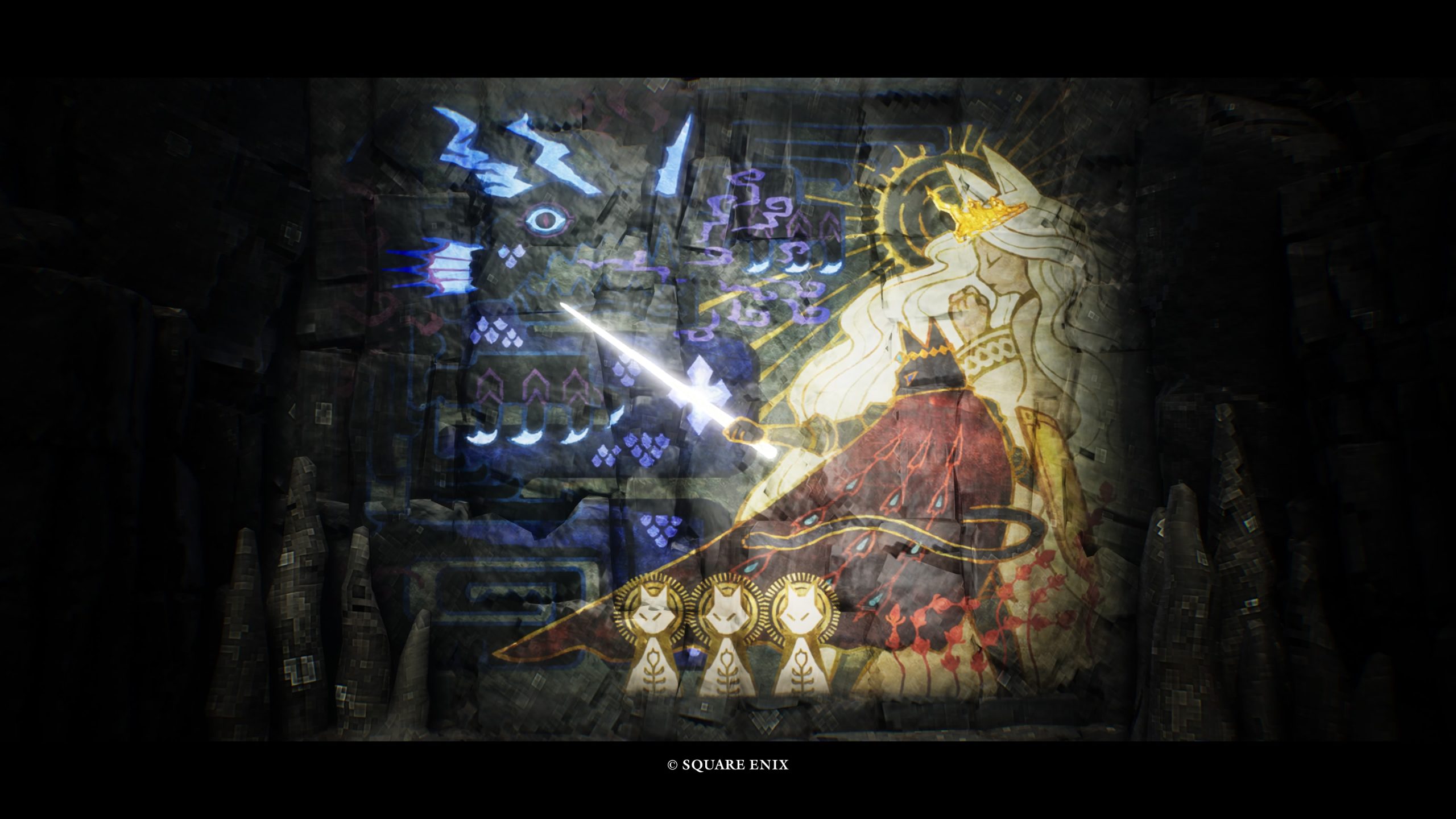
Alongside him is Faie, a fairy who helps him in both combat and exploration, but who also comes with her own unknowns. The relationship between the two is quite natural, without dramatic speeches or forced moments, and the game keeps its most important answers for later. Time travel is not just used to change the landscape, but also to show how certain places, characters, and conflicts transform from one era to another. Not all mysteries are equally well hidden, and some directions can be guessed in advance, but there is enough curiosity surrounding the world and its history to make you want to see where Elliot ends up and what the connection actually is between all these periods.
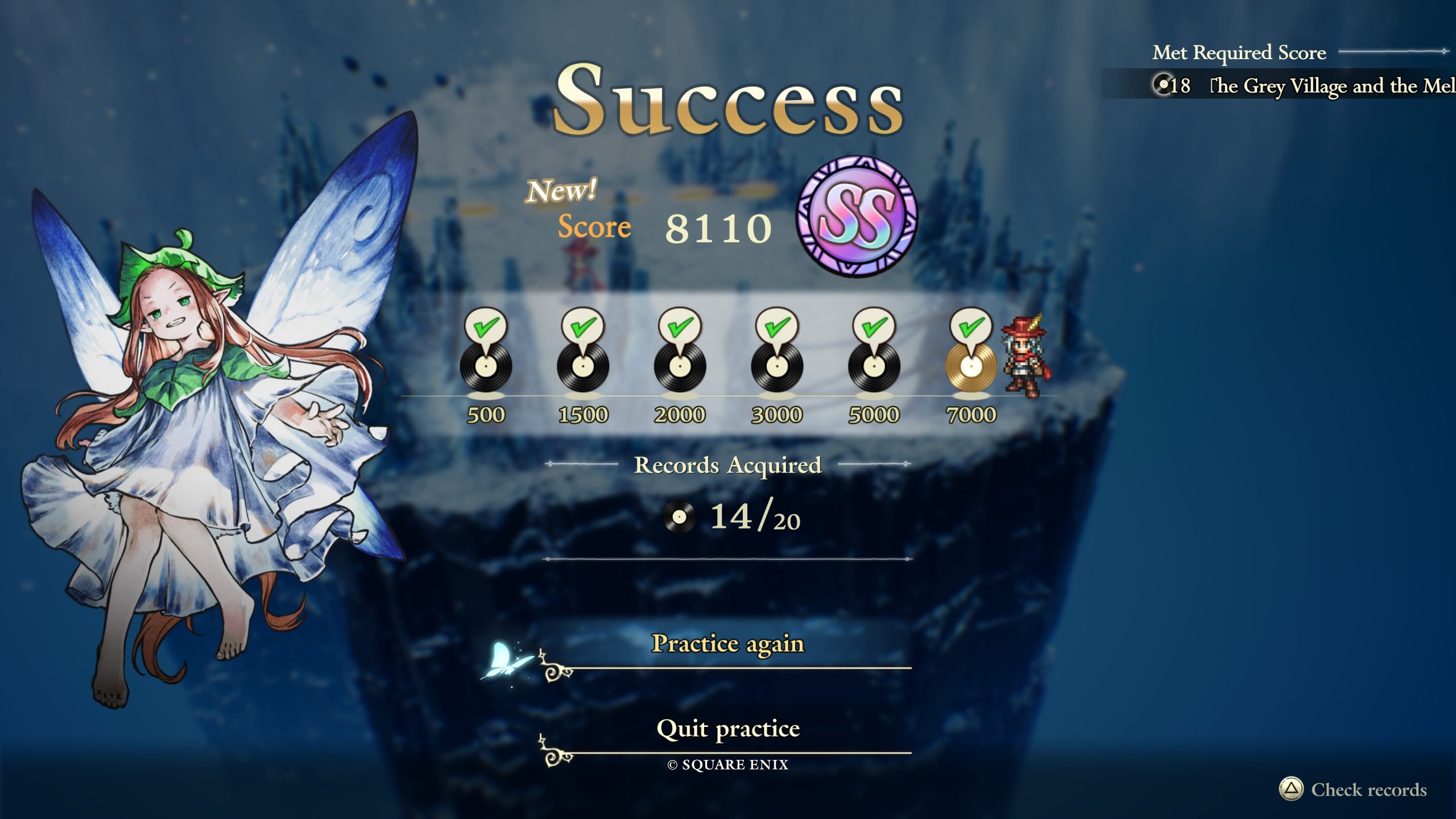
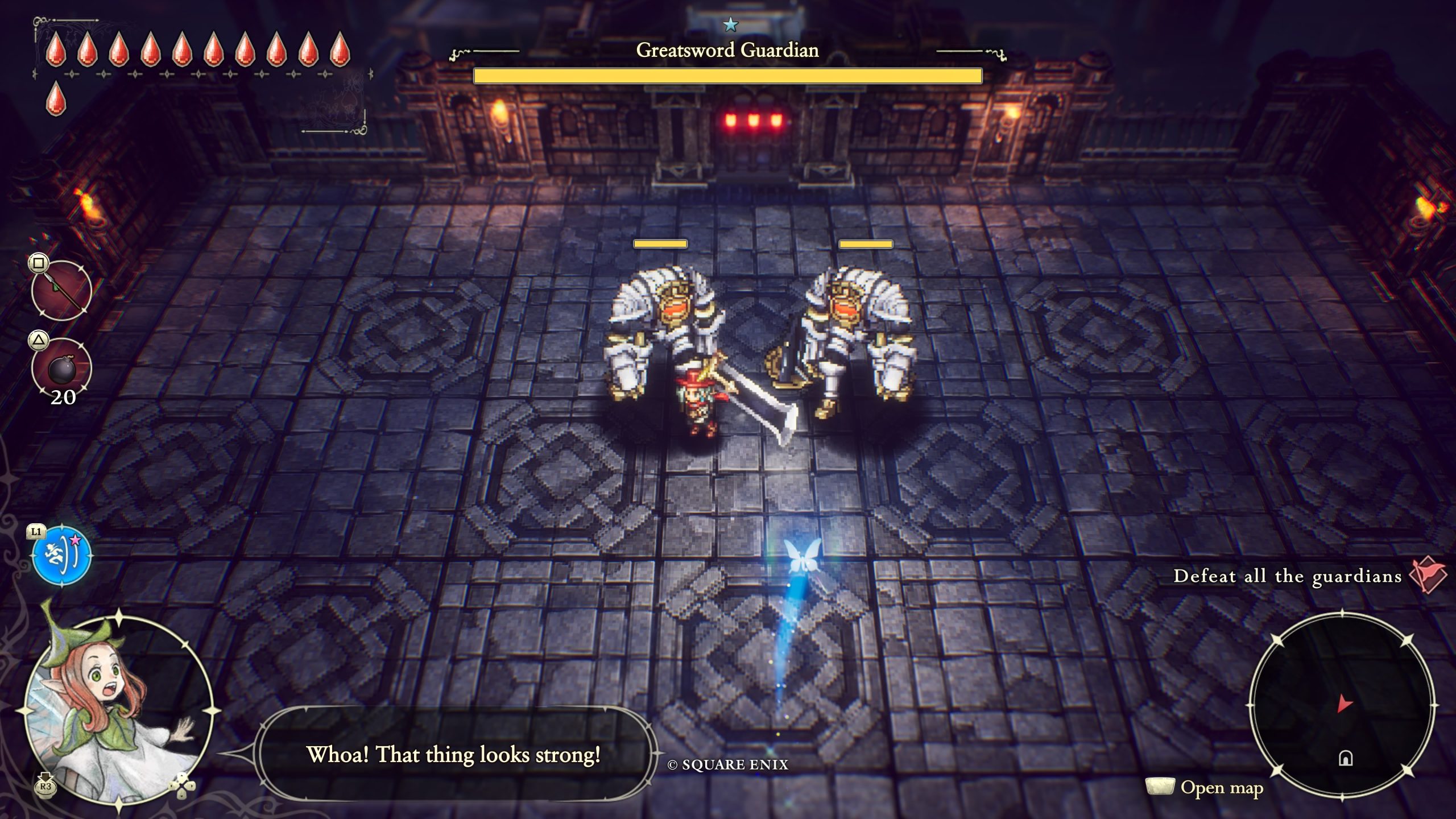
If I can't say more about the story – spoilers, you know – I can about the gameplay. The Adventures of Elliot: The Millennium Tales is an isometric action RPG, built around exploration, real-time combat, and using weapons both against enemies and to open new paths. Elliot has seven types of weapons at his disposal, including the sword, spear, hammer, scythe, bow, bombs, and boomerang, each with its own utility. Some are better for close-range attacks, others for crowd control or long-range strikes, but many are also used in puzzles. The hammer can activate or destroy certain mechanisms, bombs break cracked walls, and the bow and boomerang allow you to hit targets in inaccessible places.
The combat system is simple at its core, and that's precisely why it works so well. Elliot can have two weapons equipped at the same time, but the entire arsenal can be quickly swapped from a radial menu that pauses the action. Normal attacks are complemented by charged strikes, and defence relies almost entirely on the shield, as the game doesn't offer a classic dodge. Well-timed blocks can stun adversaries and open a window for critical hits, and in more crowded fights, you'll naturally alternate between attacking, positioning, and defending. Combat isn't complicated, but it's fast, responds very well to commands, and has that kind of impact that makes even ordinary confrontations enjoyable. Faie complements Elliot's arsenal with a series of powers used in both combat and exploration.
The greatest freedom, however, comes from the Magicite system. These crystals can be mounted on each weapon and are not limited to attack bonuses or higher critical hit chances. Some completely change weapon behaviour: for example, the bow can shoot multiple projectiles, bombs can freeze enemies or ricochet before exploding, the boomerang can become larger and slower, and enemies hit by certain attacks can explode and damage everything around them. There are also combinations of effects, and here the game begins to offer plenty of room for experimentation. You're not forced to constantly build complicated configurations, but the possibility exists and can transform some battles into true spectacles of effects.
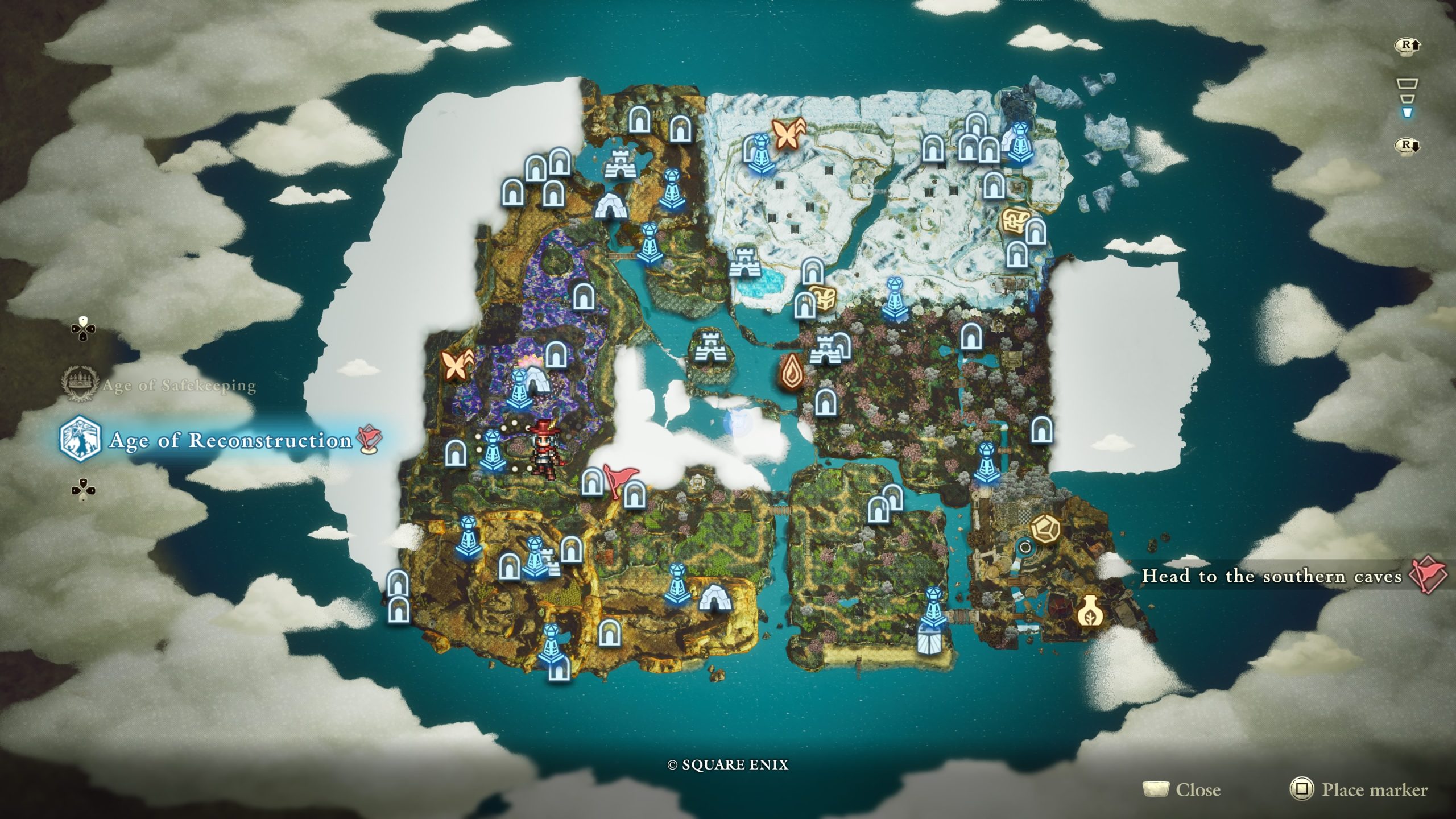
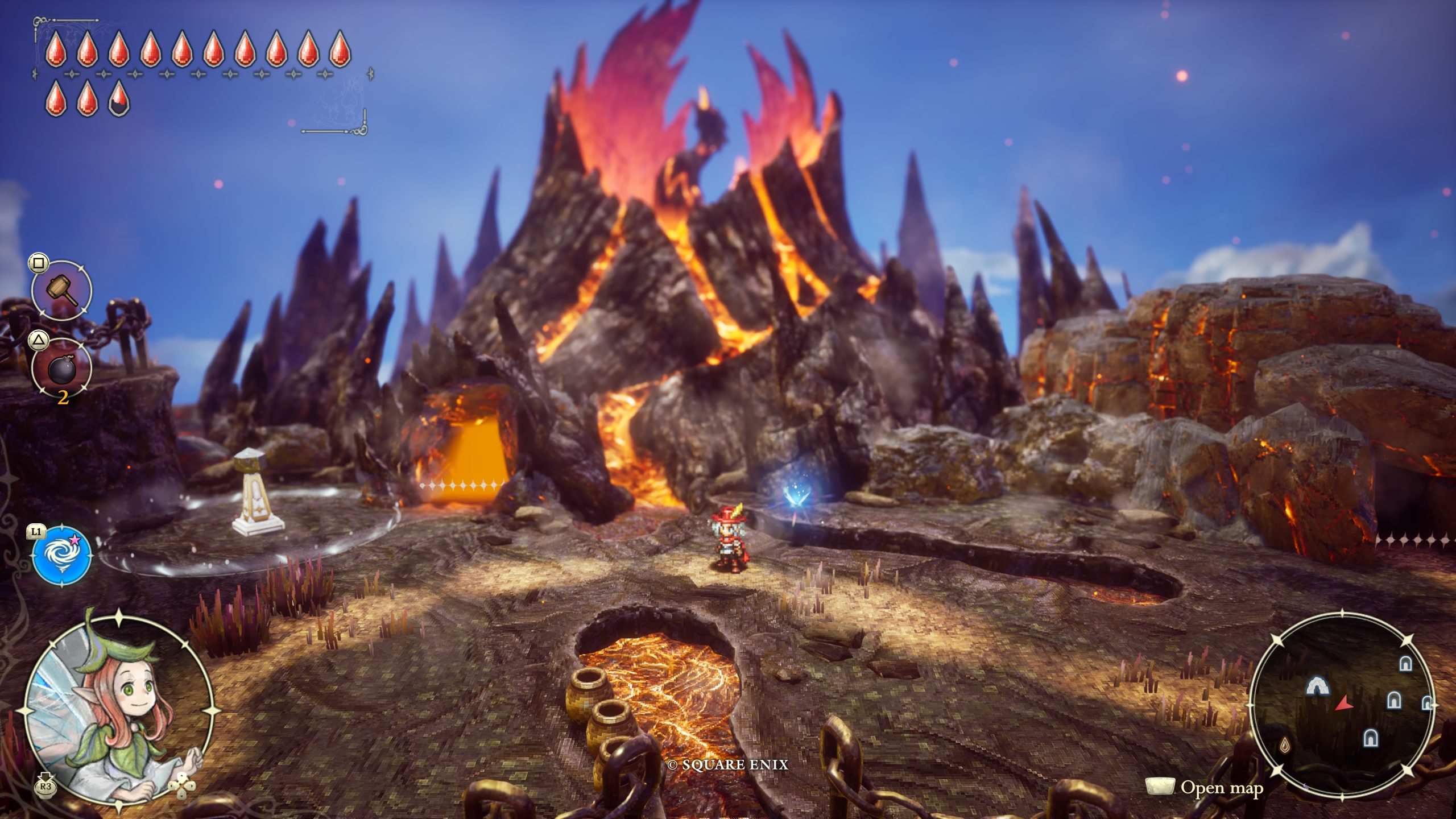
Exploration is closely linked to progression. As you acquire new weapons, abilities, and accessories, you can revisit already explored areas to open blocked paths, find chests, manuscripts, cats, altars, and upgrades for health or equipment. Dungeons combine combat with platforming and simple puzzles, usually based on using a weapon or one of Faie's powers at the right moment. They are not designed to keep you stuck for tens of minutes, and that fits very well with the overall pace of the game. Everything moves efficiently, challenges change often enough, and almost always something new to check appears a few steps away.
Square Enix's Gold Mine
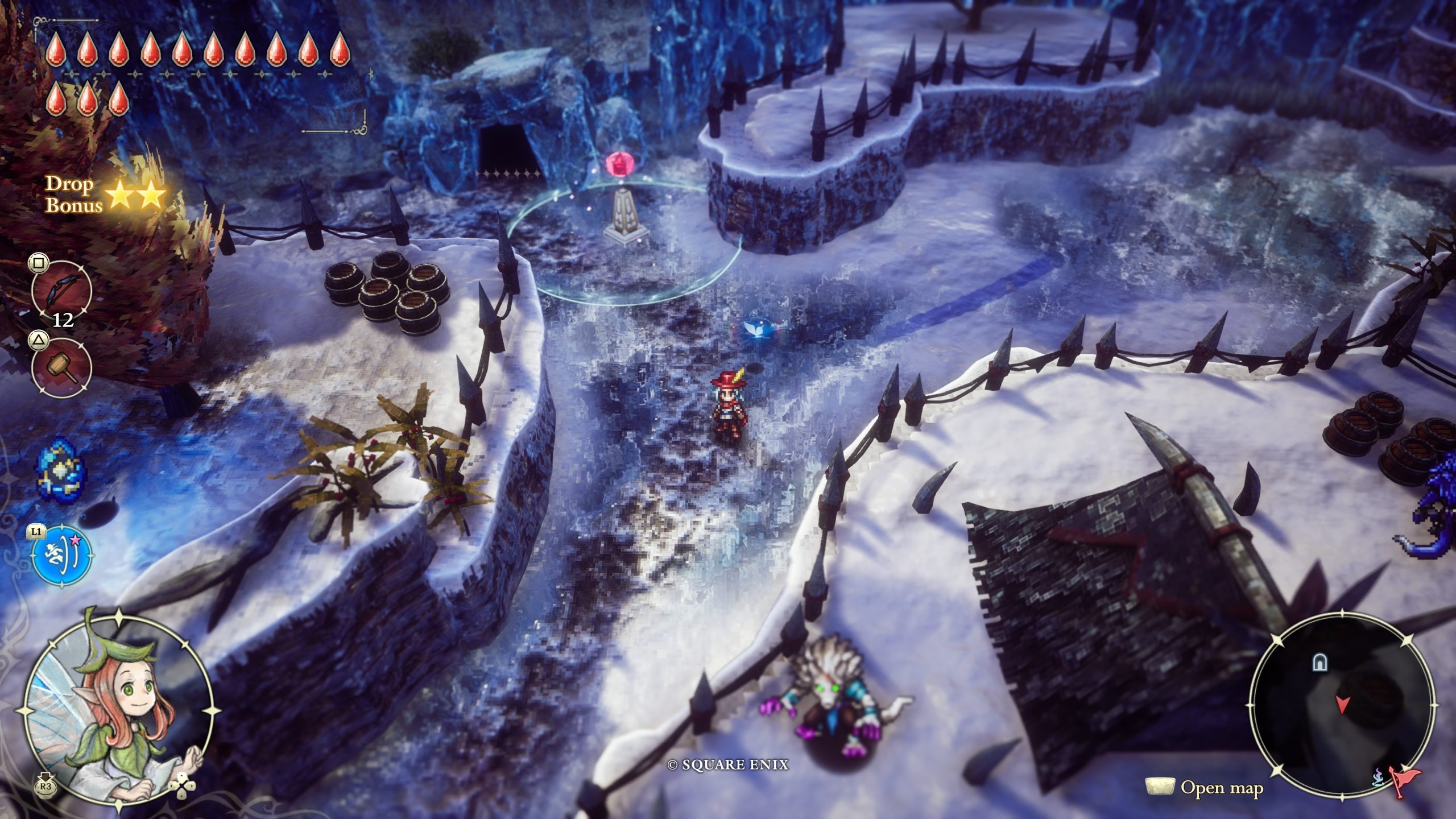
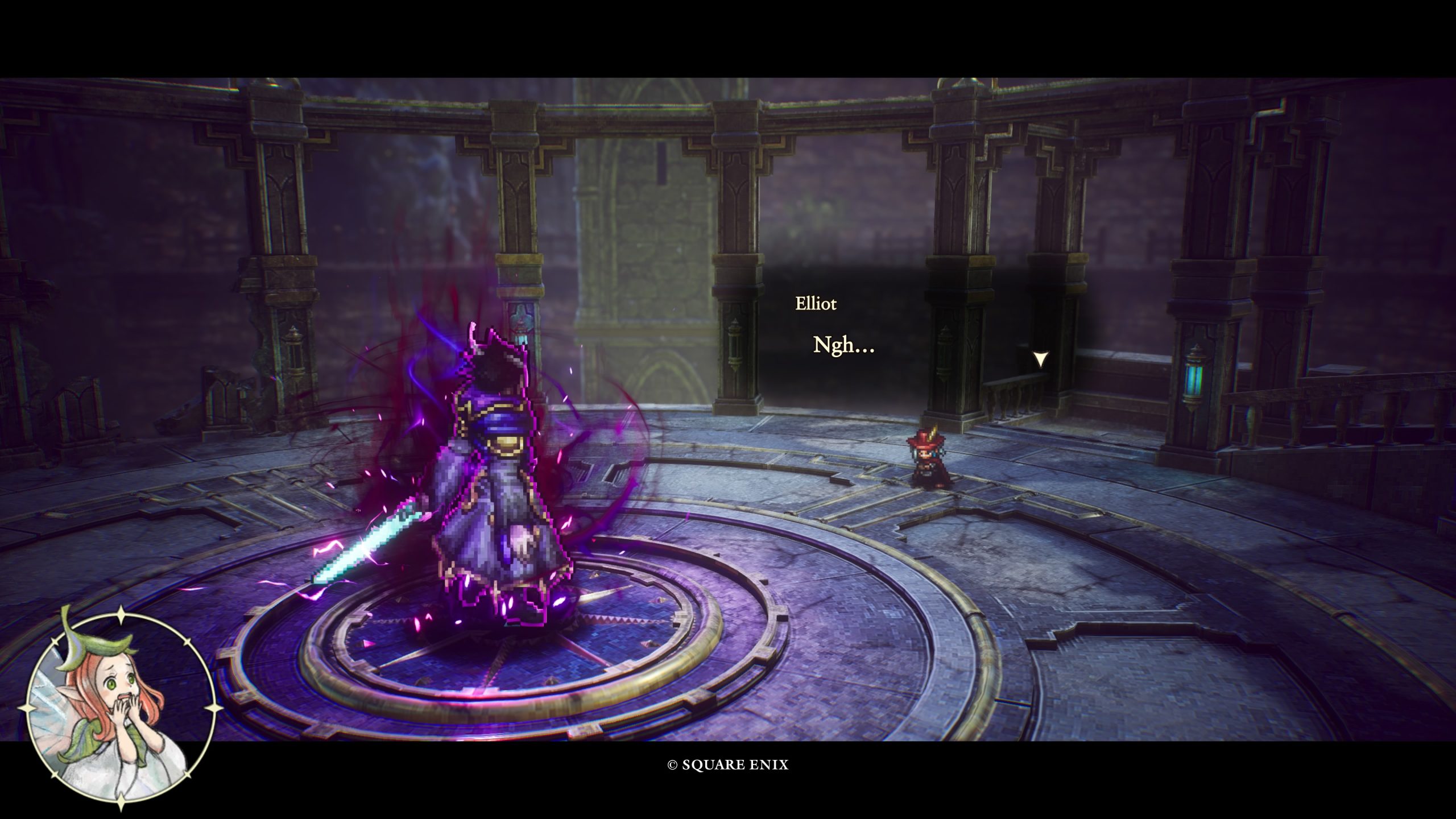
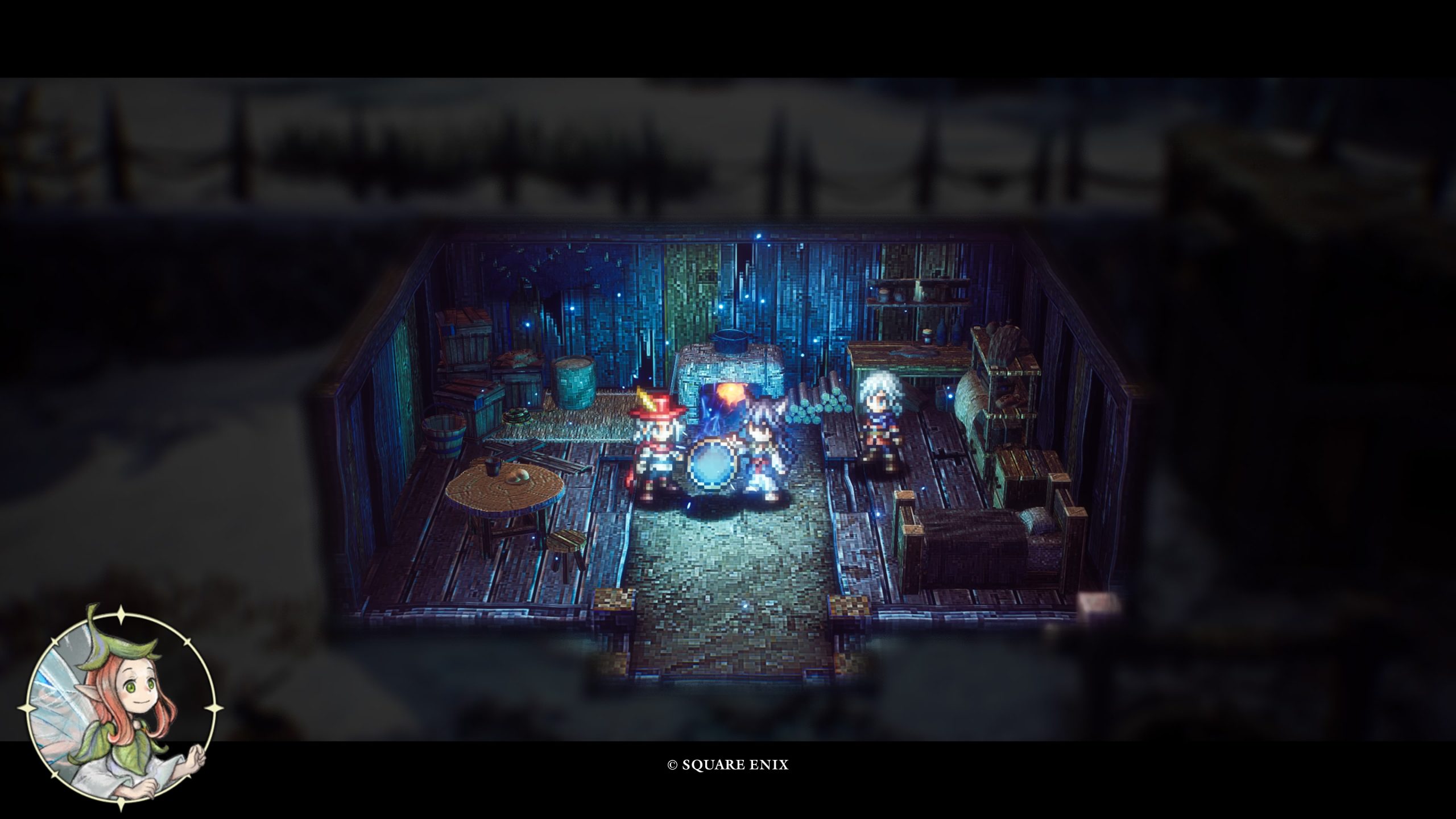
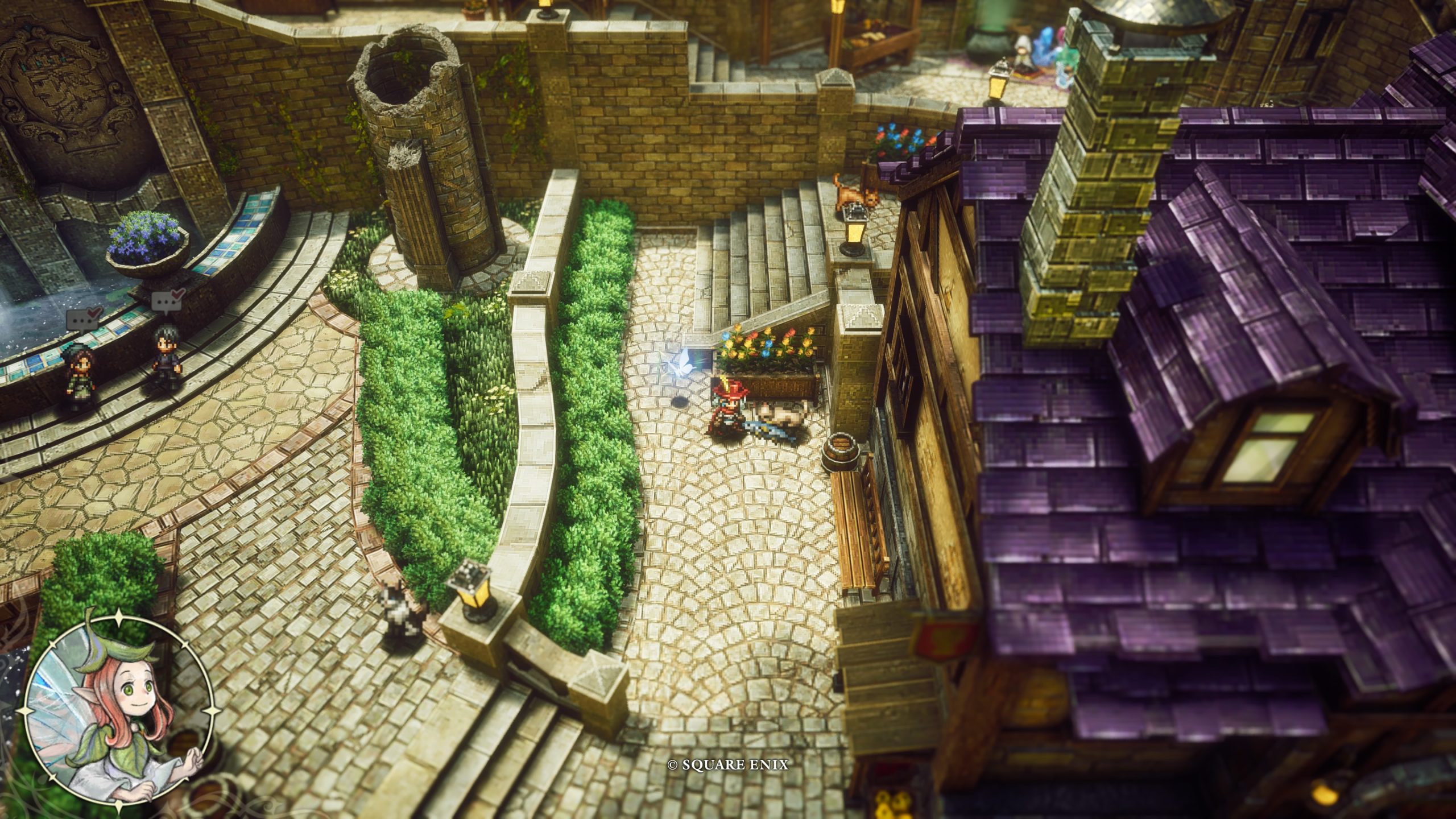
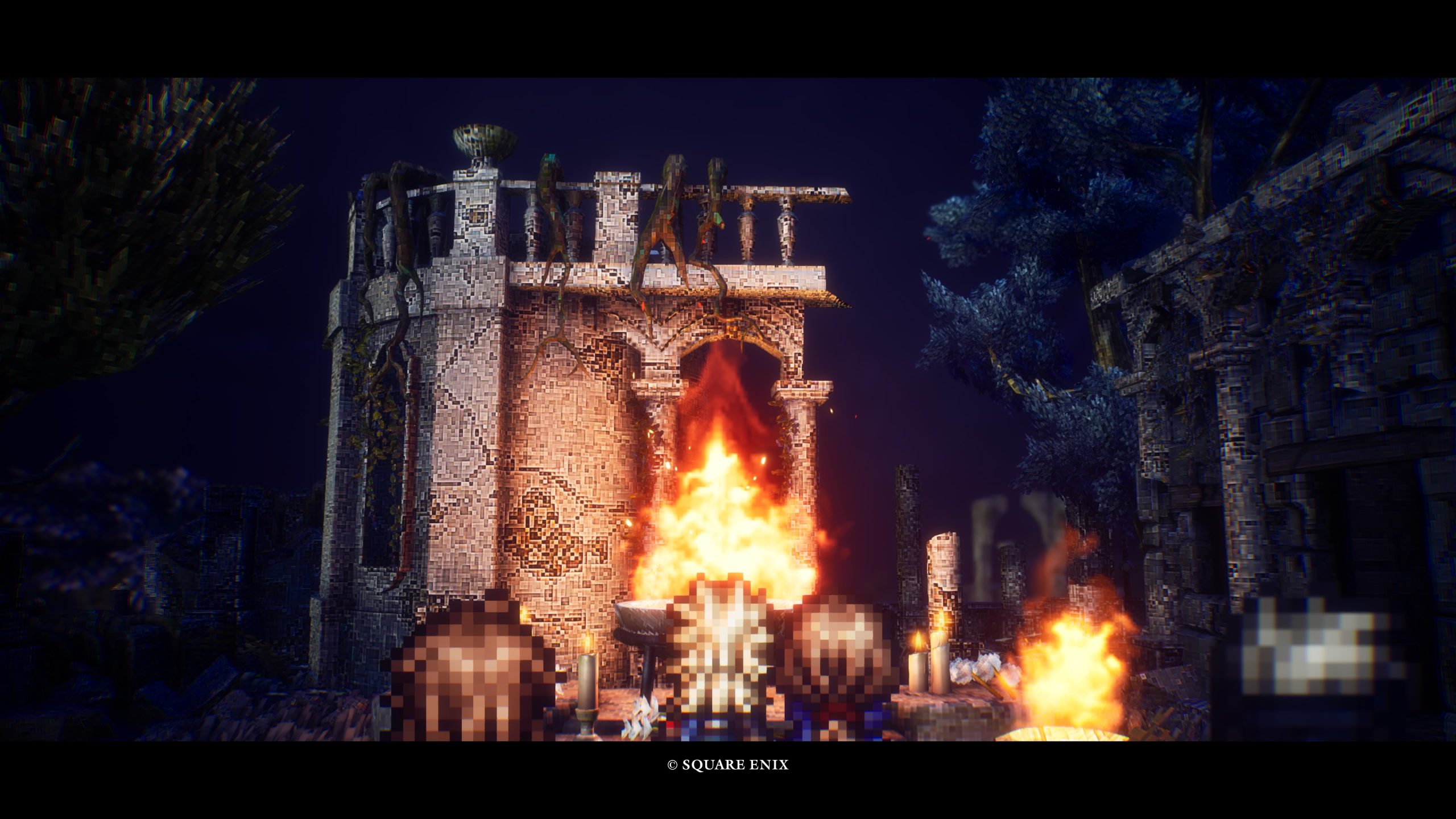
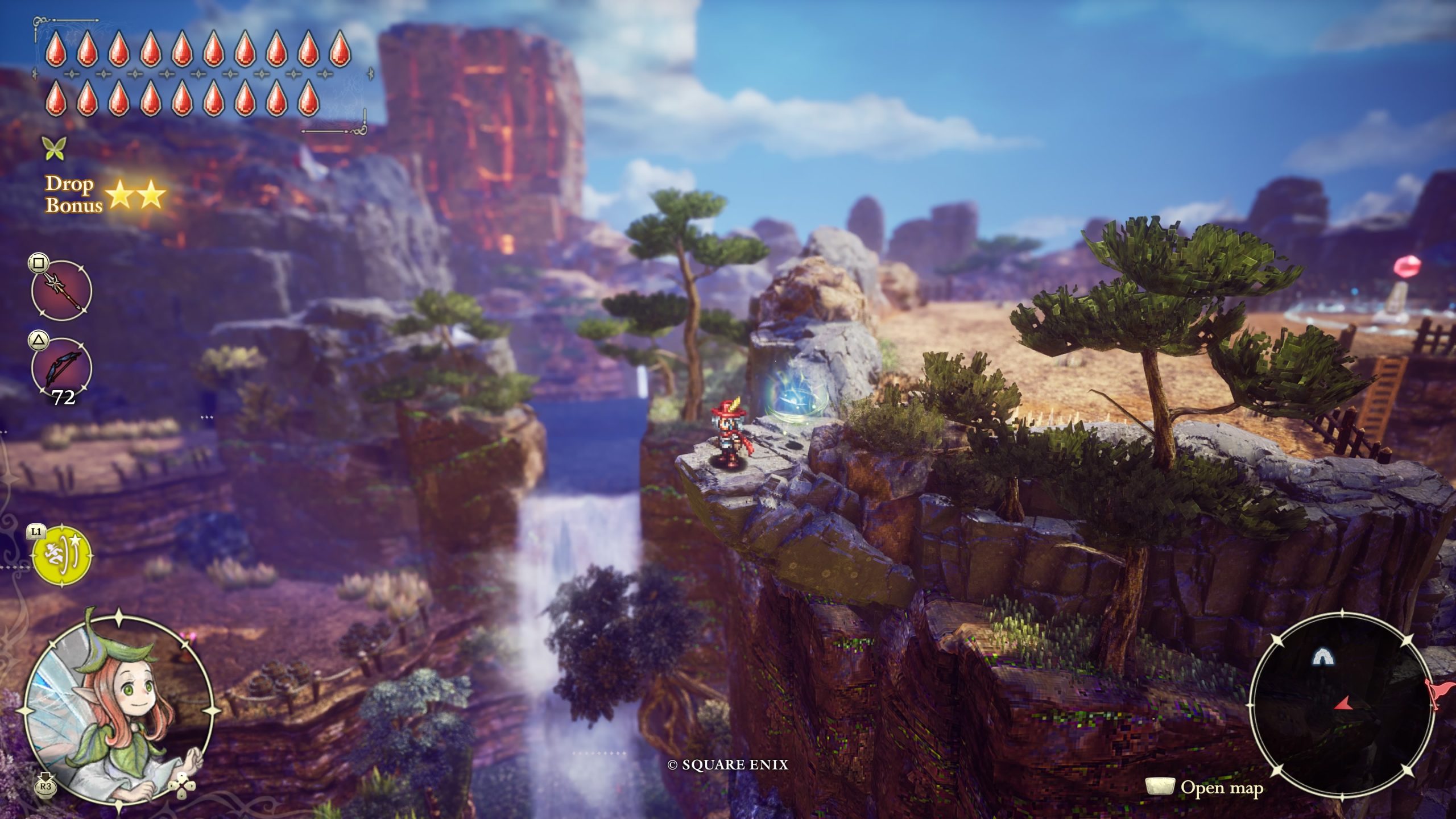
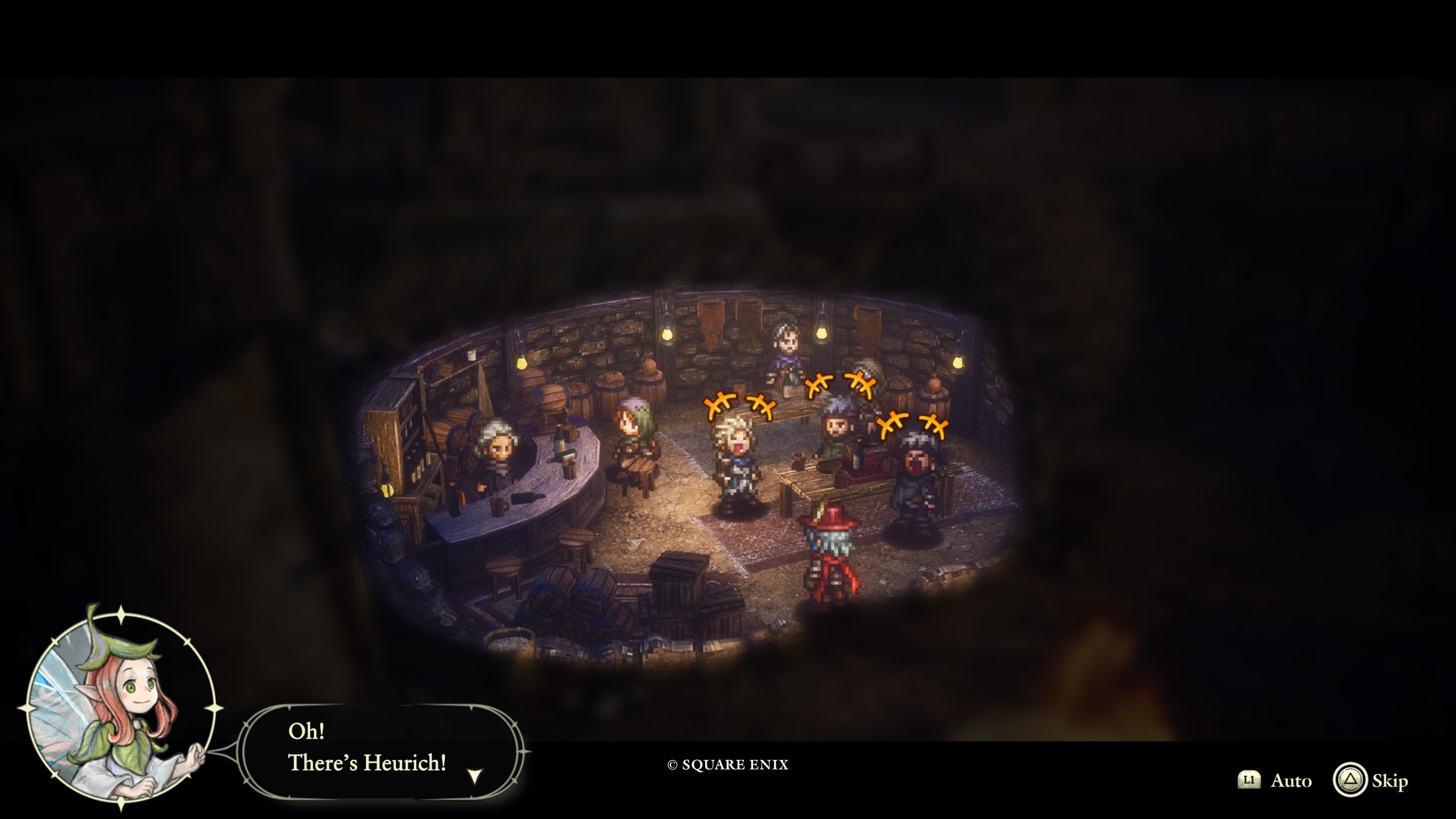
If there's one thing Square Enix seems to have understood very well in recent years, it's that the HD-2D style can be exploited almost endlessly without losing its charm. The Adventures of Elliot: The Millennium Tales is perhaps one of the best demonstrations of this. The world has depth, colour, and enough movement that it never feels like just a randomly chosen visual style. Forests are dense, cities appear much larger than the perspective suggests, and the game makes excellent use of light, shadows, and elevation differences to create the impression of an almost three-dimensional space.
Character sprites integrate excellently into the rich environments, and the animations are expressive enough that even secondary characters have personality. The effects during battles, charged attacks, Faie's magic, and explosions produced by Magicite add energy without turning the screen into what happens in Suicide Squad: Kill the Justice League. Sometimes, certain environmental elements can hide enemies or objects, but it's a minor issue in a game that constantly manages to offer places worth admiring and exploring. Square Enix has found a true visual gold mine here, and it would be hard to believe they'll abandon it anytime soon.
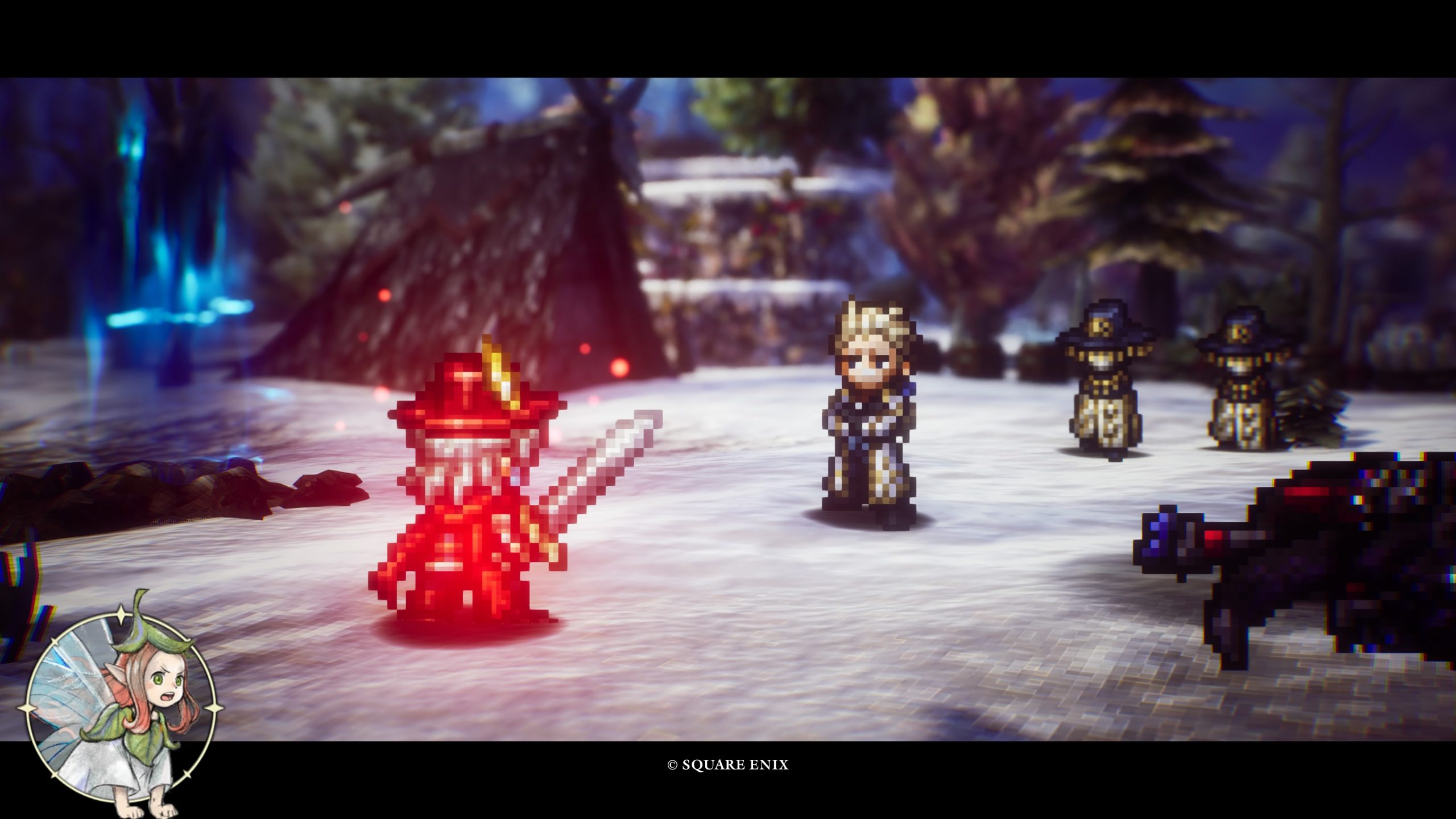
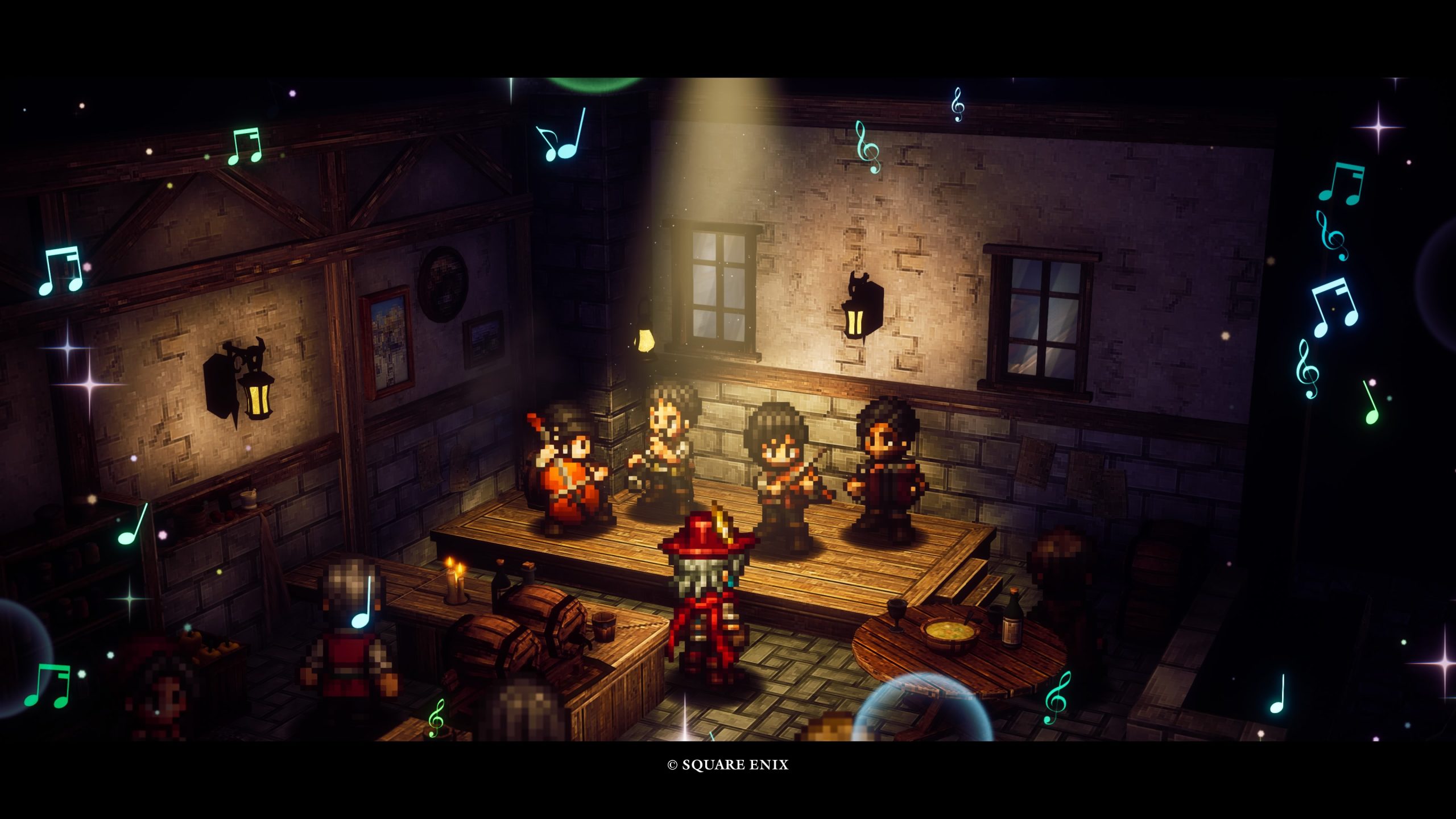
The sound, however, is what takes everything even higher. The musical score is exactly what an adventure game needs: expansive when the world opens up before you, energetic in battles, playful in lighter moments, and powerful enough to give identity to each stage of the journey. It's not just elevator music filling the space between two confrontations, but a constant presence that supports the game's rhythm and atmosphere. There are moments when the melodies make exploration seem more important than it actually is, and battles more spectacular than they would have been without them.
Rarely do I feel that a soundtrack fits so, so, so well with what I see and do in a game. Everything seems to be in its place, with no tracks breaking the atmosphere or moments where the music seems wrongly chosen. From my point of view, we're no longer talking about a simply successful component, but about one of the best parts of the entire experience. The game might be a 9, but the music is easily a 12 out of 10.
Problems in Time
Not everything is rosy, however. The Adventures of Elliot: The Millennium Tales is a very good game, but not a perfect one, and the problem that bothered me the most was the movement speed. Elliot doesn't necessarily walk slowly, but he doesn't truly run either, and in a game built so much around exploration, revisiting already visited areas, and transitioning between eras, the difference starts to be felt. A separate sprint button or a slightly higher speed would have been enough, something to make movement more natural when you're not in combat. On PC, there are already mods that change the character's speed, a sign that the problem isn't one I noticed alone.
I can't help but think that The Adventures of Elliot could, to some extent, be a test by Square Enix. There's nothing official to confirm this, but the game has the air of a project through which the company is trying to see how the HD-2D style is received in an action RPG, before using it for something much bigger. Perhaps a new Final Fantasy, perhaps a remake built in this formula, or perhaps just the beginning of a completely different series. Whatever the truth, the game proves that the format works and could easily support a much more ambitious project.
An Adventure for Every Age
The Adventures of Elliot: The Millennium Tales is the kind of game you start for a few minutes and end up playing for hours. It's simple enough to be accessible, yet dynamic and varied enough not to lose its charm, and the combination of exploration, combat, HD-2D style, and soundtrack makes it one of Square Enix's most enjoyable experiences recently. The movement speed and a few more tedious returns through the same areas prevent it from being perfect, but Elliot's adventure remains one I would recommend without hesitation.
Thanks to CD Media S.E. for the review code and the opportunity to play The Adventures of Elliot: The Millennium Tales!

Played on: PlayStation 5 Pro
Release date: 12 June 2026
Developer: Square Enix, Claytechworks
Publisher: Square Enix
Plus
- HD-2D visual style
- Combat and Magicite system
- Exceptional soundtrack
Minus
- Elliot's movement speed
- Backtracking between eras
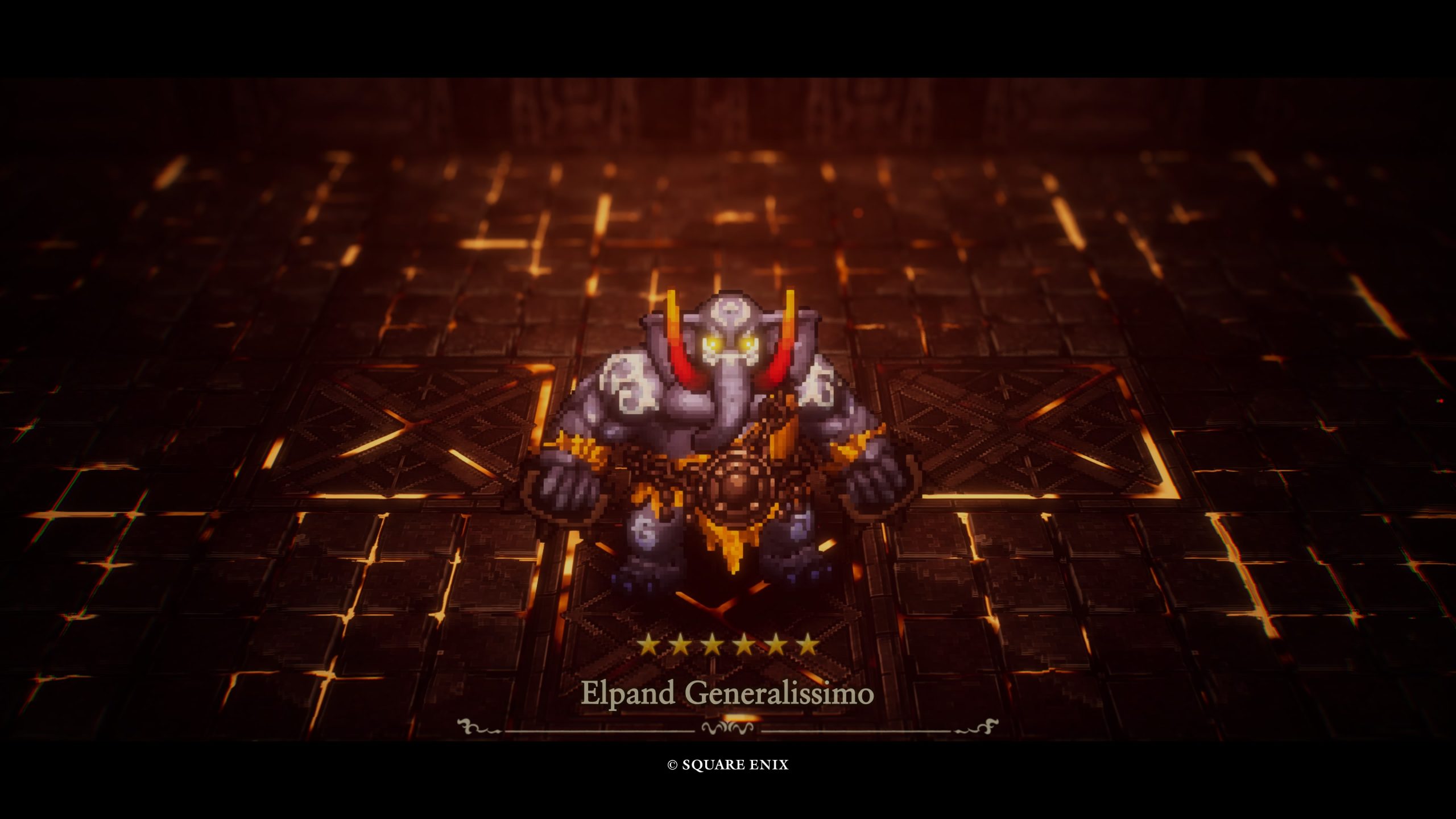
- Limited variety of some enemies and bosses
0 votes
Scroll down here and stay on the page for at least 30 seconds to vote.
Pick a score from 0 to 10 (halves are allowed).