
The Story Behind a Universe Reborn Through Puzzles – Interview


HAWKING, wires, and the end of the universe took us behind the scenes of a truly unique game.
The fact that indie games are an increasingly powerful force in the gaming world is certainly no surprise to anyone. More and more interesting titles are emerging from the hands of relatively small teams, sometimes consisting of a single individual. I had the pleasure of talking with the team behind TORSHOCK, an indie studio formed by two game enthusiasts, Alexander and Alexey, who have just launched their game Total Reload.
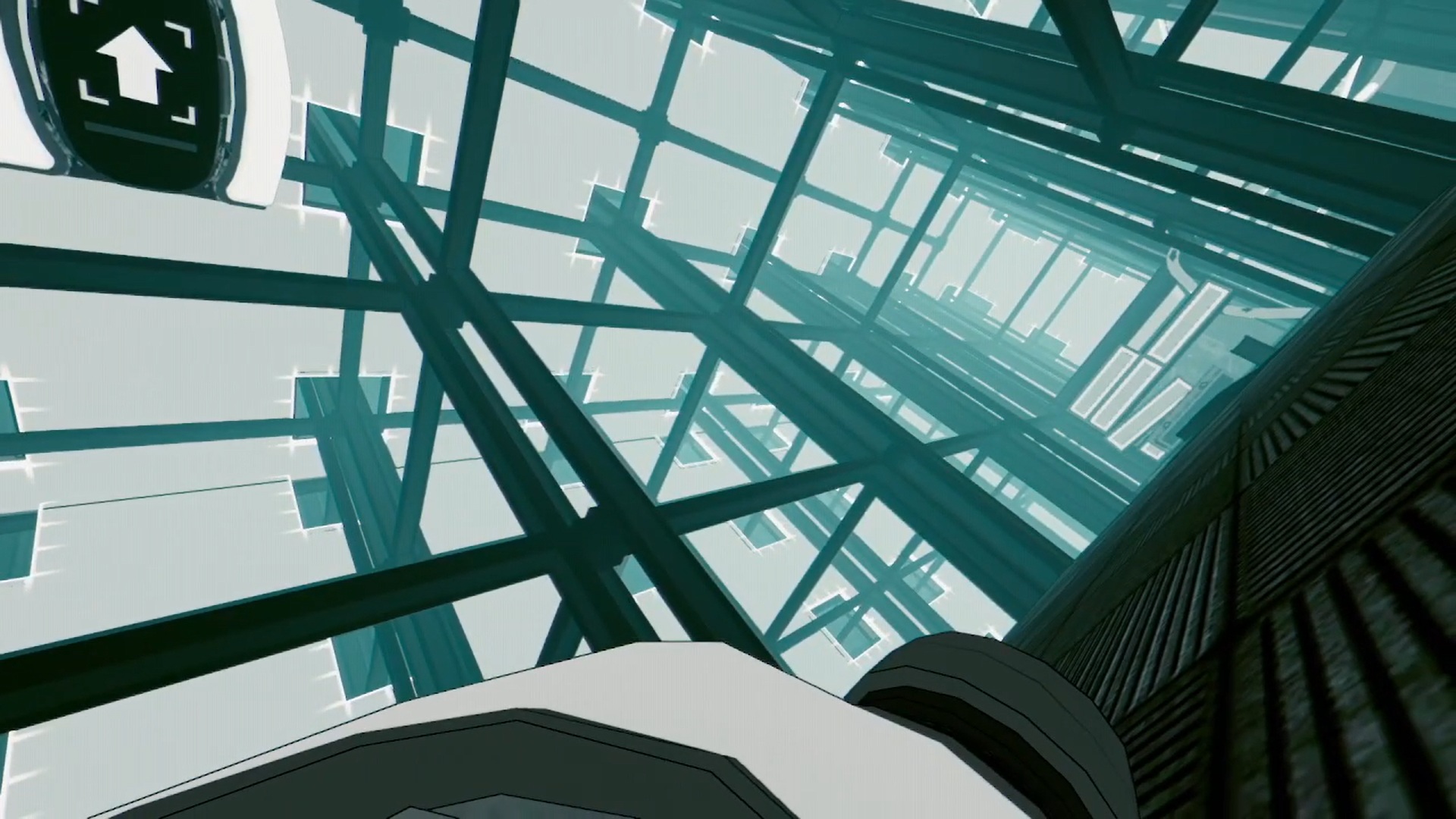
With an ambitious concept and a clear vision, TORSHOCK aims to make its mark in the gaming world through challenging gameplay and a profound story. Total Reload places players in the shoes of the artificial intelligence HAWKING, inside a gigantic mechanism that can “reload” the entire universe. It’s a game that combines spatial puzzles, non-standard physics, and an introspective narrative.
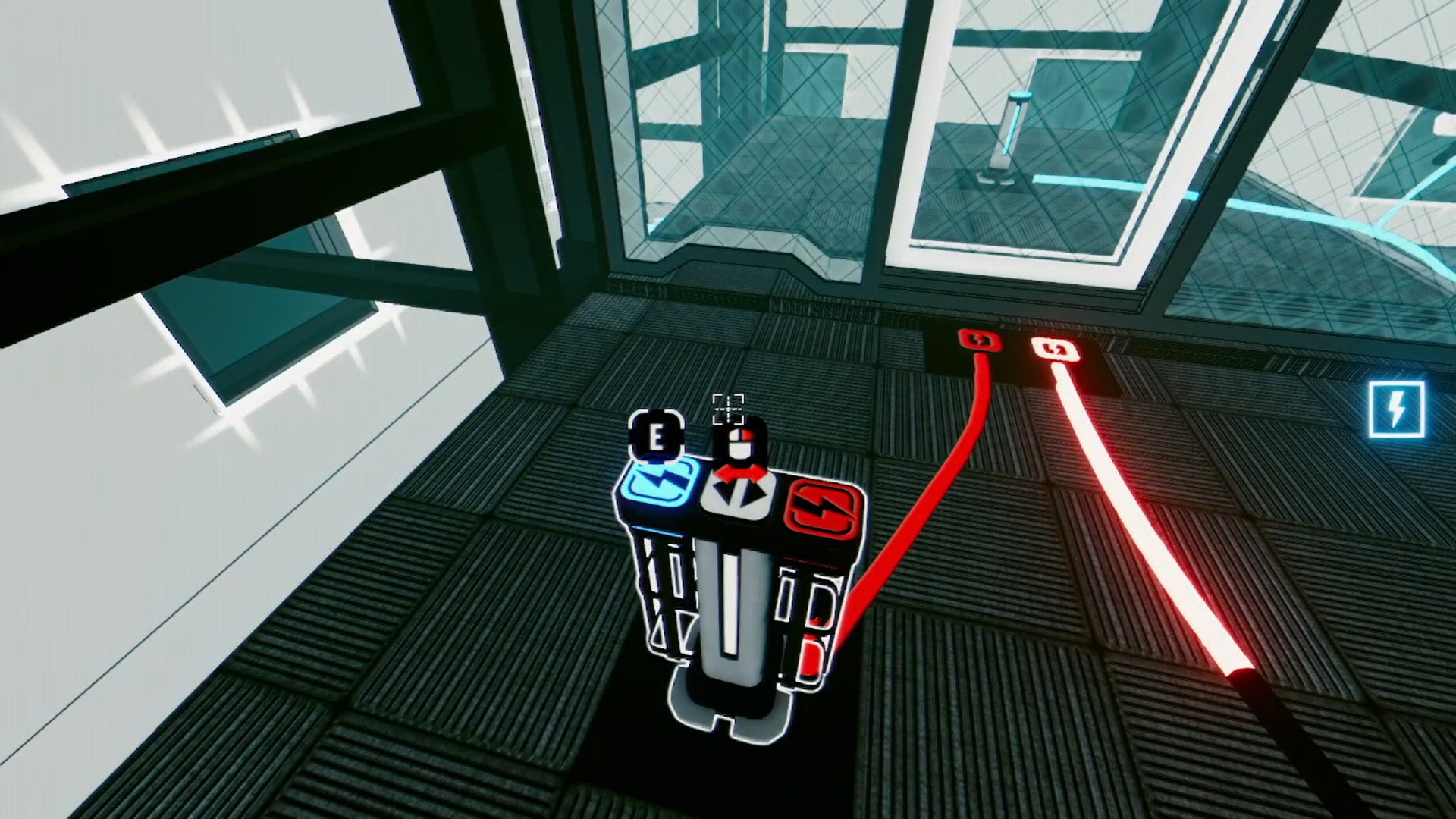
Being a small but passionate team, every design decision reflects both a technical commitment and a creative sensibility. Avoiding a lengthy monologue, I’ll leave you with what I discussed with Alexander below:
>>>
G: How did TORSHOCK come about, and what roles do the team members have?
A: There are only two of us on the TORSHOCK team. I'm Alexander, and my colleague is Alexey. We studied together at university, and in the last few months of our studies, we started working on this game, which didn't even have a name then. For Total Reload, my colleague handles the code, special effects, shaders, 3D models, and textures. I started by creating 3D models, then moved on to designing puzzles and building levels, after which I wrote all the in-game text. I also recorded and edited all the trailers and am currently working on promoting the game.
G: What is Total Reload, in your words? What central experience or emotion do you want players to feel?
A: Total Reload “wires up” players from the very first minute and doesn't let go until the end. Each puzzle is carefully designed so that players learn something new by solving it: how to interact with new objects or how to use familiar objects in new ways. Players will feel like they are achieving something great, gradually activating a single mechanism within which the game's action unfolds. This process is captivating. During the game, the Artificial Intelligence HAWKING will tell its own story, allowing players to take short breaks from solving puzzles. Total Reload will make players feel truly intelligent and experience the joy of an intellectual victory.
G: The premise involves an AI named HAWKING, which interacts with systems to “reload the Universe.” What inspired this narrative concept, and how does it tie into the game mechanics?
A: First, my colleague came up with the basic mechanic, switching wires, and then I started thinking about a story that would plausibly explain this idea. That's how the concept of a unique mechanism emerged, full of various energy sources that need to be connected into a single network. Then I had to find a sufficiently important purpose for this mechanism to be activated, and that's how the idea of reloading the universe came about.
G: The store page mentions that the story is delivered in an “unusual” way, with interaction between the AI's mind and body, scanned symbols, and sequences. How do you balance narrative and puzzles so that neither feels forced?
A: The symbols on the walls, which players can scan in different sequences, contain answers about HAWKING's past, its aspirations, and its goals. Listening to these answers is optional; players decide for themselves whether or not they want to find out this information. However, HAWKING will always reveal the necessary information for solving puzzles at certain points.
G: Themically, the game explores solitude, cosmic scale, introspection. What influences (books, films, philosophy, games) shaped Total Reload's narrative style?
A: The theme of solitude arose due to the difficulties of adding other characters. But Total Reload couldn't exist without a narrator, so at the beginning of the game, we created a situation where the protagonist's consciousness divides into two parts with different functions. Thus, the narrator appeared directly in the protagonist's mind. It was also difficult for us to show the world beyond the surrounding mechanism, so we conceived the idea that there is nothing beyond the walls; the universe has entered the last stage of its existence and can no longer be saved, but a new version can be created by performing a Total Reload. To develop this idea, I started reading a lot of sci-fi literature, especially the works of Stanislav Lem, Arthur C. Clarke, and Isaac Asimov.
G: One of the main mechanics is “thinking with wires”: temporary power, activating devices, connecting energy sources, etc. How did you arrive at this mechanic, and what were the most difficult puzzles to design (or which ones did you abandon)?
A: Initially, we designed the game for three players, each controlling their own robot with different abilities. However, due to technical difficulties, we abandoned the idea and reduced the number of characters to just one. The game needed a new central mechanic; the wires already existed, and my colleague decided to add the ability to reconnect them to other objects. After testing the wire reconnection system, we realised it could be used to create a very wide variety of puzzles, so we made it the main mechanic of the game.
G: How do you manage pacing and progression so that the game remains engaging without overwhelming players with too much complexity (given the mix of puzzle + exploration)?
A: Total Reload includes 18 types of objects that players will interact with. However, these objects are introduced gradually, initially in simple situations, giving players time to learn how to use them correctly.
G: In demos, the graphics and voice acting were recently updated. What were the biggest technical or artistic challenges in achieving the desired aesthetic and level of polish?
A: Technical challenges often arose during the development of Total Reload. As I mentioned in previous answers, all key features of the game were designed to overcome various technical difficulties.
G: What engine, tools, or middleware do you use, and what limitations or advantages have they offered you?
A: We use the Unity engine for game development and Blender for creating 3D models and editing trailers. The basic versions of these programs are free, which is essential for small development teams.
G: As indie developers, how do you plan to support Total Reload after launch (patches, expansions, DLC)? Are there plans for console ports (PlayStation, Xbox, Switch)?
A: After launch, we don't plan to release expansions or DLC, and we will only release patches if players discover bugs that we didn't notice in internal testing. At the same time, we will try to port the game to all types of consoles: PlayStation, Xbox, and Nintendo Switch.
<<<
Undoubtedly, TORSHOCK exemplifies how a small but dedicated studio can create truly memorable gaming experiences. Total Reload is not just a game; it's a meditation on isolation, knowledge, and universal rebirth, all delivered through elegant mechanics and an original story.
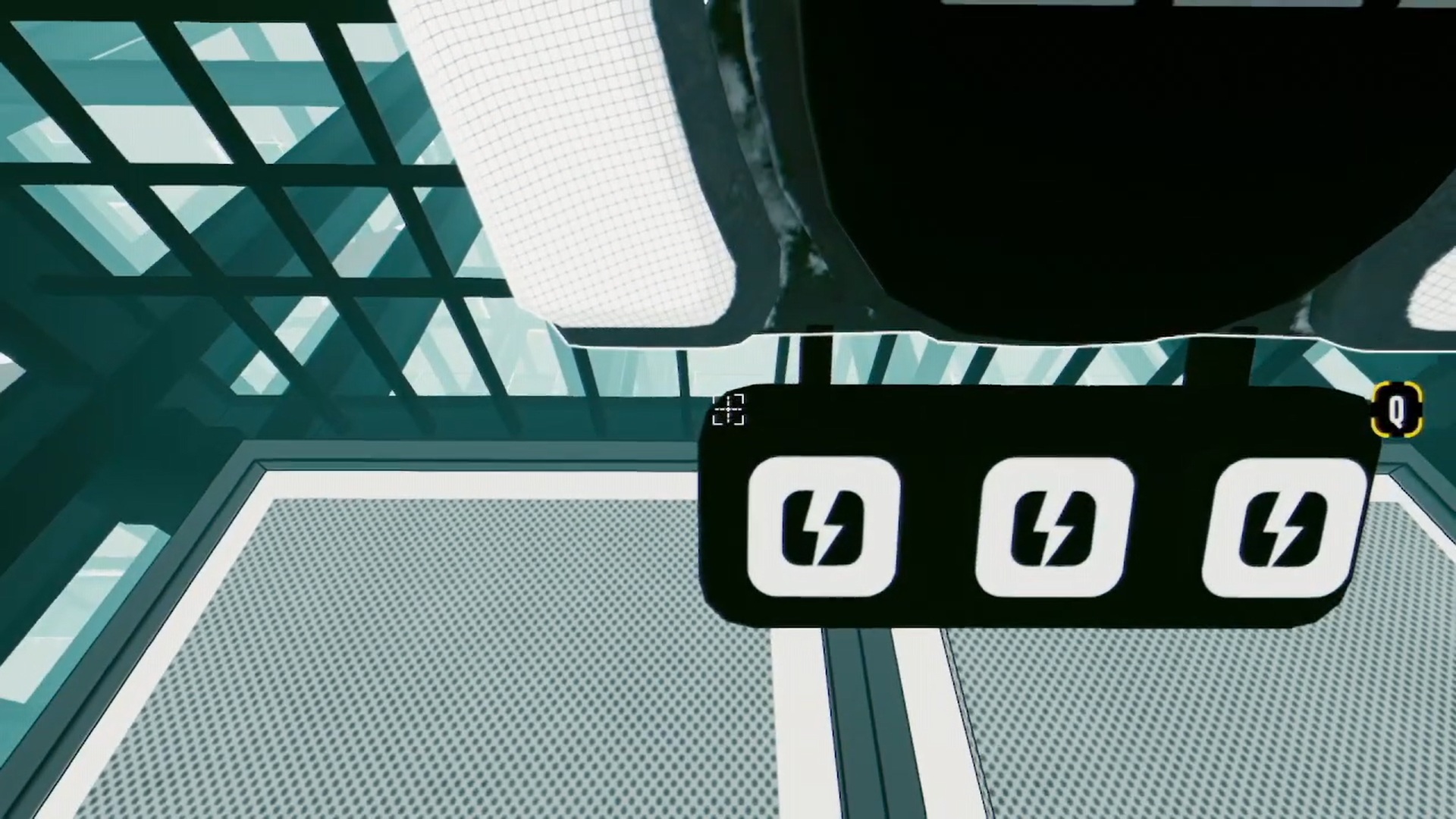
Thanks to the TORSHOCK team for their openness in sharing their vision with us. We wish them great success now, after the game's launch earlier this month. And for you, our readers, we encourage you to follow the evolution of this studio and explore the fascinating challenges Total Reload proposes for yourselves, if not the full version, then at least the demo, which won't endanger your piggy bank, at most your storage drive.
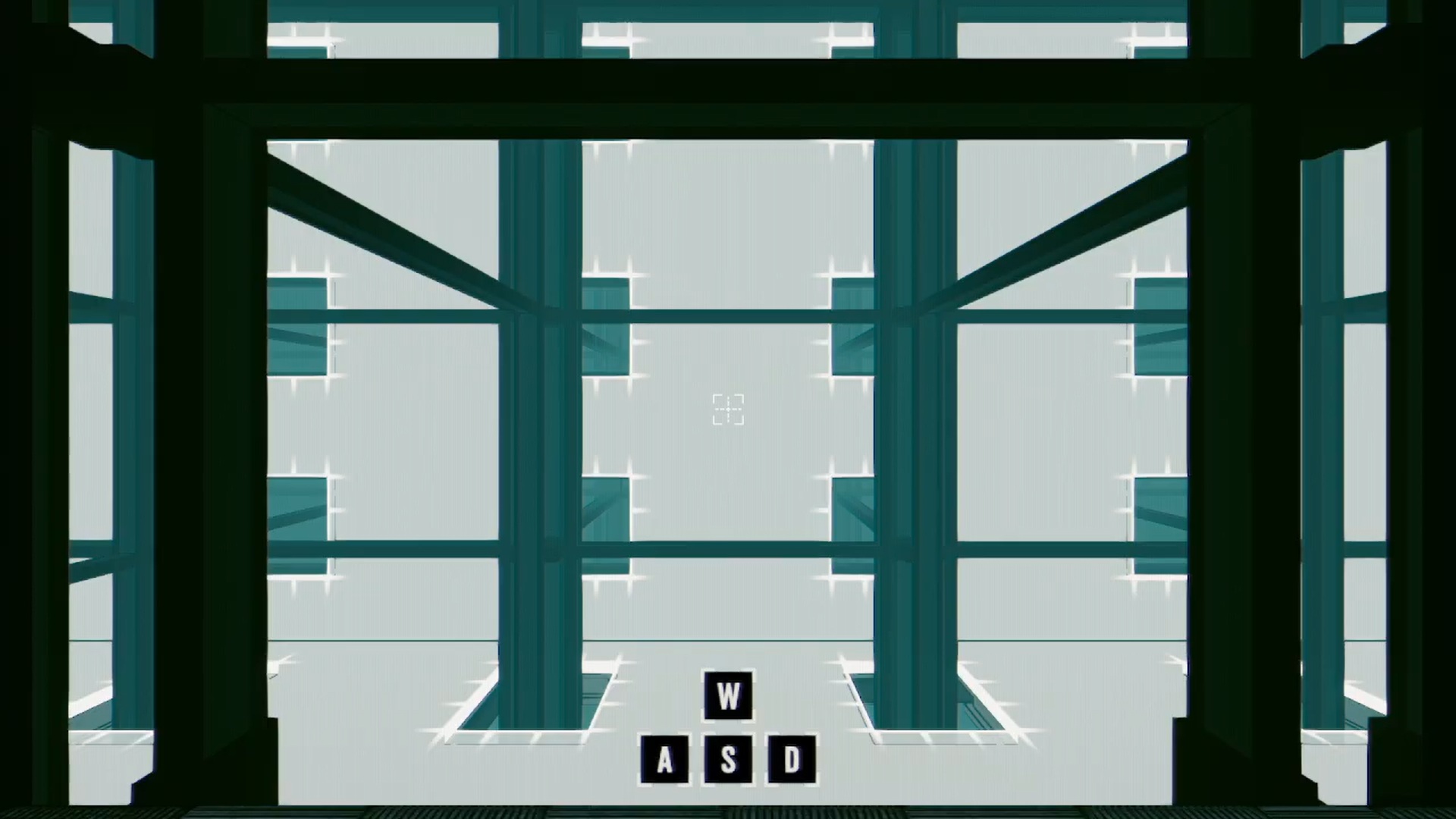
You can access the original interview in English HERE.