
Final Fantasy Tactics: The Ivalice Chronicles – Review

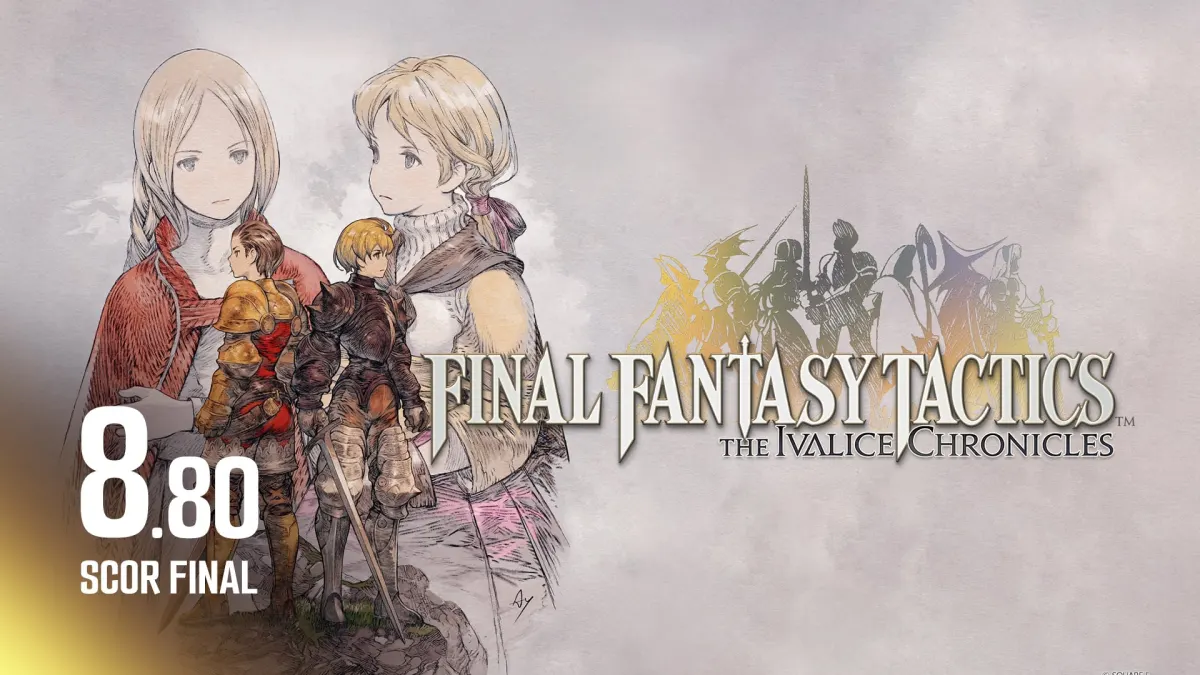
Petals and Steel: The War of the Roses in Ivalice
When Yasumi Matsuno joined forces with Square Enix in 1997 to translate his experience developing Ogre Battle into a Final Fantasy spin-off game, no one could have predicted how influential this title would be. With a strong emphasis on tactics and squad management, FF: Tactics departed from the series' origins in mechanical terms, but remained faithful to the mythology, and the world in which it takes place was later revisited in more orthodox titles for the Square catalogue such as Vagrant Story or Final Fantasy XII.
The adventure is divided into levels that look like dioramas. We are presented with game boards of rare verticality, in an isometric perspective, and each decision consumes a character's turn. The cutscenes maintain the same format, depicting a war of secession with the gravity and involvement you would probably expect from a more mature work than pixel art with tiny characters, but I'm not exaggerating when I tell you that The Ivalice Chronicles has one of the most complex and credible plots inspired by the War of the Roses since A Song of Ice and Fire, and the writing is among the best in the franchise.

Here too we have seven unified kingdoms, and two factions (the Order of the Northern Sky and the Order of the Southern Sky) are fighting for power. The hero we control, Ramza Beoulve, is the son of the commander of the Northern forces and a simple mercenary at the beginning of the story. His story is intertwined with that of Delita, who, as indicated in the game's introduction, will be recognised as a hero of the war and crowned king while Ramza will be forgotten by the pages of history. We will see multiple interconnected narrative threads through his eyes, and the details are encyclopaedically archived in the game's menu with impressive rigour. If you're as crazy about timelines, historical notes, and worldbuilding as I am, you'll love the lorebook integrated into the menu.
The icing on the cake is the job system, present in many mainline FF titles and called classes in almost every other RPG. The way they are conceived and integrated here is of a rare depth, with kits where you can integrate abilities unlocked from absolutely any job and synergies that you continue to find new uses for after many tens of hours of play. And all this in a minimalist framework, where all the systems of factors, effects, and decisions happen within the confines of a grid. A grid that includes weather, height, state of aggregation, and, of course, invisible dice.

An unfriendly introduction
It's very possible that FF:T won't grab you right away. The beginning, and I say this from the perspective of someone who has come to adore this solid 7s game, is obtuse and abrupt despite the bucketload of exposition you're shoved through until the first contact with gameplay. You're told a lot of things without having the context to understand their significance, and the simple decisions you make at the start in no way suggest the complex rules by which combat operates or the abundance of abilities and effects you'll have access to later. Sure, you can read about all of this in the menu, but the actual experience that forms the first few hours of the game doesn't cover all the aspects that make a character versatile.
If there's something that might catch your attention from the start, it will probably be the almost poetic writing, in whose flourishes hide sharp observations directed at the factions in the game world, themselves symbols for the usual suspects: the Church and the State. Once you manage to get past the first few maps, practise a few job combinations, and decipher the importance of party management, things become increasingly satisfying.

The civil war unfolds in the background as the party, made up of up to five player-controlled heroes, specialises in their chosen roles. Once you unlock abilities, you can equip them in any class's kit, practically combining all the peculiarities and effects of the two. If in most Final Fantasy games there are a few absolutely devastating classes, here it's not about how many Dark Knights you can gather, but more about what combinations of abilities produce the most interesting results. Nothing stops you from combining the ridiculous damage of a Monk with the double attacks of a Ninja or the devastating spells of a Black Mage with the infinite range of an Arithmetician.
This asymmetry of jobs is at the heart of the variety and fun in the gameplay. You can overcome the limitations of your favourite class – in my case, Chemist – by cultivating a second job from which to pick the abilities you feel you're missing. Buffs, debuffs, physics effects, or moments where you anticipate an enemy's move for a stroke of genius will make each battle more interesting than the last.

The player's logical challenges are interrupted by key moments of the political conflict, in which Ramza and Delita have their own dilemmas, often moral, and react to them somewhat antithetically. Tragedies follow one another in that specific way of feudal power struggles. I found the contrast between the miniature models and how dark and dramatic the subject matter is absolutely adorable. The game doesn't shy away from showing blood, corpses, and massacres, even in the colourful and family-friendly form in which it presents itself.
People die like in Hamlet, with gasps and soliloquies, miniature and pixelated models of characters as serious and soulful as can be. There's also jumping, throwing shurikens, cards, axes, and whatever else comes to hand. The absurd and the playful combine absolutely deliciously with the grave and dramatic foundation in a way that reminds me how unique Final Fantasy can be in the franchise's most inspired moments.

Strolling through the kingdom
Although the mission progression is linear, we are provided with a map to access visited cities to recruit new soldiers, buy equipment, or visit the tavern. We can also trigger random encounters to farm experience, money, and job points, but the game is designed so that if you make intelligent decisions in team formation and management, you can progress through the entire story without having to stop very often. In principle, main quest content does not level up, and optional content will always be calibrated to the level of your team's most advanced member.
You can recruit up to 50 people, but the party, as I said, can only accommodate up to 5. The rest can be sent on background missions (some days are missing from the map, but you have no control over them). Theoretically, you can permanently lose people (if you don't revive them in time), but you can retreat from most battles without losing anything to rethink your tactics or get some new abilities before retrying the encounter.

There isn't much to do besides pushing the story forward or searching for the few hidden characters that can be recruited (including Cloud from FF VII). The few cameos and side missions are welcome, don't get me wrong, but Ivalice is such a special world that I found myself wishing for more diversity in the activities allowed as we traverse it.
Quality of Life Features
Although we have the option to choose between the Remastered version or a port closer to the original in the main menu, most Quality of Life additions are only present in the Remastered version.

One detail that caught my eye was the art style of the introductory cinematic, in the specific style used by Akihiko Yoshida and Kenta Tanaka, marking a kind of visual continuity with Vagrant Story, at the intersection of Art Nouveau, Japanese woodblock prints, and watercolour.
In the menu, we can even see the cinematics from the PSP version in a remastered form, in the style of the artists mentioned above, but what's strange is that during the story, you don't see them in this form. Basically, one of the most interesting components of The Ivalice Chronicles is hidden in the game's menu.

The graphics during battles also received a facelift, with smoother animations and a host of minor tools that make your life easier. In all respects, the Remastered version is a more modern, easier-to-digest version and even comes with some simple but reasonable autobattle scripts.
The full voice acting itself seems like a titanic achievement to me, with superb performances throughout the game, demonstrating, both through volume and attention paid to even the smallest lines, that The Ivalice Chronicles is more than a lazy port.

You can Fast Forward to speed through enemy turns, you have three Loadouts available so you don't have to manually change abilities, and the world map includes a legend that tells you where to find a certain type of equipment. If you've positioned yourself incorrectly, you can reset the battle without changing the setup and without losing anything.
Numerous other minor issues reduce the frustration that a 1:1 port of the original experience would have produced, and at the same time, it must be said that the content introduced by the PSP release, War of the Lions, is missing for anyone hoping for a definitive version of FF: T.

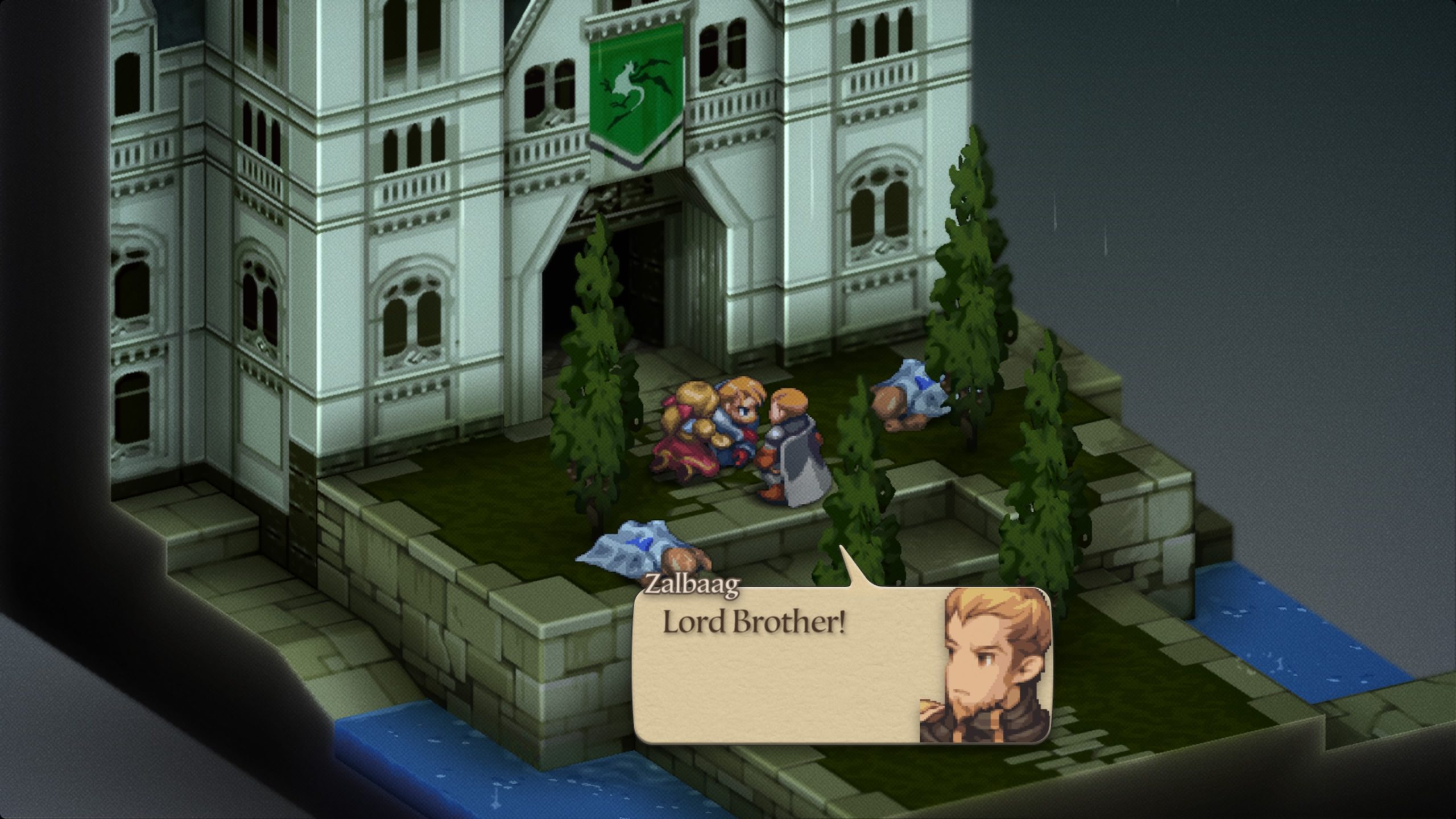
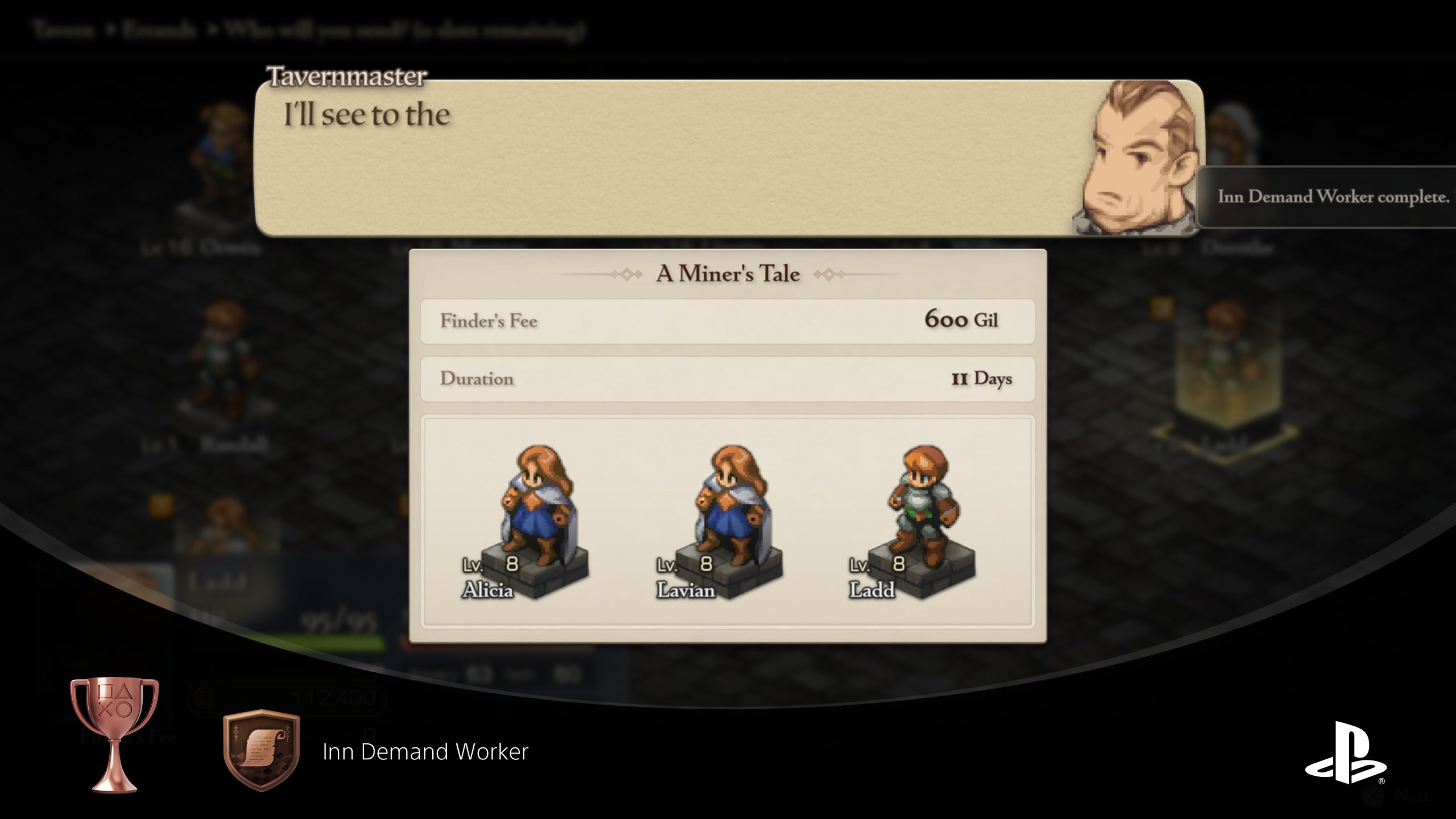
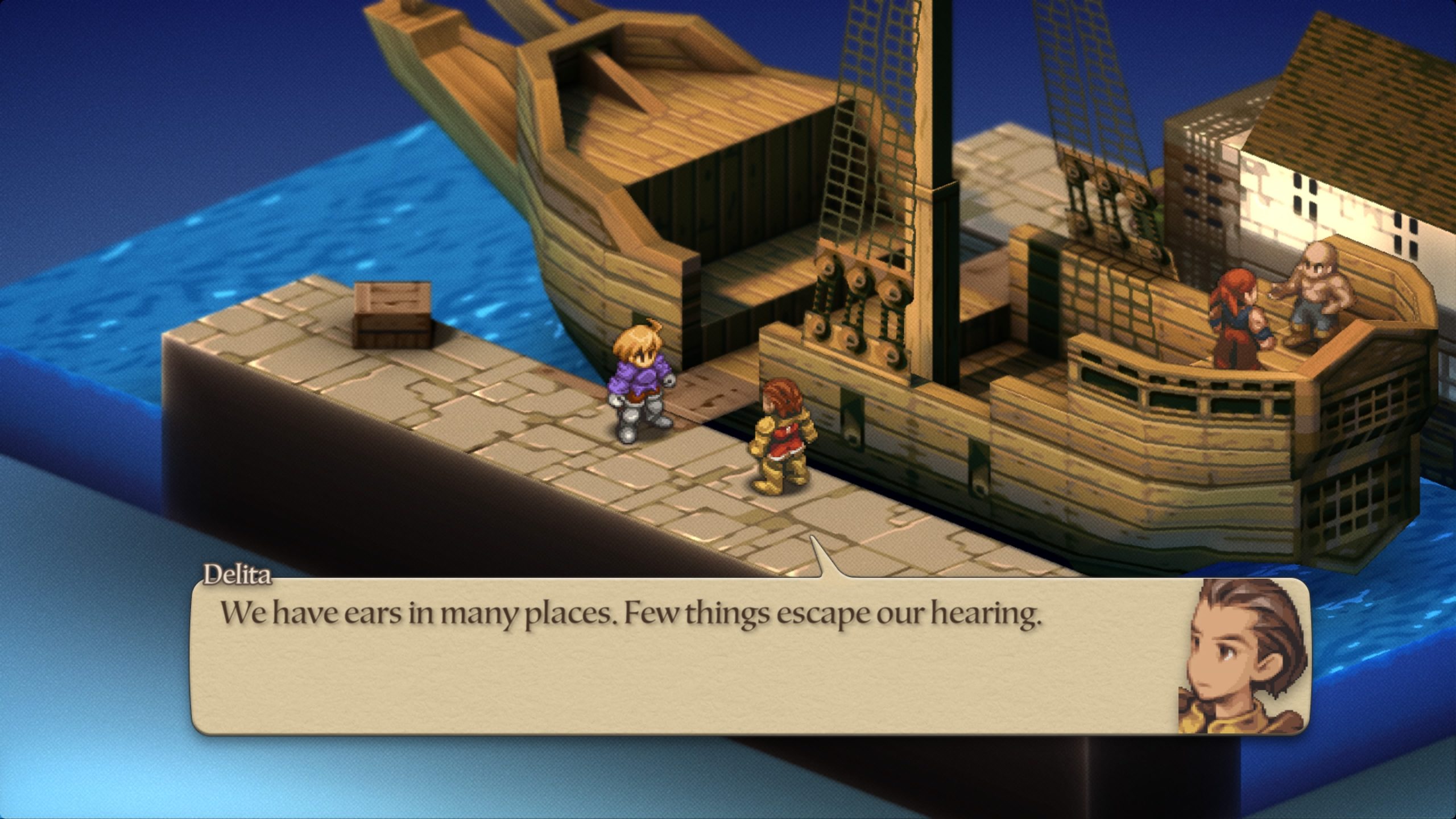
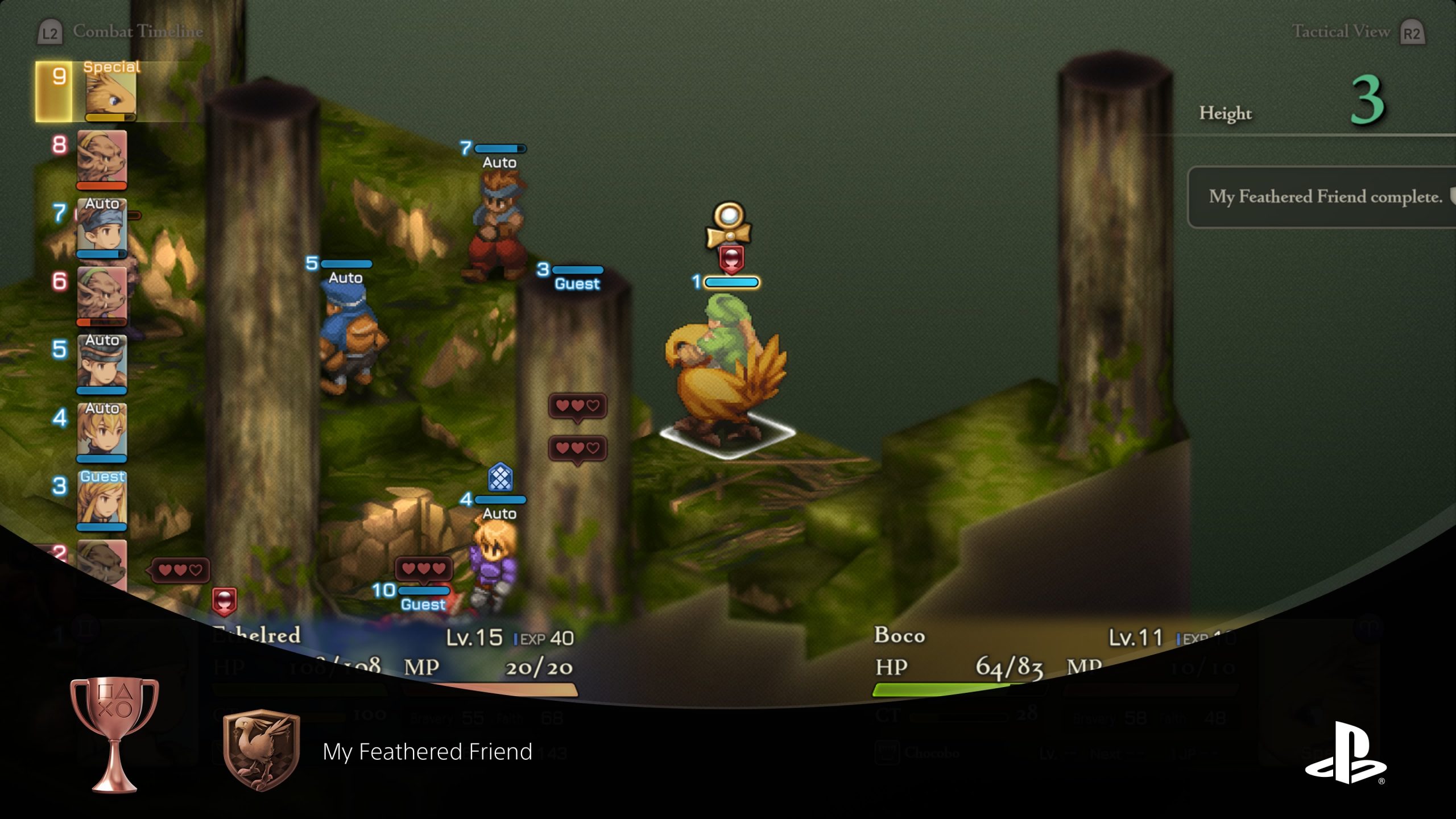
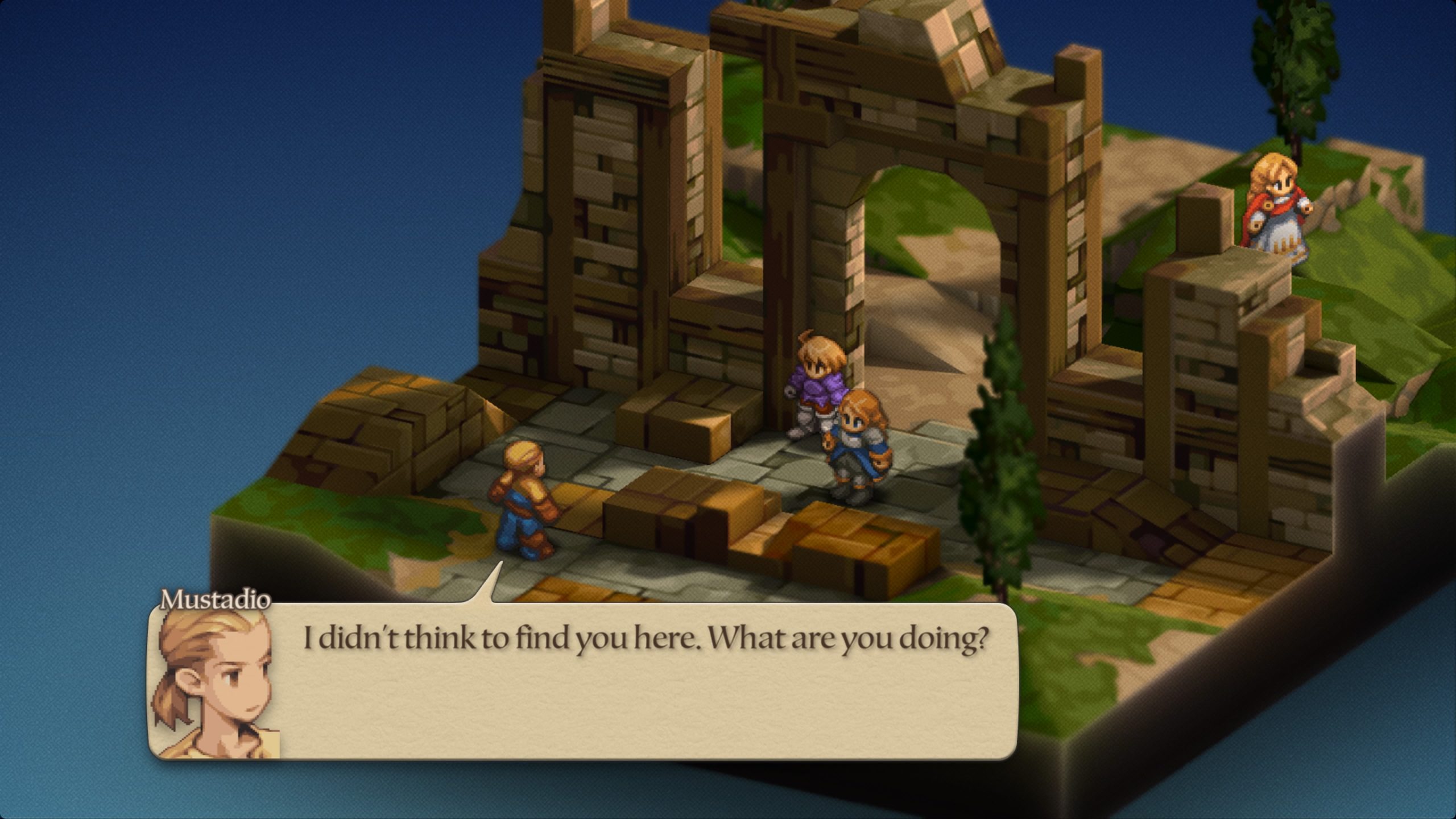
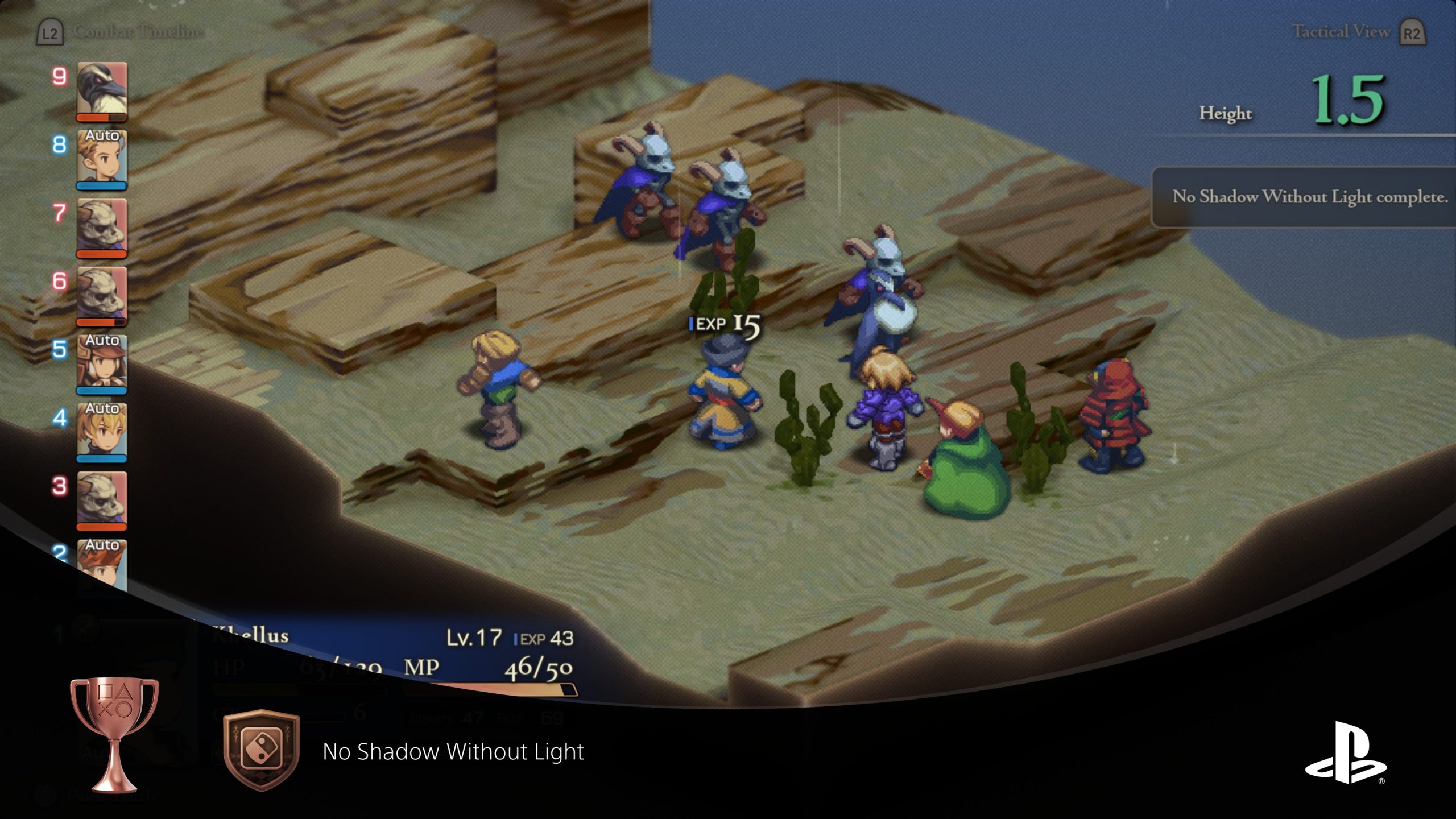
These improvements don't change the essence (in fact, I devoured the game in the last few days, which confirms that a diamond doesn't lose its sparkle even after more than 25 years). Final Fantasy themes are more present than ever, but understanding them isn't necessary to appreciate the title. And although I believe tactical RPGs are a relatively inaccessible genre, in this case, we have such a well-conceived and polished work that it's worth overcoming the initial hurdle for what its core holds.
Thanks to CD Media S.E. for the review code and the opportunity to play Final Fantasy Tactics: The Ivalice Chronicles.
The game can be purchased in physical edition from Jocurinoi.ro and Gamesfunattic.ro

Played on: PlayStation 5
Release date: 30 September 2025
Developer: Square Enix
Publisher: Square Enix
Plus
- Complex and masterfully written story
- Flawless voice acting
- Unique and profound progression system
Minus
- The remaster adapts the original version but does not include content from War of the Lions (the PSP release)
- Limited diversity of in-game activities
- Abrupt introduction
0 votes
Scroll down here and stay on the page for at least 30 seconds to vote.
Pick a score from 0 to 10 (halves are allowed).