
Resident Evil Requiem – Review

A kind of edging, but with stress
Resident Evil is a franchise that has never shied away from reinvention. This was somewhat necessary, given how saturated the zombie story market is and how repetitive the convention can become. After the last few games in the series oscillated between that hide-and-seek subgenre from Amnesia or Alien: Isolation and the over-the-shoulder, more action-oriented power fantasy (brought to modern standards in the remakes of Resident Evil 2, 3 and 4), the guys at Capcom decided to cram both species under the same umbrella in the latest title in the series: Requiem.
Warning: this review may contain spoilers related to the story, characters, and certain key moments in the game.
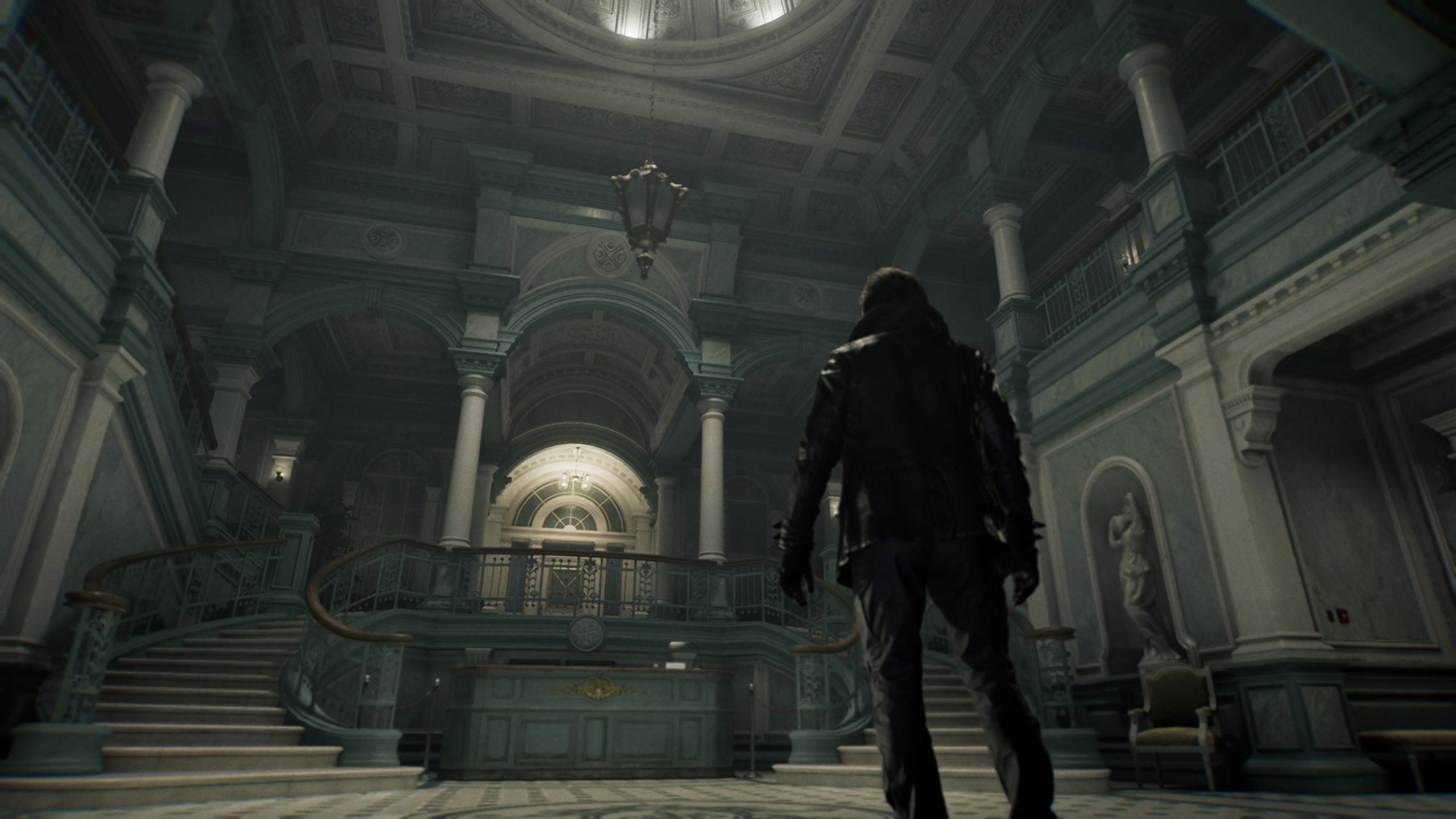
At the same time, the esoteric tones from recent titles have been toned down, and the series has returned to its signature visual grammar: gothic architecture, urban decay, peeling walls, and opulent chandeliers in a kind of mini-dungeons that expand as you solve puzzles, collect keys, and open secret passages.
You'll play, in turn, as Grace and Leon, pursuing the resolution of the same mystery along two different lines of investigation. Resource management in an overly cramped inventory, sneaking past monsters to conserve bullets, and scouring every nook and cranny to squeeze consumables out of the map: everything that represents the series' DNA is delivered in spades, in a package that distills, in one form or another, small surprises from all eras of Resident Evil. Infernal creatures, horrible mutations, and pharmaceutical conspiracies await us, just waiting for us to pluck up the courage to open the door in front of us, even though we only have two bullets left and have been dying for a quarter of an hour…
I didn't know you were so easily scared
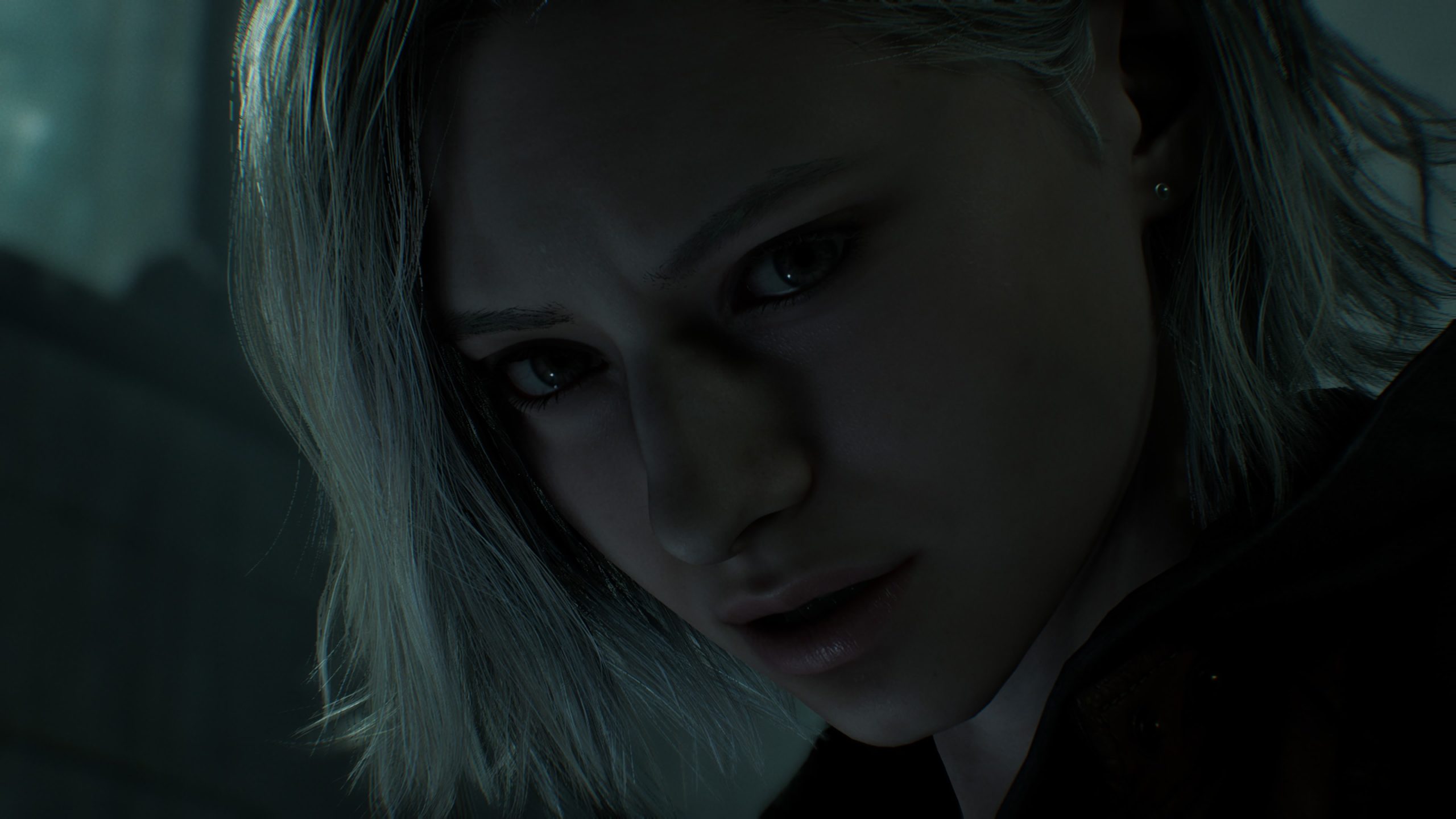
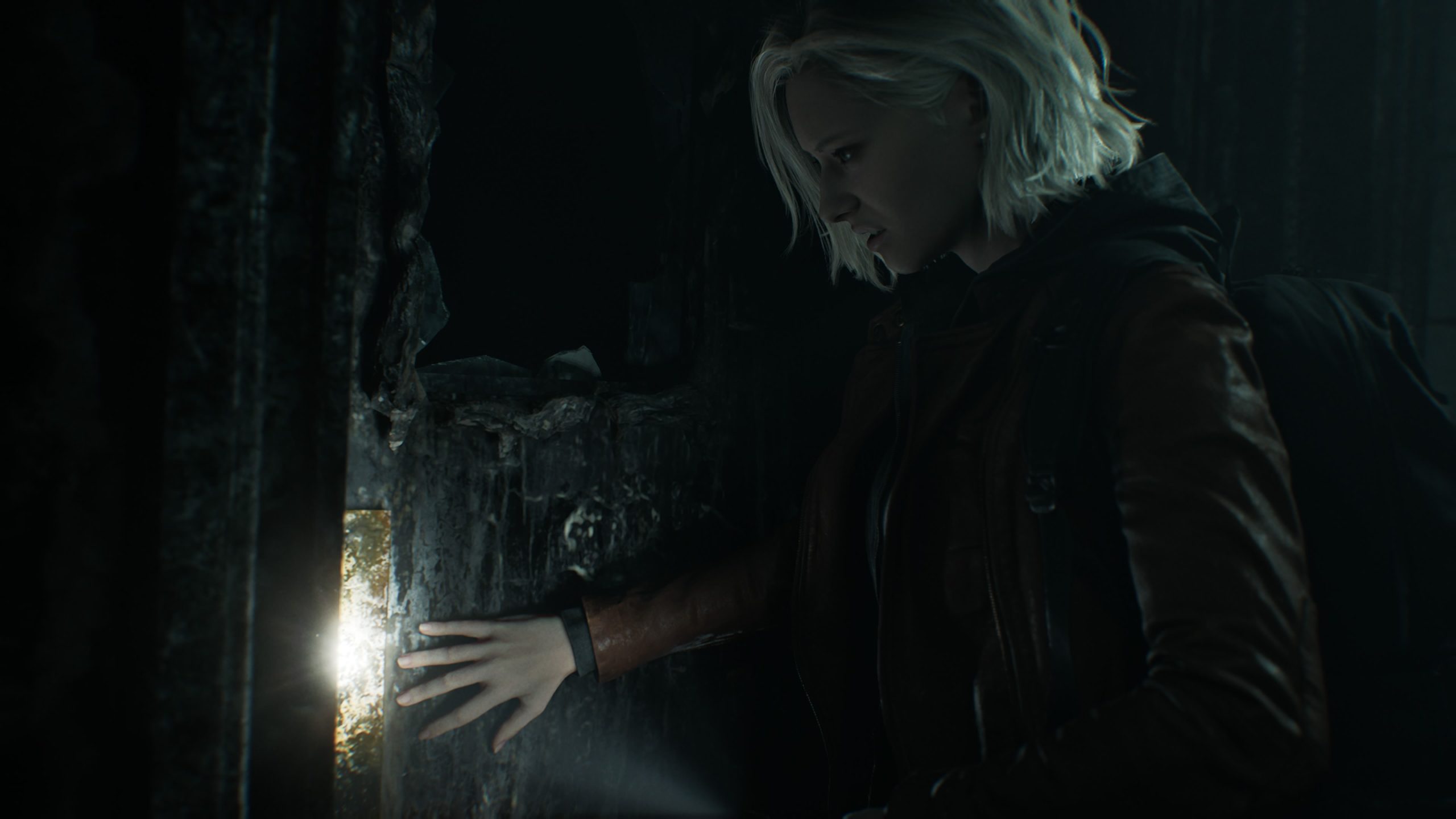
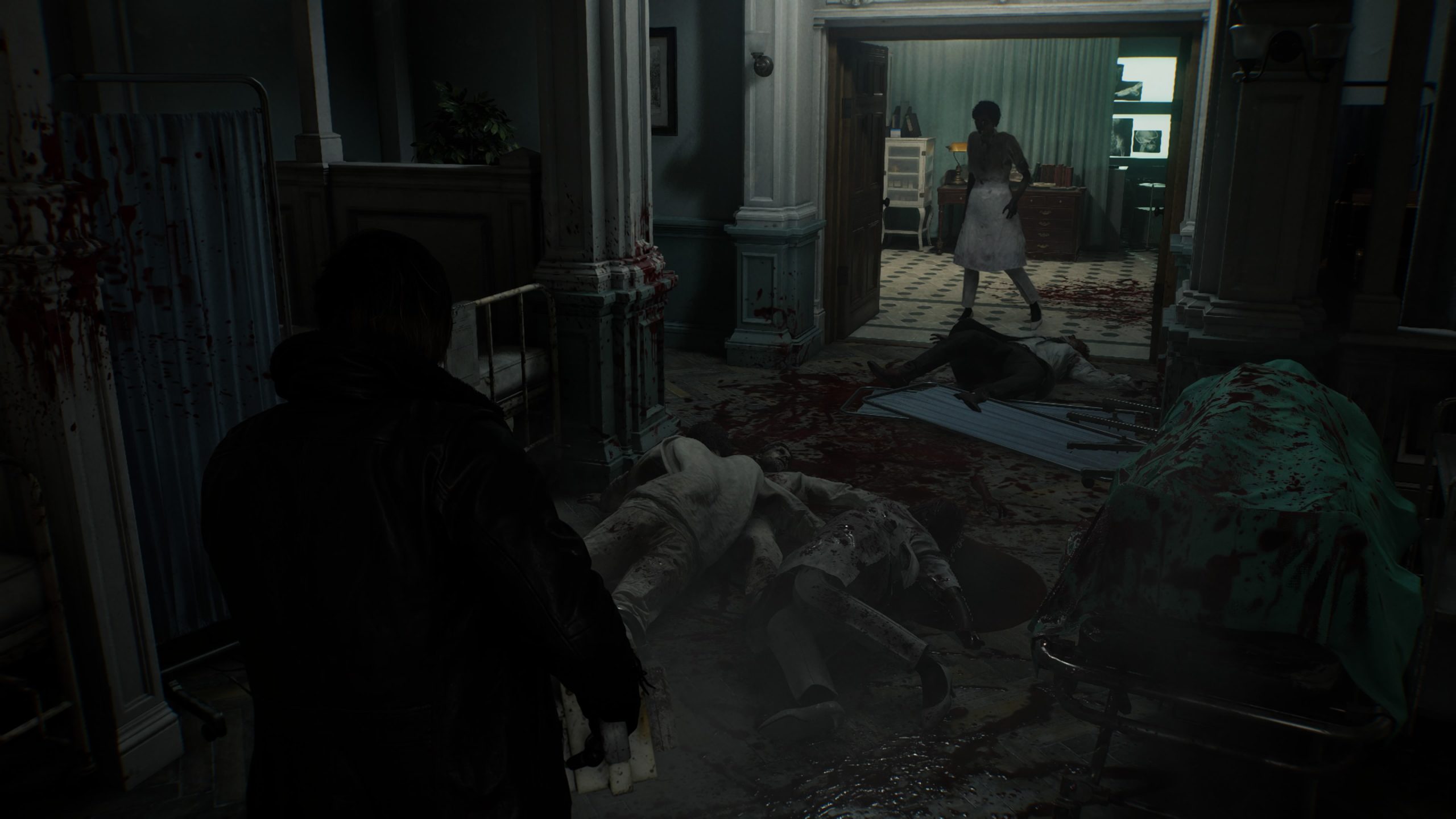
Grace Ashcroft is perhaps the most fragile example in the Resident Evil series' gallery of heroes. She has no field experience and is haunted by the notion that she cannot save her loved ones. Her arsenal is modest, the tools that supplement it are rare, and every metre of progress requires a methodical approach, where patience and intentionality are more important than reflexes or accumulating ammunition.
In the introduction, she is tasked with investigating an abandoned hotel. For Grace, it is also the site of a personal tragedy, but her lack of experience does not deter her, which is all we need to know about her at this early stage. She is persistent and driven by the need to find answers, regardless of what abominations lurk in the darkness. Courage, after all, is not the absence of fear, but the grit to act even in the most harrowing moments.
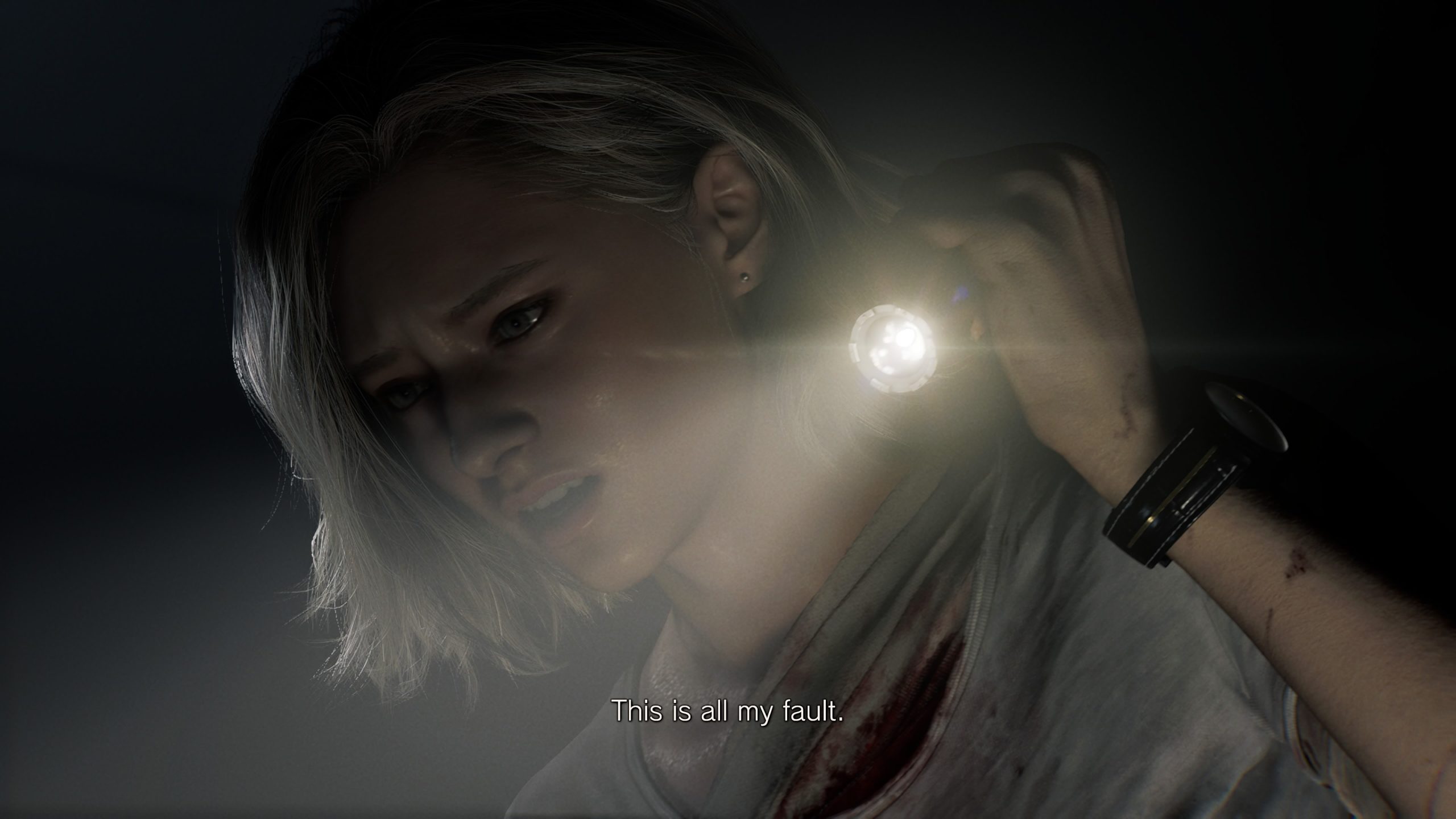
Wrenwood, the hotel she explores, lays the foundation for her entire campaign segment: tension, clues leading like a trail of breadcrumbs to successive revelations that recontextualise each character's motivations. Although we get access to the Magnum, one of the most powerful weapons in the game, quite early on, ammunition is so scarce that the very idea of combat becomes an improvised solution for moments when you literally step on a landmine.
Grace's mission objective is never to defeat beasts, but almost always to escape or explore danger-filled spaces, calculating the cost of each expedition with the minimap open and hoping not to end up with change in practice.
To navigate the bioterror-infested labyrinths, we are given a crafting system whose main reagent is monster blood, which we can collect in a kind of syringe. Along with other materials we find in the hundreds of cupboards, drawers, pots, or safes we encounter, this allows us to produce tools that help us clear our path or save us from desperate situations, but you never have enough resources to “cleanse” the map.
The first-person perspective always felt more immersive to me when you have to sneak around. Peeking around corners and exploring the unknown are more intense, and I saved the possibility of a 3rd person playthrough with Grace for the Insanity difficulty, where the element of surprise, so important in the first run, disappears. Speaking of which, I thought it was very nice how the clumsy running in the first perspective is replaced by animations where you trip and lose your balance once you switch to 3rd person.
On higher difficulty levels, the number of saves is limited by the series' typical ink ribbons, and constraints accumulate as you explore new areas and face increasingly grim scenarios. Fortunately, the autosave system is quite generous on the difficulties available in the first run, and although I made many mistakes, I don't feel like I was ever unreasonably held back.
This narrative thread, which alternates perspectives, makes the levels succeed linearly, so we don't have a superstructure uniting all areas like in Resident Evil VII or Village, but this gives it an intimate atmosphere and a compartmentalised feel, where each map is a self-contained architectural puzzle box. Each key, card, or tool found leads to new wings, sprinkled with clues and collectibles that reveal tangential information to the main mystery.
Mr. Leon vs. The Reactionaries
At 51 years young, Leon S. Kennedy is holding up well. And by “holding up well” I mean he's wiping the floor with waves of zombified citizens, kicking and chainsawing bosses more brutally than when he was a lad, and, perhaps most importantly, he's equipped with an axe he can use to parry attacks and deliver brutal finishing blows.

It's been almost 30 years since, after a drunken night, he was late for his first day of work and landed in the middle of a zombie apocalypse. In Resident Evil 2, he debuted as an accidental and totally unprepared hero who barely escaped his first encounter with the living dead, but over time Leon has become increasingly well-prepared for the slaughter, always combining a rich arsenal with kicks and improvised weapons. In Requiem, we are given a perfected kit, where well-aimed bullets nicely roast monsters for an axe finisher.
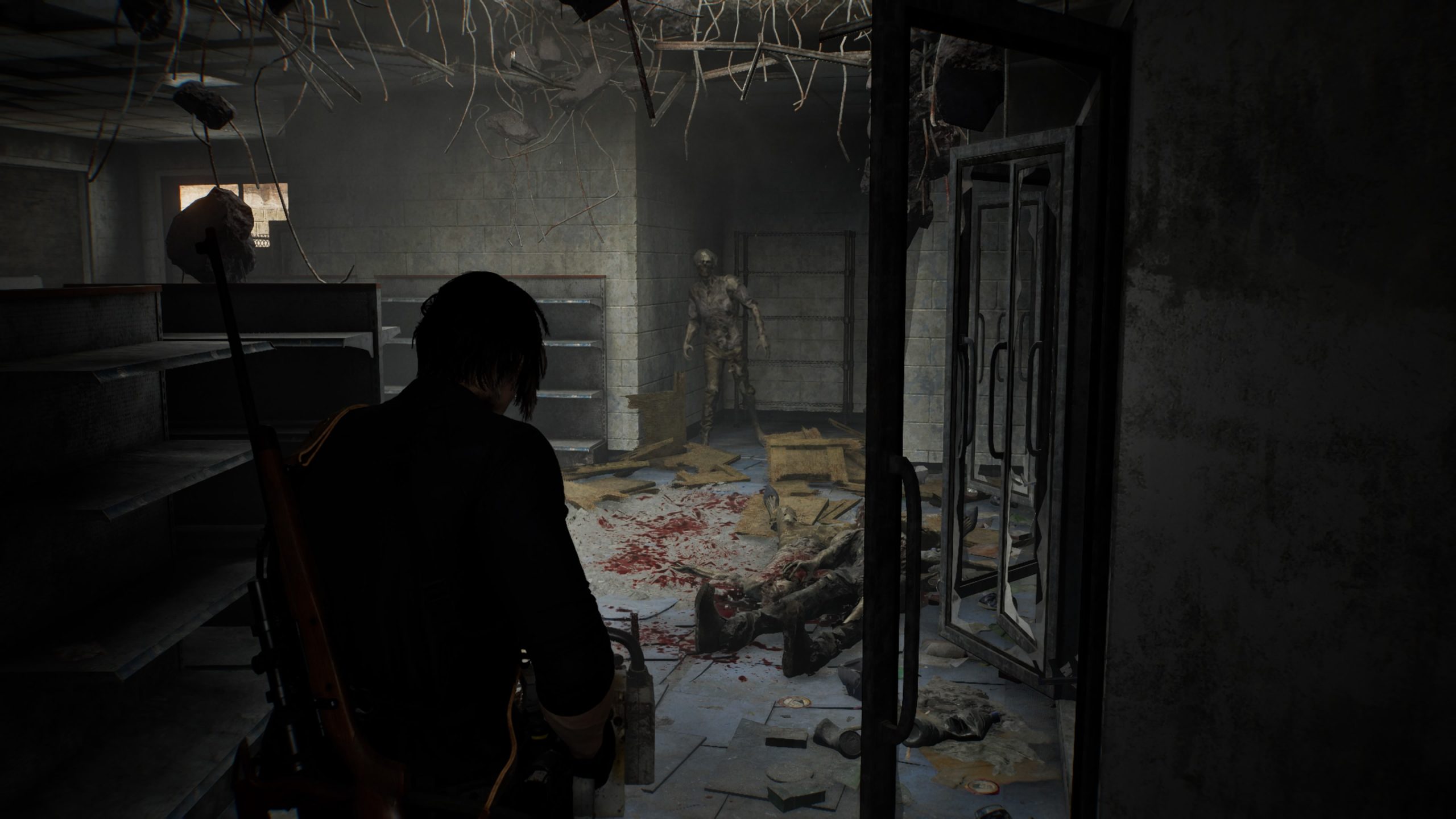
Leon's half of the game is an action-packed survival horror, often coming as a respite after all the tension and dread accumulated alongside Grace. Here, you control the terrain, and the transition from prey to predator gives a special sense of satisfaction. The same corridors you tiptoed through a few hours earlier suddenly become an arena, where every table corner or blunt object becomes an improvised weapon.
Ammunition and resources abound; in the second half of the game, spaces are more open, and even interiors become less intimidating when you open doors with a shotgun. Somewhere in the middle of the story, an upgrade system appears that accumulates points for killed enemies, which you use either to improve your weapons or to buy consumables from the shop that replaces the storage box.
The arsenal can occupy eight slots, and the inventory is much more spacious than Grace's, also utilising a crafting system that series fans are already familiar with: different coloured herbs that can be combined for various secondary effects, or gunpowder needed for ammunition.
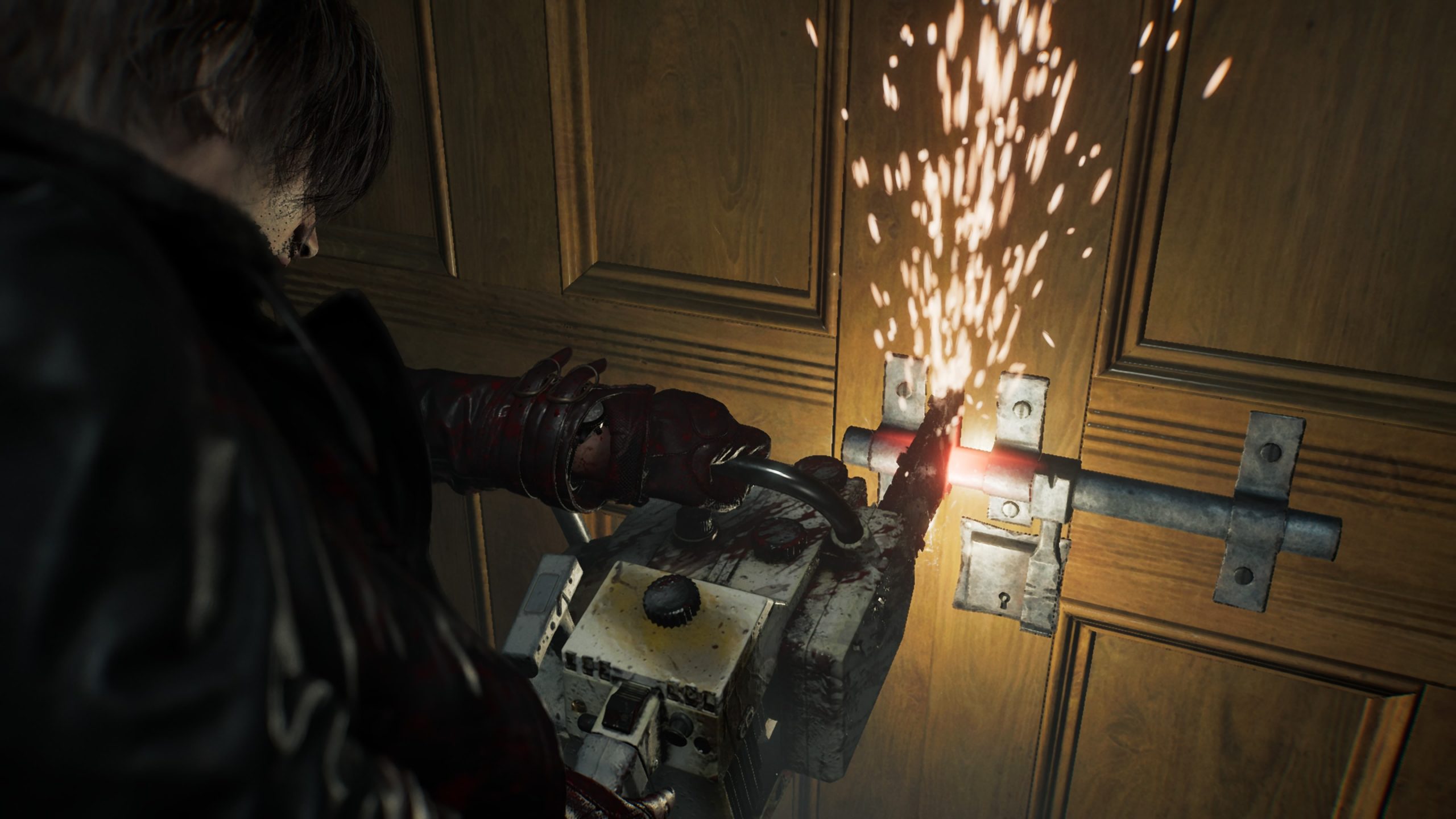
Returning to the axe, it does more than just help you save bullets. Besides stealth kills, you can use it to parry attacks (even from bosses) and generally be much more aggressive in moments of conflict. From time to time, you'll find a chainsaw along the way (it happens!), which, although one of the most powerful weapons in the game, can be just as dangerous to you if you're not careful.
Daytime Terror
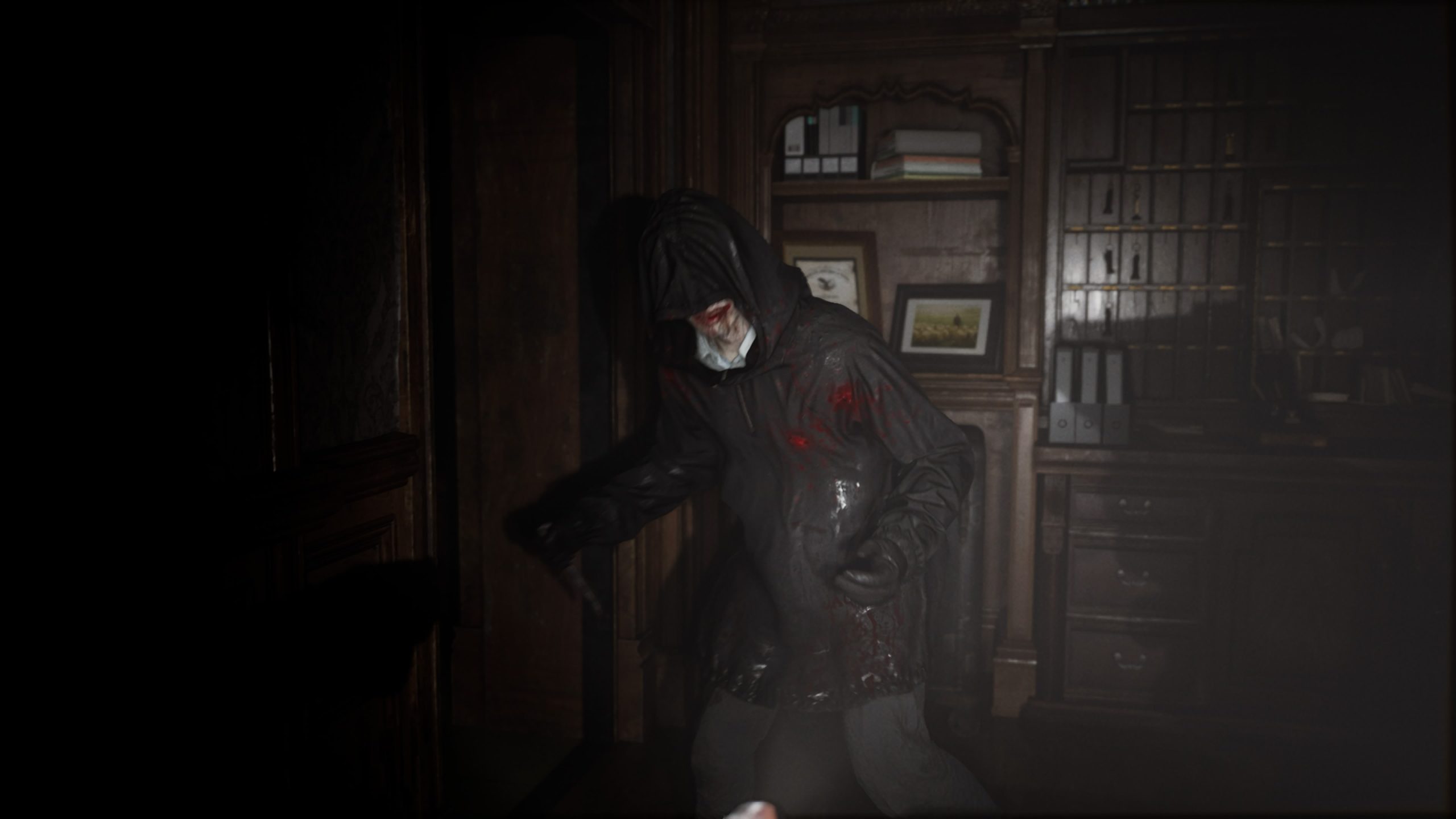
The changes in perspective and scenery in Requiem don't shy away from daytime horror or transitions between wide open spaces and obscure interiors. Light, naturally, plays a central role not only in shaping the atmosphere but also in the tactics you employ. Certain monsters are sensitive to bright lights, and thus, as long as you find well-lit rooms, you can treat them as safe spaces.

At the same time, walking around with your flashlight on immediately draws attention to you, and the chances of knocking something over and making noise increase exponentially when you're fumbling through growls after a power outage.
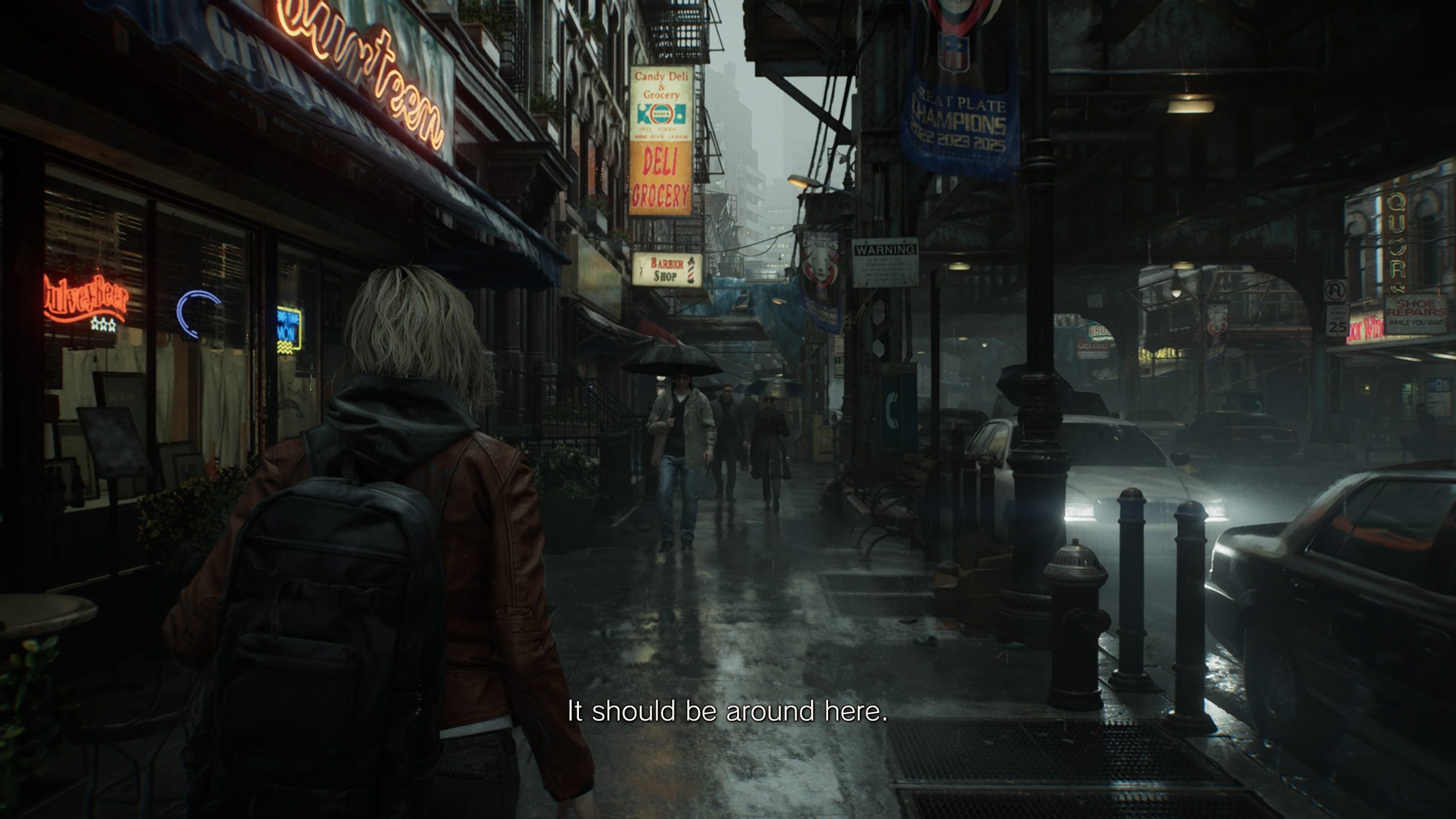
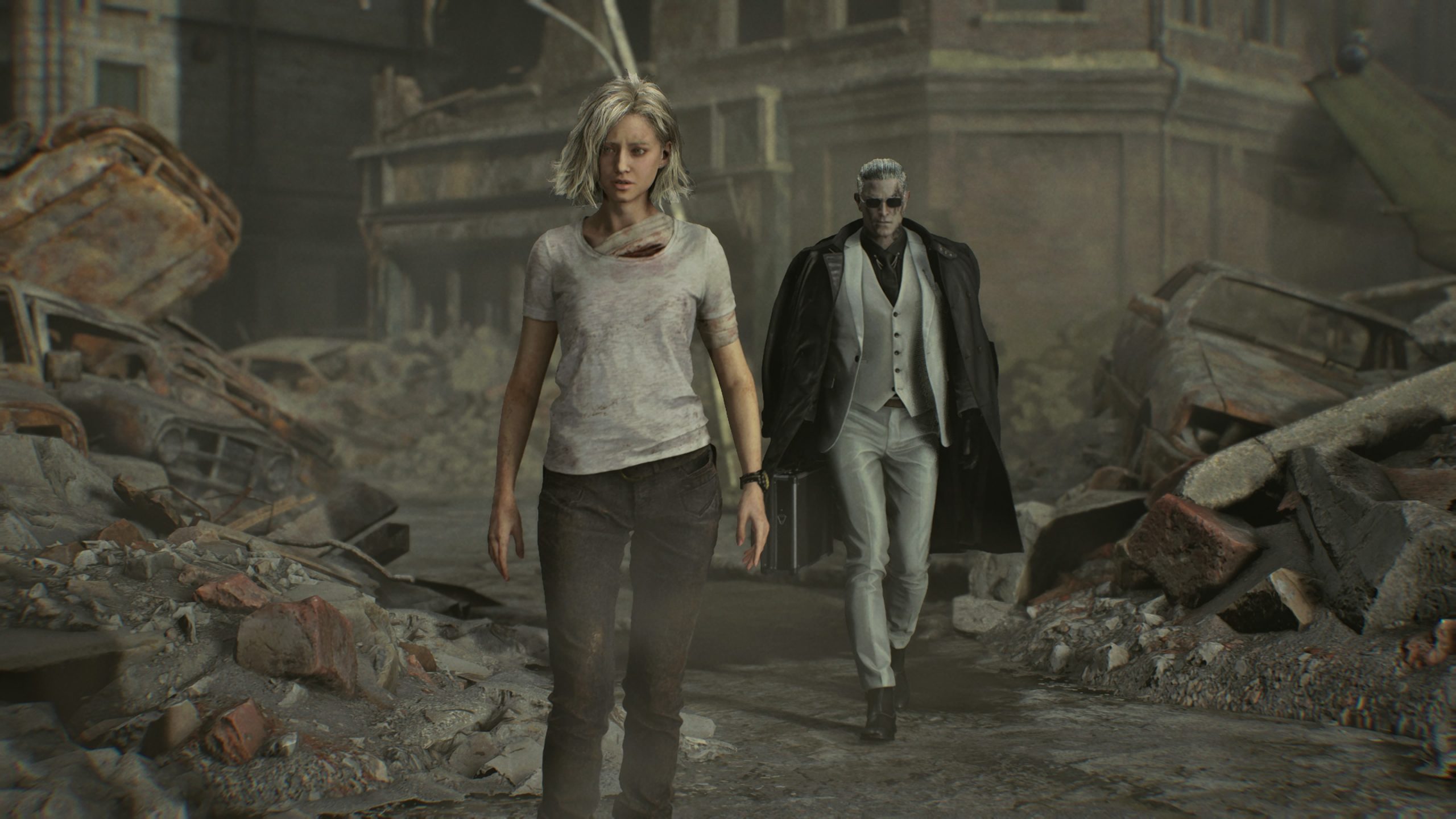
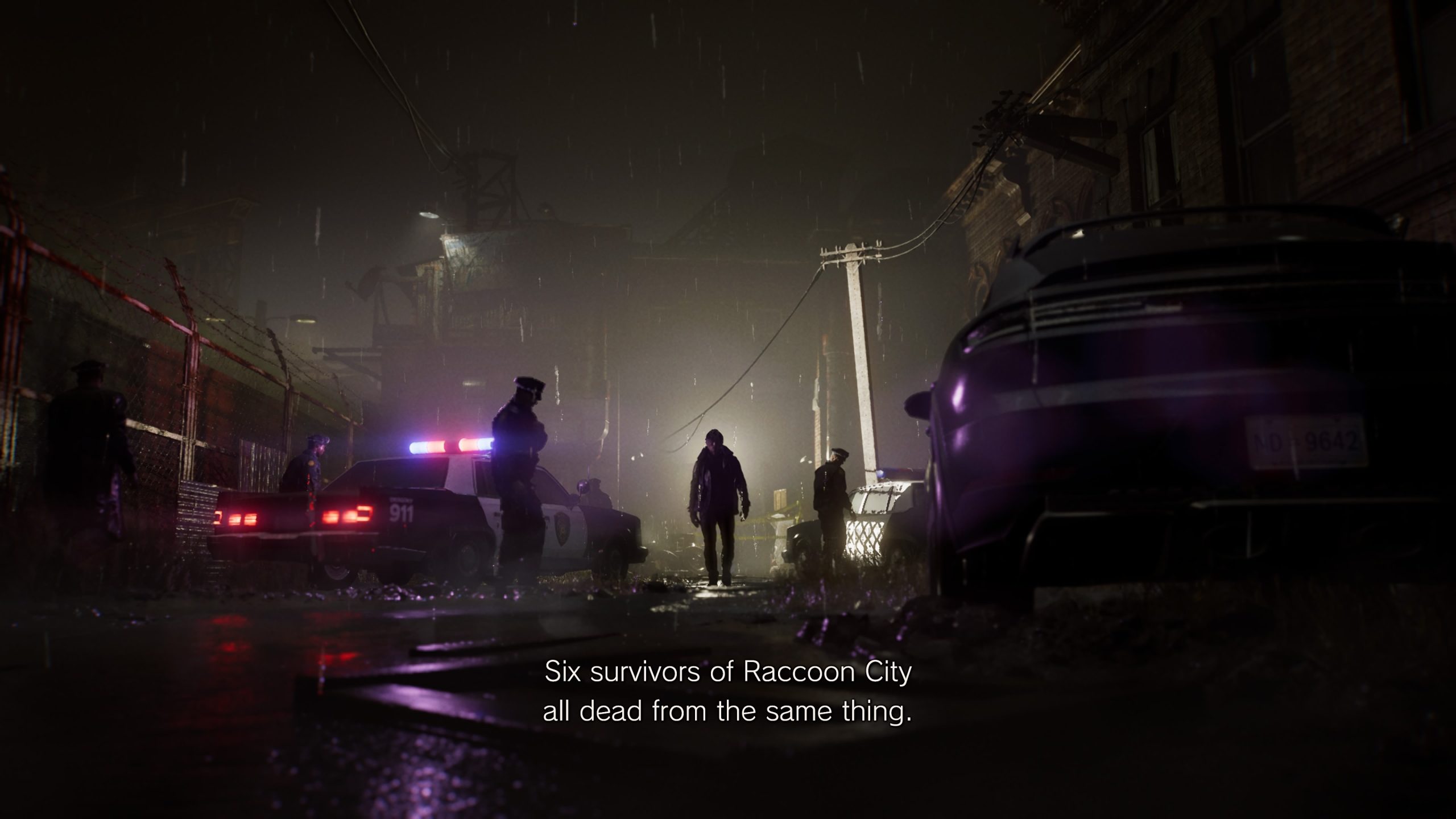
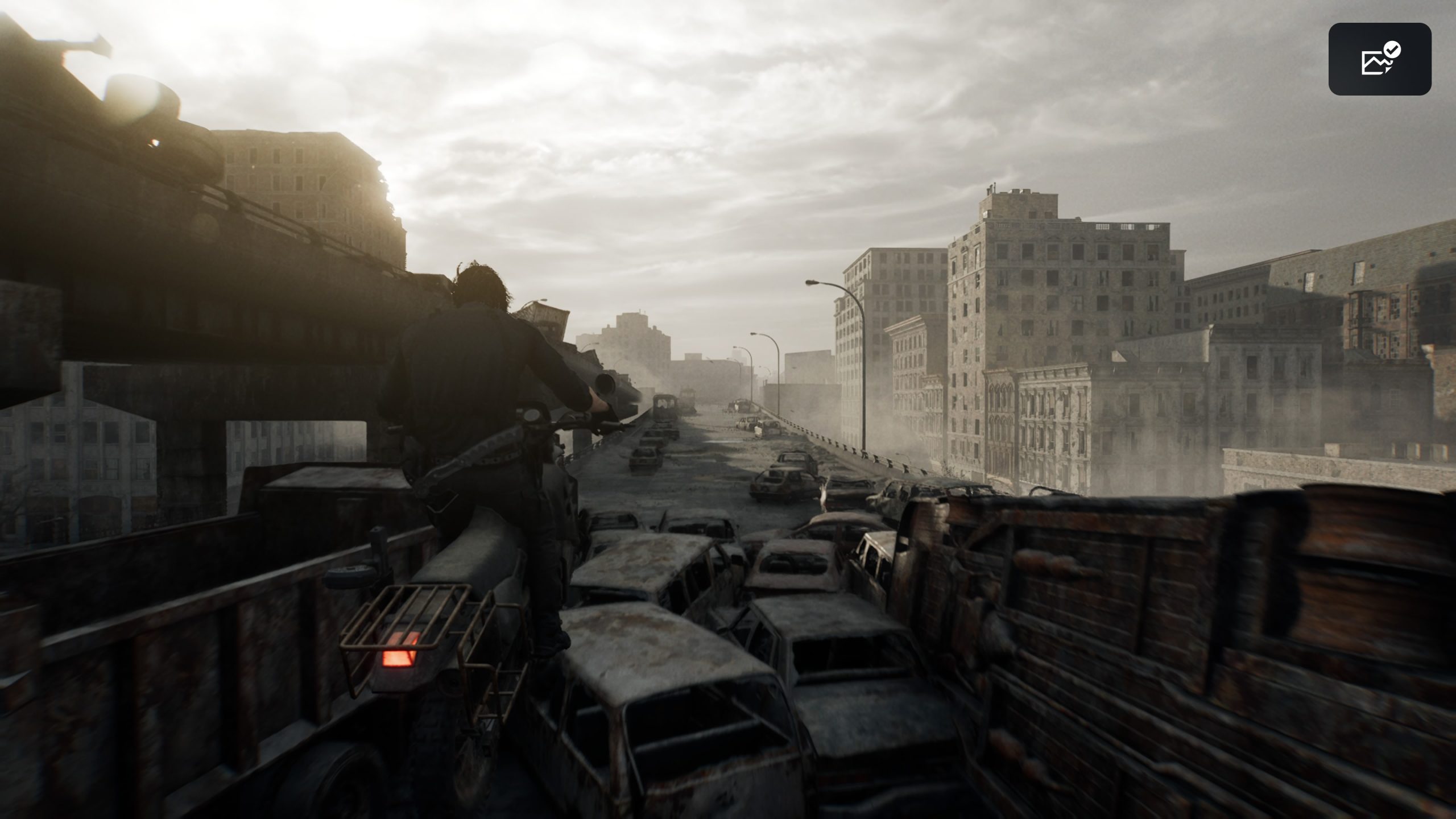
Once we reach the streets of Raccoon City, the oppressive tension of surviving in the dark disappears and is replaced by another kind of horror, where historic buildings have been turned into piles of rubble and every rusty advertisement, abandoned bicycle, or buried teddy bear serves as a constant reminder that people once lived here.
This is where the most Hollywood-esque set pieces appear, solidifying Leon's portion of the campaign as a visceral tour de force and a nod to the adrenaline-fuelled sequences from Resident Evil 4 and 5. We revisit levels from the second game in the series after three decades and a nuclear bomb, and all of it looks exactly as you'd expect, ravaged by humanity's desperate attempts to cover up its failures.
The Aesthetics of the Grotesque
Technically speaking, Resident Evil Requiem is a gem. The lighting and textures are much clearer than in any other game in the series, and hair and other graphical details that I found substandard have been addressed. Although I finished the game on a regular PS5, I didn't encounter any framerate fluctuations or major graphical bugs, and the RE Engine remains one of the best optimised and most stable engines in the industry.
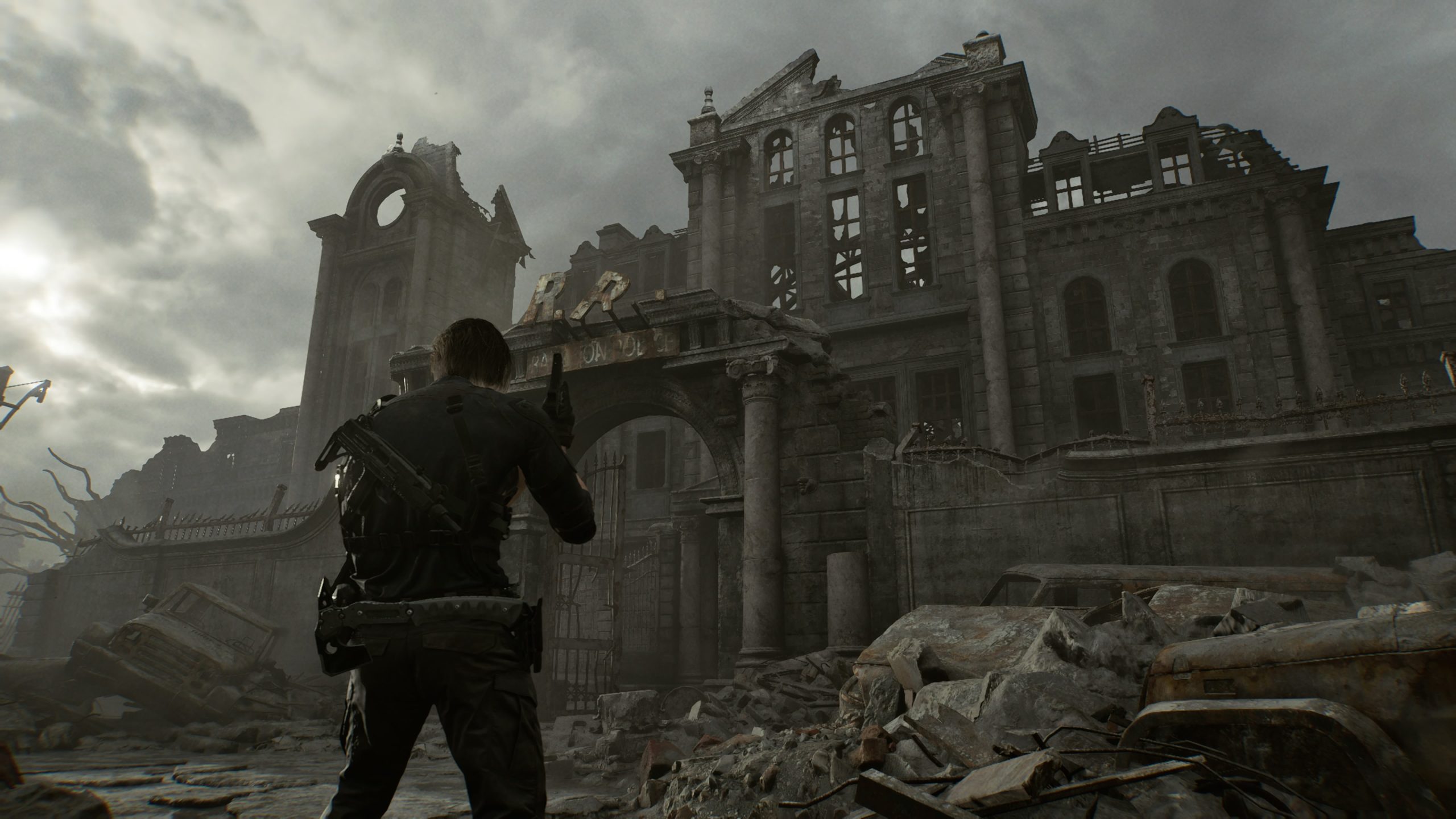
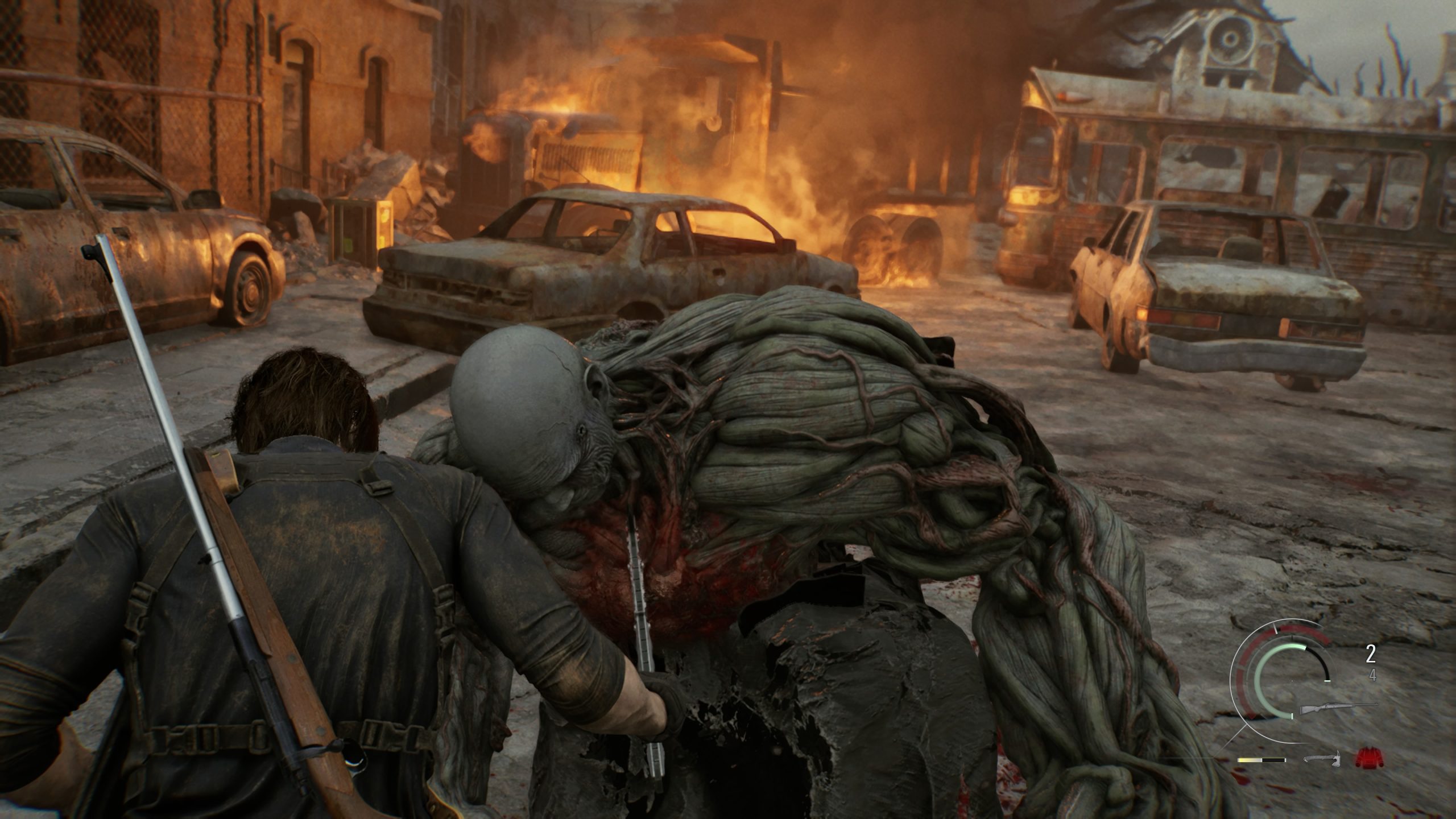
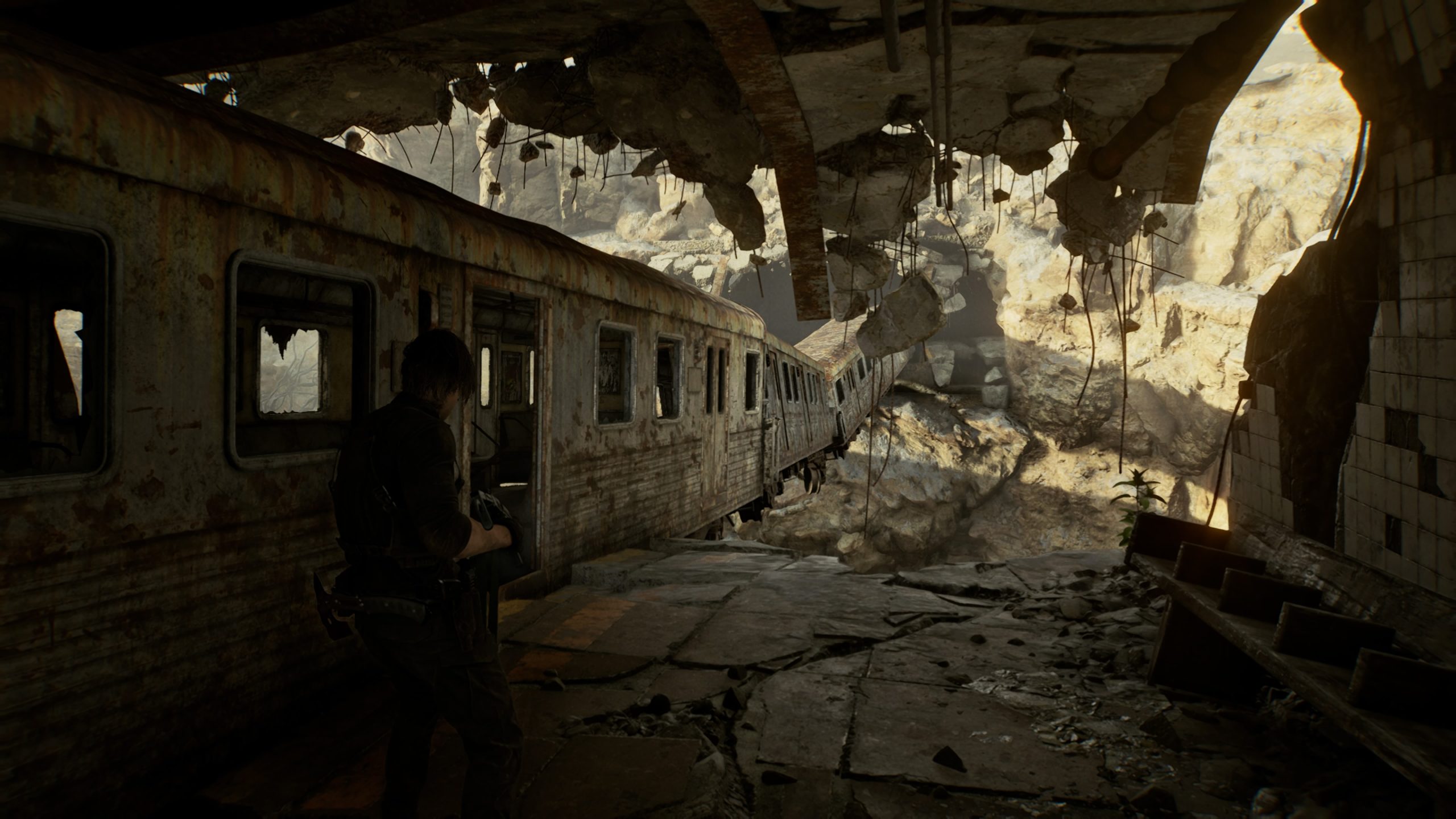
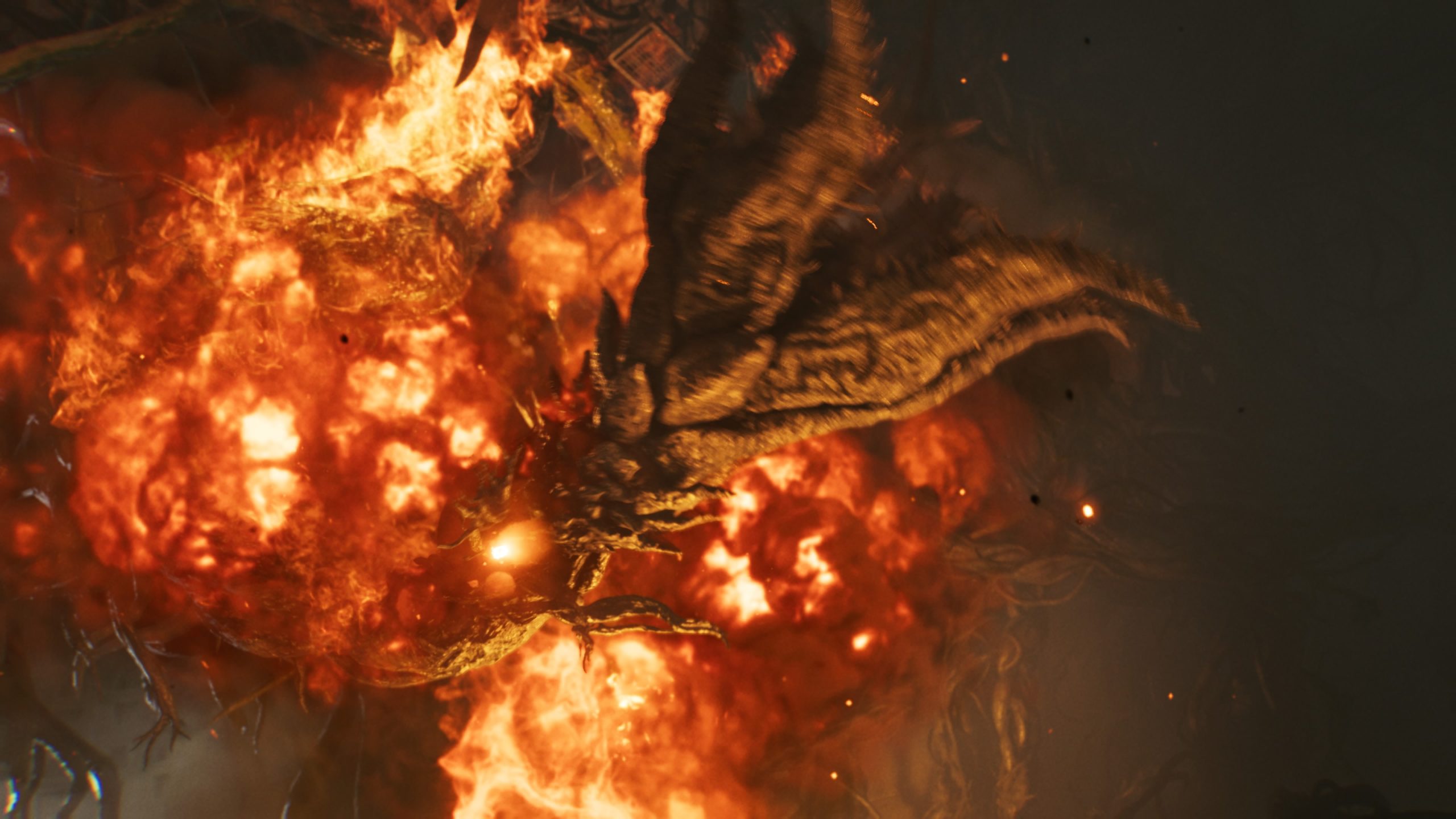
The colour palette is much safer and more vibrant; we no longer have those washed-out tones from the RE 2 remakes, and the level of detail and polished models contribute greatly to the visual experience and the identity of the game world. In other words, Resident Evil Requiem has a solid technical foundation, a fertile ground for all the nightmare beasts to display their fascinating hideousness.
Enemies come in a few interesting varieties, such as a boss so fat he barely squeezes through the corridors he has to patrol, or sopranos whose eerie singing borders on weeping.
Most of the fresh faces appear in the first half of the game, while as we approach the end, we revisit some familiar B.O.W.s: Lickers, giant spiders, and infected plants, or a boss meant to hit us right in the nostalgia.
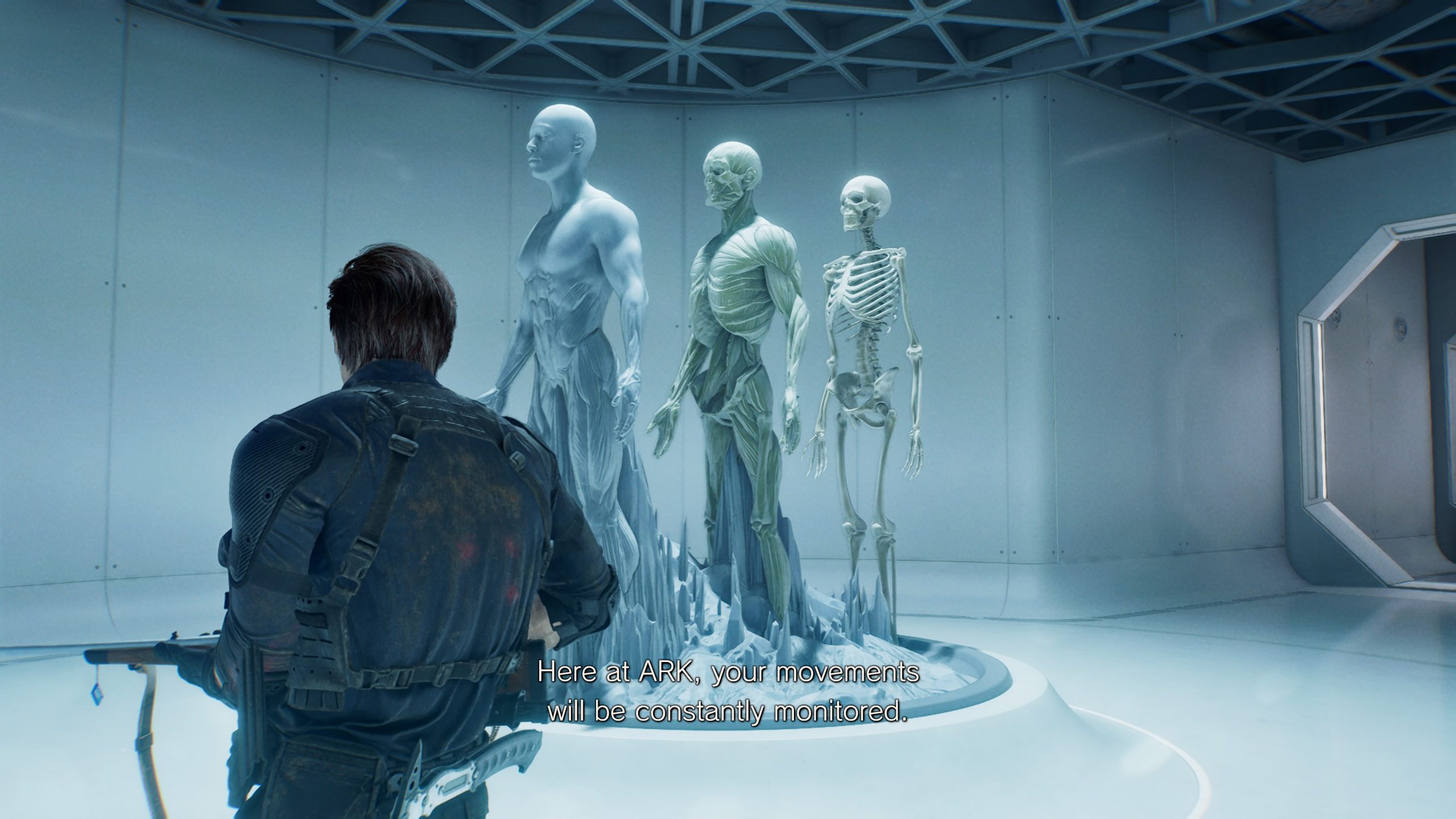
I felt that to some extent the game tries to compensate with memberberries for a somewhat bare final act, where the otherwise excellent pace maintained until then loses momentum.
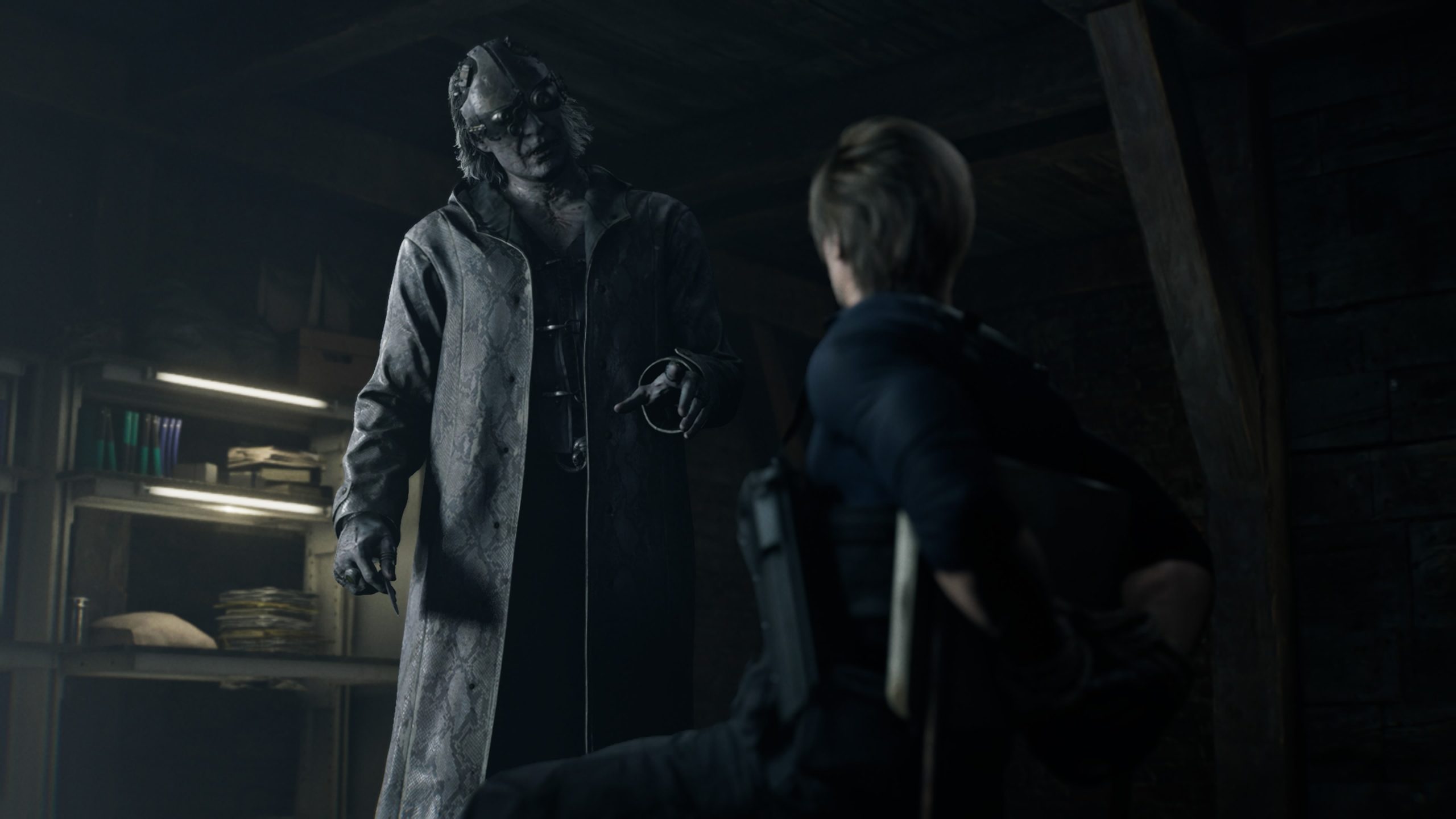
The central antagonist, Dr. Victor Gideon, while striking in form and clear in motivations, lacks that malevolent aura of a final boss emanating terror like Lady Dimitrescu or the Baker family, and doesn't have a pagan cult behind him like Osmund Saddler. In short, he's one of Umbrella's hired researchers who made the leap into the world of international virus trafficking in the service of the syndicate that became the new Big Bad in the Resident Evil world after running out of Weskers and Simmons, and his mission in Requiem is to release a mysterious virus named Elpis.
Because I like to obsessively collect optional notes and try to decipher their role in the narrative, I anticipated the ending before I got to it. On the one hand, the optional information is very nicely integrated into your perception of the entire mission and clear proof that a hint of information can redefine the meaning of everything that is about to happen. On the other hand, these revelations expose Gideon as a D-tier villain, a partner in crime with Wile E. Coyote and Dick Dastardly.
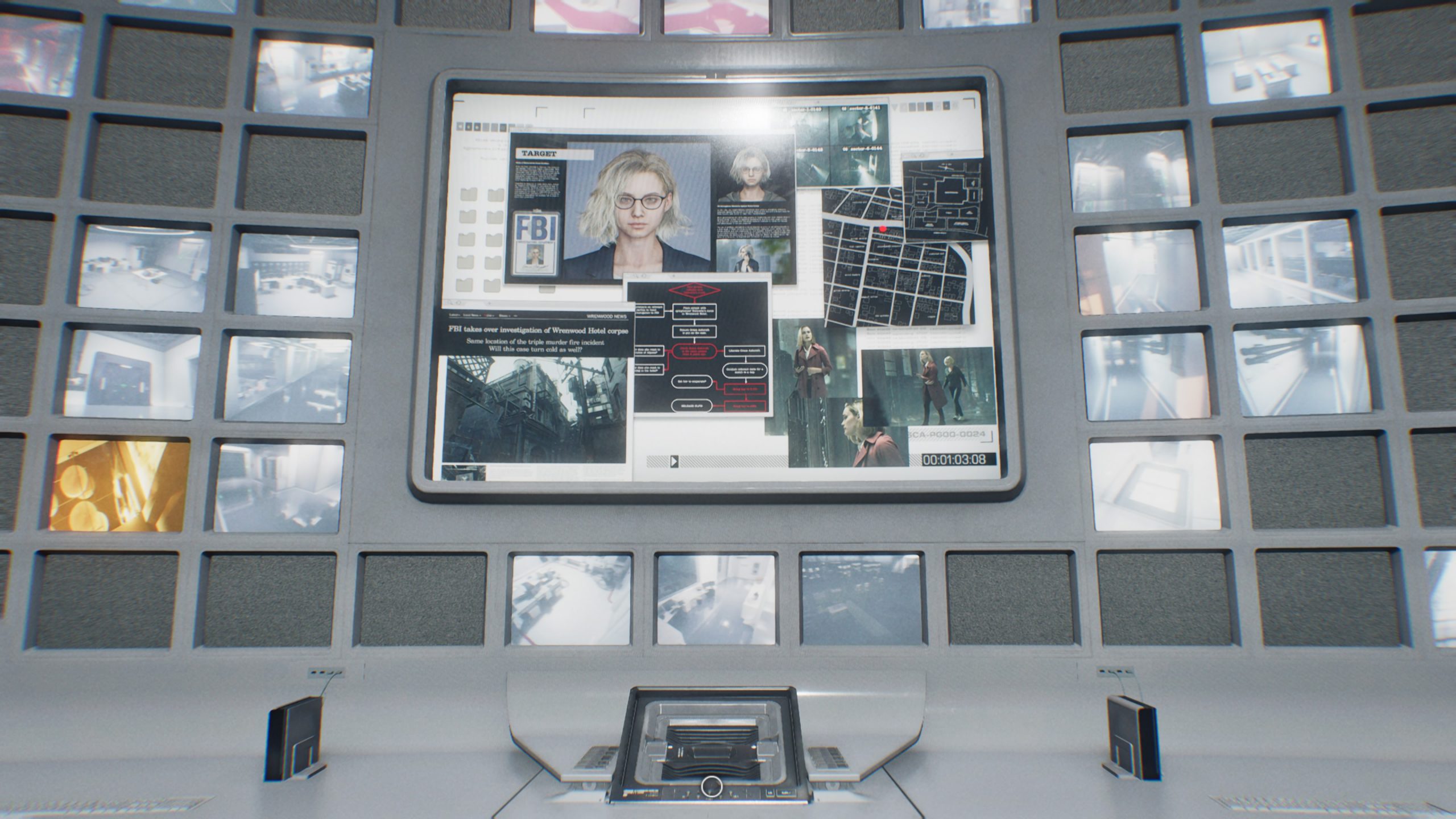
The cast is minimalist anyway: Chris, Claire, Ada, Jill, Rebecca, or Barry don't even appear as extras, and the stakes of the entire adventure decrease as you approach the end, when Grace's and Leon's stories converge. There's at least one mystery (Emily's fate) that's resolved “by fiat,” leaving room for a potential DLC, but I can't omit the fact that I felt, after the credits rolled, a slight disappointment and a thirst for more content.
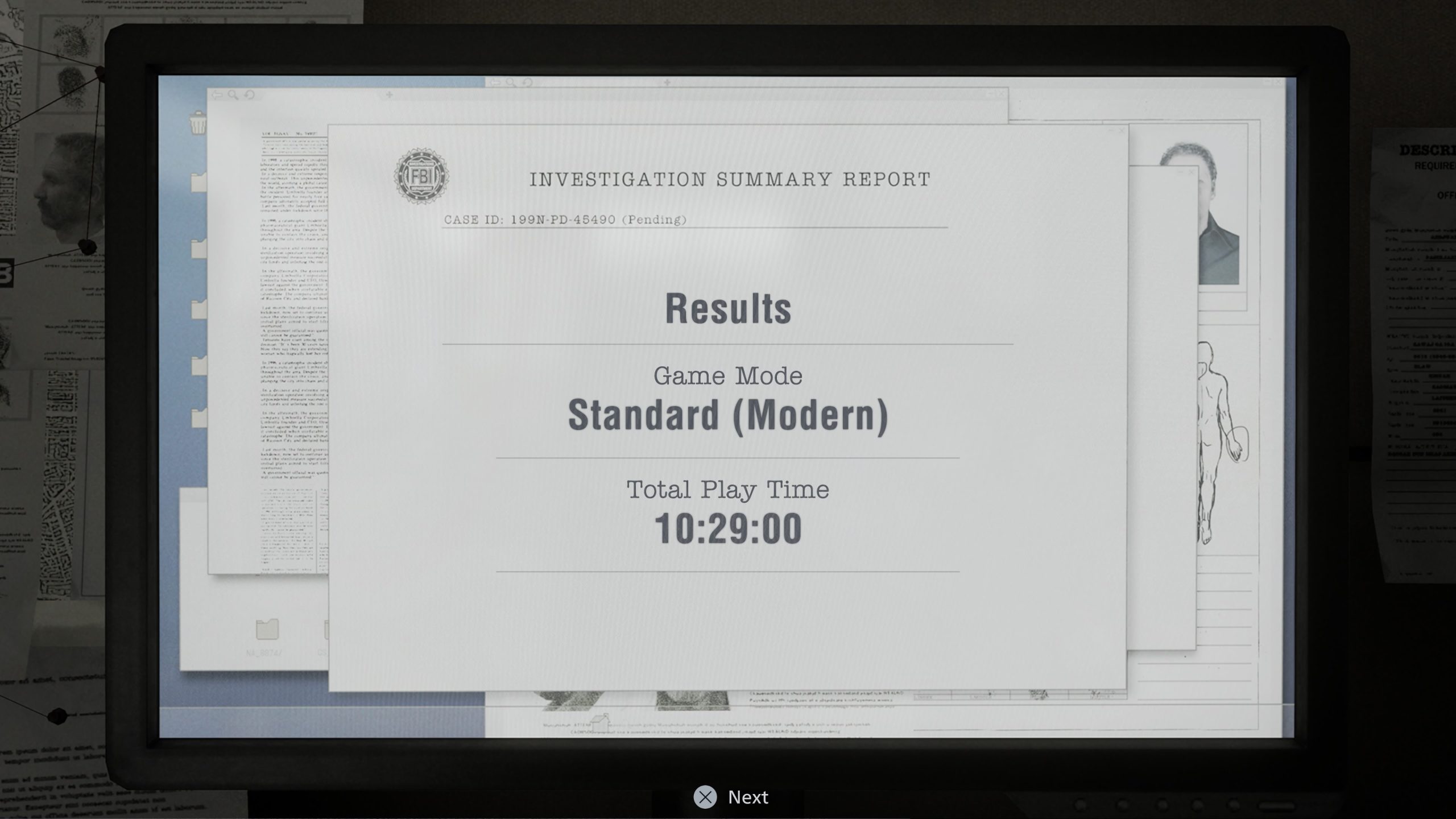
If you're as slow and clumsy as I am, it'll take you about 10 hours to get through the story on Standard (Modern). There are no survival modes à la Mercenaries to offer replayability alternatives, but a higher difficulty level (Insanity) is unlocked after the first playthrough, a level that reduces the number of checkpoints and turns every trivial encounter into an adrenaline-fuelled fight for survival, even if you have access to the entire arsenal almost from the beginning of the game (with Leon). The axe, here, needs to be repaired after each parry, and enemies are much more resilient. In addition, unlike the first two difficulty levels, the number of saves for Grace is limited by the Ink Ribbons found in drawers.
Agnus Dei
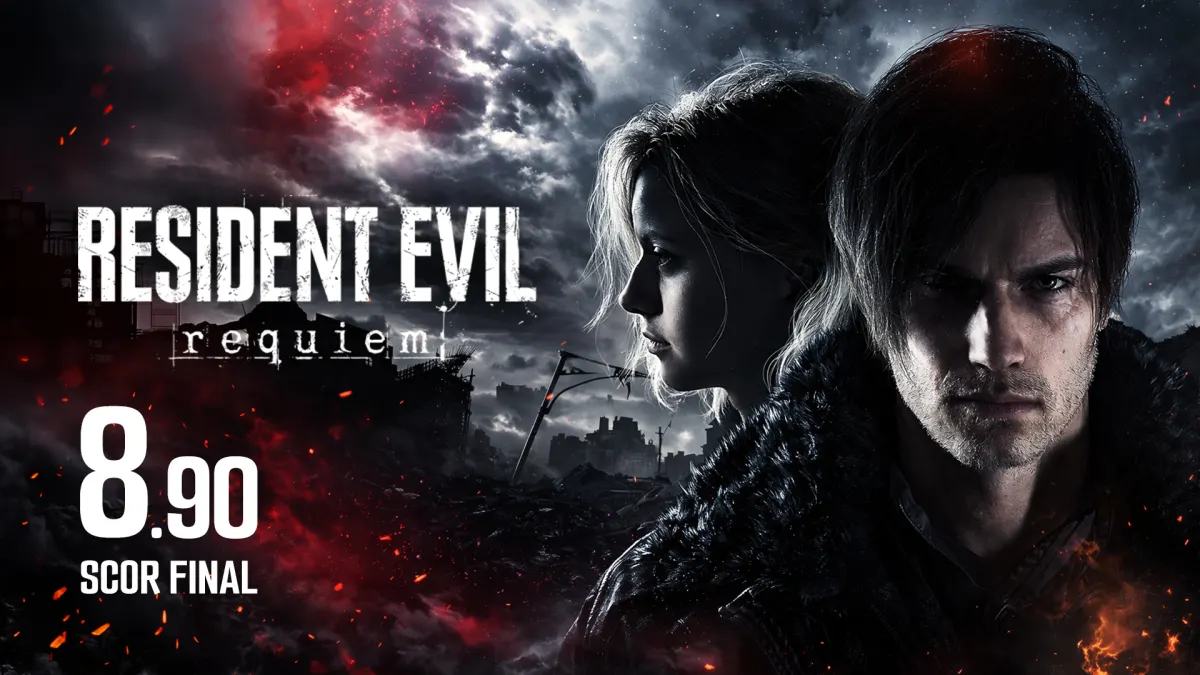
Resident Evil Requiem connects, in its own way, all eras of the franchise. The gameplay shows a clear evolution and is, in my opinion, one of the best in the series. The two perspectives contain everything I love most about horror games: the anxiety of helplessness and the waves of dopamine you feel when annihilating hordes of zombies.
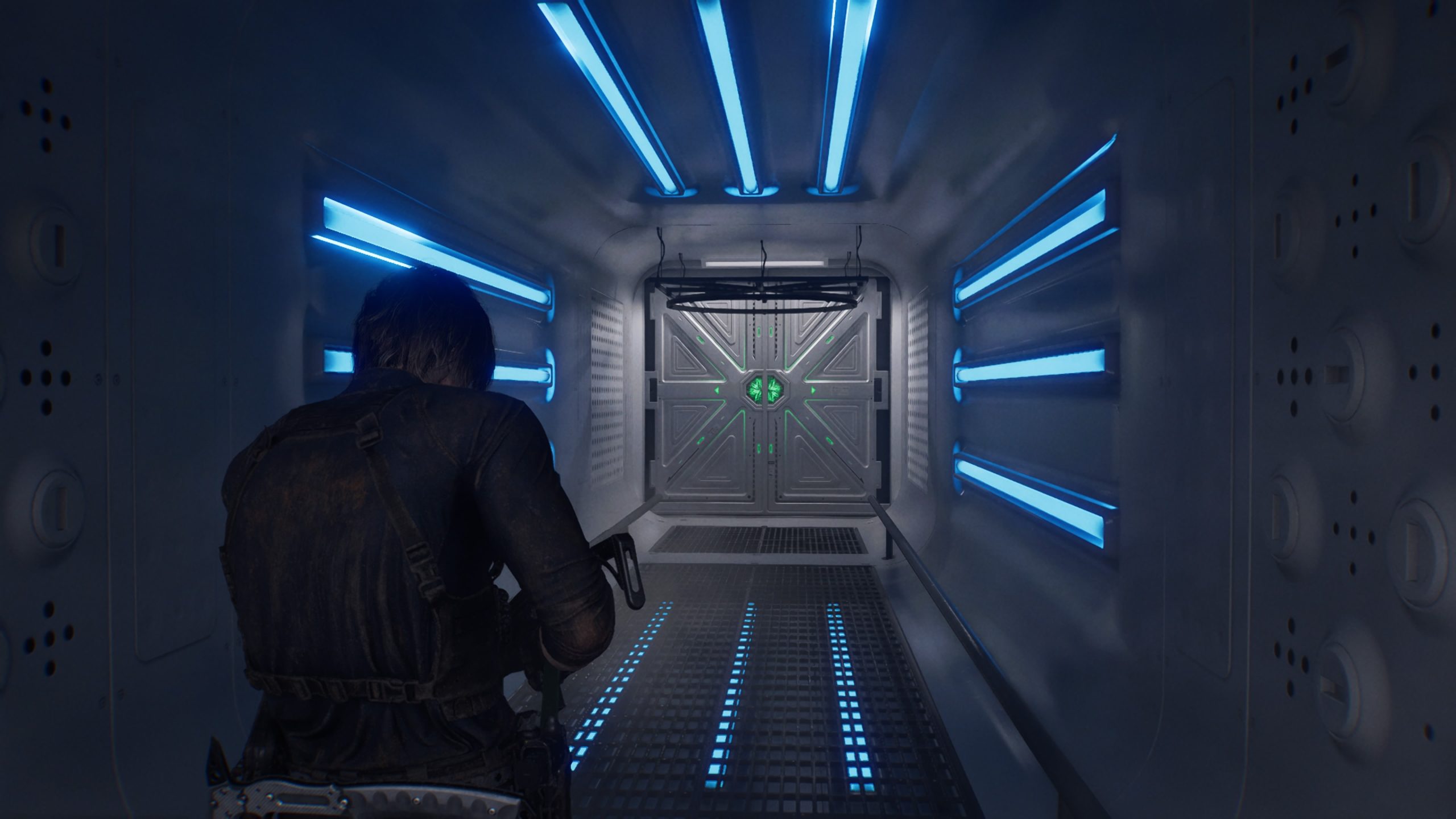
At the same time, the story doesn't seem to have aimed for more than waving at familiar concepts and taking us through some iconic locations. I don't think anyone will be blown away by the plot twists, even if the execution is spot on. In short, we have a mediocre story well told, a mise-en-scène where the accumulating tension is a much more complete feeling than the climax. A kind of edging, but with stress.
Ultimately, the fact that the entire adventure only lasts about ten hours doesn't make Requiem any less eclectic. It starts slow and intense but goes through a whole rainbow of sensations and tones, without compromising its identity or omitting the essentials. At certain moments, it seems like the most refined survival horror you'll play, which automatically raises your expectations for elements that don't meet the same standard.
Thanks to CD Media SE for the review code!

Available on: PC, PlayStation 5, Xbox Series X|S, Nintendo Switch 2
Played on: PS5
Release date: 26 February 2026
Developer: CAPCOM
Publisher: CAPCOM, CD Media SE
Plus
- 2-in-1 Gameplay: Anxietycore with Grace and explosive action with Leon
- Exemplary graphics and optimisation
- Distilled gameplay that iterates on the series' foundation without compromising it
Minus
- Relatively short campaign and limited replayability (no secondary modes)
- Some nostalgia elements are forced and feel like gratuitous fanservice
- Minimalist cast omits some of Leon's most important companions
0 votes
Scroll down here and stay on the page for at least 30 seconds to vote.
Pick a score from 0 to 10 (halves are allowed).
Comments (2)
Comments are shown in their original language.
o super recenzie în stil nostalgic LEVEL, bine scrisă și care chiar mă ajută să-mi construiesc o idee generală asupra jocului înainte să pun mâna pe el, asta și fără să aflu din start prea multe. mulțumesc pentru review-ul oferit!
Mulțumim pentru feedback!
New comments will open again soon.